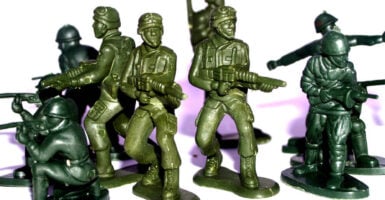
Toys Kids Loved That Came With Real Hazards
For much of the 20th century, toy safety rules were thin and enforcement was thinner. Companies sold sharp, hot, toxic or flammable playthings with a straight face, and parents trusted the box.
Regulators eventually caught up, and recalls, bans and lawsuits followed. These 19 toys explain why the shelves look different today.
Lawn Darts

Lawn darts were about 12 inches long, with a heavy metal or weighted plastic tip and three plastic fins. A set typically came with four darts and two targets.
The Consumer Product Safety Commission (CPSC) banned their sale in the United States effective Dec. 19, 1988, after three children died. Federal estimates counted about 6,100 injuries treated in emergency rooms from 1978 through 1986.
Gilbert U-238 Atomic Energy Lab
A. C.
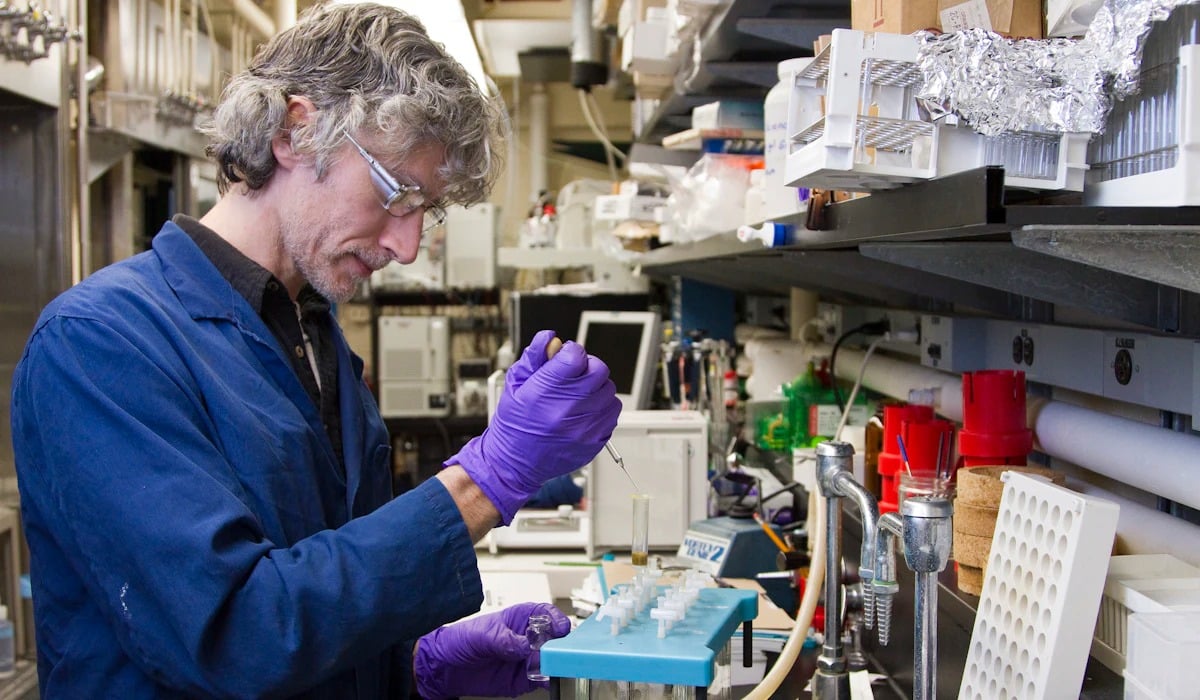
Gilbert’s 1950 science kit came with four jars of uranium-bearing ore, a Geiger counter, a cloud chamber and a comic book called Learn How Dagwood Splits the Atom. It sold for $49.50, a steep price for the time, and fewer than 5,000 were made.
Complete sets now sell for many times the original price, and radiation exposure from the samples was considered minimal when they remained sealed and were handled as instructed.
Clackers
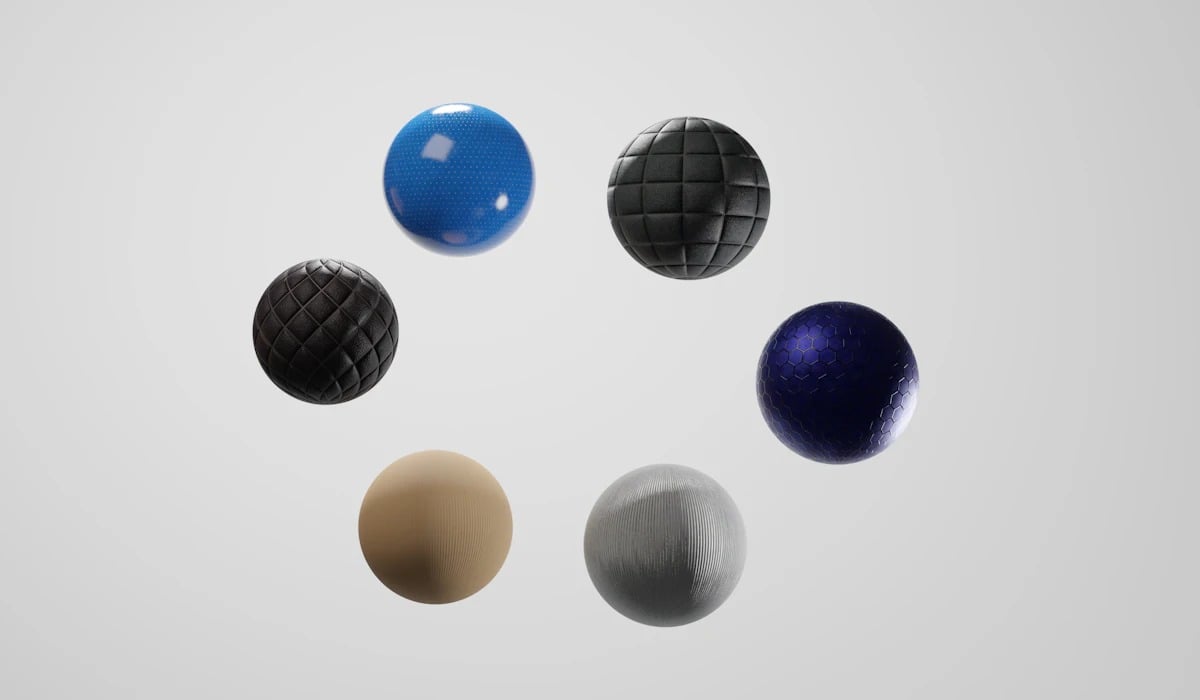
Clackers were two hard spheres on a string that kids swung until they struck together with a loud clack. Some early versions were made from hard plastic that could crack or shatter under repeated impact, sending fragments flying.
Manufacturers faced safety concerns as the craze grew in the late 1960s and early 1970s. Millions sold before the craze died.
Creepy Crawlers
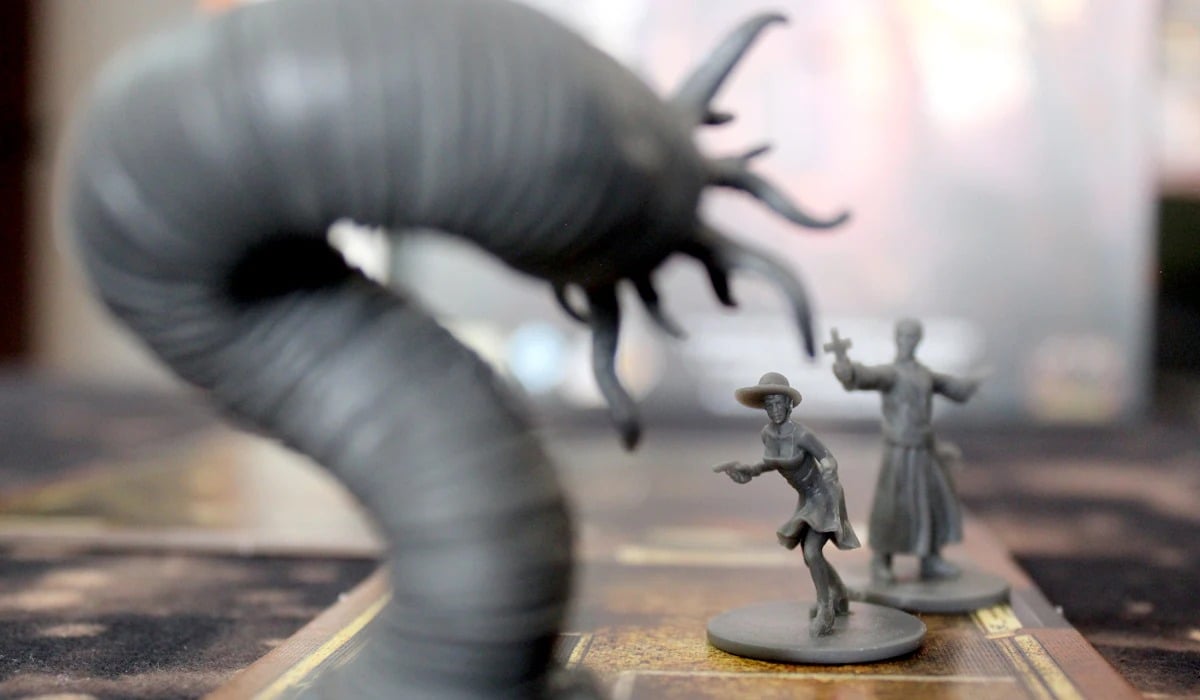
Mattel’s Thingmaker sets, introduced in 1964, had kids pour a liquid called Plasti-Goop into die-cast metal molds and bake them on an open hot plate that reached roughly 390 degrees Fahrenheit. The rubbery bugs came out ready to scare siblings, and the exposed heating surface posed a burn risk.
In 1978, Mattel released an updated version called Thingmaker II, which used plastic molds and a different process that heated the compound separately.
Slip ‘N Slide

Wham-O’s 30-foot plastic sheet went on sale in 1961 for $9.95 and sold 300,000 units within months. The slide was meant for children, but adults and teens used it, too.
Between 1973 and 1991, seven adults and one 13-year-old suffered neck injuries or paralysis. In 1993, the CPSC and the manufacturer warned that adults and teens should not use the slides because their weight and size could make the activity dangerous.
Sky Dancers

Galoob’s flying dolls launched from a pull-cord base and spun into the air on rigid plastic wings. About 8.9 million were recalled in June 2000 after 170 reports of the dolls striking people, including 150 injuries ranging from scratched corneas to a mild concussion and a broken rib.
The dolls had been sold since 1994.
Aqua Dots
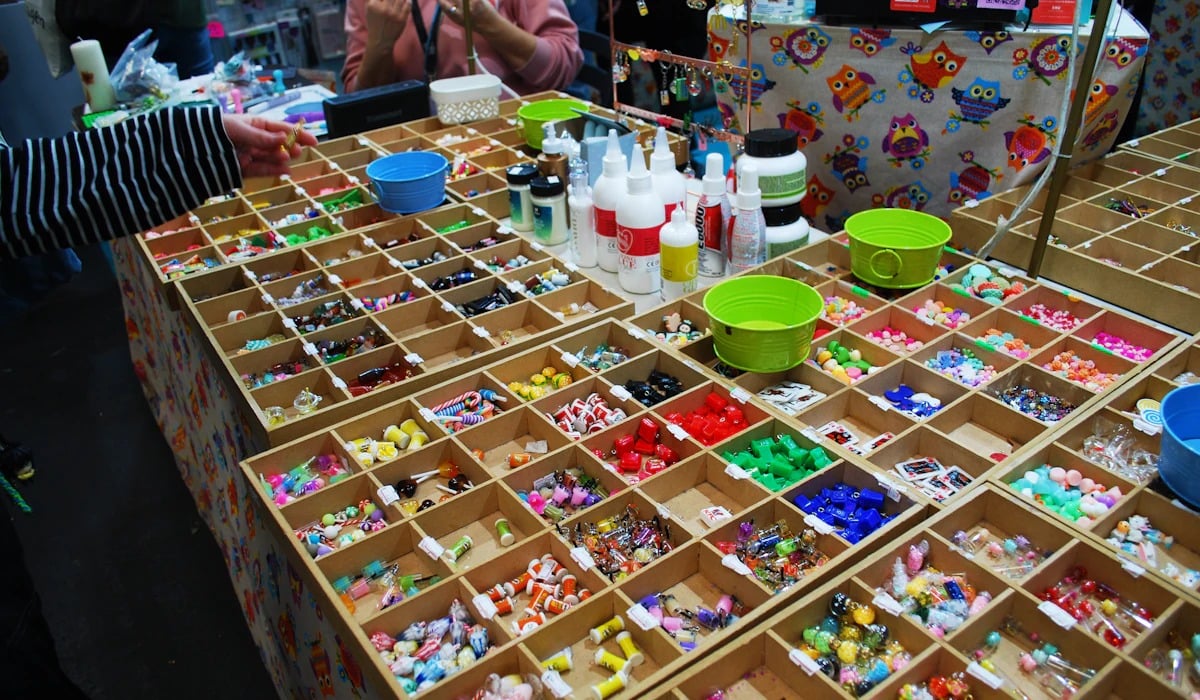
Spin Master’s craft beads stuck together when sprayed with water, allowing children to make designs without glue. In November 2007, about 4.2 million kits were recalled after children who swallowed the beads fell ill.
The beads contained a chemical that the body could convert to gamma-hydroxybutyrate (GHB), a substance that can cause serious effects. Reports included seizures and comas.
Magnetix
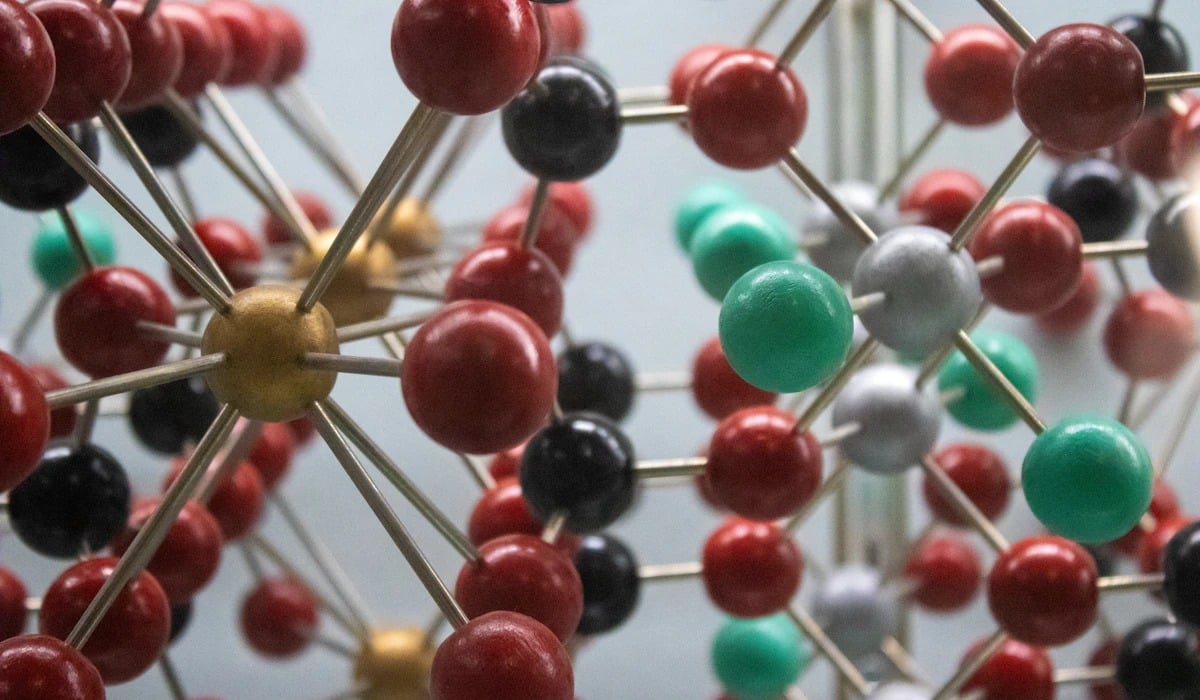
Magnetix magnetic building sets packed small magnets inside plastic pieces that could break open and release them. In March 2006, about 3.8 million sets were recalled after a 20-month-old boy died when swallowed magnets twisted his intestine.
The recall expanded in 2007 to cover about 4 million more sets.
Snacktime Kids

Mattel’s 1996 Cabbage Patch Kids doll had a motorized mouth that “ate” plastic food, but it could also grab hair and fingers. In January 1997, Mattel offered a $40 refund and pulled the dolls from store shelves after about 100 reports of incidents.
About 500,000 dolls had been sold. Removing the backpack stopped the chewing mechanism, but the company ultimately withdrew the product.
Thomas & Friends Wooden Railway
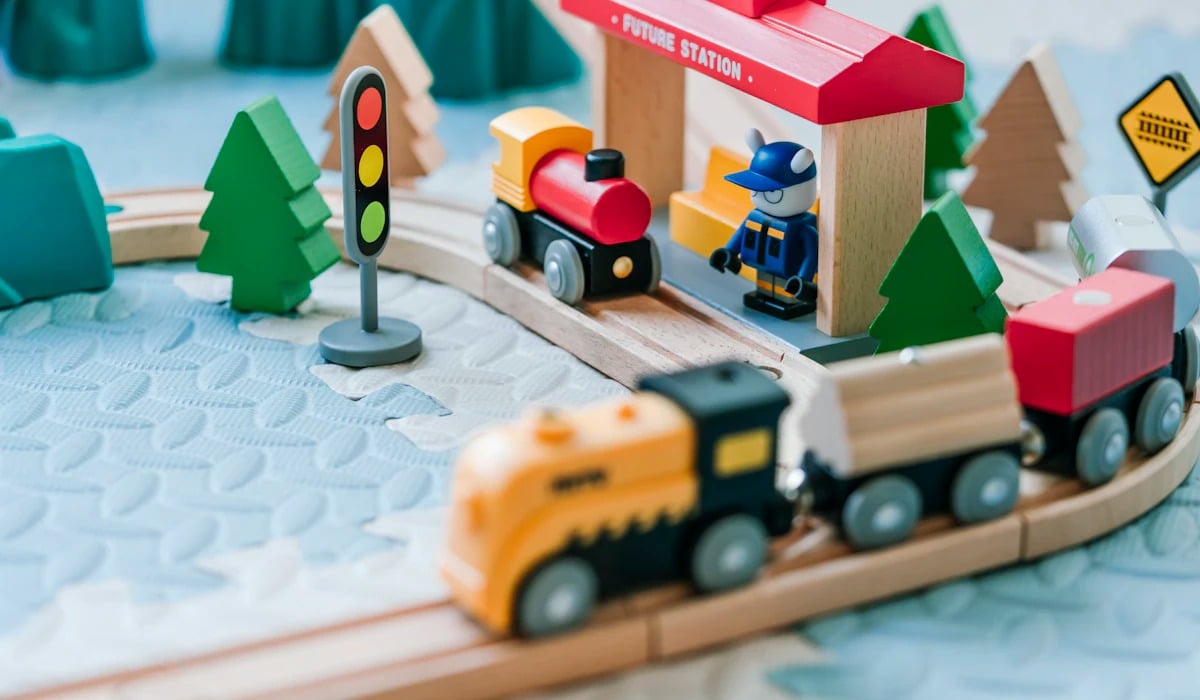
Around 1.5 million Thomas & Friends wooden railway toys were recalled in June 2007 because the surface paint contained lead. The pieces had sold between January 2005 and June 2007 for $10 to $70.
The recall became one of the headline stories of a summer marked by concerns about lead paint in toys made in China.
Power Wheels
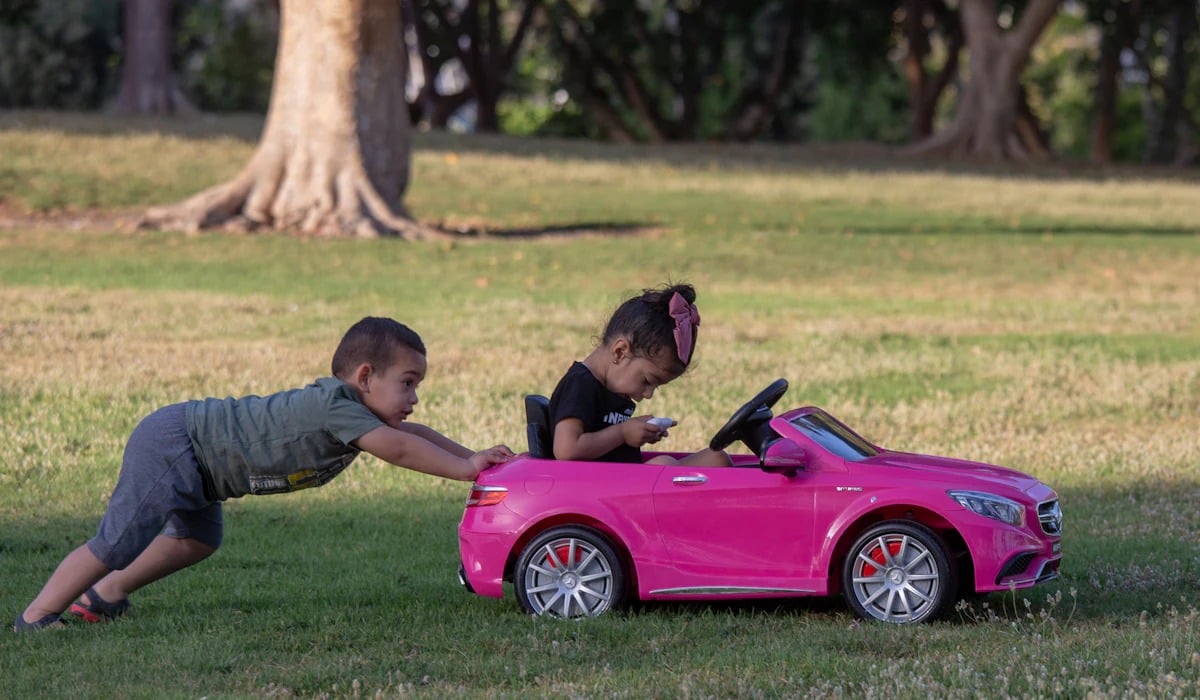
Fisher-Price recalled up to 10 million Power Wheels ride-on cars and trucks in October 1998 after about 700 reports of electrical parts overheating, including about 150 fires. Wiring problems also caused some vehicles to fail to stop.
In 2001, the company agreed to pay a $1.1 million civil penalty to settle charges that it had failed to report the safety problems promptly. At the time, it was the largest fine against a toy company in CPSC history.
Fisher-Price Little People
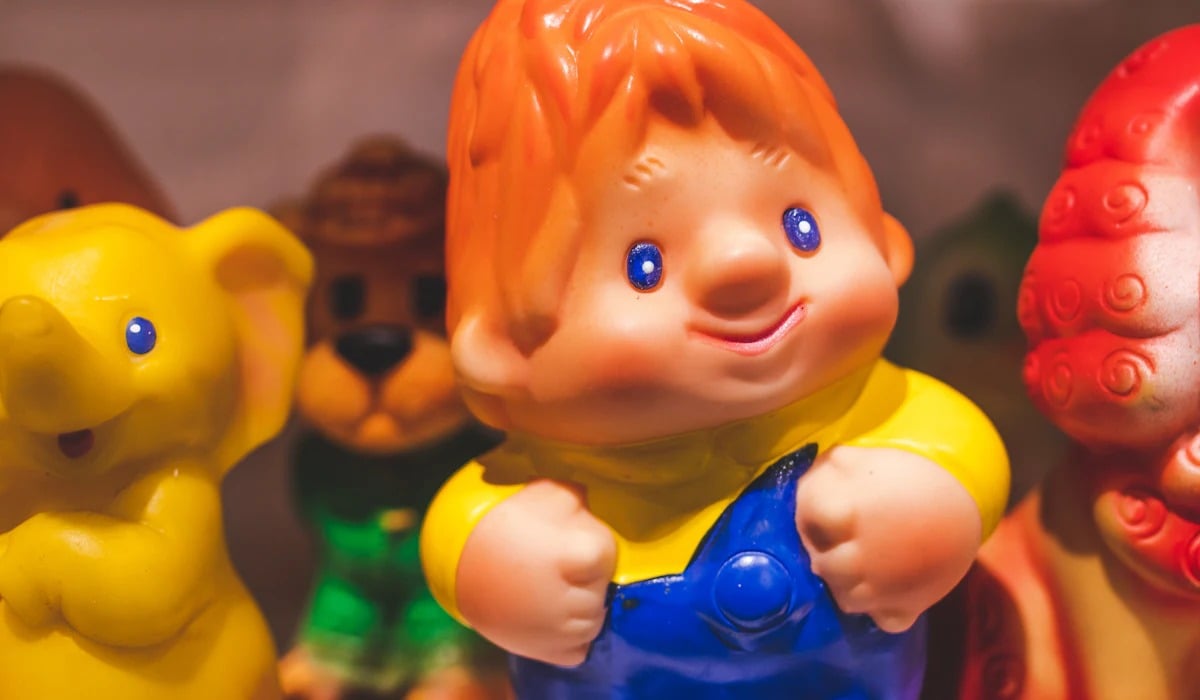
The classic Little People figures made before 1991 had bases about 2 centimeters across, small enough to pose a choking hazard to toddlers. Fisher-Price redesigned them in 1991 with a chunkier base after seven deaths and one serious injury were linked to the figures.
The company launched a safety campaign in 1992, and Health Canada has warned consumers about pre-1991 figures.
Super Elastic Bubble Plastic
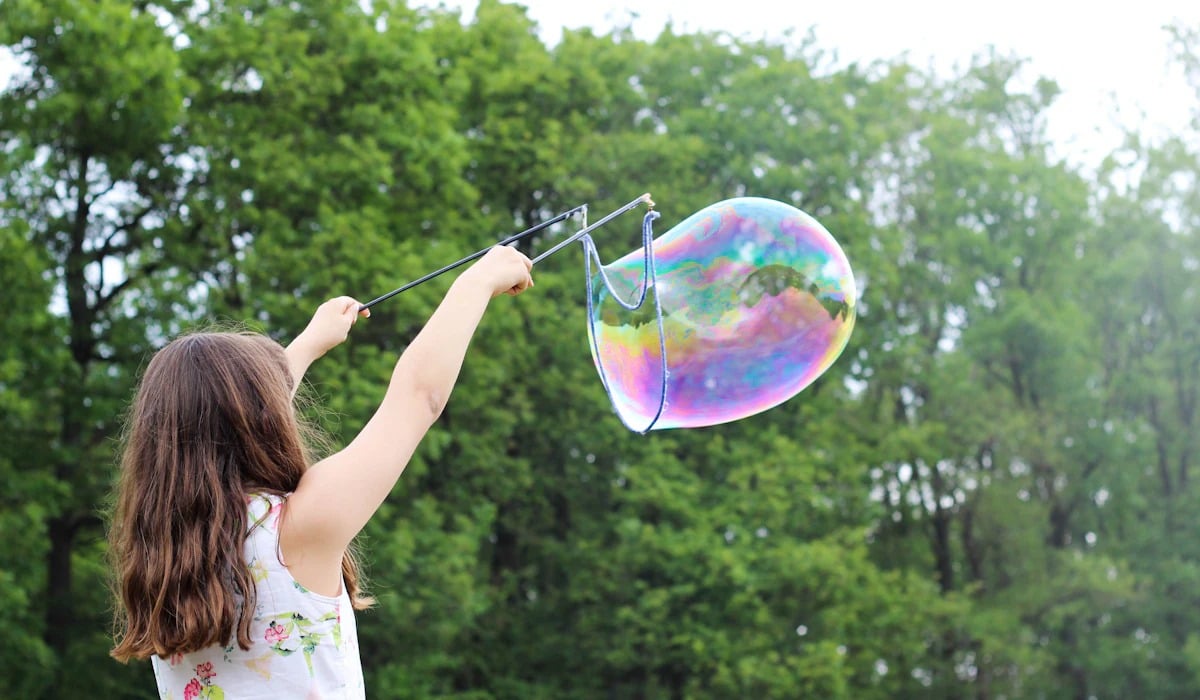
Wham-O’s tube of colorful goo let kids blow plastic bubbles through a straw until they hardened into shells. One of the main ingredients was ethyl acetate, a solvent also found in nail polish remover.
Solvent vapors posed a potential inhalation hazard, and Canadian safety rules restrict children’s products that expose them to harmful solvent vapors. Versions of the product have drawn safety concerns over the years.
Water Wiggle
Wham-O’s Water Wiggle was a seven-foot plastic hose that attached to a garden hose and thrashed around the yard. Its bell-shaped plastic head covered an aluminum water nozzle.
If the head came off, the exposed nozzle could become lodged in a child’s mouth and cause drowning. After two child deaths, Wham-O recalled about 2.5 million Water Wiggles in 1978.
Hot Wheels Factory
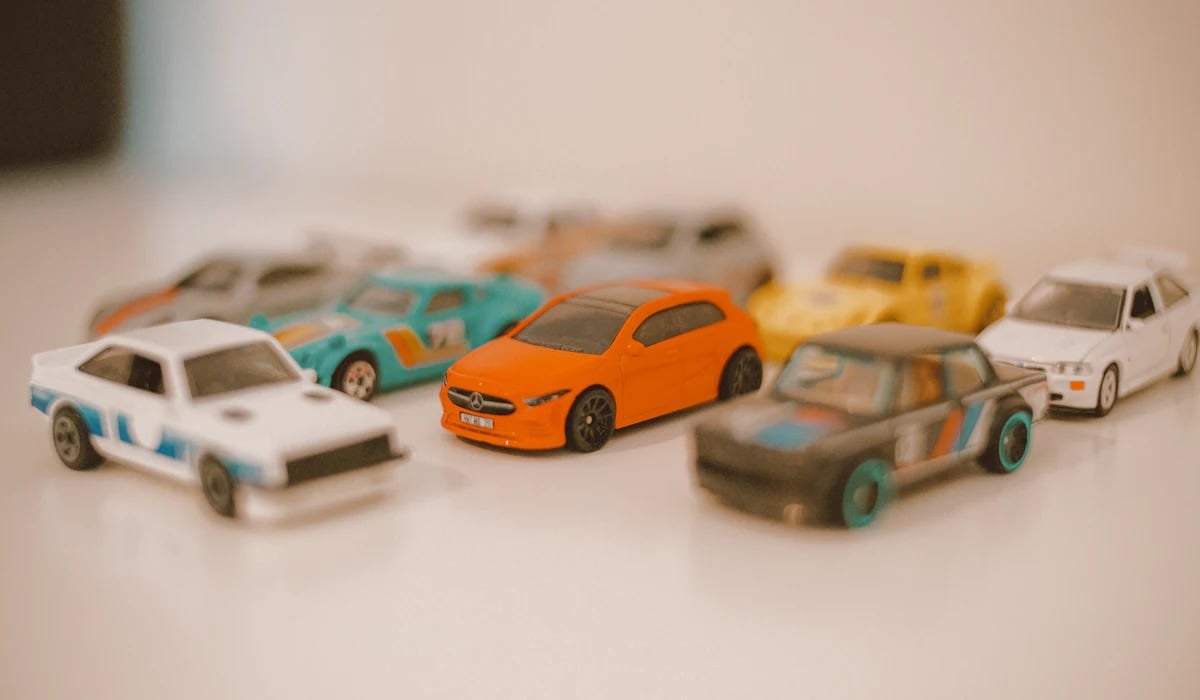
Mattel’s Hot Wheels Factory, sold around 1969 and 1970, let kids make their own miniature cars using heated plastic and two-piece molds. The sets included molds for different body styles and chassis weights so the cars could roll on Hot Wheels tracks.
The process involved heating plastic in a machine, creating a burn hazard for children handling the equipment.
Vac-U-Form
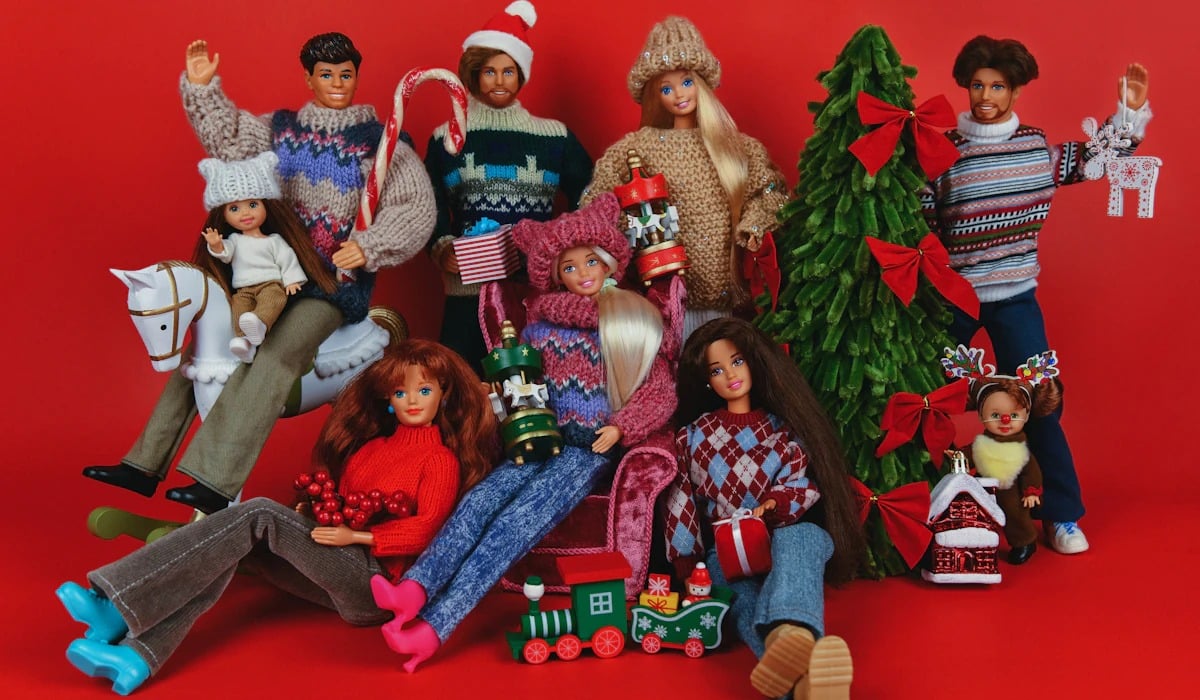
Mattel’s Vac-U-Form clamped sheets of colored plastic into a holder, heated them over a hot plate until soft, and pulled them over a mold with a vacuum. Kids made masks, toy figures and trays.
The hot plate sat open on the table, and one slip could scar a hand.
Chemcraft Atomic Kits
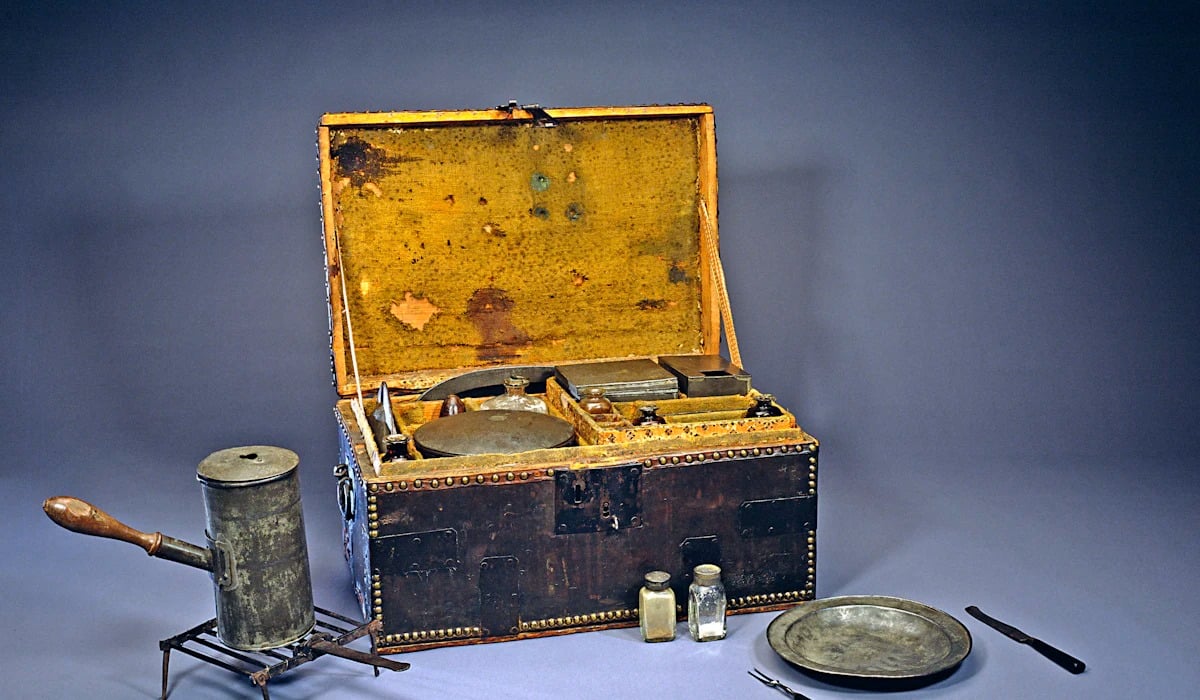
Porter Chemical Company’s Chemcraft kits of the late 1940s included uranium ore and a spinthariscope, a device that showed flashes from radioactive decay. The top kit also included a radioactive screen.
Porter needed a license from the Atomic Energy Commission to sell the ore with the kit.
Cap Guns
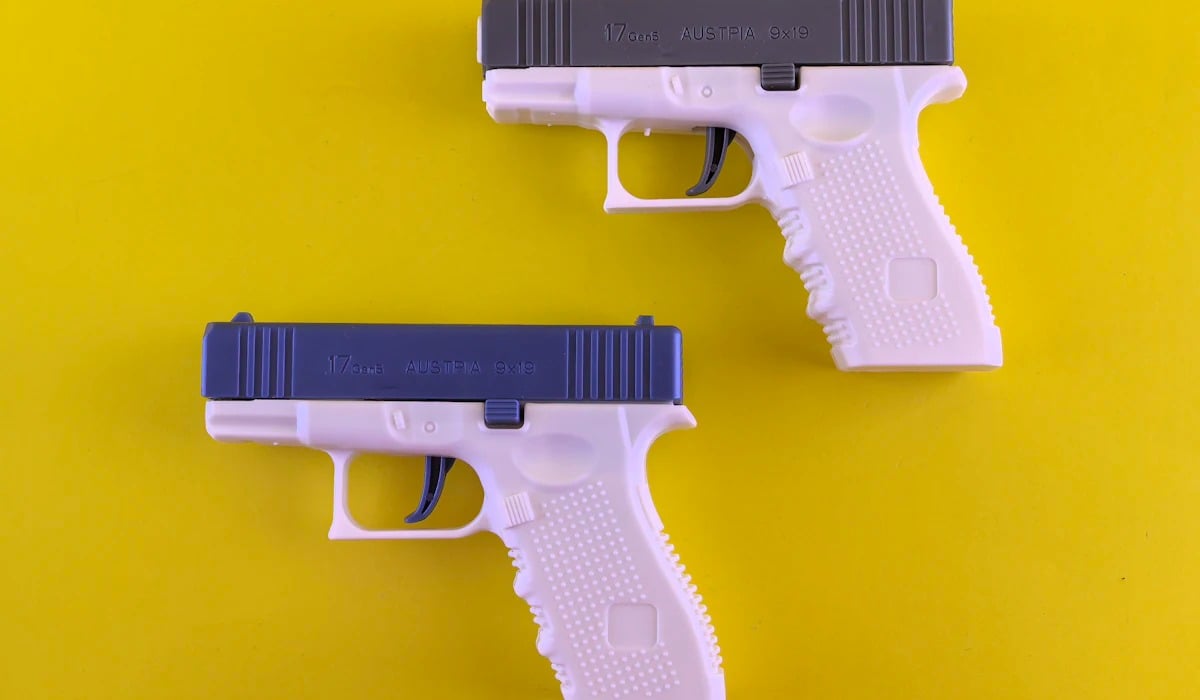
Cap guns used small paper rolls of explosive caps to make a loud bang and a sharp-smelling puff. Toy guns have also posed a separate danger when police officers mistake them for real firearms.
A 1988 federal law required toy guns to be marked so they could be distinguished from real weapons, including with an orange tip or other prescribed markings. A 1989 federally funded test found that officers often failed to recognize the orange marking during simulated confrontations, underscoring the limits of relying on a small colored tip for safety.
Easy-Bake Oven
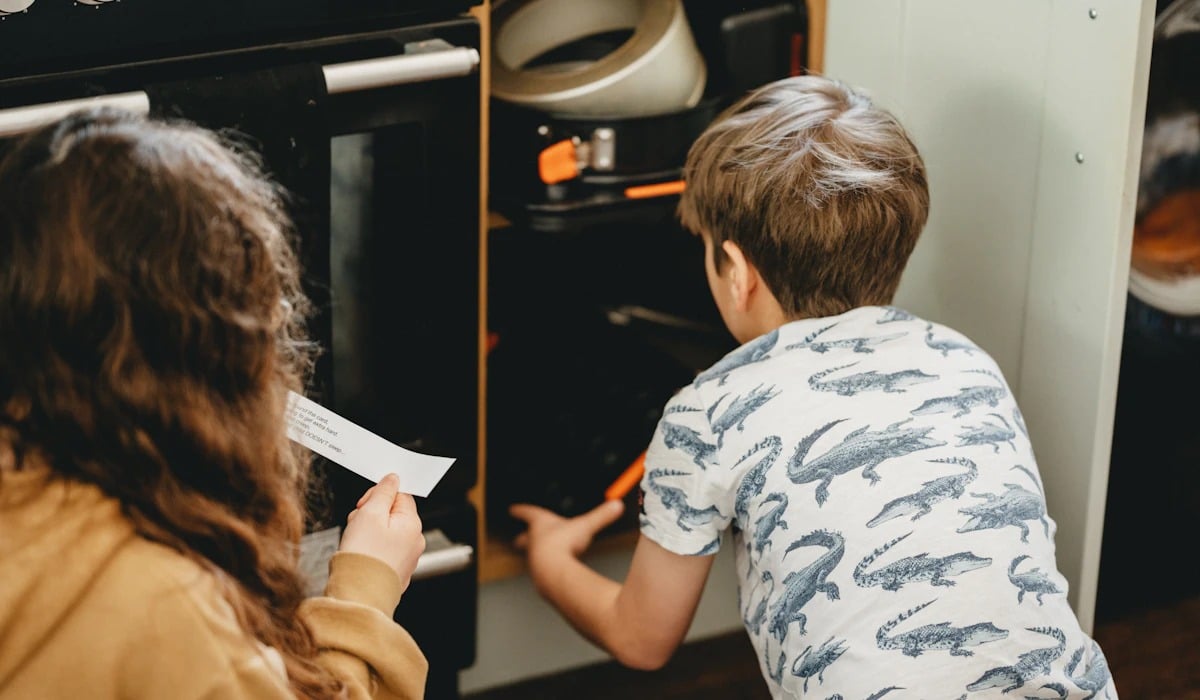
Kenner introduced the Easy-Bake Oven in 1963 for $15.95, and the original model used two 100-watt incandescent light bulbs to heat the cakes. Kenner chose bulbs rather than a conventional heating element, but the oven still became hot enough to bake food and could burn fingers.
The oven sold 500,000 units in its first year.
Fun With a Warning Label
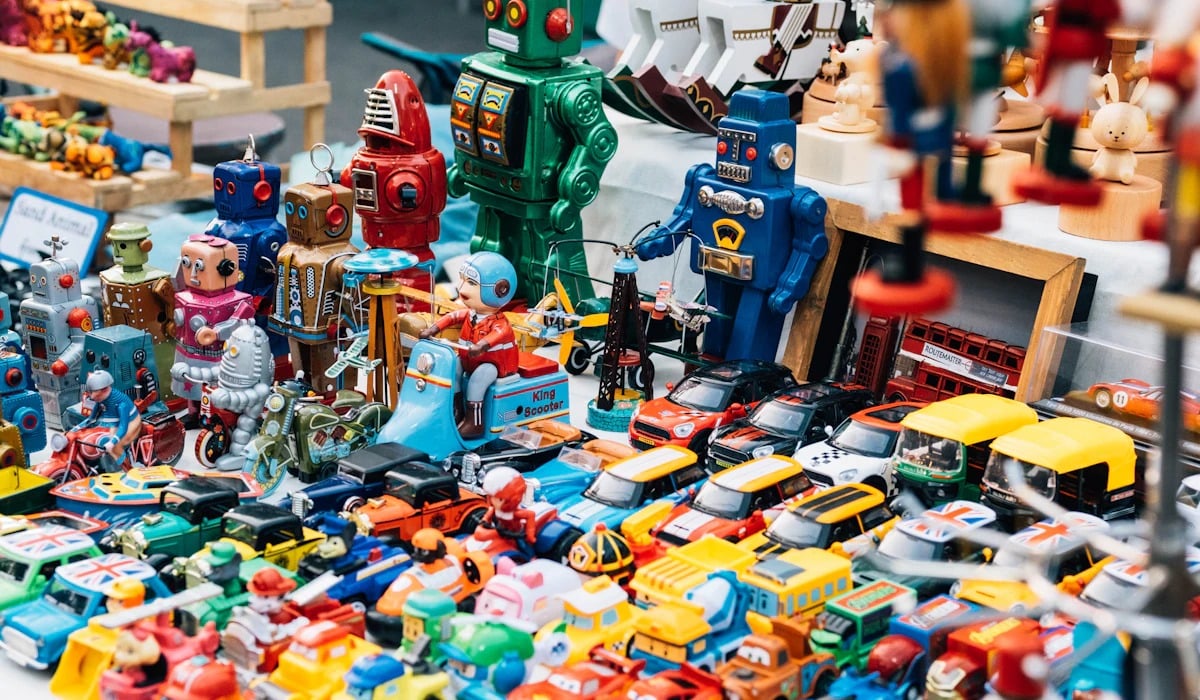
Almost every item on this list came with a printed warning that nobody read. The hazards were not always hidden, but the culture often assumed kids could handle them, and many did.
A few did not, and their stories helped push regulators to write rules that now seem obvious.
The nostalgia for dangerous toys is easy to overdo. Most parents today would not trade modern standards for a hot plate and a bottle of Plasti-Goop, and the recalls show the cost of the old system.
What survives is a collector’s market for the leftovers, handled with considerably more care than the original owners ever managed.
MORE FROM GO2TUTORS!

- The Romanov Crown Jewels and Their Tragic Fate
- 13 Historical Mysteries That Science Still Can’t Solve
- Famous Hoaxes That Fooled the World for Years
- 15 Child Stars with Tragic Adult Lives
- 16 Famous Jewelry Pieces in History
Like Go2Tutors’s content? Follow us on MSN.