15 Household Items That Began as Medical Tools
Your medicine cabinet and kitchen drawers are filled with items that once lived exclusively in doctors’ offices and hospital wards. Many everyday products we take for granted started their lives as serious medical instruments, designed to treat ailments or assist in procedures that would make modern patients cringe. Over time, clever entrepreneurs and practical households discovered that these medical tools had surprising applications beyond their original purpose.
The journey from operating table to kitchen counter reveals fascinating stories about innovation, adaptation, and the unexpected ways medical knowledge seeps into daily life. Here are 15 household items that began as medical tools before finding new lives in our homes.
Cotton Swabs
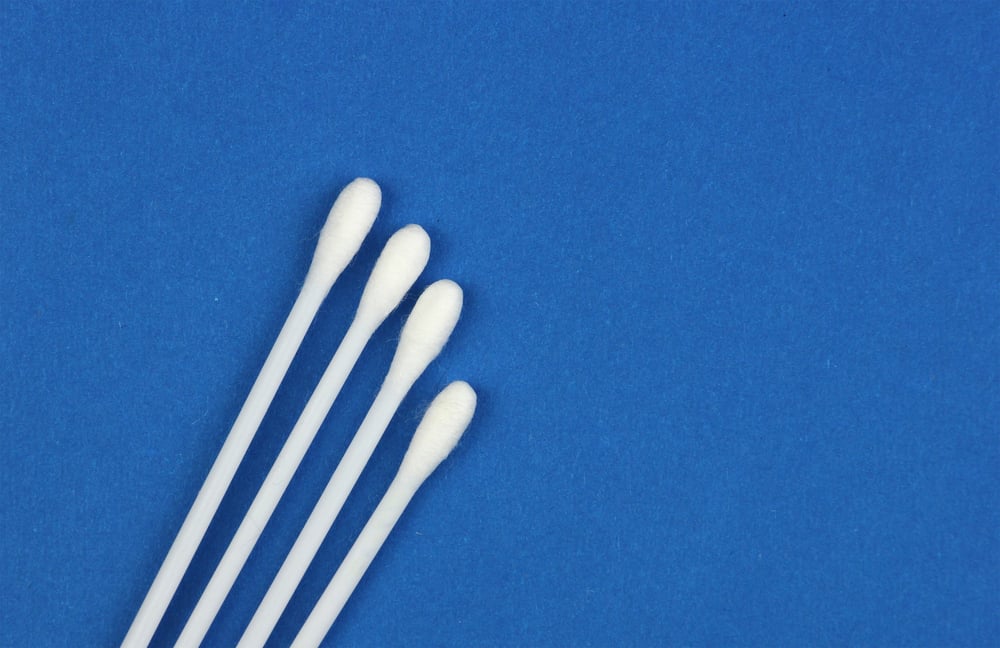
Originally called ‘Baby Gays,’ these cotton-tipped sticks were invented in 1923 specifically for cleaning babies’ ears and noses during medical examinations. The inventor noticed his wife wrapping cotton around toothpicks to clean their baby and created a safer, more sterile version for medical use.
Doctors and nurses used them for applying medications and cleaning small wounds before they became the universal household cleaning tool we know today.
Petroleum Jelly
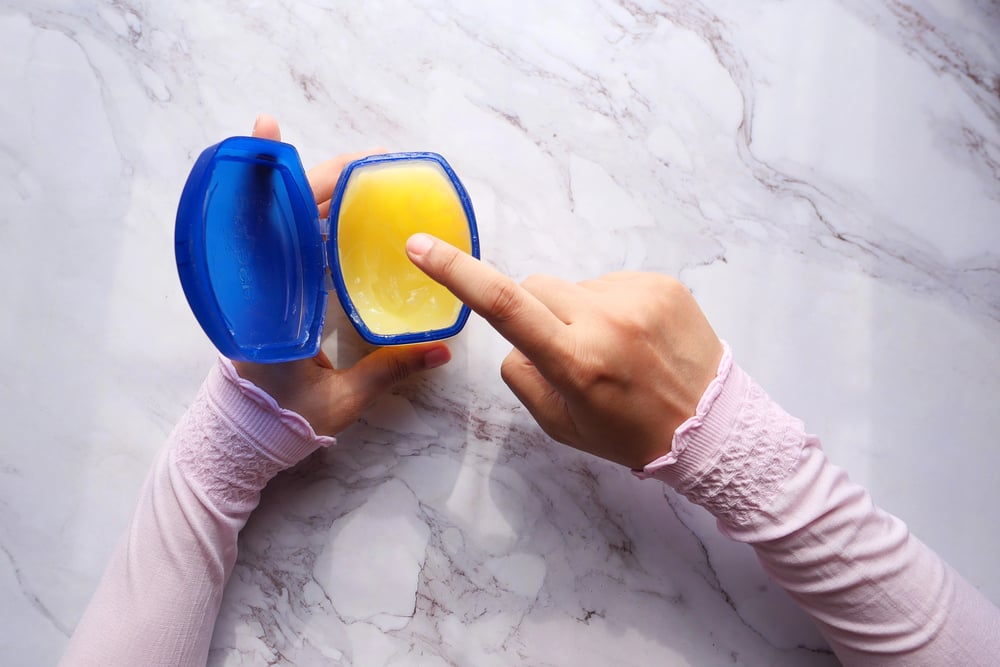
Robert Chesebrough discovered this wonder product in 1859 while observing oil workers who used the waxy substance that accumulated on drilling equipment to heal cuts and burns. He refined the material and marketed it specifically as a medical ointment for treating wounds, burns, and skin conditions.
Hospitals and doctors relied on petroleum jelly for decades before households adopted it for everything from dry skin to removing makeup.
Adhesive Bandages
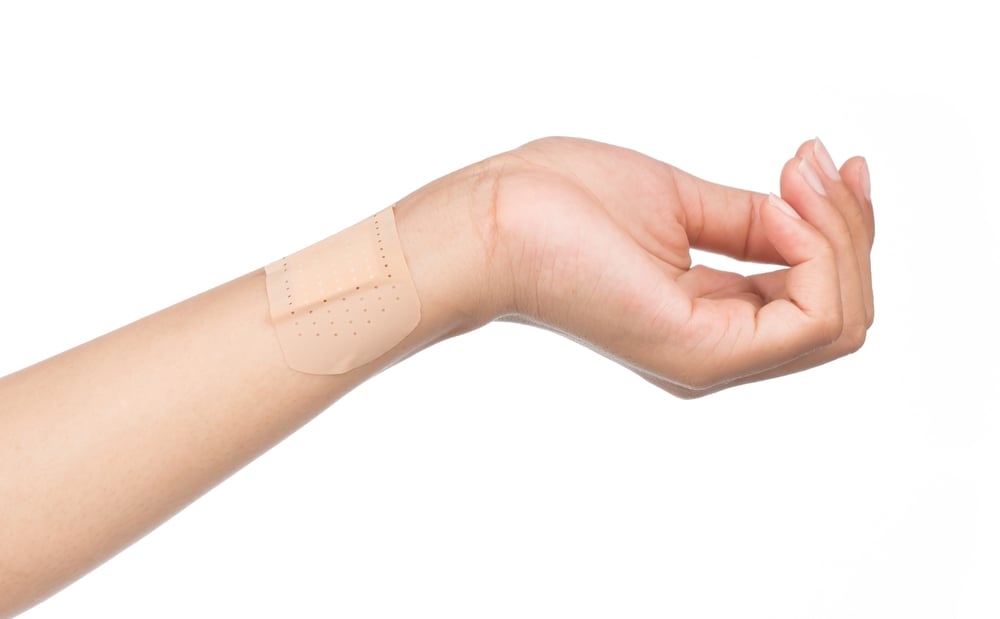
Band-Aids were invented in 1920 by a Johnson & Johnson employee whose wife kept cutting herself while cooking and needed a way to bandage small wounds without assistance. The original versions were made by hand and sold exclusively to hospitals and medical professionals.
It took several years before the company realized the massive consumer market potential and began marketing them for home first aid kits.
Thermometers

Mercury thermometers were developed in the early 1700s specifically for medical professionals to measure body temperature during illness. For over two centuries, temperature taking was considered a specialized medical skill that required training and professional interpretation.
Home thermometers didn’t become common until the mid-20th century when simplified versions made it possible for parents to monitor their children’s fevers.
Hydrogen Peroxide
This bubbling antiseptic was first used in medical settings during World War I for cleaning and disinfecting battlefield wounds. Army medics discovered that the 3% solution effectively killed bacteria and helped prevent infection in injured soldiers.
After the war, pharmaceutical companies began marketing diluted versions for home use, though it remained primarily a medical supply until households discovered its cleaning and bleaching properties.
Ice Packs
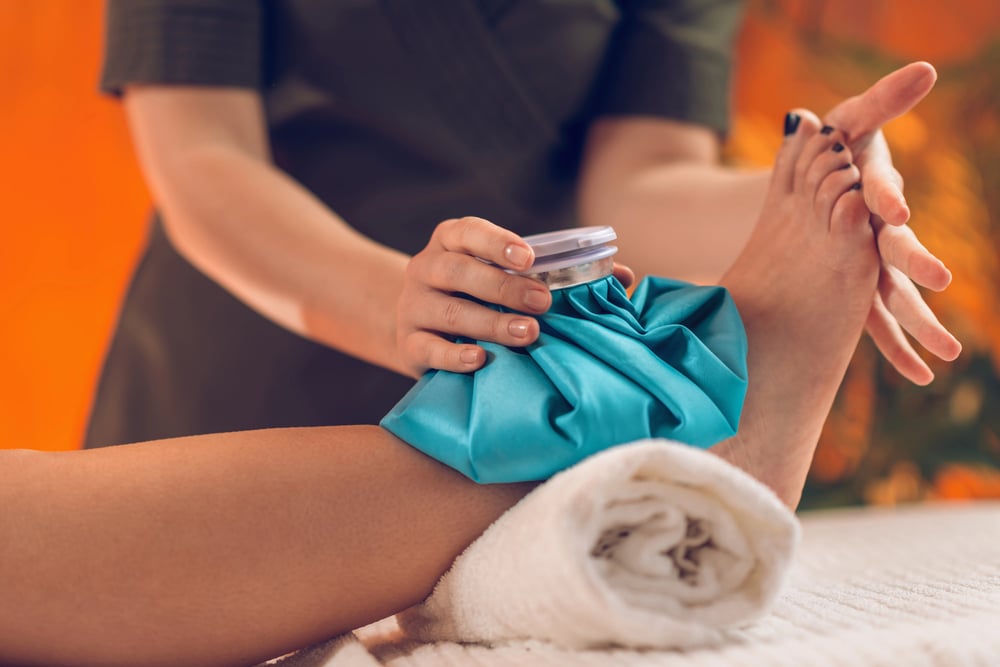
Flexible gel ice packs were originally developed for physical therapy clinics and hospitals to treat sports injuries and post-surgical swelling. Medical professionals needed a reusable cold therapy option that could conform to body parts better than rigid ice.
The convenience and effectiveness of these packs eventually made them popular for home medicine cabinets and lunch boxes.
Elastic Bandages
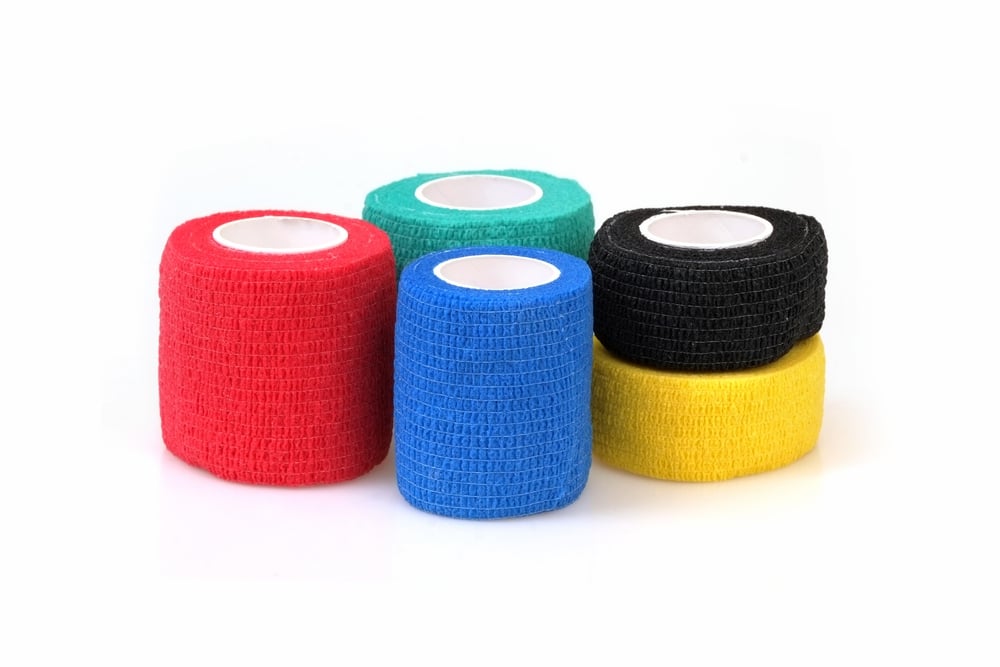
ACE bandages were created in 1914 specifically for treating sprains and providing support during medical recovery. Doctors and physical therapists used them to wrap injured joints and provide compression for healing tissues.
The bandages remained primarily in medical settings until sports medicine became more mainstream and athletes began using them for injury prevention and support.
Tongue Depressors
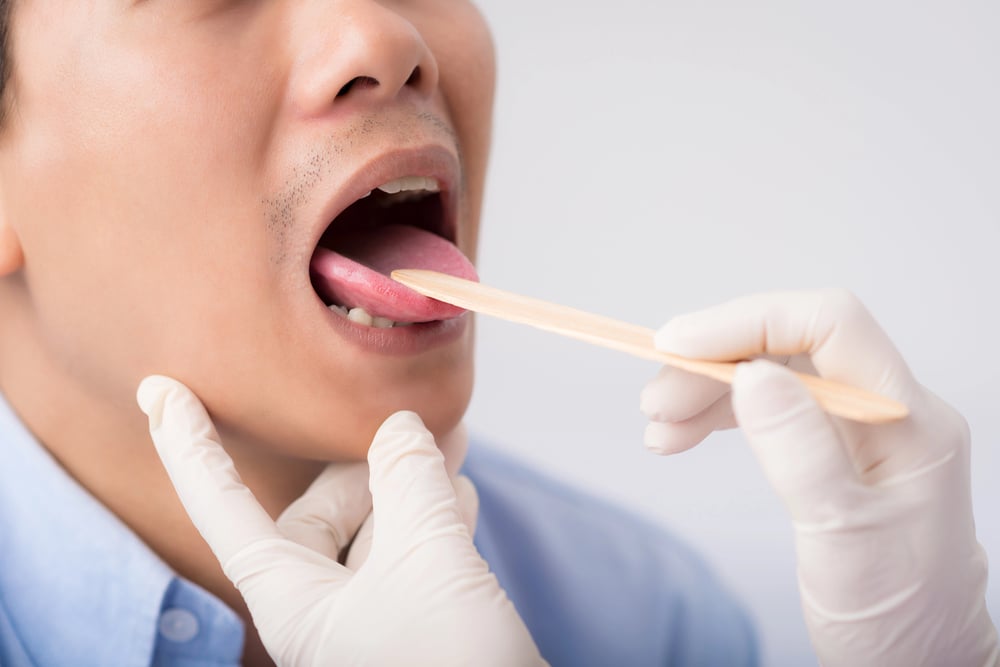
These flat wooden sticks were designed in the late 1800s for doctors to safely examine patients’ throats without risking finger bites or contamination. Medical professionals needed a sterile, disposable tool for throat examinations and administering medications to the back of the mouth.
Craft enthusiasts eventually discovered that these medical supplies made perfect materials for building models and art projects.
Measuring Cups with Spouts

The distinctive pouring spout design of many measuring cups actually comes from graduated beakers used in medical laboratories and pharmacies for measuring liquid medications. Pharmacists needed precise measurement tools that could easily pour medicines into smaller containers without spilling.
Home cooks adopted these practical designs when standardized cooking measurements became important in recipe development.
Heating Pads

Electric heating pads were first developed for hospitals in the 1920s to provide controlled heat therapy for patients with muscle pain and circulation problems. Medical staff used them to warm patients during recovery and provide pain relief for various conditions.
The therapeutic benefits and convenience eventually made them popular household items for managing everyday aches and staying warm.
Eyedroppers
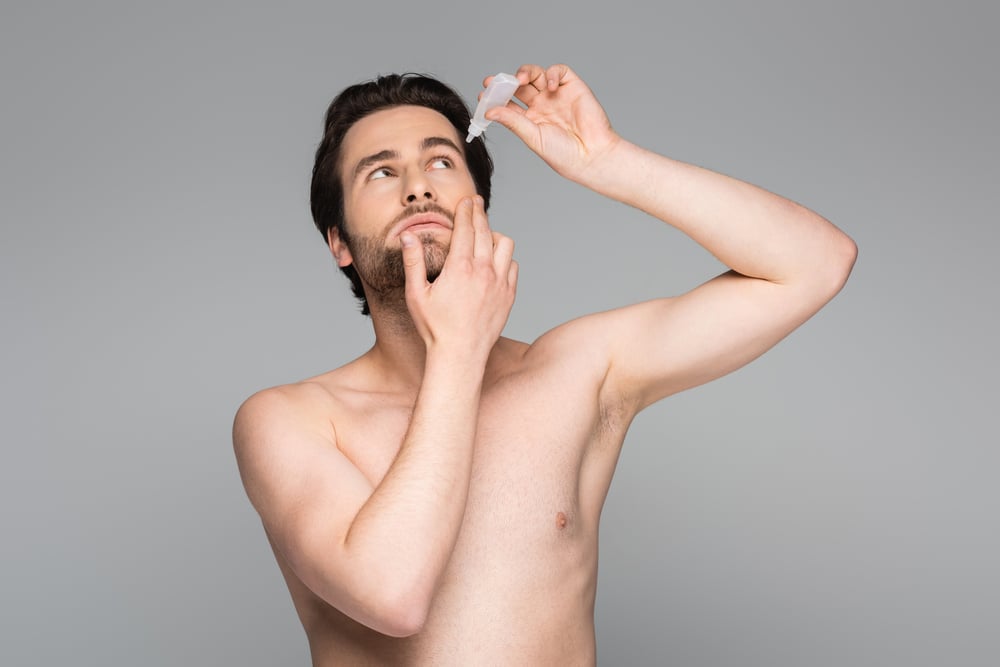
These small glass tubes with rubber bulbs were created specifically for administering eye medications and measuring small doses of liquid medicines. Doctors and pharmacists needed precise tools for delivering medications to sensitive areas without contamination risk.
Households eventually adopted eyedroppers for everything from administering pet medications to precise cooking measurements.
Humidifiers
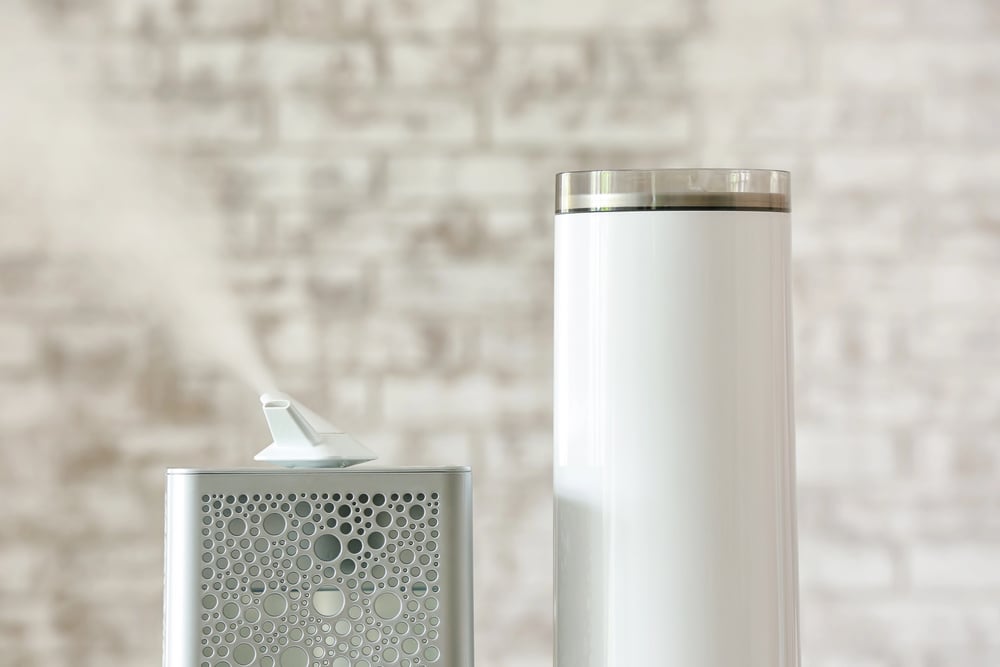
Room humidifiers were originally medical devices used in hospitals to help patients with respiratory conditions breathe more easily. Doctors prescribed humid air therapy for tuberculosis patients and those with severe bronchitis or pneumonia.
The machines remained expensive medical equipment until manufacturers developed smaller, affordable versions for home use during cold and flu season.
Magnifying Glasses

Hand-held magnifying lenses were essential tools for doctors examining skin conditions, wounds, and performing detailed medical procedures. Physicians needed visual aids to identify rashes, remove splinters, and examine small anatomical features during diagnosis.
These medical instruments became household staples when people discovered their usefulness for reading fine print and detailed work.
Disposable Gloves
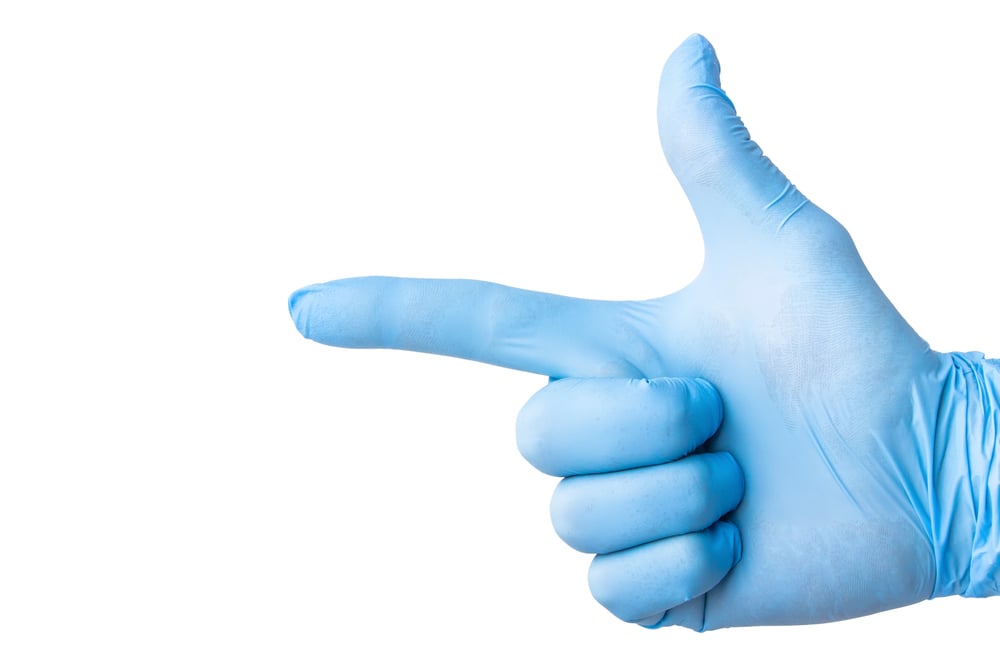
Latex and later nitrile gloves were developed exclusively for medical professionals to maintain sterile conditions during examinations and procedures. Surgeons and nurses needed barrier protection that was more practical than repeatedly sterilizing reusable gloves.
Food service workers and households eventually adopted disposable gloves for cooking, cleaning, and handling messy tasks.
Tweezers
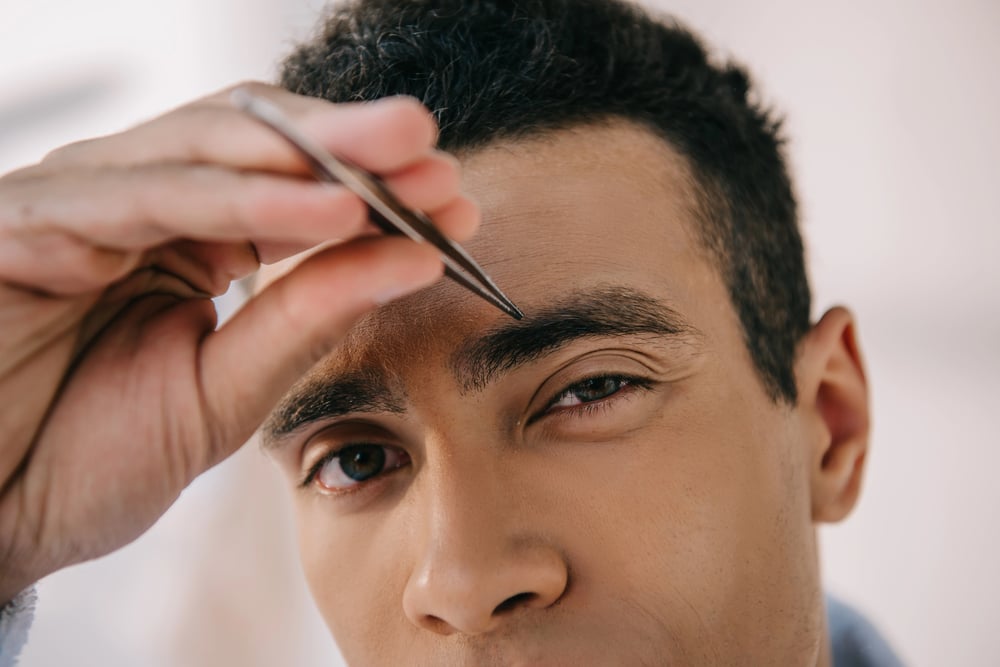
Precision tweezers were originally surgical instruments used by doctors for removing foreign objects from wounds, splinters from skin, and handling small medical materials during procedures. The fine-pointed design allowed medical professionals to grasp tiny objects without causing additional tissue damage.
Beauty and household applications came later when people realized their effectiveness for eyebrow plucking and general precision tasks.
From Clinic to Kitchen Counter
The migration of medical tools into our everyday lives reflects both the practical nature of good design and our growing comfort with self-care. What once required a doctor’s visit can now be handled at home, thanks partly to these crossover innovations.
These humble items remind us that the line between medical equipment and household goods is often thinner than we might expect, and that sometimes the best solutions for daily problems come from the most serious places.
More from Go2Tutors!

- The Romanov Crown Jewels and Their Tragic Fate
- 13 Historical Mysteries That Science Still Can’t Solve
- Famous Hoaxes That Fooled the World for Years
- 15 Child Stars with Tragic Adult Lives
- 16 Famous Jewelry Pieces in History
Like Go2Tutors’s content? Follow us on MSN.