20 Medicines Once Sold Over the Counter
Before modern drug regulation, a pharmacy shelf could hold almost anything. Products that contained opium, cocaine, alcohol, or even radium were sold freely, often with confident claims that they could cure everything from a toothache to a nervous breakdown.
These 20 remedies were once available to anyone with a few coins. Their stories explain why today’s labeling rules and prescription laws exist.
Bayer Heroin
Bayer began selling heroin in 1898 as a cough suppressant and marketed it as a safe alternative to morphine. Doctors soon noticed that patients were becoming dependent, and the company stopped selling it around 1910.
The product is one of the most striking examples of a new drug being sold before its risks were understood.
Cocaine Toothache Drops
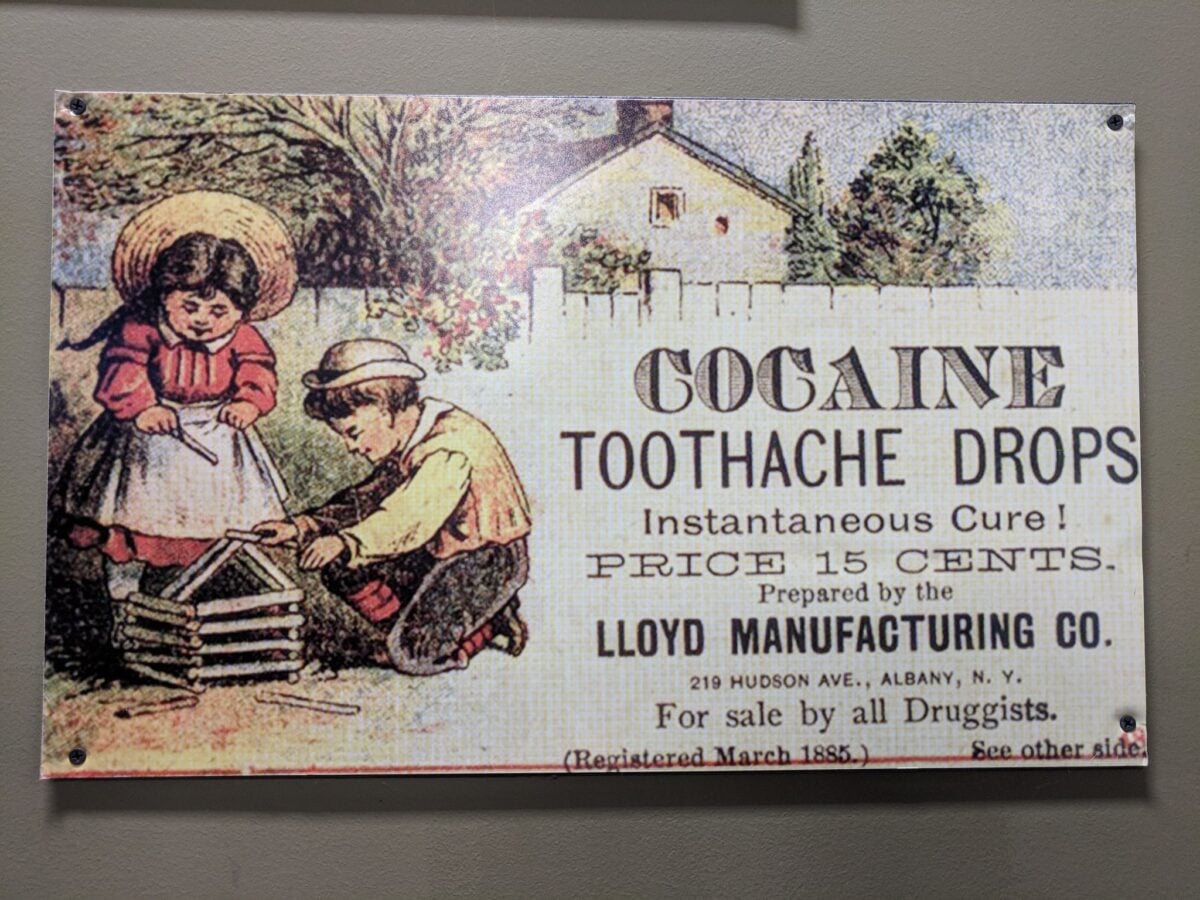
In the 1880s, Lloyd Manufacturing Company sold small bottles of cocaine toothache drops for about 15 cents, advertising them as an instant cure. Children used them as well as adults, and the drops did numb pain.
They also created dependence, and the product vanished once cocaine was restricted in the early 20th century.
Coca-Cola
When John Pemberton created Coca-Cola in Atlanta in 1886, it was sold as a nerve tonic and contained extracts from coca leaves. Cocaine was removed from the drink in the early 1900s, around 1903.
The company still uses a coca leaf extract that has had the cocaine removed.
Vin Mariani
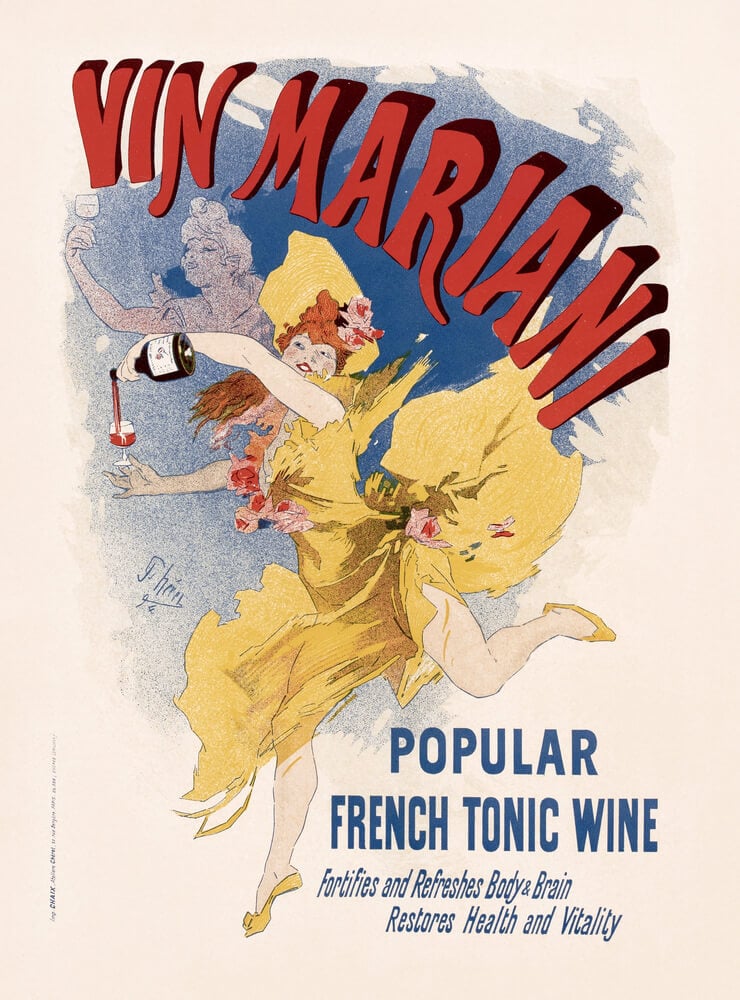
Angelo Mariani’s French wine was infused with coca leaf and sold as a tonic beginning in the 1860s. It was endorsed by public figures, including Thomas Edison, and Pope Leo XIII reportedly gave Mariani a gold medal.
The drink inspired many imitators, including the first versions of Coca-Cola.
Mrs. Winslow’s Soothing Syrup
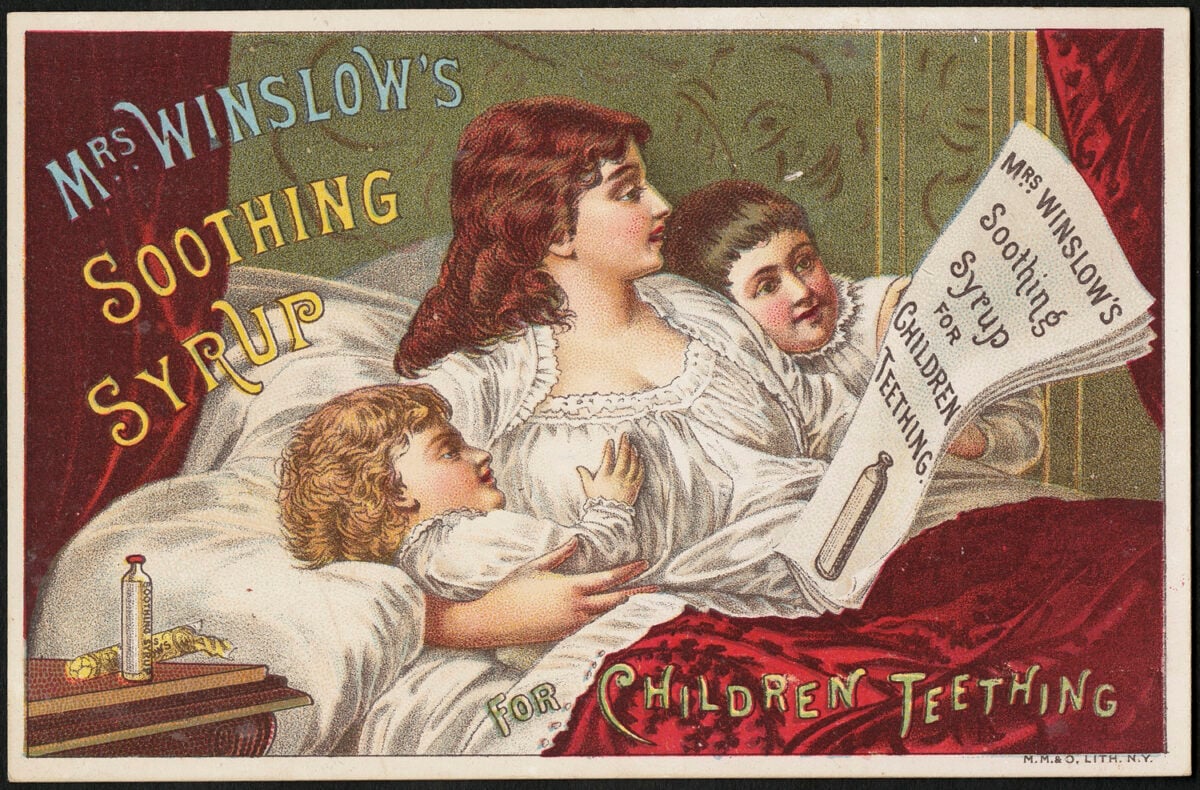
This syrup was sold from 1849 to calm fussy babies and relieve teething pain, and each dose contained morphine. Because infants are extremely sensitive to opiates, the product caused many deaths.
Reformers condemned the syrup and similar remedies as dangerous, and public pressure helped lead to labeling laws.
Radithor
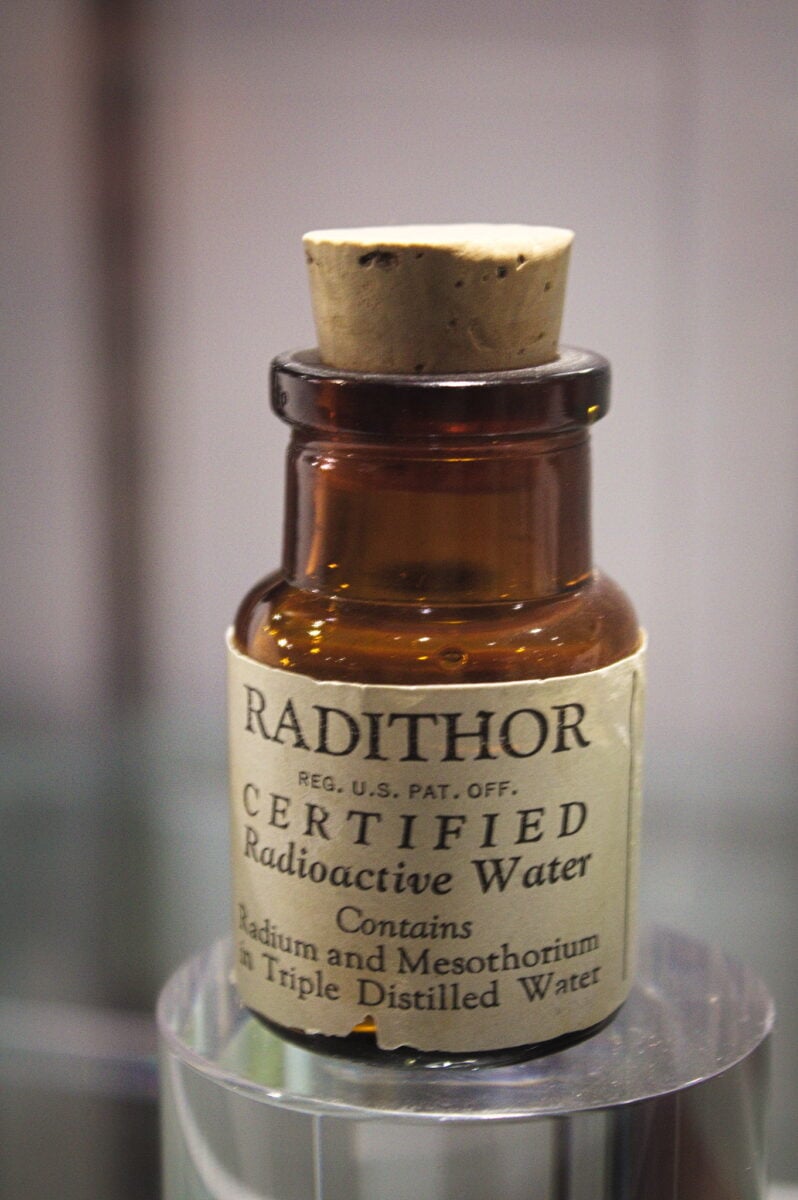
In the 1920s, Radithor was sold as a radium-laced water that promised energy and vitality. The Pittsburgh industrialist and golfer Eben Byers drank an estimated 1,400 bottles and died in 1932 after his jaw and other bones deteriorated from radiation.
His death led to tighter federal oversight of radioactive products.
Lydia Pinkham’s Vegetable Compound
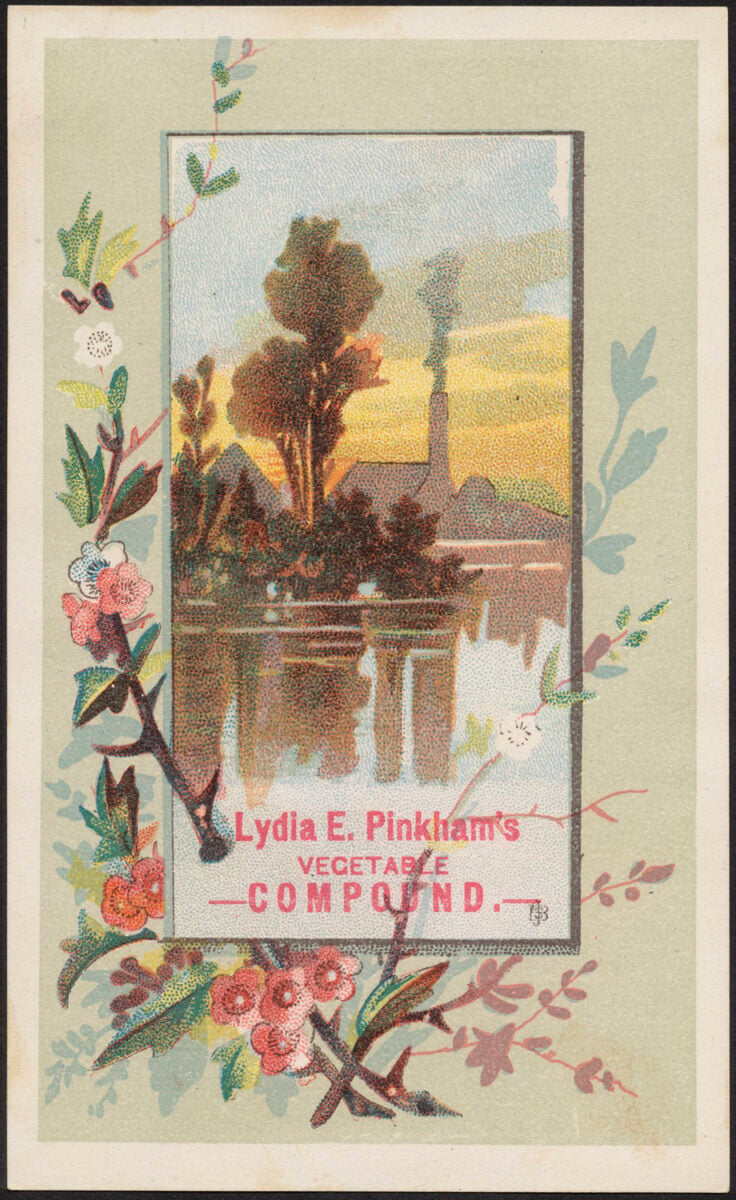
Introduced in 1875 and aimed at women, Lydia Pinkham’s herbal tonic claimed to relieve a long list of ailments. It also contained roughly 18 to 20 percent alcohol.
The business grew into one of the best-known patent medicine brands in America, and Pinkham’s face appeared on the label.
Laudanum
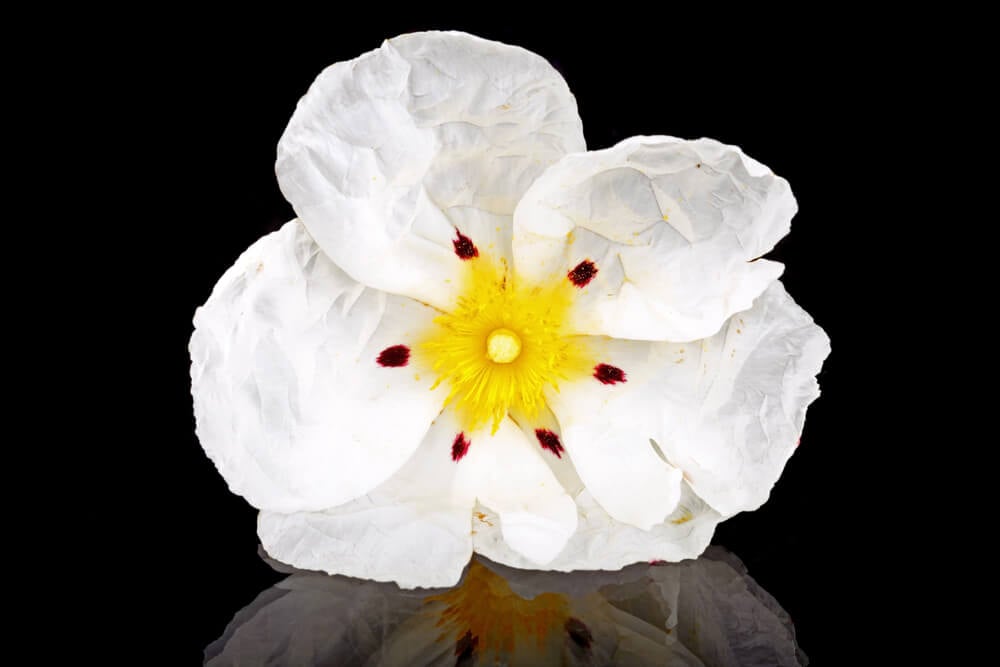
Laudanum was a tincture of opium, and in the 19th century it was available without prescription at pharmacies in both Britain and America. It was used for pain, coughs, diarrhea, and sleeplessness.
Writers including Samuel Taylor Coleridge and Thomas De Quincey wrote openly about their dependence on it.
Chlorodyne
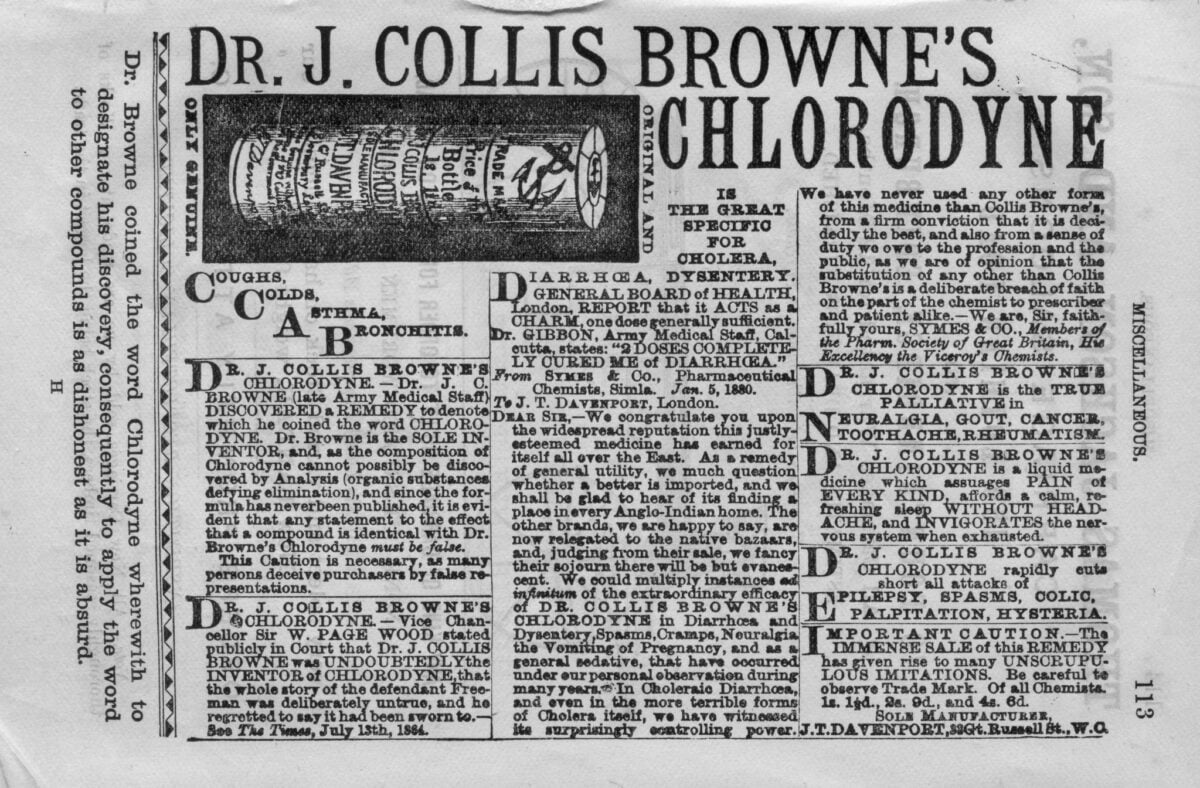
Invented in the 1850s by Dr. John Collis Browne, Chlorodyne combined chloroform, morphine, and cannabis extract in one bottle. It was taken for stomach complaints, coughs, and diarrhea, and it sold widely across the British Empire.
A version remained on shelves for generations, with the original formula eventually changed.
Hadacol
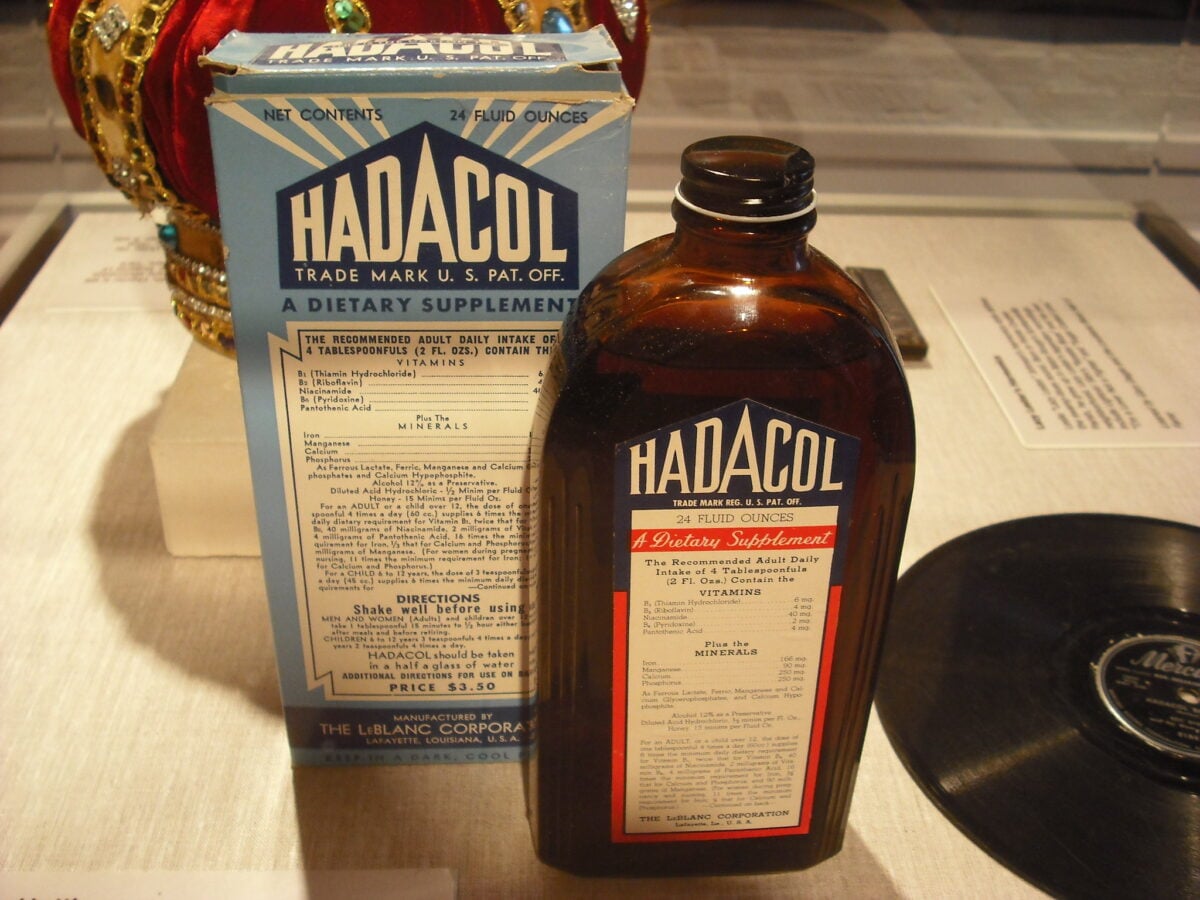
In the late 1940s, Louisiana politician Dudley LeBlanc sold Hadacol, a vitamin tonic that was about 12 percent alcohol. It was promoted by a traveling show that featured famous entertainers, including Hank Williams.
Sales reached into the millions of dollars before regulators and the public lost interest.
Clark Stanley’s Snake Oil
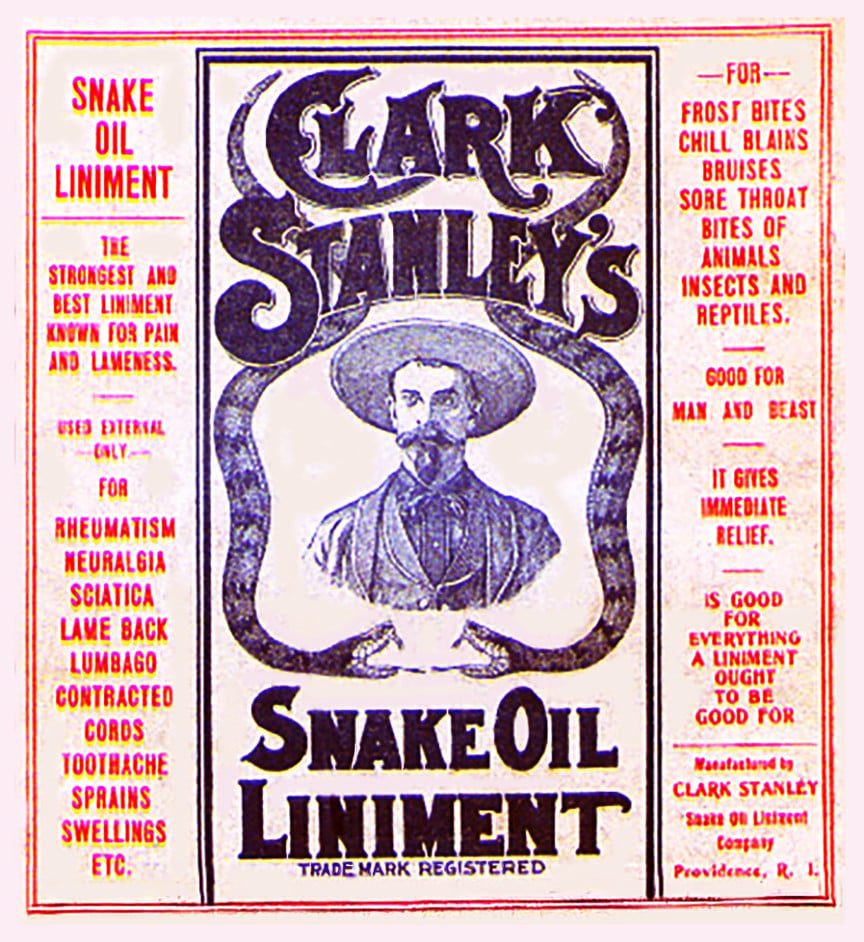
Clark Stanley’s Snake Oil Liniment was sold as a cure for rheumatism and became so famous that the phrase snake oil came to mean a worthless remedy. When the federal government tested it in 1916, it found mostly mineral oil, fat, and chili extract, not snake oil.
Stanley was fined $20 in 1917.
Mercurochrome
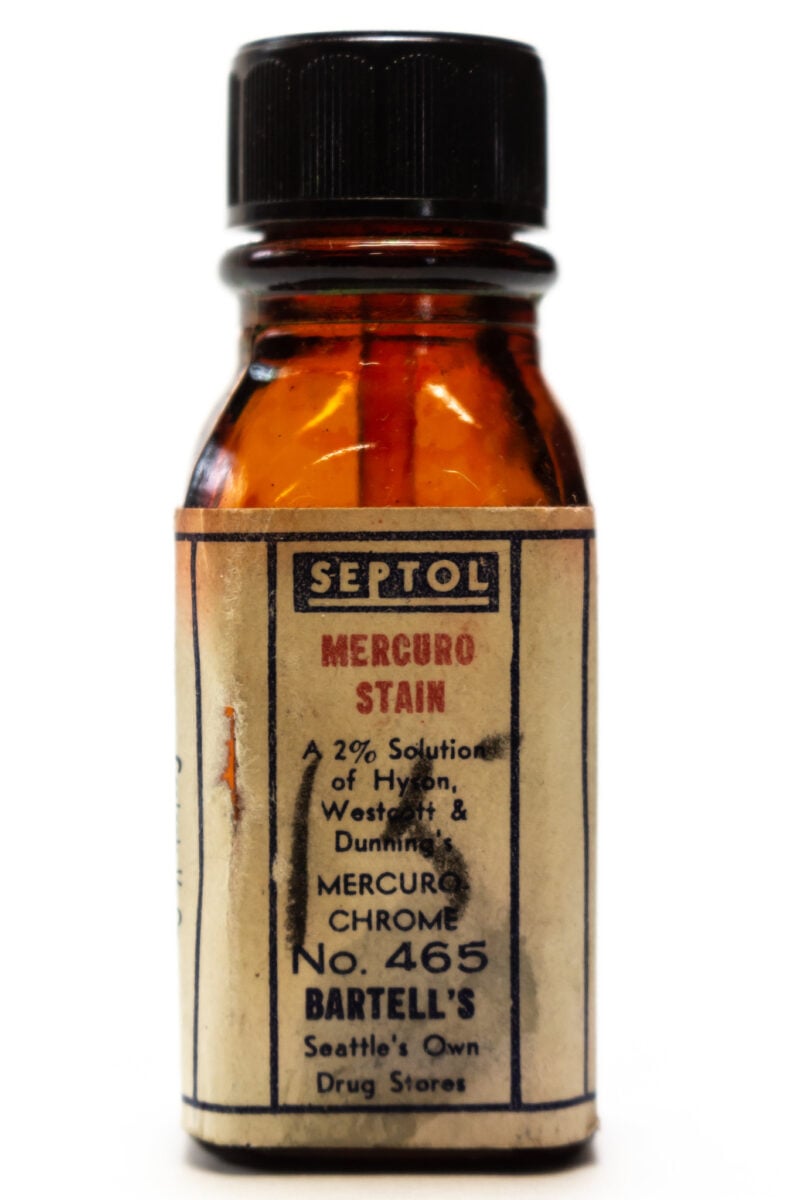
Mercurochrome was a bright red antiseptic found in family medicine cabinets for decades, and it was applied to scrapes and cuts. The product contained mercury, and in 1998 the Food and Drug Administration moved it off the list of substances generally recognized as safe.
It is no longer sold in the United States.
Elixir Sulfanilamide
In 1937, a Tennessee drug company released a liquid form of an antibiotic that had been dissolved in diethylene glycol, a toxic solvent. More than 100 people died, many of them children, because the product had not been tested for safety.
The tragedy led directly to the Federal Food, Drug, and Cosmetic Act of 1938.
Cannabis Extracts
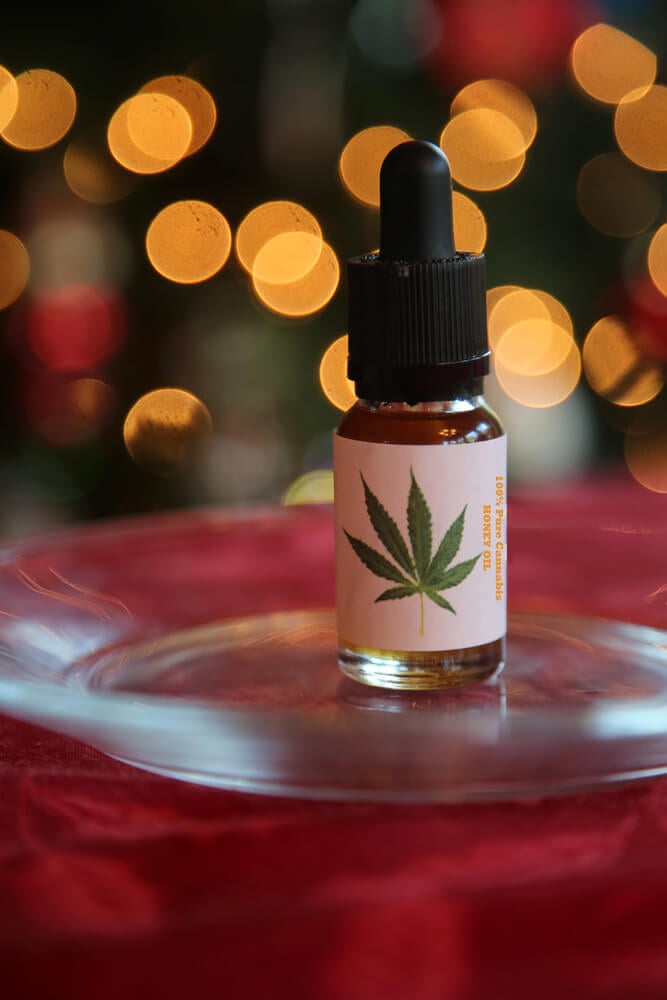
In the late 19th and early 20th centuries, major drug companies including Eli Lilly, Parke-Davis, and Squibb sold cannabis extracts and tinctures. They were prescribed for pain, insomnia, and nervous conditions.
These products disappeared after the Marihuana Tax Act of 1937.
Peruna
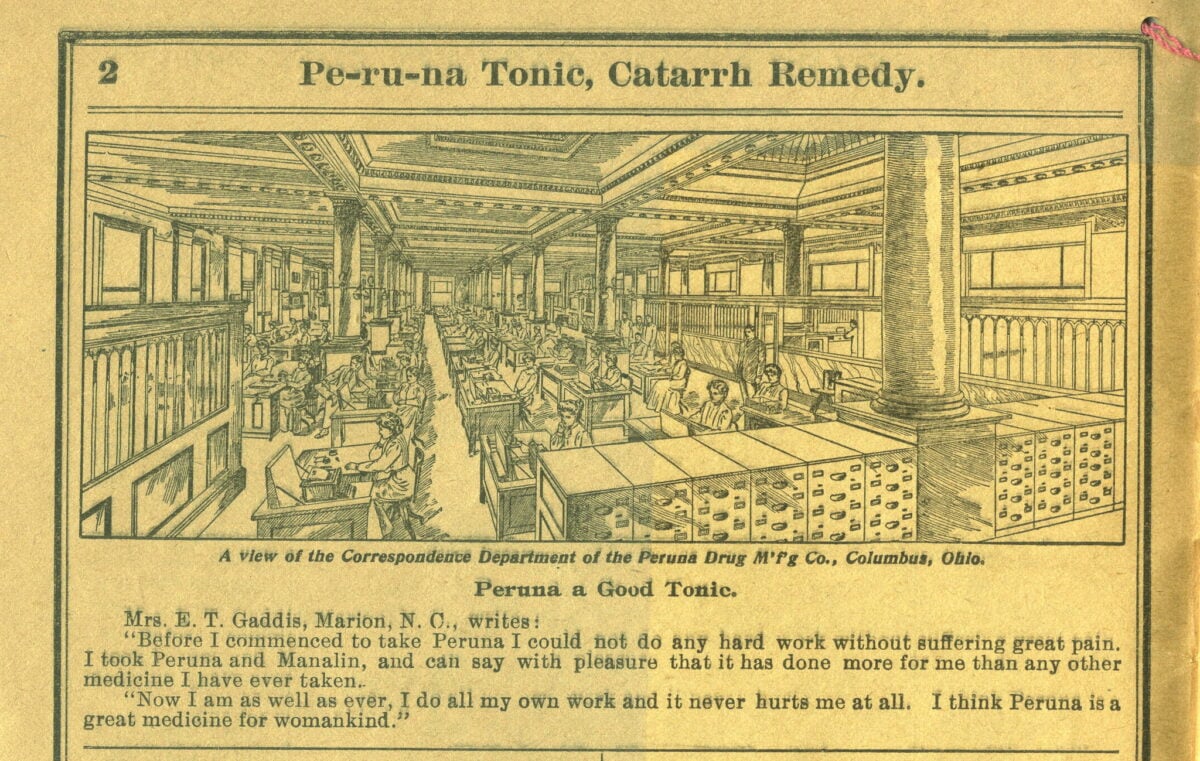
Peruna was a tonic created by Dr. Samuel Hartman of Columbus, Ohio, and it was about 28 percent alcohol. It sold in huge quantities in the early 1900s, including in places where alcohol sales were banned.
Customers used it for a wide variety of ailments.
Godfrey’s Cordial
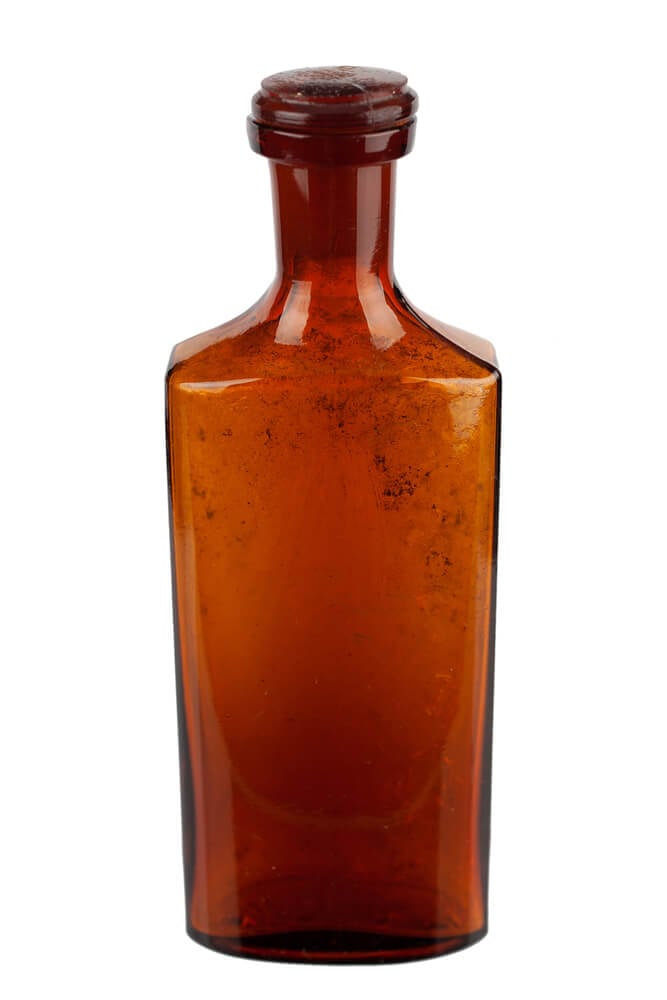
This English syrup was a mix of opium, treacle, and sassafras, and it was widely given to babies to keep them quiet. It was used during the 18th and 19th centuries and was sold cheaply to households across England.
Many infants became ill or died from the doses.
The Benzedrine Inhaler
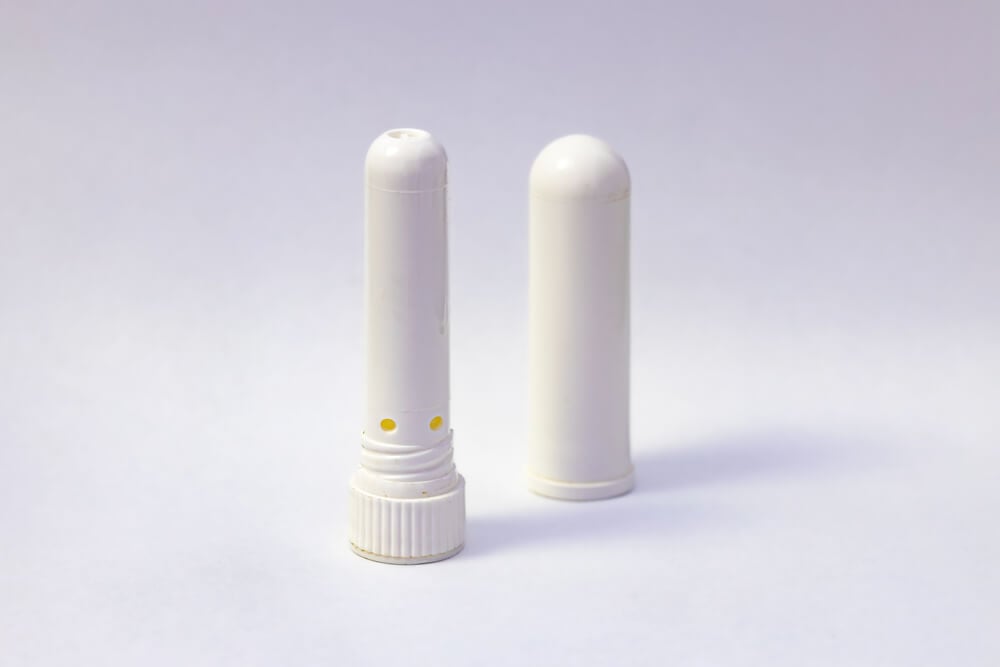
In the 1930s, Smith, Kline & French sold a nasal inhaler containing amphetamine as a decongestant, available without a prescription. People quickly figured out that the contents could be used to stay awake, and the product was widely misused.
Amphetamine was removed from the inhaler in 1949.
Arsenic Complexion Wafers
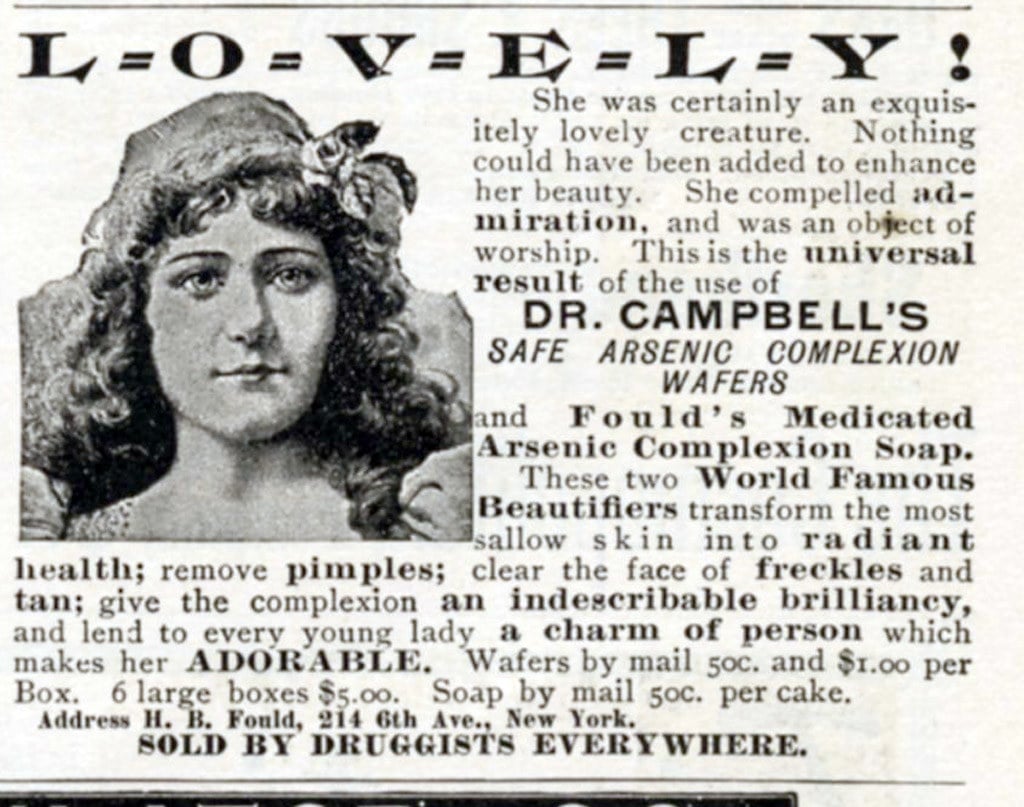
In the late 1800s, Dr. Campbell’s Safe Arsenic Complexion Wafers promised women a pale, glowing complexion. The wafers contained small amounts of arsenic, a poison that can cause serious illness over time.
The craze shows how far beauty standards pushed people toward risky products.
Dinitrophenol Diet Pills
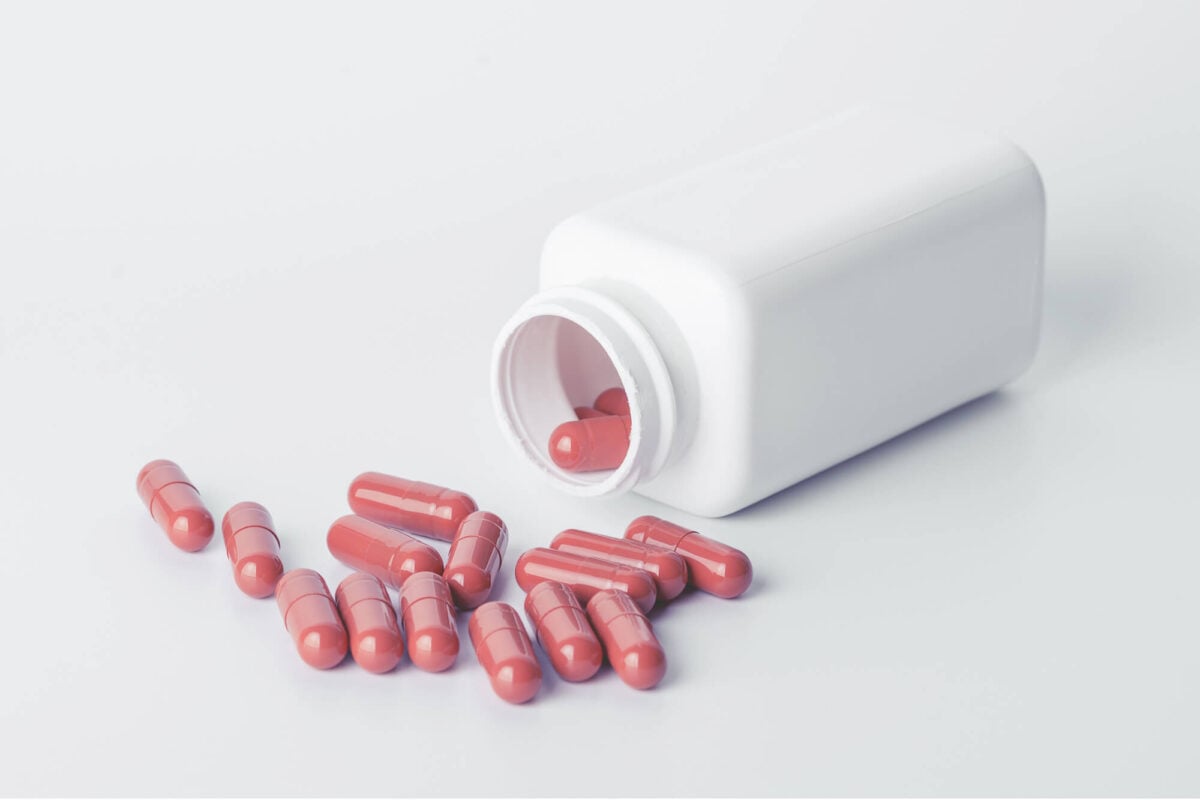
In the early 1930s, dinitrophenol was sold as a weight-loss drug that raised metabolism, and thousands of people used it. It also caused cataracts, skin damage, and a number of deaths.
It was banned from sale for human use in 1938.
Lithiated Lemon-Lime Soda
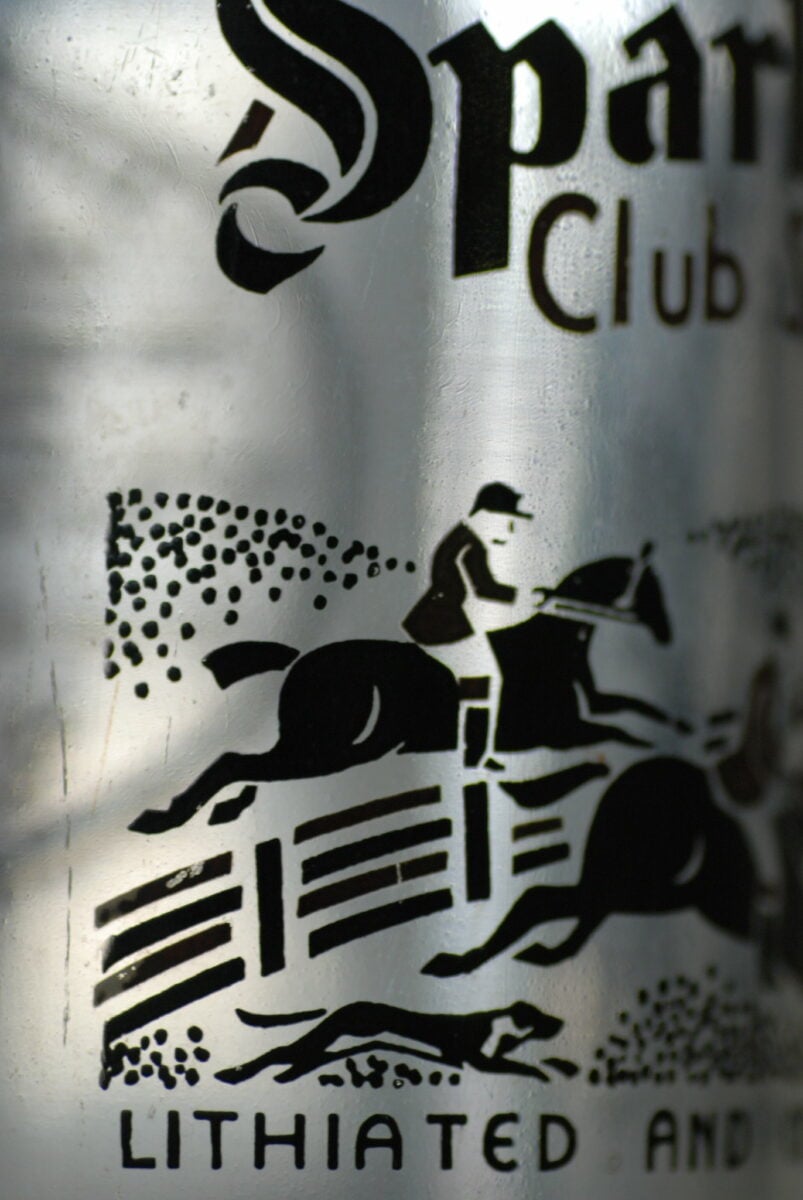
When 7 Up debuted in 1929, it was called Bib-Label Lithiated Lemon-Lime Soda and contained lithium citrate, a mood-stabilizing substance. It was marketed as a hangover cure and general tonic, and the lithium was removed in the 1940s.
The brand later dropped the clumsy name.
When Labels Became Law
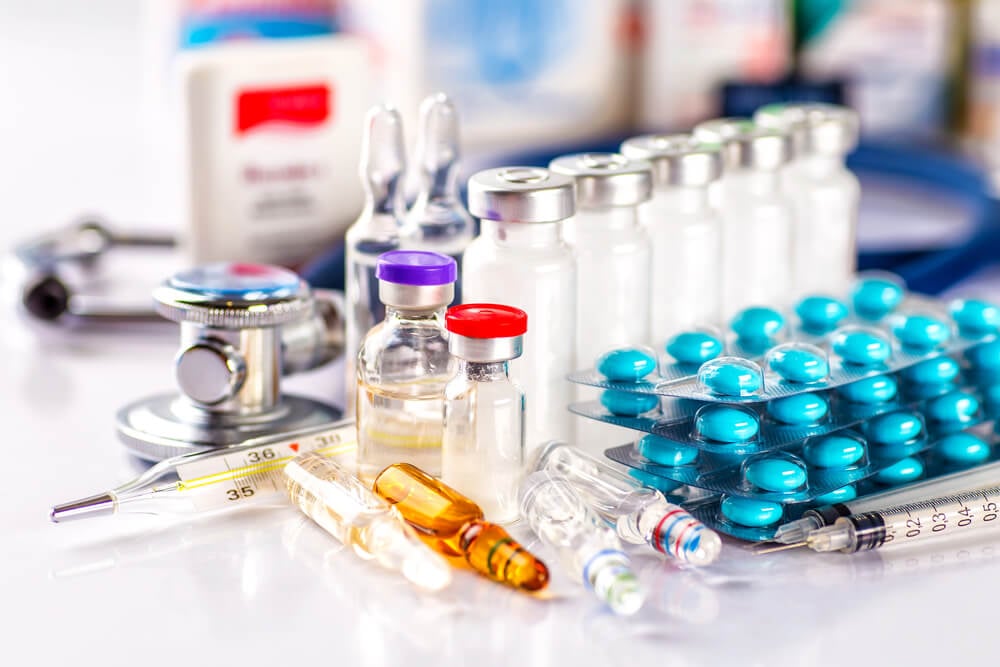
The common thread in these products is secrecy. For most of the 19th century, makers did not have to list ingredients, prove their claims, or warn buyers about dangerous contents.
A mother could give her baby a syrup full of morphine without knowing it, and a worker could buy a tonic that was mostly alcohol. Scandals like the deaths from Elixir Sulfanilamide pushed lawmakers to act, and drug approval and honest labeling became standard.
Those rules can seem tedious until a person sees what happened without them. The shelves of the past are a reminder that safety is not a natural feature of medicine and has to be demanded.
More from Go2Tutors!

- The Romanov Crown Jewels and Their Tragic Fate
- 13 Historical Mysteries That Science Still Can’t Solve
- Famous Hoaxes That Fooled the World for Years
- 15 Child Stars with Tragic Adult Lives
- 16 Famous Jewelry Pieces in History
Like Go2Tutors’s content? Follow us on MSN.