12 Failed Drink Brands From The ’90s
The 1990s were a wild time for the beverage industry. Companies were throwing everything at the wall to see what would stick, from clear colas to floating gelatin orbs.
While some drinks became legends, many others crashed and burned spectacularly, leaving behind nothing but nostalgic memories and the occasional dusty can on eBay. Here’s a list of 12 drink brands from the ’90s that couldn’t quite make it to the new millennium.
Crystal Pepsi

Pepsi thought they cracked the code with this clear cola in 1992, and initially, it seemed like they had. Crystal Pepsi captured 1% of the entire U.S. soft drink market and won ‘Best New Product of 1992.’
The problem was that people couldn’t wrap their heads around cola that looked like water but tasted like Pepsi. Despite heavy marketing campaigns, the novelty wore off quickly and the brand vanished by 1993.
OK Soda

Coca-Cola’s attempt to capture the cynical Generation X market was as confusing as its name suggested. Launched in 1993, OK Soda had minimalist packaging and deliberately vague advertising that asked questions like ‘What’s the point of OK? Well, what’s the point of anything?’
The drink itself had a citrusy, spiced flavor that didn’t fit any traditional soda category. It was discontinued in 1995 after failing to resonate with anyone beyond a small cult following.
Like Go2Tutors’s content? Follow us on MSN.
Fruitopia
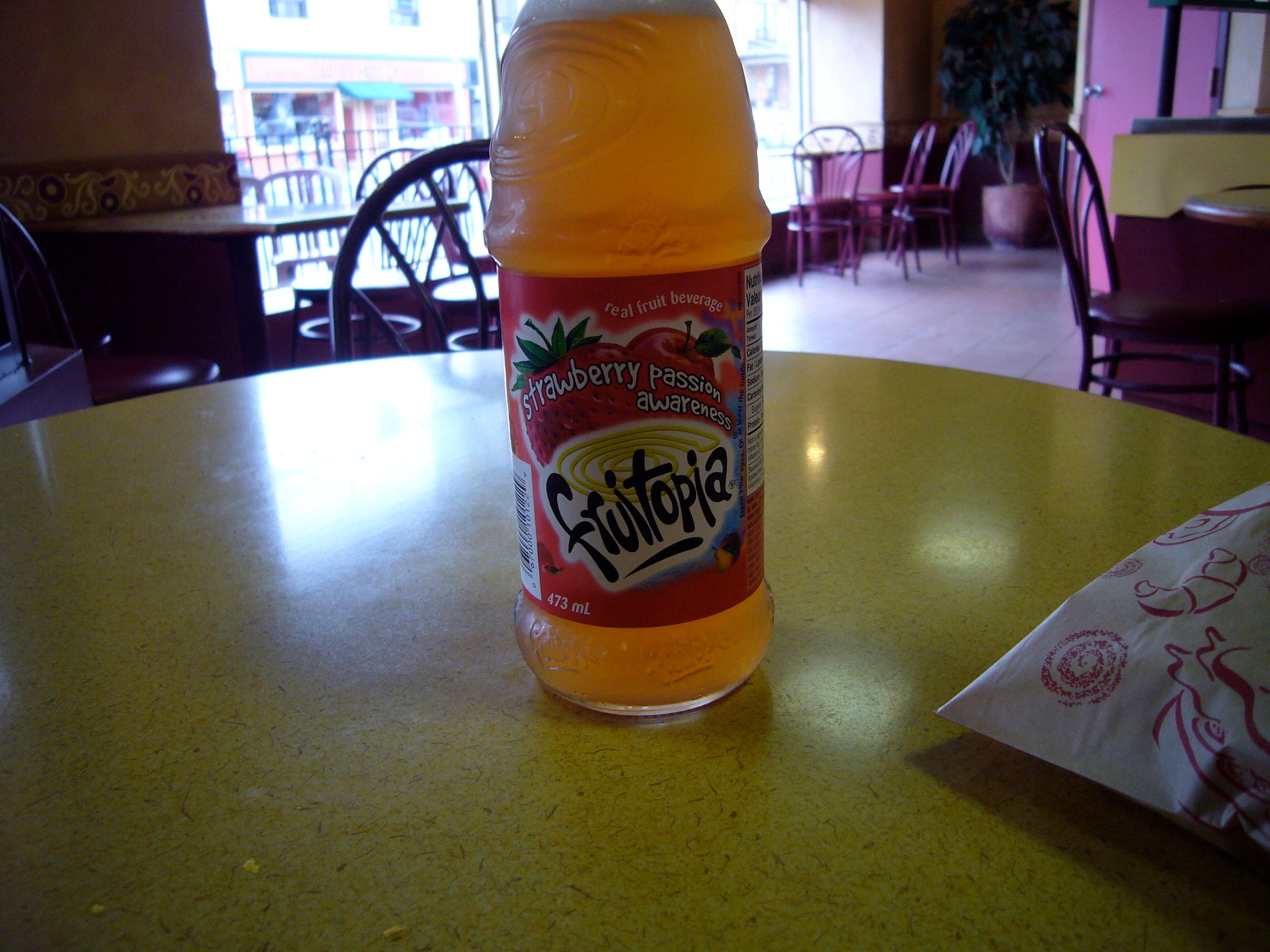
This psychedelic fruit drink line launched in 1994 with flavors like ‘Strawberry Passion Awareness’ and ‘The Grape Beyond.’ Fruitopia was Coca-Cola’s answer to the New Age movement, complete with trippy marketing that seemed designed for people attending the Lilith Fair.
While it initially gained popularity in school vending machines, the overly sweet taste and pretentious branding eventually turned consumers away. It was phased out in the U.S. by 2003.
Surge

Coca-Cola’s answer to Mountain Dew packed a serious caffeine punch and came in an eye-catching green can. Surge marketed itself as the ultimate extreme beverage for teenagers seeking an energy boost, and for a while, it worked.
The citrus-flavored soda gained a devoted following among young adults, but declining sales led to its discontinuation in 2003. It has since made brief comebacks due to fan campaigns, proving its lasting impact.
Like Go2Tutors’s content? Follow us on MSN.
Orbitz

This wasn’t just a drink – it was a science experiment in a bottle. Orbitz featured floating edible gelatin spheres suspended in clear liquid, giving it the appearance of a lava lamp you could drink.
The texture was polarizing, to put it mildly. Most people found the gelatinous floating pieces unsettling rather than fun, and the cough syrup-like taste didn’t help matters. It disappeared from shelves by the late 1990s, remembered more as a curiosity than a beverage.
Like Go2Tutors’s content? Follow us on MSN.
Tab Clear

Coca-Cola’s entry into the clear cola trend was essentially Diet Coke without the caramel coloring. Launched in 1992, Tab Clear tried to capitalize on the transparency craze while appealing to diet soda drinkers.
The problem was that it tasted exactly like Tab, which already had a limited audience. The clear appearance added novelty but no real value, and it was quickly discontinued after failing to find its place in the market.
Pepsi Blue

This boldly colored soda arrived in 2002 with a berry-like flavor and electric blue hue designed to attract younger consumers. Pepsi Blue generated initial curiosity thanks to its striking appearance and unique taste, but the novelty factor wasn’t enough to sustain it.
The polarizing flavor – some loved it, others couldn’t stand it – meant it never achieved broad market appeal, leading to its discontinuation in 2004.
Like Go2Tutors’s content? Follow us on MSN.
Zima

This clear malt beverage became synonymous with ’90s party culture, marketed as a sophisticated alternative to traditional beers. Zima’s crystal-clear appearance and cool, futuristic advertising made it feel like the ultimate trendy drink.
However, it struggled with an identity crisis – too strong for casual drinkers but not respected by serious drinkers. Despite achieving cult status, it was discontinued in the U.S. in 2008.
Clearly Canadian

While technically launched in the late ’80s, this sparkling flavored water in iconic glass bottles became a ’90s staple. Clearly Canadian offered natural flavors with no preservatives, positioning itself as a healthier alternative to soda.
The brand actually went away for a while but was revived due to fan demand. Its initial failure came from being ahead of the sparkling water trend and struggling with distribution costs.
Like Go2Tutors’s content? Follow us on MSN.
Snapple Elements
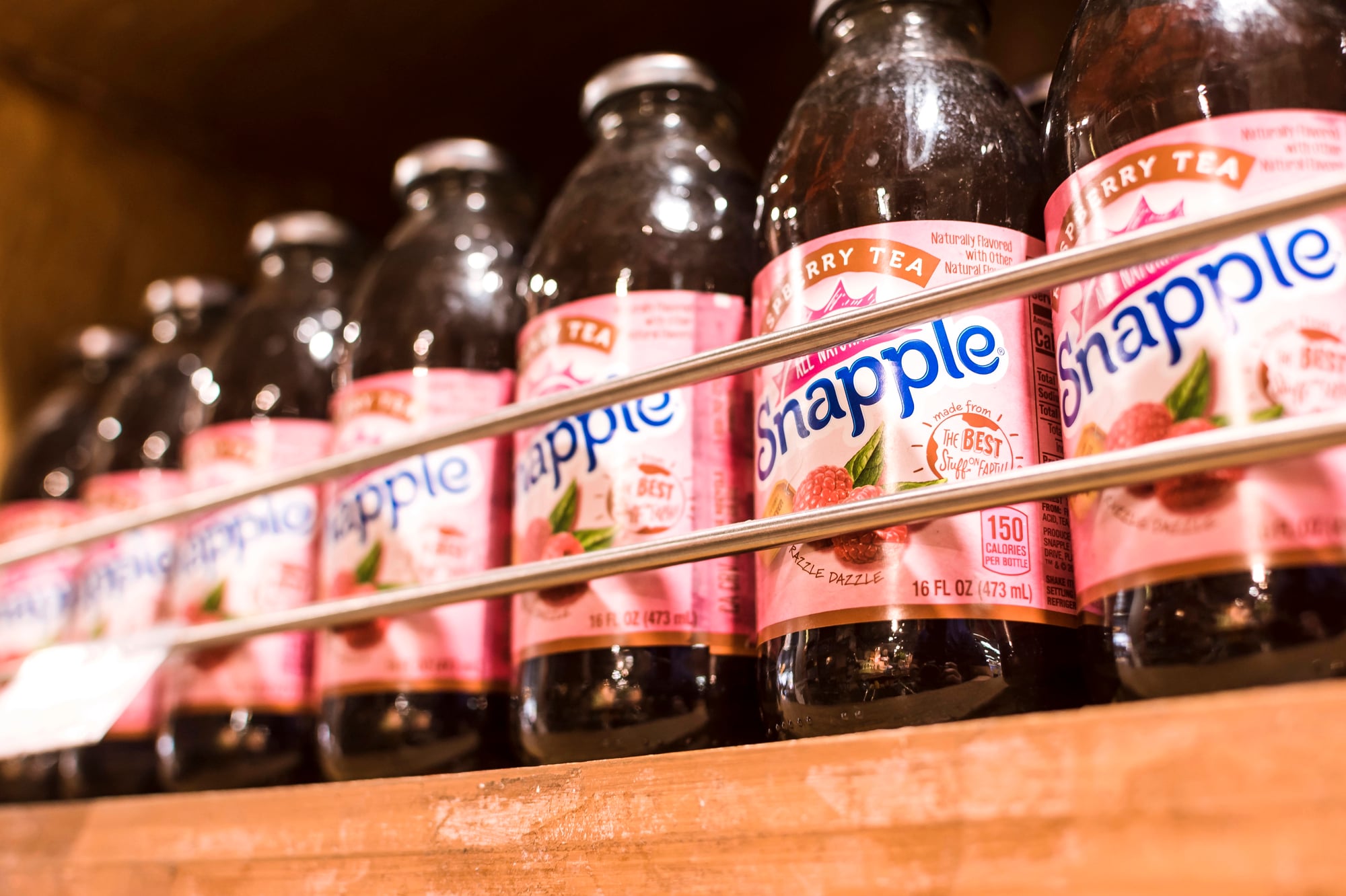
These drinks had flavors like ‘Rain’ and ‘Fire’ and were marketed as sophisticated alternatives to regular Snapple. The Elements line tried to capture the same mystical, natural appeal as Fruitopia but with Snapple’s established credibility.
However, the flavors were confusing and the branding felt forced compared to regular Snapple’s authentic vibe. The line was quietly discontinued after a brief run in the mid-’90s.
Hi-C Ecto Cooler

Originally launched in 1987 to promote ‘The Real Ghostbusters’ cartoon, this bright green citrus drink became an iconic part of many ’90s childhoods. Hi-C Ecto Cooler’s fluorescent color and tangy taste made it a popular lunchbox choice that outlasted the cartoon that inspired it.
However, changing tastes and the desire to move away from artificial colors led to its discontinuation in 2001, though it briefly returned for the 2016 ‘Ghostbusters’ movie.
Coca-Cola Blāk

Though launched in 2006, this coffee-cola hybrid was developed and tested throughout the late ’90s as Coca-Cola’s answer to changing caffeine preferences. Blāk contained twice the caffeine of regular Coke and attempted to blend the sweetness of cola with coffee’s bitterness.
The unusual flavor combination confused consumers who couldn’t decide if they were drinking soda or coffee, leading to its discontinuation after just 16 months on the market.
Like Go2Tutors’s content? Follow us on MSN.
The Sweet Taste of Failure

These failed drinks remind us that the ’90s were all about bold experimentation and pushing boundaries, even when those boundaries probably shouldn’t have been pushed. While some of these beverages developed cult followings that persist today, most couldn’t survive the transition from novelty to necessity.
The decade taught beverage companies valuable lessons about balancing innovation with consumer appeal – lessons that helped shape the more successful drink launches of the 2000s and beyond.Like
More from Go2Tutors!

- 18 Unexpectedly Valuable Collectibles You Might Have Lying Around
- 20 Little-Known Historical Battles That Had Huge Consequences
- 20 Historical Artifacts That Scientists Can’t Explain
- 15 Inventions That Were Immediately Banned After Being Created
- 20 Actors Who Were Almost Cast in Iconic Roles
Like Go2Tutors’s content? Follow us on MSN.