25 Facts About the SR-71 Blackbird
The SR-71 Blackbird is one of the most talked-about aircraft ever built. It flew higher and faster than almost anything else in the sky, and it did things that still seem hard to believe today.
Built during the Cold War by Lockheed’s secretive Skunk Works division, this plane was not just fast. It was a moving piece of engineering history that redefined what humans thought was possible in the air.
So here are 25 facts about the SR-71 Blackbird that prove why this aircraft still holds a special place in aviation history, decades after its last flight.
Built By Lockheed’s Secret Team
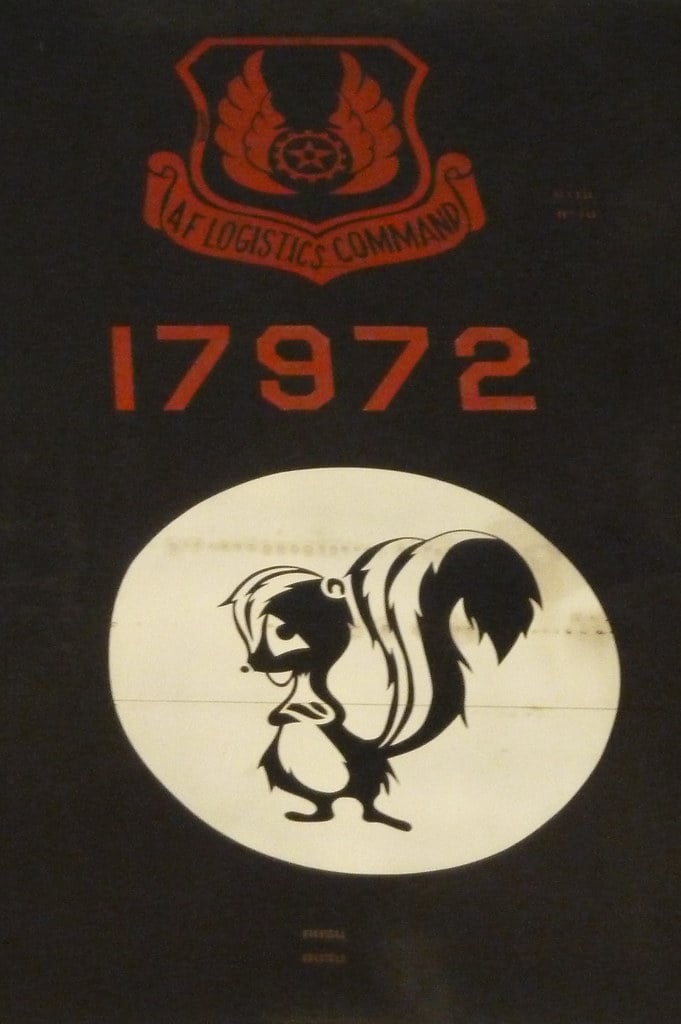
The SR-71 was designed and built by a small, highly secretive group inside Lockheed called the Skunk Works division. Kelly Johnson led the team, and he was known for solving problems that others called impossible.
The entire project operated with very little outside interference, which allowed the engineers to move fast and think freely. That kind of creative freedom produced one of the most advanced aircraft the world had ever seen.
The Speed Record
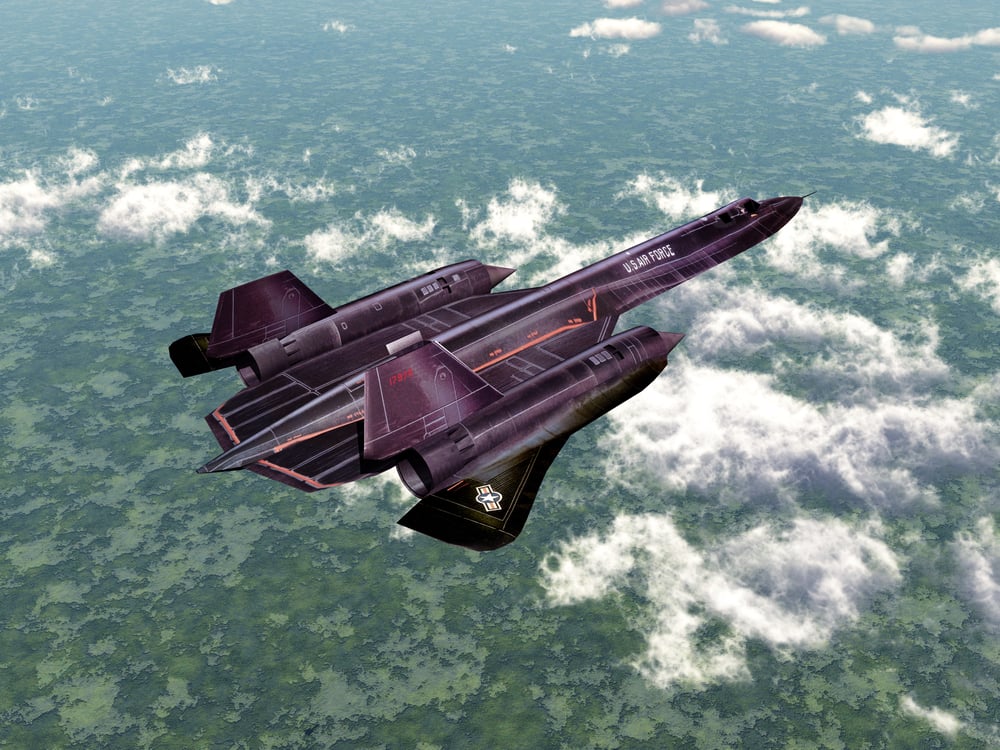
The SR-71 holds the official air-breathing aircraft speed record at 2,193 miles per hour, set on July 28, 1976. That is roughly three times the speed of sound, which is already a number most people struggle to picture.
To put it simply, the Blackbird could cross the entire United States in about 64 minutes. No plane with an air-breathing engine has officially beaten that record since.
Flying Higher Than Most Things In The Sky
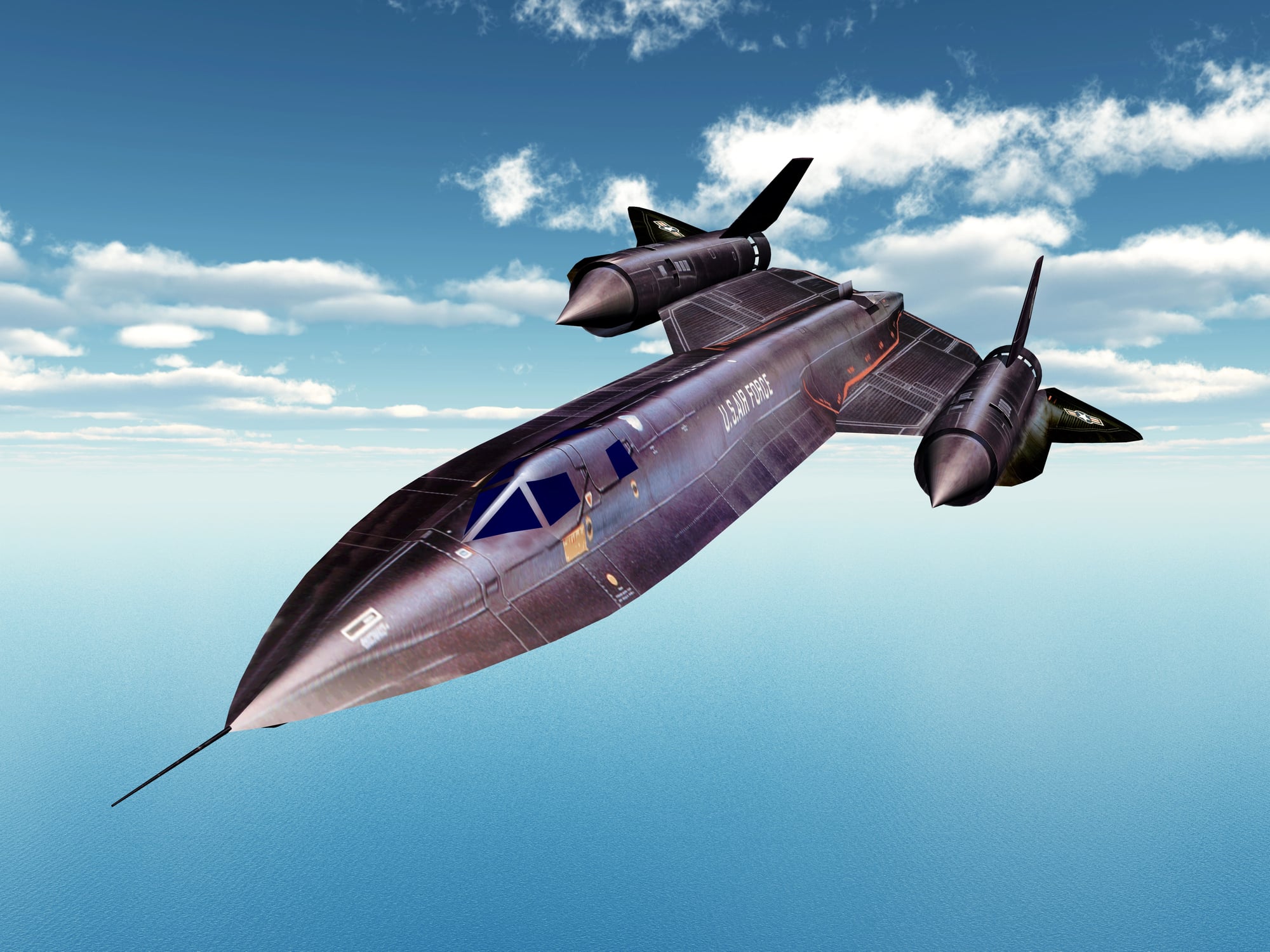
The SR-71 could fly at altitudes above 85,000 feet. At that height, the sky above the aircraft starts to look black, not blue, because the atmosphere gets so thin.
Pilots could actually see the curvature of the Earth from the cockpit. Very few aircraft before or since have taken humans that high in a non-rocket-powered vehicle.
The Titanium Challenge
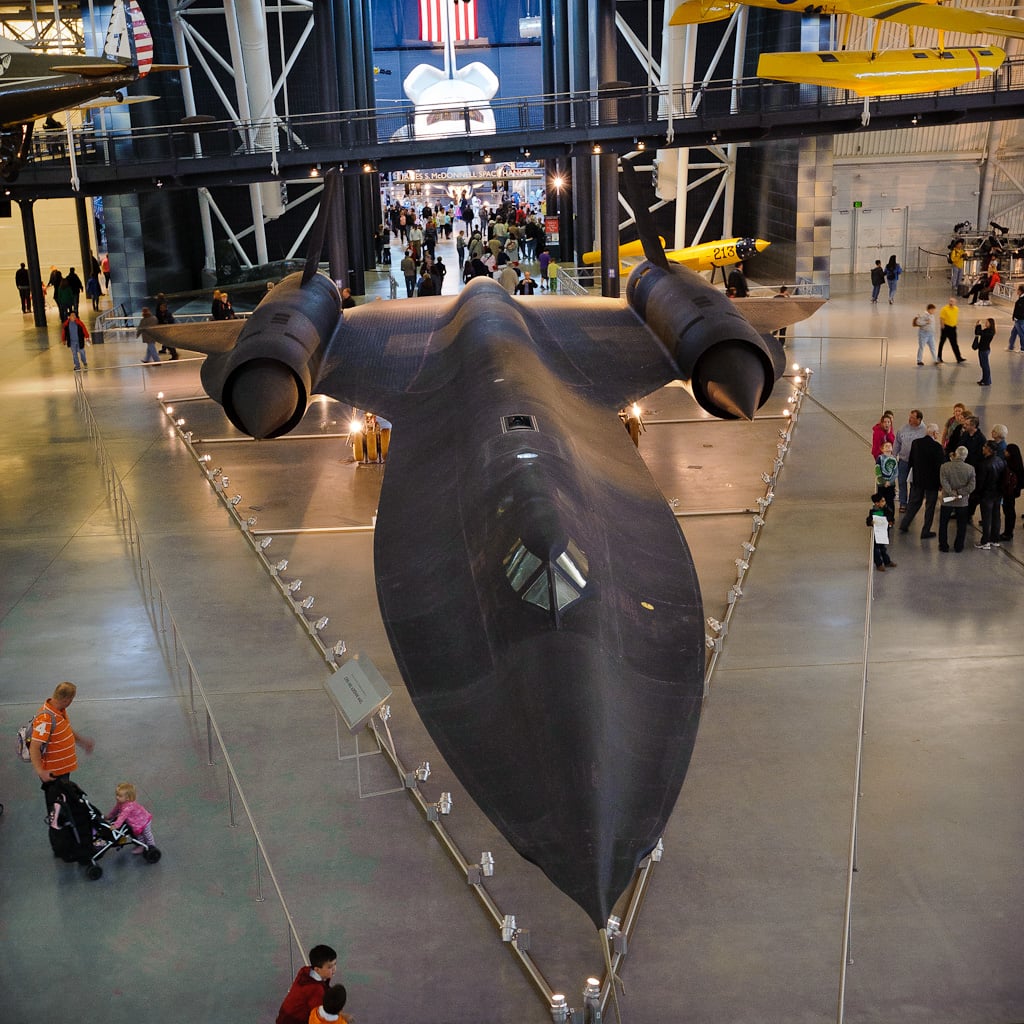
About 85 percent of the SR-71’s airframe was built from titanium. Titanium was chosen because it can handle extreme heat without warping or breaking down.
The tricky part was that the United States had to source much of that titanium from the Soviet Union, its biggest rival during the Cold War, through third-party buyers. The government essentially bought materials from its enemy to build a spy plane designed to fly over that same enemy.
The Plane That Expanded When It Got Hot
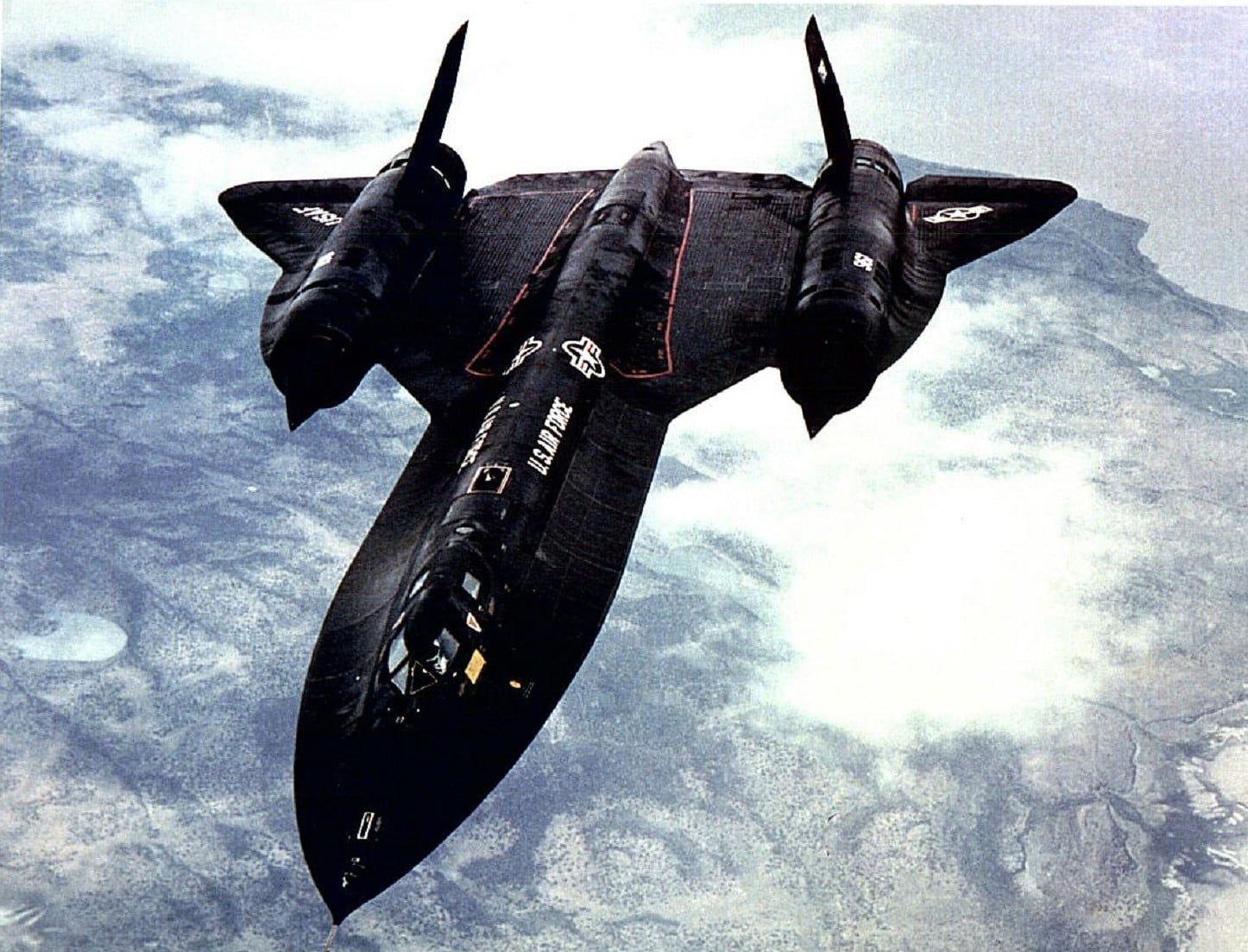
The SR-71 was actually built with small gaps between its panels on the ground. Those gaps allowed the panels to expand as the plane heated up during flight.
On the ground, the aircraft leaked fuel, which was a normal and expected part of its design. Once airborne and up to speed, the heat sealed everything up properly and the fuel stopped leaking.
Heat From Speed, Not The Sun
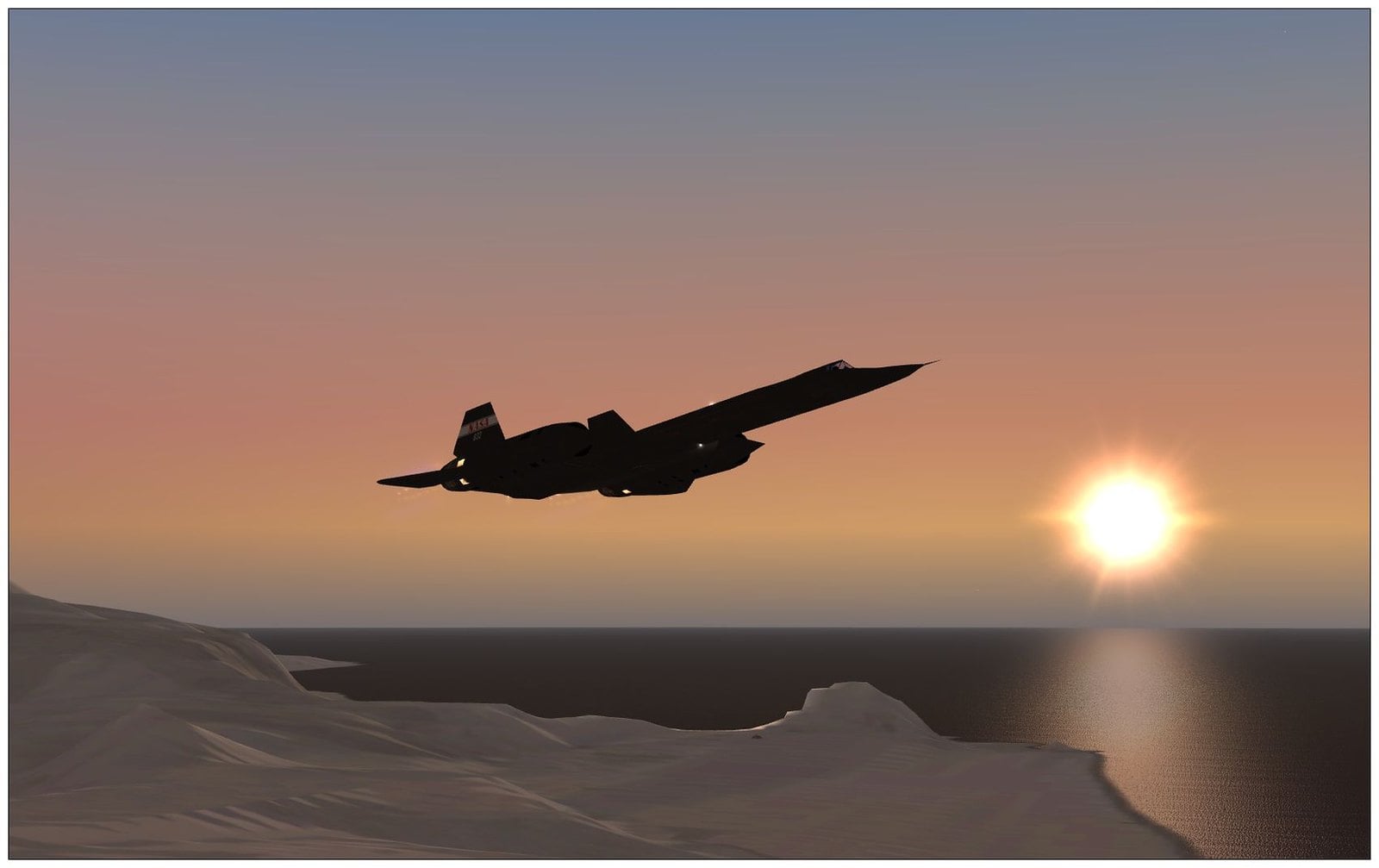
Flying at Mach 3 generates enormous friction between the aircraft and the air around it. The outer skin of the SR-71 could reach temperatures of over 600 degrees Fahrenheit during flight.
Regular aluminum would melt at those temperatures, which is exactly why titanium was used. The cockpit windows were made of quartz glass specifically designed to survive that kind of heat exposure.
Pilots Wore Pressure Suits

SR-71 pilots wore full pressure suits, very similar to the ones used by astronauts. The suits were necessary because at 85,000 feet, the air pressure is so low that the human body cannot survive without protection.
If the cockpit depressurized at that altitude, the suit was the only thing standing between the pilot and serious harm. Getting suited up before a flight was a process that could take hours.
Never Shot Down In Service
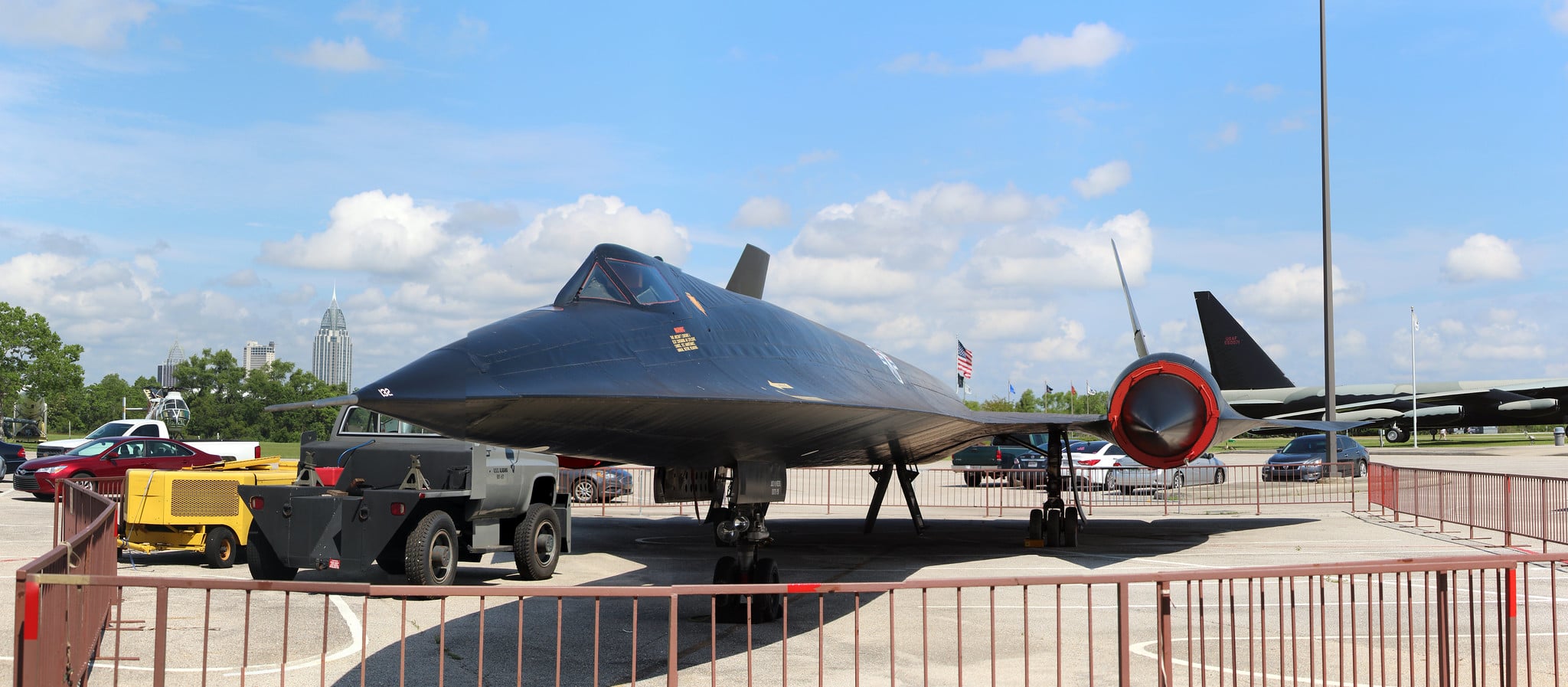
Not a single SR-71 was ever shot down during its operational life, despite flying over some of the most heavily defended airspace on the planet. Enemy forces fired more than 1,000 surface-to-air missiles at SR-71s over the years.
The plane’s response to a missile was simple: speed up and fly away. At Mach 3, no missile of that era could catch it.
A Different Kind Of Fuel

The SR-71 used a special fuel called JP-7, which was developed specifically for this aircraft. JP-7 had an extremely high flash point, meaning it was actually hard to ignite under normal conditions.
The engines required a chemical called triethylborane, known as TEB, to help start them and relight them in flight. A small amount of TEB produced a distinctive greenish flame during engine start, which became one of the Blackbird’s recognizable features on the ground.
The Forward-Looking Cameras
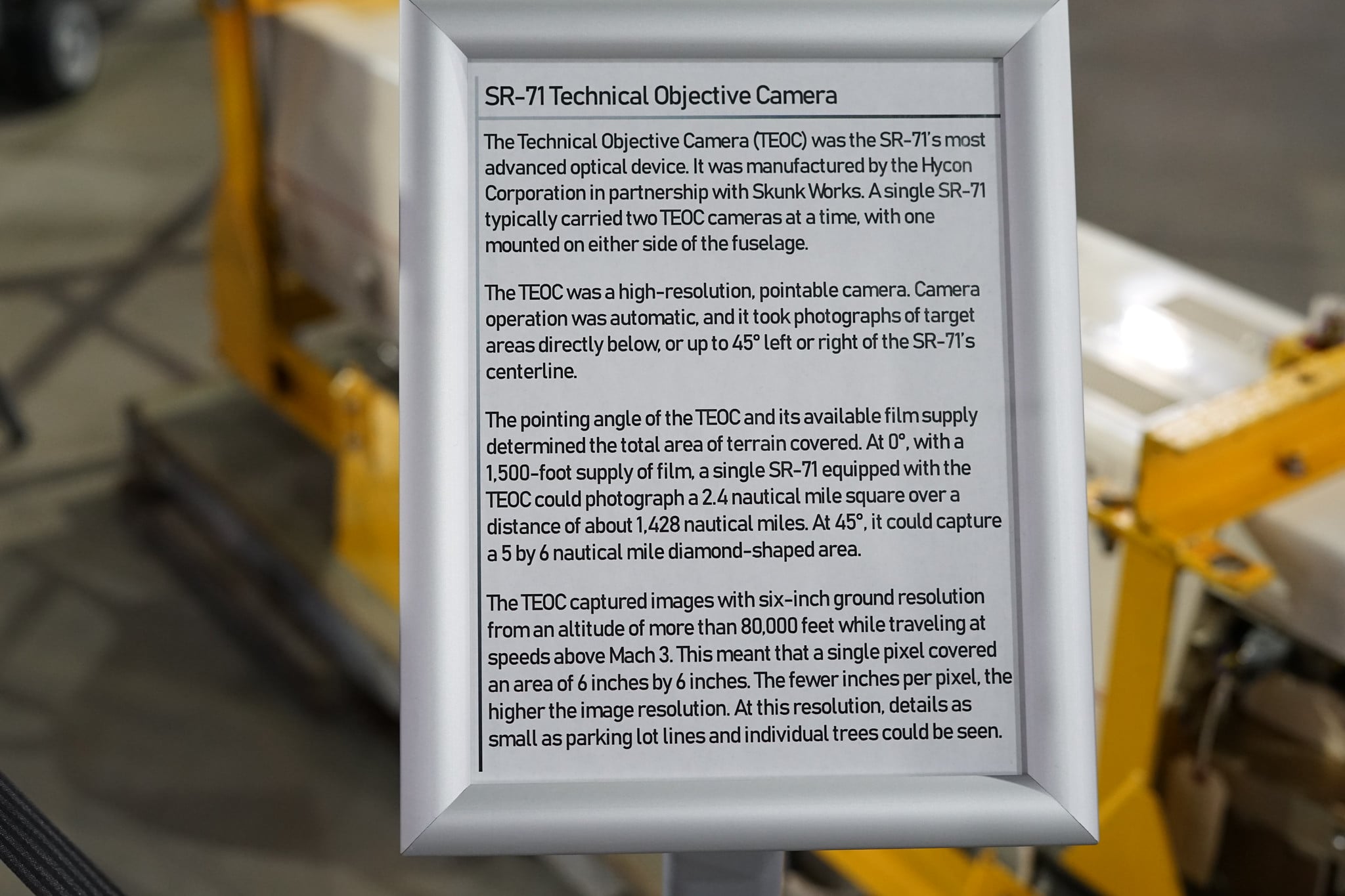
The SR-71’s main job was reconnaissance, and it carried some very powerful camera and sensor systems. Flying at Mach 3 and 80,000 feet, it could photograph a strip of land 100,000 square miles wide in just one hour.
The resolution of the imagery was sharp enough to read license plates from the edge of space. No ground-based defense system could stop the plane before it had already passed and captured everything it needed.
Named After A Baseball Stat, Kind Of
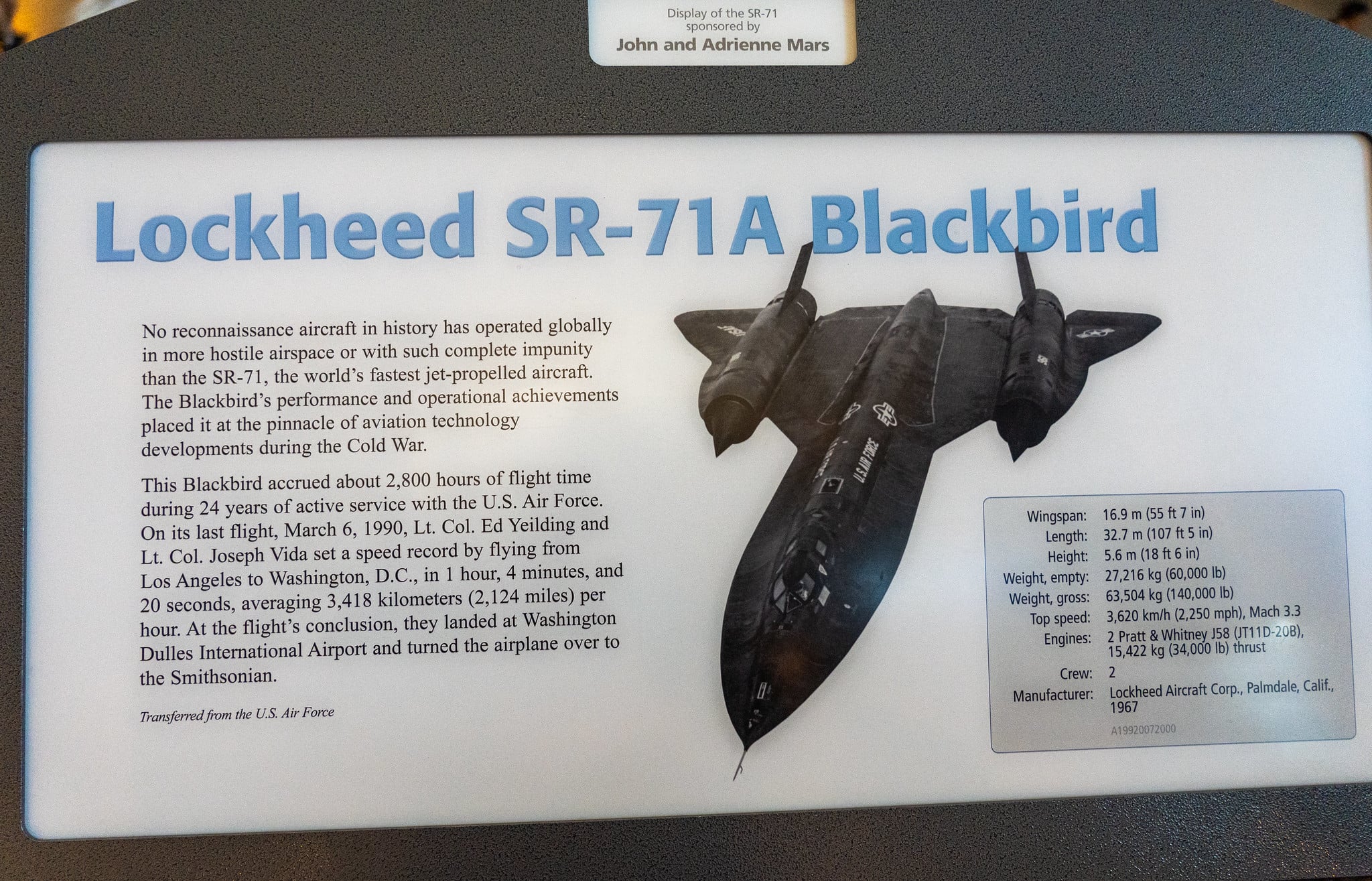
The ‘SR’ in SR-71 stands for ‘Strategic Reconnaissance.’ President Lyndon B. Johnson actually announced the aircraft publicly in 1964 and accidentally referred to it as the ‘RS-71,’ reversing the letters.
Rather than correcting the President, the Air Force quietly changed the official designation to SR-71 to match what he had said. It is one of the stranger naming stories in military aviation history.
The Crew Was Always Two

Every SR-71 flight required two people: a pilot and a Reconnaissance Systems Officer, often called the RSO. The RSO sat behind the pilot and managed all the sensors, cameras, and navigation systems.
The pilot focused entirely on flying the aircraft, which at Mach 3 demanded full attention. Both crew members had to be in peak physical condition and go through years of specialized training before flying the jet.
Refueling Right After Takeoff

Because of the fuel leakage issue on the ground, the SR-71 would often take off with a lighter fuel load and then refuel almost immediately in the air. Aerial refueling from a tanker aircraft would top off the tanks before the Blackbird accelerated to cruise speed.
This was a routine but complicated process that required precise flying from both aircraft. Once fully fueled and up to speed, the plane could fly for hours without stopping.
The Black Paint Had A Job
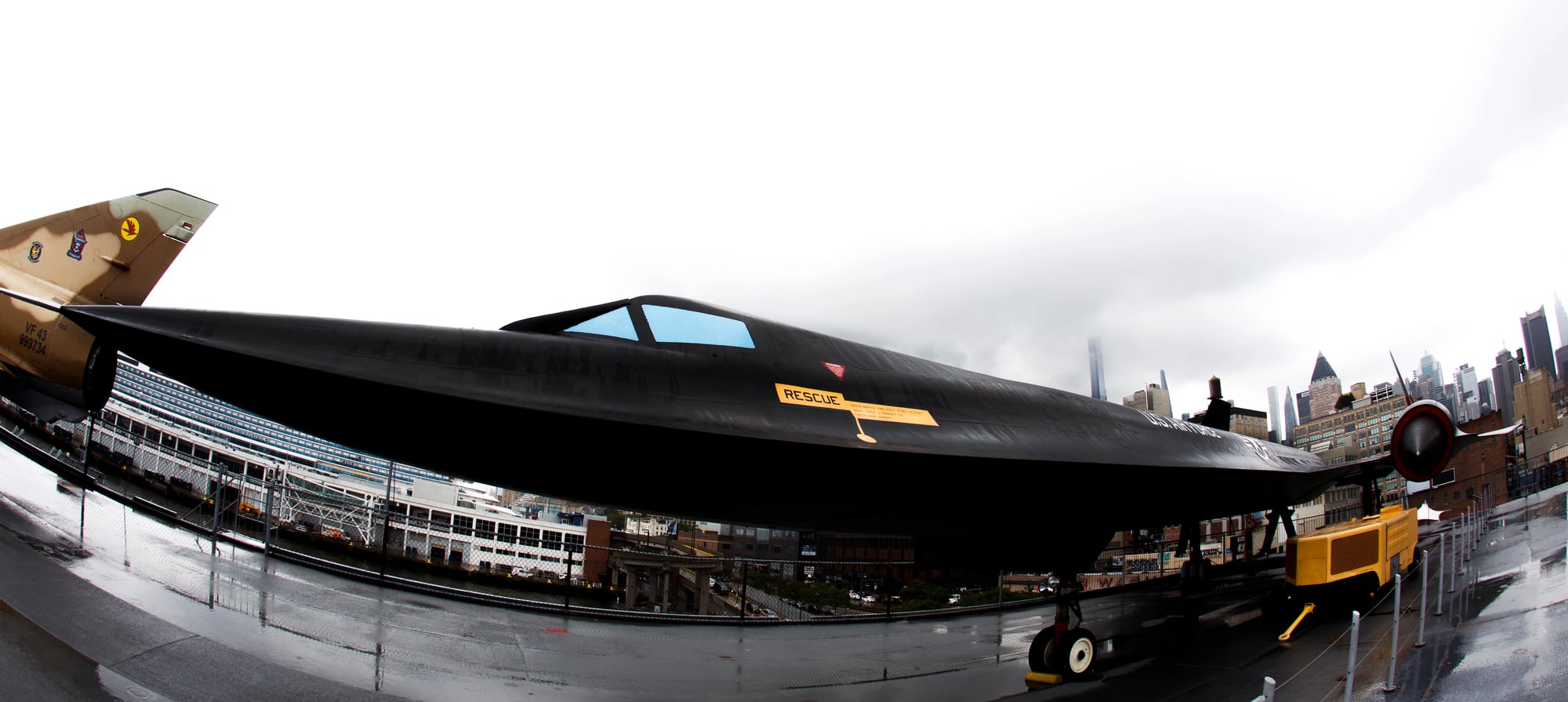
The dark, almost pure black paint on the SR-71 was not just for looks. The paint was specially formulated to absorb radar signals and help reduce the aircraft’s radar signature.
It also helped radiate heat away from the airframe during high-speed flight. The pigment in the paint contained tiny iron particles, making it heavier than regular aircraft paint but essential for the mission.
Retired, Then Brought Back, Then Retired Again
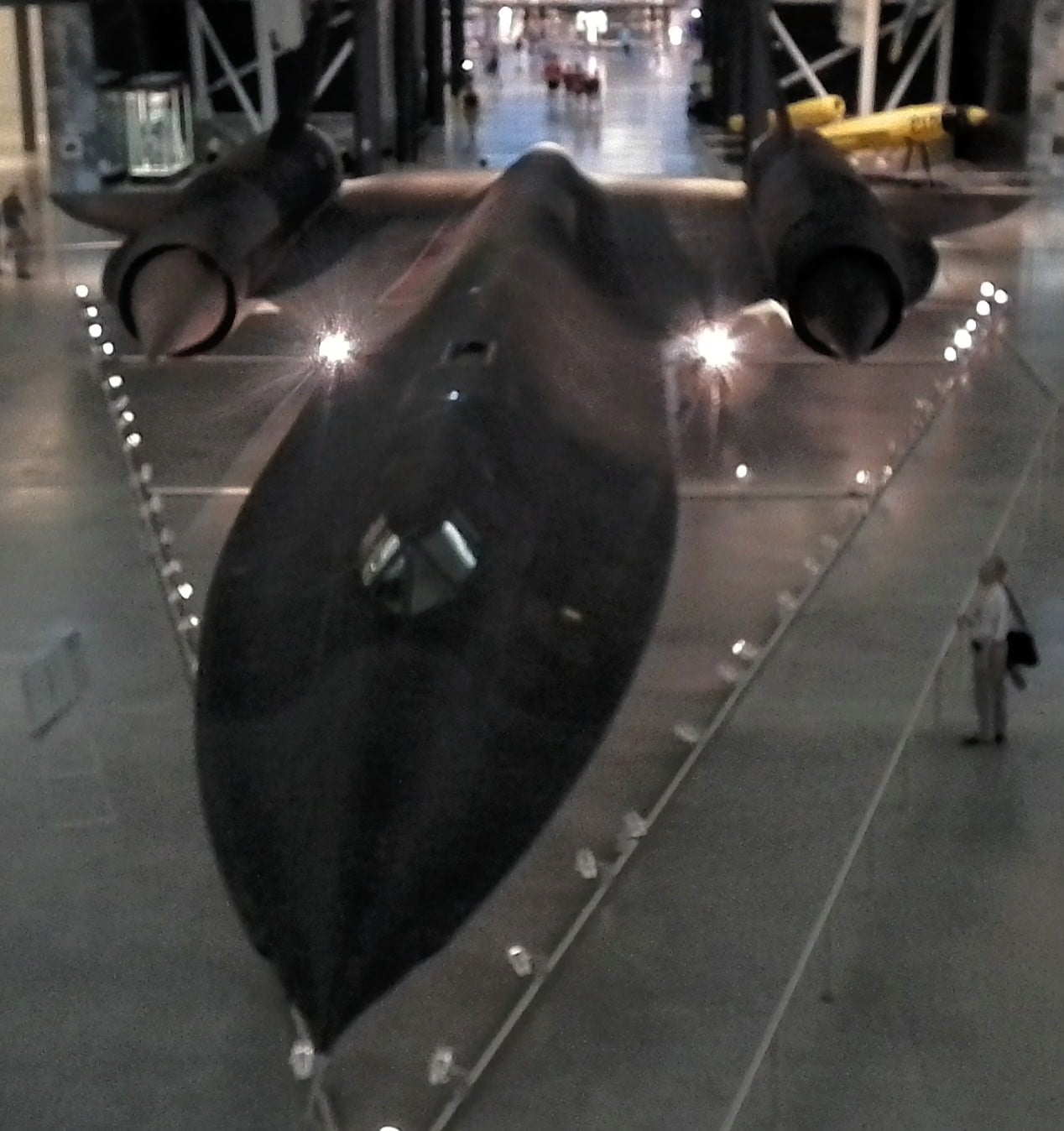
The SR-71 was officially retired by the Air Force in 1990, largely due to budget cuts and the rise of satellite surveillance. However, NASA and the Air Force briefly returned a small number of SR-71s to service in the mid-1990s for research and reconnaissance purposes.
The second retirement came in 1998, and this time it was permanent. The decision to retire the plane fully remains debated among aviation experts and defense analysts to this day.
The Blackbird Family
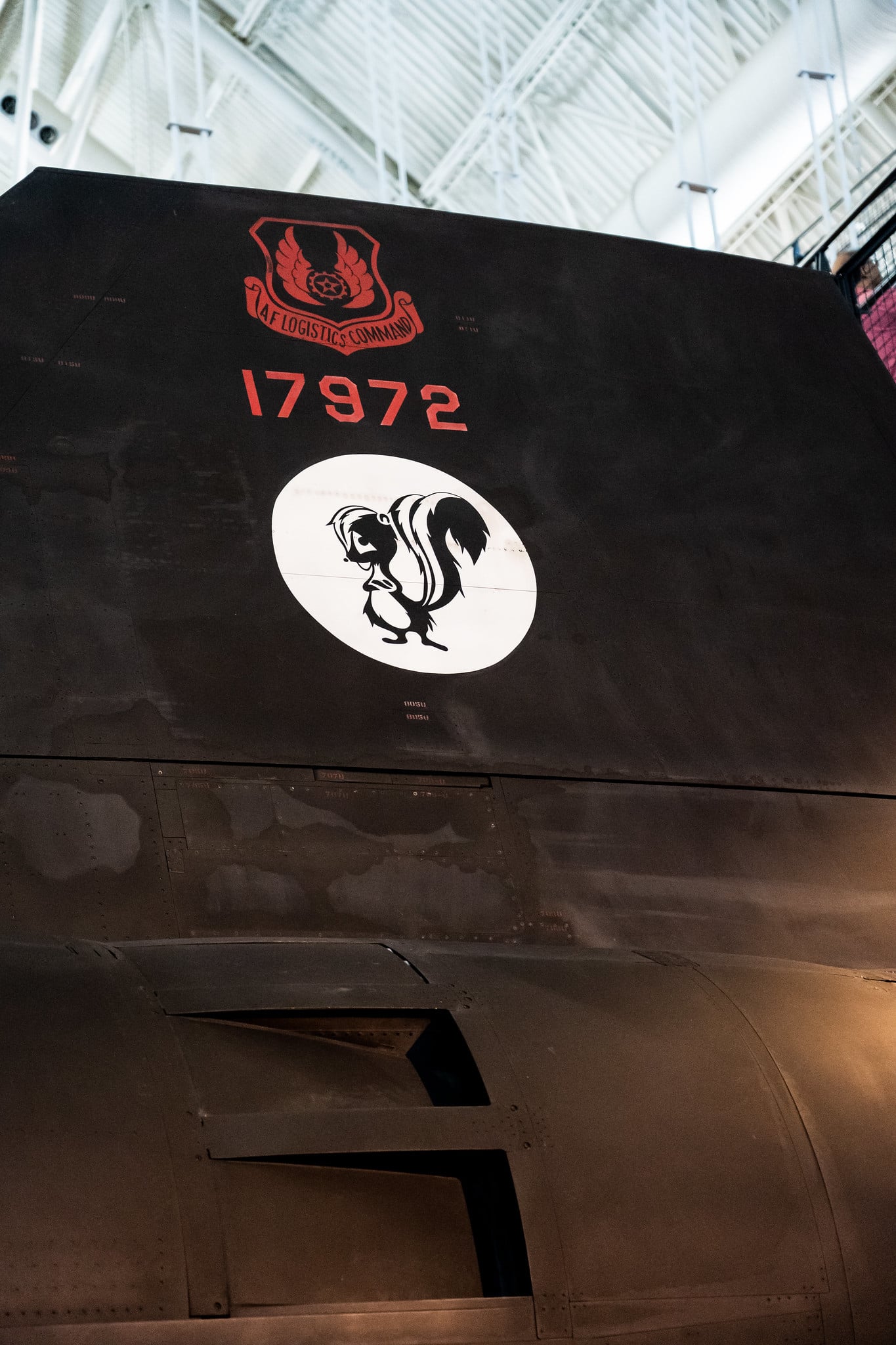
The SR-71 was not a standalone design. It belongs to a family of aircraft that came from the same Skunk Works program, starting with the A-12, which was operated by the CIA.
The YF-12 was a version tested as an interceptor, designed to shoot down enemy aircraft. The SR-71 was the most refined and longest-serving member of the family, and it outlasted all its relatives in operational use.
The Sonic Boom Problem
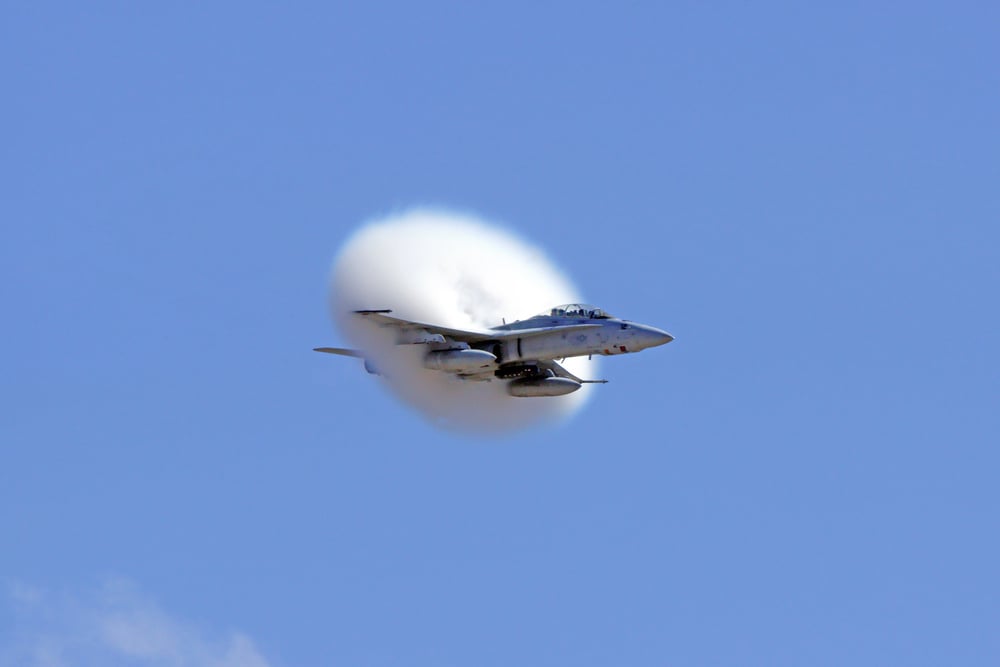
Every time an SR-71 crossed into supersonic speeds, it created a sonic boom that could be heard and felt on the ground. Residential areas near flight paths sometimes experienced rattling windows and startled residents who had no idea what caused the noise.
The Air Force had to carefully plan flight routes to avoid flying supersonic over populated areas whenever possible. The boom was a side effect of the physics involved, not something that could be engineered away.
Pilots Needed Special Training For High Altitude
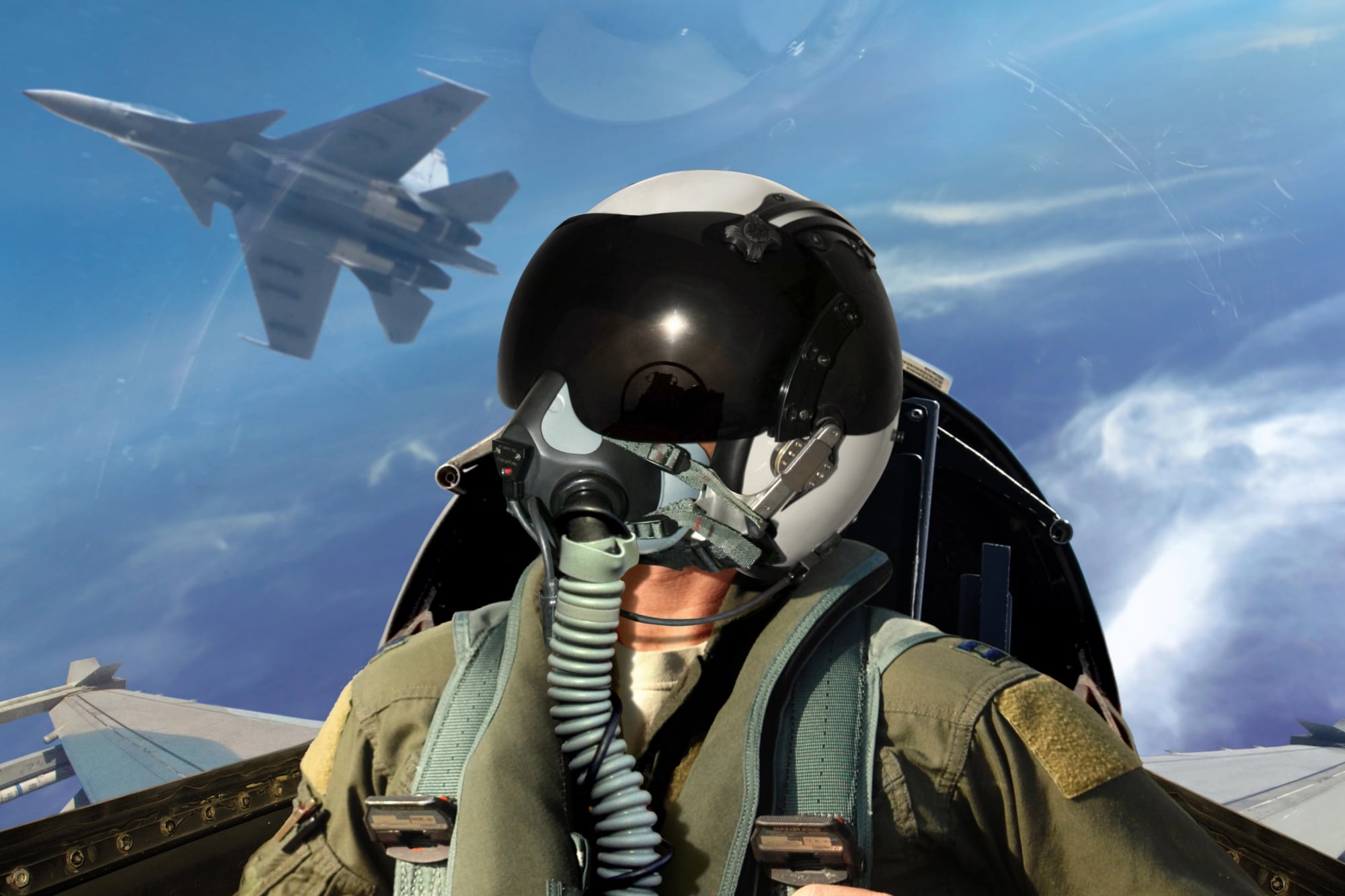
Flying at 85,000 feet meant pilots had to train for the physiological effects of near-space altitudes. They went through altitude chamber training to understand how their bodies would react if the cockpit pressure system failed.
Spatial disorientation was a real risk at those altitudes because the visual cues that pilots normally rely on are almost completely gone. Every SR-71 pilot had to prove they could stay sharp and make good decisions even under those conditions.
A Very Small Fleet
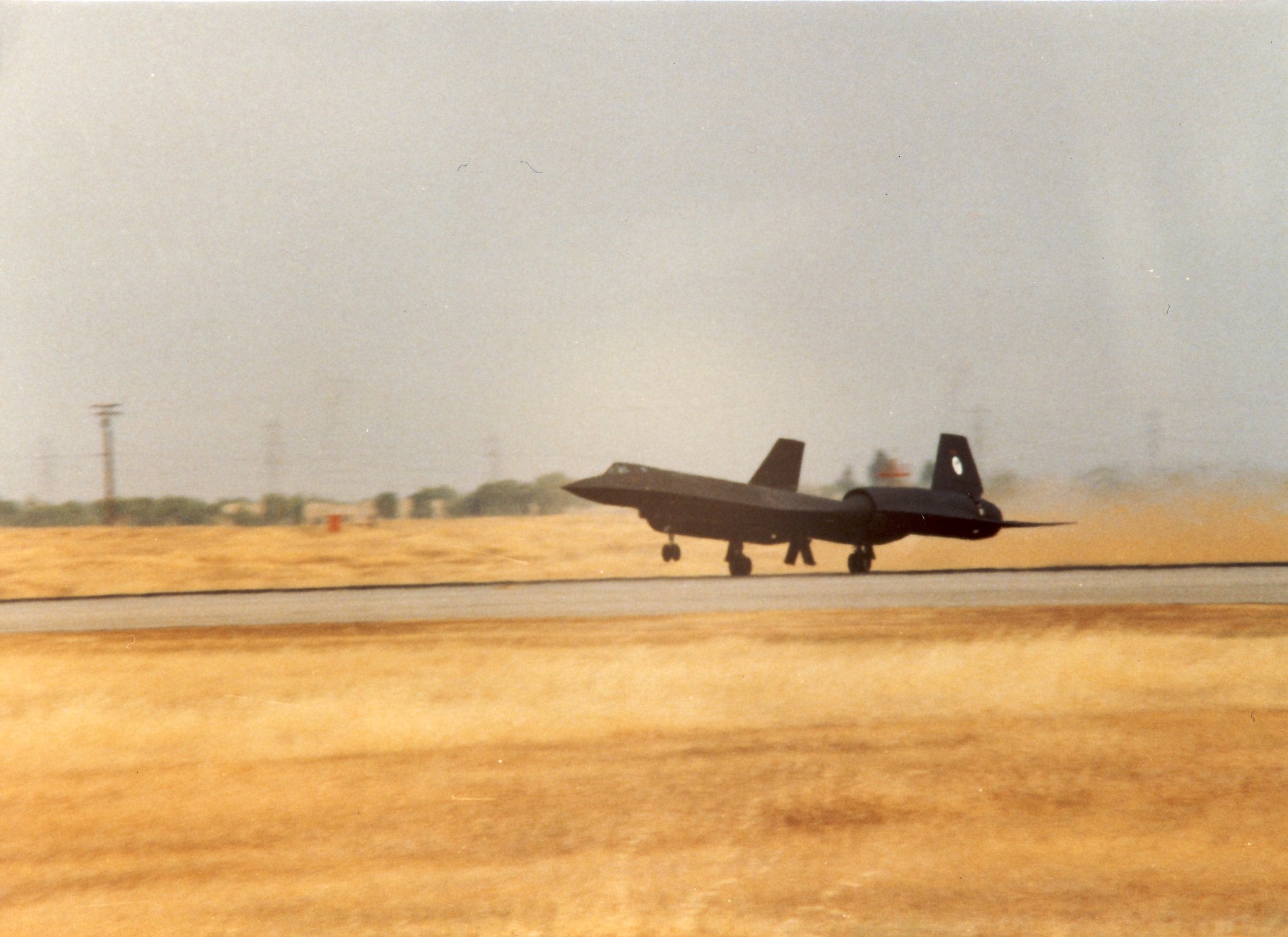
Only 32 SR-71 aircraft were ever built, which made the program unusually small for a major military aircraft. Of those, 12 were lost in accidents over the course of the program’s history, though none were lost to enemy fire.
The small fleet size meant that every single aircraft was extremely valuable, and losing one was a significant event. Crews and ground personnel treated each plane with a level of care that reflected how rare and expensive they were.
Speed As A Defense, Not Stealth
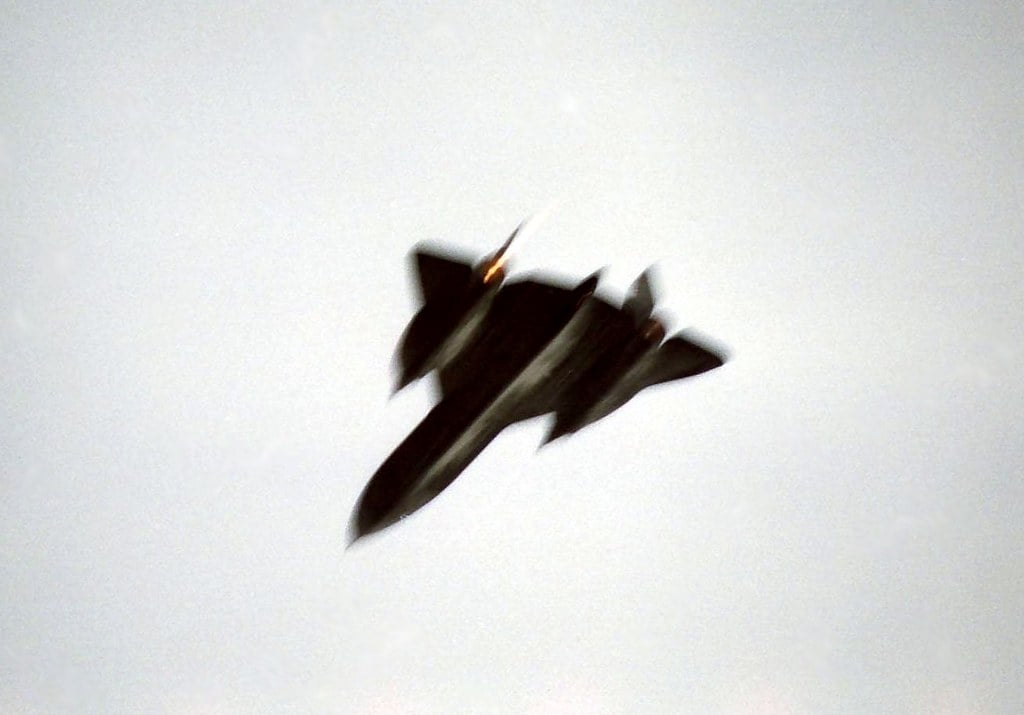
While the SR-71 had some radar-absorbing features, its real defense was pure speed. Unlike stealth aircraft designed to be invisible to radar, the Blackbird accepted that it would likely be seen on enemy radar screens.
The plan was simply to be going so fast that nothing could intercept it in time. That approach worked throughout the entire operational history of the aircraft.
Ground Crew Expertise

Operating the SR-71 required a massive ground support team with highly specialized skills. More than 300 people supported each SR-71 mission, handling everything from the pressure suits to the fuel systems to the sensors.
The ground crew had to work quickly because the aircraft’s schedule was extremely demanding. A mission that lasted a few hours in the air required days of preparation and maintenance on the ground.
The Blackbird In Popular Culture
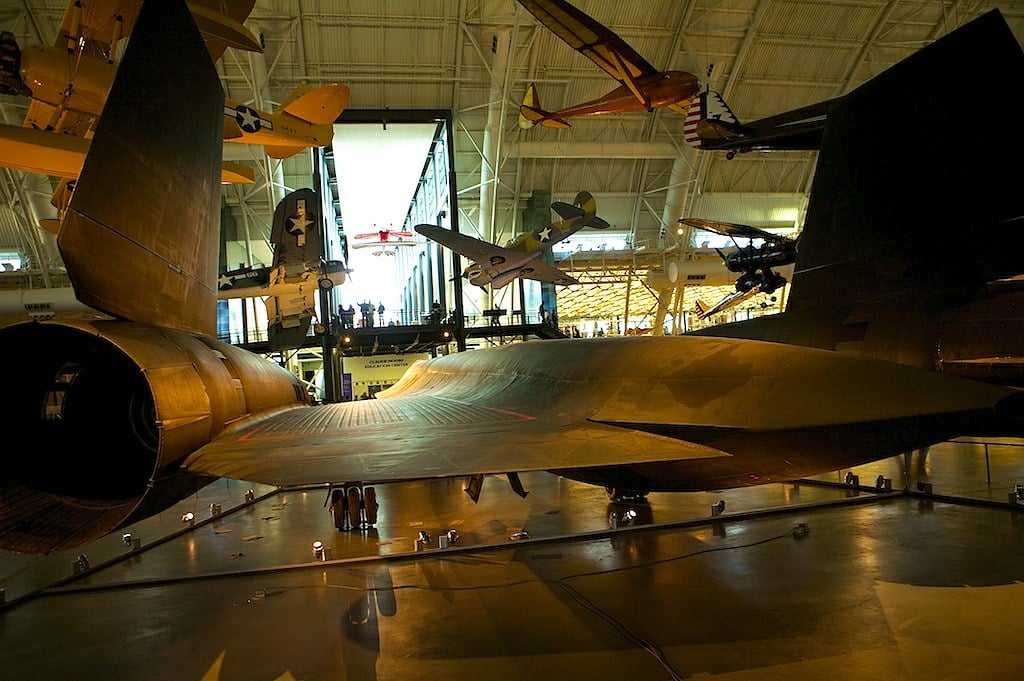
The SR-71 became a cultural symbol of American engineering ambition during the Cold War. It appeared in films, TV shows, and countless books as a representation of cutting-edge technology and military capability.
Even today, photos of the Blackbird appear regularly on social media and aviation forums, introducing new generations to the aircraft. Its striking shape and flat black finish made it instantly recognizable and genuinely unlike anything else ever built.
Still Holds Records Today
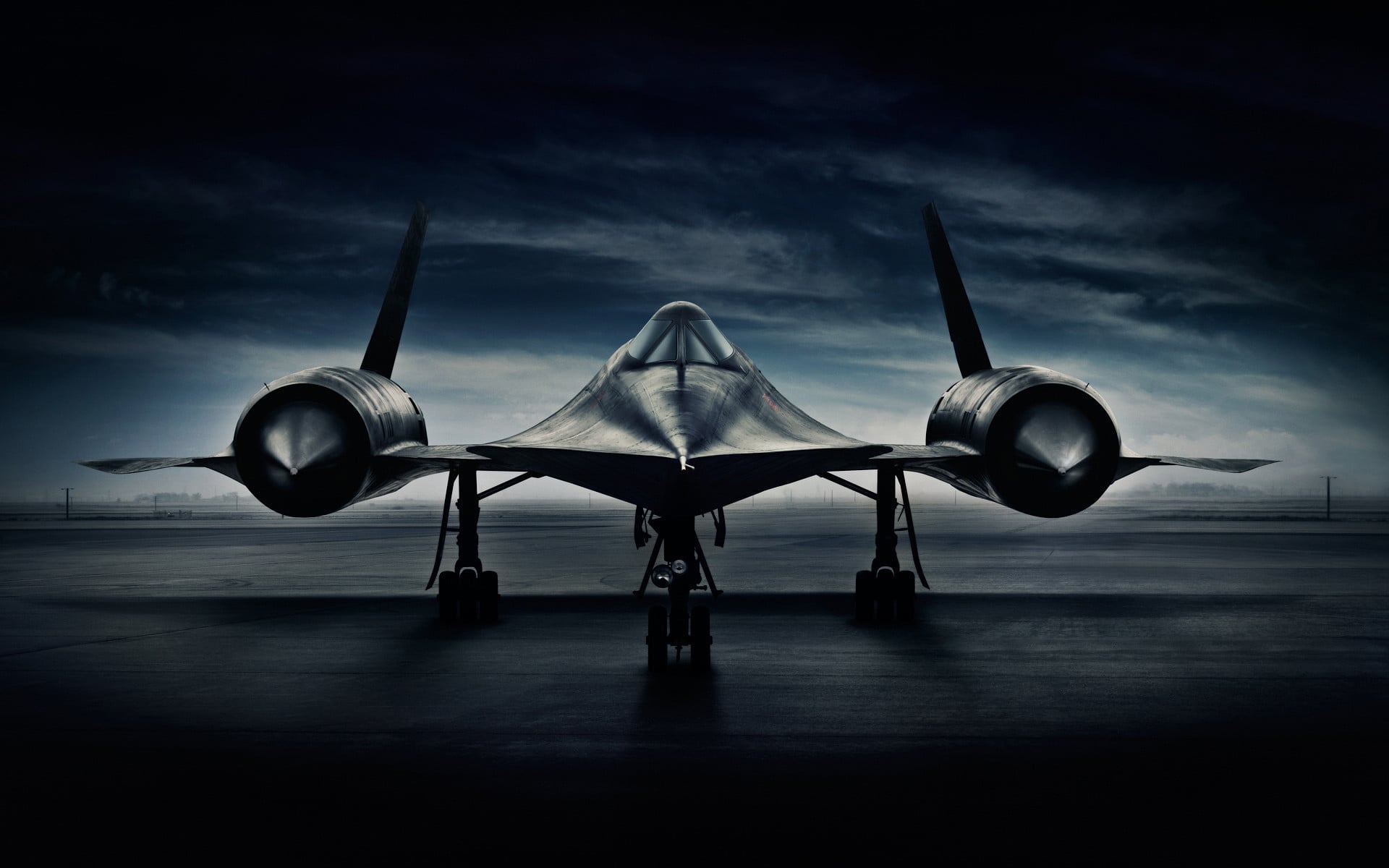
Decades after its retirement, the SR-71 still holds the record for the fastest air-breathing crewed aircraft in history. No country has publicly flown anything faster in routine operations since the Blackbird was retired.
That record has stood for nearly 50 years, which says a great deal about how far ahead of its time the aircraft truly was. Several nations have announced programs to develop hypersonic aircraft, but none have officially surpassed the SR-71’s record.
The Final Flight
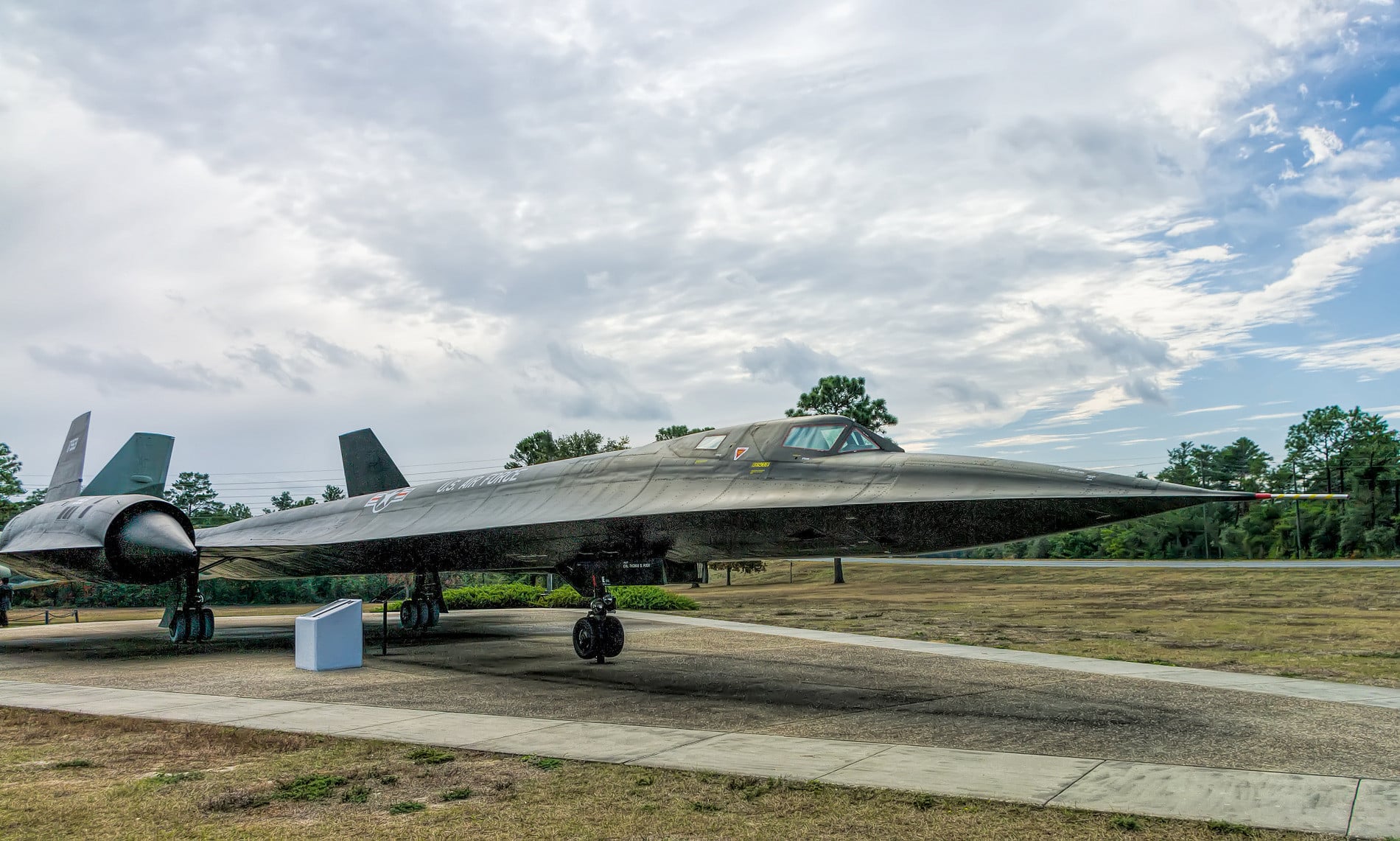
On October 9, 1999, the final SR-71 ever flew, marking the day NASA grounded its last pair. That trip across America? L.A. to D.C. in only 64 minutes and 20 seconds – fast enough to leave old doubts behind.
The touchdown happened at the Smithsonian’s hangar near Dulles, now known as the Steven F. Udvar-Hazy Center. There it sits, still gleaming under lights, years after proving limits were meant to be broken.
Speed like that didn’t just close a chapter – it rewrote how we see distance.
The Blackbird And Today’s Spy Planes
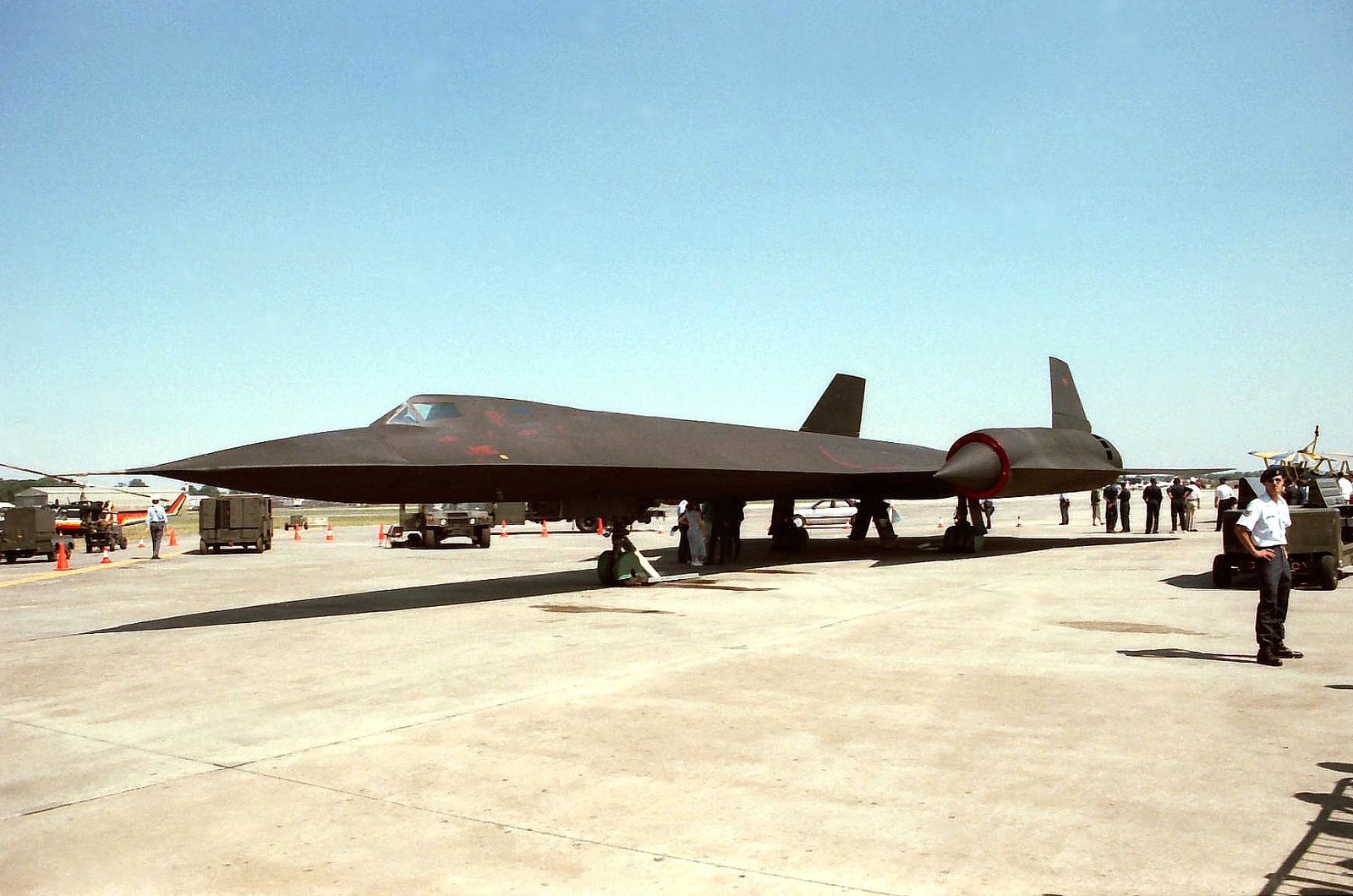
What sticks around from the SR-71 shows up now in how today’s spy planes and remote-piloted craft come together. Because of breakthroughs in airflow understanding and material strength found while building the Blackbird, newer models got smarter right from the start.
Since then, high speed has meant more than just going fast – it changed how defense planners see safety above enemy territory. Though decades have passed, each swift machine built since carries a piece of what that jet revealed.
What The Blackbird Left Behind
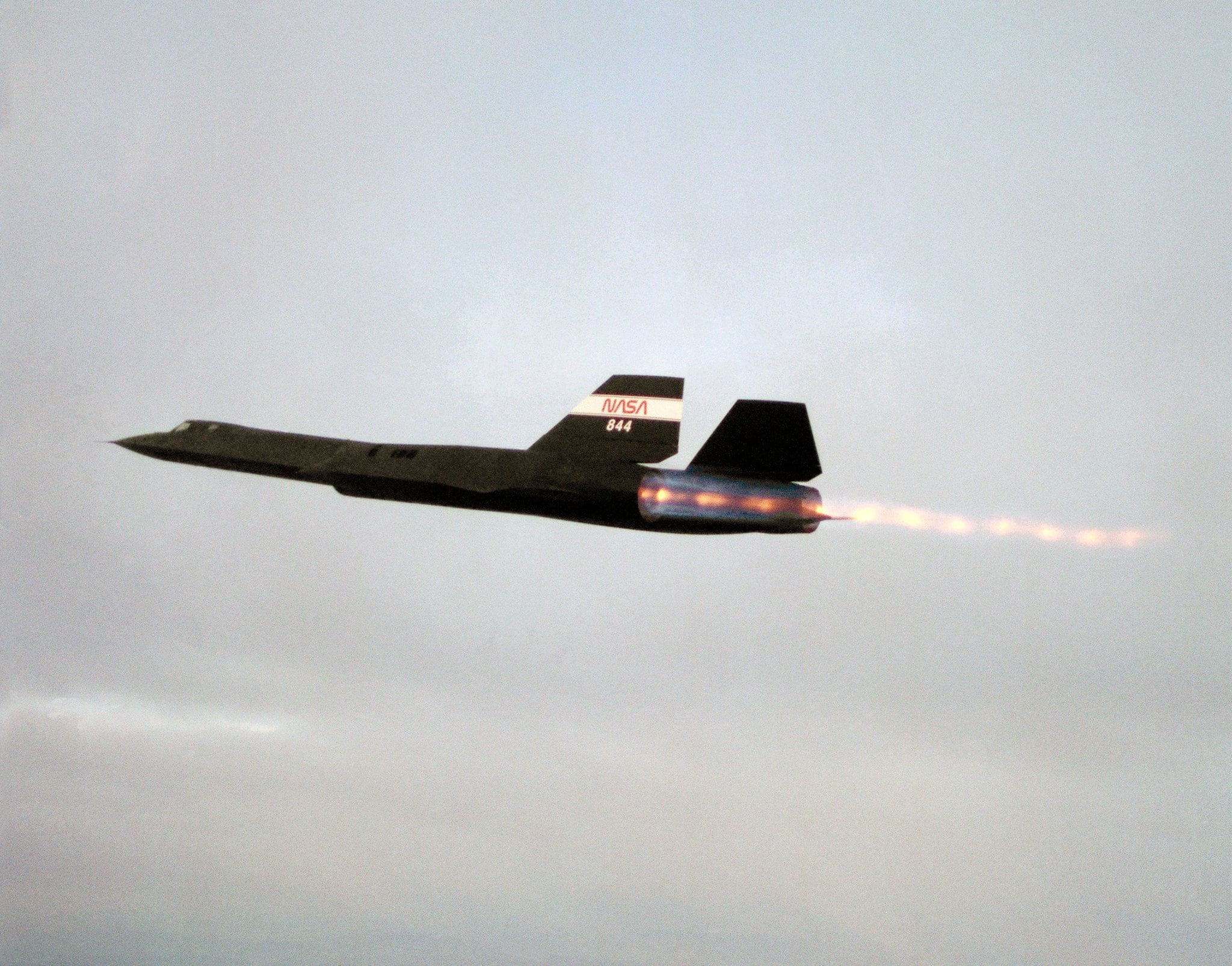
Out in the open, far beyond normal runways, sat a plane unlike any other. A handful of minds made it happen – no limits, just ideas meeting steel.
Because of their work, speed found new meaning one morning over Nevada. Records appeared almost by accident, each flight rewriting old assumptions.
Technology leapt forward, not in labs, but above hostile skies where silence spoke louder than noise. Even now, long after engines cooled for good, people gather around its frame inside glass halls.
Conversations start without prompting – what if we tried again, higher, faster, smarter? Though grounded forever, its shadow stretches across every design that follows.
More from Go2Tutors!

- The Romanov Crown Jewels and Their Tragic Fate
- 13 Historical Mysteries That Science Still Can’t Solve
- Famous Hoaxes That Fooled the World for Years
- 15 Child Stars with Tragic Adult Lives
- 16 Famous Jewelry Pieces in History
Like Go2Tutors’s content? Follow us on MSN.