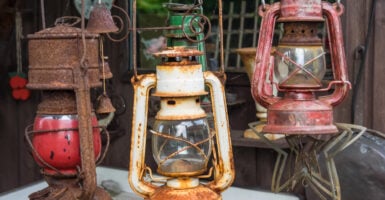
19 Old Railroad Lanterns Collectors Chase
A railroad lantern was a working tool before it was a collectible, carried along track and through yards where a clear signal mattered more than good looks. Decades later, the survivors turn up at auctions, swap meets, and estate sales, and the people who chase them can tell a maker by the shape of a bail or a stamp on a font.
The hunt rewards patience, because the same model can be a bargain in one condition and a prize in another. Every lantern below follows that rule, and the best ones are the ones that still look like they did the day they left a railroad’s supply room.
Adams & Westlake Adlake Kero Lanterns
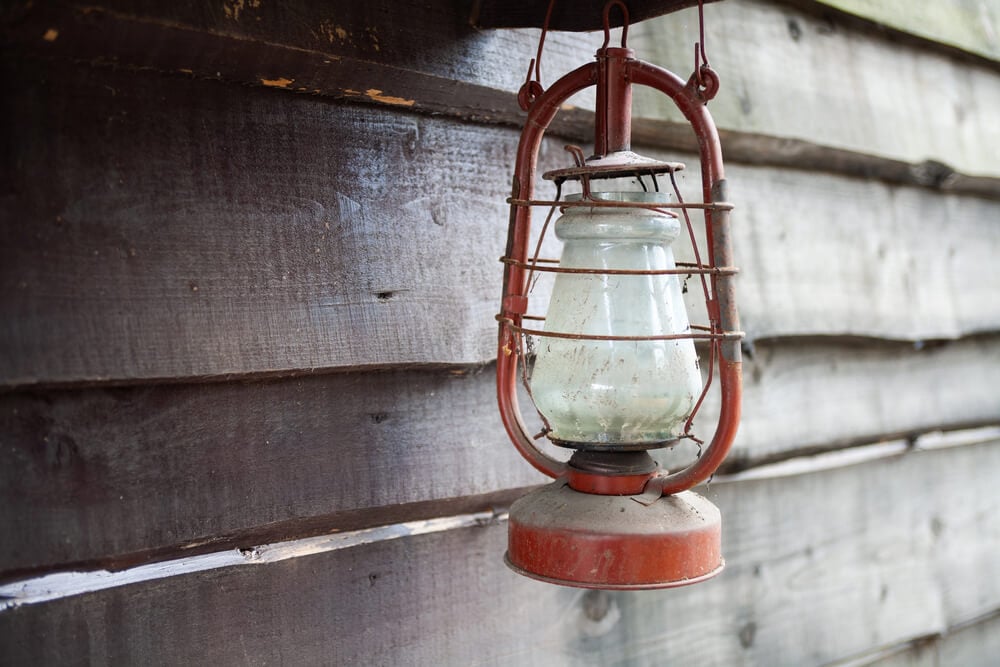
The Adlake name came from Adams & Westlake, a Chicago company established in 1857, and the Kero line sits among its best-known railroad lanterns. Collectors study the Kero as a late chapter in the maker’s story, which gives even common examples a place in the hobby.
Value depends heavily on condition, including an original globe, a burner that matches the lantern, readable markings, and a body free of rust-through and repaint. A Kero that has been cleaned too aggressively or refinished can lose much of its appeal to serious buyers.
Adams & Westlake Heritage Lanterns
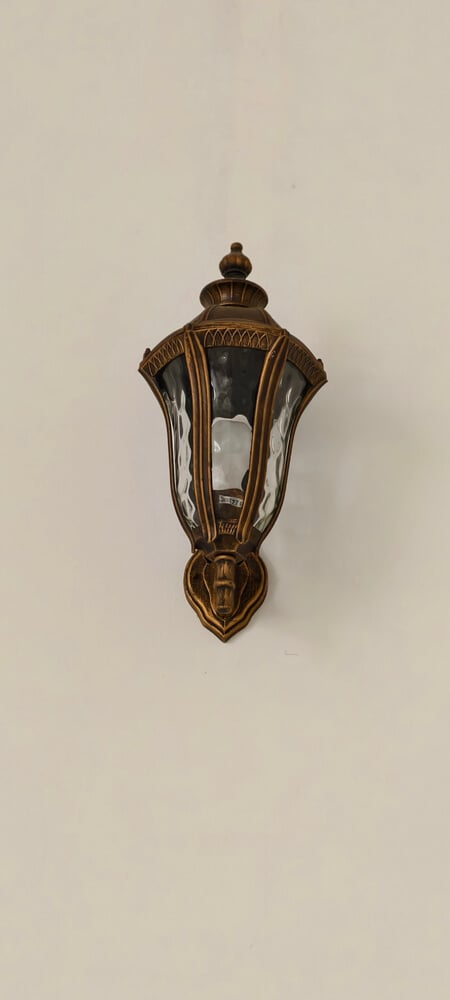
The Heritage lanterns carry the Adams & Westlake name into a later period of the maker’s output, and they appeal to collectors who want the Adlake story told from beginning to end. They are not usually the first lantern a new collector buys, but they fill a gap on a shelf of Adlake pieces.
As with any railroad lantern, value follows condition, and an original globe, intact markings, a correct burner, and an unpainted finish make the difference. A Heritage with a mismatched globe or a repaint reads as a parts assembly rather than a document of its era.
Adlake Electric Railroad Lantern No. 31-F
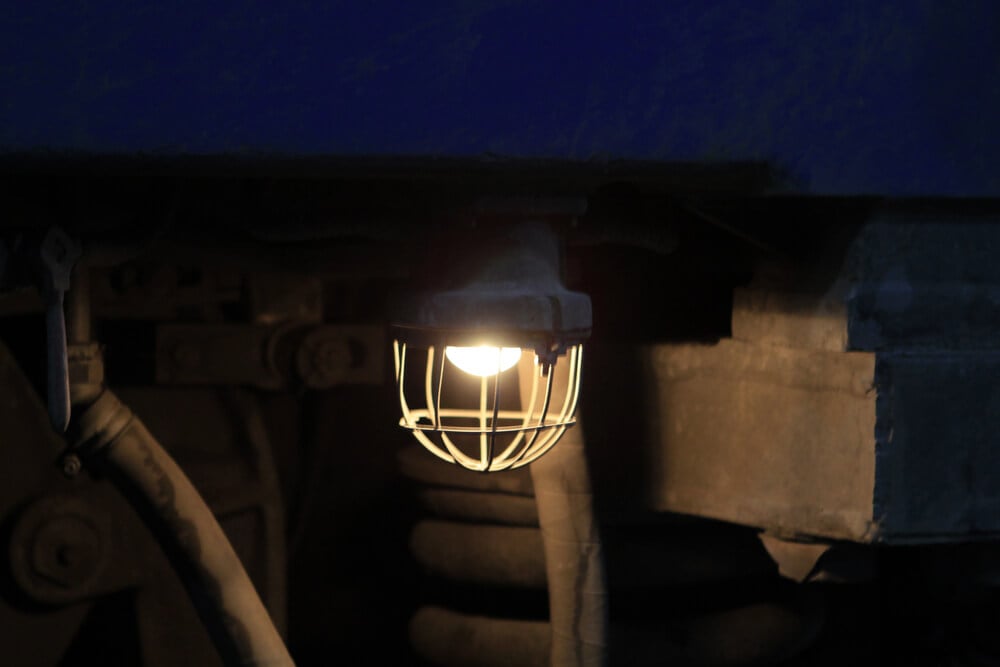
Not every Adlake ran on kerosene. The Adlake Electric Railroad Lantern No. 31-F is documented in a University of Chicago exhibition on the Calumet region, a reminder that railroad lighting moved past the oil flame.
Electric lanterns draw their own group of collectors, who care about intact wiring housings, original lenses, and legible maker markings. Condition decides the value here too, and a lantern with replaced parts, heavy corrosion, or a refinished body will be worth well below an honest, original example.
Adlake Non-Sweating 4-Way Switch Lamps
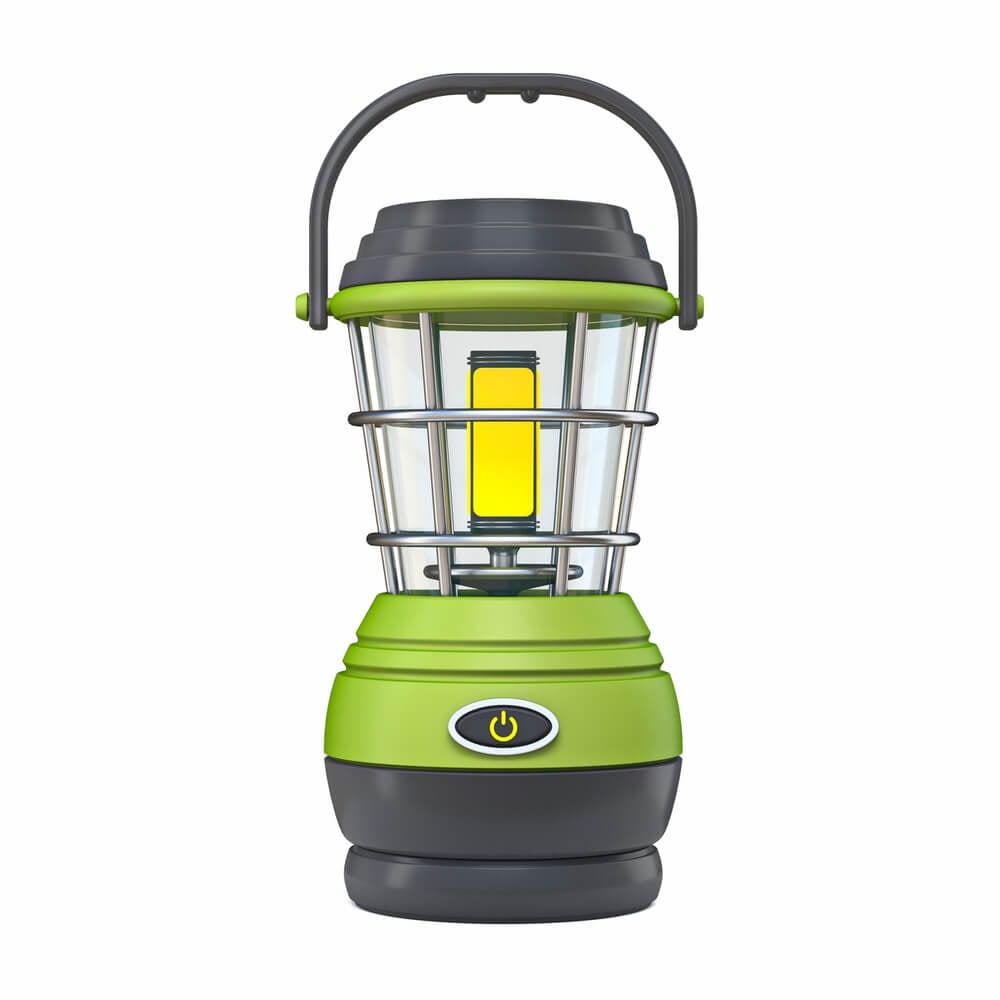
Switch lamps were fixed signals rather than hand lanterns, and the Adlake Non-Sweating 4-way model shows red and blue lenses in a single housing. The look is dramatic, with colored lenses that change what a crew sees from any direction.
Collectors prize examples with all lenses present and undamaged, since a missing or replaced lens undermines the entire point of the lamp. Value depends on condition, from the original lenses and markings to the burner and an unrepainted body.
Adlake Chicago Railroad Lamps From 1907
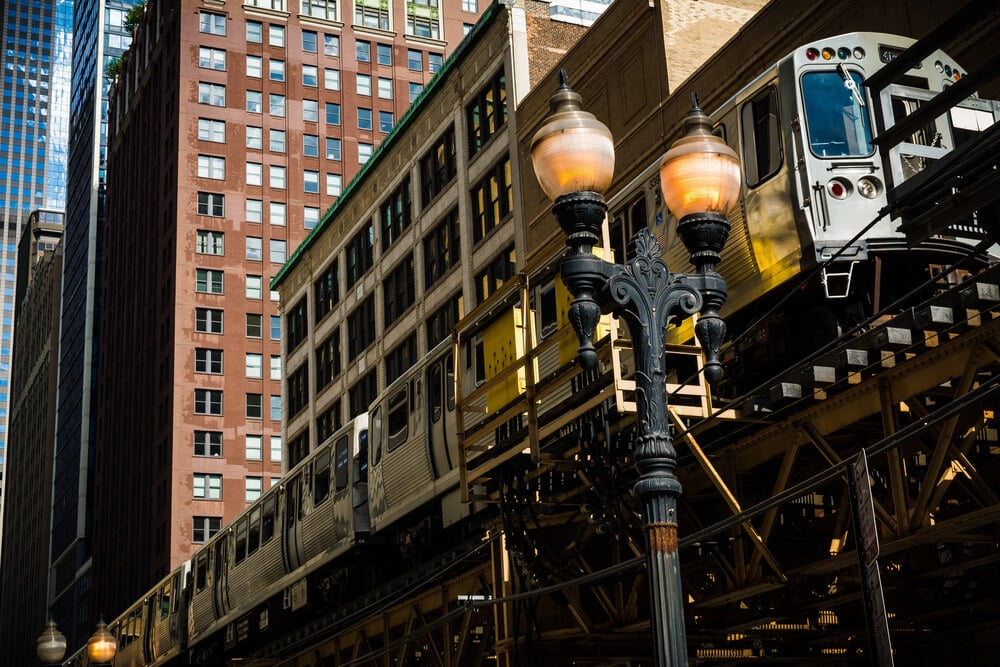
Collectors Weekly features an Adlake Chicago railroad lamp tied to the year 1907, a date that gives the piece a clear place in the maker’s timeline. Dated and city-marked Adlake pieces appeal because they connect a lamp to a specific era of Chicago manufacturing.
The difference between a shelf piece and a standout comes down to condition, including original glass, readable stamping, a correct burner, and a body that has not been repainted. A strong 1907 example with its original parts intact is the kind of lamp that makes a collector slow down at a table.
Dietz Vesta Lanterns
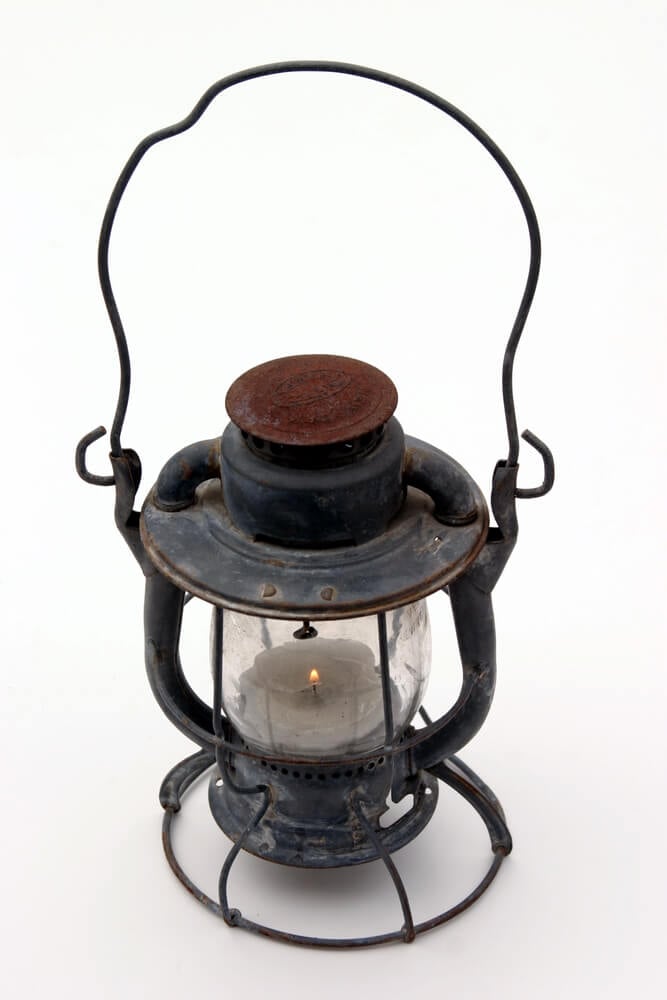
The Vesta is one of the best-documented Dietz designs, important enough that Railroadiana Online keeps a dedicated survey of Dietz Vesta lanterns. That level of attention means collectors compare variations closely, from stamping to globe fit.
Because so many were made, condition separates the ordinary from the desirable, and an original globe, a correct burner, clear markings, and no rust-through or repaint all matter. A Vesta that has been repainted or fitted with a mismatched globe will usually sit at the low end of what buyers are willing to pay.
Dietz Tall-Globe Lanterns
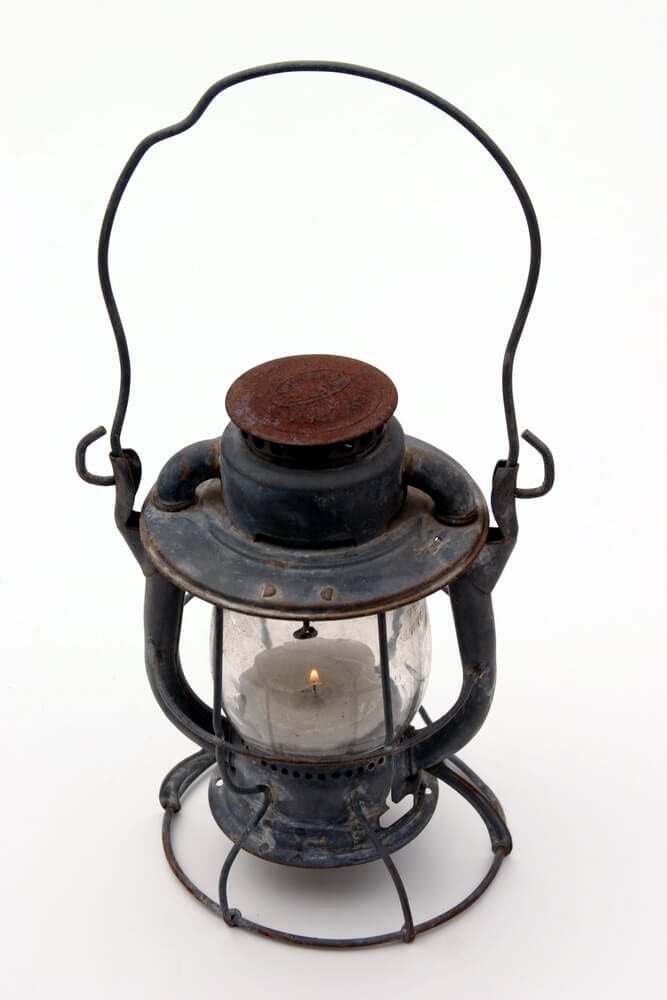
Tall-globe lanterns are a favorite category, and Dietz made them in quantity, which Railroadiana Online documents on a page devoted to Dietz tall-globe designs. The tall globe gave the lantern its recognizable profile and a larger light than short-globe types.
Collectors check that the globe is original to the lantern, that the markings remain readable, and that the burner is correct for the model. Rust-through, repaint, and replaced parts all pull the value down, while a clean untouched example holds attention.
Dietz Acme Inspector Lanterns
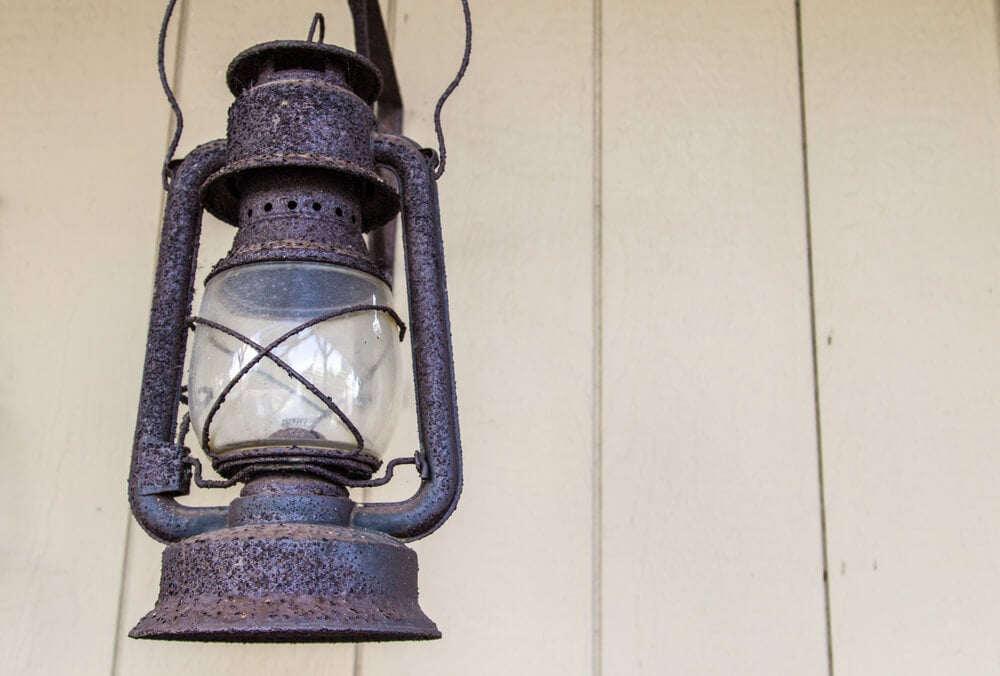
Inspector lanterns were built to be carried along a train for checking equipment, and the R. E. Dietz Manufacturing Company made an Acme Inspector that museums and dealers still list. The design stands out from standard hand lanterns, and that appeal reaches beyond railroad collectors to anyone drawn to unusual lighting.
Condition governs value, with the original lens, a correct burner, legible markings, and a body free of rust-through and repaint all counting. A faded finish that is original is generally preferred to a shiny repaint.
Armspear Lanterns
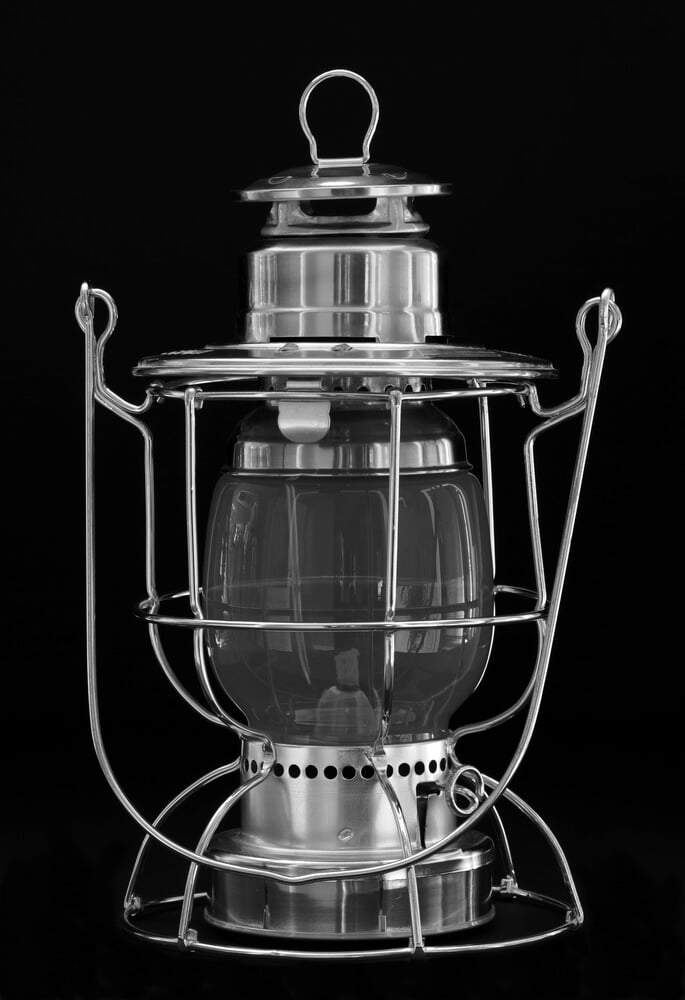
Armspear lanterns have enough following that Railroadiana Online maintains both a dedicated page and a lantern survey for the maker, along with a 1907 Armspear catalog. The catalog helps collectors identify models and confirm that a lantern is what it claims to be.
Original globes, readable markings, correct burners, and honest finishes all raise the value, while rust-through, repaint, and swapped parts reduce it. A lantern that matches its catalog description closely is worth more to a buyer who has done the homework.
Embury Supreme Lanterns From 1916 to 1922
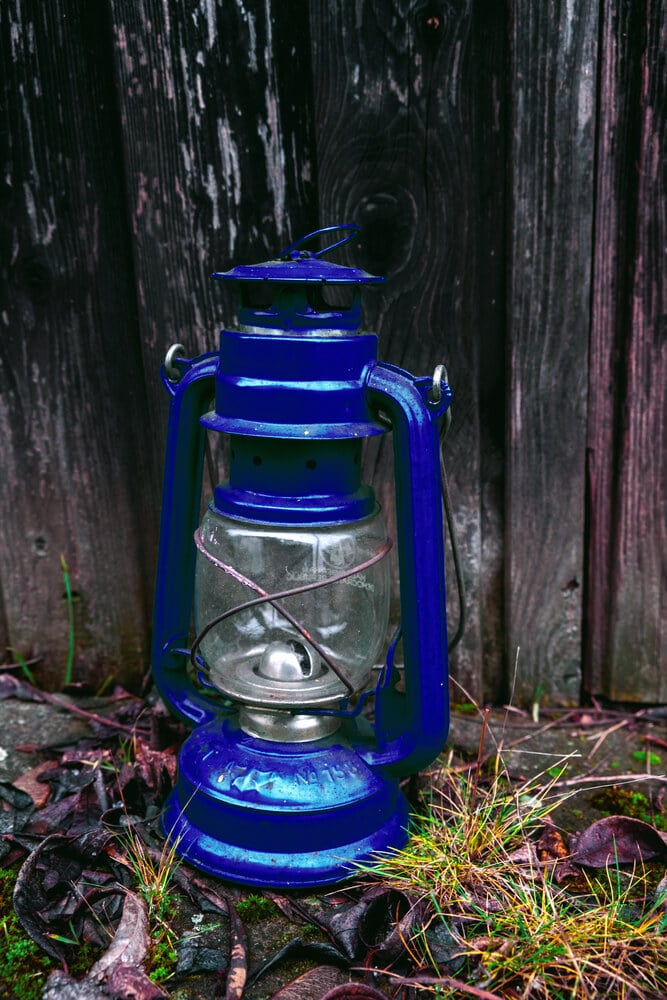
The Henry Ford museum holds an Embury Mfg. Co. Supreme lantern dated to the years 1916 through 1922, which gives collectors a firm production window for the model. Embury was based in Warsaw, New York, a small-town origin that surprises people who assume every major lantern maker came from a big railroad city.
Value depends on condition, from the original globe and burner to the markings, with no rust-through and no repaint. A Supreme that fits its documented years and still carries its original parts is the version collectors hope to find.
Star Headlight Tall-Globe Lanterns

The Star Headlight and Lantern name has its own survey and a separate tall-globe page at Railroadiana Online, evidence of steady collector interest. Star tall-globe lanterns share the upright look that defines the category, and the name on the font is part of the draw.
Collectors judge each one on its original globe, burner, and markings, and on whether the body has avoided rust-through and repaint. A Star lantern that has been altered or poorly restored rarely brings what a clean original would.
Handlan Lanterns With Etched Kopp Globes
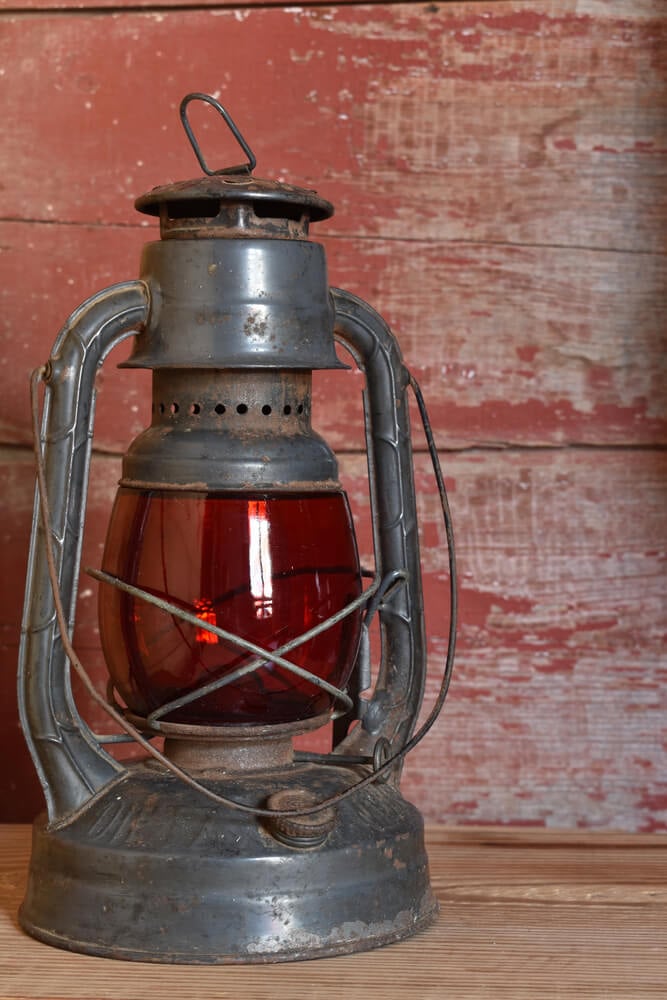
A Pennsylvania Railroad Handlan lantern with an etched Kopp globe has appeared at auction, a pairing that shows how maker, railroad, and glass maker combine to create value. Handlan was a St. Louis company, and the Kopp globe adds a second layer of interest because etched lettering ties the glass to a specific railroad.
The lantern is worth the most when the globe is original to it and the etching is crisp. Condition decides the rest, including the burner, the markings, and the absence of rust-through and repaint.
M.M. Buck Union Pacific Lanterns
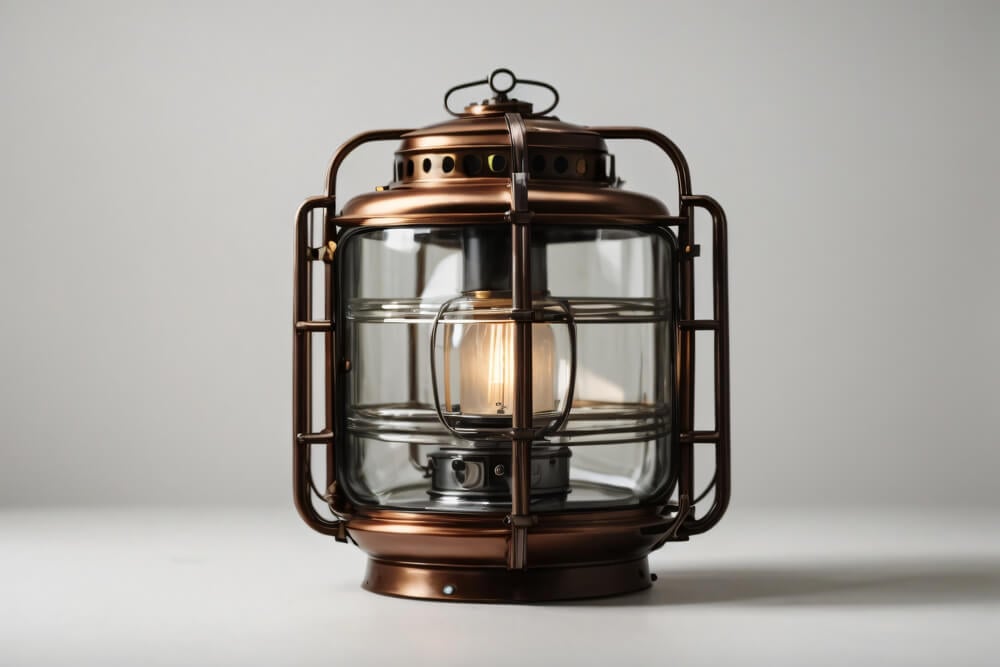
A Union Pacific lantern marked M.M. Buck sits in the collection of Broomfield history collections, a reminder that the Buck name belongs to the St. Louis lantern world alongside Handlan. Railroad marking is the key feature here, because a lantern stamped for a major line is generally sought more than an unmarked one.
Value depends on condition, including an original globe, clear stamping, the correct burner, and a body free of rust-through and repaint. Collectors also learn to be careful, since faked railroad markings are a documented problem in the hobby.
Colorado Midland Marked Tall-Globe Lanterns
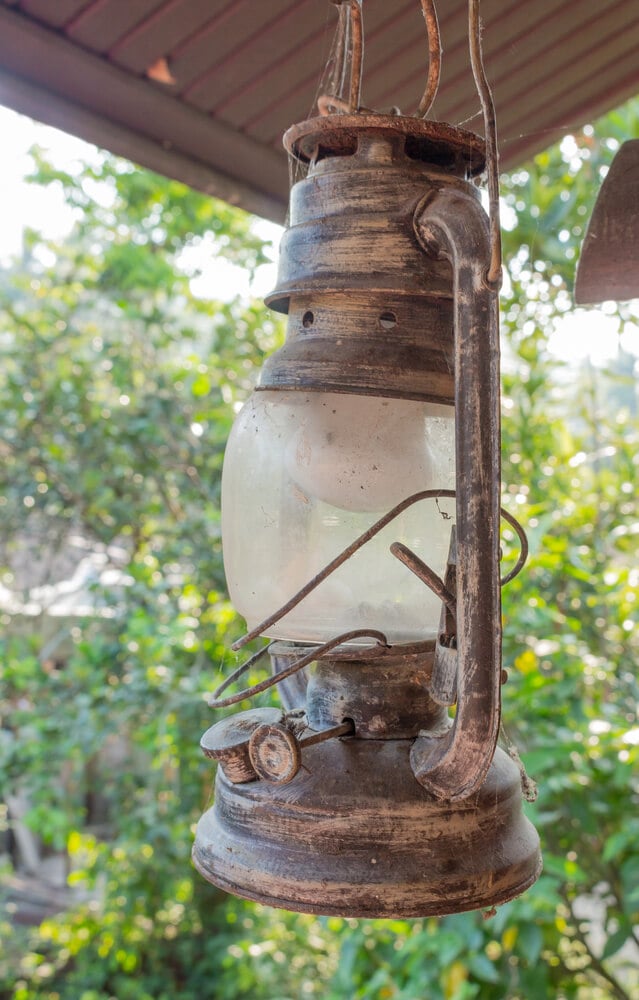
Dirk Soulis Auctions has sold a tall-globe lantern marked Colo Mid RR, the Colorado Midland Railway, a smaller line that attracts collectors who like regional railroads. A lantern from a short-lived or lesser-known road can matter more to specialists than a common marking from a giant system.
The value depends on condition, with an original globe, a crisp marking, a correct burner, and no rust-through or repaint. Genuine markings matter enormously, because added or altered railroad stamping is a known reproduction problem.
Corning-Style Globes
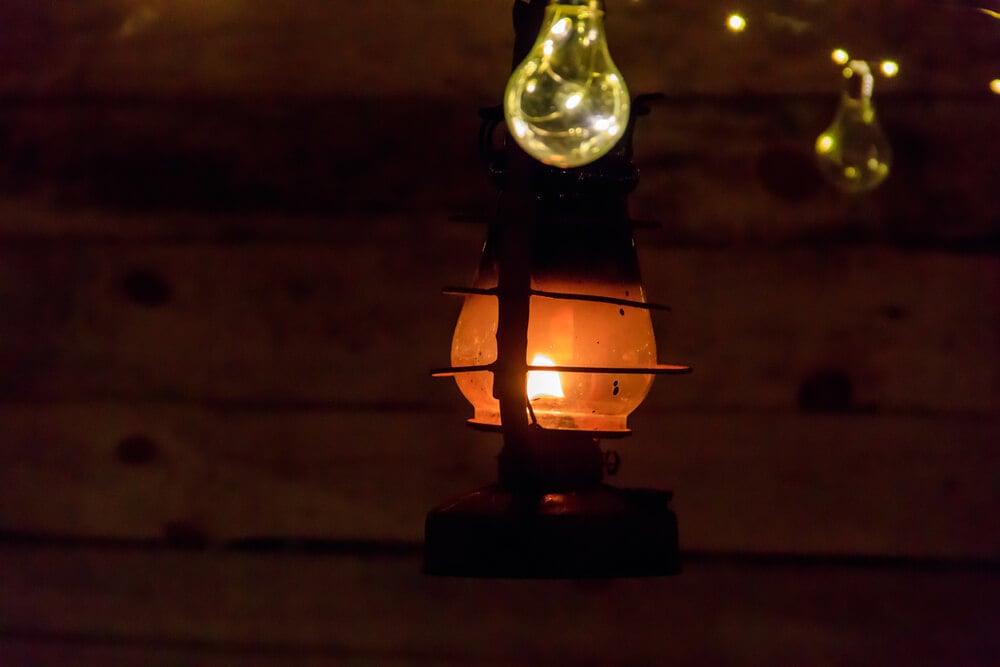
Corning-style globes get their own page at Railroadiana Online, which signals how much collectors care about the glass as well as the lantern. The globe is the part most likely to be broken or replaced, so an original, undamaged one is a major factor in value.
Lettering, clarity, and fit all matter, and a globe that was swapped in later can make an otherwise good lantern less valuable. Fake and reproduction globes also circulate, so buyers learn to inspect carefully before paying.
Cobalt Blue Railroad Lantern Globes
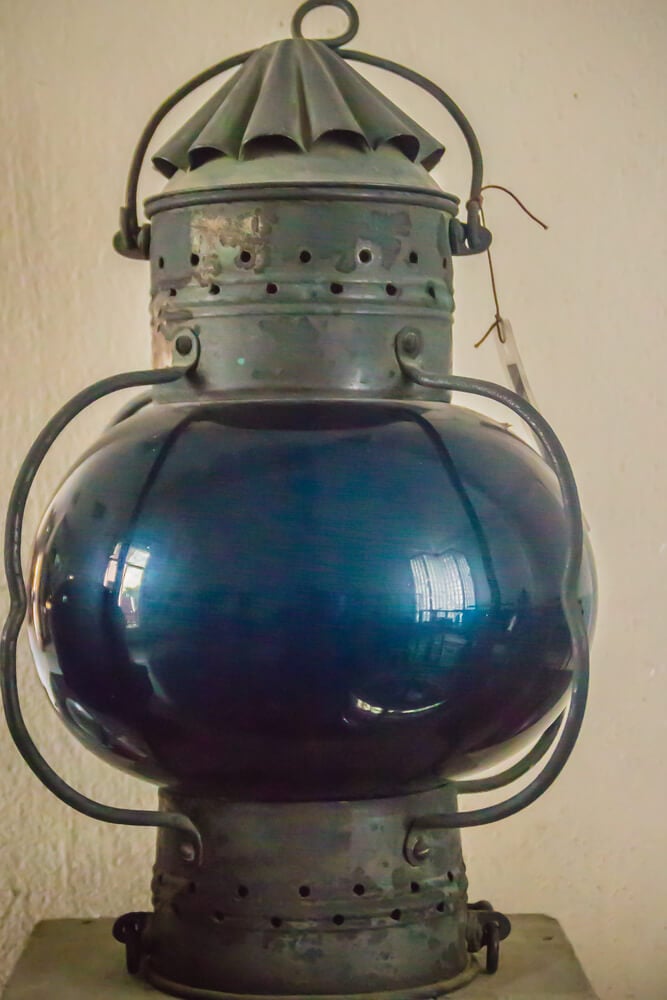
Collectors Weekly has featured a cobalt blue railroad lantern globe, a color that stands out in a field dominated by clear and red glass. Colored globes were used for signaling, and a deep blue example can be the centerpiece of a display.
Value depends on condition, since chips, cracks, and heavy wear to the glass cut into appeal. A cobalt globe still sitting in its original lantern, with matching markings and a correct burner, is a stronger find than one sold alone.
George D. Macbeth Lantern Globes
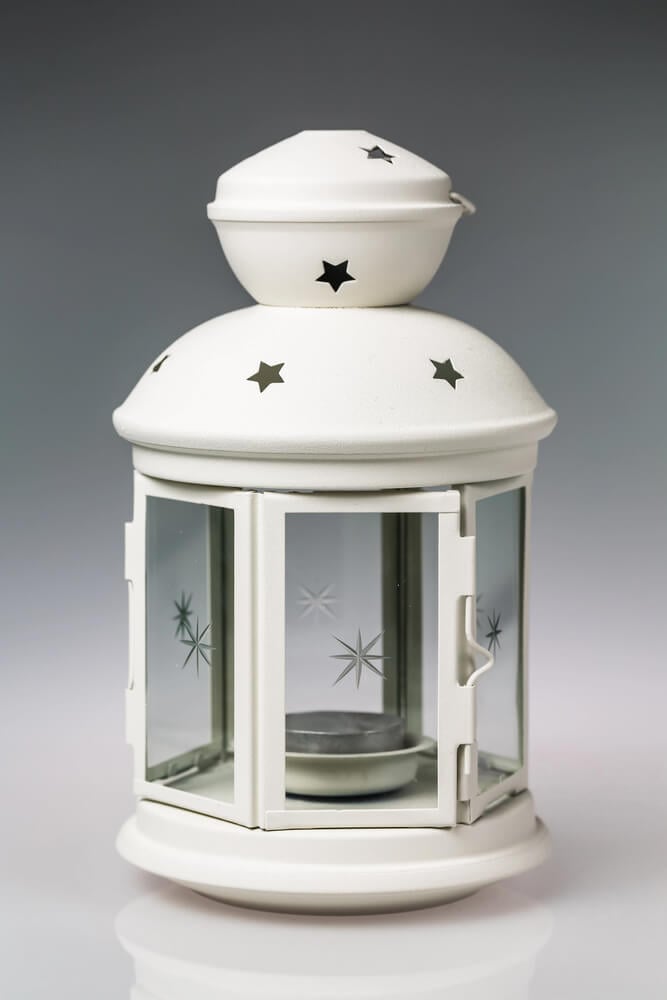
The Corning Museum of Glass lists a lantern globe in its records tied to George D. Macbeth, which connects a humble railroad part to the history of American glassmaking. That pedigree attracts glass collectors as well as railroad enthusiasts, which widens the pool of buyers.
As with any globe, condition drives value, from clarity and lettering to the absence of cracks and chips. A globe that fits its lantern and carries its original markings is more desirable than one that has been mismatched.
Short-Globe Railroad Lanterns
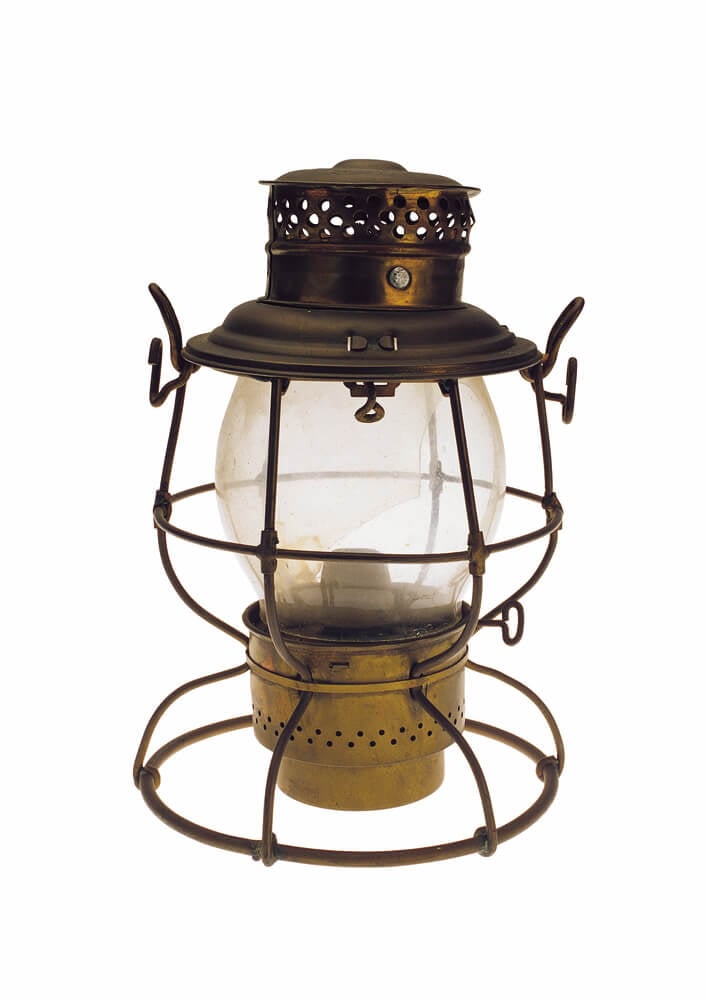
Railroadiana Online groups a range of short-globe lanterns on a single page, and the format is a real subgroup of the hobby rather than a footnote to the tall-globe types. A short globe gives the lantern a squat, sturdy look that appeals to collectors who want variety on the shelf.
Condition sets the price, including an original globe, a matching burner, readable markings, and a body without rust-through or repaint. Many short-globe lanterns were common working pieces, so a clean original stands out.
Railroad Hand-Signal Lanterns of the 1920s and 1940s
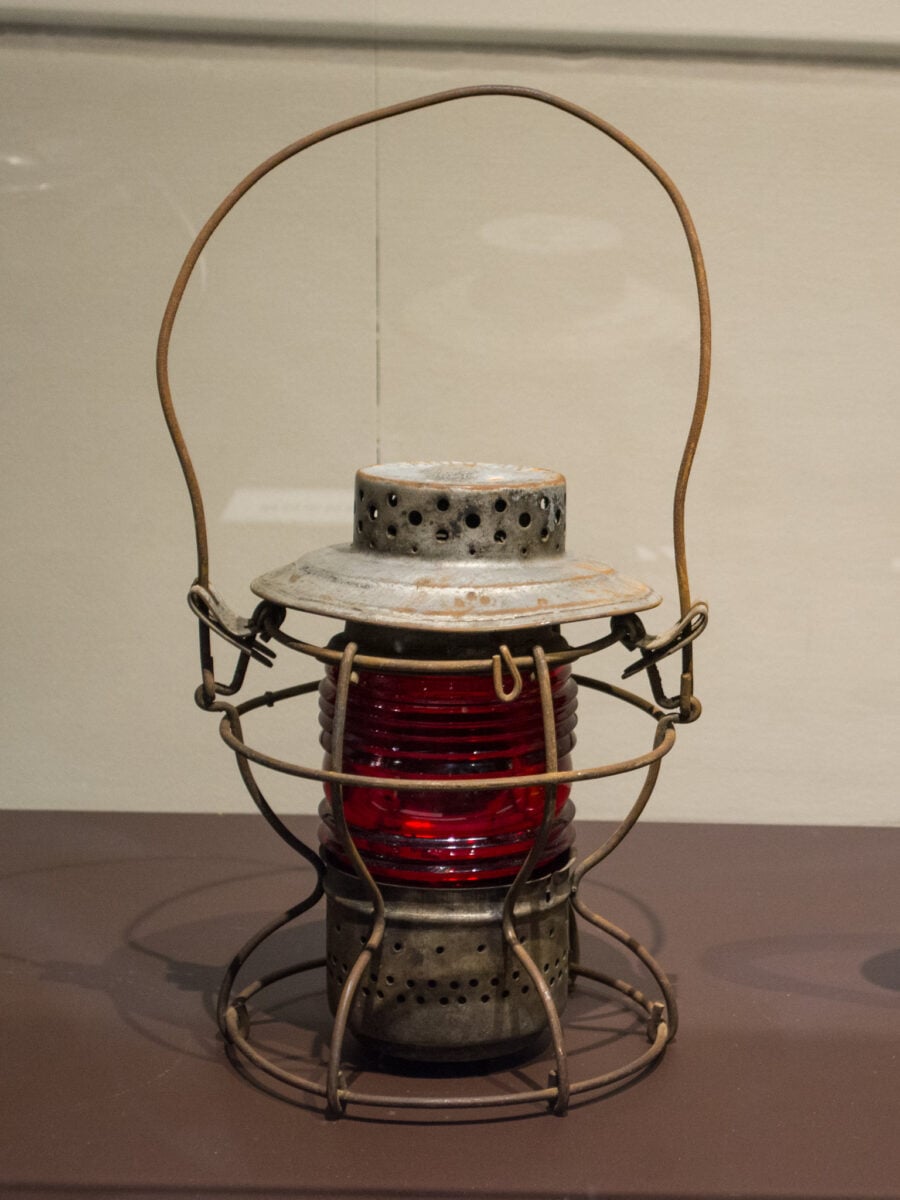
The Smithsonian holds railroad hand-signal lanterns dated to the 1920s through the 1940s, which shows that even relatively late lanterns have earned a place in serious collections. Hand-signal lanterns were the ones crews swung to communicate, and their wear often tells a story about real use.
Collectors still prefer examples with an original globe, correct burner, legible markings, and no rust-through or repaint. Later lanterns are often easier to find, but a clean, complete one with a clear railroad marking can still be a satisfying prize.
What the Lamplighters Left Behind
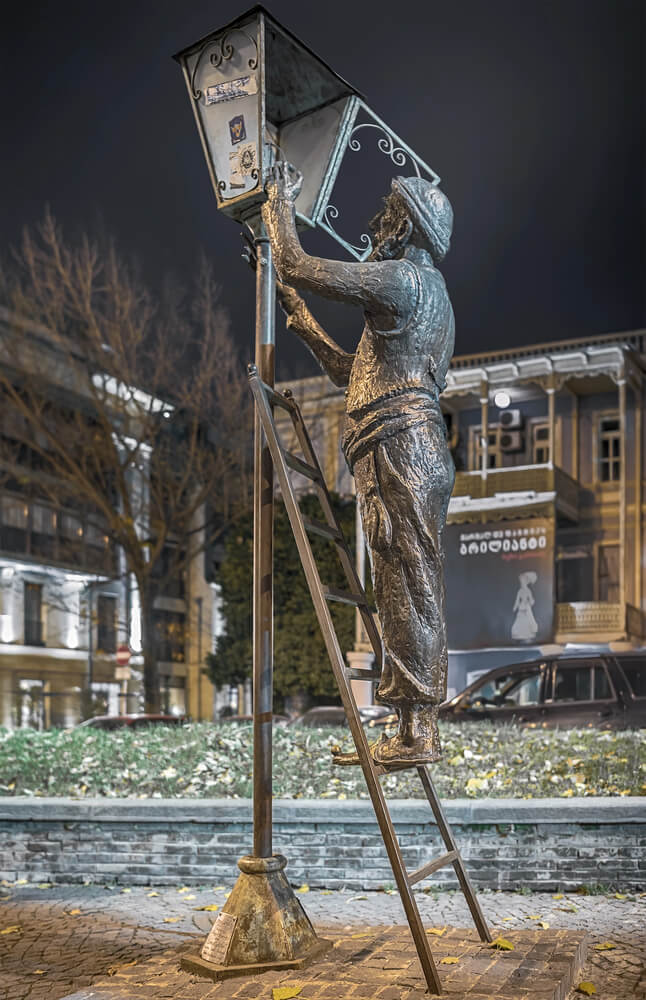
Taken together, these lanterns show that railroad collecting is about small differences. A maker’s name, a railroad marking, a globe style, or a production window can turn an ordinary lantern into a documented piece of industrial history.
The condition rules repeat from one entry to the next because they are the heart of the hobby: original parts, honest finishes, and readable markings. The best advice comes from the collectors themselves, who keep detailed surveys, catalogs, and warnings about fakes.
Learning those resources before buying is the surest way to avoid disappointment. A lantern that began as a tool for crews in the dark still rewards anyone willing to look closely.
More from Go2Tutors!

- The Romanov Crown Jewels and Their Tragic Fate
- 13 Historical Mysteries That Science Still Can’t Solve
- Famous Hoaxes That Fooled the World for Years
- 15 Child Stars with Tragic Adult Lives
- 16 Famous Jewelry Pieces in History
Like Go2Tutors’s content? Follow us on MSN.