24 Cartoons That Ended Before Fans Were Ready
The early 2000s represented a particularly cruel era for animated series, when networks cancelled shows before creators could provide satisfying conclusions or when production decisions left episodes unaired. These series often had devoted fan communities that continued discussing and generating fan fiction about unresolved storylines for decades, creating lasting relationships between shows and audiences despite absent conclusions.
The pattern of cancellation without finale episodes became common enough that fans learned to expect incompleteness as standard outcome for series they loved.
Samurai Jack
This critical and audience praised action cartoon stood out among playful comedies airing on Cartoon Network during the early 2000s, despite enjoying genuine praise for its stylization and storytelling. Cancelled before reaching its long-awaited conclusion, fans endured a thirteen-year gap wondering when and how the feud between time-traveling samurai and the evil demon Aku would resolve.
A final season was eventually released in 2017 to provide closure, giving fans vindication after years of advocacy.
Clone High
MTV’s Clone High stands as perhaps the most talked-about example of unjust cancellation within the animation community, featuring high school versions of famous historical figures like Abraham Lincoln and Mahatma Gandhi. The show featured sitcom tropes and in-jokes that created devoted fandom, eventually leading to its renewal on HBO Max after sustained fan pressure.
Ten additional episodes had been fully written before cancellation, meaning resolution existed in script form but not production.
Generator Rex
This show was cut short despite completing its main narrative arcs, leaving room for potential future stories through open-ended conclusions that never received continuation. Van Kleiss’s fate remained unresolved despite main story wrap-up, and secondary plot threads awaited exploration in never-produced episodes.
The creative team’s willingness to leave story doors open suggested continuation was anticipated, making cancellation particularly cruel.
Teen Titans
— Illustration by Featureflash
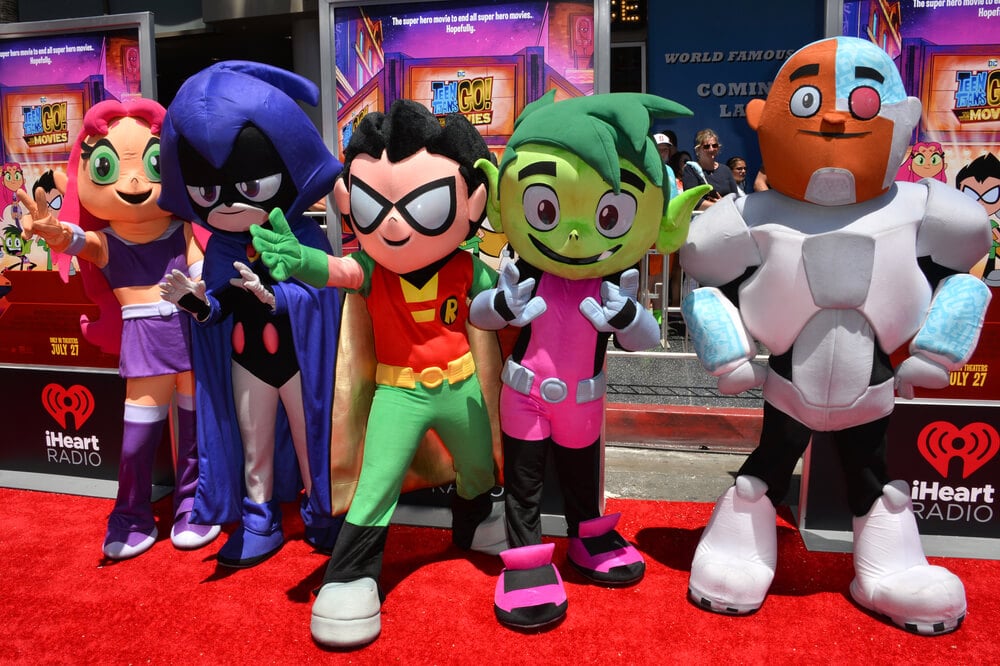
This beloved Cartoon Network show from the 2000s left plot threads open in its final episode “Things Change,” particularly regarding Terra’s return and memory loss. The open-ended nature reflected the theme that “things change” and not everything resolves neatly, but audiences interpreted the ending as unintended incompleteness.
Creators were aware Season 5 would be final, so they didn’t intentionally create a cliffhanger expecting renewal.
Spider-Man Unlimited
— Photo by teddybearpicnic
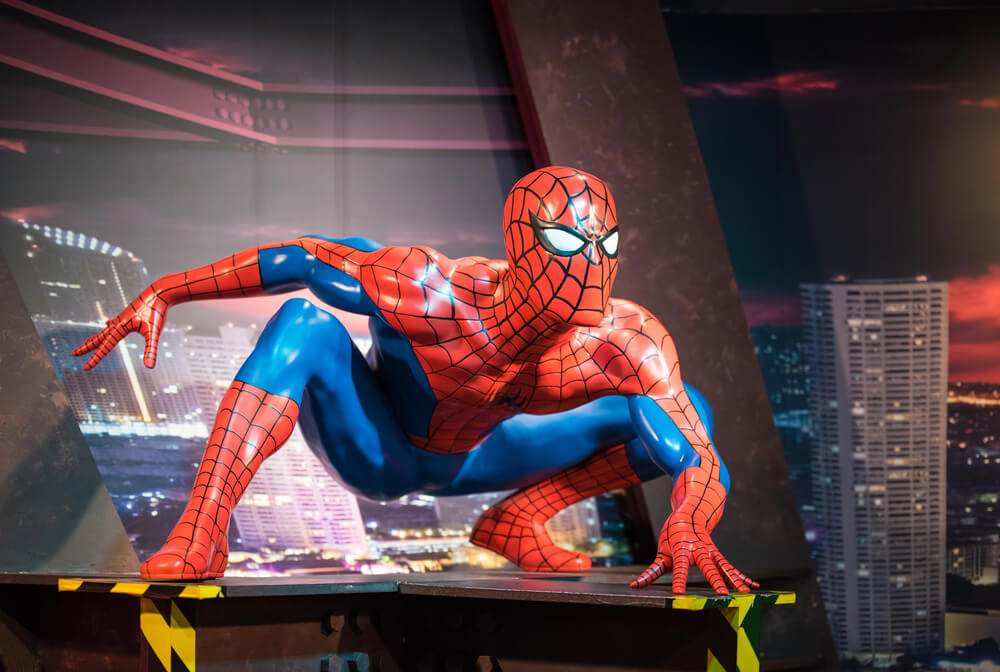
This bizarre entry in the Spider-Man animated universe proved unable to keep pace with Digimon and Pokemon cultural dominance, leading to quick cancellation. The show was cancelled right before its intended finale, leaving Spidey’s dimensional adventure permanently suspended.
Fans who invested in the complex multiverse storylines faced permanent incompleteness as the network moved on to other properties.
X-Men: The Animated Series 2009
— Photo by Aisyaqilumar
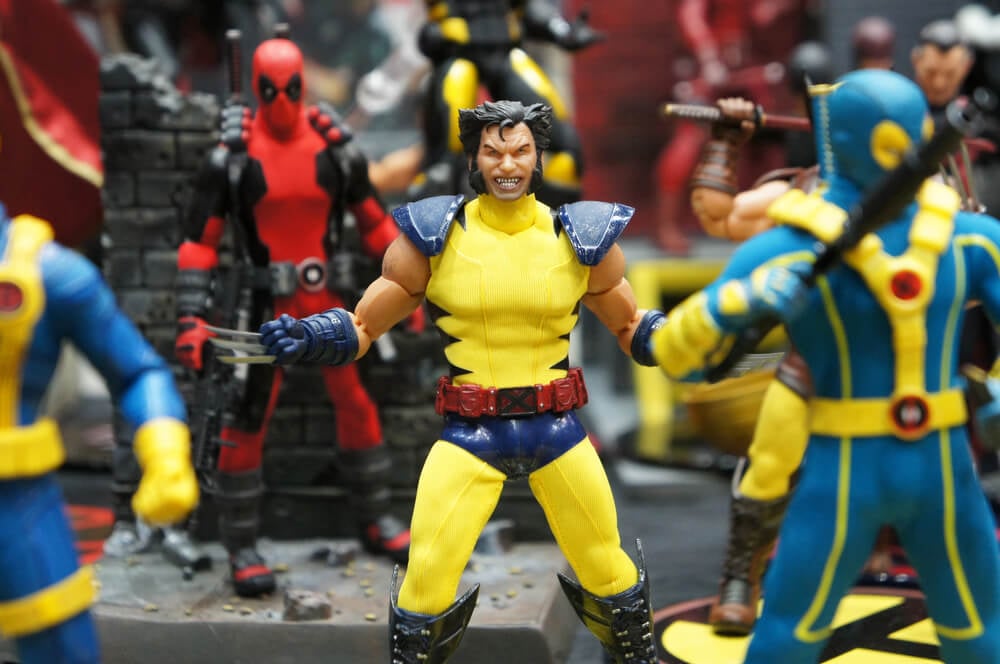
This 2009 animated series brought the X-Men back to cartoon stations after years without regular broadcast presence, but disappointing ratings led to quick cancellation. The show wished to reach 65 episodes but ended with only 26, falling far short of sustainable series length.
The cancellation occurred immediately after the Marvel/Disney merger, suggesting portfolio consolidation rather than quality-based decision-making.
He-Man and the Masters of the Universe 2002
— Photo by albejor2002@hotmail.com
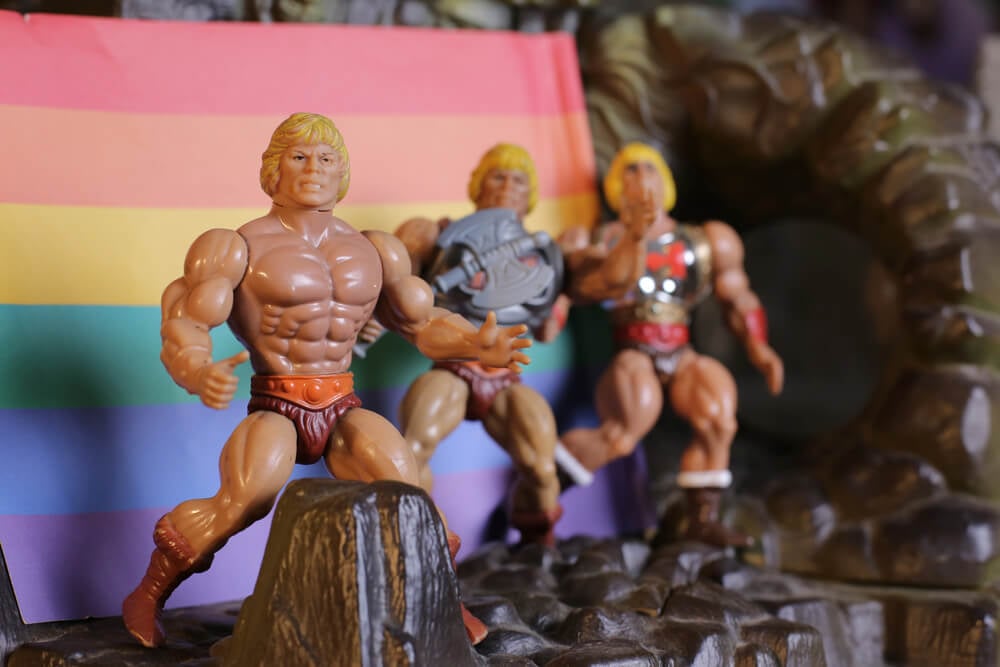
This early-2000s revitalization of the classic franchise attempted to bring He-Man into contemporary animation for new audiences. Toy sales and viewership were nowhere near 1980s peaks for the classic series, leading to quick cancellation before the planned storyline arc could conclude.
The reboot proved unable to generate sufficient merchandise enthusiasm to justify production costs.
Sym-Biotic Titan
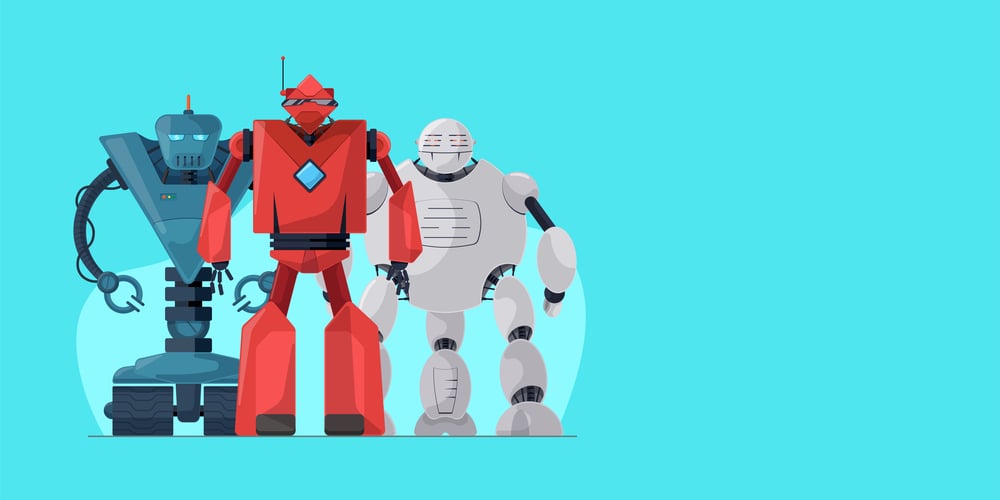
This 2010 Cartoon Network series created by Samurai Jack and Powerpuff Girls talent was cancelled before achieving narrative resolution. The cancellation devastated fans who felt robbed of conclusion to a series that had demonstrated genuine creative ambition.
Many subsequent revival or continuation projects failed to materialize despite continued fan advocacy years after initial cancellation.
ThunderCats 2011
— Photo by ctrphotos
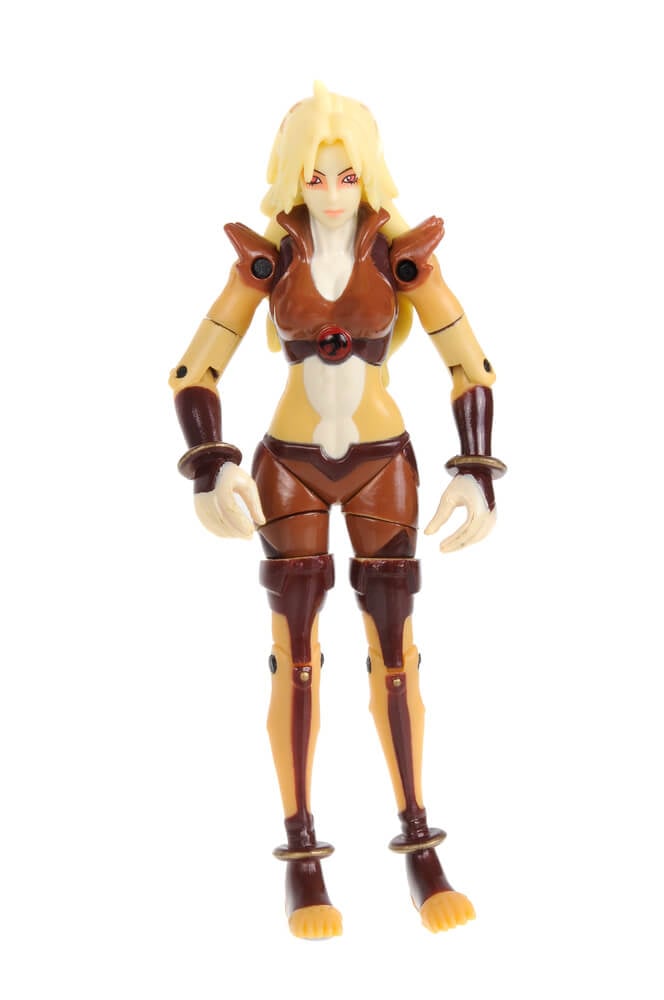
The latest ThunderCats entry disappointed many viewers compared to earlier iterations, leaving Lion-O and the ThunderCats seeking Power Stones to defeat Mumm-Ra without narrative completion. Character arcs for Pumyra and the fate of New Thundera did not reach satisfactory conclusions before cancellation struck.
Fan communities remained divided on whether the show was cancelled unjustly or simply ended poorly.
Young Justice
— Photo by s_bukley
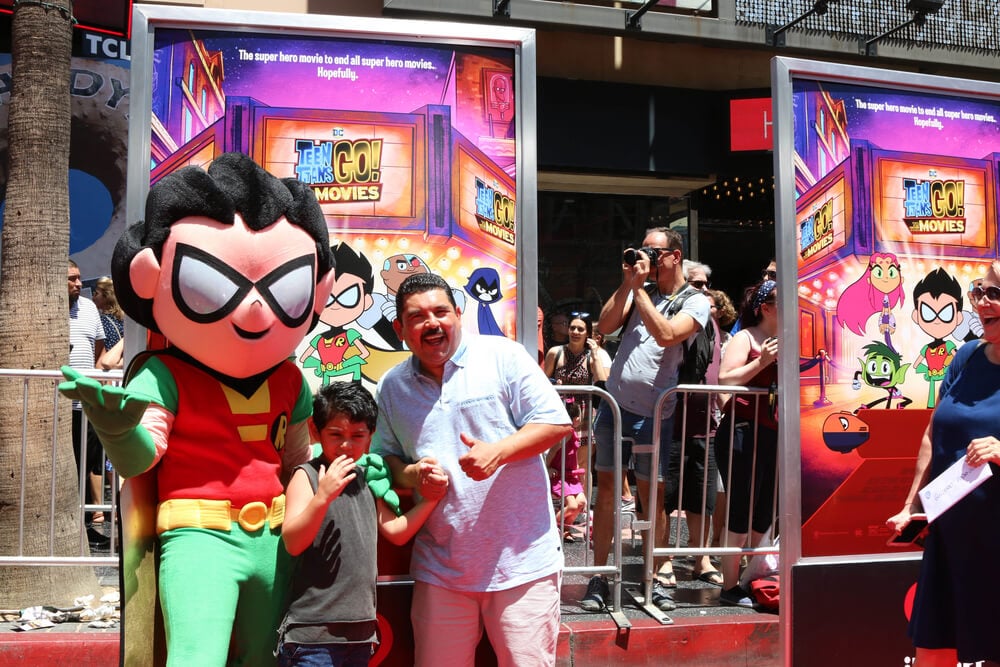
Because more girls were apparently watching the show while boys were expected to purchase toys, Mattel (which helped produce the series) killed Young Justice before intended completion. The budget became unsustainable despite critical success and passionate audience response, representing corporate product consideration prioritized above creative vision.
The show eventually received continuation through streaming services after years of cancellation.
Infinity Train

This animated mystery series built compelling world-building and character development across its seasons before cancellation cut short planned narrative continuation. The train’s mysteries and Tulip’s character arc remained incomplete despite creative potential that fans recognized.
The show gained a significant cult following despite brief run across multiple streaming platforms.
Final Space
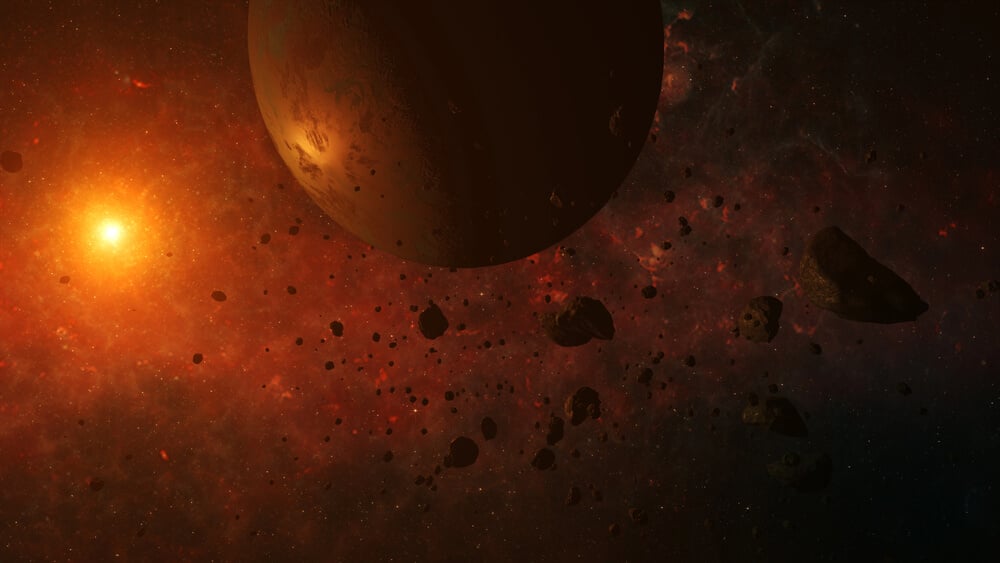
This space-faring adventure series ended on a brutal cliffhanger without resolution, disappointing fans who had invested in the ambitious serialized storytelling. The show was attempting to balance comedy with genuine dramatic stakes, creating narrative investment that cancellation left unresolved.
Fan communities continued discussing theories about intended conclusions years after the final air date.
The Owl House
While eventually concluding, this series faced production constraints that limited available episodes and prevented full execution of planned storylines. The show dealt with LGBTQ+ themes and complex character development that required time to develop properly, but network decisions limited such development.
Creator-driven advocacy eventually led to some conclusion, but not at the scope originally intended.
Amphibia
This show similarly faced production limitations despite critical acclaim and passionate fanbase advocacy for extended series order. The creative team had extensive plans for character development and mythology that network decisions curtailed.
The show received a conclusion after fan pressure, but remaining storyline threads went unexplored.
Danny Phantom
The show’s budget eventually became too much for Nickelodeon to handle, and after unsuccessful attempts to get another network to pick it up, the last available budget was used for a TV movie finale. The movie provided some closure but felt truncated compared to the full series continuation that creator Hartman had envisioned.
The compromise solution disappointed fans who felt the show deserved better.
Kim Possible
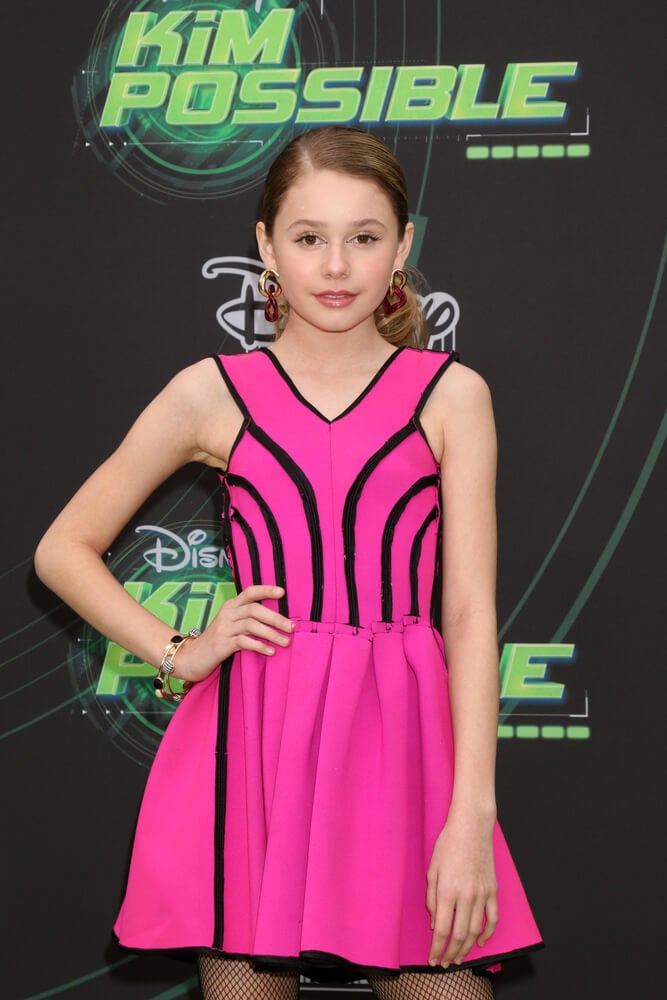
— Photo by Jean_Nelson
After the TV film So The Drama appeared to conclude the series in 2005, massive fan support prompted internet advocacy that may have been the internet’s first rally for a TV series revival. Disney Channel ordered a fourth and final season after unprecedented fan pressure, giving the show a more satisfying ending than initial cancellation would have provided.
The victory proved fan voices could influence network decisions through organized advocacy.
Cartoon Network’s Original Powerhouses
— Photo by peterG05
A significant number of Cartoon Network’s most creative shows faced cancellation during the early 2000s period when the network shifted toward new programming in peak time slots. Shows performing adequately but not spectacularly could lose slots to new properties without receiving proper goodbye episodes.
The contrast with Disney Channel—which built closing events around series finales—reveals different corporate philosophies about respecting viewer investment.
Nickelodeon’s Serial Cancellations
— Photo by rafapress
Nickelodeon cancelled show after show in the 2000s without giving fans real endings, prioritizing new programming in peak slots over allowing series natural conclusions. Animation production timelines meant cancellation decisions arrived after writers had started work on next seasons, leaving story threads mid-development.
The pattern created a generation of fans who learned to expect incompleteness as a standard outcome.
My Gym Partner’s a Monkey
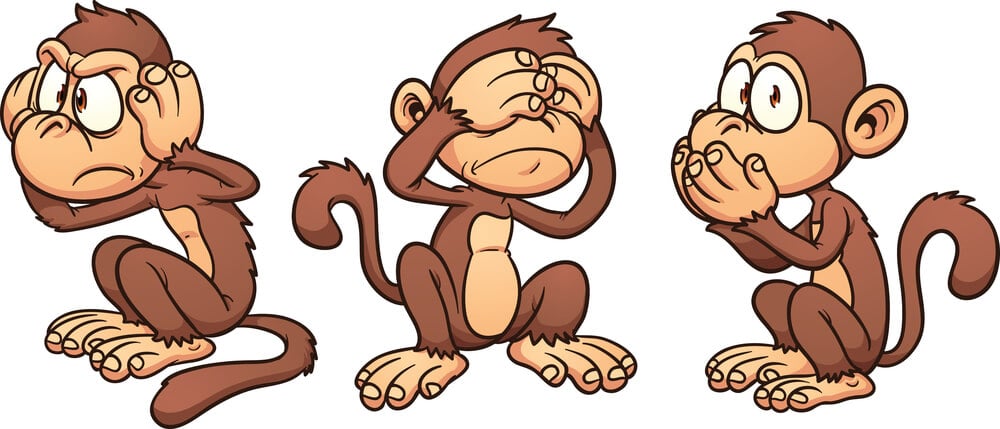
This absurdist comedy series ended abruptly despite maintaining audience engagement and creative storytelling possibilities. The show’s willingness to embrace surreal humor and unexpected narrative turns created loyal viewership that didn’t translate into network confidence for continuation.
Cancellation felt arbitrary to devoted fans who recognized the show’s distinct creative voice.
Chowder
Though it received an ending, this Cartoon Network series faced production constraints that limited full execution of the creator’s vision for elaborate world-building. The show demonstrated that stylized animation could be commercially viable, yet network hesitation about investment limited series length.
The conclusion fans received satisfied some while disappointing others who felt the show could have continued successfully.
Adventure Time’s Extended Cancellation
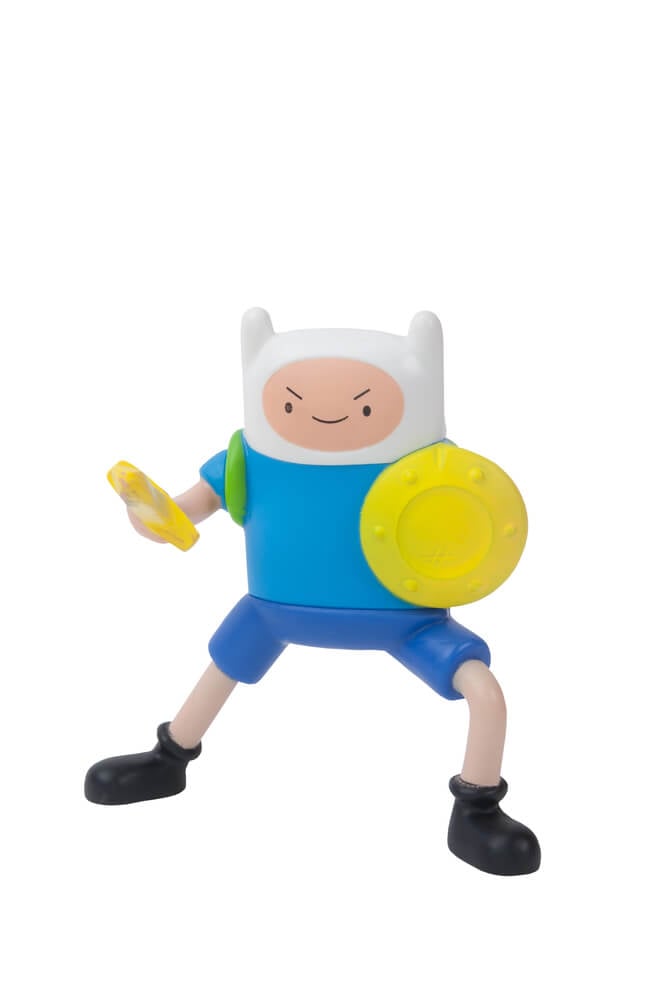
— Illustration by ctrphotos
While Adventure Time technically received a conclusion, the gap between planned final seasons and actual production created years-long limbo where fans didn’t know if resolution would arrive. The streaming service continuation and special episodes eventually satisfied some fans while disappointing others who felt the narrative could have developed differently with consistent production.
Uncle Grandpa
This bizarre premise show lasted longer than many expected but faced eventual cancellation that left some narrative threads unresolved. The show’s unique sensibility created a small but devoted audience that felt robbed of extended exploration of the character relationships and absurdist universe the show had established.
Cancellation felt premature to fans invested in the specific style of humor.
Regular Show’s Complicated Ending
Regular Show received a conclusion, but the ending felt rushed compared to the lengthy buildup suggesting a more extensive narrative climax. Fan communities debated whether the finale satisfied or disappointed despite providing technical closure.
The show demonstrated that concluding serialized animation without sufficient space creates unsatisfying endings even when finales technically exist.
Gravity Falls’ Designed Brevity

Though creator Alex Hirsch designed Gravity Falls for a brief run, many fans felt the show could have continued successfully beyond its chosen endpoint. The decision to conclude despite commercial success frustrated those who felt the mythology and character relationships could have extended.
The show represented a rare case of the creator choosing conclusion rather than network-imposed cancellation.
When Networks Stopped Respecting Audiences
The pattern connecting these cancellations reveals how network scheduling and product considerations eventually superseded creative vision and audience investment. Animation production costs and unpredictable merchandise success created hesitation about long-term commitment to series.
What fans learned during this era was that emotional investment in television narratives carried risk of permanent abandonment without closure or explanation.
More from Go2Tutors!

- 16 Historical Figures Who Were Nothing Like You Think
- 12 Things Sold in the 80s That Are Now Illegal
- 15 VHS Tapes That Could Be Worth Thousands
- 17 Historical “What Ifs” That Would Have Changed Everything
- 18 TV Shows That Vanished Without a Finale
Like Go2Tutors’s content? Follow us on MSN.