Ancient Games Still Played Today
Ever wonder what people did for fun thousands of years ago? Long before Netflix and smartphones, our ancestors were already mastering the art of entertainment—and many of their favorite games are sitting right on your shelf today. Think about it: while civilizations rose and fell, languages evolved, and technology transformed everything else, these simple games survived intact.
There’s something magical about knowing that when you move a chess piece or roll dice, you’re participating in the exact same activity that brought joy to people centuries ago. Here’s a look at ancient games that have stood the test of time and continue bringing people together today.
Chess
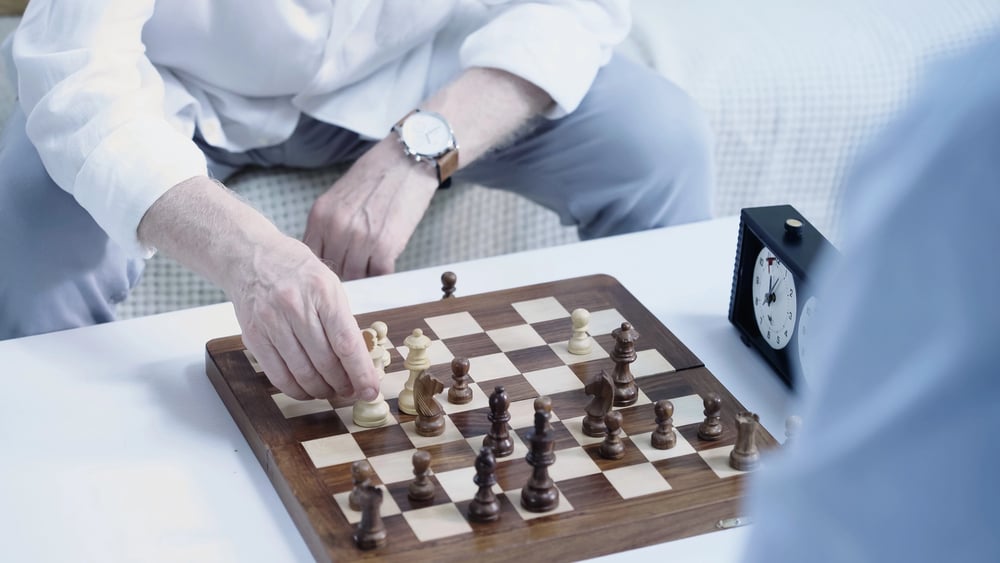
Picture a 6th-century Indian court where nobles gathered around an intricate board game called Chaturanga. Does that sound familiar? This ancient game evolved into the chess we know and love today, traveling through Persia and into medieval Europe along trade routes.
What’s remarkable is how little has changed—the basic moves, the strategic thinking, even the pieces represent the same military units from over 1,500 years ago. Every time you castle your king or move your knight in that distinctive L-shape, you’re using tactics that medieval generals would instantly recognize.
Go

Imagine sitting down to play a game that’s been challenging minds for over 4,000 years. Go, known as Weiqi in China, might look simple with its black and white stones, but don’t let appearances fool you.
This ancient Chinese game has more possible board positions than there are atoms in the observable universe. What’s beautiful about Go is its philosophy—it’s not about capturing pieces but about controlling territory, much like the ancient Chinese approach to warfare and governance.
Today’s professional players study the same fundamental principles that Confucian scholars were debating millennia ago.
Like Go2Tutors’s content? Follow us on MSN.
Backgammon

Here’s a game that literally predates written history. Archaeological evidence shows people were playing backgammon-style games in Mesopotamia over 5,000 years ago.
The Royal Game of Ur, discovered in ancient Sumerian tombs, uses the same basic concept: move your pieces around the board based on dice rolls while trying to block your opponent. What’s fascinating is how this blend of strategy and luck appealed to both ancient royalty and common people.
The game spread everywhere—from Egyptian pharaohs to Roman emperors—because it perfectly balances skill with the excitement of chance.
Mancala

Walk into any African village today, and you might see children playing the same game their ancestors enjoyed thousands of years ago. Mancala games (there are hundreds of variations) involve moving seeds or stones between small pits carved into wood or even just dug into the ground.
The oldest known mancala boards were carved into Ethiopian stone rooftops around 700 AD, but the game is likely much older. What makes mancala special is its accessibility—you need nothing more than some small objects and a few openings.
Yet the mathematical complexity rivals any modern strategy game. It’s democracy in gaming form.
Nine Men’s Morris
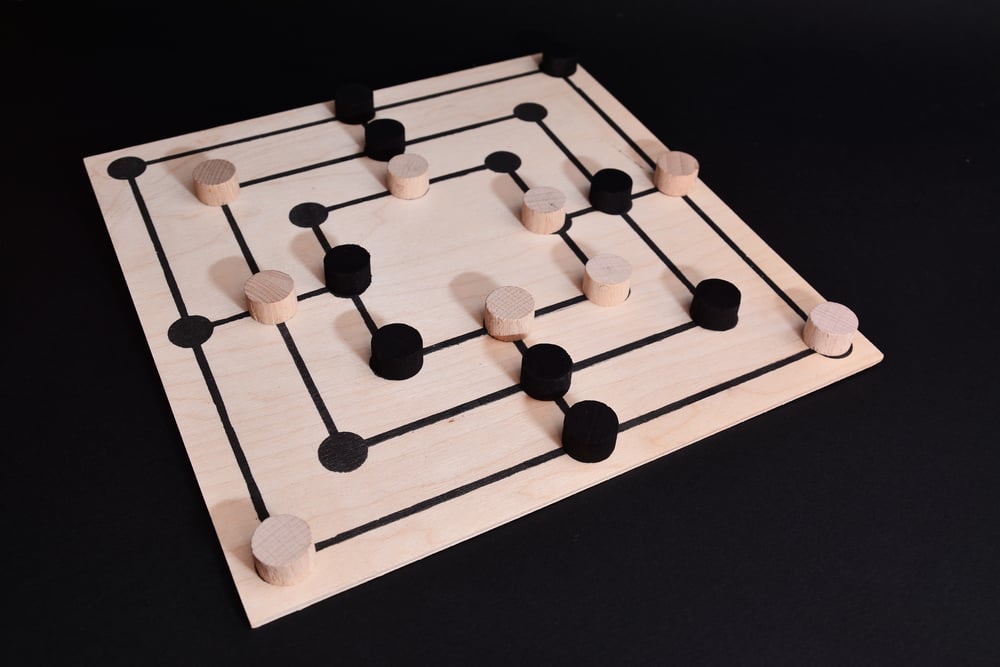
Remember playing tic-tac-toe as a kid? Well, you were enjoying a simplified version of a game that Roman soldiers played 2,000 years ago. Nine Men’s Morris boards have been found carved into stone steps of ancient buildings, scratched into medieval cathedral floors, and etched into Viking ships.
The game was so popular that churches actually banned it because parishioners were playing during services! The three-phase gameplay—placing pieces, moving them, then capturing opponent pieces creates a complexity that kept everyone from peasants to nobility entertained for centuries.
Like Go2Tutors’s content? Follow us on MSN.
Checkers

Ancient Egyptians were moving pieces diagonally across boards while the pyramids were still being built. The game they called Alquerque evolved into modern checkers, and remarkably, the core concept hasn’t changed: capture your opponent’s pieces by jumping over them.
What’s wonderful about checkers is its democratic nature—unlike chess with its complex piece hierarchies, every checker starts equal. This simplicity made it perfect for teaching children strategy while giving adults genuine intellectual challenge.
Egyptian pharaohs and medieval kings played essentially the same game your grandmother taught you.
Dice Games
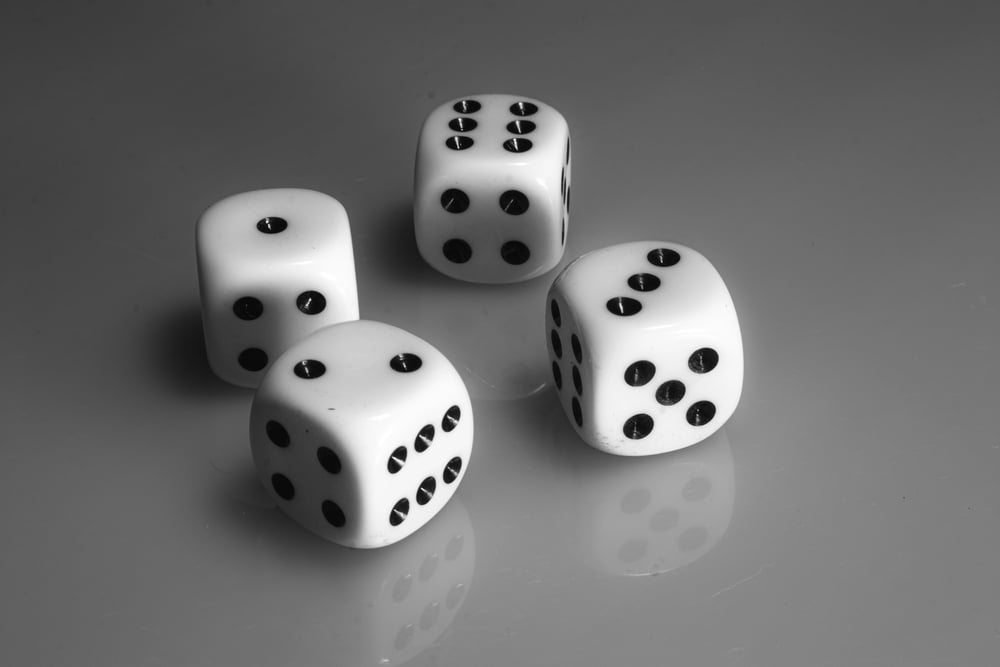
Rolling dice might be humanity’s oldest gambling tradition. Archaeologists have found dice-like objects made from animal bones dating back 8,000 years.
Ancient Sumerians, Egyptians, Romans, and Vikings all had their favorite dice games. What’s remarkable is how consistent the basic concept remains: throw small objects with marked faces and let chance determine outcomes.
Whether it’s Yahtzee, Bunco, or craps, we’re still finding the same thrill in randomness that entertained our ancestors around campfires and in royal courts centuries ago.
Pachisi
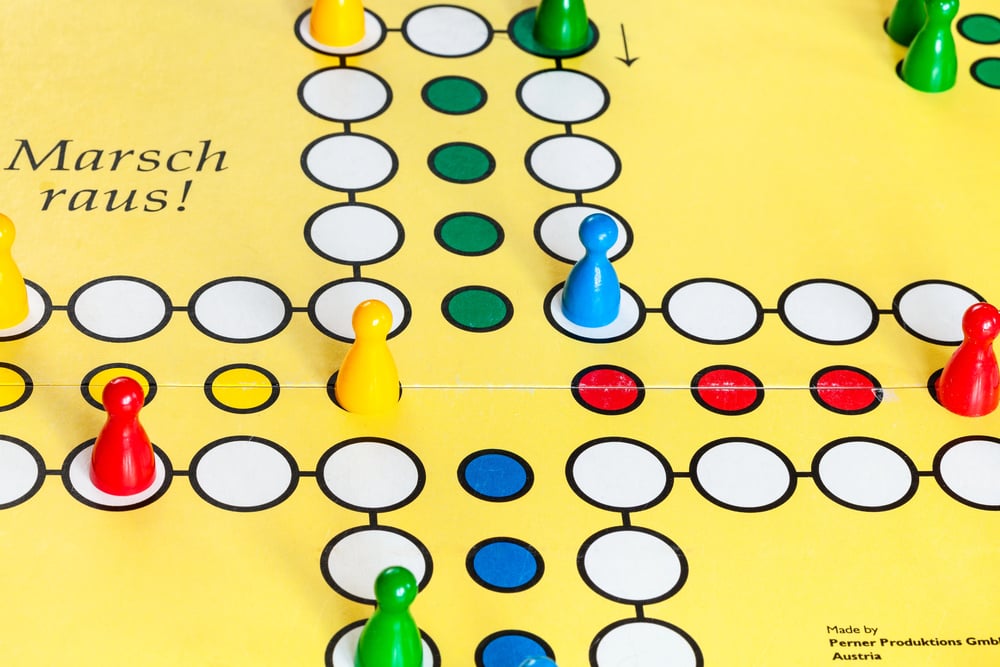
Ever played Sorry or Parcheesi? You’re enjoying a direct descendant of the ancient Indian game Pachisi, which was being played in royal courts over 1,500 years ago. Legend says Emperor Akbar had a giant Pachisi court built where he used dancing girls as living game pieces.
The game’s journey from ancient India to your family game night shows how universal the appeal of racing games really is. Moving pieces around a track, trying to get home while avoiding capture, apparently speaks to something fundamental in human nature that transcends cultural boundaries.
Like Go2Tutors’s content? Follow us on MSN.
Senet
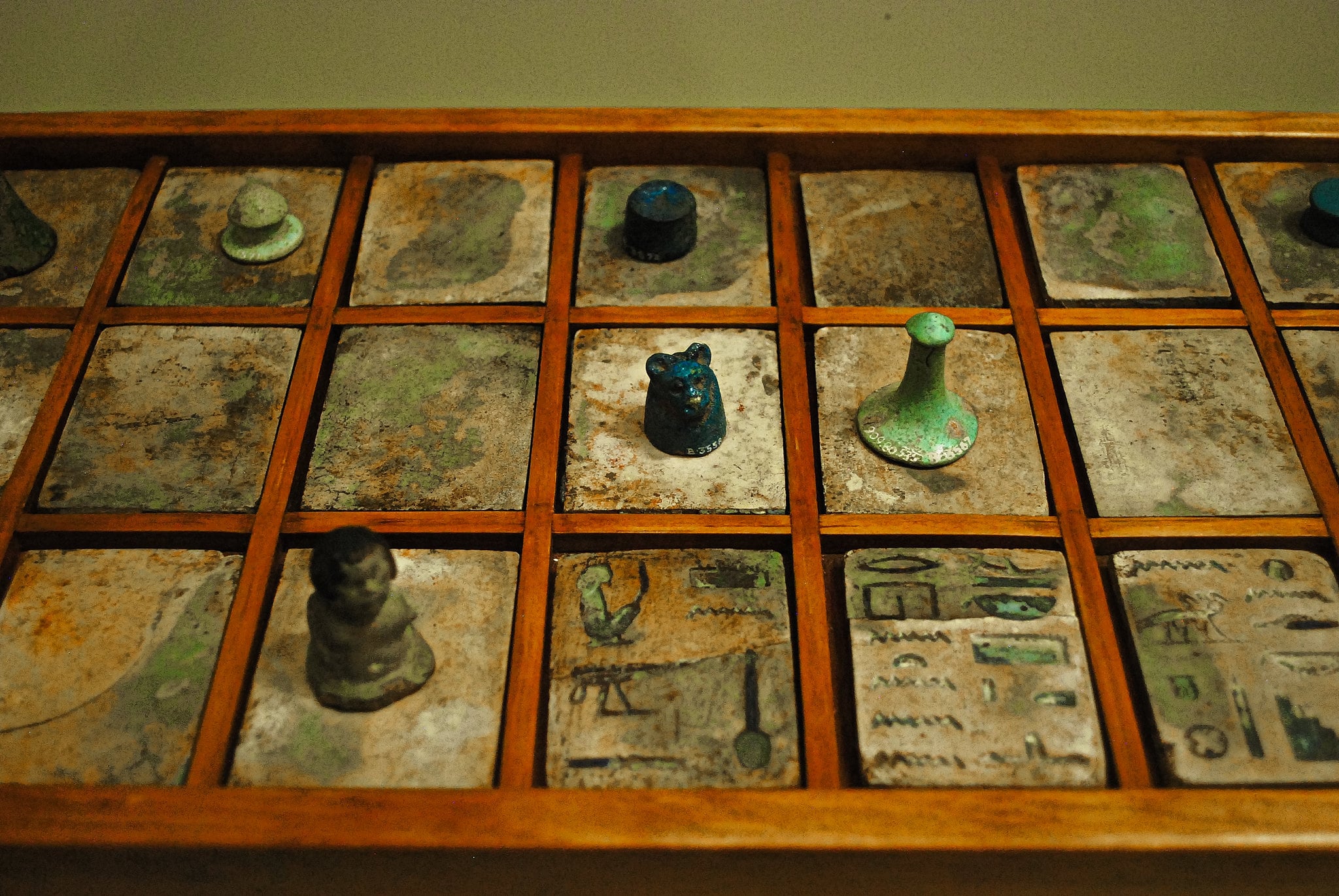
Step into an ancient Egyptian tomb, and you’ll likely find a Senet board buried with the deceased. This 5,000-year-old game wasn’t just entertainment—Egyptians believed it represented the soul’s journey through the afterlife.
The game involves moving pieces across a 30-square board based on stick throws, but the exact rules were so well-known that Egyptians never bothered writing them down completely. Modern archaeologists and game historians have reconstructed the gameplay by studying tomb paintings and board positions.
Playing Senet today connects you to one of humanity’s first attempts to gamify the mystery of existence itself.
Hnefatafl
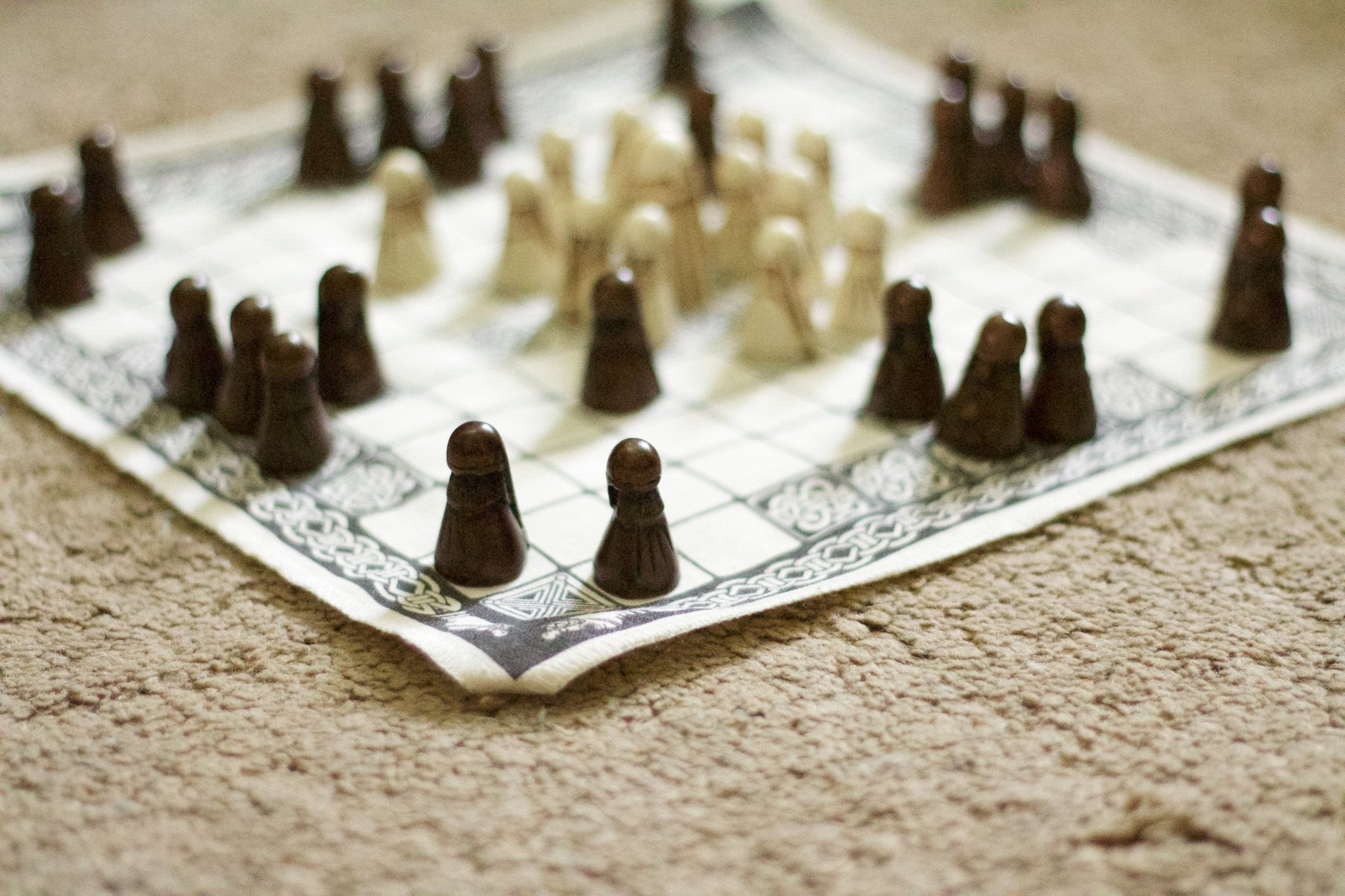
Vikings weren’t just raiders and explorers—they were serious board game enthusiasts. Hnefatafl, meaning ‘king’s table,’ was the strategic game of choice across medieval Scandinavia.
Unlike most ancient games where players start equally, Hnefatafl is asymmetrical: one player defends the king with fewer pieces while the other attacks with a larger army. This reflects the Viking worldview of heroic last stands and overwhelming odds.
The game was so culturally important that some Viking sagas describe warriors playing it before battles, perhaps as a form of tactical preparation or spiritual ritual.
Mahjong
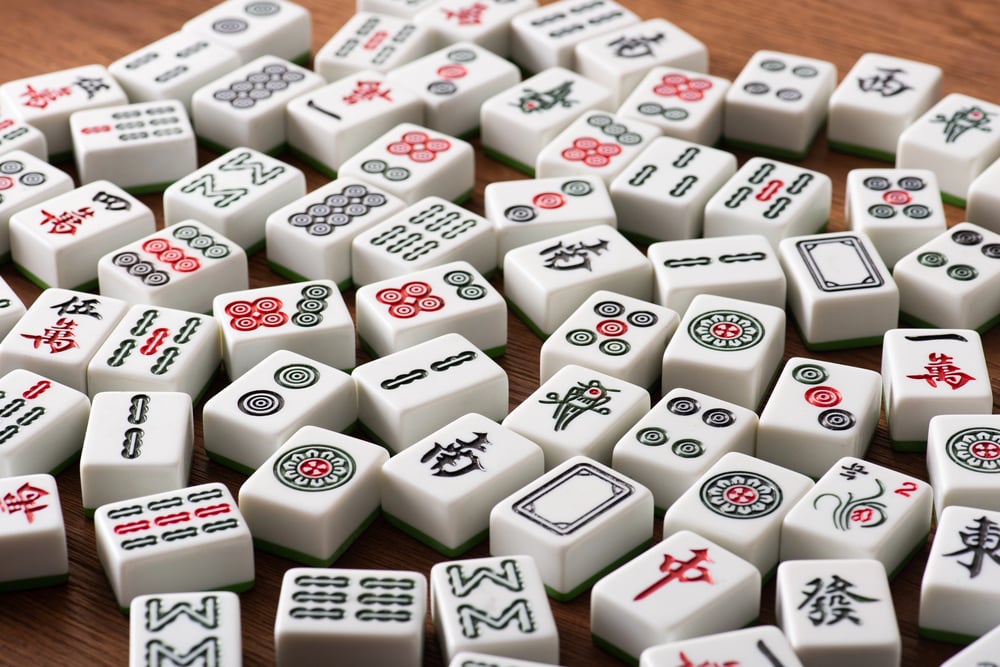
What started as a Chinese card game in the Ming Dynasty transformed into the tile-based Mahjong we know today. Picture 19th-century Chinese scholars and merchants gathering around tables, combining skill, strategy, and social interaction in ways that created lasting friendships and business relationships.
The game’s 144 tiles represent a miniature universe—seasons, winds, dragons, and numbers—creating a symbolic landscape players navigate together. Modern Mahjong clubs around the world maintain the same social traditions, proving that some games are really about community building disguised as competition.
Like Go2Tutors’s content? Follow us on MSN.
Xiangqi

Chinese Chess tells a different story than its Western cousin. Instead of medieval European warfare, Xiangqi represents ancient Chinese military philosophy—rivers separate armies, advisors protect the general, and cannons need support to be effective.
The game emerged during the Tang Dynasty but reflects much older military traditions. What’s fascinating is how perfectly Xiangqi captures Chinese strategic thinking: patience, positioning, and the importance of protecting your leader while gradually building overwhelming force.
Playing Xiangqi isn’t just moving pieces—it’s thinking like an ancient Chinese general.
Why These Games Keep Winning
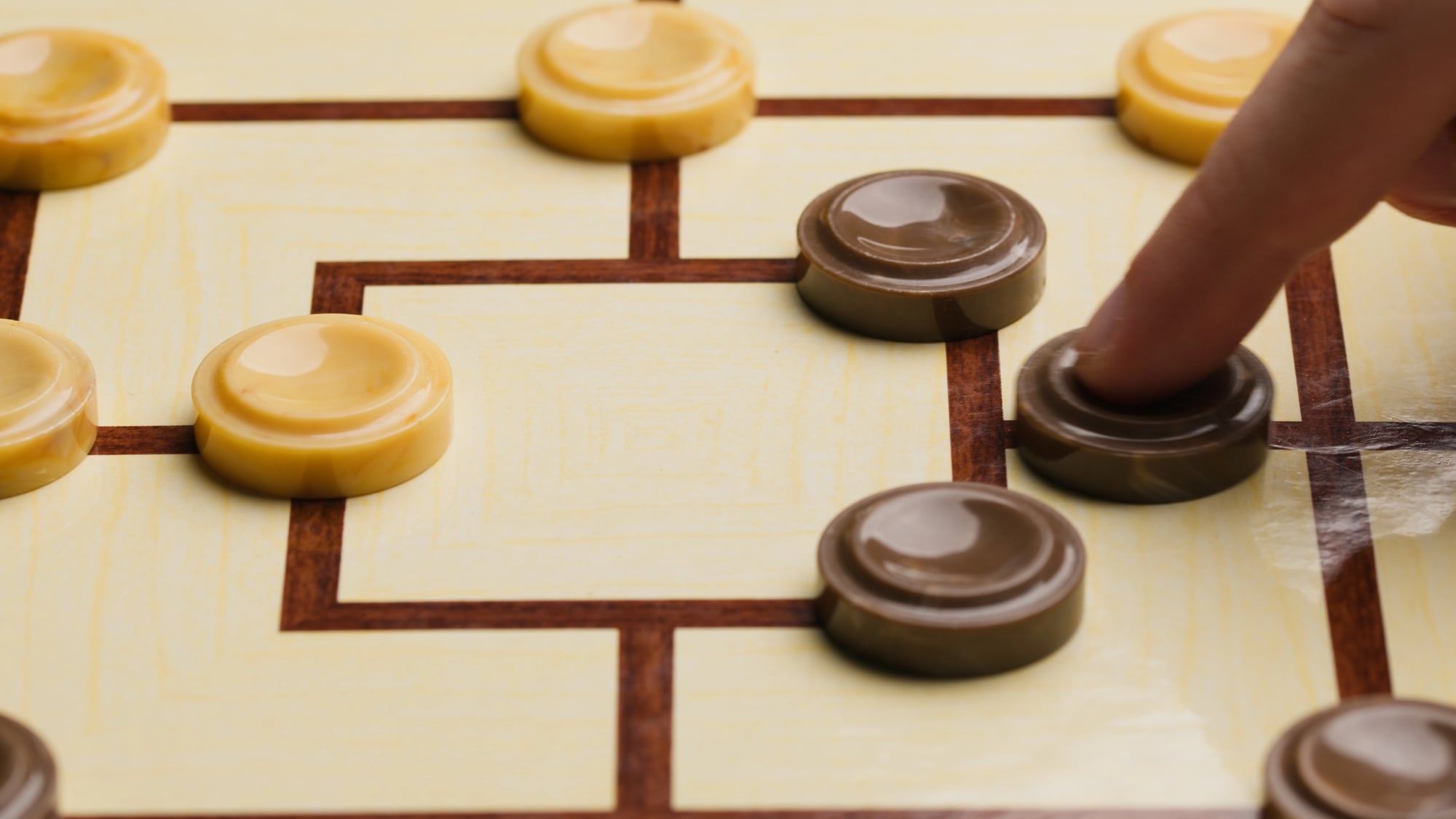
There’s something profound about sitting down to play chess or rolling dice and knowing you’re participating in an unbroken chain of human enjoyment stretching back thousands of years. These games survived because they tap into fundamental aspects of human nature—our love of competition, our desire for social connection, and our need to exercise our minds in playful ways.
While technology has given us incredible new forms of entertainment, these ancient games remind us that the best innovations aren’t always the newest ones. Sometimes the most sophisticated entertainment system is just a simple board, some pieces, and the timeless human desire to sit across from another person and say, ‘let’s play a game.’
Your next move connects you to countless generations who found the same joy, frustration, and satisfaction in these perfectly crafted challenges.
More from Go2Tutors!

- 16 Historical Figures Who Were Nothing Like You Think
- 12 Things Sold in the 80s That Are Now Illegal
- 15 VHS Tapes That Could Be Worth Thousands
- 17 Historical “What Ifs” That Would Have Changed Everything
- 18 TV Shows That Vanished Without a Finale
Like Go2Tutors’s content? Follow us on MSN.



