30 Gas Station Freebies From the Past
Before self-service pumps and convenience stores, filling a tank came with extras. Attendants cleaned windshields, checked oil and handed out maps, while stations competed with giveaways that ranged from glassware to stickers.
This list gathers 30 of the freebies that once made a stop for gas feel like a small event.
Road Maps That Never Folded Right
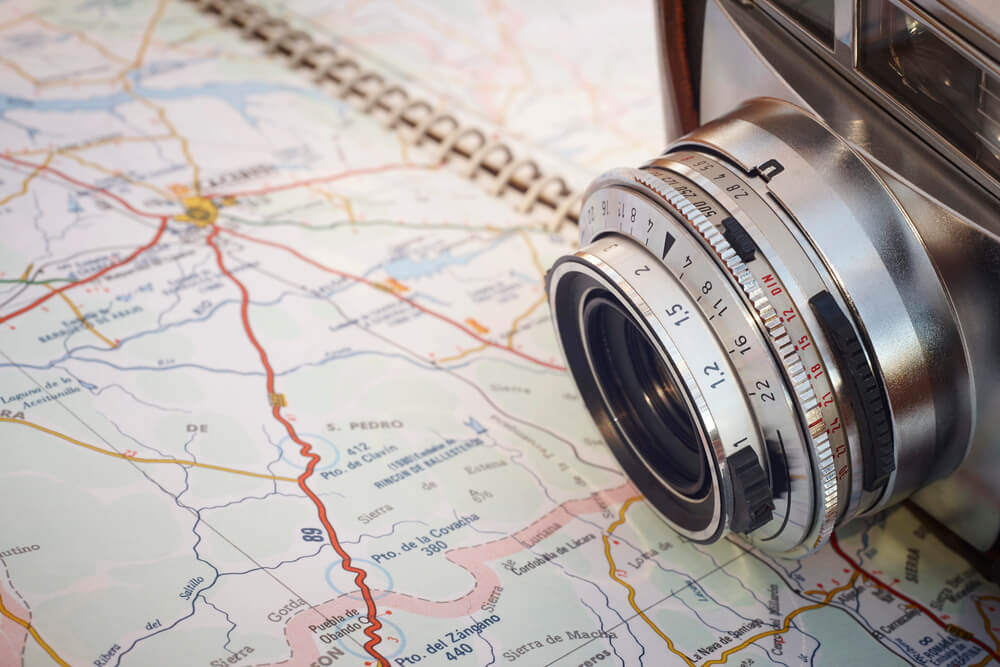
Gulf Oil is often credited with handing out the first free road maps in 1914, and by the 1920s nearly every major oil company had followed. Mapmakers such as H.M. Gousha and Rand McNally printed them in huge runs, and the maps carried the brand’s logo beside route numbers and mileage charts.
Refolding them correctly was an art that defeated many drivers. The giveaways faded in the 1970s as companies cut costs and travelers turned to bought atlases, but the old maps remain a favorite of collectors and nostalgic road-trippers.
Air Hoses With a Dinging Bell
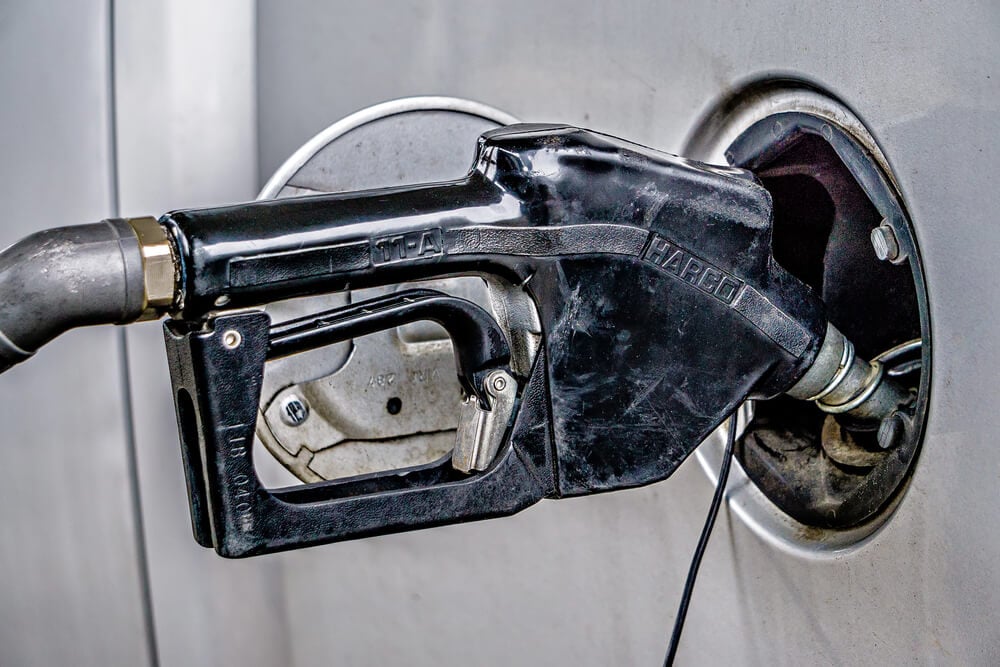
A rubber hose stretched across the driveway rang a bell inside the station whenever a car rolled over it, telling the attendant that a customer had arrived. Free air was part of the same hospitality, with a hose on the pump island that anyone could use to top off tires.
Attendants often did the job themselves, kneeling beside the wheel with a gauge. Coin-operated air machines eventually replaced the free hoses, and the dinging bell became a sound people remember from childhood trips, a cheerful signal that help was on the way.
Water for Overheated Radiators
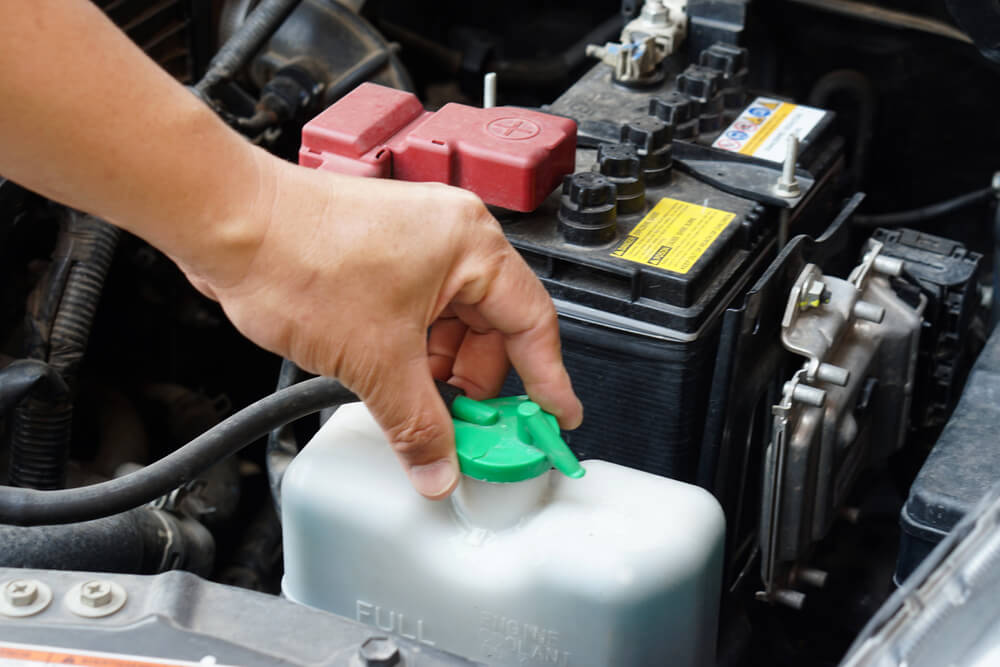
Cars of the early and middle twentieth century overheated easily on hot days and steep grades, so stations kept water cans or hoses ready for thirsty radiators. In desert states, travelers hung canvas water bags from their front bumpers, and stations refilled them at no charge.
Attendants used rags to loosen hot radiator caps, a job that required patience. Better cooling systems eventually reduced the need, but older photographs still show drivers standing beside open hoods with steam rising from the engine and a worried family waiting nearby.
Squeegee Service at the Pump
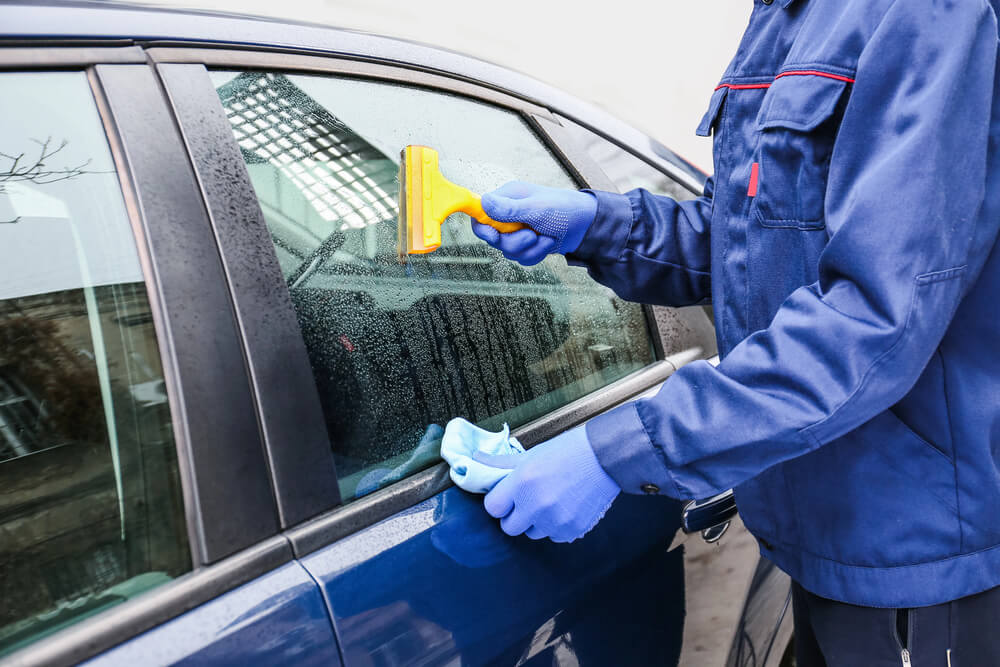
A squeegee in a bucket of water sat on nearly every pump island, and attendants cleaned the windshield without being asked. Many also wiped the rear window, and some polished the headlights. The service was a quiet advertisement for the station, since a driver who left with a clear view remembered who had provided it.
Self-service pumps became widespread in the 1970s, and the squeegee buckets that remain now sit unused, waiting for a customer who rarely stops to wash his own glass, or for a time when attendants cleaned every windshield that rolled up.
Oil Checks Under the Hood
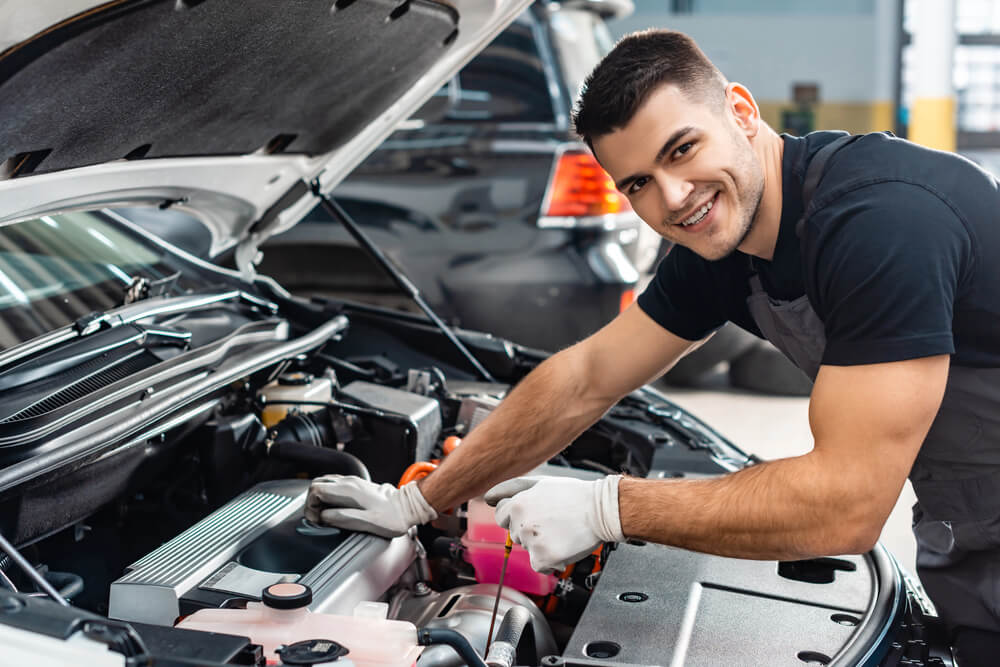
Lifting the hood and pulling the dipstick was a standard part of a fill-up, and attendants wiped the stick on a rag and showed the oil level to the driver. Cars of the era burned more oil than modern engines, and drivers who ignored the check risked ruined bearings.
The attendant might also glance at belts and hoses and mention a problem before it got worse. The ritual disappeared with self-service, and today many drivers have never seen the dipstick of the car they own.
Tire Pressure and a Thump
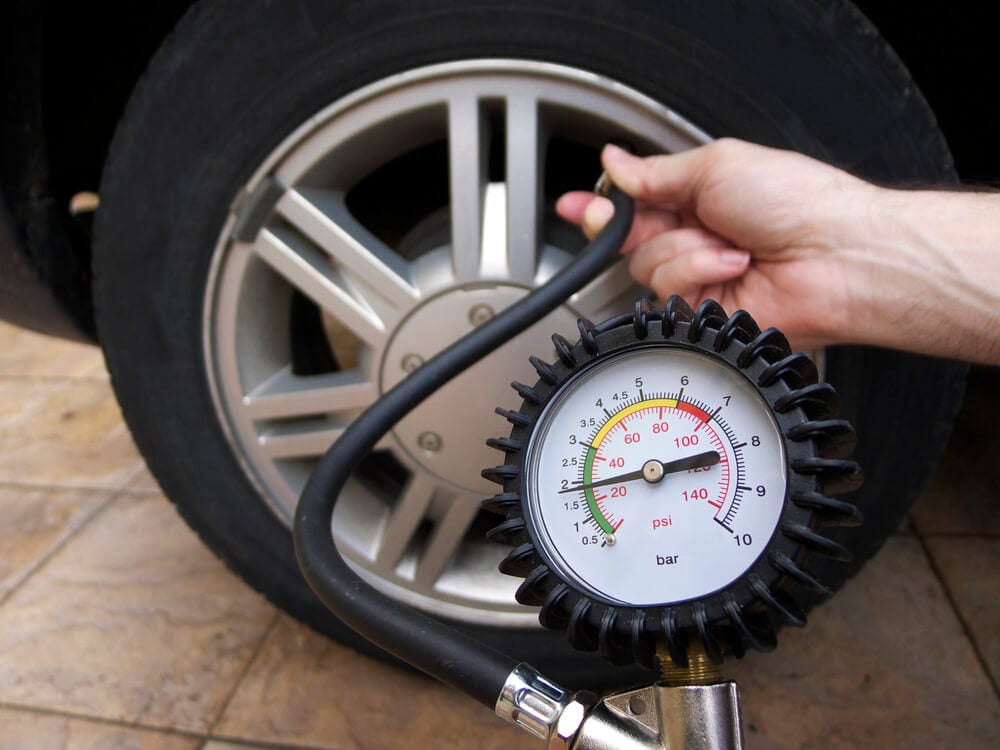
Attendants checked tire pressure with a gauge and gave each tire a thump with a boot or knuckle, as if the sound could tell them something the gauge could not. Tires of the 1950s often needed topping off because of slow leaks, and the check could prevent blowouts on long trips.
Drivers rarely paid for the service, which was included with a fill-up. The thump itself was mostly theater, but it reassured customers that someone was watching out for their safety, and children in the back seat loved to see it.
Battery Checks With Distilled Water
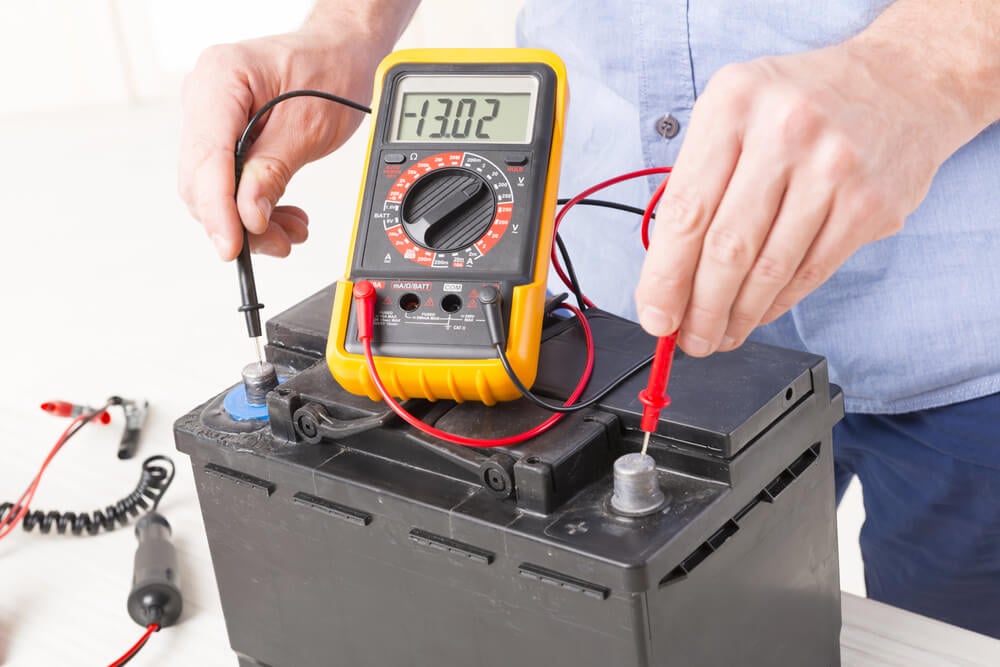
Lead-acid car batteries of the past needed regular refilling with distilled water, and attendants often checked the cells during a fill-up. They carried a jug of water for the purpose and sometimes tested the battery with a hydrometer. The service saved many drivers from a dead battery in winter.
Later designs sealed the cells and removed the need for top-offs, and the jug of distilled water quietly disappeared from the pump island along with the habit of checking under the hood, which many drivers now leave to a service garage.
Directions From the Local Expert

Attendants were the original navigation system, and drivers pulled in as much to ask for directions as to buy gas. A good attendant knew every shortcut, every detour and the best place for pie in the next town.
The advice came without charge, delivered with a hand wave toward the horizon. Highway signs, printed maps and eventually satellite navigation made the practice unnecessary, but travelers who relied on the friendly voice of a station worker remember how comforting it felt, especially on unfamiliar back roads at dusk.
Touring Service by Mail
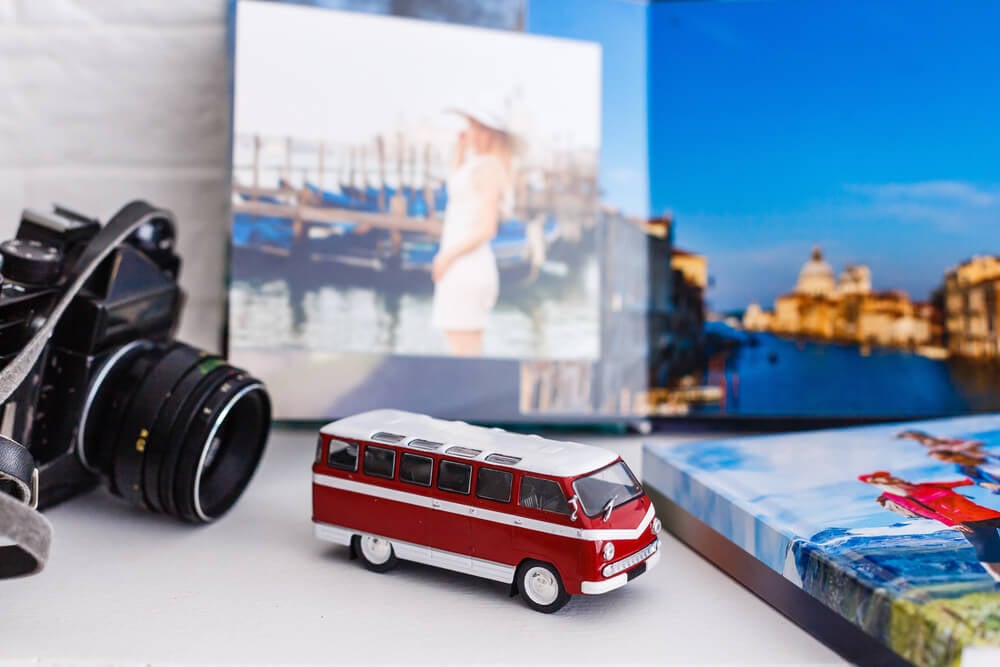
Several oil companies ran touring bureaus that would mail drivers a custom route and a set of maps on request. A traveler wrote to the company with an origin and a destination and received a packet with a marked route, mileage and suggestions for stops along the way.
The service was free and built goodwill for the brand. It faded as interstate highways simplified travel and as drivers began to rely on maps they bought at a bookstore or a convenience store, where the maps were crowded among snacks and magazines.
Clean Restrooms as a Selling Point
Texaco made clean restrooms a marketing point in the 1930s, promising travelers that a stop at its stations would not be an ordeal. Attendants usually kept the key behind the counter, attached to a large block or tag to discourage walking off with it.
Women traveling alone especially valued a station with a spotless facility. The fixtures and the promise became a standard part of highway culture, and for many families a clean restroom was the main reason to choose one station over another on a long day of driving.
Car Washes With a Fill-Up
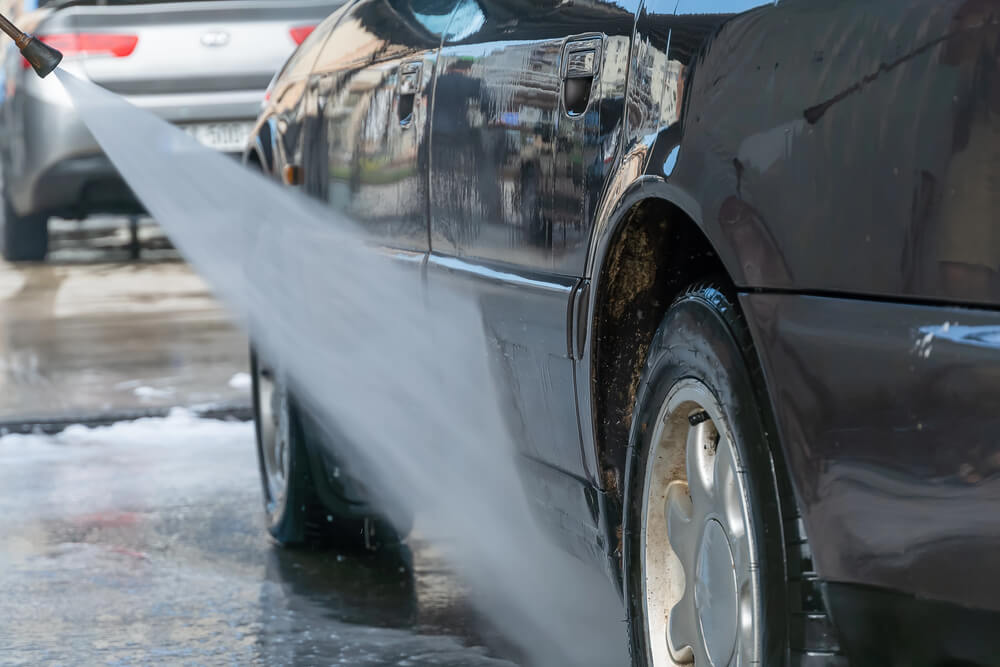
Many stations offered a car wash free or at a discount with a full tank, a promotion that sold more gasoline and gave the station a steady stream of customers. Early washes were done by hand with brushes and buckets, and later automatic tunnels used spinning brushes and loud blowers.
Children loved watching the soap foam across the windshield from the back seat. The promotion survives in a few places, though the discounts are now smaller and the line is longer than it once was.
Green Stamps by the Book
Sperry and Hutchinson launched its Green Stamps program in 1896, and gas stations adopted the stamps in a big way in the middle of the twentieth century. Customers received a handful of stamps with each fill-up, licked them and pasted them into booklets, then traded full books for toasters, lamps and furniture at redemption centers.
At the program’s peak in the 1960s, Sperry and Hutchinson reportedly printed more stamps each year than the US Postal Service. Many homes still contain a lamp or a small appliance that came from a stack of those stamps.
Gold Bond and Top Value Stamps
Green Stamps had competition, and Gold Bond and Top Value gave stations other ways to reward loyal customers. Each company offered a catalog of prizes, from kitchen gadgets to bicycles, and stations competed by advertising how many stamps they gave per gallon.
Families kept stamps in kitchen drawers, sorting and counting while waiting for enough to claim a reward. The programs faded in the 1970s as discounts and credit card points took over, but collectors still trade old booklets and catalogs online, along with the occasional unredeemed sheet of stamps.
Depression Glass at the Pump
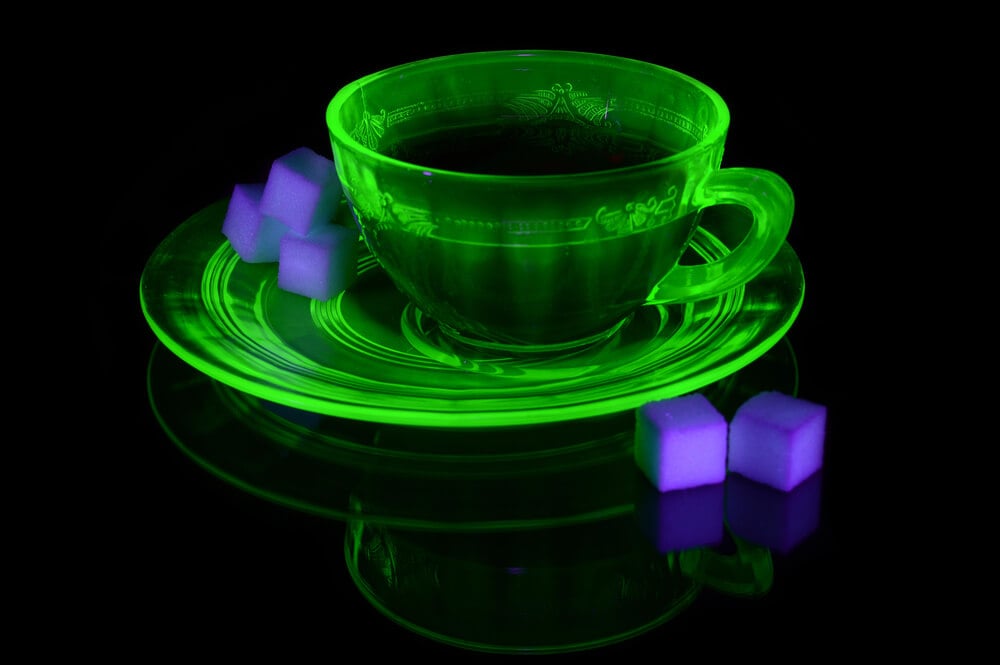
During the Great Depression, gas stations, movie theaters and grocery stores gave away pieces of colored glass dishes to attract customers. The cups, plates and bowls came in pink, green, yellow and clear, and they were produced in huge quantities at low cost.
Families gradually built full sets of dishes from the weekly giveaways. Today the glass is treasured by collectors, who prize rare patterns and perfect colors, and many pieces that once sat beside the cash register now fill display cabinets, glowing softly in the afternoon light.
Drinking Glass Sets by the Week
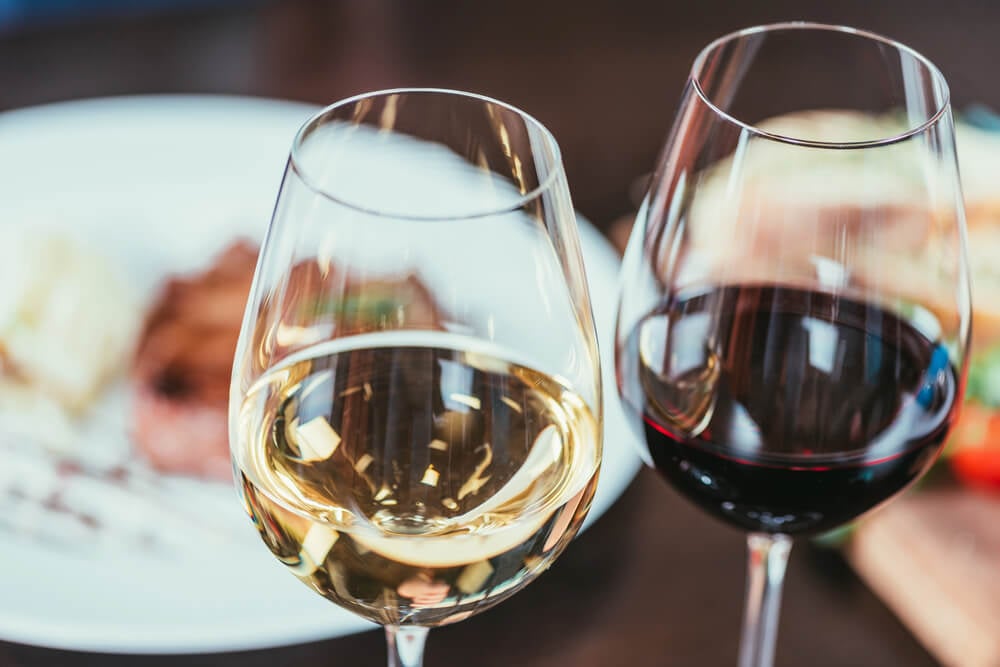
Stations frequently offered a drinking glass with each fill-up, encouraging customers to return week after week until they owned a full set. Patterns ranged from solid colors to printed scenes and state symbols, and the glasses were sturdy enough to survive years of family dinners.
Collecting the entire series became a household project, with children tracking which piece was missing. Even now, mismatched promotional glasses show up in kitchen cabinets and at yard sales, each one a small record of a long-ago summer, a fill-up and a family trip.
Tiger Tails on the Gas Cap

Esso built a famous campaign in 1964 around the image of a tiger in the gas tank, and the company offered tiger tails that drivers hung from their gas caps. The furry orange tails were silly and cheerful, and they spread quickly across the country as a fad.
Rival companies noticed and launched their own promotions. The campaign became one of the best-known advertising successes of the decade, and the tails remain a favorite of collectors who display them on vintage cars and in garages decorated like old service stations.
Dinosaur Stamps From Sinclair

Sinclair adopted a green brontosaurus as its mascot, and the company built an entire dinosaur theme around the character. Stations gave away dinosaur stamp albums and collectible stamps that children pasted into books, learning about prehistoric animals while their parents filled the tank.
Sinclair also sponsored a dinosaur exhibit at the 1964 World’s Fair in New York. The little green dinosaur remains one of the most recognizable logos in the history of American gasoline, and its long neck still looks friendly on old signs. Children of the 1960s often recall peeling the stamps off the page with care.
Calendars on Every Garage Wall
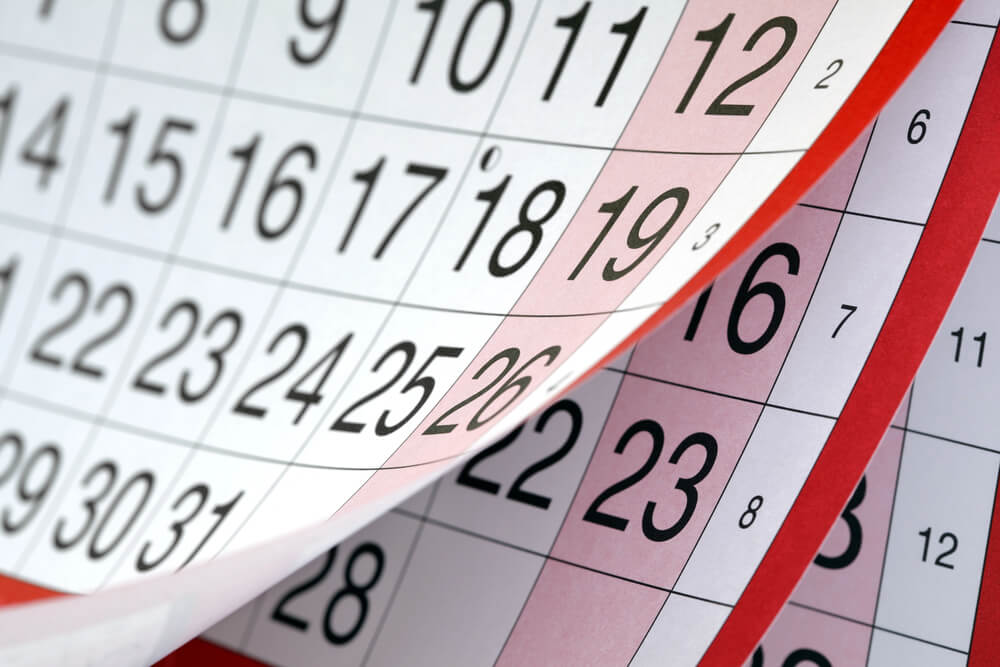
Gas stations and garages handed out calendars at the end of each year, and the pictures were often the main draw. Companies such as Brown and Bigelow of St. Paul, Minnesota, produced advertising calendars with paintings of landscapes, farm scenes and Norman Rockwell’s Boy Scouts.
Customers hung them in kitchens, workshops and basements, and many kept them long after the year ended. Collectors now prize the artwork, and a faded calendar with a station’s name printed at the bottom can brighten a wall as well as record the days.
Key Tags With a Reward Offer
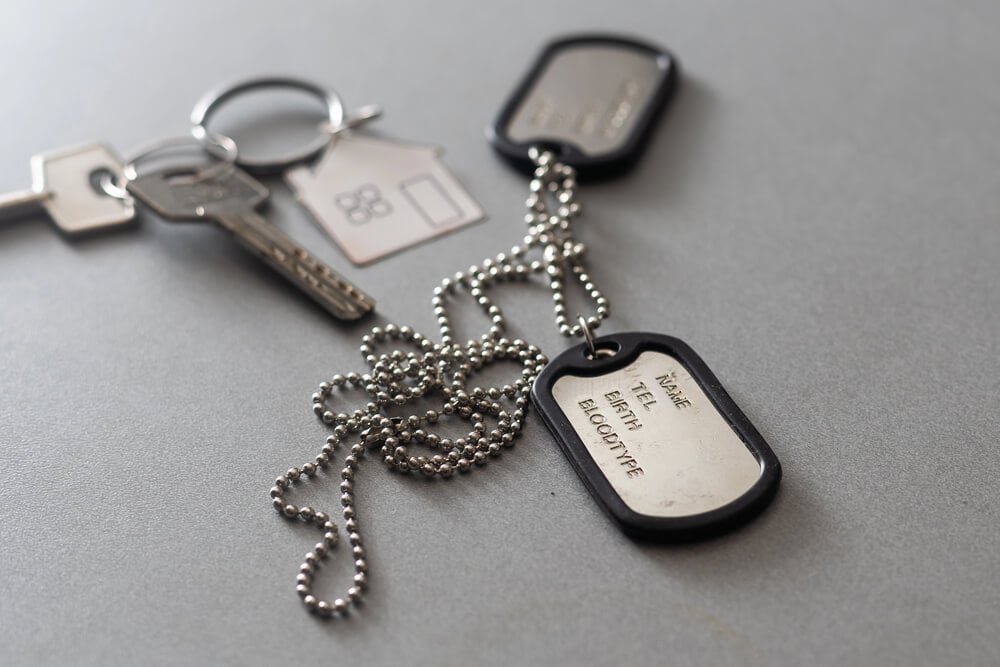
Metal key tags stamped with a company logo were common giveaways, and some promised a reward for the return of lost keys. The tags came with a serial number and a return address, turning every lost set into a small advertisement. Drivers carried them for years, and the logos wore down with handling.
They were cheap to make and easy to hand out, which made them one of the most common premiums. Today the tags show up in jars at flea markets, tarnished but still readable.
Pocket Combs With Logos
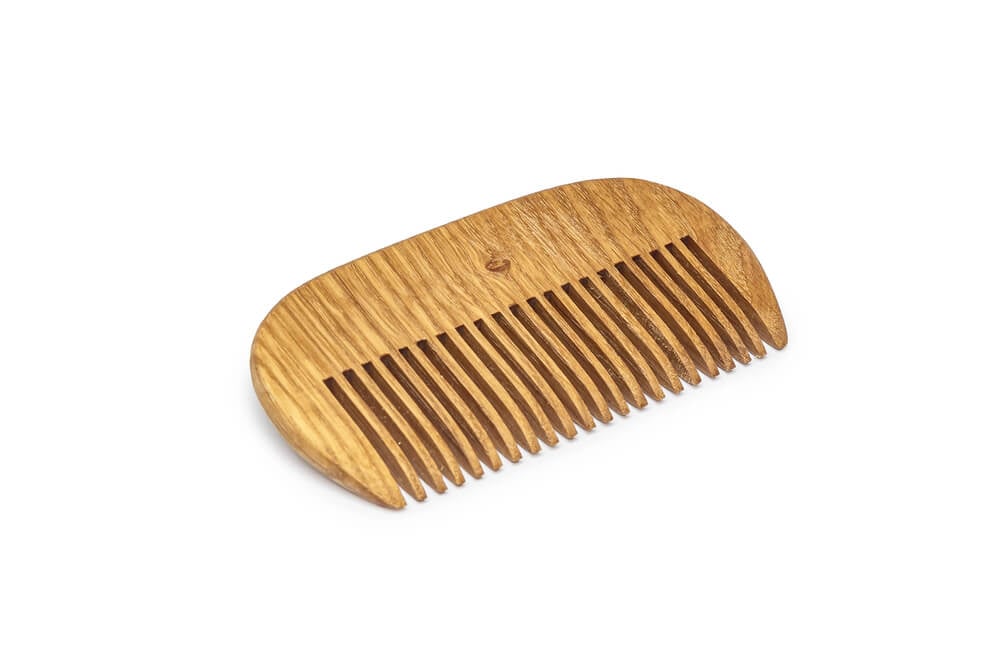
Pocket combs printed with a station’s name were handed out by the thousands, tucked into shirt pockets and handbags. Some included a small ruler along the spine, and others came with a plastic sleeve. The comb itself was cheap, but the logo traveled with the owner to school, work and church, giving the station a quiet audience.
Few people keep a pocket comb today, but the habit of carrying one was widespread, and a collection of old combs tells a story of grooming and advertising.
Pens and Pencils in Gold Letters
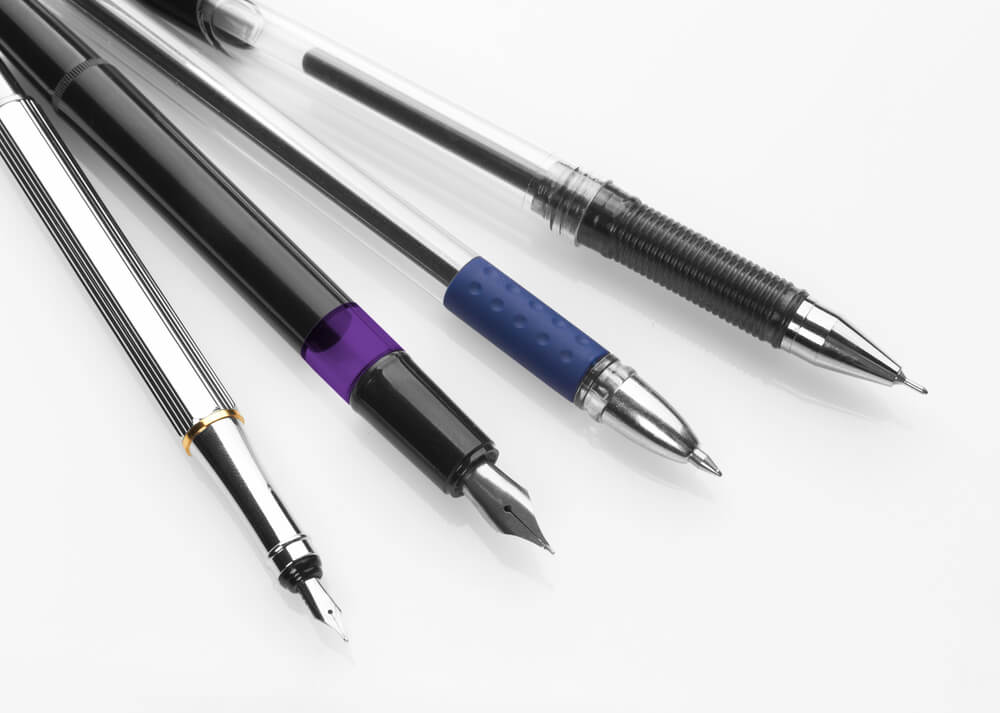
Stations handed out pens and mechanical pencils stamped with their names in gold letters. A pen from a favorite station might sit in a kitchen drawer for decades, used for grocery lists and checkbooks.
The advertising specialty industry made millions of them each year, offering businesses a way to put their names in a customer’s hand. Many survive in desk drawers today, the ink long dried, and a drawer of mismatched pens often hides a few pieces of mid-century advertising history, along with the receipts and coupons that came with them.
Lollipops by the Cash Register

A jar of lollipops sat beside the cash register at many stations, and attendants offered a treat to children waiting in the car. The gesture cost almost nothing but won the loyalty of families who remembered the sweet reward. Parents often steered toward the station where a kind attendant handed out candy, and children pressed their faces against the window when the car pulled in.
The jar is mostly gone now, replaced by shelves of packaged snacks, but the memory of a free lollipop remains vivid.
Coloring Books for the Back Seat

Some stations and oil companies gave away coloring books and crayons to keep children occupied on long trips. The pages often featured the company mascot, a road scene or a gas station with smiling attendants.
Parents appreciated the quiet that followed, and children colored through hours of highway. The books sometimes included safety messages about seat belts and traffic, wrapped in friendly cartoons. A surviving coloring book offers a charming window into how companies spoke to children in the mid-twentieth century, with a mixture of friendliness, salesmanship and safety advice.
Bumper Stickers for Every Trip
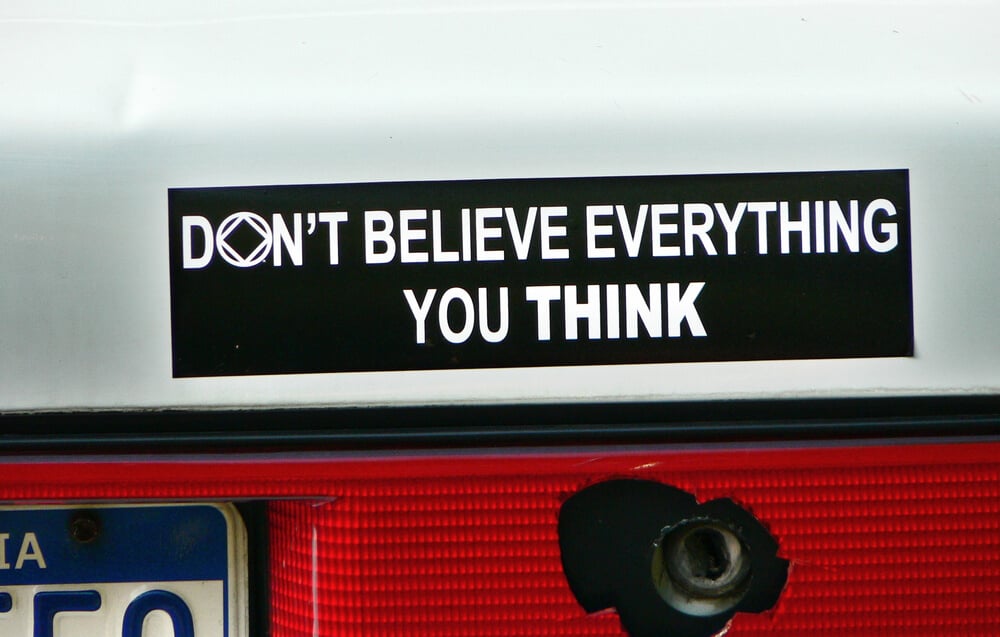
Stations handed out bumper stickers that advertised their brand, and roadside attractions did the same. The famous See Rock City slogan, painted on barn roofs across the South since the 1930s, also appeared on stickers that families slapped on their cars.
A trip to a tourist trap meant a sticker, and a car with a dozen of them looked like a rolling scrapbook. Modern cars are less likely to carry the stickers, but vintage ones remain popular with collectors and car show enthusiasts, who sometimes cover an entire toolbox with them.
License Plate Frames From Dealers
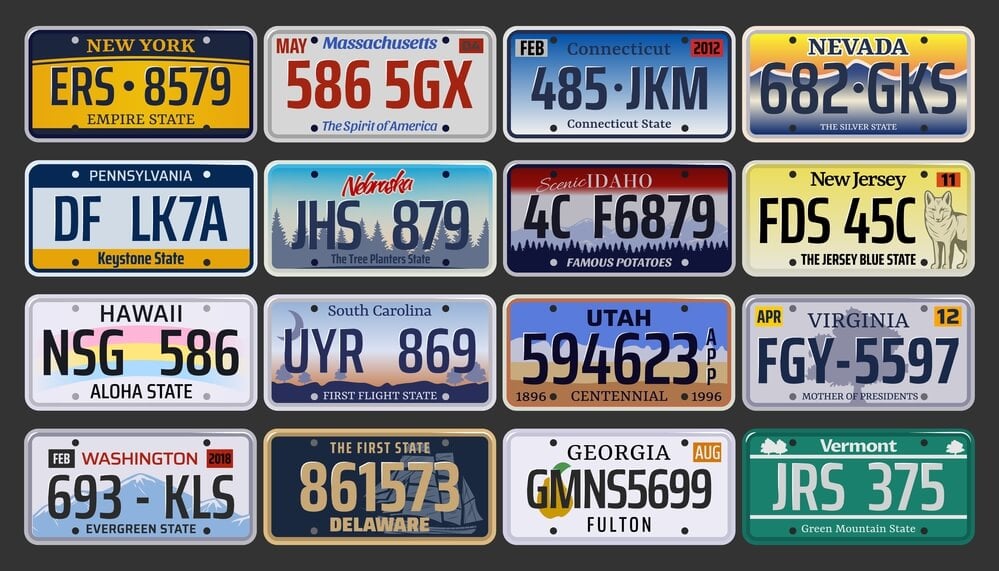
Chrome license plate frames bearing the names of dealers and stations were given to customers or installed by dealers. The frames turned every car into a moving billboard, and the logos often became a point of pride for loyal customers.
They were sturdy and inexpensive, and some survived for decades on the family car. Today vintage frames sell at swap meets, and a frame with a defunct dealership’s name offers a small reminder of a business long gone from the neighborhood, and from the road where it once did business.
Ice Scrapers for January
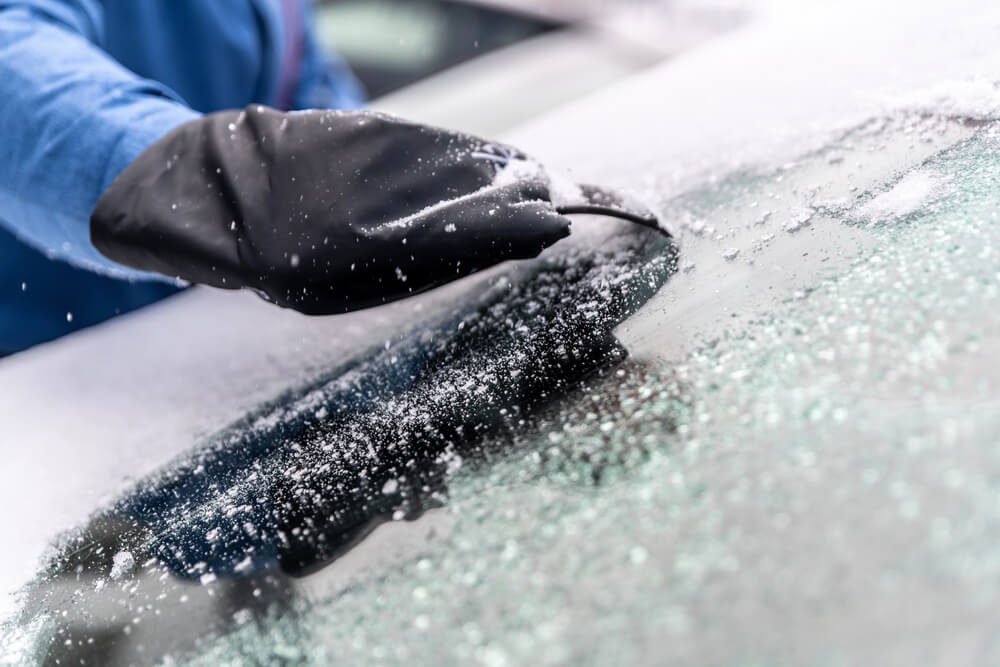
In northern states, stations handed out plastic ice scrapers printed with their names at the first sign of winter. The scrapers were cheap and practical, and drivers kept them in glove compartments or on the dashboard until spring.
Their brightly colored handles made them easy to find on dark mornings. Many survived for years, and an old scraper with a faded station logo is a familiar find in the garage. The tool’s usefulness made it one of the most successful premiums, and an ice scraper never goes to waste in a cold climate.
Matchbooks Printed With Maps
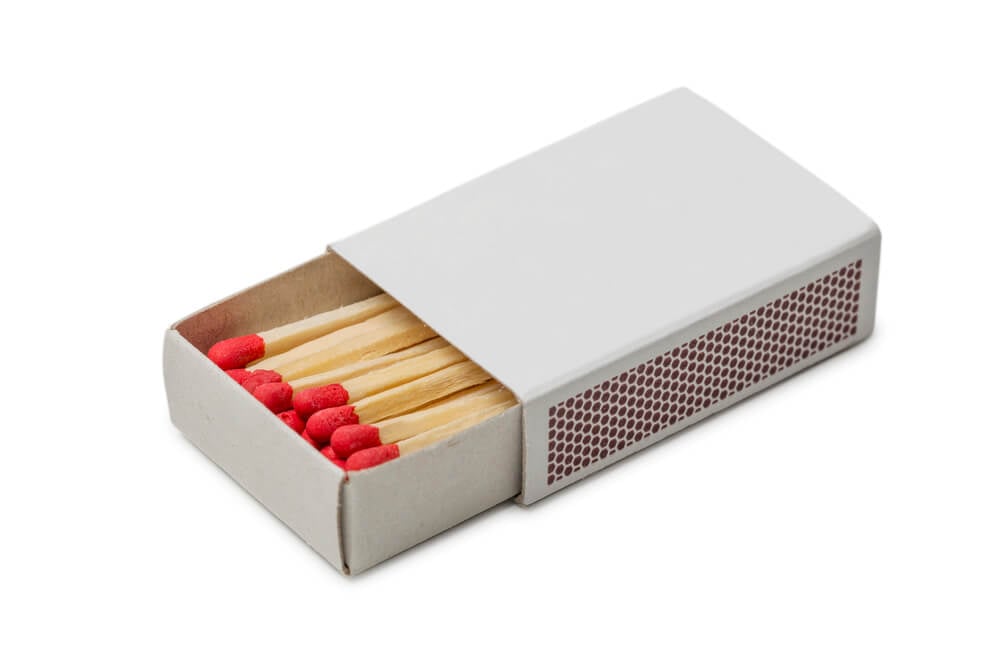
Matchbooks printed with a station’s name, address and sometimes a small map were common counter giveaways. The book fit in a pocket, and the printed matter on the cover put the station’s information in a customer’s hand.
They were cheap to make and easy to stack in a bowl beside the cash register. Collectors now sort old matchbooks by state and by brand, and a stack of them reads like a record of highways and small towns. The covers capture a snapshot of mid-century graphic design.
Playing Cards With a Logo
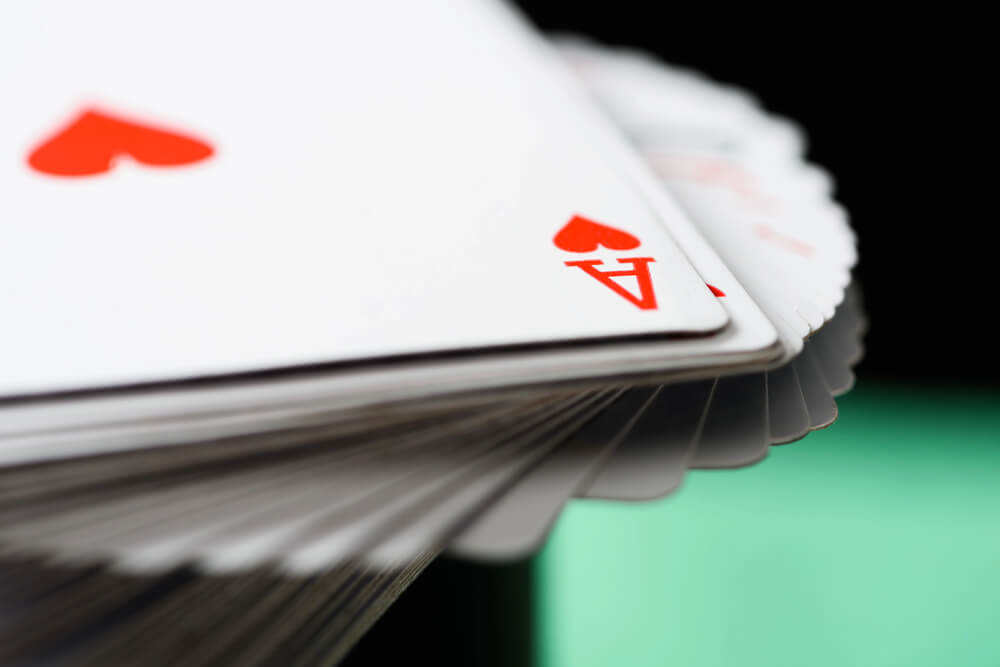
Decks of playing cards printed with a company’s logo on the back were popular giveaways, tucked into glove compartments for rainy days at a roadside motel. The advertising specialty industry produced them in great numbers,
and each deck advertised a station or an oil brand. Families played card games during breaks on long trips, and the cards often survived long after the station closed. Complete decks in original boxes are collectible, and a loose card with a faded gas station logo turns up in antique shops from time to time.
Bottle Openers That Doubled as Ads
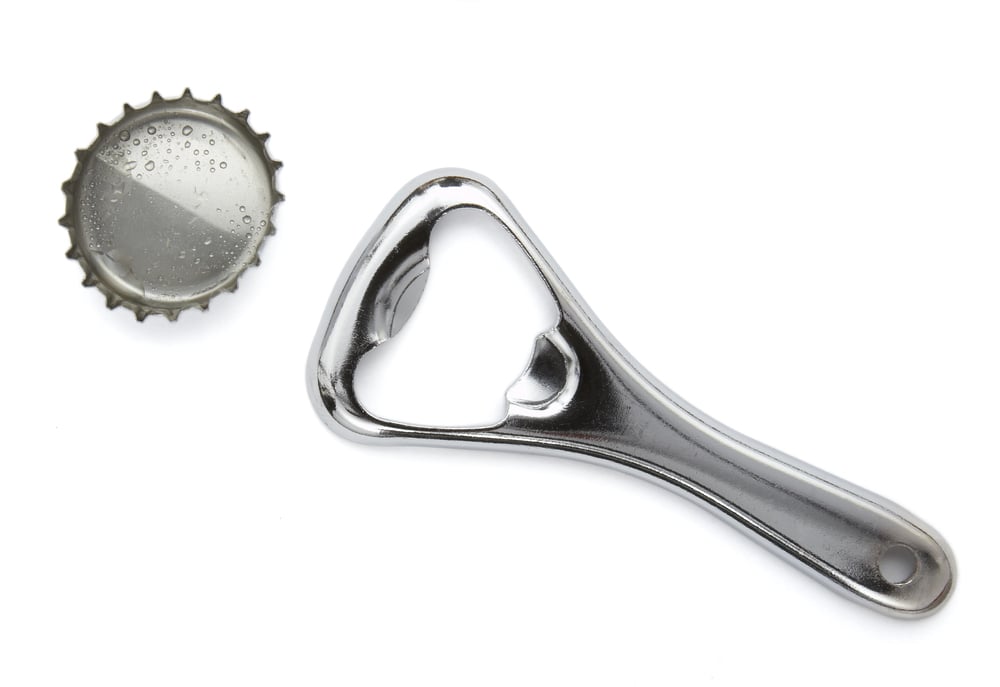
Bottle openers, often called church keys, were handed out at stations and garages with the brand name stamped on the handle. The soft drinks sold in the machine beside the pumps required one, and the opener tied to a string beside the machine often disappeared.
A customer who took one home had a useful tool and a small advertisement for the station. Screw-top bottles and cans made the opener less important, but plenty remain in kitchen drawers, rusty and loved, ready to pop open the next bottle at a summer cookout.
Wooden Rulers With Slogans
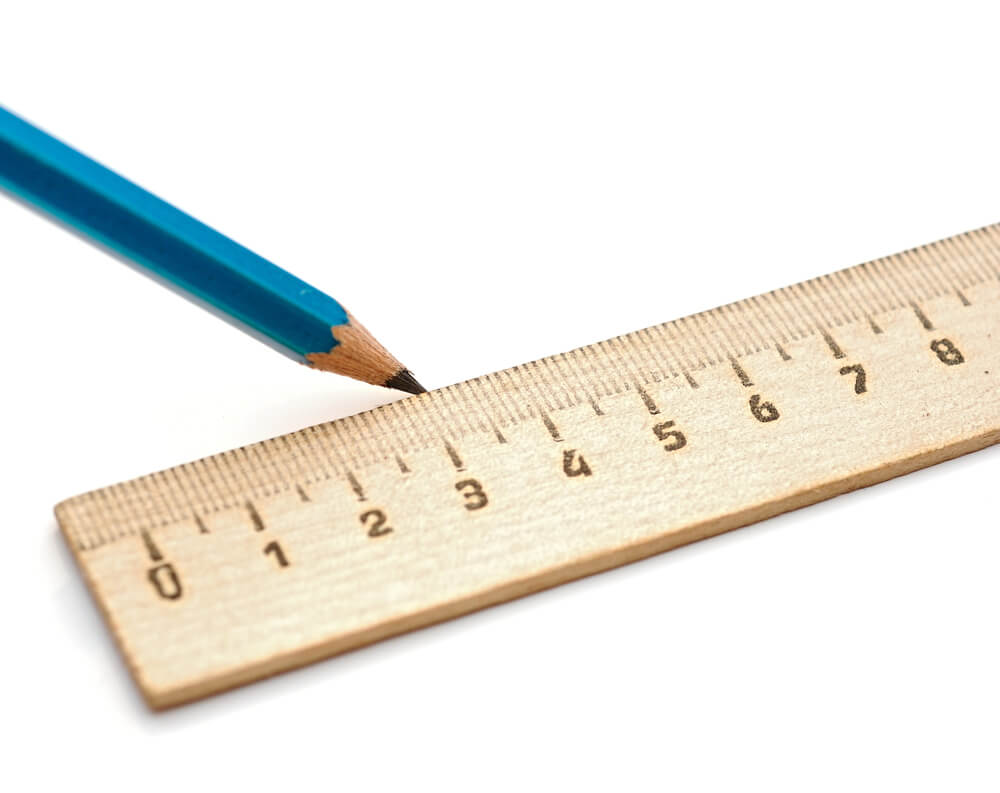
Wooden rulers stamped with a station’s slogan and phone number were a mainstay of the advertising specialty business. They were handed out to schoolchildren, homeowners and mechanics, and the slogan stuck with the owner every time it was used. The rulers were cheap, durable and useful for homework and small repairs.
Many old ones survive in toolboxes and desk drawers, their numbers worn smooth by use, and a faded slogan hints at a time when a business could count on a customer to carry its name around.
Pump Island Hospitality
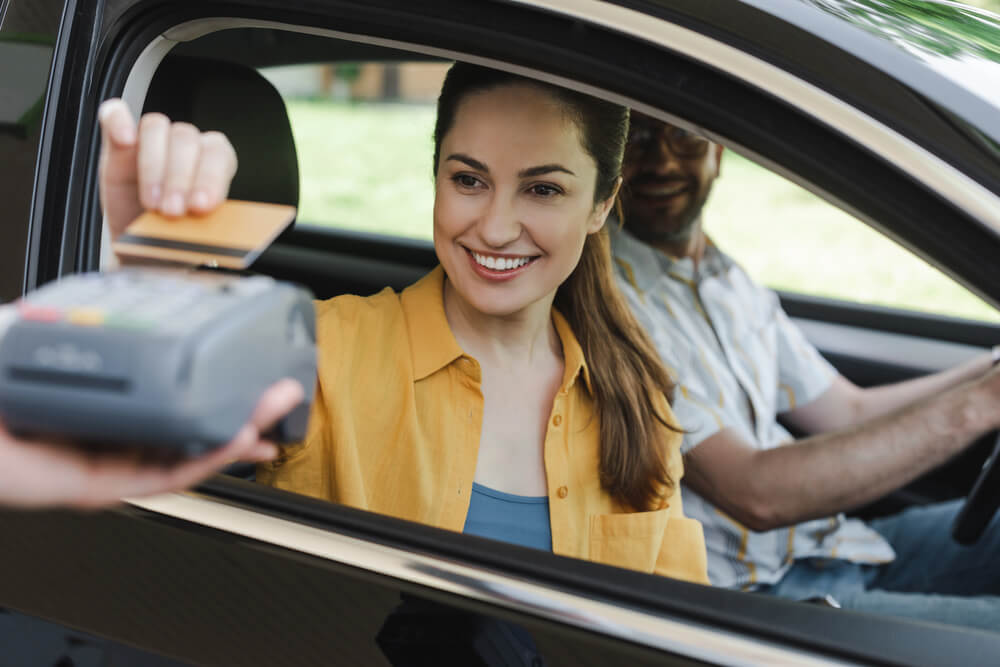
The freebies on this list were never really free, since the cost was built into the price of gasoline and the habit of loyalty. Still, they changed how drivers felt about a stop, turning a chore into a small exchange with a person. Attendants knew customers by name and sometimes by license plate.
Self-service pumps and convenience stores replaced much of that culture, and many giveaways turned into collectibles. Today a faded map or a chipped glass is more likely to be displayed than used. That says less about the objects than about the era they came from.
More from Go2Tutors!

- The Romanov Crown Jewels and Their Tragic Fate
- 13 Historical Mysteries That Science Still Can’t Solve
- Famous Hoaxes That Fooled the World for Years
- 15 Child Stars with Tragic Adult Lives
- 16 Famous Jewelry Pieces in History
Like Go2Tutors’s content? Follow us on MSN.