16 Gadgets Every 1960s Household Had
The 1960s were a fascinating time for American households. Technology was advancing at breakneck speed, and families were eager to embrace the latest conveniences that promised to make life easier and more enjoyable. From the kitchen to the living room, new gadgets were transforming how people cooked, cleaned, and entertained themselves.
These weren’t just luxury items for the wealthy—many of these devices became standard fixtures in middle-class homes across the country. They represented the optimism of the era and the belief that technology could solve everyday problems.
Here is a list of 16 gadgets that practically every 1960s household had tucked away in their cupboards, counters, and closets.
Electric Can Opener

The electric can opener was the ultimate symbol of 1960s kitchen convenience. Before this marvel appeared, opening cans meant wrestling with manual openers that often left jagged edges and required serious elbow grease.
The electric version made the chore effortless—just place the can, press a button, and watch it work its magic. Most models came in cheerful colors like avocado green or harvest gold to match the decade’s bold kitchen aesthetics, and they were often mounted under cabinets to save precious counter space.
Electric Knife
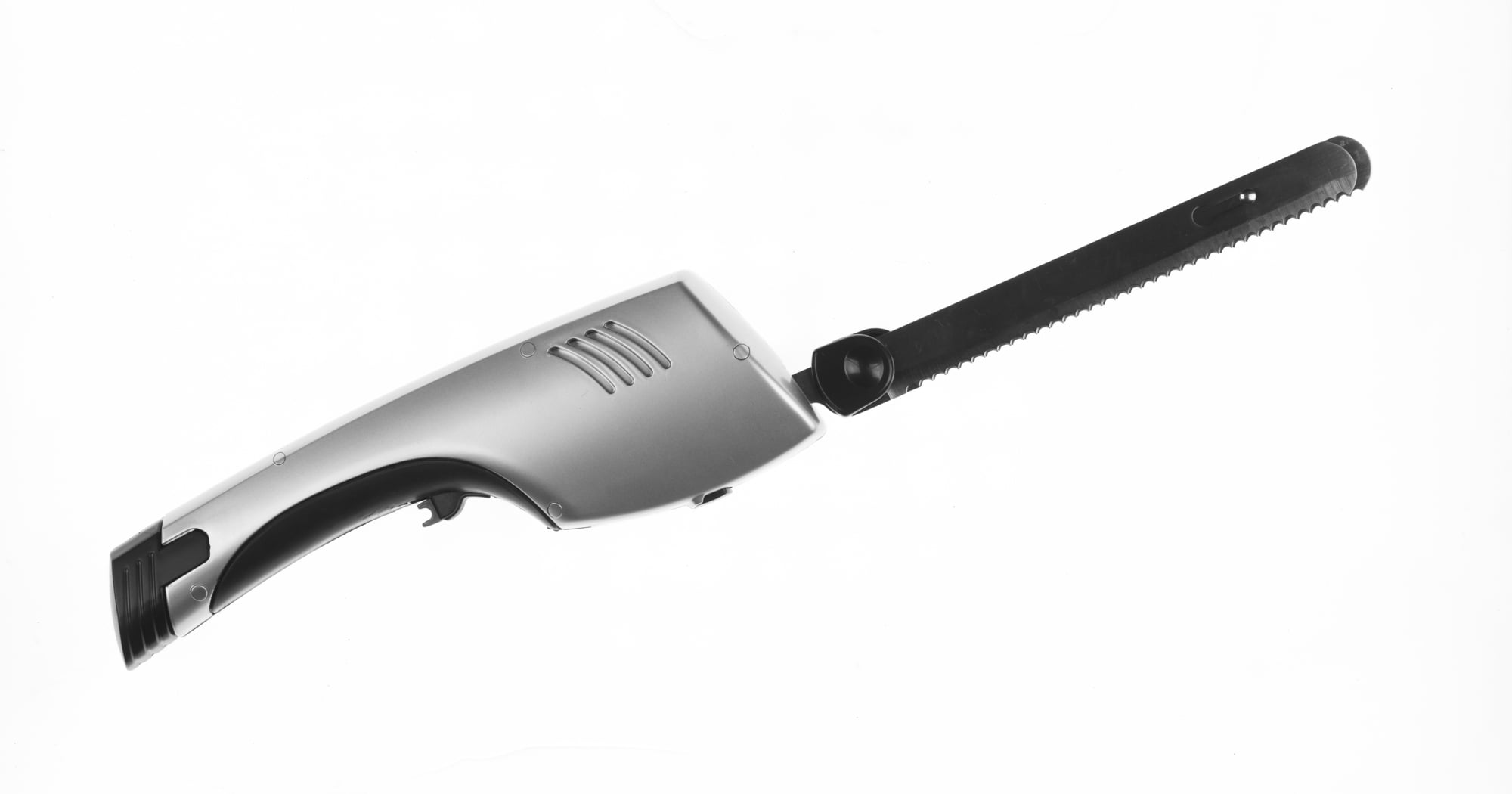
Carving the Sunday roast became a breeze with the electric knife, which vibrated its way through even the toughest cuts of meat. This gadget promised restaurant-quality results at home and made every dad feel like a professional chef.
The oscillating blades could slice through turkey, ham, or beef with minimal effort, creating perfectly even portions. Many families brought out their electric knife for special occasions and holidays, where it became as much a conversation starter as it was a practical tool.
Fondue Pot

The fondue pot turned dinner into an interactive social event that perfectly captured the 1960s spirit of casual entertaining. Families would gather around these colorful ceramic or metal pots, dipping bread cubes into melted cheese or fruit into chocolate.
It was dining and entertainment rolled into one trendy package. These pots came with long-handled forks and often featured psychedelic patterns or earth tones, making fondue parties the height of sophistication while allowing hosts to serve something exotic without too much kitchen complexity.
Electric Frying Pan

The electric frying pan offered unprecedented control over cooking temperatures, something that gas and electric stovetops couldn’t always provide consistently. Home cooks could dial in the exact heat they needed for pancakes, bacon, or stir-fries.
The removable temperature probe was a game-changer for achieving perfect results every time. These rectangular pans were large enough to feed a family and often became the go-to appliance for weekend breakfast spreads, with their portability making them perfect for camping trips or outdoor entertaining.
Blender

The 1960s blender was a powerhouse that could crush ice, puree vegetables, and whip up the era’s favorite frozen cocktails. Unlike today’s sleek models, these machines were built like tanks with heavy glass pitchers and chrome bases that could last for decades.
They made milkshakes, smoothies, and baby food with equal ease. The blender became essential for health-conscious families discovering the joys of fresh fruit drinks while also enabling the cocktail culture that flourished during dinner parties and social gatherings.
Electric Mixer

Stand mixers transformed baking from an arm-aching chore into an effortless pleasure. These heavy-duty machines could handle everything from whipping cream to kneading bread dough, freeing up home bakers to focus on perfecting their recipes rather than building muscle.
The planetary mixing action ensured even results every time. Many models came with multiple attachments that could grind meat, make pasta, or even churn ice cream, making them investments that families expected to pass down through generations.
Toaster Oven

The toaster oven was like having a miniature conventional oven right on the countertop. It could toast bread, heat leftovers, and even bake small batches of cookies without firing up the big oven.
This was especially valuable during hot summer months when keeping the kitchen cool was a priority. These compact appliances were perfect for small families or empty nesters who didn’t need to cook large quantities, using less energy than full-size ovens and preheating much faster.
Electric Coffee Percolator

The rhythmic bubbling sound of an electric percolator became the soundtrack of 1960s mornings. These chrome-plated beauties could brew a full pot of coffee automatically, with a glass knob on top that let you watch the coffee’s strength develop.
The result was strong, hot coffee that stayed warm for hours. Percolators were often the centerpiece of kitchen counters, gleaming like space-age sculptures that represented the decade’s love affair with automation and the growing importance of coffee in American culture.
Rotisserie Oven

The countertop rotisserie oven brought restaurant-style cooking into the home kitchen. Chickens, roasts, and other meats would slowly rotate on a spit, self-basting and cooking evenly on all sides.
The glass door allowed families to watch their dinner cook like a mesmerizing culinary theater. These ovens promised juicier meats and crispier skins than conventional roasting methods, becoming particularly popular for entertaining where the rotating meat created an impressive visual display for dinner guests.
Electric Griddle

The electric griddle turned any kitchen into a short-order diner, capable of cooking pancakes, grilled cheese, and bacon all at the same time. Its large, flat surface could handle big family breakfasts or late-night snack sessions with ease.
The even heat distribution meant no more burnt spots or undercooked centers. Many families used their griddles for more than just breakfast foods, finding them perfect for grilled sandwiches, quesadillas, and even indoor barbecuing when the weather didn’t cooperate.
Ice Crusher

Before blenders got powerful enough to handle ice cubes, dedicated ice crushers were essential for any household that enjoyed cold drinks. These chrome devices would turn regular ice cubes into perfect crushed ice for cocktails, sodas, and snow cones.
They operated with a simple hand crank that kids loved to operate. The crushed ice they produced was ideal for the era’s popular tiki drinks and frozen cocktails, with many models doubling as conversation pieces thanks to their sleek, space-age designs that looked like something from a sci-fi movie.
Electric Juicer

Fresh orange juice became a breakfast staple thanks to electric juicers that could extract every drop from citrus fruits. These machines eliminated the tedious hand-squeezing that made fresh juice a rare treat.
Families could enjoy vitamin-rich beverages without the preservatives found in store-bought versions. The juicers were particularly popular in health-conscious households that embraced the decade’s growing awareness of nutrition, making it easy to incorporate fresh fruits into daily routines and supporting the era’s emphasis on wholesome living.
Slow Cooker

The slow cooker revolutionized dinner preparation by allowing busy families to start meals in the morning and come home to perfectly cooked food. These ceramic-lined appliances could transform tough cuts of meat into tender, flavorful dishes with minimal effort.
They were perfect for the growing number of working mothers who needed convenient cooking solutions. The ‘set it and forget it’ philosophy aligned perfectly with the 1960s desire for labor-saving devices, allowing families to enjoy home-cooked meals even on the busiest days while making dinner time less stressful and more enjoyable.
Electric Skillet

The electric skillet offered precise temperature control and even heating that many stovetop pans couldn’t match. Home cooks could fry chicken, sauté vegetables, or simmer sauces with professional-level results.
The removable temperature probe allowed for exact heat settings that took the guesswork out of cooking. These skillets were large enough to feed families and often featured non-stick surfaces that made cleanup a breeze, becoming essential tools for busy households that needed reliable, foolproof cooking methods.
Pressure Cooker

The pressure cooker turned hours-long cooking processes into quick, efficient meals that preserved nutrients and flavors. These sealed pots used steam pressure to cook foods faster than conventional methods, making them perfect for busy 1960s families.
Tough roasts, dried beans, and root vegetables could be ready in a fraction of the usual time. While they required a bit of learning to use safely, pressure cookers became indispensable for households that valued both speed and nutrition, representing the era’s embrace of scientific cooking methods and modern efficiency.
Deep Fryer

Home deep fryers brought the taste of restaurant-fried foods into family kitchens. These dedicated appliances maintained consistent oil temperatures that were crucial for achieving crispy, golden results.
Families could make homemade French fries, donuts, and fried chicken that rivaled their favorite restaurants. The controlled temperature eliminated much of the guesswork and danger associated with stovetop frying, making them popular for entertaining and special occasions when families wanted to create memorable, indulgent meals.
The Kitchen Revolution Continues
These 1960s gadgets laid the groundwork for today’s smart kitchens and automated cooking systems. What started as simple electric conveniences evolved into the sophisticated appliances that now dominate modern homes.
The decade’s optimism about technology solving everyday problems proved remarkably prescient, even if the harvest gold and avocado green color schemes didn’t quite stand the test of time. Many of these devices introduced concepts that remain central to kitchen design today: convenience, consistency, and the desire to make cooking more accessible to busy families.
The 1960s household gadget revolution created expectations for kitchen efficiency that continue to drive innovation in appliance design and functionality.
More from Go2Tutors!

- The Romanov Crown Jewels and Their Tragic Fate
- 13 Historical Mysteries That Science Still Can’t Solve
- Famous Hoaxes That Fooled the World for Years
- 15 Child Stars with Tragic Adult Lives
- 16 Famous Jewelry Pieces in History
Like Go2Tutors’s content? Follow us on MSN.