30 Vintage Advertising Signs Buyers Chase Down
Old advertising signs were built to survive weather, not to become collectibles, which is exactly why the ones that made it through decades of sun and rust now command serious money. Porcelain, tin, and neon each aged differently, and knowing which brands, materials, and eras buyers actually chase down separates a genuine find from a piece of scrap metal leaning against a shed wall.
Coca-Cola Porcelain Button Signs
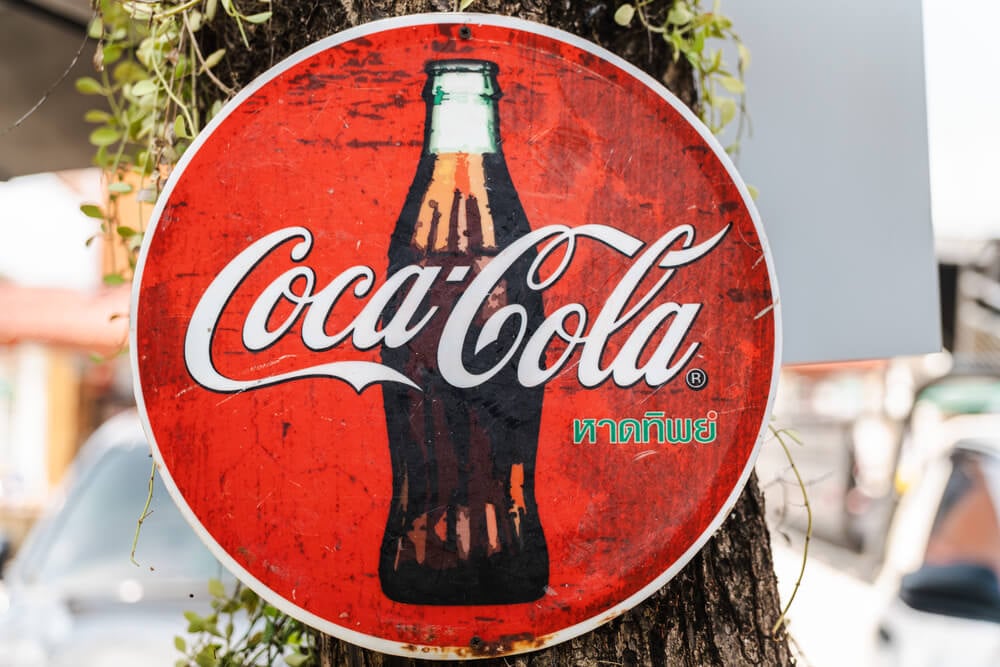
Round, domed porcelain signs advertising Coca-Cola, often mounted at country stores and gas stations from the early to mid-twentieth century, are among the most consistently valuable pieces in the entire advertising sign category. Their curved, layered enamel construction made them durable but also prone to chipping, so condition plays an enormous role in final value.
Larger sizes and earlier design variations, particularly those predating the mid-1950s, tend to command the strongest prices among dedicated collectors.
Standard Oil Porcelain Signs
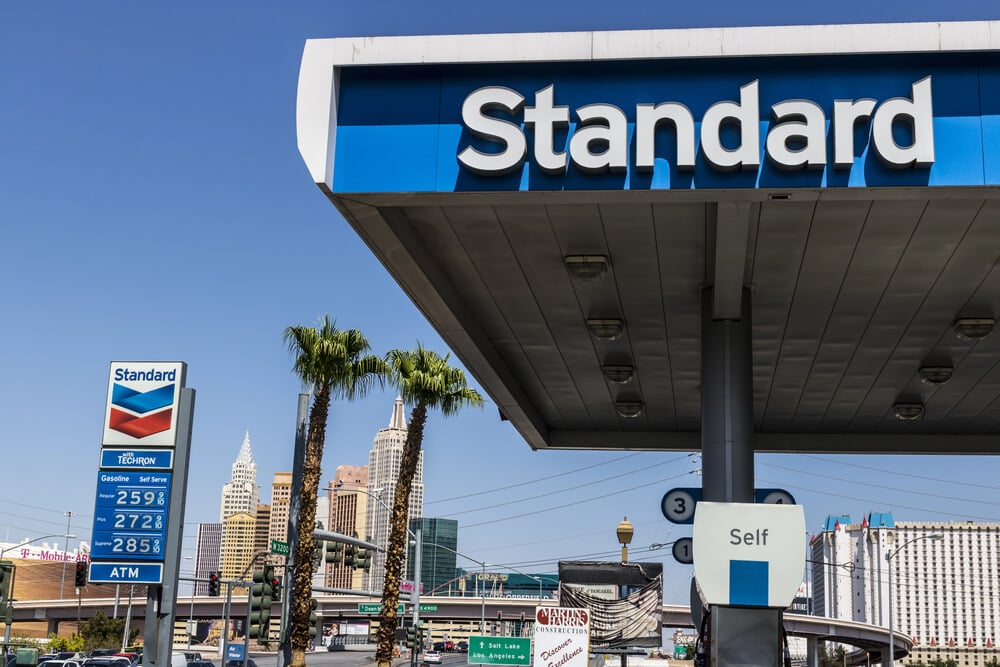
Porcelain signs advertising Standard Oil and its various regional divisions were a common fixture at filling stations across the country before the company’s breakup, and surviving examples in strong condition draw significant interest from gas and oil collectors specifically. The company’s various regional names, each tied to a different post-breakup entity, gives collectors a specific historical detail to track alongside the sign’s condition.
Double-sided versions, meant to be readable from both directions along a roadside, generally carry a premium over single-sided examples.
Route 66 Shield Signs
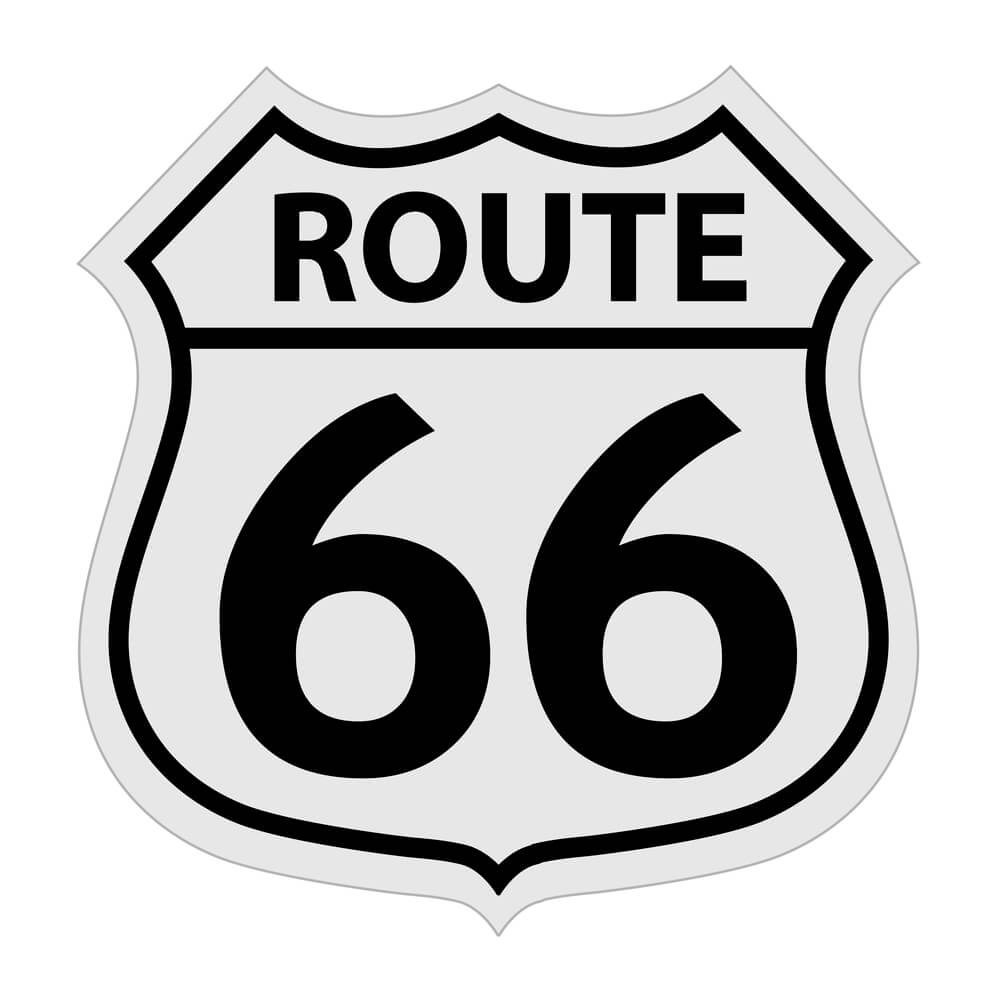
Original metal shield-shaped signs marking Route 66, produced by state highway departments rather than any single company, have become highly sought after as the highway itself gained cultural mythology decades after much of it stopped functioning as a primary route. Genuine period signs are distinguished from later reproduction signs, which are extremely common, through specific manufacturing and reflective coating details.
A verified original road sign, given how few survived removal and scrapping over the decades, is a significant find for roadside memorabilia collectors.
Texaco Porcelain Star Signs
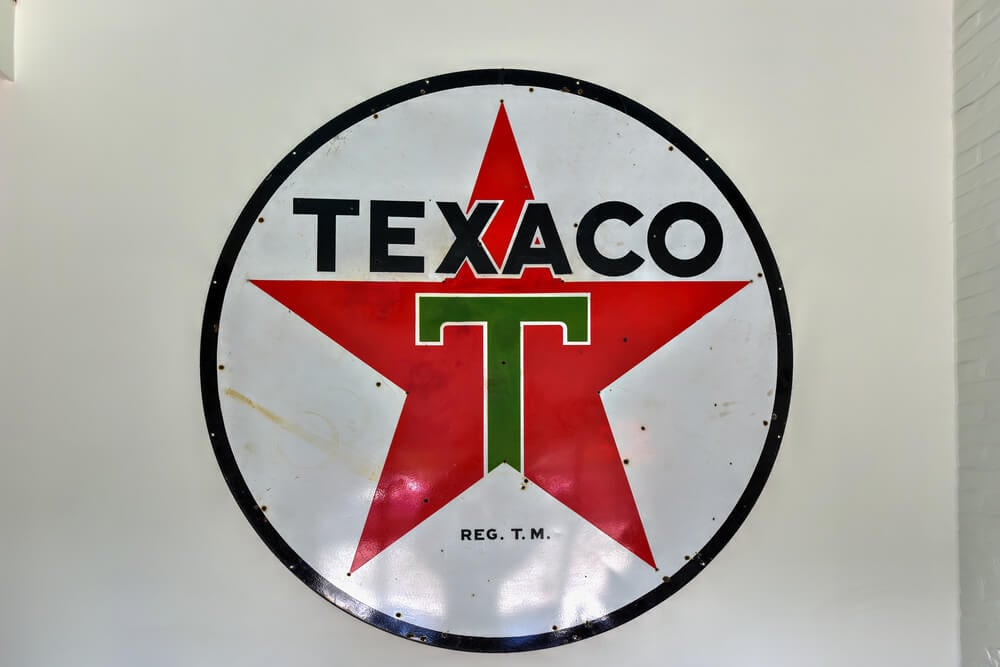
The star-shaped porcelain sign used by Texaco gas stations for decades is one of the more recognizable shapes in petroleum advertising, and larger sizes in strong original condition draw serious attention from collectors focused specifically on gas station memorabilia. Several design variations exist across different decades of use, each with its own collector following based on color scheme and lettering style.
Reproduction versions are common enough that verifying porcelain thickness and manufacturing marks matters considerably before any purchase.
Vernors Ginger Ale Tin Signs
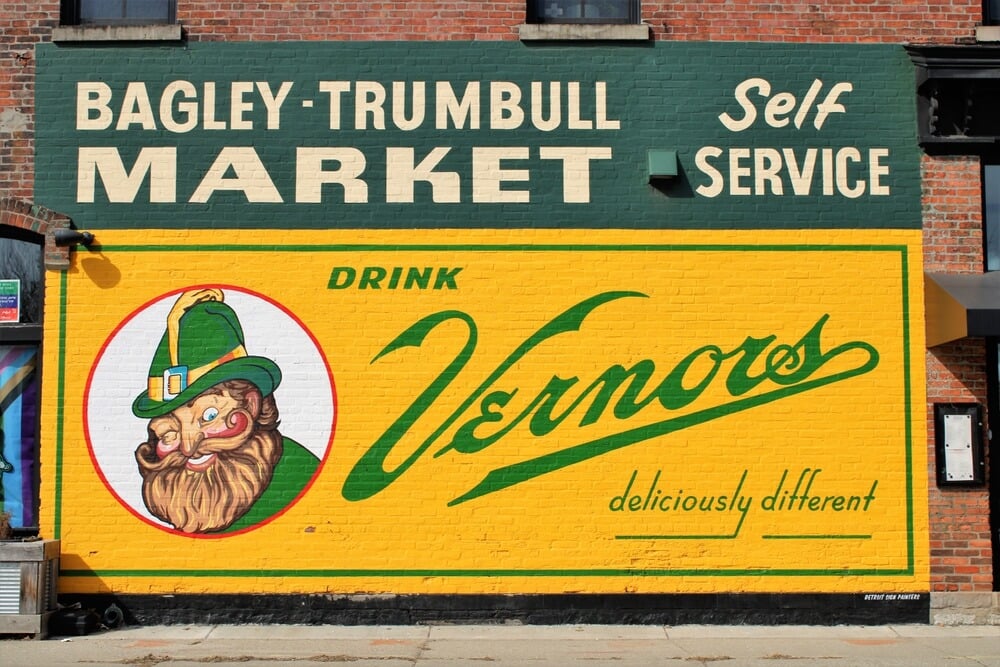
Vernors, a regional ginger ale brand with a devoted following concentrated in the Midwest, produced tin advertising signs that are considerably scarcer nationally than signs from larger national soda brands. This regional scarcity has made surviving examples more valuable to collectors specifically focused on regional beverage brands than the company’s smaller national profile might otherwise suggest.
Condition of the tin surface, given how prone this material is to rust, plays an outsized role in determining final value.
Buffalo Bill Wild West Show
Posters and Signs
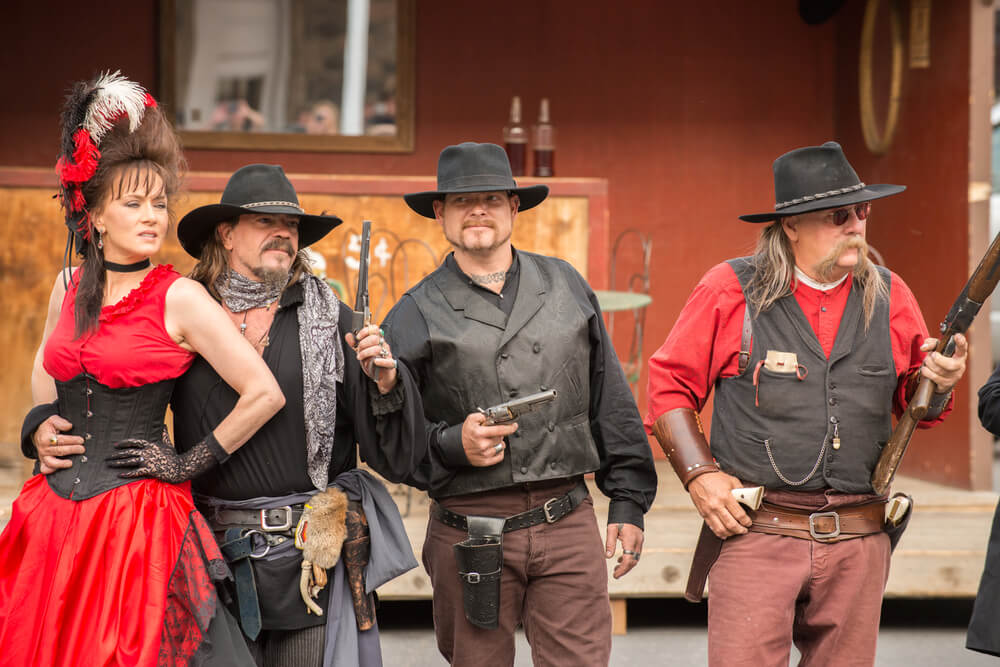
Advertising material from Buffalo Bill’s traveling Wild West show, produced in the late nineteenth and early twentieth centuries, represents some of the earliest large-scale entertainment advertising in American history. Paper posters from this era survived in far smaller numbers than later metal or porcelain advertising, making authenticated examples exceptionally rare and valuable to collectors of early American entertainment history.
Reproduction posters are extremely common, so provenance and paper analysis matter enormously for anything claimed as an original.
Moxie Soda Signs
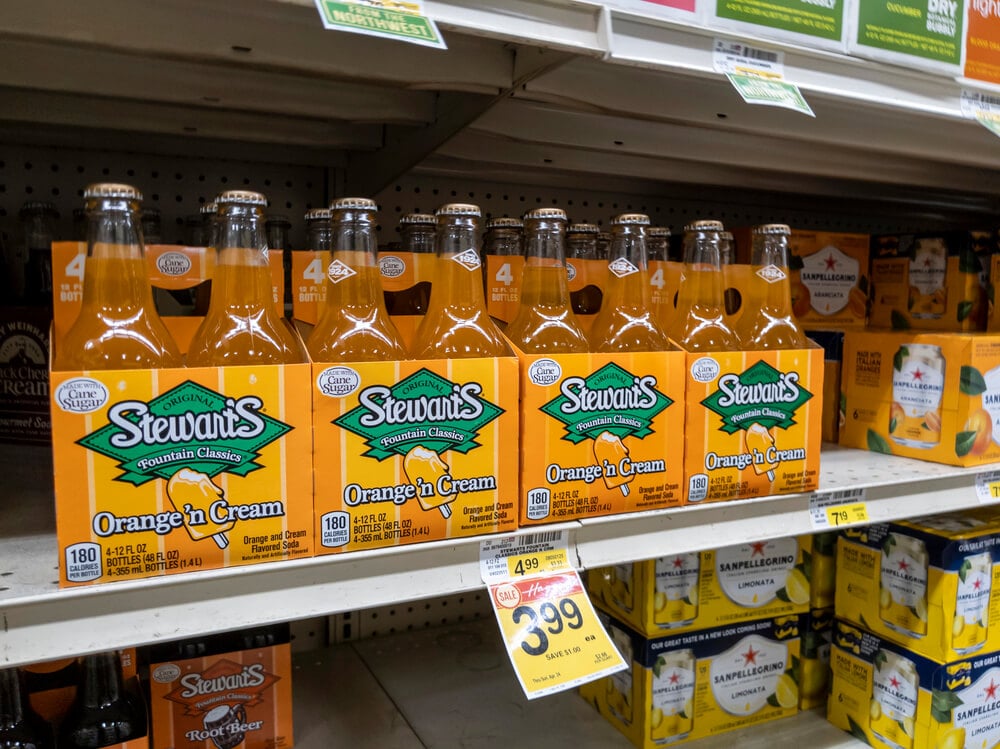
Moxie, one of the earliest mass-produced soft drinks in the United States, produced advertising signs and figures throughout the early twentieth century that have become prized among soda memorabilia collectors specifically for the brand’s historical significance. The company’s advertising often featured a distinctive pointing figure that became closely associated with the brand for decades.
Surviving tin and cardboard signs in strong condition are considerably scarcer than examples from larger, longer-lived soda brands.
Sinclair Dino Signs
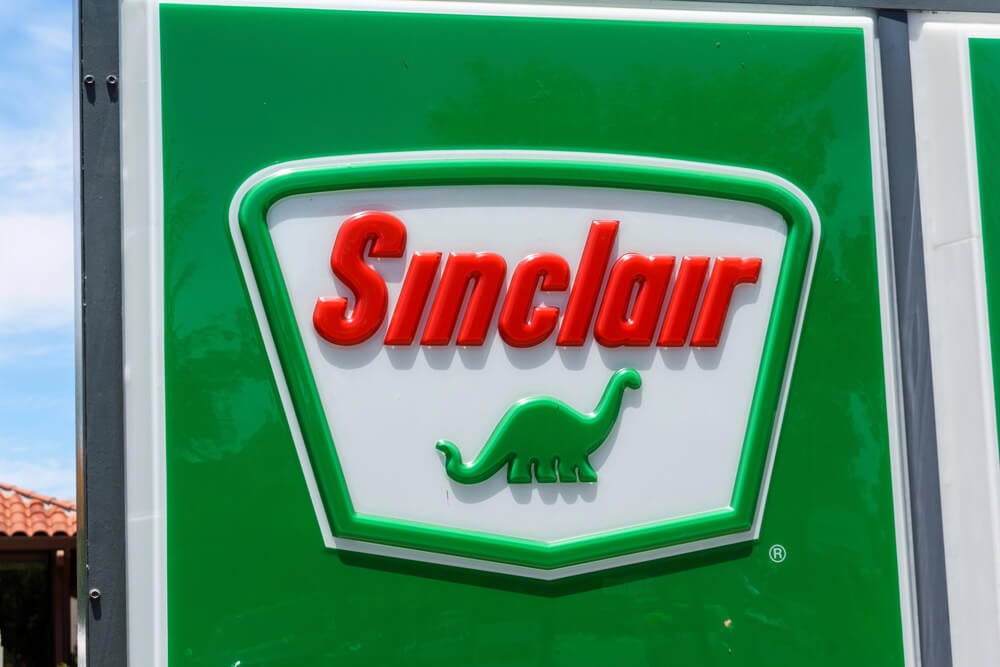
The green dinosaur mascot used by Sinclair Oil made its advertising signs instantly recognizable, and porcelain versions of the dinosaur logo from the mid-twentieth century draw strong interest among gas and oil collectors. The mascot’s continued use by the company today, unusual among vintage petroleum brands that have otherwise disappeared entirely, has kept the imagery culturally familiar even to buyers with no direct memory of the original stations.
Larger porcelain examples in strong original condition represent some of the more consistently valuable pieces in petroleum advertising collecting.
Arm & Hammer Baking Soda Advertising Cards
Nineteenth and early twentieth-century advertising trade cards for Arm & Hammer, often featuring illustrated scenes of birds or historical figures rather than the product itself, were distributed as a marketing tactic long before modern advertising formats existed. These cards were often collected and traded by children at the time, giving surviving complete sets a specific nostalgic and historical value beyond individual pieces.
Condition of the paper and completeness of a themed series both factor heavily into value for serious collectors.
Dr Pepper Thermometer Signs
Metal advertising thermometers branded with the Dr Pepper logo were a common sight outside country stores and diners for decades, combining a functional household item with brand advertising in a format that made them likely to be kept and displayed rather than discarded. Surviving examples with a fully functional and undamaged thermometer element carry a premium over decorative-only survivors.
Color and design variations across different decades give collectors specific details to track when comparing examples.
Wonder Bread Metal Signs
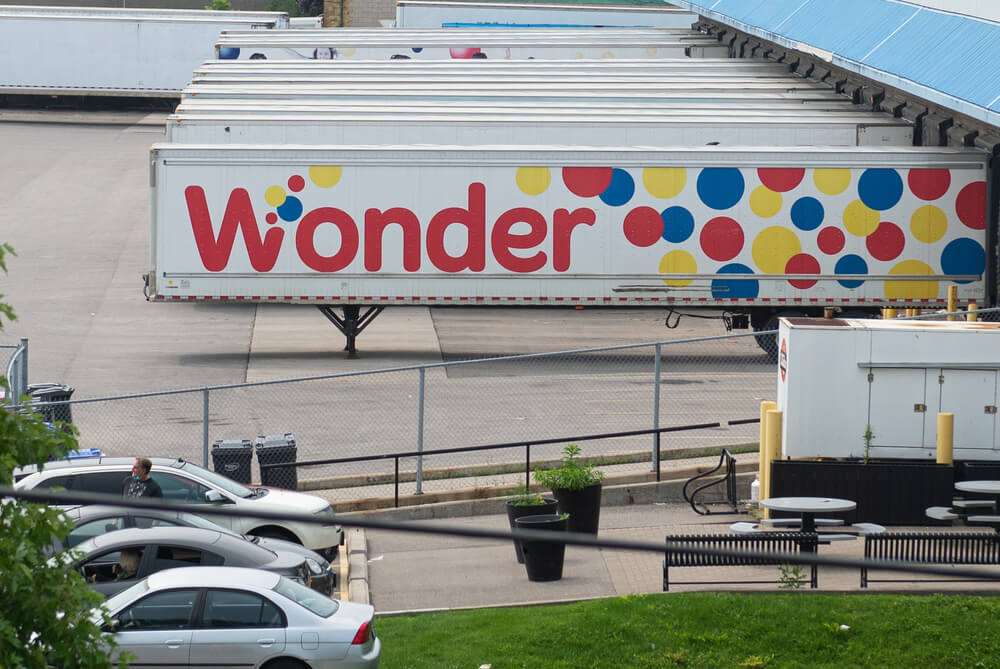
Wonder Bread’s advertising signs, featuring the brand’s distinctive colored dot pattern, are recognizable enough that even non-collectors often identify them immediately, which has kept demand broad rather than limited strictly to specialist buyers. Metal and porcelain versions from the mid-twentieth century in strong condition are considerably more valuable than the cardboard point-of-sale versions produced in much larger quantities.
The pattern’s continued use on the product’s modern packaging has helped keep the vintage version culturally familiar.
Burma-Shave Roadside Sign Sets

Burma-Shave’s advertising strategy relied on sequential roadside signs, spaced along a highway so a driver would read a short rhyming message across several consecutive signs before reaching a final sign naming the product. A complete matched set from a single sequence is considerably more valuable than an individual sign, since sets were frequently separated and sold piecemeal over the decades.
The novelty of the sequential format itself has made these signs a specific and well-documented category within roadside advertising collecting.
Planters Peanuts Advertising Signs
Advertising material featuring the Planters mascot, a top-hatted, monocled peanut character, spans decades of production and includes tin signs, cardboard displays, and free-standing figures that collectors pursue across multiple formats. Earlier examples from before the mid-twentieth century generally carry stronger value than later material, given both scarcity and design differences across eras.
The character’s exaggerated, formal-wear design has made it one of the more immediately recognizable mascots in food advertising history.
Red Goose Shoes Signs

Red Goose Shoes produced die-cut metal signs shaped like a stylized goose, a format that stood out considerably from the flat rectangular signs used by most competing shoe brands of the era. The distinctive shape alone makes these signs easy to identify at a glance, which has helped sustain collector interest even though the brand itself is largely unknown to younger generations.
Larger sizes in strong original paint condition represent some of the stronger finds within shoe and clothing advertising collecting specifically.
Nehi Soda Signs
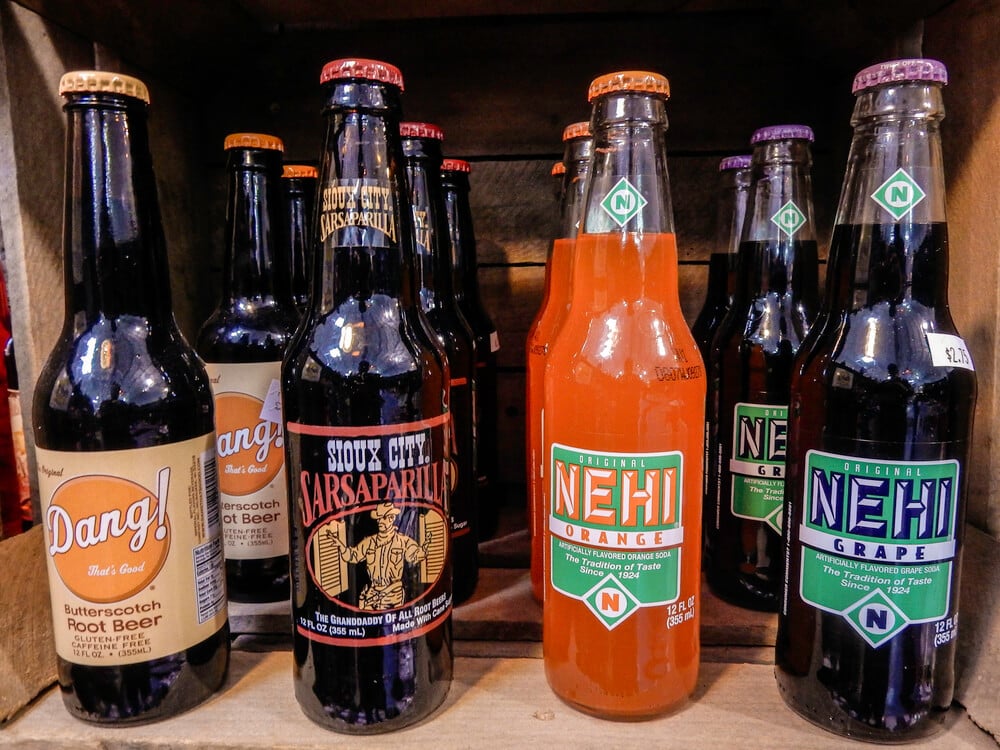
Nehi, an early twentieth-century soda brand later associated with the RC Cola company, produced tin and cardboard advertising featuring illustrated figures that have become a specific niche within vintage beverage collecting. The brand’s eventual decline in national prominence has made surviving advertising scarcer than material from soda brands that remained widely available for longer.
Cardboard versions, given the fragile material, are considerably harder to find in strong condition than their tin counterparts.
Phillips 66 Porcelain Signs
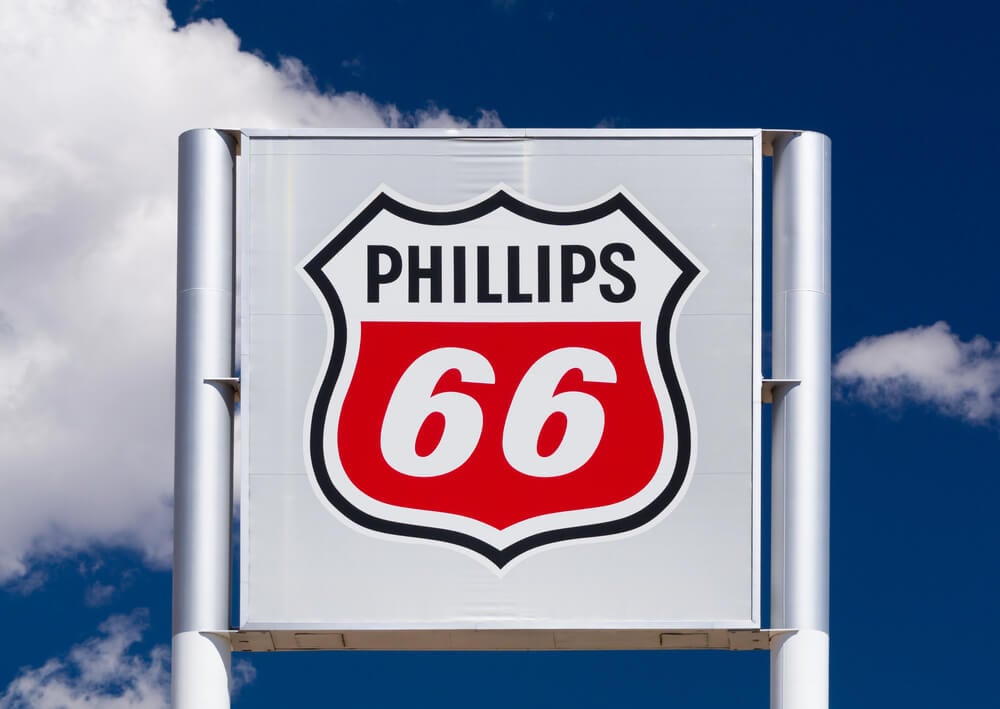
The distinctive orange, black, and white shield design used by Phillips 66 gas stations made its porcelain advertising signs highly visible along highways for decades, and surviving examples remain popular among petroleum collectors specifically. Various sizes were produced for different purposes, from small pump signs to large roadside displays, each with its own collector demand tied to scarcity and visual impact.
The brand’s name, tied to the highway it was closely associated with, adds a layer of interest for road-history collectors as well as petroleum specialists.
Cream of Wheat Advertising Signs
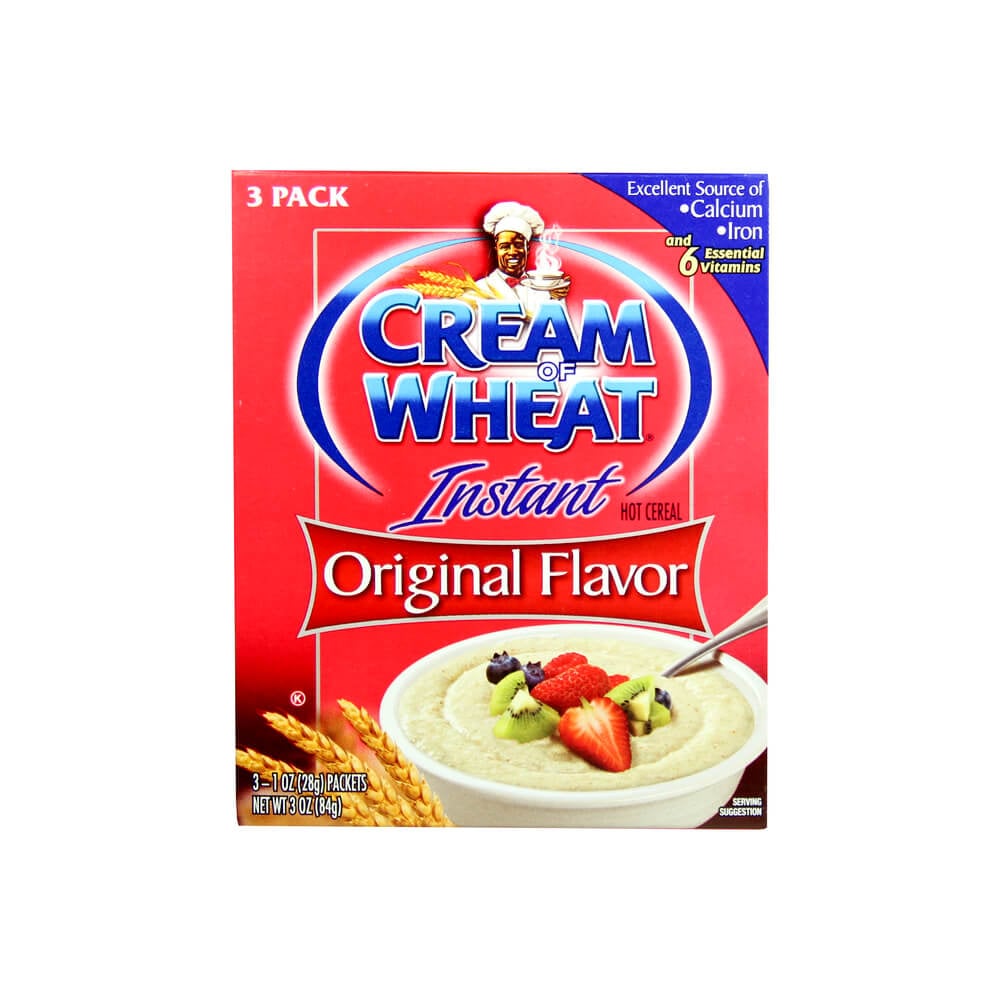
Cream of Wheat’s early twentieth-century advertising, featuring illustrated artwork commissioned from notable commercial artists of the period, is valued as much for its artistic quality as for its advertising history. Original tin and cardboard signs from this era are scarce given the material’s fragility and the passage of well over a century since production.
Collectors of early American commercial illustration specifically seek out this brand’s advertising alongside general advertising collectors.
Orange Crush Bottle-Shaped Signs

Orange Crush produced die-cut metal signs shaped like the brand’s distinctive bottle, a format choice that made the signs stand out from flat rectangular advertising used by many competing beverage brands. The bottle shape itself has become a specific detail collectors look for, distinguishing these signs at a glance from generic soda advertising.
Strong original paint and minimal rust are essential for these signs to command top value, given how exposed to weather most were during their working life.
Vintage Neon Diner and Motel Signs
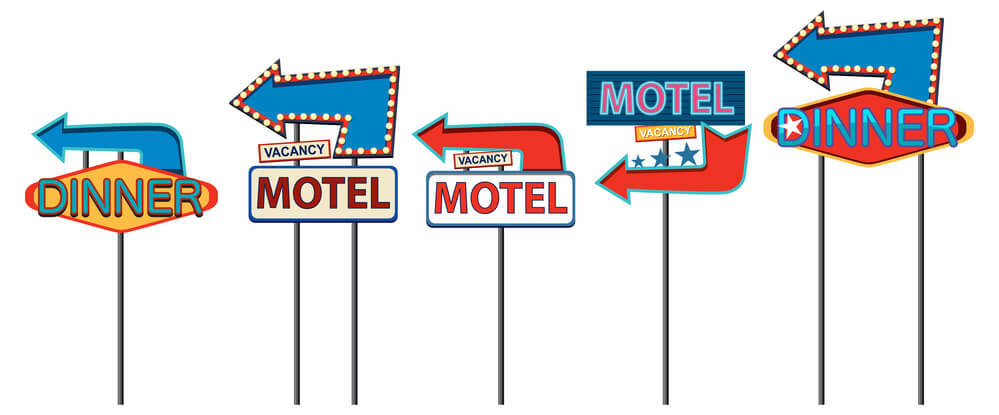
Neon signage from independently owned diners, motels, and drive-in theaters, often custom-made for a single specific business rather than mass-produced by a national brand, has become highly collectible as roadside Americana architecture has gained broader cultural appreciation. Because these signs were one-of-a-kind rather than produced in bulk, provenance and documentation of the original business matter enormously to serious buyers.
A fully restored, functional neon sign from a defunct roadside business can command a price reflecting both its rarity and the specialized restoration work required to keep it lit.
RC Cola Metal Signs
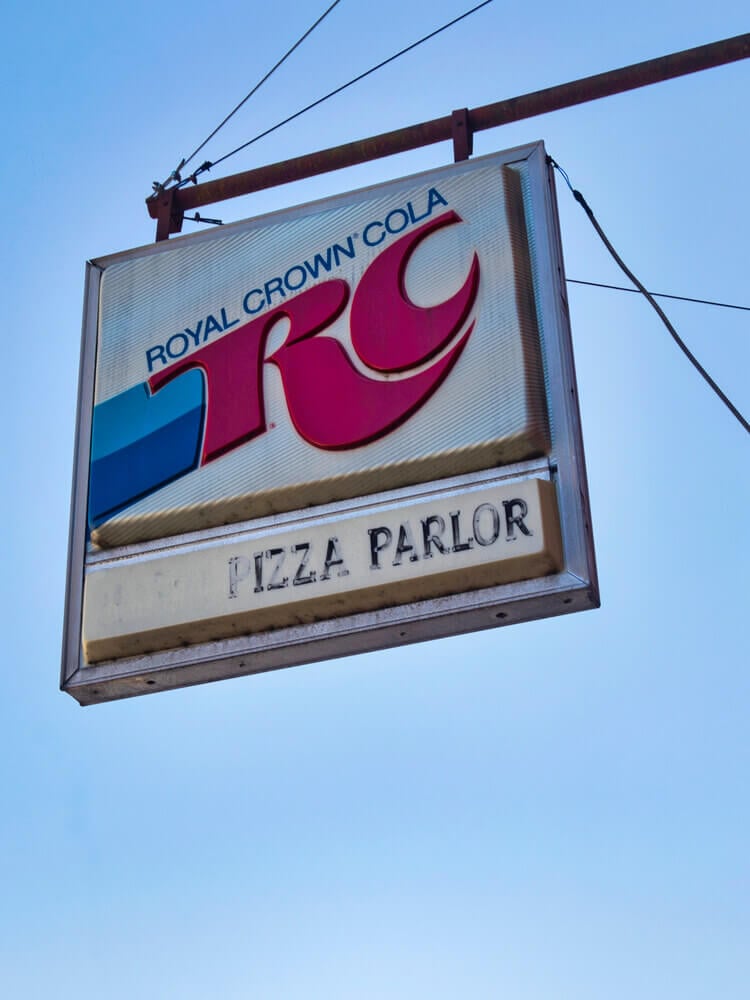
RC Cola’s mid-twentieth-century tin and porcelain advertising signs are collected both on their own merits and as part of the broader cola rivalry history alongside larger competing brands. The company’s smaller national footprint compared to its two largest competitors has made surviving advertising somewhat scarcer despite similar production techniques and eras.
Strong original color retention, given how prone printed tin is to fading, plays a major role in determining final value.
Sunoco Porcelain Signs
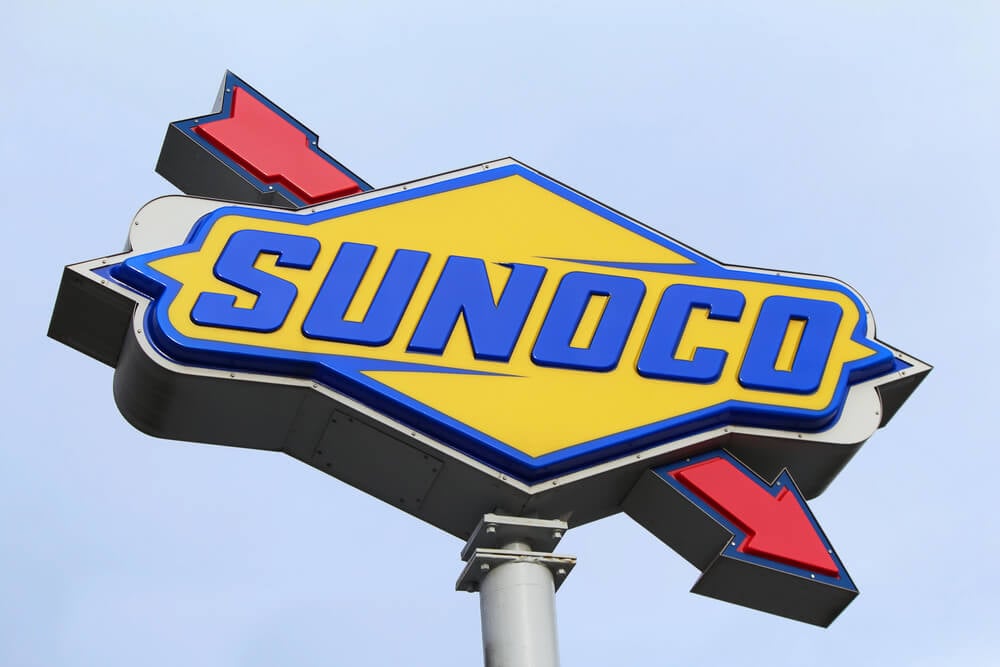
Sunoco’s advertising signage, including branded gas pump signs and larger roadside displays, remains popular among petroleum collectors for its distinctive diamond-shaped brand mark used across multiple design eras. Earlier design variations, predating major corporate rebranding efforts in later decades, tend to draw stronger collector interest than more recent designs.
Double-sided porcelain examples intended for roadside visibility generally command a premium over single-sided versions meant only for pump-side display.
Hires Root Beer Signs
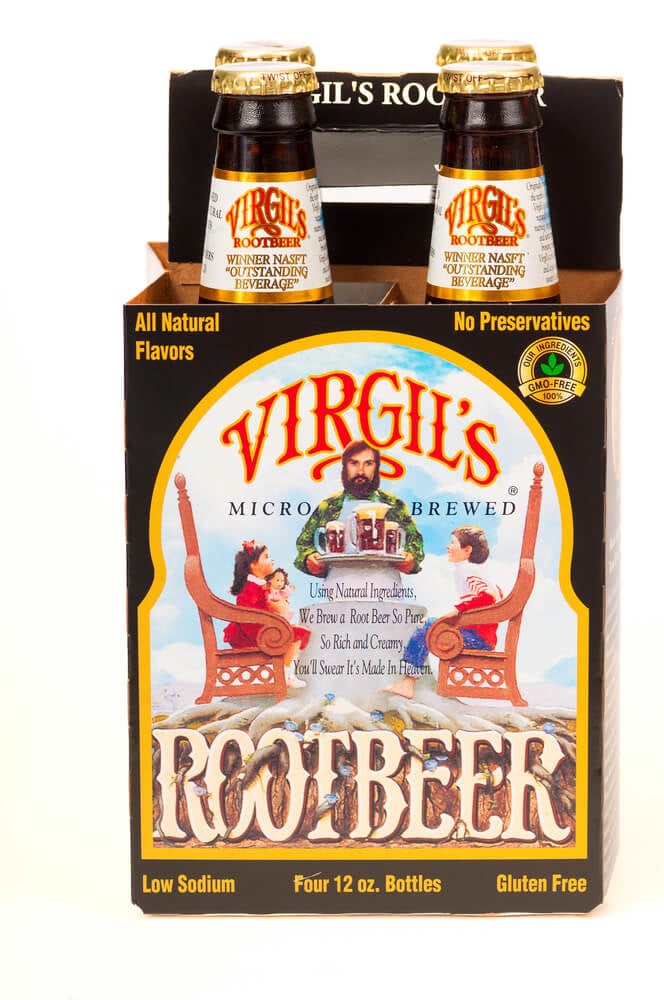
Hires, one of the earliest nationally marketed root beer brands, produced advertising signs and figures throughout the late nineteenth and twentieth centuries that trace the evolution of American beverage advertising across an unusually long span. Earlier examples, particularly anything predating widespread automobile advertising influence, are considerably scarcer and more sought after than mid-century material.
The brand’s long production history gives collectors a wide range of eras and formats to specialize in within a single brand.
Buster Brown Shoes Advertising Signs

Buster Brown’s advertising, featuring the mischievous cartoon boy and his dog, spans decades of shoe advertising and includes die-cut figures, tin signs, and cardboard standees that collectors pursue across multiple formats. The character’s origins in an early newspaper comic strip give this advertising a specific tie to early American pop culture history beyond simple shoe marketing.
Earlier examples from before the mid-twentieth century generally carry stronger value given both age and scarcer survival rates.
Mail Pouch Barn Advertising Signs
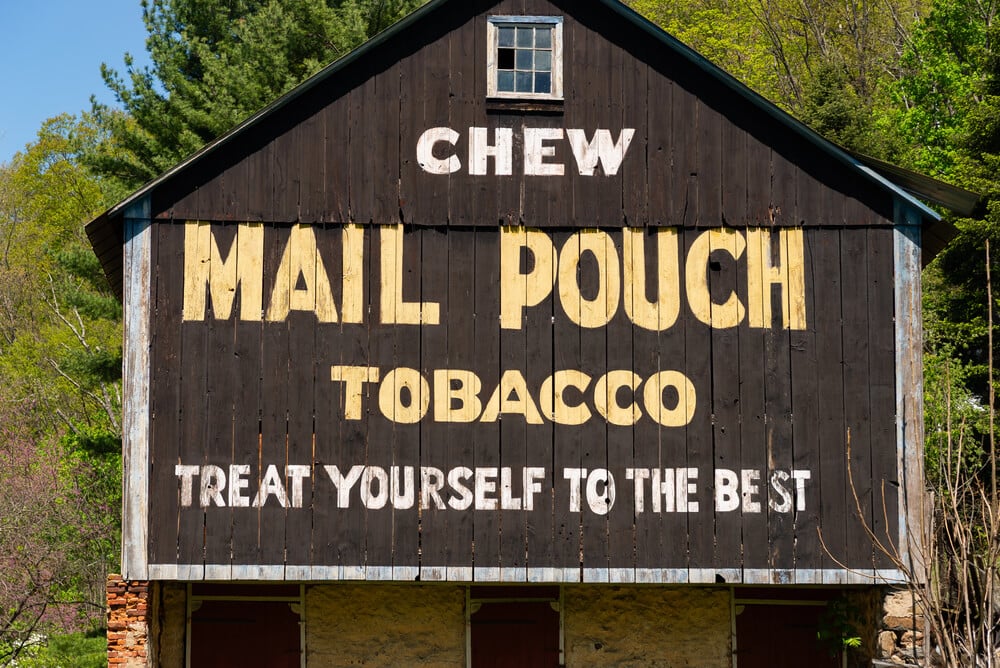
Painted advertisements for Mail Pouch chewing product, applied directly to the sides of barns across rural America in exchange for a small payment or fresh coat of paint on the rest of the structure, represent one of the most distinctive advertising formats in American history. While the actual painted barns themselves can’t be collected as objects, salvaged wooden sections and related promotional material from the company are pursued by folk-art and advertising historians specifically.
The painting program’s scale, covering thousands of barns across multiple states over decades, has made surviving documentation and artifacts a specific area of historical interest.
Gulf Oil Porcelain Signs
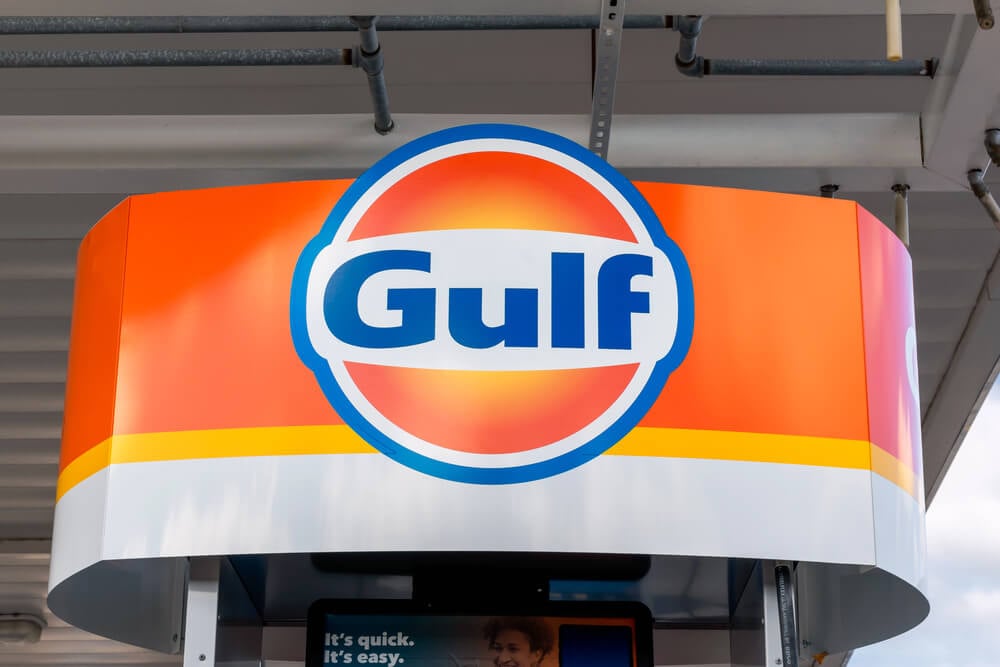
Gulf Oil’s orange circular logo made its porcelain advertising signs highly visible at filling stations for decades, and surviving examples remain a steady presence in petroleum advertising collecting. Various design eras reflect the brand’s evolving visual identity, giving collectors specific details to track when dating an individual sign.
Larger sizes intended for roadside visibility from a distance generally command stronger prices than smaller pump-side signs.
Sun Crest Soda Signs

Sun Crest, a regional soda brand with a smaller national footprint than major cola competitors, produced tin and cardboard advertising that has become genuinely scarce given the brand’s more limited distribution history. This regional scarcity has made surviving signs more sought after among specialized beverage collectors than the brand’s modest historical prominence might otherwise suggest.
Strong original color, given the fading tendency of period tin printing, remains essential to top value.
Old Dutch Cleanser Advertising Signs
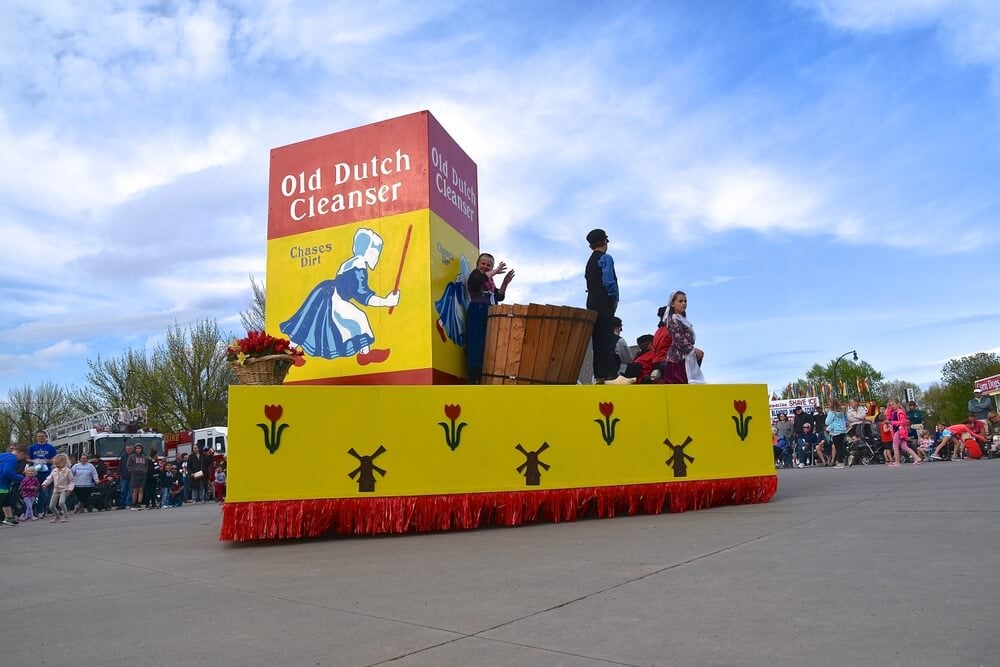
Old Dutch Cleanser’s advertising, featuring a distinctive illustrated figure holding a raised stick, spans decades of household product marketing and remains a recognizable niche within advertising collecting focused on cleaning and household brands. Tin and cardboard versions from the early to mid-twentieth century are scarcer than the product’s long production run might suggest, given how disposable household advertising was generally treated.
The character’s exaggerated illustration style has made it a specific favorite among collectors of early graphic design.
Rexall Drug Store Signs
Rexall, once one of the largest drug store franchise networks in the country, produced porcelain and tin signage for its independently owned member pharmacies across decades of operation. The company’s franchise model meant thousands of individual stores displayed nearly identical branding, yet surviving examples in strong condition remain scarcer than that scale of production might suggest.
Collectors of pharmacy and general store advertising specifically pursue Rexall material as a foundational brand within that category.
Farmall and International Harvester Dealer Signs
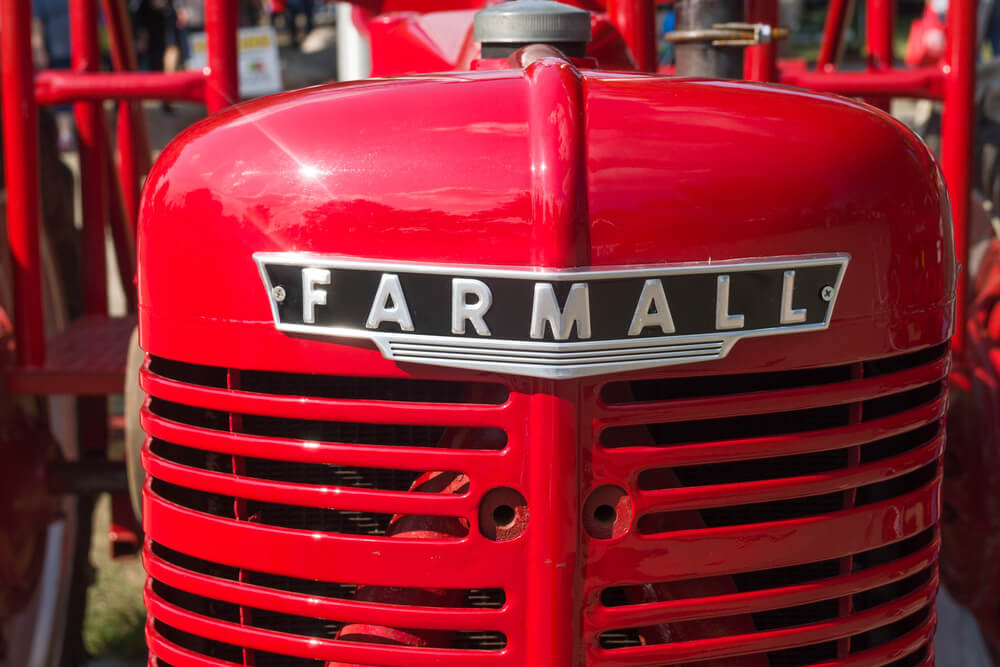
Porcelain and tin dealer signs for Farmall and International Harvester farm equipment, once displayed outside rural dealerships across agricultural regions of the country, are pursued heavily by collectors focused on farm equipment history specifically. The brand’s eventual discontinuation, after decades as a dominant name in American agriculture, has made period dealer signage a specific marker of a vanished chapter in farm equipment retail.
Larger double-sided examples intended for roadside visibility generally command the strongest prices within this specific collecting niche.
Vintage Drive-In Theater Marquee Letters
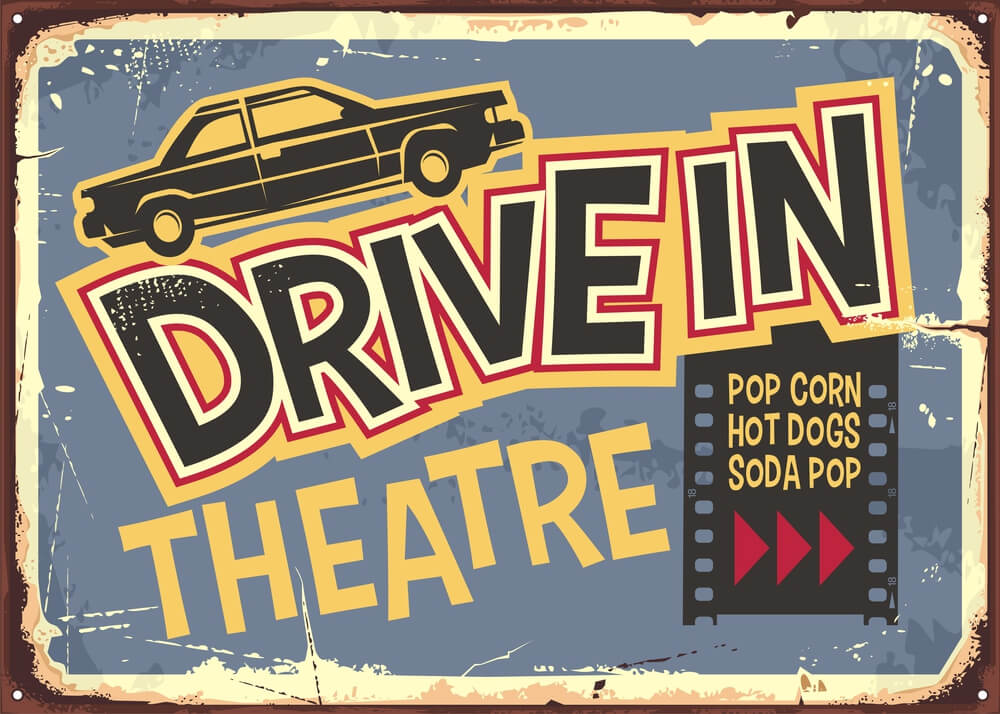
Individual plastic or metal letters once used on drive-in theater marquees, salvaged after a theater’s closure rather than mass-produced as standalone collectibles, have become a specific niche within roadside and entertainment memorabilia collecting. Because these letters were functional rather than decorative, surviving sets tied to a specific, identifiable theater carry considerably more value than generic, unattributed letters.
The broader decline of drive-in theaters across the country has made this category a documented piece of a genuinely disappearing form of American entertainment infrastructure.
The Weather That Made Them Rare

Every sign on this list survived exactly the conditions built to destroy it: sun that fades tin, rain that rusts steel, and decades of a building owner eventually deciding a faded old sign wasn’t worth keeping up. What separates a valuable find from scrap is almost always the same handful of details, tied to material, maker, and the specific years a design was actually in use.
That’s also why the hunt for these signs hasn’t slowed down. Roadside America is disappearing in a very literal sense, one closed station and demolished diner at a time, and the signs are often the last physical piece of a business that no longer exists anywhere else.
Buyers aren’t just chasing an object; they’re chasing the last remaining evidence that a specific version of the country was ever actually there.
More from Go2Tutors!

- The Romanov Crown Jewels and Their Tragic Fate
- 13 Historical Mysteries That Science Still Can’t Solve
- Famous Hoaxes That Fooled the World for Years
- 15 Child Stars with Tragic Adult Lives
- 16 Famous Jewelry Pieces in History
Like Go2Tutors’s content? Follow us on MSN.



