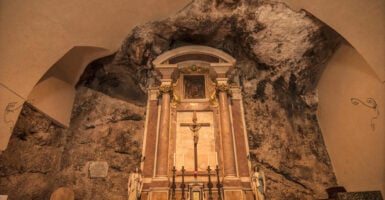
Churches Carved Straight Out of Solid Rock
Most churches rise from the ground, one stone on top of another. These were cut down into it, chiseled from cliffs, hillsides, and bedrock until the walls, columns, and ceilings all belonged to the same piece of stone.
The work often took generations and left no room for error. A cut made in the wrong place could not be undone, and a column carved too thin could not be replaced.
Bete Giyorgis in Lalibela, Ethiopia
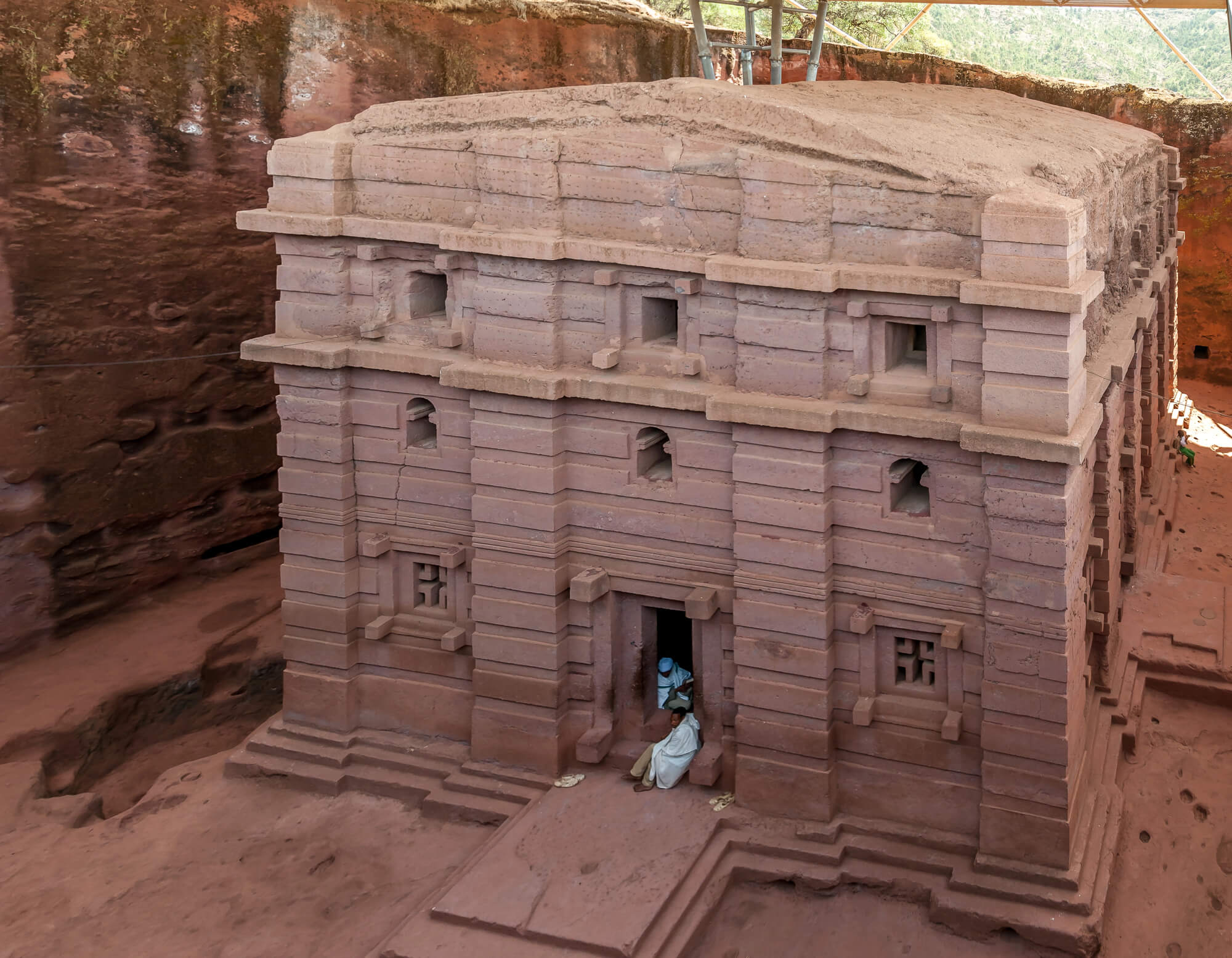
Bete Giyorgis, the Church of Saint George, was carved downward into a pit of volcanic rock in the shape of a cross, so its roof sits level with the surrounding ground. It belongs to the group of rock-hewn churches at Lalibela, which UNESCO placed on its first World Heritage list in 1978. Local tradition says King Lalibela directed the work with help from angels, who carved at night while the workers rested.
Abuna Yemata Guh in Tigray, Ethiopia
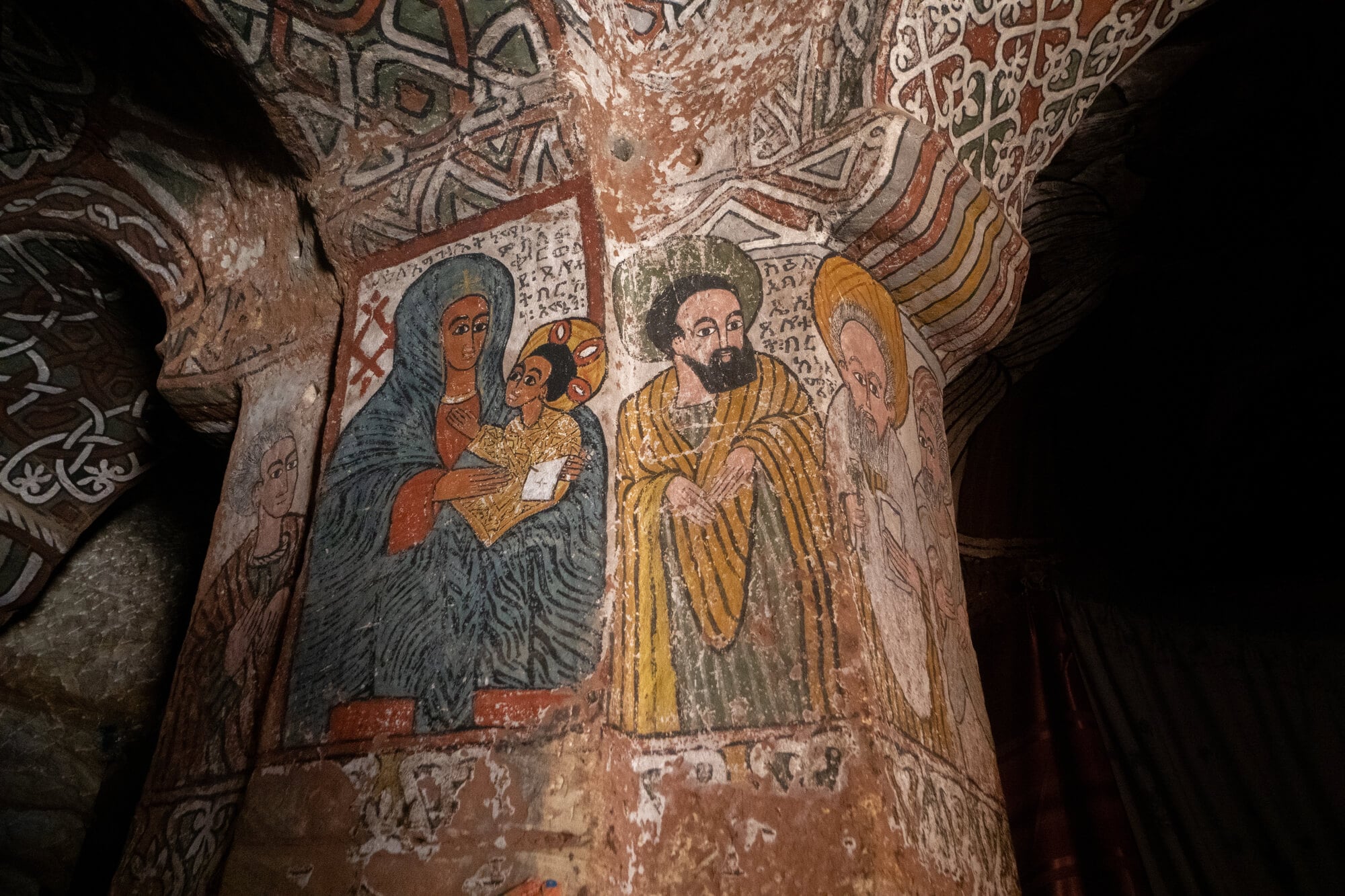
Abuna Yemata Guh is a church tucked inside a cliff in the Gheralta Mountains, reached by a climb up a rock face and along a narrow ledge above a sheer drop. Inside, a domed ceiling carries painted frescoes of saints, and tradition links the site to Abuna Yemata, one of the Nine Saints who spread Christianity in the region. Priests and worshippers make the climb regularly, often without ropes.
The Dark Church in Goreme, Turkey
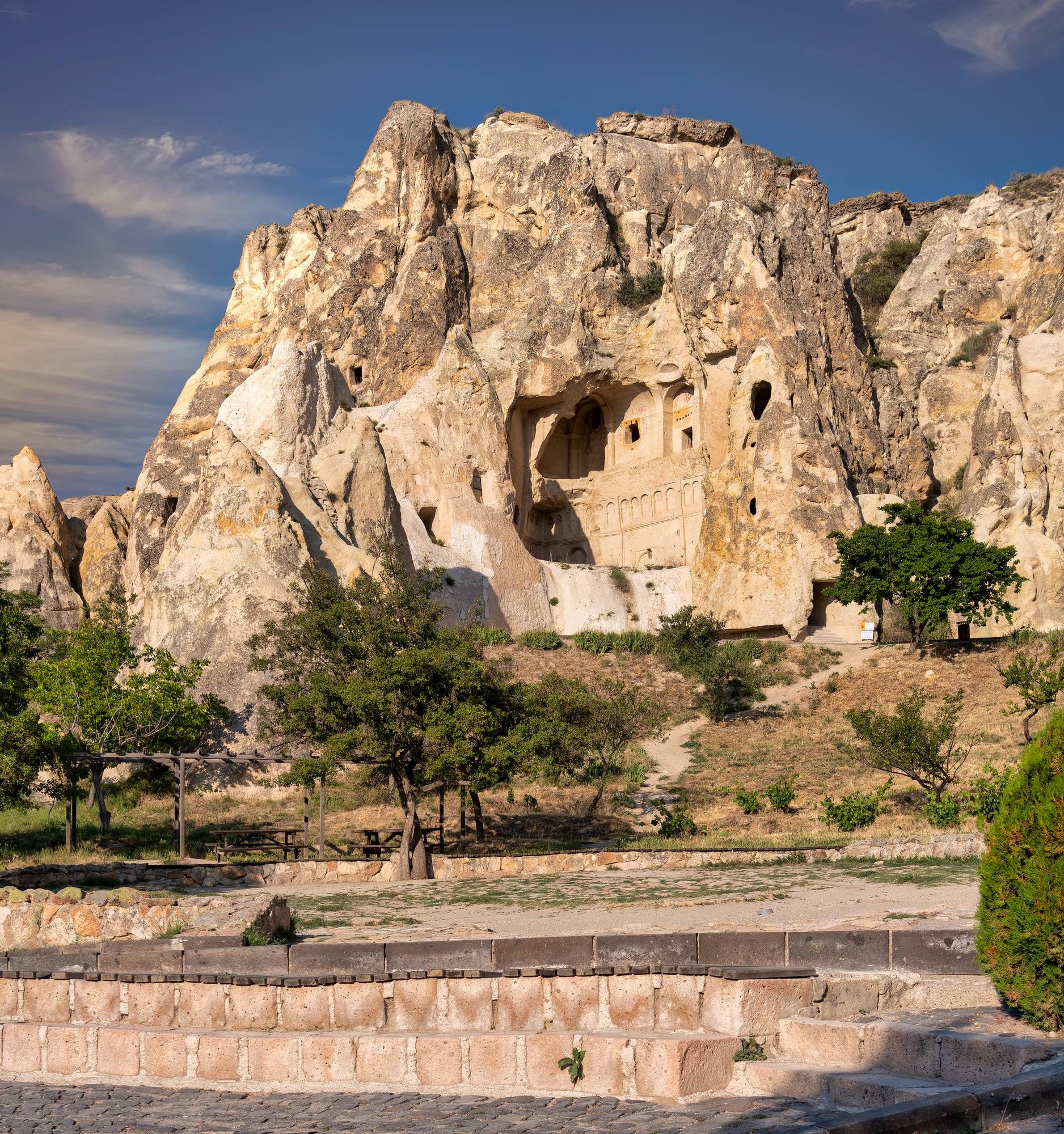
The Dark Church, part of the rock-cut complex at Goreme, takes its name from the single small window that lets in almost no light. That darkness helped preserve its frescoes, which keep deep blues, reds, and golds that have faded in brighter churches. Monks carved it into the soft volcanic rock of Cappadocia centuries ago, and the paintings show scenes from the life of Christ.
The Ihlara Valley in Cappadocia, Turkey
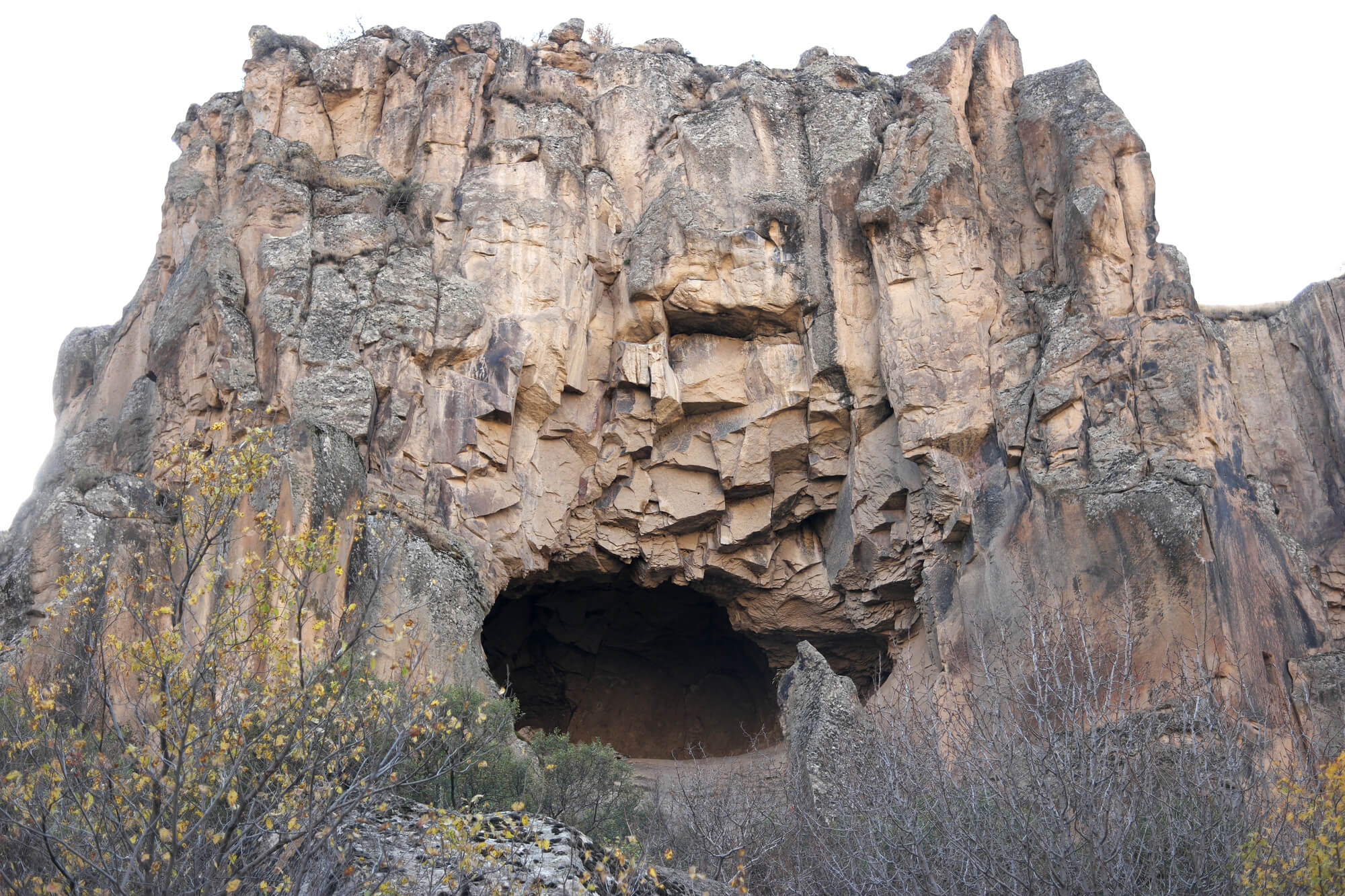
Ihlara is a long gorge cut by the Melendiz River, and its walls hold dozens of churches carved into the rock. Early Christians used the valley as a refuge and a place for monastic life, and some of the interiors still hold painted decoration. Hikers can walk along the river and duck into the churches one by one.
The Rock-Hewn Churches of Ivanovo, Bulgaria
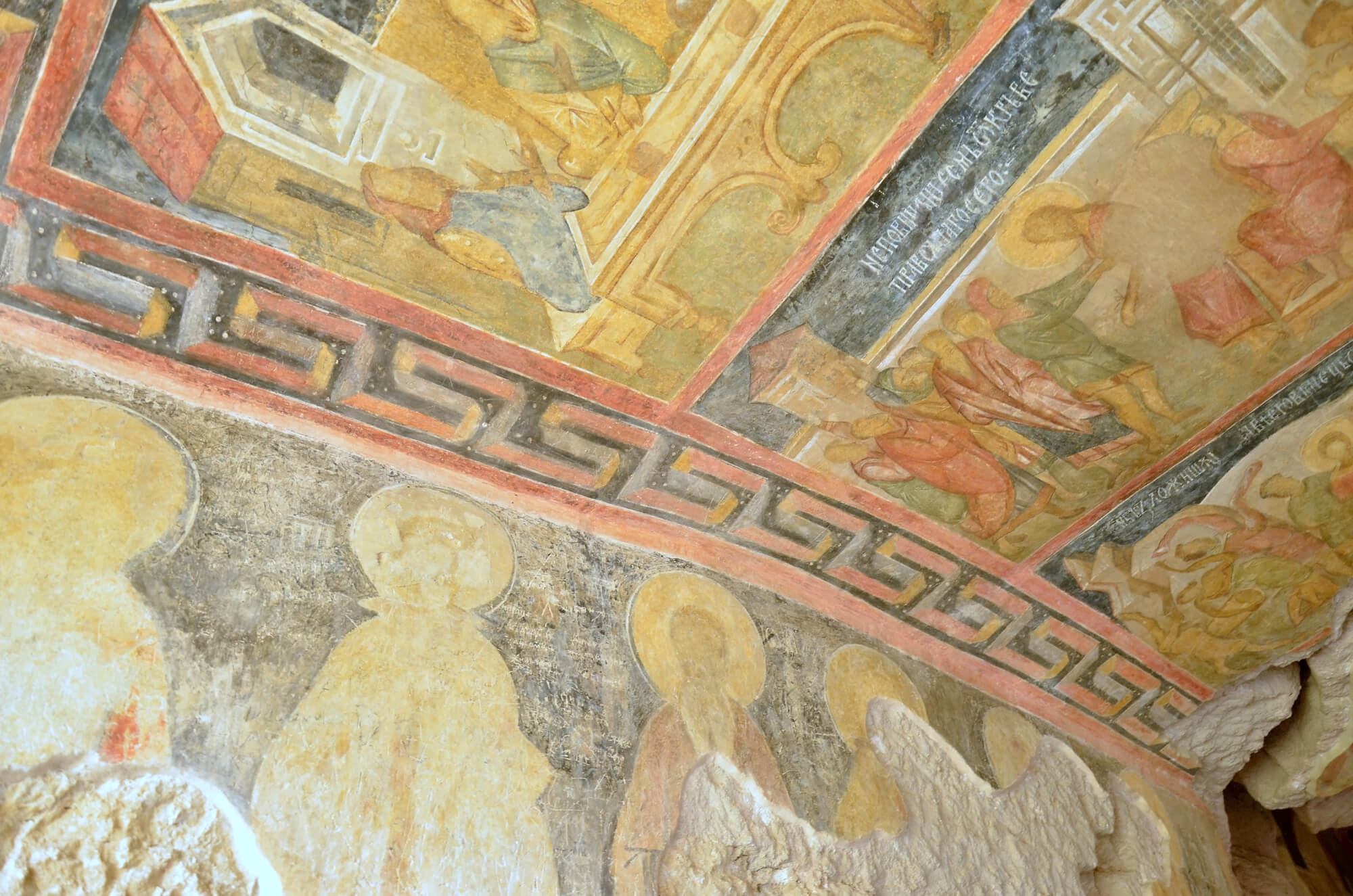
High in the cliffs above the Rusenski Lom River, hermit monks carved churches, chapels, and cells into the rock. The frescoes inside, painted in the 13th and 14th centuries, rank among the finest of medieval Bulgarian art, and UNESCO listed the site in 1979. Many of the chambers were cut high in the cliff to keep the hermits away from the world below.
The Basarabi-Murfatlar Churches in Romania
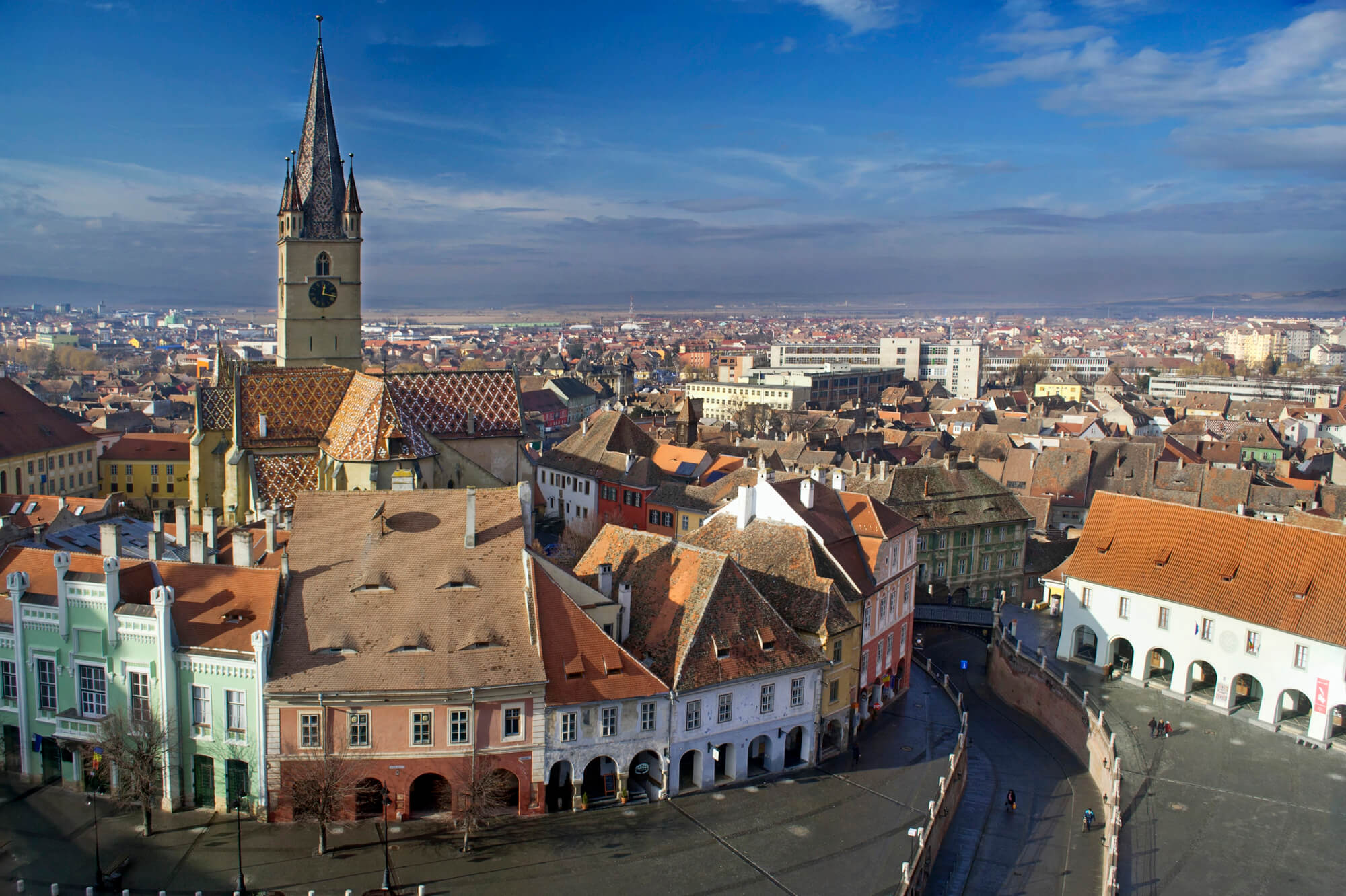
Quarry workers discovered a complex of churches carved into the chalk hills near Murfatlar in 1957. The caves date to the 9th and 10th centuries, and their walls carry carved crosses and inscriptions in several early alphabets. Chalk is soft enough to carve with simple tools, which is why so many medieval hermits chose it.
Orheiul Vechi in Moldova
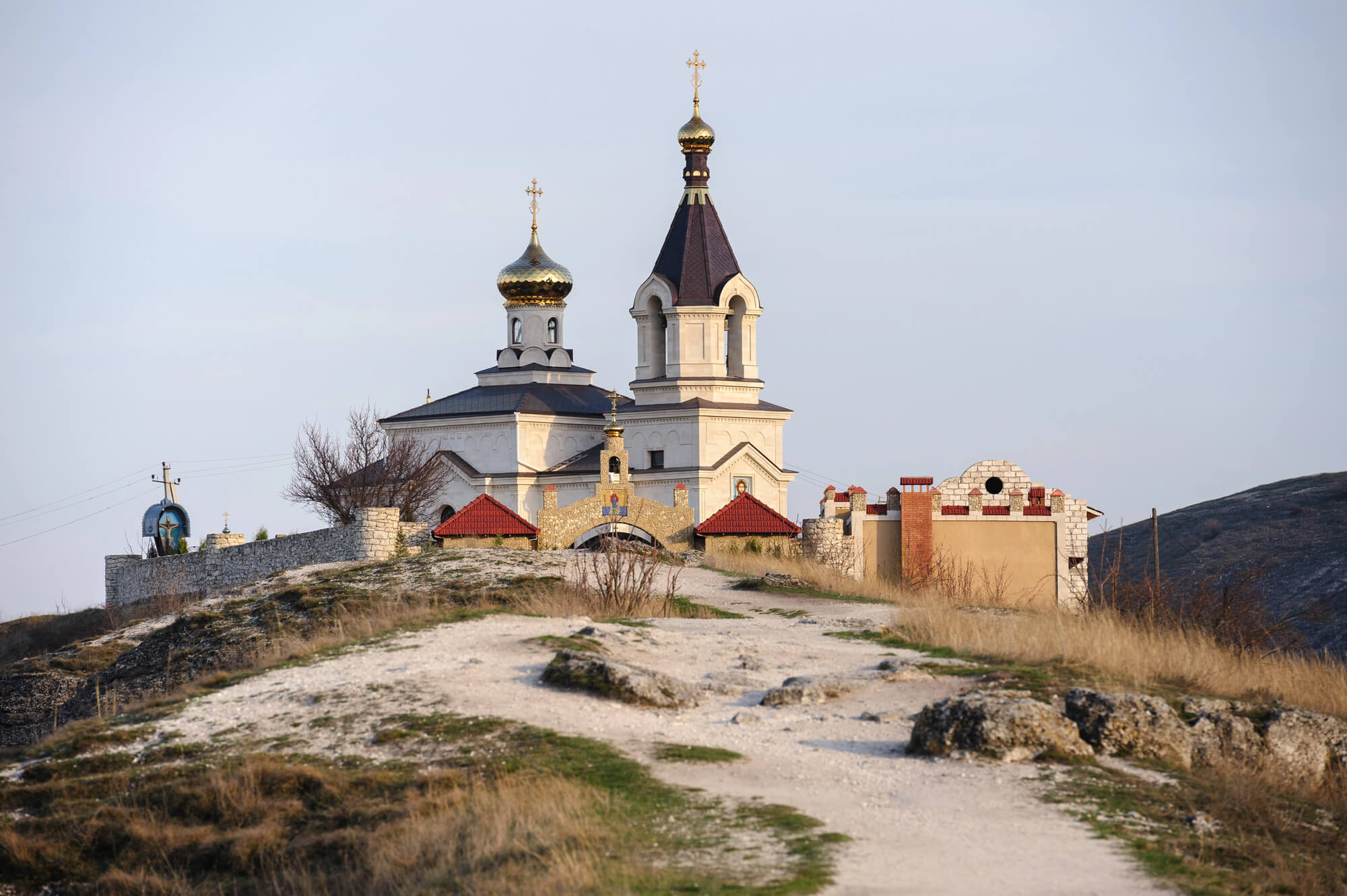
Monks carved a cave monastery into the limestone cliff above the Raut River centuries ago, and its small Church of the Ascension is still used for worship. The entrance is a modest opening in the rock, and the interior is cool and quiet. A bell tower stands at the top of the cliff, a reminder that the monastery sits within a larger medieval complex.
The Crypt of the Original Sin in Matera, Italy
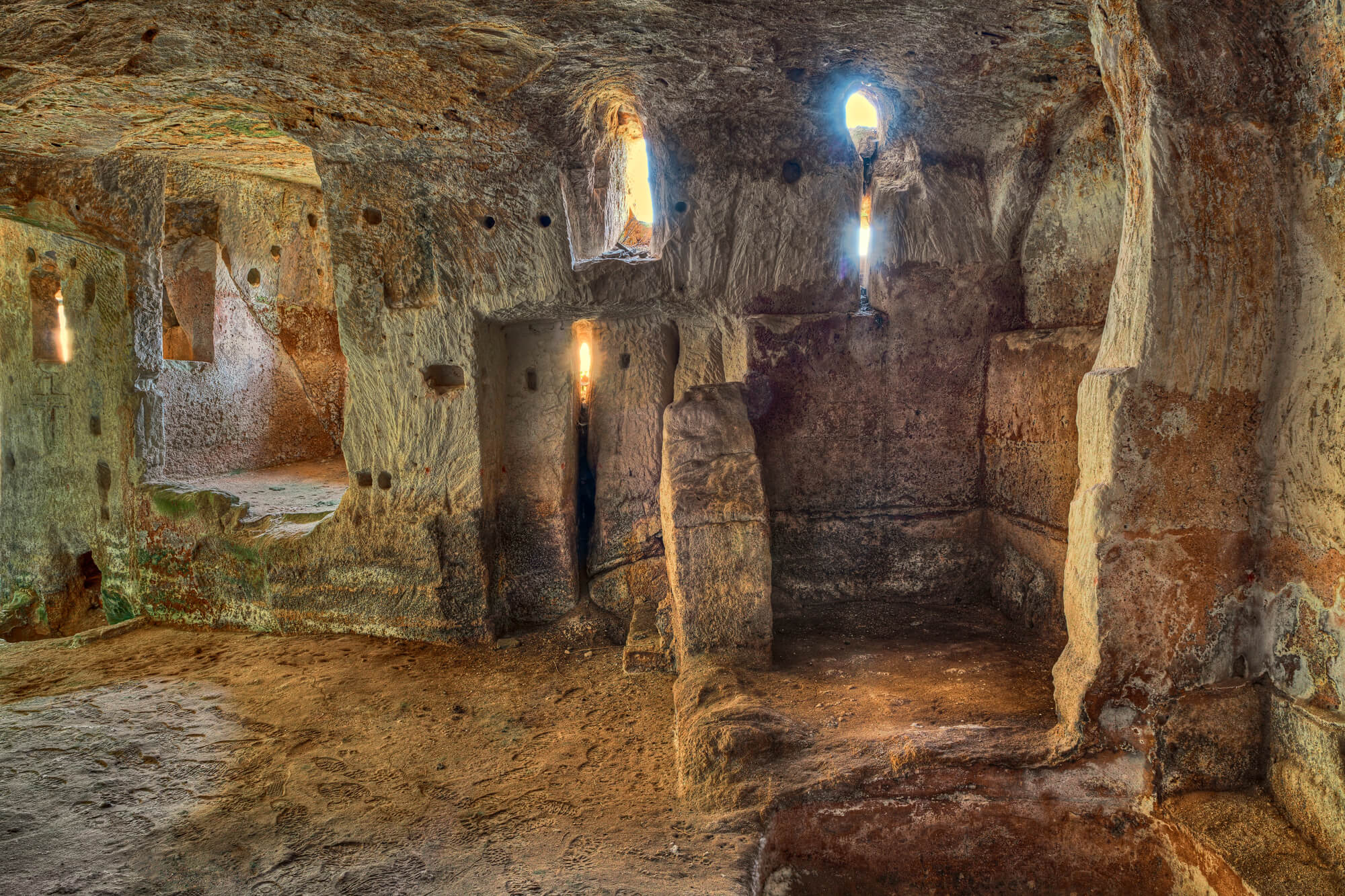
This natural grotto in Matera holds frescoes painted around the 9th century by an unknown artist nicknamed the Painter of the Flowers of Matera. The paintings show scenes from Genesis, including Adam and Eve, and the colors are still vivid in the stable humidity of the cave. The site is often called the Sistine Chapel of cave art.
Geghard Monastery in Armenia
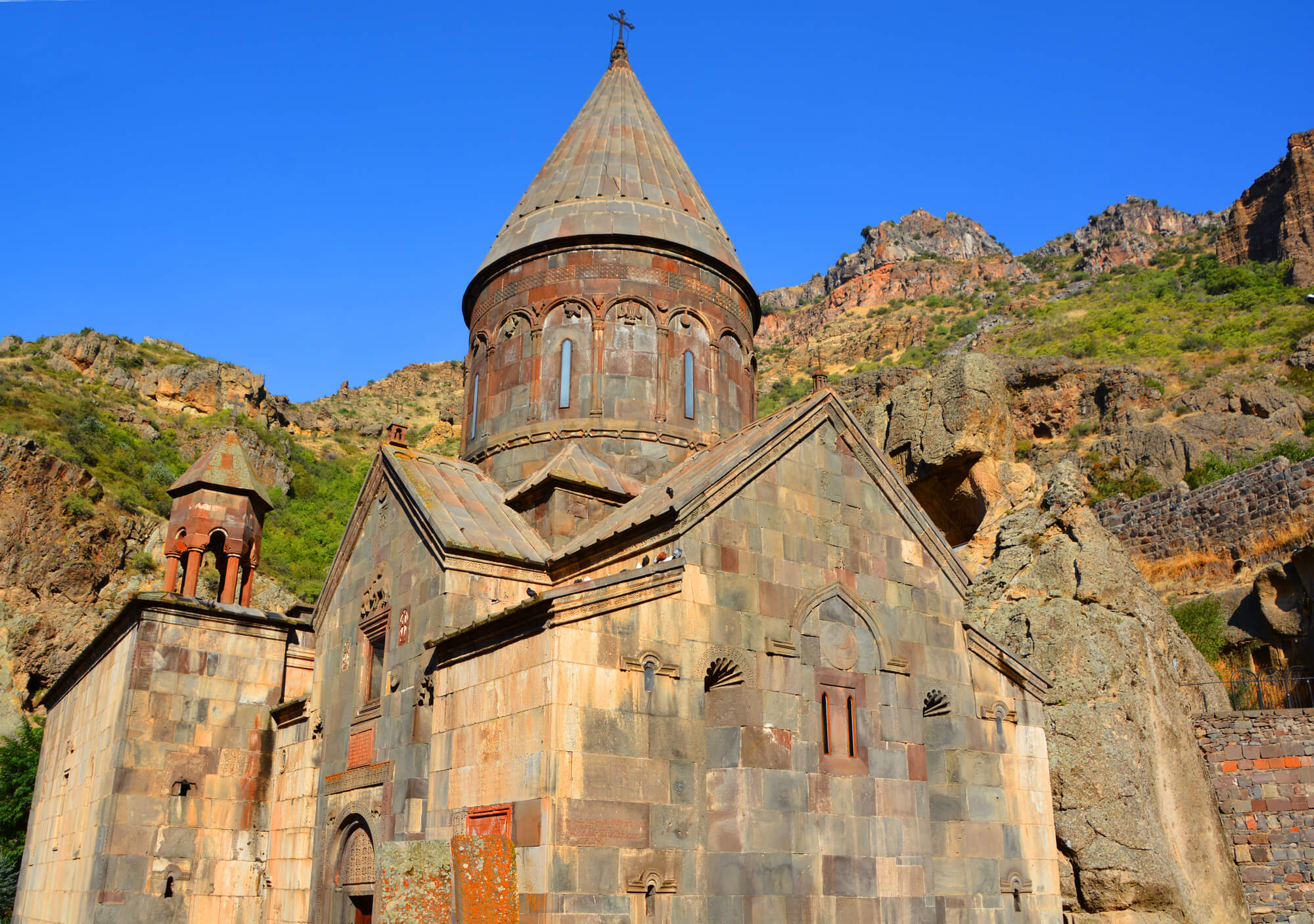
Geghard means spear in Armenian, a reference to the lance said to have pierced Christ’s side that was once kept here and is now in Etchmiadzin. Its main churches and chapels are carved partly or fully from the cliff behind them, with ceilings that rise into the rock. UNESCO inscribed the monastery in 2000, along with the nearby Upper Azat Valley.
David Gareja in Georgia
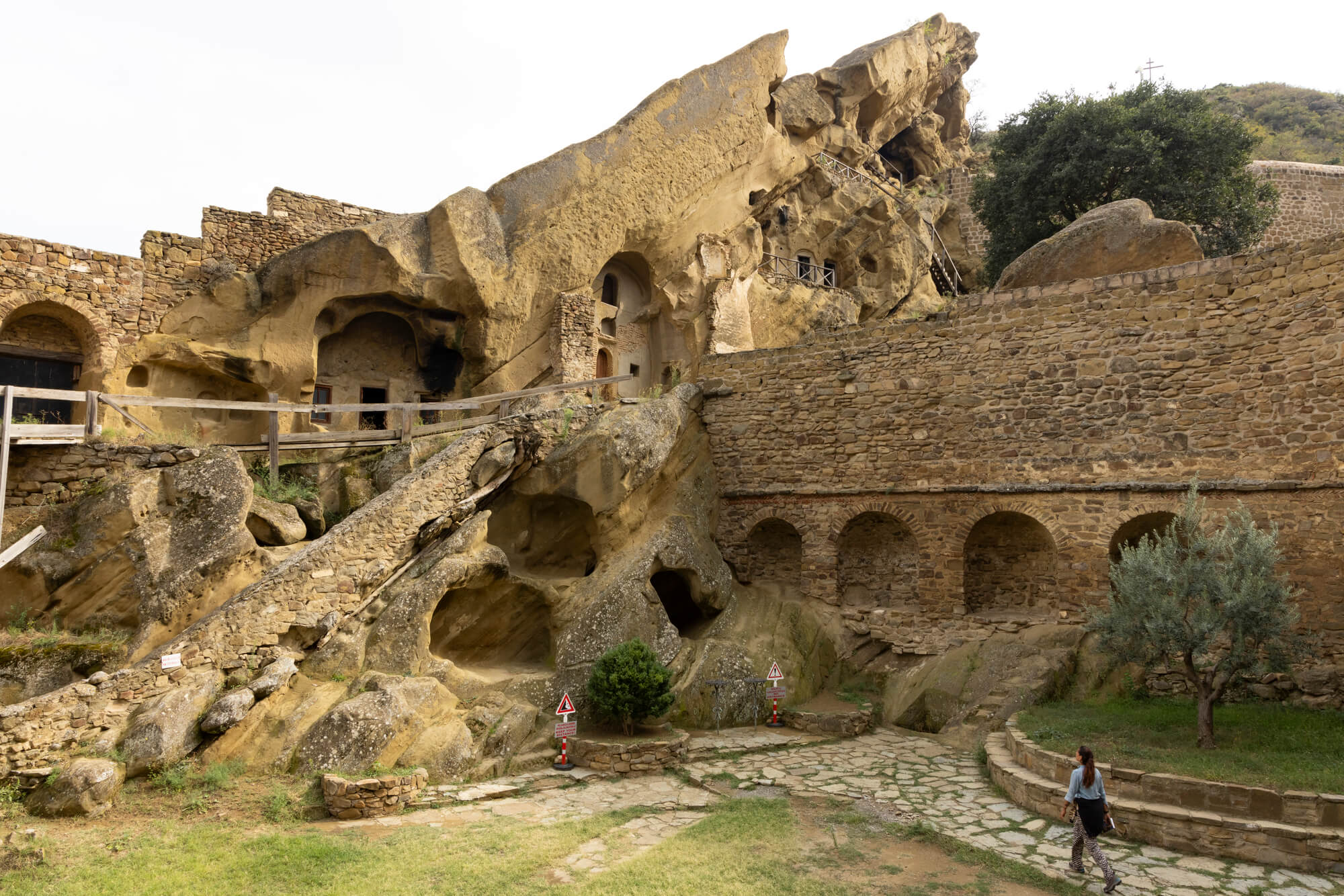
David Gareja is a monastery complex founded in the 6th century by Saint David, one of the Thirteen Syrian Fathers, in cells and churches carved into a desert hillside. Its frescoes cover chapel walls with saints and rulers. Soviet troops used the area for military training, which damaged some of the art, and the site now lies on a disputed stretch of the border with Azerbaijan.
The Cave Church of Saint Peter in Antioch, Turkey
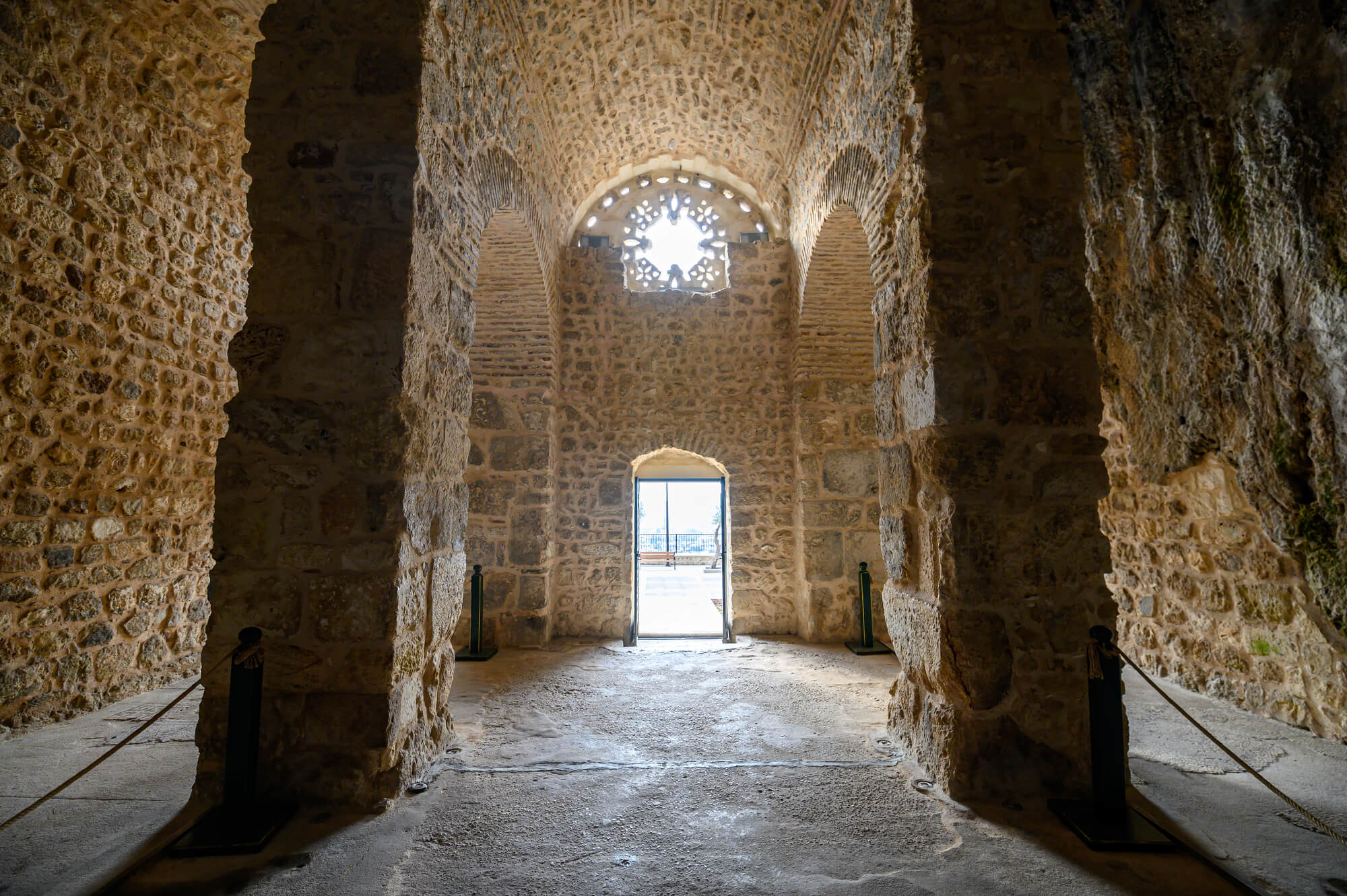
Tradition says the apostle Peter preached in this cave on the slopes of Mount Staurin, and that early followers met here during the era when they were first called Christians in Antioch. A rock-cut chapel with a carved altar and an old mosaic floor remains. The Crusaders later added a facade, and pilgrims still visit.
The Chapel of Saint Kinga in Wieliczka, Poland
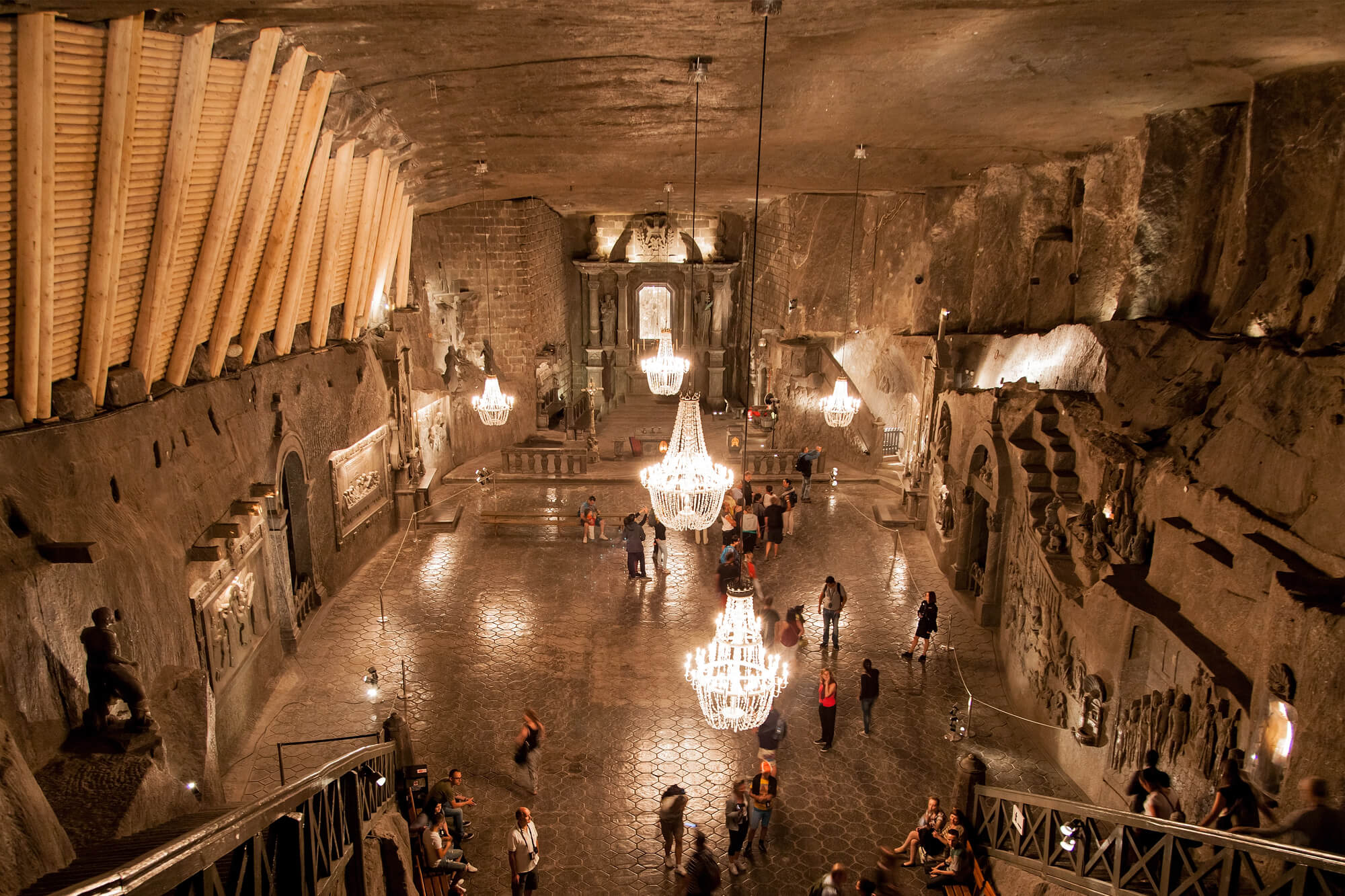
Miners carved this chapel out of rock salt about 100 meters beneath the surface at Wieliczka. The altars, statues, and reliefs are all salt, including a relief copying Leonardo da Vinci’s Last Supper. Even the chandeliers are made of salt crystals, and some of the carving was done by miners rather than trained sculptors.
The Salt Cathedral of Zipaquira, Colombia
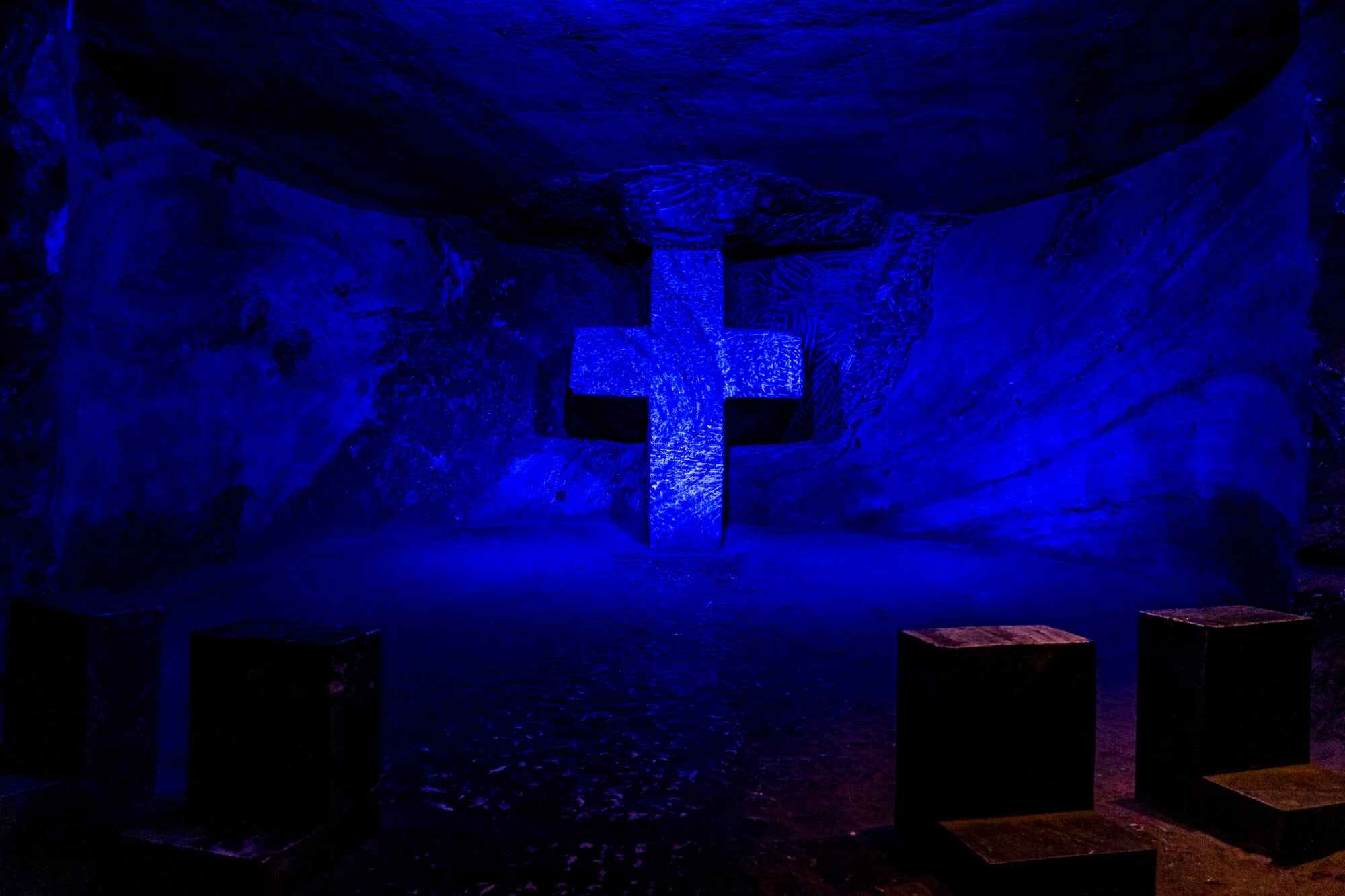
Miners in Zipaquira created a small place for prayer inside a salt mine long before a full cathedral existed. The current underground cathedral opened in 1995, built into tunnels in the rock salt below ground. Visitors pass through chambers representing the Stations of the Cross before reaching a vast main nave.
The Monolithic Church of Saint-Emilion, France
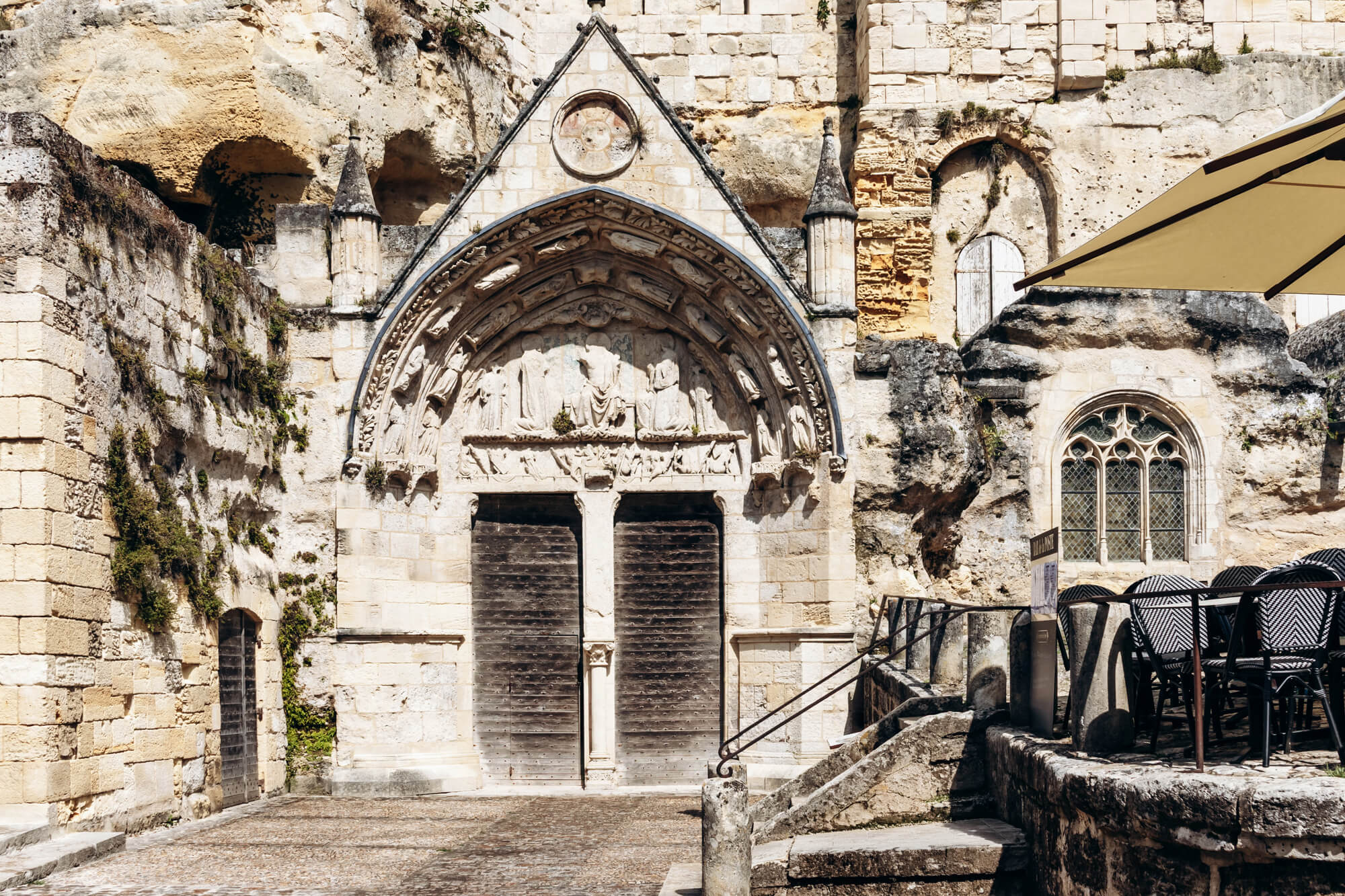
Benedictine monks carved this huge church from limestone beneath the town of Saint-Emilion, and it is described as the largest underground church in Europe. The site grew up around the hermitage of Emilion, a Breton monk who lived in a cave here in the 8th century and gave the town its name. A bell tower rises above the plaza, and the church inside the hill is cool and echoing.
The Subterranean Church of Aubeterre, France
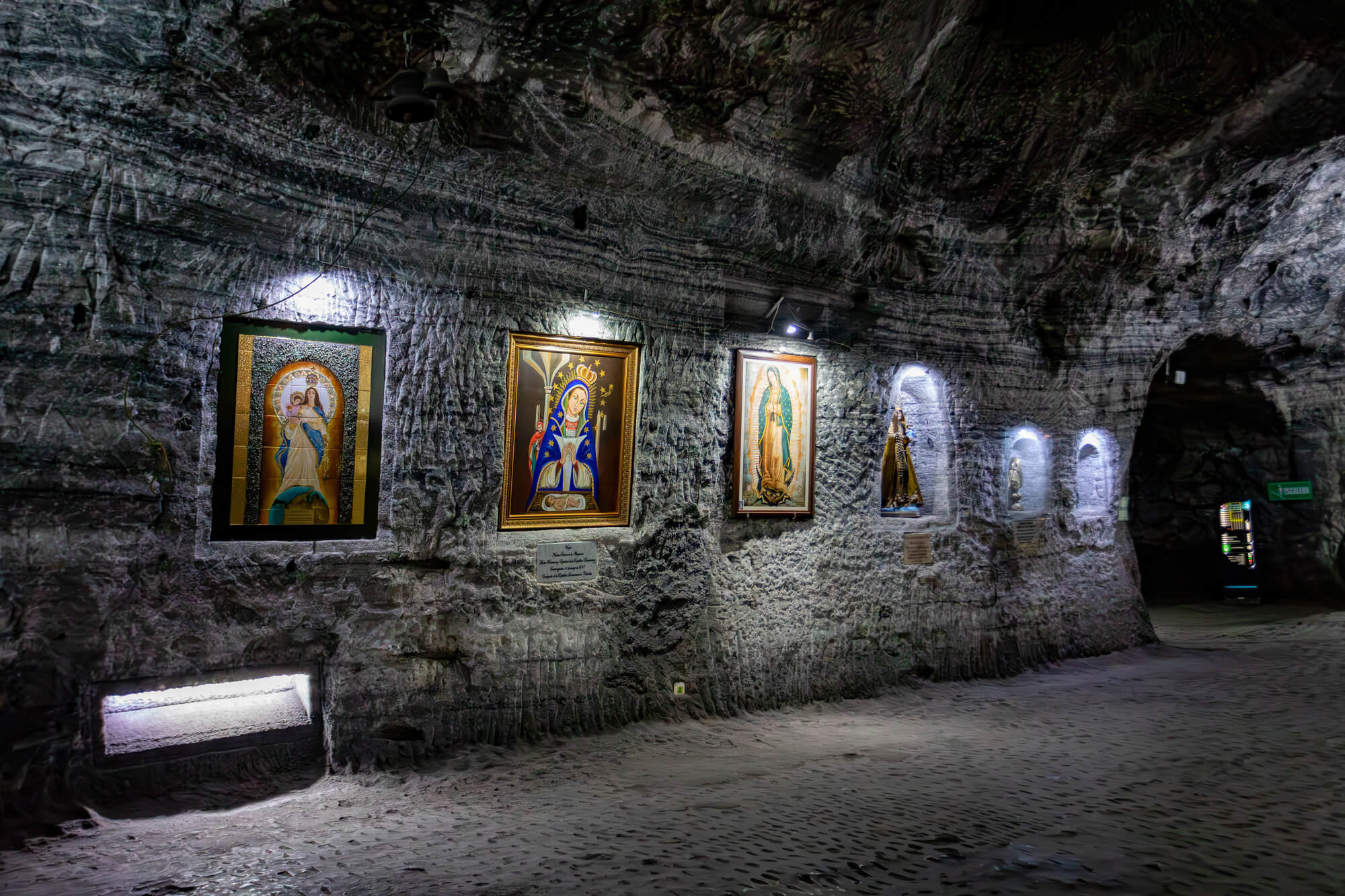
In Aubeterre-sur-Dronne, workers cut the Monolithic Church of Saint-Jean from a limestone cliff in the 12th century. The nave soars above visitors, and a necropolis of tombs was carved into the rock floor. Visitors enter from the village below and walk through the dim nave beneath a ceiling cut from solid stone.
The Qadisha Valley in Lebanon
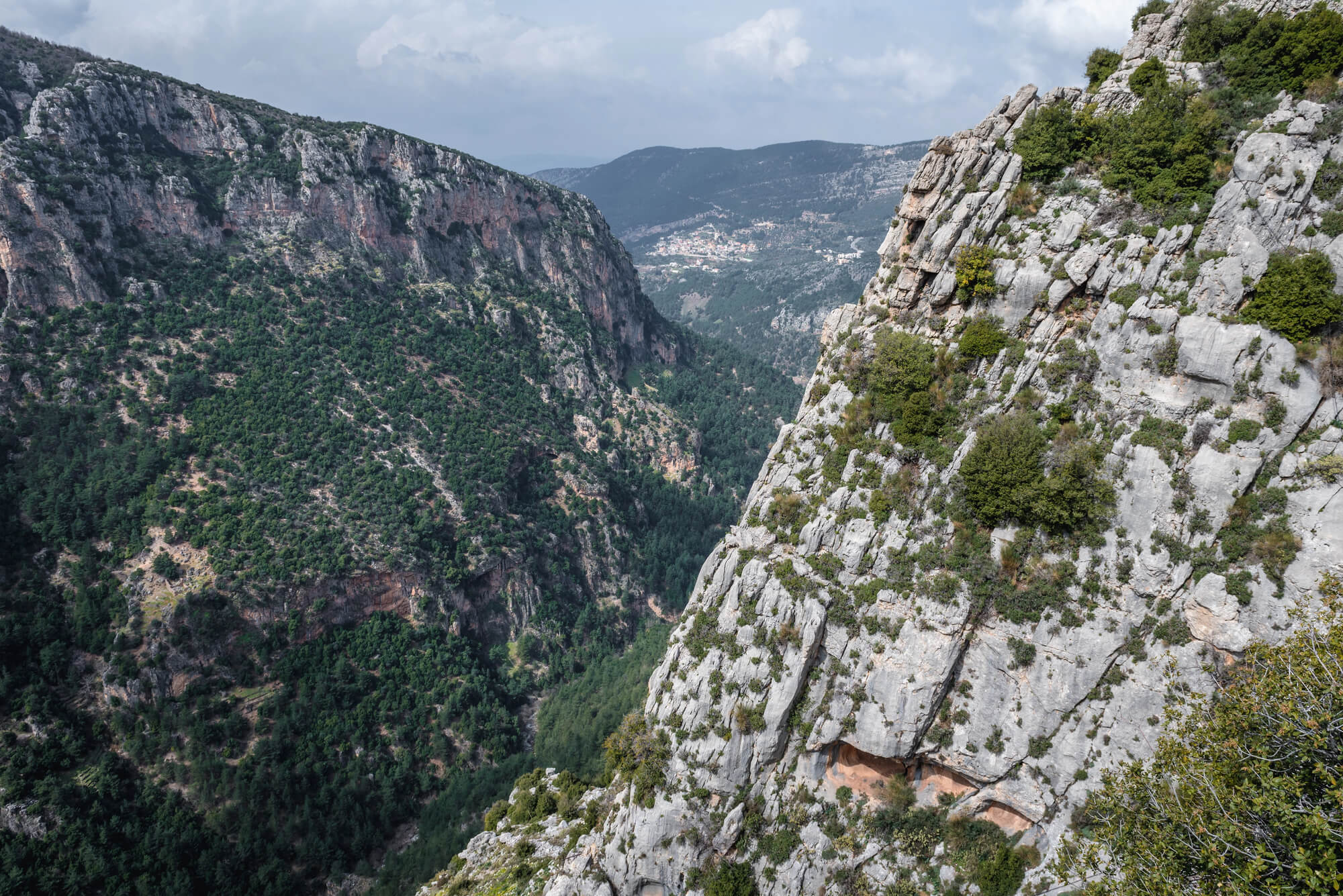
The Qadisha Valley, known as the Holy Valley, holds monasteries and hermitages carved into its cliffs and caves. Maronite Christians sought refuge here for centuries, and the monastery of Qannoubine served as an important seat of their patriarchs. UNESCO added the valley to its World Heritage list in 1998.
The Cave Church of Cairo, Egypt
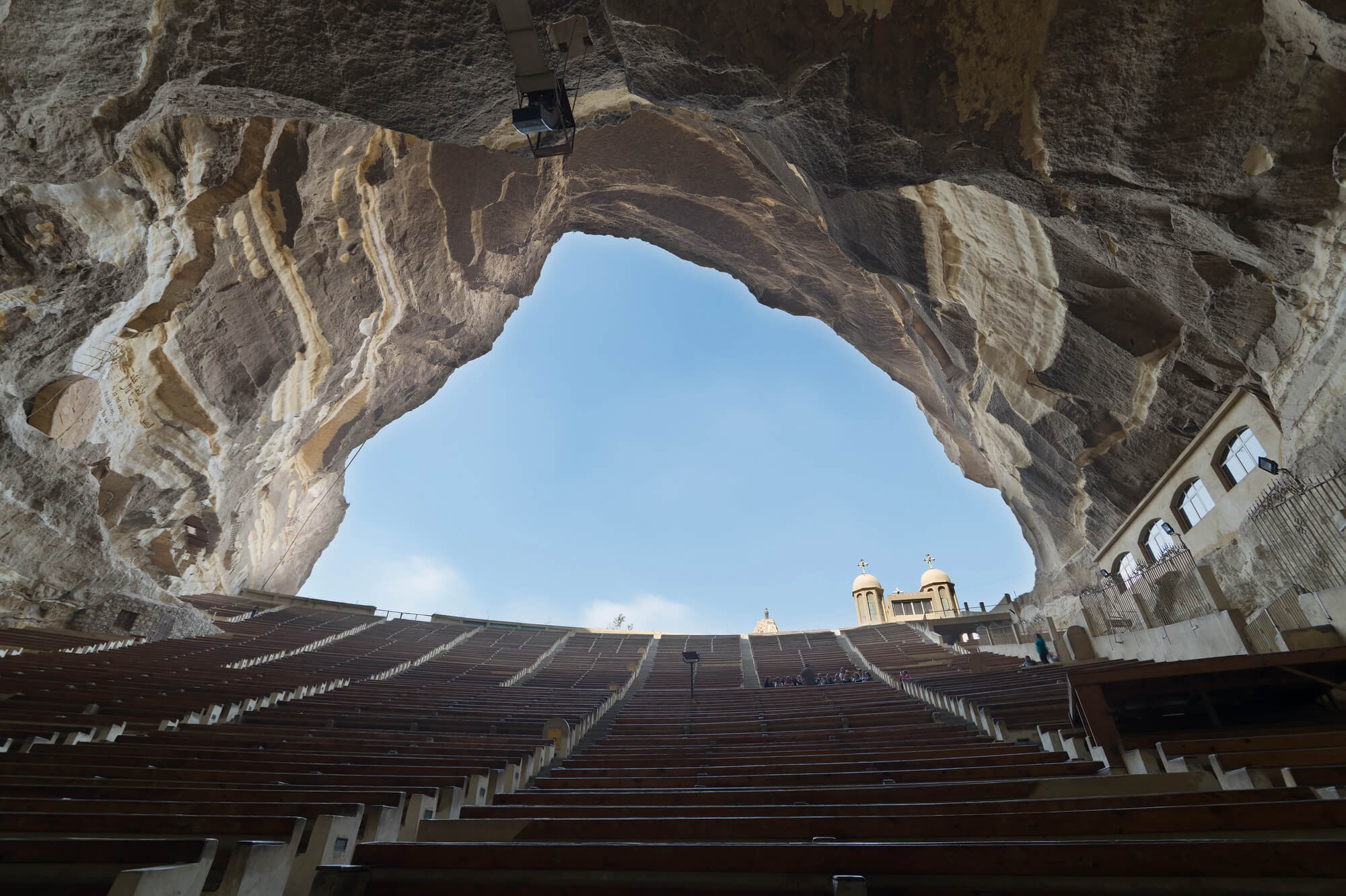
The Cave Church of Saint Simon the Tanner is built into the Mokattam cliffs in a neighborhood of garbage collectors, the Zabbaleen. The community carved it into the rock, and it can seat roughly 20,000 people, making it one of the largest churches in the Middle East. Biblical scenes cover the cliff walls around the main sanctuary.
San Pedro de Rocas in Galicia, Spain
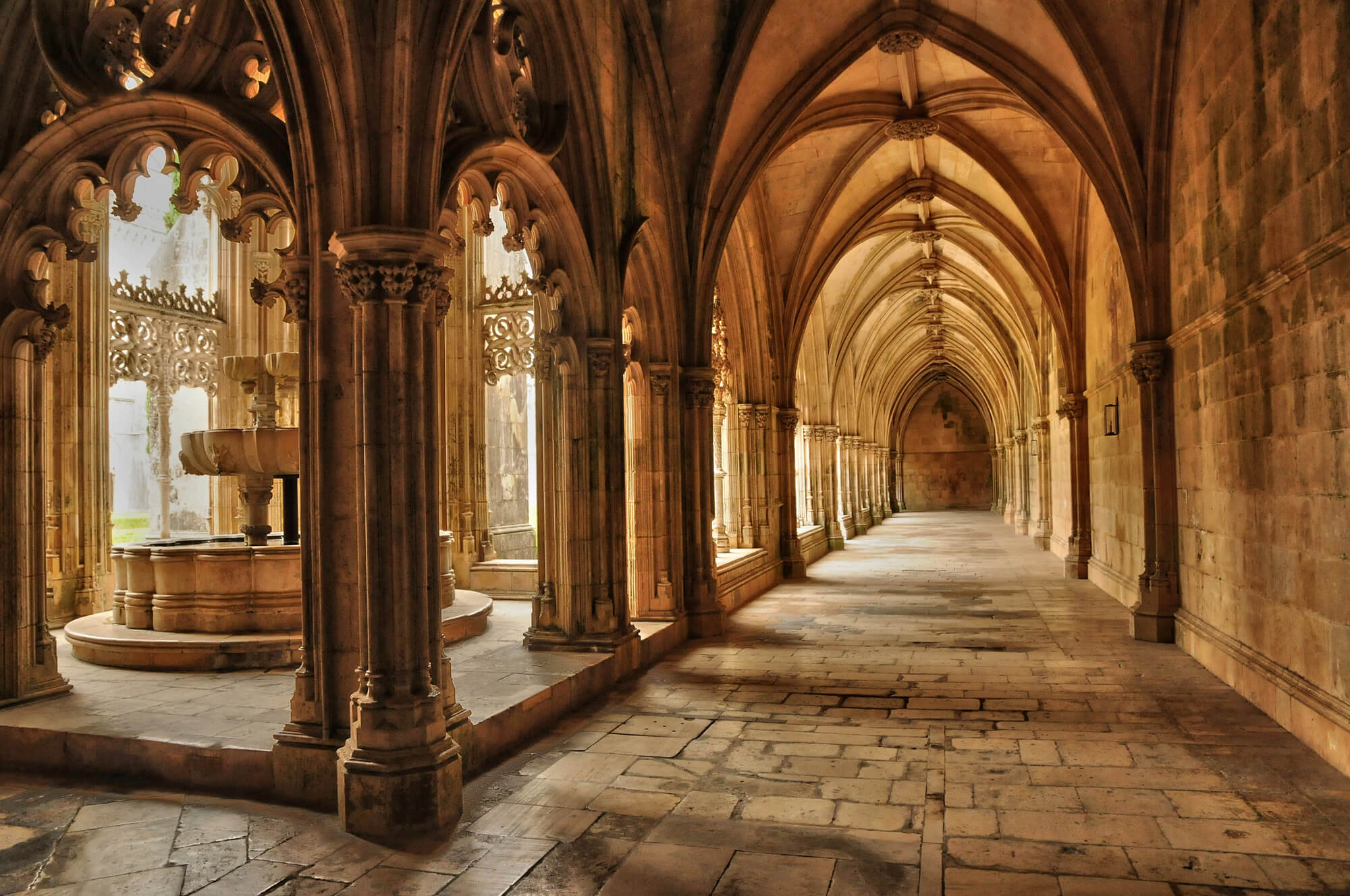
San Pedro de Rocas is a monastery in Ourense whose church was cut into the rock, with apses and tombs carved straight from the stone. Tradition dates its beginnings to the 6th century, which would make it among the oldest monastic sites in Galicia. Later buildings grew up around the rock-cut core, but the carved chapel remains the heart of the complex.
Temppeliaukio Church in Helsinki, Finland
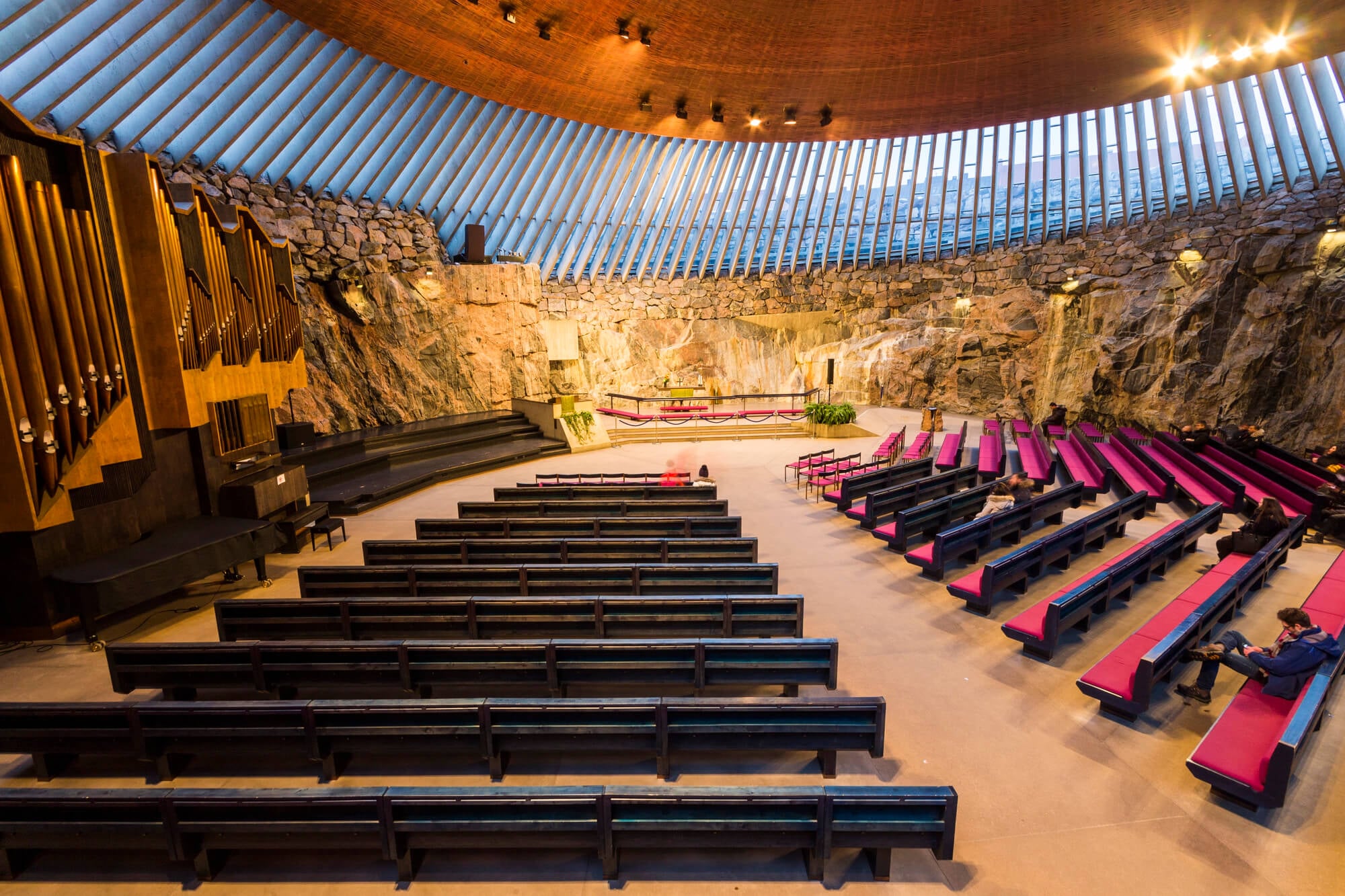
The Rock Church in Helsinki was blasted and excavated from solid granite and opened in 1969, with a design by brothers Timo and Tuomo Suomalainen. Its walls are left as rough rock, topped by a copper-wire dome with a ring of skylights. The acoustics are so good that the church is a favorite venue for concerts.
The Cave Church on Gellert Hill in Budapest, Hungary
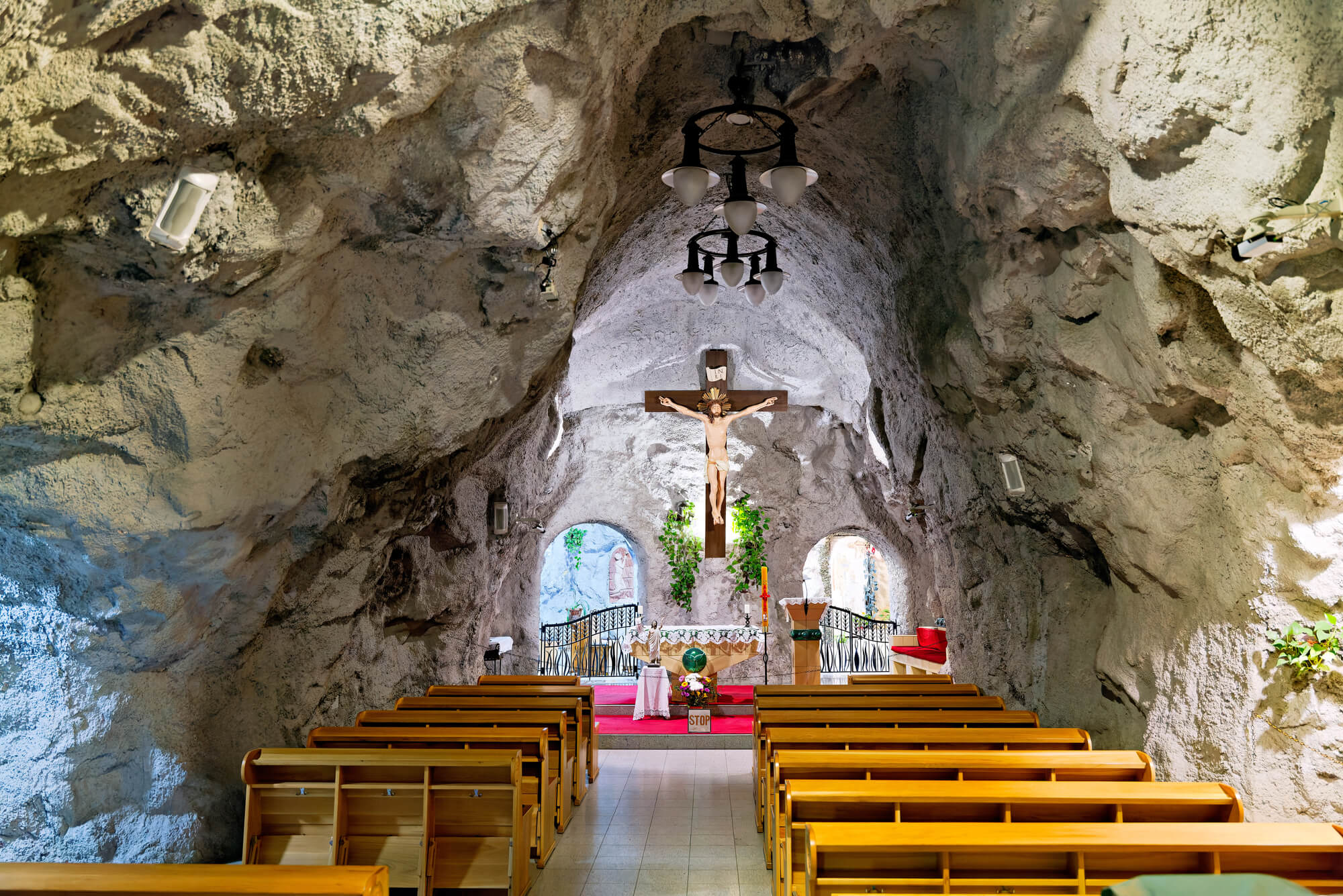
The Pauline monks created this church inside a cave in Gellert Hill, and it was consecrated in 1926 with a design inspired by the grotto at Lourdes. Communist authorities sealed it and arrested the monks in 1951, and it did not reopen until 1989. Today, the church sits across from the Danube and holds services in a cave that spent decades behind a wall.
Where Every Cut Was a Prayer

Carving a church from rock is the opposite of building one. A mason adds stone to make a wall, while a carver can only remove it, and every strike either follows the plan or ruins it. The sites on this list required patience, planning, and faith that the stone would hold.
That may be why so many of these churches feel so calm. Nothing in them was brought from somewhere else, and nothing can be moved or sold. The people who worshipped inside were standing in the same stone the builders had touched.
More from Go2Tutors!

- 27 Silver Dollars and Half Dollars Worth Keeping
- 28 Restaurant Menu Items Nobody Orders Anymore
- 17 Places Built in Seemingly Impossible Spots
- 27 Vintage Rings Worth More Than They Look
- 25 Restricted Sites Tourists Can’t Enter
Like Go2Tutors’s content? Follow us on MSN.