Fascinating Facts About World War II
The Second World War reshaped everything about the modern world. You probably know the major events—Pearl Harbor, D-Day, the atomic bombs.
But beneath those famous moments lies a whole universe of strange, surprising, and often overlooked details that reveal just how complex and human that global conflict really was.
The Youngest Soldier Was Only 12 Years Old

Calvin Graham lied about his age to join the U.S. Navy in 1942. He was 12.
The Houston native earned a Bronze Star and Purple Heart during the Battle of Guadalcanal before the Navy discovered his real age and discharged him. They even took away his veteran benefits, which weren’t restored until decades later.
Graham wasn’t alone—thousands of underage boys on all sides found ways to enlist, though few were quite that young.
Hitler’s Nephew Fought Against Him

William Patrick Hitler grew up in Liverpool and spent years trying to cash in on his famous uncle’s name. When that didn’t work out, he moved to America and actually joined the U.S. Navy in 1944.
He served until 1947, changed his last name, and lived quietly in Long Island until his death in 1987. His sons made a pact never to have children, reportedly to end the Hitler bloodline.
Japan Bombed the U.S. Mainland
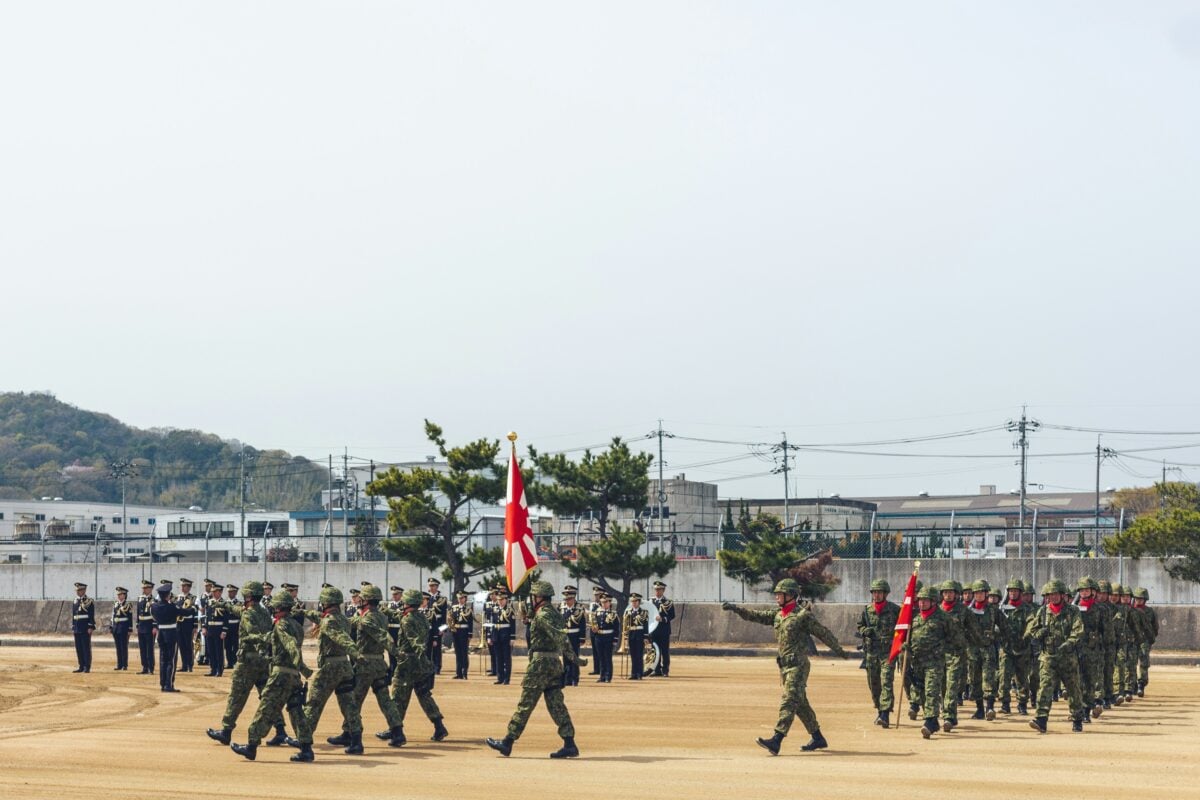
Most Americans don’t realize that Japanese forces actually attacked the continental United States. A submarine surfaced near Santa Barbara, California in 1942 and shelled an oil field.
The damage was minimal—about $500 worth—but the psychological impact was huge. Japan also launched thousands of bomb-carrying balloons that floated across the Pacific on jet streams.
One person killed six people in Oregon when they found it in the woods and tried to move it.
The Most Decorated Unit Was Made Up of Japanese Americans

The 442nd Regimental Combat Team consisted almost entirely of second-generation Japanese Americans, many of whom had families in internment camps back home. They fought in Europe and became the most decorated unit in U.S. military history for its size and length of service.
Their motto was “Go for Broke.” Members earned 21 Medals of Honor, and their casualty rate was staggering—about 314 percent when you count replacements.
Germany and Japan Never Actually Coordinated Their War Efforts

You’d think the Axis powers would have worked together closely, but they barely communicated. Germany invaded the Soviet Union without telling Japan.
Japan attacked Pearl Harbor without informing Germany. Hitler learned about it from news reports.
The two nations shared almost no military intelligence or strategic planning. They were allies on paper, operating completely independently in practice.
A Soviet Pilot Rammed a German Plane and Survived
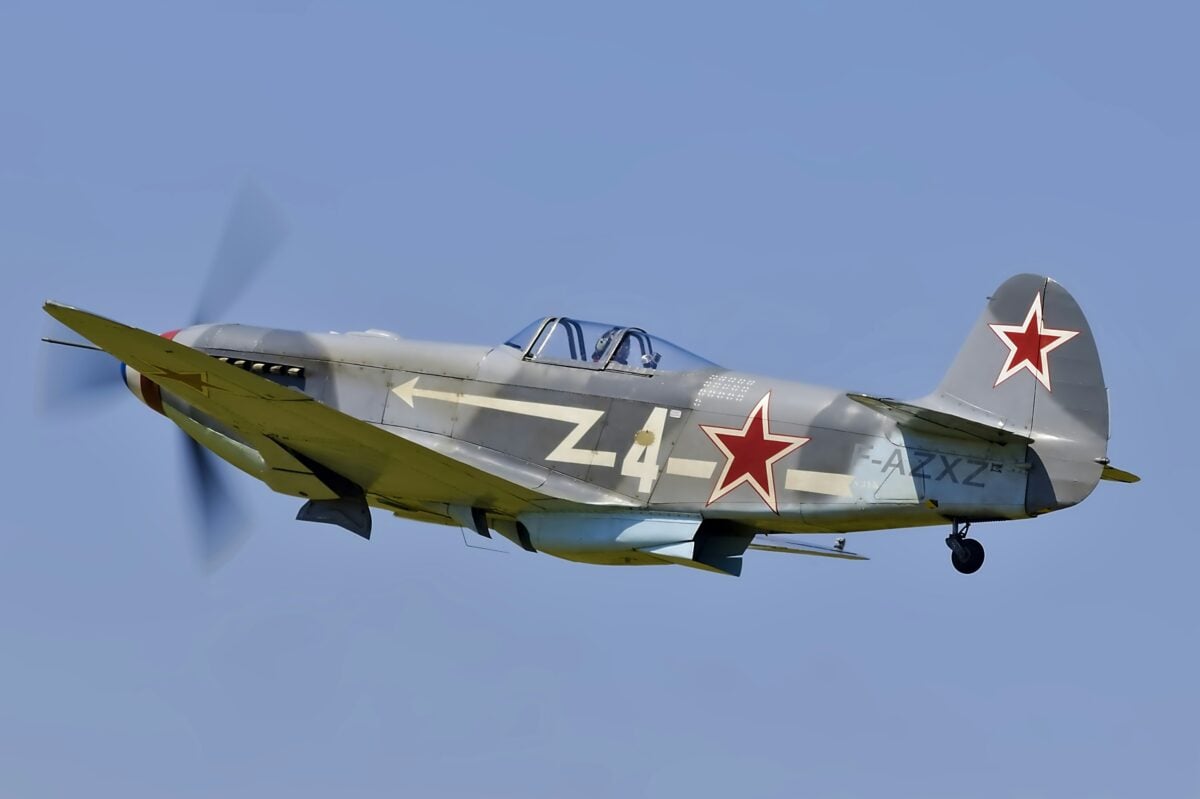
When Alexander Pokryshkin ran out of ammunition during a dogfight, he did something insane—he deliberately rammed his fighter into a German bomber. Both planes went down, but Pokryshkin parachuted to safety and kept fighting.
He survived the entire war and became one of the Soviet Union’s most successful aces with 59 confirmed kills. The ramming tactic, called “taran,” was actually used dozens of times by Soviet pilots.
Pigeons Received Military Medals

Carrier pigeons played a critical role in communications when radio silence was necessary or equipment failed. One British pigeon named G.I. Joe saved the lives of about 1,000 soldiers by delivering a message that prevented an Allied bombing of their position.
Another, named Cher Ami, flew through German fire with a bullet wound to deliver coordinates that rescued nearly 200 trapped American soldiers. Both received the Dickin Medal, Britain’s highest honor for animal bravery.
The War Helped Women Gain Voting Rights in France

French women couldn’t vote until 1944, when Charles de Gaulle’s provisional government finally extended suffrage. The decision came partly because women had proven themselves indispensable in the French Resistance.
They’d spied, smuggled weapons, published underground newspapers, and fought as partisans. Their contributions made it politically impossible to keep denying them basic rights.
Coca-Cola Invented Fanta to Keep Selling in Nazi Germany

When the U.S. entered the war, Coca-Cola could no longer ship syrup to Germany. The German branch manager improvised, creating a new drink from available ingredients—mostly apple fiber and whey.
He called it Fanta, from the German word for imagination. The drink kept the German operation running and later became a global brand after the war.
London Zoo Killed All Their Venomous Animals
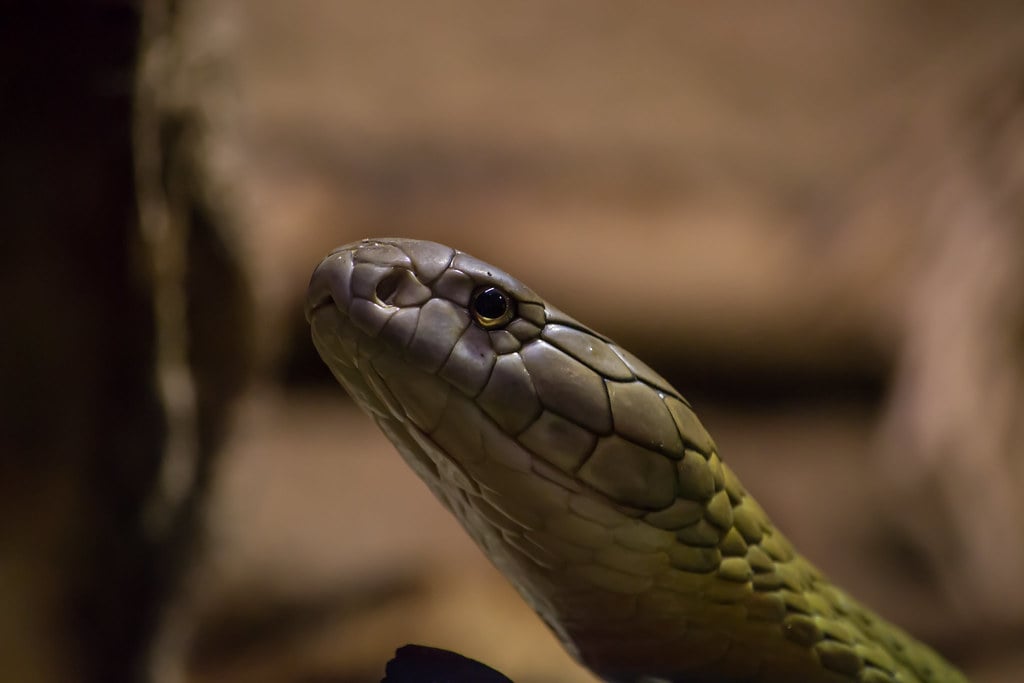
At the start of the war, British authorities worried that bombing might destroy zoo enclosures and release dangerous animals into London. Their solution was pragmatic and grim—they killed all the venomous snakes and spiders as a precaution.
The aquarium also shut down. But the zoo stayed open throughout the war, and Londoners kept visiting even during the Blitz.
Soldiers Invented Jeep From a Mispronunciation

The vehicle that became iconic wasn’t originally called a Jeep. The military designation was GP—for General Purpose vehicle.
Soldiers slurred the letters together and it stuck. Manufacturers tried other names, but everyone kept calling them Jeeps.
The name became so ubiquitous that Willys-Overland eventually trademarked it after the war.
A Norwegian Resistance Fighter Skied Away From the Nazis

After sabotaging the German heavy water plant at Vemork, Joachim Ronneberg and his team had to escape through the Norwegian wilderness in winter. German troops hunted them across the mountains, but the Norwegians knew the terrain.
They skied for days through blizzards, living off whatever they could carry, and all of them made it to Sweden. Their mission probably delayed or prevented Nazi Germany from developing an atomic bomb.
The Navajo Language Became an Unbreakable Code

The U.S. Marine Corps recruited Navajo speakers to create a code based on their language. German and Japanese codebreakers, who’d learned dozens of languages to crack Allied communications, couldn’t make sense of it.
The language had no written form and virtually no non-Navajo speakers existed. The code talkers developed a special military vocabulary—a fighter plane became a hummingbird, a submarine was an iron fish.
They served in every major Pacific battle.
Switzerland Shot Down Planes from Both Sides

Neutral doesn’t mean passive. Swiss fighters intercepted and shot down aircraft from both the Allies and Axis when they violated Swiss airspace. The Swiss air force engaged in dozens of dogfights throughout the war.
The Germans protested so much that Switzerland eventually backed off from confronting Luftwaffe planes, but they remained armed and vigilant until the end.
Allied Troops Found Concentration Camps By Smell
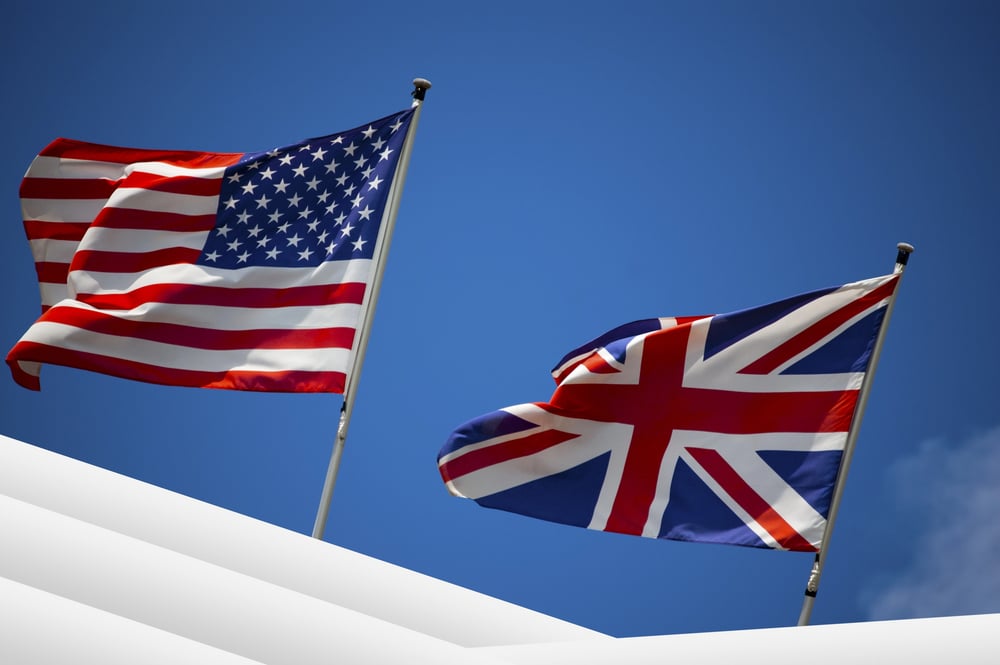
When American and British forces advanced into Germany in 1945, they discovered the camps before they saw them. The stench of death carried for miles.
Soldiers had no idea what they were approaching. General Eisenhower insisted on documenting everything because he knew people would struggle to believe it.
He ordered German civilians from nearby towns to tour the camps and bury the dead.
Memories That Refuse to Fade

Wars end with treaties and celebrations, but they never really finish. The veterans who came home carried those years in their bones.
Some talked about it. Most didn’t. They built houses, raised families, went to work every day, and tried to move forward while parts of them stayed behind.
The stories survived because someone decided they mattered enough to remember.
More from Go2Tutors!

- The Romanov Crown Jewels and Their Tragic Fate
- 13 Historical Mysteries That Science Still Can’t Solve
- Famous Hoaxes That Fooled the World for Years
- 15 Child Stars with Tragic Adult Lives
- 16 Famous Jewelry Pieces in History
Like Go2Tutors’s content? Follow us on MSN.