15 Food Preservation Methods from History
Long before refrigerators hummed in kitchens or grocery stores lined every street corner, humanity faced a critical challenge: how to make food last. Our early ancestors had to find a way to make that food last through the cold months, and their ingenuity gave birth to preservation techniques that still influence how we eat today. These methods weren’t just about survival—they shaped cultures, enabled trade routes, and created some of the world’s most beloved foods.
The following techniques represent thousands of years of human innovation, each born from necessity and refined through generations. Here is a list of 15 food preservation methods that sustained civilizations and continue to flavor our modern world.
Sun Drying

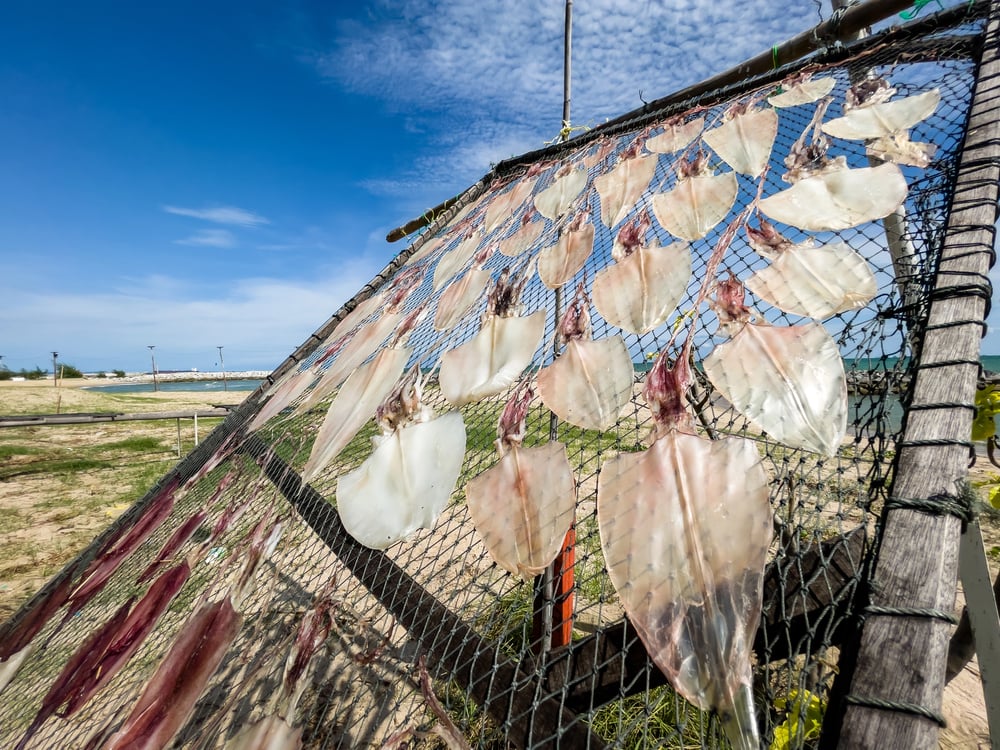
The earliest form of curing meat was dehydration using the sun or wind, making this perhaps humanity’s oldest preservation trick. Ancient Egyptians mastered this technique, spreading everything from fish to grapes under the desert sun.
The process works by removing moisture that bacteria need to survive, essentially mummifying food in a way that would make a pharaoh proud.
Salt Curing
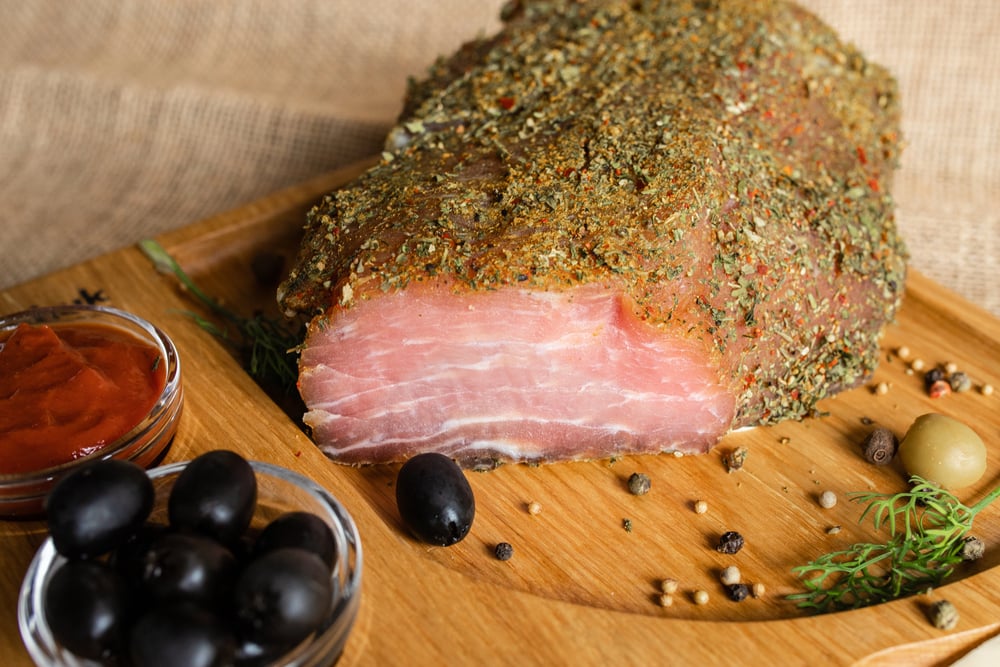
Salt became so valuable in ancient times that Roman soldiers were sometimes paid in salt—giving us the word ‘salary.’ Food curing dates back to ancient times, both in the form of smoked meat and salt-cured meat, with Mediterranean cultures perfecting the art of salt preservation.
The mineral draws moisture from food and creates an environment hostile to harmful microorganisms, which is why we still enjoy salt-cured delicacies like prosciutto today.
Like Go2Tutors’s content? Follow us on MSN.
Fermentation
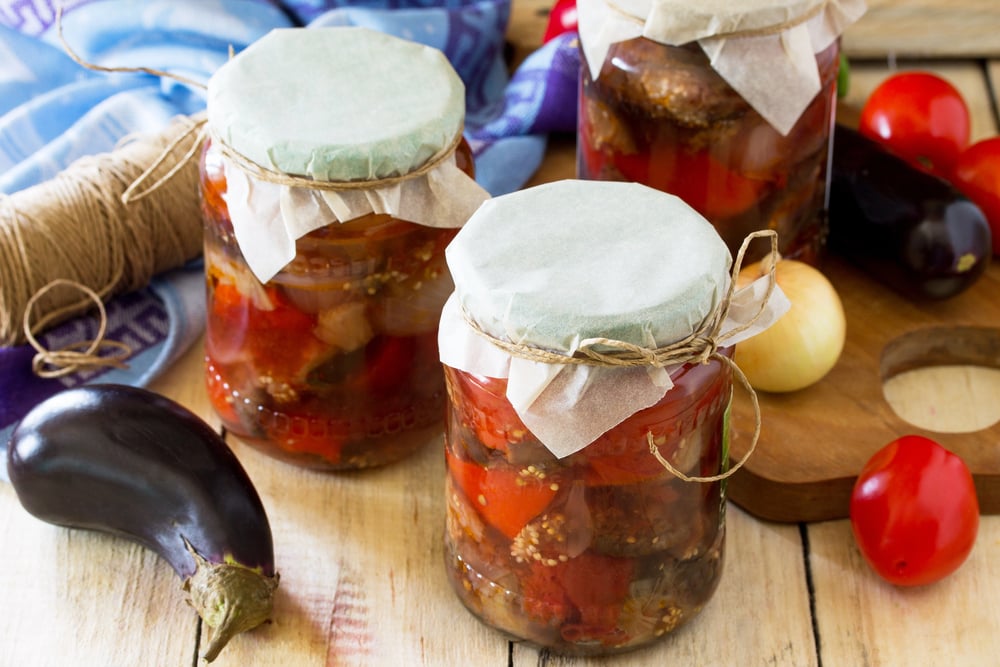
Perhaps the most magical of all preservation methods, fermentation transforms food using beneficial bacteria. Fermentation has been a key food preservation method for ancient cultures worldwide.
It not only kept food fresh but also made it more nutritious and tasty. From Korean kimchi to German sauerkraut, fermented foods became cultural treasures that defined entire cuisines.
Pickling in Vinegar
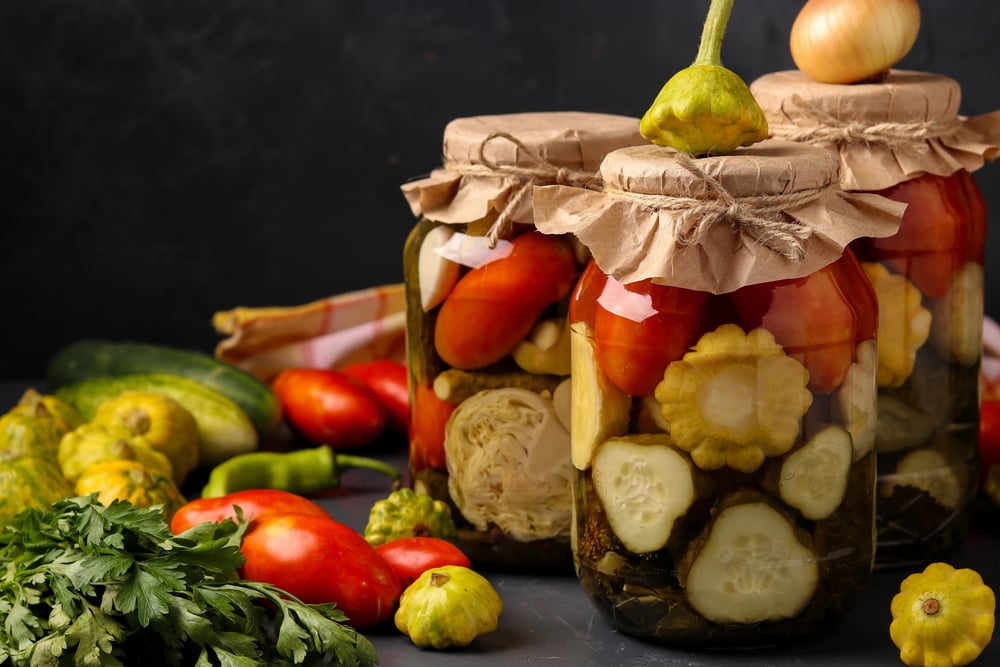
Pickling is preserving foods in vinegar (or other acid). Vinegar is produced from starches or sugars fermented first to alcohol and then the alcohol is oxidized by certain bacteria to acetic acid.
Ancient civilizations discovered that this acidic environment prevented harmful bacteria from taking hold. The result was tangy, shelf-stable foods that added punch to otherwise bland winter meals.
Natural Freezing
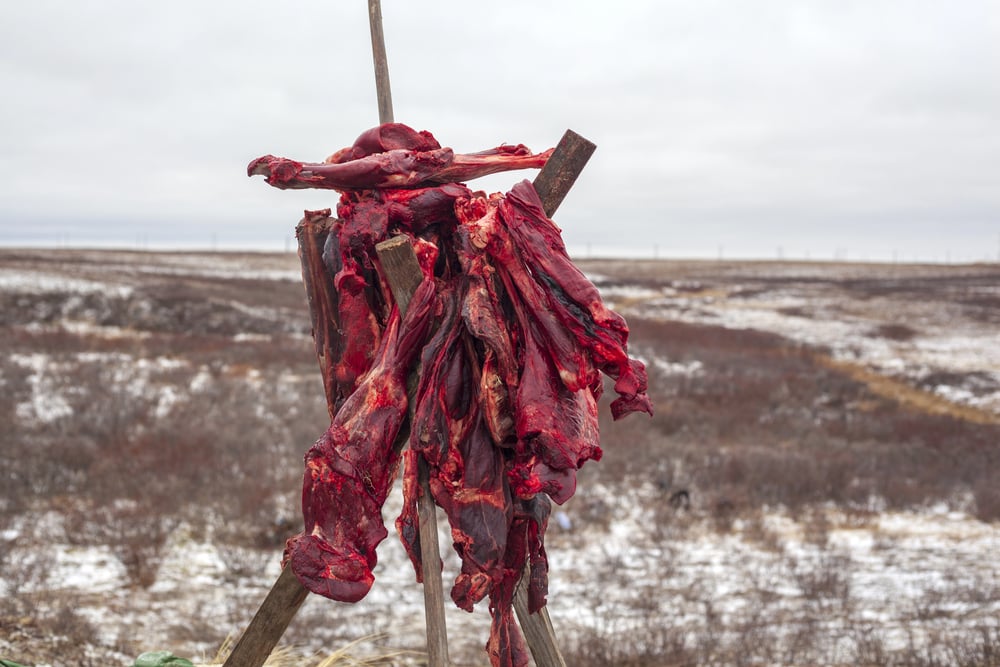
In colder climates, they froze meat on the ice, using nature’s own freezer to halt bacterial growth. Inuit peoples became masters of this technique, creating ice cellars that kept meat fresh for months.
The method required no special equipment—just the right geography and timing with seasonal temperatures.
Like Go2Tutors’s content? Follow us on MSN.
Sugaring and Honey Preservation

The ancient Greeks and Romans mastered the technique of using heated sugar and fruit pectin which we have come to know as jams, jellies, and preserves. Sugar acts like salt, drawing moisture from food while creating an environment where bacteria struggle to survive.
Honey, being naturally antimicrobial, served the same purpose and was often more accessible than refined sugar.
Fat Rendering and Confit
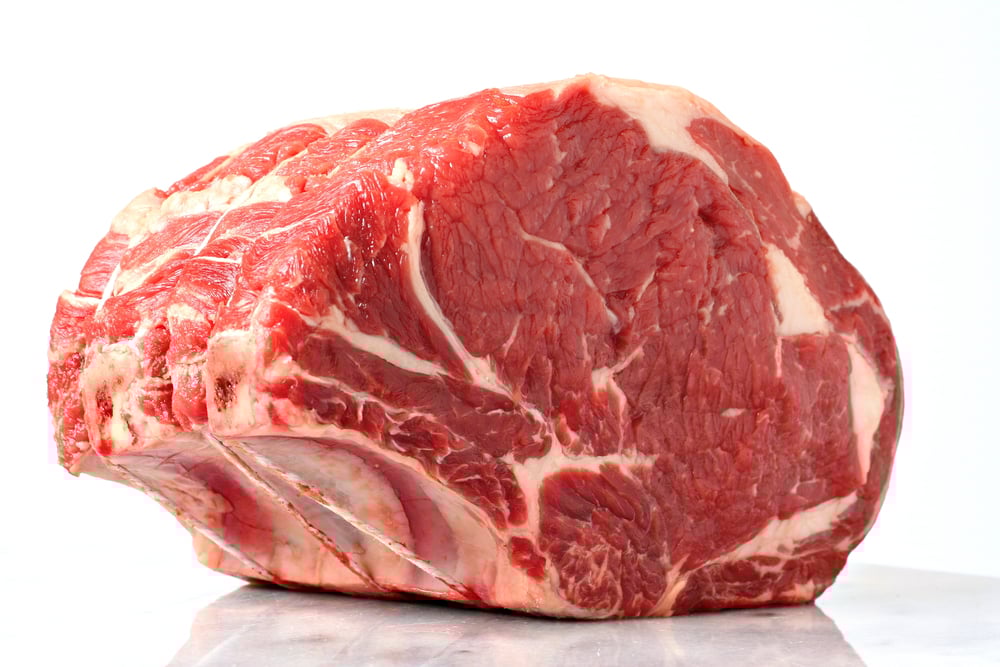
Clever cooks discovered that submerging meat in rendered fat created an oxygen-free environment that prevented spoilage. French confit techniques emerged from this principle, where duck legs were slowly cooked in their own fat and then stored completely covered.
The fat formed a protective seal that could preserve meat for months without refrigeration.
Clay Pot Storage
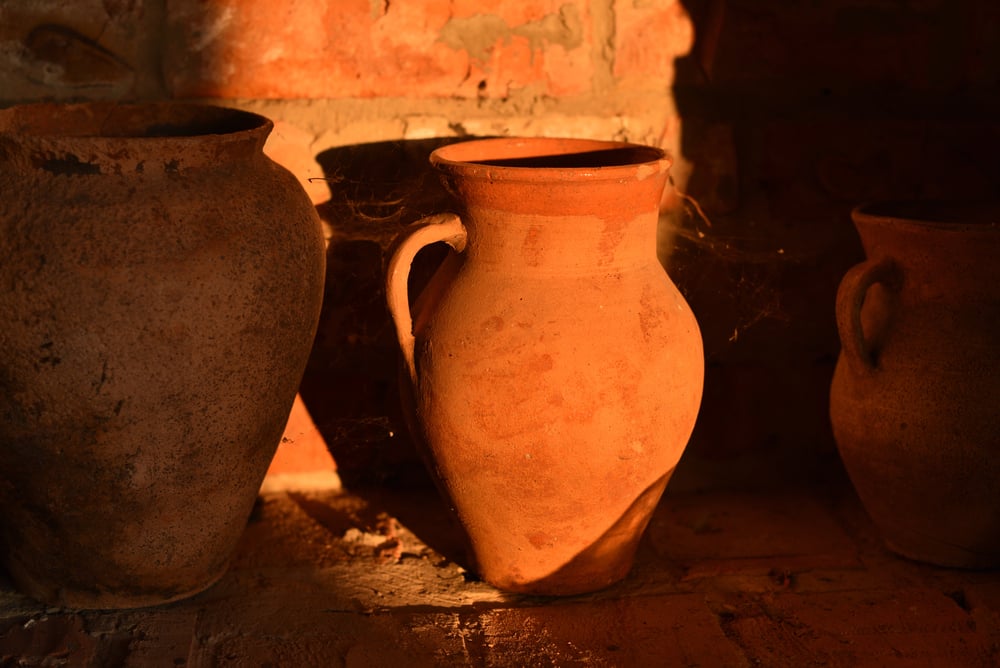
Ancient civilizations buried food in sealed clay vessels, creating cool, stable storage conditions underground. These earthenware containers maintained consistent temperatures and protected contents from light and air.
The method worked so well that archaeological digs still uncover preserved grains and oils from pottery buried thousands of years ago.
Like Go2Tutors’s content? Follow us on MSN.
Ash Curing
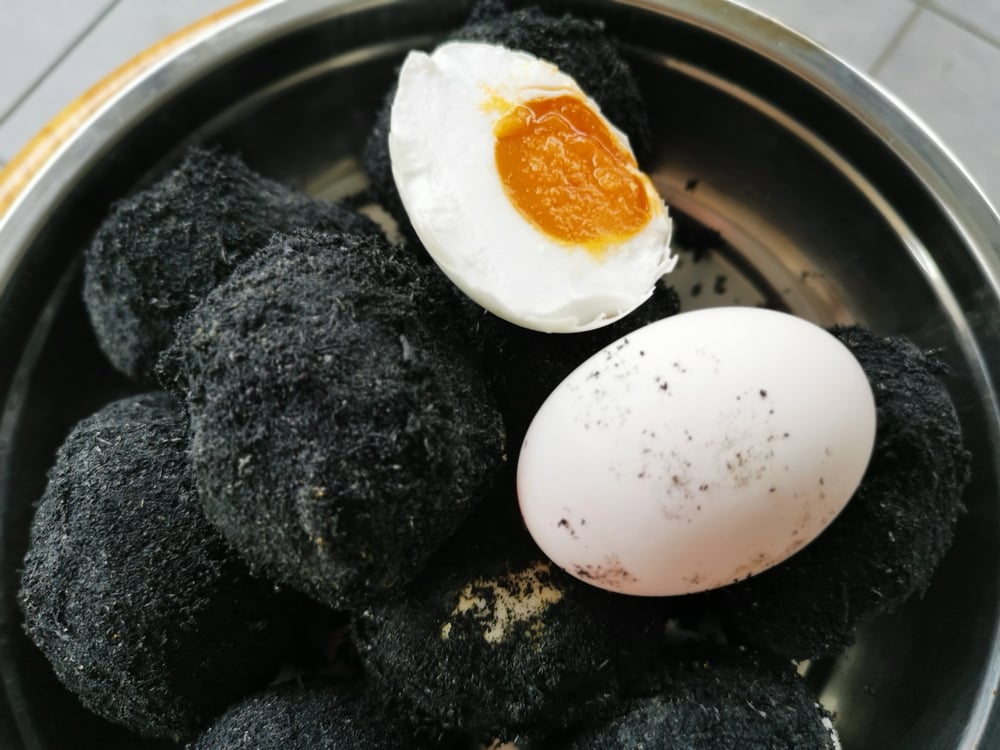
Wood ash, rich in alkaline compounds, created another hostile environment for bacteria while adding distinctive flavors. Native American tribes used this technique for corn, while various cultures applied ash to preserve eggs and vegetables.
The high pH level of ash effectively inhibited microbial growth while imparting unique tastes that became regional specialties.
Oil Immersion
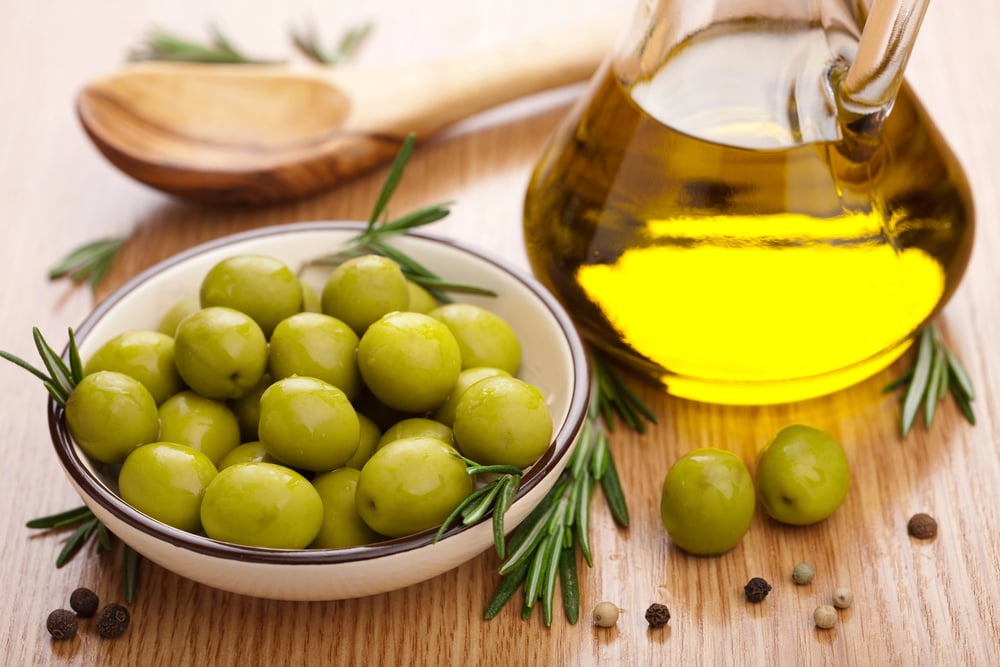
Submerging food in oil cuts off oxygen supply, preventing aerobic bacteria from causing spoilage. Mediterranean cultures perfected this technique with olives, cheese, and vegetables stored in olive oil.
The method created not only preserved food but also flavored oils that enhanced other dishes—a delicious two-for-one deal.
Brining
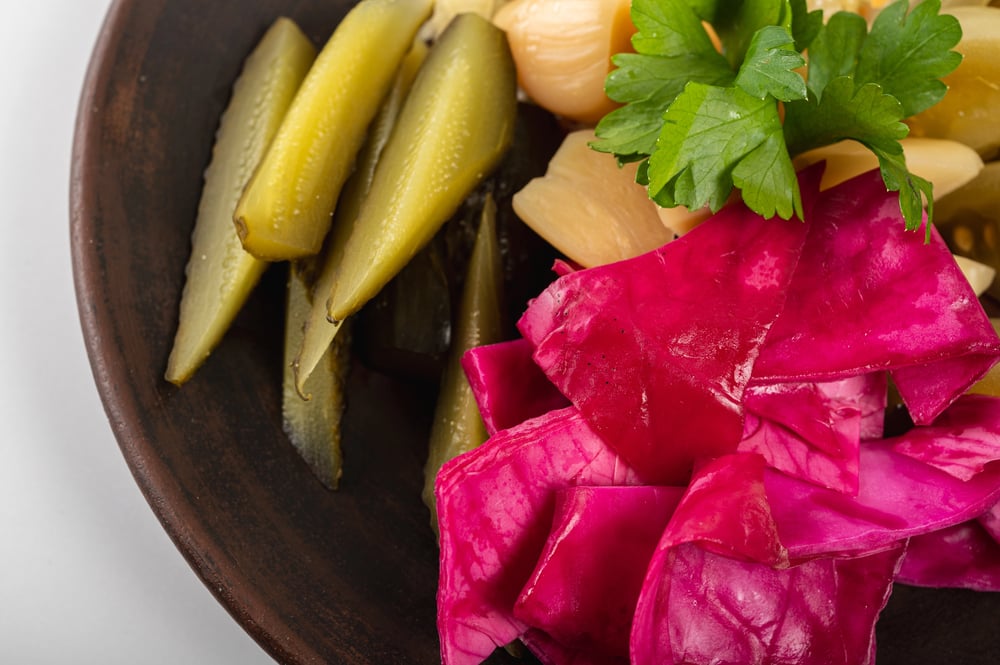
Salt water solutions offered more controlled preservation than dry salt alone. Ancient peoples created carefully balanced brines that penetrated food evenly while maintaining texture.
This technique produced everything from pickled vegetables to cured olives, with each culture developing signature brine recipes that reflected local tastes and available ingredients.
Like Go2Tutors’s content? Follow us on MSN.
Root Cellars and Cave Storage
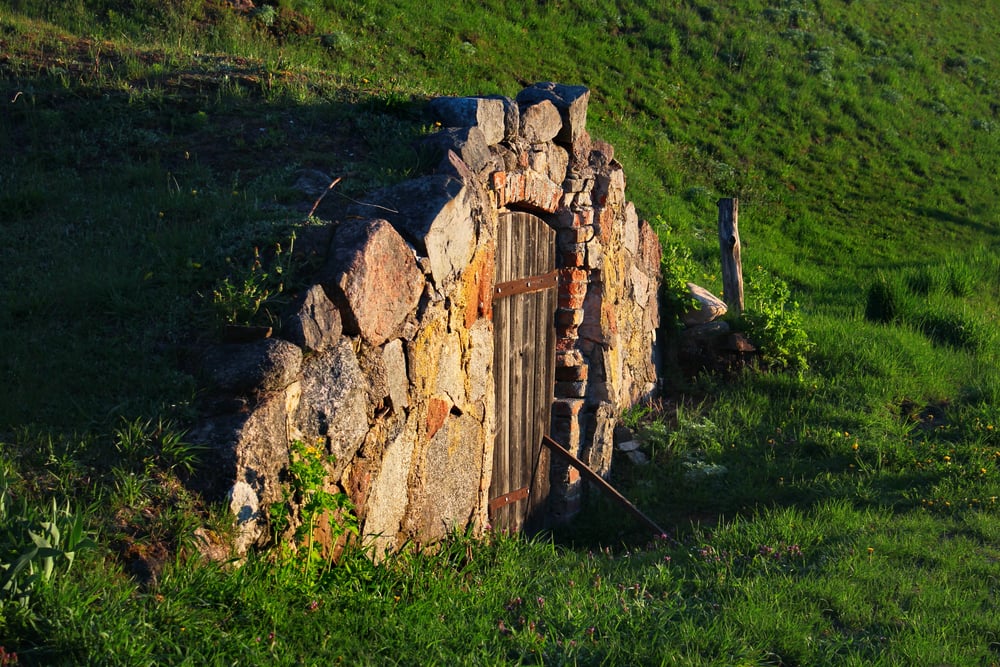
Before refrigeration, underground storage provided naturally cool, humid conditions perfect for certain foods. Medieval Europeans dug elaborate root cellars that maintained steady temperatures year-round.
These underground chambers could keep root vegetables, apples, and other hardy foods fresh through entire winters.
Pemmican Making
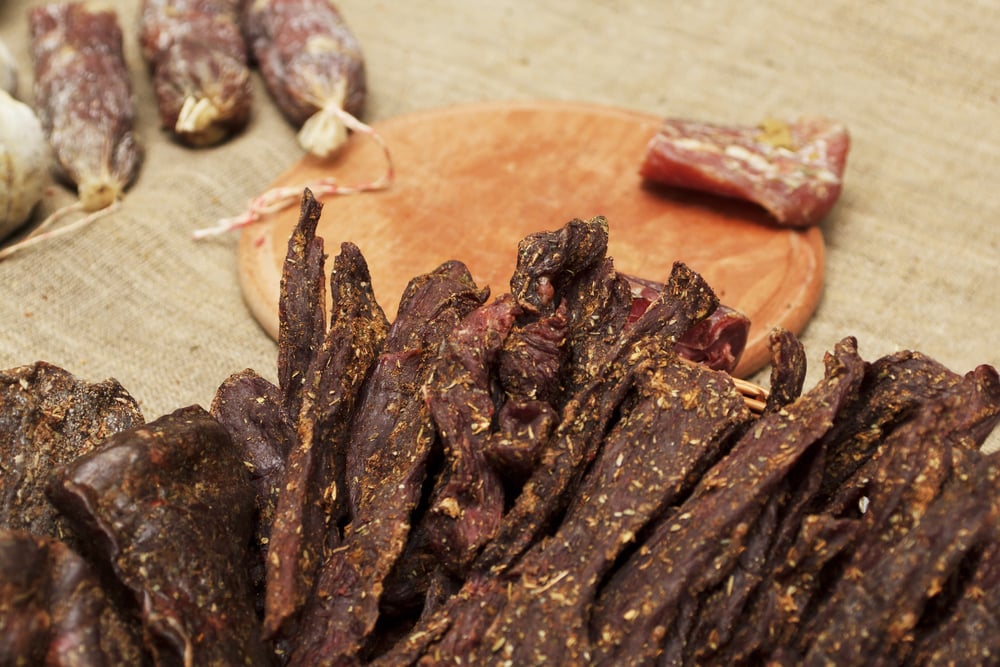
Native American tribes created perhaps the ultimate survival food by combining dried meat, rendered fat, and sometimes berries into dense, nutrient-packed bars. To make pemmican, Native Americans ground dried meat into powder and mixed it with rendered animal fat and bone marrow, creating a food that could last for years.
This ingenious technique merged multiple preservation methods—drying, fat preservation, and compression—into portable energy that sustained hunters and travelers across vast distances.
Spice and Herb Curing
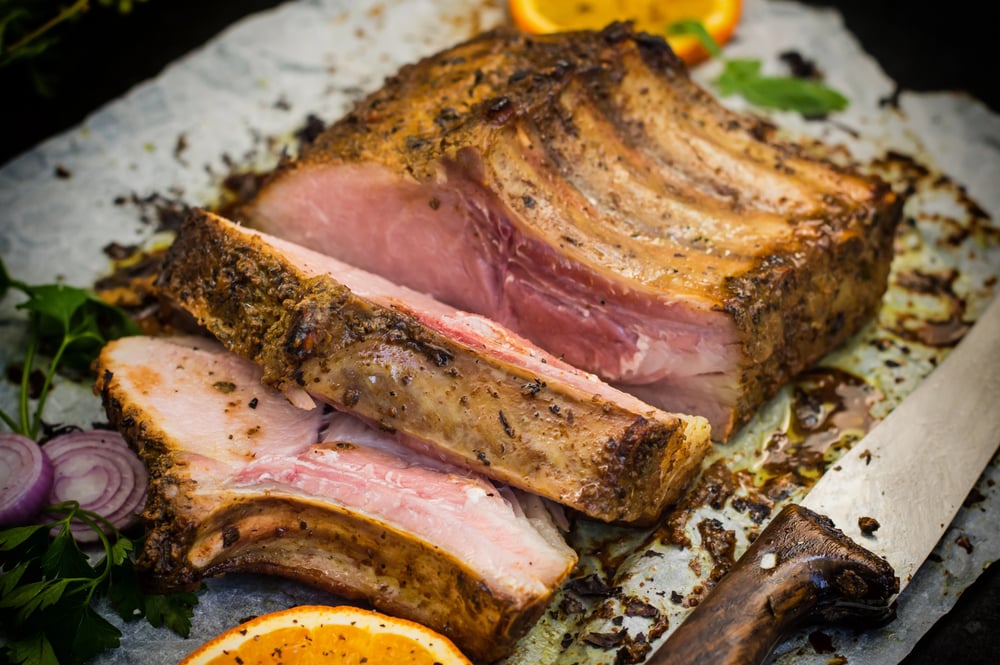
Many spices contain natural antimicrobial compounds that early peoples learned to exploit. Combinations of salt with herbs like thyme, rosemary, and bay leaves created complex curing mixtures that both preserved food and enhanced flavor.
These spice blends often defined regional cuisines and became closely guarded family secrets.
Like Go2Tutors’s content? Follow us on MSN.
Air Drying in Controlled Environments
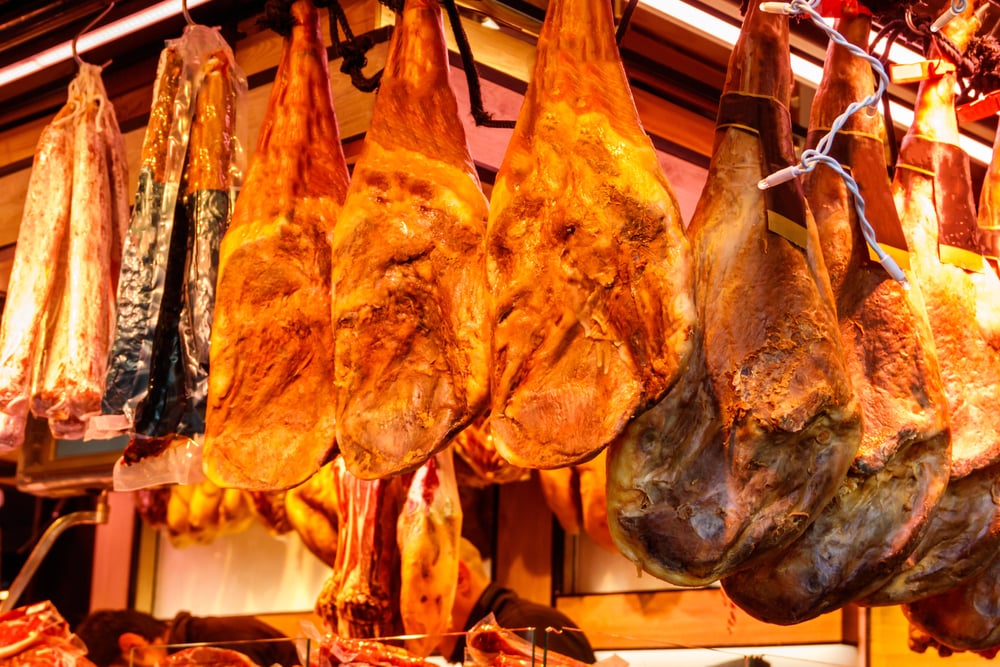
Beyond simple sun drying, ancient peoples learned to control airflow and humidity for optimal preservation. Italian prosciutto makers hung hams in specific mountain locations where consistent winds and temperatures created perfect curing conditions.
This technique required understanding local climate patterns and often took years to master.
The Thread That Binds Past and Present
These ancient preservation methods didn’t disappear when refrigerators arrived—they evolved into the artisanal foods we prize today. Modern chefs chase the complex flavors that only time-honored techniques can create, while food scientists study traditional methods for insights into natural preservation.
The Korean grandmother still making kimchi using her ancestral recipe connects directly to the same principles that kept her great-great-grandmother’s family fed through harsh winters. In our age of industrial food production, these historical techniques remind us that the best preservation often comes not from technology, but from understanding the simple science of salt, smoke, time, and patience.
More from Go2Tutors!

- 16 Historical Figures Who Were Nothing Like You Think
- 12 Things Sold in the 80s That Are Now Illegal
- 15 VHS Tapes That Could Be Worth Thousands
- 17 Historical “What Ifs” That Would Have Changed Everything
- 18 TV Shows That Vanished Without a Finale
Like Go2Tutors’s content? Follow us on MSN.