Monasteries Built on Nearly Impossible Peaks
Monks looking for silence have rarely settled for a quiet valley. Over the centuries they climbed granite spires, wedged themselves into cliff faces, and hauled stone up slopes that most builders would have refused to look at.
Some of these buildings were meant to keep the world out. Others simply wanted to sit closer to the heavens, and the logistics were someone else’s problem.
Great Meteoron in Meteora, Greece
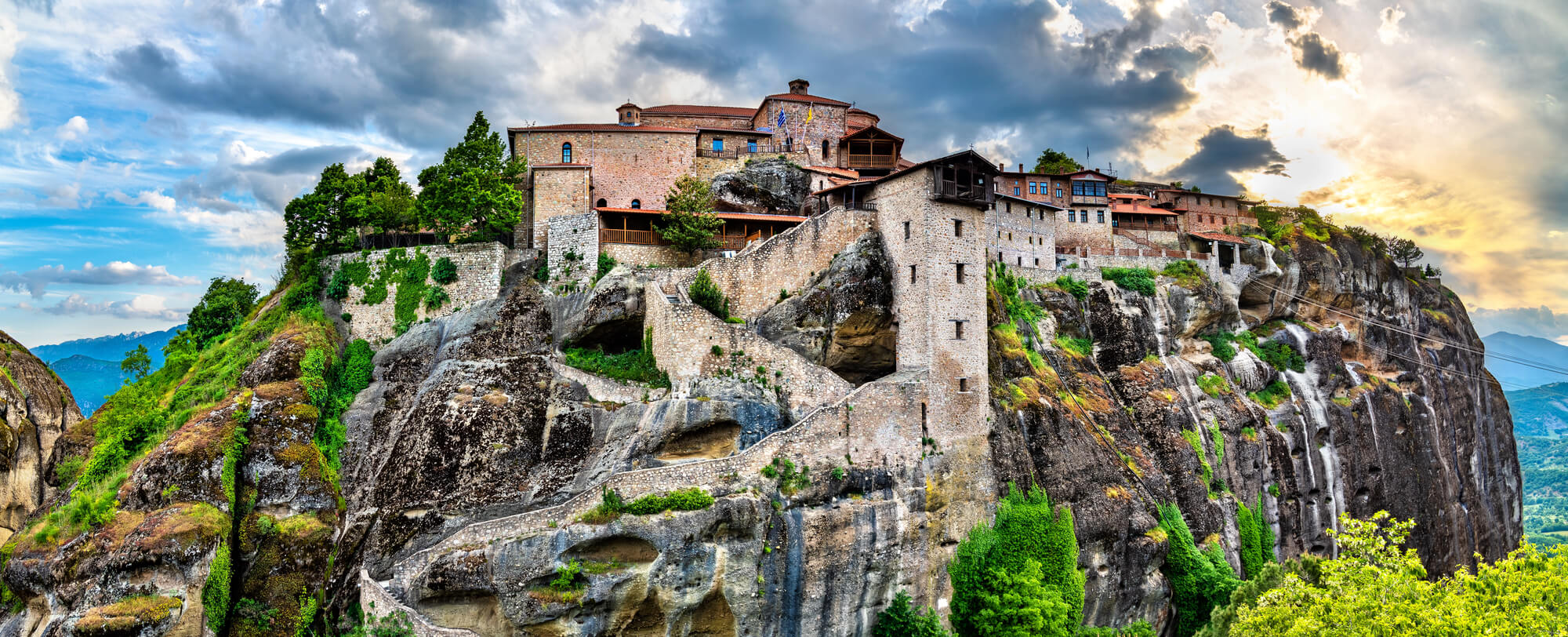
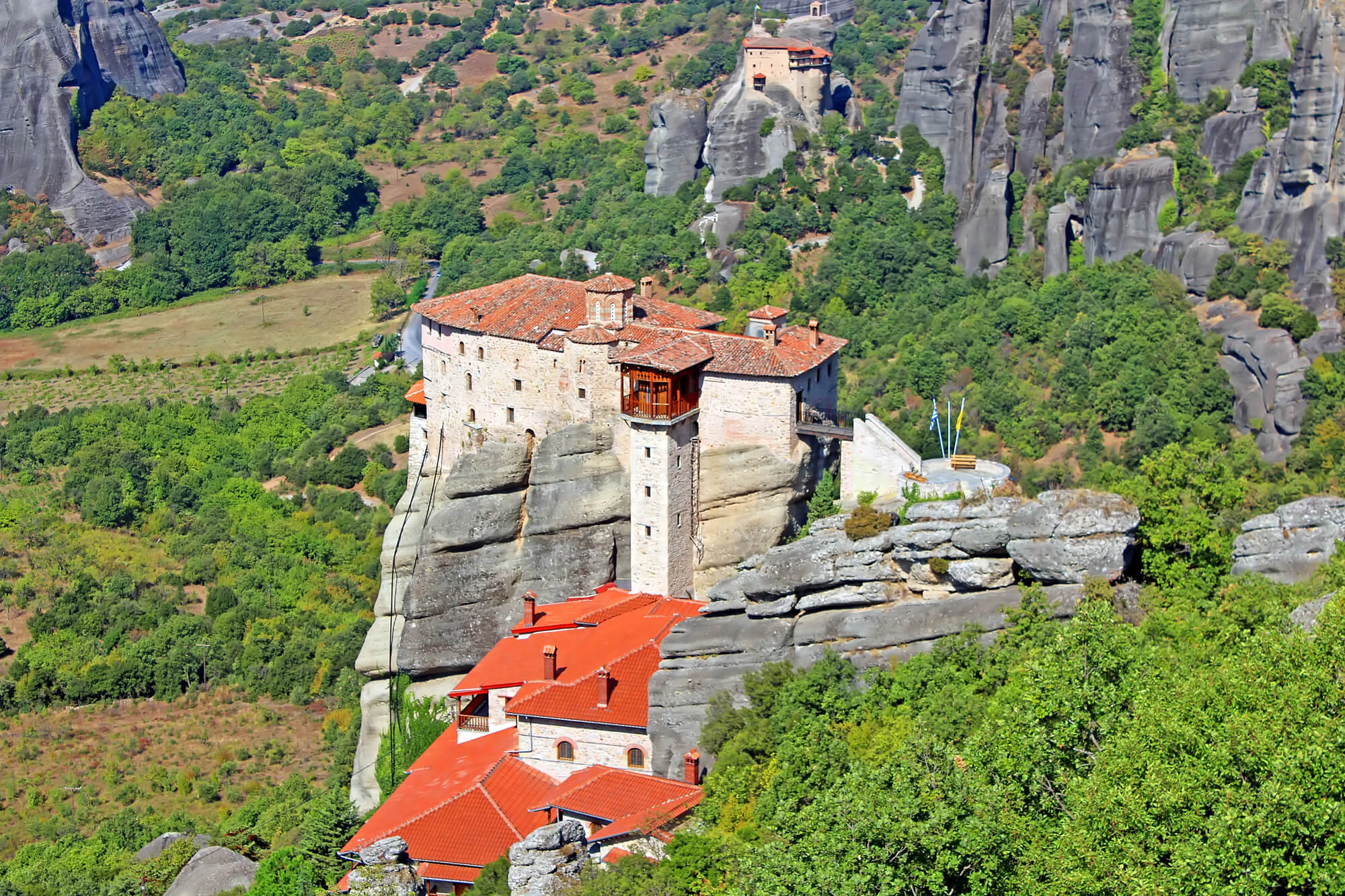
Great Meteoron stands on a sandstone pillar rising out of the Thessaly plain, and it is the largest of the monasteries that crown the rock towers of Meteora. For centuries, monks and supplies reached it by rope nets and long ladders, and a popular story says the rope was replaced only when it finally broke. Steps cut into the rock in the 1920s finally gave visitors a safer way up.
Paro Taktsang in Bhutan
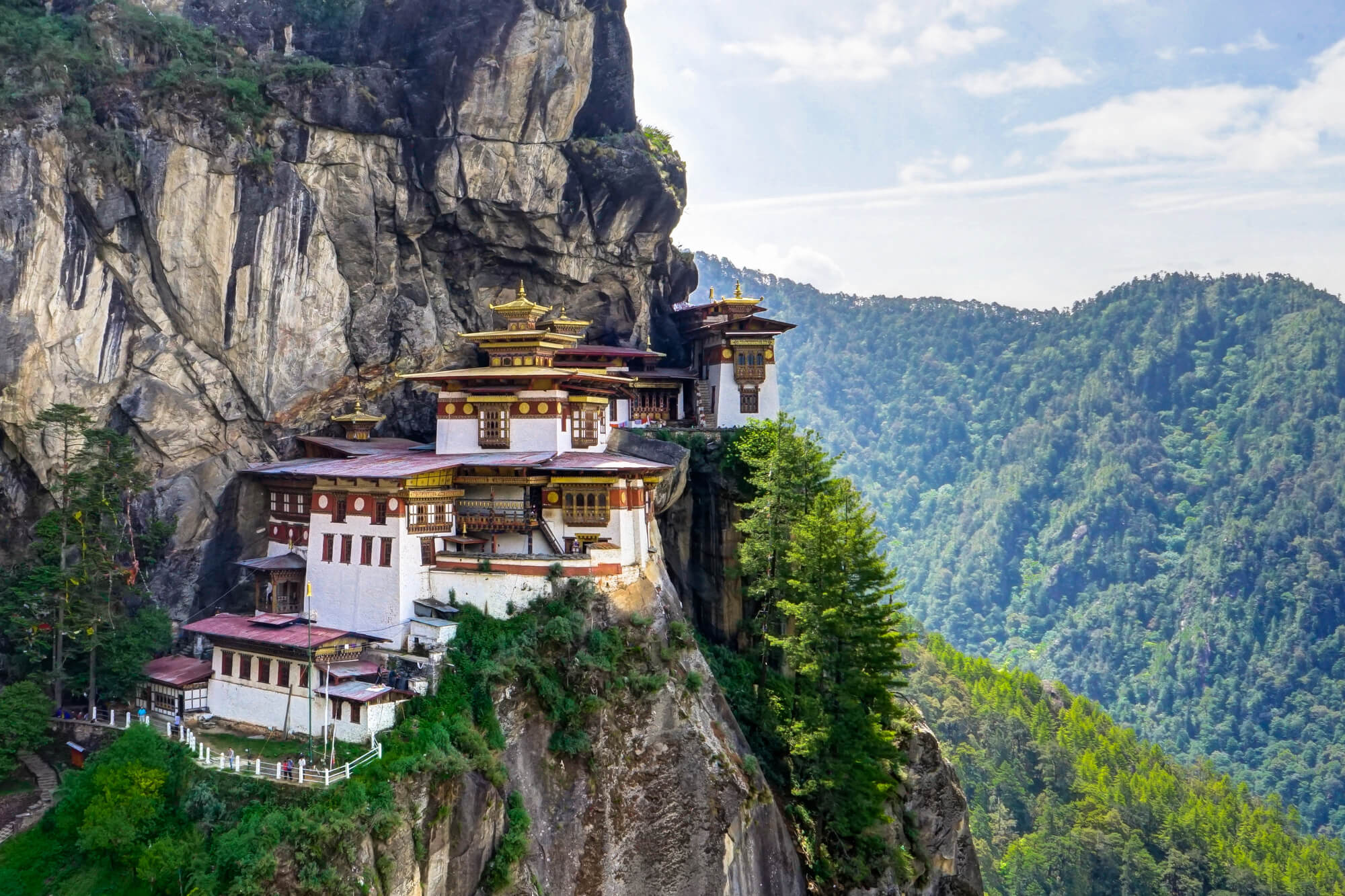
Paro Taktsang, known as the Tiger’s Nest, clings to a cliff about 900 meters above the Paro Valley. Legend says Guru Rinpoche flew to the spot on the back of a tigress in the 8th century to meditate in a cave. The main complex dates to 1692, and a fire in 1998 damaged it badly before it was rebuilt and reopened in 2005.
The Hanging Monastery of Hengshan, China
The Hanging Monastery is tucked beneath a cliff overhang at Mount Hengshan in Shanxi province, supported by wooden beams that fit into the rock. It is roughly 1,500 years old, and the overhang shields it from rain and direct sun. Its shrines honor Buddhism, Taoism, and Confucianism together, which is unusual for a single complex.
Tatev Monastery in Armenia
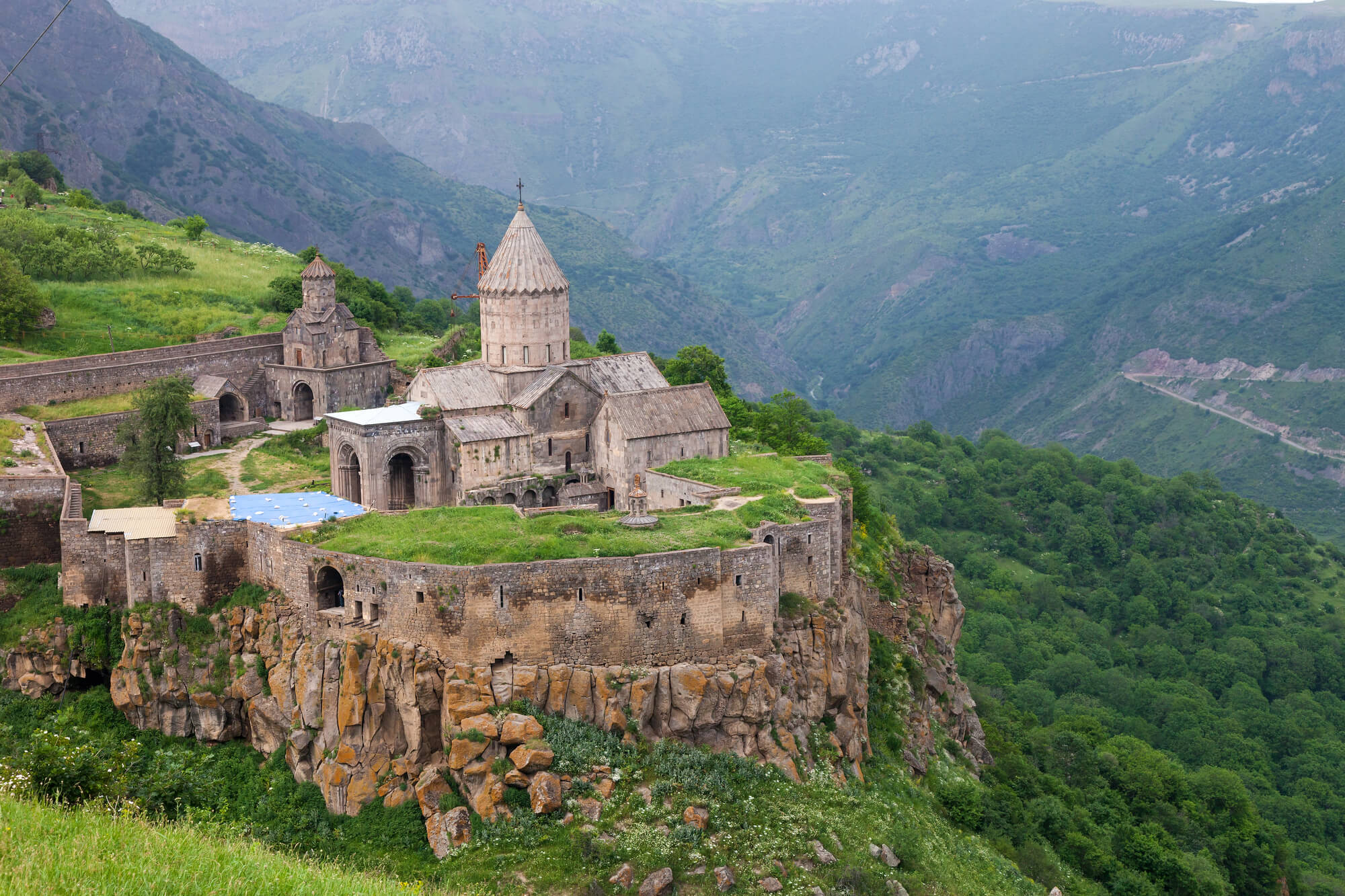
Tatev sits on the edge of the Vorotan Gorge, where for centuries the only approach was a long winding road. In 2010, the Wings of Tatev, a 5.7-kilometer aerial tramway, opened and became one of the longest of its kind. The monastery was once home to Tatev University, a major center of learning and manuscript copying in the 14th century.
Sumela Monastery in Turkey
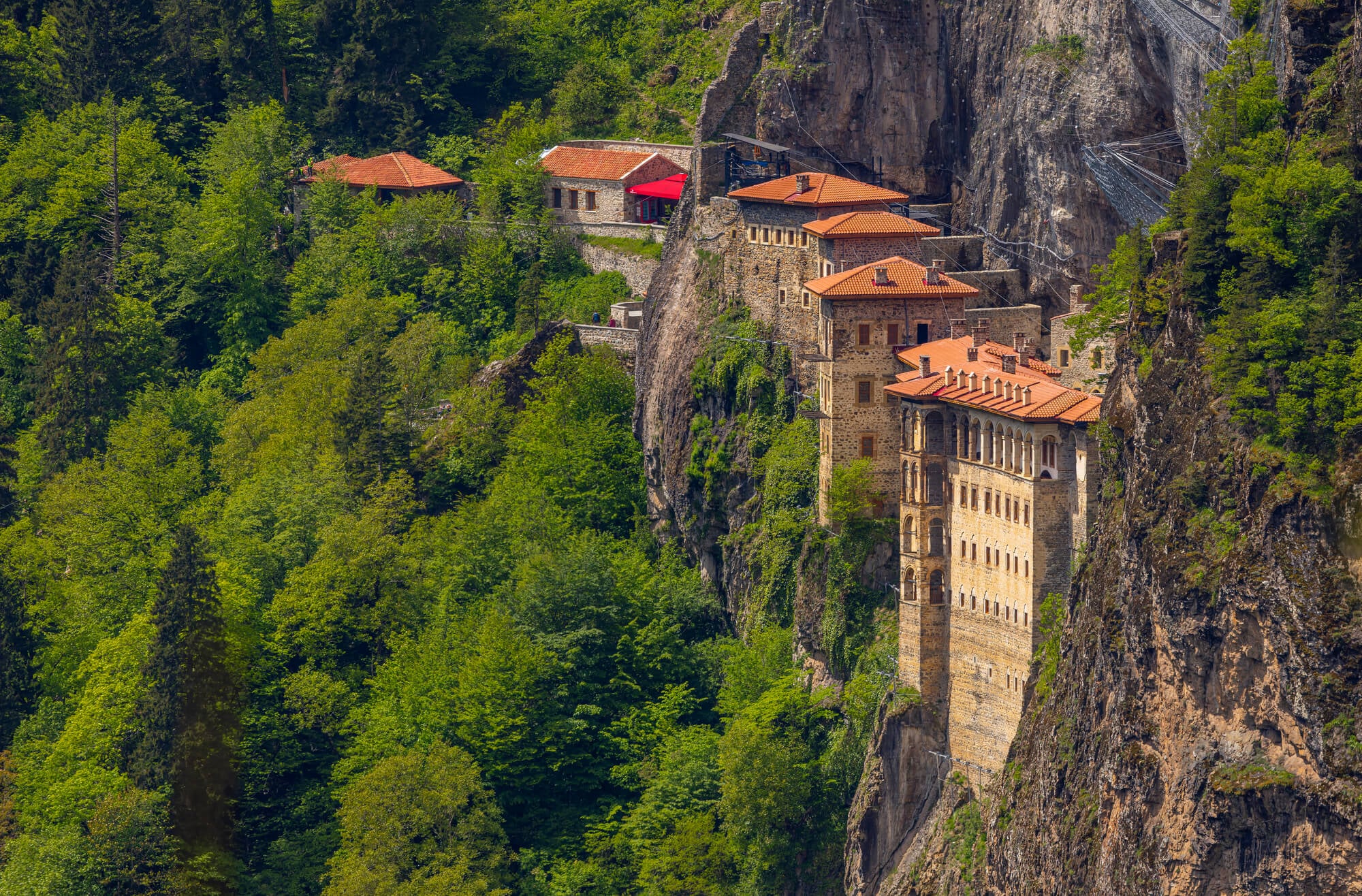
Sumela clings to a cliff face roughly 1,200 meters above a forested valley near Trabzon. Tradition says two monks founded it in the 4th century after finding an icon of the Virgin Mary attributed to Saint Luke. The monastery was abandoned in 1923 after the population exchange between Greece and Turkey, and a religious service returned in 2010.
Ostrog Monastery in Montenegro
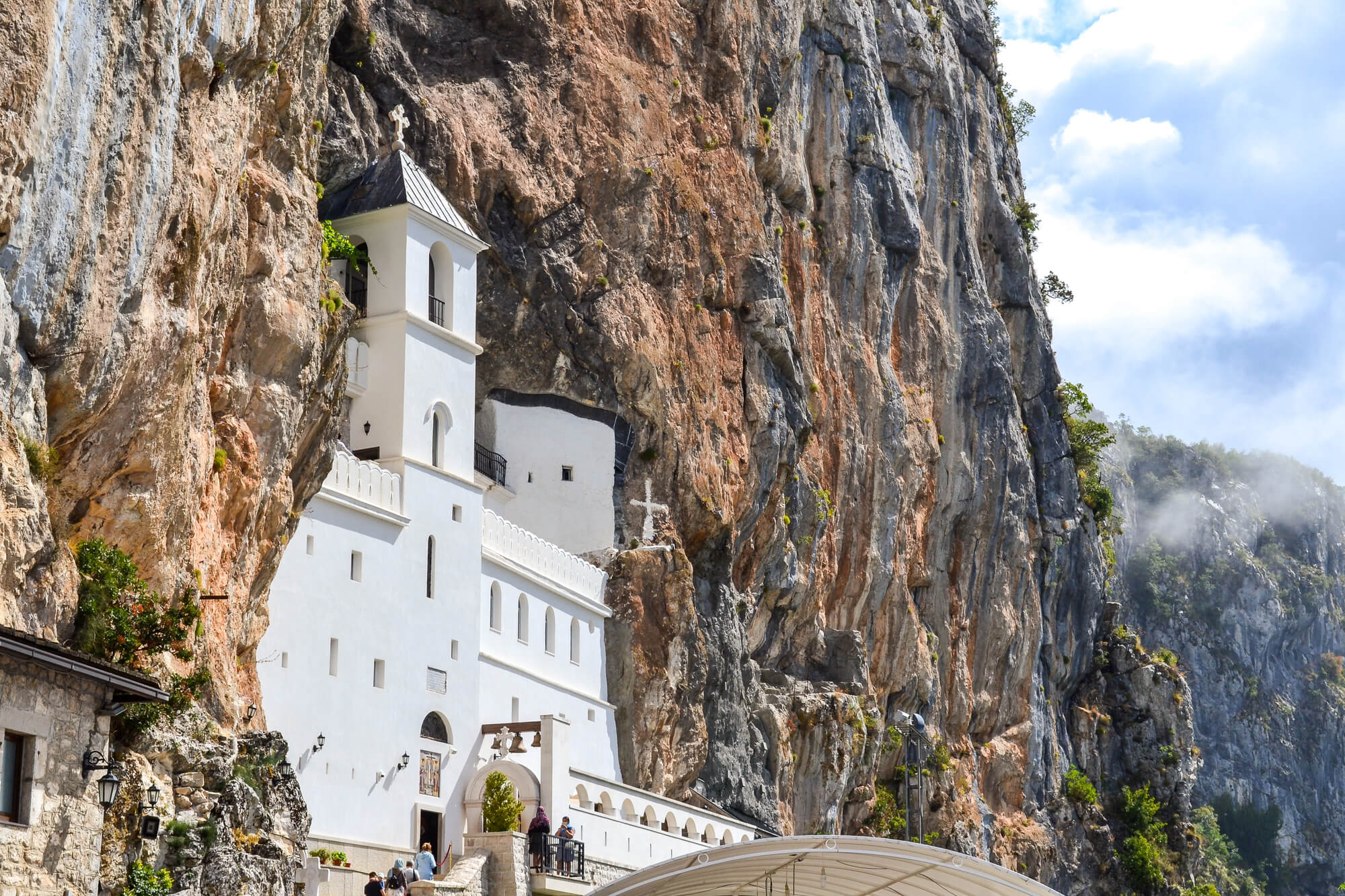
Ostrog is built into a nearly vertical cliff, with whitewashed walls that look painted onto the rock. It was founded in the 17th century by Saint Basil, whose relics rest in a cave church inside. Pilgrims of several faiths climb to it, and many arrive hoping for healing.
Debre Damo in Ethiopia
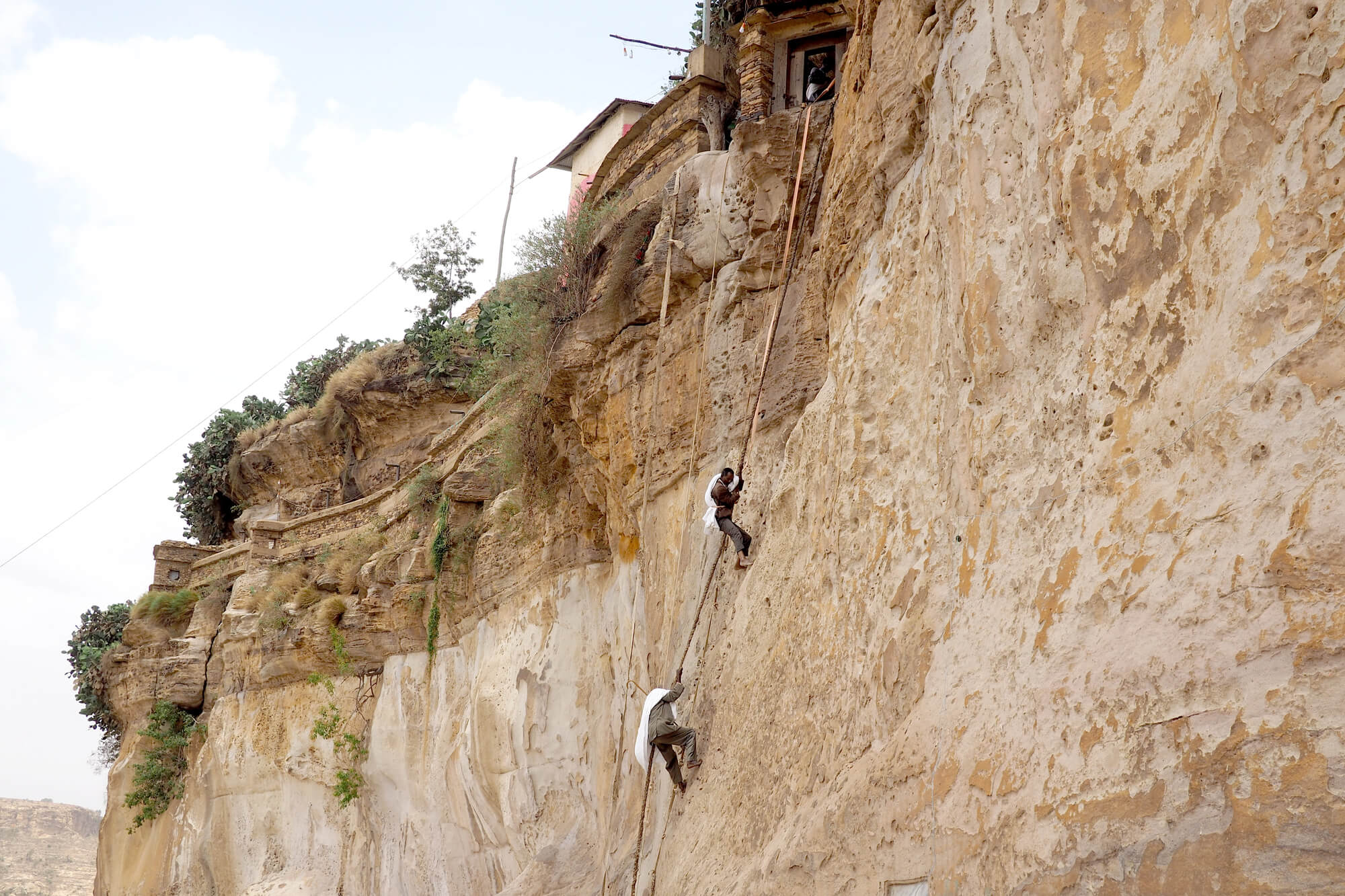
Debre Damo sits on a flat-topped mountain with sheer sides, and the only way up is a climb of about 15 meters up a cliff using a braided leather rope. A monk above helps visitors haul themselves up. The monastery dates to the 6th century, and women are not allowed on the mountain at all.
Katskhi Pillar in Georgia
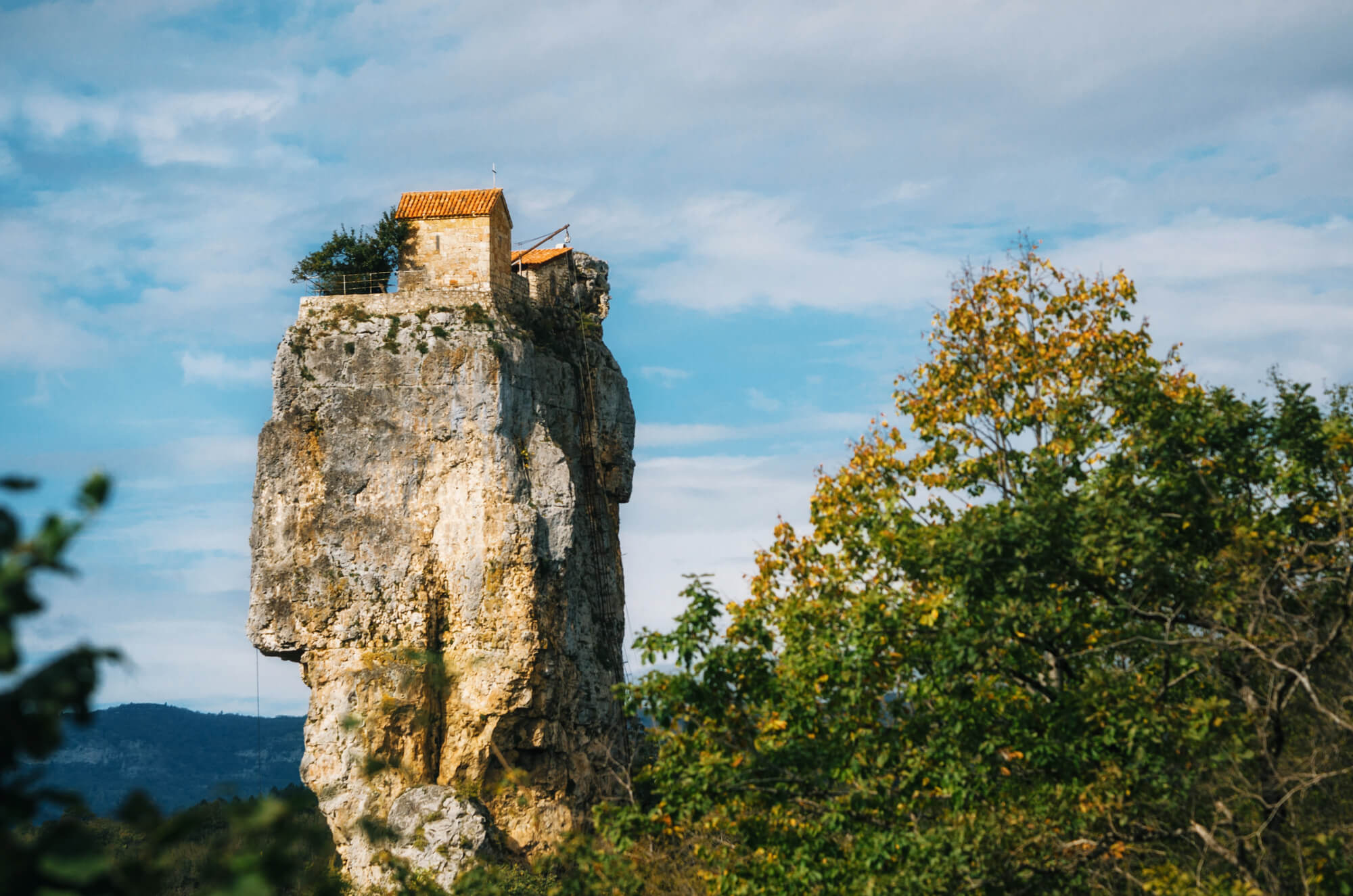
Katskhi Pillar is a limestone monolith about 40 meters tall, with the ruins of a small medieval church on its summit. In the 1990s, a monk named Maxime Qavtaradze climbed to the top and revived an old tradition of living on a pillar. Visitors can see a metal ladder bolted to the side, and the monk descended only a couple of times a week for supplies.
Phugtal Monastery in Zanskar, India
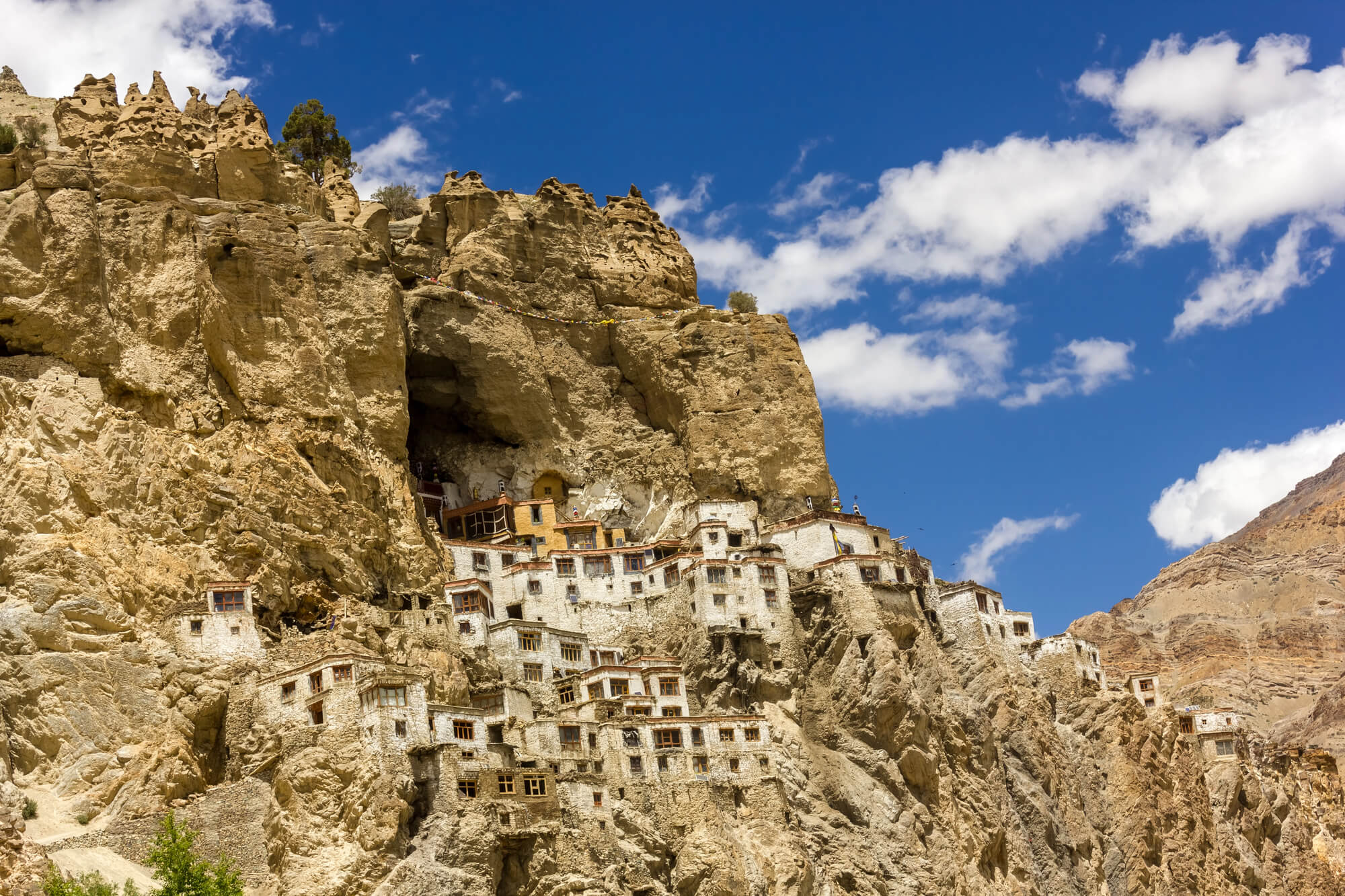
Phugtal is built around a cave on a cliff above a river in the Himalayas, with mud-brick rooms stacked up the rock like honeycomb. It dates to the 15th century and was long reachable only on foot, making it one of the most isolated monasteries in the region. Monks still use the cave at the center of the complex for ceremonies.
Dhankar Monastery in Spiti, India
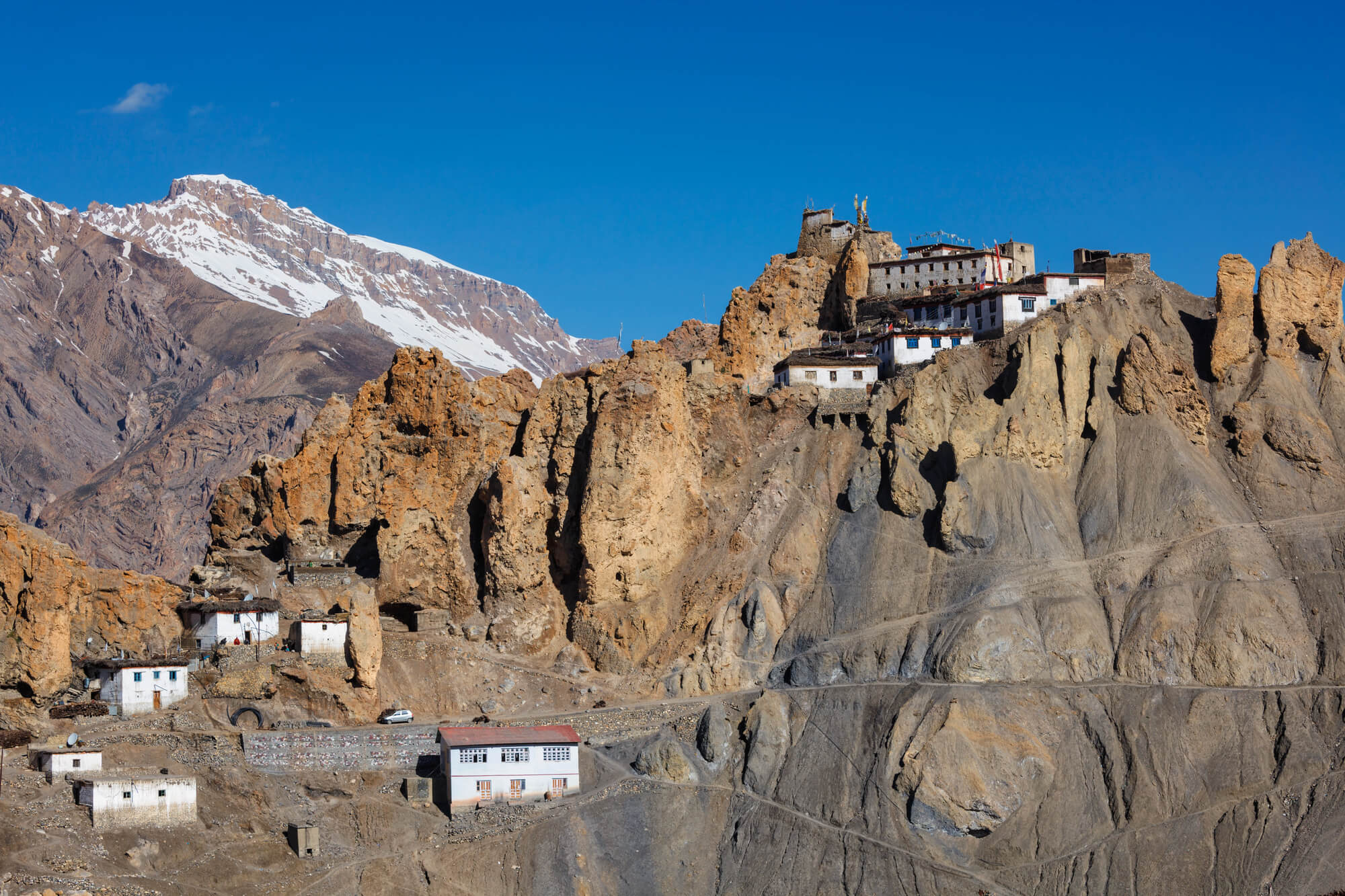
Dhankar perches on a narrow spur hundreds of meters above the meeting of two rivers in the Spiti Valley. The name means fort, and the site served as the capital of the Spiti kings before it became a monastery. Landslides and erosion put it on the World Monuments Fund’s list of endangered sites in 2006.
Simonopetra on Mount Athos, Greece
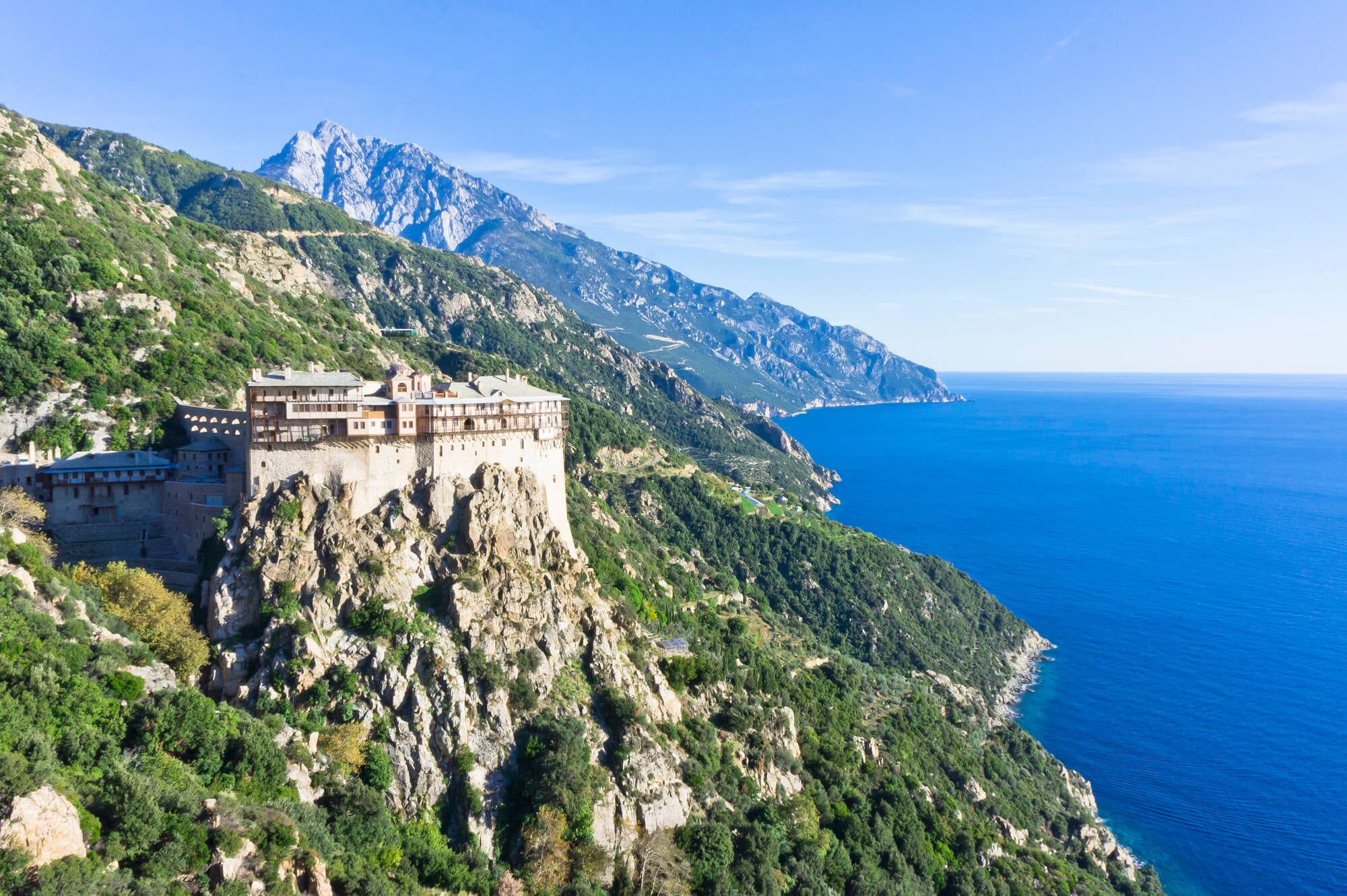
Simonopetra rises from a granite crag about 330 meters above the Aegean, its stone and timber stories stacked over the sheer drop. Tradition says Saint Simon founded it in the 13th century after seeing a star shining over the rock. Fires have destroyed it more than once, and each time the monks rebuilt it on the same ledge.
Skellig Michael in Ireland
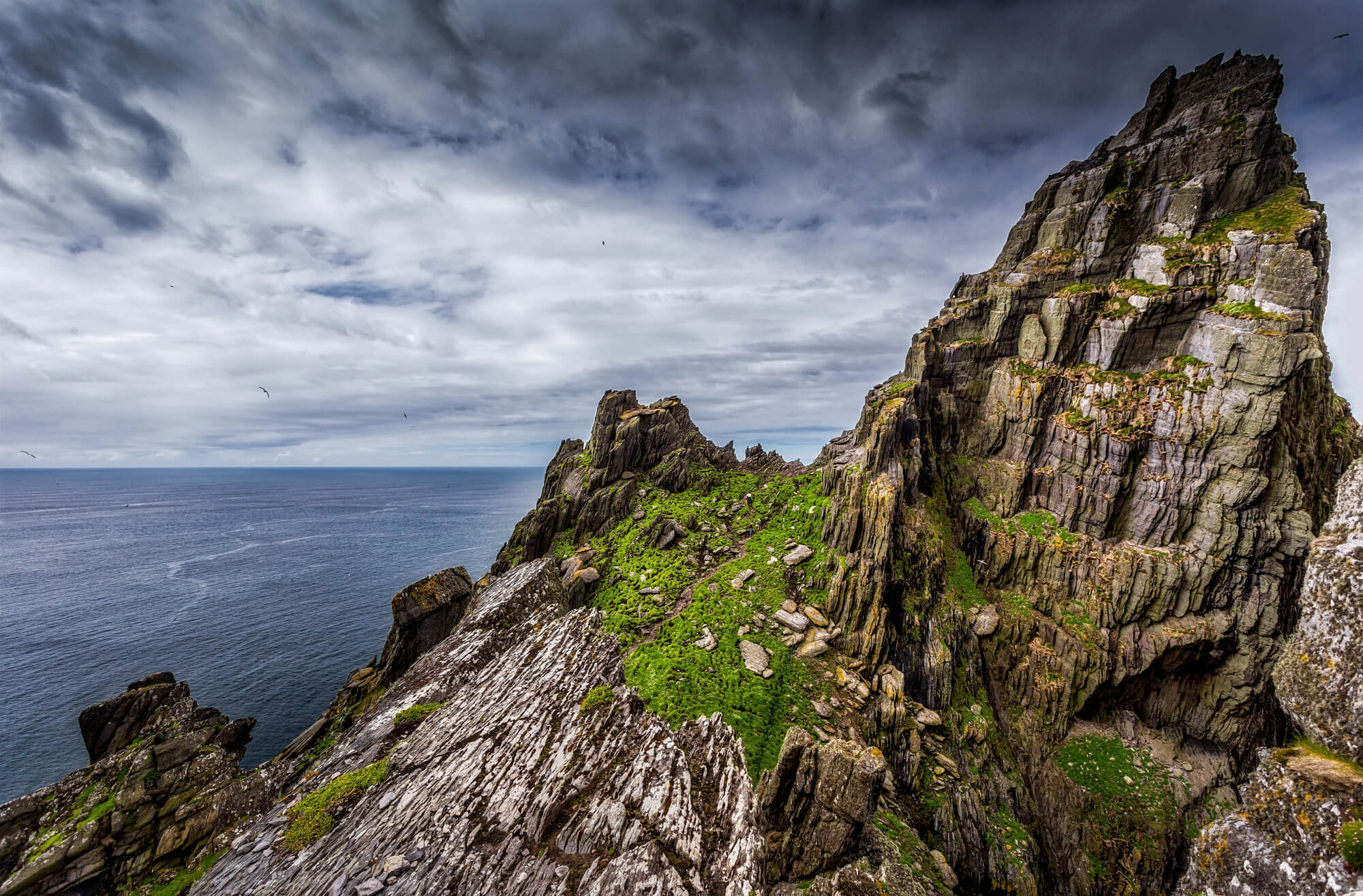
Monks built stone beehive huts on this sea stack roughly 12 kilometers off the Kerry coast, reaching them by climbing about 600 steps carved into the rock. Irish annals record a Viking raid on the island in 824. The site gained a new audience when it appeared as Luke Skywalker’s hideaway in a Star Wars film.
Sacra di San Michele in Italy
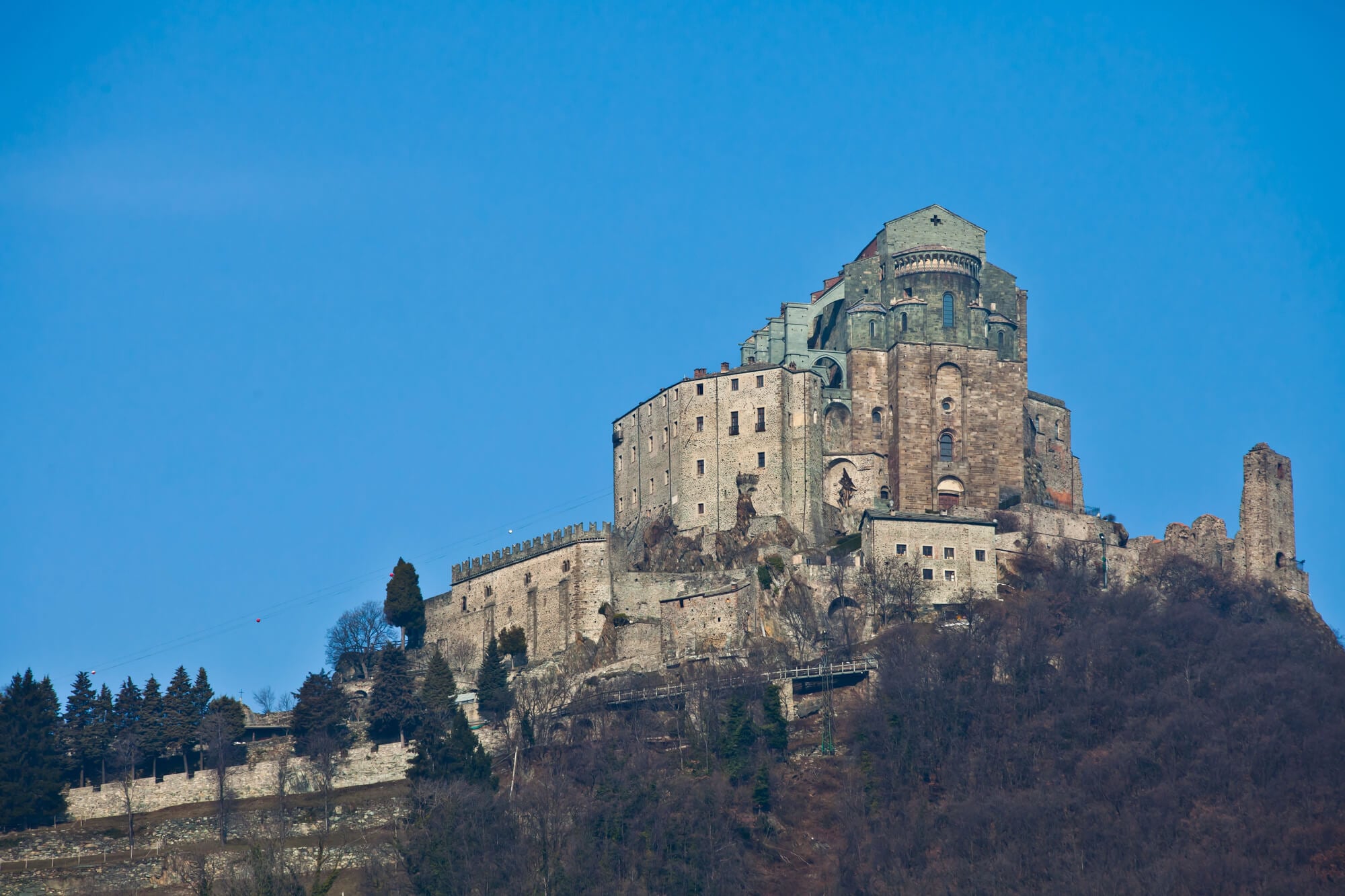
The abbey sits on the summit of Mount Pirchiriano in Piedmont, built in the late 10th century on a rock that required massive foundation walls. A steep stairway lined with tombs, known as the Staircase of the Dead, leads to the entrance. The place is widely said to have inspired the setting of Umberto Eco’s novel The Name of the Rose.
San Juan de la Peña in Spain
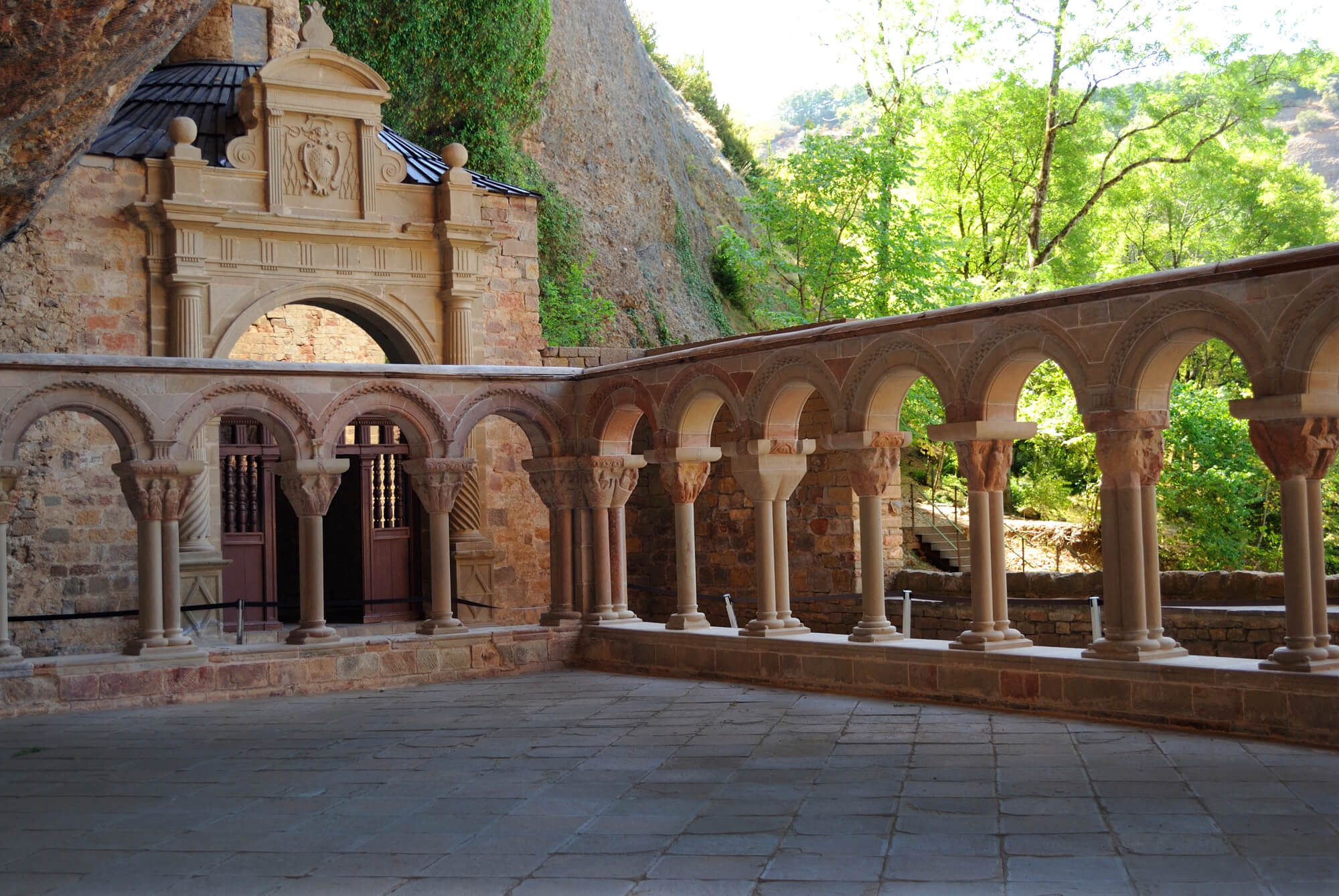
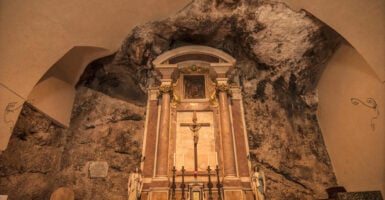
This monastery was built beneath a huge rock overhang in the Aragonese Pyrenees, and the rock serves as part of its roof. It became the burial place of early kings of Aragon in the 11th century. Local tradition holds that the Holy Grail was kept there at one point.
Montserrat in Spain
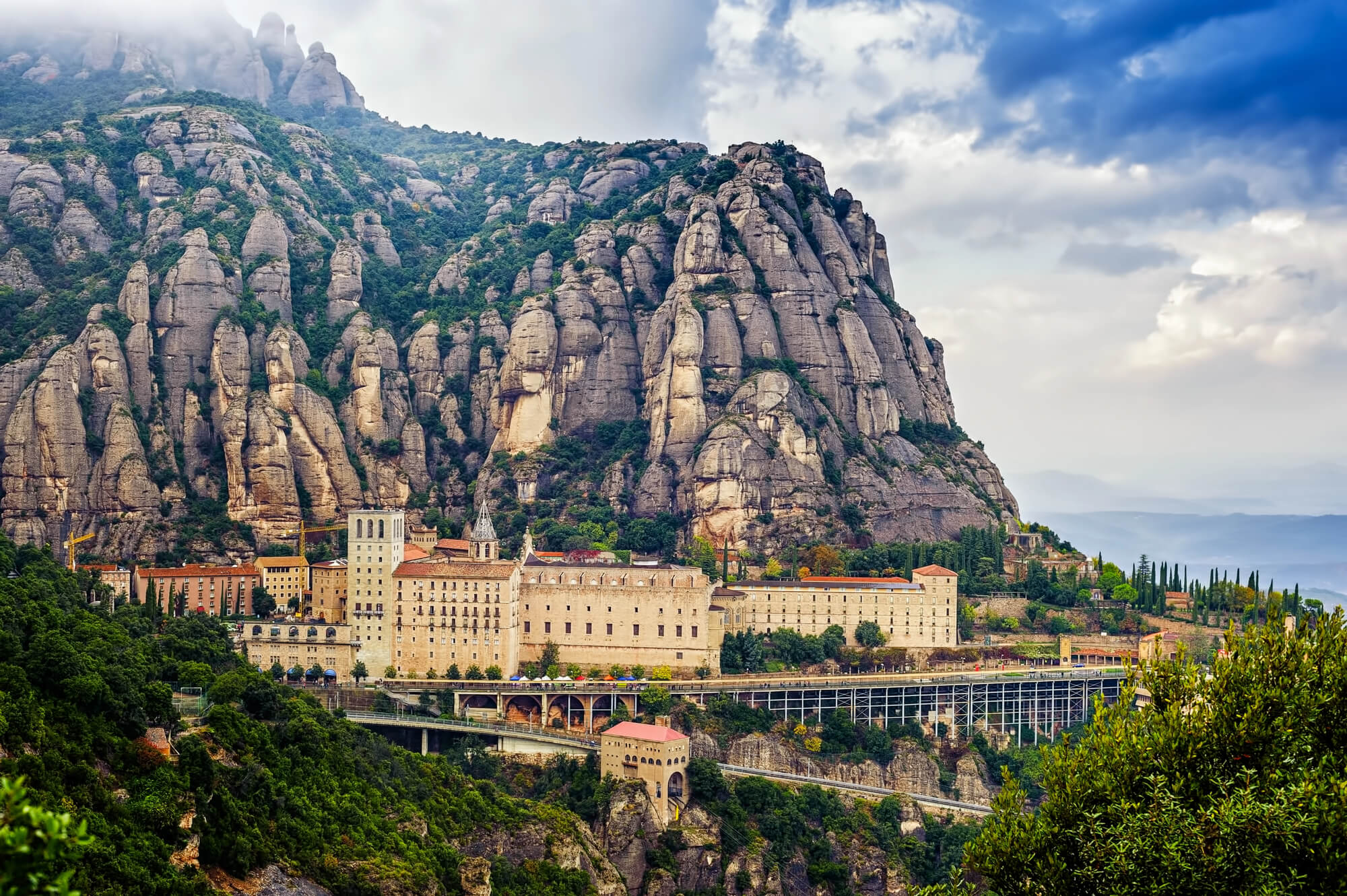
Benedictine monks have lived on this jagged mountain near Barcelona for centuries, and its name means sawn mountain, a reference to the saw-toothed ridge. The abbey is home to La Moreneta, a Black Madonna statue that draws pilgrims from around the world. Its boys’ choir, the Escolania, is among the oldest in Europe.
Mar Saba in the West Bank
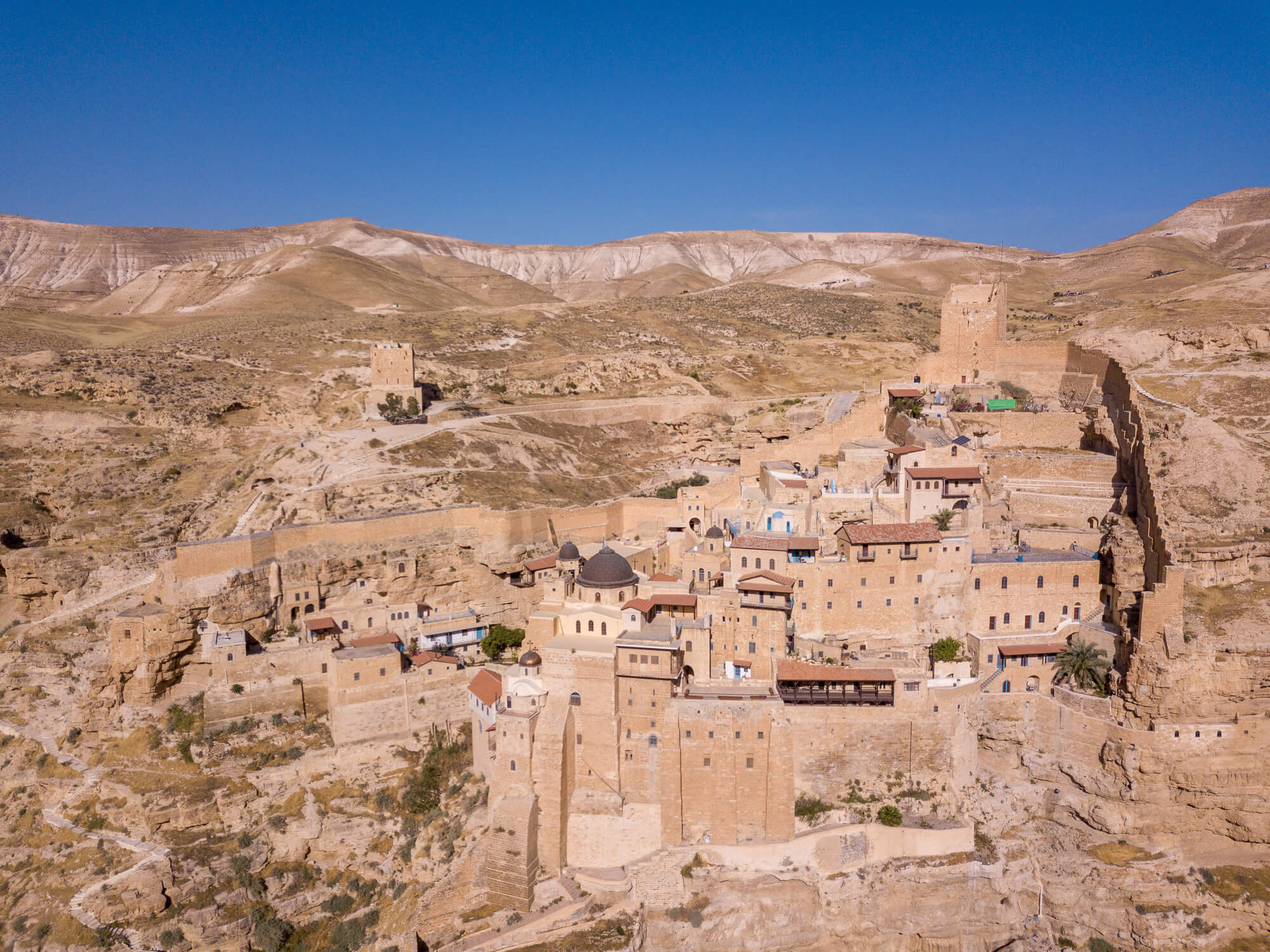
Mar Saba clings to the wall of the Kidron Valley, with domes and towers stepping down the cliff. Saint Sabbas founded it in 483, and it is counted among the oldest continuously inhabited monasteries in the world. Women are not allowed inside, so female visitors are directed to a tower outside the walls.
Wat Tham Suea in Krabi, Thailand
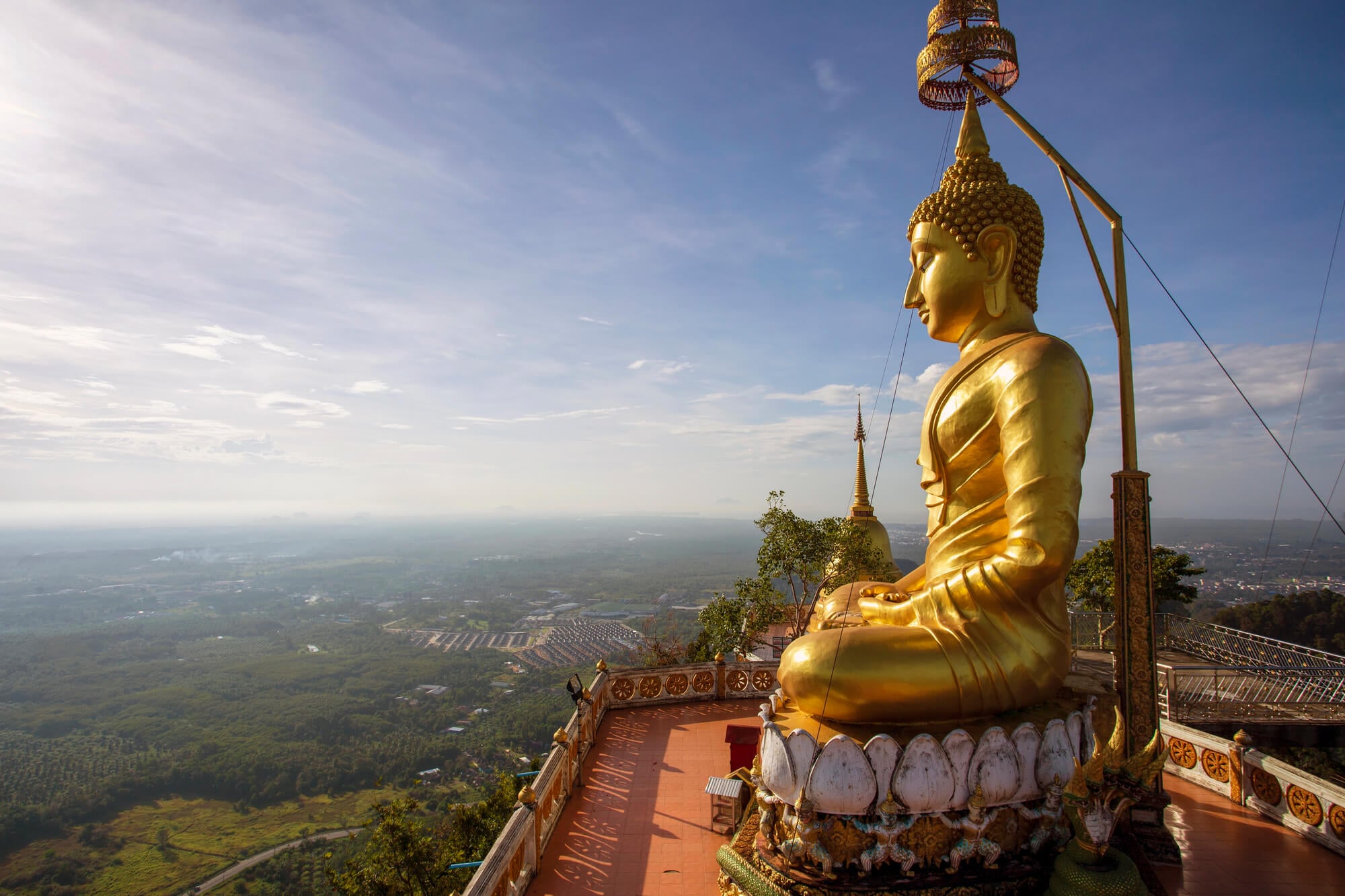
Known as the Tiger Cave Temple, this Buddhist monastery has a staircase of 1,237 steps climbing to a summit shrine with a golden Buddha statue. The temple is supposedly named for tiger-like paw prints found in a cave at the base. Visitors who finish the climb are rewarded with a view over jungle, limestone cliffs, and the Andaman coast.
Taung Kalat in Myanmar
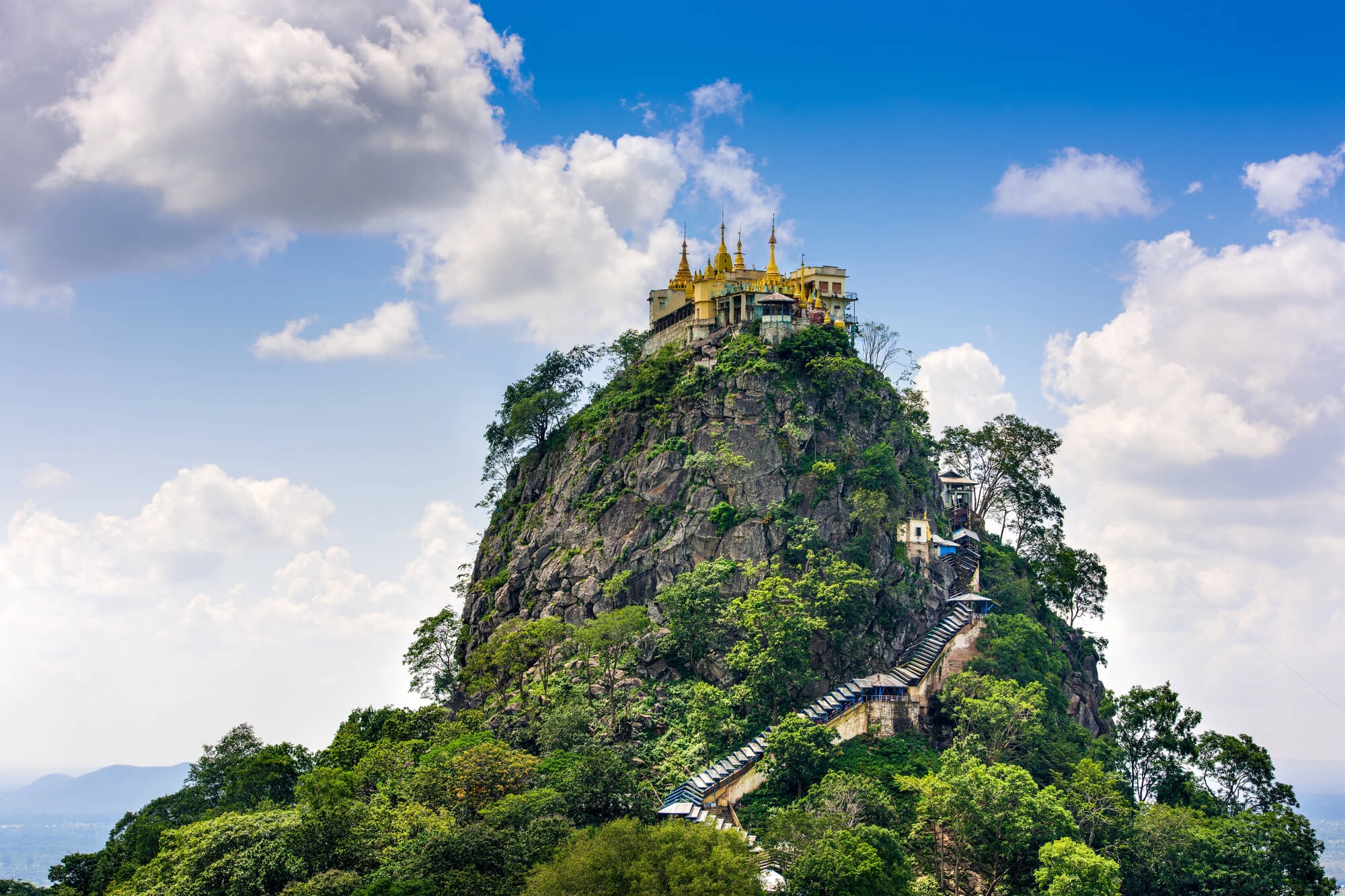
Taung Kalat is a monastery on top of a steep volcanic plug that rises sharply from the plain near Mount Popa. Visitors climb roughly 700 covered steps, sharing the route with macaques that grab food from careless hands. The mountain is believed to be home to the 37 nats, the spirits of Burmese folk religion.
Rongbuk Monastery in Tibet
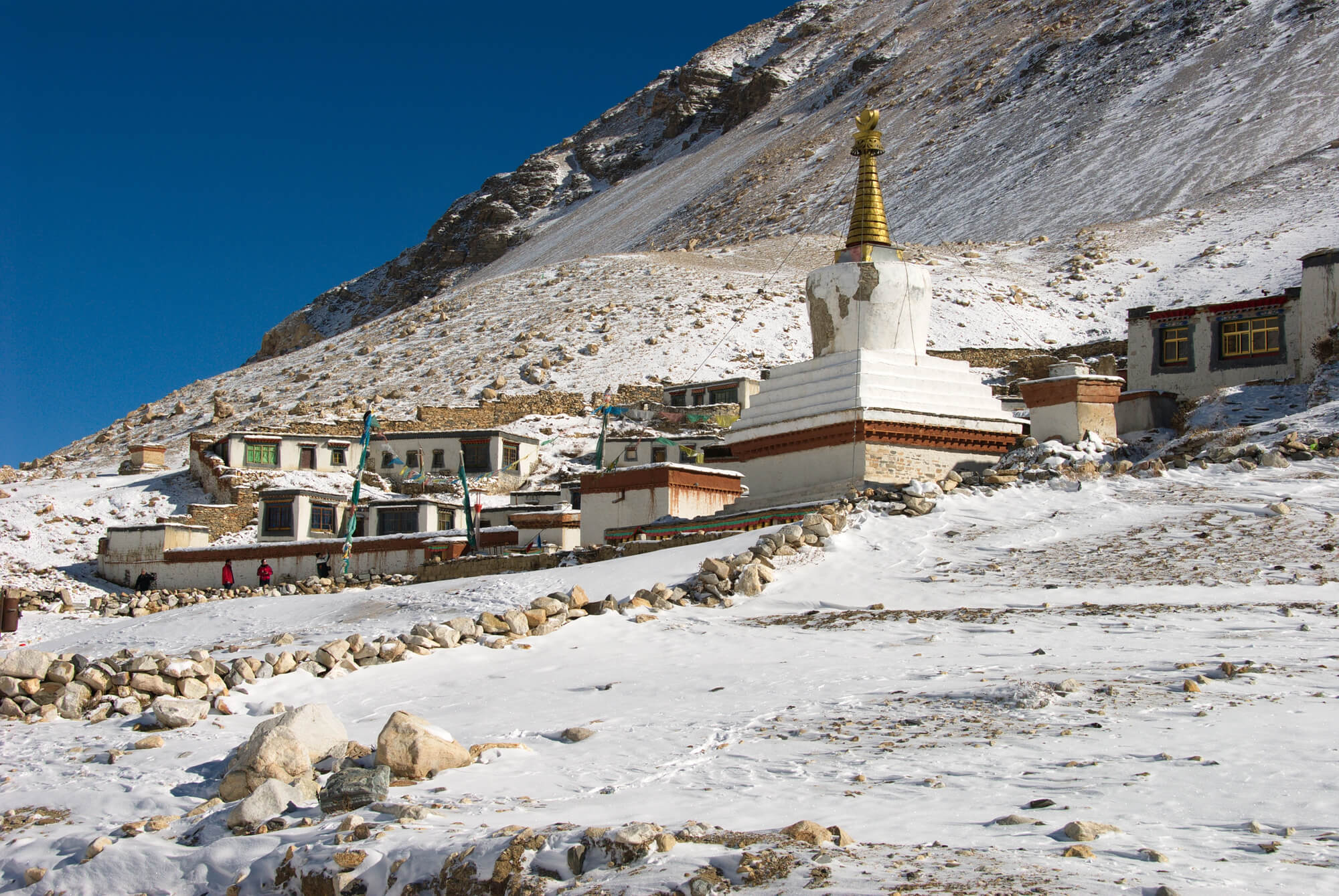
Rongbuk sits at roughly 5,000 meters, close enough to Everest that the mountain fills the horizon, and it is often described as the highest monastery in the world. It was founded in 1902 and damaged during the Cultural Revolution before partial rebuilding. British expeditions in the 1920s passed it on the way to Everest, and climbers often mention the silence.
Key Monastery in Spiti, India
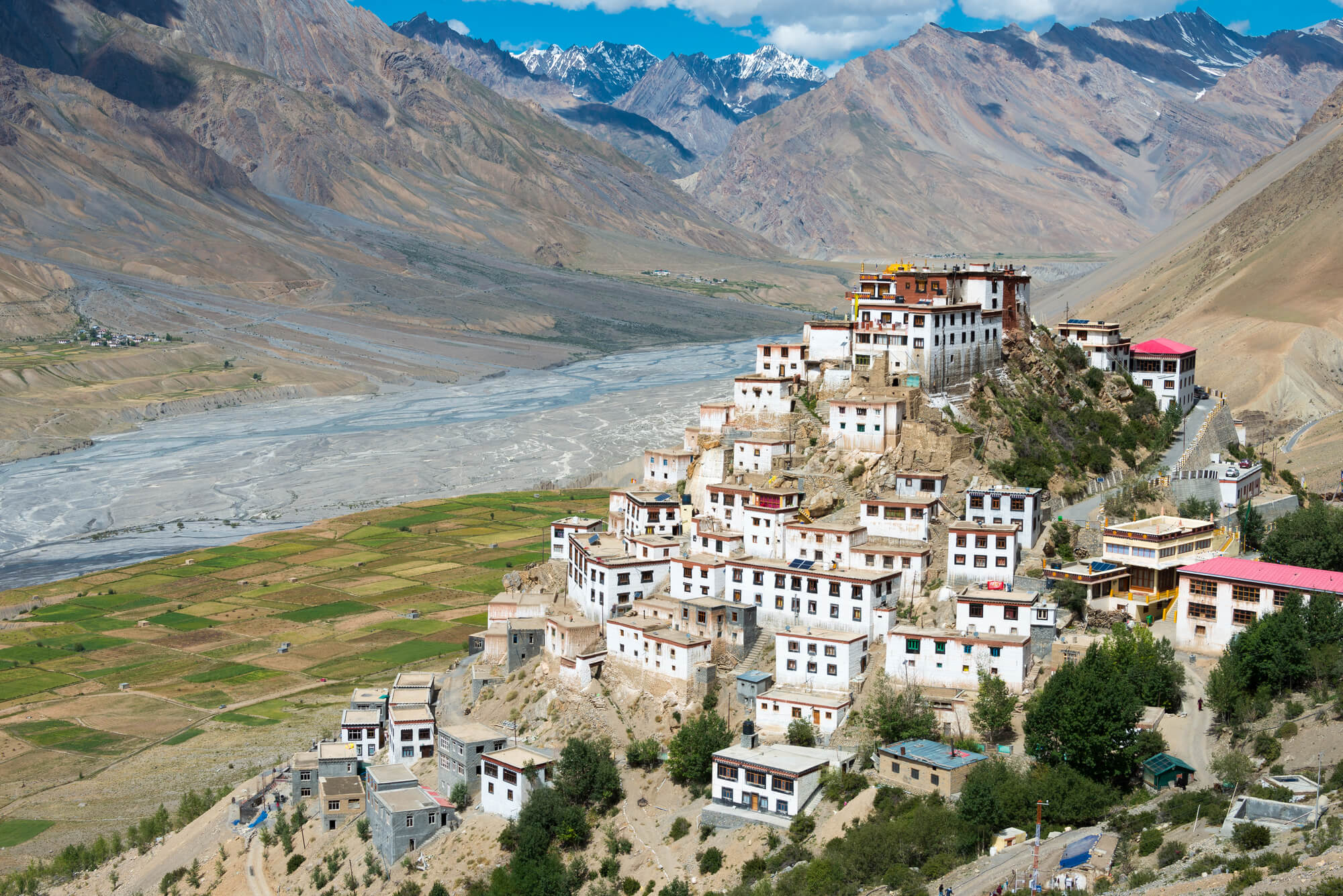
Key tops a conical hill above the Spiti River at an altitude of about 4,000 meters, with whitewashed buildings stacked like boxes. It is the largest monastery in Spiti and may date to the 11th century. Raids, fires, and an earthquake have damaged it more than once, and the monks have rebuilt it every time.
Faith at the Edge of the Map
It is tempting to read these places as acts of defiance against geography. Yet the builders were rarely trying to prove a point. They wanted isolation, a view, and a reminder that daily life could be simpler.
That explains why so many of these sites still draw visitors who are not especially religious. A steep climb strips away the noise and leaves a person with their breath and the next step. The monks understood that long before anyone invented a stairway to the top.
More from Go2Tutors!

- 27 Silver Dollars and Half Dollars Worth Keeping
- 28 Restaurant Menu Items Nobody Orders Anymore
- 17 Places Built in Seemingly Impossible Spots
- 27 Vintage Rings Worth More Than They Look
- 25 Restricted Sites Tourists Can’t Enter
Like Go2Tutors’s content? Follow us on MSN.