Origins of Idioms We Still Use Without Knowing
People throw around phrases every day without stopping to think where they came from. Someone might say they’re “barking up the wrong tree” or that they need to “bite the bullet,” and nobody bats an eye.
These expressions feel natural, like they’ve always been part of the language. But every single one has a story behind it, often from a time and place that would seem completely foreign today.
The funny thing is, most of these sayings made perfect sense when they first started. Now let’s dig into where some of these everyday phrases actually came from.
Break the ice

Vikings had a pretty straightforward problem when they wanted to trade with other countries during winter. Their ships couldn’t move through frozen waterways.
So they’d send smaller boats ahead to literally break the ice and clear a path. The phrase stuck around long after anyone needed to worry about frozen fjords.
Now it just means making a tense situation more comfortable or starting a conversation with someone new.
Butter someone up

Ancient Indians had an interesting way of trying to get what they wanted from their gods. They’d throw orbs of butter at statues of deities as offerings.
The idea was that being generous with the butter might make the gods more generous in return. These days, the butter stays in the kitchen, but people still try to win favor by being extra nice or complimentary when they want something.
Like Go2Tutors’s content? Follow us on MSN.
Let the cat out of the bag
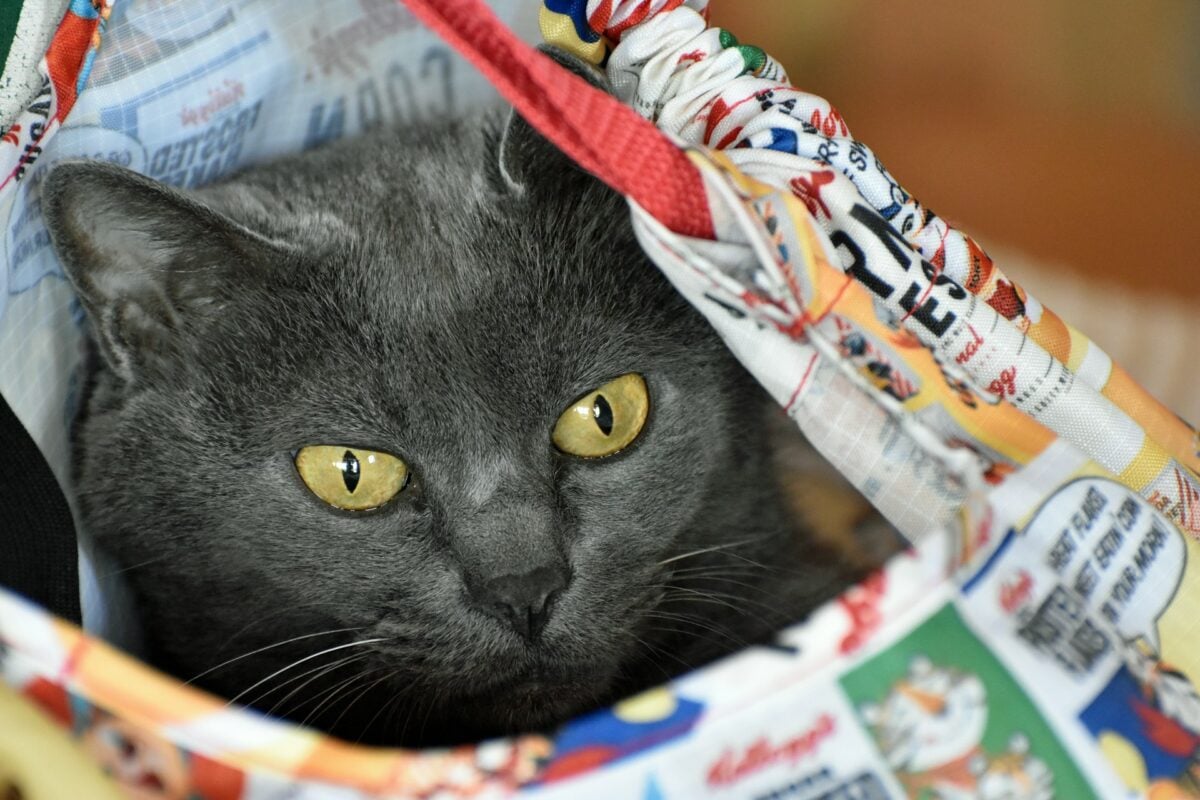
Market vendors in medieval times weren’t always honest about what they were selling. Someone might think they were buying a pig, but crooked sellers would swap it for a cat in the bag.
Once the buyer opened the bag and the cat jumped out, the secret was revealed. The phrase now means spilling information that was supposed to stay hidden, even though nobody’s getting tricked into buying cats anymore.
Cost an arm and a leg

After World War II, this phrase popped up in American newspapers and conversations. Soldiers were coming home having lost limbs in battle, and the true cost of war became impossible to ignore.
When something costs an arm and a leg today, it just means it’s really expensive. But the origins remind us that some prices can’t be measured in money.
Bite the bullet

Battlefield surgery in the 1800s happened without anesthesia. Doctors would give wounded soldiers a bullet to clamp between their teeth during operations.
The pain was intense, and biting down on something gave them a way to endure it. Now the phrase means facing something difficult or unpleasant head-on, even though modern dentists offer much better pain management options.
Like Go2Tutors’s content? Follow us on MSN.
Turn a blind eye

Admiral Horatio Nelson, a British naval commander, had lost sight in one eye during battle. During one particular fight, his superior sent a signal to retreat.
Nelson supposedly put his telescope to his blind eye and claimed he couldn’t see the signal. He went on to win the battle.
The phrase now means deliberately ignoring something, usually something you probably shouldn’t ignore.
Spill the beans

Ancient Greeks voted by dropping beans into jars. White beans meant yes, black beans meant no.
The votes were supposed to stay secret until counting time, but if someone knocked over the jar early, everyone could see how the voting was going. Today it means revealing a secret, though most secrets don’t involve legumes anymore.
Raining cats and dogs

Old houses in 16th century England had thatched roofs made of straw. Animals like cats and dogs would climb up there to stay warm.
During heavy rainstorms, the roof would get slippery and the animals would slide off and fall down. Another theory says dead animals would wash through the streets during floods, making it look like they’d fallen from the sky.
Either way, it’s a strange image for describing heavy rain.
Like Go2Tutors’s content? Follow us on MSN.
Kick the bucket

This one gets pretty dark. People who died by hanging would stand on an overturned bucket, then kick it away.
Another explanation says it comes from the beam that butchered pigs were hung from, which was called a bucket. When the animal died, it would spasm and kick the beam.
Neither origin is pleasant, but the phrase has become a casual way to talk about dying.
Saved by the bell

People in earlier centuries were terrified of being buried alive. Some coffins came equipped with a bell and string system.
If someone woke up underground, they could ring the bell and alert the graveyard watchman. The boxing world also claims this phrase, since a boxer getting pummeled could be saved when the round-ending bell rang.
Both make sense, though the coffin story is probably made up.
Paint the town red
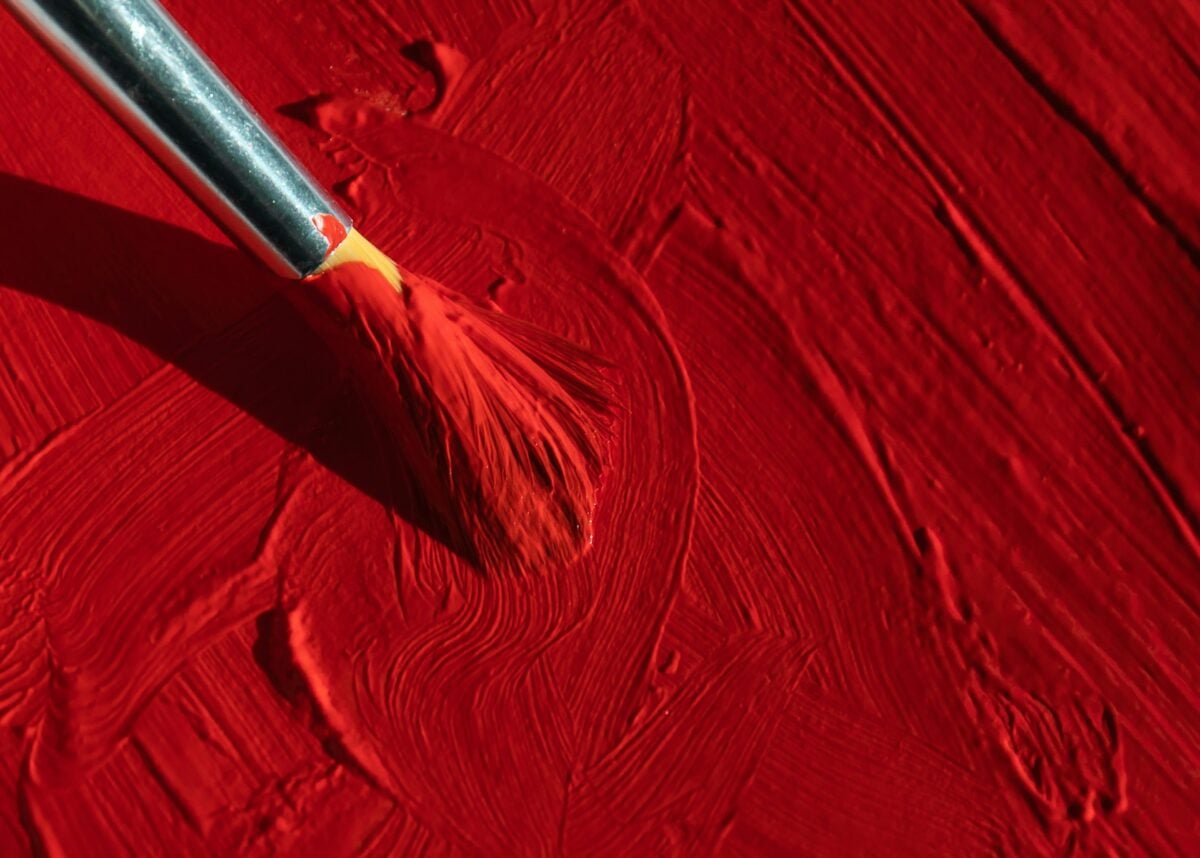
When Henry de Beresford, the Marquis of Waterford, got drunk with his friends in 1837, they went on a rampage through an English town. They literally painted doors, a tollgate, and other structures red.
The whole incident became famous, and painting the town red became shorthand for going out and having a wild time. Hopefully without the property damage these days.
Like Go2Tutors’s content? Follow us on MSN.
By and large

Sailors used this phrase to describe different wind conditions. “By” meant sailing into the wind, while “large” meant sailing with the wind behind you.
A ship that could handle both situations was reliable and versatile. The phrase shifted to mean generally or in most cases, even though most people using it have never set foot on a sailboat.
From the past into today’s words
These phrases survived because they’re useful, even when the original situations disappeared completely. Nobody breaks ice for Viking ships or gets served cold mutton as an insult anymore.
But the need to describe awkward moments, expensive things, and painful necessities hasn’t changed. Language keeps the expressions alive by pouring new meaning into old words, creating a bridge between centuries that most people cross without noticing.
Every time someone uses one of these idioms, they’re speaking a little bit of history without even knowing it.
More from Go2Tutors!

- 16 Historical Figures Who Were Nothing Like You Think
- 12 Things Sold in the 80s That Are Now Illegal
- 15 VHS Tapes That Could Be Worth Thousands
- 17 Historical “What Ifs” That Would Have Changed Everything
- 18 TV Shows That Vanished Without a Finale
Like Go2Tutors’s content? Follow us on MSN.