Vintage Wedding Dresses Selling Online
Somewhere right now, a bride is scrolling past a 1920s gown listed by a seller who has never met her. The dress has outlived its original wedding, several closets, and probably a few bad storage decisions. It still has a buy button.
Online marketplaces, auction sites, and specialty vintage shops have turned old wedding gowns into a real category with its own vocabulary. Shoppers learn quickly that the era on the tag matters less than what the fabric has endured since.
Edwardian Lace Gowns From the Early 1900s
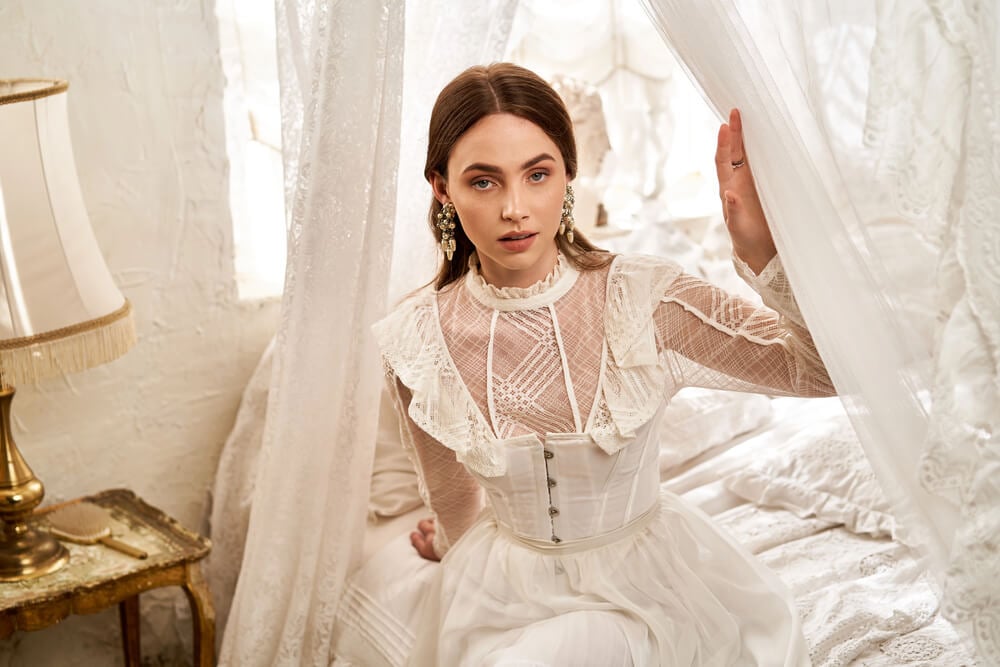
Antique dealers regularly list Edwardian wedding dresses from the early 1900s, often described in terms of silk bodices, lace overlays, and tape lace construction. The lace is usually the star, since handmade or early machine-made lace can be remarkably sturdy compared with the silk lining underneath it.
That mismatch is the catch, because a lace layer that looks perfect can sit on a foundation that tears under its own weight. Value depends heavily on condition, including yellowing, repairs, missing pieces, and whether the dress can be worn or only displayed.
Victorian Silk Gowns and the Problem of Shattering
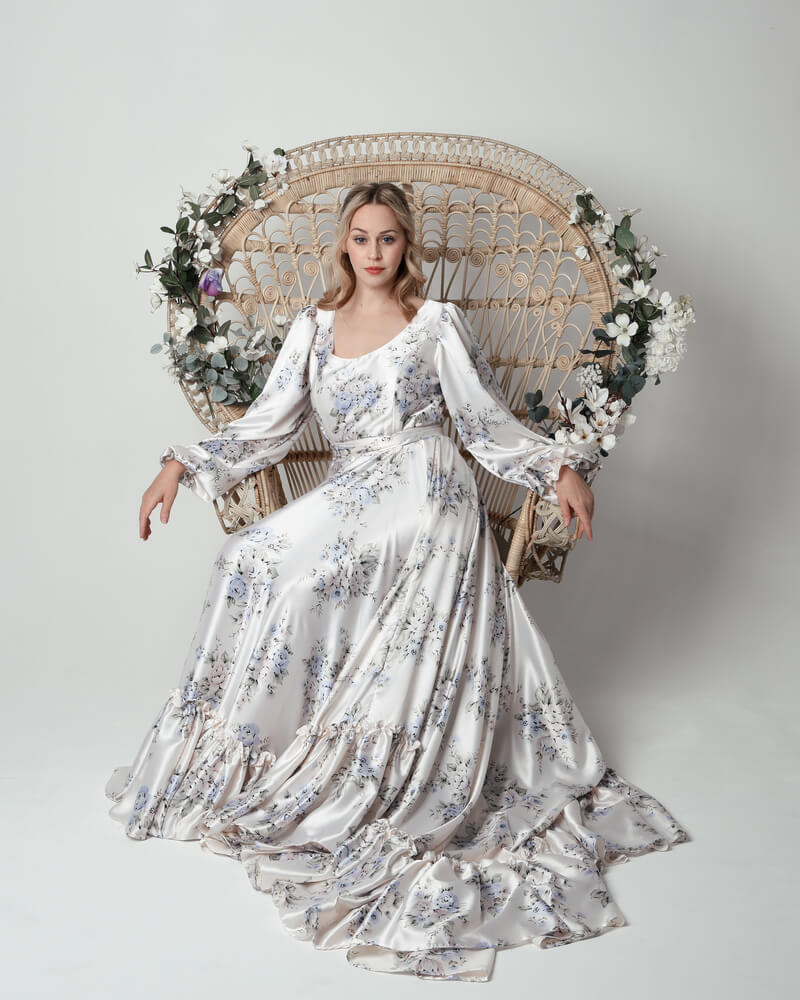
White weddings took hold in the Victorian era after Queen Victoria married in a white dress in 1840, which is why antique silk wedding gowns still turn up for sale. Many of these dresses were made with weighted silk, a process that added metallic salts to make the fabric feel heavier and richer.
Over the decades, that treatment can cause the fabric to split along folds and seams, a condition collectors call shattered silk. A Victorian gown with intact fabric commands far more interest than a visually similar one that cracks when touched, and original details, repairs, and any previous alterations all shape what a buyer will pay.
Titanic-Era Gowns From Around 1912
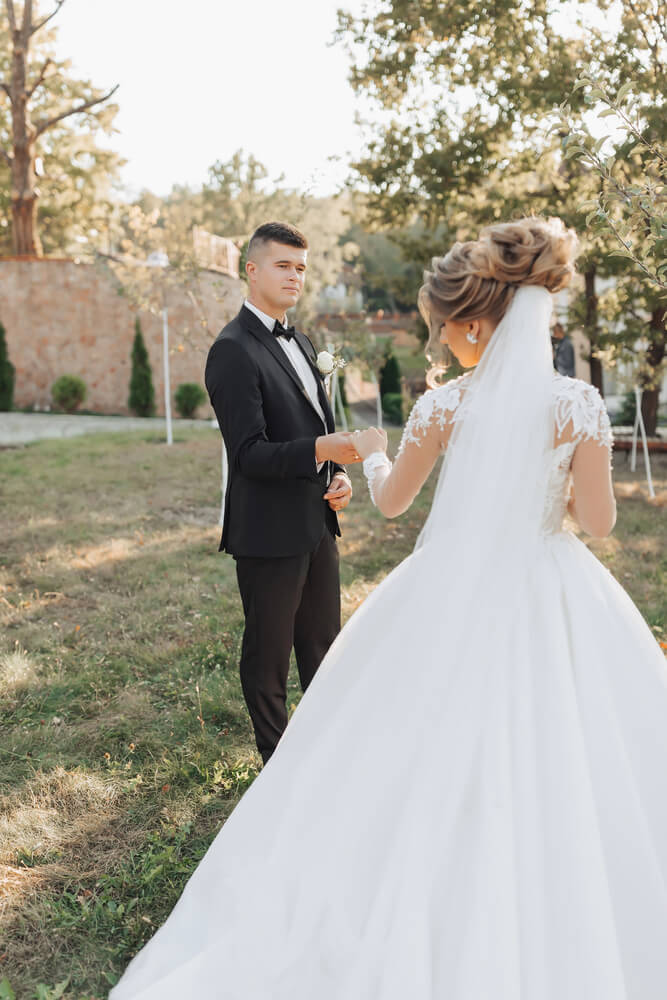
Sellers of antique clothing use the phrase Titanic era for dresses from roughly the early 1910s, and wedding gowns from that period are listed under exactly that label. The look is softer than the corseted silhouettes before it, with higher waists, delicate lace, and light silk layers.
The name is marketing, but the construction is real, and the fragile materials of the period mean that stability matters more than silhouette. Stains, underarm damage, brittle silk, and later alterations can all separate a display piece from a dress that can survive a wedding day.
1920s Beaded Flapper-Era Wedding Dresses
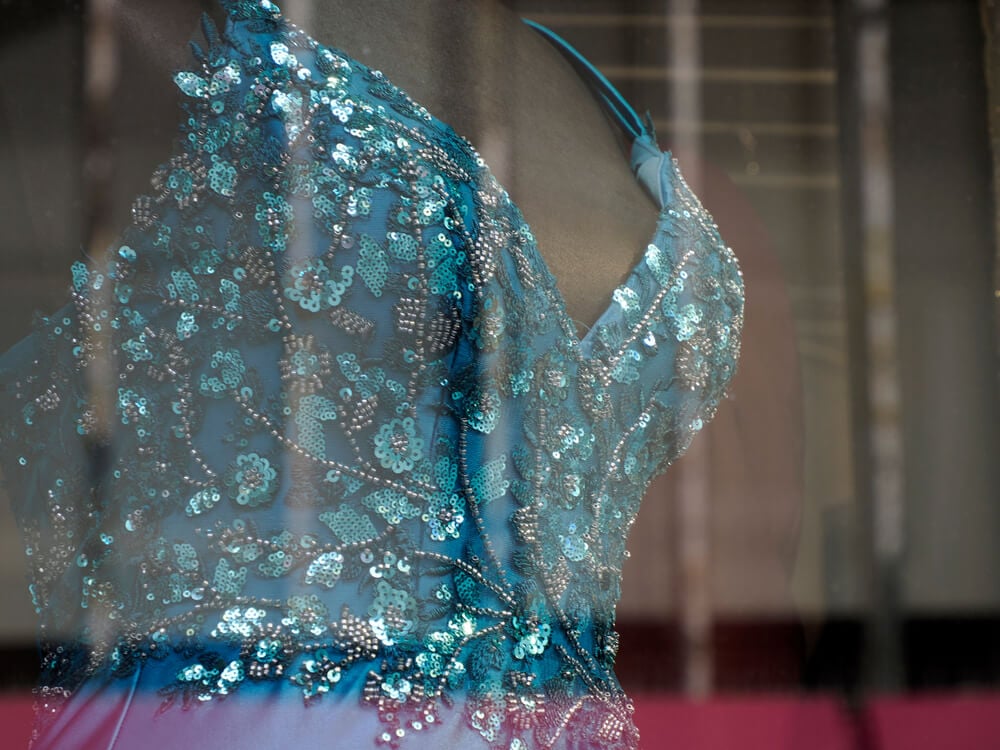
Listings for 1920s beaded dresses are everywhere on luxury resale platforms, and the wedding versions share the same drop-waist shape and glass bead work as the party dresses of the decade. Silk chiffon and georgette were common, which gives these dresses their movement and also their vulnerability.
Heavy beading on lightweight fabric tugs at the cloth, so a dress can look dazzling on a hanger and still be structurally tired. Loose or missing beads, torn netting, and weak shoulder seams all affect value, and a dress that has been stored folded may carry permanent creases.
1930s Bias-Cut Satin and Vionnet-Inspired Gowns
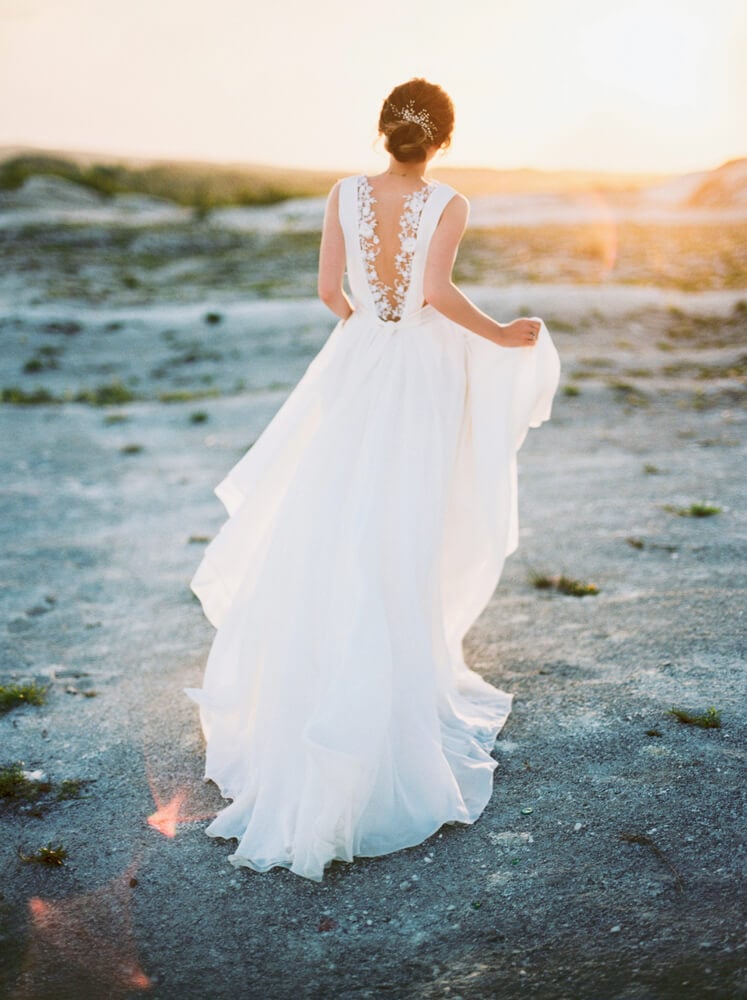
Madeleine Vionnet is closely associated with the bias cut, a technique in which fabric is cut diagonally across the grain so it drapes and clings along the body. Online sellers list 1930s bias-cut gowns, including adaptations that reference Vionnet’s designs, and the satin versions tend to photograph beautifully.
The same stretch that gives the dress its fluid line can also make it distort over time, especially if it was hung rather than stored flat. Condition questions include sagging hems, stretched seams, water marks on satin, and whether any original label supports the claims in the listing.
1940s Parachute Silk Wedding Dresses
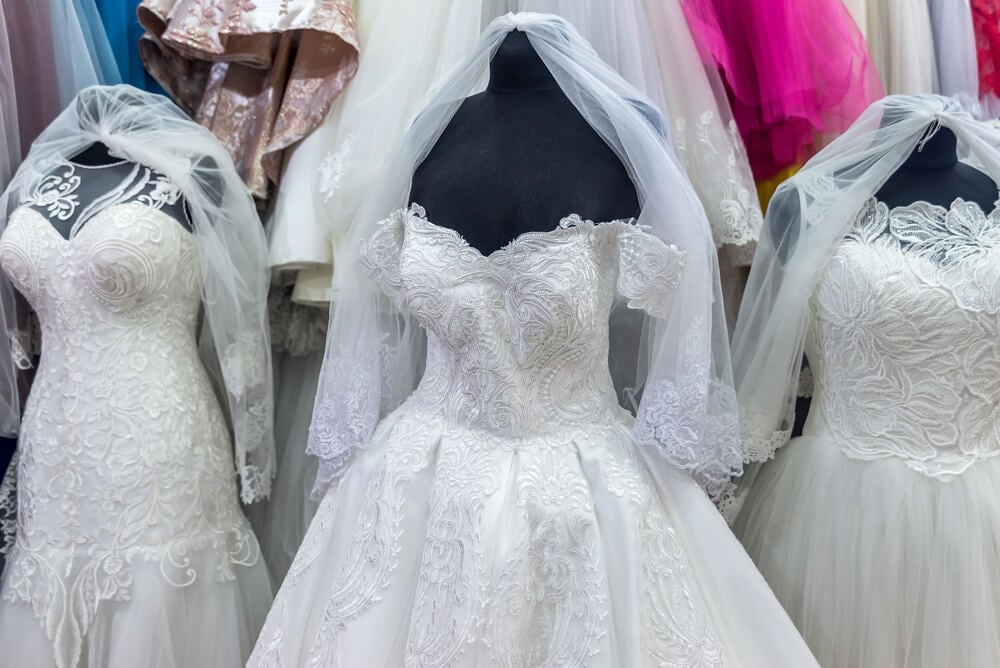
During and after World War II, some brides had wedding dresses made from parachute silk, a material that was often easier to find than conventional bridal fabric. Stories of these gowns circulate widely, and original examples appear in museum collections and occasionally in the resale market, usually with a family history attached.
Rayon crepe and other wartime-era fabrics also show up in 1940s bridal listings. Since the materials were improvised and the sewing was often done at home, condition varies enormously, and provenance can matter as much as the dress itself.
1950s Dior New Look Silhouettes
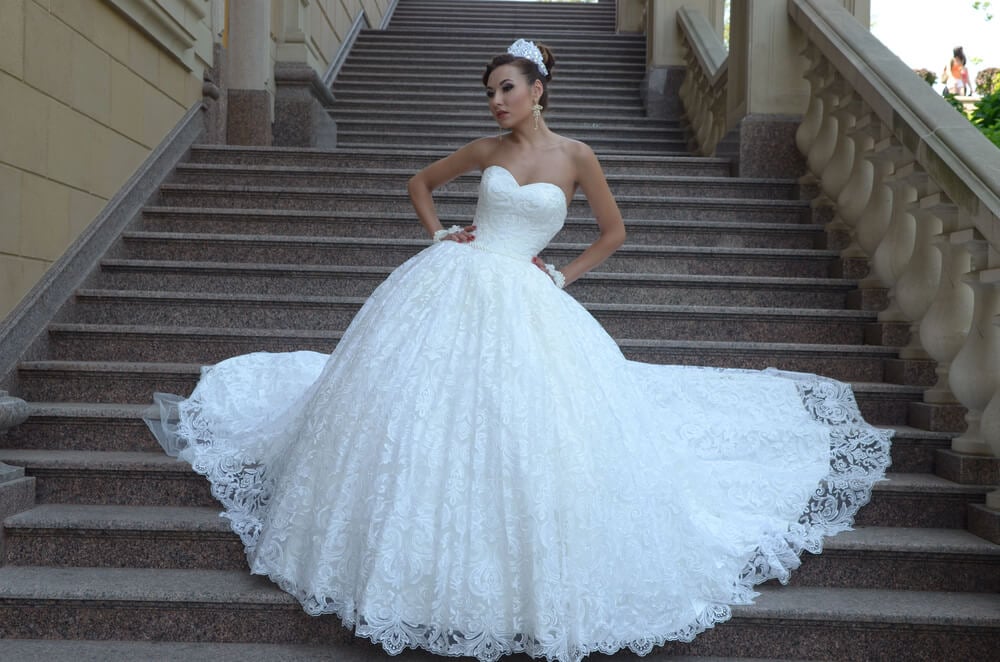
Christian Dior’s New Look defined postwar fashion with a fitted bodice, narrow waist, and a skirt full enough to demand layers of petticoats underneath. Resale platforms list 1950s pieces labeled Dior in the New Look style, and the wedding market borrows the same shape for countless other makers.
A genuine Dior label changes the conversation entirely, but only if the label, construction, and history all line up. Value depends on condition, including the stability of the silk, waist alterations, and the integrity of internal boning and petticoat structure.
1950s Tea-Length Wedding Dresses
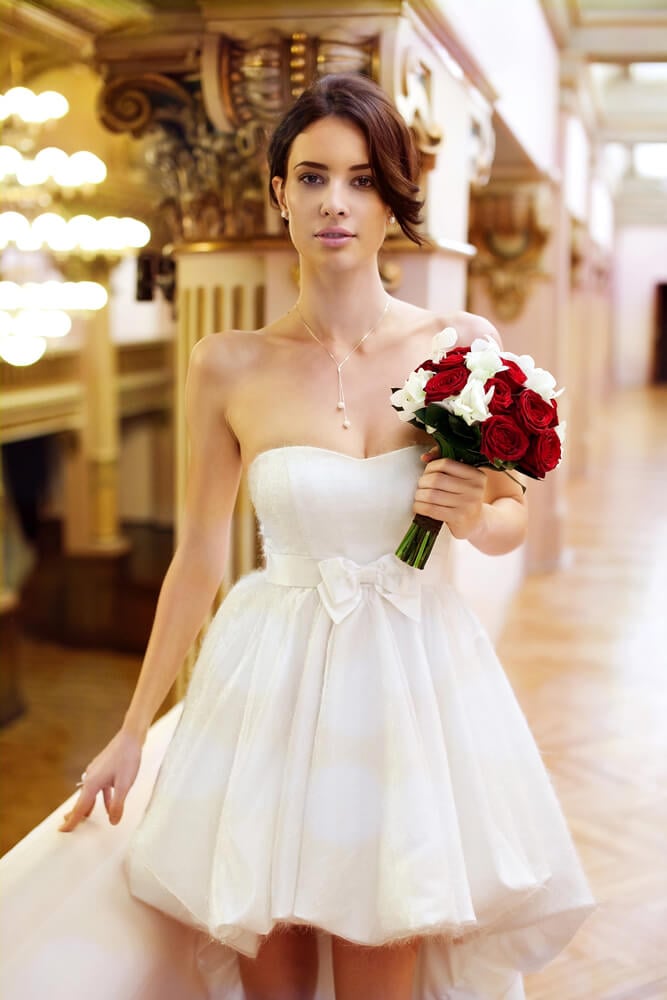
Not every 1950s bride wore a train. Tea-length wedding dresses, with hemlines landing between the knee and the ankle, were a major style of the decade and remain popular with vintage shoppers who want a dress that is easy to move in.
Online listings range from cream lace versions to satin and tulle designs, and many are far more wearable today than long gowns of earlier eras. Condition still sets the price, with yellowing at the hem, tulle that has gone stiff, and zippers that no longer cooperate all affecting what the dress is worth.
Ann Lowe and the 1953 Kennedy Wedding Dress
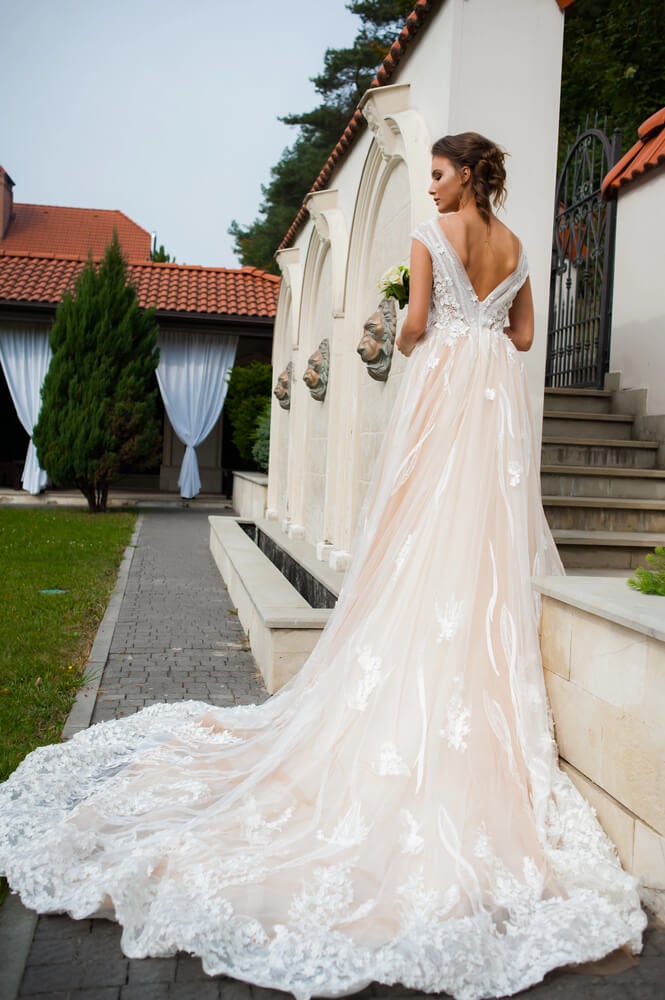
Ann Lowe, the Black designer behind Jacqueline Bouvier’s 1953 wedding dress, remains one of the most important names in American bridal history. The dress was made for her marriage to John F. Kennedy, and a flooded workroom days before the ceremony forced Lowe to remake it.
Her name rarely appears in the mass resale market, so any gown credibly attributed to her would be exceptional, and authentication would matter more than anything else. As with every vintage dress, fabric stability, alterations, and surviving labels would shape its value, but the documentation could outweigh all of them.
Priscilla of Boston Gowns
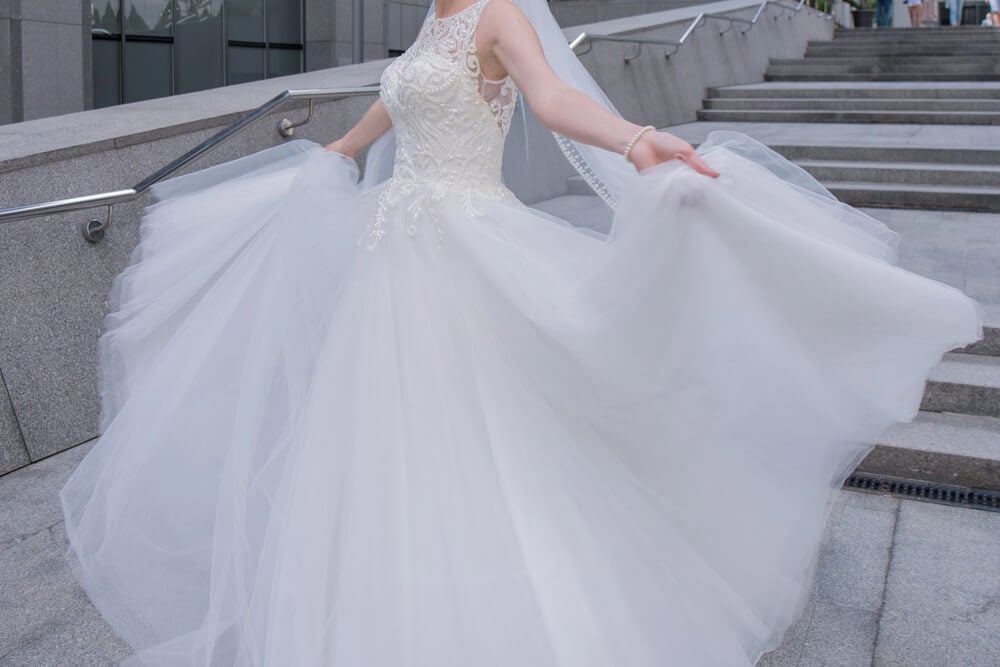
Priscilla of Boston was one of the best-known American bridal labels for much of the twentieth century, and its dresses still circulate on resale sites, including 1970s examples in cotton and lace. The brand was later part of a retail story that ended with the closing of its boutique, which gave older dresses a collectible edge.
Vintage Priscilla pieces are easiest to value when the label is intact and the dress retains its original shape. Yellowing, altered hems, damaged lace, and replaced buttons all push the price down.
Givenchy Wedding Gowns
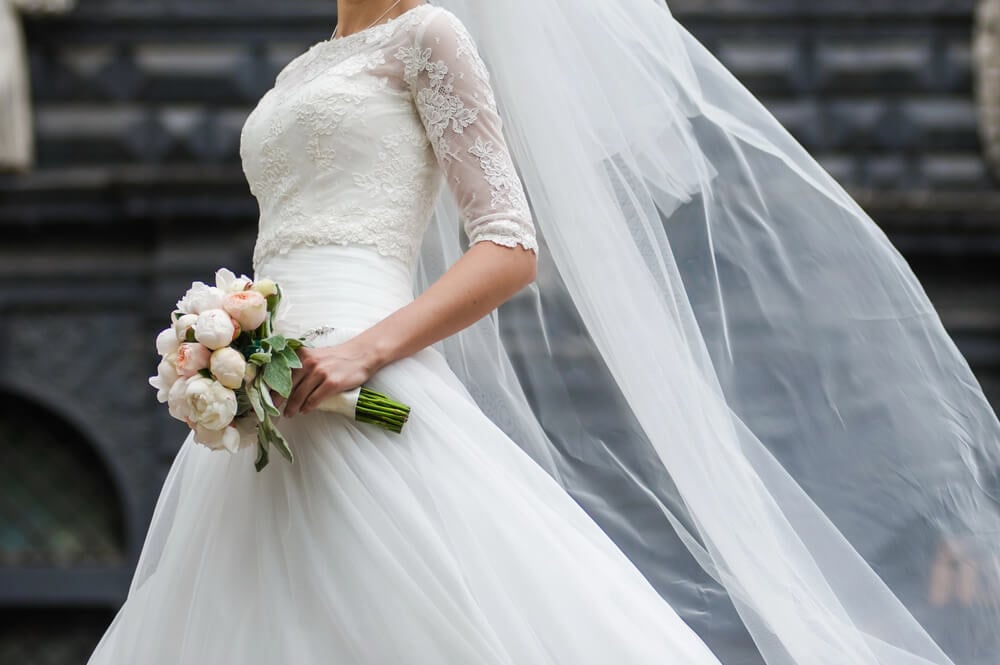
Hubert de Givenchy built his name on clean lines and precise tailoring, and wedding dresses from his house appear in museum collections and in the resale market. A Givenchy couture gown can be priced very differently from a ready-to-wear dress, and the label alone does not settle which one a buyer is looking at.
The restraint that makes his designs elegant also leaves little ornament to hide flaws. Condition is therefore critical, from fabric discoloration to seam damage and any tailoring changes made for a later owner.
Balenciaga Haute Couture Bridal Pieces
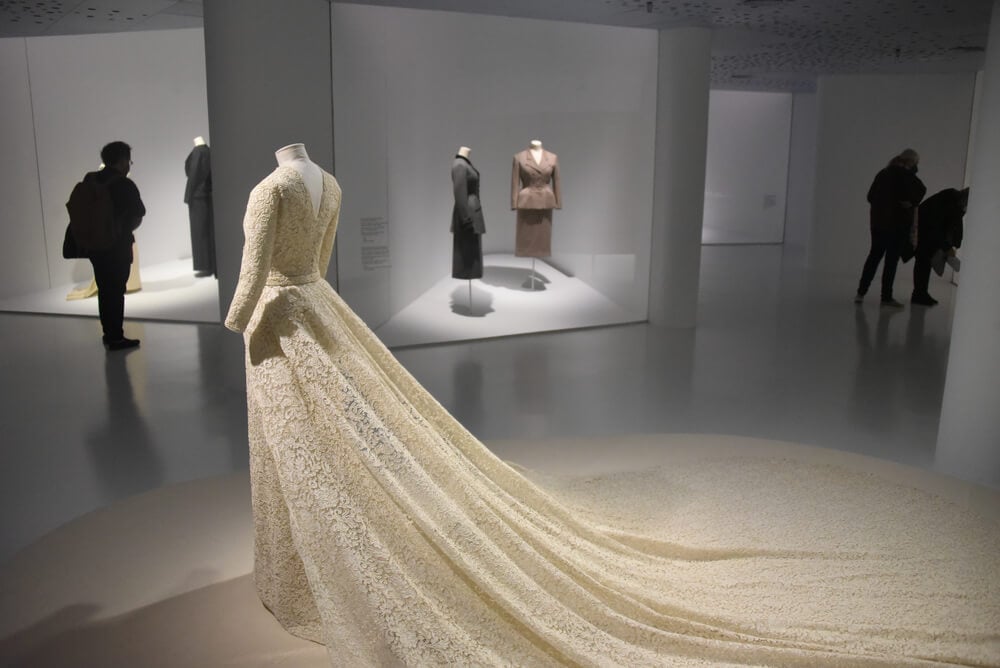
Cristobal Balenciaga’s haute couture dresses from the 1960s regularly appear on luxury vintage platforms, and his work is known for sculptural shapes that seem to float away from the body. Wedding gowns from his house are rarer than evening dresses, which makes any listing claiming one worth close inspection of labels and records.
The heavy, structured fabrics can hold up well, but linings, hems, and underarms often tell the real story. Alterations can erase the architecture that made the dress valuable in the first place, so condition and originality drive the price.
1960s Mod Short Wedding Dresses
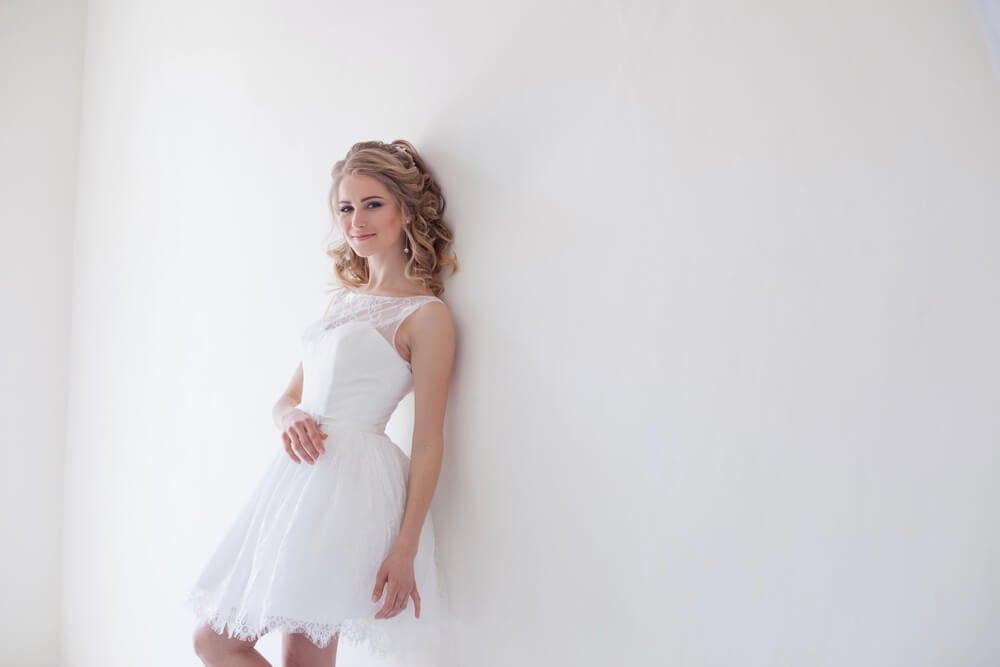
By the 1960s, some brides abandoned the long train altogether for short, boxy dresses that looked closer to a fashionable day dress than a traditional gown. Online sellers list these mod-era pieces in cream lace, crepe, and other fabrics, often paired with headpieces that now have collectors of their own.
The shorter length makes them easier to wear again and cheaper to ship, which helps explain their steady presence in vintage shops. Value still depends on condition, including stains, fading, worn lace, and whether the original lining and labels survived.
Gunne Sax by Jessica McClintock
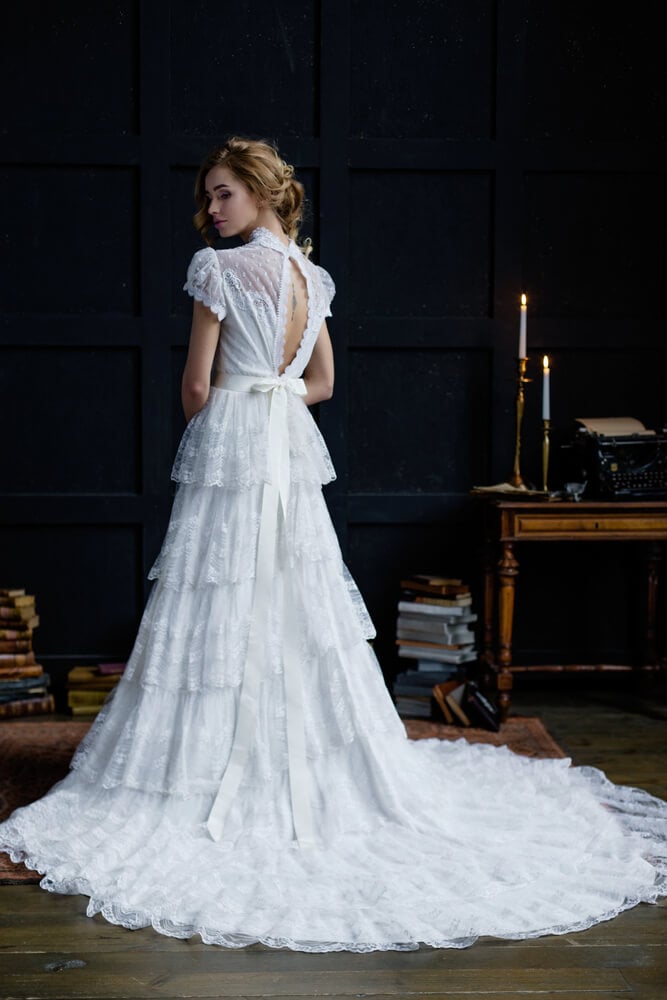
Gunne Sax dresses, designed by Jessica McClintock, became a signature of 1970s fashion, with their prairie-style romance, lace trim, and high necklines. Vintage shoppers search for them as wedding dresses even though many were sold as casual or party wear, and the cottagecore revival has made them easy to find online.
The cotton and lace used in many designs can be forgiving, but laundering, yellowing, and old zippers can still cause problems. Original labels and untouched trim help a seller prove authenticity, and alterations tend to lower value.
Laura Ashley Cotton Wedding Dresses
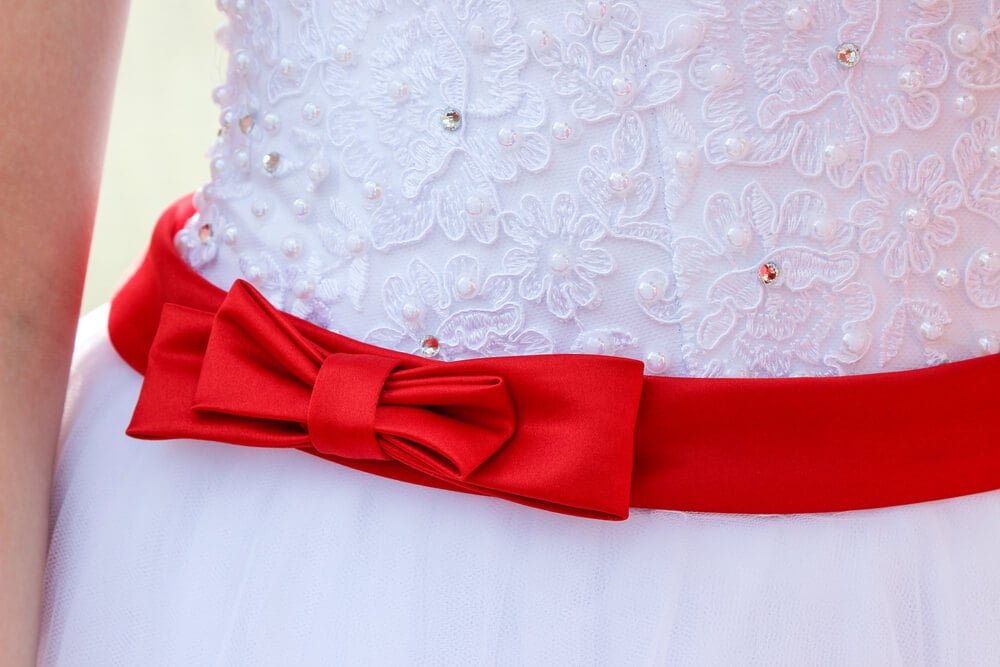
Laura Ashley became synonymous with romantic, countryside-inspired women’s wear in the 1970s and 1980s, and its dresses are held in museum collections, including the Victoria and Albert Museum. Online vintage sellers have listed documented Laura Ashley white cotton wedding dresses, a reminder that a bridal gown does not need silk or satin to be desirable.
Cotton is sturdier than many older bridal fabrics, but it can still discolor, stain, and weaken at the seams. Labels, original buttons, and unaltered hems matter to collectors, and a well-preserved dress can be worth considerably more than a worn one.
What the Fabric Remembers
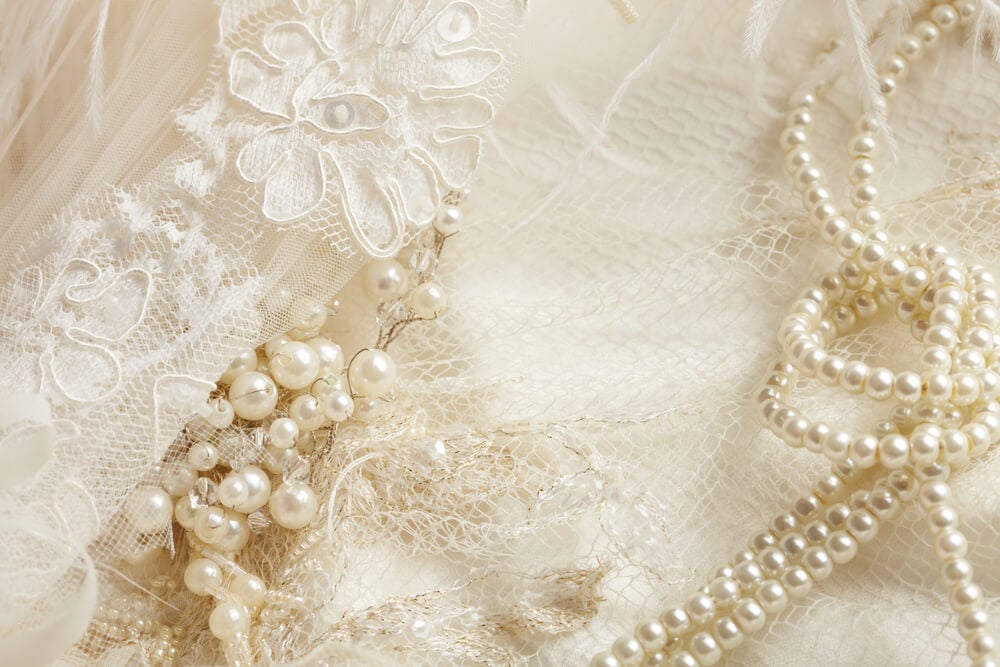
Every dress in this list is selling something other than fabric: a decade, a designer, a story about who wore it and why. That story is persuasive, but it is also the least reliable part of the listing. The thread count, seam strength, and label can be examined directly, while family legend and hopeful descriptions cannot.
The smartest shoppers treat condition as the first question rather than the last. A shattered silk bodice, a stretched bias seam, or a yellowed hem can erase the appeal of even the most famous name. The dresses that sell best online are often the ones that arrive looking like they have been looked after.
More from Go2Tutors!

- 27 Silver Dollars and Half Dollars Worth Keeping
- 28 Restaurant Menu Items Nobody Orders Anymore
- 17 Places Built in Seemingly Impossible Spots
- 27 Vintage Rings Worth More Than They Look
- 25 Restricted Sites Tourists Can’t Enter
Like Go2Tutors’s content? Follow us on MSN.