15 Photographs Newspapers Refused to Print
Editors have always understood that a single image can do what pages of text cannot. That power is exactly why so many of the most consequential photographs of the last century spent months, years, or decades locked in a drawer before anyone outside a newsroom ever saw them.
The following images were not lost or forgotten. They were deliberately withheld, and the arguments over whether to run them tell their own story about what a given era was willing to look at.
Three Americans at Buna Beach
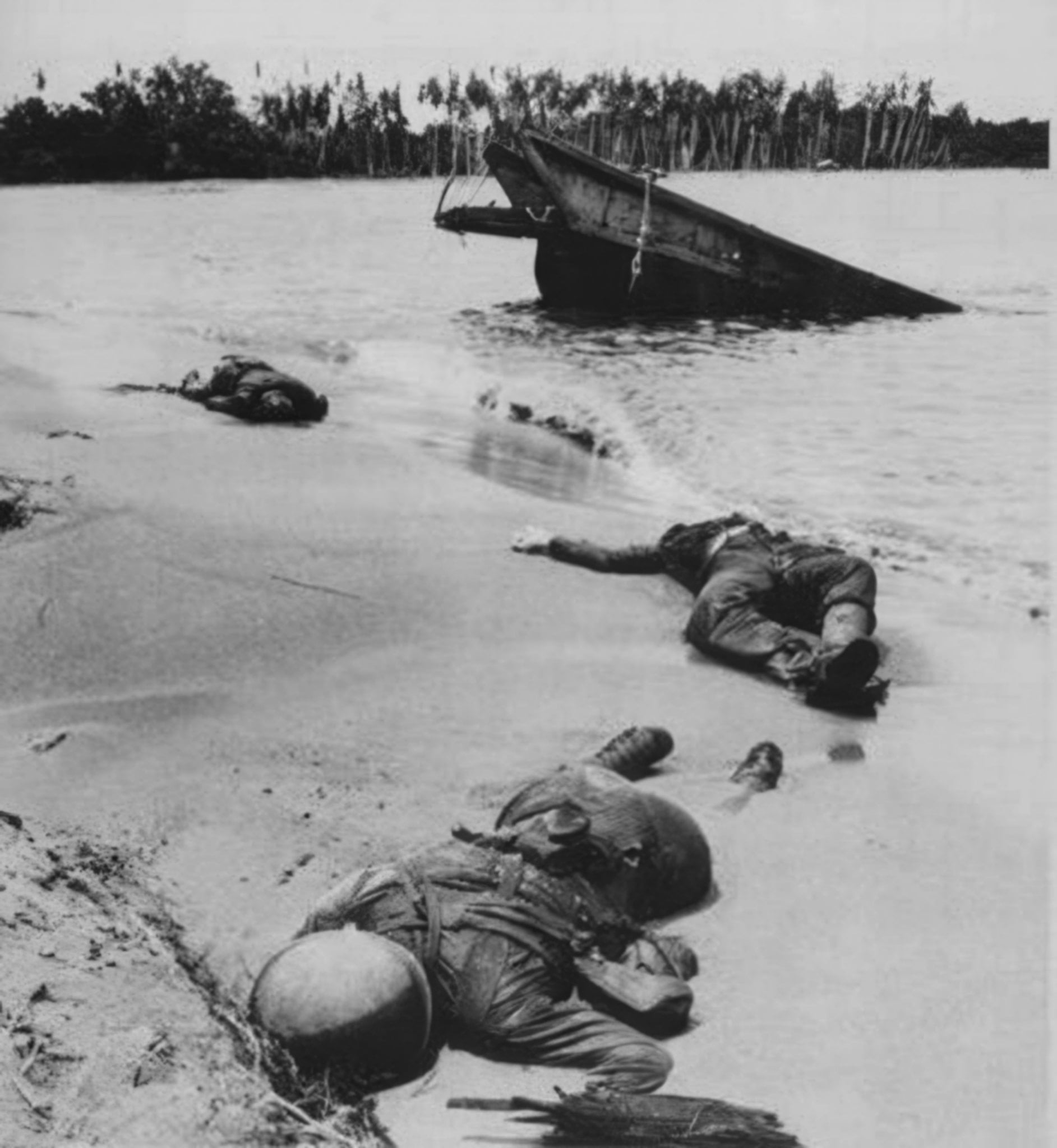
George Strock’s 1943 photograph of three dead American soldiers on a New Guinea beach was the first image of fallen US troops the government allowed into print during the Second World War. For nine months the Office of Censorship blocked its publication on the grounds that it would damage morale.
Life magazine’s editors argued the opposite, that a complacent public needed to see the cost of the war, and the matter was eventually settled by President Roosevelt himself, who approved its release in September 1943.
The My Lai Massacre Photographs
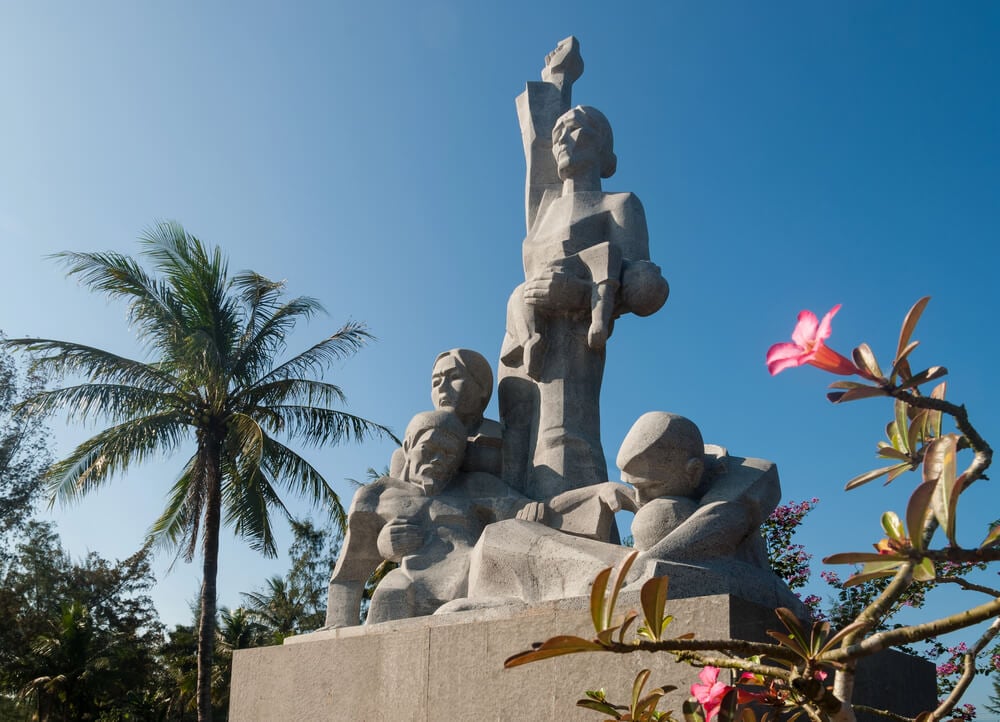
Army photographer Ronald Haeberle documented the killing of Vietnamese civilians by US soldiers at My Lai in 1968, but his most damning images stayed out of public view for more than a year. They surfaced only after journalist Seymour Hersh’s reporting forced the military’s internal investigation into the open, and Haeberle’s color photographs ran in Life in December 1969, reshaping American opinion of the war almost overnight.
The Napalm Girl Transmission
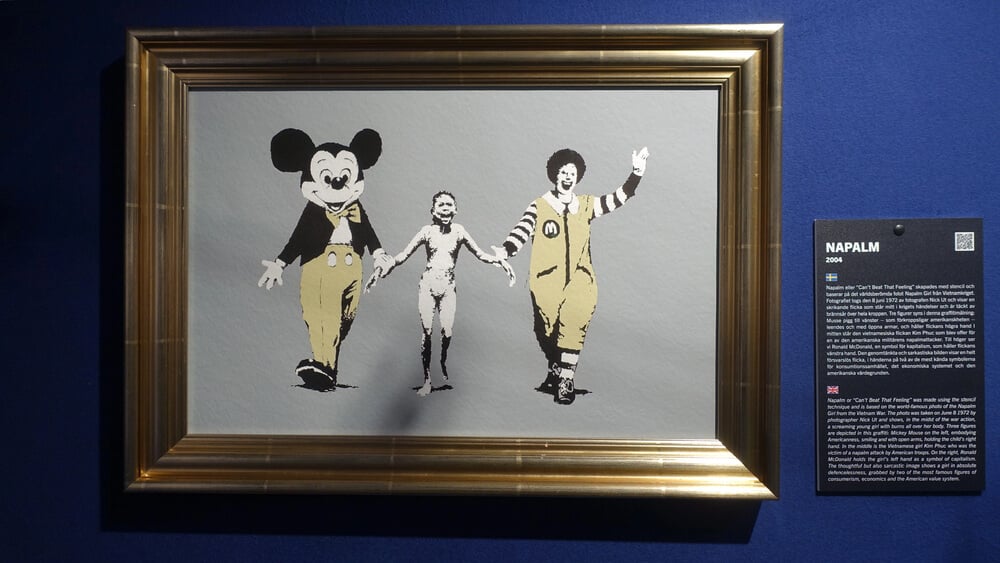
Associated Press editors nearly killed Nick Ut’s 1972 photograph of children fleeing a napalm strike in Vietnam because it showed an unclothed nine-year-old girl, a violation of the wire service’s standing policy. A senior editor overruled the objection, arguing the image’s news value outweighed the policy, and the photograph transmitted anyway, going on to win the Pulitzer Prize the following year.
The Highway of Death Soldier
Photographer Kenneth Jarecke’s 1991 image of an incinerated Iraqi soldier in his vehicle during the Gulf War was submitted to nearly every major American publication and turned down by all of them. Editors called it too graphic for readers over their morning coffee.
The British paper The Observer ran it on its front page that March, and it later became one of the most reprinted images of the conflict specifically because so few Americans had been allowed to see it at the time.
Hiroshima Under Occupation
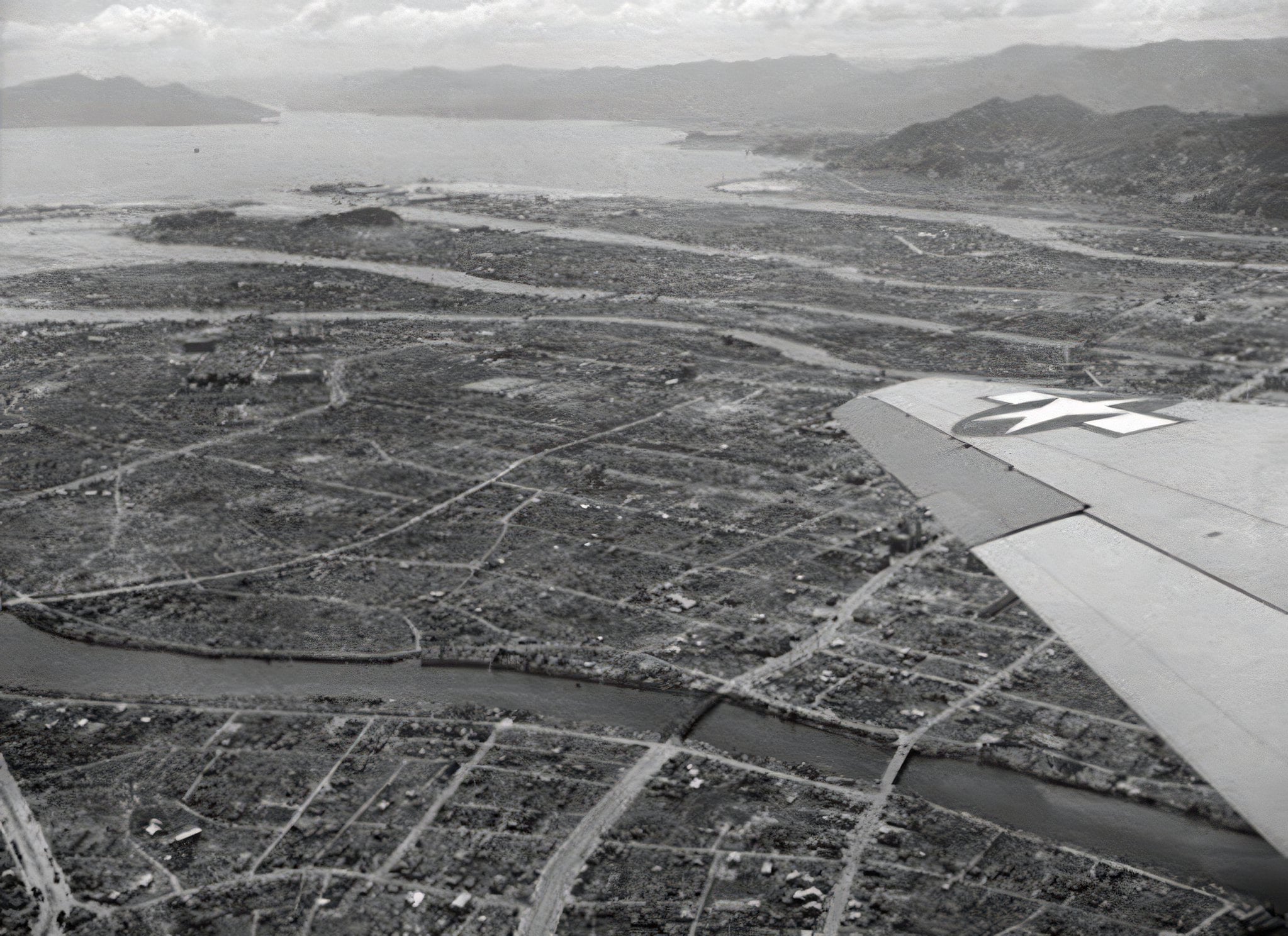
Photographs documenting the human toll of the atomic bombing of Hiroshima were suppressed inside Japan for years after the war, as occupation authorities restricted images and film footage that showed the bomb’s effects on survivors. Much of the visual record did not reach Japanese newspapers or the wider public until restrictions eased in the early 1950s, by which point the war had been over for the better part of a decade.
Flag-Draped Coffins
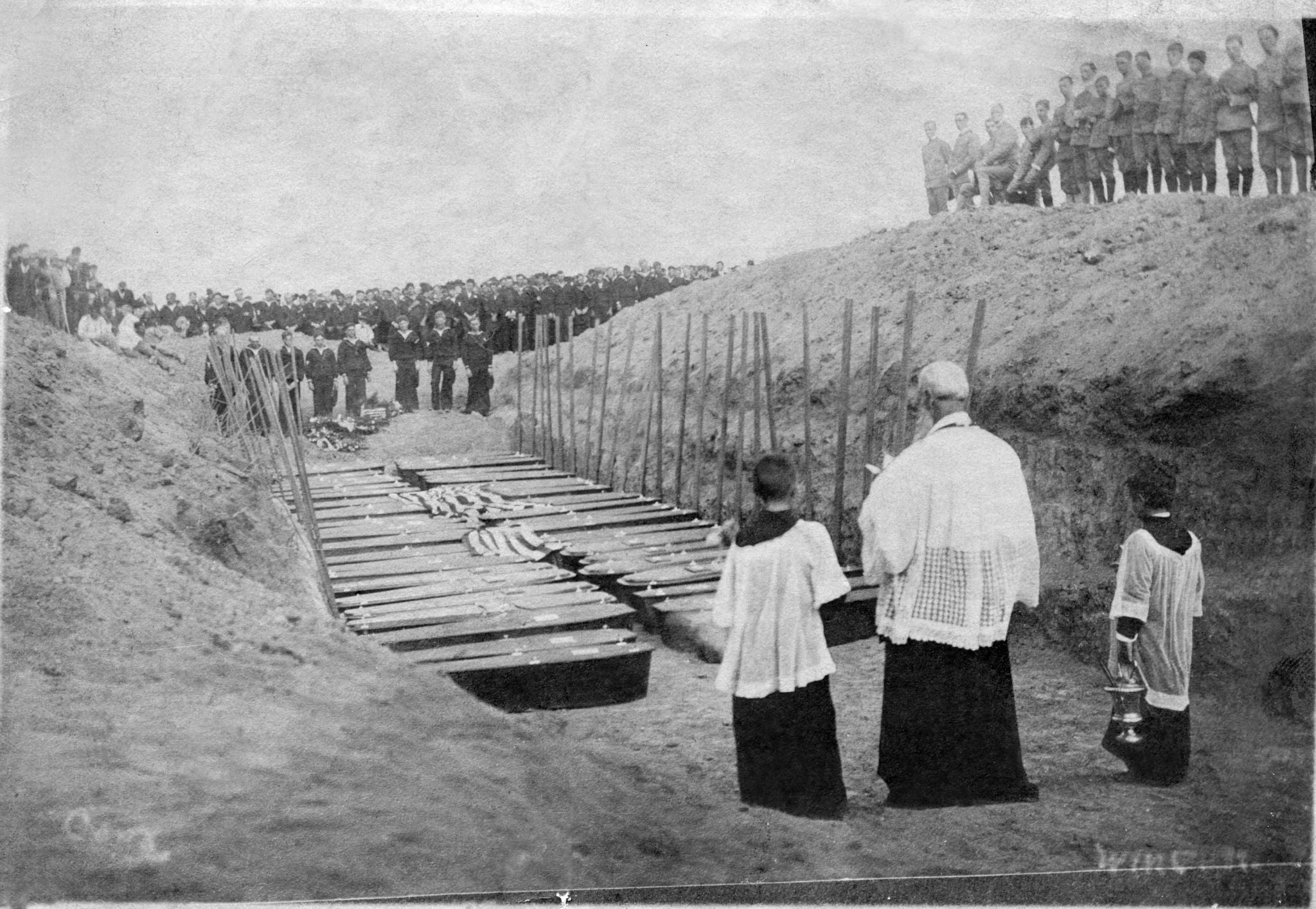
Starting in 1991, the Pentagon enforced a policy barring news photographers from capturing the arrival of flag-draped caskets returning from combat zones at Dover Air Force Base. The ban held through two wars in Iraq and Afghanistan and covered thousands of homecomings that families and journalists alike were told they could not photograph.
It was finally lifted in 2009, after eighteen years, when the Department of Defense left the decision to each fallen service member’s family.
A Severed Hand on September 11

Photographer Todd Maisel’s image of a victim’s hand amid the wreckage of the World Trade Center ran in only one publication, the New York Daily News, while every other major outlet in the country chose not to print it. The collective decision became a case study in newsroom ethics, cited for years afterward in debates about how much of a disaster’s physical reality a front page should show.
The Elián González Raid

Associated Press photographer Alan Diaz captured federal agents seizing six-year-old Elián González from a Miami relative’s home at gunpoint in April 2000, a frame widely regarded as a lock for the Pulitzer Prize it later won. Several of the country’s largest papers still declined to run it on their front pages the next morning, judging the image of an armed agent looming over a frightened child too incendiary for that placement.
Birmingham’s Buried Archive
Thousands of photographs documenting the civil rights movement in Birmingham, Alabama, sat undisturbed in a storage closet at the Birmingham News for decades after they were taken in the 1950s and 1960s. A former intern discovered the boxes in 2004, and historians who later reviewed them concluded that editors at the time had judged many of the images too damaging to the city’s reputation to run.
The paper finally published a selection in a special retrospective section in 2013.
The Death of a Princess
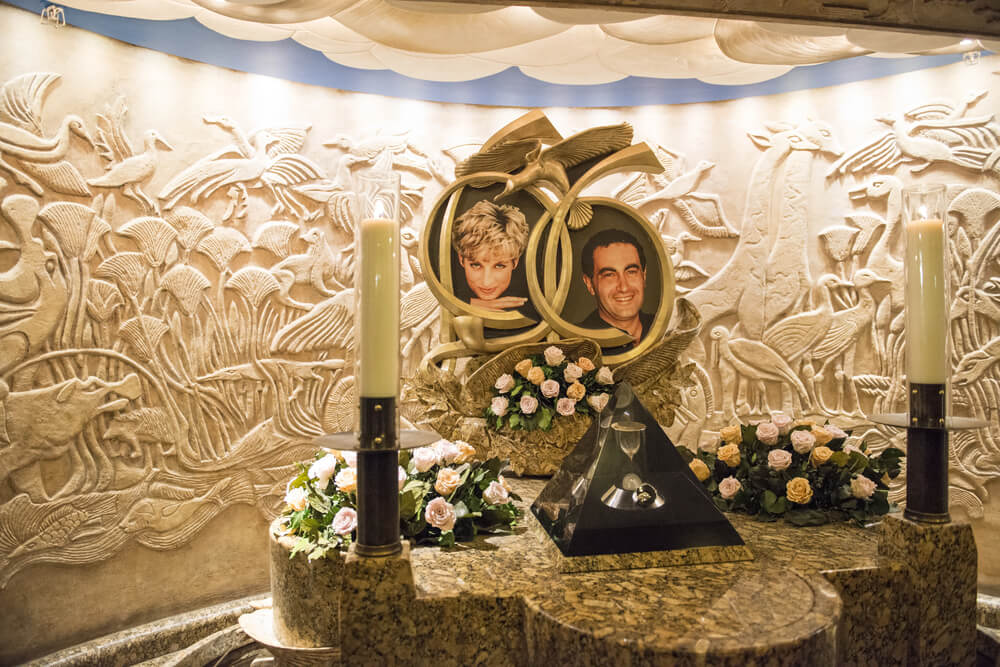
When Diana, Princess of Wales, was killed in a Paris car crash in 1997, photographers on the scene captured images inside the wrecked vehicle before emergency crews arrived. British and French news organizations largely agreed among themselves not to publish those photographs out of respect for the circumstances, an informal consensus that held even as tabloids elsewhere debated whether to break it.
Auschwitz Through the Lens of Liberation
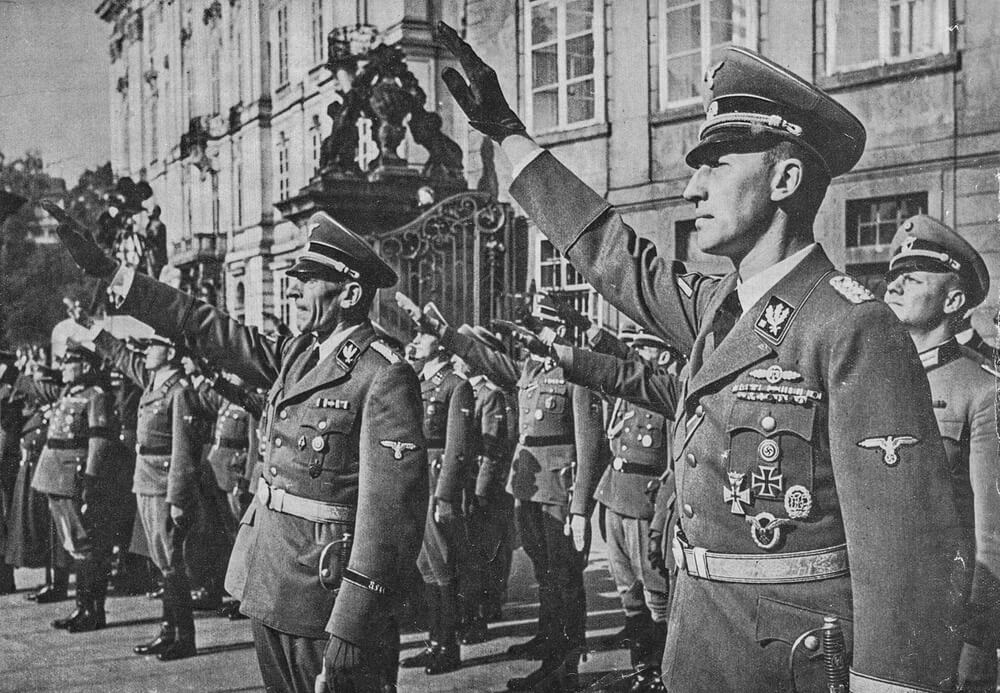
When Soviet and Allied forces reached Nazi concentration camps in 1945, military photographers documented conditions that went well beyond what most newspapers were willing to print. Editors on both sides of the Atlantic held back the starkest images, reasoning that readers needed to know what had happened without being shown its full physical detail, and many of the most graphic photographs did not circulate widely until decades later.
Frame 313
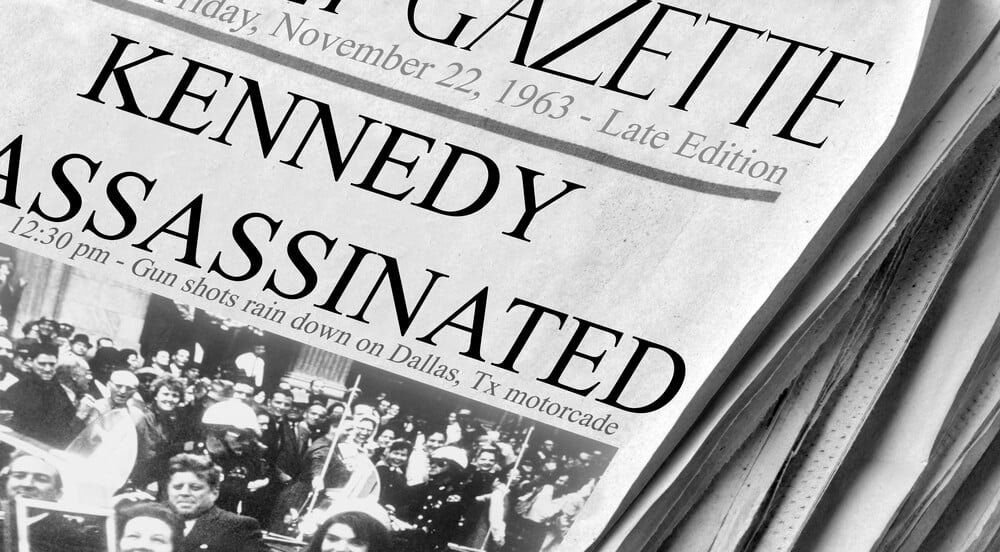
Abraham Zapruder’s home movie of President Kennedy’s assassination in 1963 contained a single frame showing the fatal moment in unmistakable detail. Life magazine, which purchased the film’s rights within days of the shooting, published stills from nearly every other frame of the sequence but withheld frame 313 from print for over a decade, citing taste rather than any legal restriction.
A Child’s Injury in Basra
During the 2003 invasion of Iraq, a photograph of a young boy who had lost most of his skin in a bombing raid triggered an unusually public debate inside the Guardian’s newsroom over whether the image was too disturbing to run. Editors ultimately decided the public’s need to understand the war’s human cost outweighed the discomfort, and the photograph appeared in print, prompting a wave of reader complaints alongside a wave of support.
Lynching Photographs in the Mainstream Press
Well into the twentieth century, most mainstream American newspapers declined to print photographs documenting lynchings, even as the images themselves circulated widely as postcards and were reproduced in Black-owned newspapers as evidence of racial terror. The NAACP’s anti-lynching campaigns repeatedly pushed for wider circulation of this evidence, and the mainstream press’s refusal to carry it is now studied as a case of editorial silence shaping public memory.
Bodies Left Behind After Katrina
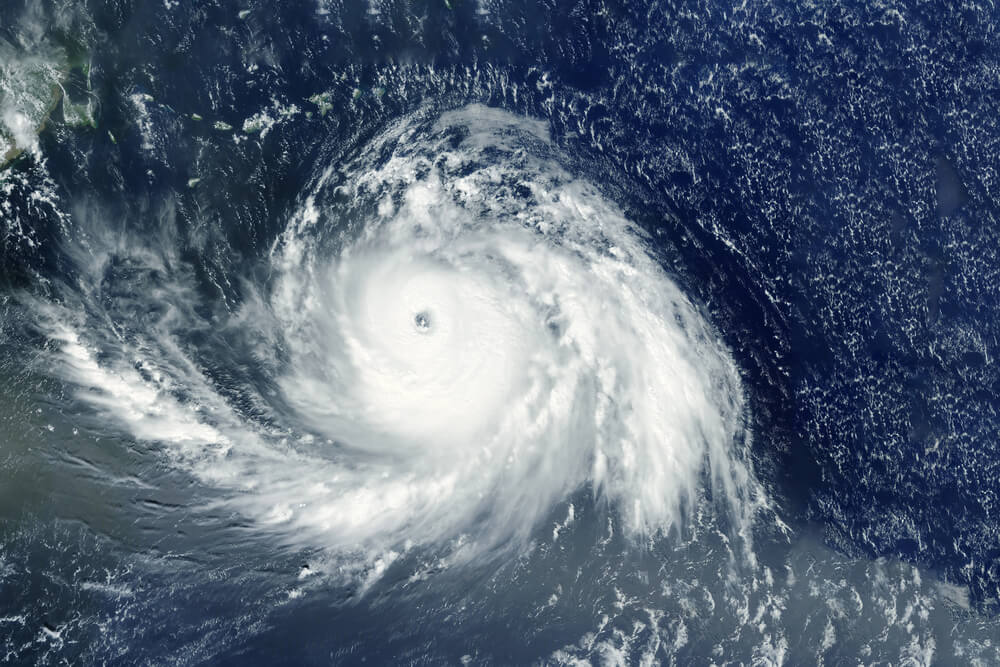
In the days after Hurricane Katrina struck New Orleans in 2005, several news organizations adopted explicit internal policies against showing identifiable human remains, even as the scale of the disaster made such scenes commonplace throughout the flooded city. The resulting gap between what reporters on the ground were witnessing and what readers were shown became a point of ongoing debate within journalism about how disaster coverage should balance dignity against documentation.
When Restraint Becomes the Story
Every photograph on this list eventually reached the public, which is what makes the delay so revealing. The gap between when an image was taken and when it was allowed to be seen is itself a kind of historical record, showing exactly what a given newsroom, government, or wire service believed its audience could bear.
Looked at together, these decisions trace a slow and uneven loosening of what counts as printable. Each generation draws its own line a little differently, certain it has finally gotten the balance right, only for the next one to look back and wonder what took so long.
More from Go2Tutors!

- The Romanov Crown Jewels and Their Tragic Fate
- 13 Historical Mysteries That Science Still Can’t Solve
- Famous Hoaxes That Fooled the World for Years
- 15 Child Stars with Tragic Adult Lives
- 16 Famous Jewelry Pieces in History
Like Go2Tutors’s content? Follow us on MSN.



