Vintage Puppets and Marionettes Collectors Want
A puppet only looks simple. Behind every wooden head and felt glove is a maker, a stage, and often a television studio that vanished decades ago. Collectors chase the survivors for the same reason museums do: each one carries a performance inside it.
Condition decides almost everything. Original strings, intact control bars, unrestored paint, period clothing and the box can separate a shelf curiosity from a serious auction lot. The makers and characters below are the ones that keep turning up in collections, museums and sale rooms.
Pelham Puppets, the Wiltshire Marionettes in Yellow Boxes
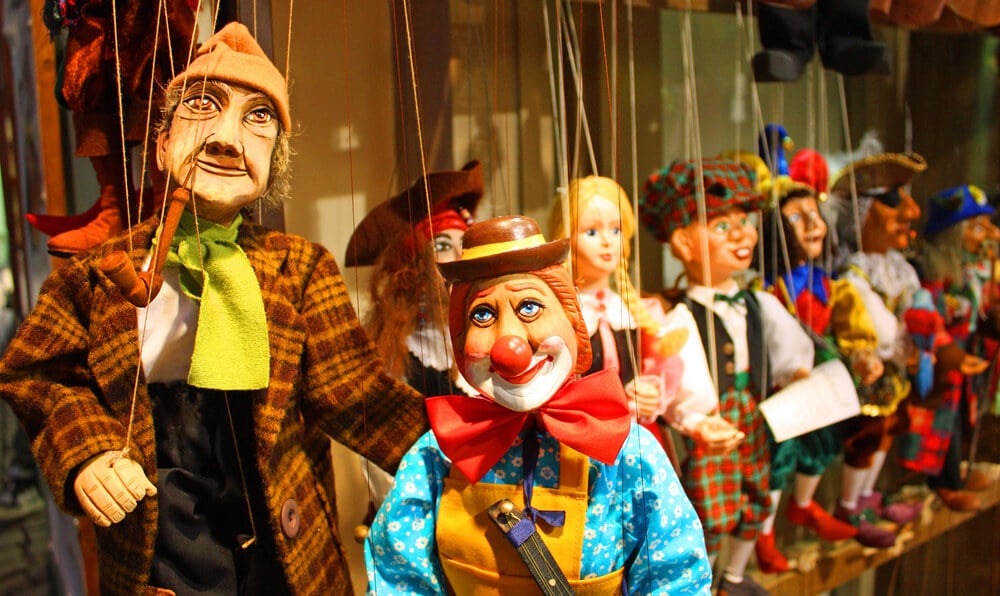
Bob Pelham launched Pelham Puppets in Wiltshire, and the Ogbourne St Andrew History Group still documents his story. The marionettes became a fixture of British childhoods, and the Victoria and Albert Museum holds examples in its collection.
Collectors prize the characters that were made in smaller numbers, since common figures turn up constantly. Value depends heavily on condition: a puppet with its original strings, control bar, clothing and box commands far more than one that has been restrung, repainted or separated from its packaging.
Sooty, the Glove Puppet That Made Auction Headlines

Harry Corbett’s Sooty became one of British television’s best-known glove puppets, and the original screen puppets have proved genuinely valuable. Hansons Auctioneers sold an original Sooty TV puppet for a record £14,500.
That figure belongs to a puppet with direct links to Corbett and the show, not to a shop-bought toy. Ordinary mass-produced Sooty puppets sell for far less, and their value still rises or falls with condition, original clothing, the wand and any surviving packaging.
Sooty’s Sidekick Sweep and the Sooty Show Hand Puppets
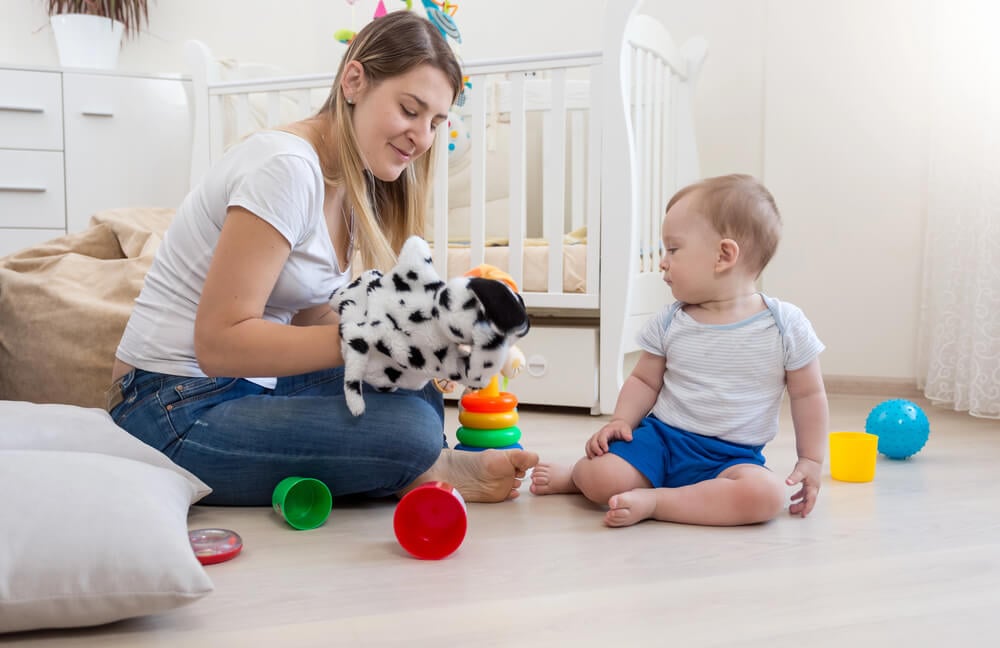
Sweep, the long-eared dog who squeaks his lines, is the other half of the Sooty Show pairing that collectors tend to pursue. Official Sooty Show Sweep hand puppets appear regularly on resale sites, which makes comparing examples easy and shows how wide the quality gap can be.
Early straw-filled glove puppets attract more attention than later plush versions. Fur wear, faded fabric, missing labels and a lack of original packaging all pull the price down.
Tony Sarg Marionettes from the Man Behind Macy’s Giant Figures
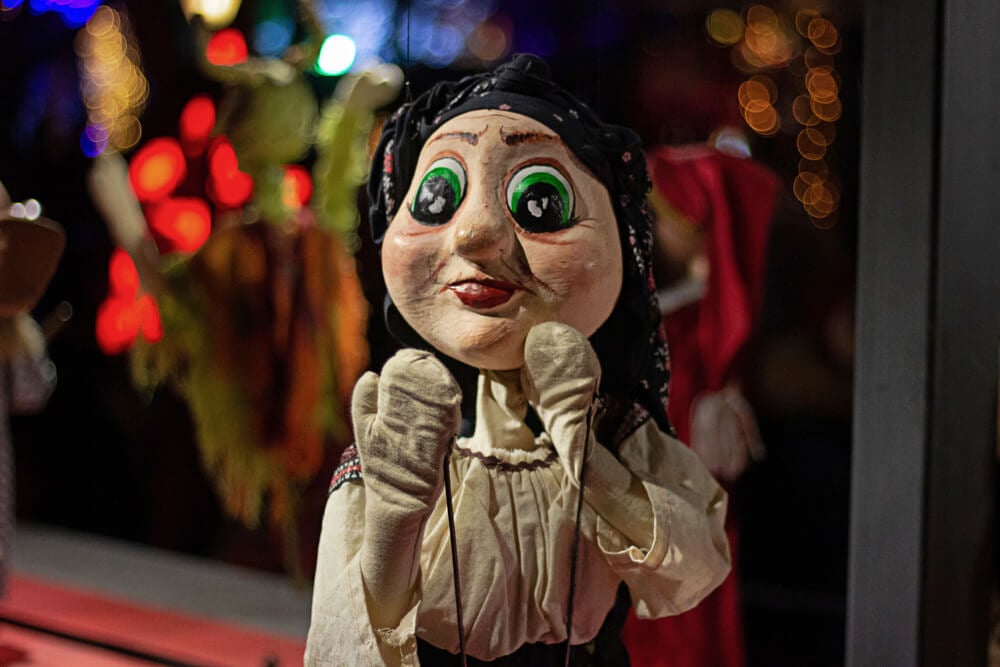
Tony Sarg is remembered for designing the early giant parade figures of the Macy’s Thanksgiving Day Parade, yet he was first a puppeteer and illustrator. The Nantucket Historical Association and the Norman Rockwell Museum have both staged exhibitions on his career, titled Tony Sarg: Genius at Play.
He also staged a famous Nantucket sea monster hoax, which shows the sense of humor behind his work. Sarg marionettes and related puppet items are sought after, and original strings, controls, costumes and documented provenance matter far more than a later restoration.
Bil Baird Marionettes from The Sound of Music
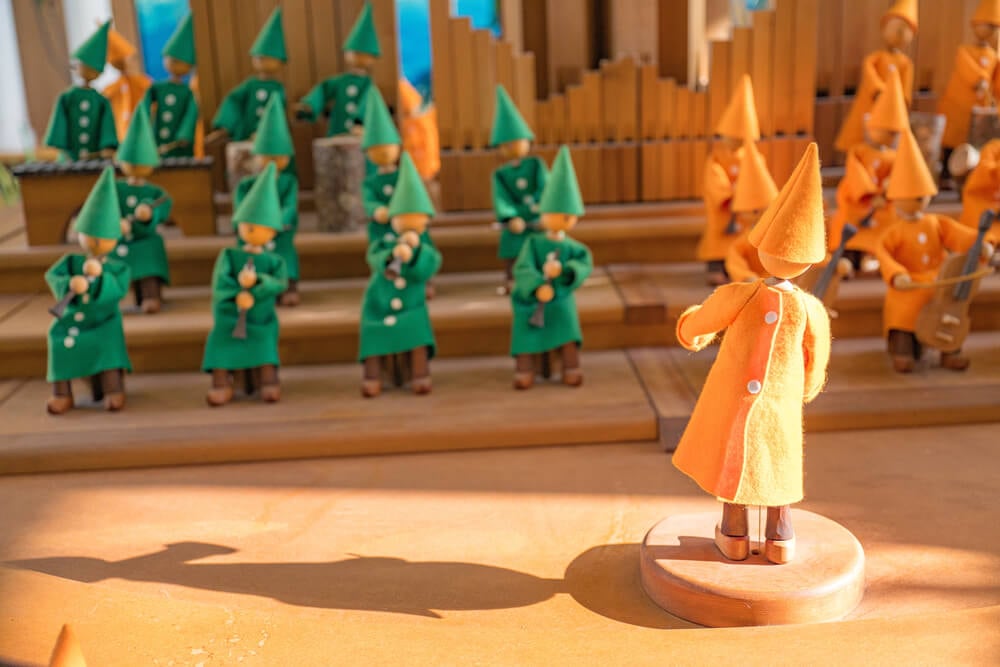
Bil Baird, born in Cleveland, Ohio, and his wife Cora Baird built a career that ran from television to Broadway. His marionettes performed the Lonely Goatherd number in The Sound of Music, which gives his name enduring crossover appeal.
The Mac Nider Art Museum in Mason City, Iowa, presents a permanent exhibition called Bil Baird’s World of Puppets. Surviving Baird figures are valued for their craftsmanship, and original construction, controls and costumes are what collectors look for rather than later repairs.
Hazelle’s Marionettes from Kansas City
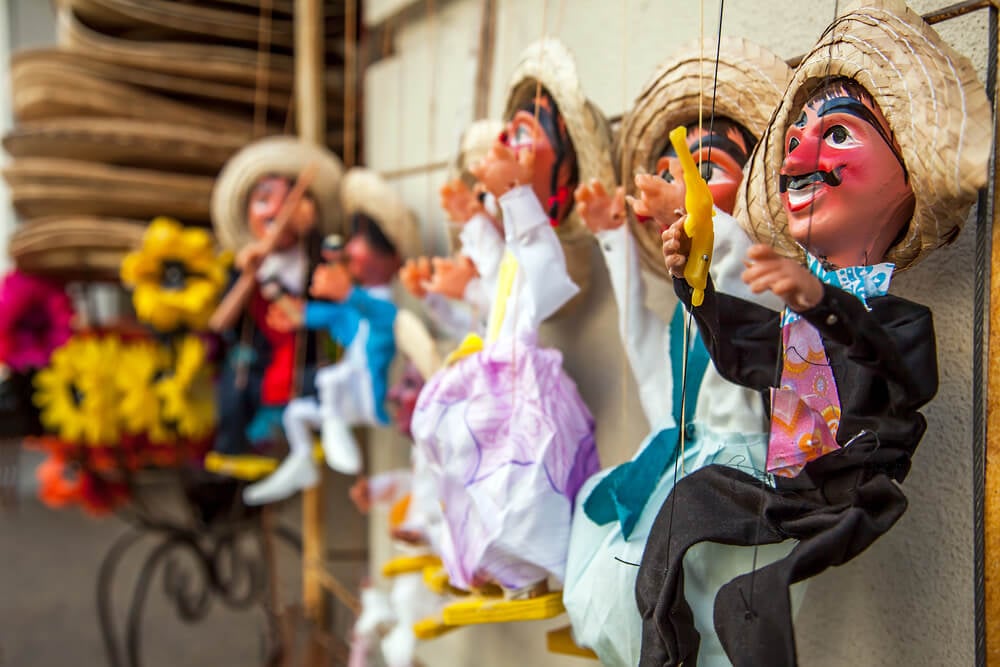
— Photo by SchnepfPictures
Hazelle Rollins worked in Kansas City, Missouri, and became a recognized inventor, with a profile at the Lemelson-MIT program. Her company produced talking marionettes in the 1950s, and listings describe sets with plastic heads and an airplane-style control.
The Hazelle’s Marionettes Building in Kansas City is documented on a heritage tour. Collectors check for the original control, intact strings, hand-painted faces and the box, since a complete set is much harder to find than a loose figure.
Kukla and Ollie from Burr Tillstrom’s Chicago Stage
Burr Tillstrom’s Kukla, Fran and Ollie ran on early network television with Fran Allison as the only human cast member. Kukla and the dragon Ollie were hand puppets, and the show was admired for the apparent warmth between puppeteer and characters.
Merchandise followed, including a Kukla and Ollie board game that now sits in a historical society collection. Original performance puppets are exceptionally rare, while licensed toys and games are valued by completeness, fabric condition and box quality.
Sicilian Opera dei Pupi in Armor
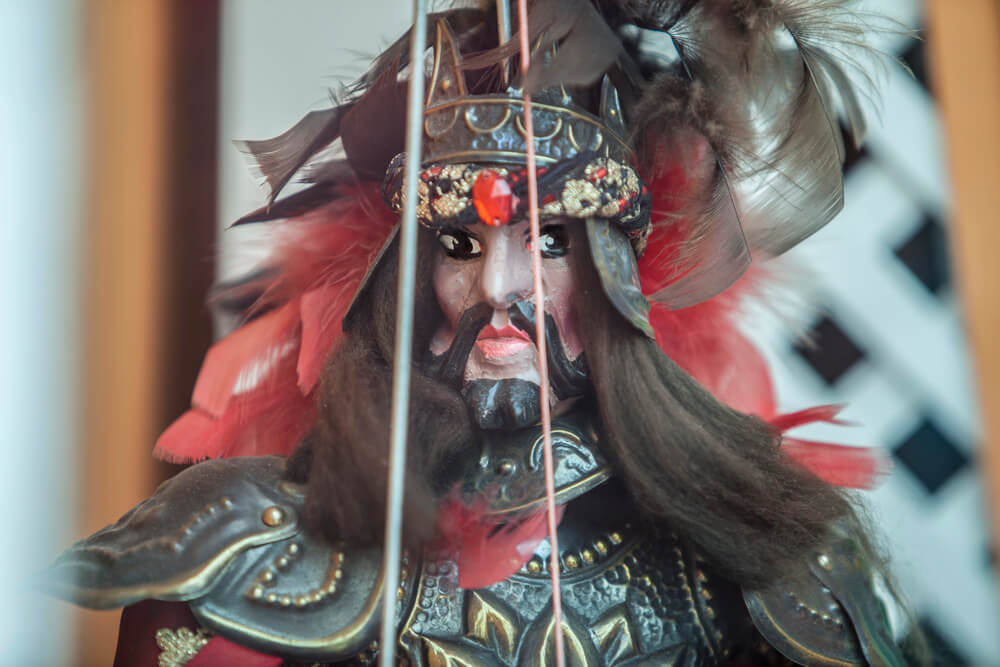
— Photo by WHPics
The opera dei pupi are armored Sicilian rod puppets that act out the medieval tales of Charlemagne and his paladins. Palermo hosts the Antonio Pasqualino International Puppet Museum, which is devoted to puppets of this kind and many other traditions.
The Palermo and Catania schools differ in how the figures are built and operated. Collectors prefer older figures with original armor, painted details and working joints, while heavy repainting or replaced parts typically weakens value.
Wayang Golek Rod Puppets from West Java
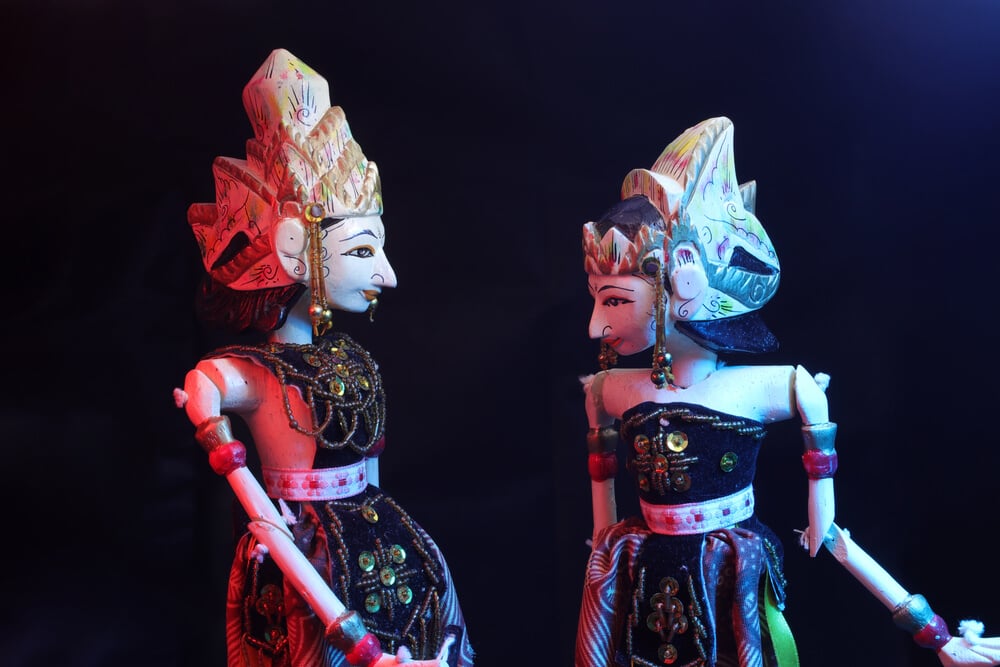
Wayang golek are carved and painted wooden rod puppets from West Java, and the characters often come from the Hindu epics. The Horniman Museum in London holds several examples, and sellers regularly list figures such as Srikandi.
Older pieces made for performance show wear in the paint and the cloth bodies, and that wear can be part of their appeal. Collectors weigh original costume, carved detail, the rods and signs of age against later tourist-market copies and heavy repainting.
Howdy Doody Marionettes from the Peanut Gallery
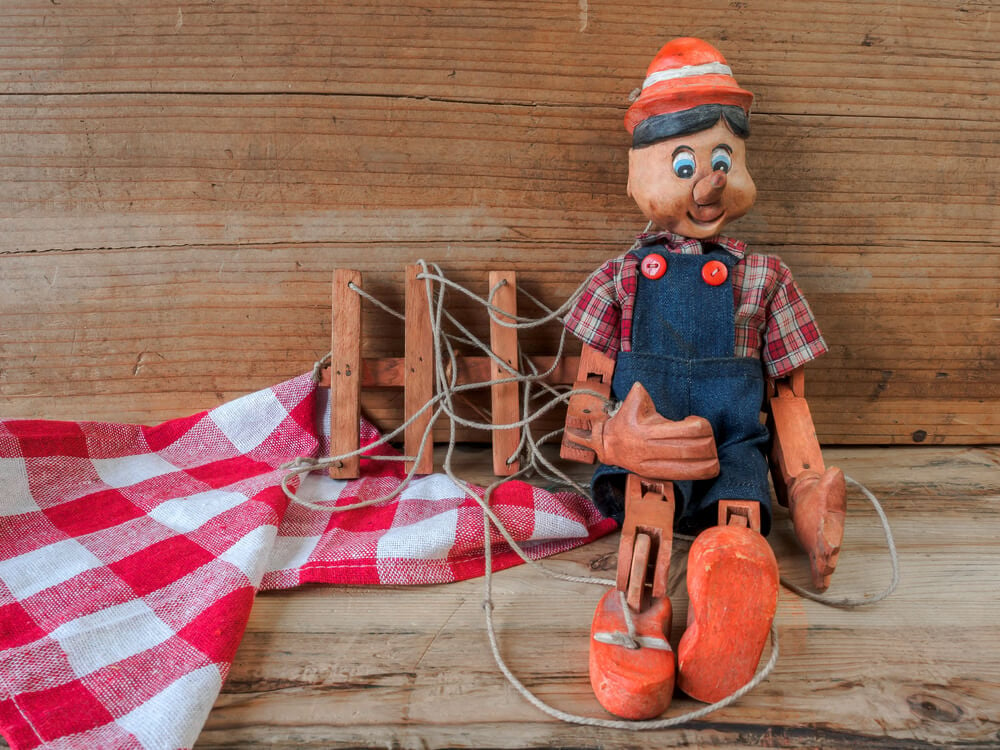
Howdy Doody, the freckled marionette host of the children’s television show, is preserved in the Smithsonian’s National Museum of American History. The museum also holds a Howdy Doody toy marionette, which points to the commercial side of the franchise.
Buffalo Bob Smith was the show’s face, and the toy versions carried the character into homes. Boxed examples with intact strings and original clothing are the most desirable, whereas worn or restrung toys sell for much less.
Punch and Judy Glove Puppets
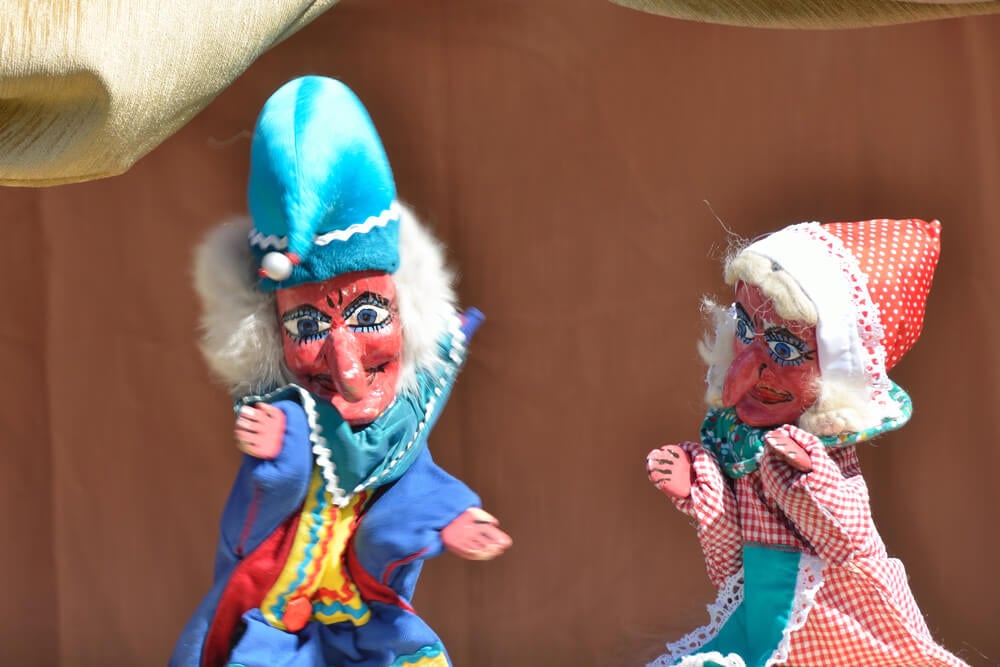
Punch and Judy has a history in English street theater that stretches back centuries, and Samuel Pepys recorded seeing a Punch show in Covent Garden. London’s Covent Garden still hosts an annual Punch and Judy festival.
The Victoria and Albert Museum holds antique glove puppets in the tradition, including one linked to the performer Arthur Quisto. Collectors look for carved heads with original paint and period costume, and a later repaint or replaced clothing can undercut an otherwise handsome set.
Spejbl and Hurvinek, Czech Marionettes with Their Own Theater
— Photo by citellusphotography.gmail.com
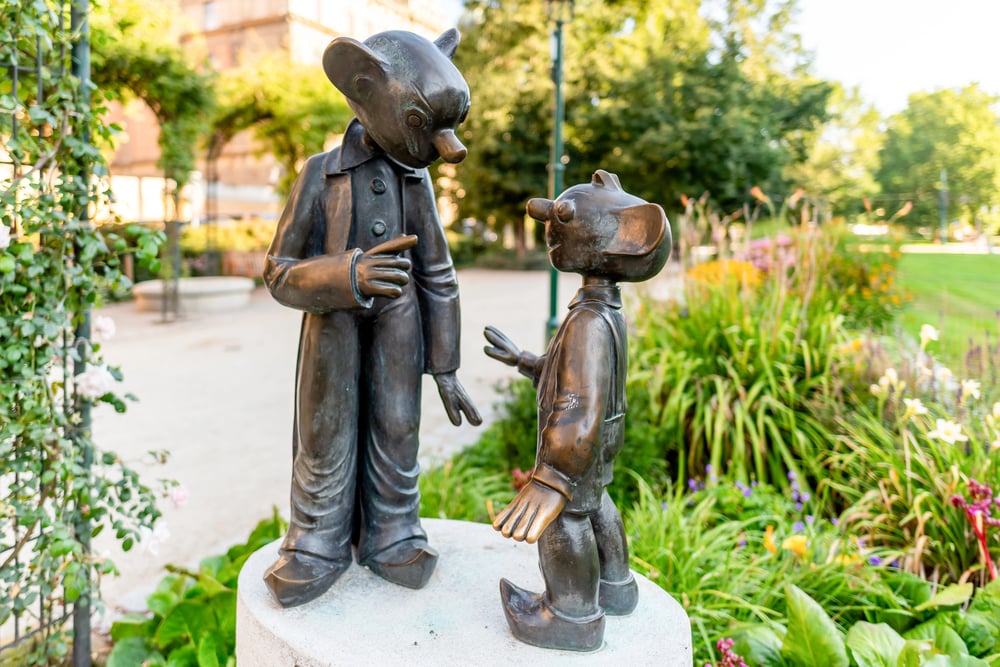
Josef Skupa created the Czech marionette father and son Spejbl and Hurvinek, and the pair gave their name to the Spejbl and Hurvinek Theatre in Prague. Czech marionette makers sell collections tied to the characters, and the pair remain among the best-known figures in Czech puppetry.
The characters are recognizable by their exaggerated wooden faces. Older marionettes with original strings, controls, painted heads and clothing are valued above reproductions or restrung examples.
Lamb Chop and the Shari Lewis Puppet Family
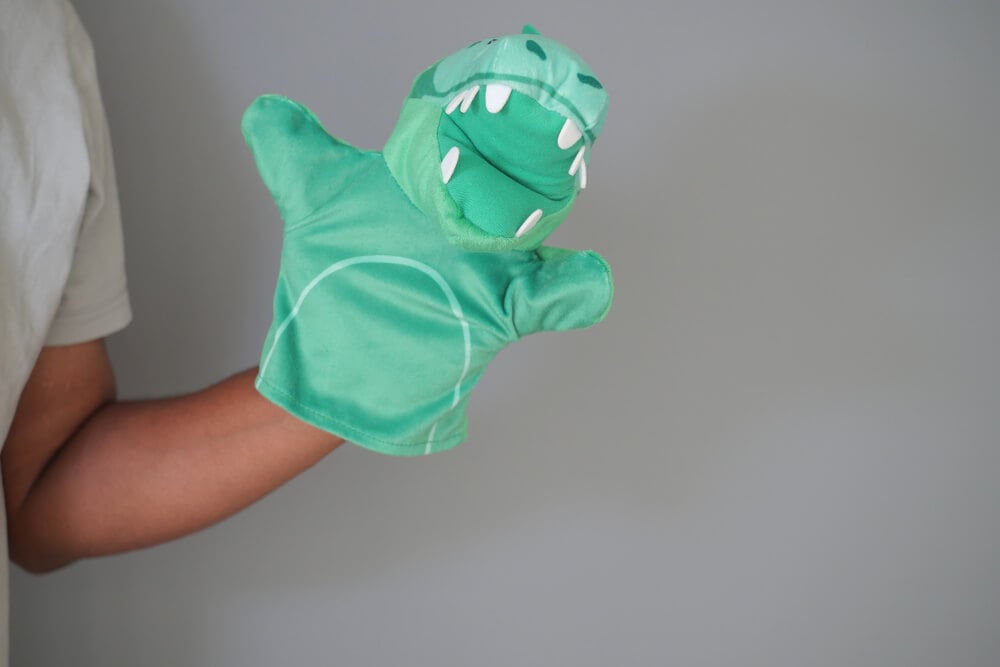
Shari Lewis became famous for Lamb Chop, and her puppet family also included Hush Puppy and Charlie Horse. Auction houses such as Hakes have offered Shari Lewis puppet lots, which shows the family trades in the wider vintage puppet market.
Plush hand puppet versions from different decades vary widely in size and quality. Condition matters most: matted fur, missing tags, stains and absent packaging all reduce what a collector will pay.
Sesame Street Hand Puppets from Child Guidance
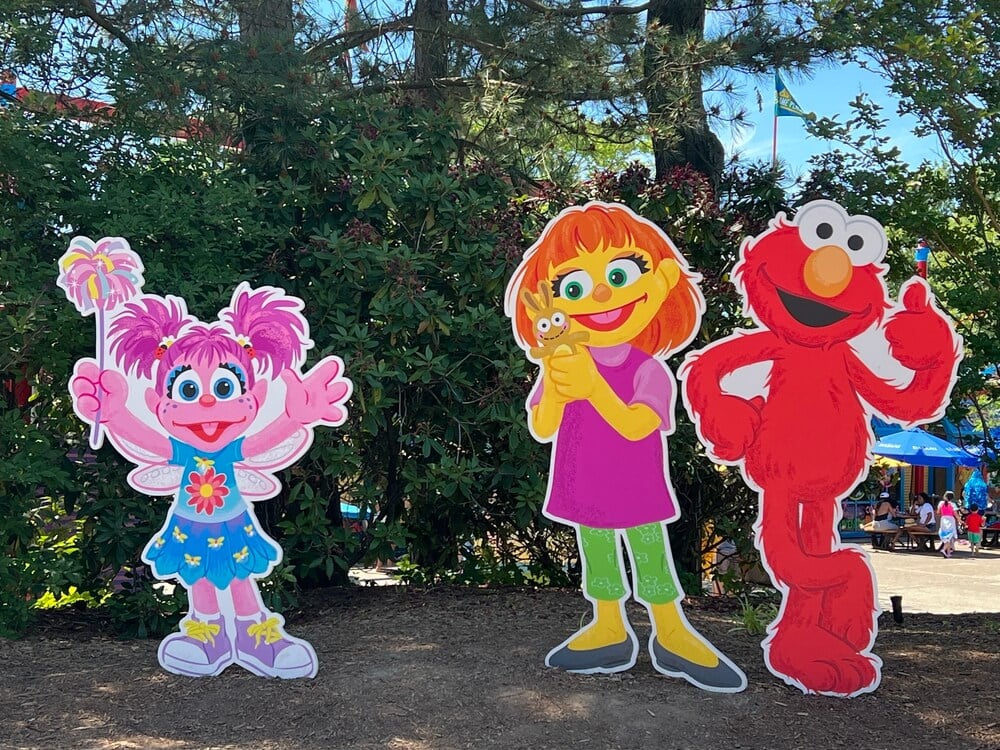
— Illustration by sainaniritu
Child Guidance produced Sesame Street toy hand puppets in the 1970s, and the company’s 1978 catalog is preserved in collector archives. Characters such as Ernie, Bert and Cookie Monster bring in nostalgia buyers. Kermit has an even earlier history, since Mikey’s Muppet Memorabilia Museum traces him from 1955.
Collectors favor puppets with clean fabric, intact features, tags and packaging, while discoloration or missing parts hurts the price.
Steiff Hand Puppets from Giengen
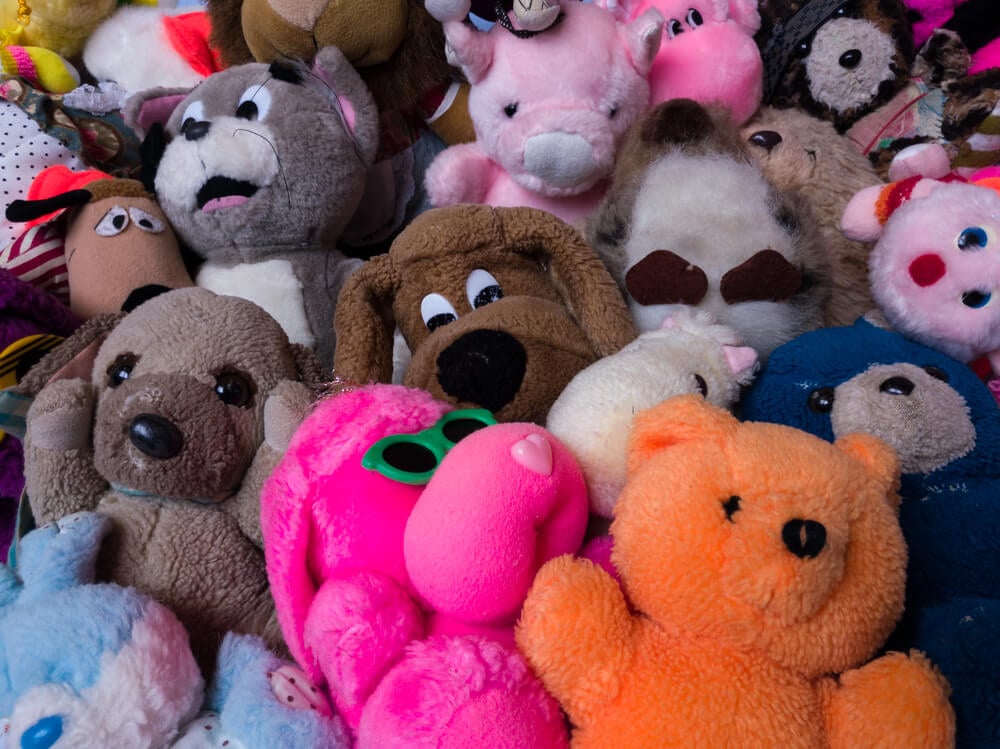
Steiff, the German company founded by Margarete Steiff, is known above all for plush animals with the famous button in the ear. The firm also made hand puppets, which sit in a smaller corner of the collecting market. Collectors check for the ear button, any tags, and the quality of the mohair or felt.
Moth damage, replaced eyes, worn fabric and missing identifying marks reduce value sharply.
Chad Valley Glove Puppets from Birmingham
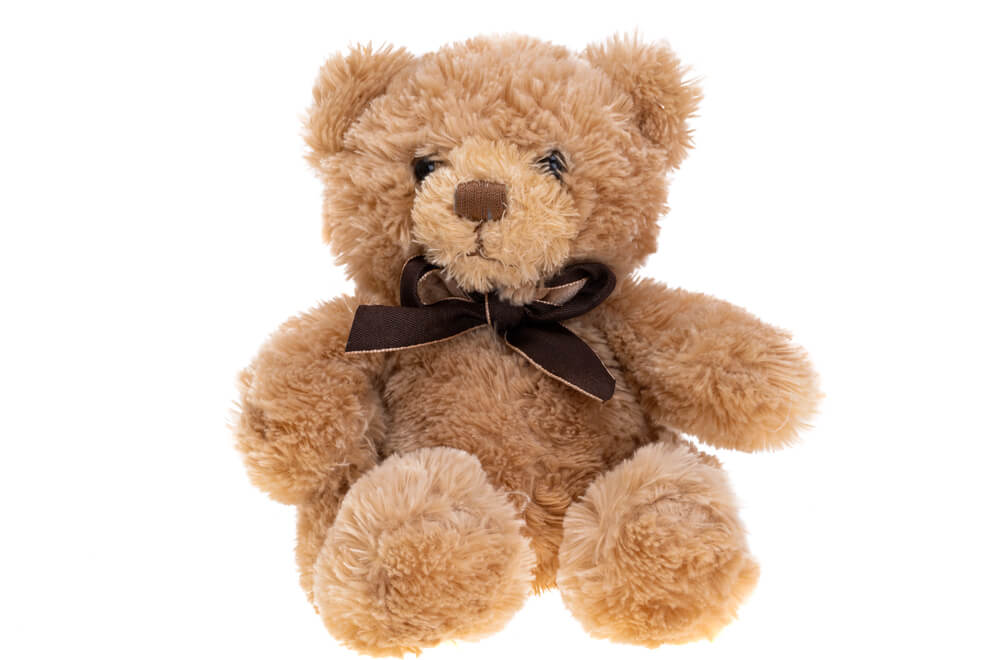
Chad Valley was a Birmingham toy maker, and the Woolworths Museum devotes a page to its television tie-ins. Its glove puppets and plush characters turn up in collector sales across Britain. Labels matter, since a Chad Valley tag is what separates a collectible example from an unmarked lookalike.
Faded fabric, moth damage and replaced stuffing reduce value, and an intact original label and box improve it.
Basil Brush, the Fox Created by Peter Firmin
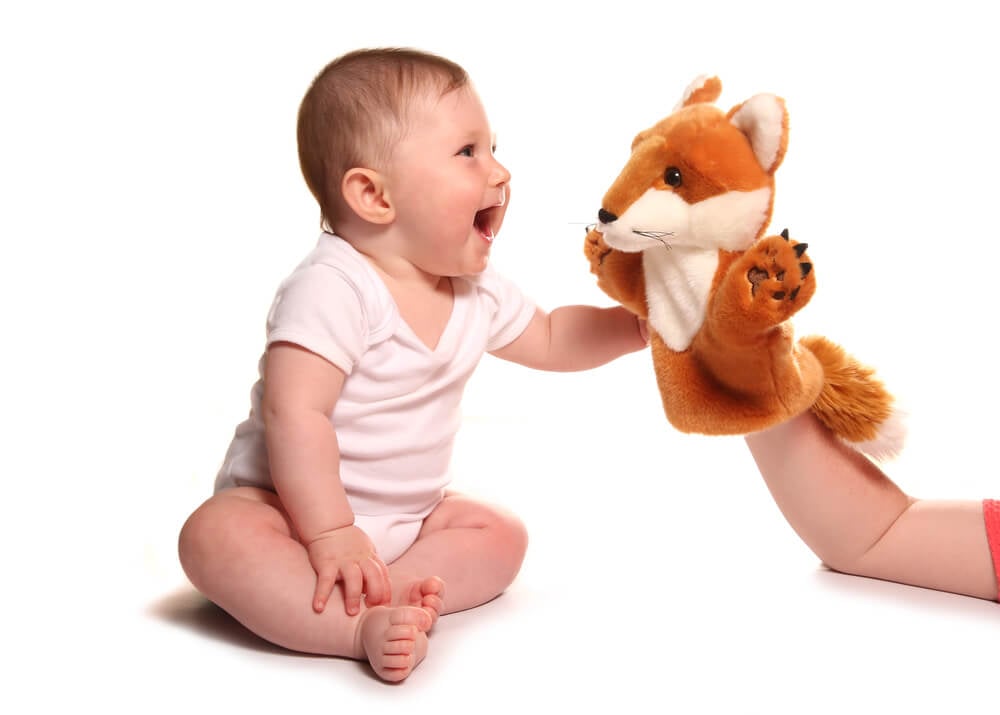
Peter Firmin created Basil Brush, the cheeky fox glove puppet who became a British television staple. The Brighton Toy and Model Museum documents the glove puppet in its index.
Early puppets and screen-linked examples carry more weight than later merchandise. Collectors check for original fur, tail condition, labels and packaging, since a worn, faded or repaired puppet sells for much less.
Rod Hull’s Emu, the Puppet That Attacked Television
Rod Hull and Emu built a comedy act around a puppet that attacked its host, and the best-known incident happened on Michael Parkinson’s chat show. One of Rod Hull’s surviving Emu puppets was bought by a man from Wigan, and another sold at auction in 2018 to a buyer who also owned Orville the Duck and Rainbow’s George.
Screen-used puppets are rare and tied closely to provenance. Mass-produced toy Emus follow the usual rules, with fur condition, original packaging and documentation deciding value.
The Strings Collectors Cannot Replace
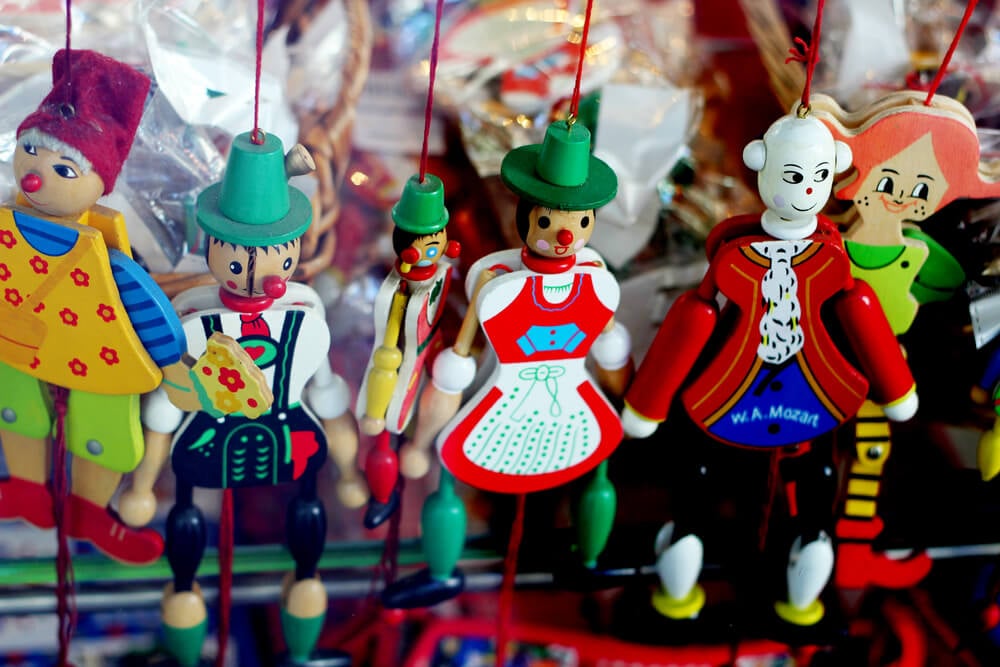
Every entry above shares one problem: a puppet can be restored, but it cannot be made original again. New strings, fresh paint and replacement clothing can make a figure look better while quietly erasing what made it valuable. The finest examples come with their controls, their costumes and sometimes the box they were sold in.
That is why collectors treat provenance as seriously as appearance. A puppet linked to a performer, a studio or a television show carries a story that cannot be reproduced. The market rewards honest wear over hidden repair, and the puppets that last are the ones that were left alone.
More from Go2Tutors!

- The Romanov Crown Jewels and Their Tragic Fate
- 13 Historical Mysteries That Science Still Can’t Solve
- Famous Hoaxes That Fooled the World for Years
- 15 Child Stars with Tragic Adult Lives
- 16 Famous Jewelry Pieces in History
Like Go2Tutors’s content? Follow us on MSN.