27 Basketball Rules Fans Forgot Existed
The sport looks nothing like it did when a gym teacher in Massachusetts nailed a pair of peach baskets to a balcony rail. Many of the rules that shaped it have been rewritten, shelved, or quietly repealed, usually because one tall player or one painfully dull game exposed a flaw.
Some of the changes feel ancient and a little silly now. Others are recent enough that fans who grew up in the 1990s never noticed they were disappearing.
No Dribbling in the Original Rules

James Naismith’s first rulebook in 1891 had no dribbling at all. A player who caught the sphere could not run with it and had to pass from the spot where he stood.
The dribble crept in later as a workaround, and it took years of rule changes before it became a respectable skill.
Three Straight Fouls Counted as a Goal
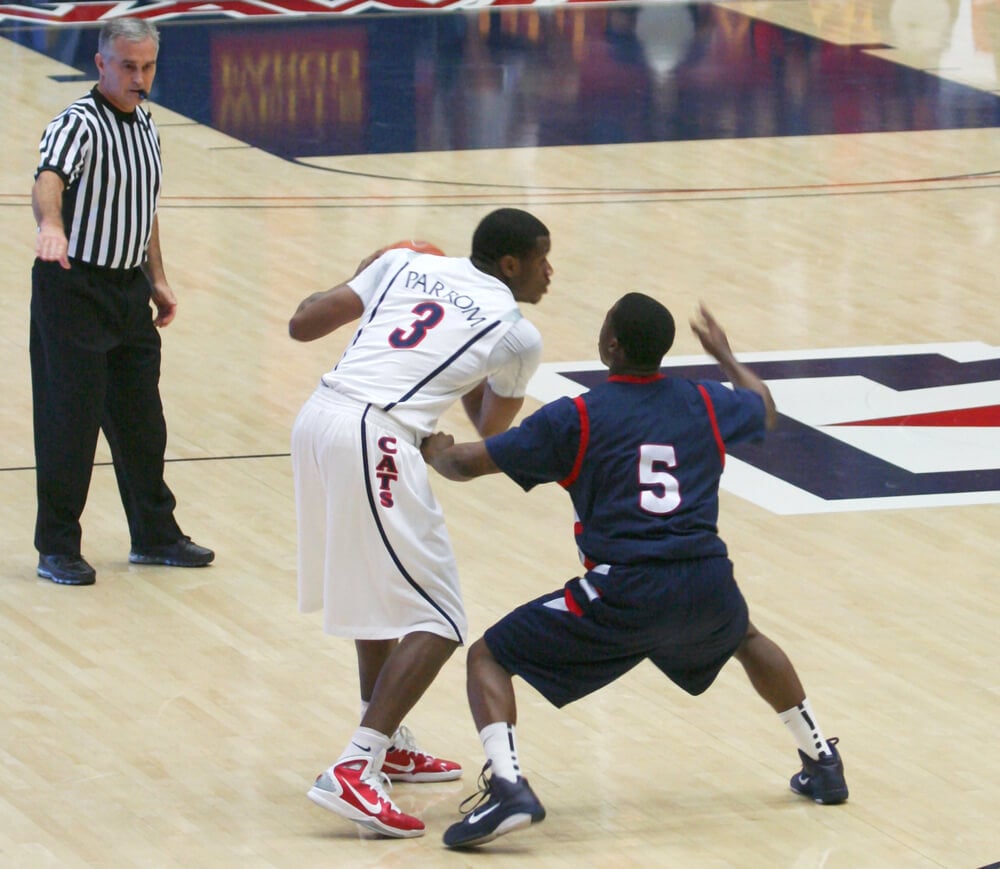
Under the original rules, if one team committed three consecutive fouls without the other side committing one, the opponents were awarded a goal. The rule gave officials a way to punish rough play before free throws existed.
Players today commit far more than three fouls in a row and simply shoot free throws.
The Peach Baskets Kept Their Bottoms
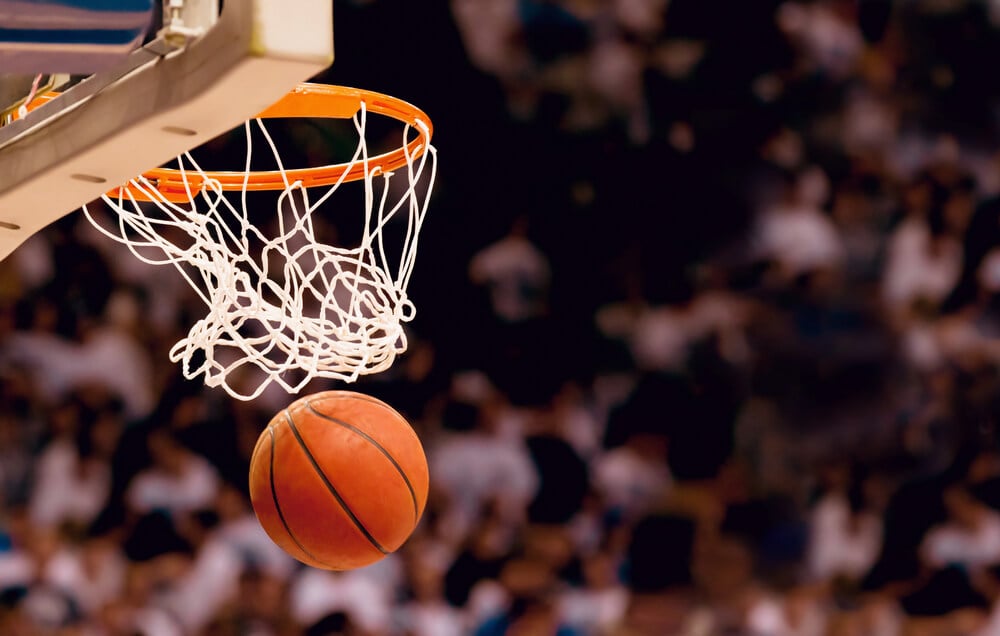
The first baskets were real peach baskets nailed to a balcony railing, and their bottoms were still in place. After every score, someone had to climb a ladder to fetch the leather.
It took more than a decade before open-bottomed nets let the sphere drop through on its own.
Nine Players on Each Side
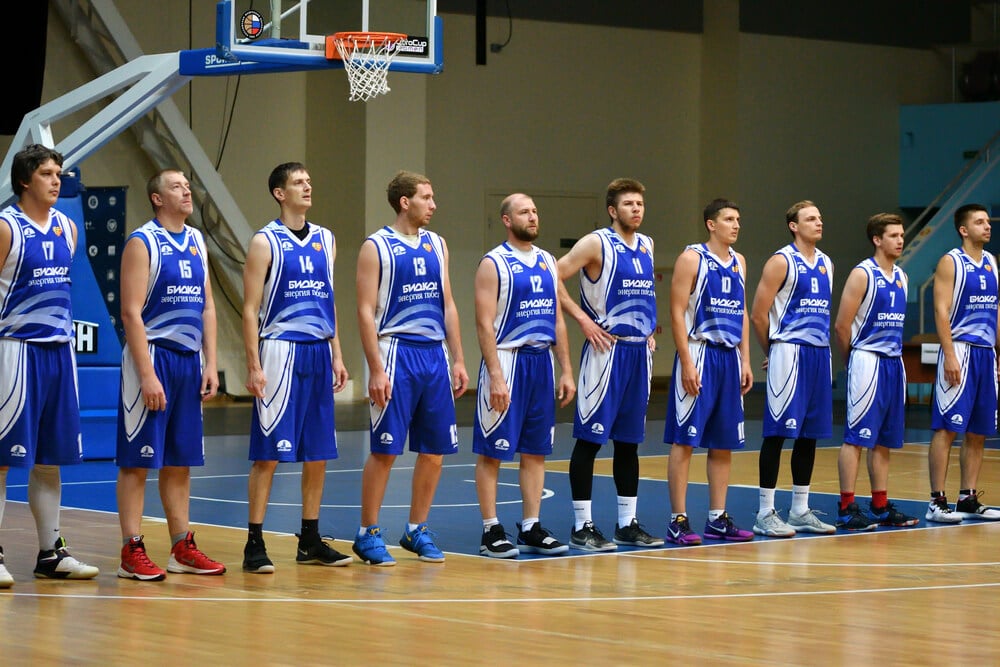
The first game in December 1891 used nine players per side because Naismith’s gym class had 18 students. Five a side became standard in 1897.
The change made the court less crowded and began to create the positions fans recognize now.
Fifteen-Minute Halves and a 1-0 Final
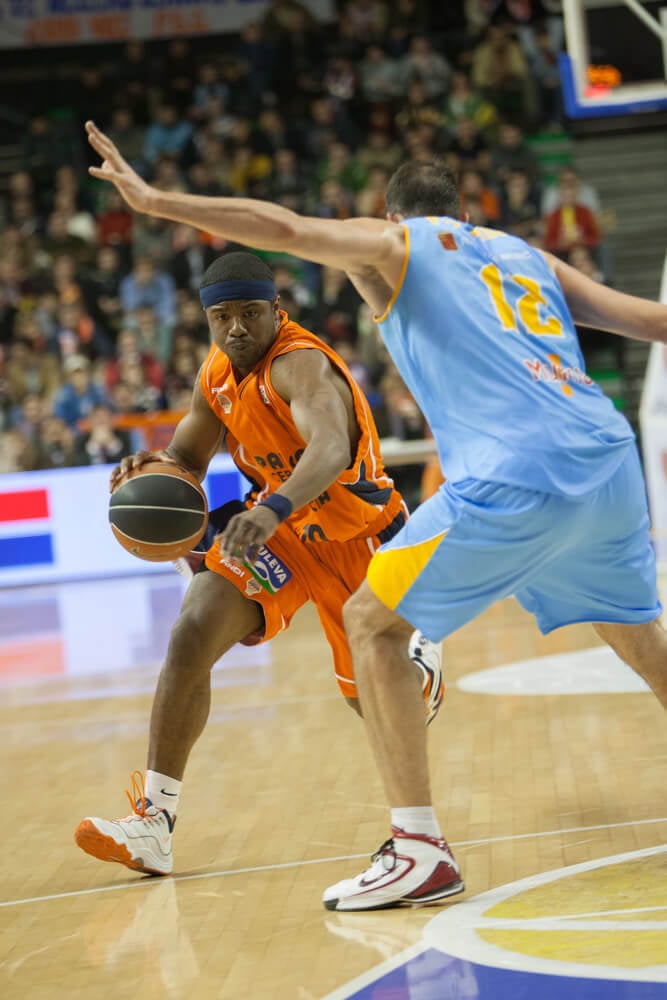
Naismith’s rules called for two 15-minute halves with five minutes of rest between them. The first game ended 1-0, with William Chase hitting the only basket with a long shot.
Modern games routinely top 100 points, which shows how much the pace has changed.
Overtime by Agreement of the Captains

The original rules said that if the score was tied, the captains could agree to play on until one more goal was scored. That meant a version of sudden-death overtime existed in the sport’s first rulebook, but only if both sides consented.
Today a tie is followed automatically by a five-minute period with no negotiation.
The First Hand on the Sphere Gets the Throw-In

When the sphere went out of bounds, the first player to touch it threw it back in, which turned sidelines into scrums. A player could hold it for only five seconds before possession went to the other side.
Awarding the throw-in to the team that did not touch it last came later and ended the sideline wrestling.
Backboards to Keep Fans Out of the Game
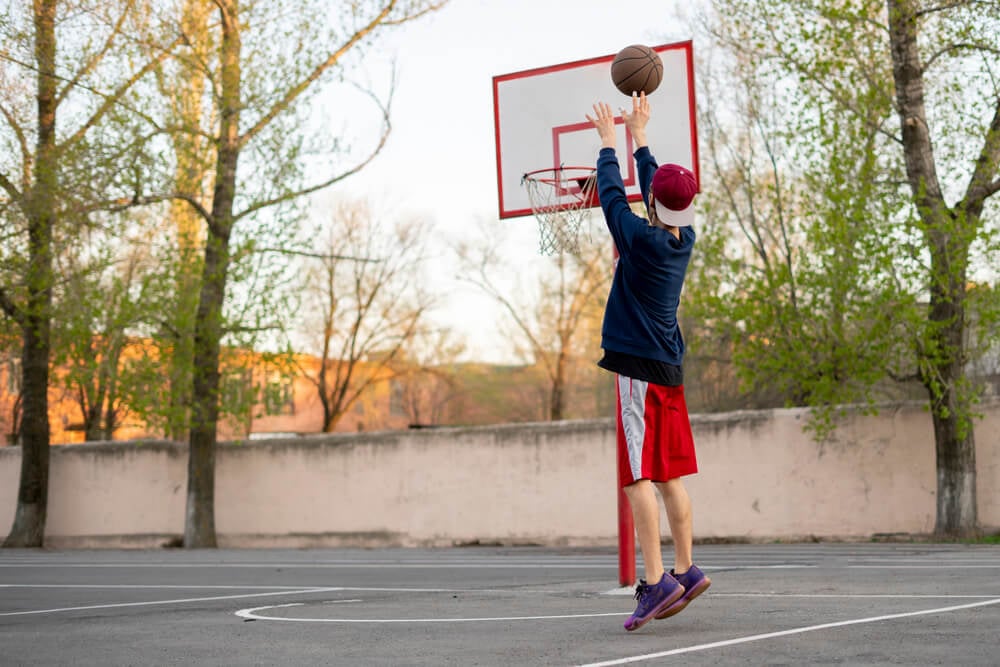
Backboards were added in the 1890s because spectators in the balconies were reaching over the rail to swat at shots or help their own teams. The first ones were wire mesh, and boards of wood and later glass followed.
A device meant to stop meddling by fans ended up giving the sport the bank shot.
Players Played Inside Cages

Early professional games were played inside a cage of wire netting that rose around the court, to keep the sphere in play and the fans out. Players bounced off the wire, got scraped by it, and learned to use it as a tool.
The nickname cagers survived long afterward as slang for players.
One Player Took Every Free Throw

For a time in the early 20th century, a team could name a single player to take all of its free throws, no matter who had been fouled. That let teams choose their best shooter.
By the 1920s the rules required the fouled player to take his own shots.
Six-on-Six Play for Girls in Iowa
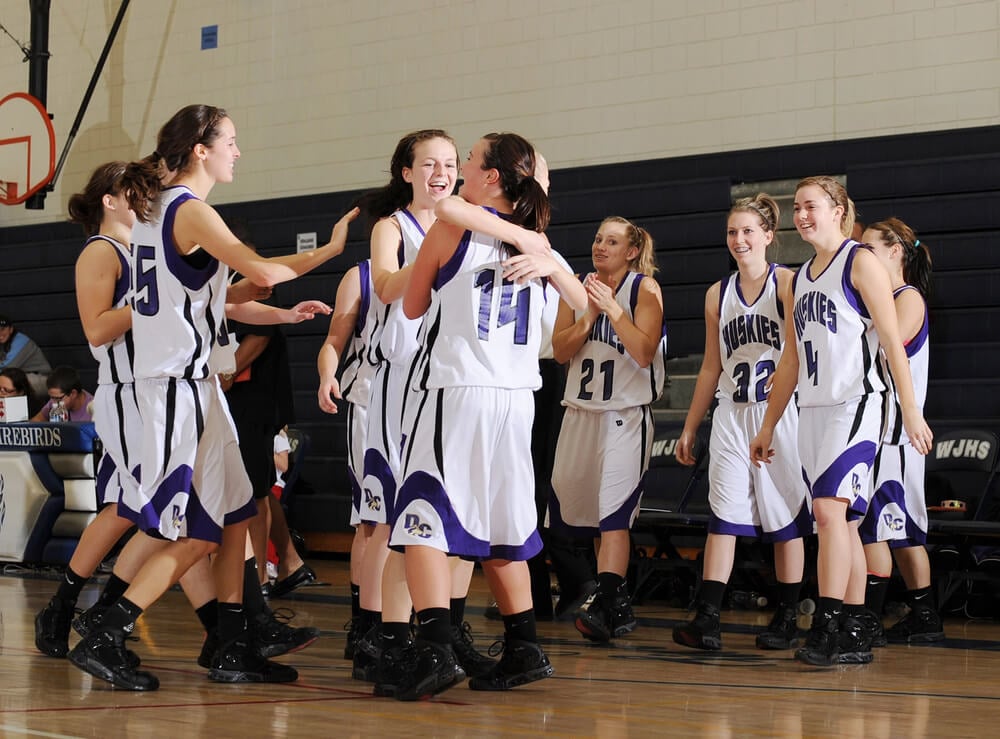
Senda Berenson of Smith College adapted the rules for women in 1892, dividing the court into zones. In Iowa, girls kept playing six-on-six, with three forwards and three guards who could not cross midcourt, until 1993.
The state was among the last holdouts, and the format packed gyms for decades.
The Center Jump After Every Basket

For years, play resumed after every made basket with a jump between two players at center court. A team with a tall center could win possession again and again, and the pace was slow.
College rule makers eliminated the center jump in 1937, and scoring and speed rose soon afterward.
The Midcourt Line and the Ten-Second Count

In the early 1930s, rule makers added a midcourt line and a ten-second limit for crossing it. Before then, a team protecting a lead could stall in its own end, holding the leather for minutes.
The change forced teams to attack and is the ancestor of the backcourt rules that still exist.
The Three-Second Lane Rule
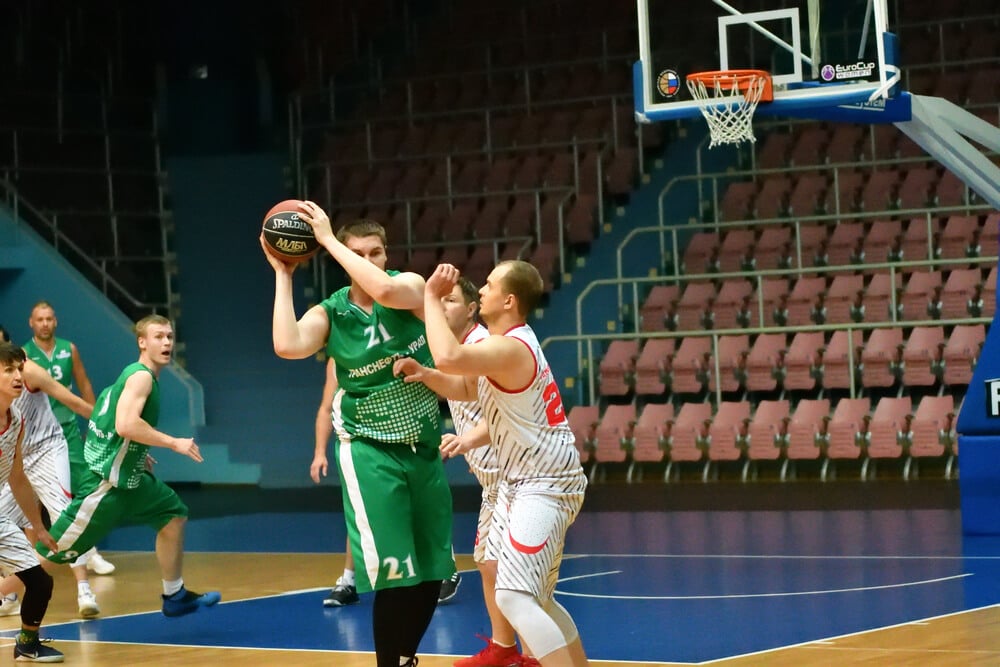
To stop big players from camping beneath the basket, rule makers in the 1930s limited how long an offensive player could stand in the free-throw lane. Officials still call it today, but it was a radical idea when it arrived.
Without it, the sport might have turned into a contest to see who could build the tallest tower under the rim.
Goaltending Became Illegal in 1944
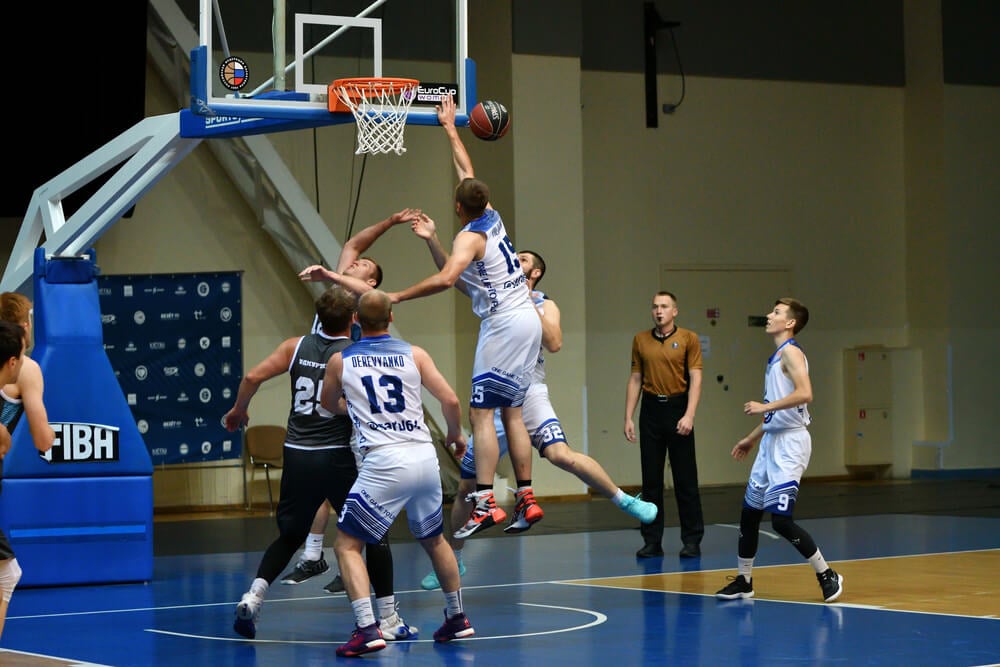
Bob Kurland, a 7-foot center at Oklahoma A and M, swatted opponents’ shots away as they dropped toward the rim. The rule makers banned the practice in 1944 and made it a violation to touch a shot on its way down.
Kurland still led his team to NCAA titles in 1945 and 1946.
The Lane Was Once Only Six Feet Wide
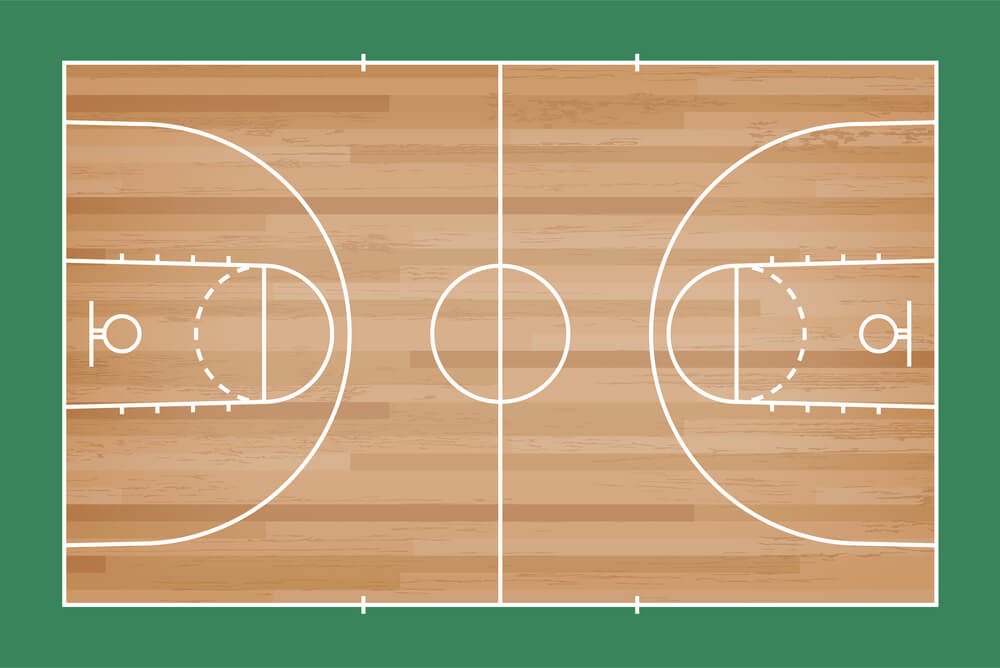
For the first decades of the pro game, the lane beneath each basket was 6 feet wide. The NBA widened it to 12 feet in 1951 because of George Mikan, then to 16 feet in 1964 because of Wilt Chamberlain.
Each change pushed the biggest players a little farther from the rim.
The Rules Written for Wilt Chamberlain
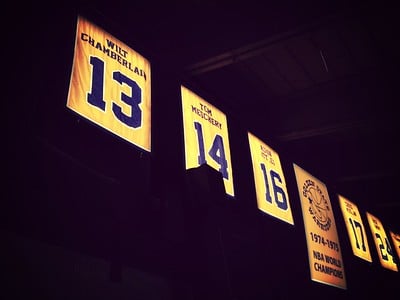
Chamberlain’s size led to a short list of new restrictions. Rule makers required free throw shooters to stay behind the line until the shot hit the rim, because he could leap from the line and dunk.
Offensive goaltending and inbounding the sphere over the backboard also drew new limits, so teammates could not simply lob it near the rim for him.
No Shot Clock Until 1954
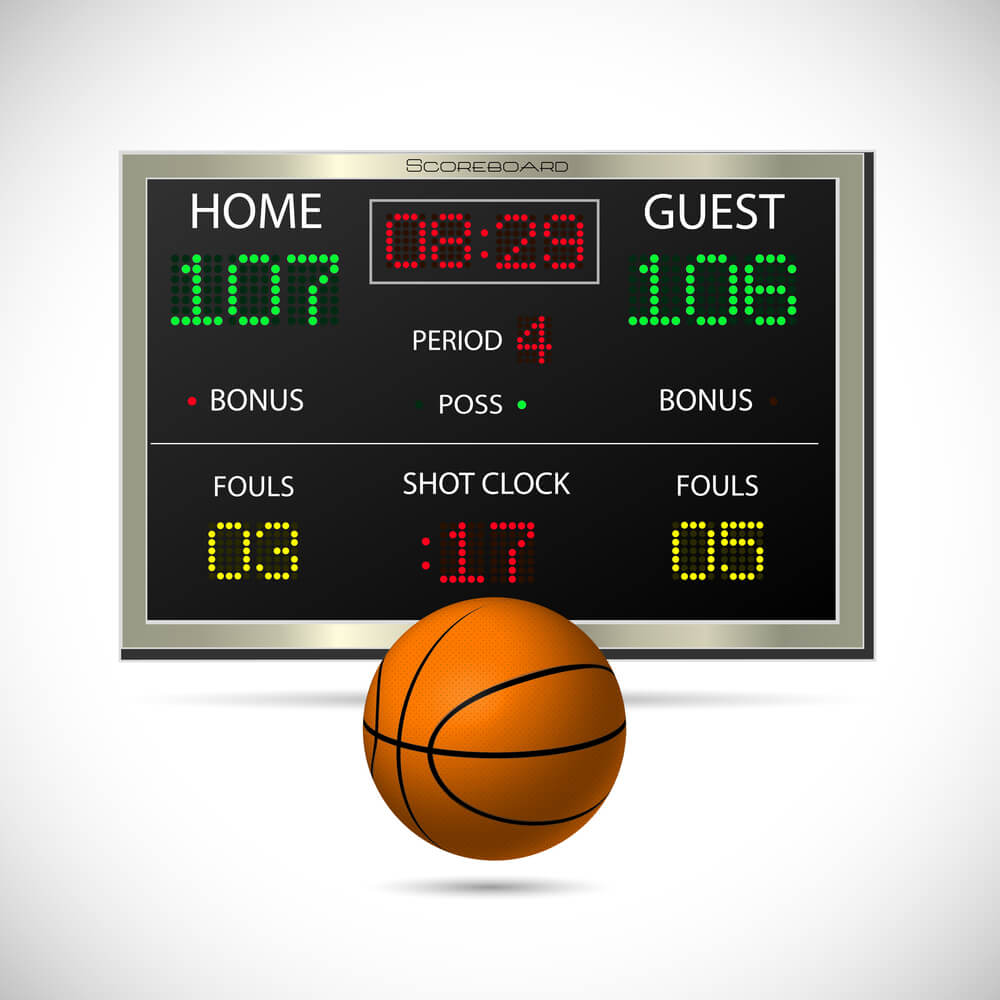
Before 1954, teams could hold the leather as long as they liked, and games bogged down. In 1950 the Fort Wayne Pistons beat the Minneapolis Lakers 19-18, a game that has become shorthand for the problem.
Syracuse Nationals owner Danny Biasone figured a game should have about 120 shots over 2,880 seconds, which led to 24 seconds, and the NBA adopted the clock for the 1954-55 season.
Dunking Was Banned in College

From 1967 to 1976, the NCAA banned the dunk. The rule is often called the Lew Alcindor rule, since the UCLA center who later became Kareem Abdul-Jabbar dominated the game that way.
Players found workarounds, but the dunk returned in 1976 and became the sport’s favorite highlight.
The Three-Point Line Took Decades
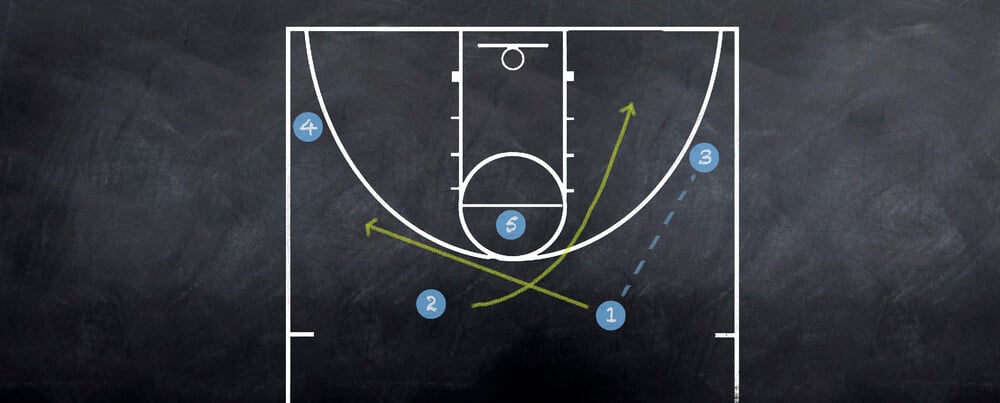
A short-lived pro league, the ABL, used a three-point shot in 1961, long before most fans think it existed. The ABA adopted it in 1967, the NBA followed in 1979, and colleges added it in 1986.
The line was once dismissed as a gimmick for teams that could not score inside.
College Shot Clocks Kept Shrinking
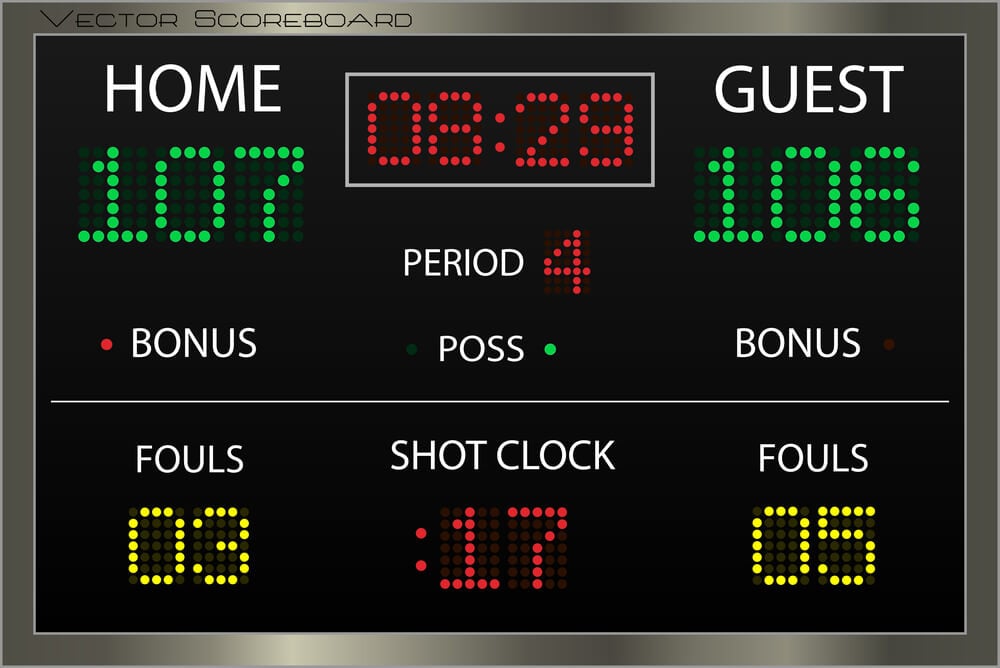
Men’s college play added a 45-second shot clock for the 1985-86 season. It dropped to 35 seconds in 1993 and to 30 seconds in 2015.
Before the first of those changes, teams could hold the leather for minutes and a lead could freeze a game.
Zone Defense Was Illegal in the NBA
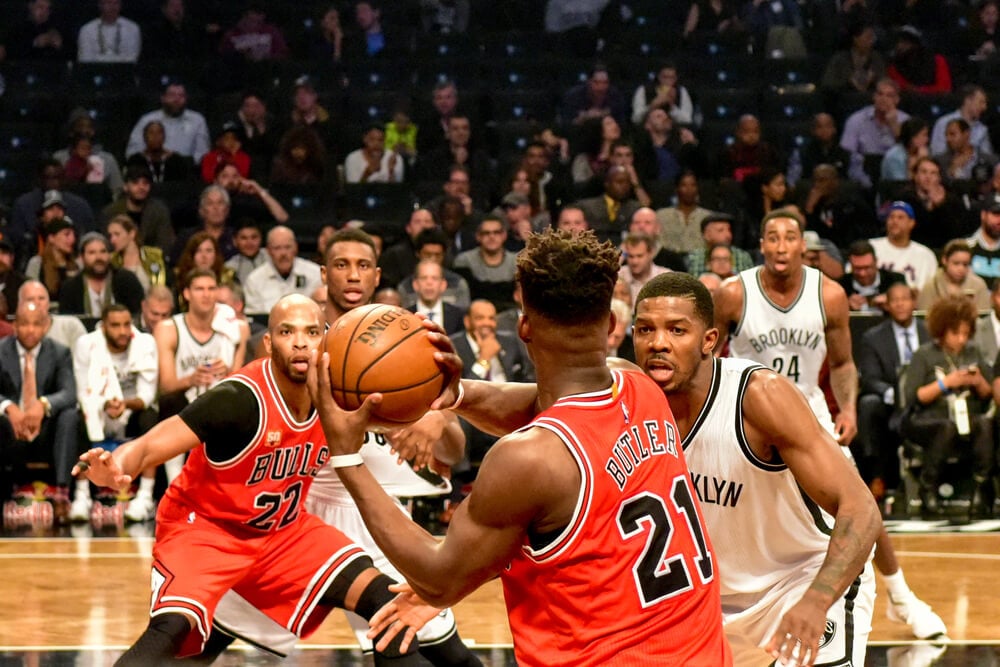
For decades, the NBA enforced an illegal defense rule that forced teams to guard a man instead of an area. The league scrapped it in 2001 and replaced it with a defensive three-second rule, which prevents defenders from sitting in the lane without guarding someone.
Zone defenses now appear every night, once a violation.
Ten Seconds to Cross Half Court
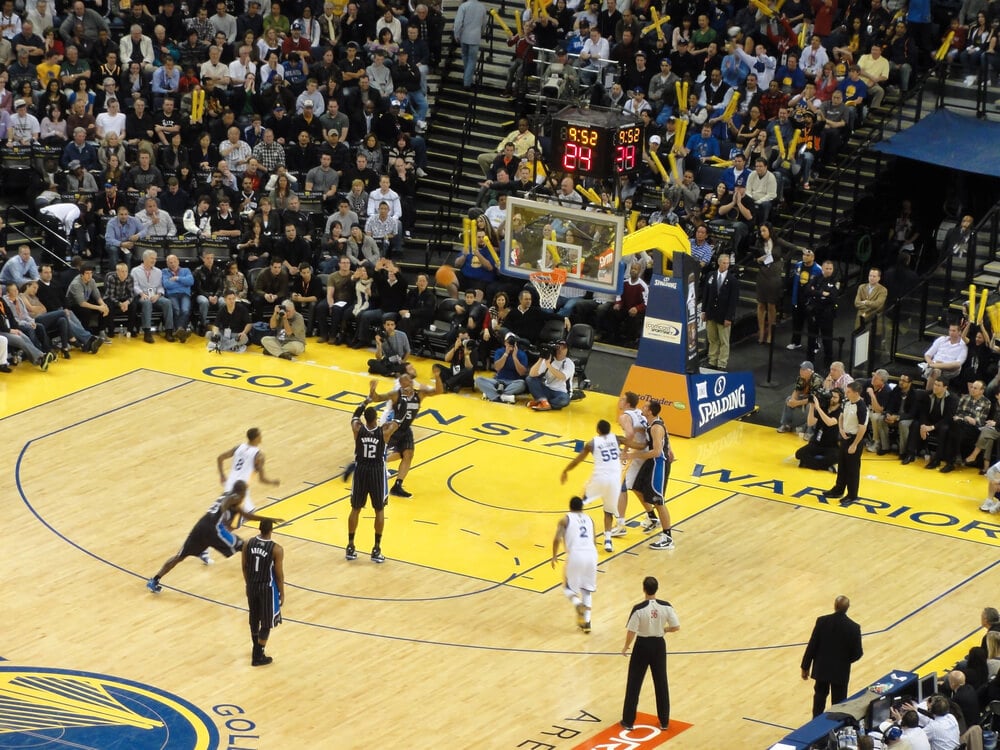
The NBA shortened the time a team had to advance past midcourt from 10 seconds to 8 in 2001. The change targeted slow, plodding offenses.
It also made the point guard’s job a little more rushed.
Hand-Checking Was Once Legal
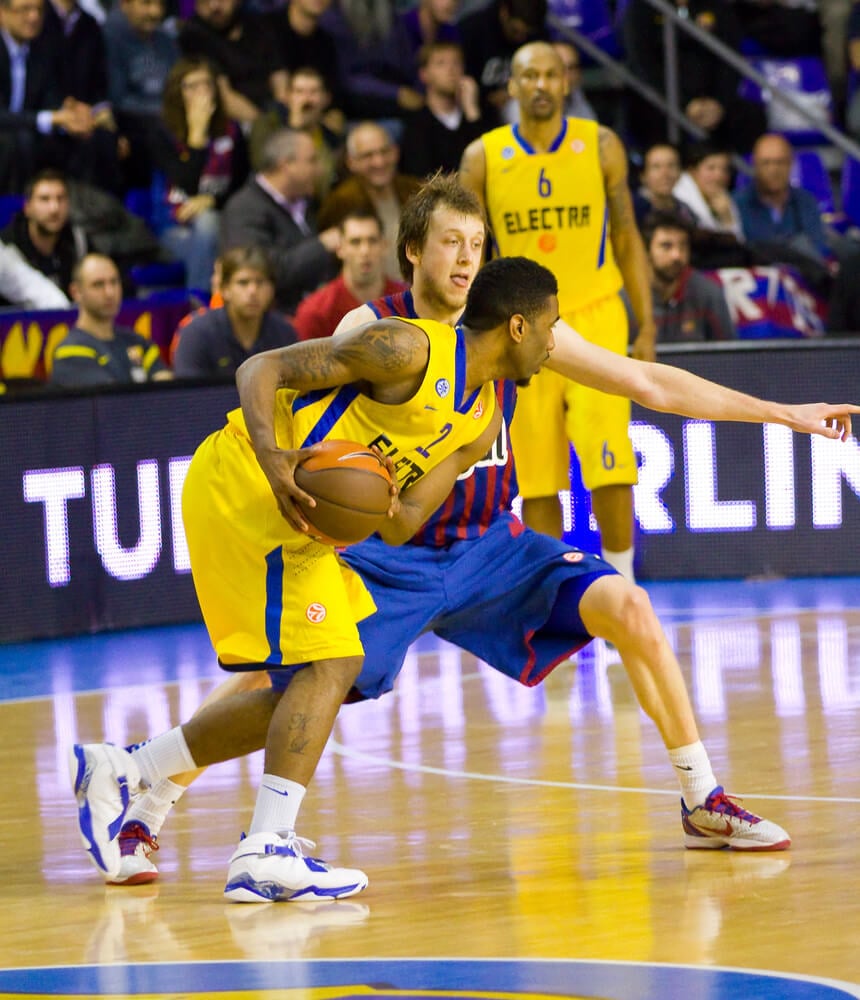
Defenders used to be allowed to keep a hand on the player with the sphere, steering him around the court. The NBA cracked down on the practice in 2004, and the result was a game with more driving and more scoring on the perimeter.
Players who grew up under the old rules often say the league changed beyond recognition.
Jersey Digits Stopped at Five
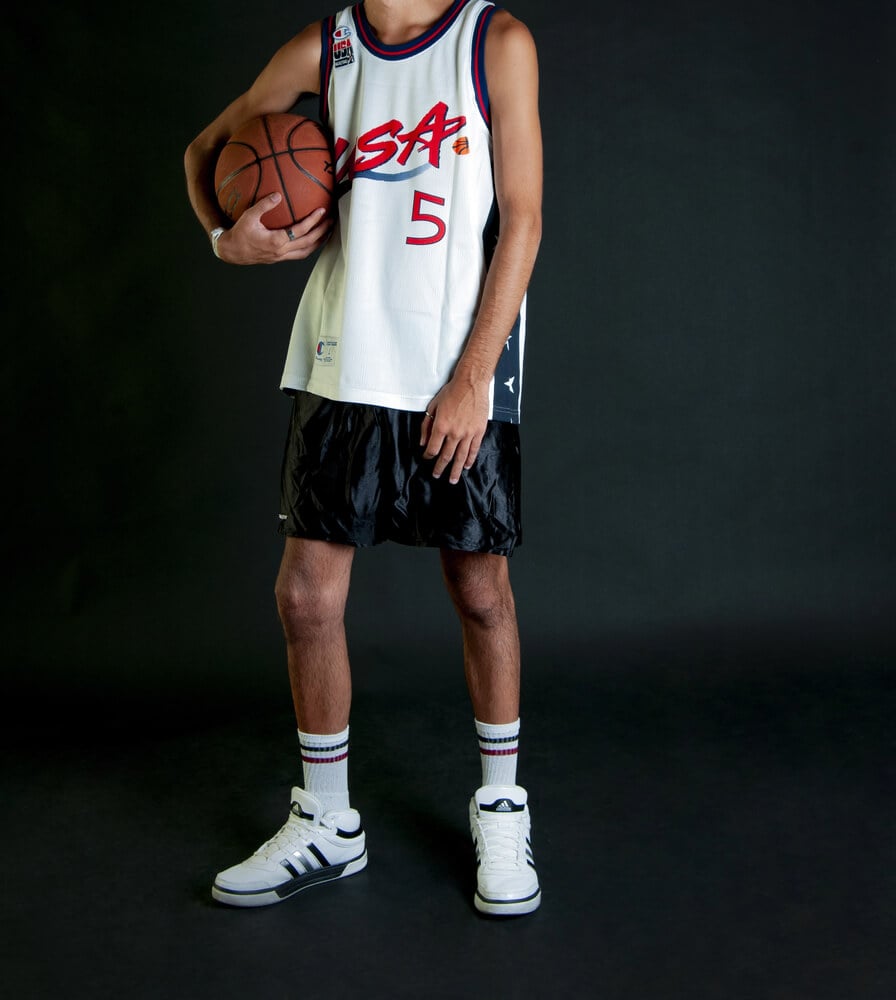
Referees signal a player’s number with their fingers, so college and high school rules limited digits to 0 through 5. Players wore numbers like 34, 45, and 15 but never 6, 7, 8, or 9.
College rules have since loosened the restriction, so higher digits now appear on jerseys.
Women’s College Games Used Halves
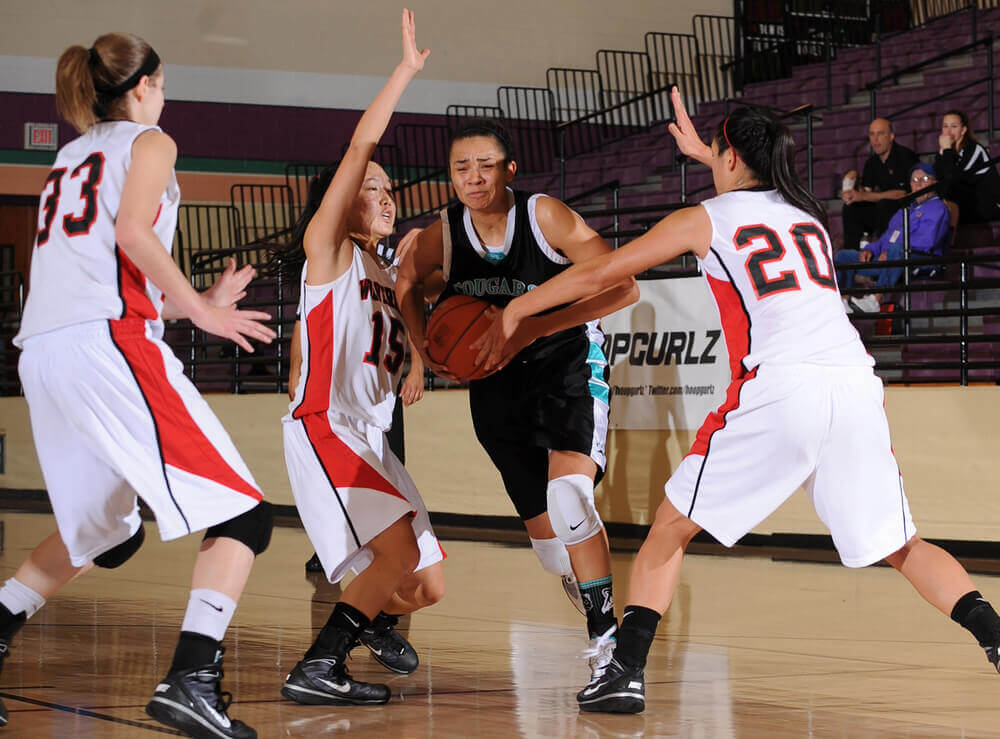
Until 2015, college women played two 20-minute halves. The NCAA moved the women’s game to four 10-minute quarters beginning in the 2015-16 season.
Men’s college games still use halves.
A Jump for Every Tie-Up
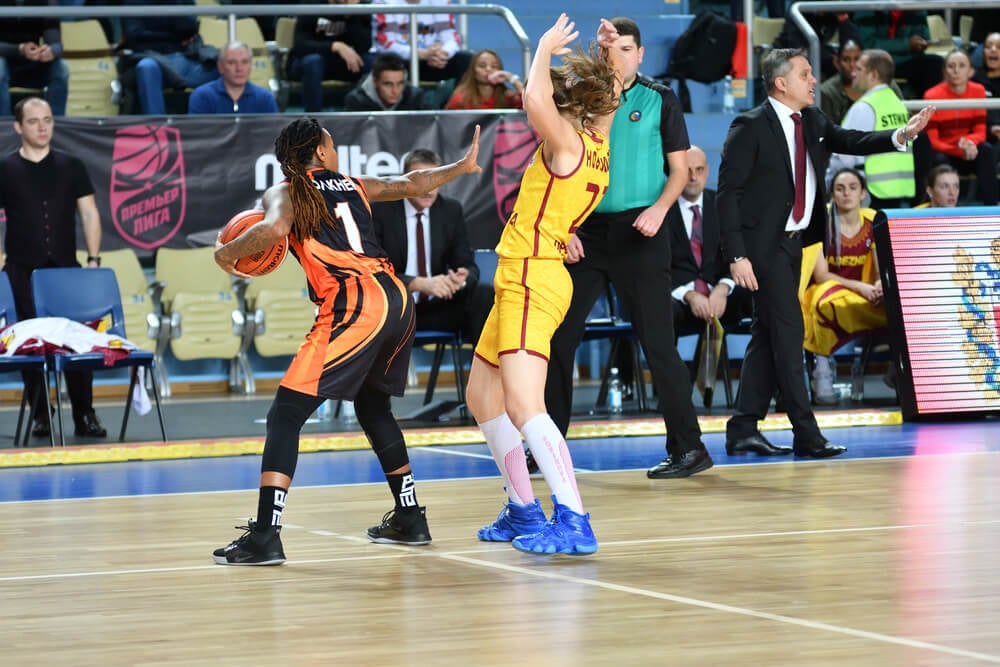
Whenever two players tied up the leather, the officials once stopped play for a jump between the two players. Modern rules replaced those with an alternating possession arrow, and the opening tip is the only jump in most games.
The arrow has quietly erased thousands of awkward standoffs between a short guard and a tall forward.
Why the Rulebook Never Sits Still

Almost every rule on this list exists because someone exposed a weakness. A tall center, a slow-moving lead, a pair of balcony spectators reaching over the rail, and each time the game closed the gap.
The sport did not change because tradition lost an argument. It changed because a clever player found the edge of the rules.
That makes the rulebook a kind of fossil record of who forced a rewrite. Every restriction carries a name or a night when the game looked broken.
The next big change is probably already waiting in some gym, in a player nobody has figured out how to guard.
More from Go2Tutors!

- 27 Silver Dollars and Half Dollars Worth Keeping
- 28 Restaurant Menu Items Nobody Orders Anymore
- 17 Places Built in Seemingly Impossible Spots
- 27 Vintage Rings Worth More Than They Look
- 25 Restricted Sites Tourists Can’t Enter
Like Go2Tutors’s content? Follow us on MSN.