Grocery Brands Our Moms Always Bought
Open any pantry from the 1970s and the same labels show up again and again. Mom did not comparison shop in the modern sense.
She found a jar, a box, or a can that worked, and it stayed in the cart for decades.
Many of those brands are still on shelves today, and several have origin stories stranger than anything printed on the label. Here are the staples that earned that loyalty.
Jif Peanut Butter
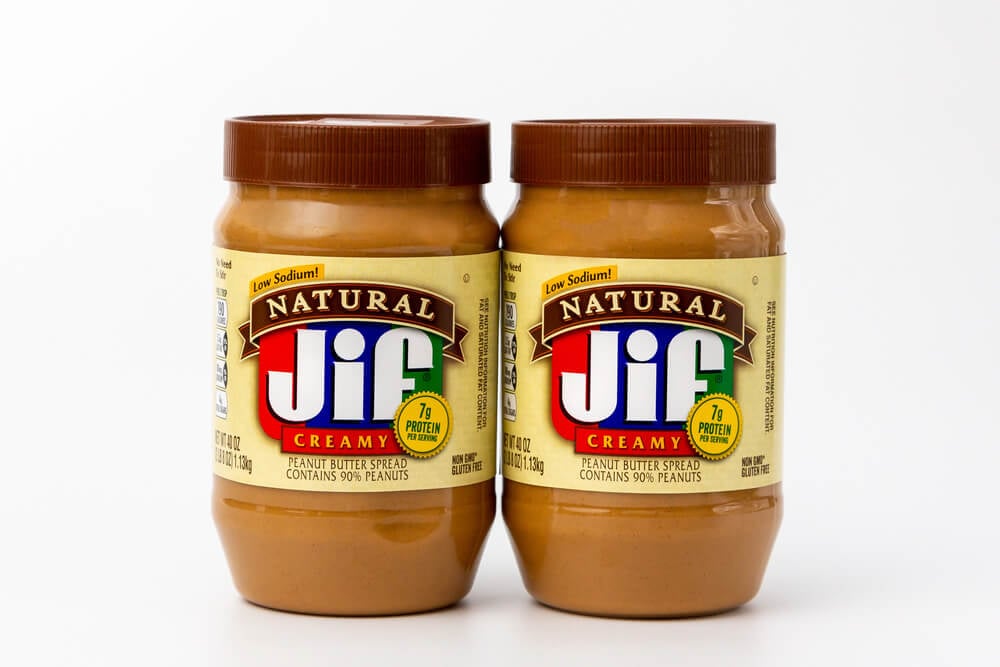
Procter & Gamble launched Jif in 1956, and the “choosy mothers choose Jif” slogan did the rest. The brand changed hands in 2001, when Smucker acquired it, yet the red-lidded jar still looks much as it did when it first landed in lunch boxes.
Few products have owned a school cafeteria for longer.
Skippy
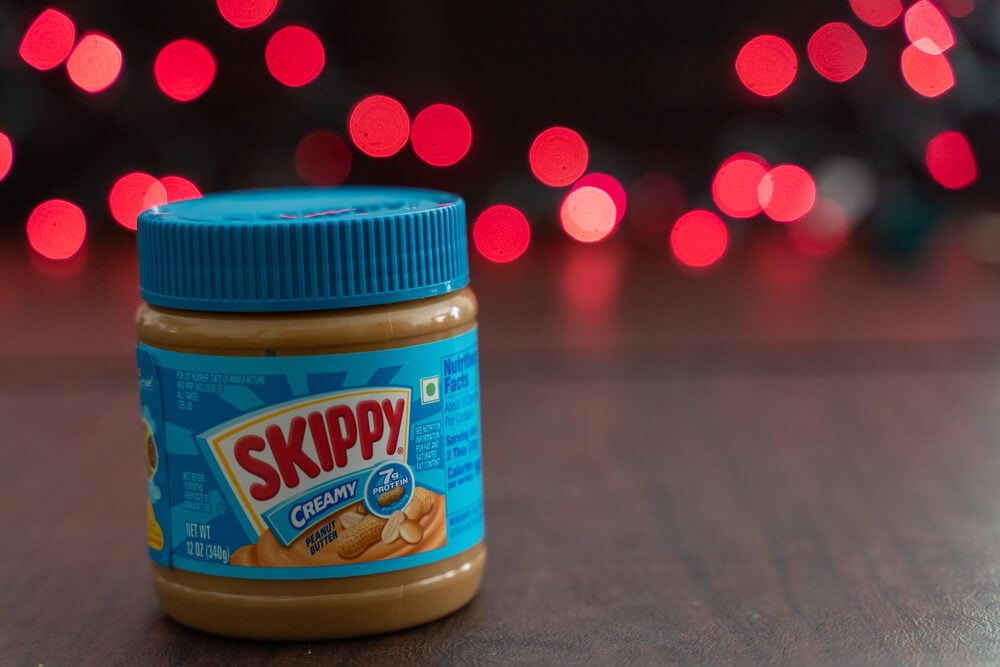
Skippy arrived in 1932, created by Joseph Rosefield, who developed a churning process that kept the oil from separating and made peanut butter spreadable straight from the jar. That small technical fix changed how the entire category was made.
Generations of kids argued over smooth versus chunky, and the blue label stayed put.
Wonder Bread
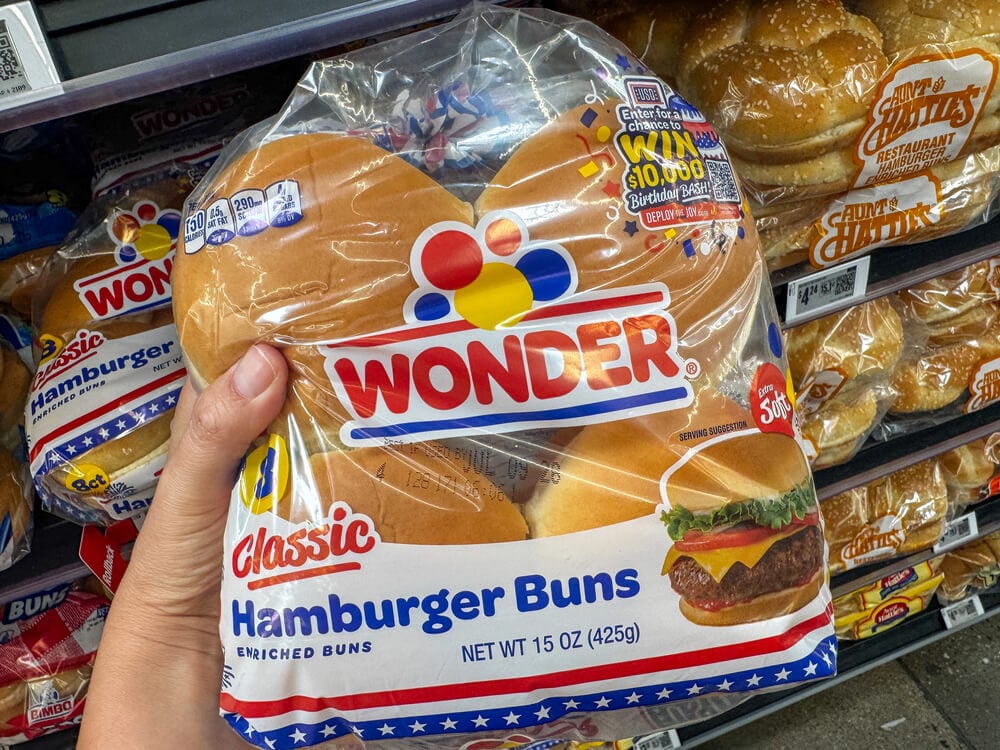
Wonder Bread debuted in 1921 and took its signature look from a visit to a race at the Indianapolis Motor Speedway, where colorful craft floating overhead inspired the packaging dots. Sliced loaves followed around 1930, a convenience that quickly became the default for American sandwiches.
The soft white texture became the standard against which every other loaf was judged.
Kraft Macaroni & Cheese
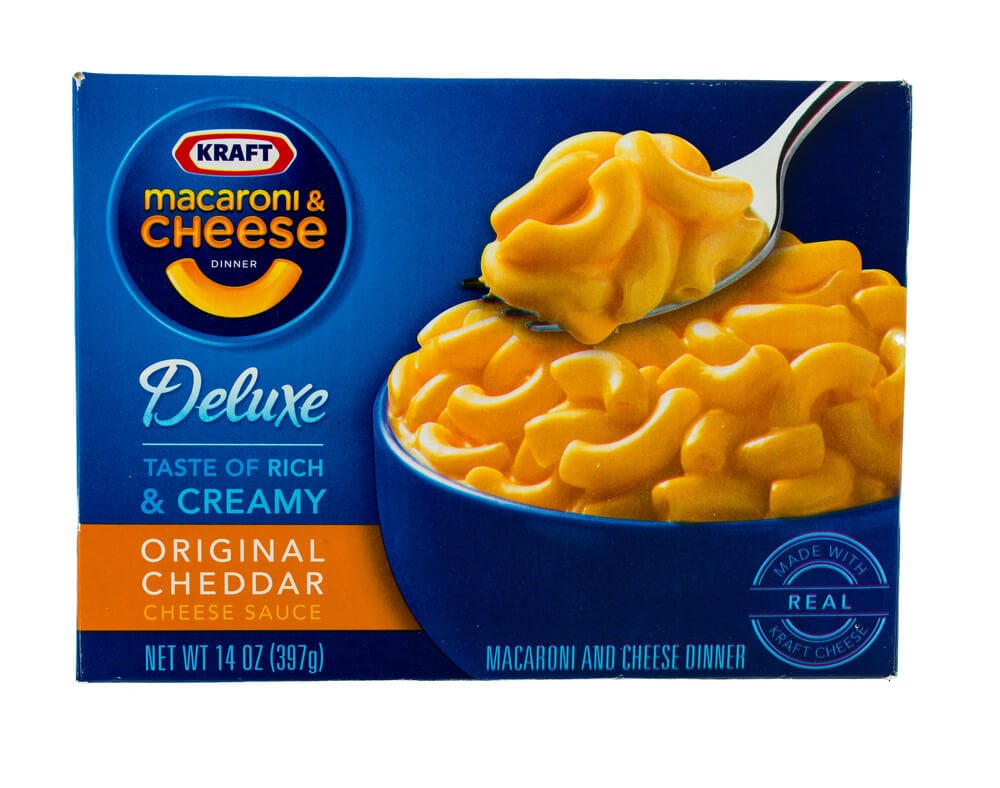
The blue box hit shelves in 1937 with a promise that one 19-cent package could feed four people. During World War II, shoppers could trade only one ration coupon for two boxes, which made it a wartime hero.
Millions of boxes sold within the first year, and the powdered cheese packet has barely changed in spirit since.
Campbell’s Condensed Soup
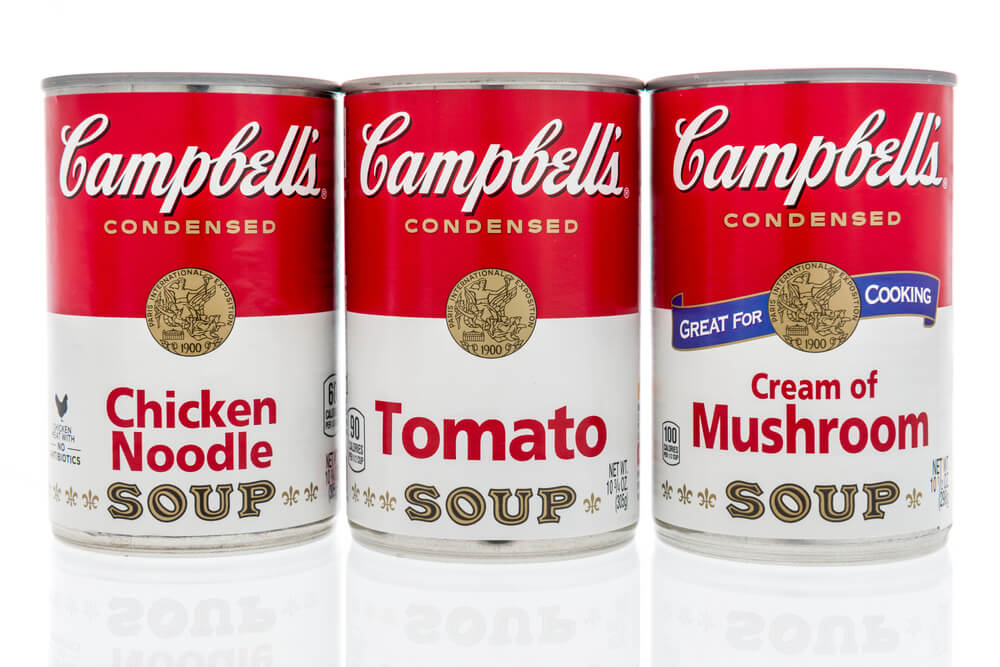
Chemist John Dorrance figured out how to remove water from soup in 1897, which made the cans cheaper to ship and store. The red and white label became so familiar that Andy Warhol painted 32 canvases of the flavors in 1962.
Plenty of mothers considered the cream of mushroom can a casserole ingredient rather than a soup.
Folgers
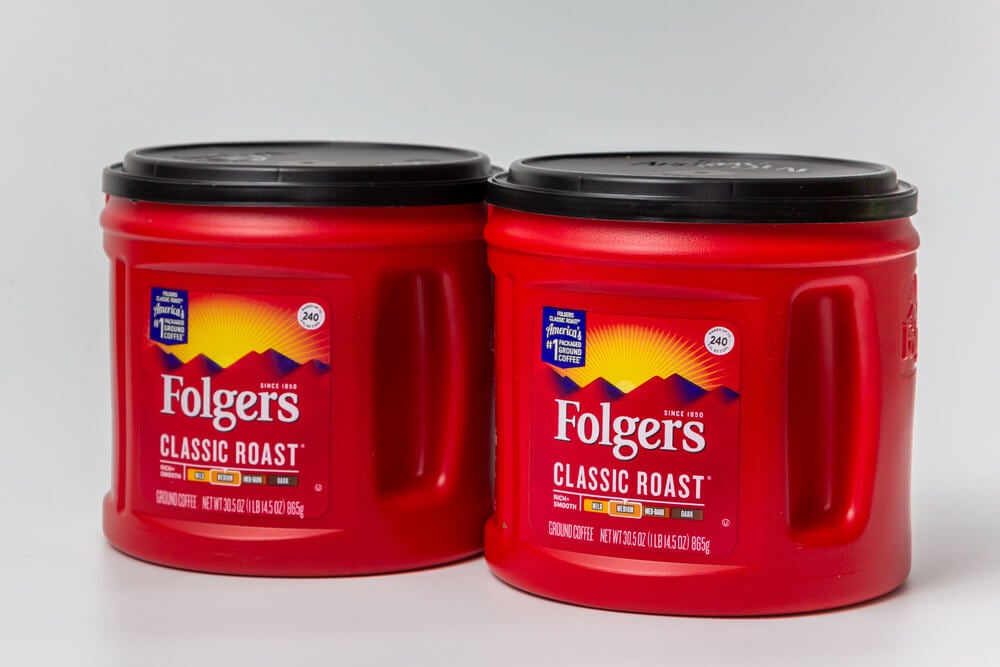
James Folger began selling coffee in San Francisco in 1850, supplying miners during the Gold Rush. By the time the red plastic canister became a kitchen fixture, the brand was a morning ritual across the country.
Its jingle about “the best part of waking up” is still recited by people who have not heard it in years.
Maxwell House
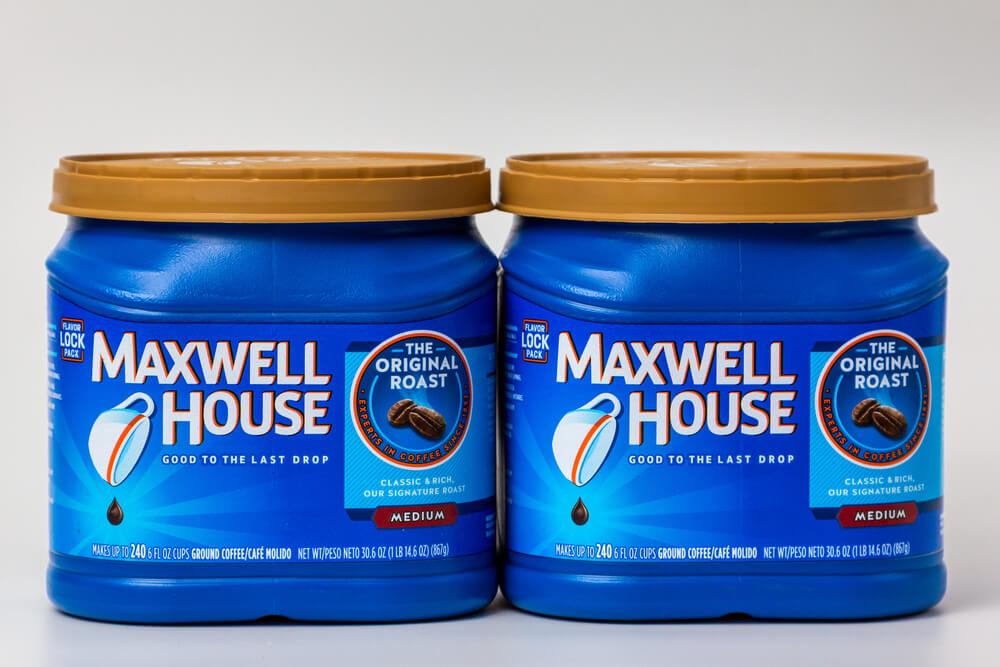
The brand traces back to Nashville and a hotel of the same name, where the coffee earned a reputation among guests. The slogan “good to the last drop” became one of the longest-running taglines in American advertising.
Percolator-era households treated the blue can as a staple for generations.
Hellmann’s Mayonnaise
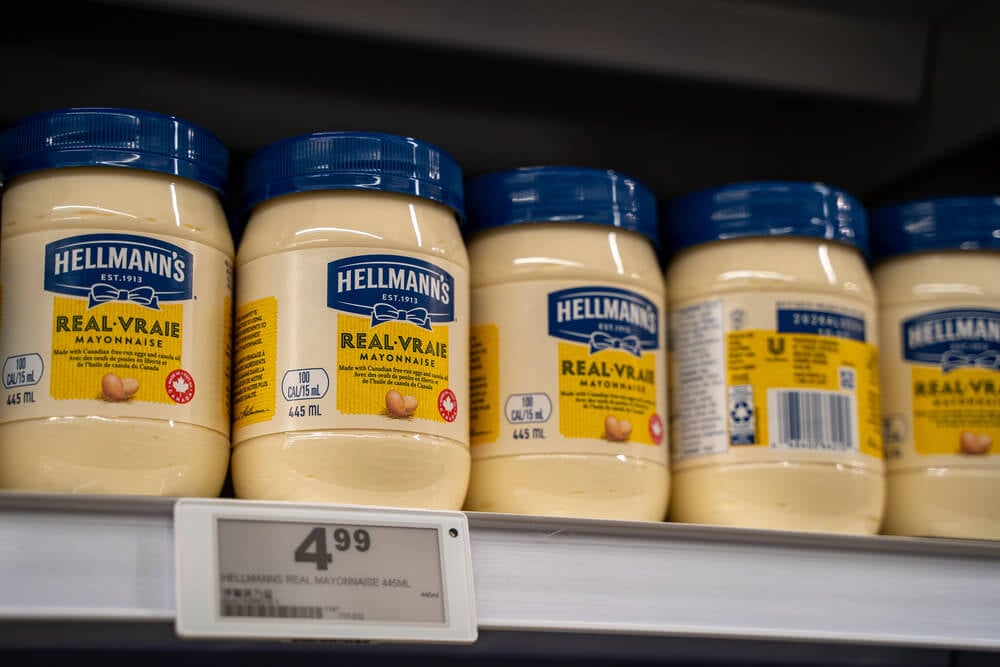
Richard Hellmann made his mayonnaise in a New York delicatessen in the early 1900s, and customers began buying it by the jar. West of the Rockies the same product is sold as Best Foods, a quirk that surprises people when they move across the country.
Loyalists will not accept a substitute on a tuna sandwich.
Jell-O
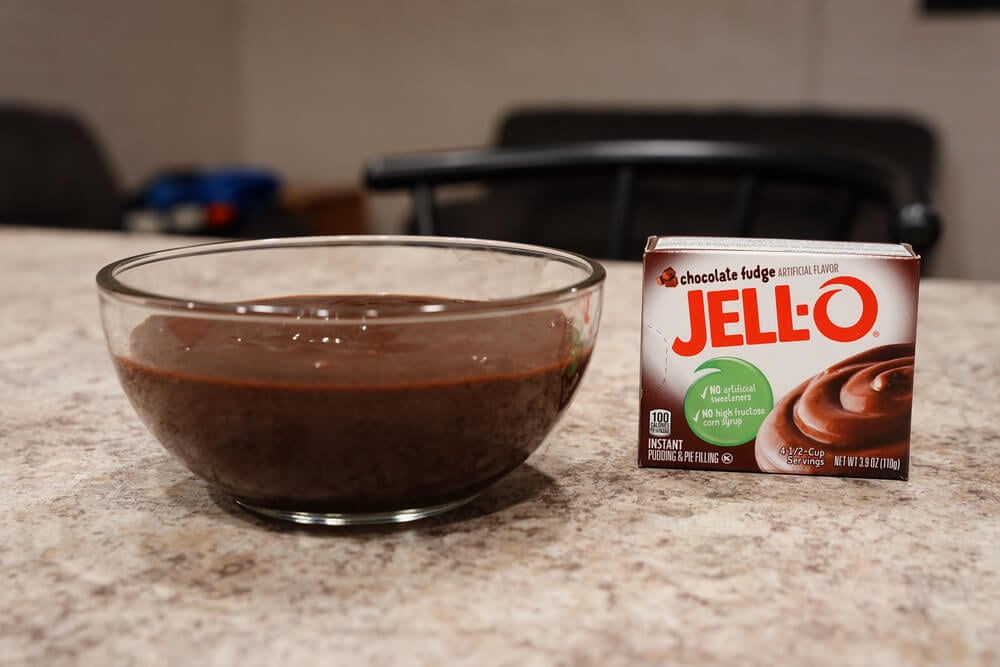
Pearle Wait, a carpenter in Le Roy, New York, patented a gelatin dessert in the 1890s, and the name Jell-O arrived in 1897. He sold the rights soon after, and the brand grew into a mealtime fixture.
A shimmering mold on the church potluck table was practically a rite of passage.
Bisquick
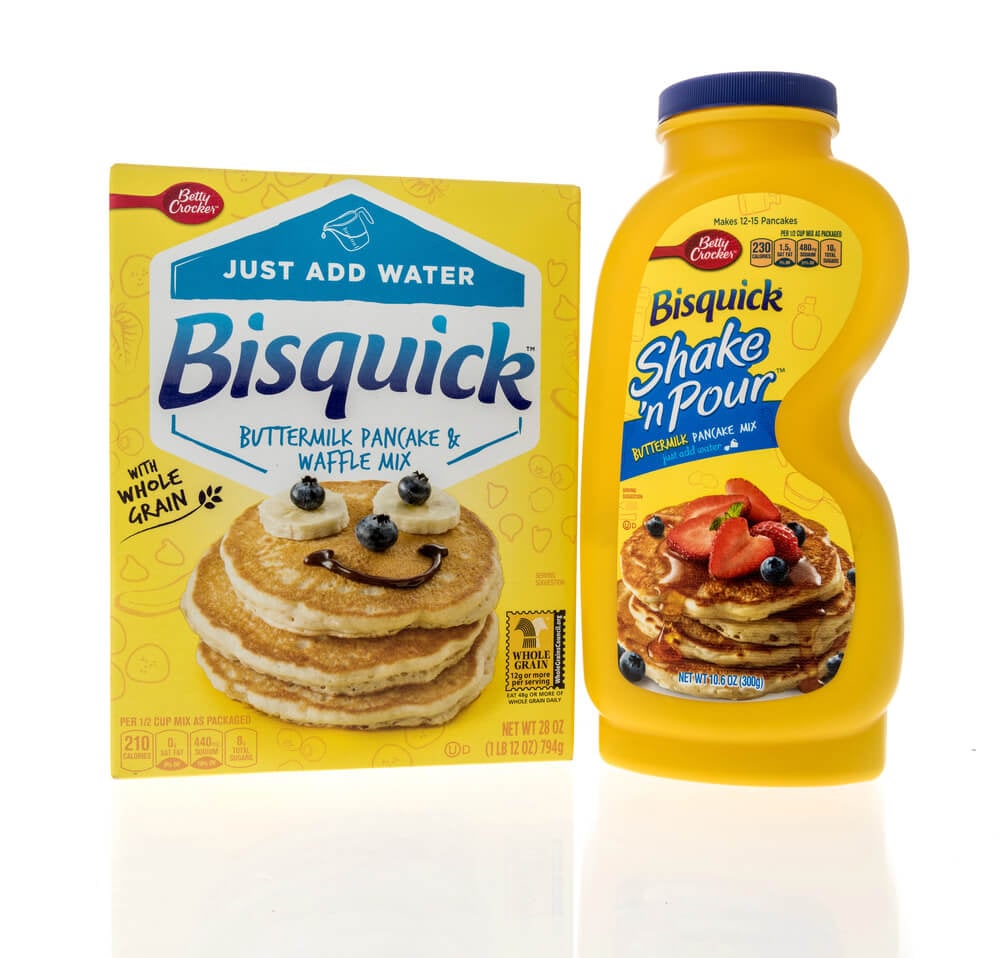
General Mills introduced Bisquick in 1931 after an executive tasted fast, fresh biscuits made by a train dining car chef using a premixed batter. The idea of a baking mix that needed only water or milk was new and caught on quickly.
Pancakes, waffles, and dumplings all came from the same yellow box.
Crisco
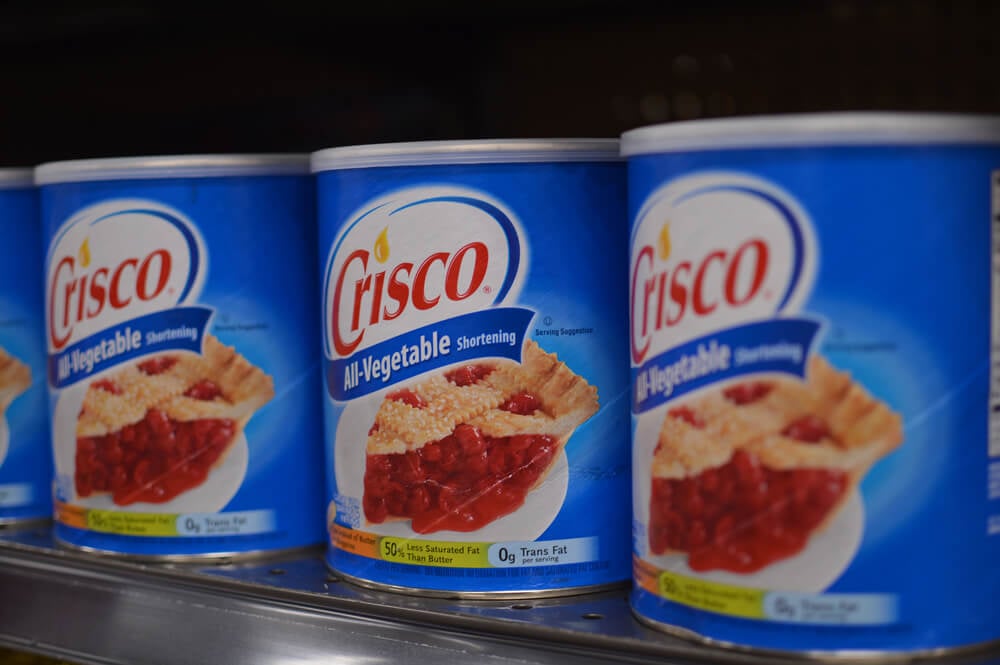
Procter & Gamble introduced Crisco in 1911 as an all-vegetable shortening, positioned as a modern alternative to lard. Early marketing leaned on cookbooks and recipe booklets that taught cooks how to use it.
Pie crusts and fried chicken made it a baking staple through much of the twentieth century.
Spam
Hormel launched Spam in 1937, and a New York actor named Kenneth Daigneau won $100 for suggesting the name. Soldiers ate it in enormous quantities during the war, and the canned meat later became beloved in Hawaii, where it appears on menus everywhere.
Moms who grew up in the Depression often kept a can on hand for emergencies.
Chef Boyardee
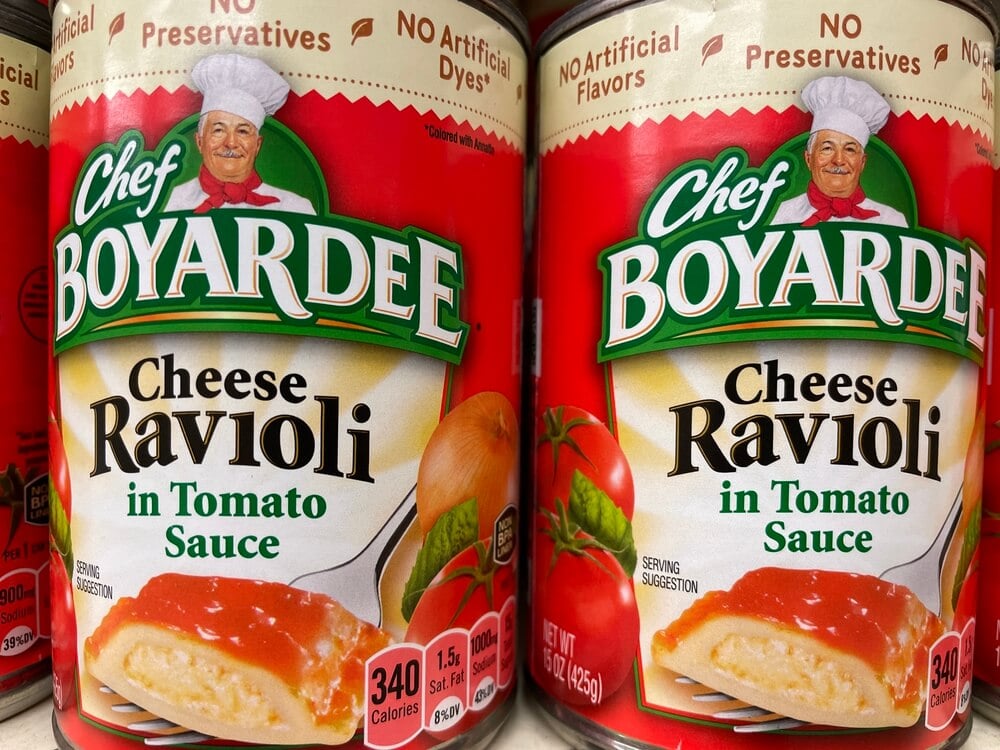
Hector Boiardi was a real chef who worked at the Hotel Hollenden in Cleveland before opening a factory to sell his sauces. The label spells his name phonetically so customers could pronounce it.
Canned ravioli and spaghetti became a dependable weeknight dinner for kids across the country.
Kool-Aid
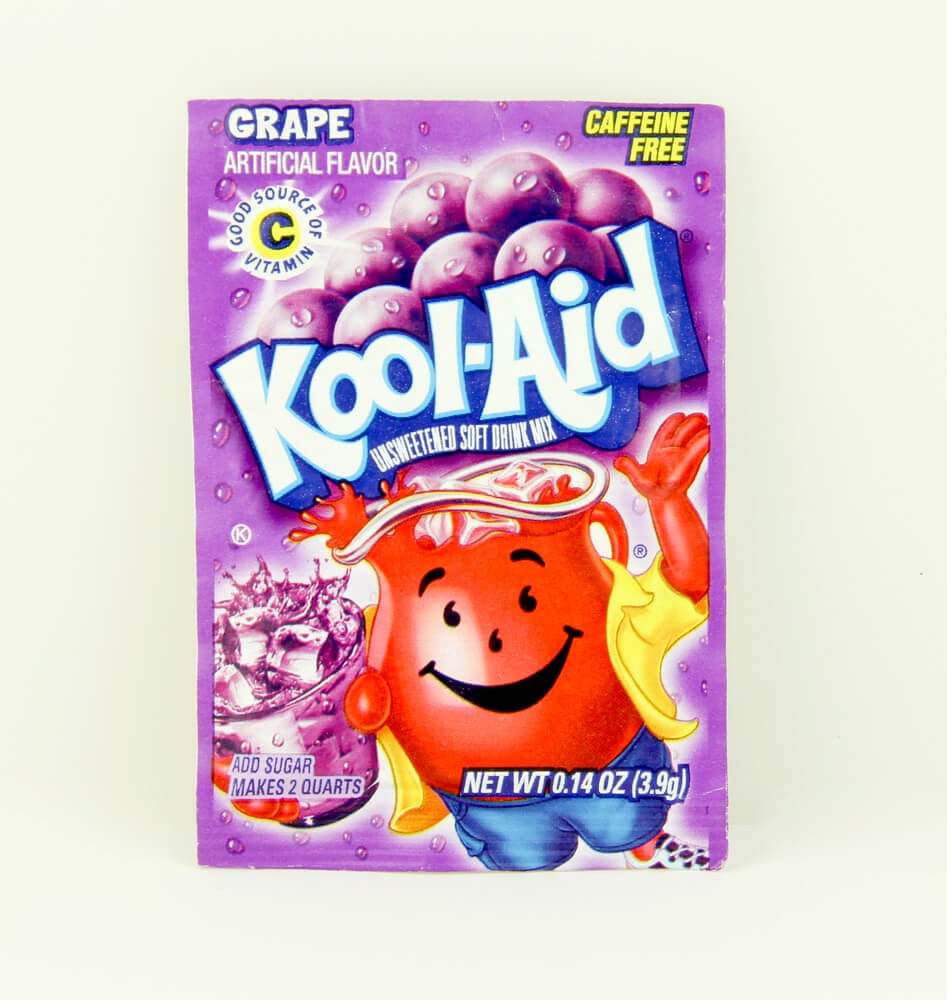
Edwin Perkins created Kool-Aid in 1927 in Hastings, Nebraska, by turning a liquid drink concentrate into a powder that cost a nickel a packet. Nebraska later named it the official soft drink of the state.
Summer afternoons across the neighborhood were fueled by a pitcher of the stuff.
Velveeta
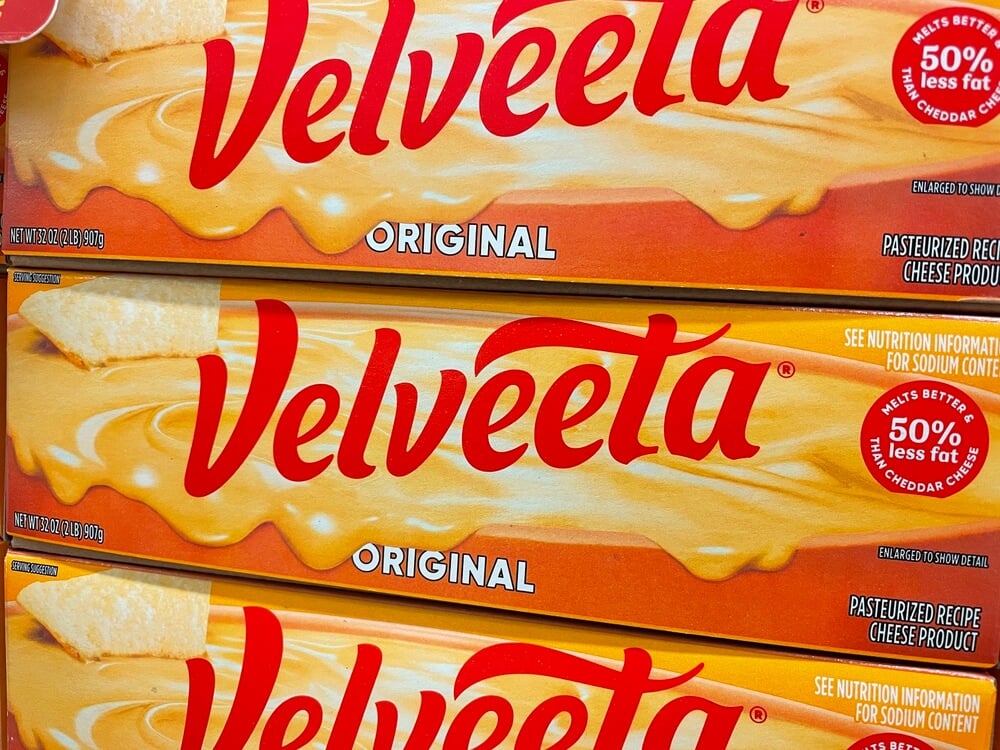
Emil Frey developed the processed cheese in Monroe, New York, in the 1910s, and Kraft acquired the brand in 1927. It melts into a smooth sauce without splitting, which made it a hit for dips and casseroles.
Its shelf-stable brick has long sat unrefrigerated in the grocery aisle.
Ritz Crackers
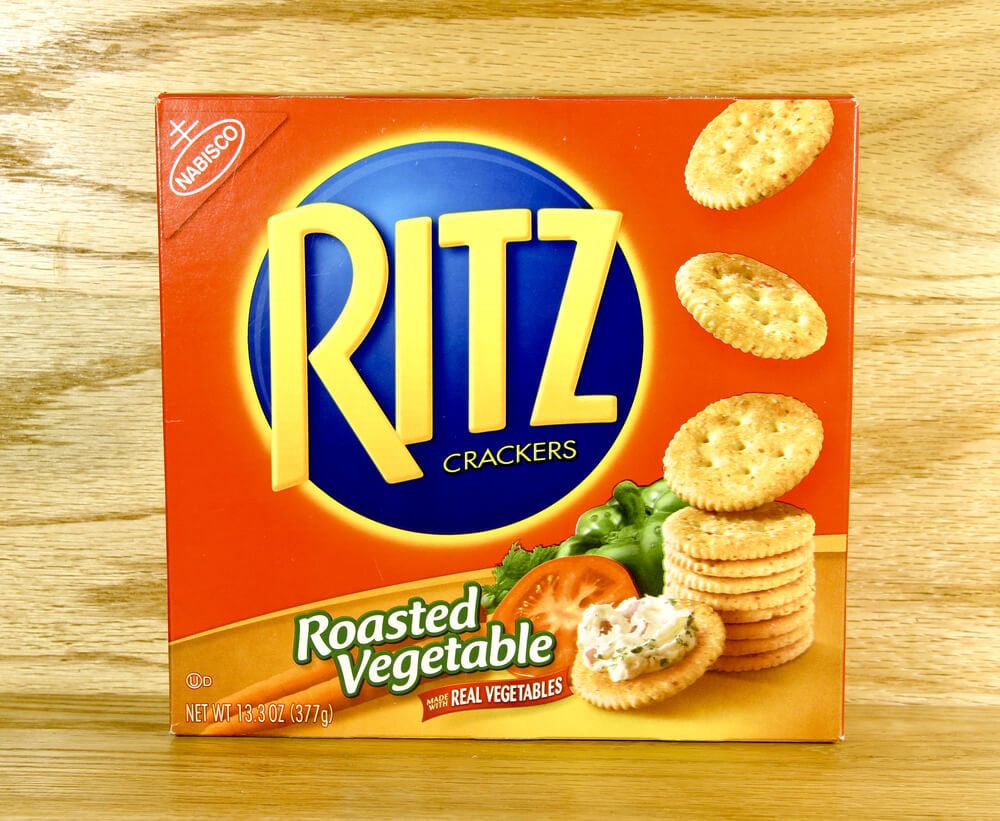
Nabisco introduced Ritz in 1934, right in the middle of the Great Depression, as an affordable treat with a luxurious name. The buttery round became a party platter staple, topped with cheese or spread with peanut butter.
Mock apple pie made with Ritz crackers became a famous mid-century recipe.
Birds Eye Frozen Vegetables
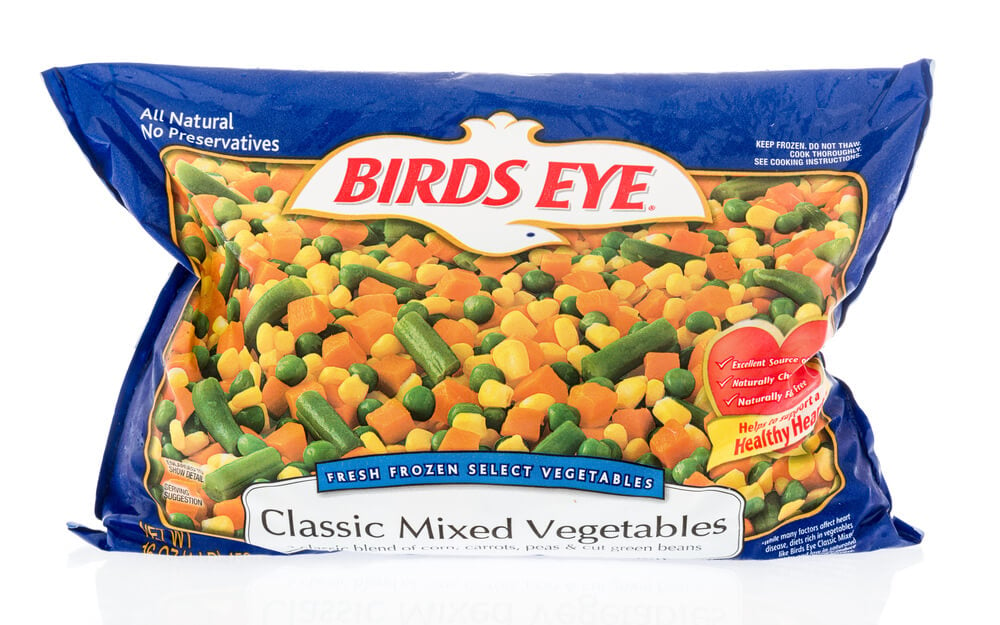
Clarence Birdseye noticed in Labrador that fish frozen quickly in the Arctic air tasted fresher when thawed. He built a business on that insight, and frozen foods began appearing in American grocery stores around 1930.
A bag of frozen peas became a quiet convenience that mothers relied on for decades.
Swanson TV Dinners
Swanson sold its first TV dinner in 1953 for 98 cents, a turkey meal divided into compartments inside an aluminum tray. The idea was to match the growing habit of eating in front of the television set.
For a generation of kids, Saturday night and a foil tray went together.
Lipton Onion Soup Mix
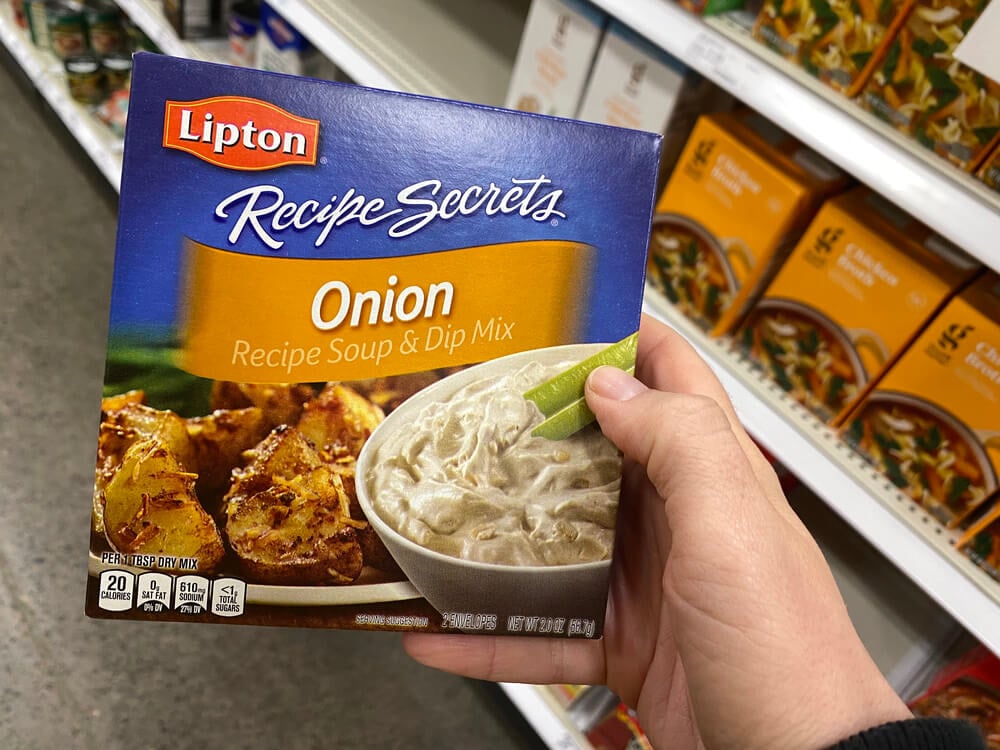
Lipton’s dry onion soup mix became a kitchen workhorse after a dip recipe made with sour cream circulated widely in the 1950s. The envelope also flavored meatloaf, pot roast, and roasted potatoes.
A single packet could save an entire dinner on a busy night.
Hamburger Helper
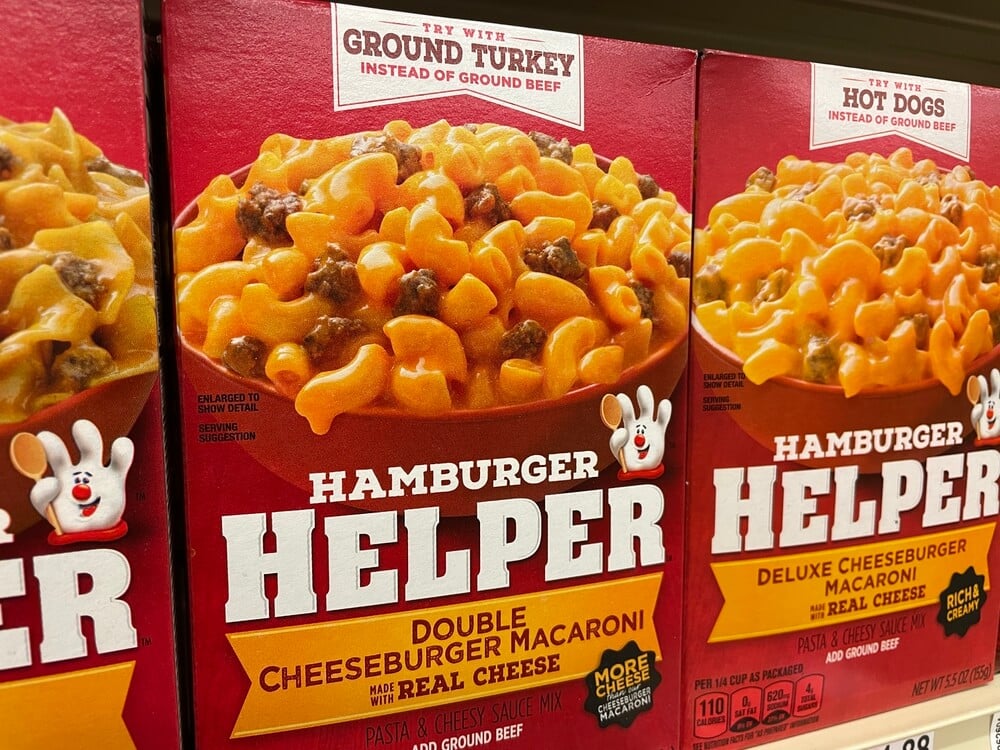
General Mills introduced Hamburger Helper in 1971 as a way to stretch a pound of ground beef into a meal for a family. The cartoon Helping Hand mascot waved from the box, and the lineup expanded to a long list of flavors.
It remains a go-to for tight budgets and tired cooks.
The Comfort of the Same Old Cart
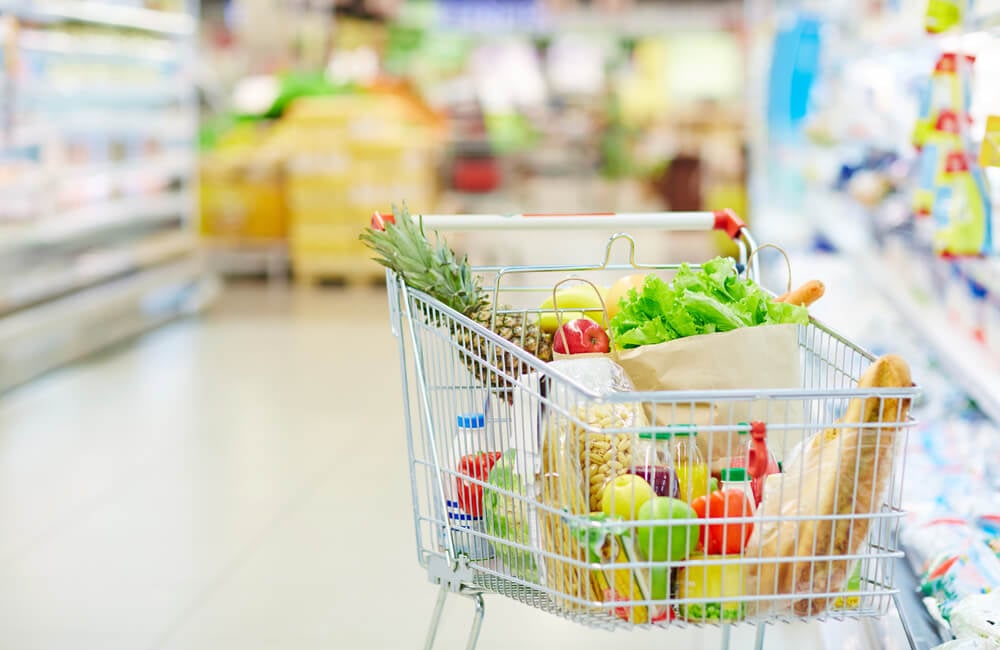
Brand loyalty looked different when a family had one grocery trip a week and one chance to get dinner right. A reliable product removed a decision, and a decision removed was a small win in a busy household.
The labels on this list earned their place by never giving anyone a reason to look elsewhere.
That loyalty also explains why these brands have outlasted so many trends. A jar of Jif or a box of macaroni carries a taste memory that no new launch can easily replace.
The cart may look different now, but the pantry staples still feel like home.
More from Go2Tutors!

- 27 Silver Dollars and Half Dollars Worth Keeping
- 28 Restaurant Menu Items Nobody Orders Anymore
- 17 Places Built in Seemingly Impossible Spots
- 27 Vintage Rings Worth More Than They Look
- 25 Restricted Sites Tourists Can’t Enter
Like Go2Tutors’s content? Follow us on MSN.