16 Fascinating Ways Plants Communicate With Each Other
Walk through any forest, garden, or meadow, and you’re witnessing one of nature’s most sophisticated communication networks in action. What appears to be a collection of silent, stationary organisms is actually a bustling community where information flows constantly—warnings about danger, requests for help, and complex negotiations that would make any diplomat envious. Plants have been perfecting their communication systems for millions of years, developing methods so intricate and effective that scientists are only beginning to understand their full complexity.
Chemical Alarm Signals

Plants release volatile organic compounds when under attack. These airborne chemicals travel to neighboring plants faster than any text message. The receiving plants immediately begin producing defensive compounds before the threat arrives.
Acacia trees in Africa demonstrate this perfectly—when giraffes start browsing, the entire grove becomes unpalatable within minutes.
Underground Fungal Networks

Beneath the soil lies what researchers call the “wood wide web” (and the name isn’t accidental—the comparison to our internet runs deeper than anyone initially suspected, complete with information highways, traffic jams, and even what might be considered spam). These mycorrhizal networks connect plant roots through fungal threads that stretch for miles, creating a communication system so complex that a single teaspoon of forest soil contains enough fungal network to stretch several miles if laid end to end. So when a Douglas fir needs to send nutrients to its struggling offspring in a shaded grove, the network handles the logistics. But it’s not just about resource sharing—the fungal internet also carries chemical messages, distress signals, and even warnings about environmental changes that haven’t yet reached the surface.
The network plays favorites, too. Mother trees recognize their own offspring and send them extra resources through the fungal web, while treating unrelated seedlings with something that looks remarkably like indifference.
Electrical Impulses
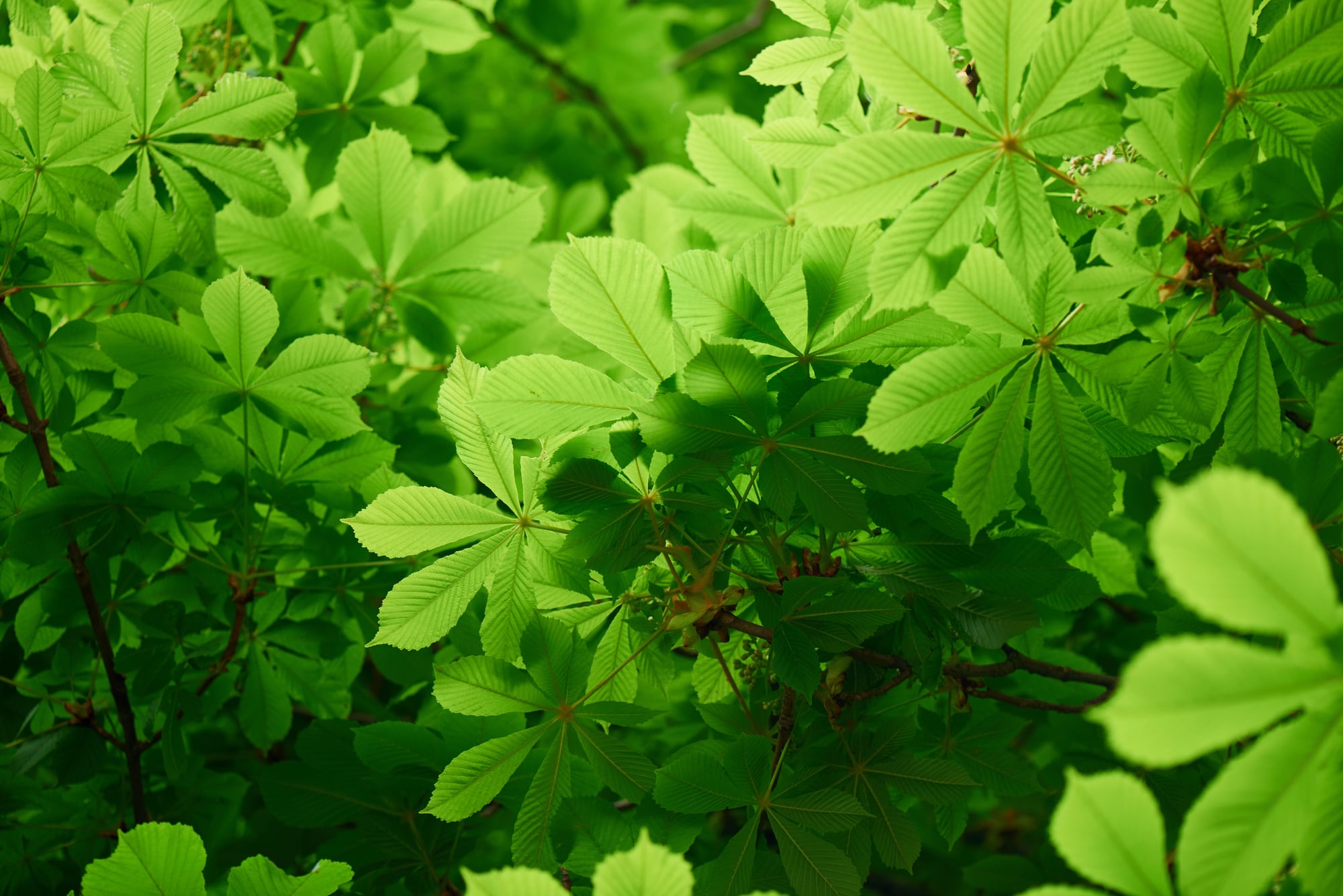
Like neurons firing in a brain, plants generate electrical signals that travel through their tissues at measurable speeds. Touch a mimosa leaf and watch it fold—that’s electrical communication triggering a mechanical response faster than many animals can react.
Venus flytraps count electrical pulses to distinguish between raindrops and prey, demonstrating a level of signal processing that would be impressive in any organism.
Root-to-Root Chemical Messages

Plant roots secrete specific molecules into the soil, and neighboring plants read these chemical signatures like reading someone else’s diary—except the diary is intentionally left open, filled with detailed information about nutrient availability, water stress, and the presence of beneficial or harmful microorganisms in the immediate area. The chemical conversations happening in root zones make diplomatic negotiations look simple: there’s competitive posturing (roots releasing compounds that inhibit competitors), cooperative sharing (chemical signals that coordinate growth patterns to avoid overlap), and what amounts to neighborhood gossip (updates about environmental conditions several feet away). And the most remarkable part? Plants can distinguish between the root chemicals of family members versus strangers, adjusting their chemical output accordingly. So a corn plant will behave more aggressively toward the roots of an unrelated corn plant than toward its own siblings.
Some plants release allelopathic compounds that essentially tell competitors to back off, while others send welcoming signals to beneficial species.
Light Pattern Recognition

Plants detect changes in light quality when neighbors grow too close. Red and far-red light ratios shift under a leaf canopy, sending clear signals about competition intensity.
This isn’t just passive sensing—plants actively adjust their growth patterns based on the light signatures of surrounding vegetation. Shorter plants can essentially “see” taller neighbors approaching through subtle light changes.
Sound Wave Detection

Trees produce ultrasonic clicks during drought stress, and nearby plants appear to respond to these acoustic signals. The clicks occur when air bubbles form in the water transport system—a plant’s equivalent of crying out in distress.
Recent studies suggest roots can also detect the sound of water moving through pipes, growing preferentially toward the sound source even when no moisture gradient exists in the soil.
Leaf Movement Coordination
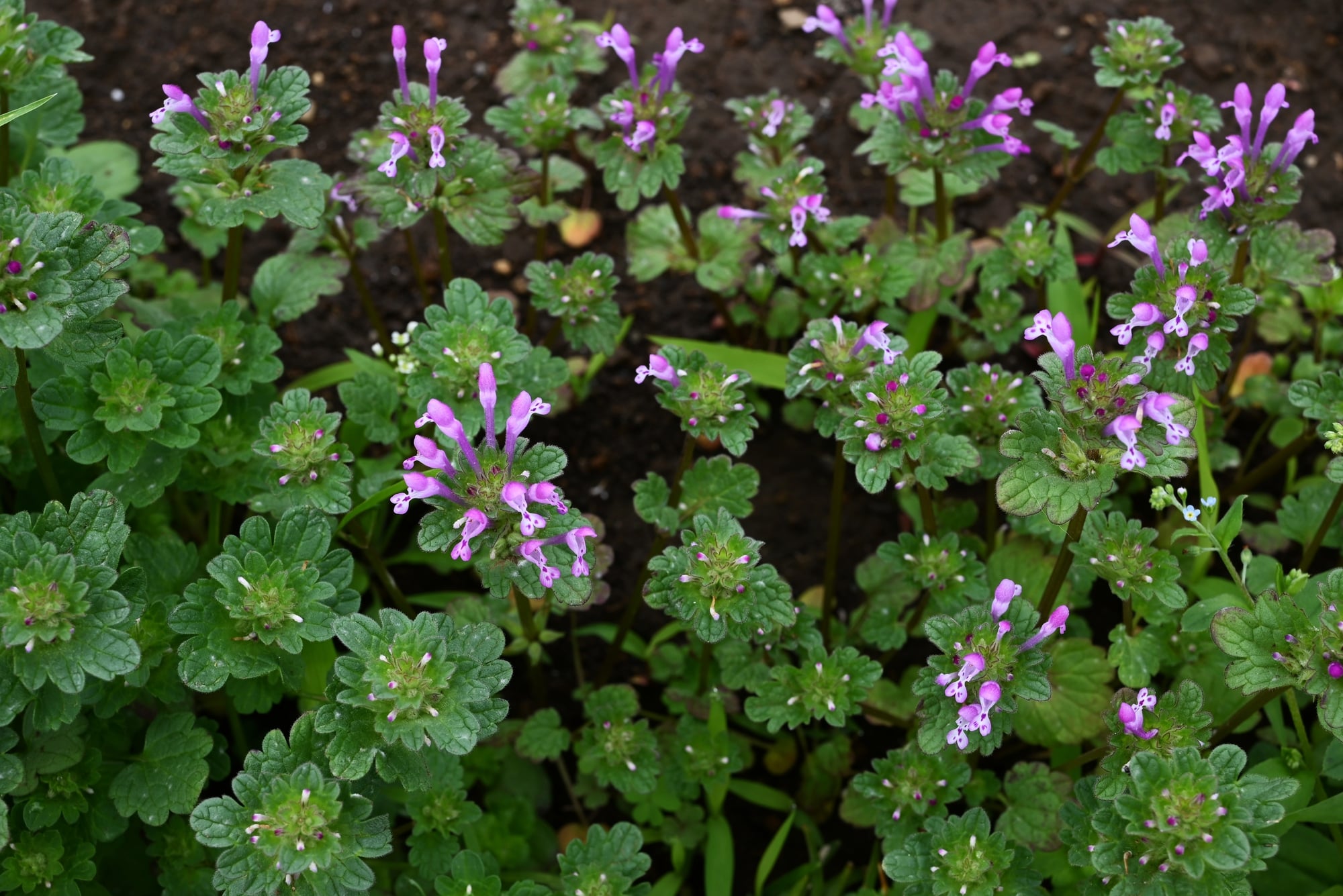
Watch a field of sunflowers track the sun across the sky, and you’re seeing mass coordination that puts synchronized swimming to shame. But this isn’t just individual plants following light—neighboring sunflowers actually influence each other’s movement patterns, creating waves of motion that ripple across entire fields like a slow-motion crowd doing the wave at a stadium. The coordination becomes more precise when plants are grouped closely together, suggesting they’re reading subtle cues from their neighbors and adjusting accordingly. Even stranger: older sunflowers eventually stop tracking the sun and face permanently east, but their presence influences younger plants to maintain more precise solar tracking than they would alone.
The mechanical movement itself becomes a form of communication, with leaf positions and angles conveying information about light conditions and optimal growth strategies.
Pheromone Release

Plants produce pheromones that attract beneficial insects while repelling harmful ones. When corn plants detect caterpillar damage, they release compounds that summon parasitic wasps—essentially calling for backup with remarkable precision.
Lima beans take this further, releasing different chemical blends depending on which specific pest is attacking. The plant’s pheromone vocabulary is surprisingly sophisticated.
pH Soil Modification
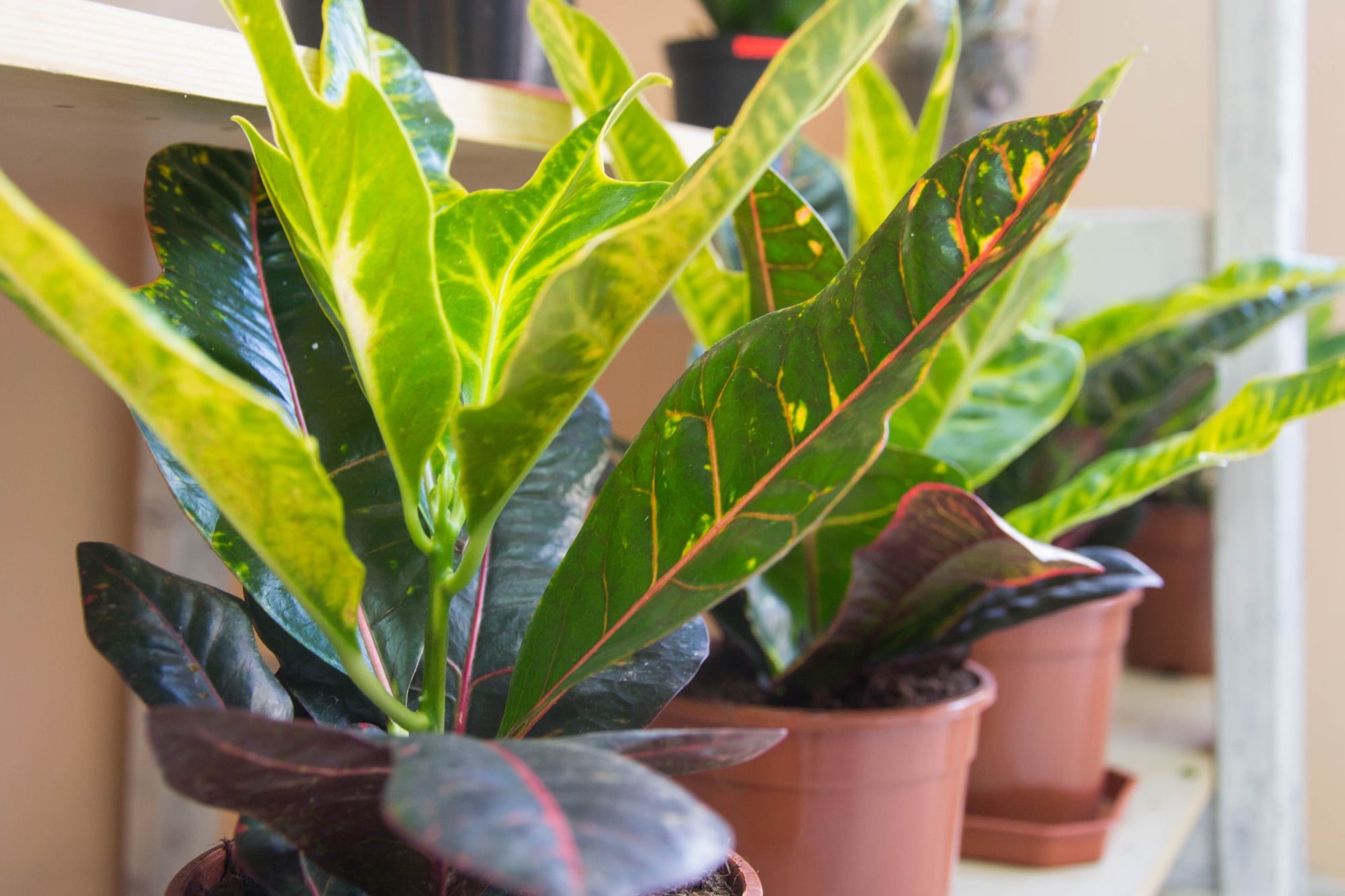
Certain plants deliberately alter soil chemistry to communicate territorial boundaries or create favorable conditions for allies. Blueberry bushes acidify the soil around their roots, making the area uninhabitable for competitors while creating perfect conditions for their preferred fungal partners.
The pH changes can persist for years after a plant dies, essentially leaving chemical messages for future generations about optimal growing conditions in that specific location.
Temperature Signaling

Plants generate and respond to subtle temperature variations in their immediate environment. Root systems create warm zones during active growth, and neighboring plants interpret these thermal signatures as indicators of resource availability.
Some desert plants use temperature signaling to coordinate blooming times, ensuring the entire population flowers simultaneously to maximize pollination success despite harsh conditions.
Electromagnetic Field Fluctuations
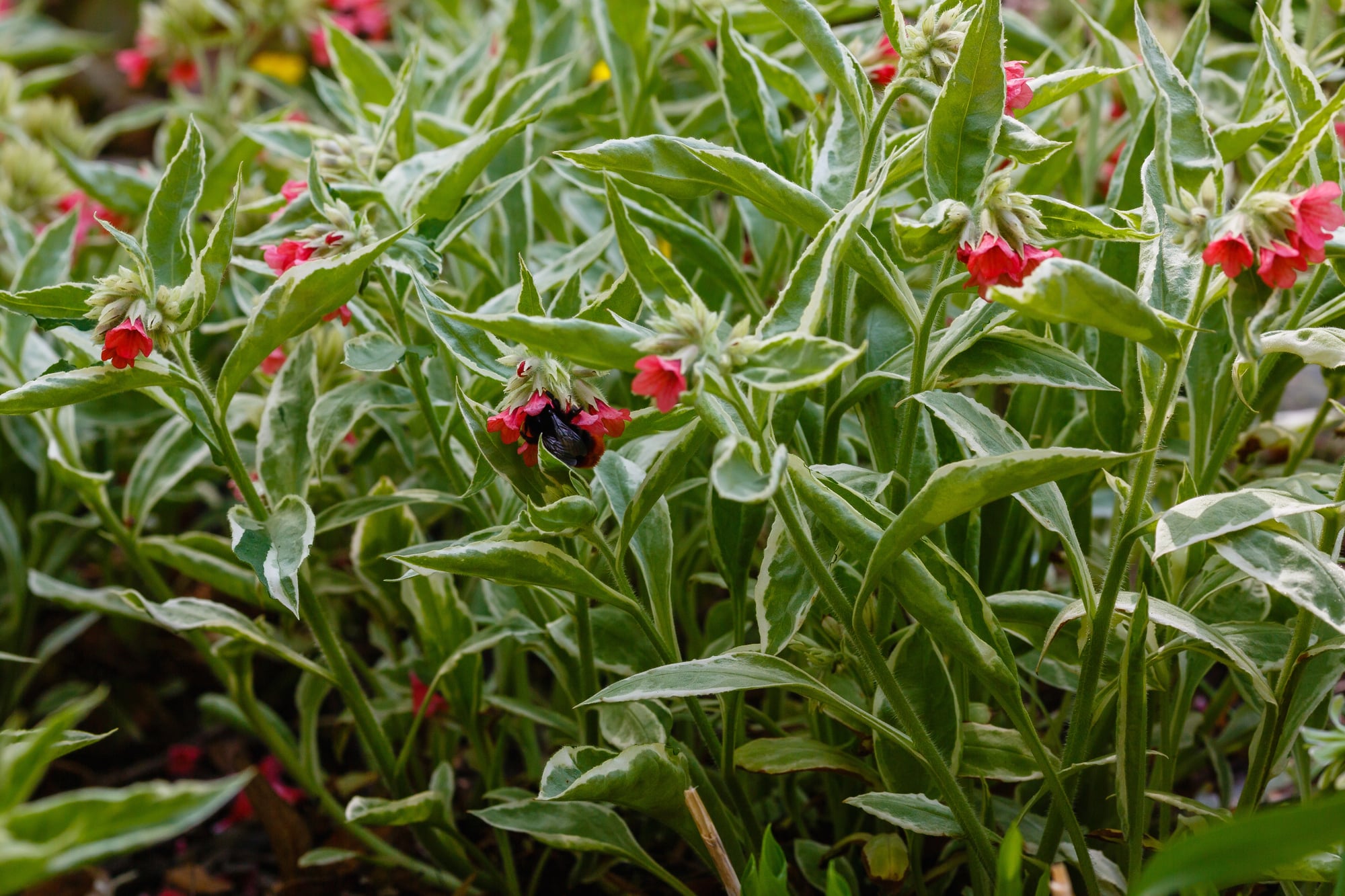
Research indicates plants can detect and possibly generate weak electromagnetic fields. These fields fluctuate based on physiological activity and may serve as another communication channel, though the exact mechanisms remain largely mysterious.
Trees in old-growth forests show synchronized electromagnetic activity that correlates with nutrient exchange patterns, suggesting the fields play a role in coordinating resource distribution across the forest network.
Scent Molecule Gradients
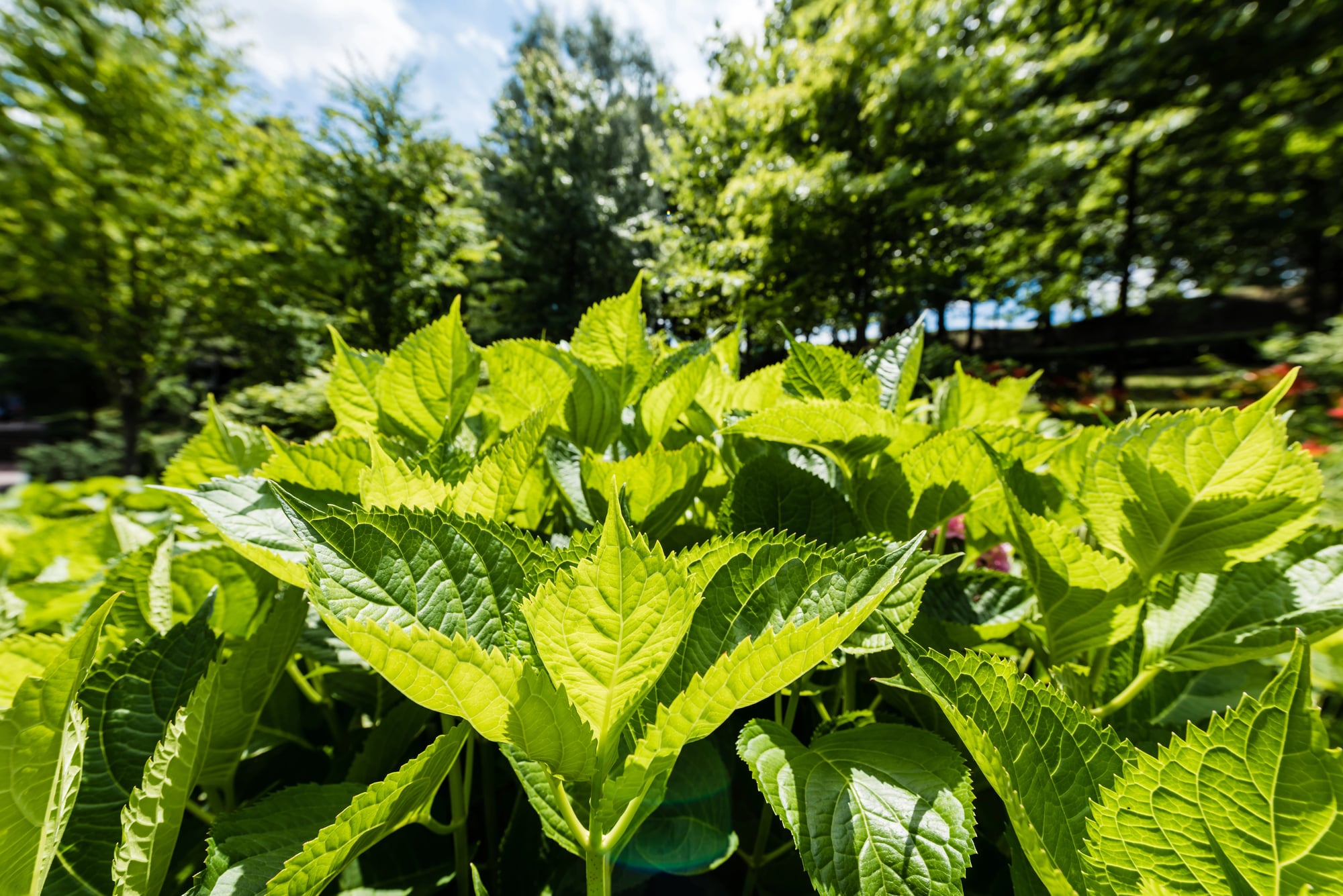
The air around plants carries complex scent signatures that change based on health status, reproductive readiness, and stress levels—think of it as a constantly updating social media feed where instead of posting status updates, plants release molecules that tell their life story in real time. Healthy plants emit different molecular cocktails than stressed ones, reproductive plants broadcast availability through specific scent compounds, and plants under attack release distress signals that neighboring plants can detect from remarkable distances. But here’s where it gets interesting (and slightly unsettling): plants appear to eavesdrop on each other’s scent conversations, adjusting their own molecular releases based on what they’re detecting from the community. So a plant might ramp up its defensive compound production not because it’s under attack, but because it’s detected the distress scents from a neighbor three rows over.
The scent gradients also help plants identify optimal mating partners, with some species showing clear preferences for genetically diverse partners based purely on molecular signature analysis.
Vibration Pattern Transmission

Plants transmit vibrations through stems and branches when disturbed, creating mechanical waves that travel to connected plant parts and even to nearby plants through root networks or touching branches.
Grape vines use vibration signaling extensively—when one part of the vine network detects stress, mechanical waves alert the entire system to begin protective responses.
Water Stress Hormones

Drought-stressed plants release hormone signals that prepare neighboring plants for water scarcity. These chemical messengers travel through both air and soil, giving plants advance warning about changing water availability.
The hormone signals are so specific that plants can distinguish between temporary water stress and long-term drought conditions, adjusting their responses accordingly.
Growth Pattern Mimicry

Some plants observe and copy the successful growth patterns of thriving neighbors through a combination of visual, chemical, and mechanical cues. Climbing vines are particularly skilled at this, adjusting their growth direction and speed based on signals from successful neighboring climbers.
This form of plant learning challenges traditional assumptions about plant intelligence, suggesting a level of adaptive behavior that resembles social learning in animal species.
Seasonal Timing Coordination

Plants synchronize seasonal activities like leaf drop, flowering, and dormancy through complex chemical signaling networks that override individual genetic programming when community coordination provides survival advantages.
Forest communities that coordinate autumn leaf drop create more effective nutrient cycling than individual trees operating on independent schedules, demonstrating the survival value of community communication over individual optimization.
The Language We’re Still Learning

Standing in a garden now feels different once you recognize the conversations happening all around you. These communication methods represent just the beginning of what scientists are discovering about plant intelligence and social behavior. Each new study reveals additional layers of complexity, suggesting that plants possess sophisticated information processing abilities that rival many animal communication systems. The implications extend far beyond botany—understanding plant communication networks could revolutionize agriculture, forest management, and our fundamental relationship with the natural world that surrounds us every day.
More from Go2Tutors!

- The Romanov Crown Jewels and Their Tragic Fate
- 13 Historical Mysteries That Science Still Can’t Solve
- Famous Hoaxes That Fooled the World for Years
- 15 Child Stars with Tragic Adult Lives
- 16 Famous Jewelry Pieces in History
Like Go2Tutors’s content? Follow us on MSN.