27 Space Age Foods Families Ate in the 60s
The 1960s kitchen ran on a simple belief: anything a laboratory touched was an improvement. Powders became drinks, flakes became potatoes and dinner arrived frozen in its own tray.
Rockets on television made the idea feel patriotic. If astronauts could eat from pouches and tubes, a family in the suburbs could surely manage breakfast from an envelope.
Tang, the Orange Powder That Rode Along With Mercury
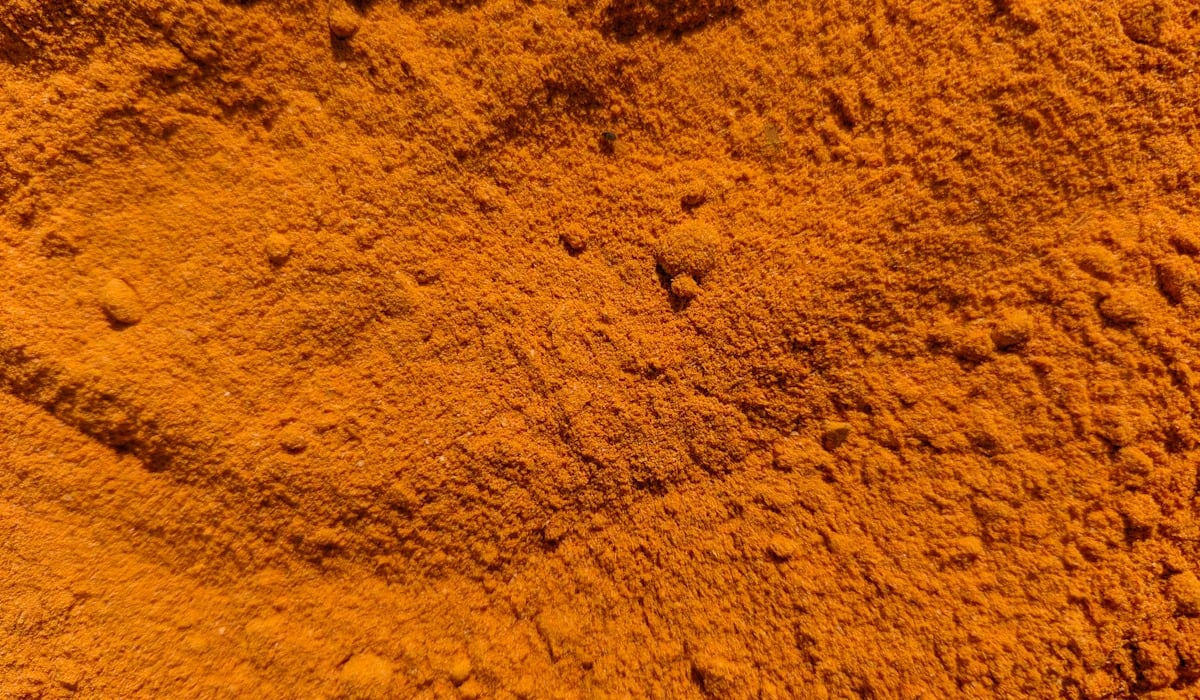
General Foods chemist William A. Mitchell developed Tang in 1957, and the powdered orange drink reached grocery shelves in 1959 to modest interest.
NASA did not invent it. The agency simply bought it, and when John Glenn tested eating and drinking in orbit aboard Friendship 7 in February 1962, Tang was reportedly part of the experiment.
General Foods leaned on the connection through the Gemini years, advertising heavily around launch coverage and tying the jar to the astronauts. A breakfast drink that needed only tap water and a spoon suddenly looked like mission equipment, and kids who had ignored it began asking for it by name.
Pillsbury Space Food Sticks in Chocolate, Caramel and Peanut Butter
Pillsbury food scientist Howard Bauman led the company’s work on compact, crumb-free foods for NASA during the 1960s, and the consumer version arrived around 1969 as Space Food Sticks. Each soft, chewy rod was individually wrapped and sold in flavors including chocolate, caramel and peanut butter.
The pitch to parents was balanced nutrition in a lunchbox snack, and the pitch to kids was the word space. A version of the sticks later flew on Skylab in the early 1970s.
Pillsbury’s NASA contract also helped produce the hazard control system now used across the food industry, which is the less chewy legacy.
Freeze-Dried Ice Cream With a Thin Flight Record
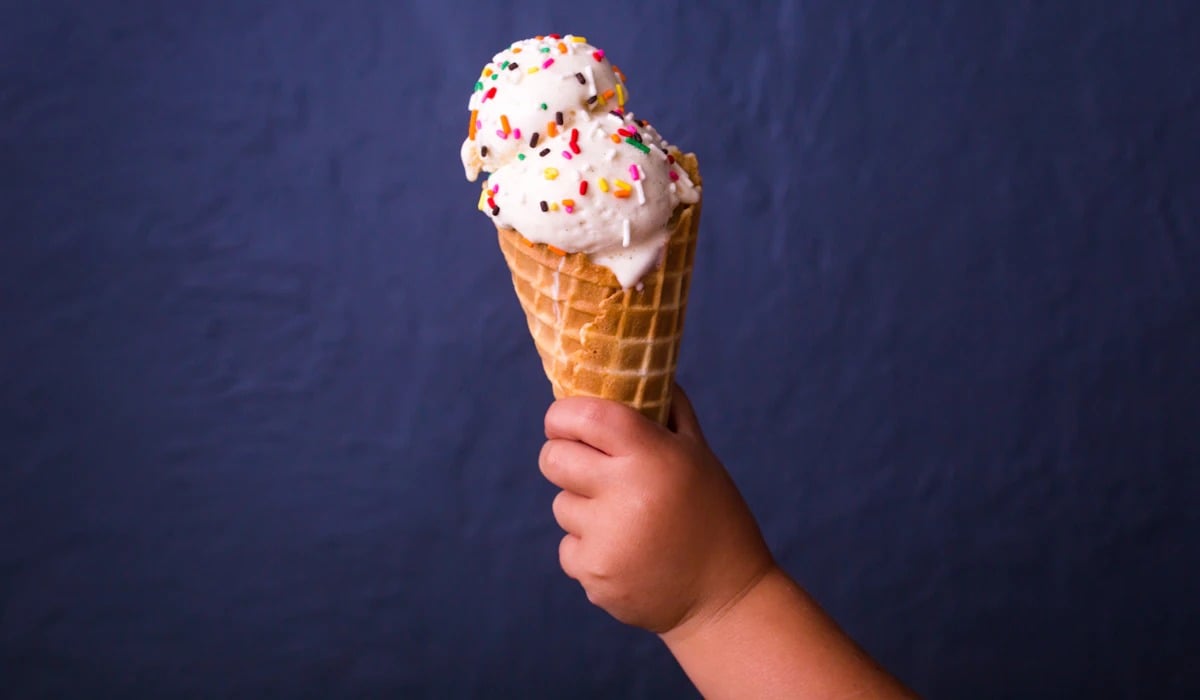
Whirlpool Corporation, which held food contracts for the Apollo program, produced a freeze-dried ice cream in the late 1960s by removing the water from frozen slabs under vacuum. The result was a chalky, room-temperature block that dissolved on the tongue.
Its actual spaceflight history is slim. Apollo 7 in October 1968 is the only mission usually linked to it, and even that evidence is disputed, with crew member Walter Cunningham reported as saying he never ate any.
Families mostly met the product later, in foil pouches at museum gift shops, where it has sold steadily for decades on the strength of a story more than a mission.
Carnation Instant Breakfast, a Morning Meal in a Glass
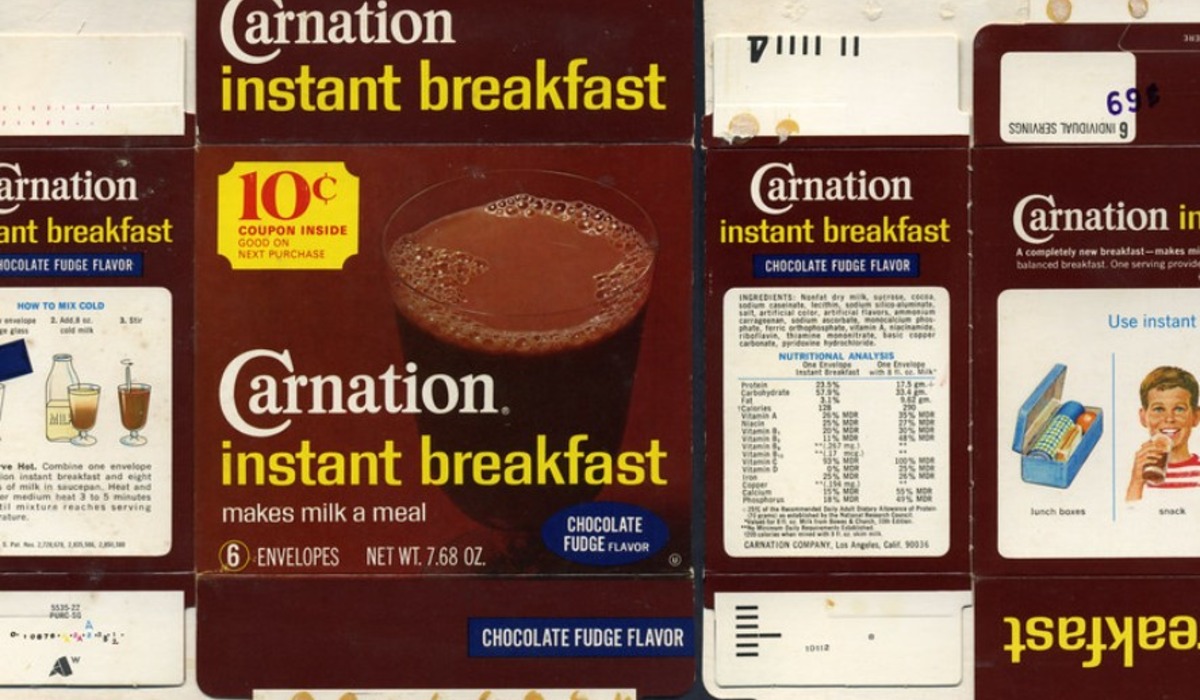
Carnation introduced Instant Breakfast in 1964 as an envelope of flavored powder meant to be stirred into a glass of cold milk. Advertising promised the nutrition of a full cooked breakfast in the time it took to find a spoon, which suited households where both the school bus and the commuter train left early.
Chocolate was among the early flavors, and the box sat near the cereal. It borrowed its credibility from the diet drinks already on the market while aiming at people with no interest in dieting.
The brand survives today under Nestle as Carnation Breakfast Essentials.
Instant Mashed Potatoes From a Box of Flakes
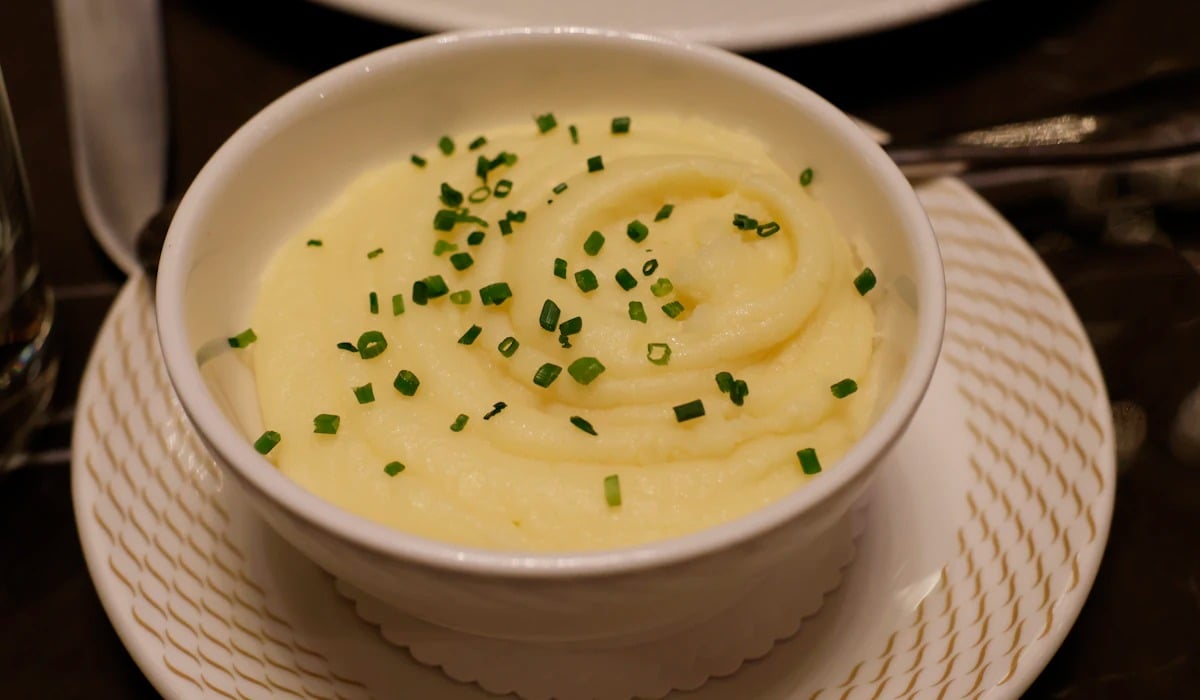
Dehydrated potato had existed for years as a gritty granule, but the modern flake came out of government laboratories. Federal agriculture researchers in Pennsylvania worked out a flake process in the 1950s, and Canadian food scientist Edward Asselbergs developed his own in Ottawa in the early 1960s.
Brands such as French’s and Betty Crocker Potato Buds turned the method into a weeknight staple. Hot water, milk, butter and a fork produced a side dish in about five minutes, with no peeling and no heavy pot to scrub.
Purists complained about the texture. Sales suggested that most cooks had peeled enough potatoes already.
Swanson TV Dinners in a Compartmented Aluminum Tray
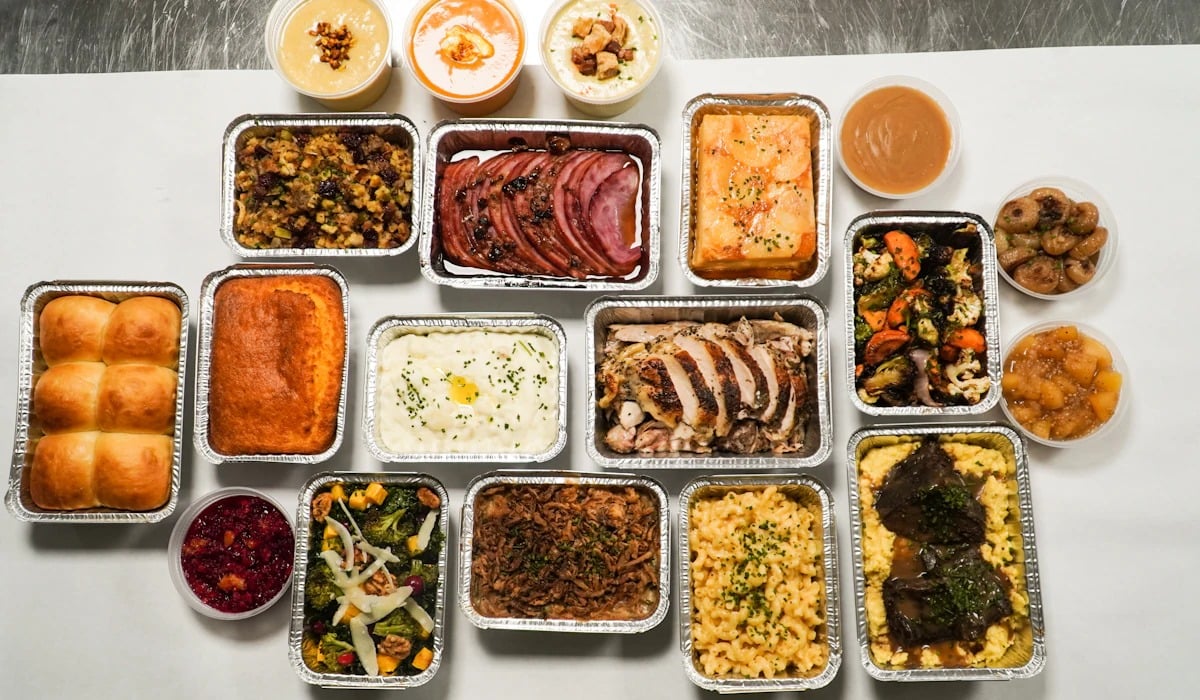
C.A. Swanson and Sons of Omaha brought out its TV Brand Frozen Dinner in 1953 and 1954, a turkey meal with cornbread dressing, peas and sweet potatoes priced at about 98 cents.
By the 1960s the format owned the freezer case. Swanson added a fourth compartment for dessert in 1960, and fried chicken and Salisbury steak were regulars in the lineup.
The aluminum tray went from oven to folding table without a serving dish in between, and the early box was designed to resemble a television set. Campbell Soup had bought the company in 1955, giving the dinners national reach just as television ownership became nearly universal.
Jell-O Salads With Vegetables Suspended Inside
Gelatin salads predate the decade, but the 1960s were their peak as a sign of a modern kitchen and a working refrigerator. General Foods fed the habit with a recipe book called Joys of Jell-O in the early 1960s and, around the middle of the decade, a short-lived line of vegetable flavors that included celery, mixed vegetable, seasoned tomato and Italian salad.
Lime gelatin with shredded carrots, cabbage or cottage cheese appeared at church suppers across the country. A molded ring that held its shape on a buffet table said something flattering about the cook.
The savory flavors disappeared quickly, and the ring molds drifted to thrift stores.
Jell-O 1-2-3, the Dessert That Sorted Itself Into Layers
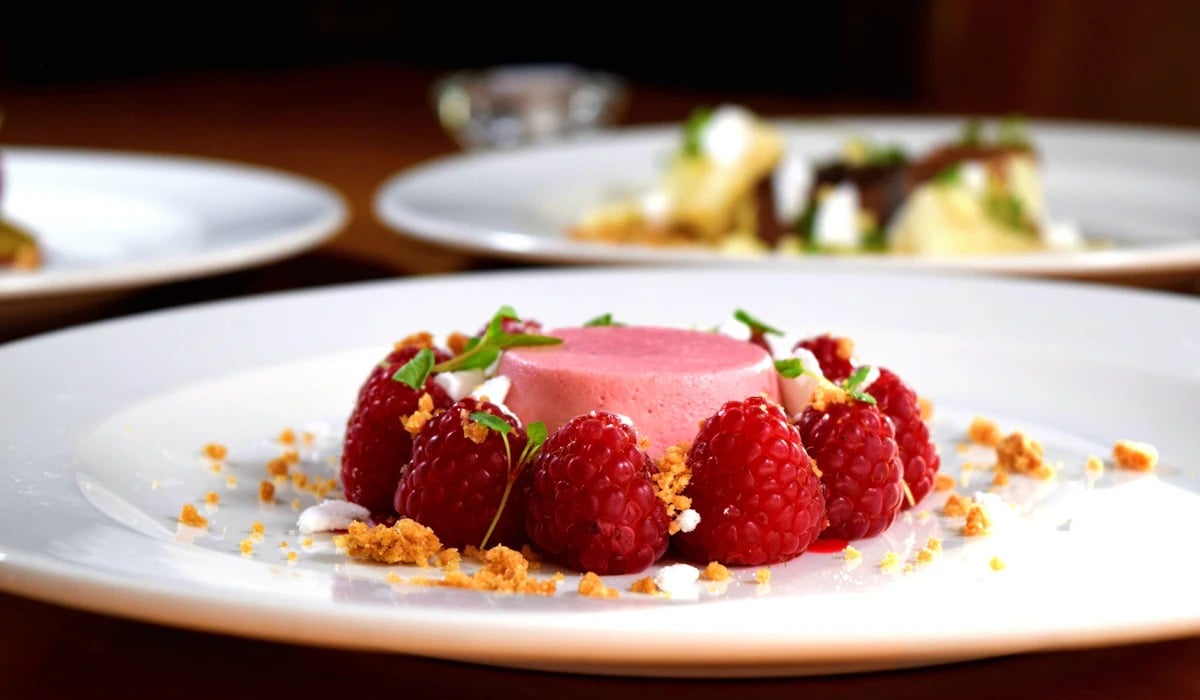
A trick that felt like chemistry class arrived in 1969 when General Foods launched Jell-O 1-2-3. A single packet, whipped with water in a blender and poured into glasses, separated in the refrigerator into three bands: clear gelatin at the bottom, a creamy middle and a foamy top.
No extra effort was required beyond owning a blender, which many households had only recently acquired. The dessert took several hours to set and looked best in a tall parfait glass.
It stayed on shelves until 1996, long enough to become a memory for two generations of kids who watched it settle.
Cool Whip, the Topping That Never Needed Whipping
William A. Mitchell, the same General Foods chemist behind Tang, is also credited with Cool Whip, which the company’s Birds Eye division introduced in 1966.
The appeal was logistical. Unlike real whipped cream, it could be frozen, shipped across the country, thawed in the refrigerator and kept for days without collapsing.
The original formula was marketed as nondairy and used no cream, relying on vegetable oil, sweeteners and stabilizers to hold air, though it did include a milk protein. It came in a plastic tub that mothers washed and reused for leftovers for years afterward.
Within a short time it was the dominant whipped topping in American supermarkets.
Pringles and the Chip Engineered to Stack
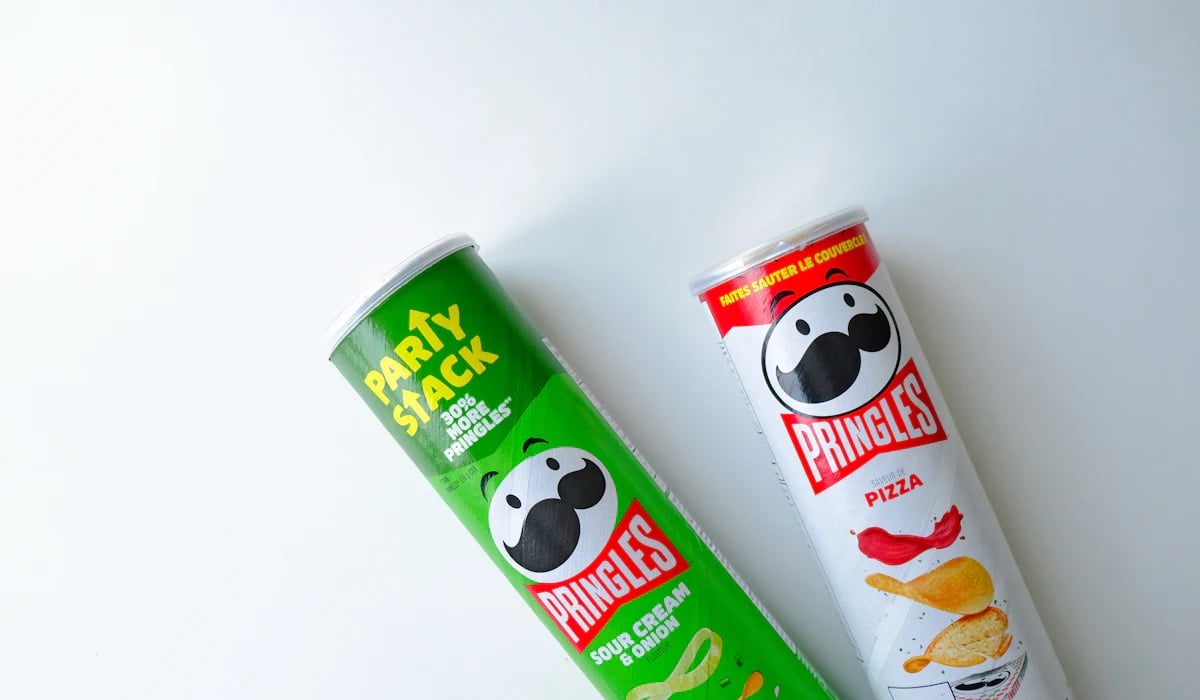
Procter and Gamble spent years on a potato chip that would not break, go stale or leave air in the package. Chemist Fredric Baur worked out the saddle shape and the tubular can, and researcher Alexander Liepa later fixed the flavor.
The product went on sale in 1968 in a test market around Evansville, Indiana, as Pringle’s Newfangled Potato Chips, and spread across the country over the next several years. Each chip is pressed from a dough of dried potato rather than sliced from a potato, which is why every one matches.
Baur was so attached to the design that some of his ashes were buried in a can in 2008.
Kellogg’s Frosted Toaster Pastries
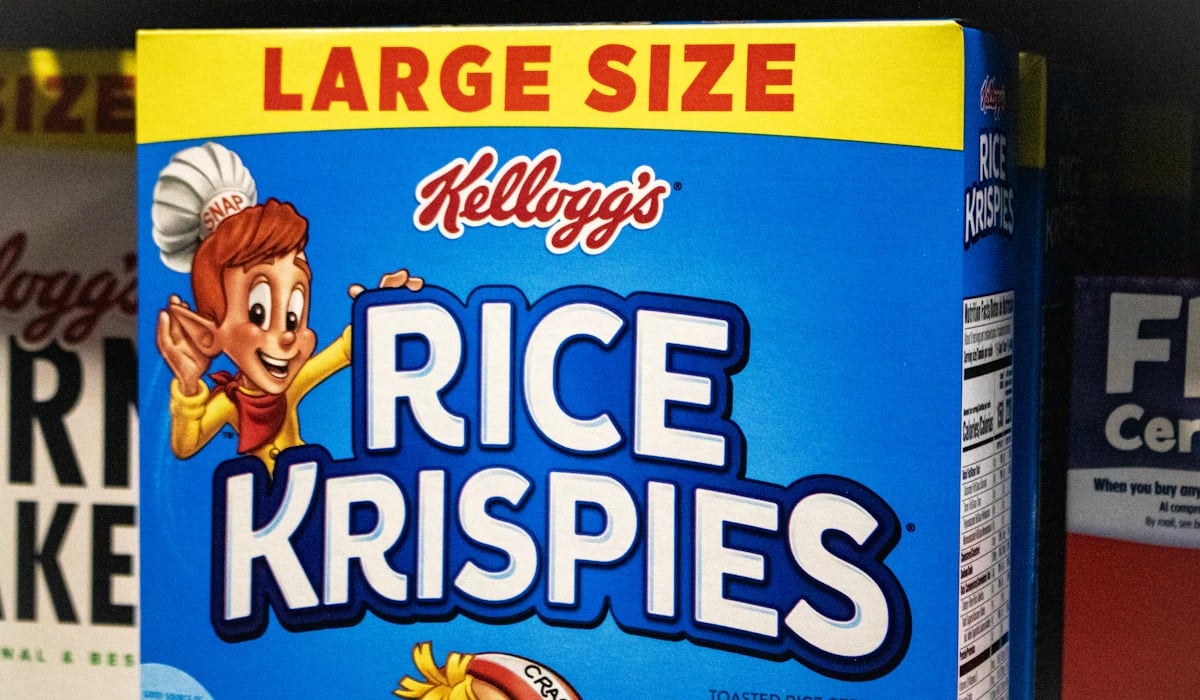
Post announced a shelf-stable filled pastry called Country Squares in 1963, months before it could ship one. Kellogg used the delay to develop its own version and put it into a Cleveland test market in 1964, where the first shipments reportedly sold out.
The original four flavors were strawberry, blueberry, brown sugar cinnamon and apple currant, and none of them had icing. Frosting that could survive a toaster arrived in 1967.
Sealed in foil and needing no refrigeration, the pastries gave kids a hot breakfast they could make alone, which was the entire point for parents racing the clock.
Shake ‘n Bake Coating Mix in a Plastic Bag
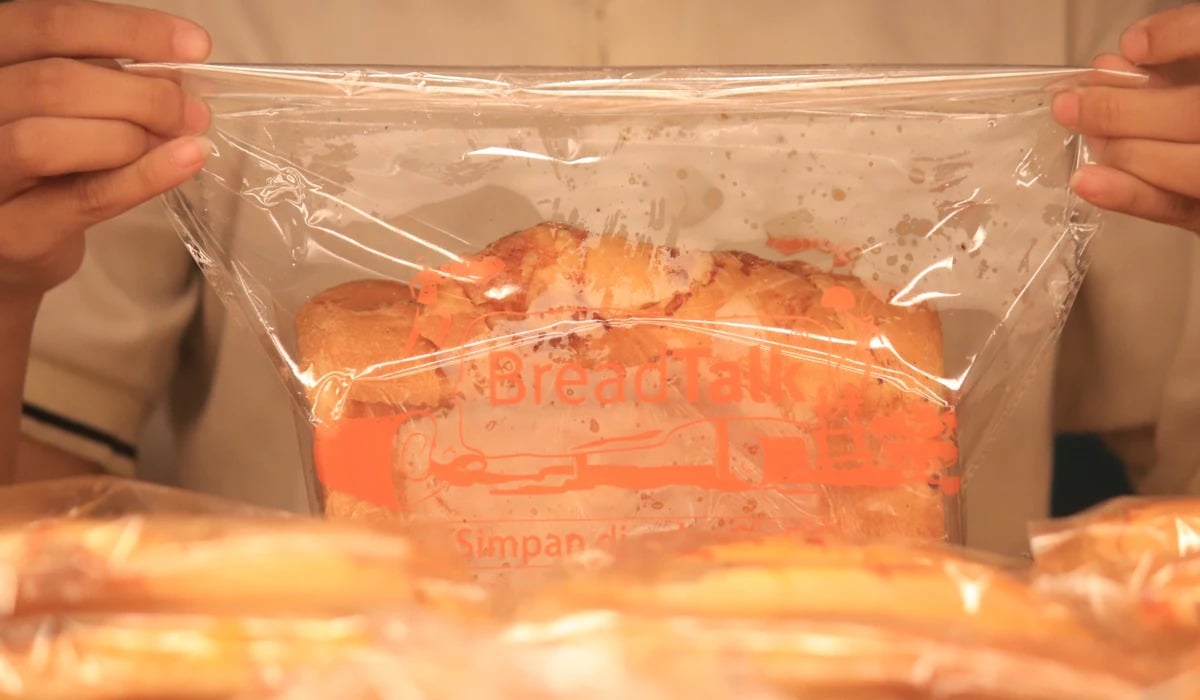
Fried chicken without the frying was the promise General Foods made in 1965 with Shake ‘n Bake. The box held seasoned crumb coating and a plastic bag.
Moistened chicken pieces went into the bag, got a shake and then baked on a pan while the cook did something else. There was no skillet of hot oil to watch and no grease spattered across the stove.
A pork version followed, and long-running television commercials featuring children helping in the kitchen kept the brand familiar for decades. The idea was simple enough that it has barely changed since.
Snack Mate, Cheese From an Aerosol Can
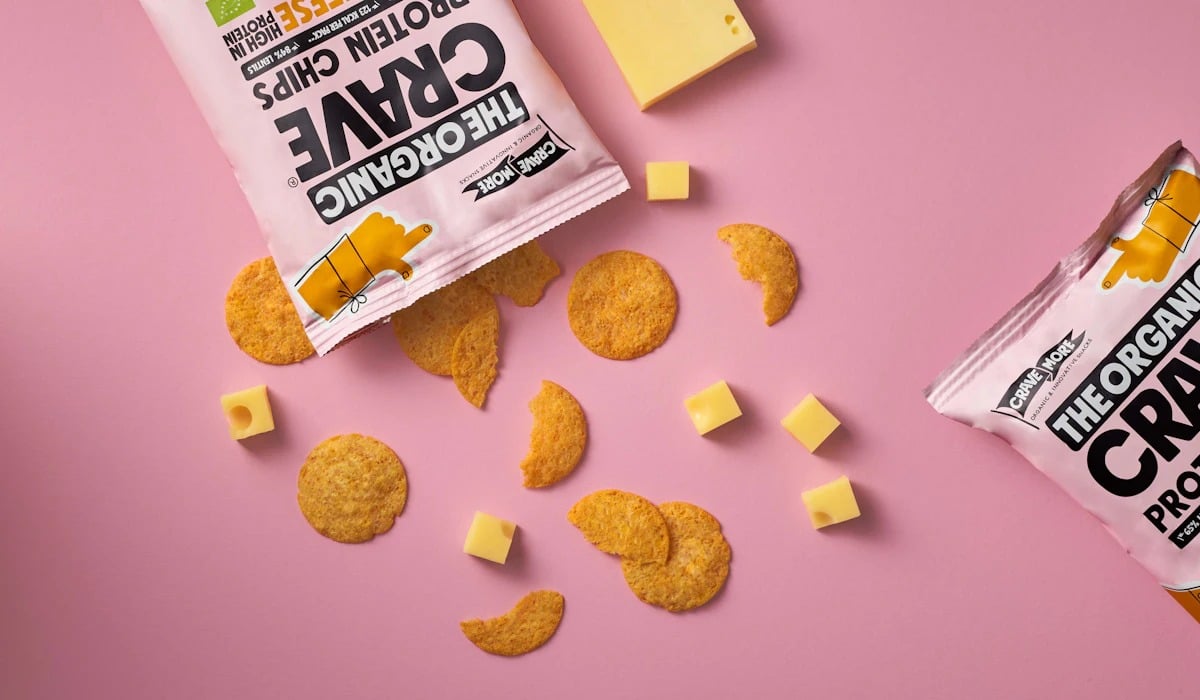
Nabisco brought out Snack Mate in the mid-1960s, usually dated to 1965, as a pasteurized process cheese spread packed in a pressurized can. A press of the nozzle laid a ribbon of cheese onto a cracker, and the notched tip gave it a decorative ridge.
The spread needed no refrigeration and no knife, which made it a natural for parties, picnics and unsupervised children. Flavors included American and cheddar.
Nabisco later renamed the product Easy Cheese, the name it still carries. Few foods of the decade captured the era’s faith in packaging quite so directly as a snack delivered by pressurized can.
SpaghettiOs, Pasta Shaped for a Spoon
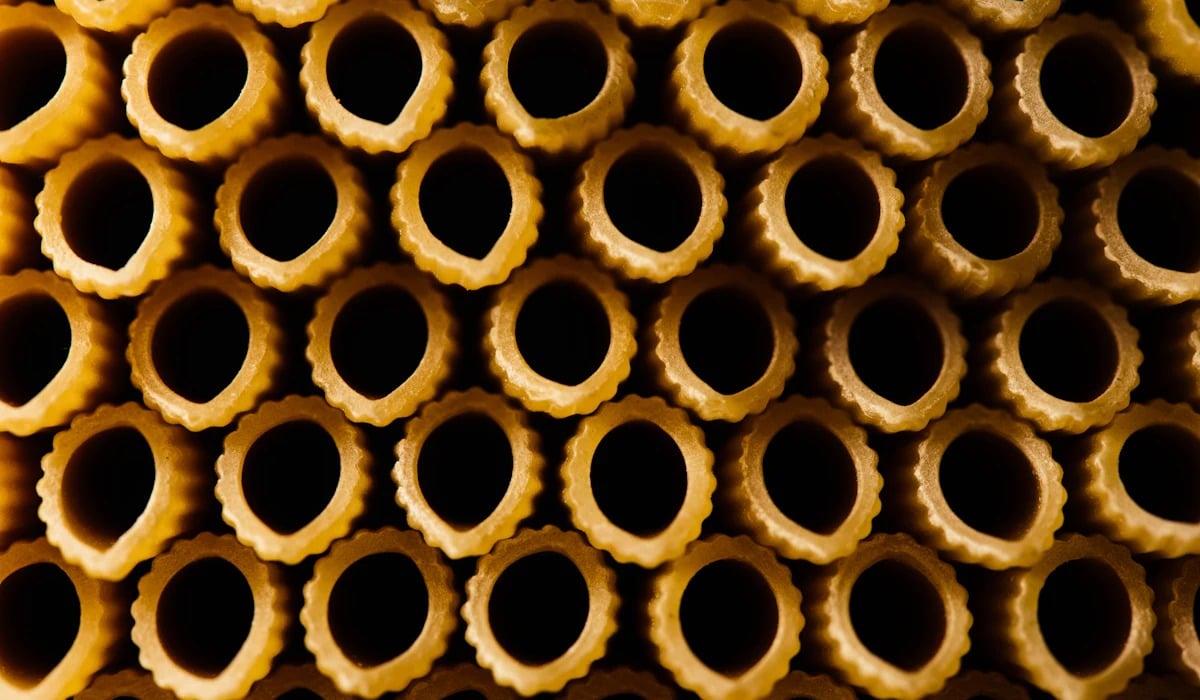
Campbell’s Franco-American brand introduced SpaghettiOs in 1965 after marketing executive Donald Goerke went looking for a canned pasta that small children could eat without wearing it. His team considered several shapes before settling on small rings, which stayed on a spoon far better than strands.
The cans were sold with a jingle sung by pop singer Jimmie Rodgers, built around the phrase uh-oh, SpaghettiOs. Goerke earned the nickname the Daddy-O of SpaghettiOs.
Versions with sliced franks and other meat additions came along later, and the rings in sweet tomato and cheese sauce are still made today.
Bugles, Whistles and Daisys From General Mills
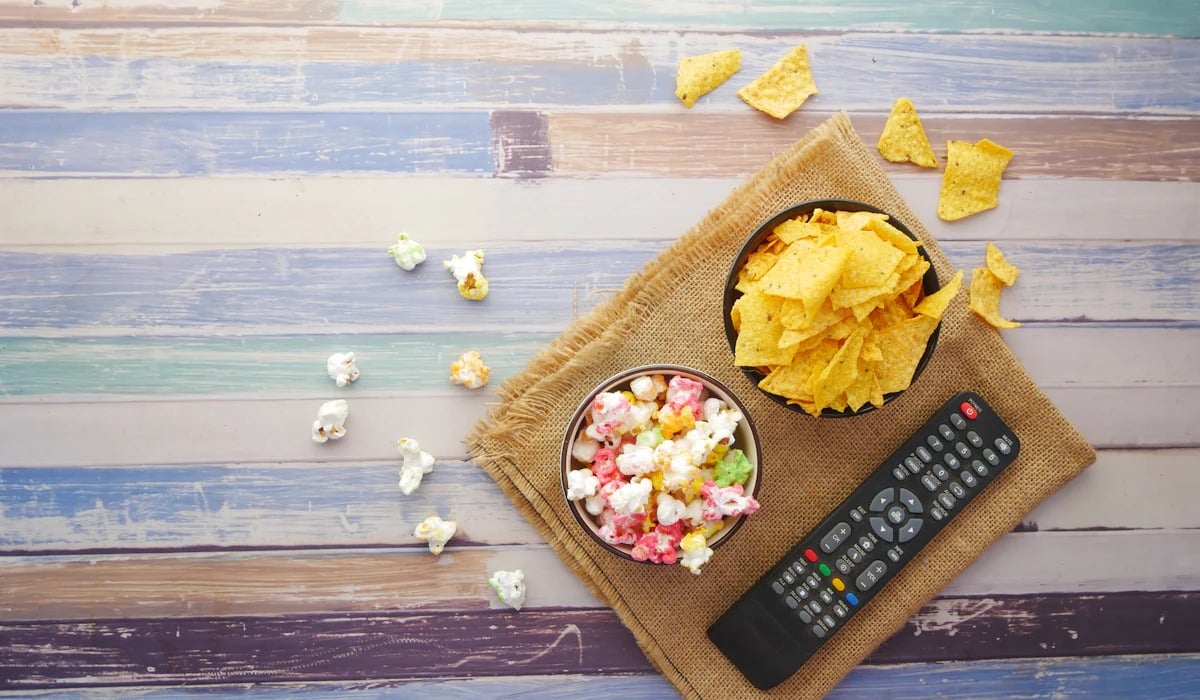
Three shaped corn snacks carried General Mills into the salty snack business in the mid-1960s. Bugles were tiny horns, Whistles were tubes and Daisys were flowers, tested in select cities in the middle of the decade and rolled out nationally in 1966.
The shapes came from forming and frying cornmeal dough, a process that let a cereal company make something a potato chip plant could not. Children quickly discovered that Bugles fit over fingertips like claws.
Whistles and Daisys were dropped during the 1970s, while Bugles kept selling and remain on shelves six decades later.
Gatorade, Mixed in a Florida Laboratory
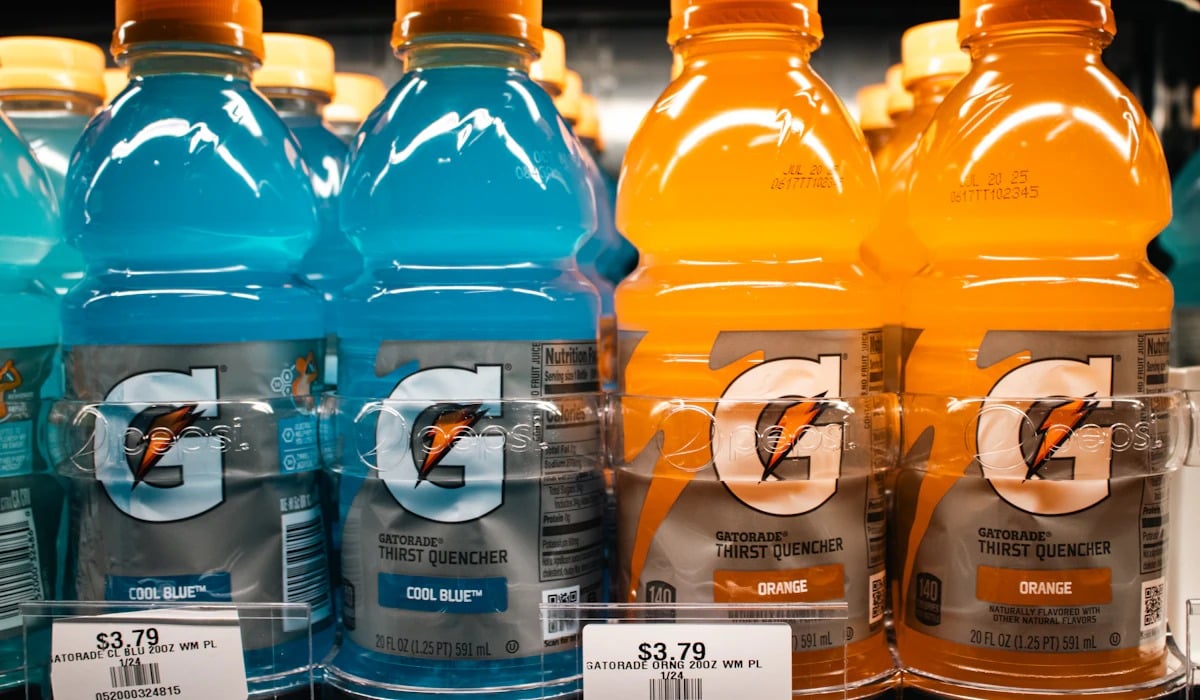
Kidney specialist Robert Cade and his colleagues at the University of Florida mixed the first batches in 1965 after a coach asked why his players wilted in the heat. The formula replaced water, salts and sugar lost in sweat, and it was named for the school’s Gators.
Early versions tasted bad enough that lemon juice was added to make them drinkable, according to the usual account. The team’s strong second halves and its Orange Bowl win in January 1967 gave the drink a reputation.
Stokely-Van Camp secured the rights before the decade ended, and a sideline experiment became a grocery product.
Tab, the Diet Cola Named With Help From a Computer
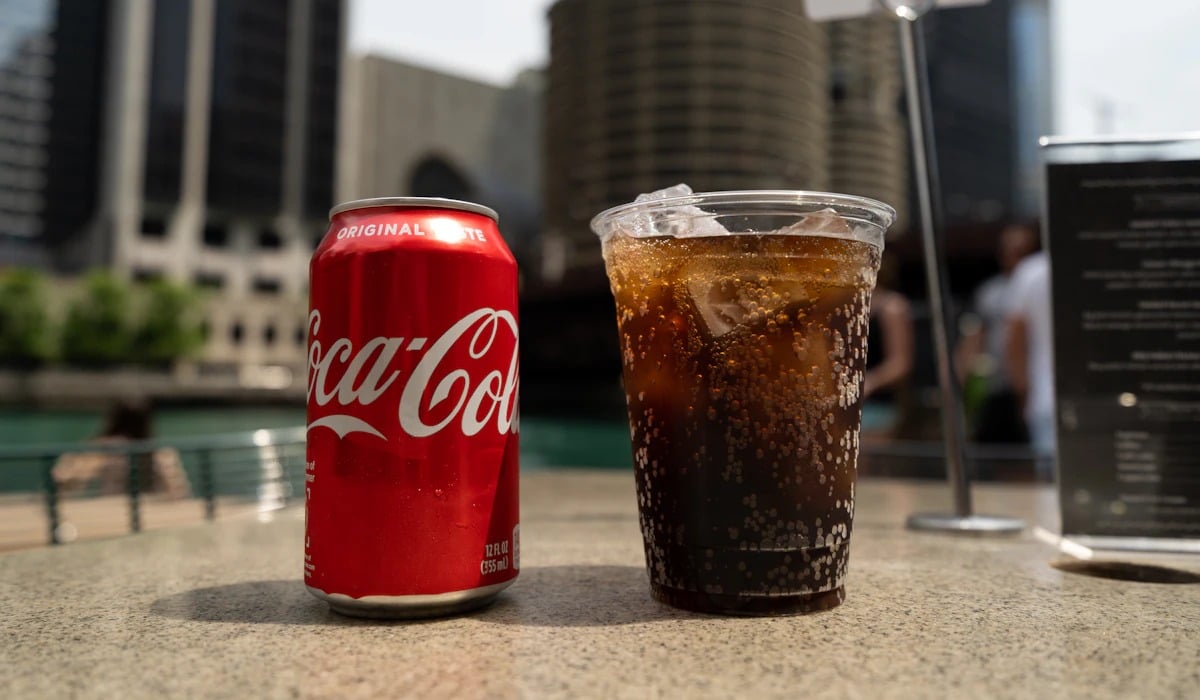
Coca-Cola launched Tab in 1963, shortly after Royal Crown took Diet Rite national and proved that diet soda could sell beyond the medical aisle. The company did not want the Coke name on a sugar-free drink, so staff used an IBM computer to generate thousands of short candidate words and picked Tab from the list.
It was sweetened with saccharin and cyclamate and marketed largely to women watching their weight. Tab kept a devoted following long after Diet Coke replaced it as the company’s main diet brand in the 1980s, and Coca-Cola finally retired it in 2020.
Fresca and the Grapefruit Soda With No Sugar
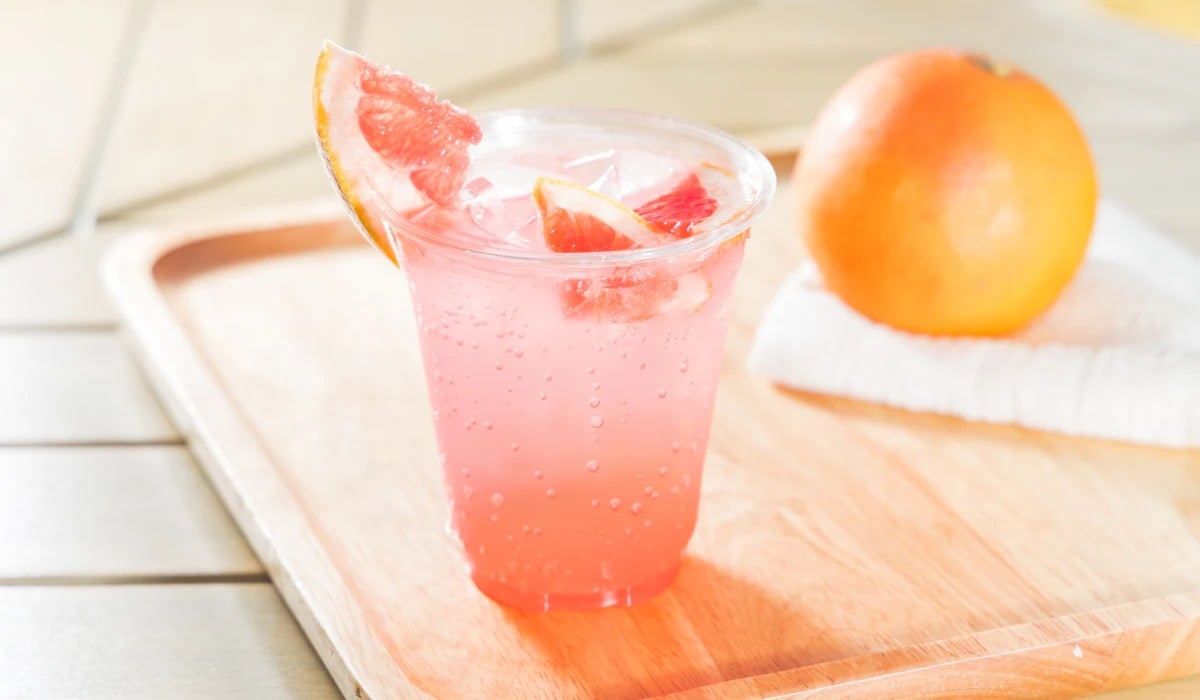
Fresca followed Tab out of Coca-Cola in 1966, a cloudy citrus soda with grapefruit flavor and no sugar. The name means fresh in Spanish, and early advertising sold it as a cold, sharp drink for adults, often with a blizzard theme.
Like most diet sodas of its day it relied on cyclamate, and when the federal government announced a ban on that sweetener in October 1969, the formula had to change in a hurry. Fresca survived the switch.
President Lyndon Johnson was a noted fan and reportedly had a button installed in the Oval Office to summon one.
Coffee-Mate, the Creamer That Lived in the Cupboard
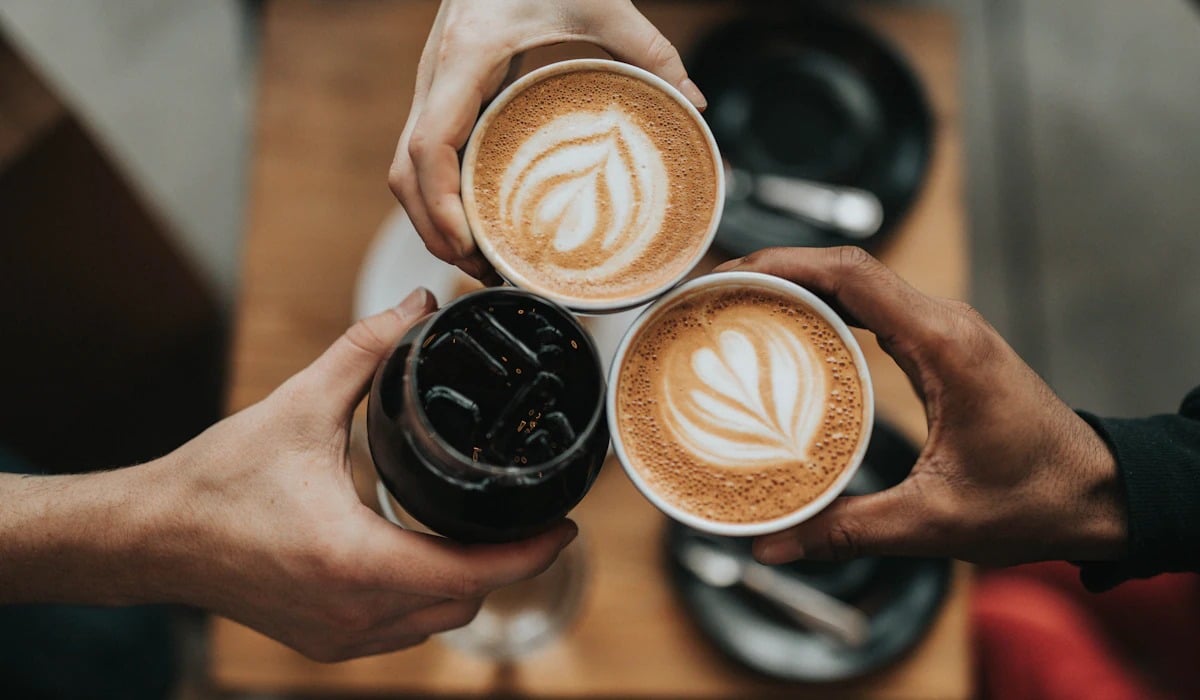
Carnation put Coffee-Mate on the market in 1961, offering a powdered creamer made from vegetable fat and corn syrup solids instead of cream. Earlier powdered creamers used dried cream and tended to clump or float.
This one dissolved cleanly in hot coffee and kept for months in a cupboard, which mattered in offices, church basements and any kitchen that ran out of milk. The jar became a fixture beside the percolator.
Liquid versions arrived decades later, and a wall of flavors followed, but the original powder is still sold under Nestle, which acquired Carnation in the 1980s.
Lipton Onion Soup Dip, the Two-Ingredient Party Staple
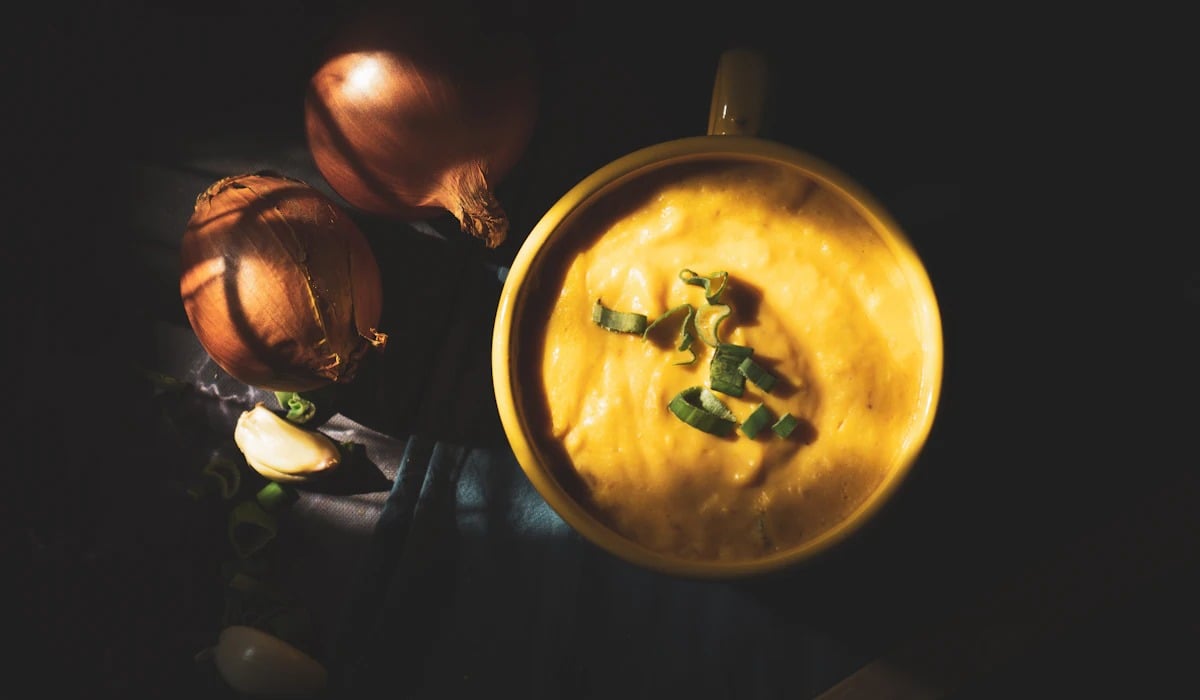
An unidentified cook in Los Angeles stirred a packet of Lipton dehydrated onion soup into sour cream in 1954, and the recipe spread through newspapers and word of mouth as California Dip. Lipton recognized a gift and printed the recipe on its soup boxes beginning in 1958.
Through the 1960s the dip sat at the center of countless card parties and holiday open houses, ringed with ridged potato chips sturdy enough to carry it. It required a bowl, a spoon and about a minute.
The soup mix reportedly sold better as a dip base than it ever had as soup.
Jiffy Pop and the Foil Dome That Grew on the Stove

Frederick Mennen of LaPorte, Indiana, developed Jiffy Pop in the late 1950s, and American Home Products bought the business in 1959 and sold it nationwide. The package was the pan: a shallow aluminum dish with a wire handle, holding kernels and oil under a folded foil lid.
Shaken over a burner, the lid unfurled into a silver dome as the corn popped. Advertising called it as much fun to make as it is to eat.
The risk of scorching was real and well known, but the show was worth it to any child allowed near the stove.
Rice-A-Roni, the Boxed Pilaf From San Francisco
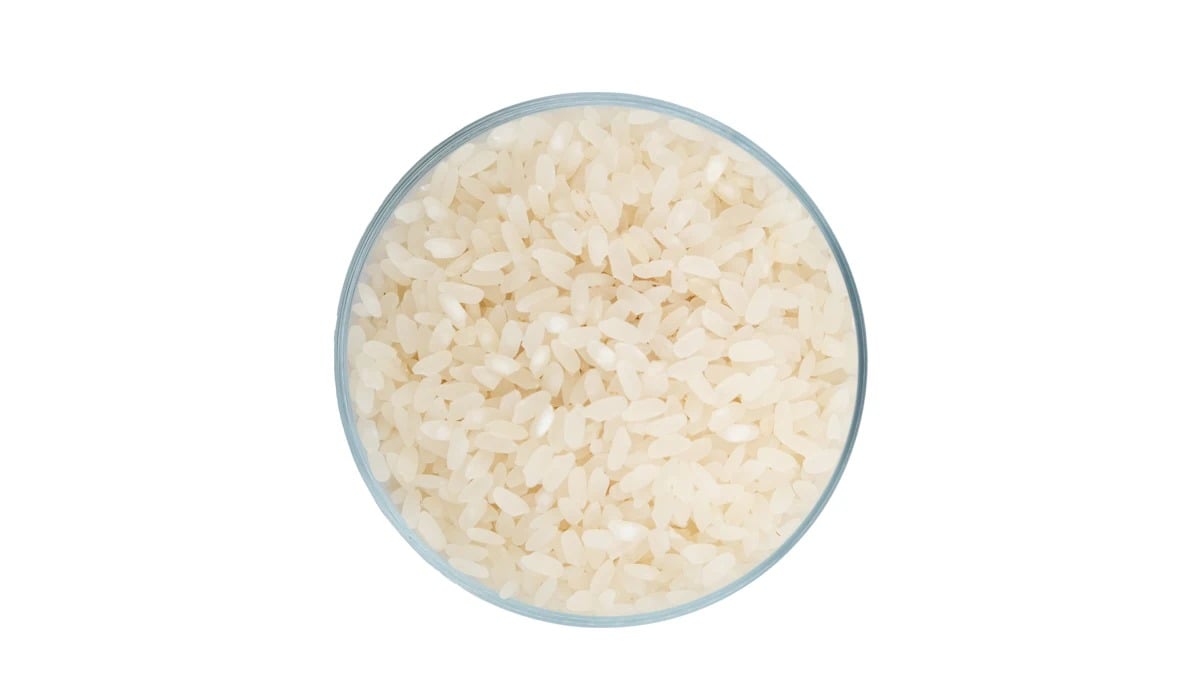
Golden Grain Macaroni Company, run by the DeDomenico family in San Francisco, introduced Rice-A-Roni in 1958. The recipe traced back to an Armenian pilaf that a family member learned from her landlady, Pailadzo Captanian, combining rice and broken vermicelli browned in butter before simmering.
Golden Grain added a dry seasoning packet and put it in a box. Television commercials with cable cars and a jingle calling it the San Francisco treat carried it across the country in the early 1960s.
One skillet and about twenty minutes produced a side dish that seemed faintly exotic to much of the nation.
Doritos, Born at a Disneyland Restaurant
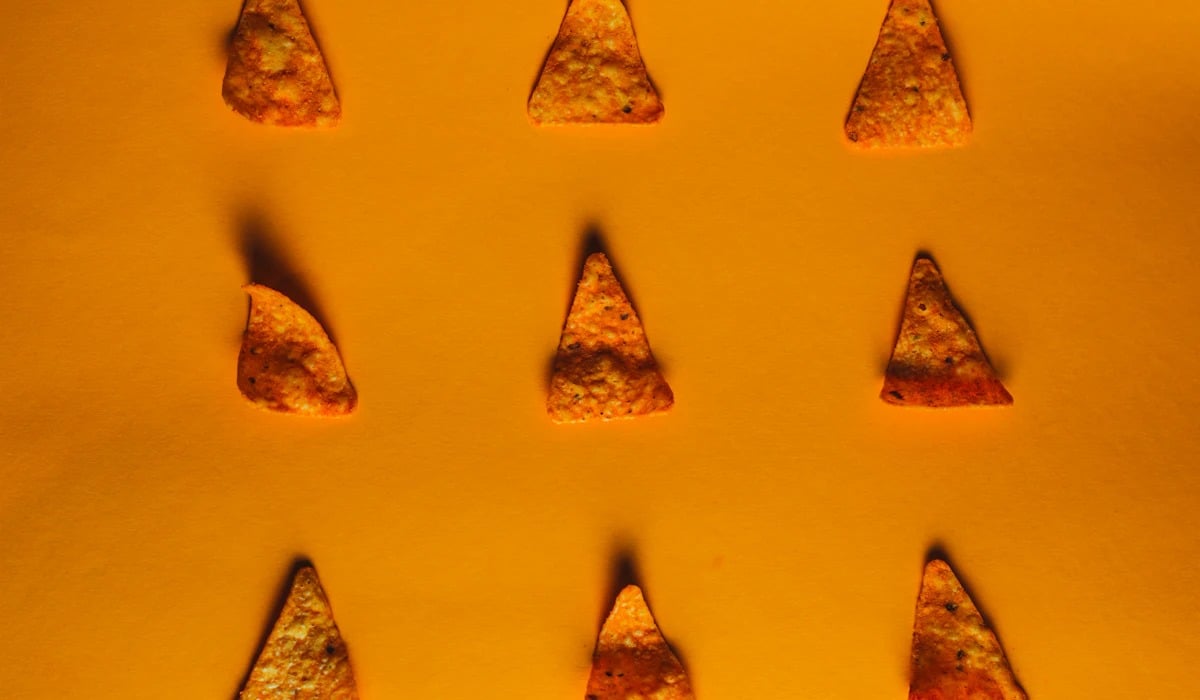
Frito-Lay marketing executive Arch West is generally credited with pushing the company to sell a seasoned tortilla chip, an idea tied to Casa de Fritos, a restaurant at Disneyland where surplus tortillas were cut up and fried. Doritos went national in 1966.
The first version was plain toasted corn, with taco flavor following about a year later and nacho cheese not arriving until 1972. For many households outside the Southwest, the bag was a first encounter with anything resembling a tortilla chip.
West’s family reportedly sprinkled Doritos into his grave at his burial in 2011.
Bac-Os, the Bacon Bits Made From Soy
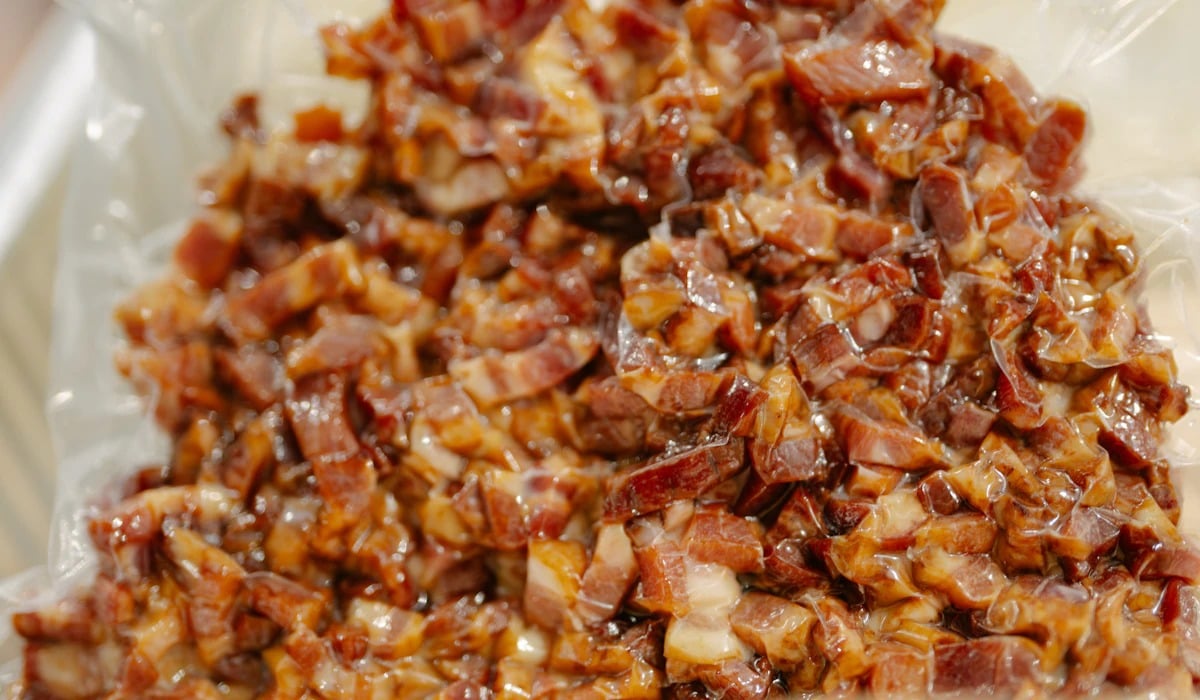
Bacon flavor without bacon reached supermarkets in the mid-1960s when General Mills introduced Bac-Os. The crunchy red-brown bits were made from textured soy flour, colored and flavored to suggest fried bacon, and contained no meat.
They needed no refrigeration and no skillet. A spoonful went over salads, baked potatoes, green beans and scrambled eggs, and the jar lasted for months.
General Mills had invested in soy protein research during the period, betting that engineered foods would stretch the world’s supply. The grand vision faded, but the little jar spent decades in the spice rack.
Tater Tots, Built From French Fry Scraps
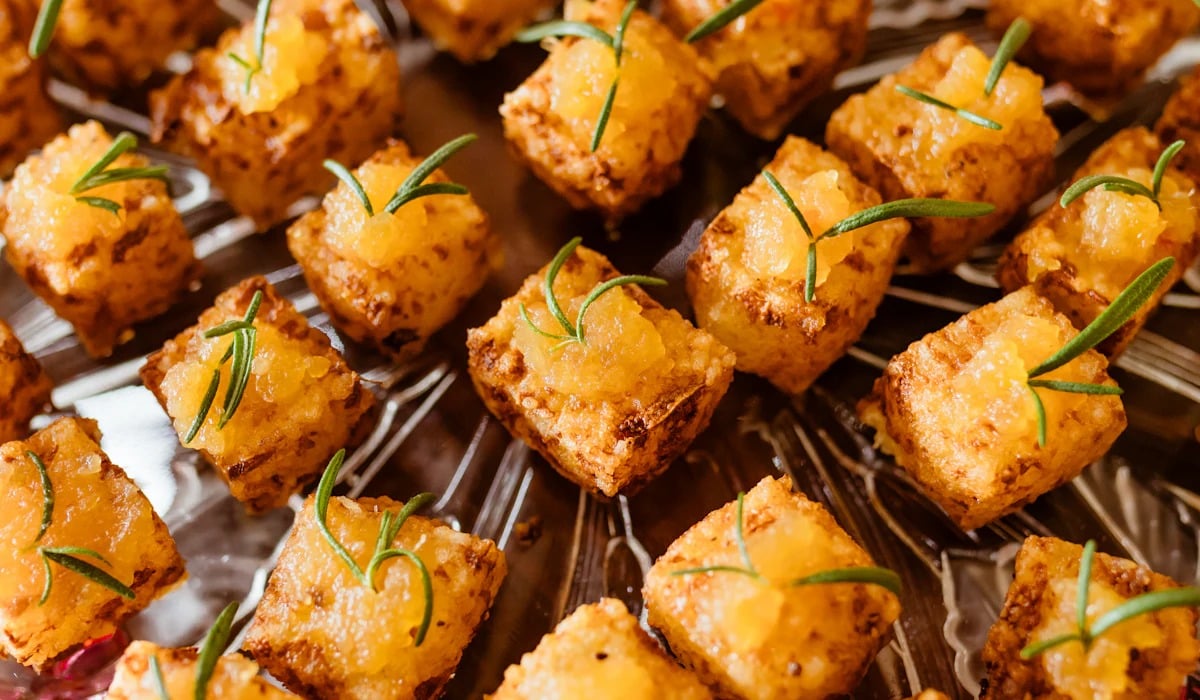
Ore-Ida founders F. Nephi Grigg and Golden Grigg were looking for a use for the slivers left over from cutting French fries at their plant in Ontario, Oregon.
In 1953 they chopped the scraps, added flour and seasoning, pushed the mix through an extruder and fried the pieces. Tater Tots reached stores within a few years and were a freezer standard by the 1960s, turning up beside fish sticks on school trays and weeknight plates.
H.J. Heinz bought Ore-Ida in 1965.
The name remains a registered trademark, though most people use it for any brand of potato puff.
Pillsbury Funny Face Drink Mix and Its Cartoon Fruit
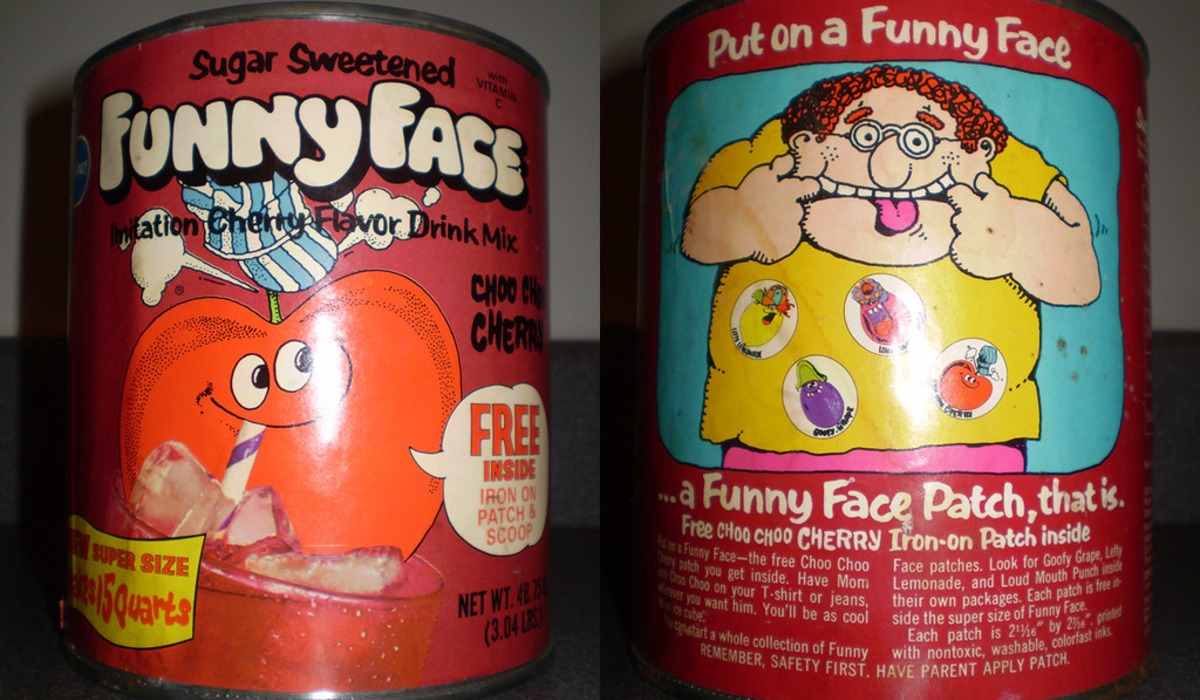
Kool-Aid had ruled the powdered drink aisle for decades when Pillsbury challenged it in 1964 with Funny Face. Each envelope carried a grinning cartoon fruit with a name such as Goofy Grape, Freckle Face Strawberry, Loud-Mouth Lime or Rootin’-Tootin’ Raspberry.
The mix came presweetened with cyclamate, so a parent only had to add water and stir. Two of the original characters relied on ethnic caricatures and were soon replaced by Choo Choo Cherry and Jolly Olly Orange.
The cyclamate ban at the end of the decade forced a reformulation, and the mail-away plastic character mugs are now what most people remember.
Fizzies Drink Tablets That Bubbled in a Glass
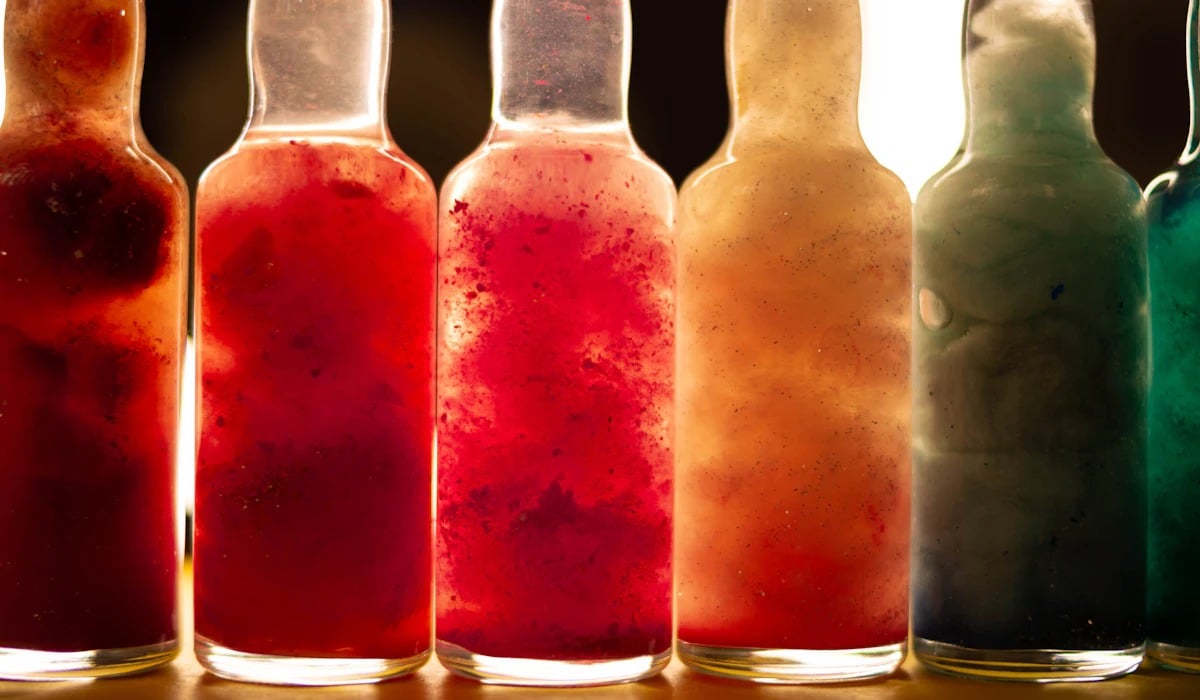
Emerson Drug Company, the Baltimore maker of Bromo-Seltzer, applied its effervescent know-how to a children’s drink in the late 1950s. A Fizzies tablet dropped into a glass of water hissed, dissolved and produced a lightly carbonated fruit drink in flavors such as grape, orange, cherry and root beer.
National distribution came in the early 1960s, and for a few years the tablets were a serious rival to powdered drink mixes. They were sweetened with cyclamate.
After federal regulators moved against that sweetener in 1969, the original Fizzies faded from the market, though the brand has been revived more than once since.
Convenience Was the Mission All Along
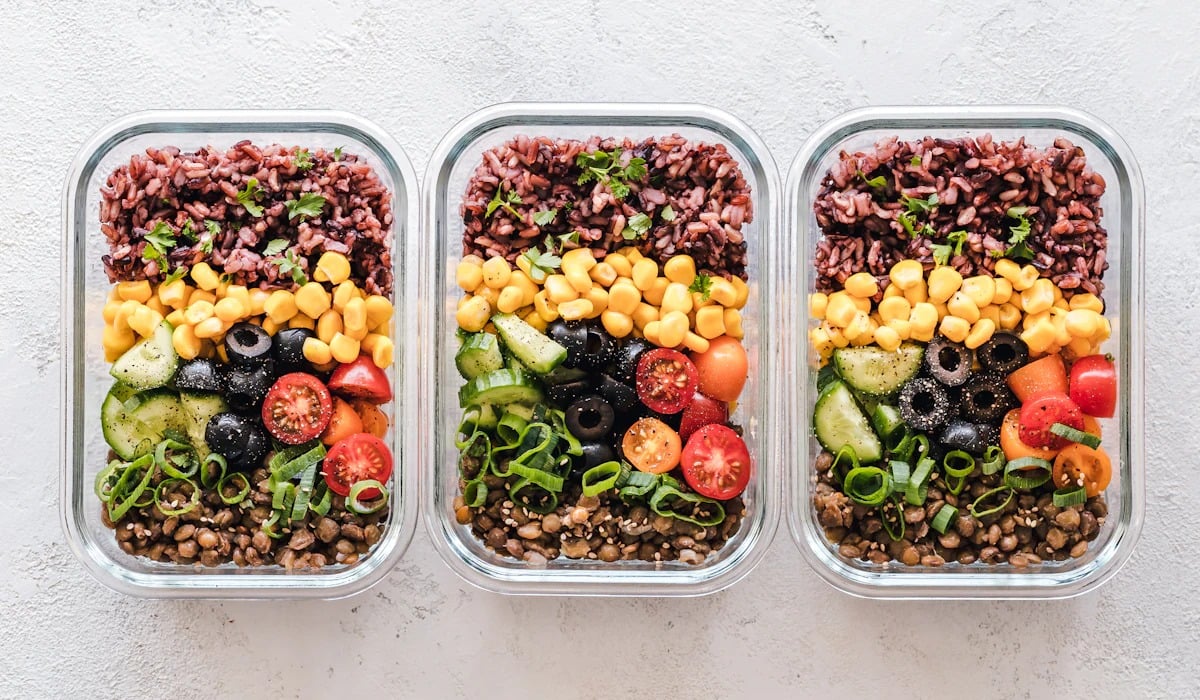
Very little on this list ever left the ground. Tang flew, a few food sticks flew and the freeze-dried ice cream may have flown once, yet the entire pantry borrowed the glow of the space program.
What the decade was selling had less to do with orbit than with time. Every packet, can and foil tray promised to hand a few minutes back to whoever did the cooking.
That promise landed in homes where more women were taking paid jobs and where a new freezer or blender needed something to do. Food companies supplied the products and the rockets supplied the confidence.
Many of these brands are still in stores, long after the countdown language faded from the labels. The future they advertised turned out to be an ordinary weeknight, finished a little sooner.
MORE FROM GO2TUTORS!

- The Romanov Crown Jewels and Their Tragic Fate
- 13 Historical Mysteries That Science Still Can’t Solve
- Famous Hoaxes That Fooled the World for Years
- 15 Child Stars with Tragic Adult Lives
- 16 Famous Jewelry Pieces in History
Like Go2Tutors’s content? Follow us on MSN.