Antique Pocket Mirrors and Compacts Worth Money
A powder compact is a small thing to lose in a coat pocket and a surprisingly large thing to find in an estate sale box. Behind the pressed enamel and hinged lids sits a market that runs from a few dollars for common brass cases to serious money for gold pieces signed by famous jewelers.
Pocket mirrors tell a parallel story. Before the compact took over the handbag, the celluloid advertising mirror carried a brewer’s name or a soda brand into millions of pockets, and collectors now hunt them with the same focus.
In both categories, the maker matters, but the condition of the case matters at least as much.
Cartier Art Deco Gold Powder and Lipstick Compacts
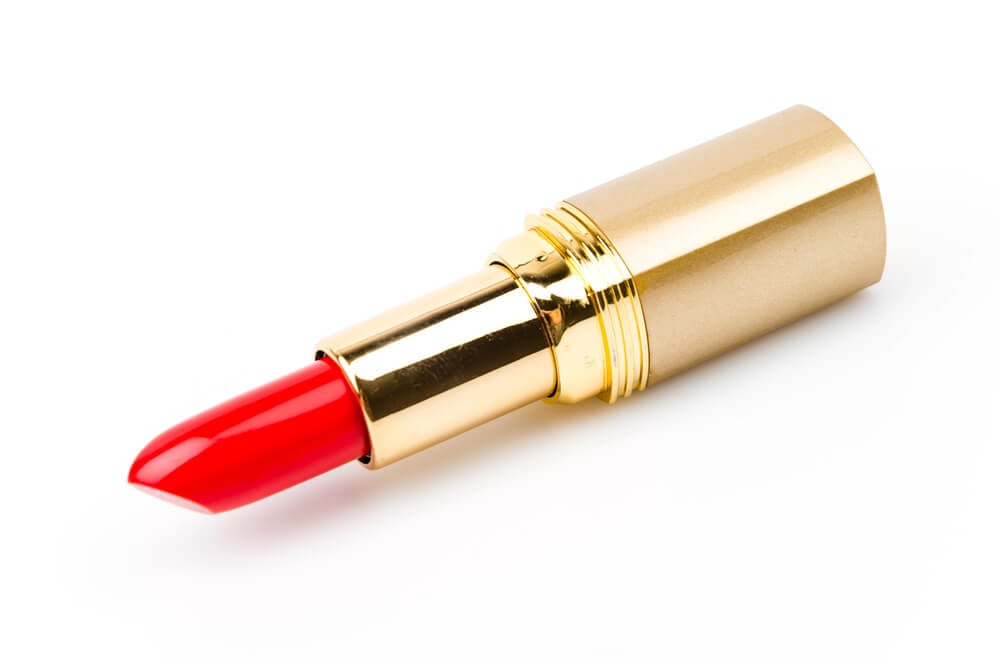
Cartier made Art Deco powder compacts with matching lipstick holders in 18 karat gold, and Paris-made examples are among the pieces dealers still describe as rare. These combined cases were built as jewelry first, so the clasp, hinge and engraved or guilloche surface carry much of the value.
A dent, a worn hinge pin or a replaced mirror can pull a piece well below auction expectations. The signature and serial markings need to be intact, since a case with polished-away hallmarks is harder to sell.
Tiffany and Co. Sterling Art Deco Sunrise Compact

Tiffany and Co. produced a sterling silver Art Deco compact with a sunrise motif, a design that dealers still list as a standout among the firm’s vanity pieces. The radiating pattern relies on crisp engraving, so heavy polishing that softens the lines cuts into appeal.
Buyers check the mirror for silvering loss and the hinge for looseness, because both are costly to repair properly. A clean interior with its original powder sifter intact is a point in a piece’s favor.
Tiffany and Co. Gold, Enamel and Diamond Compact
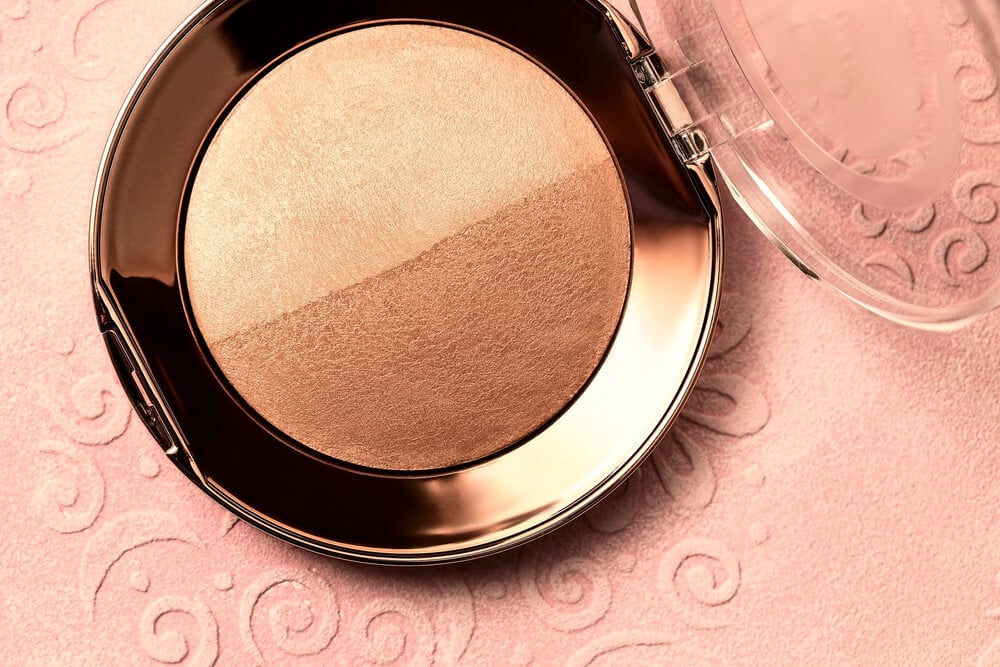
Tiffany and Co. also made compacts in 14 karat yellow gold with enamel and diamond accents, which place them closer to fine jewelry than to dressing-table accessories. Enamel is the weak point on these pieces, since chips and hairline cracks are visible and difficult to repair without hurting originality.
Diamond settings should be checked for loose or missing stones. A gold compact in sound, untouched condition will always sit in a different price tier than a restored one.
Tiffany and Co. Sterling Compact with Gold and Ruby
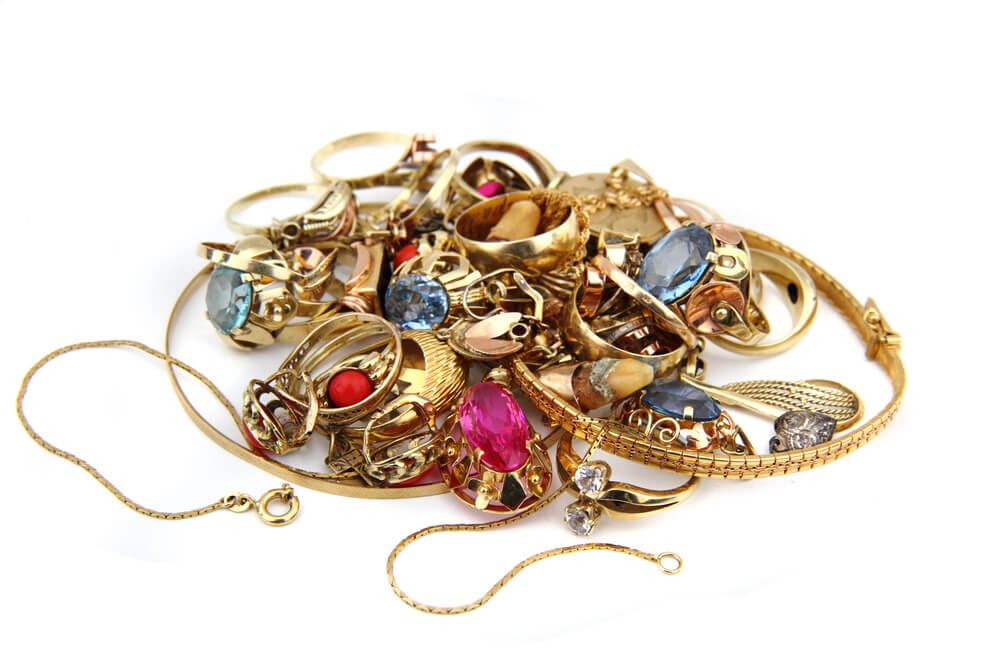
Mid-century Tiffany and Co. compacts in sterling silver with 14 karat gold and a ruby show how the firm’s vanity pieces moved from Art Deco geometry toward quieter, jewel-set designs. The ruby is a small detail with a big effect, because a missing or replaced stone is the first thing an appraiser notices.
Tarnish in the engraving can be cleaned, but aggressive buffing removes the crisp edges that signal quality. The condition of the hinge and mirror glass sets the ceiling on what a buyer will pay.
Van Cleef and Arpels Black Enamel Compact Box

Van Cleef and Arpels produced compact boxes in 18 karat gold with black enamel during the 1930s, the same decade the firm was developing its minaudiere, a rigid evening case that carried a woman’s essentials. Collectors prize these pieces because they sit at the overlap of makeup accessory and high jewelry.
Black enamel shows every flaw, so chips, crazing and rubbed edges matter more here than on busier patterns. A working hinge and an unscratched interior mirror help a piece hold value.
Boucheron Diamond and Gem-Set Powder Compact
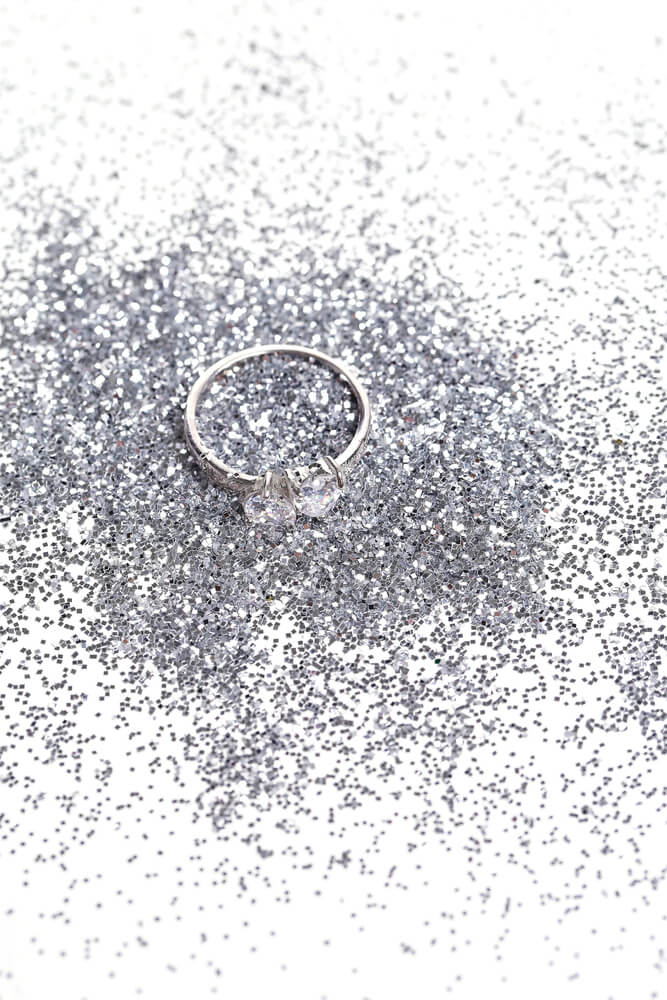
Boucheron made powder compacts in the 1950s that were set with diamonds and colored gemstones, and UK auction houses have sold them as jewelry lots. These cases are priced primarily as precious-metal objects with stones, so the secure condition of each setting counts for a great deal.
Loose prongs, replaced gems and dented lids all reduce interest from serious bidders. Original fitted interiors, including the mirror and powder well, give a buyer more confidence than a case that has been emptied and refitted.
Volupte Musical Compacts
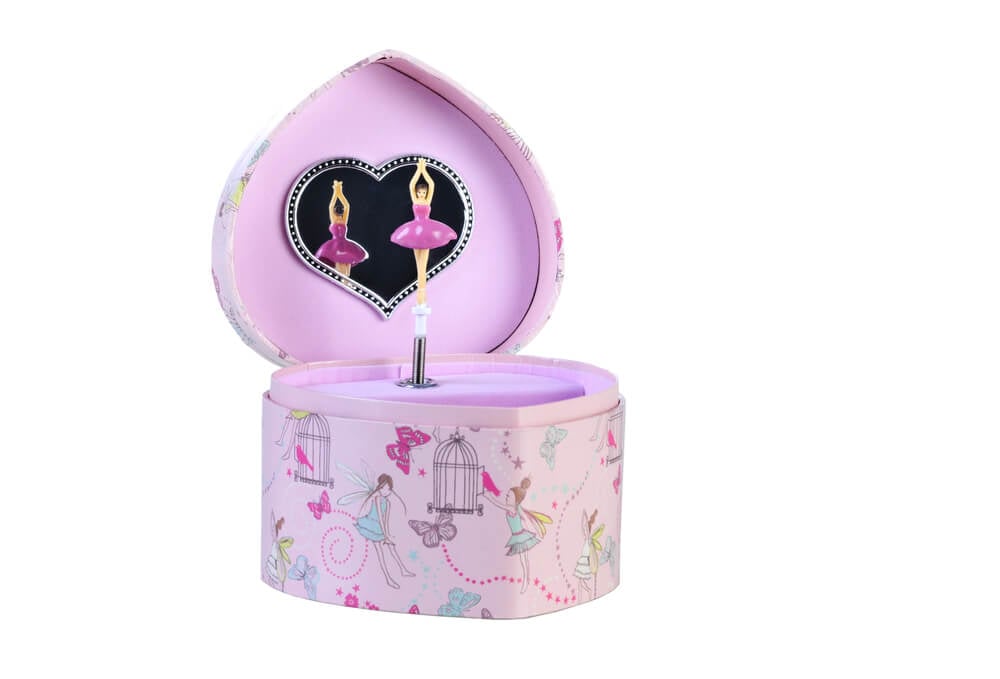
Volupte made compacts with built-in music boxes that play a tune, and examples with their original box and pouch turn up on replacement and auction sites. The musical movement is the main appeal, but it is also the most fragile feature, since a silent mechanism cuts into collector interest.
Buyers check that the tune plays cleanly, that the mirror is free of clouding, and that the finish has not rubbed away. A complete set with the original packaging is a clear step up from a bare case.
Volupte Persian Horsemen Combination Case
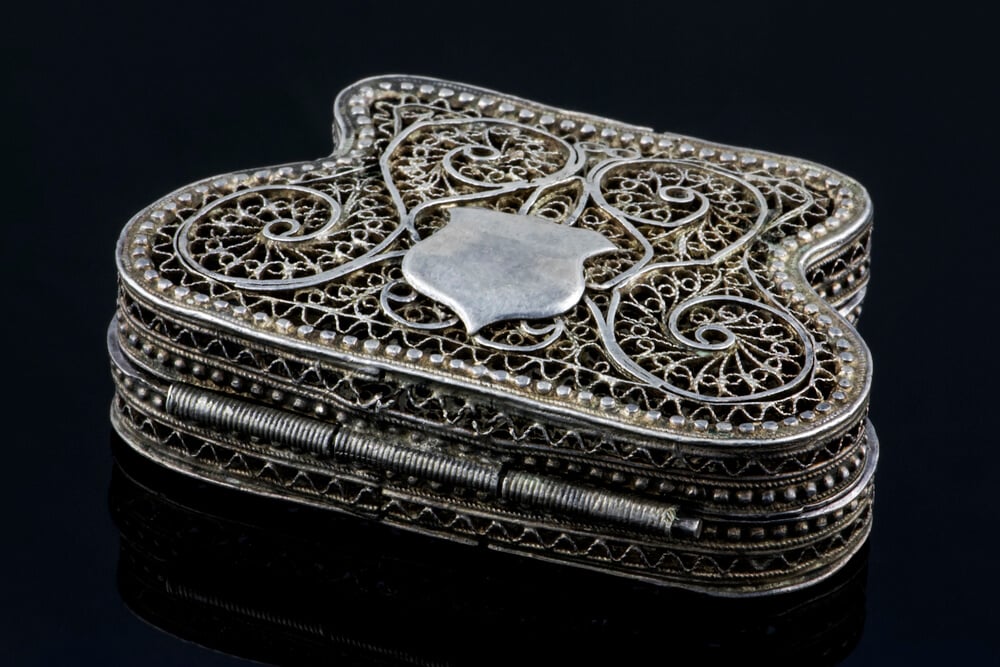
Volupte sold compacts that doubled as combination cases, and the Persian Horsemen design is a recognized example of the firm’s pictorial decoration. Collectors prefer examples where the painted or engraved scene remains sharp and the two halves still match.
Hinge wear is common on dual-purpose cases that were opened many times a day. A tidy interior, with the puff and powder tray present, makes a difference when buyers compare similar pieces.
Elgin American Art Deco Compacts
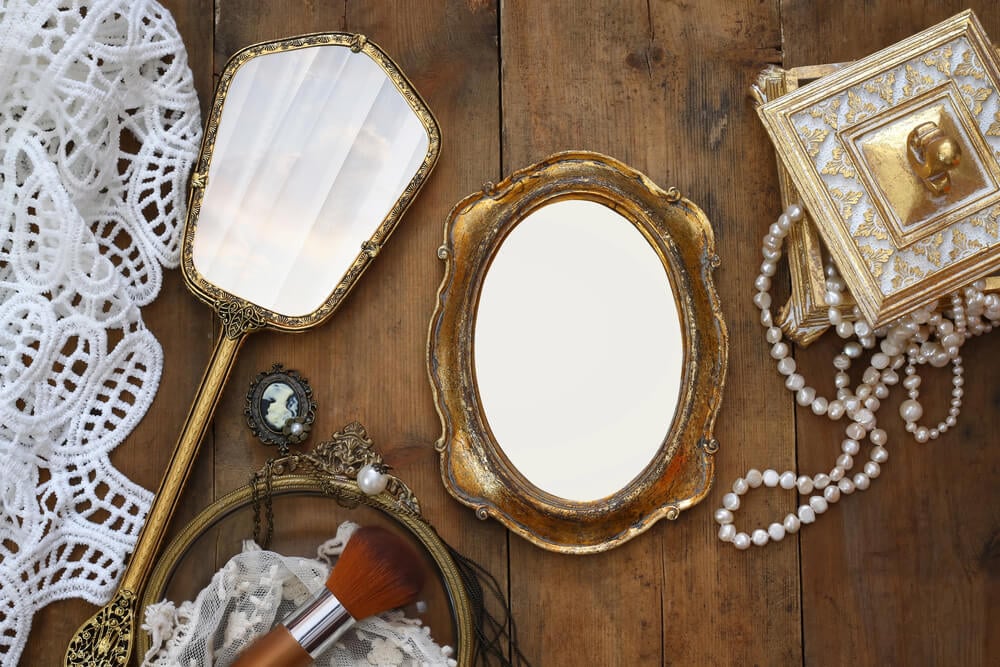
Elgin American was a major American maker of compacts during the Art Deco era, and the book American Compacts of the Art Deco Era by Howard Melton gives the company top billing in its subtitle. The maker shared its name with the famous Elgin watch brand, which gives the cases an easy hook for collectors.
Geometric enameling, engine-turned finishes and original fitted interiors drive interest. Plating wear on the corners and clouded mirrors are the usual flaws that separate bargain examples from top-grade ones.
J.M. Fisher Compacts
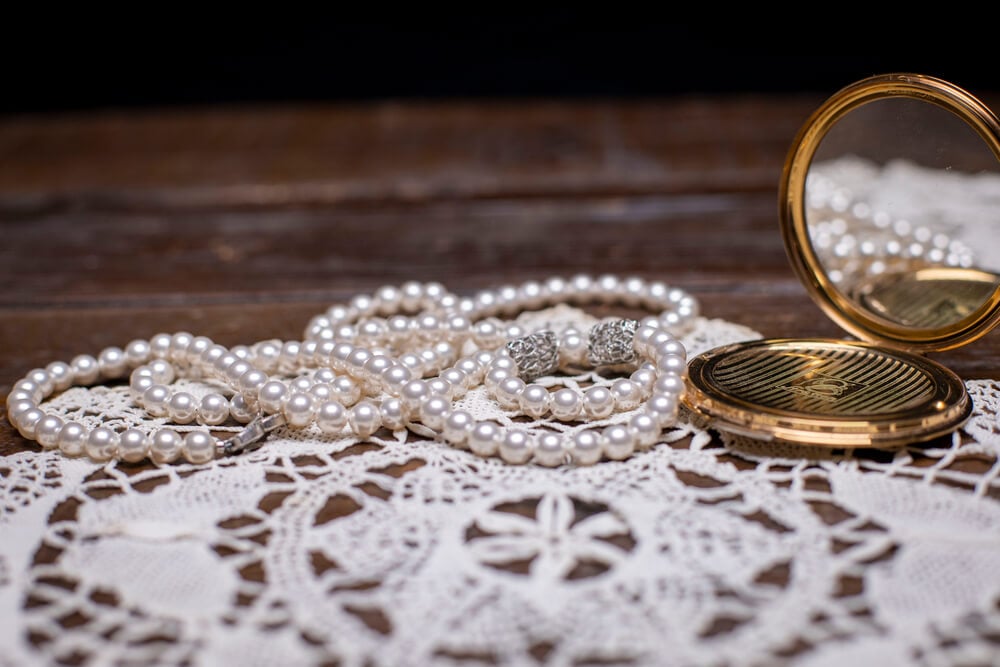
J.M. Fisher is named alongside Elgin American in the title of a reference book on American Art Deco compacts, a sign of how seriously collectors treat the maker. Fisher pieces are sought for their design quality rather than their precious-metal content, so the finish is where value lives.
Scratched enamel, replated surfaces and replaced hinges show up in the lower-grade examples. A case that retains its original interior parts is easier to place with specialist buyers.
Stratton Compacts
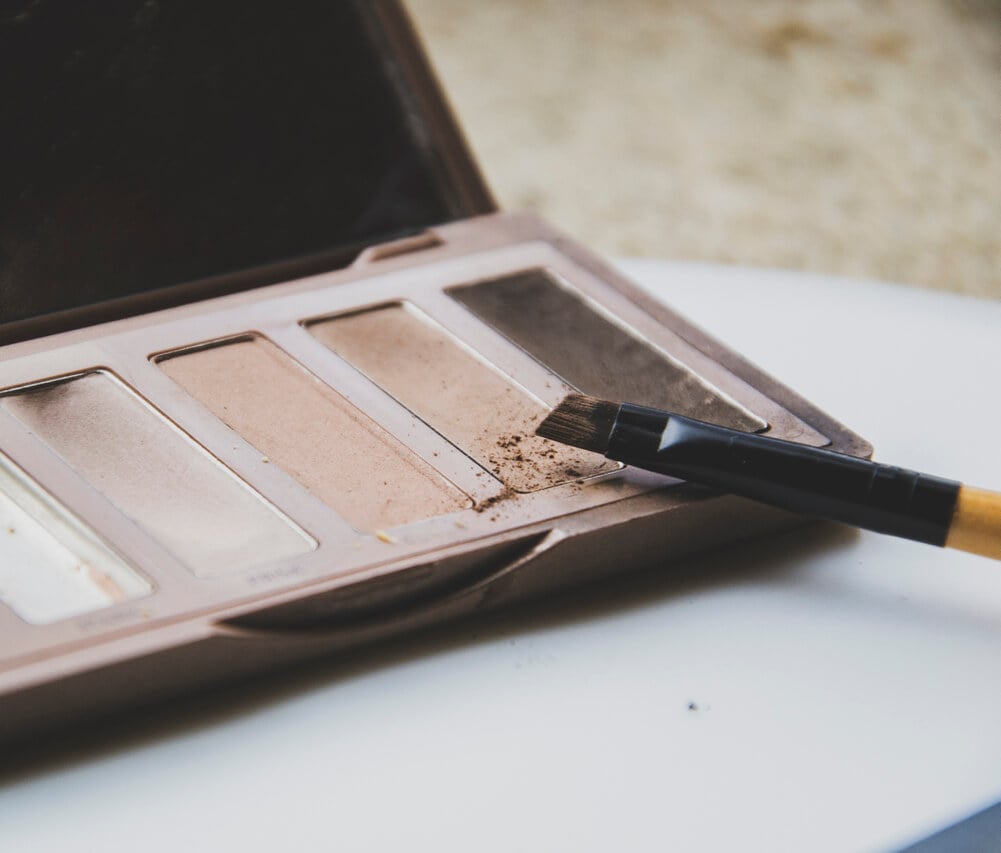
Stratton is an English maker whose compacts are among the most commonly collected British examples, with the firm known for boxed sets, petite powder cases and refillable models. The company’s pieces from the 1950s often appear unused in their original packaging, and that detail is where much of their price premium comes from.
Unused boxed examples with untouched powder and a clean puff attract more interest than used cases with worn gilt. Corner wear, hinge looseness and spotting on the mirror are the main faults that dealers disclose.
Kigu Compact Sets
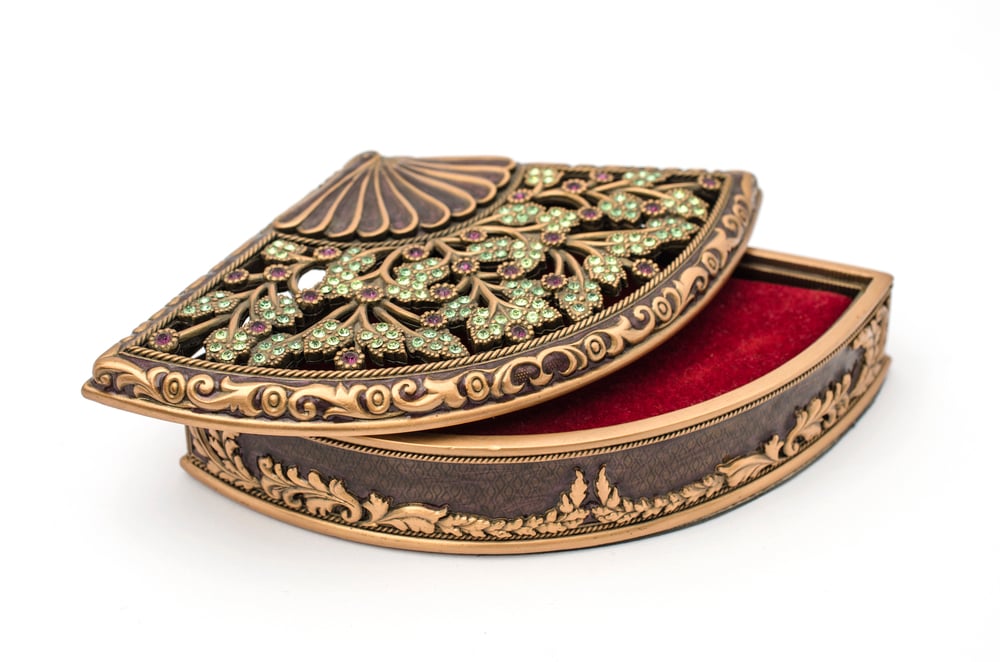
Kigu compacts, associated with Stratton and sold as sets from the 1950s, were made in Britain and turn up on dealer sites as boxed gift sets. The set format matters, because a compact that still has its matching lipstick holder or companion piece is worth more than a stray case.
Enamel work and engine-turned lids look best when unrubbed. Missing parts, loose hinges and discolored mirrors lower value, as does any damage to the original box.
Evans Wristlet Compacts with Combination Cases
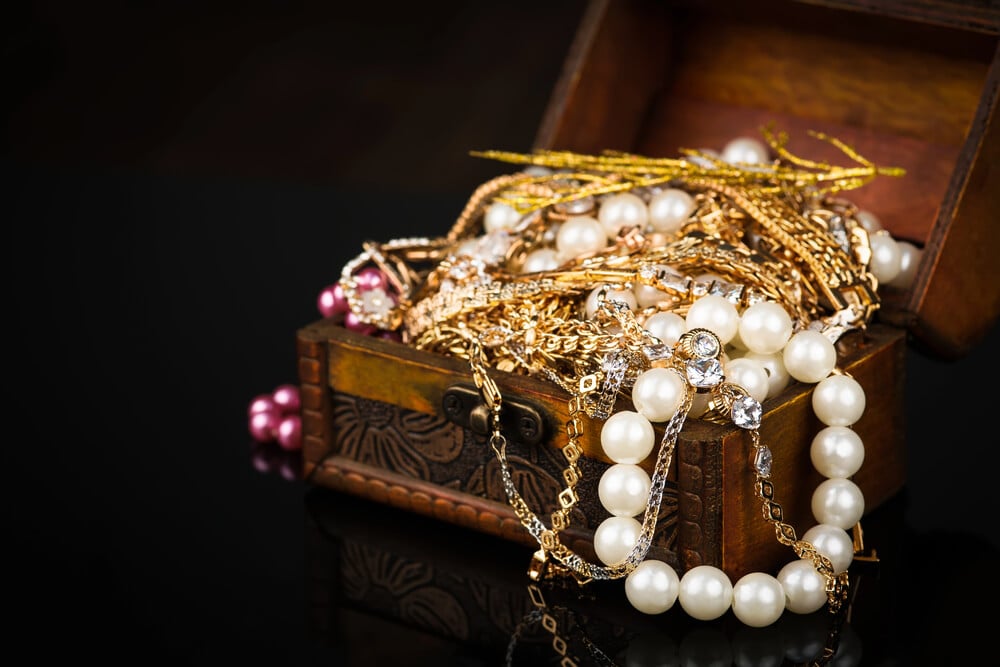
Evans Case Company, a name tied to American vanity cases, made wristlet compacts in the 1950s that paired a powder case with a holder worn on a chain or bracelet. Mother-of-pearl versions of these combination cases appear in dealer listings and show a mid-century taste for novelty accessories.
The wristlet chain is easy to damage or lose, and a missing chain cuts down the appeal of the set. Condition of the mother-of-pearl, the mirror and the interior fittings decides where each piece lands on price.
Richard Hudnut Art Deco Compacts
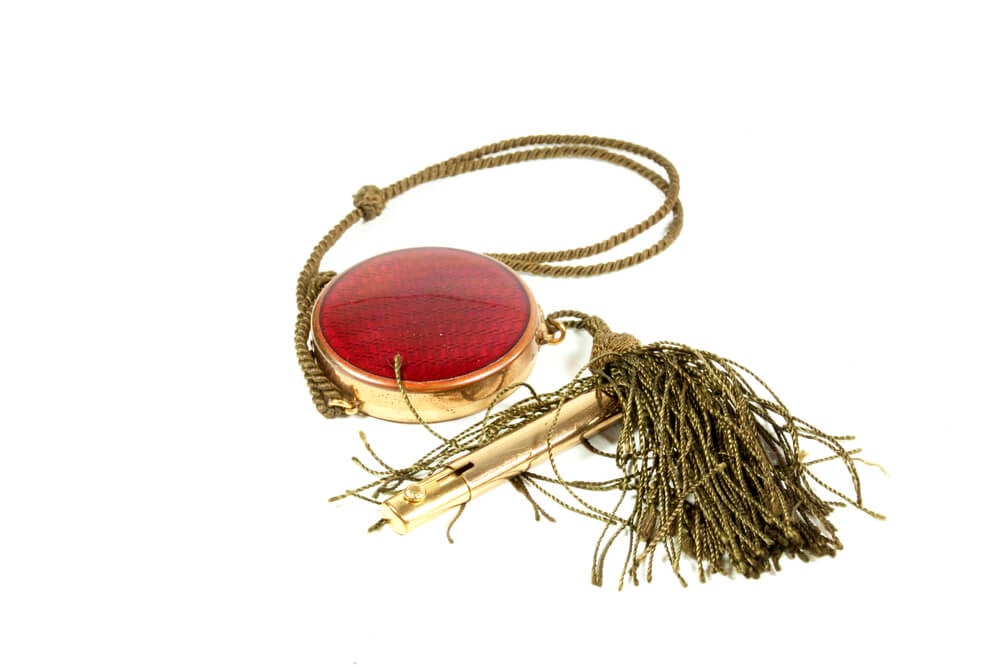
Richard Hudnut sold Art Deco compacts in the 1930s, some with lipstick holders, and dealers still offer them in their original boxes. The brand is better known as a perfume and cosmetics name than as a jeweler, so the appeal comes from the graphic design and the sealed-in-time packaging.
A boxed example with its powder and puff intact is worth noticeably more than a loose case. Fading, tarnish and a dull mirror are the common problems that hold back price.
Coty Flying Colours Triple Vanity
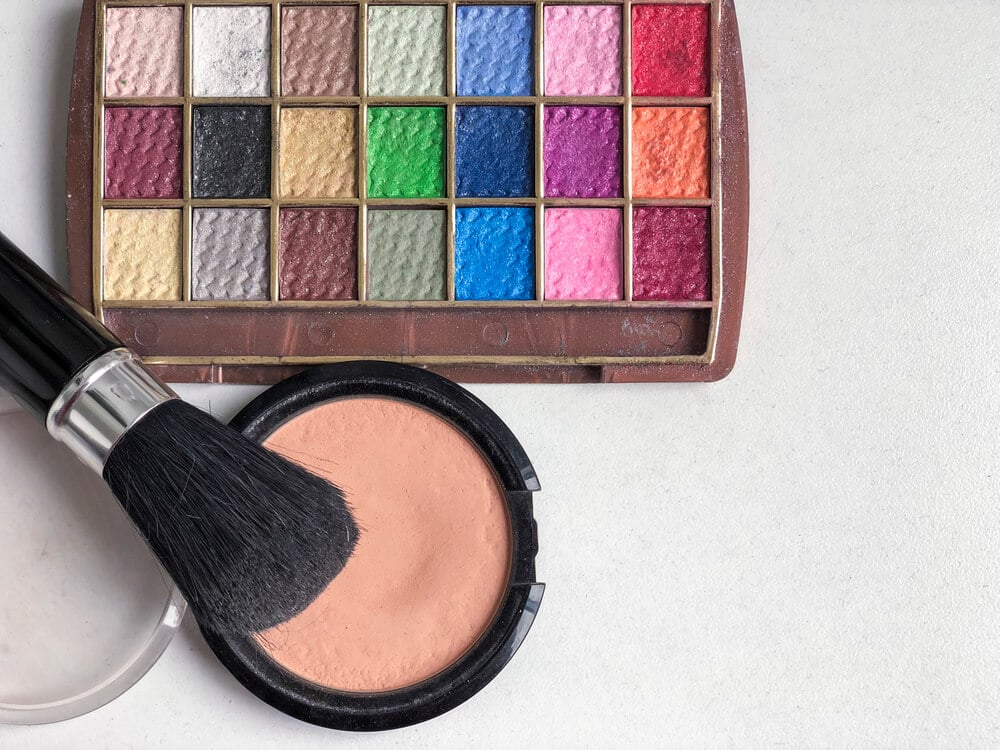
Coty issued a triple vanity compact called Flying Colours around 1940, combining powder, rouge and a lipstick in a single case. Collectors like the clever layout of the compartments.
A complete example keeps all three components intact, and each missing piece lowers the price. The hinge, the mirror and the finish of the lid should be checked closely before buying.
Zell Fifth Avenue Pocket Watch Compact
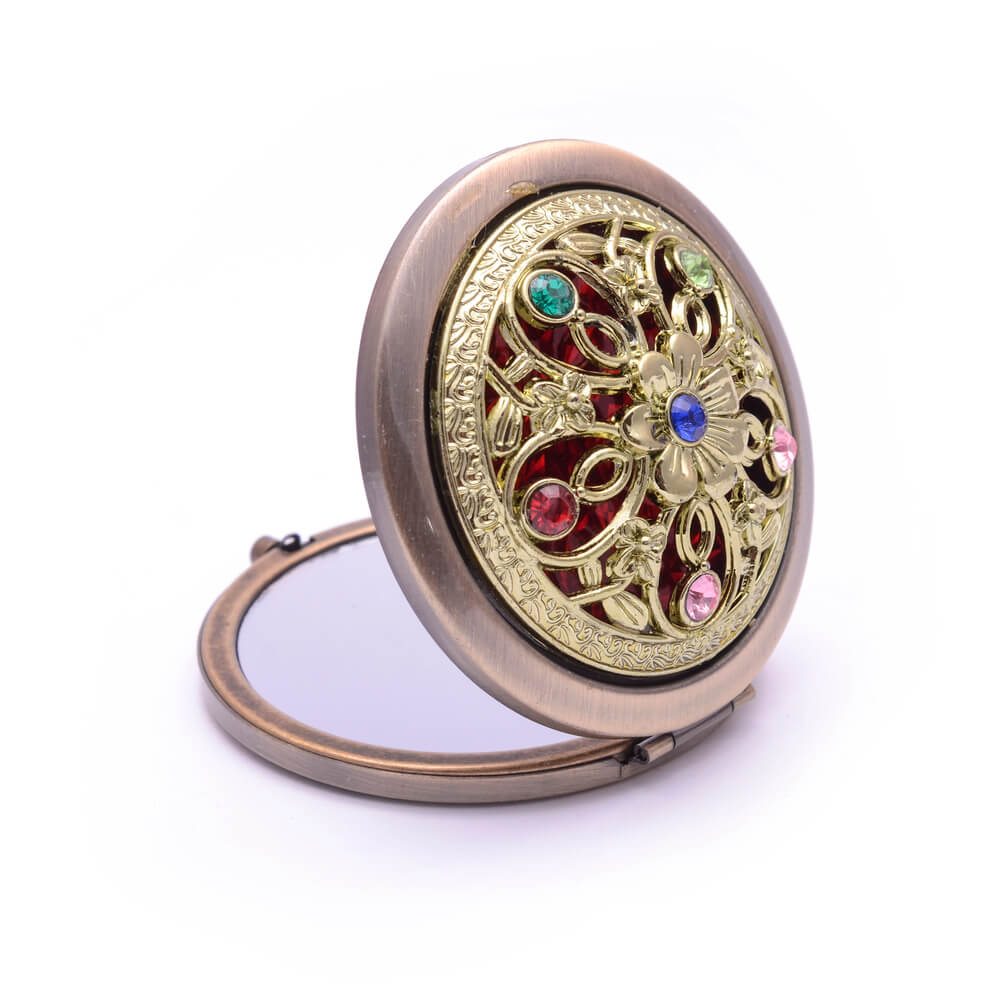
Zell Fifth Avenue made compacts shaped like a pocket watch, a novelty design that fits neatly into collector wish lists. Brass examples are listed by dealers as Art Deco makeup mirrors.
Collectors check that the plating has not worn through to the base metal and that the lid still closes with a firm snap. A clean mirror and a complete interior set of puff and powder well keep a novelty case from slipping into the bargain bin.
Whitehead and Hoag Celluloid Pocket Mirrors

Whitehead and Hoag, a Newark, New Jersey firm active from 1892 to 1959, made celluloid-covered advertising pocket mirrors that businesses gave to customers. Examples marked with its 1897 patent turn up in auction listings, and collectors look for that marking when dating a piece.
The surprise is how many different shops and trades they promoted, from local butchers to national brands. Cracked celluloid, silvering loss on the glass and edge damage all cut into value, so a clean, bright image is what buyers want.
Hires Root Beer Pocket Mirrors
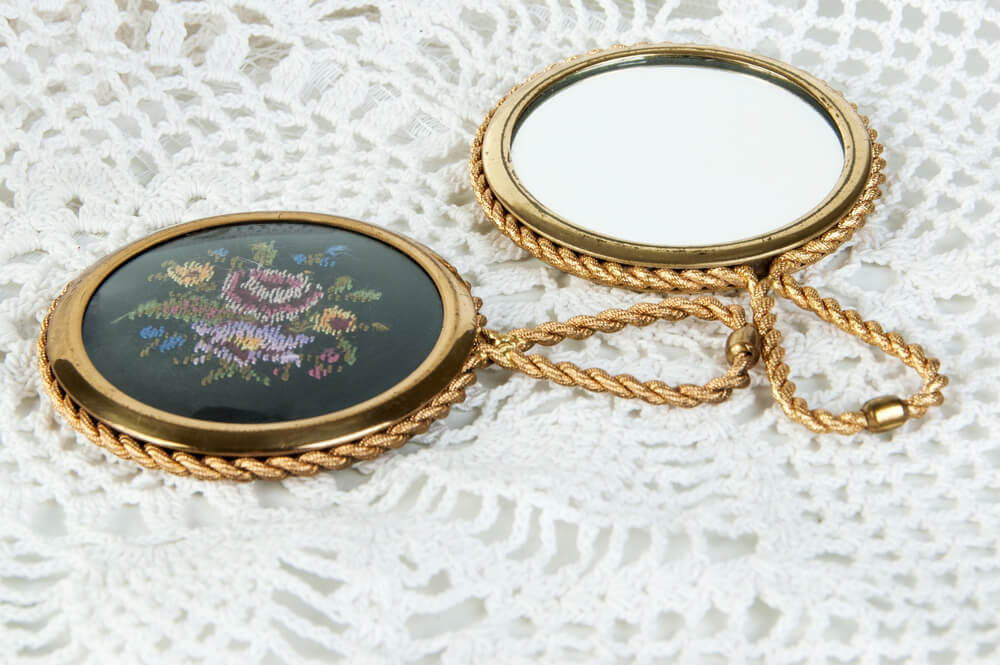
Hires Root Beer handed out pocket mirrors as promotional items, and antique advertising dealers keep multiple examples in their price guides. These small giveaways were designed to be used and then tossed, so surviving pieces with sharp color are a smaller group than the number once produced.
Soda graphics fade when exposed to light, and any scratch to the artwork or the glass is noticed quickly. A clear image with its glossy surface intact is the standard for a top example.
Coca-Cola Pocket Mirror from 1911
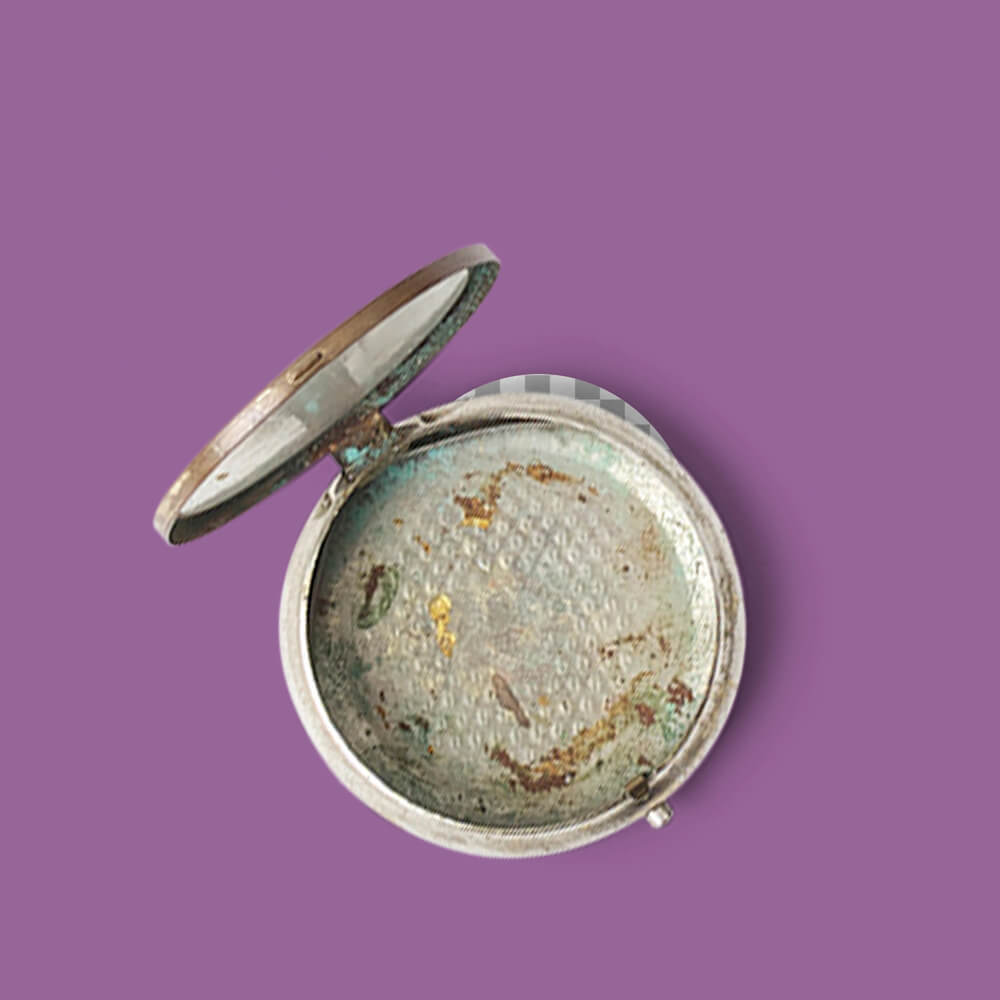
A Coca-Cola pocket mirror dated 1911 is among the better-known advertising mirrors from the soft drink’s early years. Antique advertising price guides list several versions, which makes it important to match the design, date and size to a verified example. Reproductions exist for popular brands, so collectors examine the paper, the edge and the print quality.
The condition of the image, including any flaking, staining or loss at the edges, can shift the value by a wide margin.
Knights Templar Pocket Mirror from Biddeford, Maine
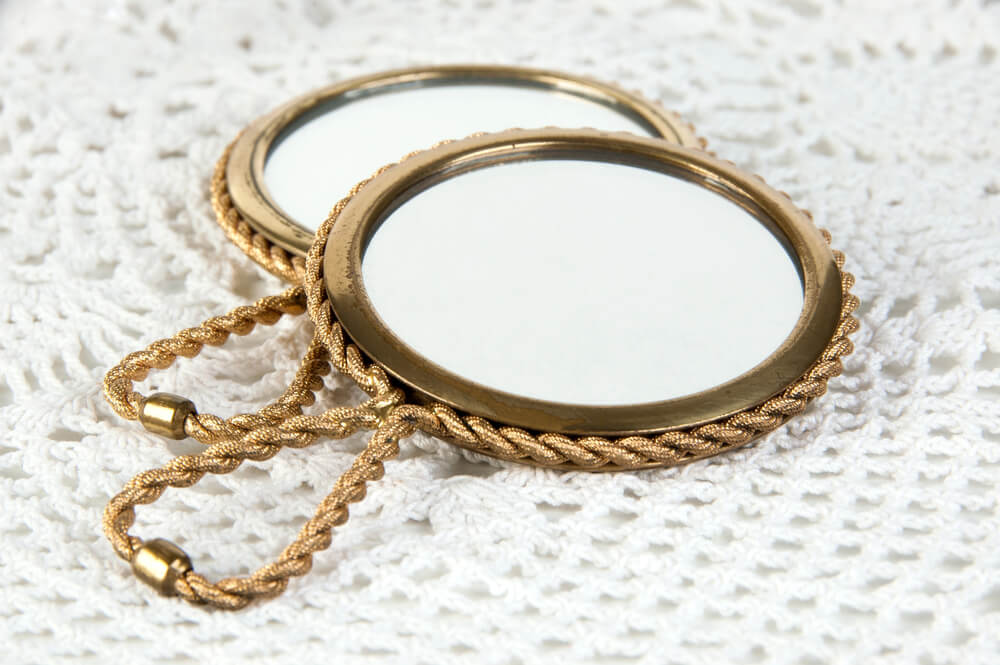
An 1890s Knights Templar pocket mirror from Bradford Commandery No. 4 in Biddeford, Maine, shows that celluloid mirrors were used by fraternal groups as well as brands. Pieces with a specific lodge or commandery name appeal to regional and fraternal collectors, and the town reference makes research easier.
Because the audience is narrow, price depends heavily on whether two collectors want the same piece. Chipped celluloid and a clouded mirror will limit interest.
Philadelphia Reading Terminal Market Butcher Mirror
A celluloid-encased pocket mirror carrying the 1897 Whitehead and Hoag patent and an advertisement for a butcher at Philadelphia’s Reading Terminal Market has sold through the auction house Hakes. The attraction is the local detail, since a butcher stall in a famous market is a connection a general advertising piece cannot offer.
Specific, documented local businesses often draw more bidders than generic brands. As with all celluloid mirrors, surface cracks, foxing behind the celluloid and clouded glass reduce what a buyer will pay.
What a Small Mirror Is Really Worth
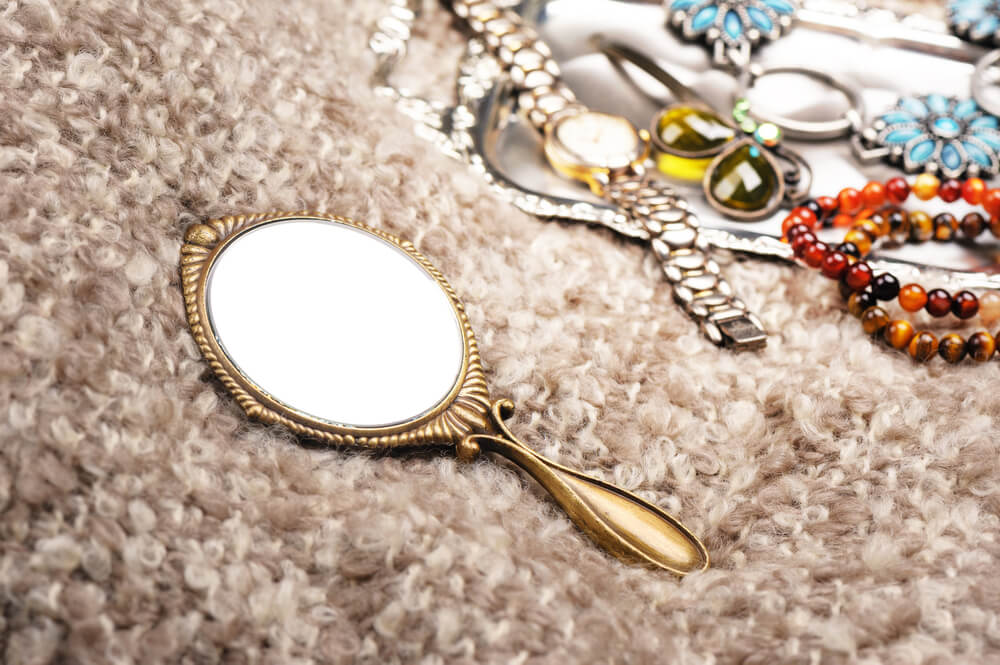
The pieces in this list share one trait: each was made to be carried, opened and used, not displayed. That is the reason pristine examples are the ones that bring money, and why a worn case is almost always a lower-tier purchase.
Maker names such as Cartier, Tiffany and Van Cleef and Arpels bring a premium, but a boxed Stratton or a bright celluloid advertiser can outperform a damaged luxury piece. Anyone looking to buy or sell should treat the hinge, the mirror glass, the finish and the interior fittings as the real price list.
A signature opens the door, and condition decides what happens once a buyer is inside. The most valuable find is usually the one that looks as if it has just left the shop.
More from Go2Tutors!

- The Romanov Crown Jewels and Their Tragic Fate
- 13 Historical Mysteries That Science Still Can’t Solve
- Famous Hoaxes That Fooled the World for Years
- 15 Child Stars with Tragic Adult Lives
- 16 Famous Jewelry Pieces in History
Like Go2Tutors’s content? Follow us on MSN.