Fascinating Facts About the Space Station
The International Space Station stands as humanity’s greatest achievement in space exploration. This incredible laboratory floating 250 miles above Earth has been home to astronauts from around the world for over two decades.
From its breathtaking speed to the daily challenges of living in zero gravity, the space station continues to amaze us with its incredible capabilities and the groundbreaking research happening aboard. Here are some mind-blowing facts that show just how extraordinary this floating laboratory really is.
The space station travels faster than a speeding bullet

The space station races around Earth at an incredible speed of five miles per second, which equals about 17,500 miles per hour. That’s roughly ten times faster than a bullet fired from a rifle.
At this amazing speed, the station completes a full orbit around our planet in just 90 minutes. Imagine watching the sunrise and sunset 16 times every single day because that’s exactly what astronauts experience up there.
Astronauts see 90 percent of the world’s population pass beneath them
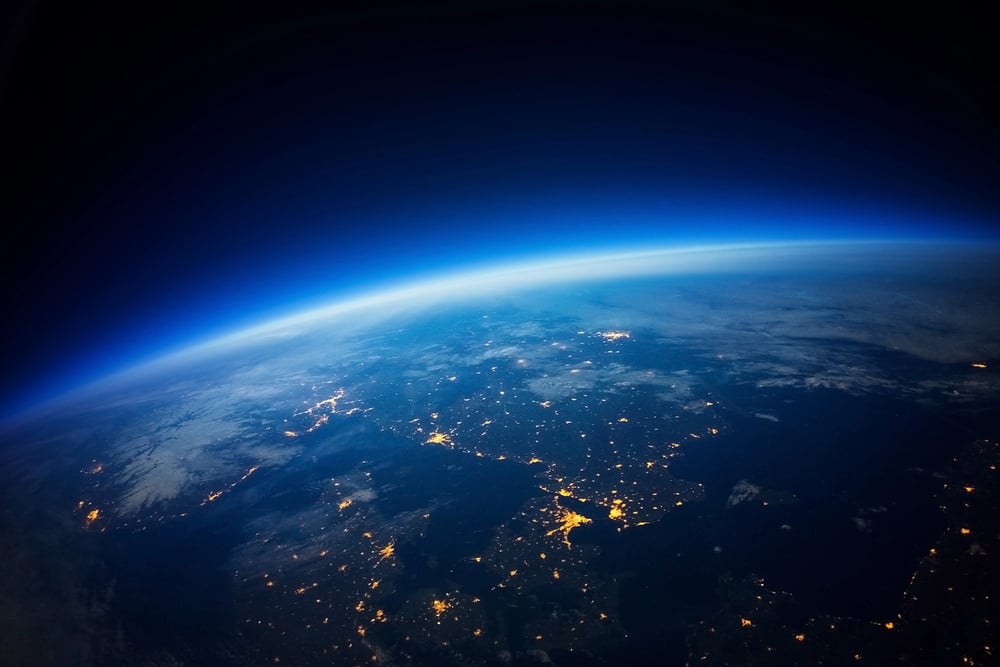
The space station’s orbital path takes it over 90 percent of Earth’s population. This means astronauts get to see most of the places where people live from their unique window in space.
They watch cities light up at night, observe weather patterns forming over continents, and witness natural disasters from a perspective no one else can share. The view changes constantly as they zoom around the planet.
It’s been continuously occupied for almost 25 years

The space station has been continuously occupied since November 2000. That means there hasn’t been a single day in over two decades when humans weren’t living and working in space.
This incredible achievement represents one of the longest-running human presence in space. Crews rotate every few months, but someone is always there keeping the lights on and the experiments running.
You can spot it with your eyes from Earth
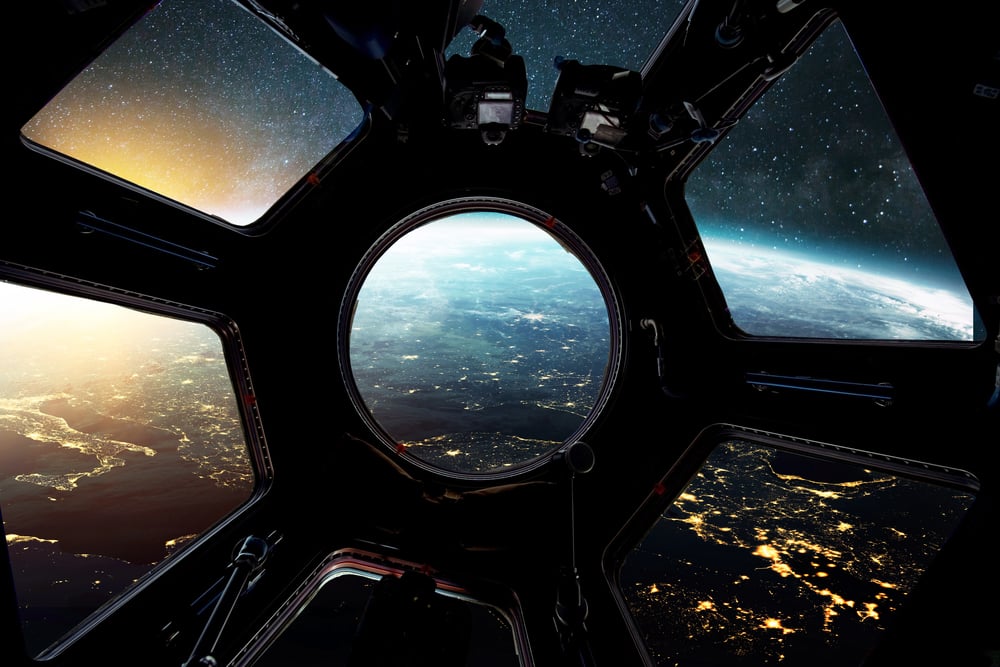
Thanks to the size of its solar panels, the space station can be seen with the eye at dusk or dawn when flying over a local area. It appears as a bright, fast-moving star that takes several minutes to cross the sky.
Many people make it a hobby to track when the station will pass over their location. NASA even provides a service called “Spot the Station” to help people know exactly when to look up.
The station hosts an international crew of seven people
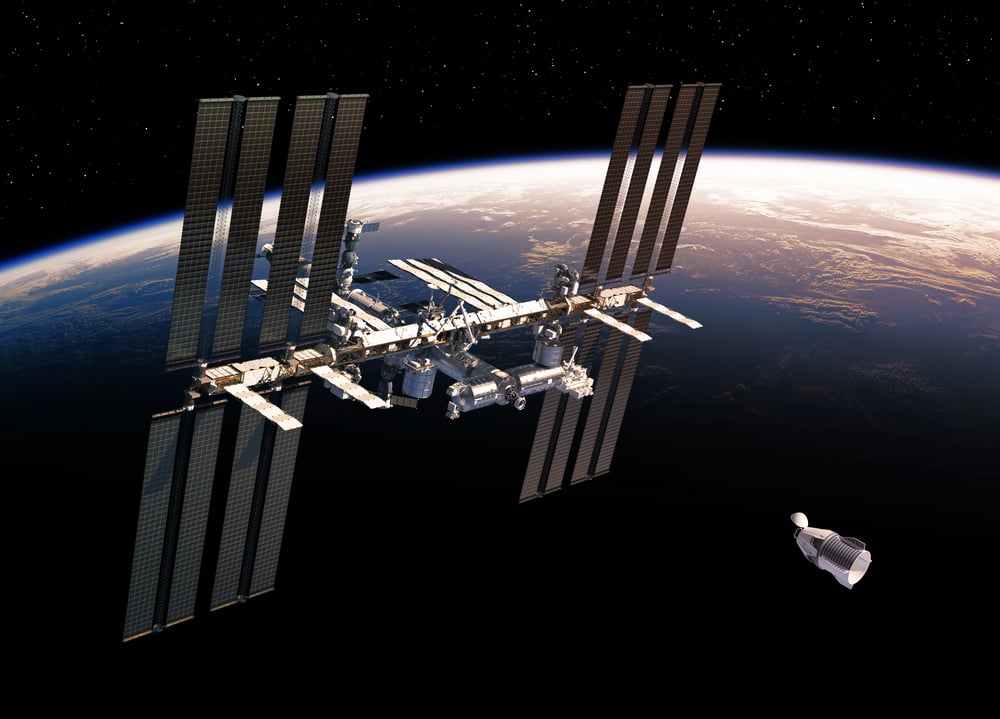
An international crew of seven people live and work while traveling at this incredible speed. These astronauts come from different countries and work together as one team.
The current expedition continues to conduct advanced space research. The crew size can sometimes grow larger during crew handovers when new astronauts arrive before others return to Earth.
Over 270 spacewalks have been conducted from the station

Over 270 spacewalks in NASA’s Extravehicular activities have been performed from the space station. These spacewalks, also called EVAs, allow astronauts to maintain and upgrade the station from the outside.
Each spacewalk requires months of planning and can last several hours. Astronauts must wear special suits that protect them from the harsh environment of space while they work.
The station is a partnership between 15 countries

An international partnership of five space agencies from 15 countries operates the International Space Station. This incredible cooperation includes the United States, Russia, Japan, Canada, and European nations working together.
The partnership represents one of the most successful international collaborations in human history. Different countries contribute various modules, supplies, and crew members to keep the station running.
More than 4,000 scientific investigations have been conducted

More than 4,000 investigations have been conducted, resulting in over 4,400 research publications with 361 in 2024 alone. These experiments cover everything from medical research to materials science.
Scientists use the unique environment of space to study how things behave without gravity. Many of these experiments help develop new medicines, technologies, and materials that benefit people on Earth.
The station’s internet connection is faster than most homes
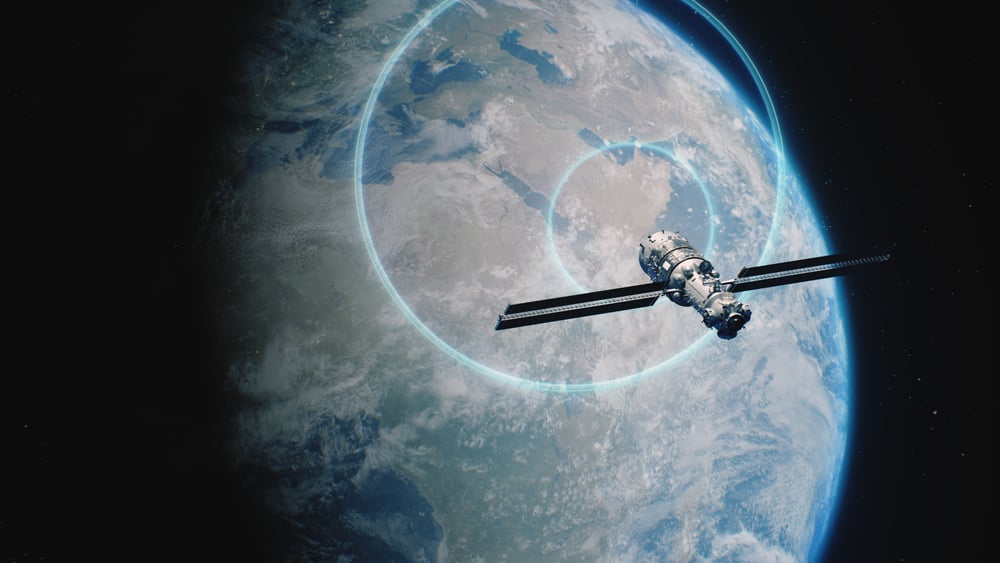
NASA upgraded the system in 2019 and increased the speeds to 600 Mbit/s. This high-speed connection allows astronauts to communicate with their families, participate in live events with schools, and send data from experiments back to Earth instantly.
The connection uses the station’s wireless network that links to ground through satellite communication. Astronauts can even use social media to share their experiences.
It orbits at about 250 miles above Earth’s surface

The space station orbits Earth at an average altitude of approximately 250 miles. This height puts it well above commercial aircraft but still within Earth’s thin upper atmosphere.
The station occasionally needs to boost its orbit because atmospheric drag slowly pulls it closer to Earth. Without these regular adjustments, the station would eventually fall back to our planet.
The station was assembled piece by piece in space
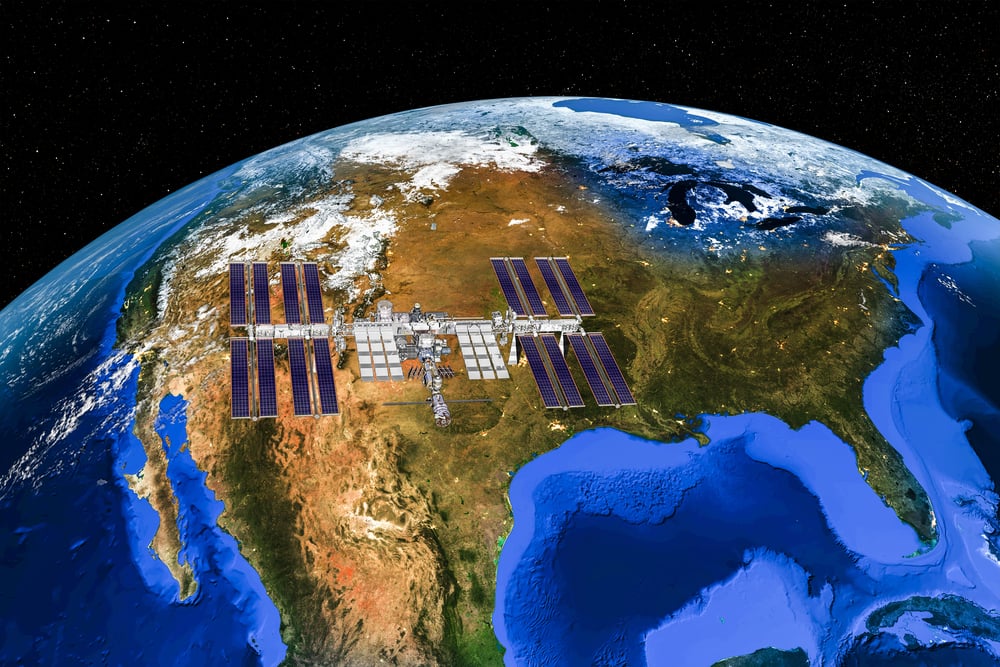
The space station is made of parts that were assembled in space by astronauts. Construction began in 1998 and took over a decade to complete.
Each module had to be launched separately and then connected by astronauts during spacewalks and robotic operations. This incredible construction project happened while everything was moving at 17,500 miles per hour around the Earth.
Four different spacecraft can dock at the station simultaneously

Four spaceships are docked at the space station including the SpaceX Dragon cargo craft, the SpaceX Crew-11 Dragon spacecraft, the Soyuz MS-27 crew ship, and the Progress 92 resupply ship. These vehicles bring fresh supplies, new crew members, and take away trash and completed experiments.
The station has multiple docking ports to accommodate different types of spacecraft from various countries.
Astronauts from over 20 countries have visited the station

More than 200 astronauts from 20 different countries have visited the ISS. This includes not just professional astronauts but also space tourists and researchers from universities around the world.
Each person brings their own expertise and cultural perspective to the station. The diversity of visitors shows how the station truly belongs to all of humanity.
Commercial manufacturing happens in the station’s laboratory

From mid-February to mid-March of 2024, the Flawless Space Fibers-1 system produced more than seven miles of optical fiber in space. This represents the longest fiber ever manufactured in space, breaking previous records.
Companies are discovering that some materials can be made better in the zero-gravity environment than they can on Earth. This opens up new possibilities for manufacturing in space.
The station serves as a stepping stone for future space exploration
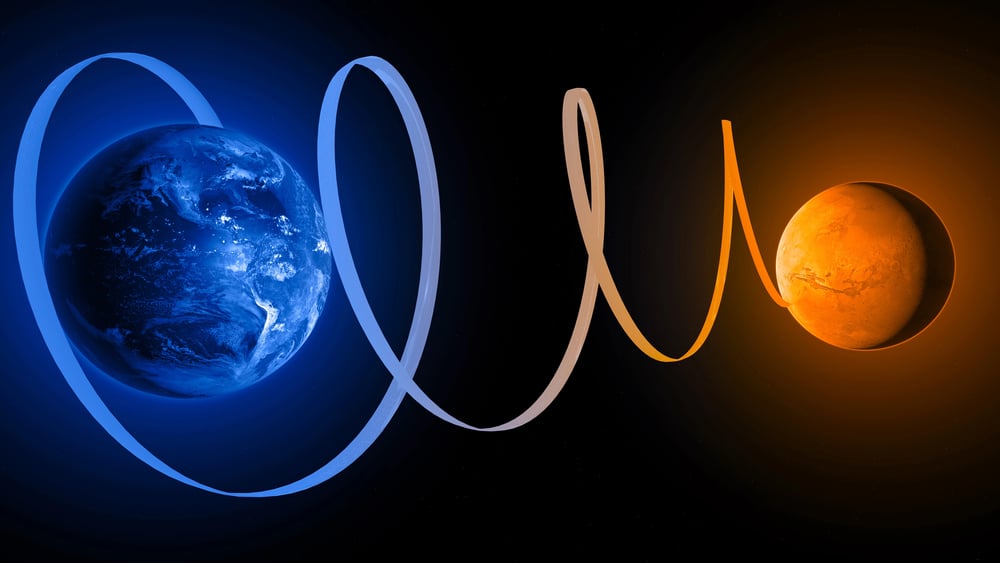
Space station research continues to advance technology on Earth and prepare for future space exploration missions. Everything learned about keeping humans healthy and safe in space will help future missions to the Moon and Mars.
The station provides a testing ground for new technologies and life support systems. Astronauts practice techniques they’ll need for longer journeys into deep space.
The station will operate until at least 2030
NASA has approved an extension to 2030, ensuring continued scientific research and international cooperation. After 2030, plans for the International Space Station are not yet determined, but commercial space stations are being developed to replace it.
The knowledge gained from operating the station for three decades will inform the design of future space habitats. This incredible achievement in human cooperation and engineering will leave a lasting legacy.
Looking back from tomorrow’s perspective

The International Space Station represents humanity at its finest. What started as separate nations competing in space became the ultimate symbol of what we can achieve together.
Today’s astronauts stand on the shoulders of decades of dreamers, engineers, and explorers who made this floating laboratory possible. As we prepare for the next chapter of space exploration, the lessons learned from this remarkable outpost will guide us to the stars and beyond.
More from Go2Tutors!

- The Romanov Crown Jewels and Their Tragic Fate
- 13 Historical Mysteries That Science Still Can’t Solve
- Famous Hoaxes That Fooled the World for Years
- 15 Child Stars with Tragic Adult Lives
- 16 Famous Jewelry Pieces in History
Like Go2Tutors’s content? Follow us on MSN.