16 Overlooked Events That Ended Up Changing the Course of History
History has a way of surprising us. The moments we think will matter sometimes fade into footnotes, while small accidents and forgotten incidents quietly reshape the world.
A wrong turn leads to a world war. A rejected art student changes the fate of nations.
A woman refuses to give up her bus seat and sparks a revolution.
These aren’t the events that filled the front pages or commanded attention when they happened. They’re the quiet pivots, the unnoticed decisions, the moments that seemed ordinary until they weren’t.
Yet somehow these overlooked instances ended up steering the course of human history in ways no one could have predicted.
Franz Ferdinand’s Driver Takes A Wrong Turn
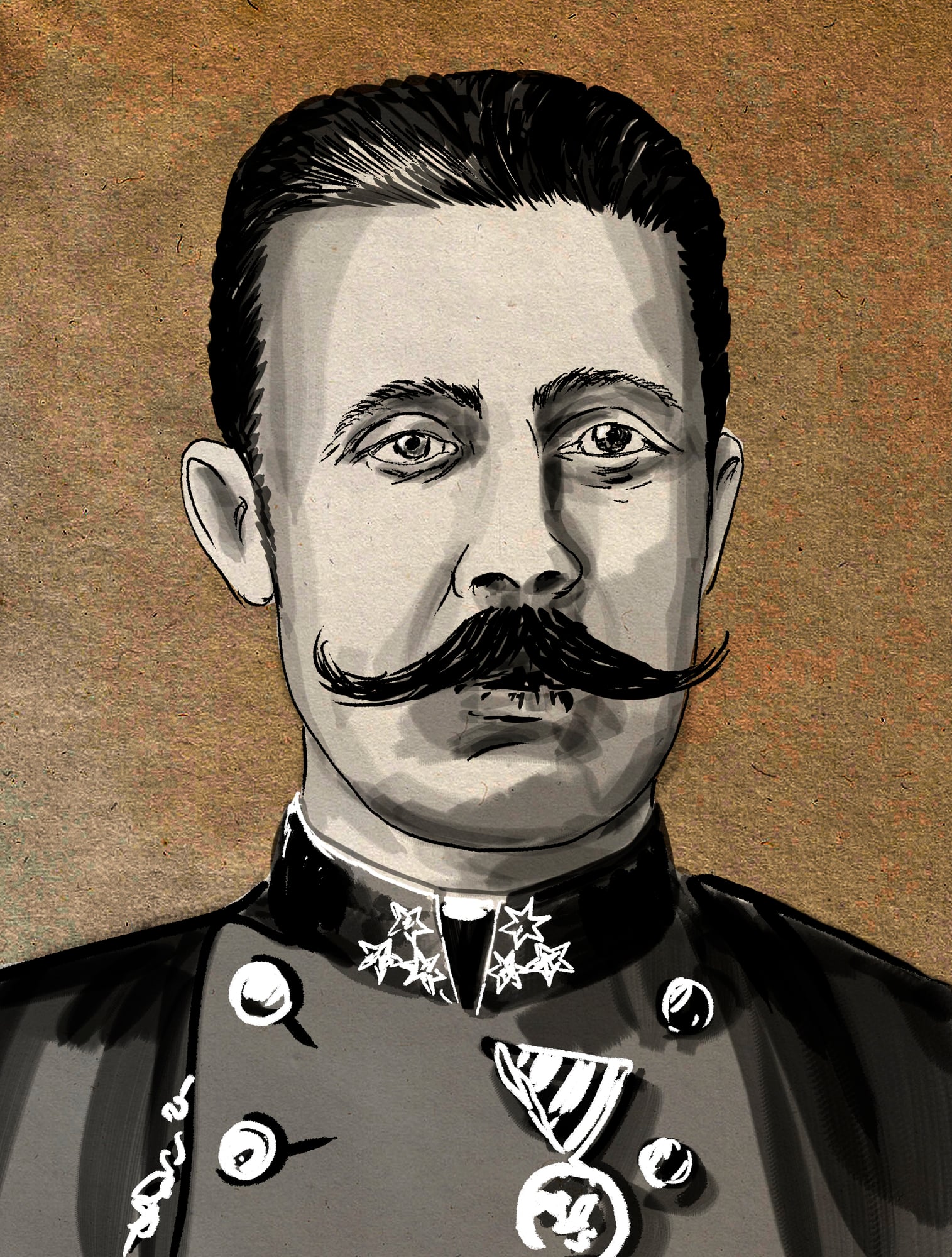
June 28, 1914. Leopold Lojka made a mistake that killed 20 million people. The Archduke’s driver took a wrong turn in Sarajevo, stopped the car to reverse, and ended up directly in front of Gavrilo Princip — who had given up on his assassination attempt and was buying a sandwich.
The gunshots that followed started World War I.
Without that wrong turn, Princip would have gone home empty-handed. The war that redrew the map of Europe might never have happened.
A Patent Clerk’s Thought Experiment
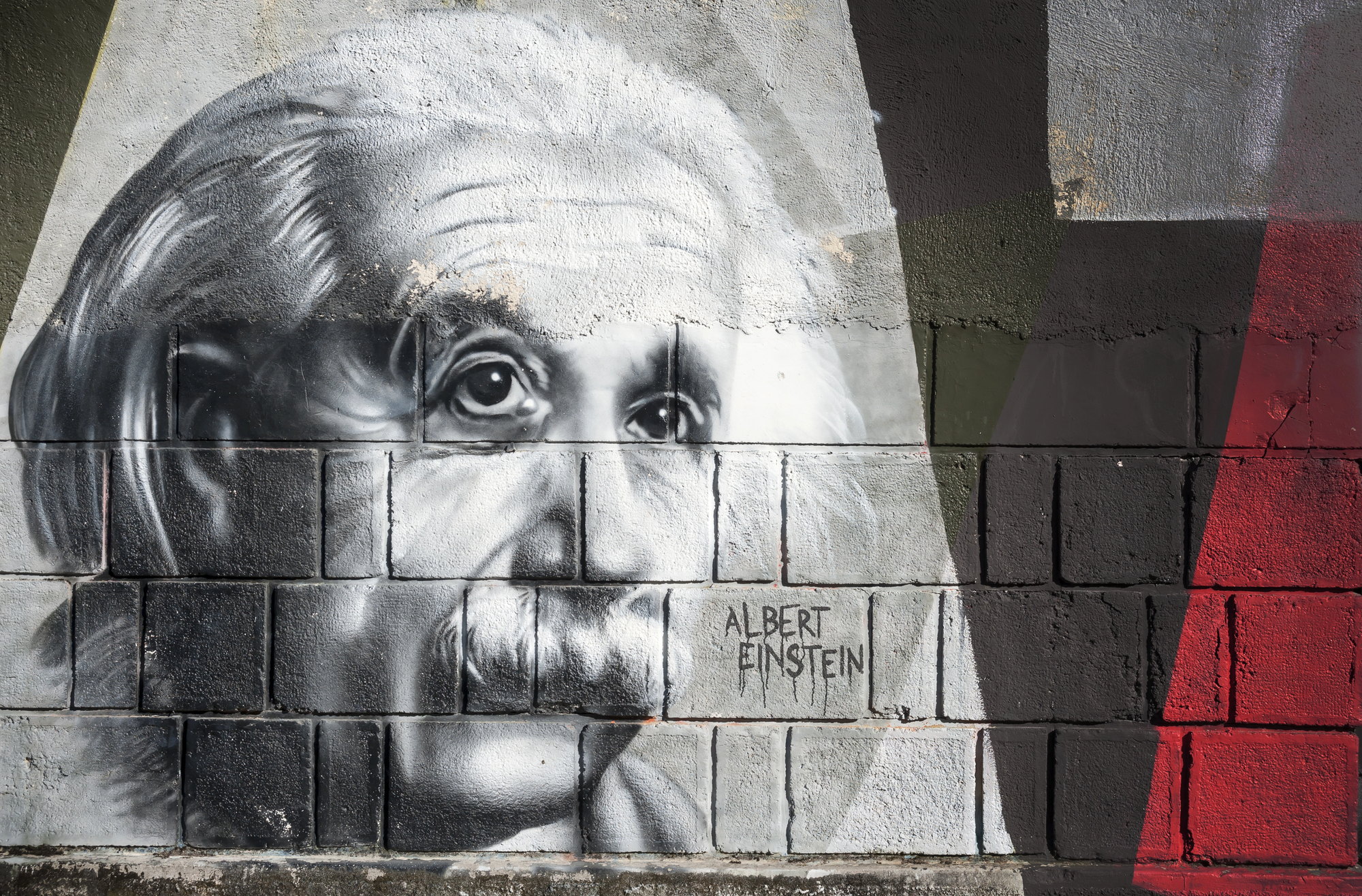
Albert Einstein wasn’t thinking about changing physics when he imagined riding alongside a beam of light (and this wasn’t even during his most productive research years — he was still working at the Swiss Patent Office, processing other people’s inventions for a living). But that simple thought experiment, which he claimed came to him around 1895 when he was just sixteen, eventually unraveled everything scientists thought they knew about space and time.
And here’s the thing: he didn’t immediately pursue the implications of that mental exercise — it took him another decade to develop special relativity, and even then he had no idea it would lead to E=mc², nuclear energy, or fundamentally alter humanity’s understanding of the universe.
So a teenage daydream became the foundation for modern physics. Which is saying something about the power of imagination.
The Rejection That Shaped A Monster
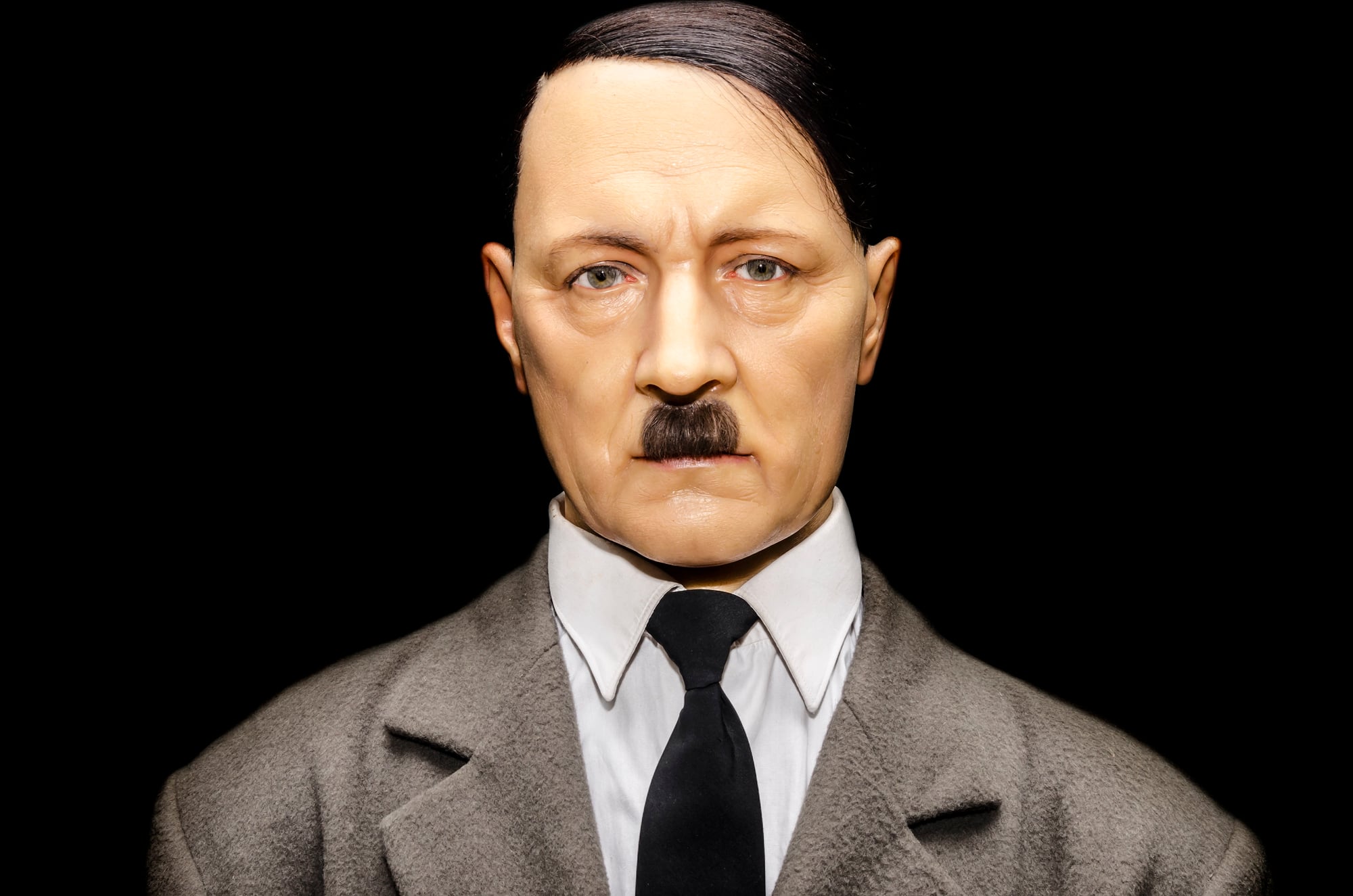
There’s a peculiar weight to small rejections, the way they accumulate like sediment until something shifts beneath the surface. In 1907, a young man applied twice to the Vienna Academy of Fine Arts.
Twice, he was turned away — his technical skills deemed insufficient, his architectural drawings lacking the spark the evaluators sought. The rejection stung in that particular way that stays with someone, festering quietly.
That young man was Adolf Hitler. The art school’s decision sent him into years of poverty and resentment in Vienna, where he absorbed the anti-Semitic ideology that would later consume Europe.
One can’t help but wonder: what if his landscapes had been judged acceptable? What if he’d spent his life painting instead of orchestrating genocide?
Rosa Parks Refuses To Stand
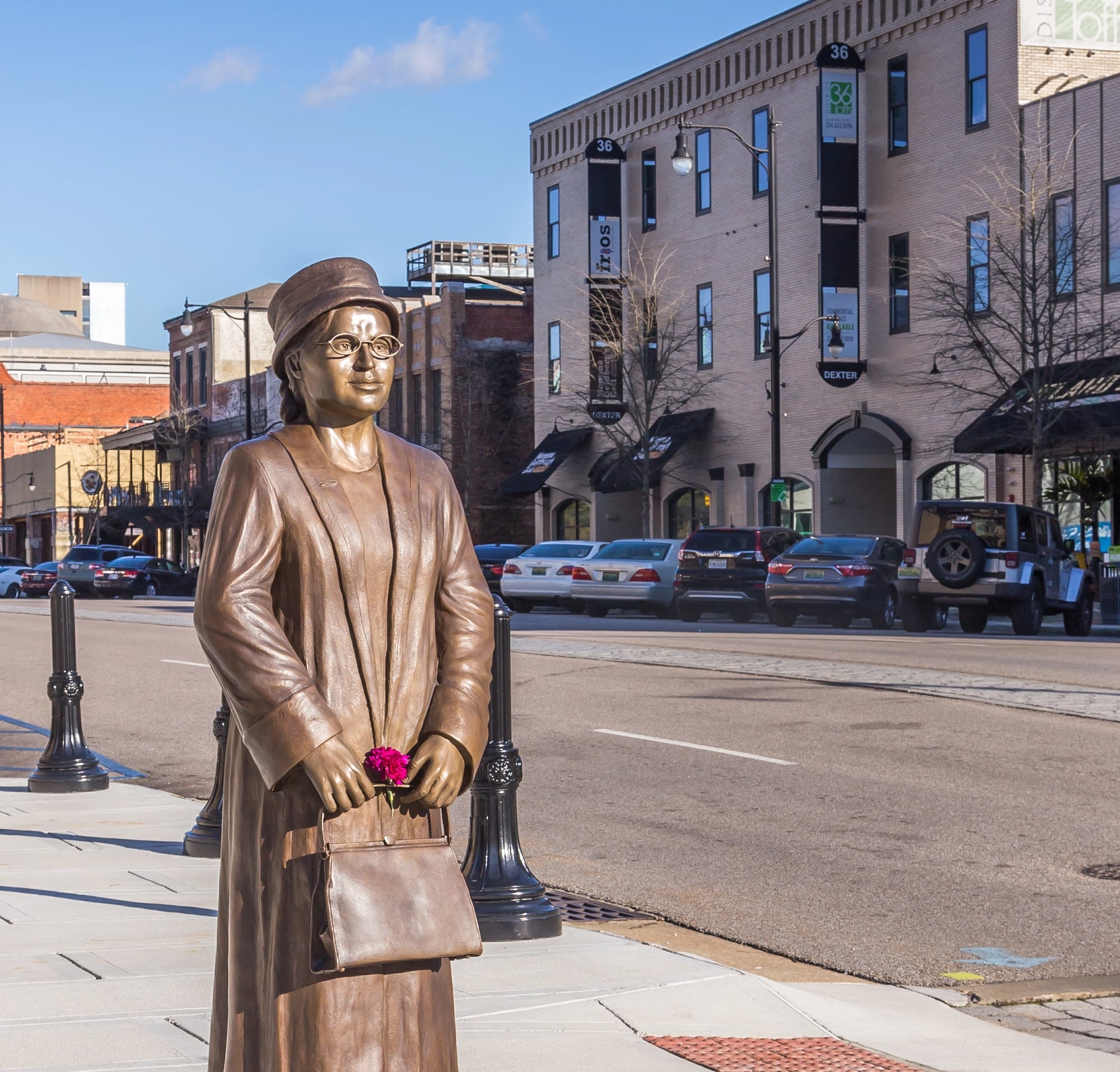
December 1, 1955, wasn’t supposed to be the day that changed everything. Parks wasn’t the first person to resist bus segregation in Montgomery, and she wasn’t planning to become a symbol.
She was tired after work and didn’t feel like moving. That simple act of defiance sparked a 381-day bus boycott that launched the civil rights movement.
Sometimes the most profound revolutions begin with someone who just won’t stand up.
Alexander Fleming’s Messy Lab
Fleming was sloppy. Left petri dishes lying around, didn’t clean up properly.
In September 1928, he returned from vacation to find mold contaminating one of his bacterial cultures. Most scientists would have thrown it away and started over.
Instead, Fleming noticed something odd: the bacteria around the mold had died. That contaminated dish became penicillin, the antibiotic that has saved more lives than any other medicine in history.
The Wrong Button That Started The Space Race
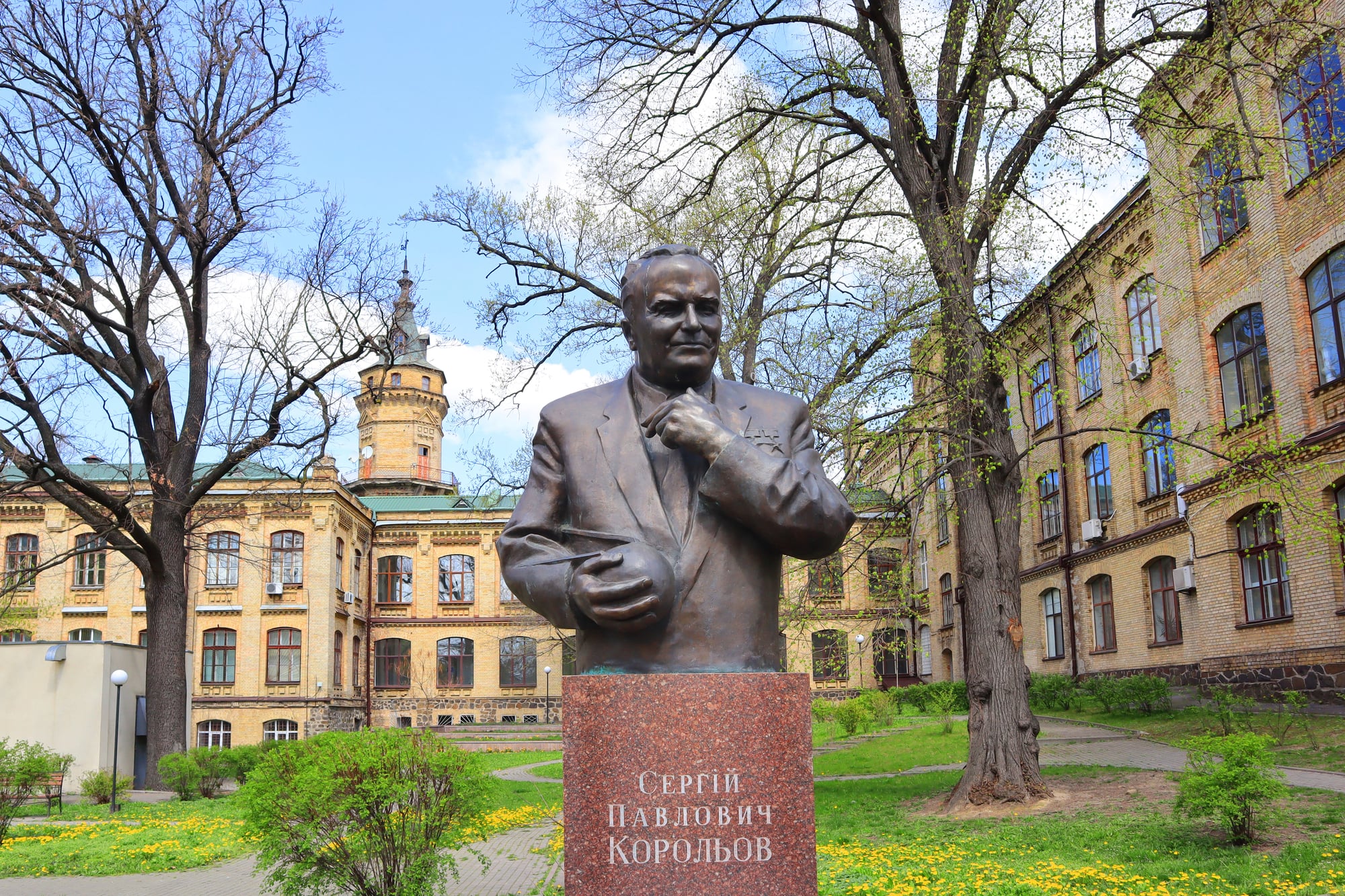
October 4, 1957, and Sergei Korolev had a problem on his hands (actually, he had several problems, not least of which was that the R-7 rocket he’d been developing kept exploding during test flights, and the Soviet leadership was growing impatient with the failures). The intercontinental ballistic missile he’d been tasked with creating for Khrushchev wasn’t ready for its intended purpose — delivering nuclear warheads to American cities — but the rocket worked well enough to carry something much smaller into orbit.
So Korolev made a decision that nobody, including himself, fully grasped the implications of at the time: he attached a simple radio transmitter to a metal sphere, called it Sputnik, and launched it into space just to prove the rocket could reach orbit.
That improvised solution to a weapons program delay became the opening shot of the space race. America panicked, poured billions into NASA, and within twelve years had landed on the moon.
A Clerical Error Changes America’s Map
Sometimes the most monumental shifts happen because someone can’t read a map properly. In 1803, Napoleon’s representatives were supposed to sell just the port of New Orleans to the Americans — a practical transaction to help France fund its European wars.
Instead, they offered the entire Louisiana Territory, roughly doubling the size of the United States for the equivalent of four cents per acre.
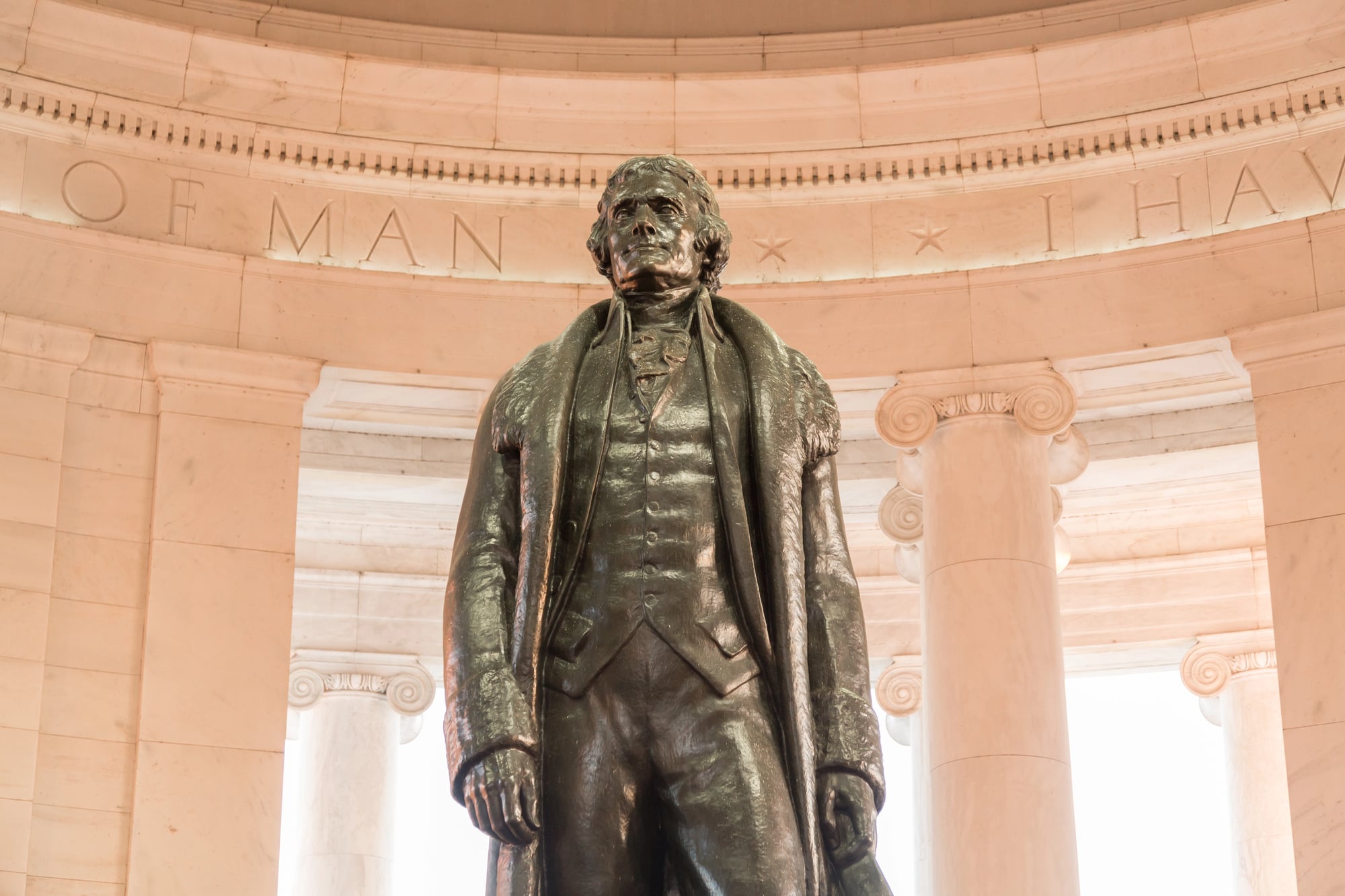
The confusion stemmed from unclear territorial boundaries and French officials who weren’t entirely sure what they owned. Thomas Jefferson, constitutionally uncertain about his authority to make such a purchase, decided to worry about legality later.
That clerical confusion and presidential gamble transformed America from a coastal nation into a continental power.
The Birth Control Pill Was An Accident

Catholic scientist John Rock was trying to help infertile women get pregnant. He was testing synthetic progesterone as a treatment for reproductive issues, not as contraception.
But women in his trials stopped ovulating entirely. Rock realized he’d stumbled onto something revolutionary.
The birth control pill transformed women’s lives, reshaped families, and altered the entire structure of modern society. All because a fertility doctor noticed an unexpected side effect.
Gutenberg’s Wine Press Becomes Something Else
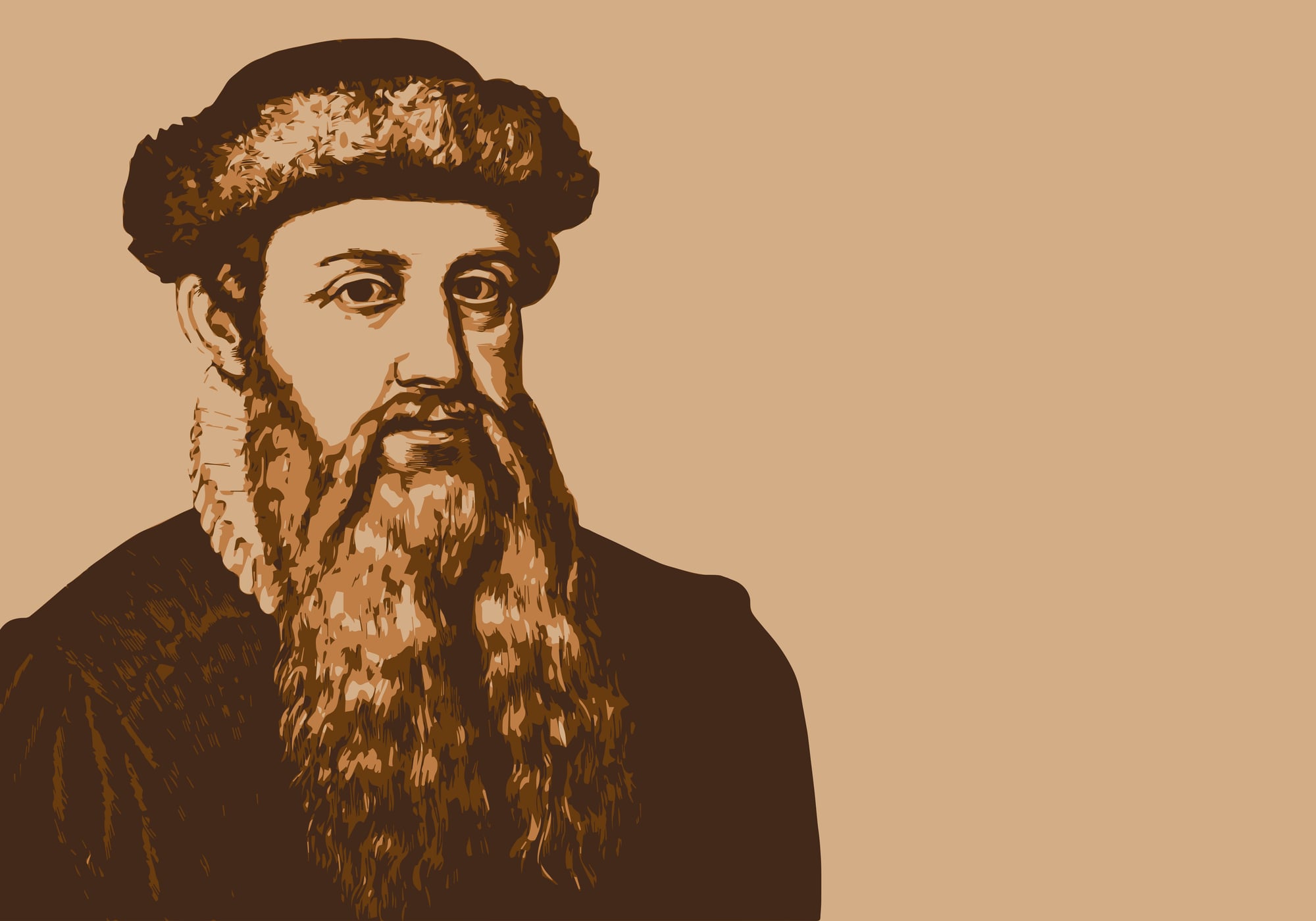
Johannes Gutenberg was broke, desperate, and looking at a wine press when inspiration struck. Wine presses applied even pressure across a flat surface — exactly what you’d need to transfer ink from movable type to paper efficiently.
That connection between winemaking and printing created the printing press around 1440. Books became affordable, literacy spread, and the Protestant Reformation became possible.
Ideas could suddenly travel faster than the people who opposed them.
The Telegram That Brought America Into World War I
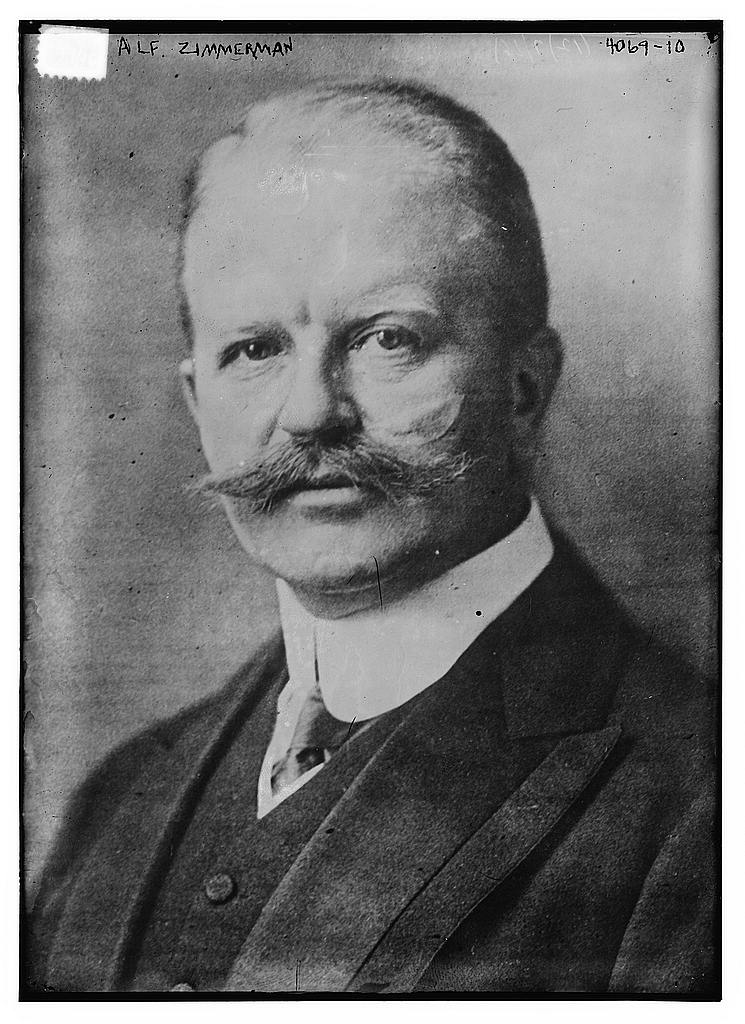
The Zimmermann Telegram should never have been intercepted (the Germans thought they were using a secure diplomatic channel, and under normal circumstances, they would have been right — except that British intelligence had been quietly tapping into German communications for months without anyone in Berlin realizing it). When British codebreakers deciphered the message in January 1917, they discovered something that would shift the entire balance of the Great War: Germany was secretly proposing a military alliance with Mexico, promising to help Mexico reclaim Texas, Arizona, and New Mexico if America entered the European conflict.
The British waited weeks before sharing the telegram with American officials, timing the revelation perfectly. American public opinion, which had been stubbornly neutral, turned decisively against Germany overnight.
So a piece of intercepted diplomatic mail ended American isolationism and tipped World War I toward the Allies.
John Snow Removes A Pump Handle

London, 1854. Cholera was killing people by the hundreds, and everyone blamed “bad air” — the prevailing medical theory of the time. Dr. John Snow had a different idea: contaminated water was spreading the disease.
He mapped the outbreak, traced it to a single water pump on Broad Street, and convinced local authorities to remove the pump handle. The epidemic stopped almost immediately.
That simple act founded modern epidemiology and proved that diseases could spread through water, not air.
A Rejected Musician Changes Computing Forever

Steve Wozniak wanted to build computers that ordinary people could use. This was 1976, when computers filled entire rooms and required specialized training to operate.
His friend Steve Jobs saw the commercial potential but couldn’t get any established companies interested. So they started Apple in Jobs’ garage with $1,300 in startup capital.
That rejection by the computer industry establishment led to the personal computer revolution, transforming how humans interact with information and each other.
Constantine Sees A Sign In The Sky
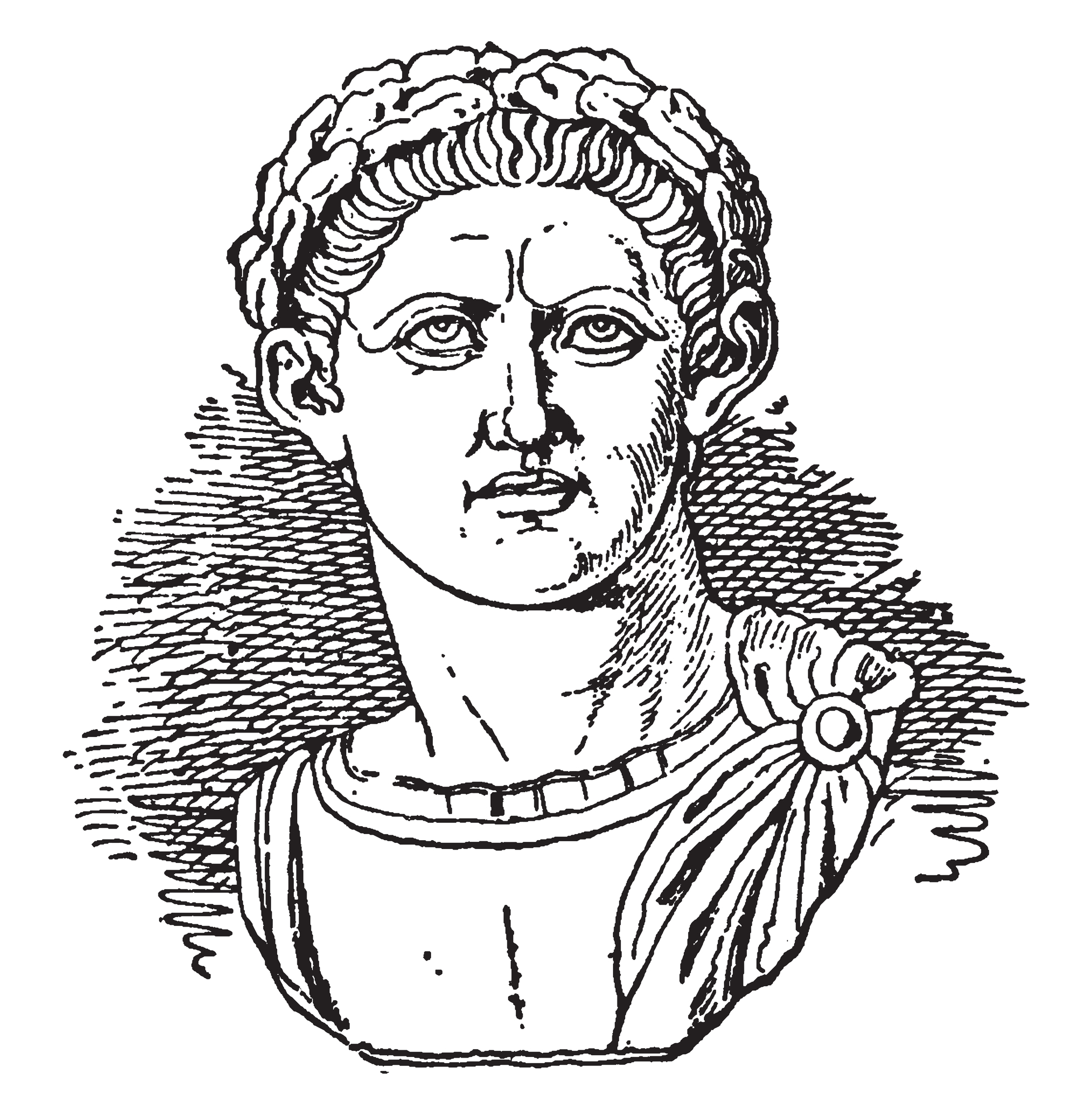
October 28, 312 CE, and Constantine was facing the largest battle of his career (though calling it just a battle understates what was at stake — this was the fight that would determine who controlled the Roman Empire, and Constantine was outnumbered by Maxentius’s forces waiting across the Tiber River at the Milvian Bridge). The night before the battle, Constantine claimed he saw a cross of light in the sky with the words “In this sign, conquer.”
Whether vision, dream, or political calculation, Constantine put Christian symbols on his soldiers’ shields and won decisively. That battlefield conversion made Christianity the official religion of the Roman Empire, fundamentally altering the course of Western civilization.
The Potato Famine Creates Modern America

Ireland’s potato blight of 1845-1852 was an agricultural disaster that became a demographic revolution. Over one million Irish died, and another million emigrated — mostly to America.
These weren’t wealthy settlers seeking opportunity; they were refugees fleeing starvation. Those Irish immigrants and their descendants built much of industrial America, populated its cities, and shaped its political landscape.
Modern American urban culture, labor movements, and political machines all trace back to that fungal infection in Irish potato fields.
A Radio Broadcast Causes Mass Panic
October 30, 1938. Orson Welles adapted H.G. Wells’ “The War of the Worlds” as a radio drama, formatting it as realistic news bulletins about a Martian invasion. Despite announcements that it was fiction, thousands of listeners panicked, fleeing their homes and calling police.
That broadcast demonstrated the power of mass media to shape reality and create collective behavior. It foreshadowed how information — true or false — would become a tool for influencing entire populations in the modern age.
Stanislav Petrov Saves The World
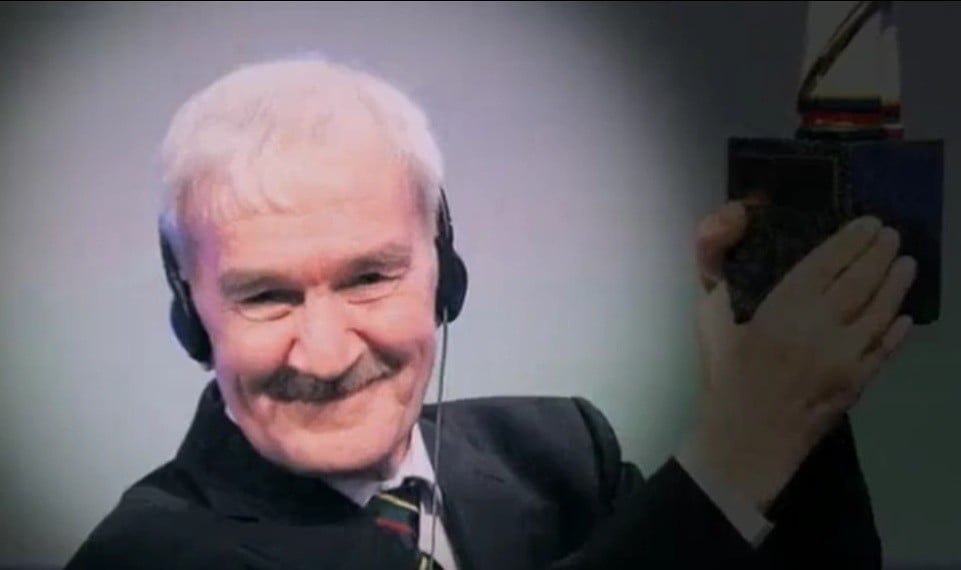
September 26, 1983, 12:15 AM Moscow time. Lieutenant Colonel Stanislav Petrov was monitoring Soviet early warning systems when computers detected five incoming American missiles. Protocol demanded he immediately report the attack, triggering nuclear retaliation.
Instead, Petrov decided the computers were wrong. He reasoned that a real first strike would involve hundreds of missiles, not five.
He reported a false alarm and waited. He was right — it was a computer glitch caused by sunlight reflecting off clouds.
That split-second decision to trust human judgment over computer data prevented nuclear war. Most people still don’t know his name.
The Ripples That Shaped Tomorrow
History isn’t the neat sequence of important events we learned in school. It’s messier, more random, and far more fragile than we like to admit.
A driver’s mistake starts a world war. A sloppy scientist discovers a wonder drug. A patent clerk’s daydream rewrites physics.
These moments remind us that the future hinges on the smallest pivots — decisions made by ordinary people who had no idea they were changing everything. The world we live in today was shaped not by the events everyone saw coming, but by the ones nobody noticed until it was too late to look away.
More from Go2Tutors!

- The Romanov Crown Jewels and Their Tragic Fate
- 13 Historical Mysteries That Science Still Can’t Solve
- Famous Hoaxes That Fooled the World for Years
- 15 Child Stars with Tragic Adult Lives
- 16 Famous Jewelry Pieces in History
Like Go2Tutors’s content? Follow us on MSN.