29 Old Etiquette Rules That Seem Strange Now
Good manners once came with a rulebook thick enough to need an index. Hosts, guests, and even strangers on a sidewalk were expected to know exactly where to stand, what to carry, and when to look the other way.
Most of these rules have faded, and few people miss them. Still, each one solved a problem that mattered to the people who followed it, from keeping the peace at a dinner table to showing respect for the dead.
Calling Cards Left on a Silver Tray

Visitors in the 1800s often carried small printed cards bearing their names, and a servant carried them to a silver tray in the front hall. Turning down a corner of the card signaled that the caller had delivered it in person rather than sending a messenger.
The recipient was then expected to return the visit within a few days, which turned a simple hello into a long exchange of paper.
Afternoon Visits Called Morning Calls
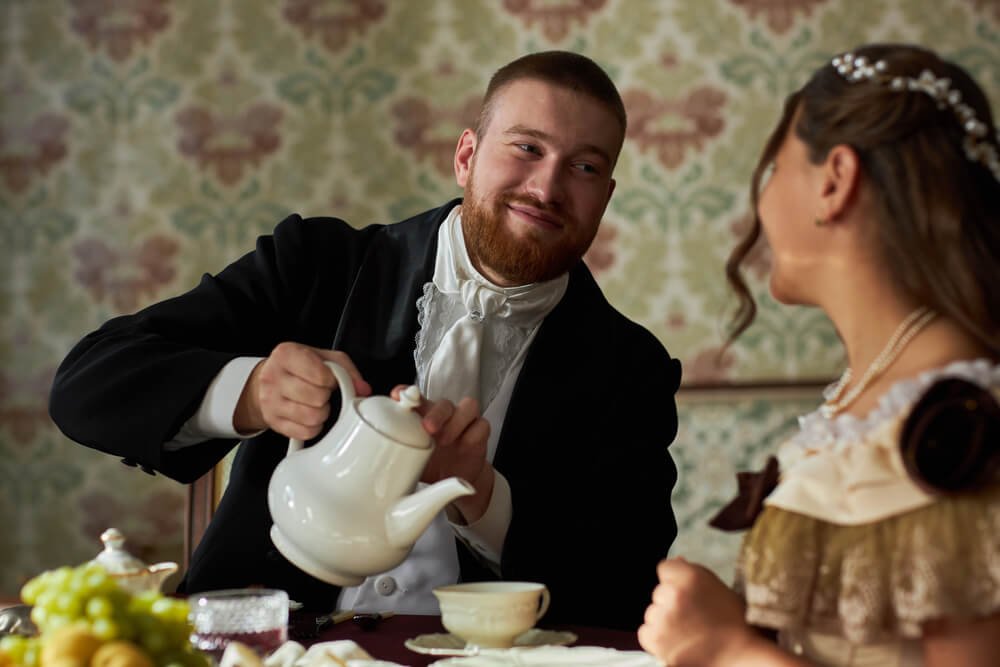
A morning call was a social visit paid in the afternoon, since in fashionable circles the morning lasted until dinner. Etiquette guides advised keeping the visit to about fifteen minutes, and a caller who lingered risked being thought thoughtless.
Hosts who did not want company could have a servant say they were not at home, and no insult was taken.
Setting an At-Home Day
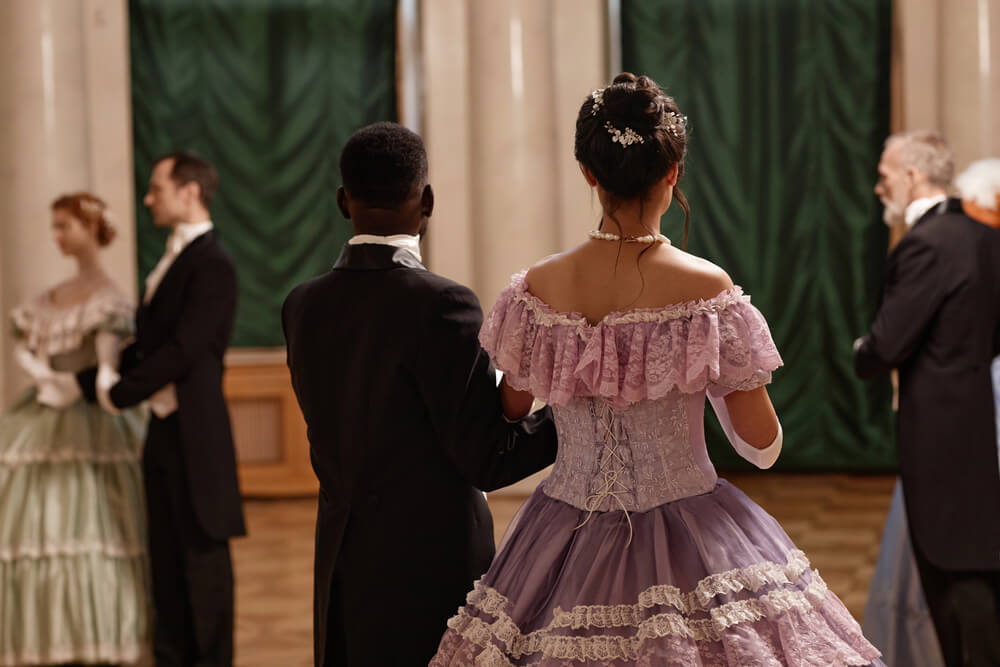
Many women in the late 1800s chose one afternoon a week to receive visitors and printed the day on their calling cards. Callers who came on that day knew the lady would be home and expecting company, so nobody had to guess.
The system was practical, but it meant a woman spent the same afternoon every week waiting for the doorbell.
The Cut Direct

The cut direct was a deliberate refusal to acknowledge an acquaintance in public, delivered by looking straight through the person as if nothing stood there. In Regency London it could wreck a reputation overnight, since everyone watching understood the message.
Beau Brummell is said to have used it on the Prince Regent by asking a companion, within earshot, who his fat friend was.
The Language of Flowers
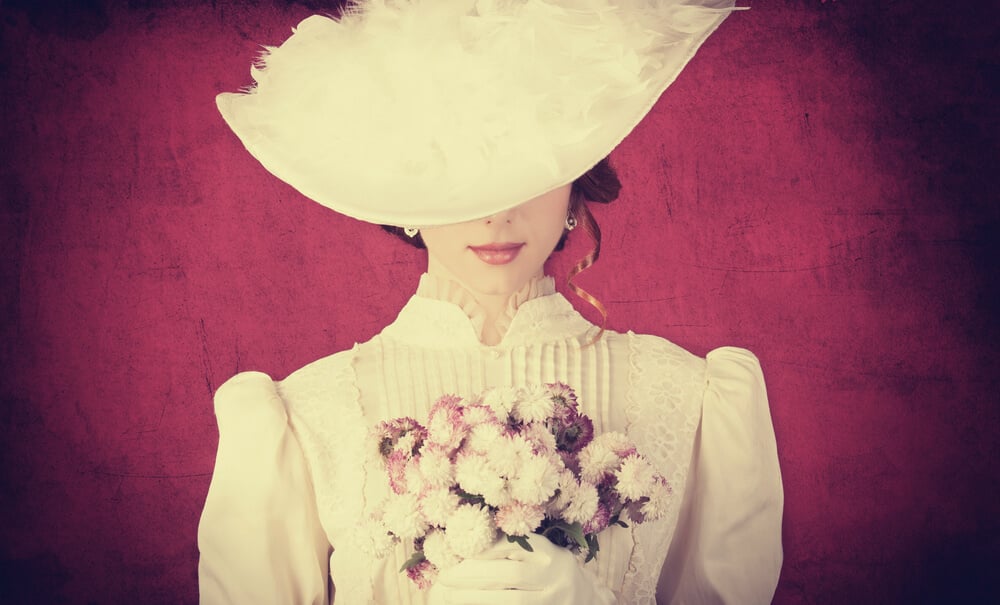
Victorian flower dictionaries assigned a meaning to nearly every bloom, and a bouquet could carry a message that polite conversation could not. A red rose stood for love, while other flowers could signal friendship, jealousy, or disdain.
A small posy known as a tussie-mussie let a giver spell out an entire sentence in petals.
Dance Cards and Their Tiny Pencils
At formal dances, women carried small booklets that listed each dance of the evening, usually with a pencil attached by a silk cord. A gentleman asked for a dance and wrote his name on the line, and a woman could not promise the same waltz to two men.
Etiquette also discouraged dancing more than twice with the same partner unless the couple was engaged.
A Widow in Black for Decades
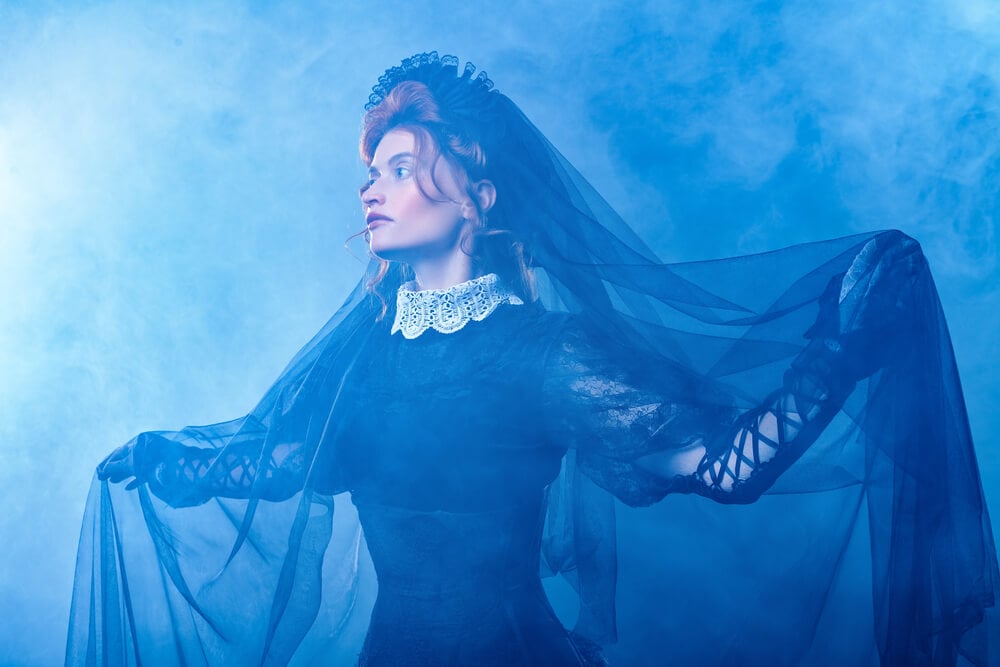
Queen Victoria lost Prince Albert in 1861 and wore black for the remaining forty years of her life, setting a standard few could match. Ordinary widows were expected to wear dull black crepe for about a year and a day before easing into grays and lavenders over roughly two years in total.
Crepe was costly and showed every speck of dust, which made mourning a quiet financial burden.
Stopping the Clocks and Covering the Mirrors

When someone died in a Victorian home, the family often stopped the clocks at the moment of death and covered the mirrors with cloth. The clocks marked the end of that person’s time, while the covered mirrors were meant to keep the spirit from becoming trapped in the glass.
Some families also drew the curtains and kept the room dark until the funeral.
Black-Bordered Stationery
Letters written during mourning went out on paper edged in black, and the width of the border told recipients how recently the loss had happened. As the months passed, the border narrowed, marking the slow return to ordinary life.
Stationers sold the paper in several widths so that nobody had to guess.
Passing the Port to the Left
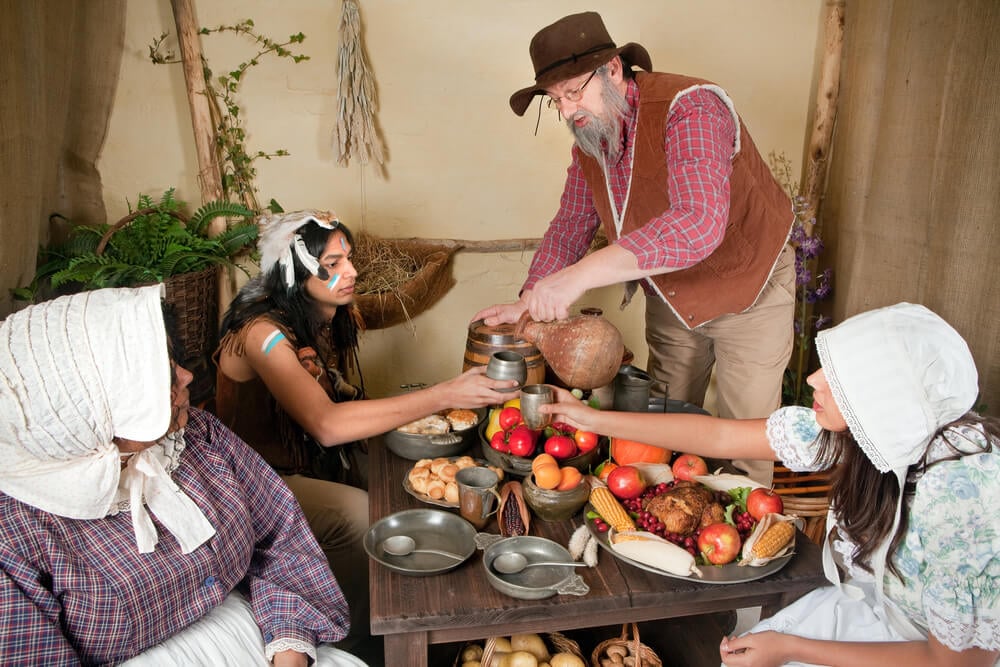
At formal dinners, the decanter of port traveled around the table clockwise, passing from each guest to the neighbor on the left. A guest never asked for it to be passed backward, and a stalled decanter could be nudged along with a polite question about whether the person knew the Bishop of Norwich.
Reaching across the table to grab it was out of the question.
Ladies Withdrawing After Dinner
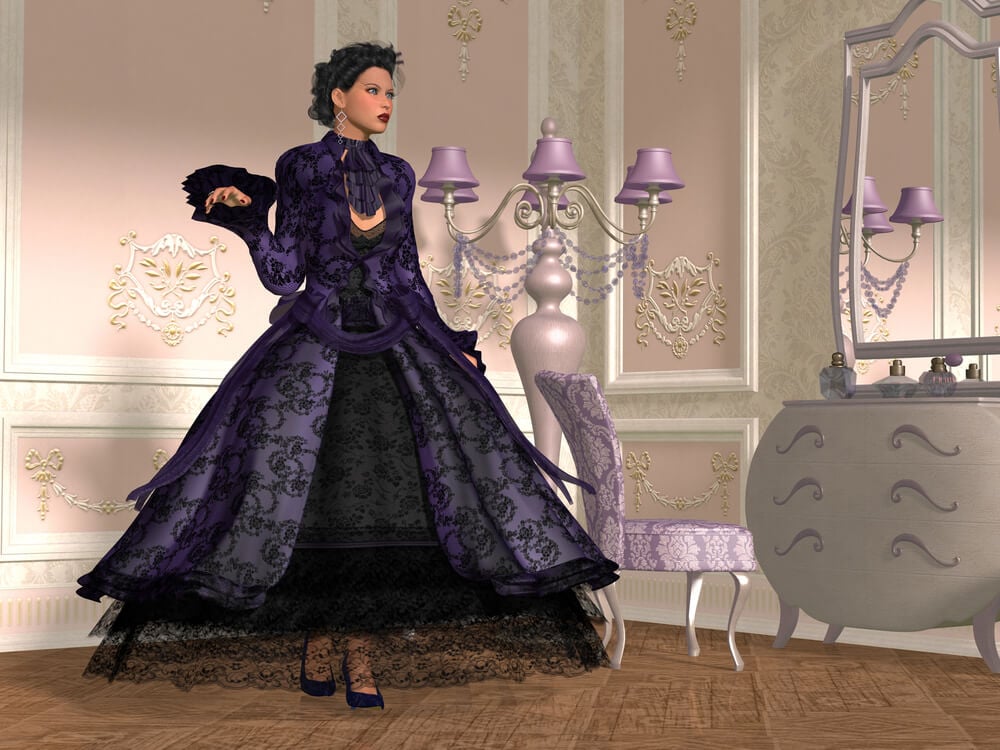
When the meal ended, the women at a Victorian dinner party rose and left for the drawing room while the men stayed behind with the port. The hostess signaled the moment by catching the eye of the lady of highest rank, and the group left together.
The men joined them later, after a stretch of conversation that the women were not expected to hear.
Spouses Seated Apart
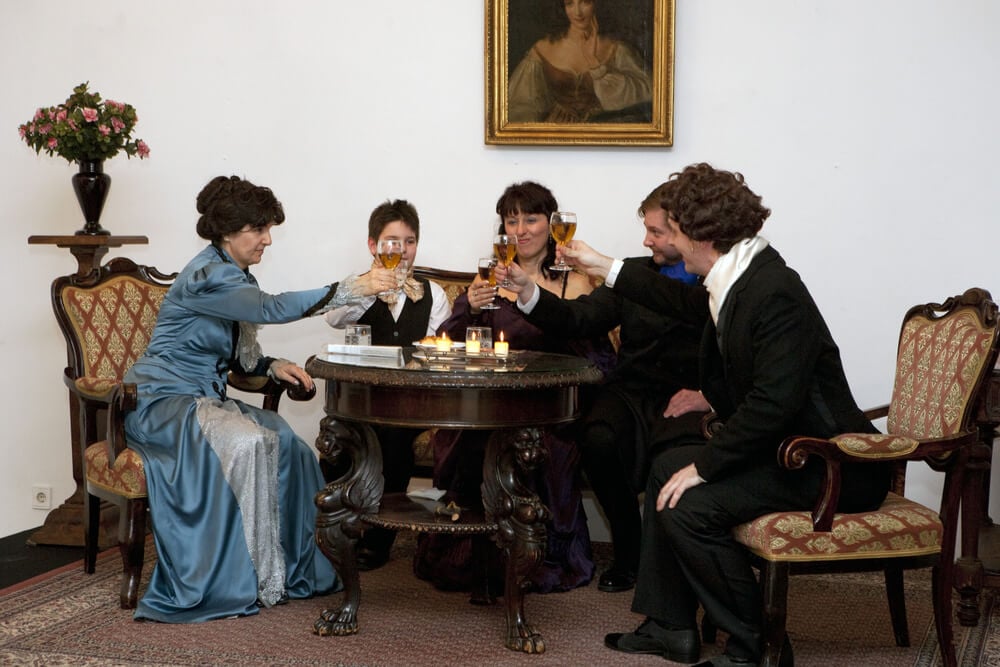
Hosts at formal dinners seated married couples at opposite ends or sides of the table. The idea was to keep conversation moving between guests who did not already know each other.
Sitting beside a husband or wife was considered a waste of a good seat.
Walking In on the Host’s Arm
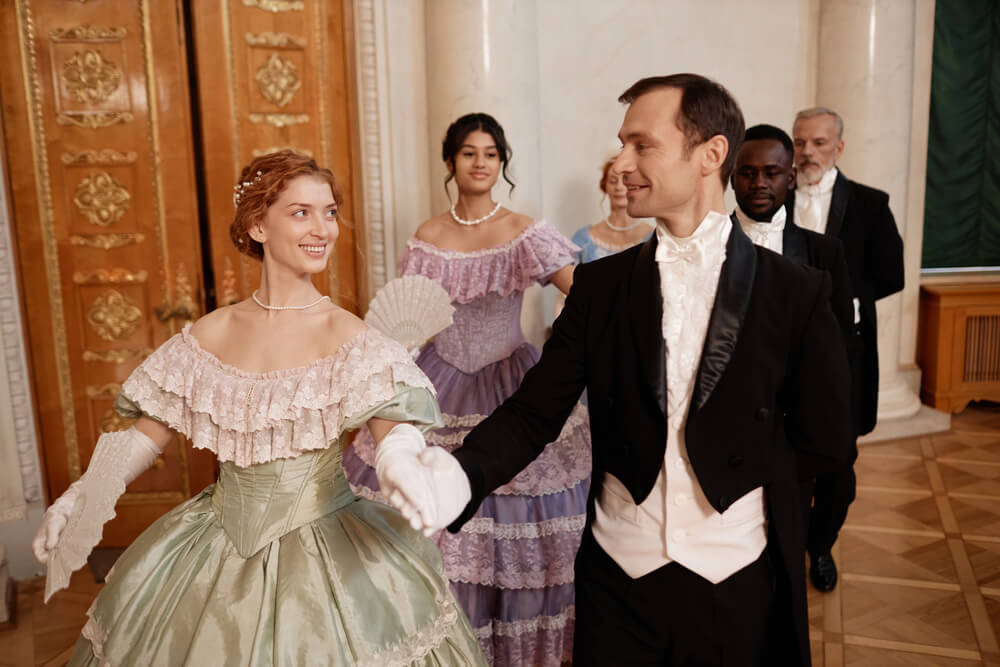
At a formal dinner, guests did not simply wander into the dining room. The host offered his arm to the lady of highest rank, the other men escorted ladies in order of precedence, and the hostess entered last on the arm of the senior male guest.
Getting the order wrong could insult a guest who outranked the person ahead of them.
A Fork for Every Dish
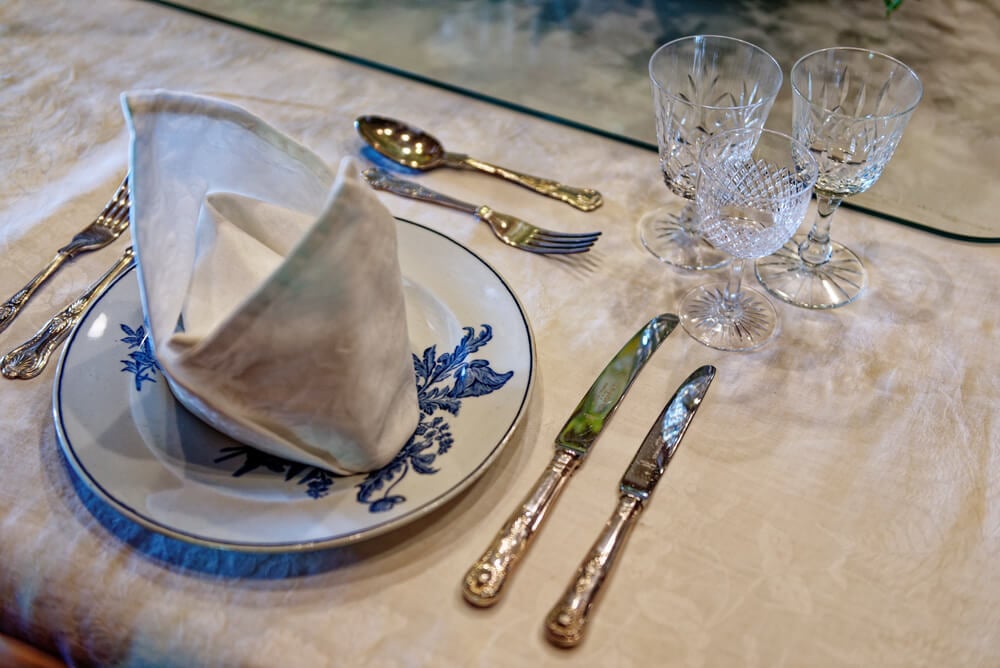
Victorian place settings could include separate forks for oysters and special knives for fish, plus tongs for asparagus. Cheap silver plating in the 1800s made the specialized pieces affordable, and owning them signaled a household that knew the rules.
Guests who picked the wrong piece were quietly judged.
Answering the Phone With Ahoy
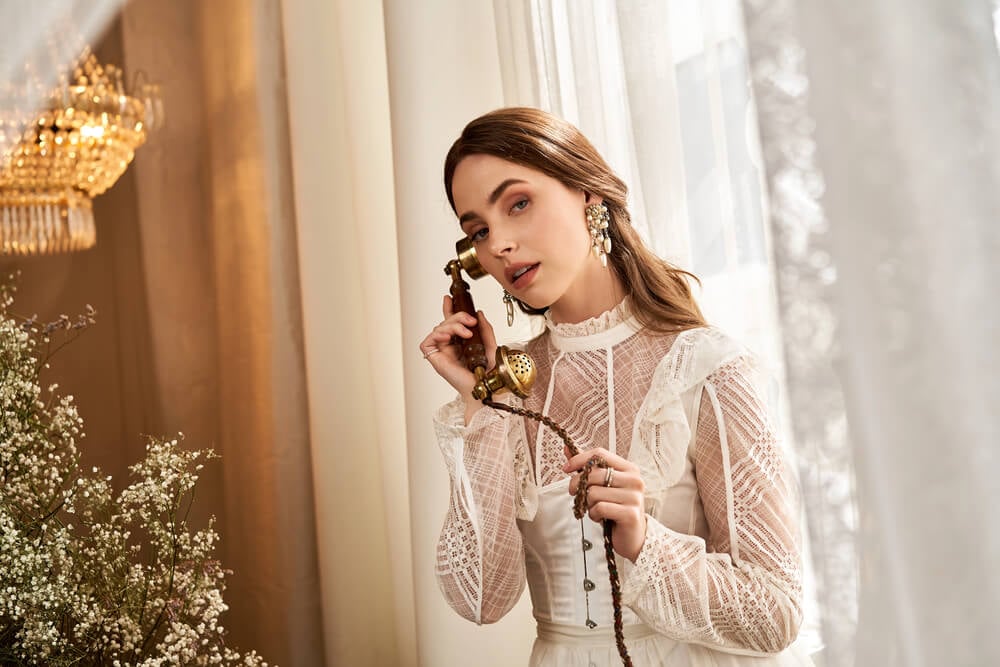
Alexander Graham Bell reportedly preferred that callers answer the telephone with ahoy, a greeting borrowed from sailors. Thomas Edison pushed for hello, and the shorter word won out as telephone exchanges spread.
Early users had no precedent, so a single greeting had to be invented from scratch.
Party-Line Ring Codes

On a party line, several households shared a single phone circuit, and each home had its own pattern of long and short rings. Etiquette called for ignoring rings that belonged to the neighbors, though plenty of people picked up quietly to listen in.
Emergency calls were supposed to take priority, and talkative neighbors were expected to hang up.
No White After Labor Day
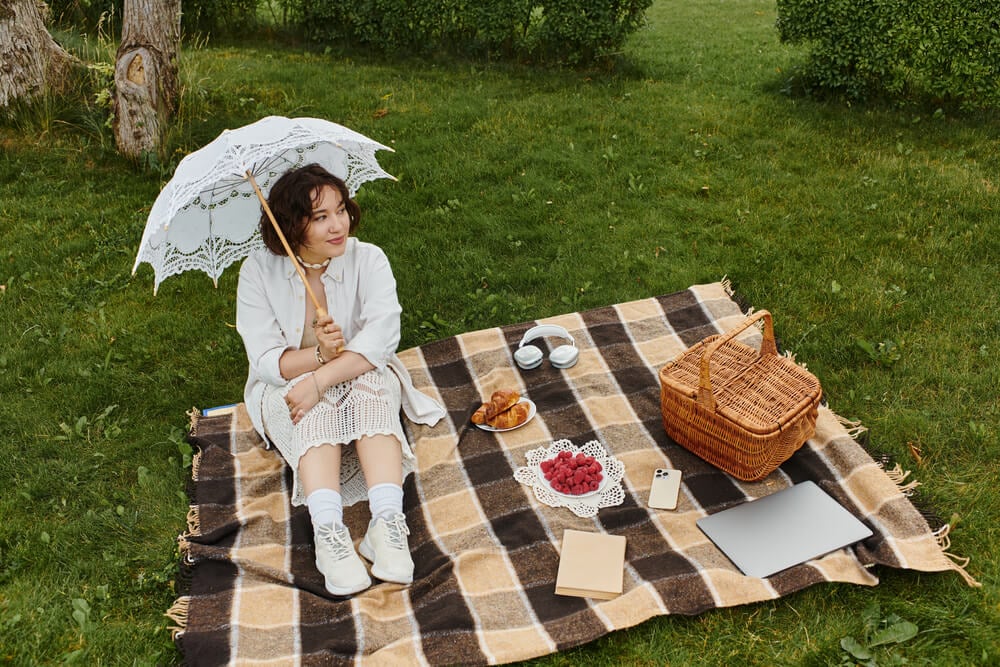
The rule said white clothing belonged to summer and should be put away once Labor Day arrived. Labor Day became a federal holiday in 1894, and wealthy city residents returning from summer holidays marked the change of season with darker clothing.
The rule lasted for generations as a way to spot people who did not know it.
Women Covering Their Heads in Church

For much of the 20th century, Catholic women were expected to cover their heads at Mass, usually with a veil or hat. The 1917 Code of Canon Law required it, and the 1983 revision dropped the requirement.
Many women keep the habit by choice, but the rule itself left official church law more than forty years ago.
Presented at Court

Upper-class young women in Britain were formally presented to the monarch as part of entering society. The ritual involved a deep curtsy and then walking backward out of the royal presence, since turning one’s back on the sovereign was considered disrespectful, all while managing a long train.
Queen Elizabeth II ended the presentations in 1958.
Hats Off in the Elevator
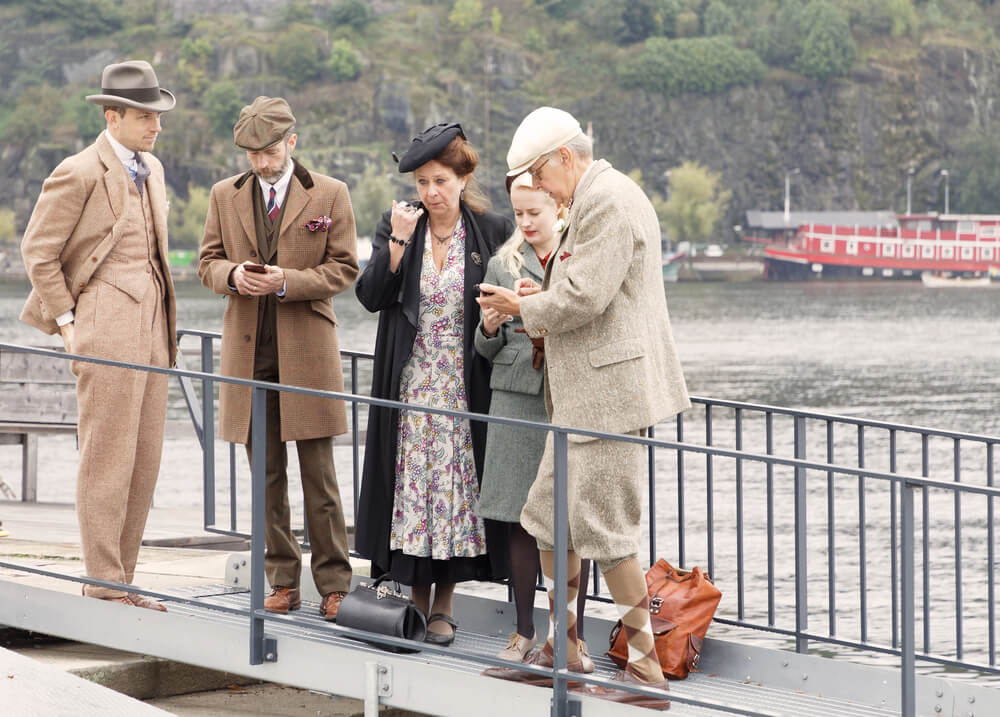
Early 20th-century etiquette guides told men to remove their hats when entering an elevator if women were present, treating the small car like a private room. The rule reflected a belief that a hat belonged outdoors and that any enclosed space called for a bare head.
Men who forgot could expect a pointed look from the ladies inside.
Walking on the Street Side
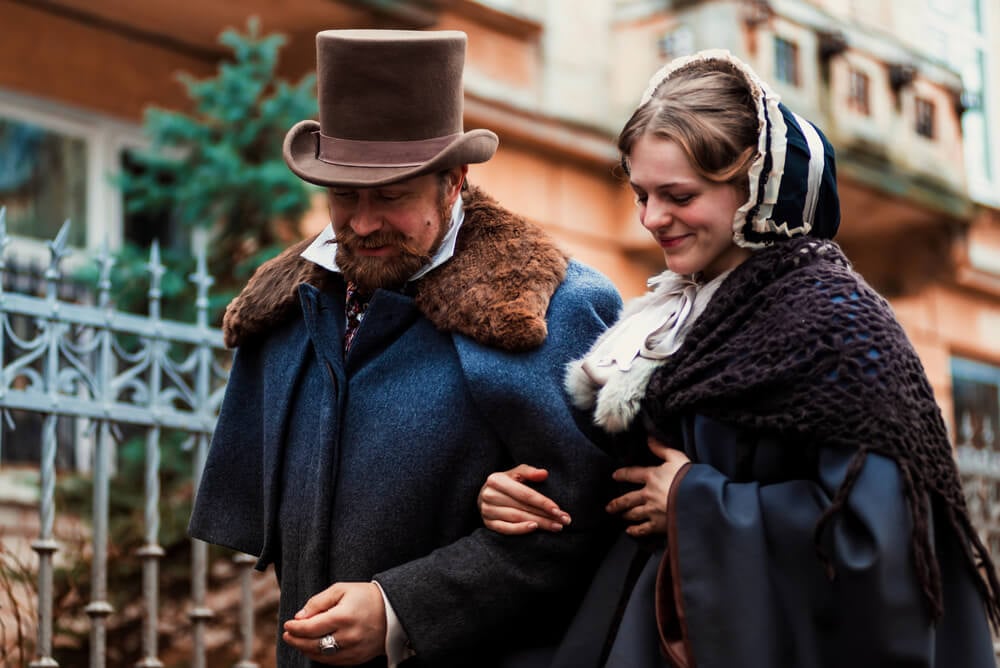
A gentleman walking with a lady was expected to take the side nearest the road, leaving her the inside of the sidewalk. The usual explanation is that he would take the mud splashed up by passing carriages and horses.
The custom lingered long after carriages vanished from city streets.
Seen and Not Heard
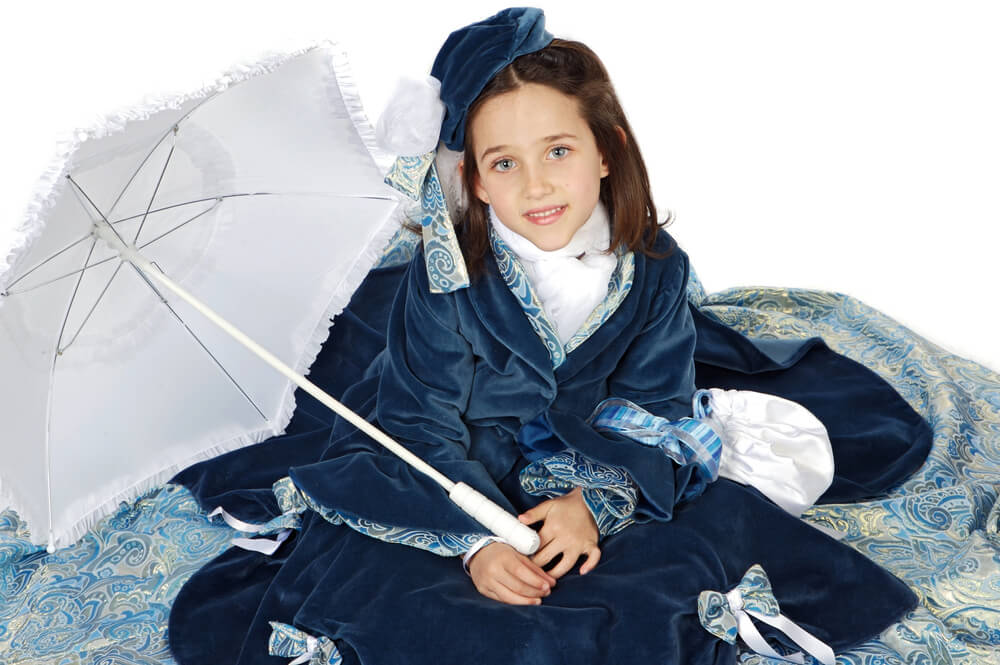
The saying that children should be seen and not heard goes back to at least the 15th century, when it was first aimed at young women rather than children. Victorian households gave it new life, keeping children in nurseries and bringing them downstairs at set hours.
Visitors were sometimes offered a few polite minutes with a child before the nurse took the child away.
No Brown in Town
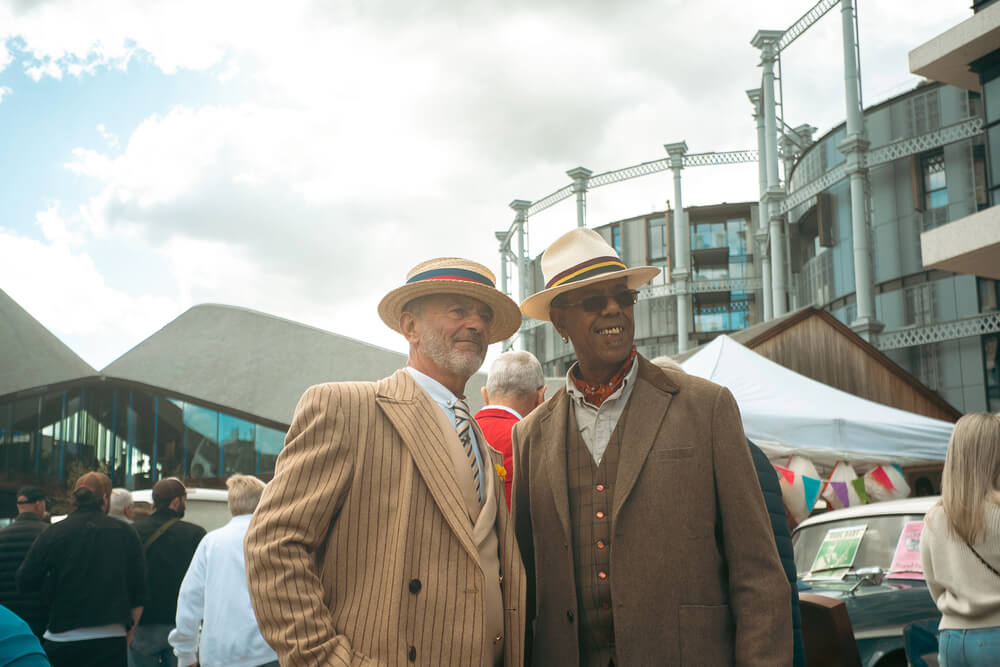
A traditional rule of British menswear said brown shoes and suits belonged to the country, while city business required black, navy, or dark gray. Brown was practical for muddy fields and country estates, while the city called for formality.
The saying no brown in town became shorthand for the idea that clothing should match its setting.
Chaperones for Unmarried Women

Young unmarried women in the 1800s generally could not go out with a gentleman unless an older relative or married woman came along. The chaperone sat in on visits, rode in carriages, and watched dances from the sidelines.
A woman who ignored the rule risked a reputation that might never recover.
Introductions Before Conversation
Strangers were not supposed to speak to one another until a mutual acquaintance made an introduction. The rules governed the order: a man was presented to a woman, and a younger person to an older one.
An introduction at a dance or dinner could open a door that otherwise stayed shut, which is why hosts took the job seriously.
A Married Woman Took Her Husband’s Full Name
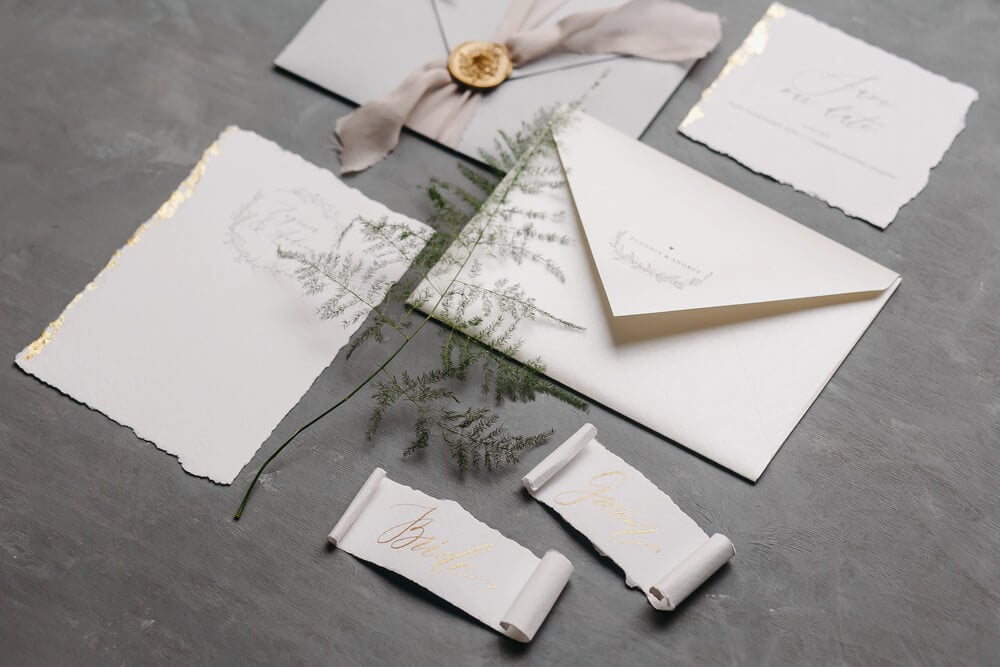
Formal etiquette addressed a married woman by her husband’s full name, so the wife of John Smith became Mrs. John Smith on invitations and envelopes. Her own first name disappeared from social correspondence, and a widow generally kept the form unless she remarried.
Etiquette guides in the 20th century still taught it, and some formal invitations use it today.
Gloves On, Gloves Off
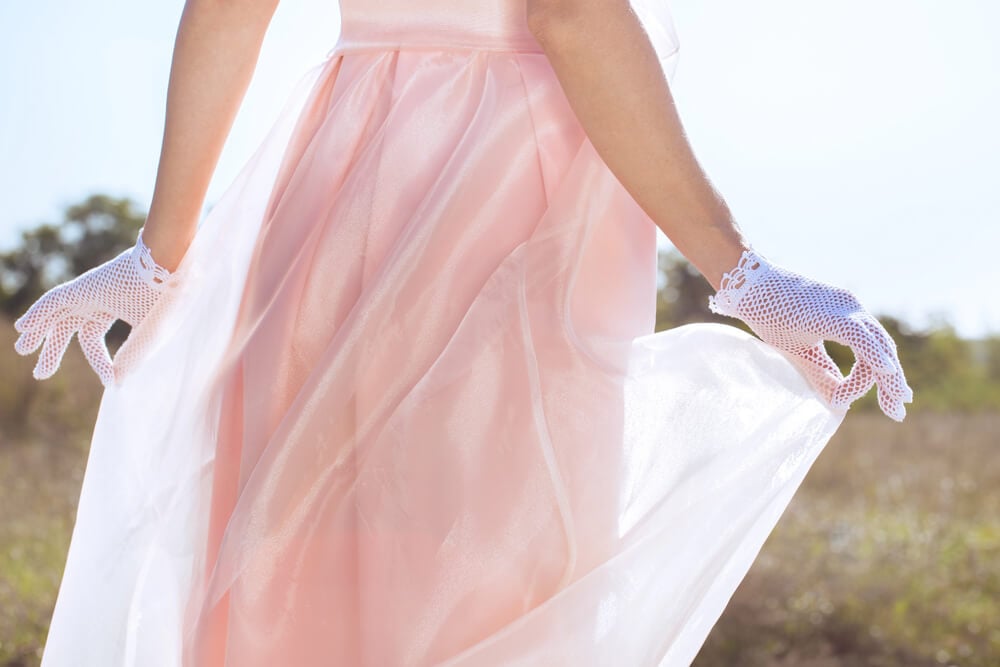
Gloves had their own rulebook. Ladies kept them on while dancing and greeting guests, but took them off at the dinner table and laid them in the lap.
Gentlemen were expected to remove a glove before offering a handshake, since a gloved hand was considered a slight.
Hats Off for a Passing Funeral
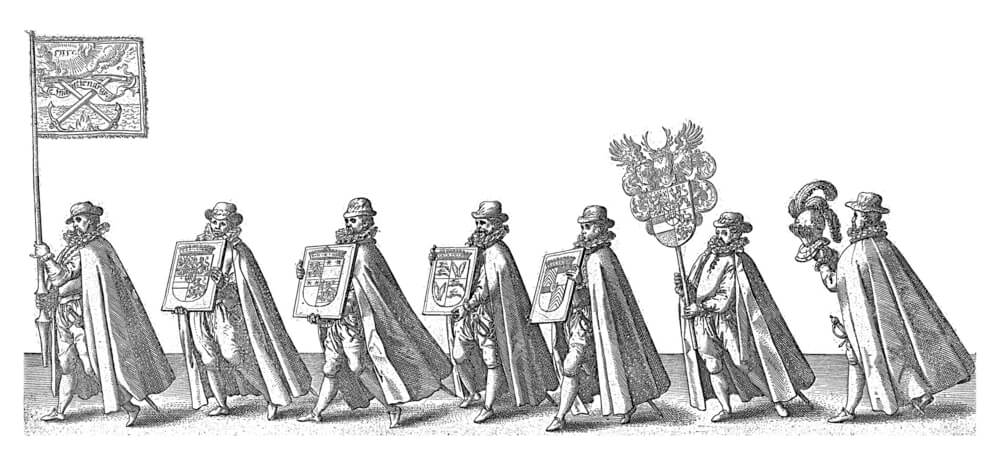
When a funeral procession passed in the street, men stopped, removed their hats, and stood quietly until the hearse went by. The gesture applied to strangers, and it carried through the early 20th century as a basic sign of respect for the dead.
Cars, traffic, and faster schedules have made the custom hard to keep.
Replies Written in the Third Person
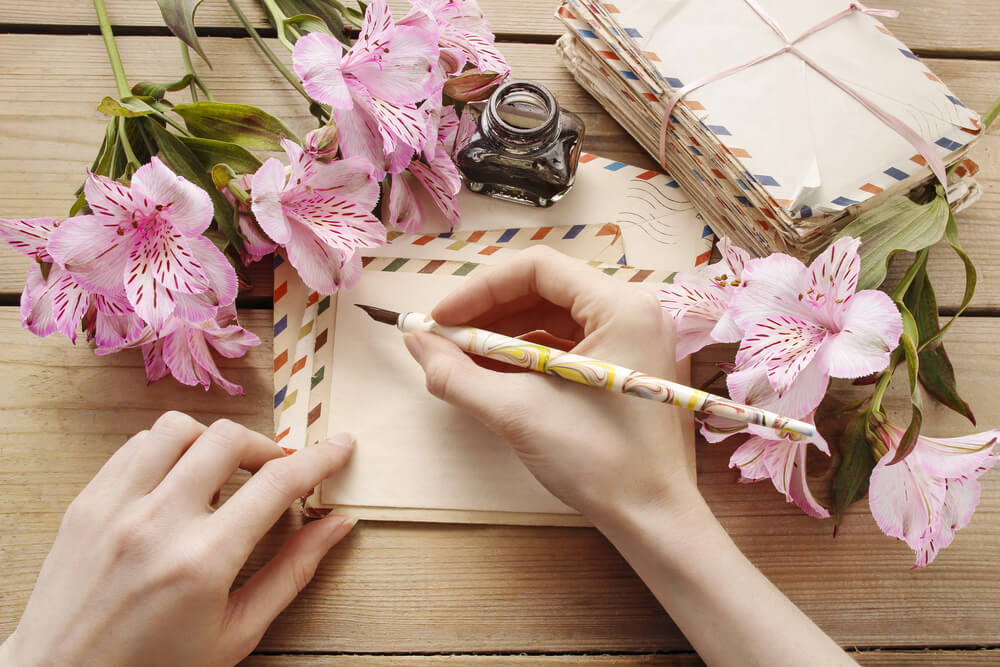
Formal invitations were written in the third person, and the reply had to match, using the same form and avoiding first-person pronouns. A guest accepted or declined by repeating the details of the invitation back, giving the date, the hour, and the host’s names.
Answering quickly was part of the rule, and a delayed reply was treated as a small insult.
Manners as a Map of Who Belonged

Taken together, these rules look less like random fussiness and more like a shared language. A folded card, a ring pattern, or a place at the table told everyone present who a person was and how they were expected to behave.
Learning the code was the price of admission to a social circle. That is also why the rules faded as the circles changed.
Cities grew too large for calling cards, telephones made greetings casual, and fewer people had servants to carry messages. What remains is the underlying idea that manners exist to make other people comfortable, which is the one rule nobody has retired.
More from Go2Tutors!

- 27 Silver Dollars and Half Dollars Worth Keeping
- 28 Restaurant Menu Items Nobody Orders Anymore
- 17 Places Built in Seemingly Impossible Spots
- 27 Vintage Rings Worth More Than They Look
- 25 Restricted Sites Tourists Can’t Enter
Like Go2Tutors’s content? Follow us on MSN.