Artifacts That Reveal Unexpected Human Behavior
When we think about ancient humans, we often picture primitive cave dwellers grunting around fires. But the archaeological record tells a wildly different story.
The artifacts our ancestors left behind reveal that people thousands or even millions of years ago were surprisingly similar to us in ways that might make you do a double take. From makeup kits to musical instruments, prosthetic limbs to snarky graffiti, these discoveries show that human nature hasn’t changed nearly as much as we might think.
Here is a list of artifacts that reveal unexpected human behavior throughout history.
Lomekwi Stone Tools

The fact that the earliest known tools were not created by humans at all challenges our preconceived notions about the advancement of technology. These stone tools, which date back 3.3 million years and were found in Kenya, are roughly half a million years older than the human genus.
Our extinct cousins may have had far more sophisticated cognitive abilities than previously thought because some ancient hominins were already learning how to fracture rocks together to create sharp edges.
Ancient Egyptian Prosthetic Toes
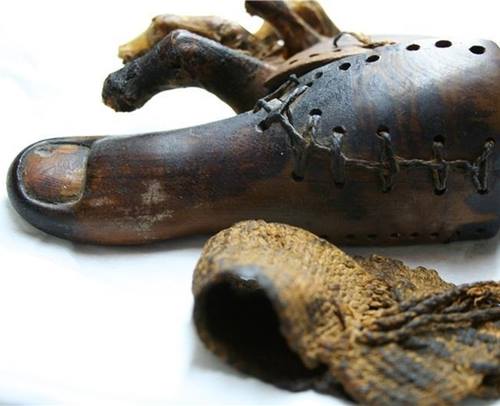
The ancient Egyptians were creating working prosthetic body parts about 3,000 years ago. Significant wear patterns on a wooden and leather toe that was affixed to a noblewoman’s mummy indicated that it had been used during her lifetime.
These prosthetics made walking in Egyptian sandals much easier, according to contemporary testing with replicas, demonstrating that useful medical devices existed centuries before we gave our ancestors credit for such innovations.
Pompeii’s Hilarious Graffiti

The walls of Pompeii preserve over 11,000 examples of ancient graffiti, and they’re shockingly similar to what you’d find in a modern bathroom stall. People complained about bad dates, bragged about their romantic conquests, insulted their enemies, and even wrote meta-commentary like ‘O walls, you have held up so much tedious graffiti that I am amazed that you have not already collapsed in ruin.’
Turns out humans have been leaving passive-aggressive public messages for at least 2,000 years.
Paleolithic Bone Flutes

Music isn’t a modern invention, and bone flutes dating back 40,000 to 43,000 years prove our ancestors were jamming long before recorded history. These instruments, carved from vulture wings and mammoth ivory, featured carefully placed finger openings that produced specific notes matching the diatonic scale we still use today.
The discovery suggests that musical culture may have actually given early humans a social advantage over Neanderthals by strengthening community bonds.
6,000-Year-Old Makeup Kits

Vanity is apparently eternal, as evidenced by tiny ceramic bottles from 4350 BC containing a mixture of beeswax, plant oils, and a white lead-based mineral. Researchers found these cosmetic containers at multiple sites with thin stone tools nearby, likely used for application.
The bottles also contained moisturizing ingredients like animal fat, suggesting prehistoric people weren’t just concerned with appearance but also skincare, which feels incredibly relatable for anyone who’s ever had a morning beauty routine.
Misidentified Children’s Toys

For decades, archaeologists automatically labeled small clay figurines and miniature vessels as ritual objects, but recent research suggests many were actually children’s toys. Miniature clay animals from 8,000-year-old sites, complete with tiny fingerprints, were likely playthings rather than ceremonial artifacts.
This oversight has essentially erased children from the archaeological record, when in reality kids have always been kids, playing with dolls and toy animals just like they do today.
142,000-Year-Old Shell Beads

Long before Instagram influencers, ancient humans in Morocco were making fashion statements with jewelry. Archaeologists discovered 33 seashells with deliberately bored pits, suggesting they were strung as necklaces around 142,000 years ago.
These beads likely functioned as early social media, signaling group identity and status to others, proving that humans have been using accessories to communicate who they are for longer than we’ve been fully modern humans.
Neanderthal Cave Paintings
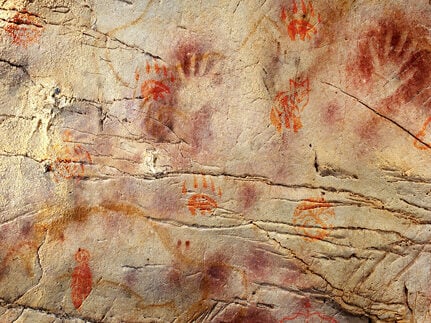
In 2018, researchers dated cave paintings in Spain to 65,000 years ago, which means Neanderthals created them, not modern humans. The red-ochre images included hand stencils, ladder-like shapes, and dots, completely upending the idea that Neanderthals were artistically incapable.
This discovery suggests that symbolic thinking and creative expression weren’t unique to our species but rather a shared trait among multiple human relatives.
500,000-Year-Old Wooden Structures

A wooden structure discovered near Kalambo Falls in Zambia dates back nearly half a million years, suggesting ancient humans weren’t entirely nomadic. The intentionally shaped logs show that some groups may have established semi-permanent settlements near water sources far earlier than anyone expected.
This challenges the long-held assumption that our ancestors were constantly on the move, hinting instead that they appreciated having a home base just like we do.
Ancient Chinese Prosthetic Leg

Image Credit: DepositPhotos
A 2,200-year-old man buried in Turpan, China, wore an elaborately designed prosthetic leg made from poplar wood, wrapped with ox horn, and tipped with a horse hoof. The base showed significant wear from years of use, and surprisingly, his modest burial goods indicated he wasn’t wealthy or elite.
This means sophisticated medical interventions weren’t reserved only for the upper class, demonstrating a level of social care and medical knowledge that’s genuinely impressive for the time period.
Bone Disk Thaumatropes

Small bone disks from Magdalenian caves in France, dating back 11,000 to 18,000 years, feature carved images of animals on both sides showing different phases of movement. Researchers believe these rondelles were spun rapidly to create simple animations, essentially making them the world’s first flip books.
The fact that Ice Age humans were creating moving pictures for entertainment shows a playful creativity that feels strikingly modern.
Denisovan Art Crayon
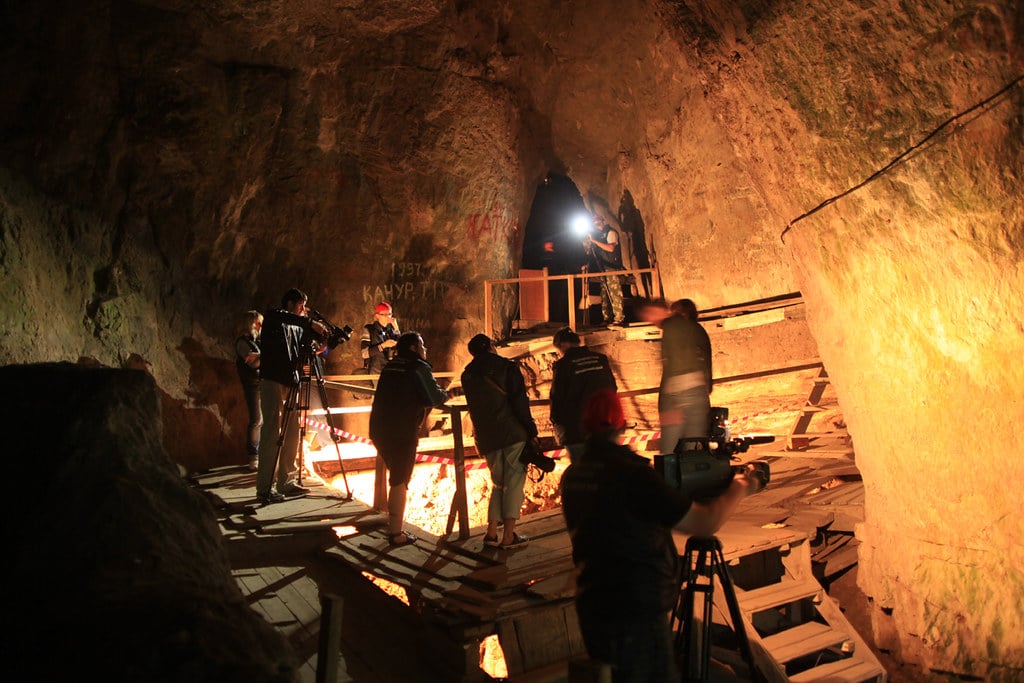
A piece of hematite found in Siberia’s Denisova Cave showed clear signs of use as a drawing implement. This ancient ‘crayon,’ which would have created reddish-brown marks, belonged to Denisovans, an extinct branch of humanity discovered only in 2008.
The find suggests these mysterious human relatives were creating art and possibly using symbolic communication, adding another layer to our understanding of prehistoric artistic behavior.
Ancient Baby Rattles

Small vessels with terracotta beads inside, dating back thousands of years, were likely baby rattles rather than ceremonial objects. A bottle from ancient times featured human-like eyes and would transform into a rattle once a baby finished eating from it.
These functional toys show that parents have always looked for ways to soothe and entertain their infants, and that playful design has been part of human culture far longer than we might assume.
Viking Mjöllnir Amulets

For many years, the significance of more than 1,000 tiny hammer-shaped pendants discovered throughout Northern Europe was unclear to historians. Then, a pendant from the tenth century was found with a runic inscription that said, “This is a hammer,” confirming that it represented Thor’s legendary weapon.
Similar to how people wear religious symbols today, these amulets demonstrate the profound influence that religious mythology had on Vikings’ daily attire and sense of self.
Ancient Board Games

Senet is an ancient Egyptian game that was discovered in many tombs, including King Tut’s, thousands of years ago. Beyond Senet, knucklebone games that resembled contemporary jacks were well-liked throughout the Mediterranean region.
These findings show that people have always needed social interaction and entertainment, and that having game nights with friends is actually one of the oldest customs in human history.
Neanderthal Tool Education

Neanderthal children may have learned how to make tools by practicing with smaller models, according to tiny hand axes discovered at archaeological sites. According to a study, young Neanderthals were taught how to make tools, suggesting a purposeful educational process as opposed to merely picking up knowledge through observation.
This demonstrates the hundreds of thousands of years of history behind structured instruction and child apprenticeships.
Medieval Iron Hand Prosthetics

An iron prosthetic hand with individually movable fingers locked into various positions was found on a skeleton from 15th-century Germany. Researchers discovered gauze-like fabric inside the device that was used to cushion the amputee’s stump.
The intricate mechanics, which were inspired by clock and lock technology, demonstrated how medieval artisans were repurposing pre-existing inventions to assist people with disabilities in going about their daily lives.
When the Past Feels Like Today
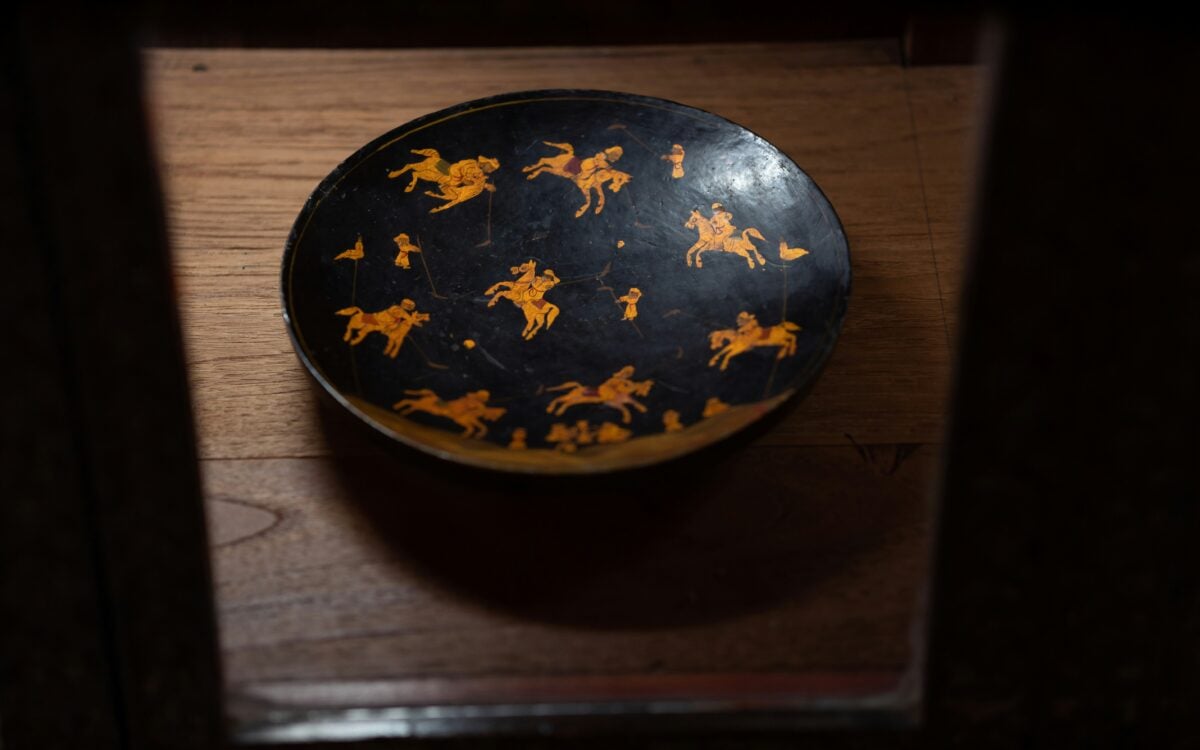
These artifacts collectively shatter the myth that ancient people were fundamentally different from us. Whether they were doodling jokes on walls, caring for their appearance, making toys for their kids, or creating music, humans have always been humans.
The technology changes, but the underlying behaviors remain remarkably consistent across millennia, reminding us that we’re all part of one long, unbroken story of people just trying to live, laugh, and leave their mark on the world.
More from Go2Tutors!

- The Romanov Crown Jewels and Their Tragic Fate
- 13 Historical Mysteries That Science Still Can’t Solve
- Famous Hoaxes That Fooled the World for Years
- 15 Child Stars with Tragic Adult Lives
- 16 Famous Jewelry Pieces in History
Like Go2Tutors’s content? Follow us on MSN