17 Wacky Cures That Were Sold As Medicine
Throughout history, people have been desperate to find cures for their ailments. Where there’s desperation — well, there are always folks ready to capitalize on it. Before modern medicine and regulatory agencies stepped in, the world of medical treatments resembled the Wild West. Anything went, and the more outrageous the claim, the better it seemed to sell.
From radioactive water to cocaine-laced tonics, these bizarre remedies were once considered cutting-edge medicine. Here is a list of 17 wacky cures that were actually sold as legitimate medicine.
Radium Water
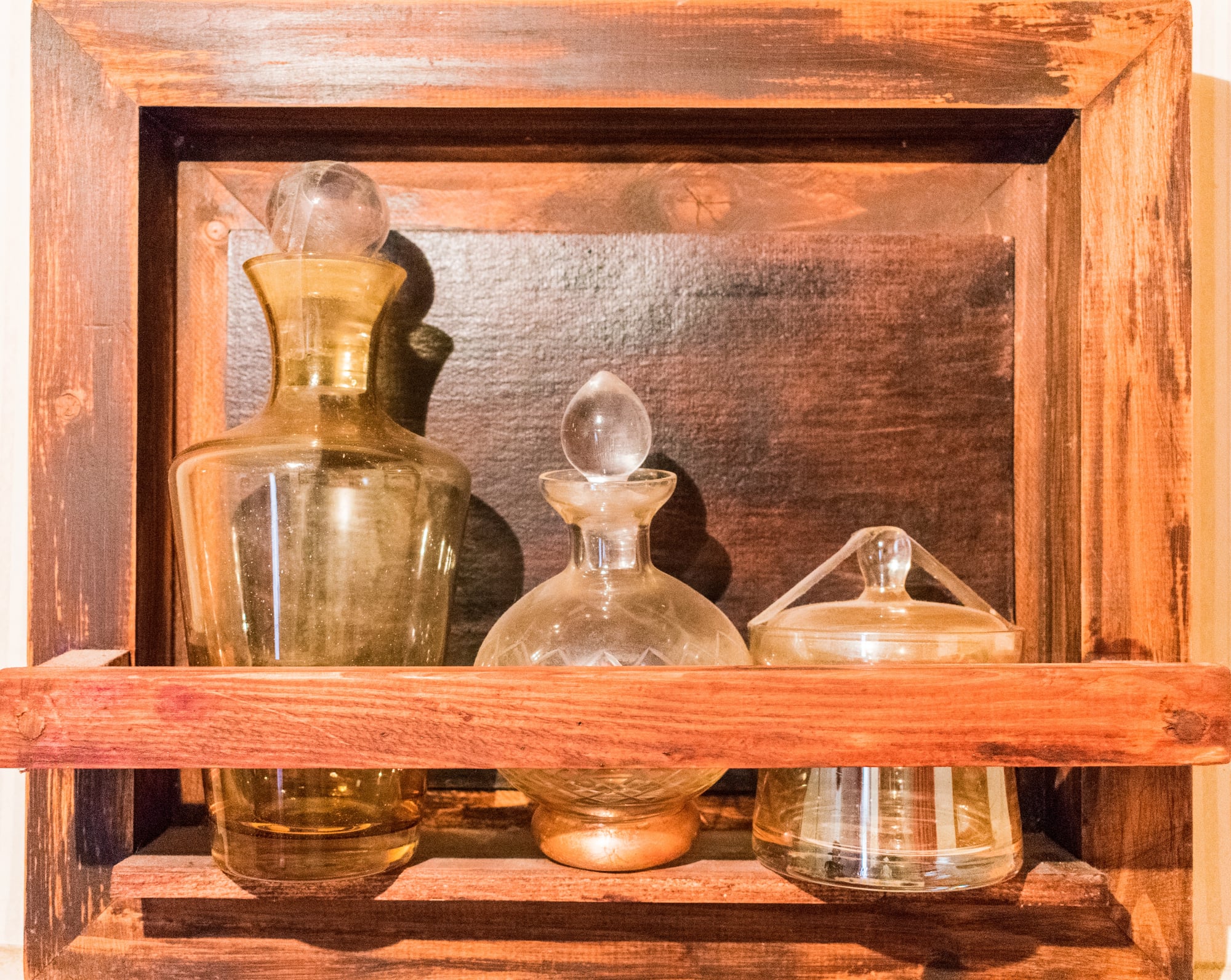
In the early 1900s, radium was the hottest thing in medicine — literally and figuratively. Companies like the Radium Ore Revigator sold water that had been stored in radium-lined containers, promising it would cure everything from arthritis to impotence.
People would drink this glowing concoction daily. They believed the radioactivity would energize their bodies from within.
Cocaine Toothache Drops

Victorian parents thought they’d found the perfect solution for cranky, teething babies with cocaine-infused toothache drops. These products — marketed by companies like Lloyd Manufacturing — promised instant relief from dental pain for both children and adults.
The cocaine certainly worked as a numbing agent, though the side effects proved far more troublesome than a little tooth pain.
Mercury Pills
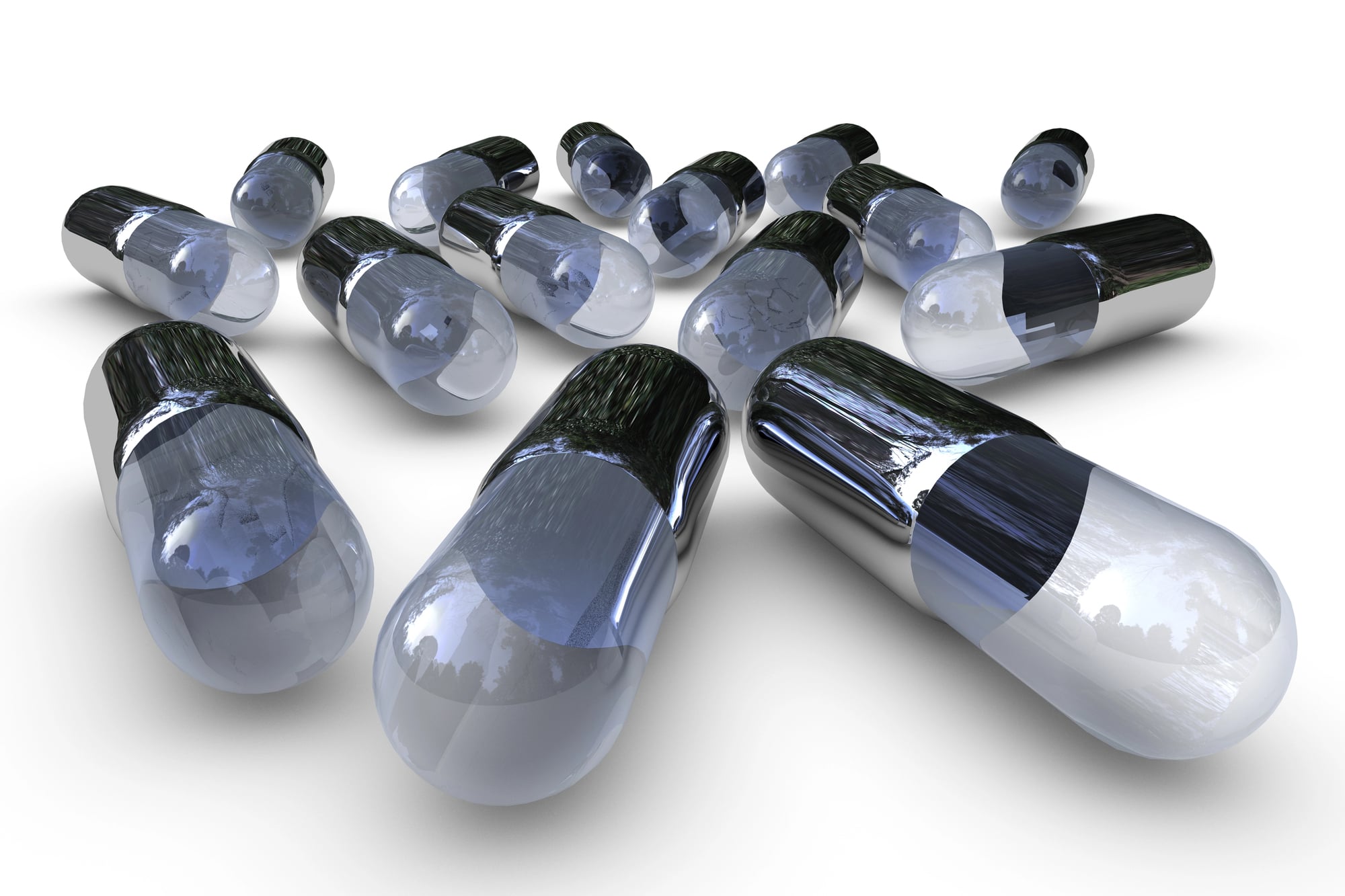
For centuries, mercury was considered a miracle cure that doctors prescribed for everything from syphilis to constipation. Patients would swallow these shiny metal pills, which were supposed to purge the body of disease-causing ‘bad humors.’
The treatment often proved more dangerous than the original condition — causing severe poisoning and neurological damage.
Tapeworm Diet Pills

The early 1900s brought us one of the most disturbing weight-loss fads imaginable: deliberately swallowing tapeworm eggs. These parasitic creatures would grow inside the intestines, supposedly eating excess food and keeping people thin.
Women particularly embraced this horrifying diet trend, despite the obvious health risks of hosting a parasite.
Arsenic Complexion Wafers

Victorian beauty standards led to some truly toxic solutions — including arsenic-laced wafers that promised to give women a pale, ethereal complexion. Dr. Campbell’s Safe Arsenic Complexion Wafers were marketed as a safe way to achieve the fashionable ‘consumptive’ look that was popular at the time.
The irony wasn’t lost on many users who actually did develop consumption-like symptoms from the poison.
Electrical Belts
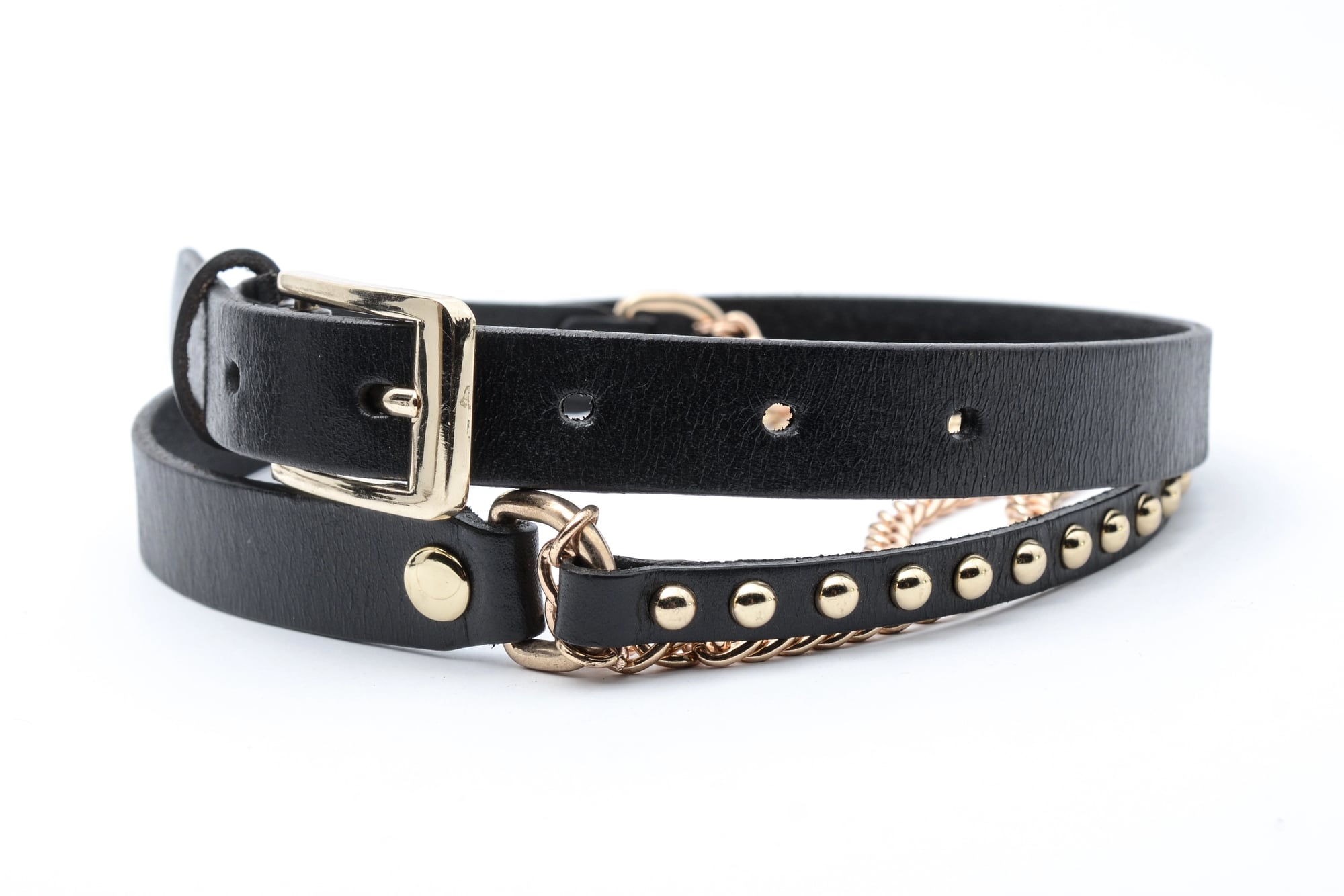
The late 1800s saw the rise of electrical therapy, with companies selling battery-powered belts that claimed to cure impotence, kidney problems, and general fatigue. These contraptions would deliver mild electrical shocks to the wearer throughout the day — supposedly restoring the body’s natural electrical balance.
The Heidelberg Electric Belt was one of the most popular brands, despite providing nothing more than uncomfortable tingles.
Opium for Babies

Mrs. Winslow’s Soothing Syrup became a household name in the 19th century, marketed specifically for teething infants and fussy children. The secret ingredient? Opium — which certainly calmed crying babies yet also led to addiction and overdoses.
Parents had no idea they were essentially drugging their children into submission.
Bloodletting Leeches

For over 2,000 years, doctors believed that removing ‘excess’ blood could cure nearly any ailment — from headaches to mental illness. Medical leeches were attached to patients’ skin to suck out the supposedly corrupted blood, often leaving people weak and anemic.
This practice continued well into the 19th century, despite mounting evidence that it often made patients worse.
Radium Suppositories
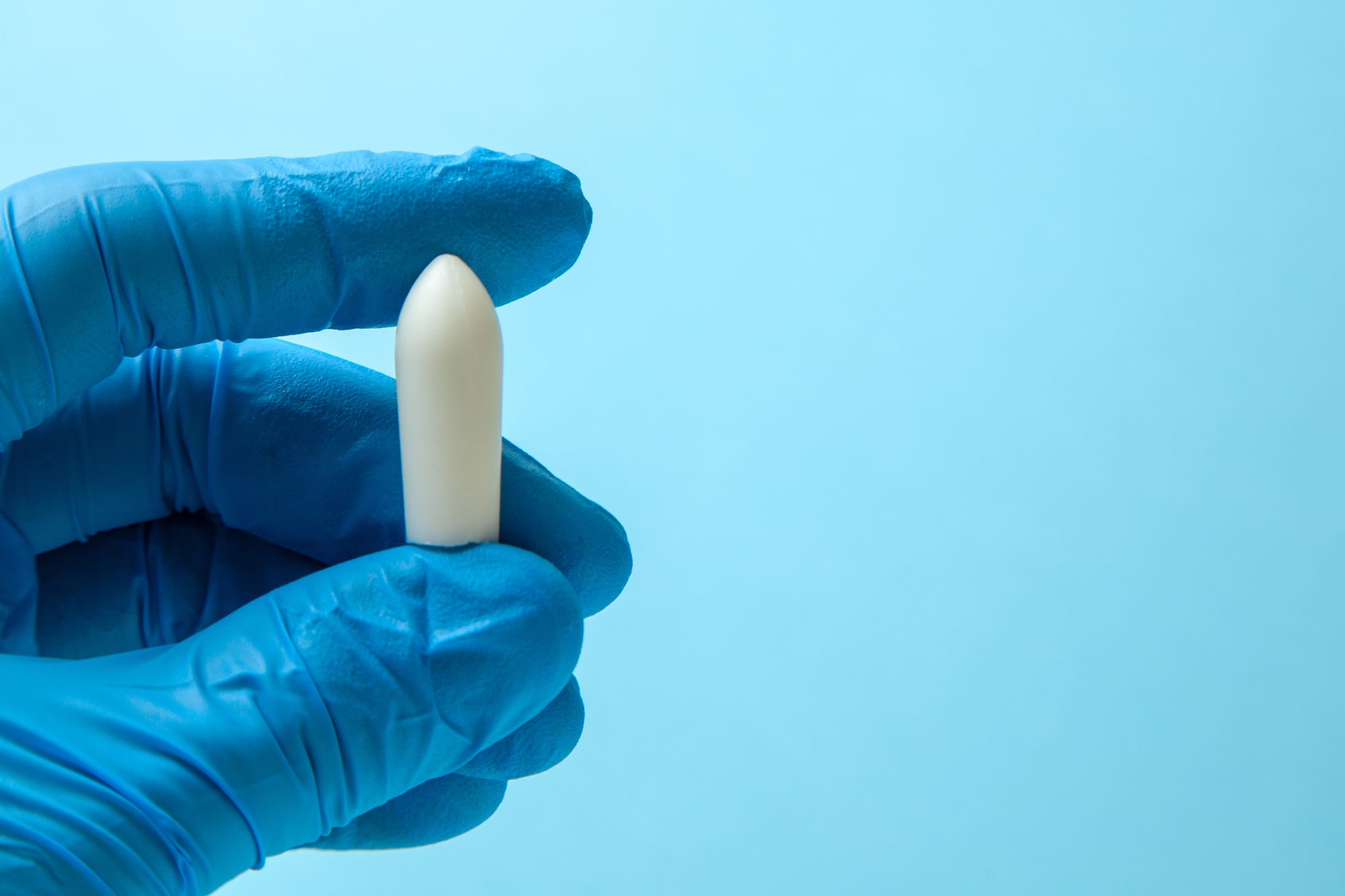
Not content with just drinking radioactive water, some companies took radium therapy to even more uncomfortable places. Radium suppositories were marketed as treatments for prostate problems and other internal ailments — delivering radiation directly to sensitive areas.
The Vita Radium company proudly advertised these products as the latest advancement in medical science.
Heroin Cough Syrup
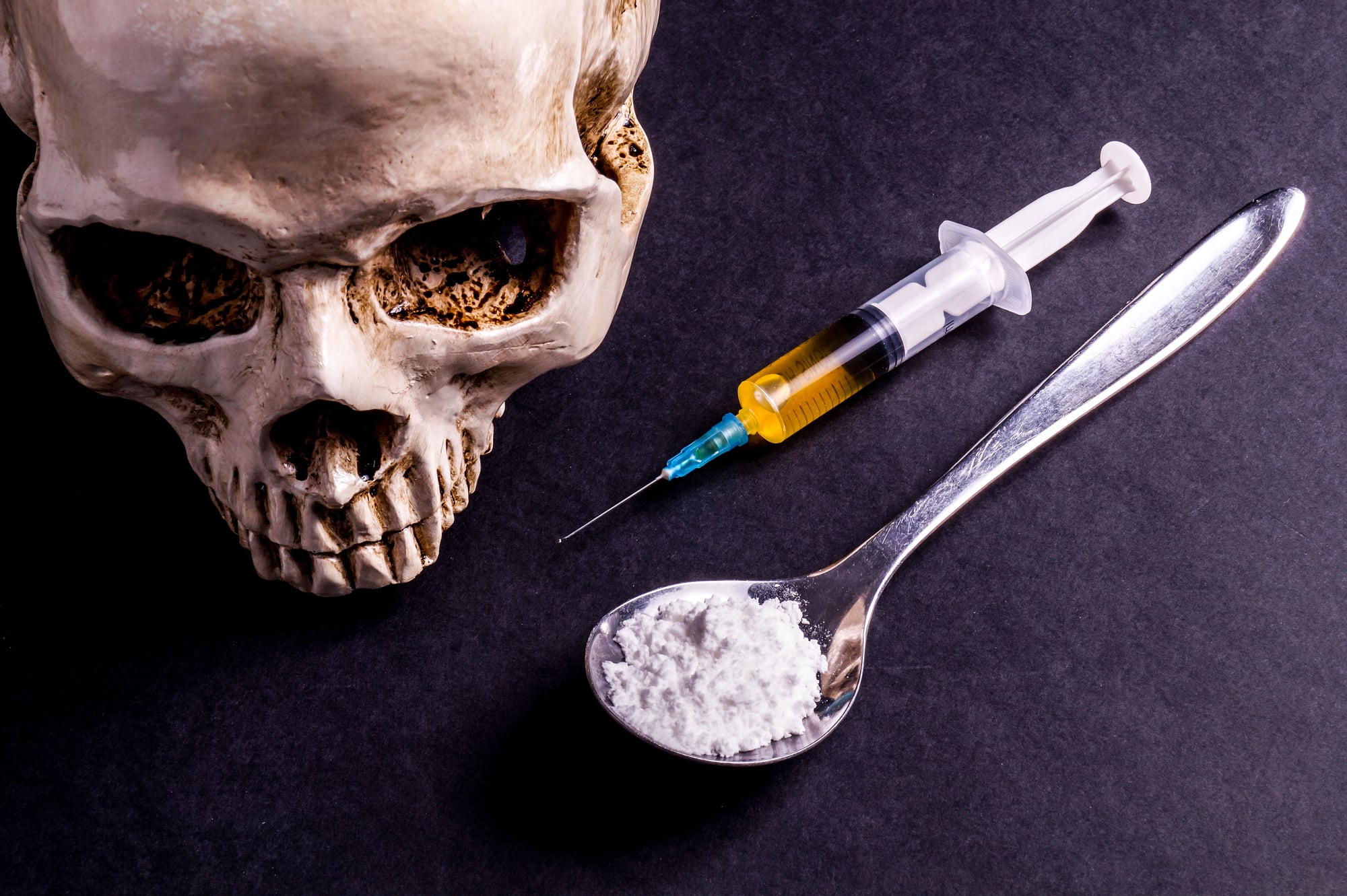
Bayer — the same company that gave us aspirin — also brought us heroin as a cough suppressant and pain reliever in the 1890s. They marketed it as a non-addictive alternative to morphine, which turned out to be spectacularly wrong.
Families would give this potent narcotic to children for simple coughs, unknowingly creating tiny addicts.
Trepanation
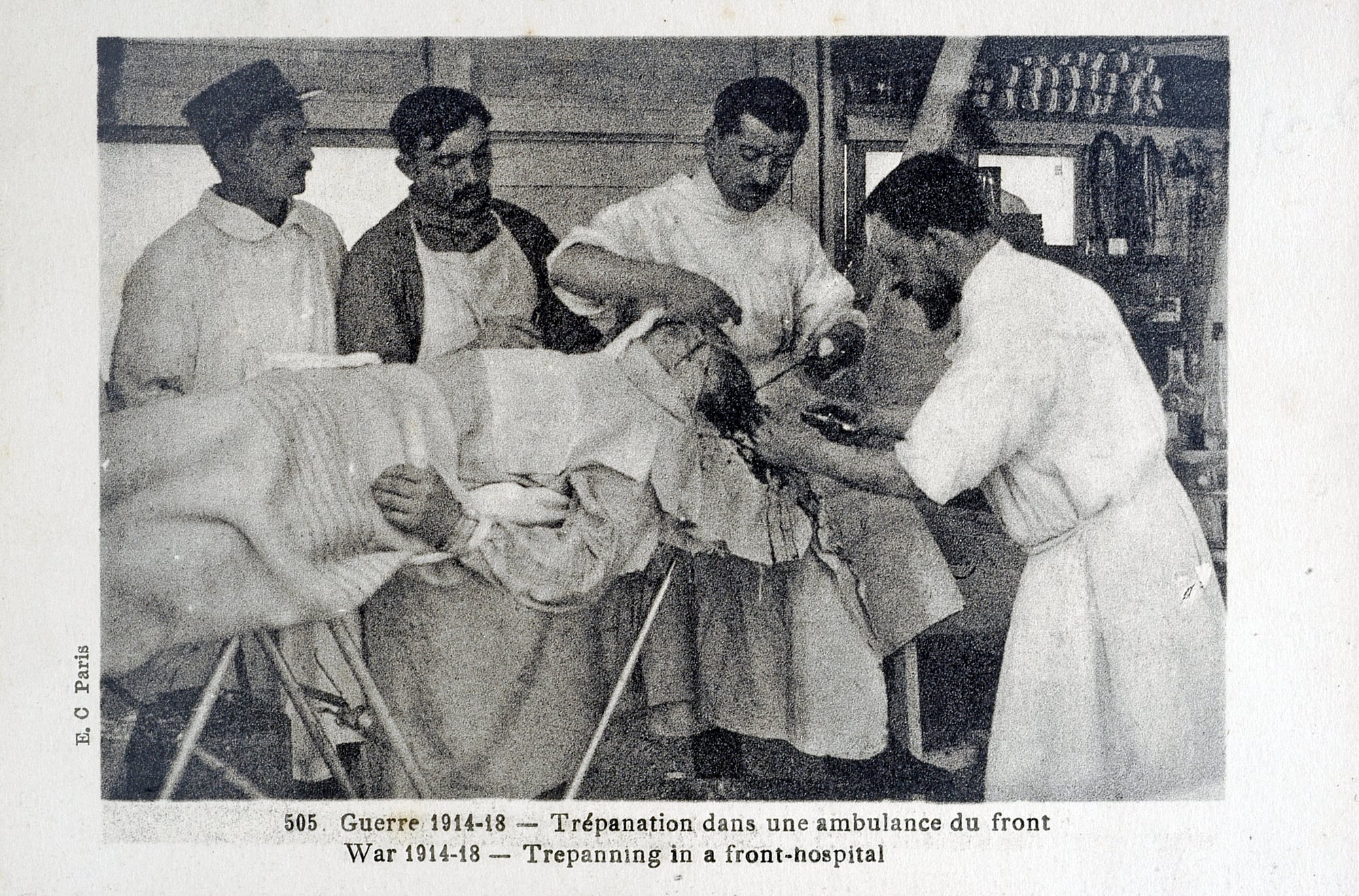
Ancient surgeons believed that drilling openings in patients’ skulls could release evil spirits and cure mental illness, headaches, and seizures. This brutal procedure, called trepanation, involved using primitive tools to bore through the skull bone while the patient remained fully conscious.
Surprisingly, some patients actually survived this Stone Age brain surgery, though probably not for the reasons doctors intended.
Goat Gland Transplants

In the 1920s, Dr. John Brinkley convinced thousands of men that transplanting goat testicles would restore their youth and vitality. His clinic in Kansas became a destination for wealthy patients seeking this bizarre rejuvenation treatment.
The procedures were performed with little regard for sterile technique, which led to numerous infections and deaths.
Urine Therapy

The practice of drinking one’s own urine as medicine has appeared in various cultures throughout history. Practitioners claimed it could cure everything from cancer to aging.
Ancient Roman physicians recommended it for wound healing, while medieval doctors prescribed it for plague prevention. Even today, some alternative medicine practitioners promote urine therapy, despite zero scientific evidence supporting its effectiveness.
Crocodile Dung Contraceptives

Ancient Egyptian women used crocodile dung mixed with honey as a contraceptive pessary. They believed the acidic properties would prevent pregnancy.
This messy method was actually somewhat effective, since the acidic environment did create hostile conditions for sperm. However, the risk of infection from using animal waste probably outweighed any contraceptive benefits.
Magnetic Soap
The late 1800s brought us magnetic soap, which supposedly drew impurities out of the skin using the power of magnetism. Companies claimed their magnetized soap bars could cure skin conditions, improve circulation, and even treat internal diseases through the skin.
The soap was just regular soap with iron filings mixed in, though it provided no magnetic healing properties whatsoever.
Laudanum for Everything

This opium-based tincture was the aspirin of the Victorian era. It was prescribed for headaches, menstrual cramps, crying babies, and just about any other complaint.
Laudanum was so common that housewives kept bottles in their medicine cabinets like we keep pain relievers today. The highly addictive nature of opium meant that many people became dependent on their daily ‘medicine.’
Violet Ray Machines

Early 20th-century families could purchase violet ray machines for home use. They believed high-frequency electrical currents could cure baldness, acne, and various other ailments.
These devices produced purple-colored electrical discharges that users would apply directly to their skin. While the machines created impressive light shows, they provided no medical benefits and occasionally caused burns.
From Snake Oil to Science
The transition from these bizarre remedies to modern evidence-based medicine represents one of humanity’s greatest achievements in health and safety. Today’s rigorous testing and regulatory oversight protect us from the dangerous quackery that once passed for medical treatment.
While we might chuckle at our ancestors’ gullibility, these historical remedies remind us how far we’ve come in understanding the human body. They also show us the importance of developing truly effective treatments through scientific research rather than wishful thinking.
More from Go2Tutors!

- The Romanov Crown Jewels and Their Tragic Fate
- 13 Historical Mysteries That Science Still Can’t Solve
- Famous Hoaxes That Fooled the World for Years
- 15 Child Stars with Tragic Adult Lives
- 16 Famous Jewelry Pieces in History
Like Go2Tutors’s content? Follow us on MSN.



