27 Villages Perched Where Roads Barely Reach
A road is one of the first things a town gets and one of the last things a village on a mountainside ever sees. These settlements waited for centuries, built their own, or never bothered at all, and their residents learned to carry nearly everything on their backs.
Some now have tunnels, cable cars, or at least a dirt track that closes with the first snow. Others still depend on a boat, a mule, or a pair of sturdy shoes.
The journey in tends to be the best part of the trip.
Gasadalur, Faroe Islands
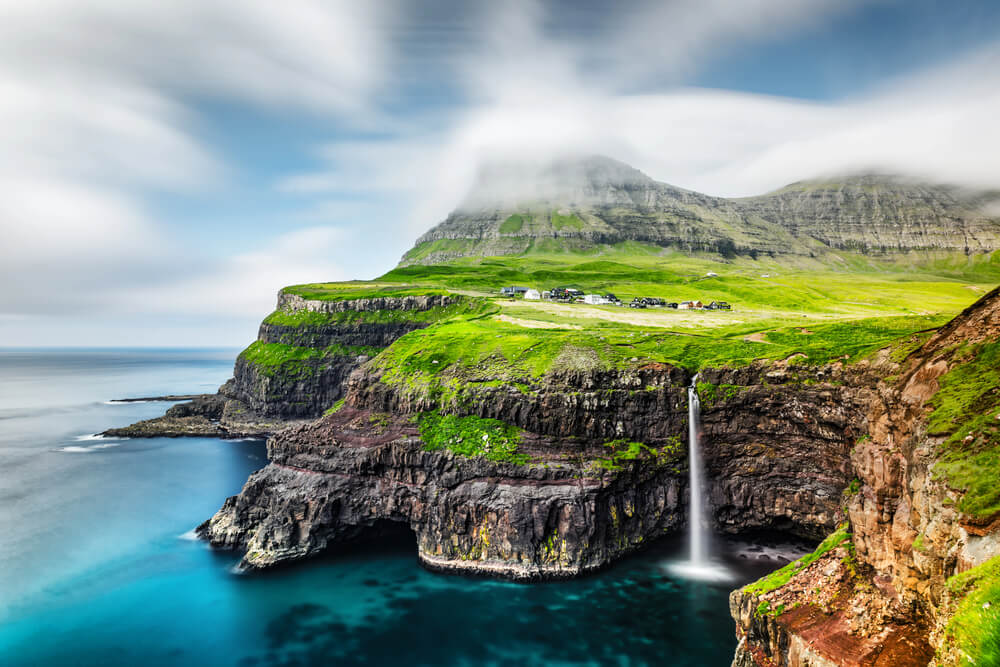
For centuries, the only way into Gasadalur was a steep mountain path, and the village’s mail carrier walked it to deliver letters. A tunnel finally opened in 2004 and ended that isolation.
The village sits beside a waterfall that drops straight off a cliff into the Atlantic, and fewer than a hundred people live there.
Caleta Tortel, Chile
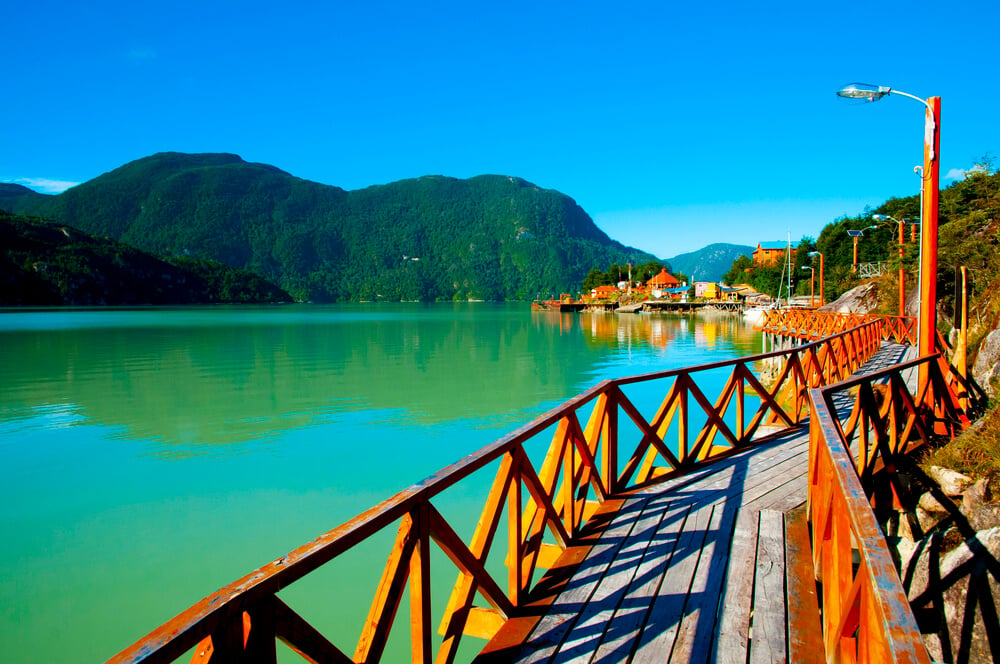
Caleta Tortel, in Chilean Patagonia, was built without streets. Its houses connect by wooden boardwalks and stairways made of local cypress, which climb the steep hillside above the mouth of the Baker River, Chile’s largest river by volume.
Cars stop at the edge of the village, and residents carry groceries along the planks or move them by boat.
Villa O’Higgins, Chile
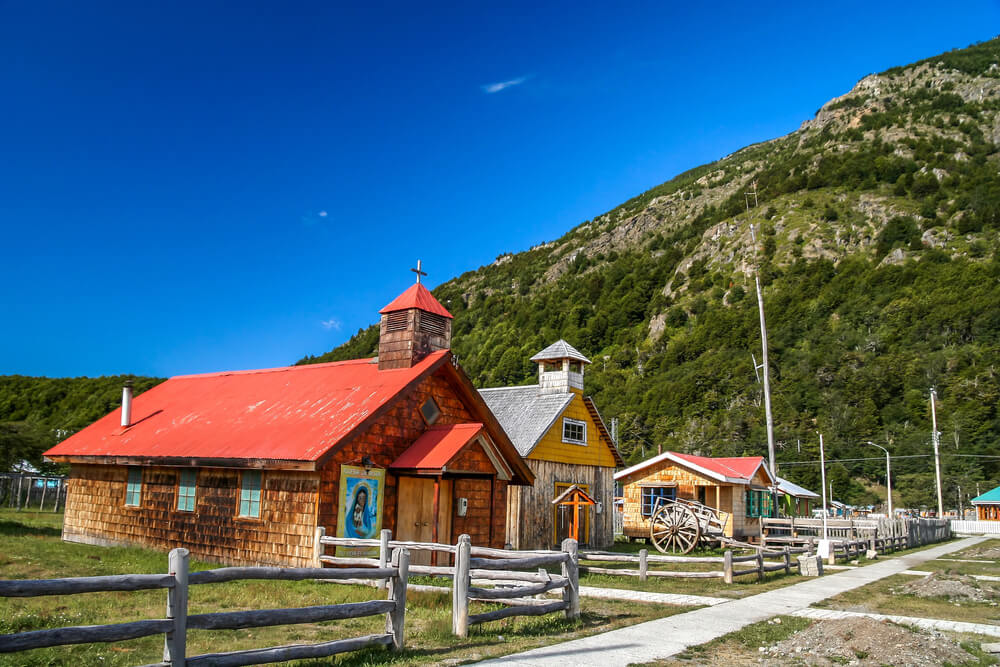
Villa O’Higgins marks the southern end of the Carretera Austral, the long mostly gravel highway that Chile carved through Patagonia. The road did not reach the village until the late 1990s, and it simply stops there.
Travelers who want to keep going cross a lake by boat and then trek over the border into Argentina.
Civita di Bagnoregio, Italy
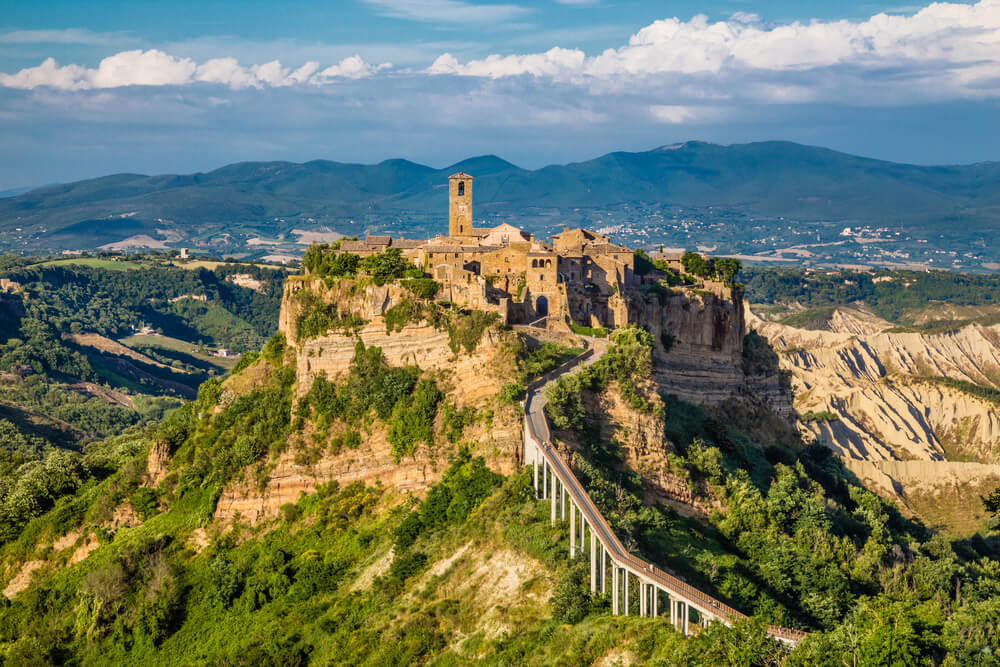
Civita sits on a narrow ridge of soft volcanic rock that erosion has been eating away for centuries, and a long pedestrian footbridge is the only way in. Cars cannot cross, so everything arrives on foot.
Locals call it the dying town, because earthquakes and landslides have shrunk the ridge and the population has dwindled to a handful of year-round residents.
Inverie, Scotland
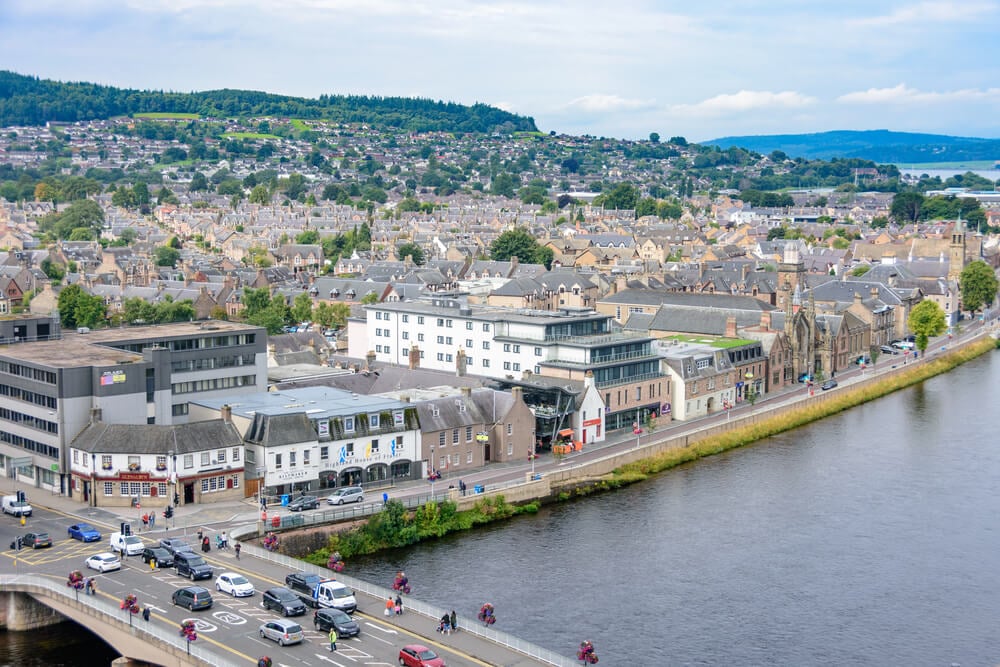
Inverie, the main village on the Knoydart peninsula, has no road connection to the rest of the British mainland’s road network. Visitors arrive by ferry from Mallaig or after a long hike over the hills that can take about two days.
The local pub, the Old Forge, is often billed as the most remote pub on the British mainland.
Gimmelwald, Switzerland
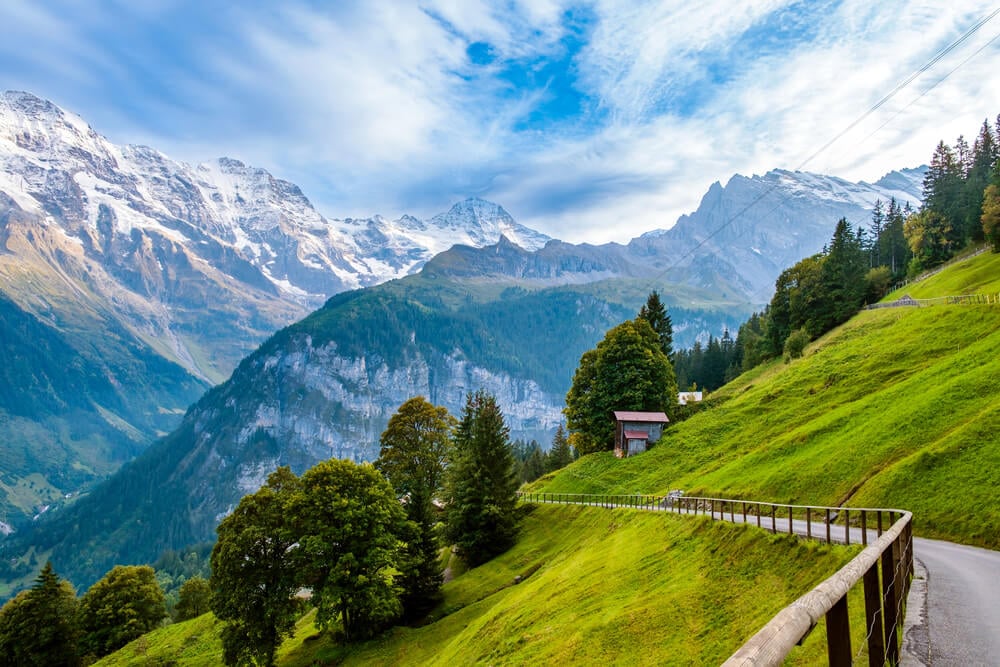
Gimmelwald perches on a ledge above the Lauterbrunnen Valley and has no through road for cars. Most visitors arrive by cable car from the valley floor or climb a steep footpath.
The Eiger, Monch, and Jungfrau tower across the valley, which makes the village one of the most dramatic places to wake up in the Alps.
Undredal, Norway
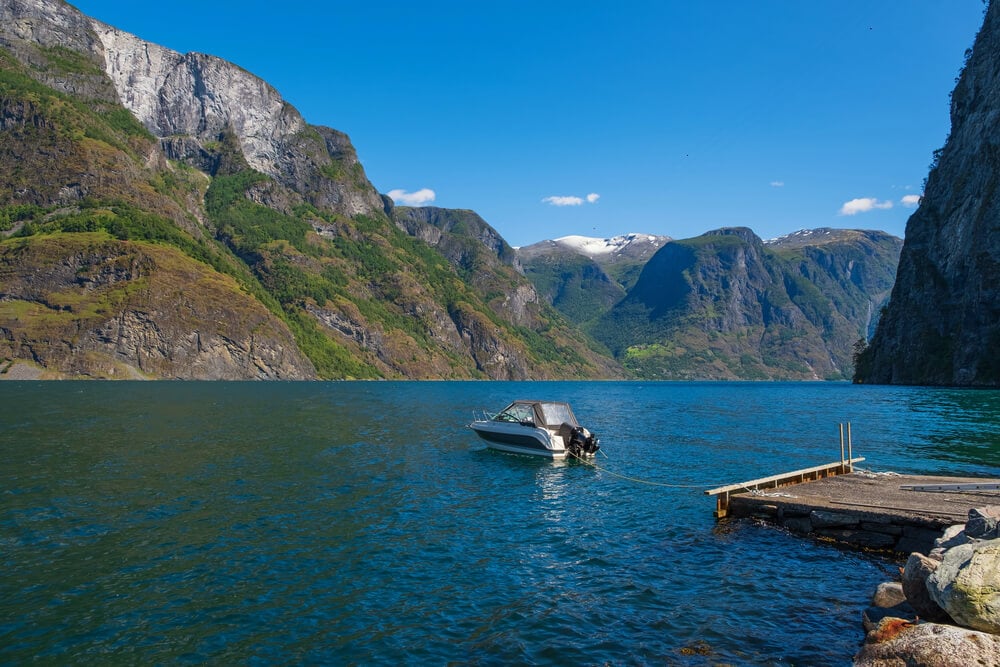
Undredal clings to the Aurlandsfjord, and until a road opened in 1988, most visitors and supplies arrived by boat. Goats far outnumber the residents, and the village is known for its brown goat cheese.
Its tiny stave church counts among the smallest in Norway that is still in regular use.
Supai, Arizona
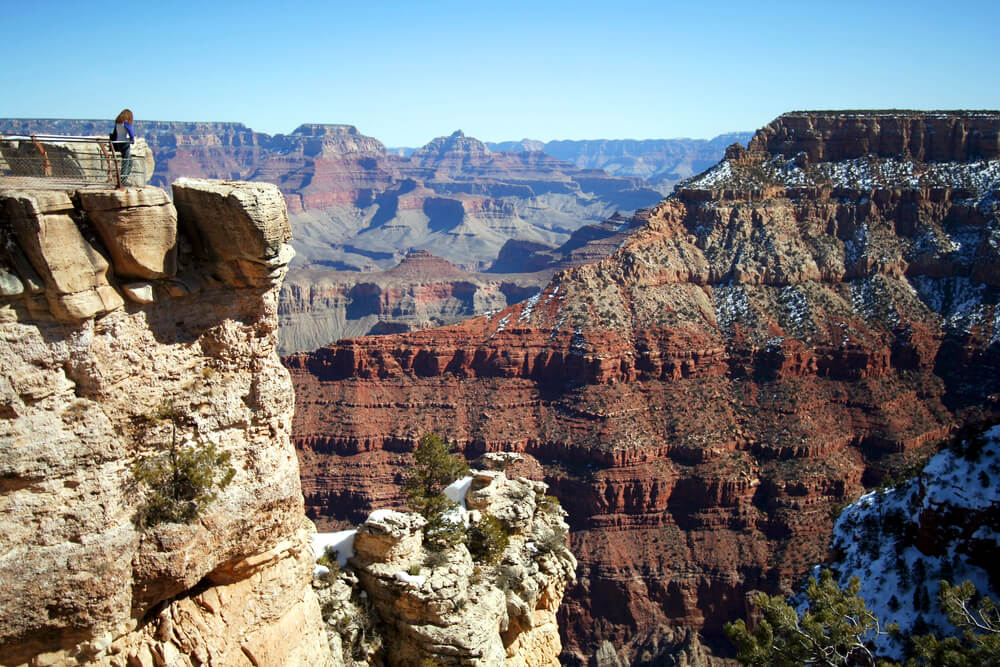
Deep inside the Grand Canyon, Supai is home to the Havasupai tribe and can be reached only by trail, on horseback, by mule, or by helicopter. It is widely described as the last place in the United States where mail is delivered by mule train.
The village sits about eight miles below the rim and serves as the gateway to a string of turquoise waterfalls.
Batopilas, Mexico
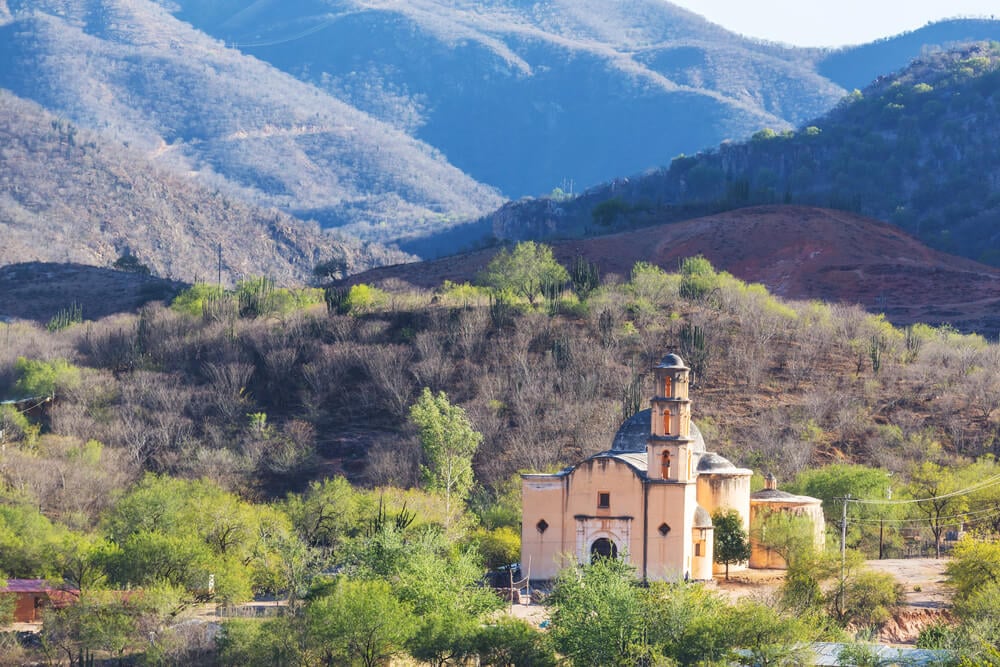
Batopilas lies at the bottom of a canyon in Chihuahua’s Copper Canyon region, at the end of a road that winds down from the plateau in steep switchbacks. A silver boom in the 1800s made it rich, and Alexander Shepherd, a former governor of the District of Columbia, moved there and ran silver mines.
Stone buildings from the boom years still line the streets.
Omalo, Georgia
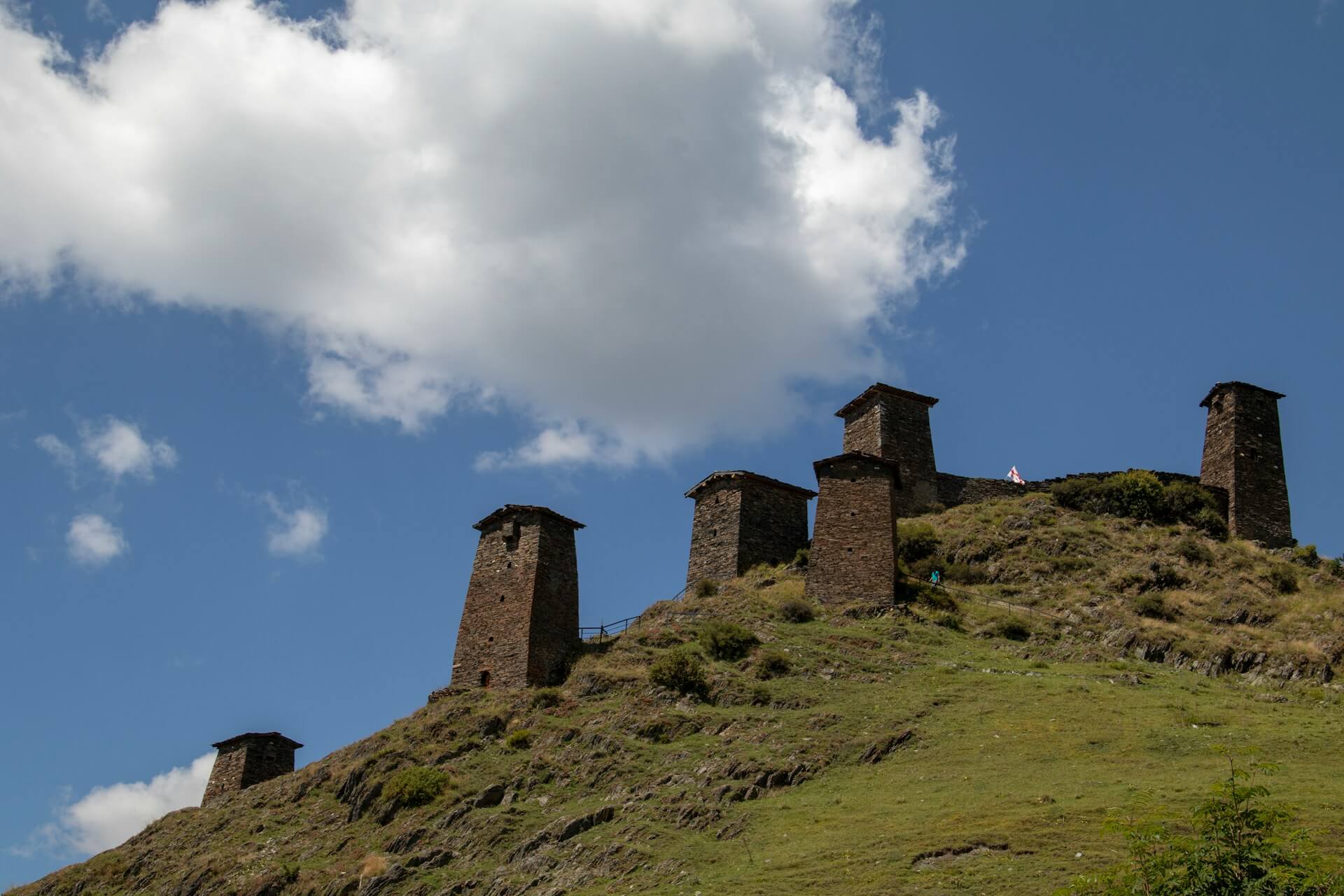
Omalo is the main village of Tusheti, a high region in Georgia’s Caucasus mountains that outsiders reach only by the Abano Pass. The road over the pass is closed by snow for much of the year and often appears on lists of the world’s most dangerous roads.
A medieval stone fortress called Keselo rises above the village.
Shatili, Georgia
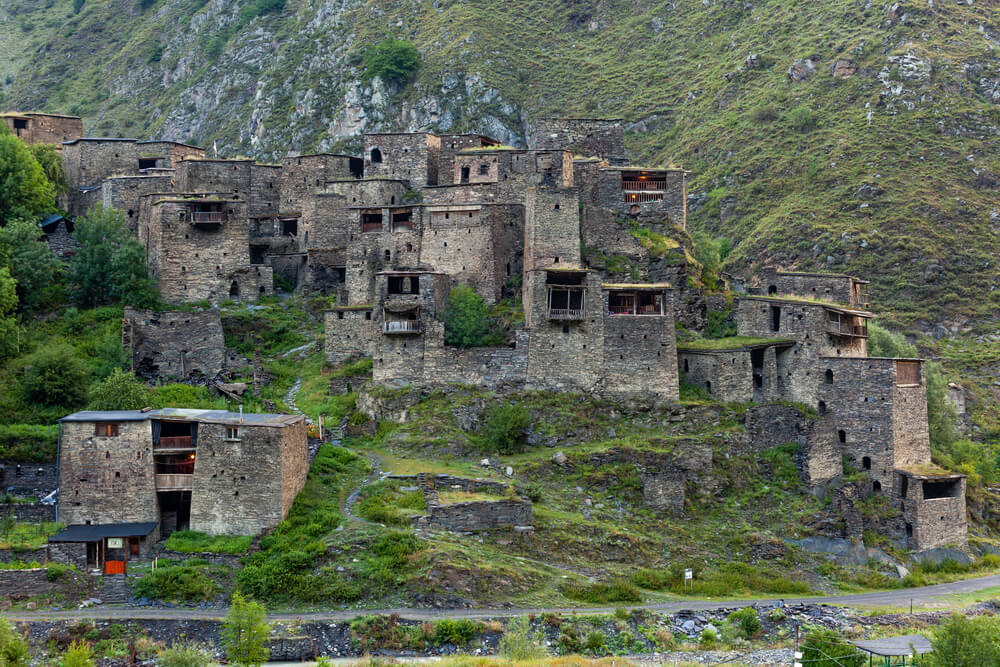
Shatili is a medieval fortress village in the Khevsureti region, near the Russian border. Its stone houses and towers are fused together like a single castle, built to hold off raiders.
The road in is a long, winding mountain route that can close in winter.
Ushguli, Georgia
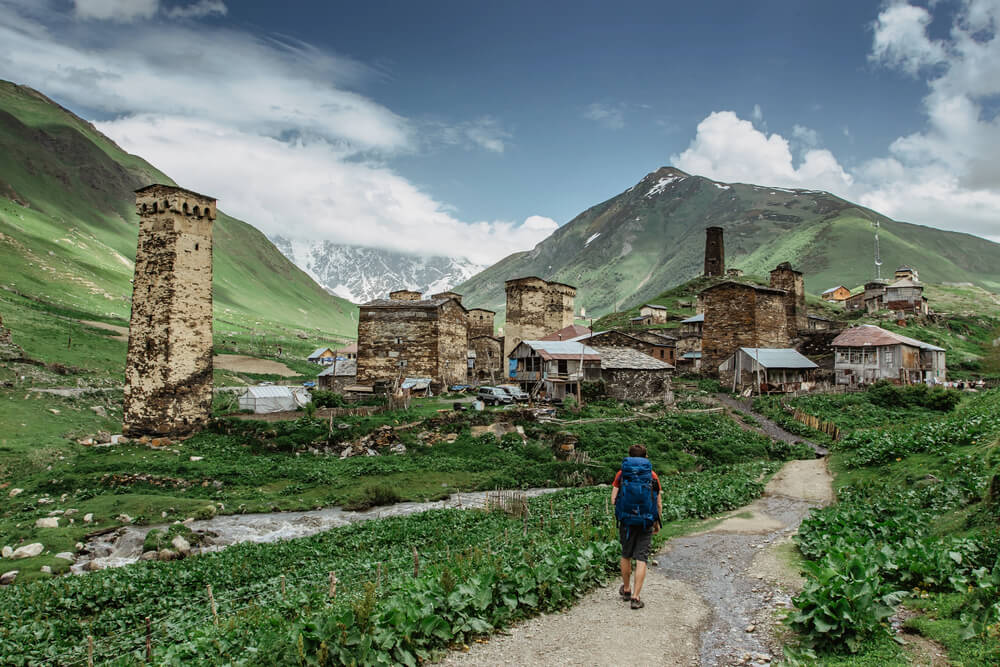
Ushguli, in Upper Svaneti, is often described as one of the highest continuously inhabited settlements in Europe, at roughly 2,100 meters. Its medieval Svan towers stand in clusters above the village, and UNESCO inscribed Upper Svaneti in 1996.
Heavy snow can cut off road access for long stretches of winter.
Shimshal, Pakistan
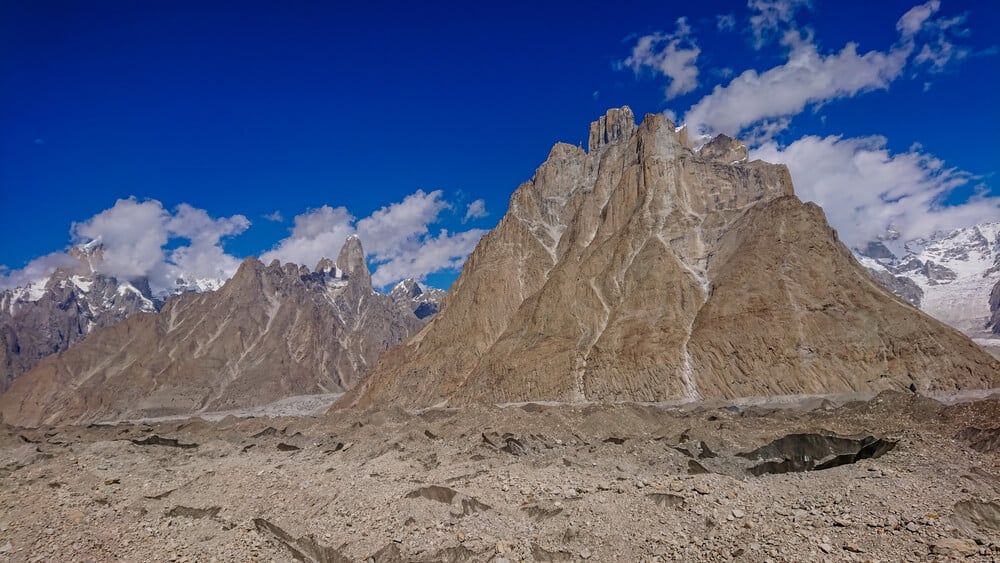
For most of its history, Shimshal in the Karakoram was a village that outsiders reached only on foot over mountain passes. Villagers built a road themselves over many years, and it opened in the early 2000s.
The road is a narrow shelf cut along a gorge and is notorious for its sheer drops.
Namche Bazaar, Nepal
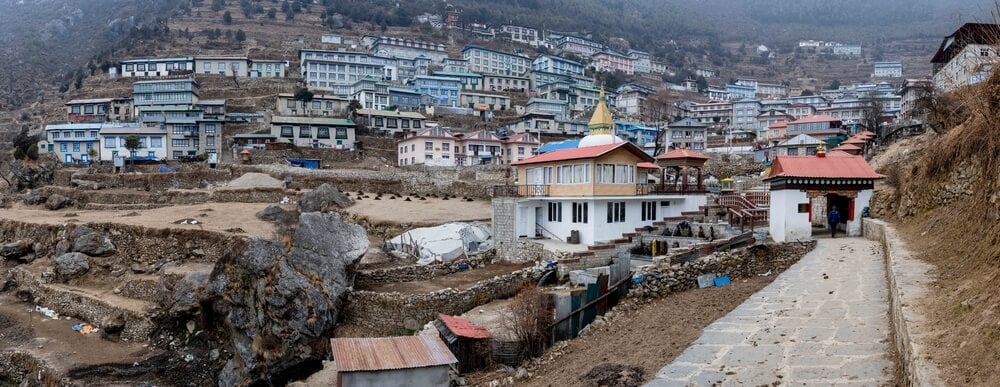
Namche is the main trading hub of the Khumbu region, spread across a horseshoe-shaped hillside. No road reaches it, so everything from rice to roofing sheets arrives on the backs of porters and yaks.
A weekly Saturday market draws traders and trekkers from across the region.
Thame, Nepal
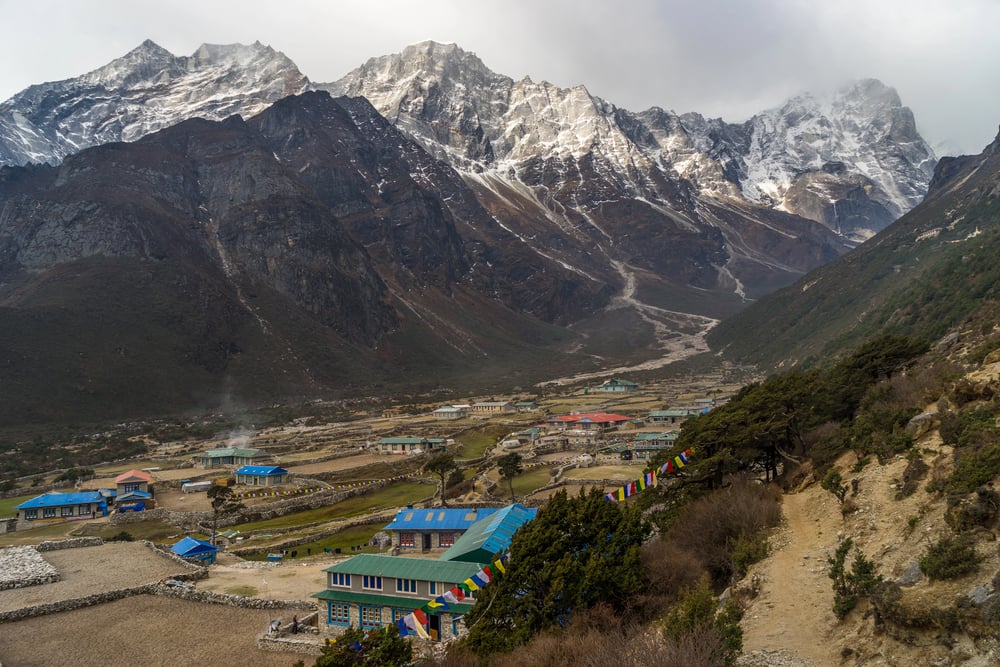
Thame sits above Namche on a trail with no road, and it is known for producing some of Everest’s most celebrated Sherpa climbers, including Apa Sherpa and Kami Rita Sherpa. The village has a monastery on the hillside above its fields of potatoes and barley.
Climbers who grew up here learned the mountains as ordinary neighbors long before the summit records.
Laya, Bhutan
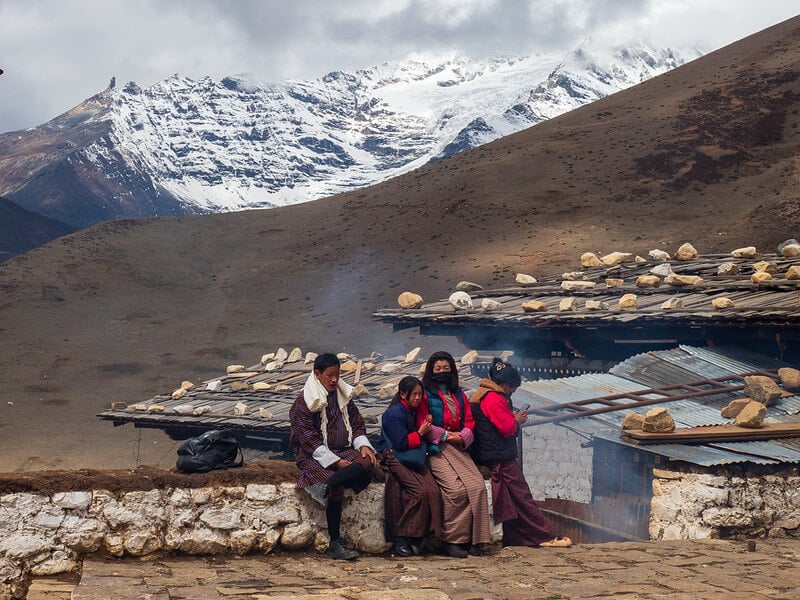
Laya is a remote highland village in northern Bhutan and home to the Layap people, whose women wear distinctive conical bamboo hats. For generations, reaching it meant walking for days over high passes from the town of Gasa.
The Laya-Gasa trek is still considered one of the country’s classic routes.
Wae Rebo, Indonesia
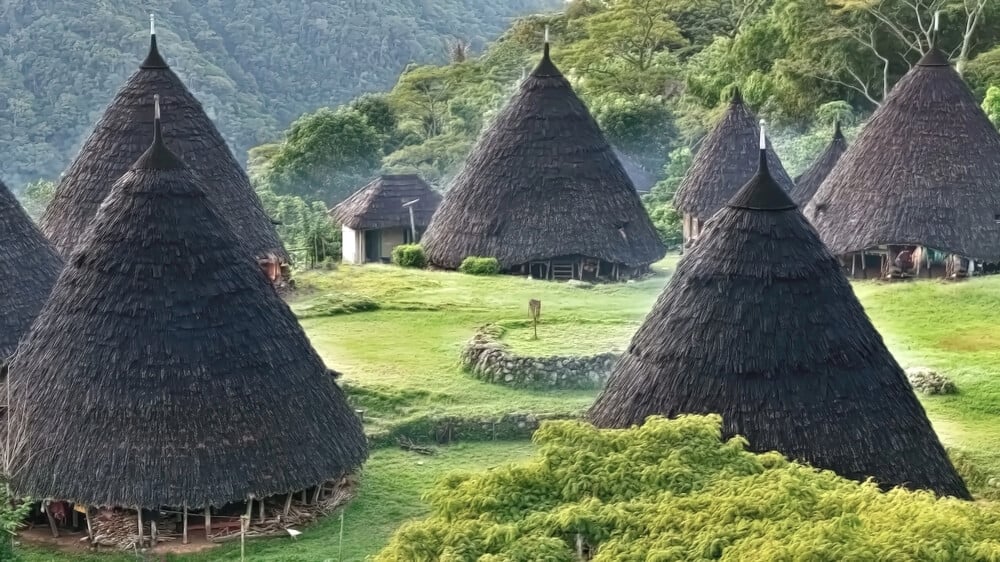
Reaching Wae Rebo, on the island of Flores, means hiking uphill for several hours through forest. The reward is a village of seven cone-shaped thatched houses called Mbaru Niang.
Their restoration earned a UNESCO Asia-Pacific Heritage Award of Excellence in 2012.
Guoliang, China
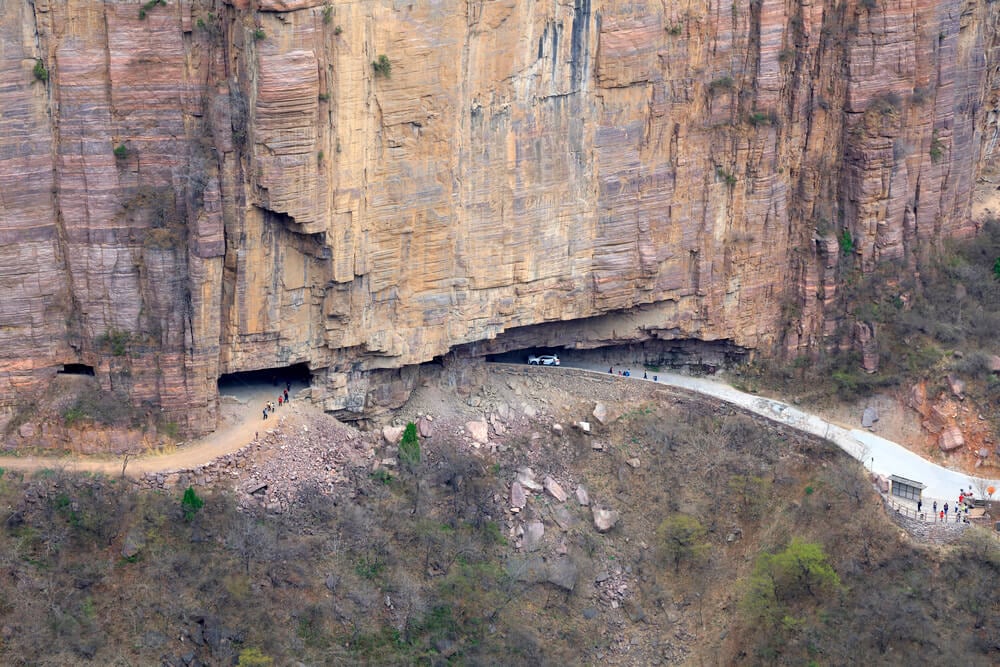
Before the 1970s, Guoliang in the Taihang Mountains could be reached only by a steep stairway cut into a cliff. Villagers decided to carve their own road, and they chiseled a tunnel about 1,200 meters long through the rock face by hand.
The work took roughly five years and was finished in 1977, and the tunnel has windows cut into the cliff that look out over the valley.
Atuleer, China
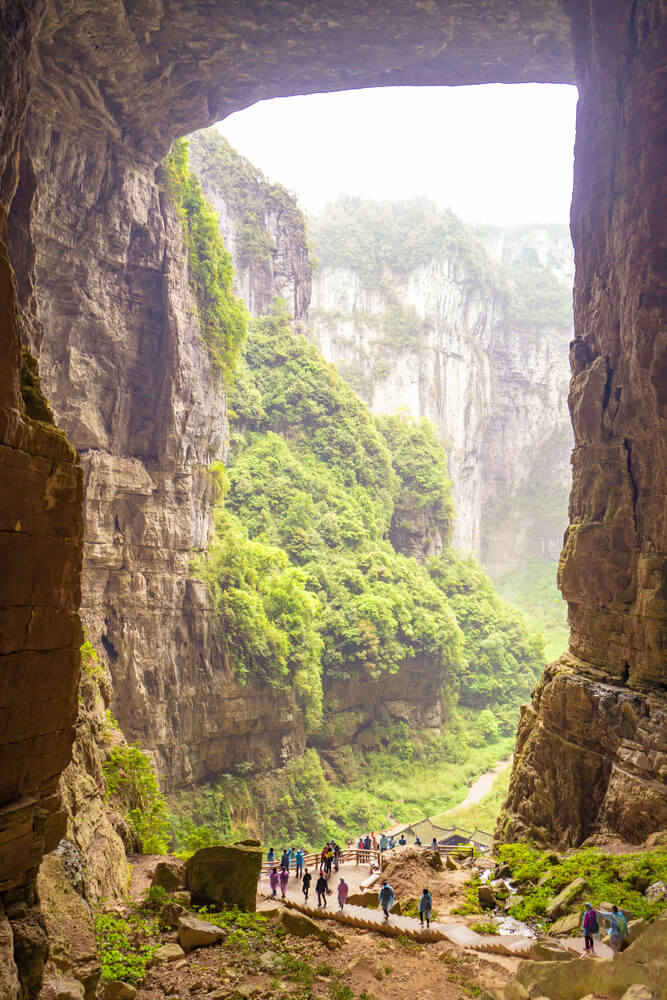
Atuleer sits on top of a cliff in Sichuan’s Liangshan region. Until 2016 the only way up was a series of rattan and wood ladders on a rock face rising nearly 800 meters, and children climbed them to get to school.
A steel staircase replaced the ladders, and in 2020 families began moving to new housing below.
Komic, India
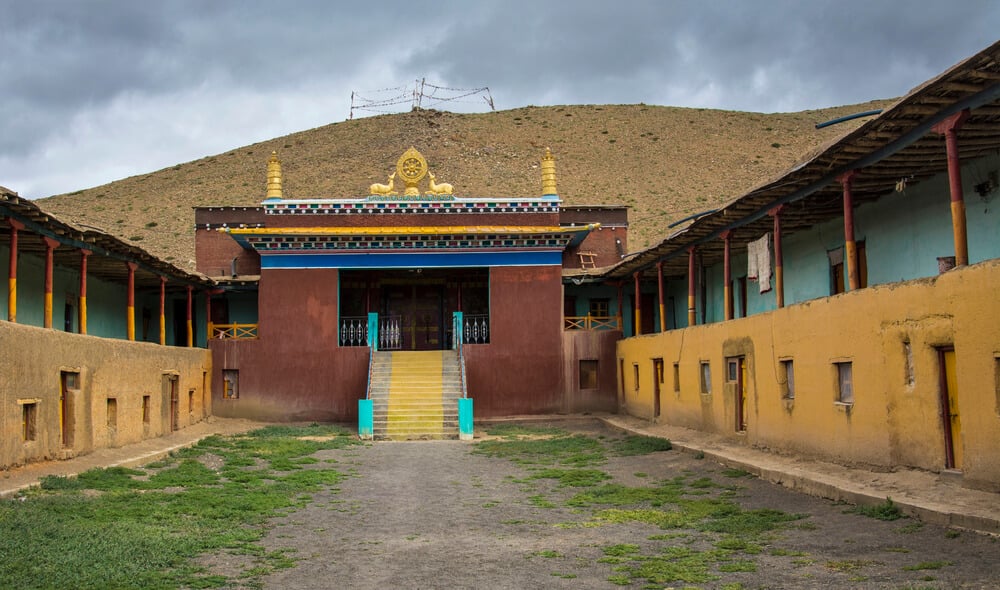
Komic, in the Spiti Valley of Himachal Pradesh, is often described as one of the highest villages in the world connected by a motorable road, at more than 4,500 meters. Snow blocks that road for months in winter.
The thin air makes even a short walk tiring for visitors.
Hikkim, India
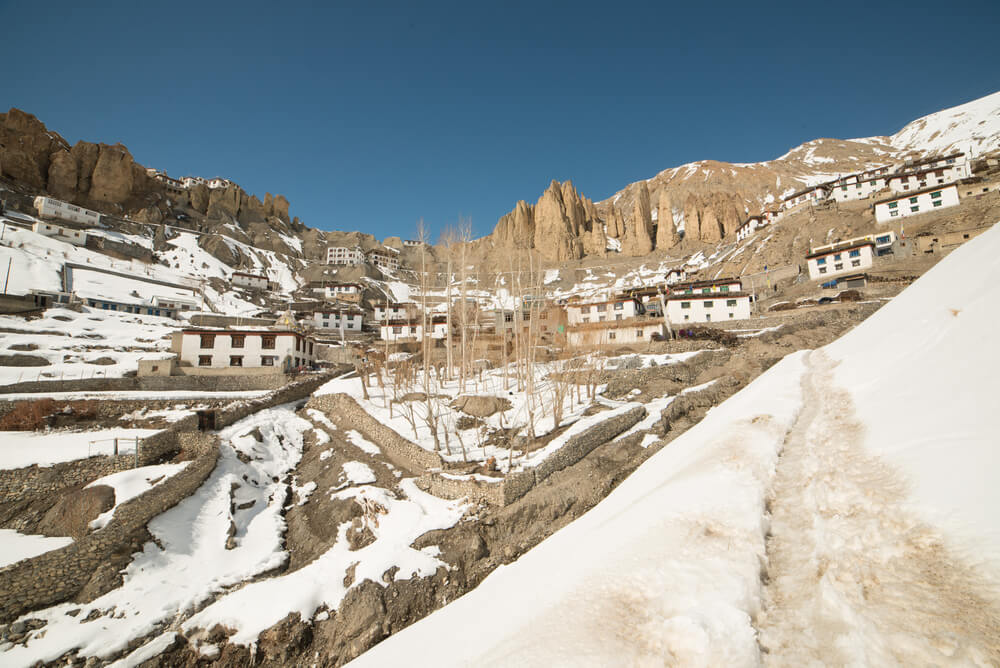
Hikkim, near Komic in Spiti, has a tiny post office that opened in 1983 and is promoted as the highest in the world, at roughly 4,400 meters. Visitors mail postcards from it just for the novelty.
The stone and mud houses around it sit in a bare, high-altitude landscape that feels closer to the sky than to a valley.
Whittier, Alaska
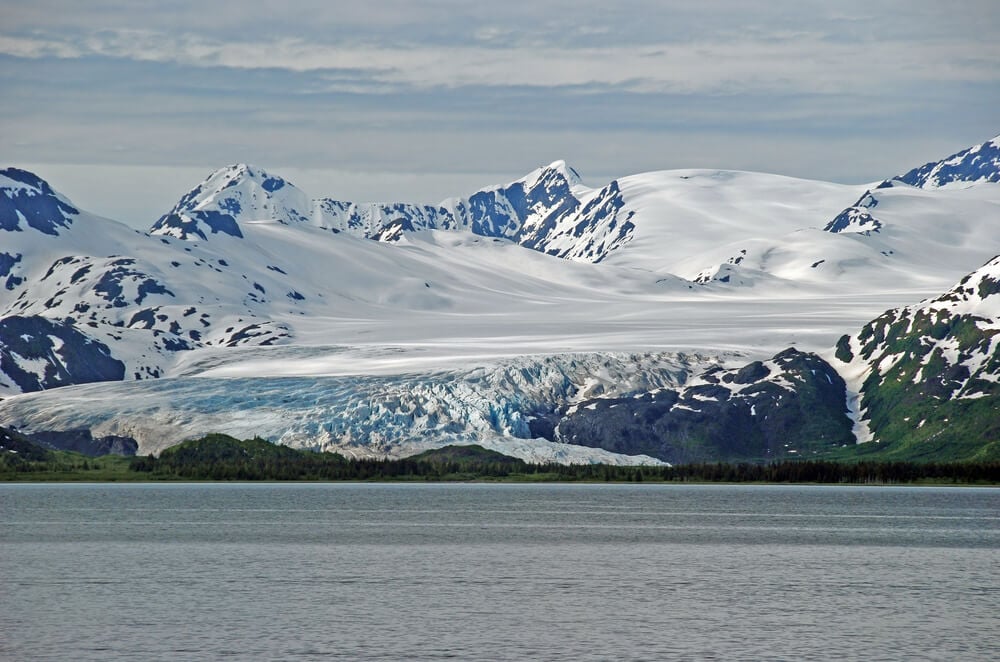
The only road to Whittier runs through the Anton Anderson Memorial Tunnel, a single-lane tunnel about 2.5 miles long that cars share with trains. It closes overnight, so the town is cut off from the road system for hours every night.
Nearly all residents live in one high-rise, Begich Towers, which is also linked by an underground passage to the school.
Theth, Albania
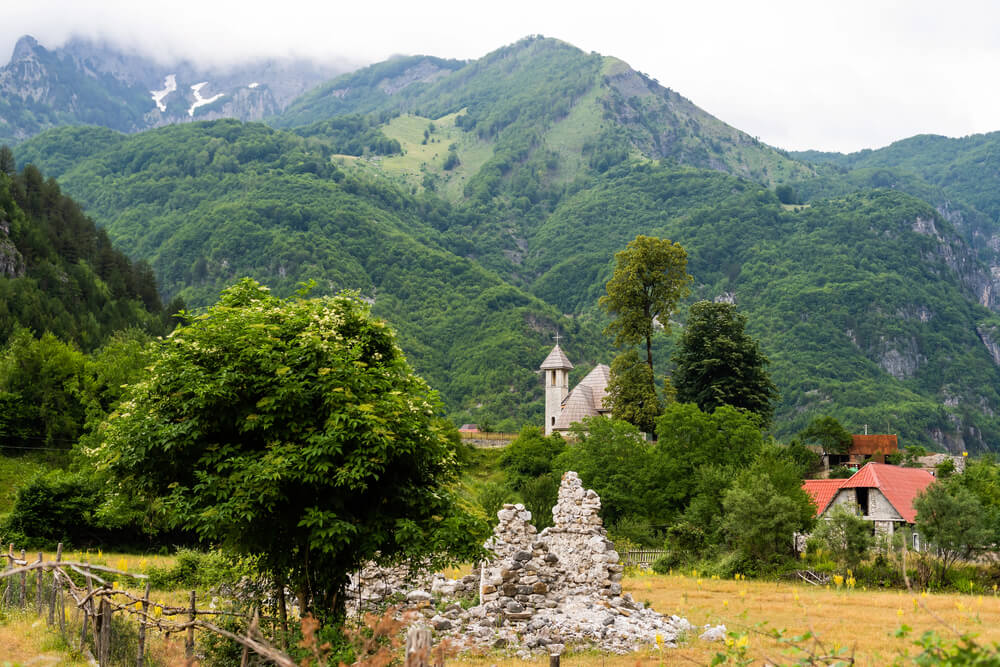
Theth is a valley village in the Accursed Mountains that long relied on rough tracks over high passes, and a paved road reached it only in recent years. Its Lock-In Tower, known as Kulla e Ngujimit, is where men caught in a blood feud could shelter under the old code of customary law.
The village’s stone houses and small church make it one of the most photographed places in northern Albania.
Khinalug, Azerbaijan
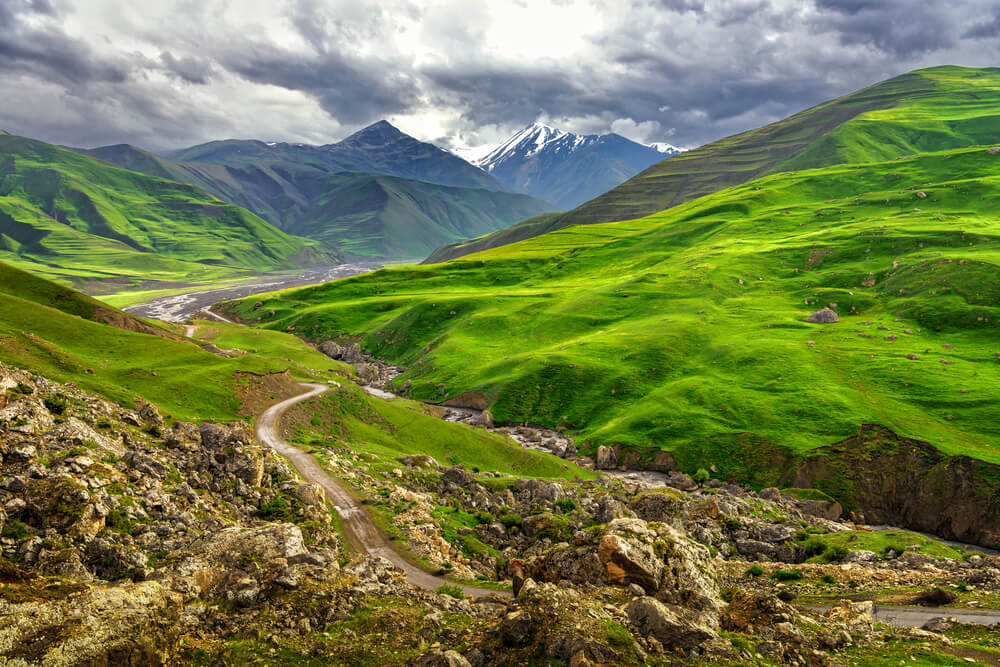
Khinalug perches at roughly 2,350 meters in the Greater Caucasus, and its residents speak a language found nowhere else. A proper road reached the village only in recent decades, and winter snow can still cut access.
It is sometimes described as one of the highest permanently inhabited places in Europe.
Aguas Calientes, Peru
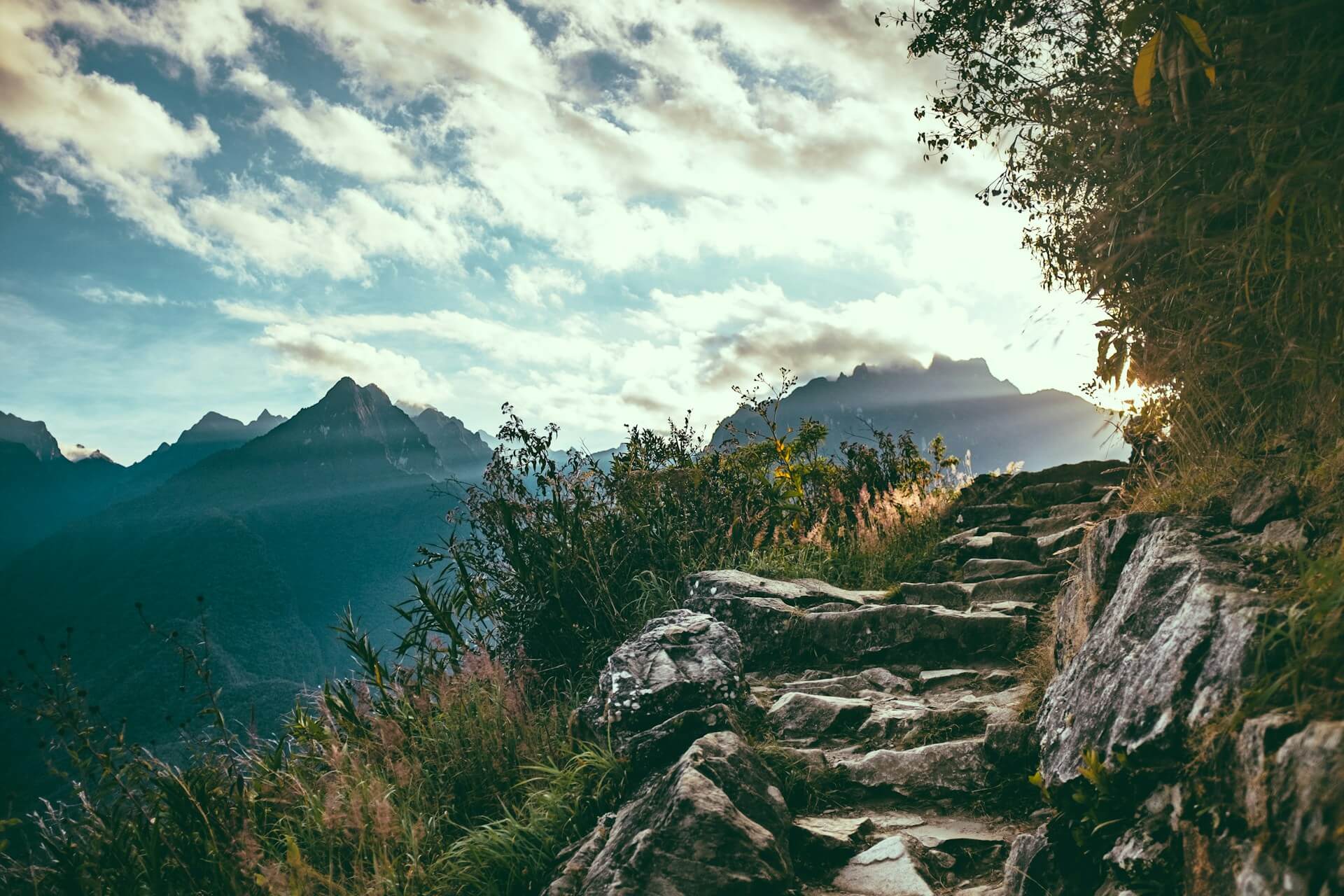
No road connects Aguas Calientes to Cusco or the rest of Peru’s highway network, so visitors arrive by train or on foot along trekking routes. The town exists mainly to serve Machu Picchu, which sits above it, and shuttle buses climb a zigzag road to the ruins.
It is named for the hot springs that bubble up beside the river.
Lo Manthang, Nepal
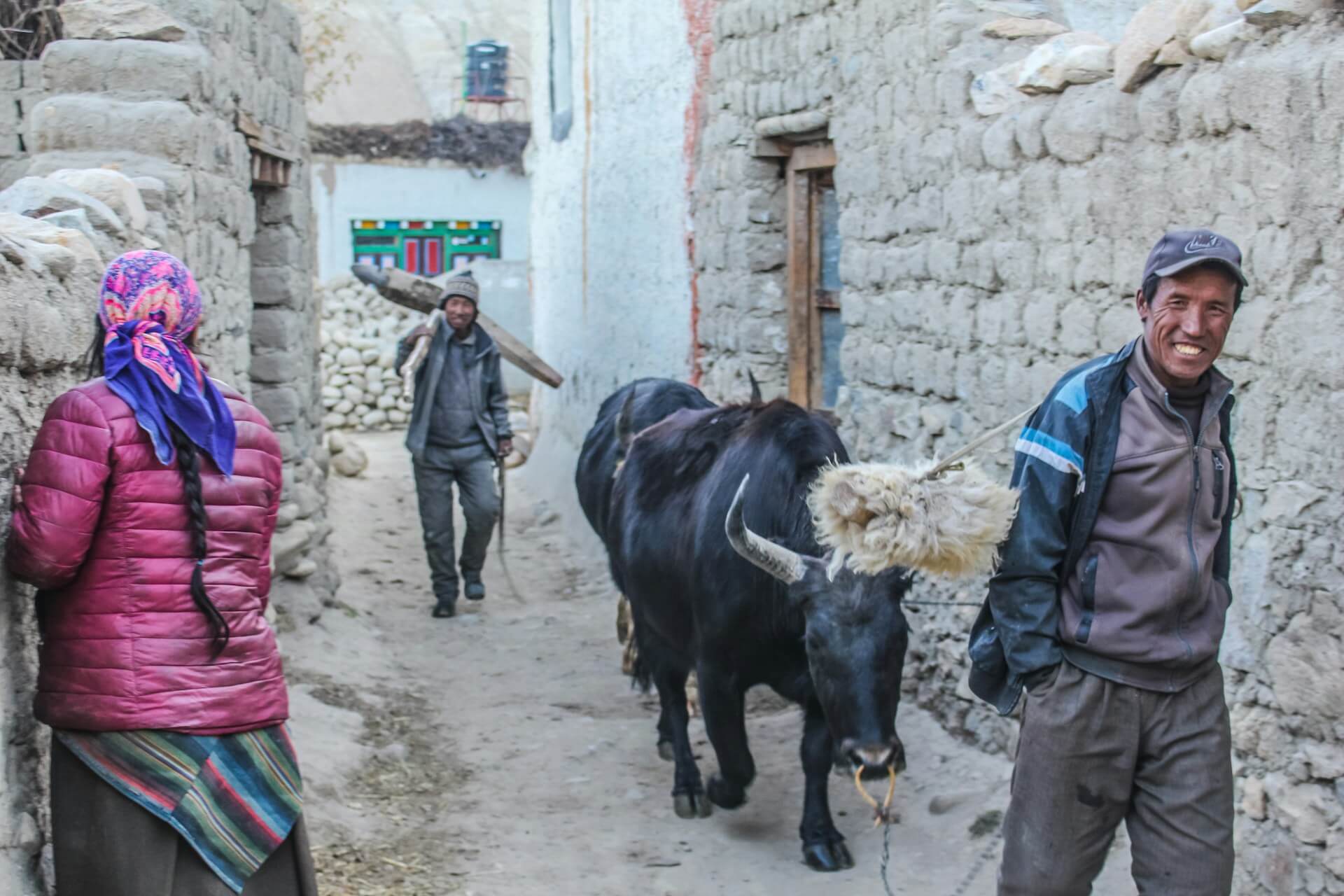
Lo Manthang is a walled medieval city in Upper Mustang and was once the capital of the Kingdom of Lo. Its king kept a formal role until Nepal ended its monarchy in 2008.
Travelers once needed days on foot or horseback to reach it, and a rough road arrived only in recent years.
Chitkul, India
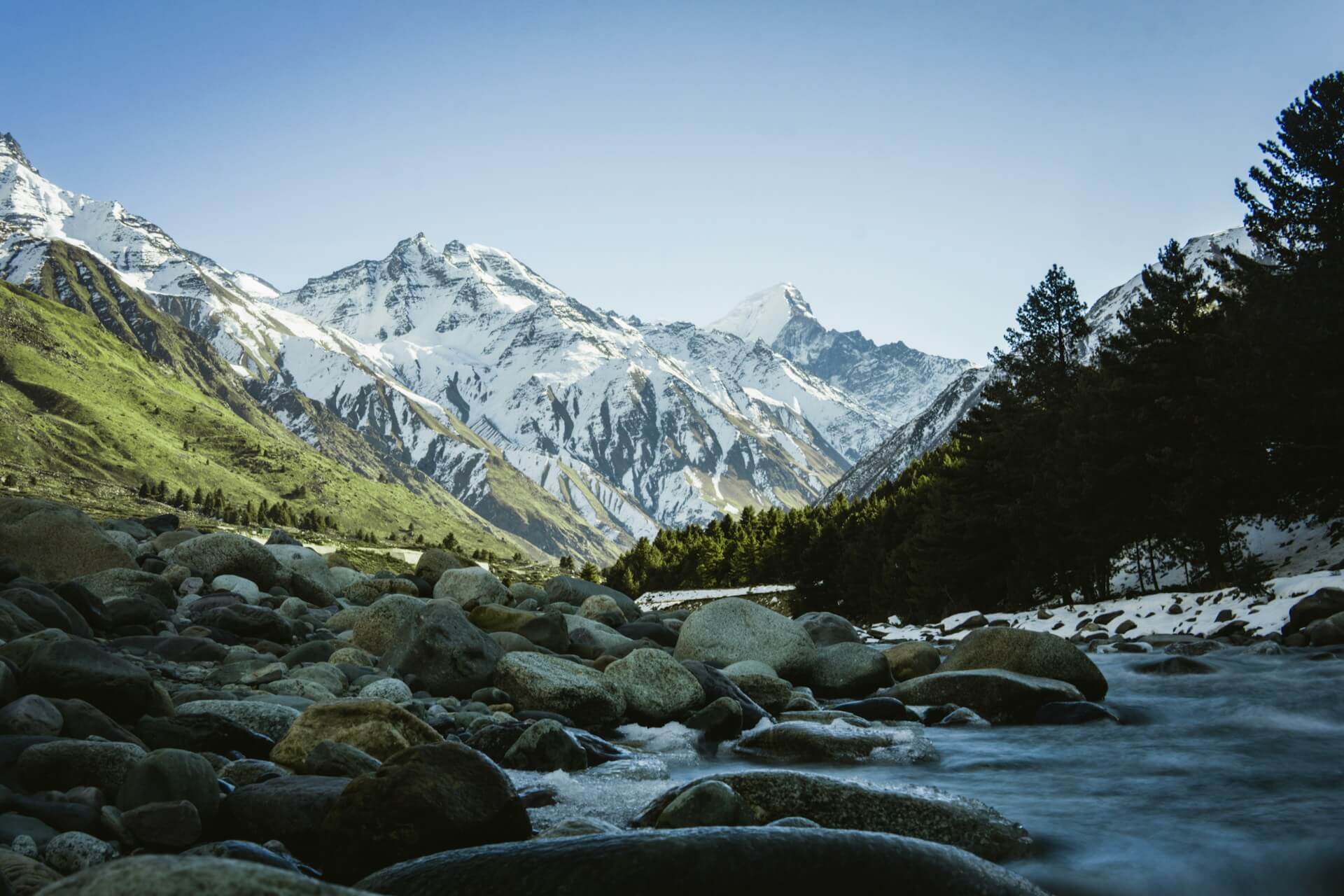
Chitkul, in the Baspa Valley of Himachal Pradesh, is often called the last inhabited village before the Tibetan border region. Its wooden houses surround a temple to Mathi, the village goddess.
The road runs out not far beyond the last homes, and the high mountains past that point belong to the border zone.
Where the Pavement Gives Up
Remote places tend to hold onto what busier ones lose. When goods must be carried by hand, people choose carefully what to bring, and they depend on their neighbors in ways a delivery app never requires.
Many of these villages kept languages, crafts, and customs alive because outsiders were slow to arrive.
Roads do change that, often for the better, bringing clinics, schools, and markets. Still, the places that waited longest for them tend to build something distinctive in the meantime.
A tunnel, a ladder, a boardwalk, or a mule is simply the local answer to a question every settlement eventually faces, which is how to get home.
More from Go2Tutors!

- 27 Silver Dollars and Half Dollars Worth Keeping
- 28 Restaurant Menu Items Nobody Orders Anymore
- 17 Places Built in Seemingly Impossible Spots
- 27 Vintage Rings Worth More Than They Look
- 25 Restricted Sites Tourists Can’t Enter
Like Go2Tutors’s content? Follow us on MSN.