17 Video Games That Were Banned Around the World for Strange Reasons
Video games have long been lightning rods for controversy. While some bans stem from understandable concerns about violence or mature content, others venture into territory so bizarre that they leave both gamers and developers scratching their heads in confusion.
Here is a list of video games that found themselves banned in various countries for reasons ranging from the peculiar to the downright absurd.
Pokémon
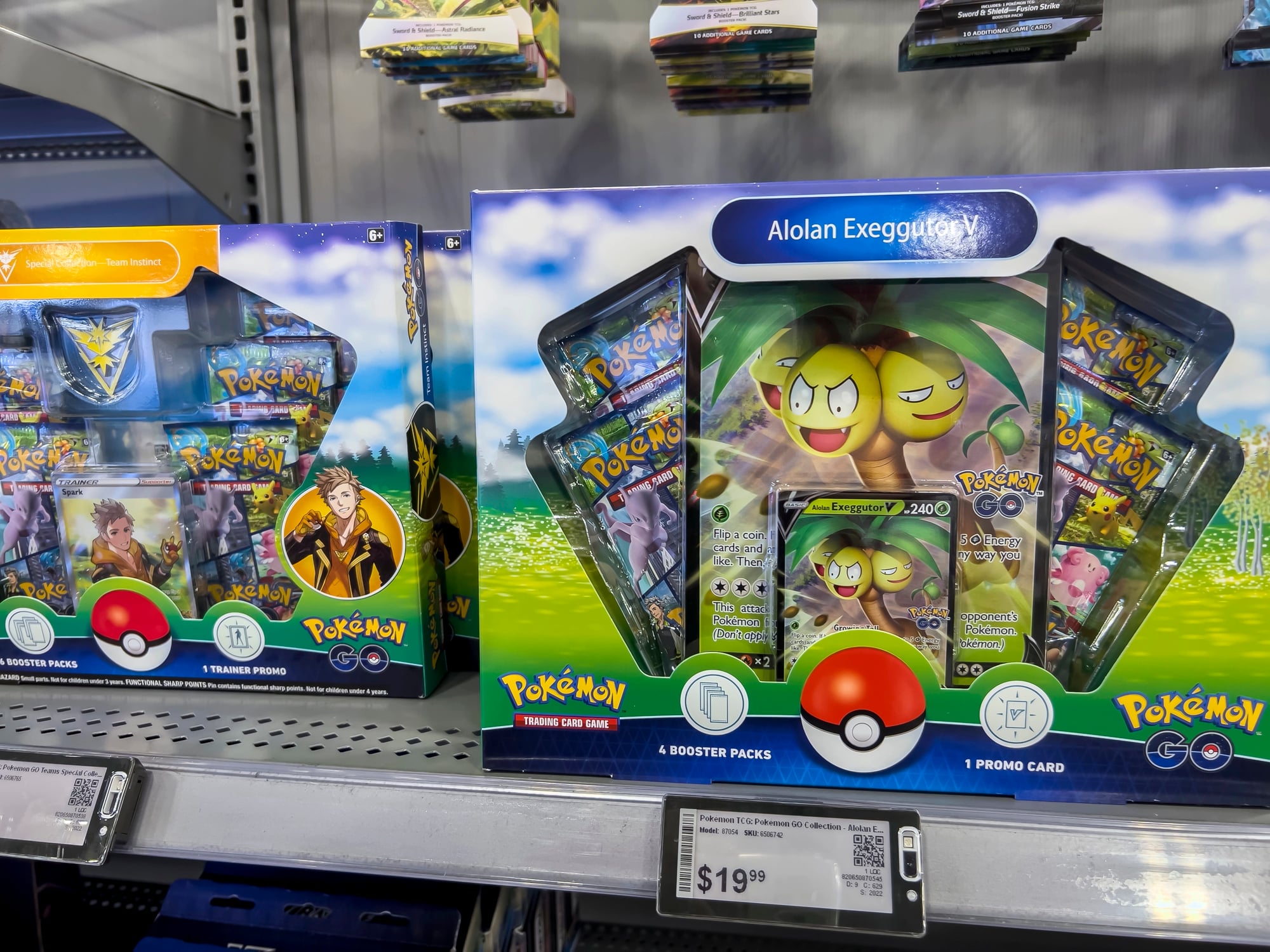
In 2001, the popular franchise of collecting creatures was banned in Saudi Arabia. The game, according to officials, incorporated prohibited religious symbols and promoted gambling and Zionism.
The star symbols and variously shaped crosses that were featured on certain cards were explicitly criticized by the Saudi authorities, which saw them as allusions to Israel and international Zionism. Both the trading card game and the video games were banned.
Minecraft
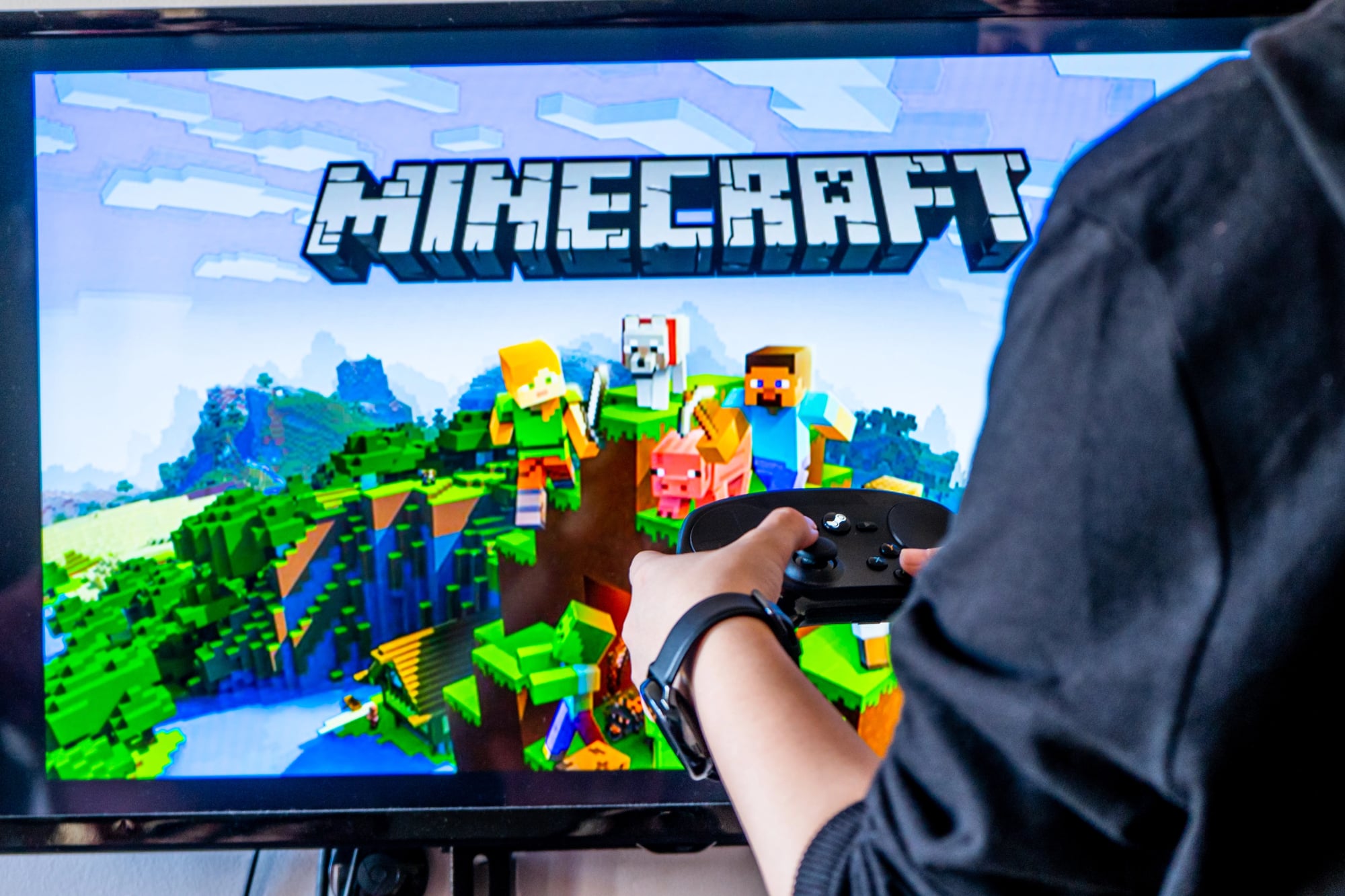
Unbelievably, in 2015, Turkey contemplated banning Minecraft. According to the Ministry of Family and Social Policies, the game may lead to social isolation and incite youngsters to employ violence against animals.
The fact that players in survival mode had to kill animals for food particularly disturbed officials. Following public outcry, Turkey finally chose not to impose the ban in spite of the probe.
Football Manager

Due to Tibet’s recognition as an independent nation, China banned this well-known sports management simulation. China’s position on territorial sovereignty was breached when the game’s team selection menu included Tibet as a separate country.
This seemingly insignificant gaming element becomes a significant political issue because the Chinese government has continuously insisted that Tibet is an essential component of China.
Command & Conquer: Generals
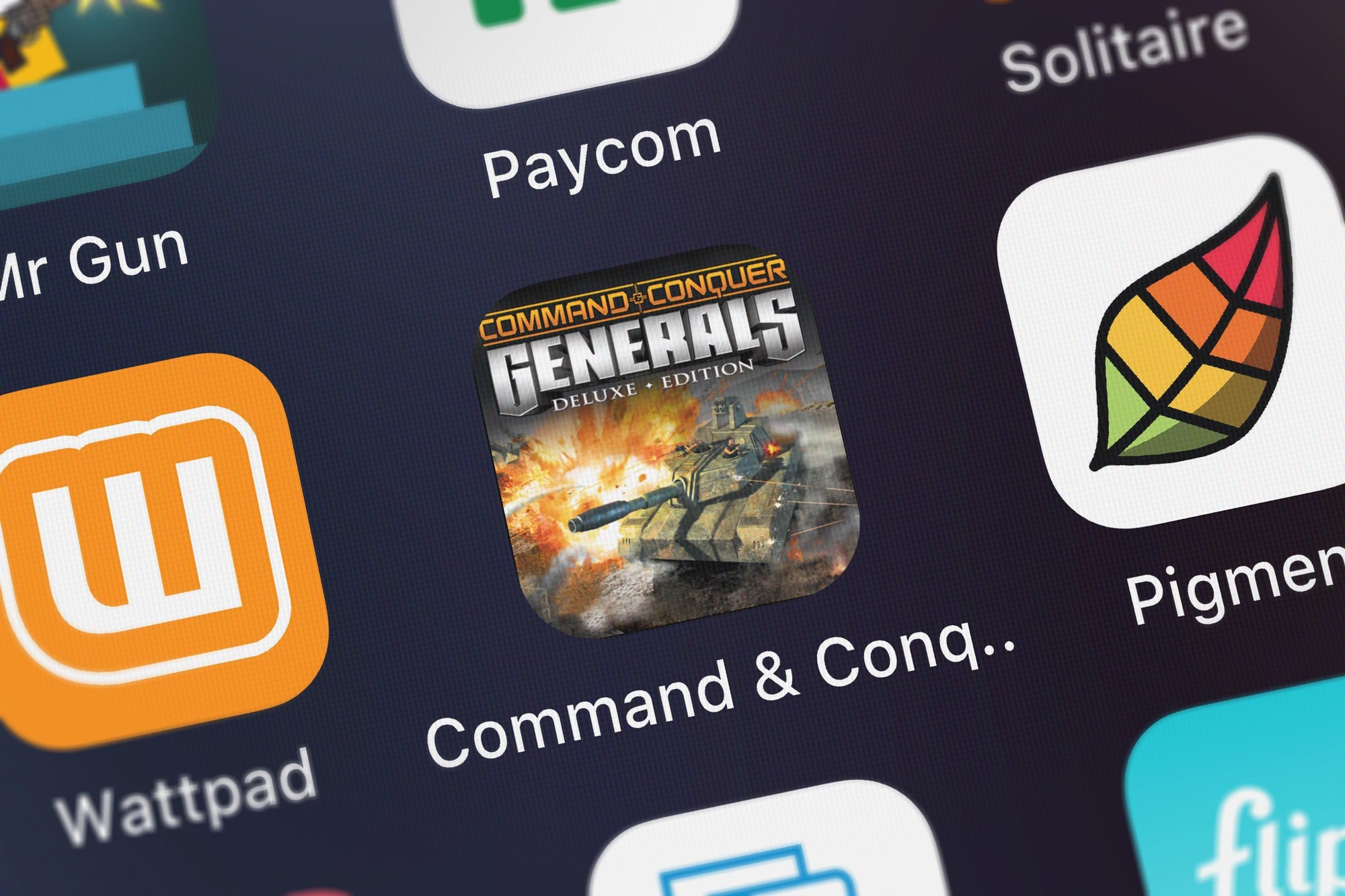
Germany banned this real-time strategy game due to its portrayal of realistic warfare. Under German law at the time, games could not depict violence against human-like characters in realistic war scenarios.
What made this ban particularly unusual was that many other war games with similar content continued to be sold in Germany. The ban was eventually lifted when Germany revised its entertainment software rating system.
Omega Labyrinth Z

This Japanese role-playing game was banned in Australia because it appeared to encourage child abuse. Regulators objected to the game’s dungeon-crawling adventure and its anime-style characters’ juvenile looks as well as some of the body-based gameplay elements.
In Australia and a number of other nations, the restriction persisted even after the developers insisted that all of the characters were adults.
EverQuest
Brazil banned this pioneering MMORPG in 2008 after a player allegedly committed violent acts that were inspired by the game. What makes this ban unusual is that the game had already been available worldwide for nearly a decade without similar incidents.
The ban stemmed from a single case rather than systematic research, leading many to criticize it as an overreaction and moral panic.
Carmageddon
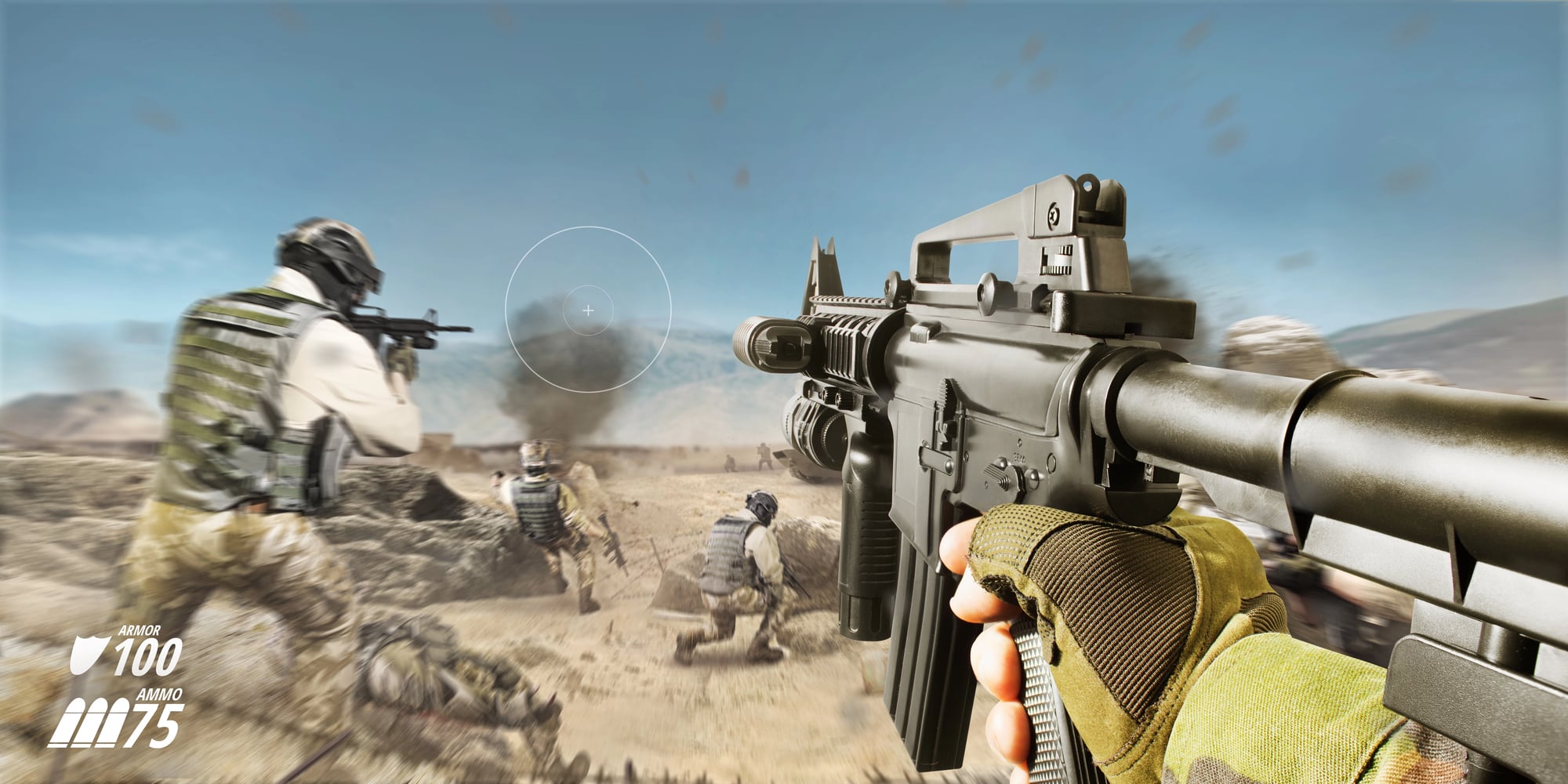
This vehicular combat game was temporarily banned in both the UK and Germany for its core gameplay, which involved running over pedestrians. What makes this ban strange is the solution: in some regions, the developers simply changed the pedestrians to zombies with green blood, and suddenly the game was deemed acceptable.
This cosmetic change highlighted the often arbitrary nature of game censorship.
Grand Theft Auto: San Andreas
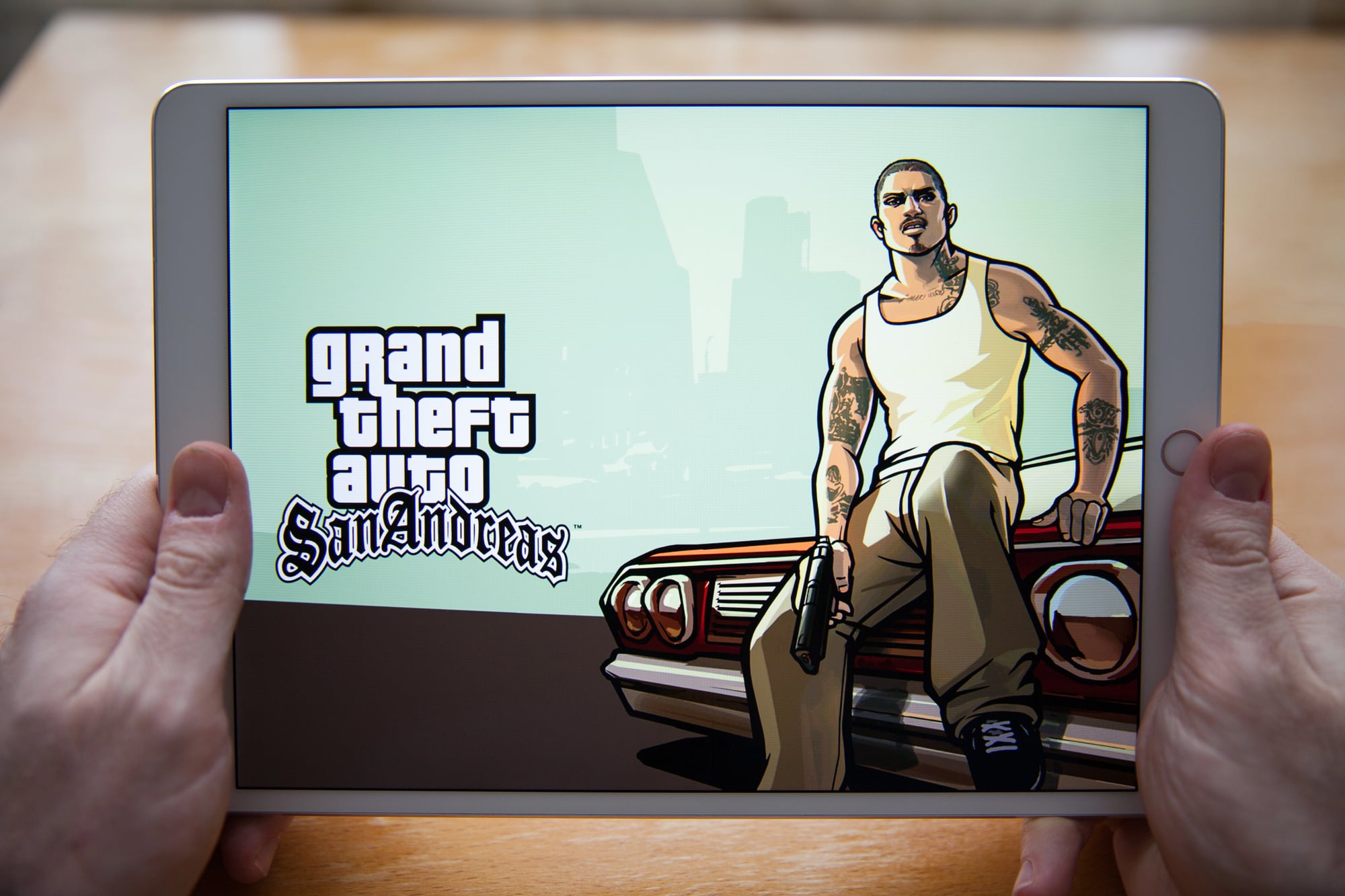
Australia temporarily banned this game following the discovery of the infamous ‘Hot Coffee’ modification. While the main game was already rated for adults, regulators took particular issue with this hidden, unused content that could only be accessed by modifying the game files.
The fact that content not actually accessible during normal gameplay led to a ban showcases the unique regulatory challenges of interactive media.
The Guy Game

This obscure title was banned in the United States due to a unique legal issue: one of the women featured in the game was underage when filmed. The game, which included footage of women exposing themselves, became illegal to sell overnight following a lawsuit.
What makes this ban notable is that it was one of the few times a game was removed from shelves for legal reasons unrelated to its content rating.
Manhunt 2
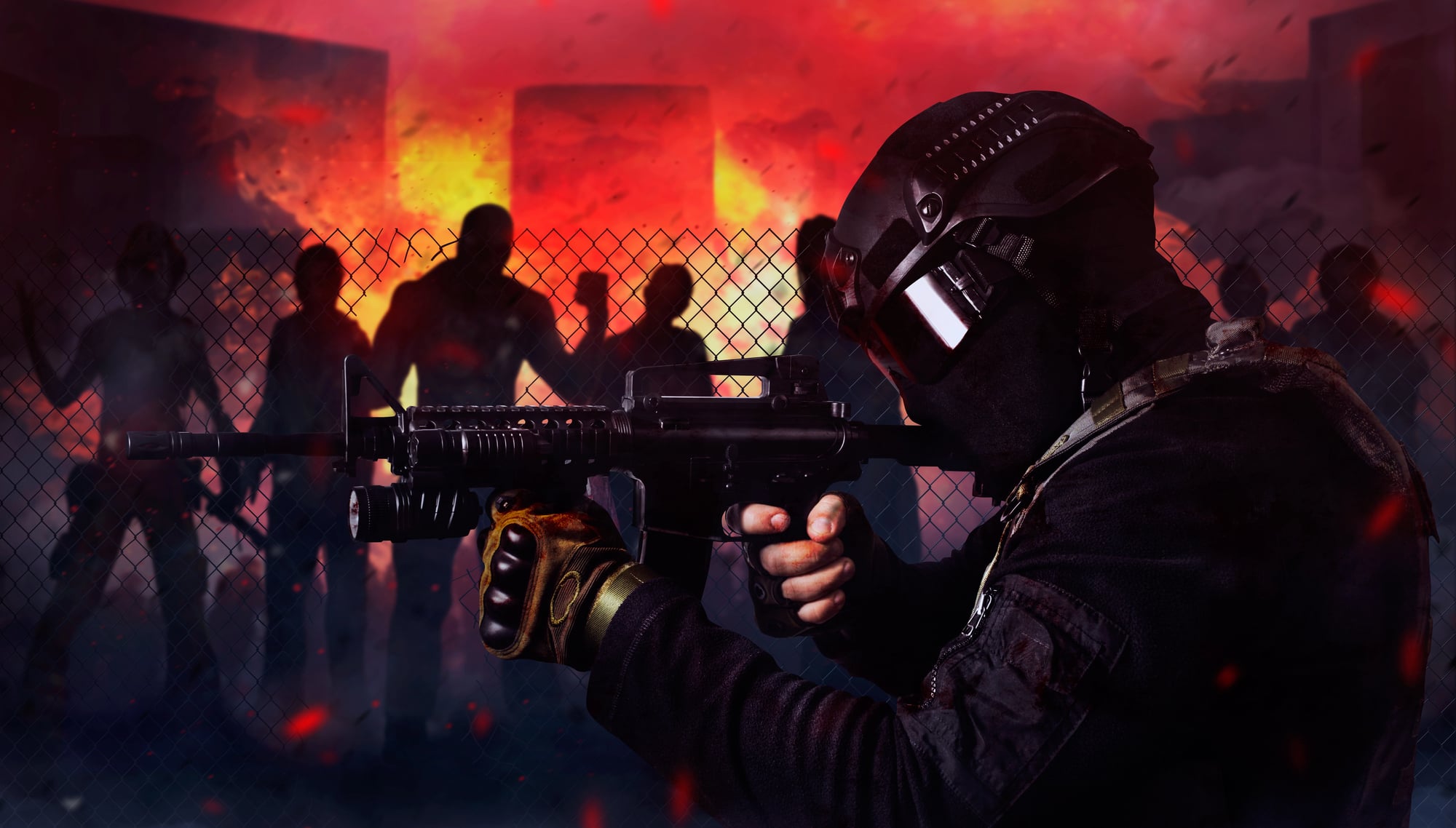
This survival horror game was initially banned in the UK, Ireland, and several other countries for its extreme depictions of violence. What makes this case unusual is that the developer, Rockstar Games, released a censored version with blurred execution scenes, which regulators still deemed too violent.
This incident highlighted the subjective nature of content regulation across different regions.
Fallout 3
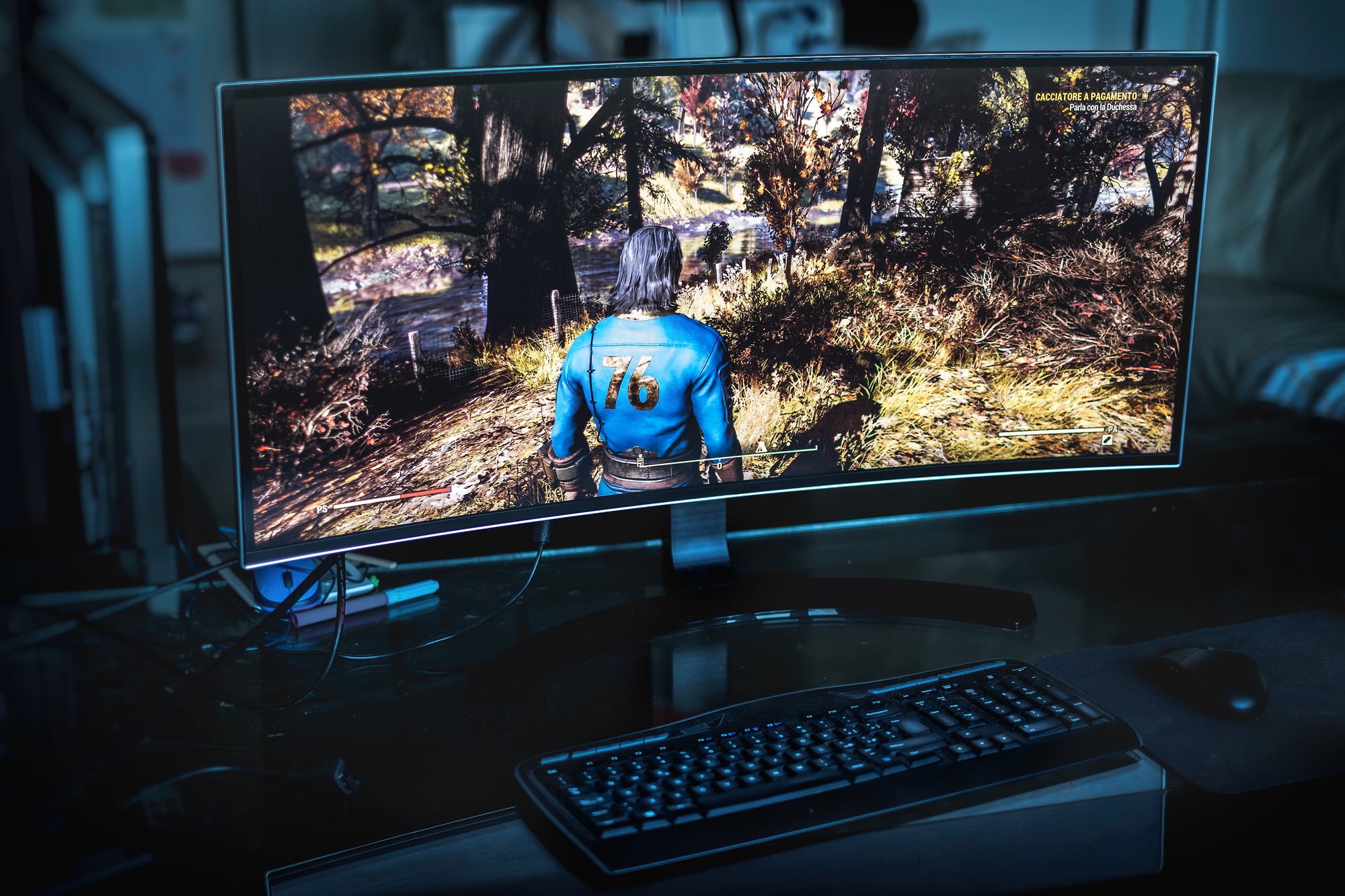
Australia initially banned this post-apocalyptic RPG not for its violence or mature themes, but specifically because players could use morphine as a healing item. Regulators objected to the positive portrayal of a real-world controlled substance.
The developers simply renamed the item ‘Med-X,’ and the game was promptly approved, demonstrating how superficial some censorship decisions can be.
Bully
Brazil banned this school-based adventure game over concerns that it would negatively influence children. Despite the fact that the game actually discouraged bullying behavior and punished players who acted as bullies, officials felt that the mere setting and title were problematic.
The case became even stranger when psychologists who reviewed the game found it potentially beneficial for teaching conflict resolution, yet the ban remained.
South Park: The Stick of Truth
This RPG based on the animated series faced censorship in Europe and Australia, but the unusual part was how the censorship was implemented. Rather than removing offensive content entirely, the developers replaced certain scenes with text descriptions of what was happening alongside an image of a crying koala or European flag.
This creative solution highlighted the absurdity of region-specific censorship.
Valkyrie Drive: Bhikkhuni
This action game was banned in several countries including Germany and Australia for its suggestive content involving female characters. What made this ban particularly notable was its inconsistency with other similar Japanese games that remained available.
The selective enforcement suggested that regulators were making somewhat arbitrary decisions rather than following clear guidelines.
Mass Effect
Singapore initially banned this science fiction RPG due to a brief scene depicting a same-sex relationship between a human woman and a female-presenting alien. The ban was especially peculiar because the game allowed players to avoid this content entirely through in-game choices.
After public backlash, Singapore reversed its decision and released the game with an M18 rating instead.
Wolfenstein

The 2009 Wolfenstein reboot was banned in Germany for including Nazi symbols like swastikas. What made this ban unusual was that Germany had historically allowed such symbols in educational or historical contexts, including films, but not in video games.
This distinction highlighted how games were treated differently from other media. Germany has since revised these laws, recognizing games as cultural products.
Animal Crossing: New Horizons
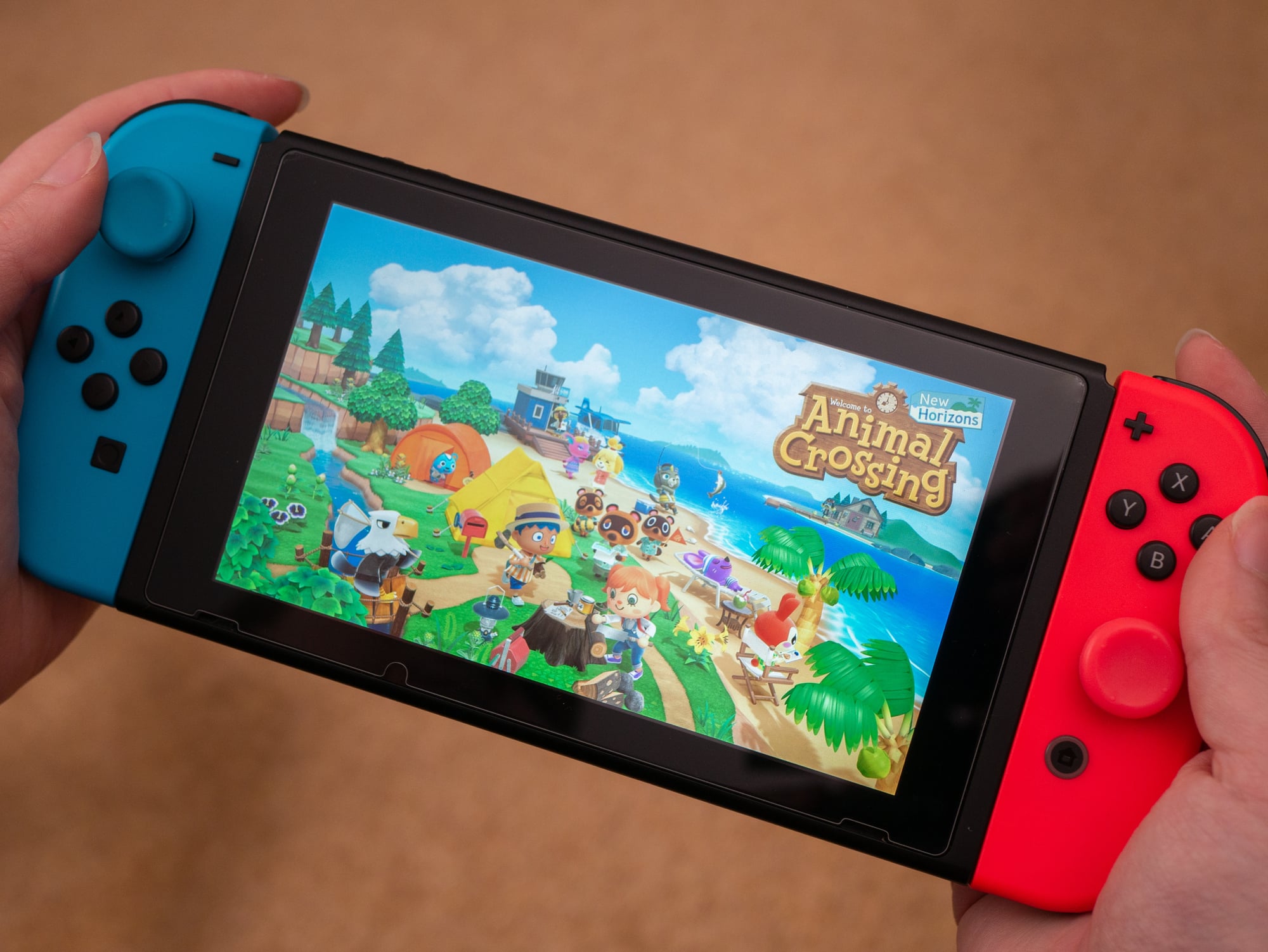
This peaceful life simulation game was informally banned in China after Hong Kong protesters began using it as a virtual meeting place during the 2020 protests. Players created pro-democracy slogans and in-game areas resembling protest sites.
The unofficial ban occurred when Chinese online marketplaces suddenly stopped selling the game, showcasing how even the most innocent games can become political battlegrounds.
Beyond Entertainment

These unusual bans reveal how video games exist at the intersection of art, technology, politics, and culture. Often, these restrictions say more about the societies imposing them than about the games themselves.
As the medium continues to mature, the conversation around game censorship evolves too, with more countries developing nuanced approaches to regulation rather than implementing outright bans.
More from Go2Tutors!

- The Romanov Crown Jewels and Their Tragic Fate
- 13 Historical Mysteries That Science Still Can’t Solve
- Famous Hoaxes That Fooled the World for Years
- 15 Child Stars with Tragic Adult Lives
- 16 Famous Jewelry Pieces in History
Like Go2Tutors’s content? Follow us on MSN.