Ways the Walkman shaped music fans
When the Walkman came out in the late ’70s, it did more than just play tapes. It made music feel personal.
It took songs off the living room shelf and put them right into people’s pockets. Fans could finally walk around with their music — and that changed everything.
It’s hard to overstate how much this little cassette player shaped how people listened, felt, and lived with music. Here’s how it left its mark.
Listening got personal
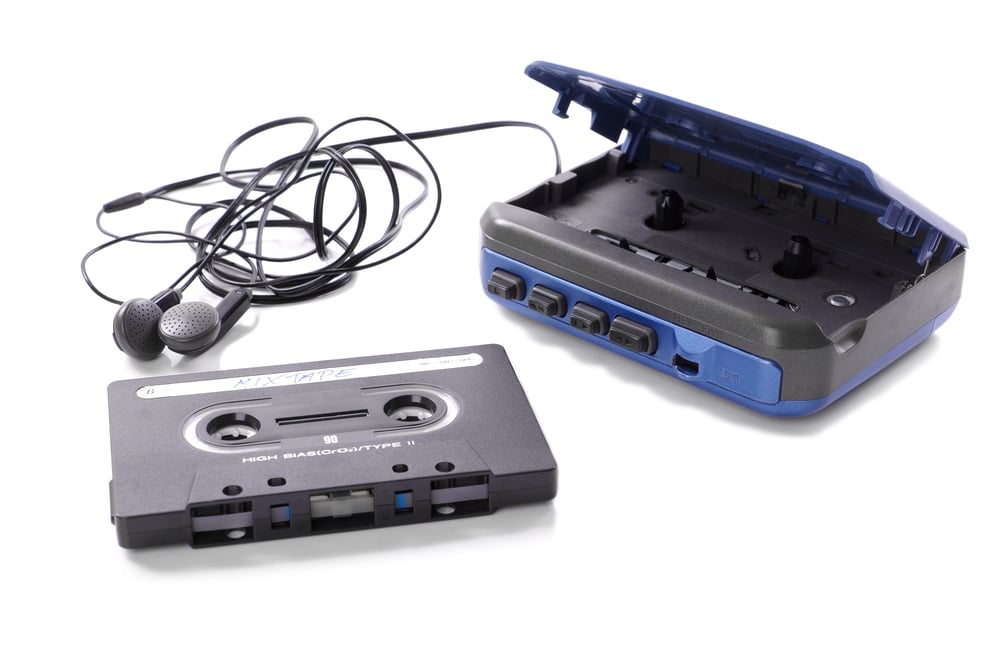
Before the Walkman, music was mostly shared through speakers — at home, in cars, or out loud with friends. But the moment someone put on those foam-covered headphones, it felt like the music was just for them.
It made lyrics hit differently, like the artist was speaking directly into their ear. People could cry, sing along, or just zone out without anyone knowing. That kind of private connection hadn’t existed before.
You could take your music anywhere
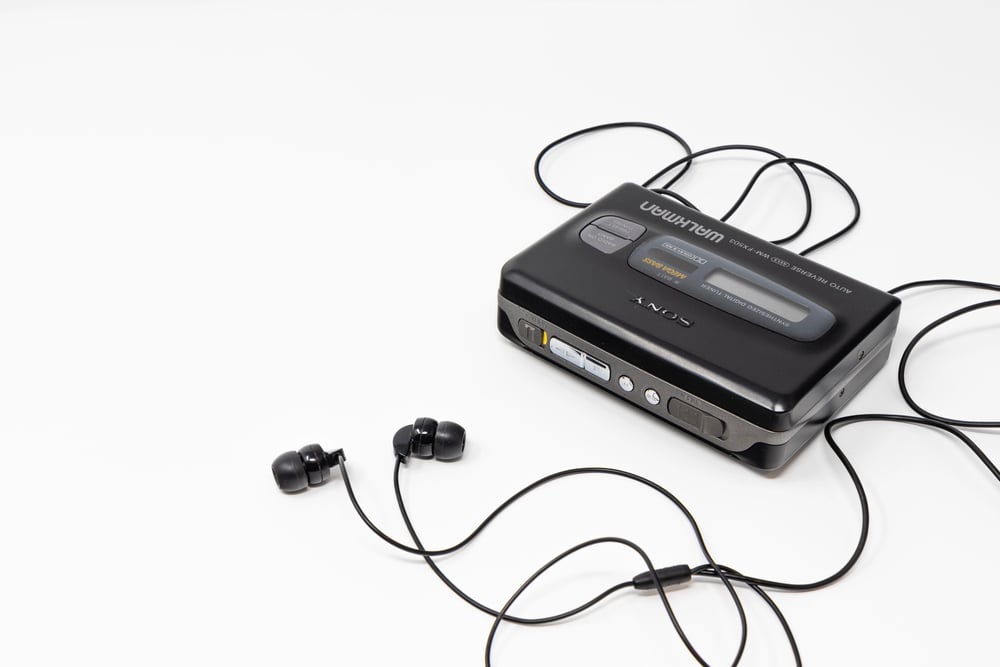
This was the first time music truly became portable. People clipped a Walkman to their waistband and took their favorite tapes everywhere — walks, bus rides, grocery runs, you name it.
It gave music a whole new role in everyday life. Suddenly, your favorite songs weren’t just for special moments — they were for every moment. It made the ordinary feel a little better.
Mixtapes meant everything
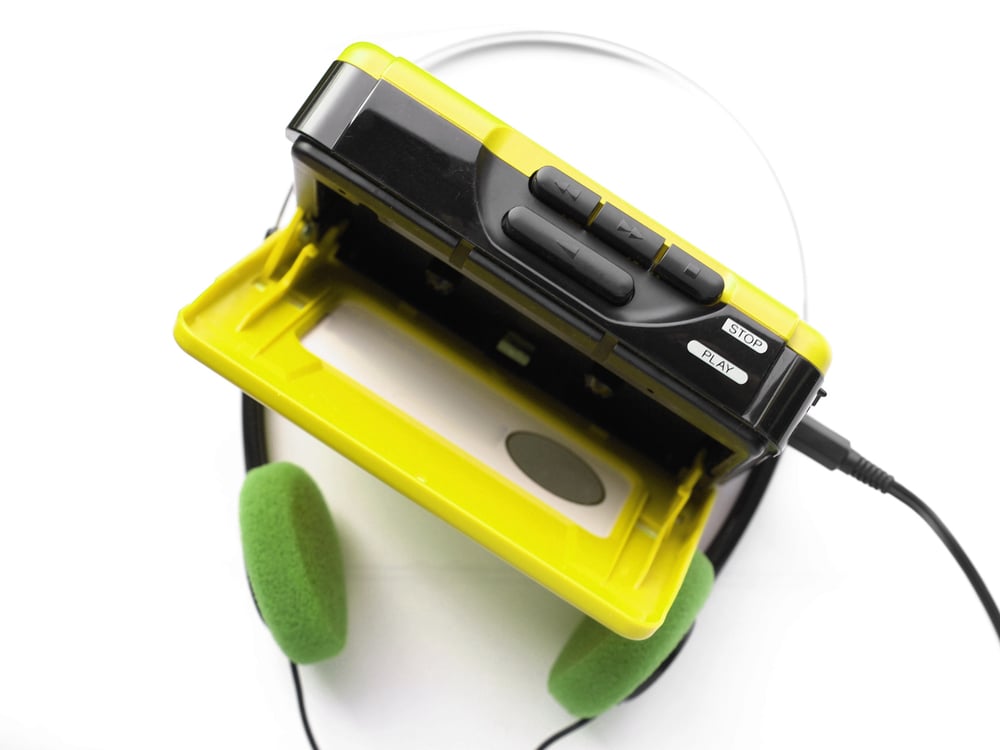
Creating a mixtape wasn’t just about recording songs — it was an art form. People spent hours picking the perfect order, timing transitions, and sometimes even recording little voice messages between tracks.
Giving someone a tape you made felt personal, almost like a letter. The Walkman made those tapes easy to carry and replay, again and again. It made sharing music more thoughtful and emotional.
Albums actually got played through
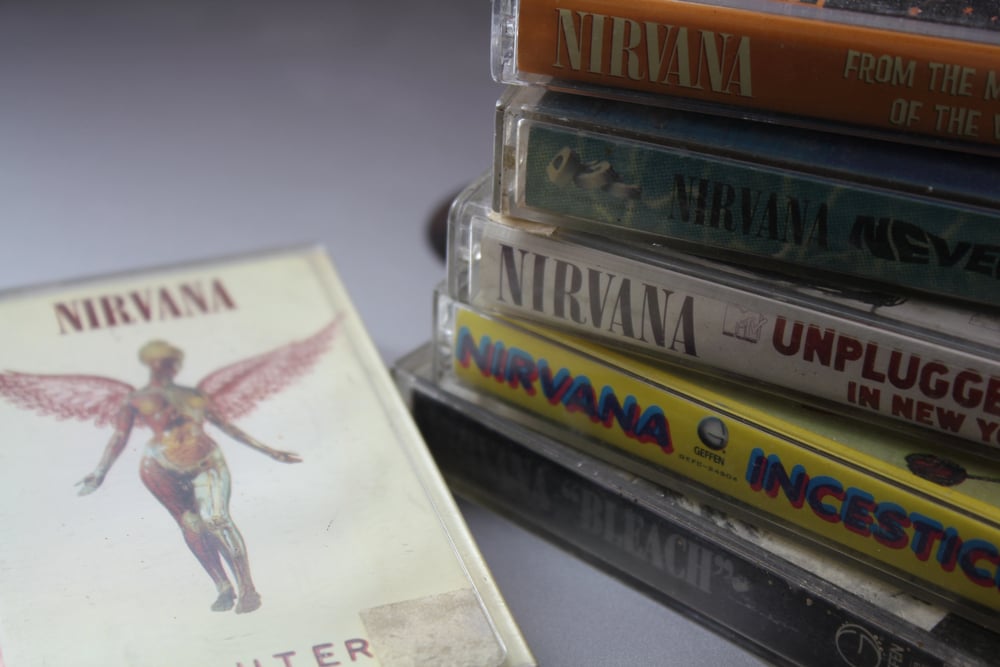
With cassettes, there was no quick skip button. People usually played an album from start to finish, whether they meant to or not.
That gave deeper cuts a chance to grow on listeners. Songs that weren’t hits started to become favorites just from repeat plays. It taught fans to appreciate albums as a whole, not just one or two songs.
Running with music became a thing
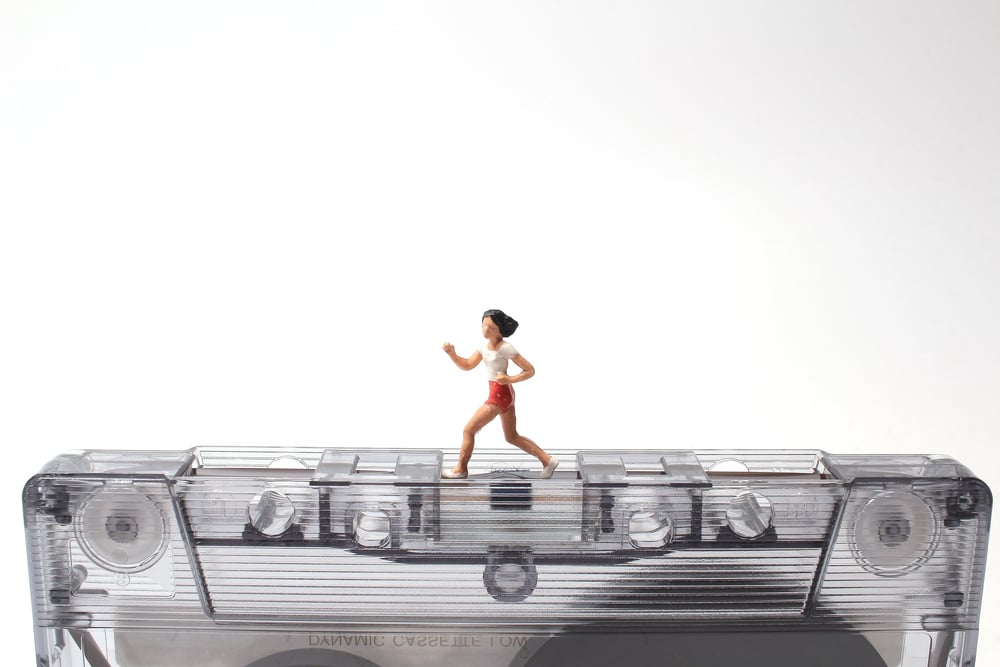
Before the Walkman, jogging was quiet and, frankly, kind of boring. Once people started running with music in their ears, it completely changed the experience.
Music gave workouts energy, rhythm, and motivation. It made long runs feel shorter and tough workouts more fun. For many, it was the first time exercise actually felt enjoyable.
Songs started matching moods
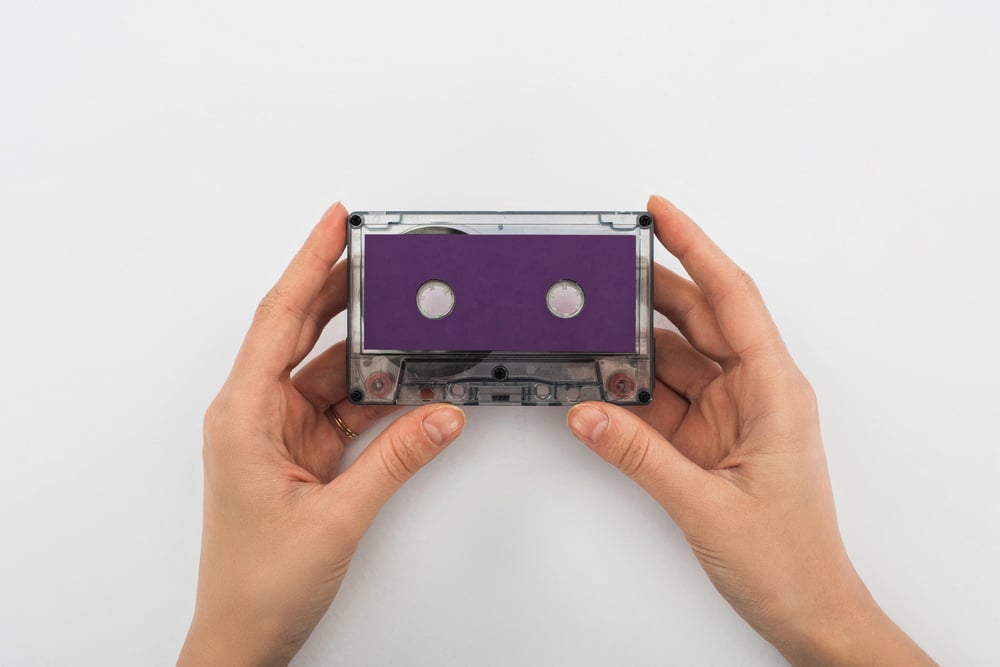
The Walkman gave people control over what they heard and when. If you were sad, you could play a tape full of slow songs.
If you needed a boost, you’d reach for something fast and loud. It helped fans learn how to use music to manage their mood or mindset. Over time, people started building little soundtracks for their day-to-day life.
People paid more attention to sound

Listening through headphones brought out sounds that were easy to miss on a stereo. Background harmonies, guitar riffs, or even the scratchy sound of the tape itself — everything felt closer.
Fans started to notice the small details in production. Some began to recognize producers, not just singers. It helped create more careful, curious listeners.
Teens finally had some space
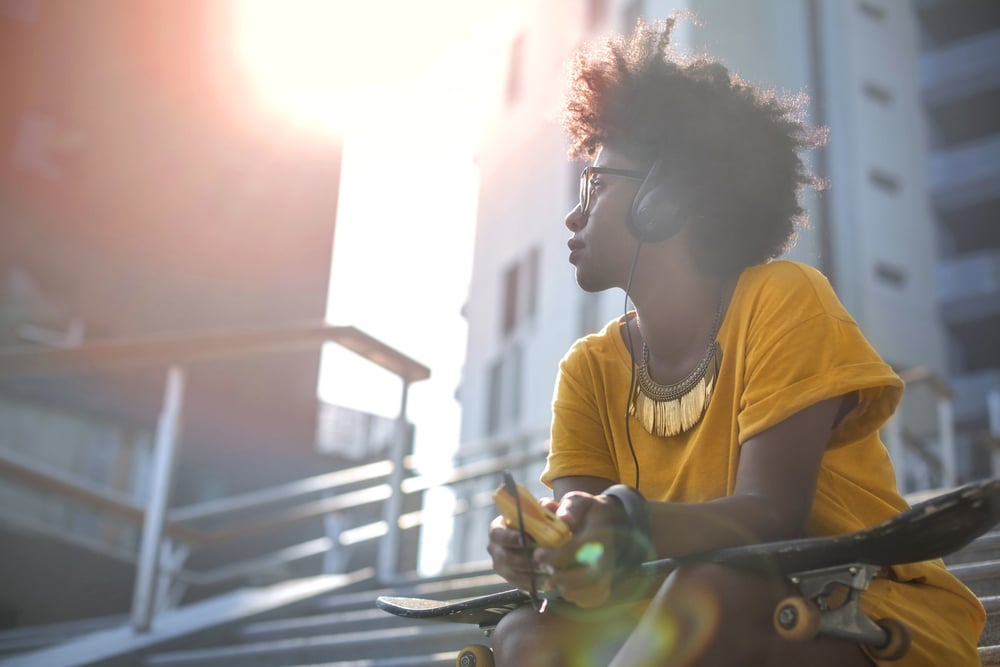
Life for teenagers can feel noisy and crowded — at home, at school, everywhere. The Walkman gave them a way to carve out a bit of quiet.
Just pop on headphones and zone out, even if the room was full of people. For many, it became a safe space where they could think, dream, or just disappear for a while. It made music feel like a private retreat.
Boring moments weren’t so boring
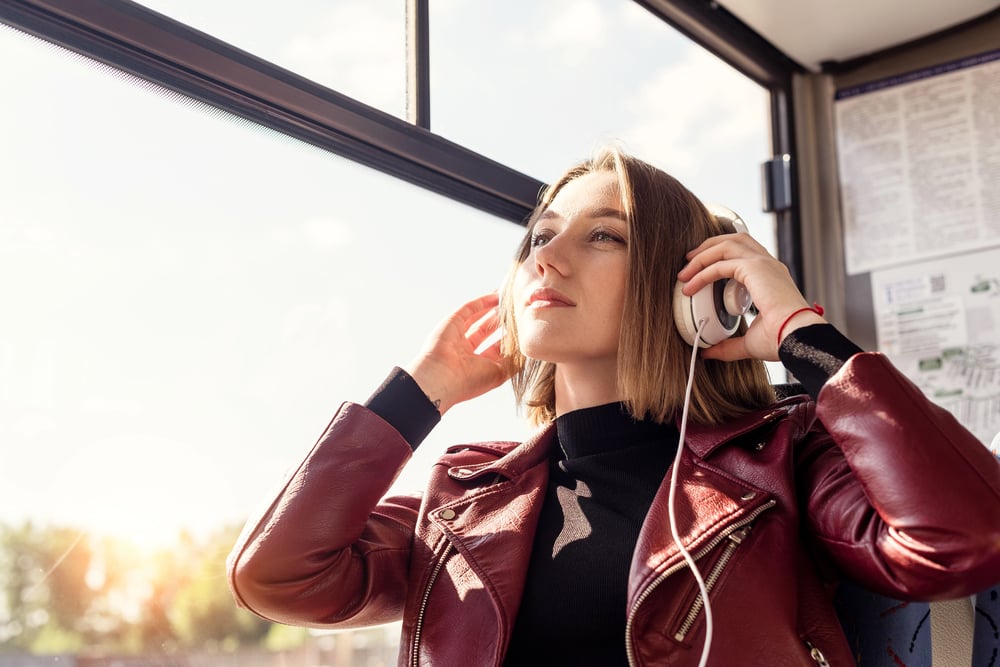
Waiting in line or sitting on the bus wasn’t exciting, but the Walkman made those quiet stretches more bearable. Instead of staring out the window, people had their own little soundtrack.
It gave the day more rhythm and made time feel like it was passing faster. Even chores like folding laundry or mowing the lawn got easier with a tape playing. Music made everything a little less dull.
Certain songs stuck with memories
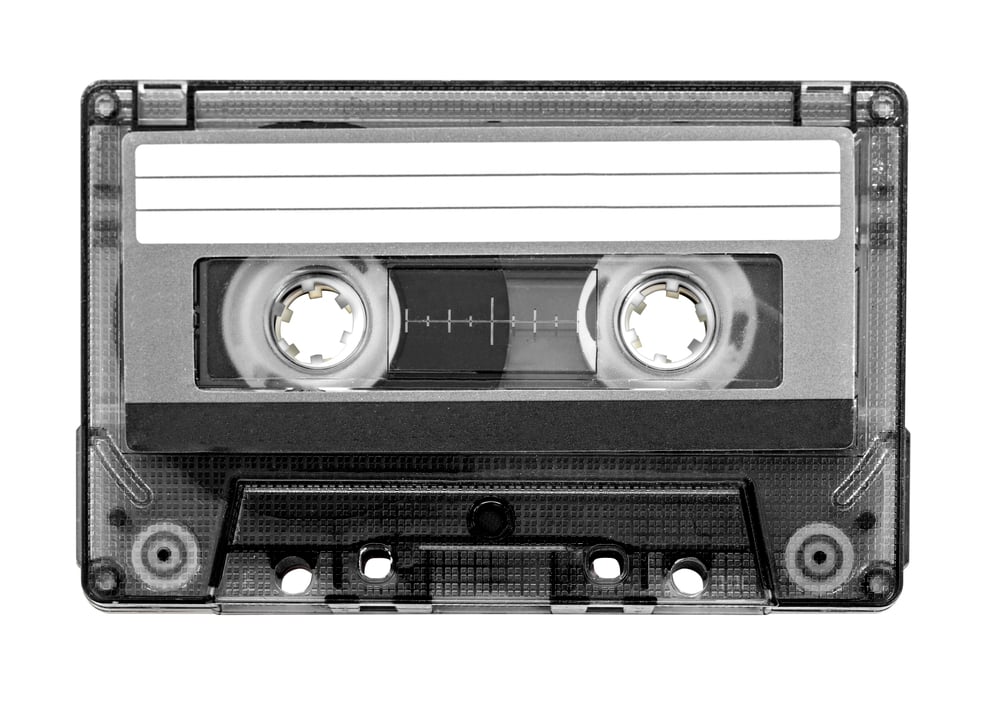
Because people had their music with them all the time, certain songs got tied to specific life moments. A song you played during a vacation or while going through a breakup stayed with you forever.
The Walkman was there during those big and small moments, making music part of the memory. Even today, someone might hear a track and get pulled right back to that time. It gave songs a deeper emotional anchor.
Headphones became part of the look
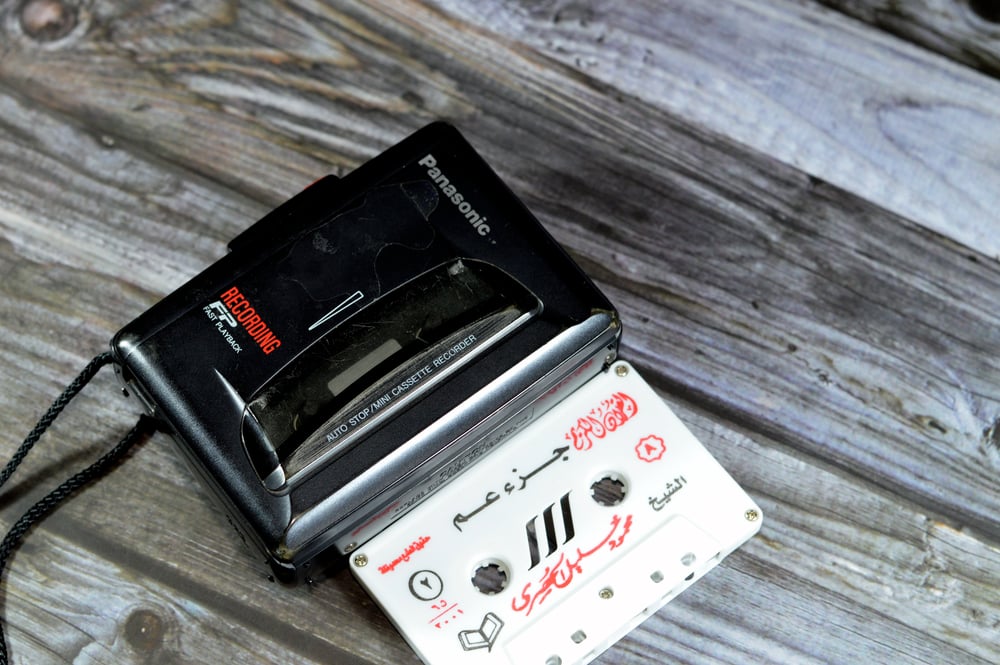
At first, those bright orange headphones looked kind of silly — but soon they were everywhere. People wore them proudly, like a badge that said, “I love music.”
It became part of personal style, especially for teens. What was in your Walkman mattered, but so did the fact that you had one. Music became part of how people presented themselves.
Music taste became part of identity
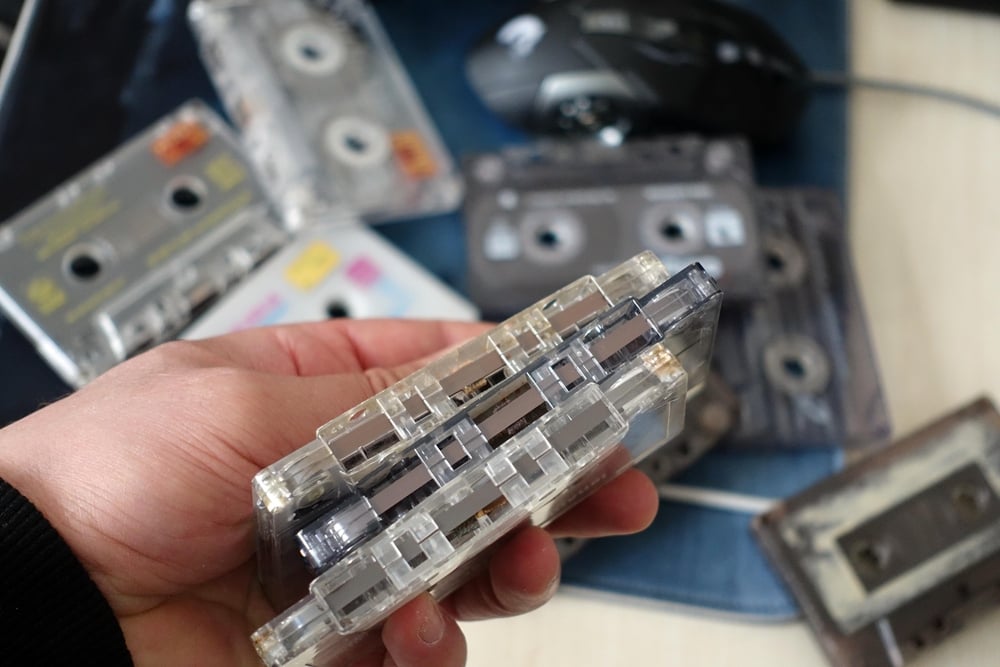
Your tape collection said something about you. Were you into punk, pop, metal, or love songs?
Sharing what you listened to was like sharing a piece of your personality. The Walkman made that easy — it was always with you, always playing. It helped shape how people saw themselves and how others saw them.
Routines started forming around music
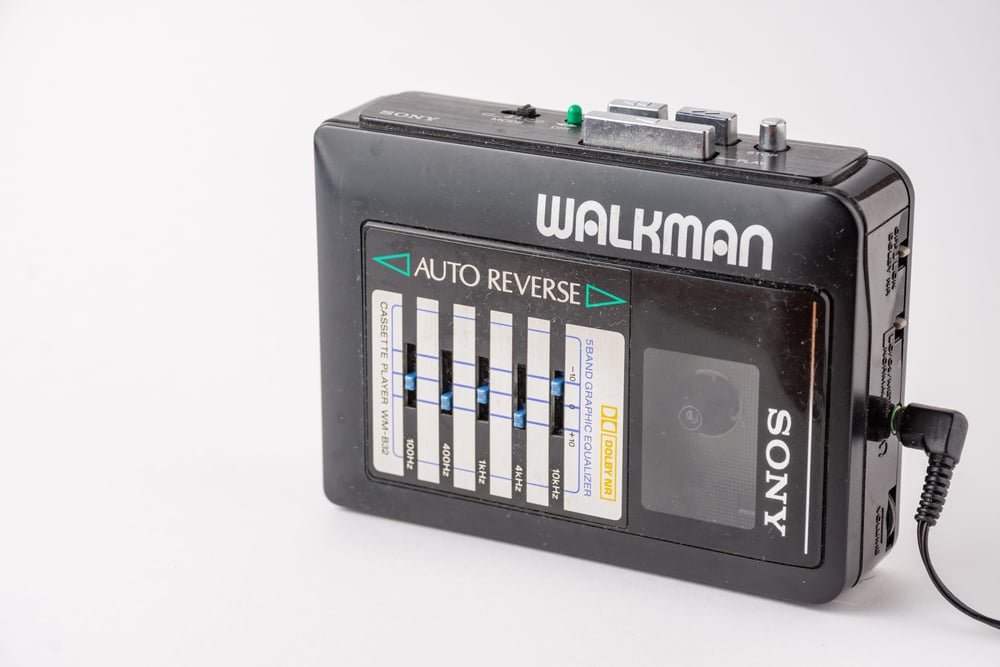
People started building parts of their day around certain tapes. Some had a morning mix to get going, others had slow tracks for winding down.
The Walkman made it easy to stick with those habits. Music started shaping the flow of the day. It became a steady part of people’s daily life.
Going to shows felt more personal
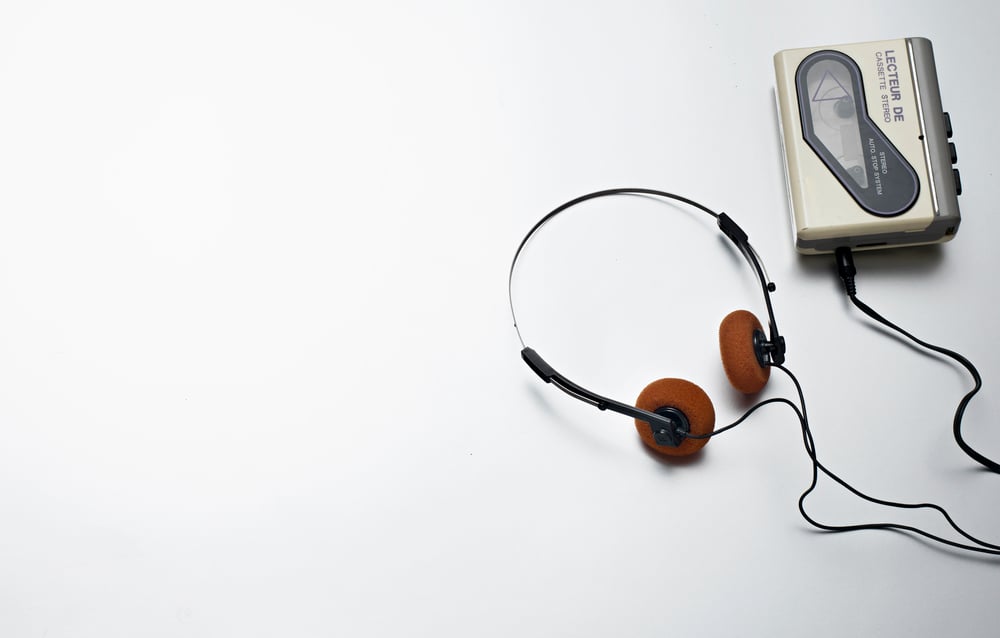
When someone had listened to the same album over and over through headphones, seeing that band live meant something more. Every lyric felt familiar.
Every drum beat felt like an old friend. The Walkman turned regular fans into serious ones. Going to a concert wasn’t just about fun — it was about connection.
Playlists started with tapes
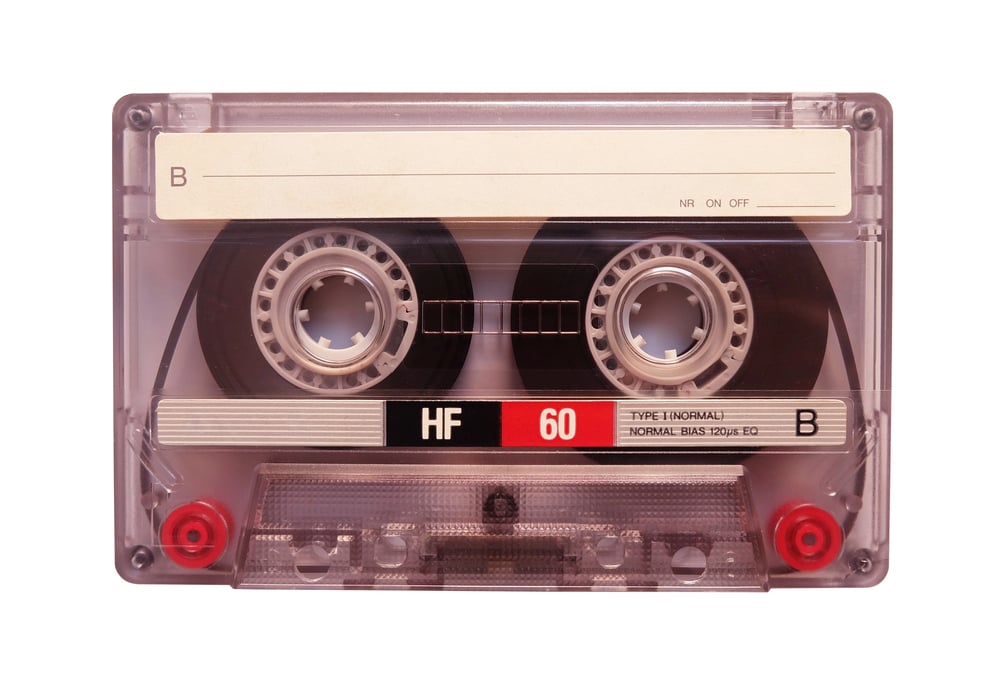
Before streaming, there were mixtapes. Fans would carefully put together tracks to match a mood, tell a story, or just set a vibe.
It was the beginning of what playlists are today. The Walkman let people carry those mixes everywhere. It taught a whole generation how to build their own soundtrack.
The habits never really left
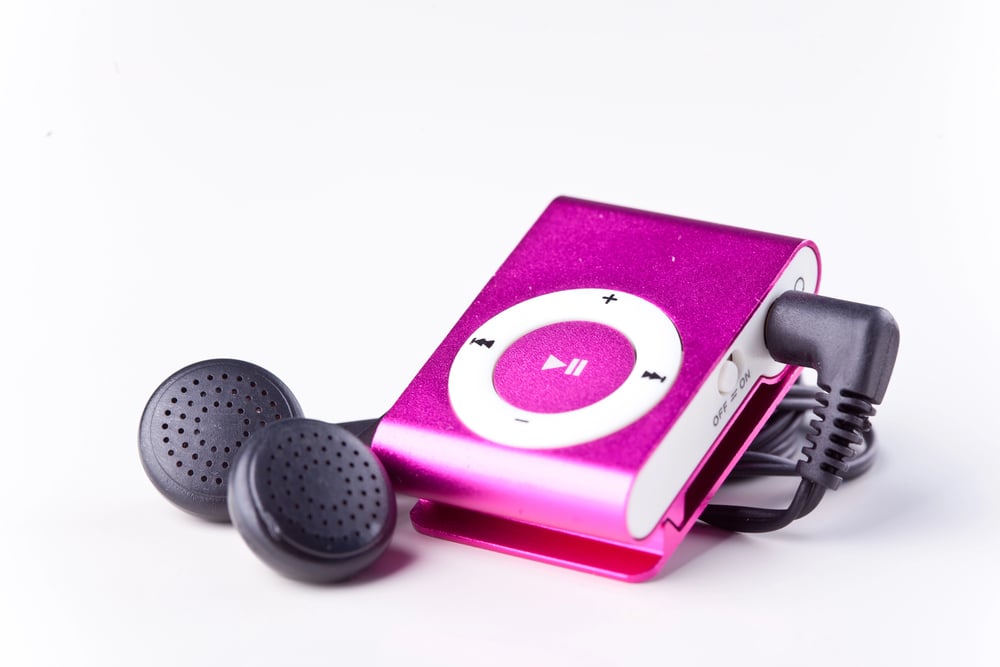
The Walkman isn’t around anymore, but the way it changed music never really faded. People still walk around with headphones, still build playlists, still let music set the tone for their day.
All those little habits — the mood-matching, the personal listening, the mixtape making — started with that plastic player and a couple AA batteries. The tech has changed, but the love for music-on-the-go? That’s still going strong.
More from Go2Tutors!

- The Romanov Crown Jewels and Their Tragic Fate
- 13 Historical Mysteries That Science Still Can’t Solve
- Famous Hoaxes That Fooled the World for Years
- 15 Child Stars with Tragic Adult Lives
- 16 Famous Jewelry Pieces in History
Like Go2Tutors’s content? Follow us on MSN.



