28 Antique Silver Dollars Worth Checking
Somewhere in a dresser drawer, a coffee can, or an inherited jar of loose change, a heavy old silver dollar may be sitting unnoticed. Most are worth a bit above melt value.
A few are worth more than a house. The difference often comes down to a date, a tiny mintmark, or a die quirk visible only under a loupe.
These are the types and varieties that separate a quick sale from a very good day. Value for every coin below depends heavily on condition and grade, so a worn example and a pristine one can sit worlds apart.
1794 Flowing Hair Dollar
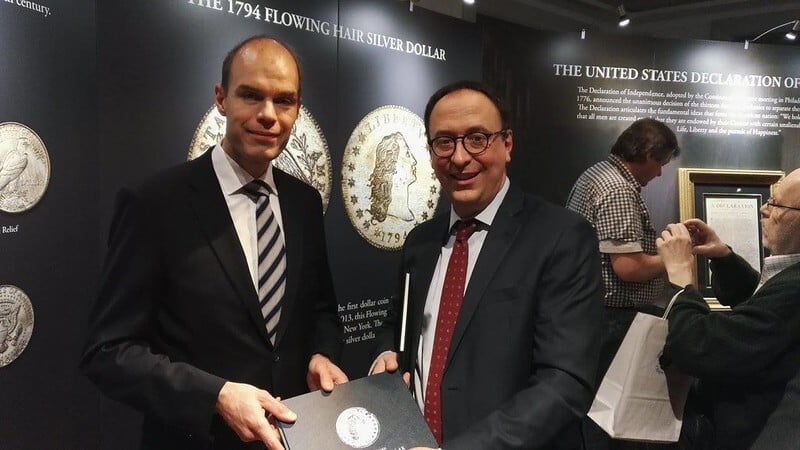
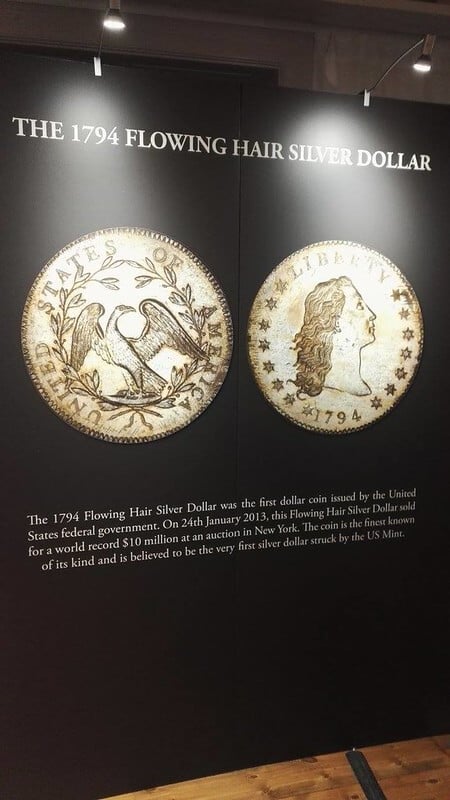
The first silver dollar struck by the United States Mint was also one of the shortest-lived designs in American coinage. A mintage of 1,758 pieces was delivered to the Treasury in October 1794, and the dies cracked early.
The finest known example, a specimen from the Cardinal collection, sold for $12 million in 2022, a record for a silver dollar at the time. Typical survivors are heavily worn and sell for far less, since price tracks grade almost step for step.
1795 Flowing Hair Silver Plug Dollar
Early Mint workers sometimes found a planchet too light, so they drilled out a bit of the coin blank and pressed in a small silver plug to bring it up to weight. The patch was then struck into the coin and often remains visible as a faint circle on the surface.
These Silver Plug dollars are among the most distinctive oddities of the 1795 Flowing Hair issue. Collectors treat the plug as a feature rather than a flaw, though condition still drives the price.
1795 Draped Bust Small Eagle Dollar
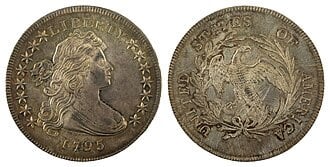
The Draped Bust portrait arrived in late 1795 and replaced the wild-haired Liberty of the Flowing Hair design. The design is credited to Robert Scot and is often linked to a sketch by painter Gilbert Stuart.
The reverse shows a small eagle perched inside a wreath, which is why collectors call this the Small Eagle type. Because the type was replaced by the Heraldic Eagle reverse after 1798, a clean example is harder to find than the date might suggest.
1797 Draped Bust Dollar, Ten Stars Left
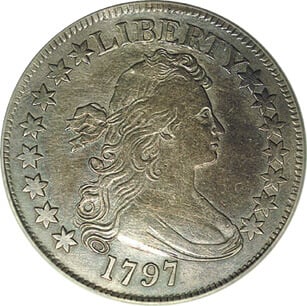
Stars on early dollars were not placed casually. Sixteen states were in the Union in 1797, and the Mint split the stars into groups on either side of the portrait, producing a 9 over 7 arrangement and a 10 over 6 arrangement.
The difference is visible without magnification, which makes this an easy variety to check. Each pairing carries its own premium, and a dealer will price the two differently.
1798 Draped Bust Small Eagle Dollar
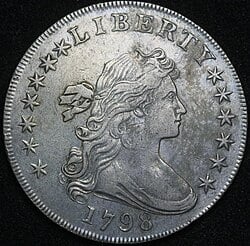
The 1798 dollar was struck in two obverse star counts, thirteen and fifteen, and the reverse carries the same small eagle used in 1795. Fifteen stars reflected the Union’s growth at the time, while thirteen stars looked back to the original states.
The Heraldic Eagle replaced the small eagle design later in 1798, so a Small Eagle date is the rarer find. Check the star count first, because it can change the value significantly.
1804 Draped Bust Class I Dollar
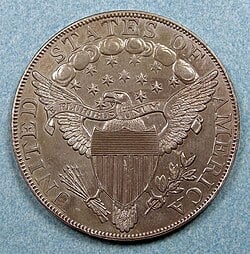
The famous 1804 dollar was not struck in 1804. The earliest pieces, known as Class I, were made in the 1830s as diplomatic presentation sets, and the date on the coin was simply frozen at 1804.
Only 15 are known, and one example from the Stickney collection sold for $3,360,000. Copies and replicas are everywhere, so any suspected original needs authentication by a major grading service before anyone gets excited.
1836 Gobrecht Dollar
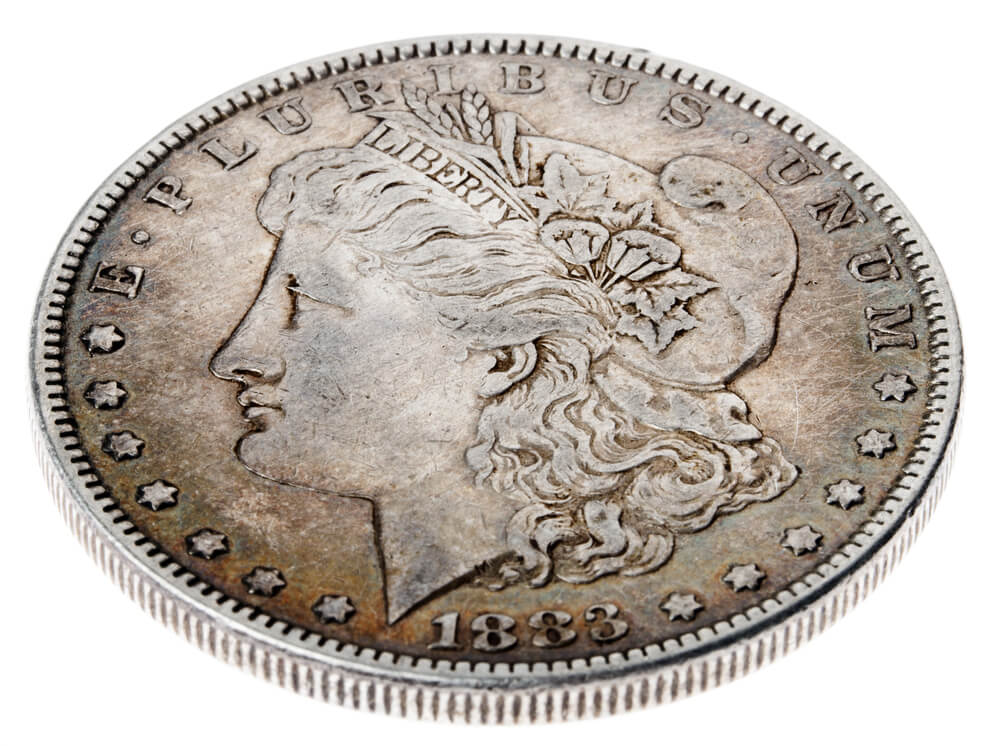
After a gap of more than 30 years, the Mint returned to silver dollar production in 1836 with a design by Christian Gobrecht. The seated Liberty on the obverse was based on artwork by Thomas Sully, and the flying eagle on the reverse is surrounded by stars.
Gobrecht signed the coin on the base of the figure, which is why the pieces carry his name. Roughly 1,000 were struck for circulation, and many of these coins were struck in medal alignment, which leaves the reverse upside down relative to the front when flipped like a page.
1839 Gobrecht Dollar
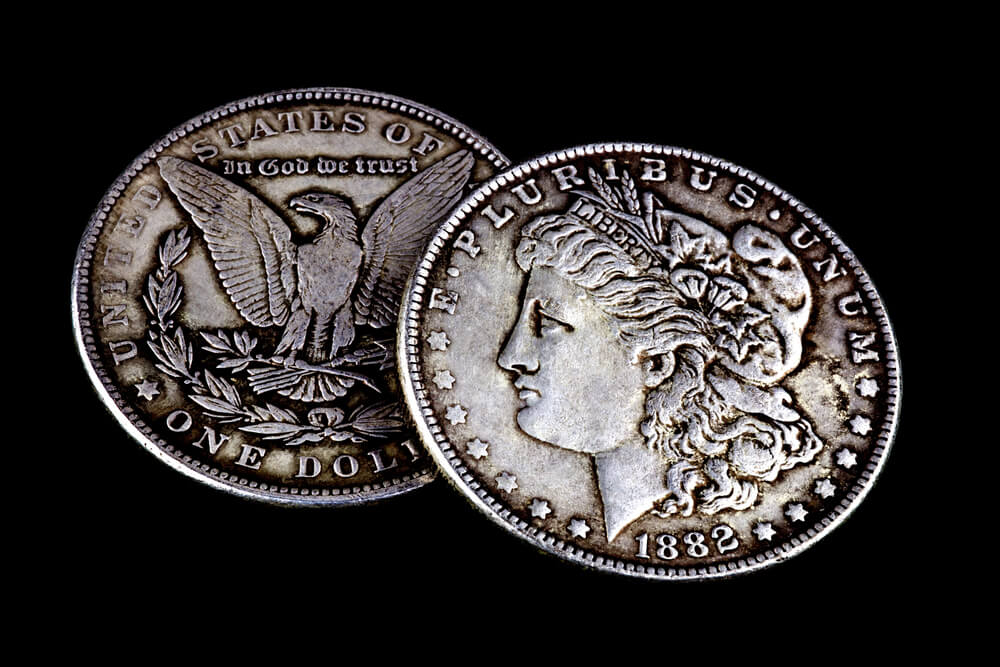
Another batch of Gobrecht dollars arrived in 1839, this time with a mintage of roughly 300 pieces. These coins were struck in a limited run, and silver dollars of the era still tended to be exported or melted rather than spent at home.
Survivors are scarce and are priced as much for rarity as for grade. Because Gobrecht dollars include both patterns and regular issues, a specialist reference is worth consulting.
1851 Seated Liberty Dollar
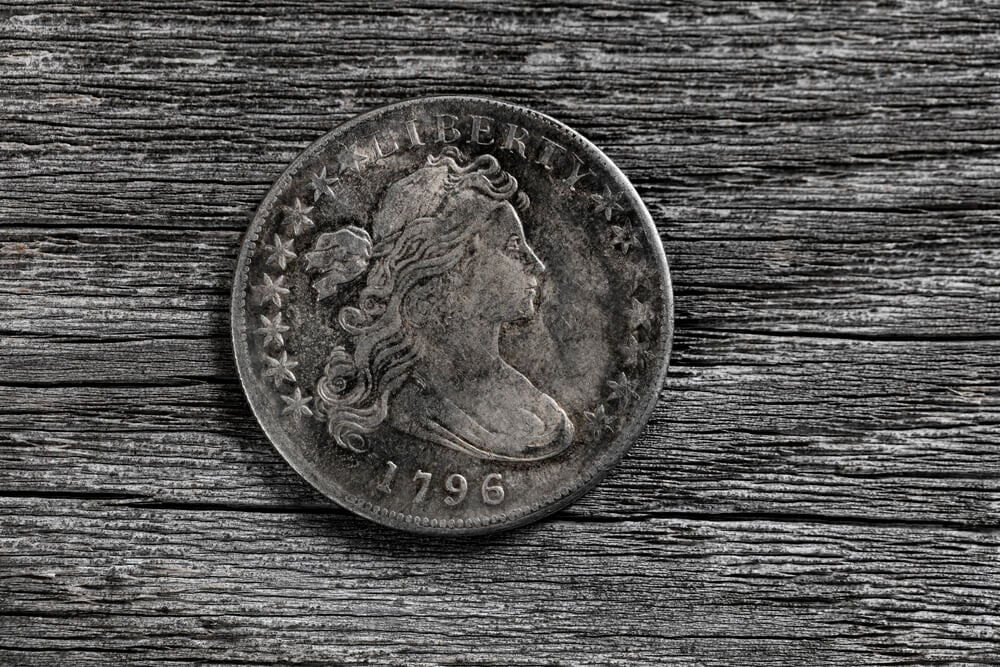
The Seated Liberty dollar was a regular production coin for decades, but the 1851 date is a major outlier. Only about 1,300 were struck, and most of the issue was apparently melted or exported.
California gold had pushed the value of silver high enough that dollars were worth more as metal than as money. A clear 1851 date is the first thing to check on any old seated dollar.
1858 Seated Liberty Proof Dollar
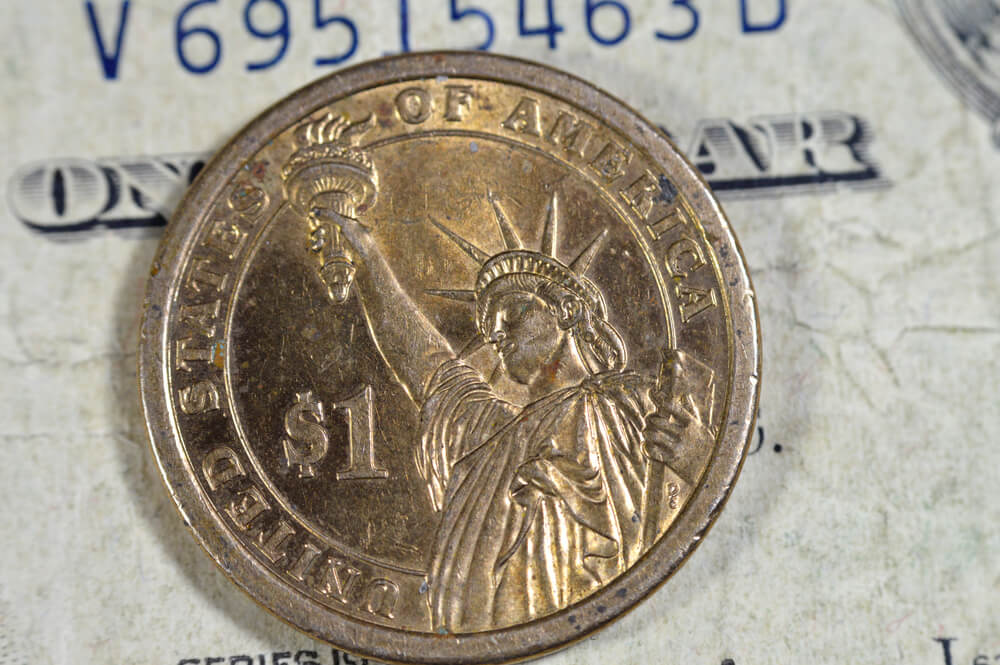
The 1858 dollar is a proof-only issue, with roughly 80 struck, and no business strikes were produced for circulation. Today the date is a cornerstone of Seated Liberty collections and a favorite of researchers.
A proof with sharp mirrored fields and no hairlines will always command a premium over one that has been cleaned.
1870-S Seated Liberty Dollar
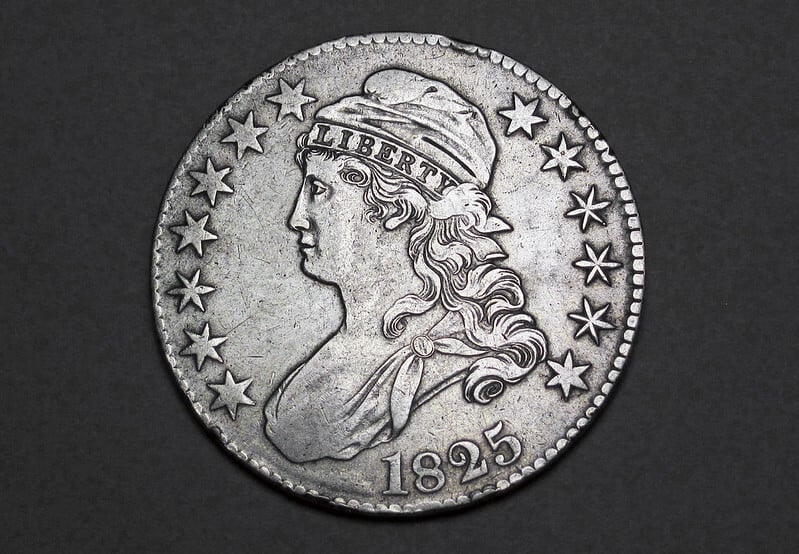
San Francisco struck Seated Liberty dollars in 1870, but almost nothing survives. Only about a dozen examples are known, and the issue stands as one of the most elusive entries in the entire series.
Most of those survivors are worn, because the coins went into circulation and were worn down rather than saved. A confirmed 1870-S is the sort of coin that makes a major auction catalog.
1871-CC Seated Liberty Dollar
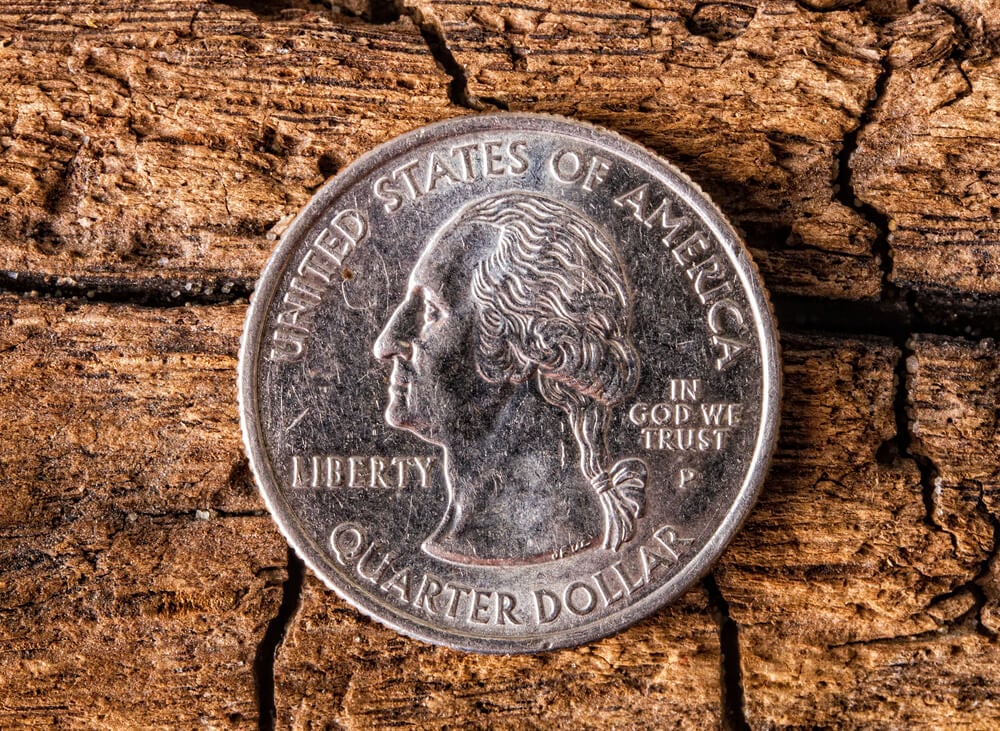
Carson City opened its doors in 1870, and its second year of dollar production was far smaller than most Western mints. The 1871-CC mintage came in at 1,376 pieces, which makes the date one of the scarcest Carson City issues of the series.
Many were presumably melted or exported, so the survivors are mostly worn. Anyone with a Seated Liberty dollar should look closely at the small CC mintmark beneath the eagle.
1873-CC Seated Liberty Dollar
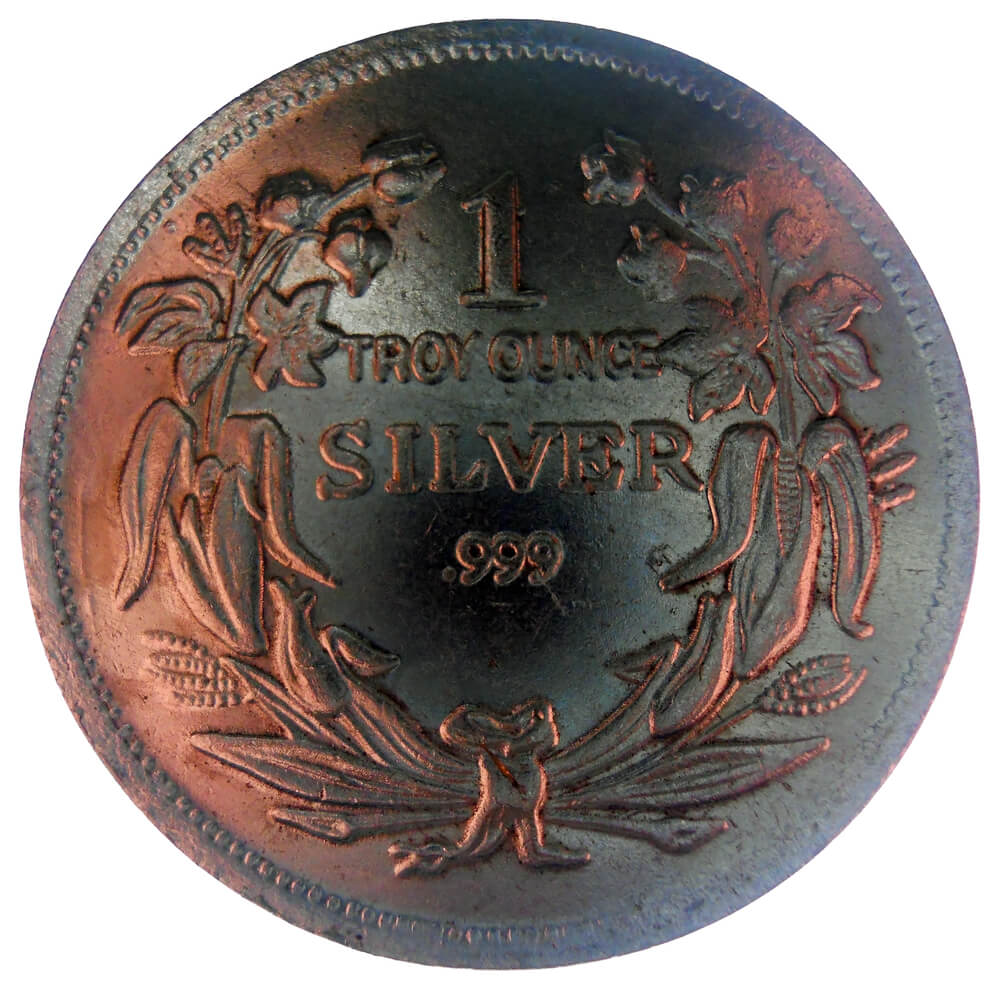
The Coinage Act of 1873 dropped the standard silver dollar and the Seated Liberty dollar went with it. Carson City had produced only 2,300 of the 1873-CC pieces, and only a small number of those survived.
This was the last year of the series, so the coin carries both a low mintage and the historical weight of an ending. High-grade survivors are extremely scarce, while worn examples are still valued well above typical Seated dollars.
1873-CC Trade Dollar
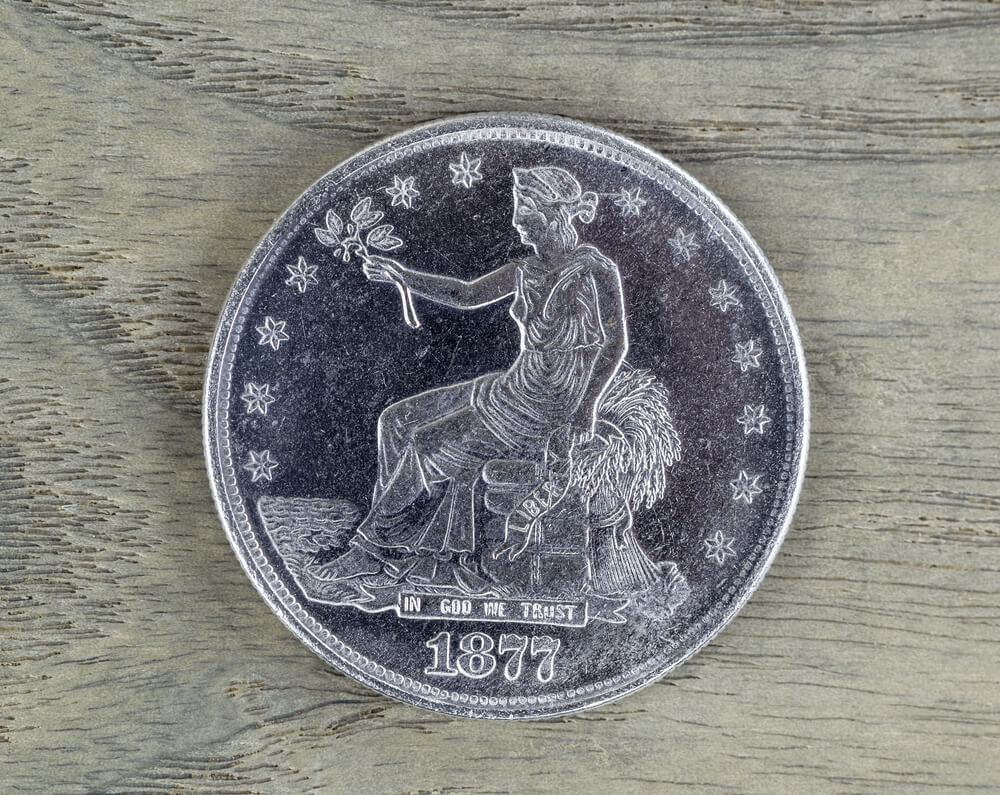
Trade dollars were created to compete with Mexican silver in Asian markets, and they carried slightly more silver than the standard dollar. The first-year Carson City issue totaled 124,500 coins, much of it shipped overseas.
Because the Trade dollar was heavier at 420 grains, it was intended for export, not American shopping. Many survivors bear small stamped marks added by merchants overseas, which can reduce value or add interest depending on the collector.
1884 Trade Dollar
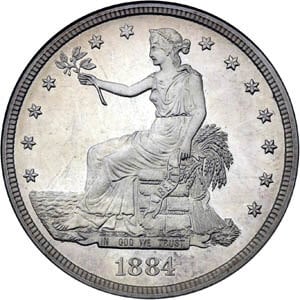
Official records show no Trade dollars struck for circulation in 1884, yet roughly 10 proofs exist. The coins were made quietly in the Philadelphia Mint and did not enter the public record until years later.
By the time collectors learned of them, the Mint had already discontinued the denomination. A genuine 1884 is among the best-known rarities in American numismatics, and the verification process is strict.
1885 Trade Dollar
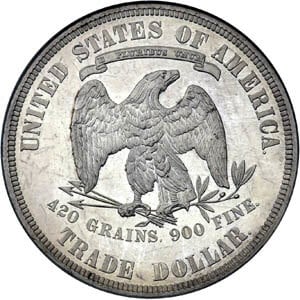
If the 1884 Trade dollar is rare, the 1885 is rarer still, with only five known. Like the 1884, it was struck as a proof and left out of the official reports.
Its existence was unknown to most collectors for many years, which explains how it escaped notice for so long. Because only a handful of examples exist, each one has a documented ownership trail that auction houses cite with pride.
1878 Morgan Dollar, Seven Over Eight Tail Feathers
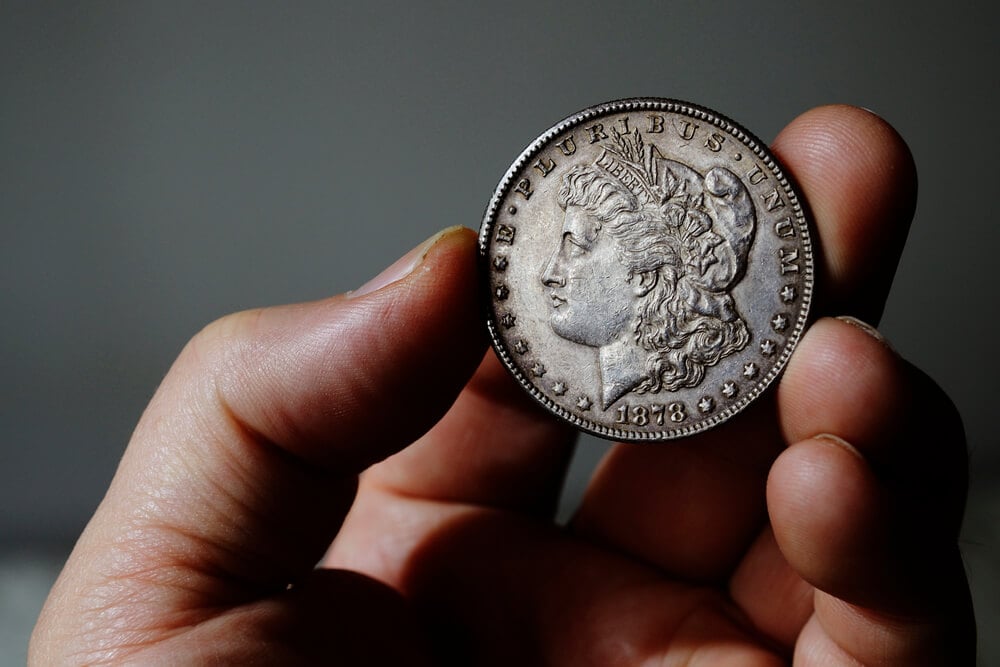
The first Morgan dollars of 1878 had eight tail feathers on the reverse eagle, but the Mint soon revised the design to seven. Some dies were adjusted by stamping the new feather count over the older one, leaving a visible overlap.
This 7 over 8 variety shows the extra feather tucked beneath the others, and it is among the most recognized Morgan varieties. Prices vary by grade, and a clear overlap helps.
1889-CC Morgan Dollar
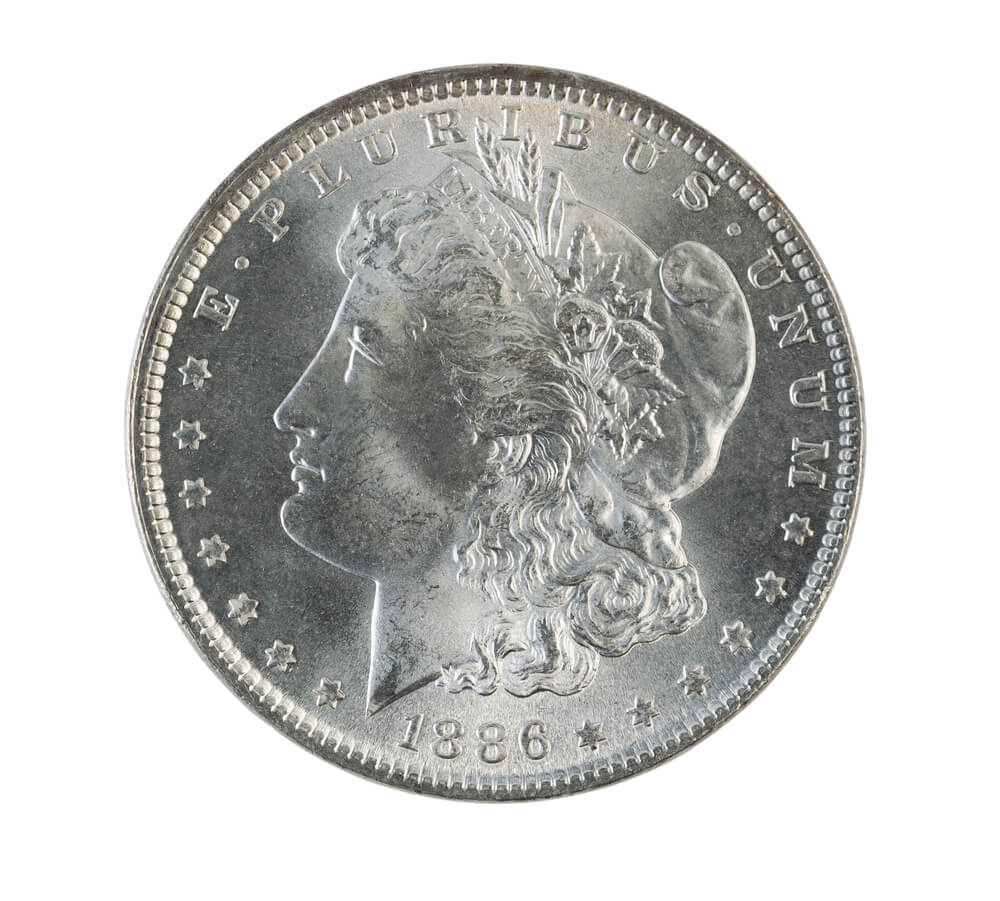
Carson City Morgans are the prize of the series, and 1889-CC is one of the hardest to find in high grade. Only 350,000 were struck, and the Treasury sent most into circulation instead of storage.
Because of that, uncirculated examples are much scarcer than for other CC dates. Look for the CC mintmark above the word ONE in the reverse wreath, and expect values to rise sharply with grade.
1893-S Morgan Dollar
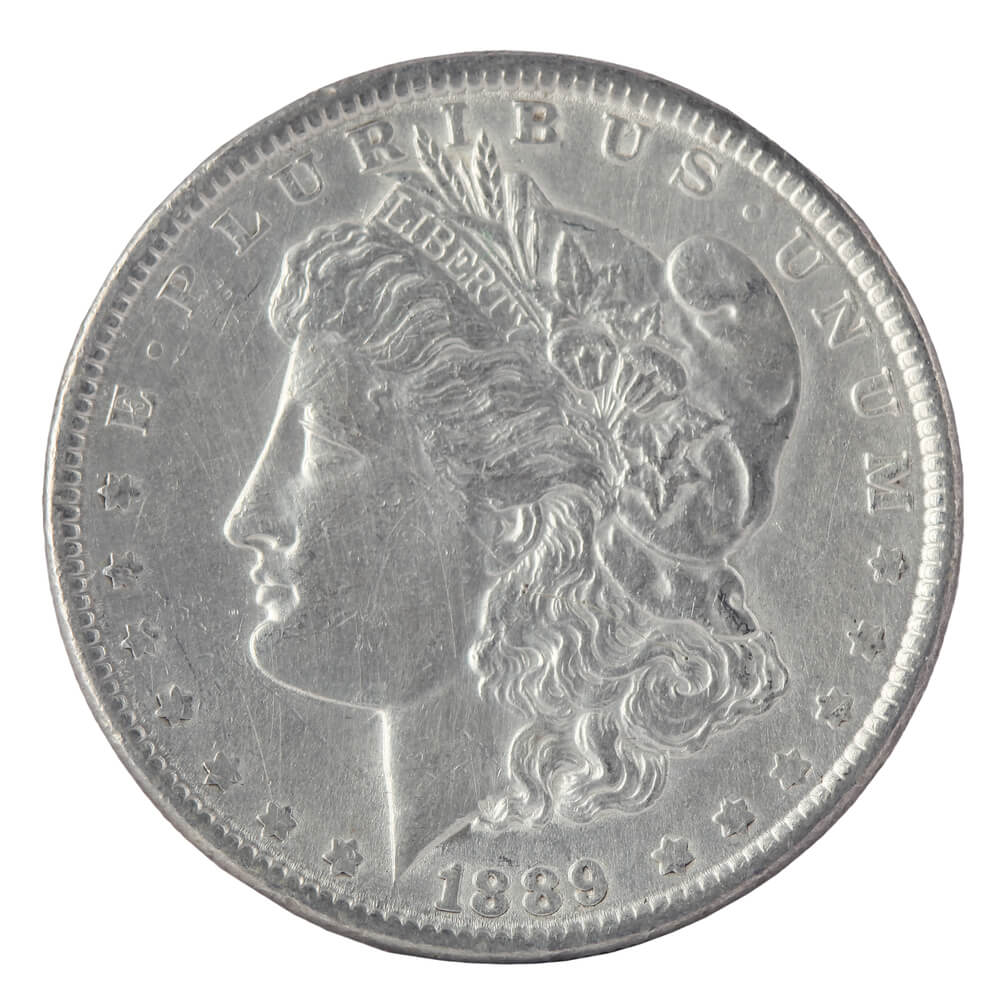
San Francisco produced only 100,000 Morgan dollars in 1893, the lowest mintage of any regular business strike in the series. The coin is the key date for most collectors, and nearly all survivors are well worn because the dollars circulated heavily in the West.
Gem uncirculated examples are among the great rarities of American coinage. Price depends heavily on grade, with the highest grades commanding six figures and above.
1895 Philadelphia Morgan Dollar
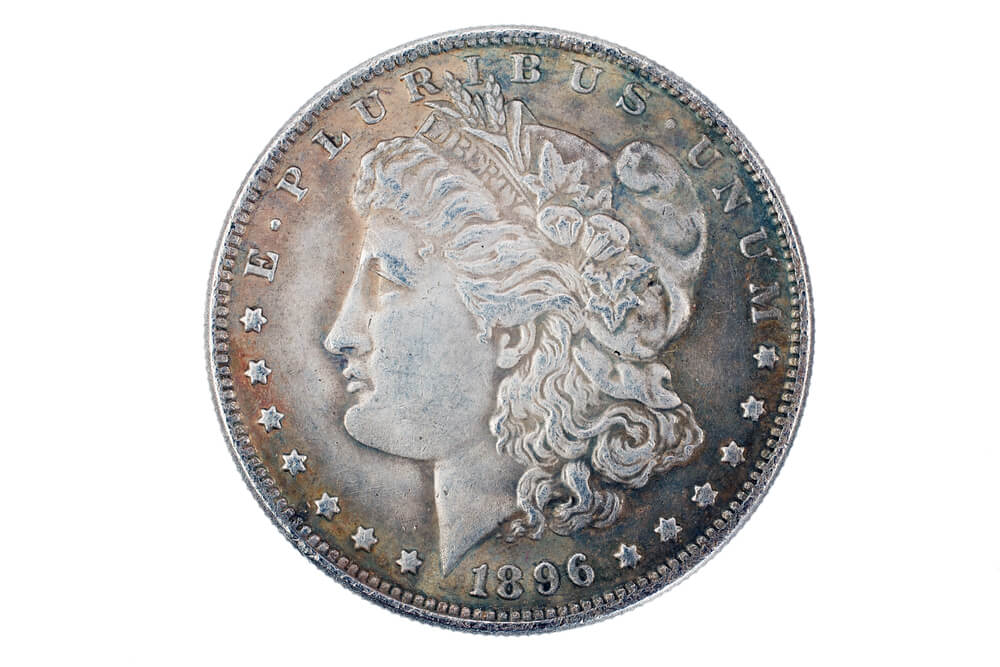
Records show that 12,000 Philadelphia dollars were struck in 1895, but no authenticated business strike has ever been confirmed. Proof coins number only 880, and they are the only 1895 Philadelphia pieces accepted by the market.
Collectors have long suspected that the entire business strike was melted before release. Any 1895 dollar without a mintmark deserves close inspection by a grading service.
1903-O Morgan Dollar
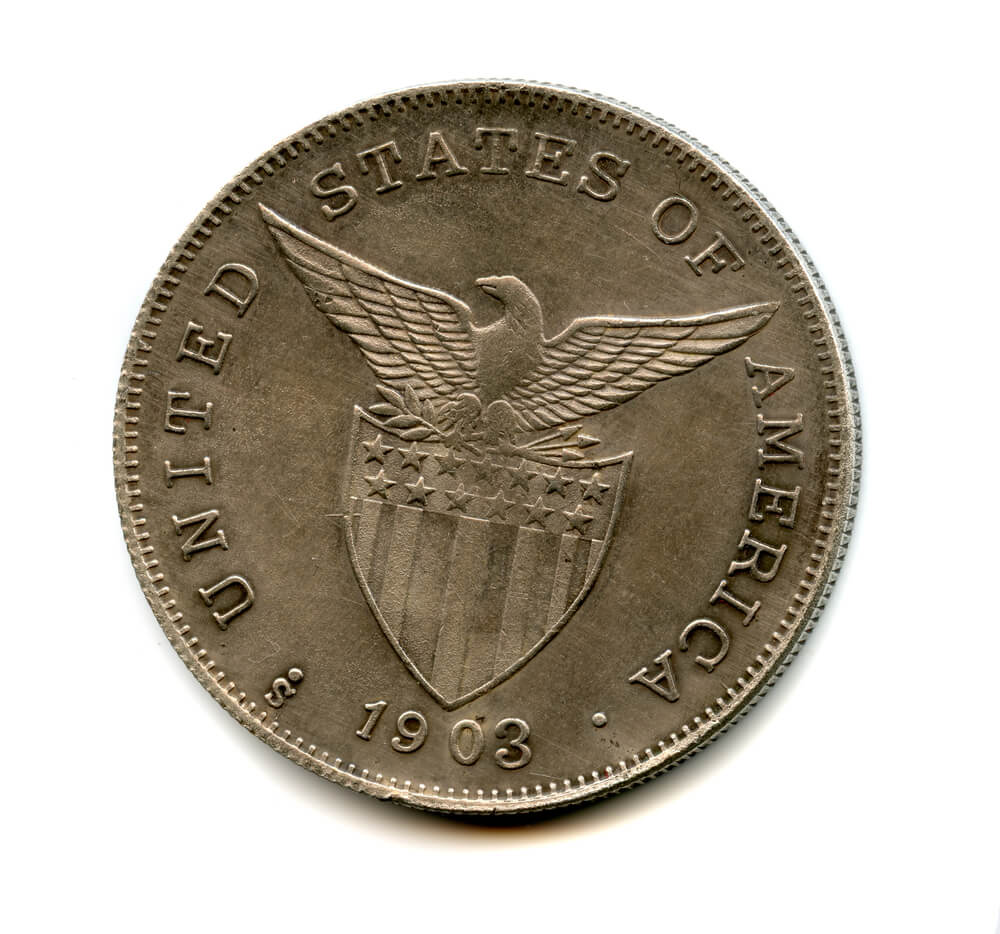
For decades the 1903-O was considered a great rarity in uncirculated condition, with prices to match. Then in 1962 a batch of bags from Treasury vaults was released, and the market was flooded with brilliant, bright examples.
The price collapsed almost overnight. The coin remains a classic lesson in how a single hoard can reshape a collector market, and condition still drives the price.
Carson City Morgan Dollars in GSA Holders
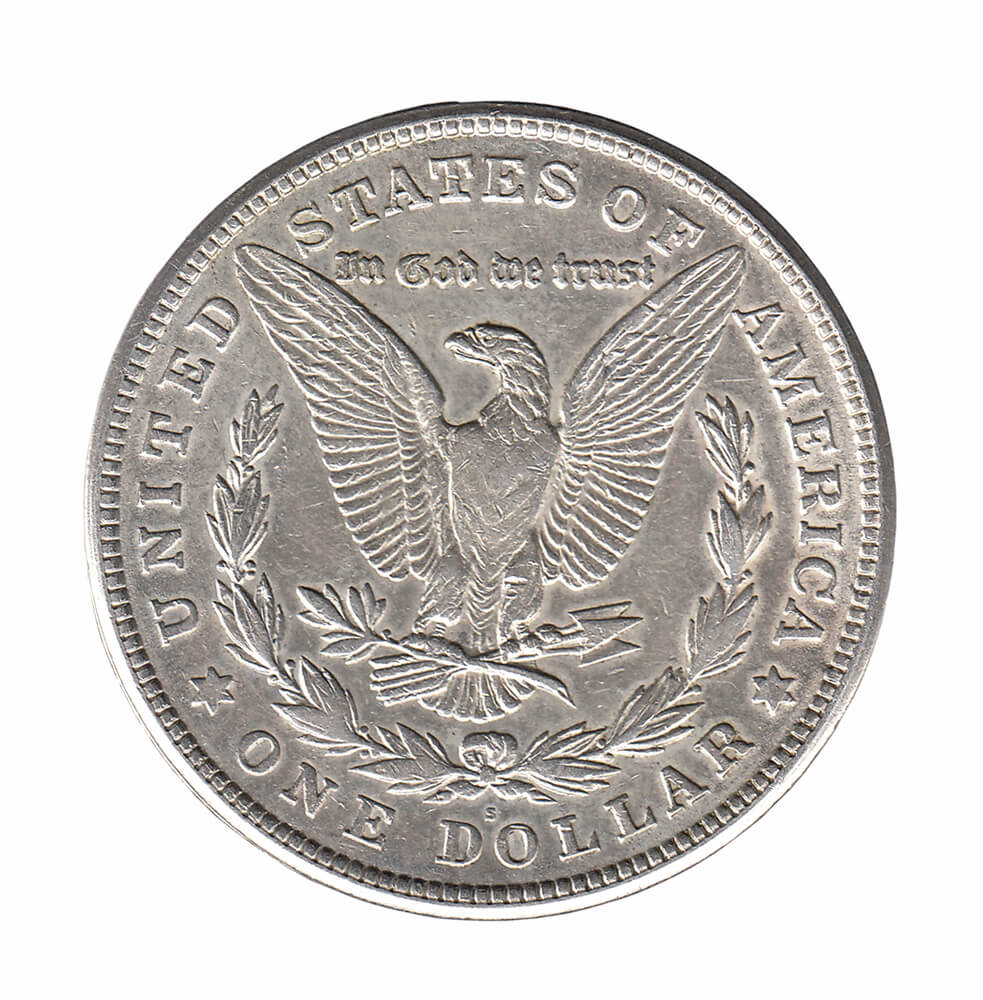
In the 1970s the General Services Administration sold off a vast stock of Carson City Morgans discovered in Treasury vaults. They were sold in hard plastic holders with a government certificate, and many remain sealed today.
The holder itself can matter to collectors, because it confirms the coin’s origin and its untouched state. Value depends on the date, the grade of the coin, and whether the holder and box remain intact.
1888-O Morgan Dollar, Hot Lips Variety
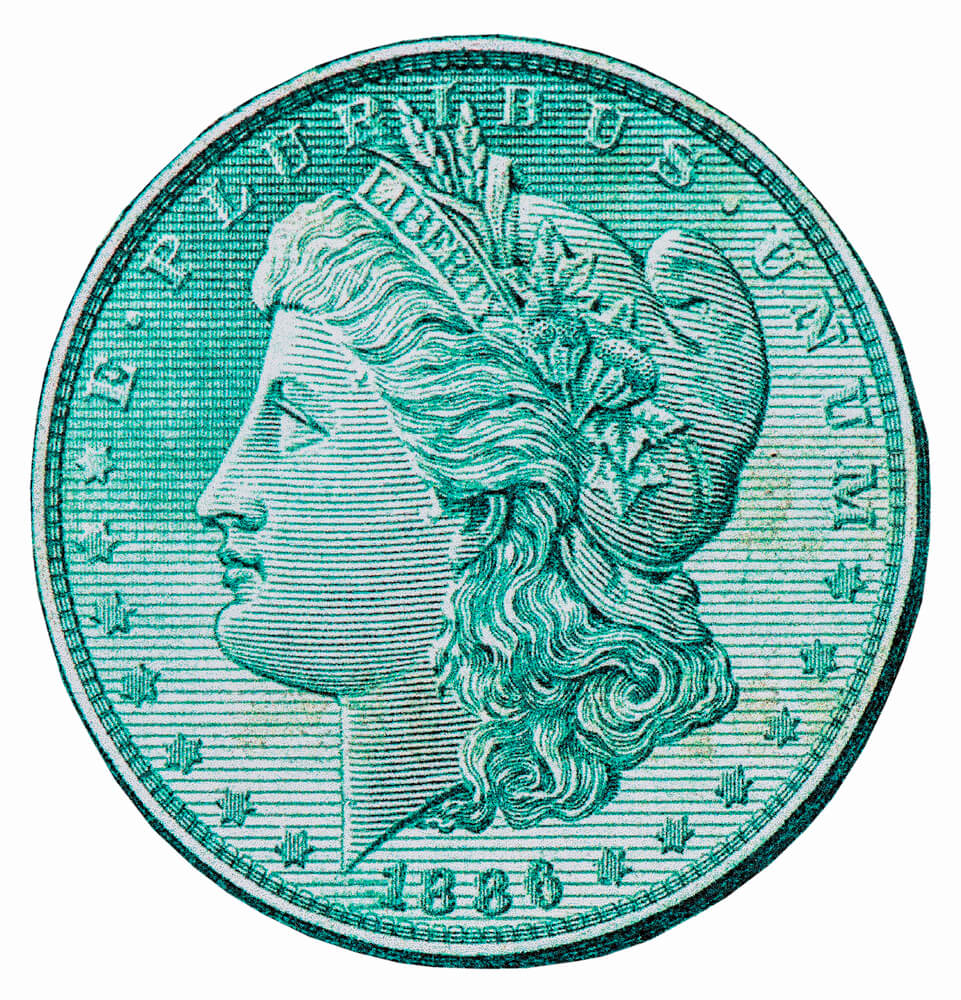
The 1888-O Hot Lips Morgan has a doubled die that thickens the lips of Liberty and gives the portrait an oddly puckered look. The effect is easy to see under modest magnification.
It is among the most popular Morgan varieties because the image is memorable and the coin is accessible. A common 1888-O might sell for modest money, while a strong Hot Lips example commands a considerable premium.
1900-O Over CC Morgan Dollar
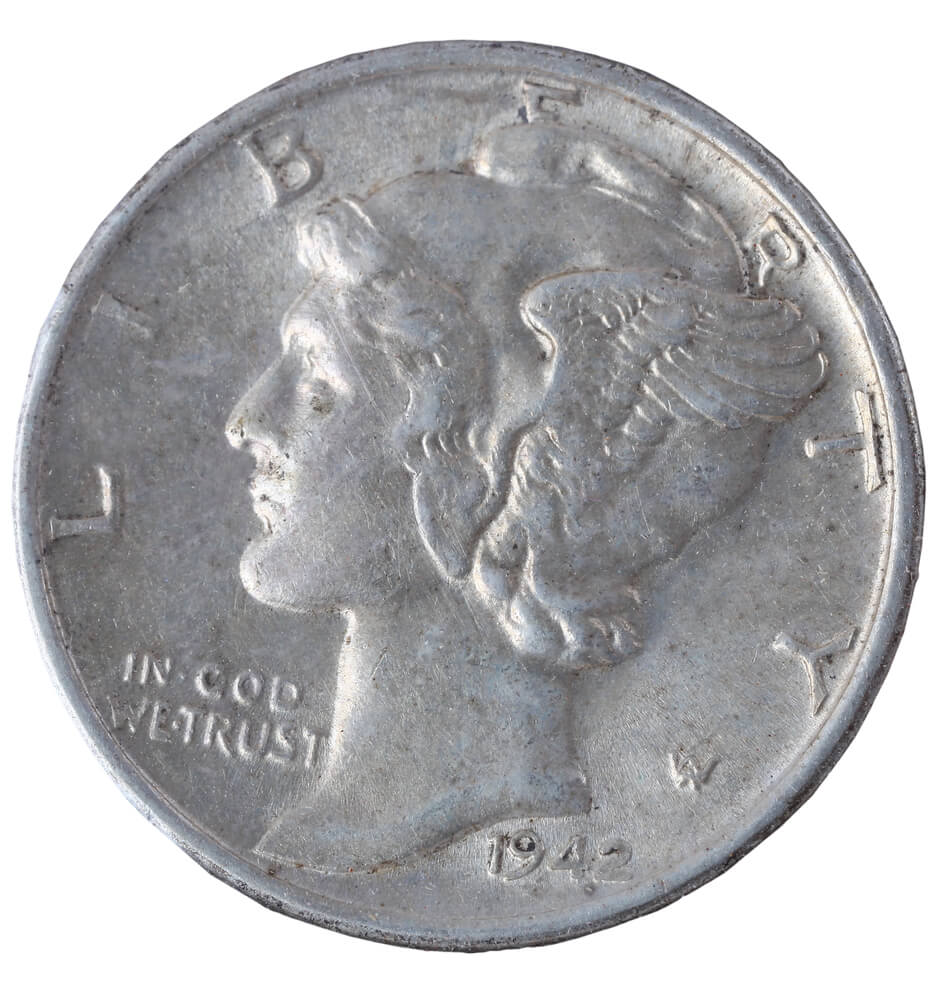
Sometimes a Mint worker reused a die that had carried the wrong mintmark. The 1900-O over CC variety shows the faint outline of a Carson City mintmark beneath the New Orleans O.
A magnifier is required to see it, and the residue of the C can be subtle. Collectors prize the overmintmark because it ties two historic mints into one coin.
1921 Peace Dollar, High Relief
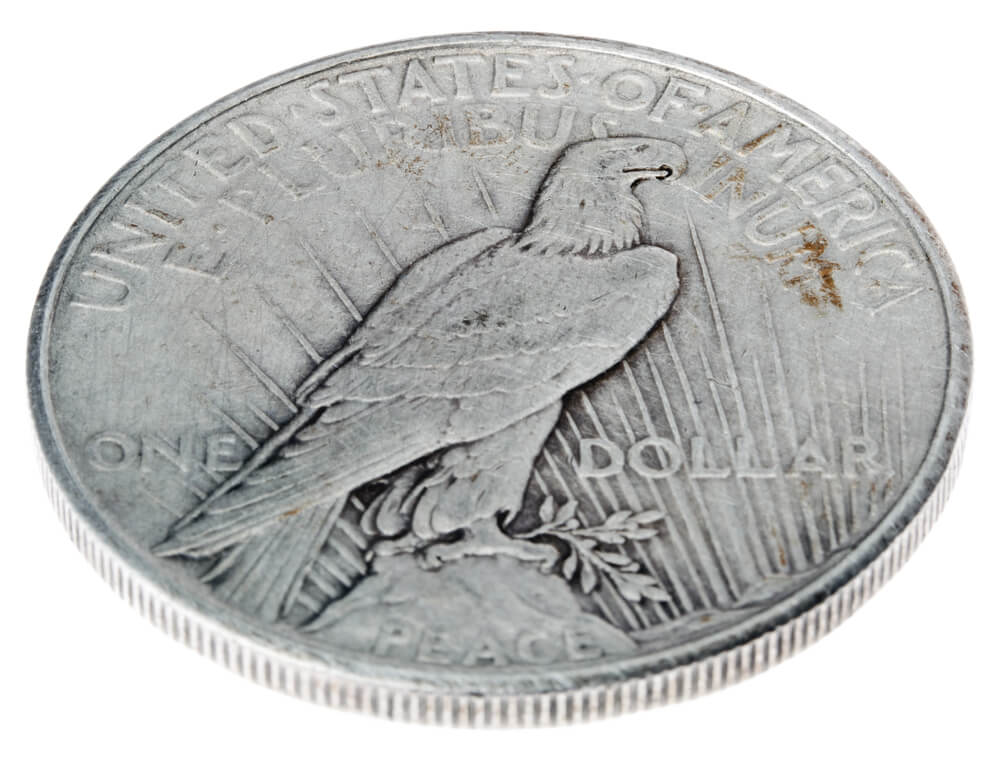
The first Peace dollars of 1921 were struck in high relief, giving Liberty’s face and rays a deeply sculpted look. The design by Anthony de Francisci reportedly used his wife, Teresa, as the model for Liberty.
Over a million were struck, but the high relief quickly proved too difficult for the presses, and the Mint flattened the design the next year. This makes 1921 a one-year type that is easy to identify by its dramatic rays.
1928 Peace Dollar
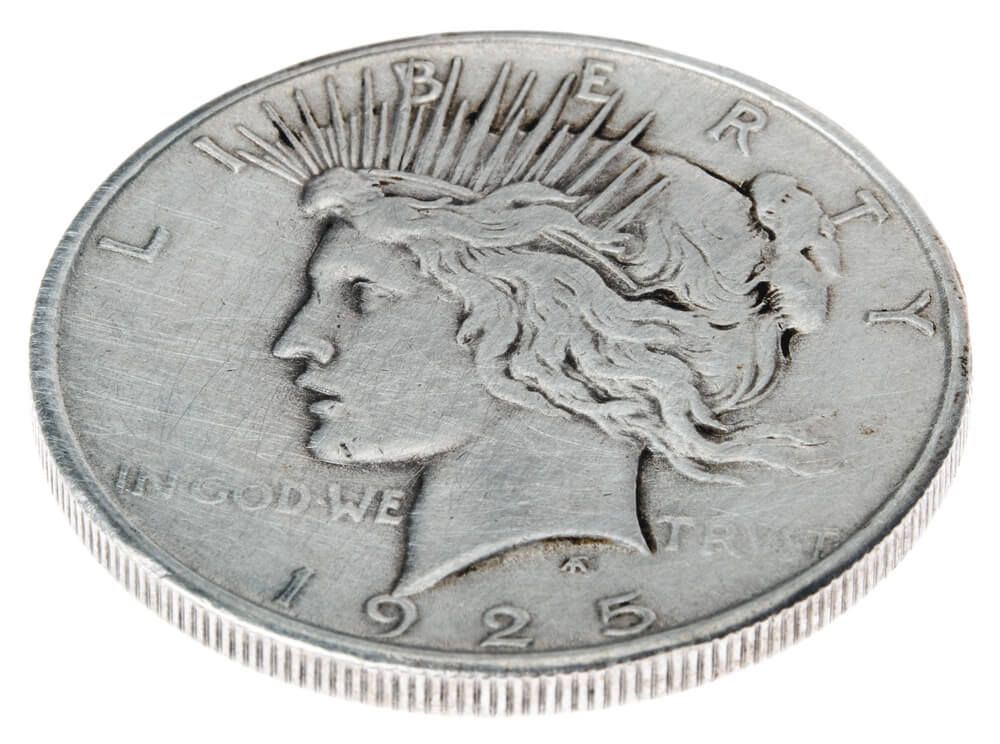
The Philadelphia Mint struck just 360,649 Peace dollars in 1928, the lowest total of the entire series. The coin was a key date from the moment collectors began tracking it, and many were put away early.
Prices rise steeply with grade because Mint State examples are scarce. Without a mintmark, the date alone gives it away.
1934-S Peace Dollar
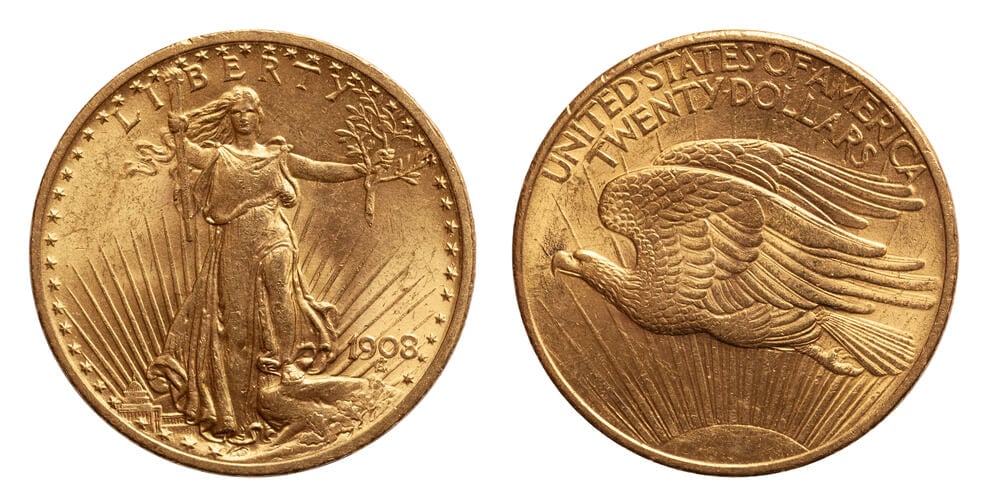
San Francisco turned out 1,011,000 Peace dollars in 1934, yet the coin is a famous condition rarity. Most were released into circulation and show wear, while sharply struck Mint State examples are quite hard to find.
The 1934-S often has weak details on the center of the design, so a crisp one stands out. Look for the S mintmark above the word ONE on the reverse.
1964-D Peace Dollar
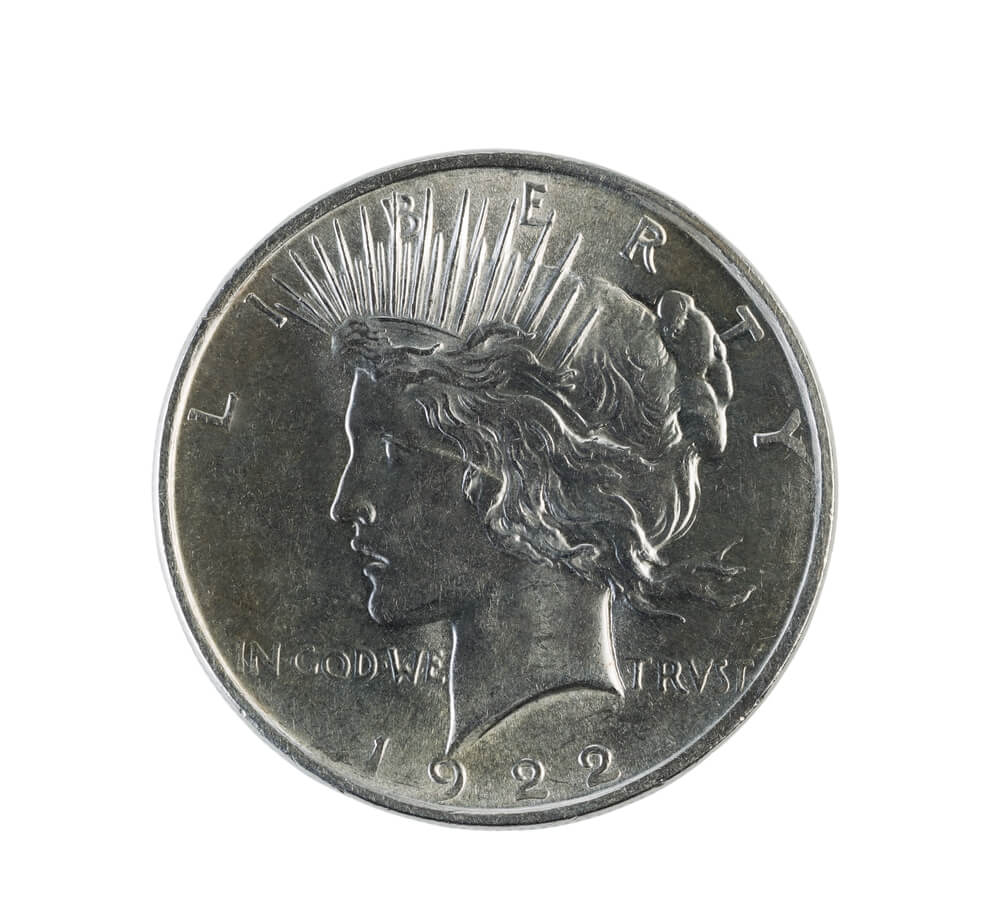
In 1964 Congress authorized the Mint to produce more Peace dollars, and more than 300,000 were reportedly struck in Denver in early 1965, all dated 1964. The coins were never released, and the Mint ordered them melted after political objections.
No example has been legally recognized, and any that surfaced would likely be subject to government claims. The coin remains one of the great mysteries of modern numismatics.
The Value Hidden in Small Details
Every coin on this list rises or falls on features that are easy to miss, such as a mintmark, a star count, or a faint overlap of letters. The market rewards the people who look closely, and it has a long memory for those who did not.
A single date can separate a common dollar from a major rarity, and a single hoard can reverse an entire market. Anyone holding old silver dollars is better served by checking than by guessing.
A loupe, a reference guide, and a professional grading service can turn a vague hunch into a documented answer. Most coins will be ordinary, but the few that are not tend to reward patience.
More from Go2Tutors!

- 27 Silver Dollars and Half Dollars Worth Keeping
- 28 Restaurant Menu Items Nobody Orders Anymore
- 17 Places Built in Seemingly Impossible Spots
- 27 Vintage Rings Worth More Than They Look
- 25 Restricted Sites Tourists Can’t Enter
Like Go2Tutors’s content? Follow us on MSN.