16 Interesting DNA Facts
Every living thing on Earth carries a molecular instruction manual inside nearly every cell of its body. That manual is DNA — deoxyribonucleic acid — and it’s responsible for everything from the color of your eyes to how your body fights off a cold.
Most people know the basics, but the deeper you go, the stranger and more fascinating the story gets.
Your DNA Would Stretch Further Than You Think
If you took all the DNA from a single human cell and stretched it out end to end, it would measure about two meters long. Now multiply that by the roughly 37 trillion cells in your body.
The total length of DNA in one human body would stretch from Earth to the sun and back — more than 300 times over.
You Share DNA With a Banana
This one tends to surprise people. Humans share about 60% of their DNA with bananas.
That’s not because you’re distantly related to fruit in any meaningful sense — it’s because the basic genetic machinery needed for cell function is so ancient and so fundamental that it appears across almost all life forms.
99.9% of Human DNA Is Identical Across the Species
Every person walking the planet — regardless of where they’re from, what they look like, or what language they speak — shares 99.9% of their DNA with every other human. All the physical variation you see in people around you comes from that remaining 0.1%.
DNA Carries Four Chemical Letters
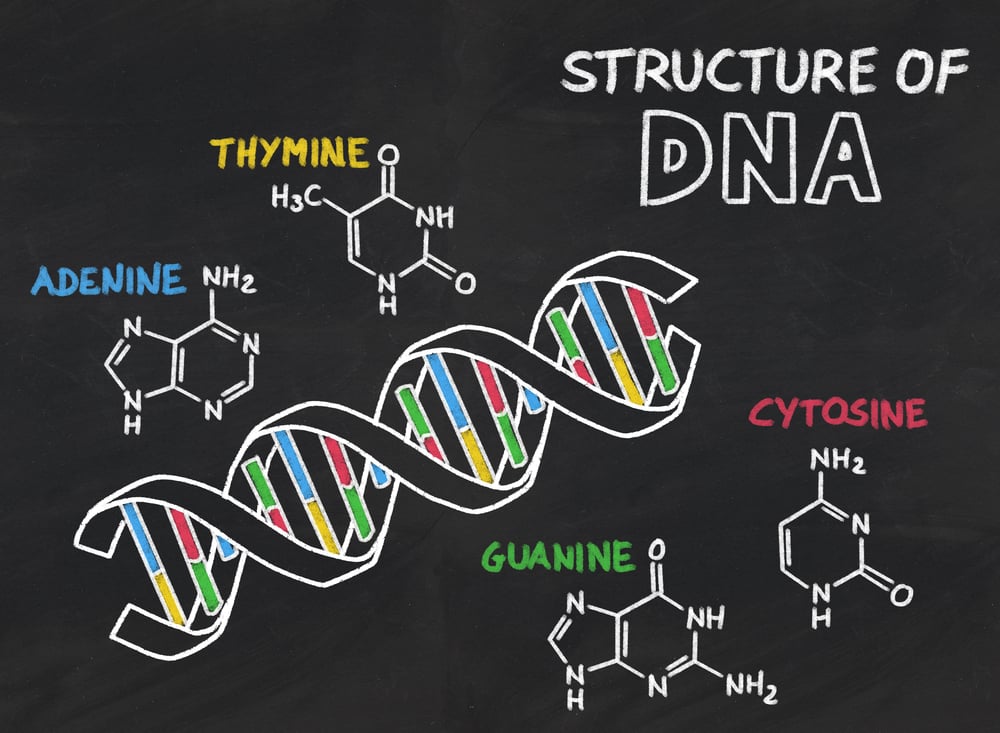
The entire genetic code is written using just four chemical bases: adenine, thymine, guanine, and cytosine — usually shortened to A, T, G, and C. These bases pair up along the double helix structure, and the sequence in which they appear determines how proteins are built and how your body functions.
The Human Genome Contains About 3 Billion Base Pairs
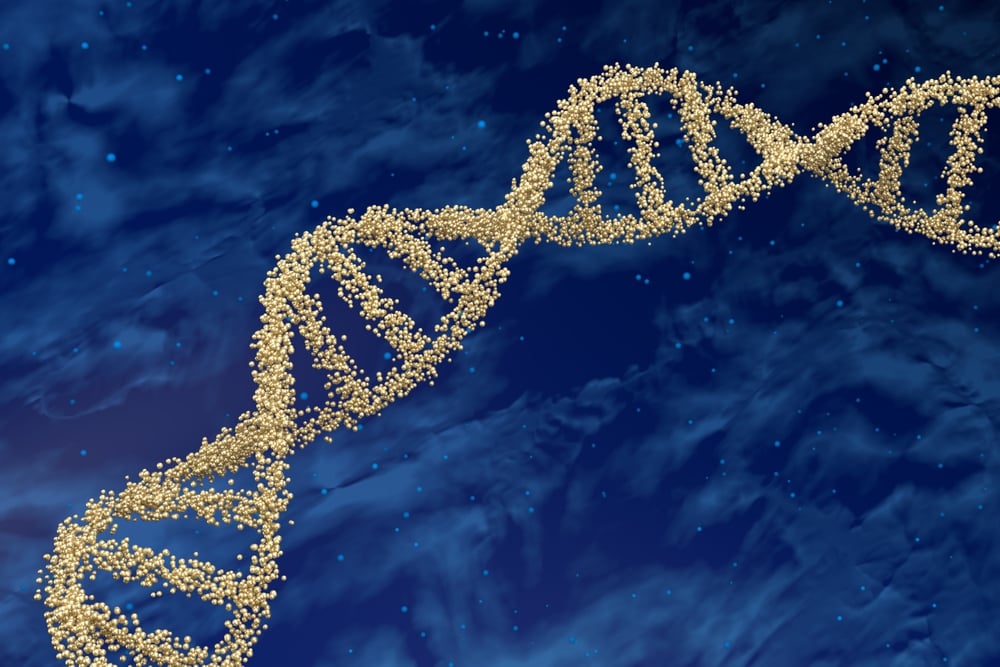
Your genome — the complete set of your DNA — contains roughly three billion of those base pairs. If you tried to type them all out at the rate of one character per second, it would take close to a century.
Only About 1-2% of DNA Actually Codes for Proteins
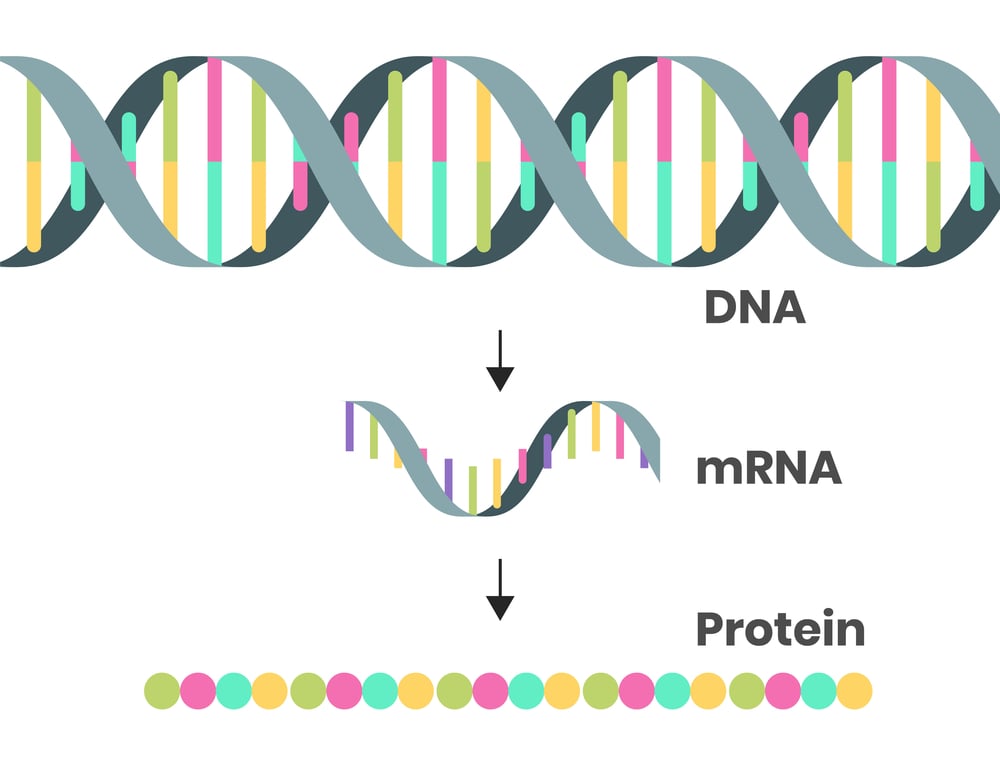
For a long time, scientists called the rest “junk DNA.” That label has since fallen out of favor.
Much of the non-coding portion plays important roles in regulating genes, maintaining chromosome structure, and other functions researchers are still working to understand fully.
DNA Can Be Damaged and Repaired Thousands of Times a Day
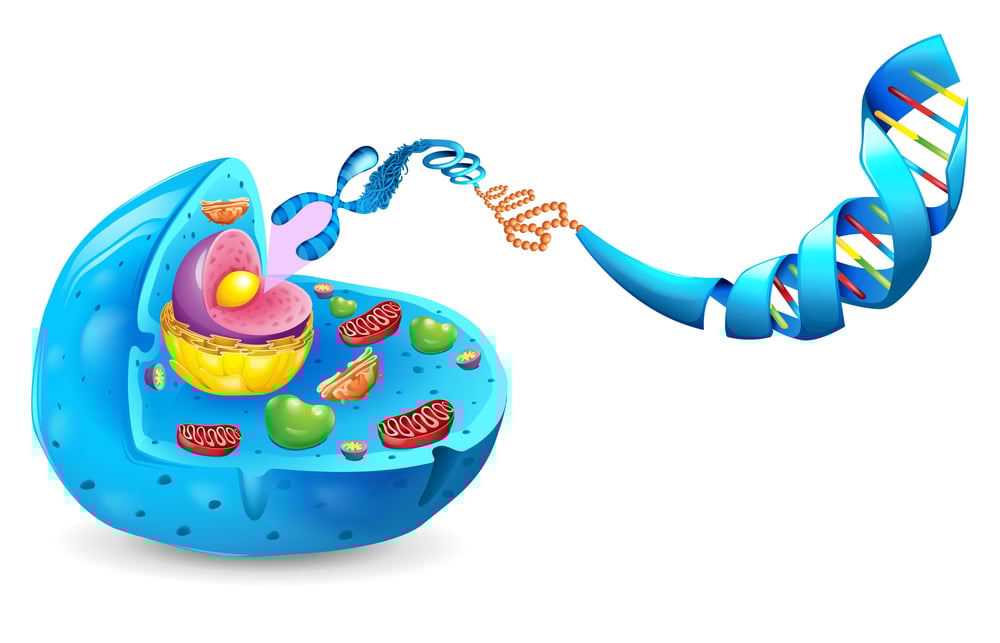
Your cells sustain DNA damage constantly — from UV radiation, environmental chemicals, and even normal metabolic processes. Your body has dedicated repair mechanisms that fix thousands of errors per cell per day.
When those repair systems break down, the risk of diseases like cancer increases significantly.
Identical Twins Don’t Have Perfectly Identical DNA

Identical twins start from the same fertilized egg, so their DNA is nearly the same. But small mutations accumulate after that initial split, meaning the longer twins live, the more their genomes diverge.
By adulthood, there are measurable genetic differences between them — which is why forensic testing can sometimes tell twins apart at the DNA level.
Your Mitochondrial DNA Comes Entirely From Your Mother
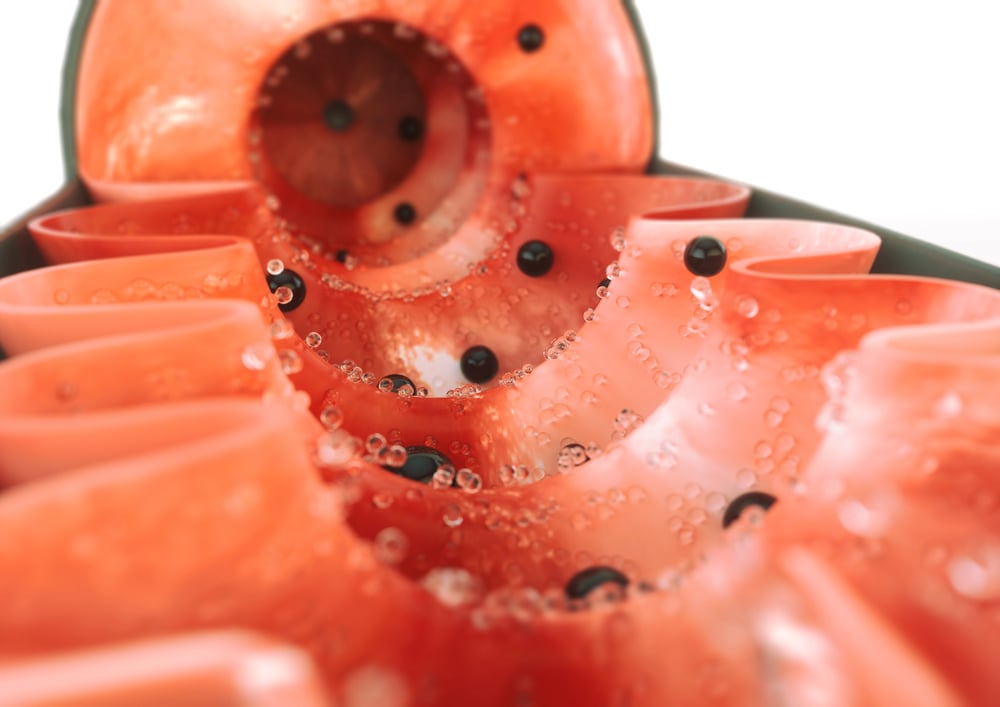
Almost all of your DNA sits in the cell nucleus, inherited from both parents. But mitochondria — the structures that power your cells — have their own small set of DNA.
This mitochondrial DNA passes down exclusively through the maternal line, essentially unchanged from mother to child across generations. Researchers have used this to trace ancient human migration patterns going back thousands of years.
DNA Evidence Has Exonerated Hundreds of Wrongfully Convicted People

Since forensic DNA testing became widely available in the late 1980s, it has been used to overturn hundreds of wrongful convictions. In some cases, people spent decades in prison before DNA analysis of old evidence proved they couldn’t have committed the crime.
The First Human Genome Took 13 Years to Sequence
The Human Genome Project, a massive international scientific effort, began in 1990 and completed a working draft in 2000, with the finished sequence following in 2003. Today, advances in sequencing technology mean that a human genome can be read in a matter of hours, at a fraction of the original cost.
DNA Deteriorates Over Time
You’ve probably seen movies where scientists extract DNA from ancient amber or frozen mammoths. In reality, DNA degrades over time, and the rate depends heavily on environmental conditions.
Under ideal circumstances, DNA can survive for hundreds of thousands of years. But it doesn’t last forever, which puts hard limits on what paleogenomics can recover from ancient specimens.
Some Animals Have Far More DNA Than Humans
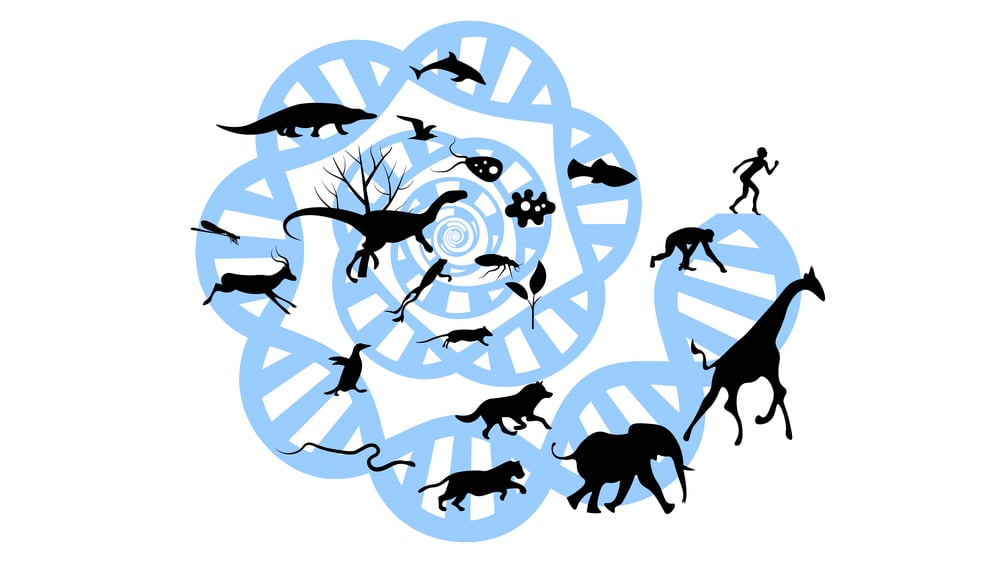
Having more DNA doesn’t make an organism more complex. The marbled lungfish holds the record for the largest known genome among vertebrates, with roughly 40 times more DNA than a human.
The Japanese Paris flower, a plant, has an even larger genome. What most of that extra DNA actually does remains an open question.
Neanderthal DNA Still Lives in Modern Humans
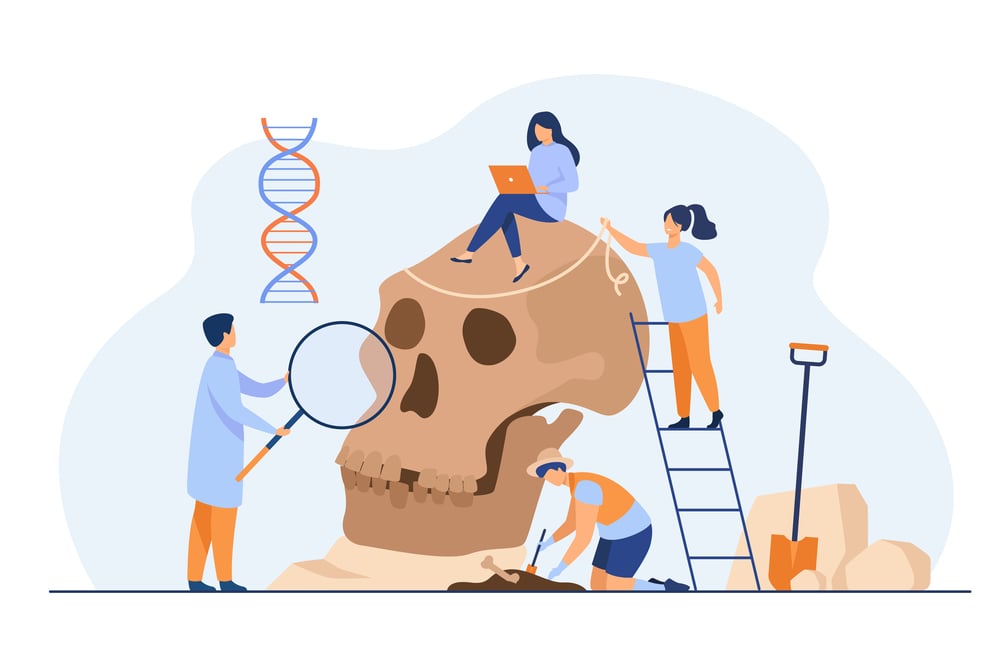
If your ancestors came from outside Africa, you carry a small percentage of Neanderthal DNA — typically between 1% and 4%. This happened because modern humans and Neanderthals interbred before Neanderthals went extinct.
Some of those inherited genes appear to have helped early humans adapt to new environments, including immune responses to local pathogens.
Your DNA Is Constantly Being Read
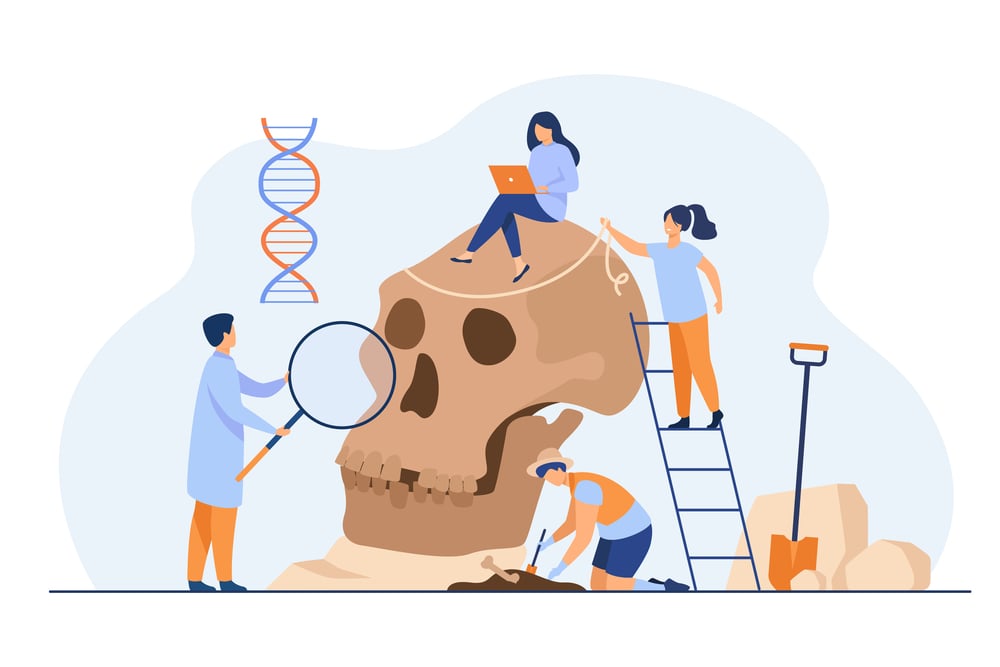
DNA doesn’t just sit there waiting to be copied. Different genes are being read and translated into proteins constantly, depending on what the cell needs at any given moment.
Gene expression — which genes are switched on or off — changes based on your age, diet, environment, stress levels, and even the time of day.
The Structure of DNA Was Determined in 1953
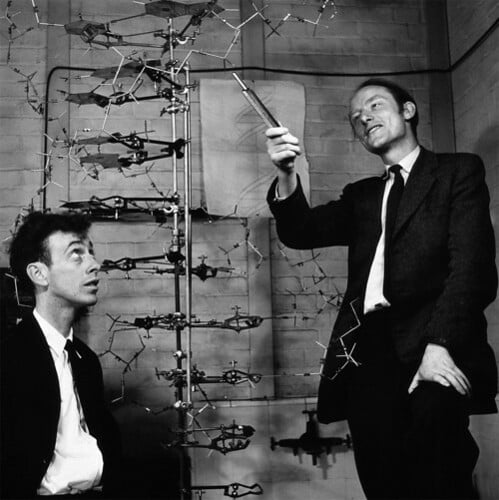
James Watson and Francis Crick published their famous double helix model in April 1953, based in large part on X-ray crystallography work by Rosalind Franklin. That discovery fundamentally changed biology and medicine.
It gave scientists a physical model to understand how genetic information is stored, copied, and passed from one generation to the next — and it opened the door to everything that has followed in genetics ever since.
A Code Written Before Language Existed

Long before words were carved into stone or shared through speech, DNA was already at work. Billions of years ago, it began copying itself, passing down details with surprising precision.
As each new discovery unfolds, another layer appears – this tiny thread holds secrets deeper than once imagined. Not merely a blueprint, it twists through time like an ancient code still being cracked.
With every study, its complexity grows harder to ignore. What we know now feels like the edge of something much larger.
More from Go2Tutors!

- The Romanov Crown Jewels and Their Tragic Fate
- 13 Historical Mysteries That Science Still Can’t Solve
- Famous Hoaxes That Fooled the World for Years
- 15 Child Stars with Tragic Adult Lives
- 16 Famous Jewelry Pieces in History
Like Go2Tutors’s content? Follow us on MSN.



