16 Abandoned and Defunct Theme Parks Around the World
A theme park is built to be loud, bright, and crowded, which makes an empty one feel especially strange. Rides once stood ready for crowds, while painted mascots smiled at passing families. When the visitors stopped coming, some parks were left to decay, while others were eventually demolished or redeveloped.
These 16 parks closed for very different reasons, from natural disasters to bankruptcy and bad luck. Some became famous as abandoned ruins, while others have since disappeared or begun new lives as redevelopment projects.
Six Flags New Orleans, Louisiana
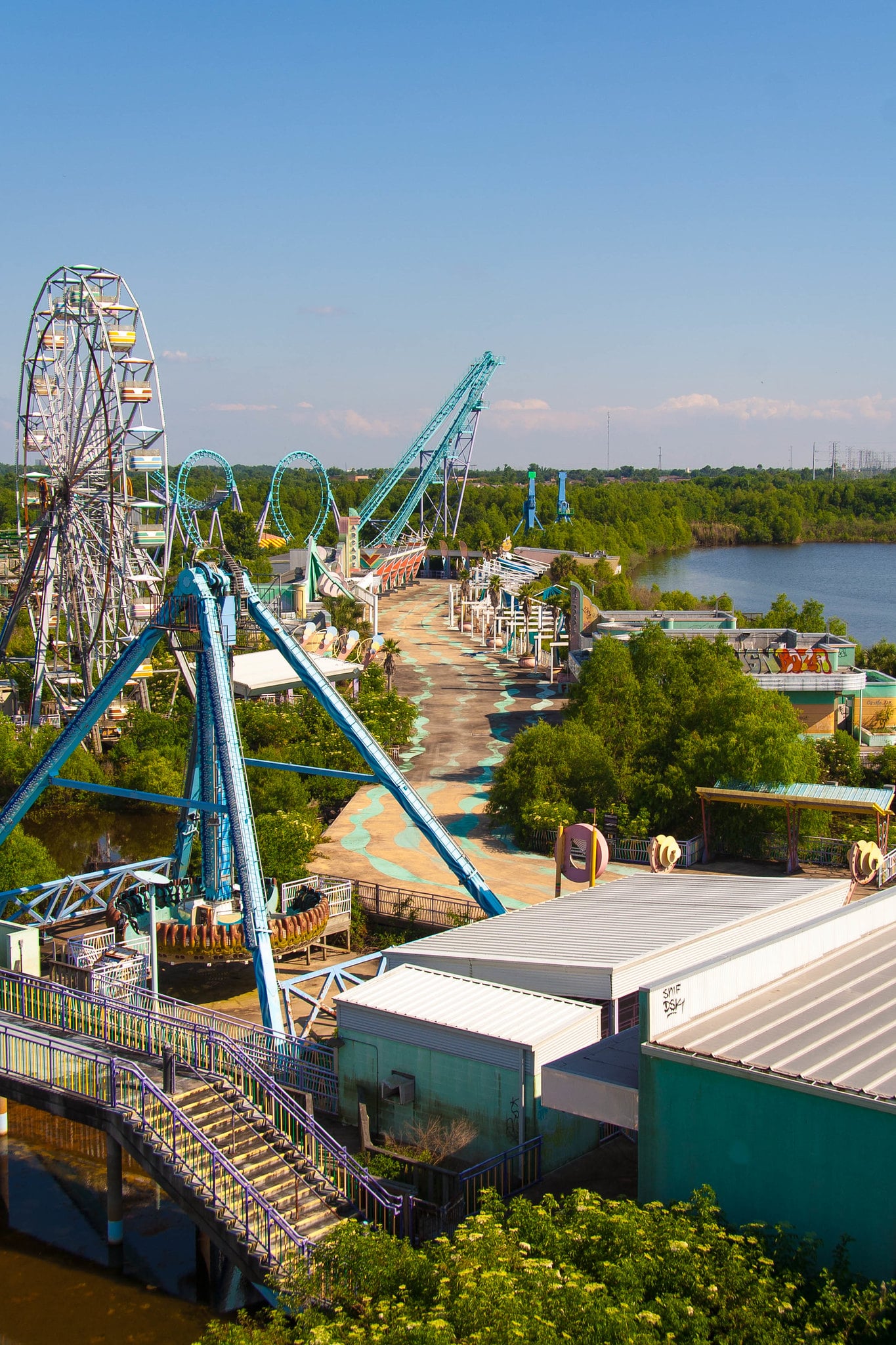
The park opened in 2000 as Jazzland and became a Six Flags property in 2002. Hurricane Katrina flooded it with several feet of water in August 2005, and it never reopened.
For years, the rides rusted in place on the edge of the city, and the site became a popular backdrop for filming. Demolition and site clearance eventually ended the park’s long period as an abandoned attraction.
Spreepark, Berlin, Germany
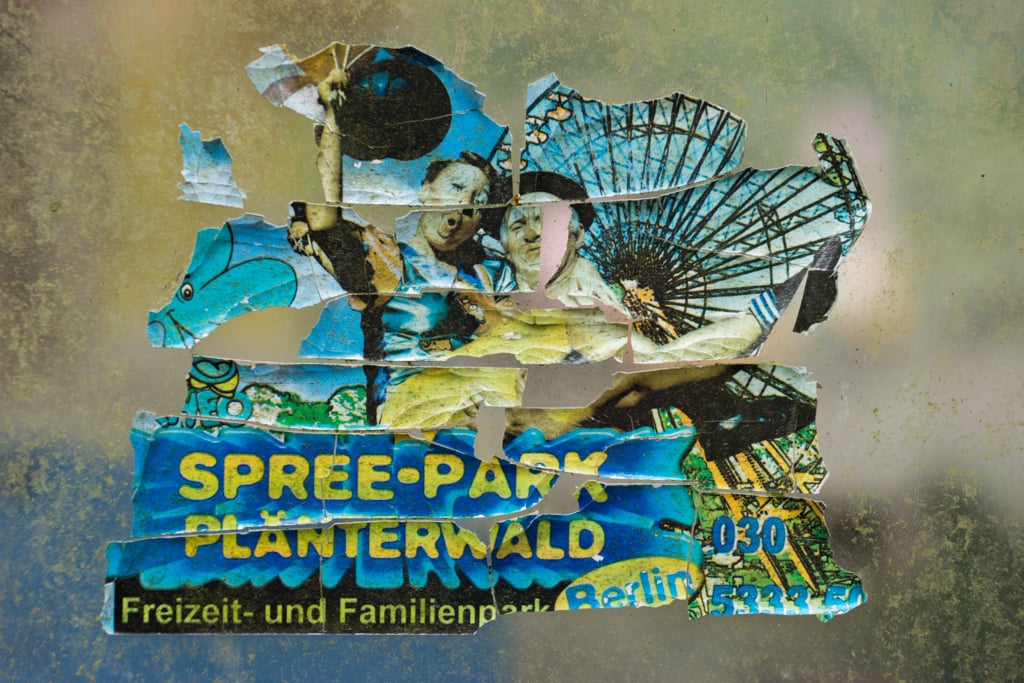
Spreepark opened in 1969 in East Berlin as the only permanent amusement park in East Germany, and its Ferris wheel became an enduring landmark. After German reunification, the operator ran into financial trouble and shipped a ride to Peru.
The park closed in 2001, and its operator was later convicted in a cocaine-smuggling case involving drugs hidden inside a ride shipped from Peru. The site remained largely abandoned for years, but Berlin has been redeveloping it into a public park with art, cultural spaces and restored historic features.
A reopening is planned for 2027.
Nara Dreamland, Japan
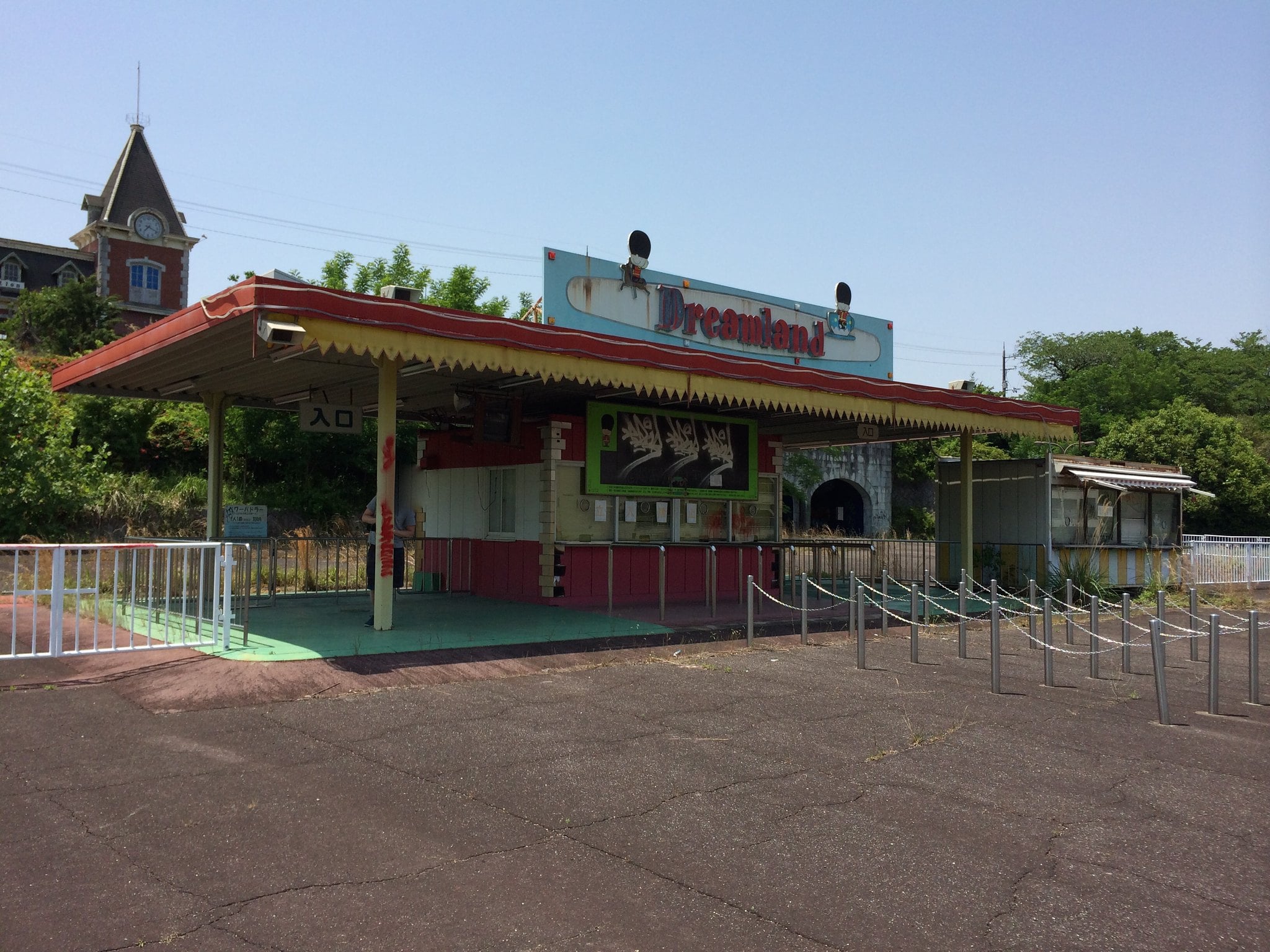
Nara Dreamland opened in 1961 and was modeled openly on Disneyland, with a castle, a wooden roller coaster and a miniature main street. Attendance fell as newer theme parks drew visitors away, and the park closed in 2006.
Left to decay for about a decade, it became one of the most photographed abandoned places in Japan before demolition began in 2016. The work was completed in 2017, and the park’s original structures are gone.
Okpo Land, South Korea
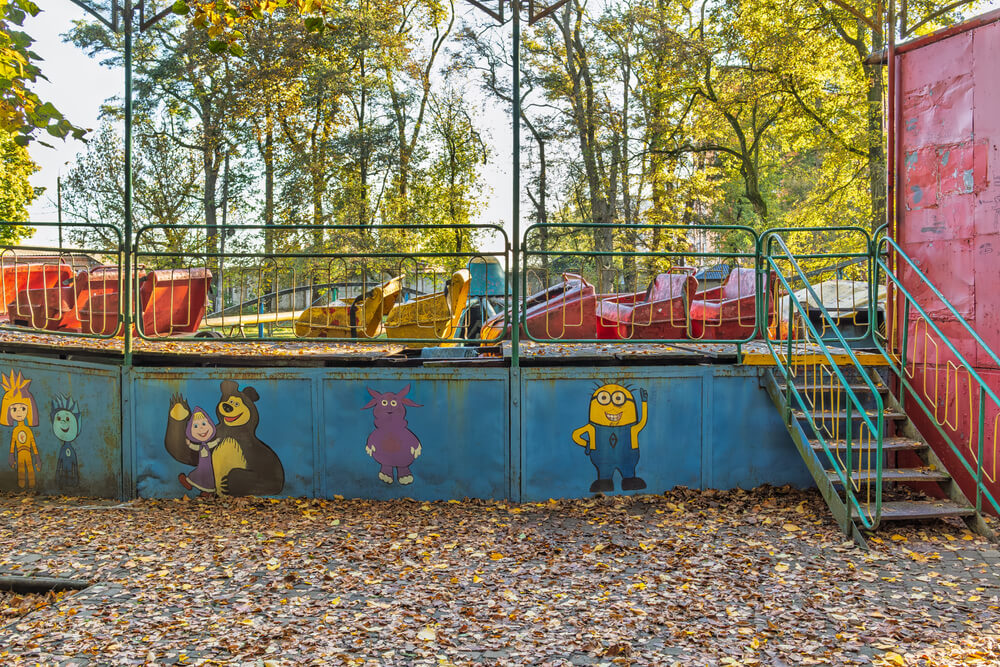
Okpo Land stood on Geoje Island and became known for its abandoned rides and seaside setting. The park closed in the late 1990s, not 2011, following a fatal accident and amid reports of financial difficulties.
Its roller coaster and other attractions were left to deteriorate, and photographs of the derelict site helped turn it into a ghost story for urban explorers. The park has since been demolished, so its eerie rides no longer stand beside the sea.
The Pripyat Amusement Park, Ukraine
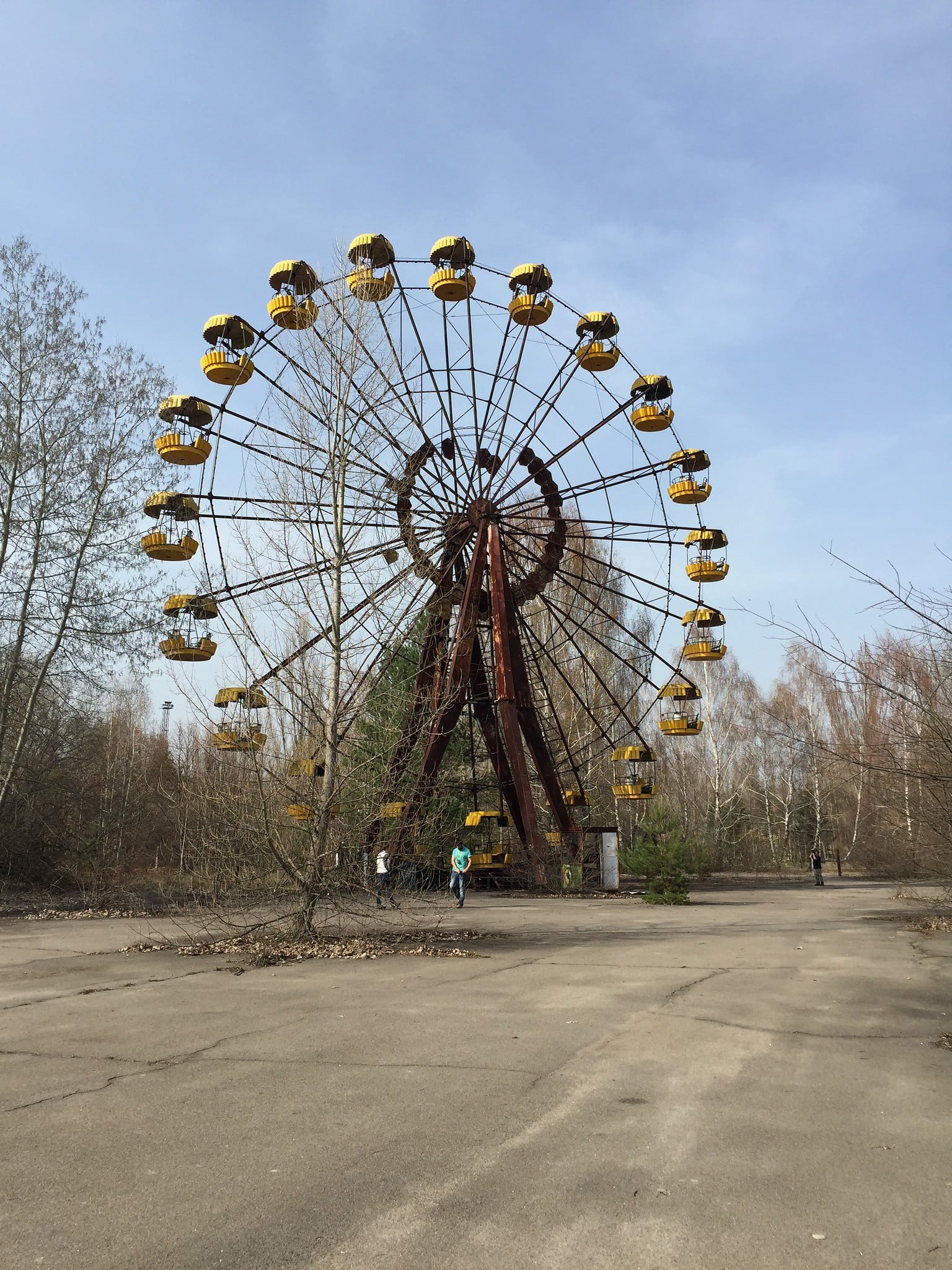
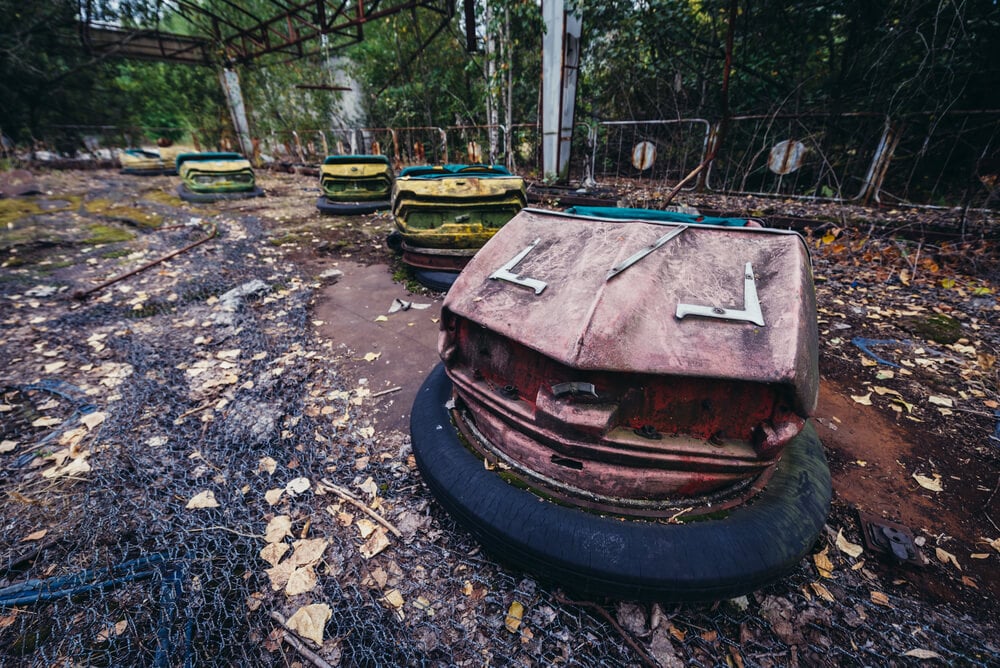
Workers in Pripyat were preparing to open the town’s amusement park for the May Day holiday in 1986, just days after the nearby Chernobyl reactor exploded. The evacuation of the town on April 27 meant that the carousel, bumper cars and Ferris wheel never officially opened to the public.
The yellow Ferris wheel has since become one of the most recognizable images associated with the disaster.
Holy Land USA, Connecticut
A Waterbury lawyer named John Greco built Holy Land USA in the 1950s as a miniature Bethlehem and Jerusalem on a hillside. A large illuminated cross stood above the site and could be seen from miles away.
The attraction closed in 1984 after Greco stepped away from its operation and remained neglected for years. It later underwent restoration and reopened to visitors in 2014, so it is no longer simply an abandoned religious park.
Gulliver’s Kingdom, Japan
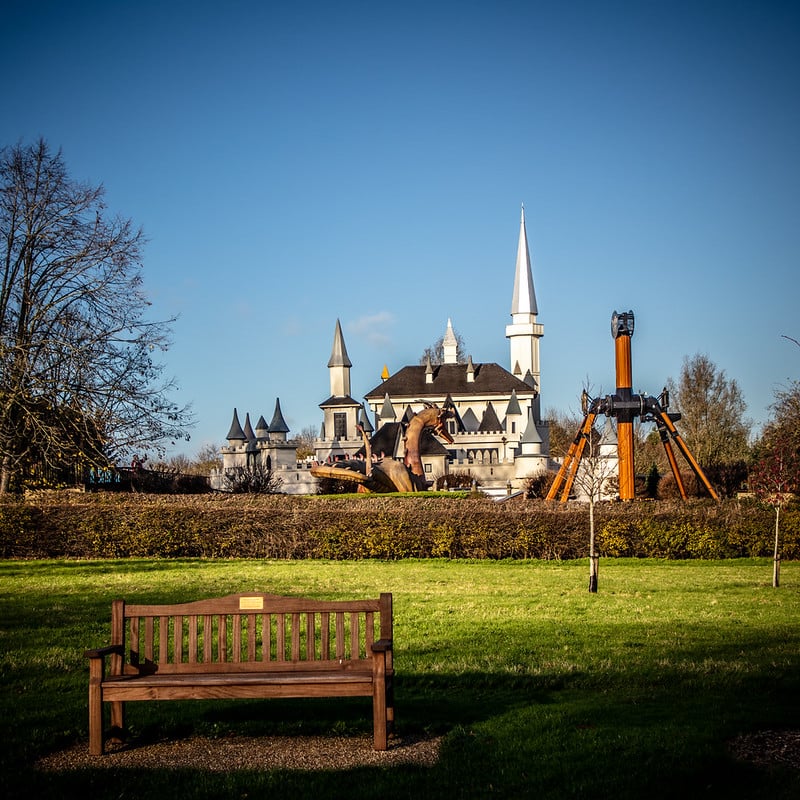
Built near Mount Fuji, Gulliver’s Kingdom opened in 1997 around a gigantic reclining figure of Gulliver from the classic novel. Visitors could climb on the statue, and the park was intended to draw large weekend crowds.
It closed in 2001 after struggling to attract enough visitors. The site was eventually demolished in 2007, ending its brief life as a theme park.
Wonderland, Beijing, China
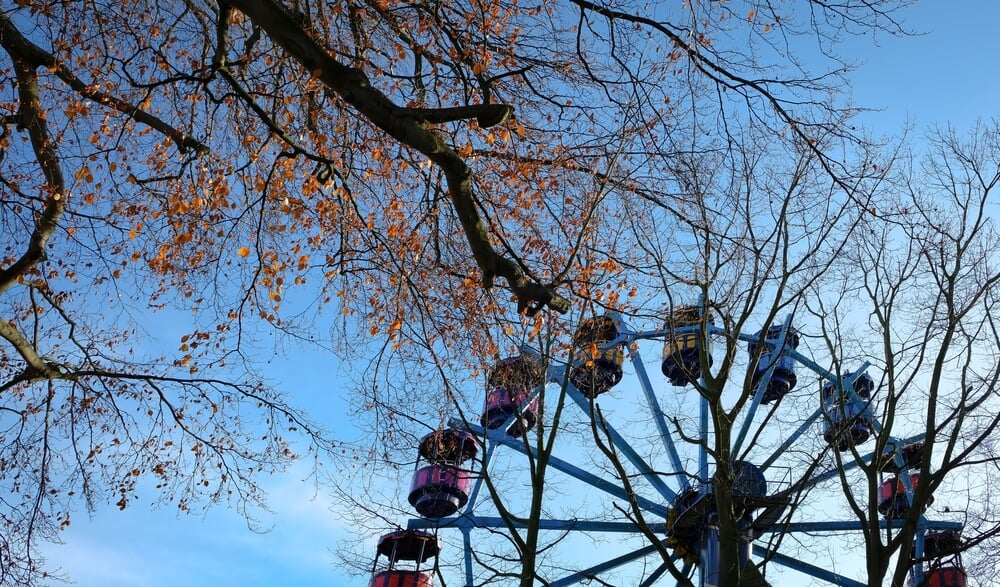
Planned in the 1990s as one of Asia’s largest amusement parks, Wonderland began construction near Beijing in 1998 but ran into funding problems and a dispute involving the developer and local authorities. The huge castle-style structures stood unfinished among fields for years.
Photographers made the skeletal buildings famous, but the site was eventually cleared rather than completed as a theme park.
Camelot Theme Park, England
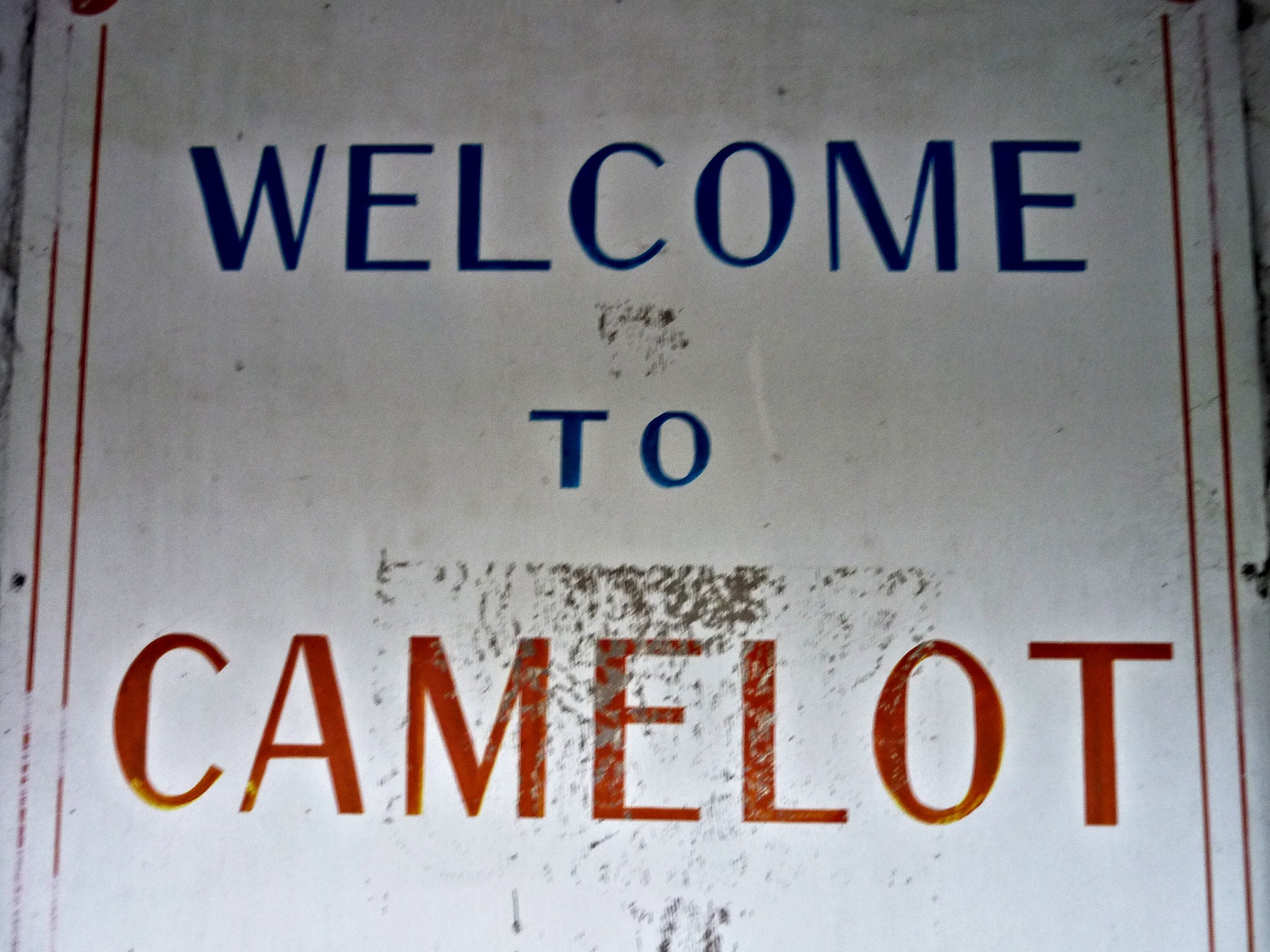
Camelot, in Charnock Richard, Lancashire, opened in 1983 and drew families with its King Arthur theme, knights and tournament arena. Competition from larger parks and financial difficulties wore down attendance, and the park closed permanently in 2012.
Its rides were sold off or scrapped, leaving the former site without the attractions that once brought the medieval legend to life.
Disney’s River Country, Florida
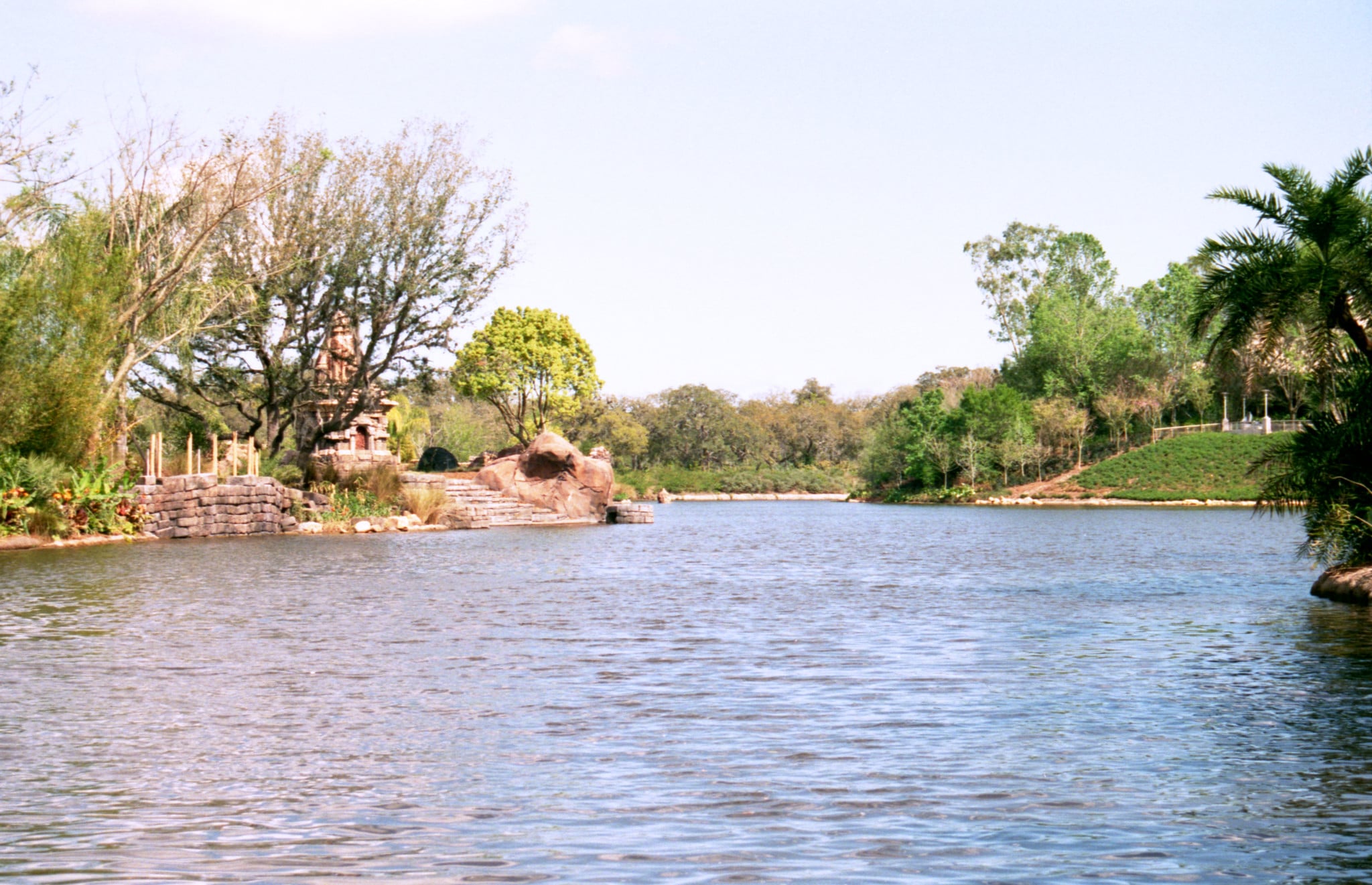
River Country opened in 1976 and was Walt Disney World’s first water park, with a rustic swimming area designed to resemble a natural swimming hole beside Bay Lake. The park closed in 2001, and Disney never redeveloped it into another operating water park.
Moss and fallen leaves took over the slides, which remained visible from the water for years. The abandoned site eventually became part of the resort’s changing landscape, although it was not open to visitors.
Discovery Island, Florida
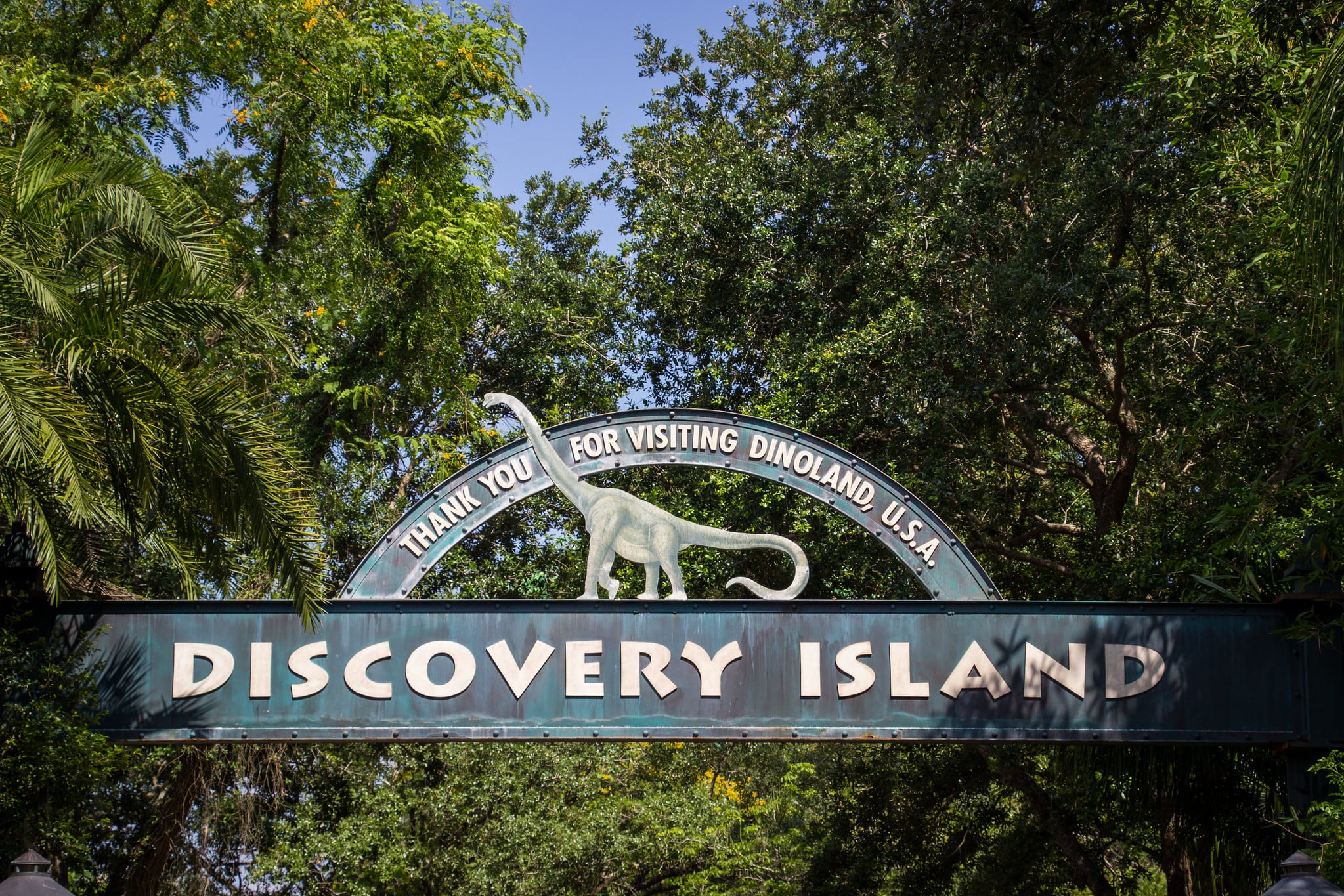
Discovery Island occupied a small island in Bay Lake near Walt Disney World and operated as a zoological park and bird sanctuary from 1974. It closed in 1999, and its overgrown buildings and animal enclosures remained in place.
The island remains off-limits to the public, making it one of the most inaccessible former Disney attractions.
Dogpatch USA, Arkansas
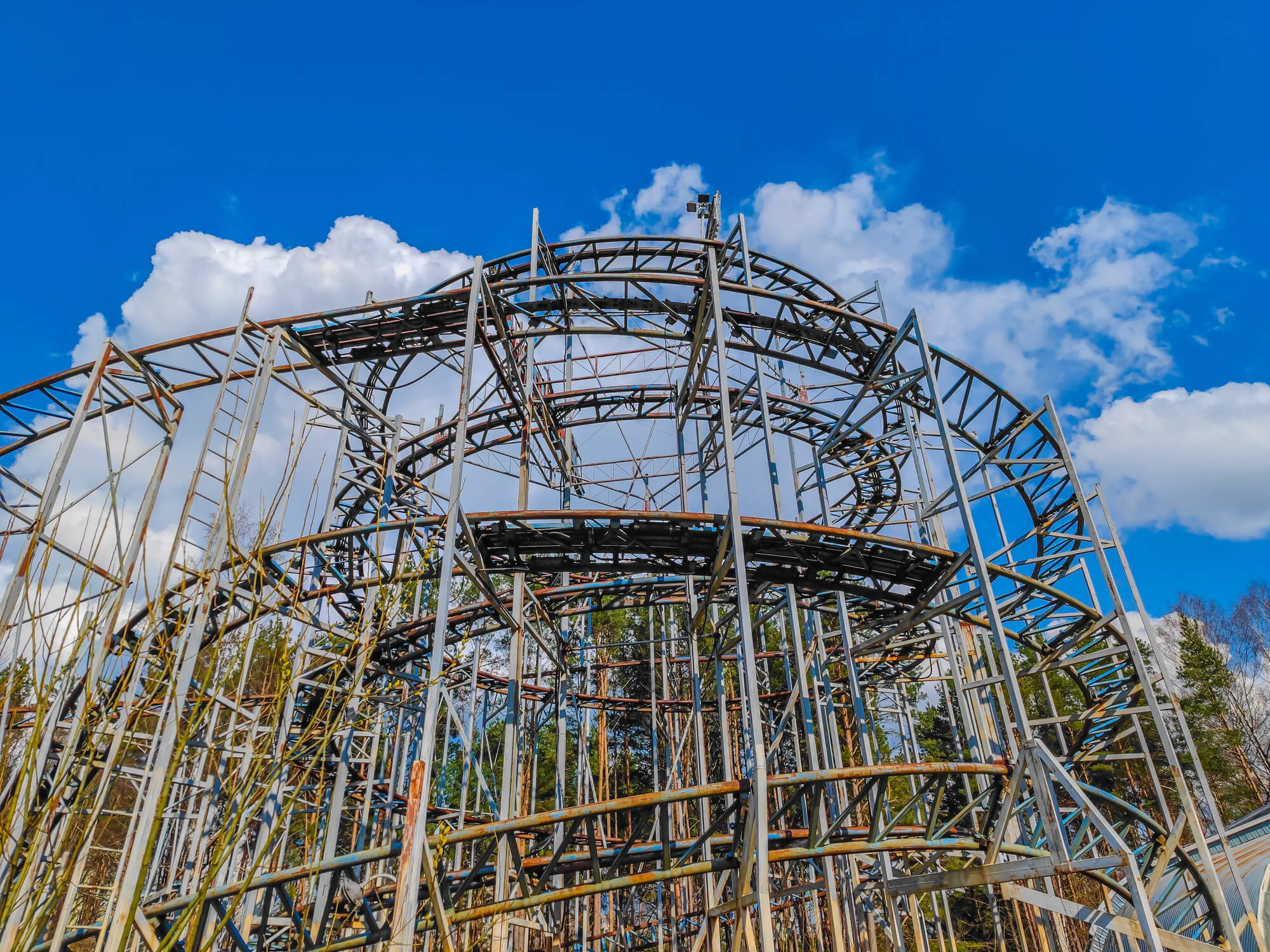
Dogpatch USA opened in 1968 in the Ozark Mountains and was based on the Li’l Abner comic strip by Al Capp. The park attracted visitors for years but struggled with financial problems and competition from other attractions.
It closed in 1993, and its wooden buildings gradually deteriorated in the surrounding woods. The site became a familiar example of a once-busy family attraction left to decay.
Hue Thuy Tien Water Park, Vietnam
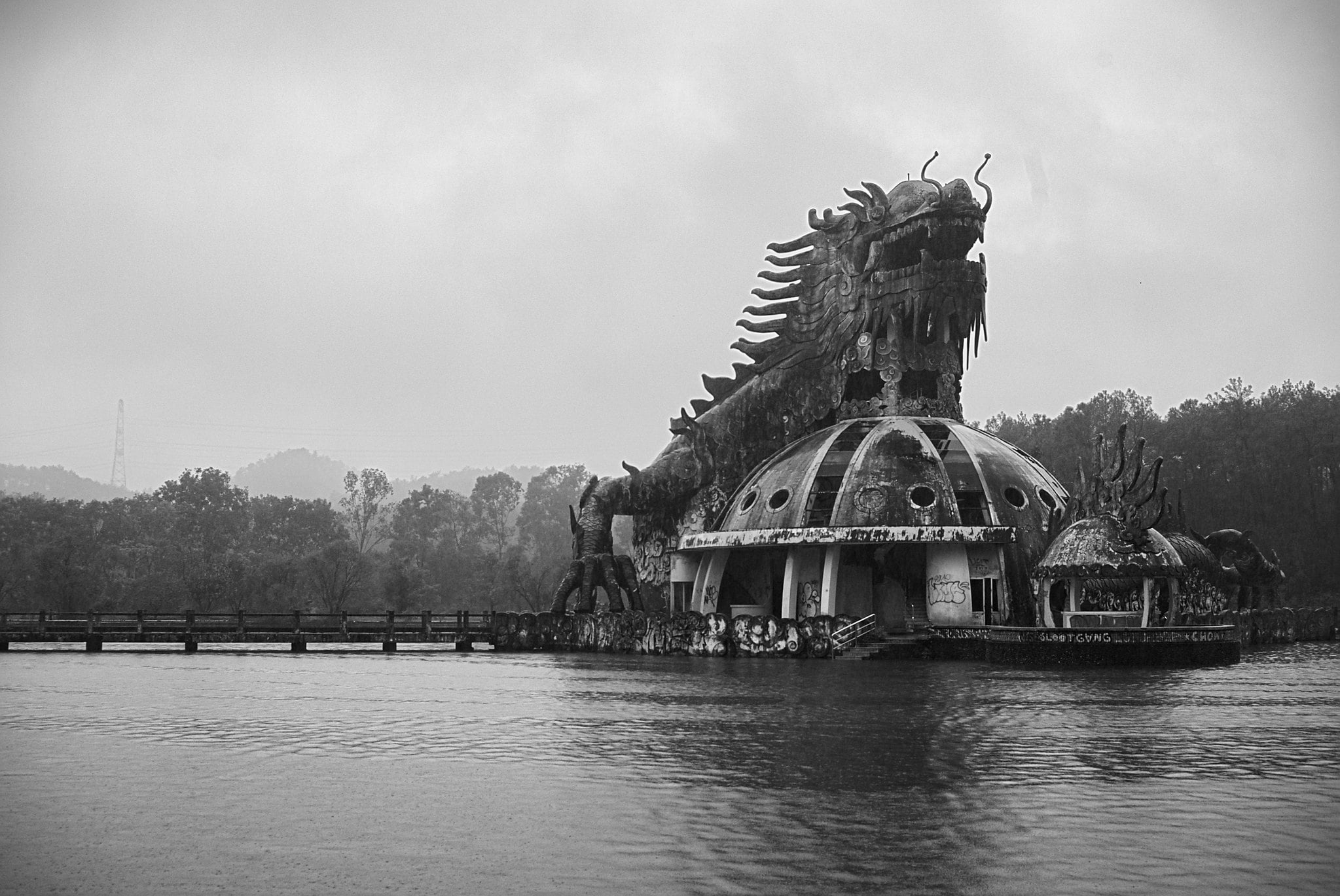
This water park outside Hue opened in 2004 and was built around a huge dragon-shaped structure, with an aquarium inside the dragon’s body. Too few visitors came to cover the costs, and the park closed after only a few years.
The dragon became a striking symbol of the abandoned site beside the lake, attracting urban explorers and photographers. Its eerie appearance helped make it one of Vietnam’s best-known abandoned attractions.
Loudoun Castle, Scotland
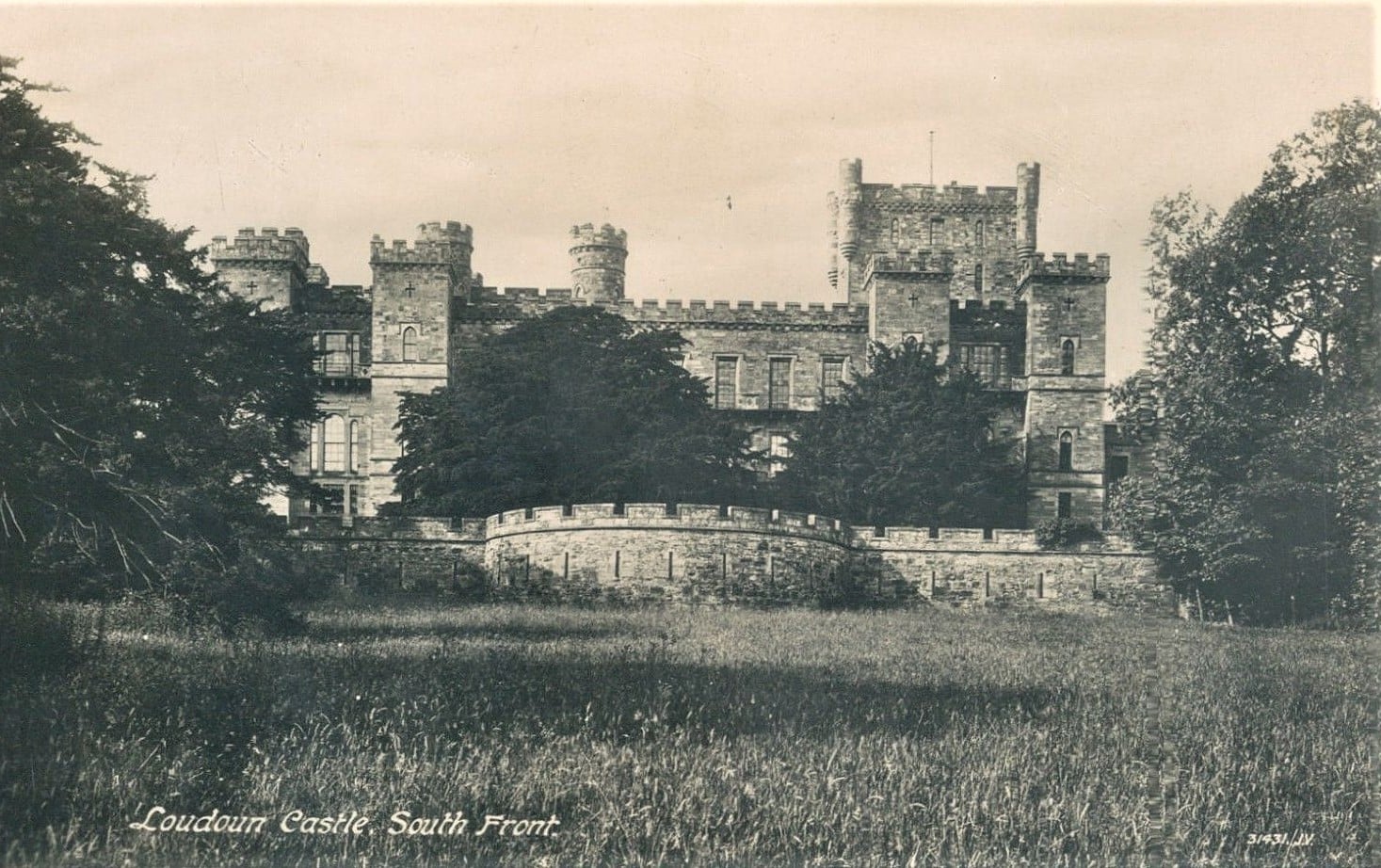
Loudoun Castle in Ayrshire is a 19th-century mansion that was gutted by fire in 1941. In 1995, the grounds became the setting for a theme park that featured rides and family attractions.
The park drew tourists but struggled financially and closed in 2010, leaving the ruined castle and the remains of a once-busy amusement park as reminders of the site’s two very different histories.
Wonderland Sydney, Australia
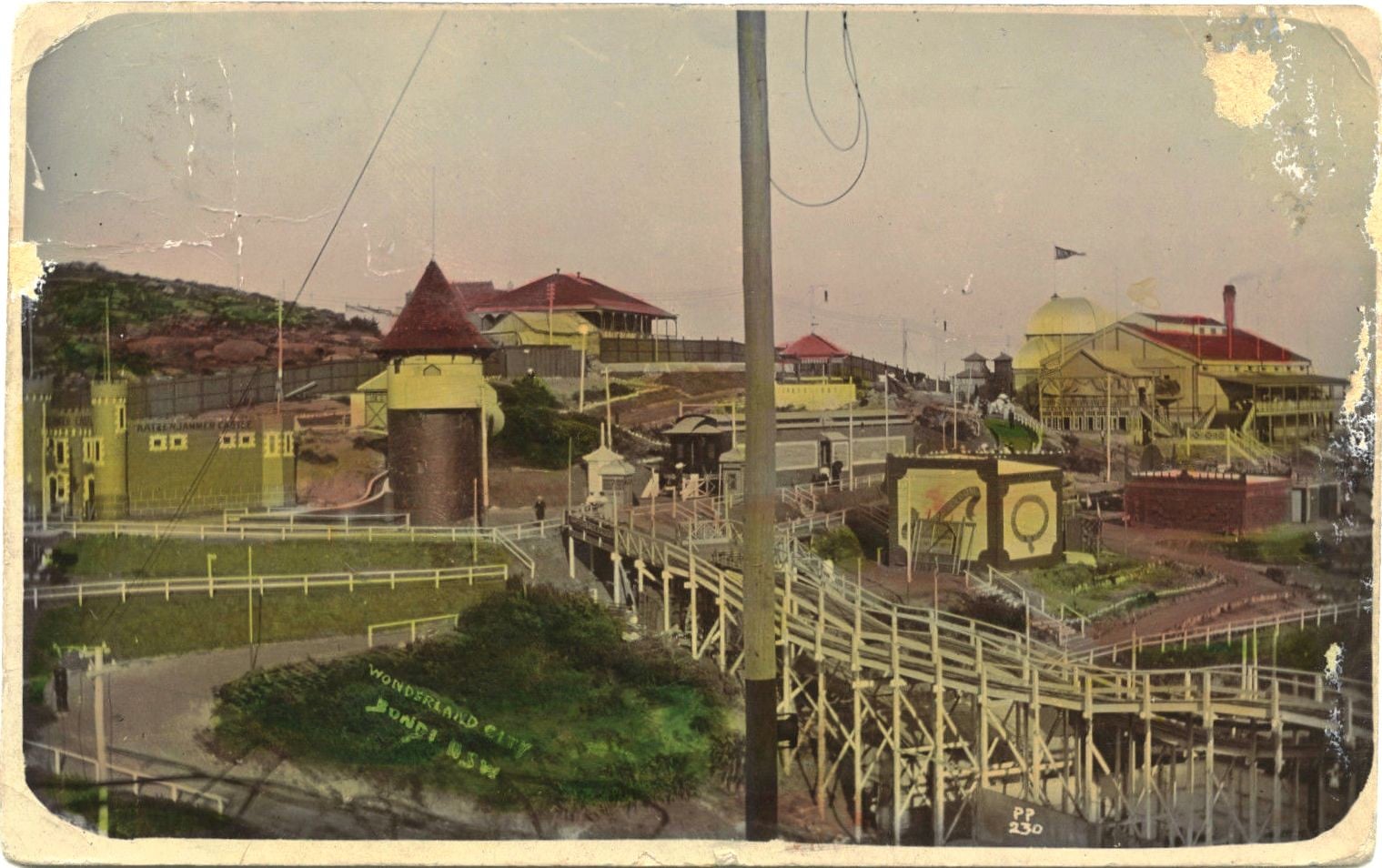
Wonderland opened in 1985 at Eastern Creek in western Sydney, with rides, shows and a zoo-style area. Financial pressures and changing entertainment preferences contributed to its closure in 2004.
The site was subsequently cleared and redeveloped, and the park is now remembered mostly by people who grew up visiting it. Unlike parks where rusting rides remain in place, Wonderland has largely vanished from the landscape.
Lake Dolores Waterpark, California
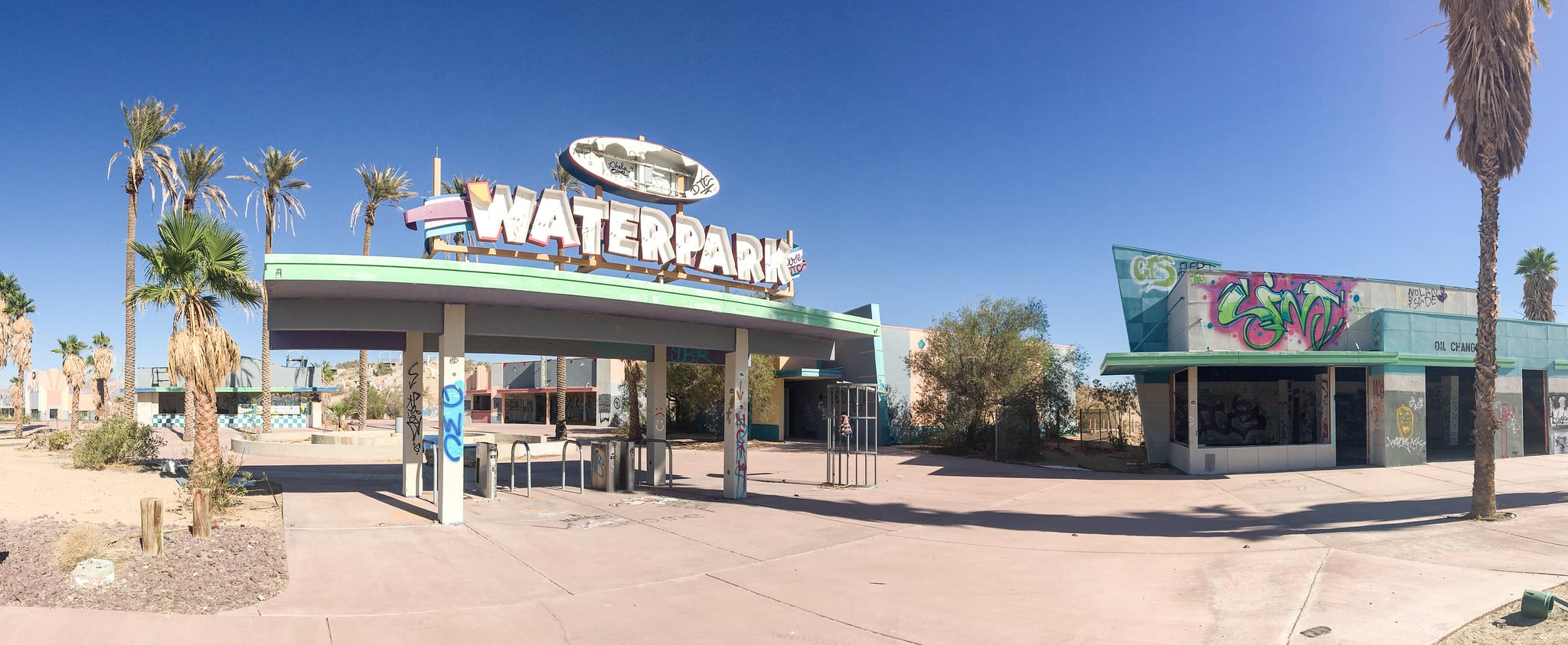
Lake Dolores began as a public attraction in 1962 along the highway through California’s Mojave Desert. Over the years, it grew into a water park with slides, a lake and other attractions.
After its original operation closed in the late 1980s, the site reopened under the name Rock-A-Hoola Waterpark in 1998 and later became Discovery Waterpark. Financial difficulties, an expensive injury lawsuit and poor attendance contributed to its eventual closure in 2004.
The abandoned property became known for its weathered structures and faded slides, although many of its original attractions have since been removed.
What Empty Rides Remember
Theme parks promise a version of life that is cleaner and faster than the real one, but they depend on constant maintenance and a steady stream of visitors. Once either of those fails, the illusion cracks quickly.
A hurricane, a bad business deal or a nuclear accident can turn a joyful place into a ruin in a single season. That is why abandoned parks feel so haunting.
They were designed for crowds, music and noise, so every silent carousel and sagging coaster seems to have been left in the middle of a sentence. Even when the rides are gone or the land is redeveloped, the stories of these parks linger as reminders that even the business of fun can be fragile.
More from Go2Tutors!

- 27 Silver Dollars and Half Dollars Worth Keeping
- 28 Restaurant Menu Items Nobody Orders Anymore
- 17 Places Built in Seemingly Impossible Spots
- 27 Vintage Rings Worth More Than They Look
- 25 Restricted Sites Tourists Can’t Enter
Like Go2Tutors’s content? Follow us on MSN.