How Top Athletes Maintain Their Intense Focus
Watch any elite athlete in action and you’ll notice something beyond their physical prowess.
There’s a stillness in their eyes, a kind of laser-beam attention that seems to block out everything except the task at hand.
Whether it’s a quarterback scanning the field with thousands of screaming fans around him or a gymnast preparing for a vault that could make or break their Olympic dreams, the mental game separates the good from the great.
The secret isn’t some mystical talent they were born with.
Top athletes train their minds with the same intensity they train their bodies, using specific techniques that anyone can learn.
These mental skills don’t just help them perform under pressure—they’re often what transforms natural ability into championship-level excellence.
Here’s a closer look at the mental strategies elite performers use to maintain razor-sharp focus when it matters most.
Mental Rehearsal Before It Happens

Michael Phelps didn’t just swim his way to becoming the most decorated Olympian of all time.
He visualized every stroke, every turn, every possible scenario before he even touched the water.
His coach had him watch what they called a ‘mental videotape’ twice a day—once before bed and once upon waking.
Phelps would imagine everything from the starting blocks to the victory celebration, and crucially, he’d visualize things going wrong and how he’d respond.
This technique works because the brain can’t fully distinguish between a vividly imagined event and a real one.
When athletes mentally rehearse a movement, they activate many of the same neural pathways that fire during actual physical performance—a process called motor imagery.
Numerous studies show that mental rehearsal improves performance and lowers anxiety in athletes.
Basketball players who visualized making free throws showed nearly the same improvement as those who physically practiced, though research confirms that combining mental imagery with actual physical practice produces the best results.
Katie Ledecky, holder of multiple Olympic golds and world records in swimming, puts it simply: she knows what her stroke should feel like at different parts of a race, and she can picture that in her mind.
The visualization isn’t just visual, though.
Top athletes engage all their senses—the smell of chlorine, the sound of the starting buzzer, the feeling of fatigue in their muscles.
The more realistic the mental rehearsal, the more the brain treats it as genuine preparation.
The Spotlight Method of Concentration

Aidan Moran, a cognitive psychology professor who works with elite athletes, suggests thinking about concentration like a spotlight.
Rather than something you lose, focus becomes something you deliberately aim and direct.
This reframing changes everything.
When a tennis player misses a shot, they’re not ‘losing focus’—they’re just pointing their mental spotlight in the wrong direction, perhaps toward the crowd or their own anxious thoughts rather than the next point.
The key is learning to redirect that spotlight quickly.
Tiger Woods famously practiced his golf swing while his father deliberately tried to distract him, jangling keys and dropping coins.
This wasn’t hazing—it was training his attentional control.
By anticipating distractions and creating plans for how to handle them, athletes avoid hitting the panic button when something unexpected happens mid-competition.
They’ve already mentally rehearsed their response.
This attentional-control approach is well supported in sports psychology.
Research shows that anxiety doesn’t just make athletes nervous—it actually impairs their ability to filter out irrelevant information and shift their attention where it needs to go.
Training the spotlight takes practice, but it’s a skill that builds over time.
The more an athlete practices directing their attention deliberately in training, the more automatic it becomes in competition.
Mantras That Cut Through the Noise

When Cristiano Ronaldo steps up to take a penalty kick with millions watching, he doesn’t think about missing.
He fills his mind with a simple affirmation of his ability.
Marathon runners develop personal mantras like ‘strong and steady’ that they repeat during the toughest miles.
These aren’t just feel-good phrases—they’re psychological anchors that keep the mind from spiraling into doubt.
The power of positive self-talk lies in its ability to occupy mental space that might otherwise fill with destructive thoughts.
When fatigue sets in or pressure mounts, the brain starts generating unhelpful commentary.
Self-doubt creeps in.
Mantras interrupt that pattern, giving the mind something constructive to latch onto instead.
They work best when they’re short, personal, and repeated often enough to become automatic.
Research involving college athletes found that those who focused on controllable, specific goals—their own actions and performance—consistently outperformed those fixated on outcome goals like winning or beating opponents.
This is precisely why effective mantras work: they shift focus to controllable actions rather than results.
Self-talk occupies cognitive space and directs attention toward what the athlete can actually influence—their effort, their technique, their response to adversity.
Everything else is just noise.
Pre-Performance Routines That Signal Readiness

Watch professional golfers before a shot and you’ll notice they all have rituals.
Some take the same number of practice swings.
Others visualize the trajectory.
These aren’t superstitions—they’re carefully designed routines that trigger a focused mental state.
The concept of pre-performance routines is well supported in sports psychology: studies consistently show that athletes who use consistent rituals are significantly less susceptible to distractions and experience less performance variability during competition.
The routine itself matters less than its consistency.
When an athlete performs the same sequence of actions before competing, they’re essentially training their brain to associate those actions with peak performance.
A swimmer might use focused breathing techniques before a race to settle nerves and sharpen concentration.
A basketball player might bounce the sphere three times and spin it once before every free throw.
The repetition creates a mental pathway that says: it’s time to perform.
Making training mirror competition helps normalize high-pressure moments.
If you listen to a specific song before practice, listening to it before competition creates familiarity.
If you have a morning race, training at the same time of day conditions your body and mind to expect performance at that hour.
The goal is to make competition feel like just another day at the office—except the office happens to be an Olympic stadium.
Mindfulness and the Power of Present Attention

According to one account, Serena Williams learned to ignore everything else and concentrate solely on the sphere.
The essence of mindfulness in sports is encapsulated in that straightforward statement: focusing entirely on the present moment rather than dwelling on the past or potential future.
Psychologists refer to this capacity for present-moment awareness as the cornerstone of all other mental training.
Mindfulness training typically includes focused breathing exercises, body scans, and mindful observation of sensations without judgment.
For athletes, this translates to noticing muscle tension, breathing patterns, or emotional states without getting caught up in them.
A cyclist on a long ride might perform a mental body scan to stay engaged and physically relaxed.
A quarterback might use a quick breathing technique between plays to reset his mental state.
Related to mindfulness is the concept of ‘quiet eye’—a period of sustained visual attention that elite performers maintain on critical targets.
Research shows that top athletes have longer quiet-eye durations than less-skilled performers, allowing them to process information more effectively and execute with greater precision.
This visual focus is another form of attentional control that separates elite from average performance.
The University of Wisconsin’s quarterback Graham Mertz credited mindfulness training with helping him realize he was so focused on football that he’d neglected other parts of his life.
When he learned to pay attention to what he actually needed—sometimes more prep time, sometimes just fun—his overall mental health improved.
The surprising bonus: his on-field performance improved too.
The mind works better when it’s balanced, not obsessed.
Training for Discomfort

Here’s something most people don’t realize: typical drills don’t actually prepare athletes for the mental challenge of competition.
Running sprints in practice might build fitness, but it does nothing for the surges of adrenaline, the pain of exhaustion, or the emotional chaos of competition.
To train for peak performance, athletes need to deliberately practice being uncomfortable.
This is a psychological training strategy as much as a physical one.
Coaches design practice environments that simulate the mental and emotional strain of competition, not just the physical demands.
A coach might create scenarios where an athlete has to perform while genuinely experiencing pressure or fatigue, learning what their mind does in that state and how to manage it.
It’s messy, allows for mistakes, and takes more time than standard drills.
But athletes who train this way develop a familiarity with discomfort that becomes a competitive advantage.
The research backs this up.
Athletes who practice managing micro-stressors in training—like handling trash talk from teammates or performing under artificial time pressure—develop better stress management skills overall.
This approach builds resilience and strengthens attentional control even under fatigue.
They’re essentially inoculating themselves against the pressure of real competition by experiencing controlled doses of it beforehand.
Where Mental Training Meets Reality
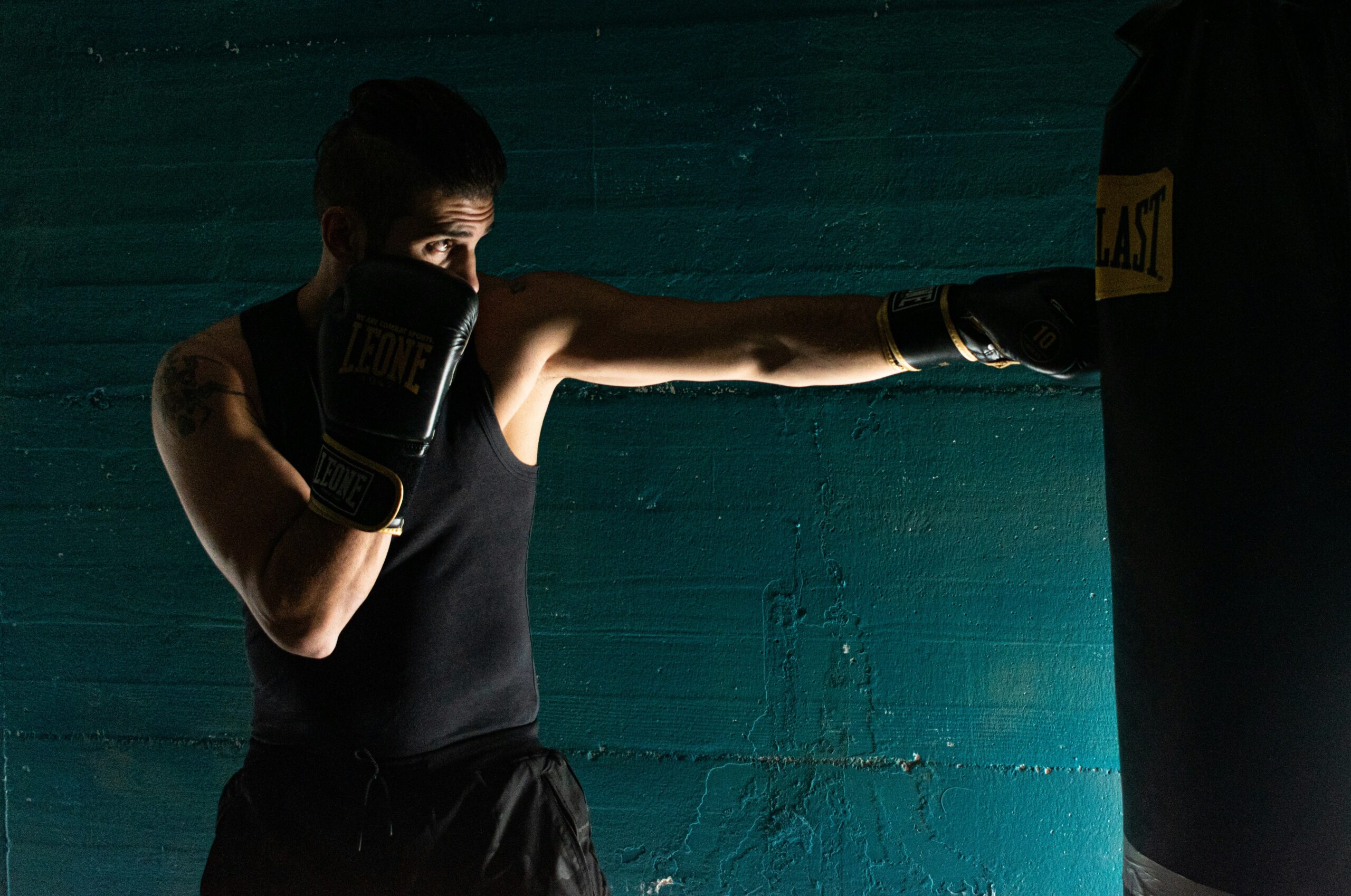
Professional athletes don’t develop these skills overnight, and they don’t do it alone.
Sports psychologists have become as common in elite training programs as strength coaches.
These specialists help athletes identify their mental weaknesses, design personalized training strategies, and work through psychological obstacles that physical training can’t address.
Many studies estimate that around 90 percent of Olympic athletes use some form of visualization technique, and most have worked with mental performance coaches.
Mental-skills training isn’t a ‘nice-to-have’ addition anymore—it’s now considered an integral part of elite training programs and a genuine competitive edge.
The younger an athlete starts this training, the better.
As pressure and demands increase through different competitive levels, those who’ve built mental resilience early can handle the escalation.
Mental skills, like physical ones, require consistent practice over time.
An athlete might dedicate ten to fifteen minutes daily to visualization work, use mindfulness techniques during warm-ups and recovery, and employ self-talk strategies during competition itself.
The way these abilities translate outside of sports is fascinating.
A student can focus on their studies with the same attentional control that a golfer uses to focus on a putt.
The same stress-reduction strategies that help athletes deal with competition anxiety also work well for public speaking or job interviews.
There is no distinction between athletic and non-athletic challenges in the neural pathways that are strengthened through mental training.
The Mind as Competitive Edge
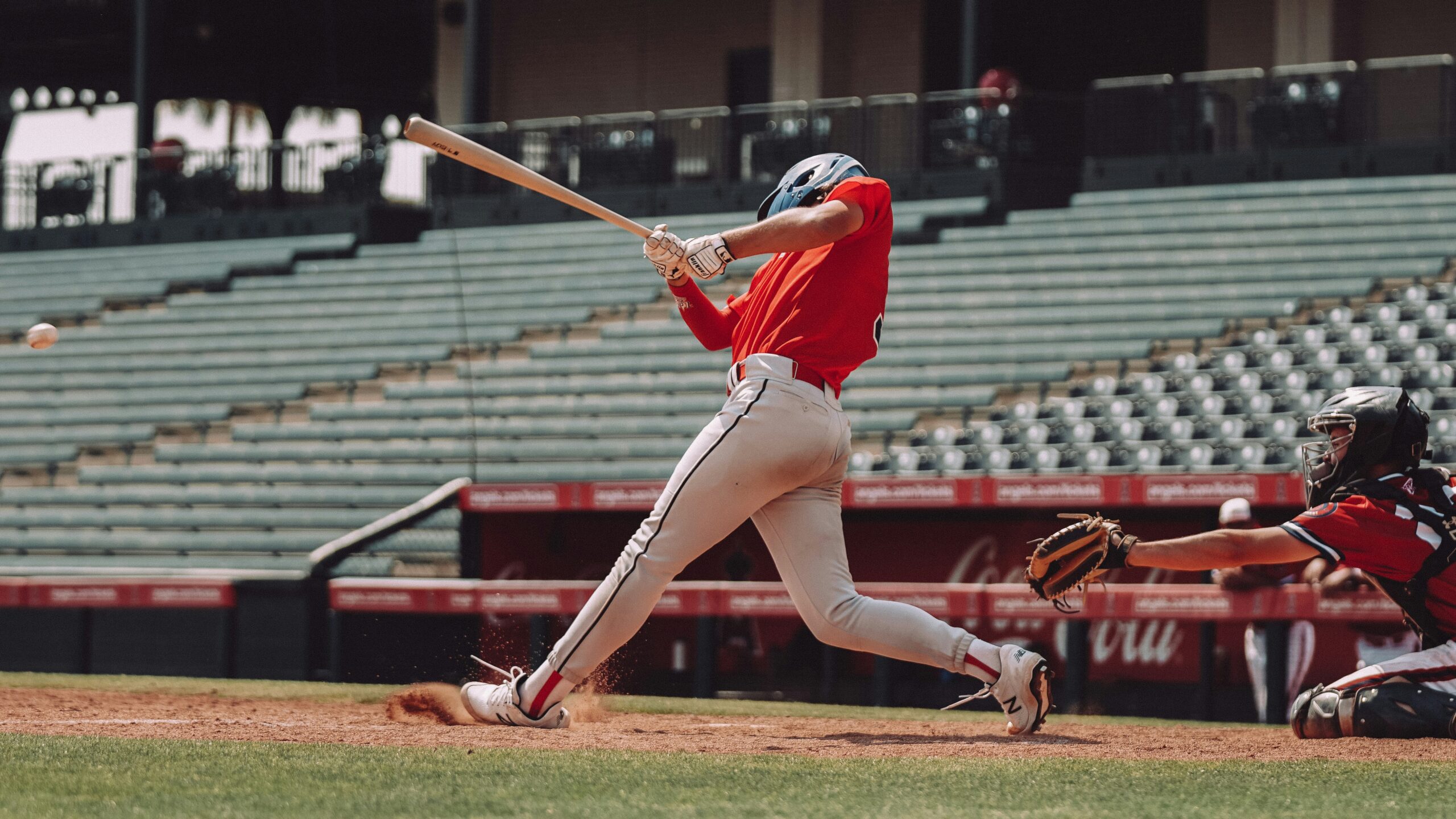
The margin between winning and losing at elite levels has become razor-thin.
Human physical capabilities are approaching their limits—we’re only getting marginally faster, stronger, and more agile with each generation.
In this environment, the mental game isn’t just important.
It’s often the deciding factor.
Two athletes with nearly identical physical abilities will be separated by who manages their attention, emotions, and mental state more effectively.
What once seemed like an intangible quality—mental toughness, clutch performance, the ability to handle pressure—is now understood as a set of trainable skills.
Focus isn’t a fixed trait some lucky people have and others don’t.
It’s a muscle that gets stronger with the right kind of exercise.
The athletes who understand this and commit to training their minds alongside their bodies consistently outperform those who rely on physical preparation alone.
The techniques elite athletes use might seem simple on the surface.
Visualize success.
Use a mantra.
Breathe mindfully.
Establish routines.
But simple doesn’t mean easy, and it certainly doesn’t mean ineffective.
These practices work because they leverage how the brain actually functions, creating neural patterns that support peak performance when it matters most.
They transform natural ability into sustained excellence, and potential into results.
More from Go2Tutors!

- The Romanov Crown Jewels and Their Tragic Fate
- 17 Halloween Costumes Once Considered Taboo
- Famous Hoaxes That Fooled the World for Years
- 15 Child Stars with Tragic Adult Lives
- 16 Famous Jewelry Pieces in History
Like Go2Tutors’s content? Follow us on MSN.