Sounds Younger Generations Never Heard
Every era has a soundtrack made of machines that no longer exist. The noises were so routine that nobody thought to record them, and then one day the devices vanished and the sounds went with them.
For anyone who grew up before smartphones, these cues can still bring a room, a hallway, or a family car back in an instant. Younger listeners may have only heard them in a movie.
The Dial-Up Modem Handshake
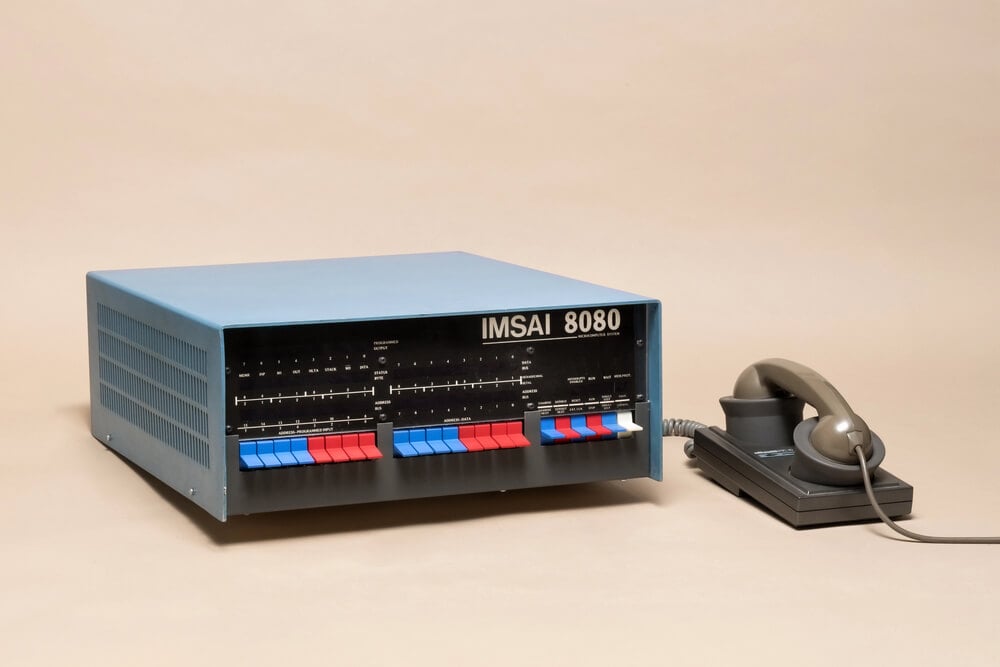
The screech and warble of a modem connecting to the internet was a negotiation between two machines, with tones that told each side what speed it could manage. Waiting through it meant the phone line was tied up, and anyone picking up the receiver would hear static.
The sound ended with a burst of white noise and, finally, a webpage.
The AOL “You’ve Got Mail” Voice
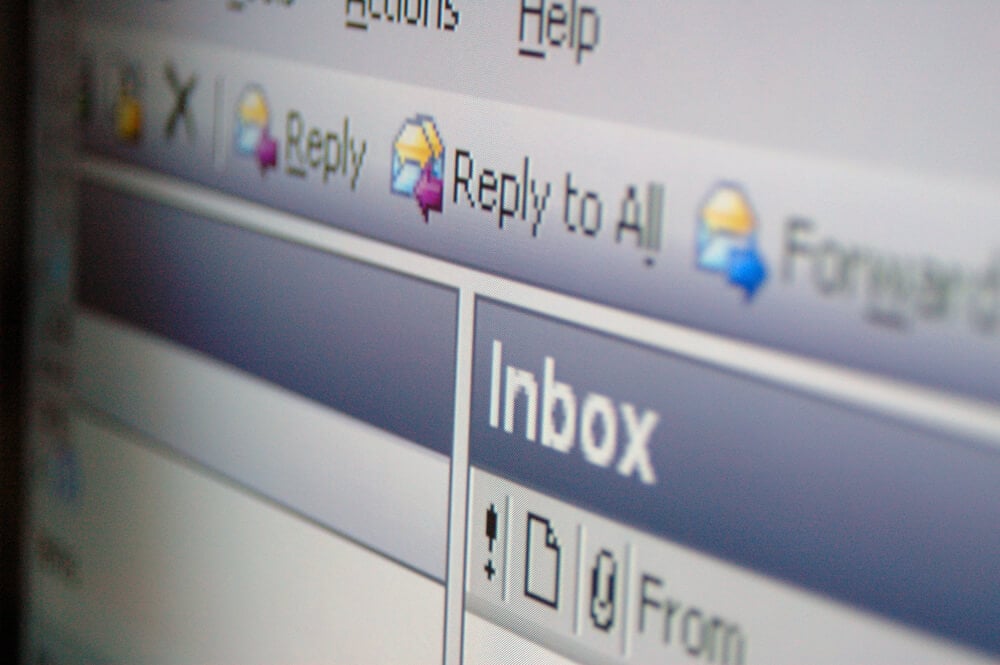
Elwood Edwards recorded the greeting in 1989 on a cassette deck in his living room, after his wife Karen volunteered him for the job. He recorded four phrases in total, and one of them became one of the most recognized sounds of the 1990s.
The line was so famous that it inspired a Hollywood film title.
The Rotary Phone Dial
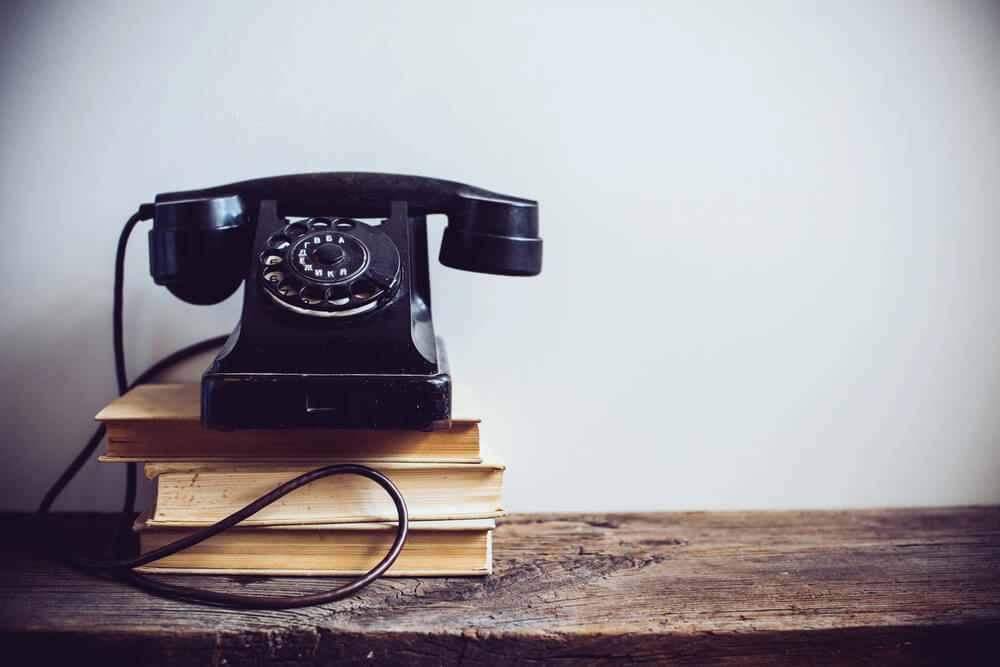
Dialing a number meant pulling a finger wheel around to the stop and letting it whir back, with each digit clicking out a series of pulses. A nine took noticeably longer than a one.
The slow return of the dial was a small lesson in patience that touchscreens have erased.
Rewinding a Cassette Tape
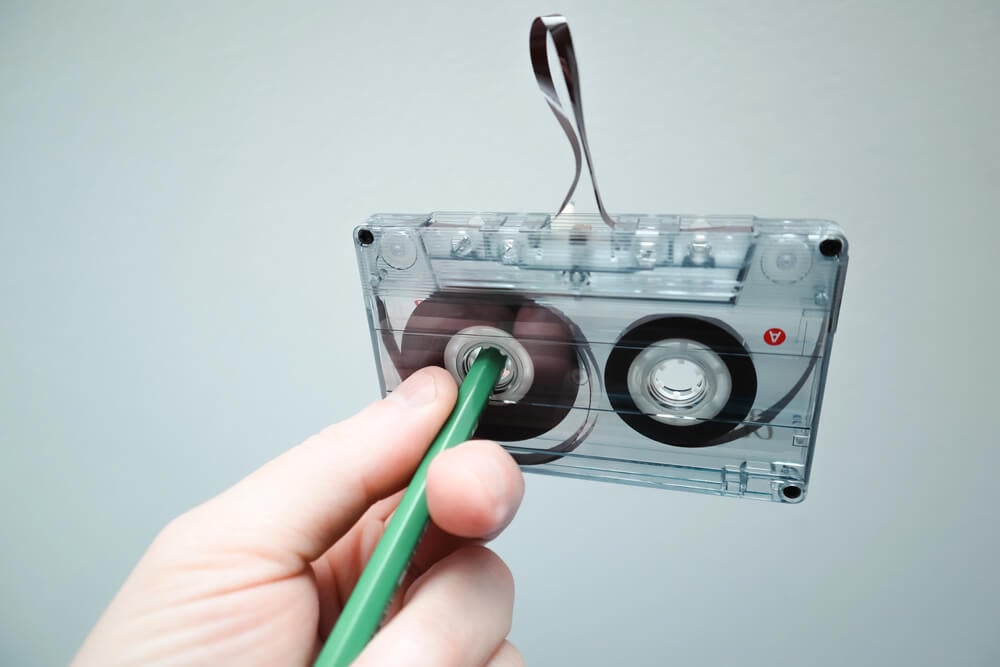
A pencil in the sprocket was the household fix for a tape that had come unspooled, and the whirring of a fast-forward or rewind was a regular part of listening to music. The sound of the tape hitting the end of its spool with a clunk meant it was time to flip the cassette.
Entire afternoons were spent chasing a favorite song through the reel.
The VHS Rewind
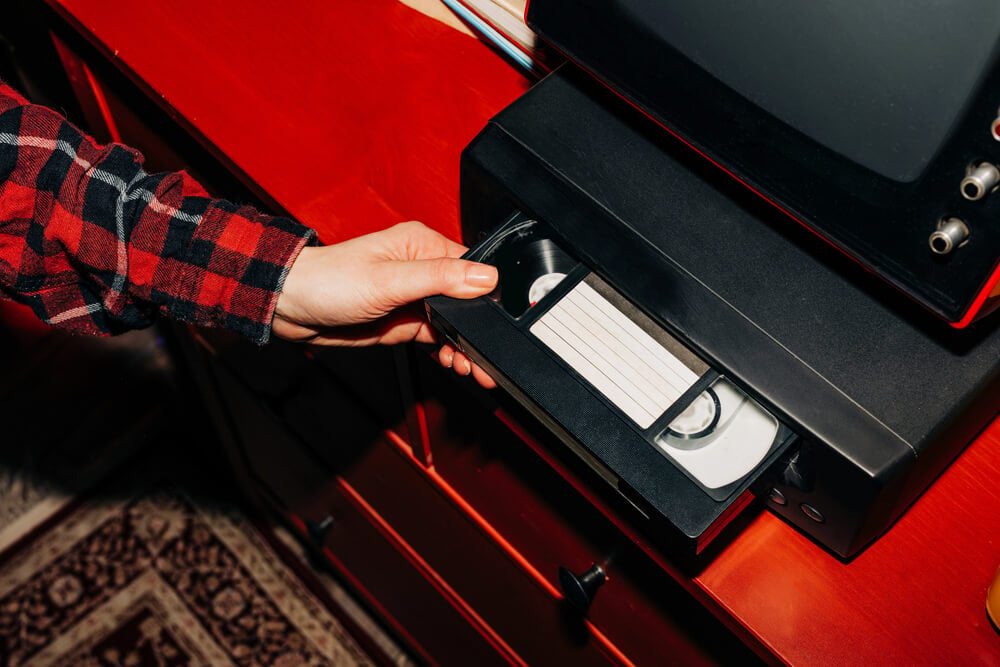
Video rental stores handed out “Be Kind, Rewind” stickers because returning a tape at the wrong point was a social offense. The motor in the VCR whined as the spools spun backward, sometimes for several minutes.
Rewinding a movie before bringing it back was a basic courtesy.
The Typewriter Bell
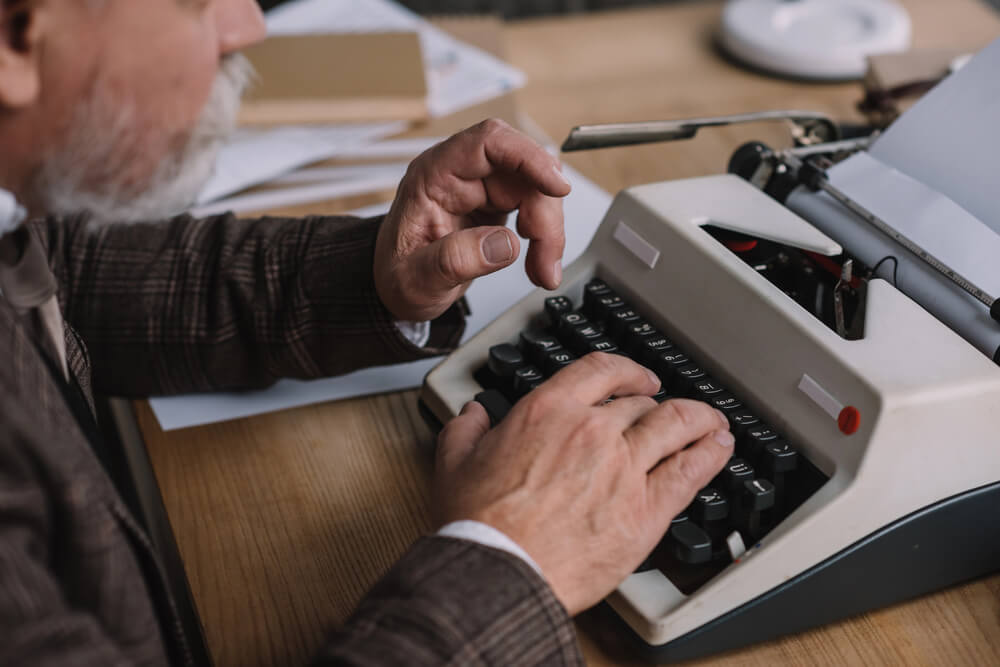
A small bell rang near the end of each line to warn the typist that the margin was close, and the carriage return came with a satisfying slam. Each keystroke struck the page with a sharp clack.
Offices once sounded like a room full of tiny hammers.
The Floppy Disk Drive
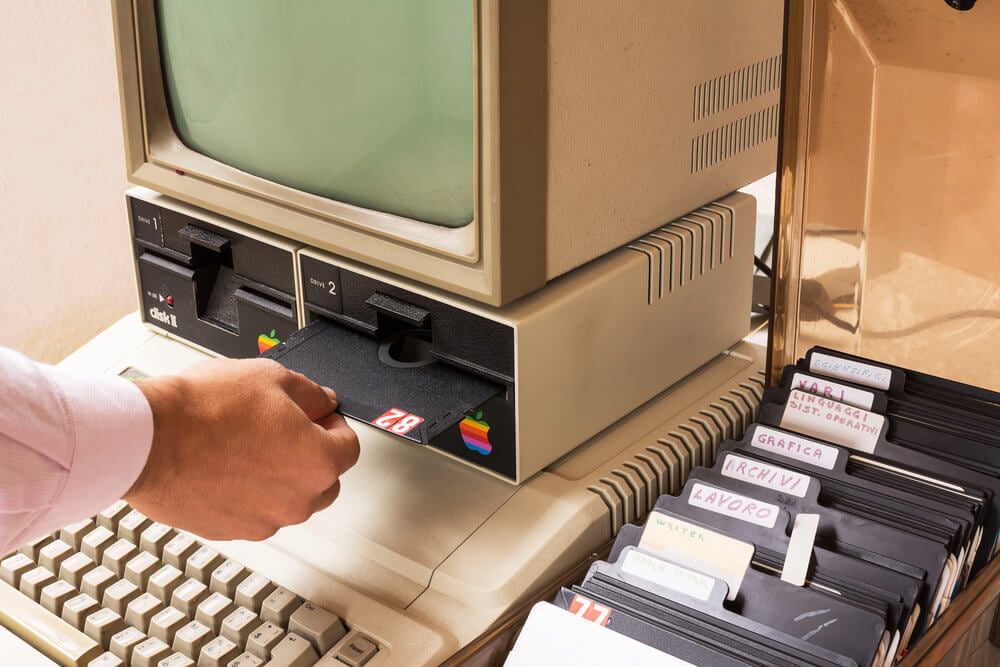
Inserting a disk into a computer set off a series of grinding, clicking noises as the read head searched for data. A disk held only a little over a megabyte at most, so large projects needed a stack of them.
The rhythm of that chatter meant the machine was working.
The Fax Machine Screech
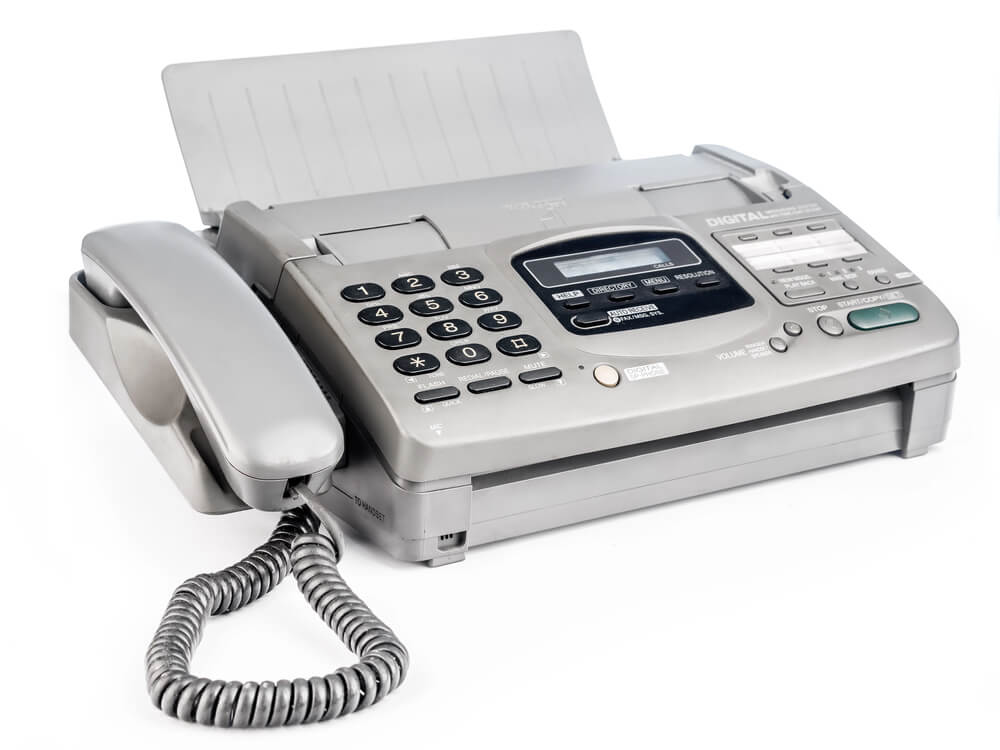
Fax machines announced their handshake with a burst of shrill tones that cut through any office. A document was fed through, scanned line by line, and sent across the phone network, with the pages creeping out the other end.
The noise was loud enough that people left the room.
The Pager Beep
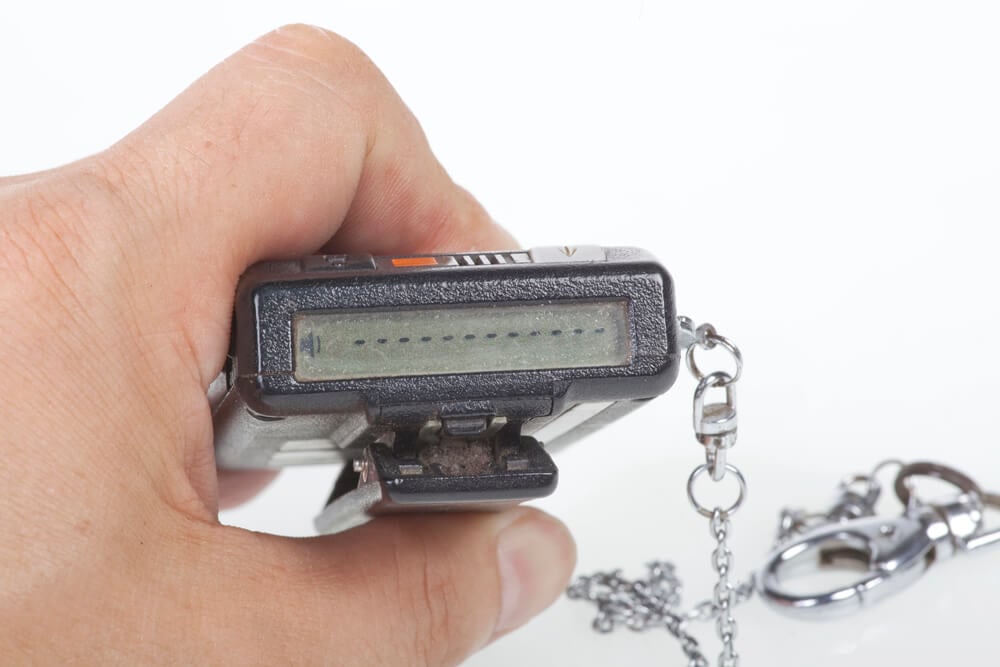
Doctors, plumbers, and teenagers alike wore pagers on their belts, and the electronic chirp meant someone wanted a call back. The message was often just a phone number.
Finding a pay phone quickly became a routine errand.
The Dot Matrix Printer
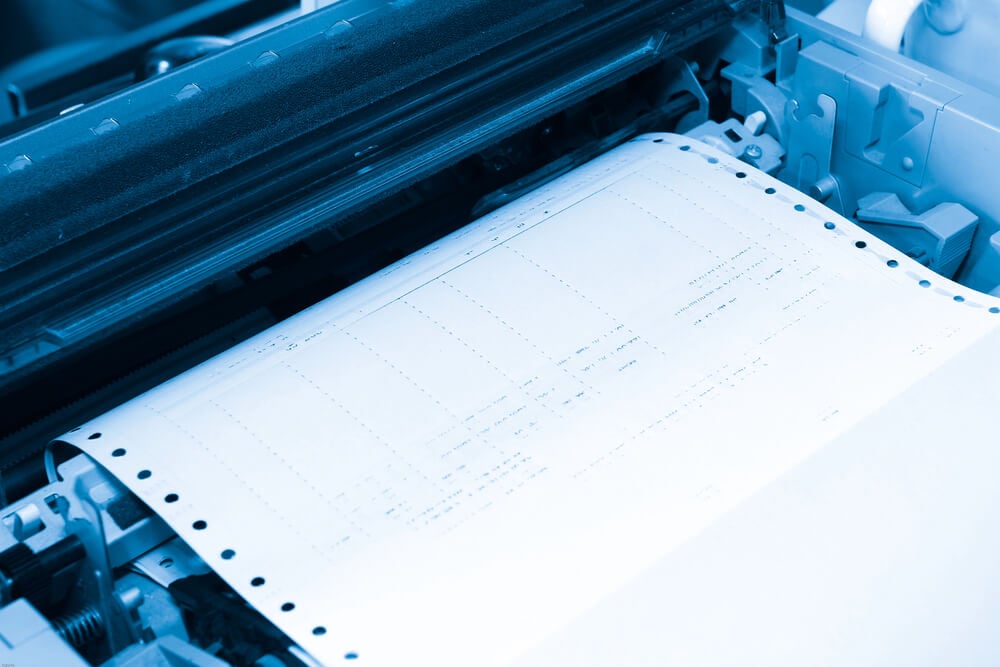
The printer produced its text with a rapid-fire buzz as the print head dragged across continuous-feed paper with perforated edges. Printing a single page could sound like a tiny chainsaw.
Tearing off the perforated strips was a ritual of its own.
The Film Projector
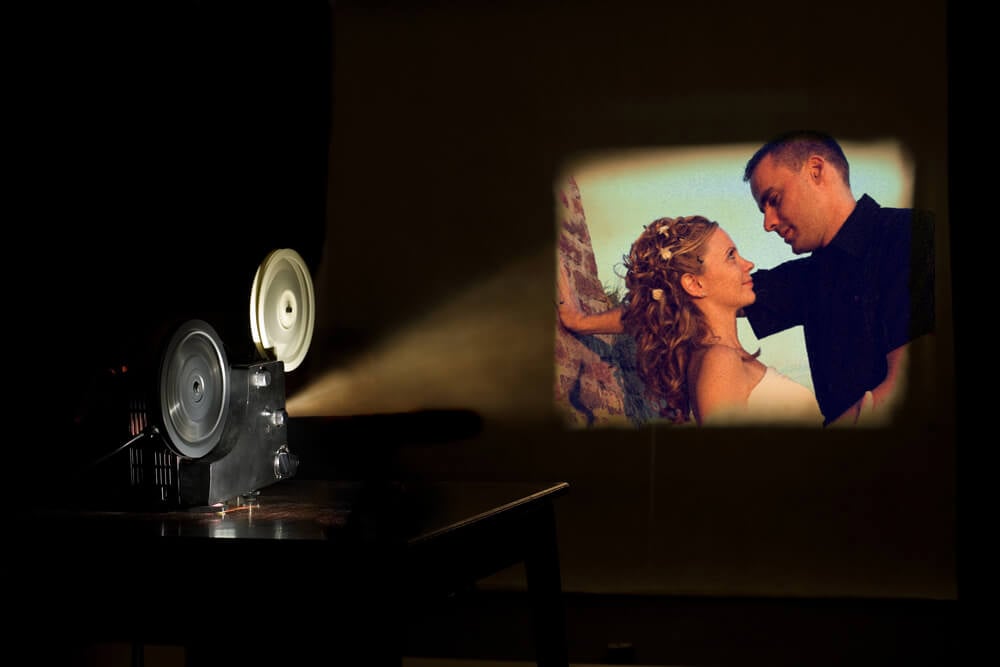
A classroom projector whirred as the film ran through its gate, and the lamp threw a flickering beam onto the screen. When the reel ended, the loose tail slapped around the take-up spool.
Teachers loved the film strips that beeped to signal when to advance the frame.
The Kodak Carousel Slide Projector
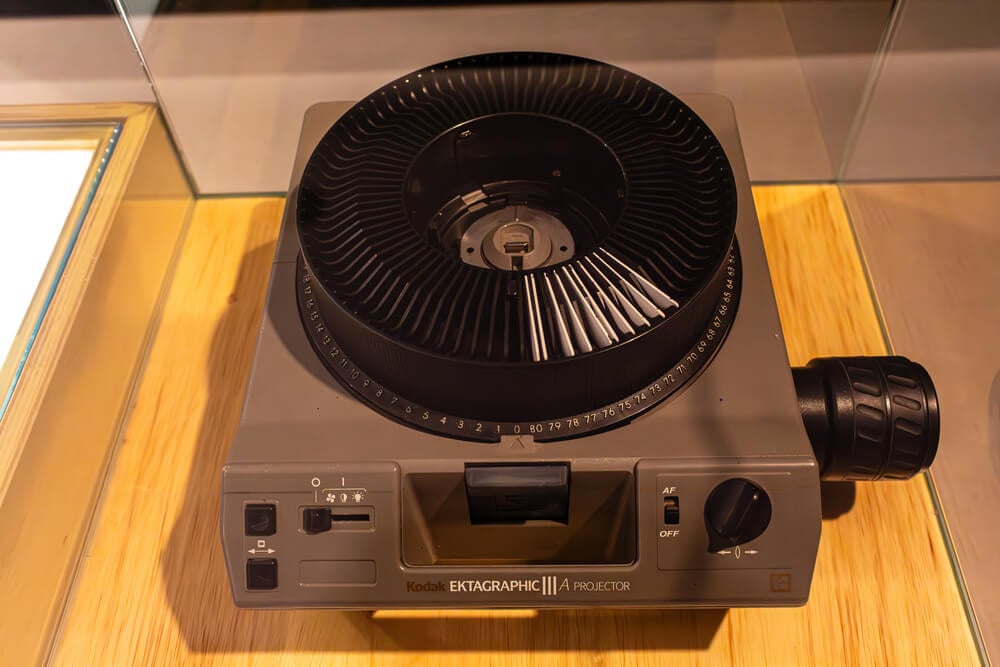
Kodak introduced the Carousel in 1961, and its slide tray advanced with a distinct clunk and click as each picture dropped into place. Vacation slideshows came with that sound as a steady metronome.
The fan whirred in the background the entire evening.
The Polaroid SX-70 Eject
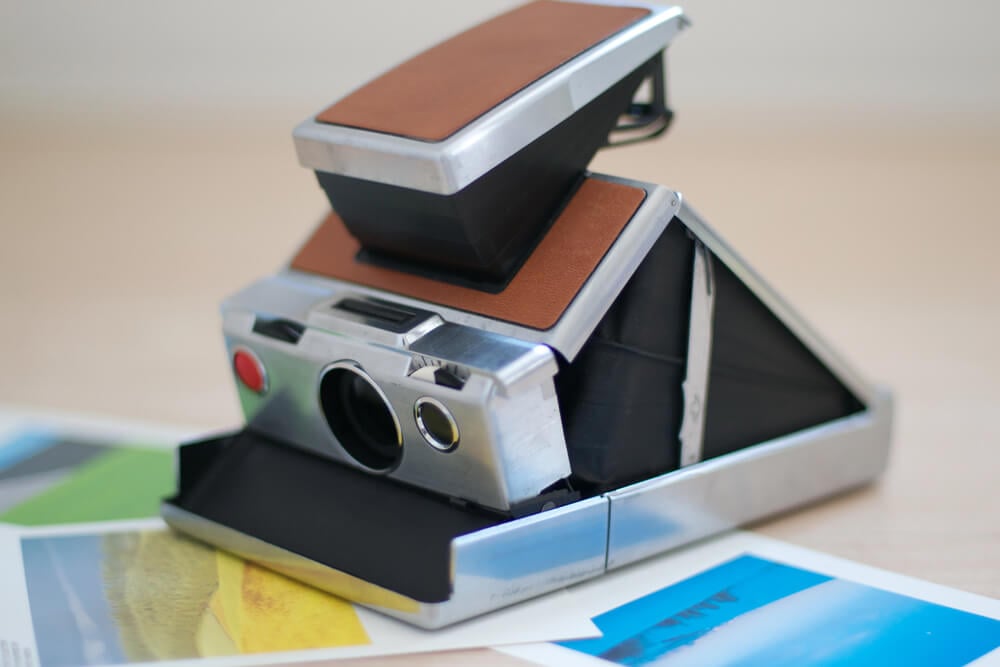
Polaroid released the SX-70 in 1972, and its motor whirred as the photo slid out of the front of the camera. The picture arrived blank and slowly developed on its own, which led to the famous urge to shake it.
The sound alone told everyone a memory was being made.
The TV Sign-Off Tone
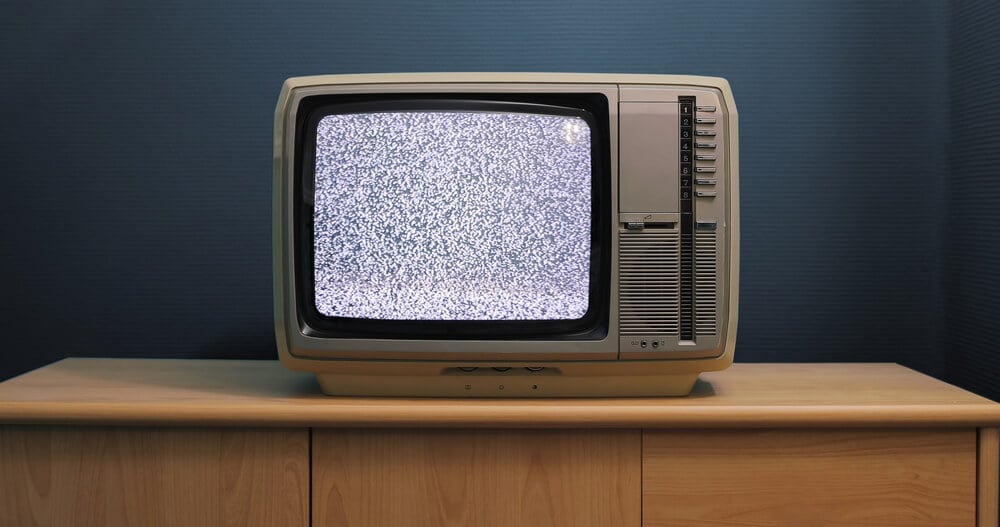
Many stations once ended their broadcast day with the national anthem and a steady test tone, followed by a field of static. Viewers who stayed up late learned that the signal went dark until morning.
Round-the-clock programming eventually wiped the ritual away.
The Pay Phone Coin Drop
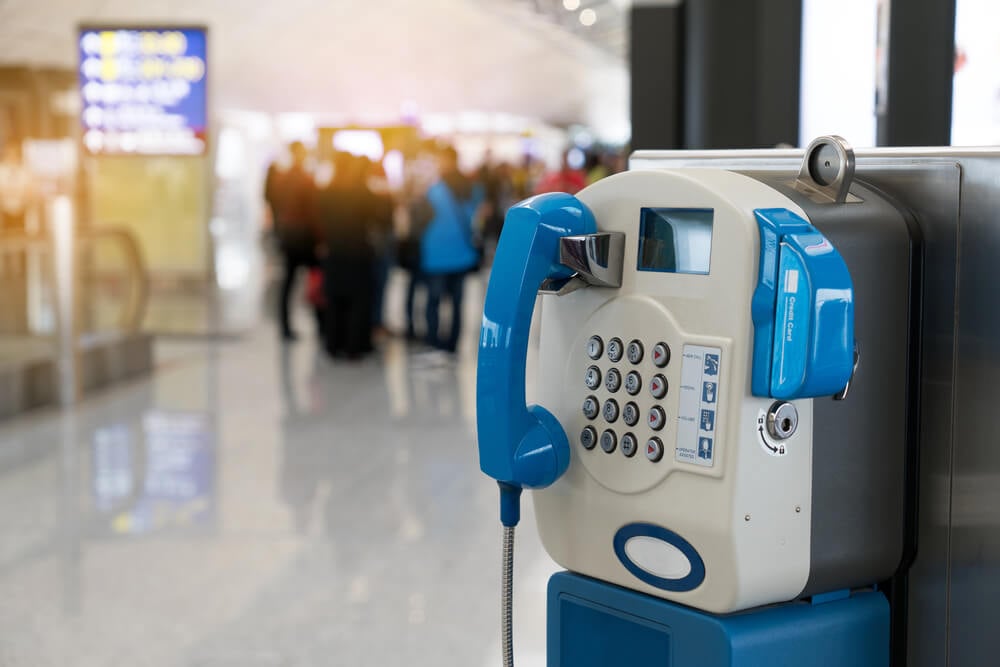
Dropping coins into a pay phone produced a series of chimes, and the tone told the operator how much money had been deposited. A busy signal meant the number was in use and the coins could be retrieved.
The booth echoed with the clink of a dime.
The Nokia Ringtone
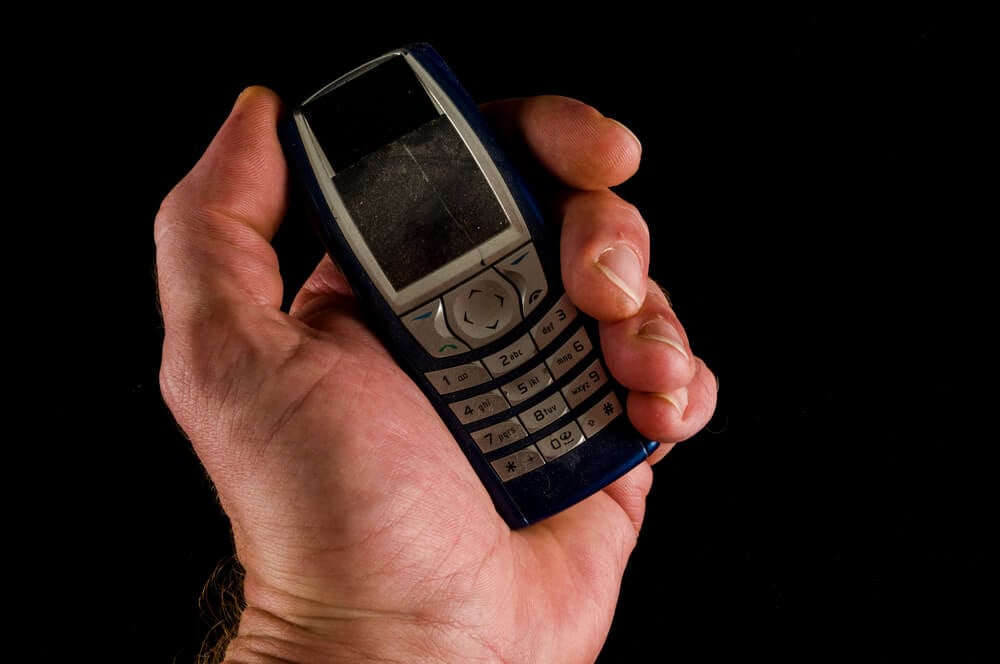
The Nokia tune came from Francisco Tárrega’s guitar piece Gran Vals, written in 1902. It was built into millions of handsets and heard so often that it became a global signal for an incoming call.
Entire train cars once reached for their pockets at the same moment.
The Windows 95 Opening Sound
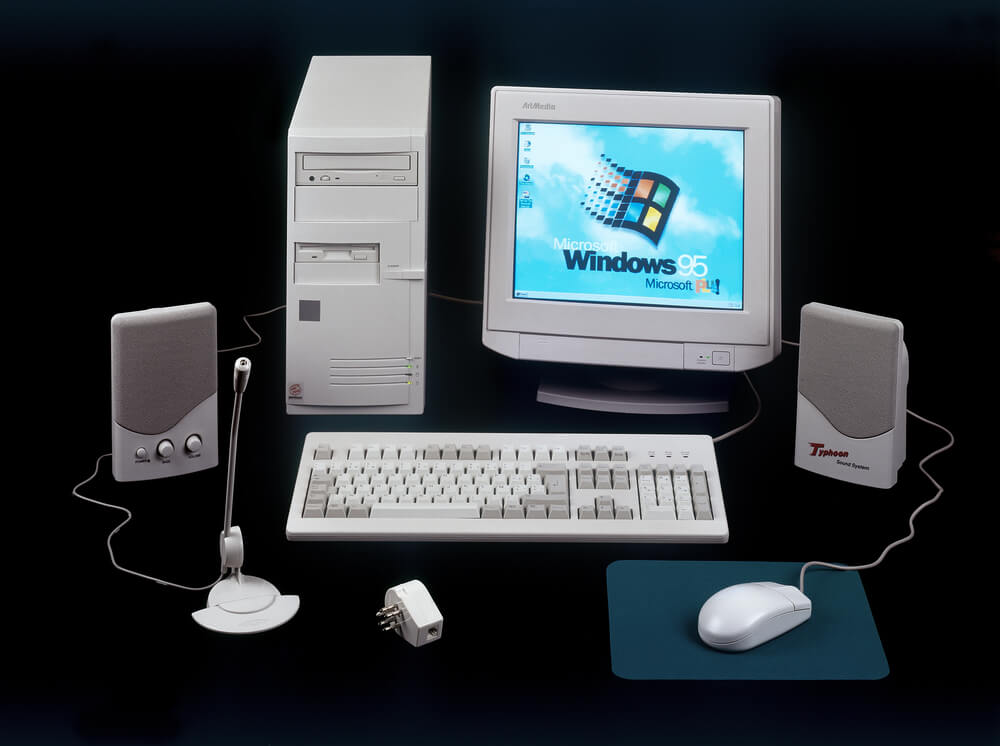
Brian Eno composed the sound that played when Windows 95 booted, and it ran just a few seconds long. Eno has said he was asked to create something inspiring, emotional, and short.
The result became one of the most played pieces of music of its time.
The Ice Cream Truck Jingle on a Summer Street

Before every child had a phone, the tinkling melody of an ice cream truck was a neighborhood alert system. Kids sprinted for loose change at the first notes.
The tune carried for blocks and signaled that summer was in full swing.
The Cash Register Ka-Ching
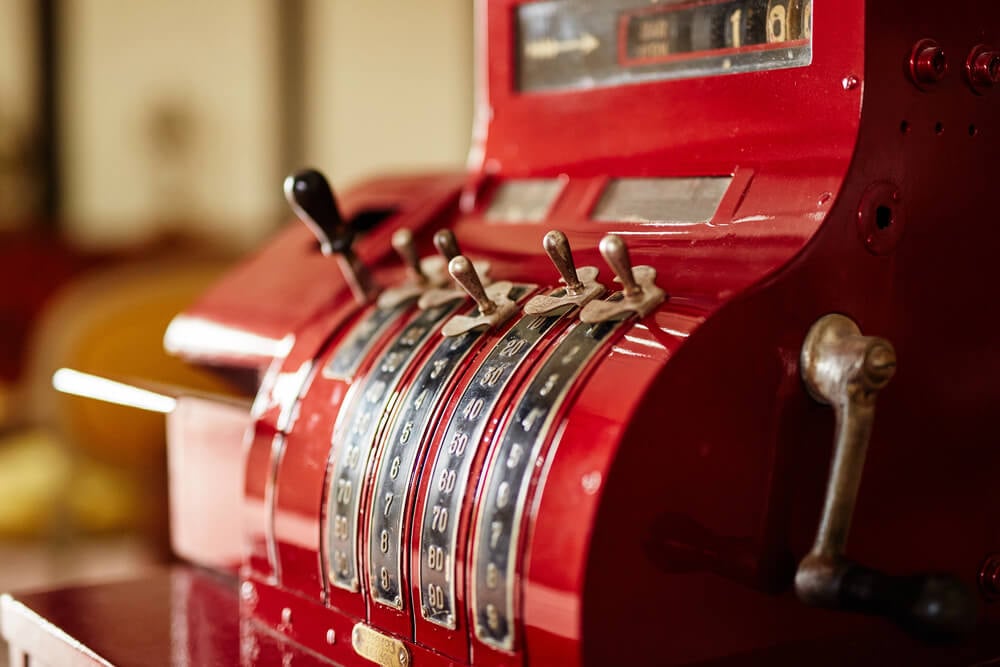
Mechanical registers rang a bell when the drawer popped open, and the chime became shorthand for a sale. The keys clunked as each amount was punched in.
Digital terminals have replaced the sound with beeps.
The Tape Deck Click
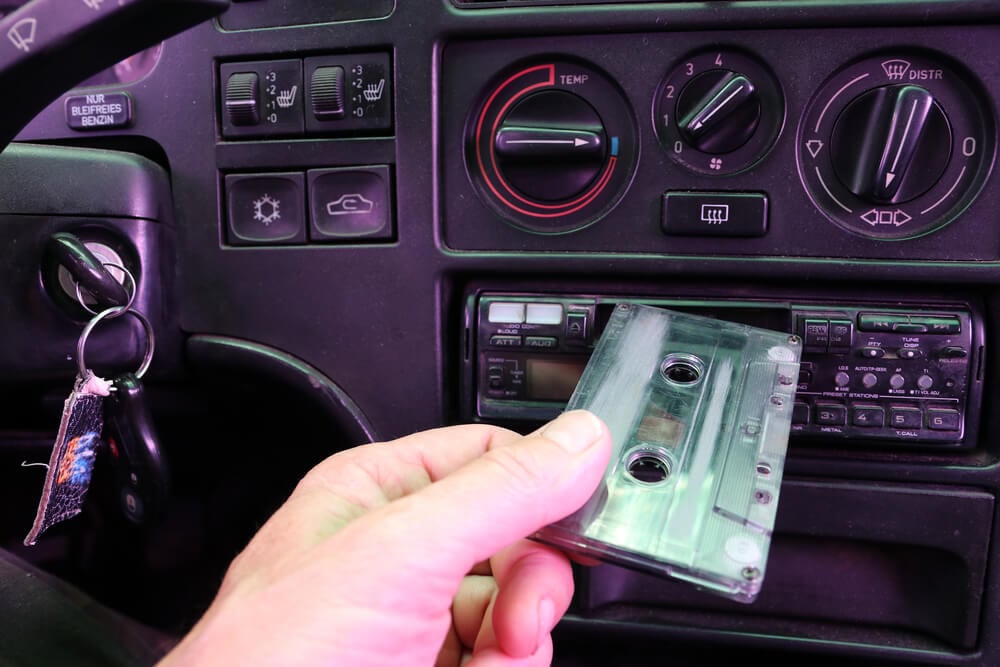
Pressing the play button on a car stereo or boombox produced a heavy mechanical thunk that signaled the tape was engaged. A hiss followed before the music began.
Pressing record and play together made a recording session feel like serious business.
When Silence Replaced the Noise
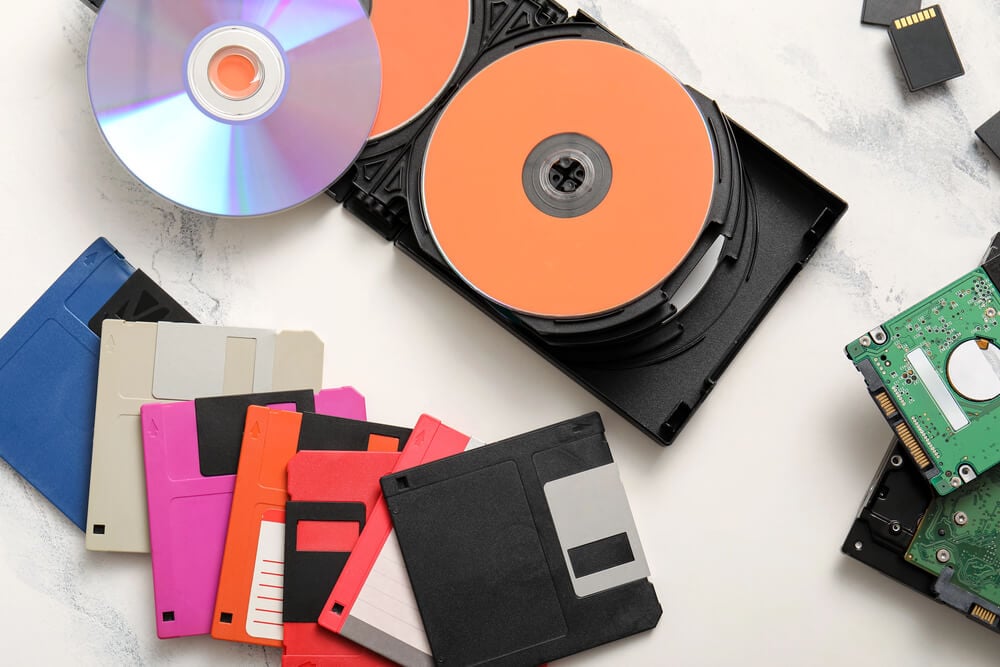
Most of these sounds were byproducts of mechanics: gears, springs, spools, and bells. As devices became silent and digital, the audible feedback that told people a task was happening disappeared.
Today, a file sends without a whisper. That change makes these noises feel like a lost language.
People who remember them can hear one and instantly place themselves in the room where it happened. For everyone else, they are a reminder that technology once announced itself loudly.
More from Go2Tutors!

- 27 Silver Dollars and Half Dollars Worth Keeping
- 28 Restaurant Menu Items Nobody Orders Anymore
- 17 Places Built in Seemingly Impossible Spots
- 27 Vintage Rings Worth More Than They Look
- 25 Restricted Sites Tourists Can’t Enter
Like Go2Tutors’s content? Follow us on MSN.