17 Toys That Came With Shocking Warnings
Toys ought to make people happy, ignite their imaginations, and produce enduring memories. But throughout history, some toys have come with warnings that are so strange or even dangerous that they have gained notoriety for all the wrong reasons.
Here is a list of 17 toys that had warnings that left parents wondering what the manufacturers were really thinking.
Lawn Darts

These weren’t your average backyard game pieces—they were heavy, metal-tipped projectiles marketed as family entertainment. Warning labels cautioned against throwing them at people, though the real danger lay in their weight and razor-sharp points that could cause devastating injuries. Multiple hospitalizations and fatalities, particularly involving children, led to their ban in the United States by 1988.
Easy-Bake Oven

This miniature cooking appliance seemed innocent enough until you read the burn warnings about its internal light bulb heat source. Temperatures inside could reach 375 degrees Fahrenheit—hot enough to seriously burn curious little fingers. Later versions included even more warnings about the front-loading door, which could trap small hands and cause severe injuries.
Slip ‘N Slide

The warning label specifically stated that adults and teenagers shouldn’t use this backyard water slide. Why? The slide was too short for larger bodies, causing users to hit the ground hard and potentially suffer paralysis from spinal cord injuries. Multiple lawsuits emerged when adults ignored these warnings—and paid a devastating price.
Aqua Dots

These colorful beads were designed for arranging into patterns, then spraying with water to make them stick together. The warnings came after children started falling into comas from ingesting the beads, which contained a chemical that metabolized into a dangerous substance when swallowed. Immediate recall and reformulation with safer materials followed.
CSI Investigation Kits

Based on the popular TV series, these forensic kits included warnings about their fingerprint powder—which contained asbestos. The microscopic fibers posed serious health risks if inhaled, potentially causing lung disease decades later. Manufacturers quickly pulled the kits from shelves and reformulated without the hazardous powder.
Magnetix Building Sets
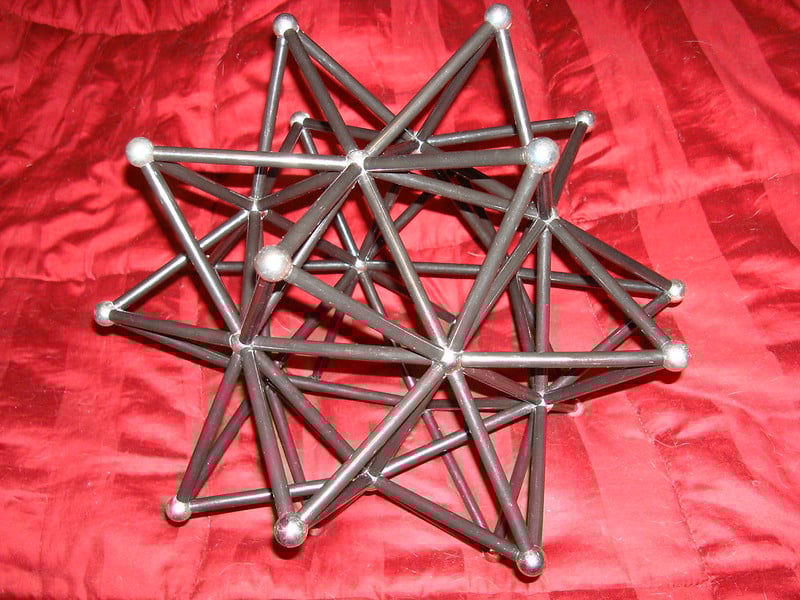
These construction toys featured powerful rare-earth magnets that came with serious ingestion warnings. When children swallowed multiple magnets, they’d attract each other through intestinal walls—causing tissue death, perforations, and life-threatening complications. The magnets were so strong that surgical removal often became the only option.
Yo-Yo Water Orbs

These stretchy, liquid-filled toys included choking hazard warnings, though the real danger emerged when children wrapped the attached strings around their necks. The elastic cords could quickly constrict—cutting off blood flow and causing strangulation. Multiple countries banned these toys after reports of serious injuries.
Moon Shoes
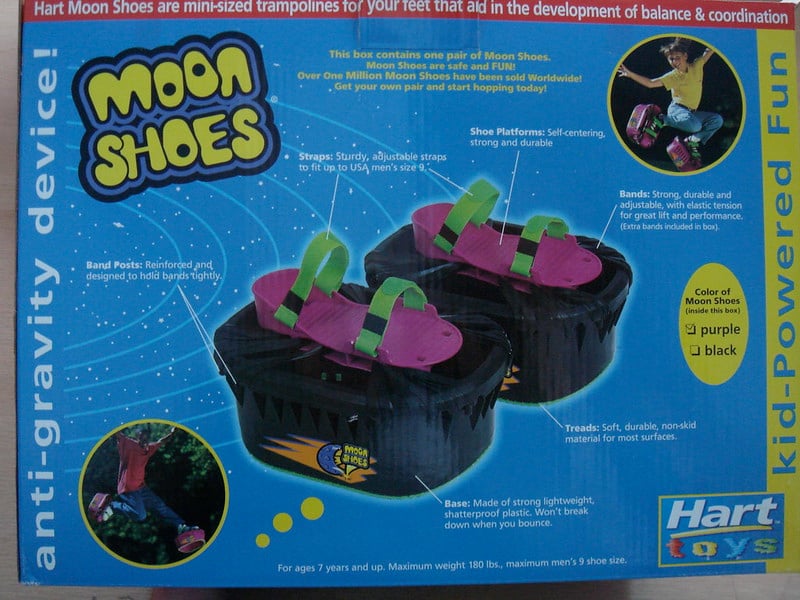
These mini-trampolines for your feet came with extensive warnings about proper use and adult supervision. Users frequently suffered ankle sprains, broken bones, and head injuries when the shoes failed to provide adequate bounce control—the original versions were particularly dangerous. Design modifications eventually reduced their spring power.
Splash Off Water Rockets
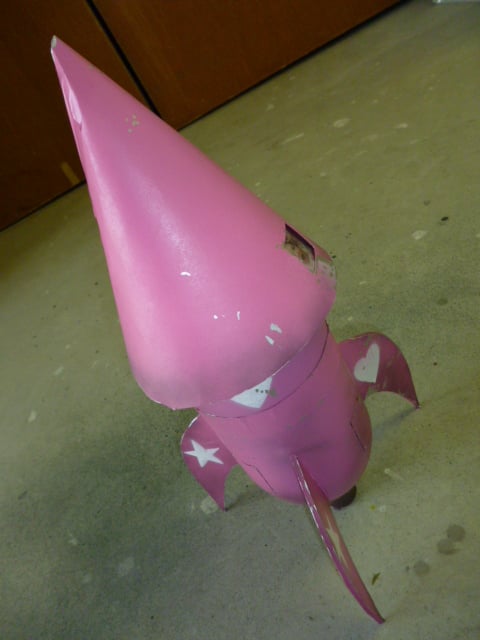
These pressurized water toys required warnings about eye protection and proper launching angles. The rockets could build significant pressure and launch with enough force to cause serious eye injuries or facial trauma—instructions emphasized never pointing them at people, pets, or property.
Gilbert U-238 Atomic Energy Lab
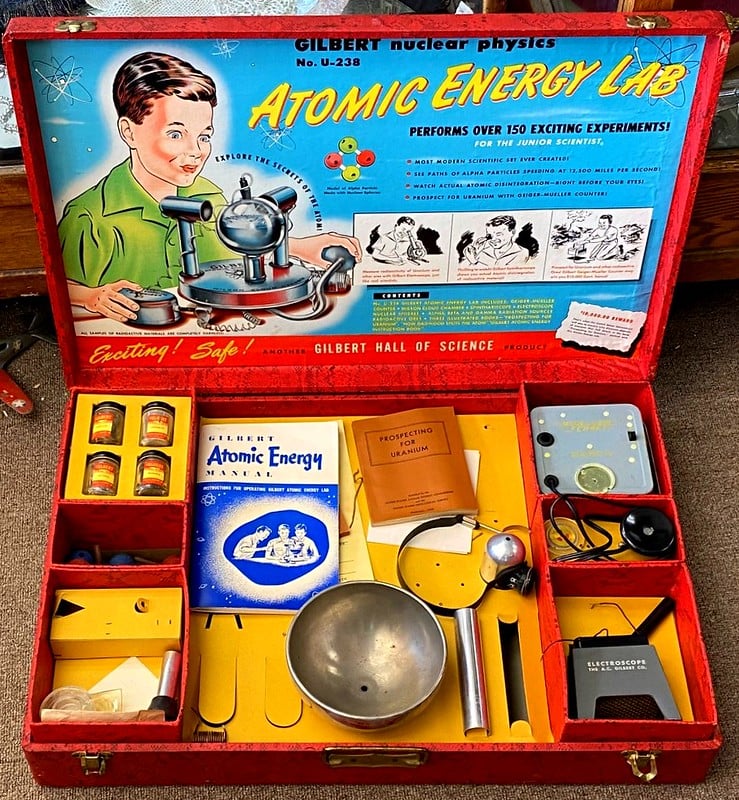
This 1950s science kit came with warnings about handling actual radioactive materials—including uranium ore samples. The instructions cautioned young scientists about radiation exposure, though by today’s standards, those warnings were woefully inadequate. Safety concerns and high production costs eventually led to its discontinuation.
Creepy Crawlers
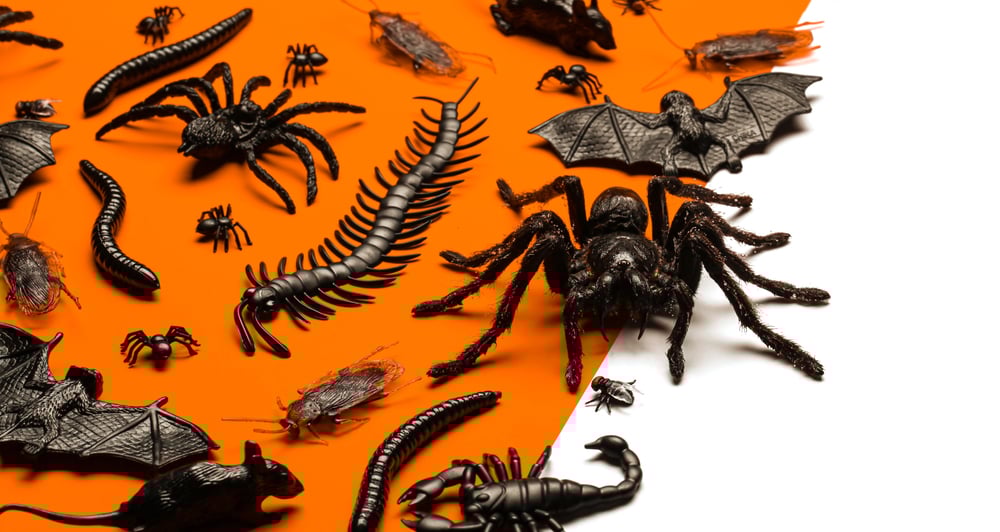
This toy let children melt plastic pellets in molds to create rubber creatures, but it carried serious burn warnings. The heating element reached temperatures hot enough to cause severe burns, while the melting plastic released potentially toxic fumes. Later versions incorporated better ventilation systems and temperature controls.
PoGo Bal
This inflatable orb with a platform required warnings about falls and collisions. Users would stand on the platform and bounce around, often losing control and crashing into walls, furniture, or other people. The unpredictable bouncing motion made it nearly impossible to steer or stop safely.
Super Elastic Bubble Plastic
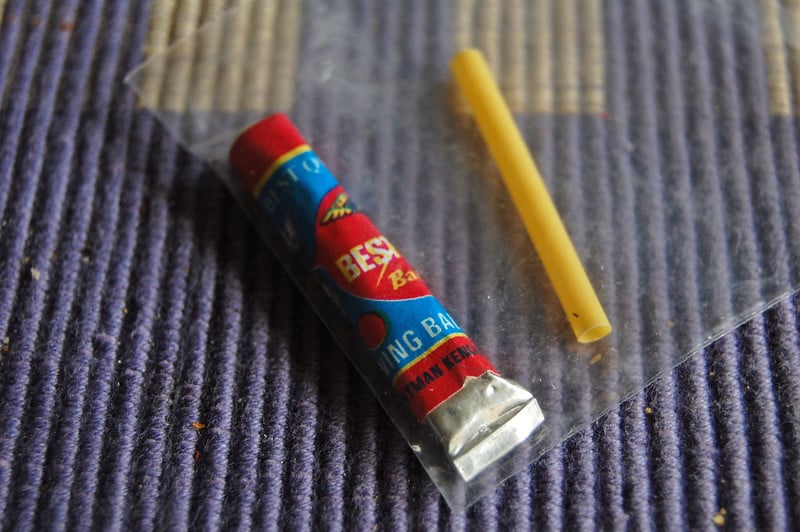
This gooey substance came with warnings about inhalation dangers and skin irritation. Children would blow the toxic plastic into bubbles using a small straw, potentially inhaling dangerous chemicals. Warnings also cautioned against getting the material stuck in hair or fabric, since removal often required cutting.
Hammacher Schlemmer Voice-Controlled Helicopter
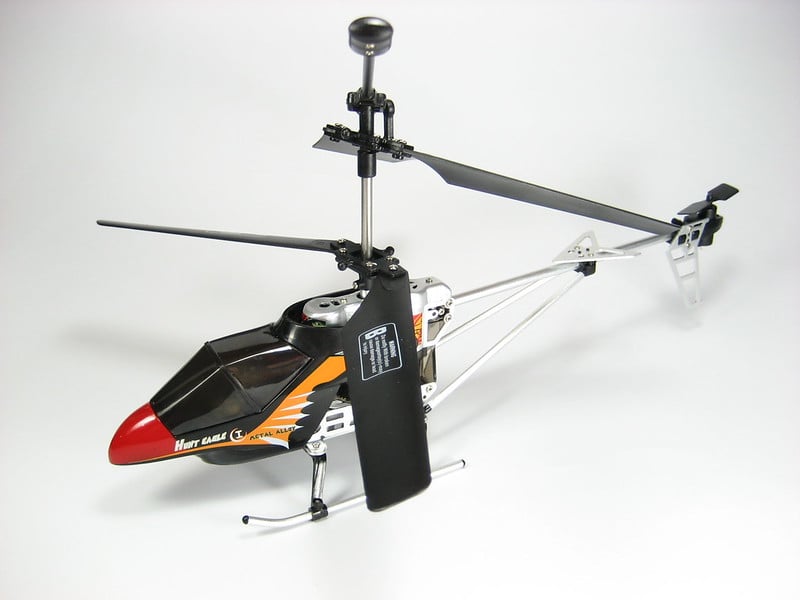
This sophisticated remote-control helicopter included warnings about its sharp rotor blades and unpredictable flight patterns. The voice-control feature often malfunctioned, sending the helicopter careening into walls, people, or breakable objects. Multiple warnings emphasized keeping fingers and faces away from the spinning blades.
Johnny Seven One Man Army
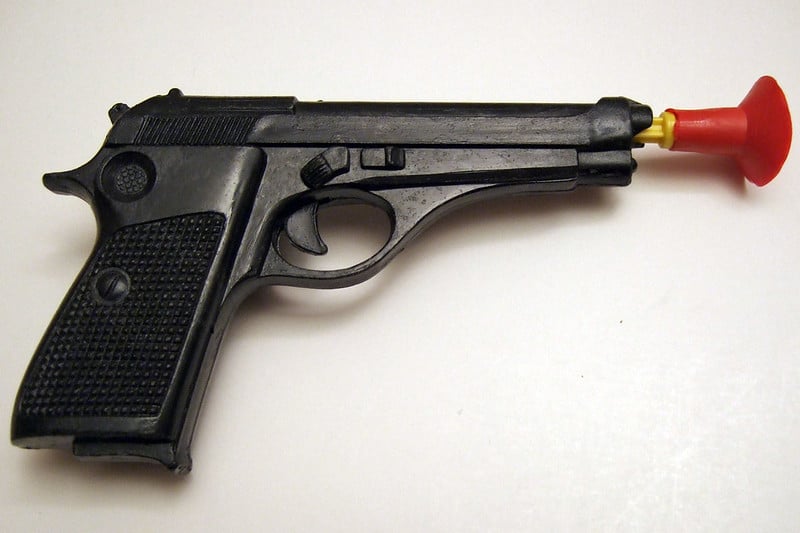
This elaborate toy weapon came with warnings about the multiple projectile types it could fire. The gun could shoot plastic bullets, rockets, and grenades with surprising force, leading to eye injuries and other accidents. Warnings specifically cautioned against aiming at people, though the military-style design seemed to encourage exactly that behavior.
Battlestar Galactica Colonial Viper
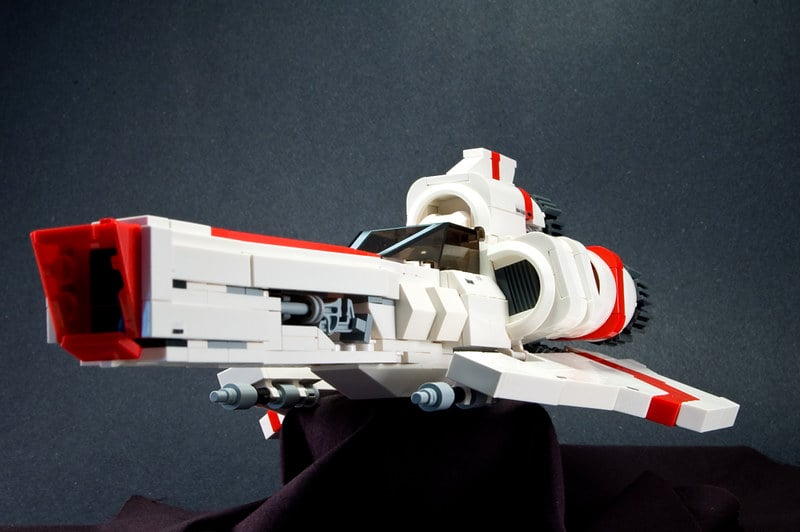
This spaceship toy featured a small red missile that launched at the press of a button. Warnings came after a young child choked to death on the projectile, leading to one of the largest toy recalls in history. The incident fundamentally changed how toy manufacturers approached small-parts testing and warning labels.
Water Wiggle

This garden sprinkler attachment carried warnings about its erratic movement patterns and injury potential. The aluminum tube would whip around unpredictably when connected to a hose, striking children in the face and causing cuts, bruises, and dental injuries. Water pressure made it impossible to control once activated.
When Playtime Turned Perilous
These risky toys serve as a reminder that thorough testing should come before marketing hype and that innovation does not always equate to safety. These historical examples demonstrate how easily childhood enjoyment can turn into real risks, even though the majority of contemporary toys go through stringent safety testing. In addition to providing legal protection, the warnings were frantic attempts to avert mishaps that were all but guaranteed due to subpar design. Because yesterday’s children suffered as a result of insufficient safety standards, today’s regulations are more stringent.
More from Go2Tutors!

- 16 Historical Figures Who Were Nothing Like You Think
- 12 Things Sold in the 80s That Are Now Illegal
- 15 VHS Tapes That Could Be Worth Thousands
- 17 Historical “What Ifs” That Would Have Changed Everything
- 18 TV Shows That Vanished Without a Finale
Like Go2Tutors’s content? Follow us on MSN.



