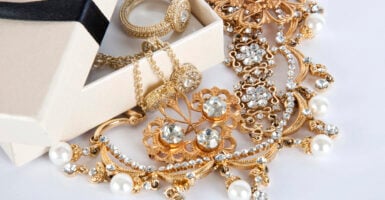
27 Gold Jewelry Styles Selling High Right Now
Gold has been on a historic run. Spot prices crossed $5,000 an ounce on January 26, 2026, and hit a record $5,589.38 on January 28, 2026, after a 64 percent surge through 2025.
That climb has sent people digging through drawers and jewelry boxes. Here are the styles that sellers are cashing in on, along with a few that earn more than their weight in metal.
Heavy Curb Chains
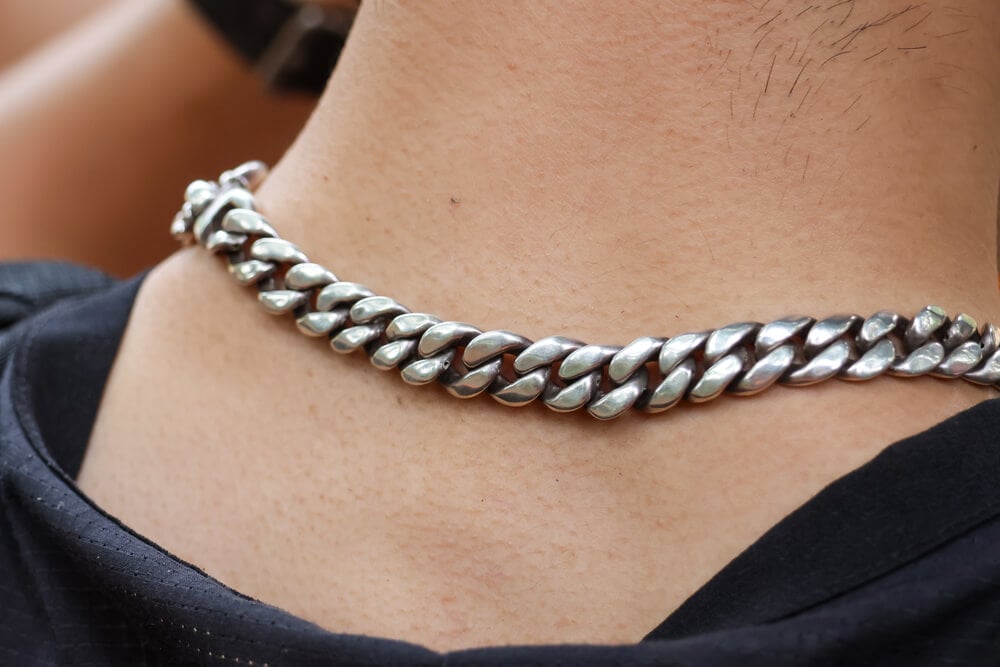
Thick curb chains carry a lot of metal, and weight is what drives the melt value. A solid 14 karat chain can be worth far more than its sentimental price tag.
Clasps stamped 585 or 14K confirm the purity.
Rope Chains
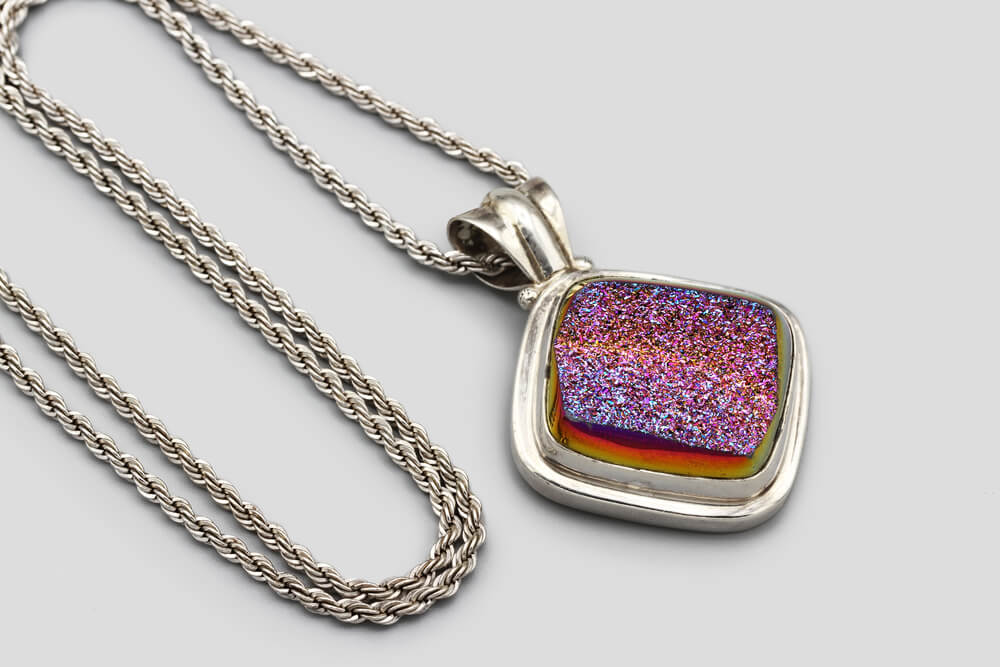
Rope chains twist strands of gold into a rope pattern. They were a status symbol in the 1980s.
Heavier ropes bring a big payday.
Herringbone Necklaces
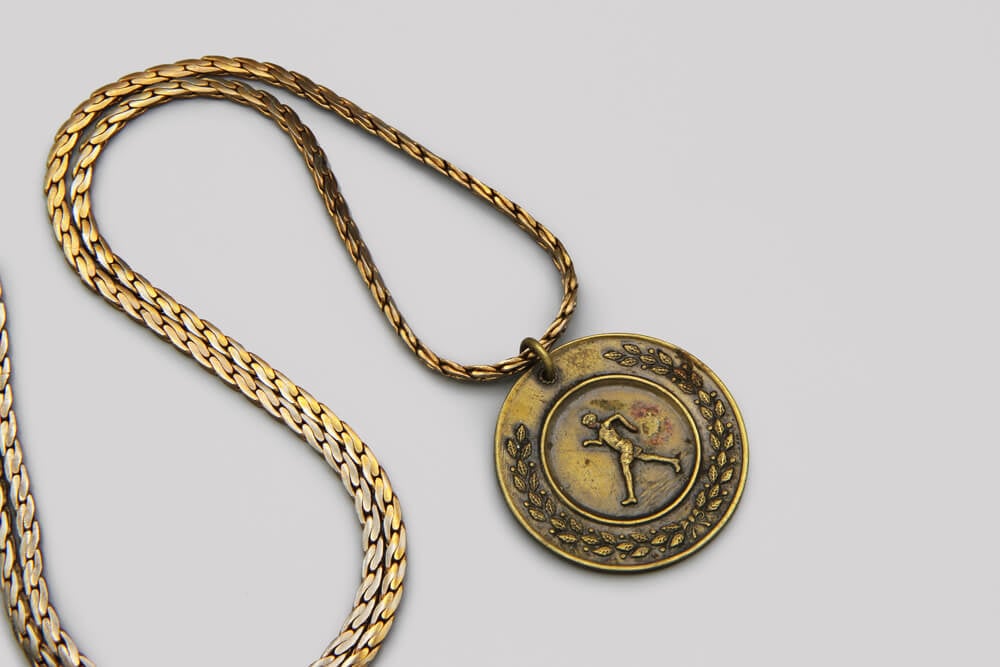
A flat, shimmering herringbone chain was a favorite of the disco era. Many were made in 14 karat or 18 karat gold.
Kinks lower the resale price but not the melt value.
Figaro Chains
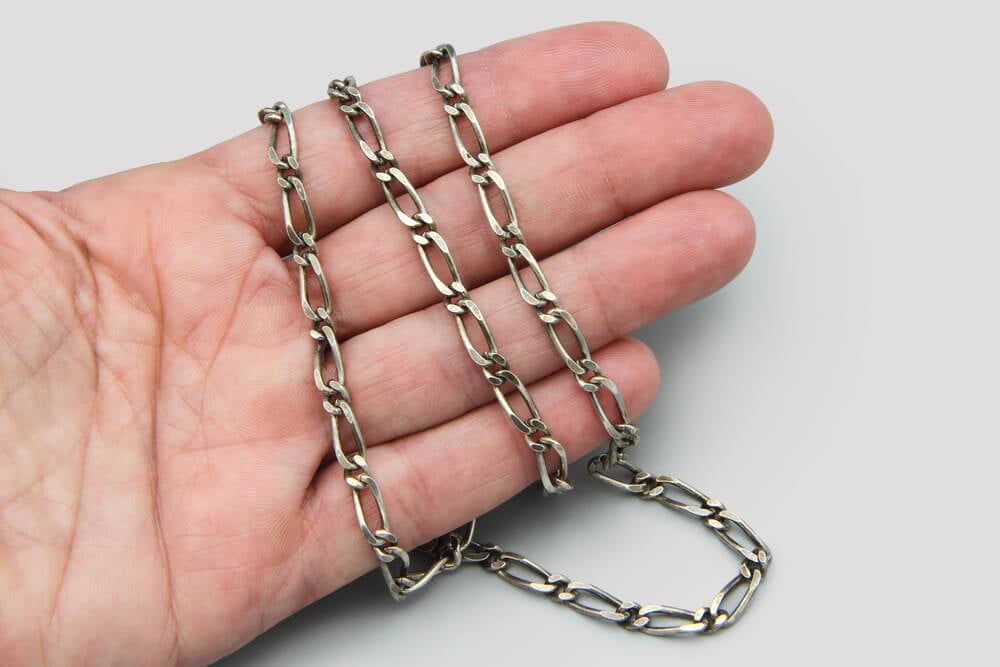
Figaro chains alternate short and long links in a repeating pattern. They are often found in gold stamped 750 for 18 karat.
Italian-made examples carry added appeal.
Box Chains
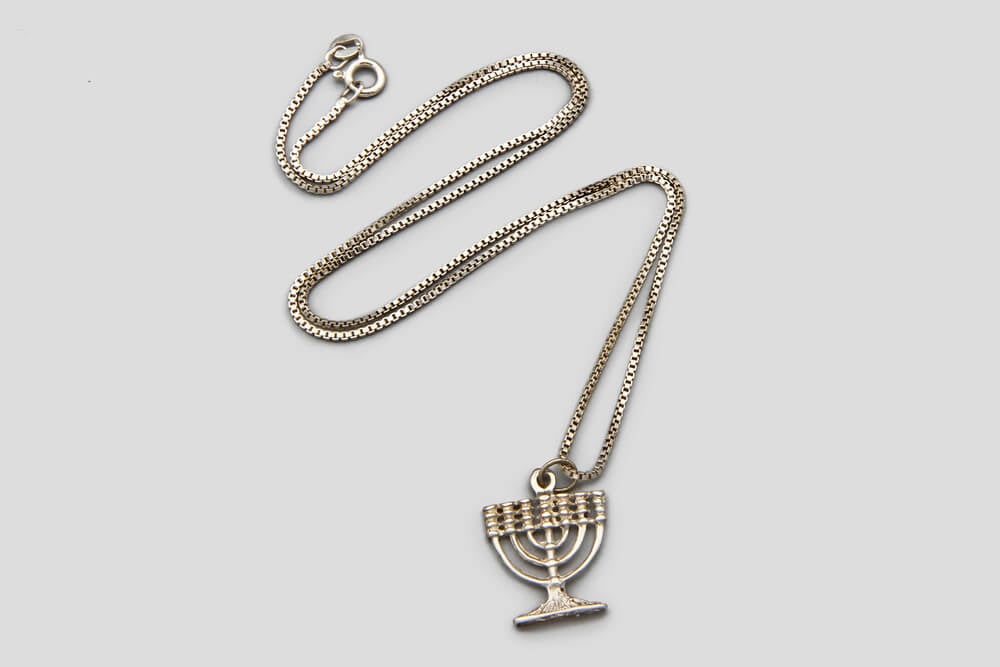
Box chains are smooth and square. They resist tangling and have been popular for decades.
Thicker versions are priced by weight.
Gold Signet Rings
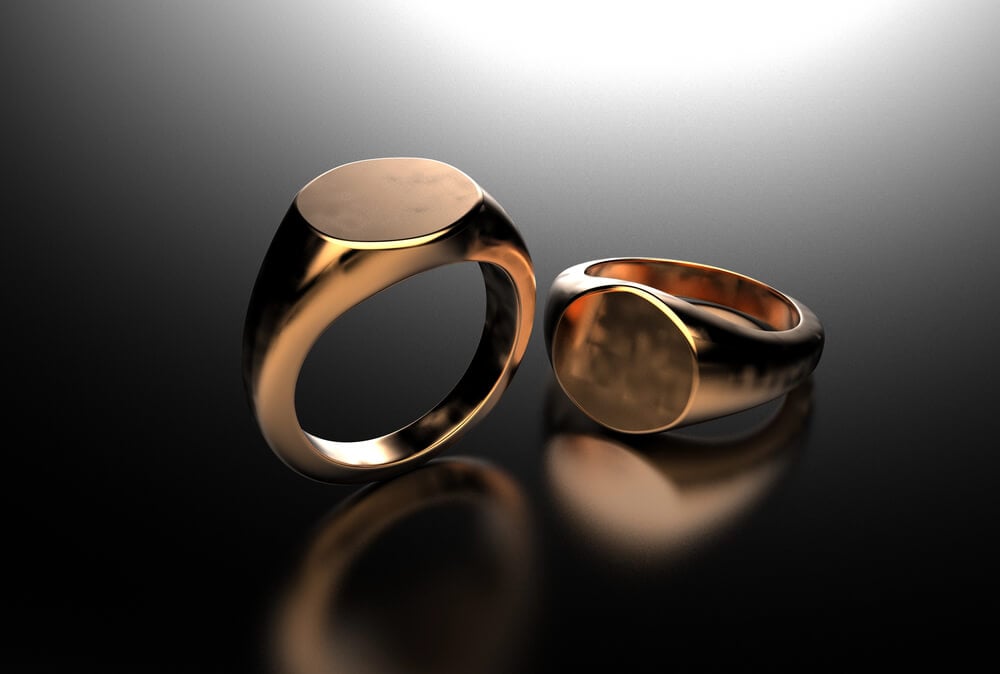
Signet rings feature a flat face that was once engraved with a family crest or initials. Many men’s rings from the 1960s and 1970s are solid gold.
The weight makes them valuable to refiners.
Class Rings
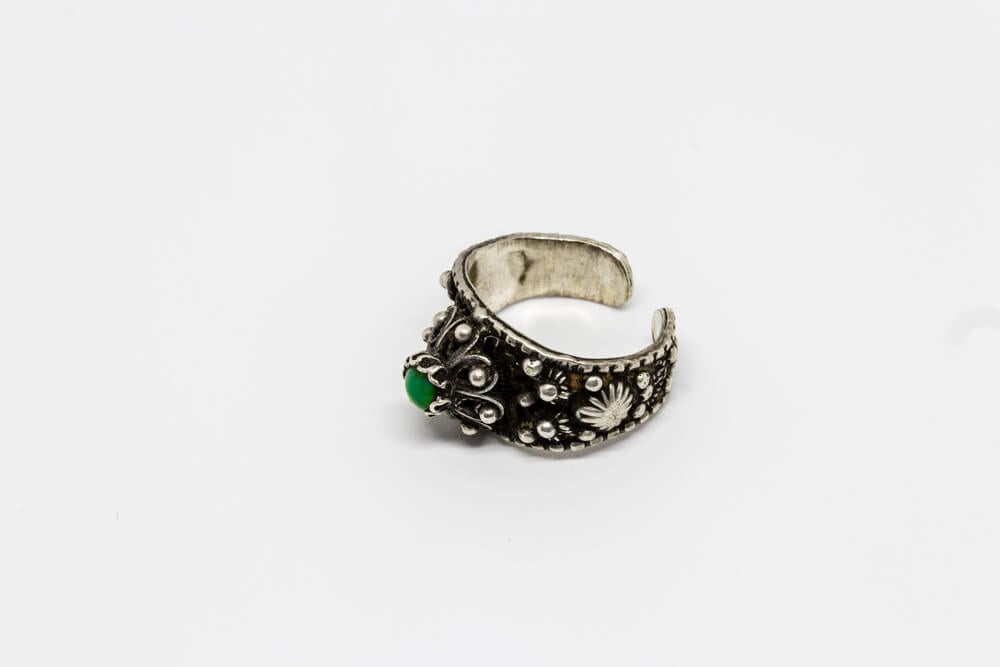
High school and college rings are often 10 karat gold, marked 417. They are less pure but can still be substantial.
Many buyers melt them for their metal content.
Wedding Bands
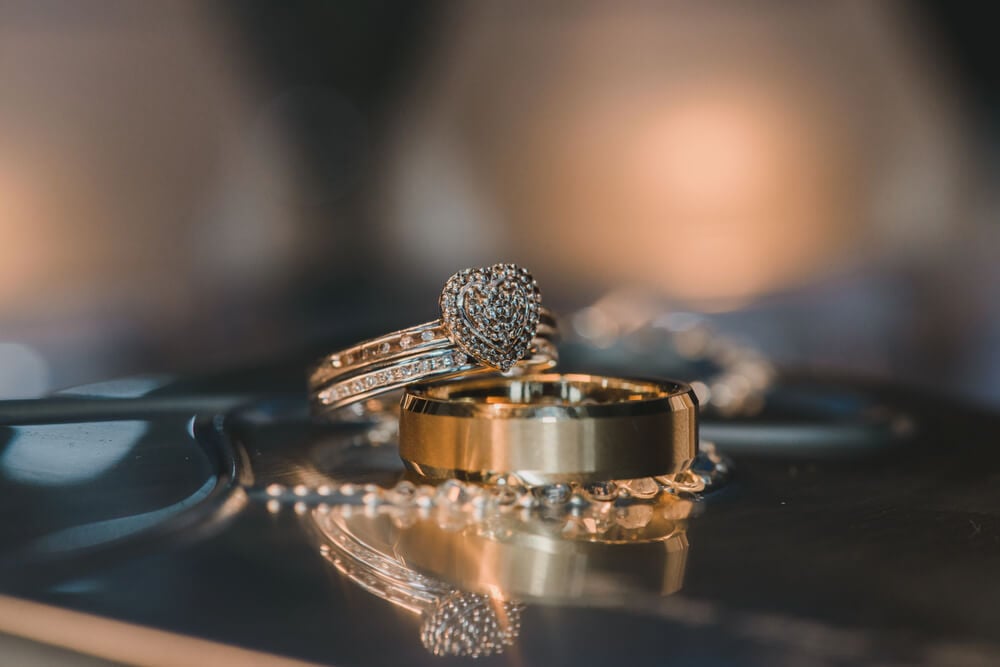
A plain gold band is a simple piece, yet it holds meaningful weight. Old bands in 18 karat or 22 karat gold carry greater value.
Sellers should check the hallmark.
Bangles
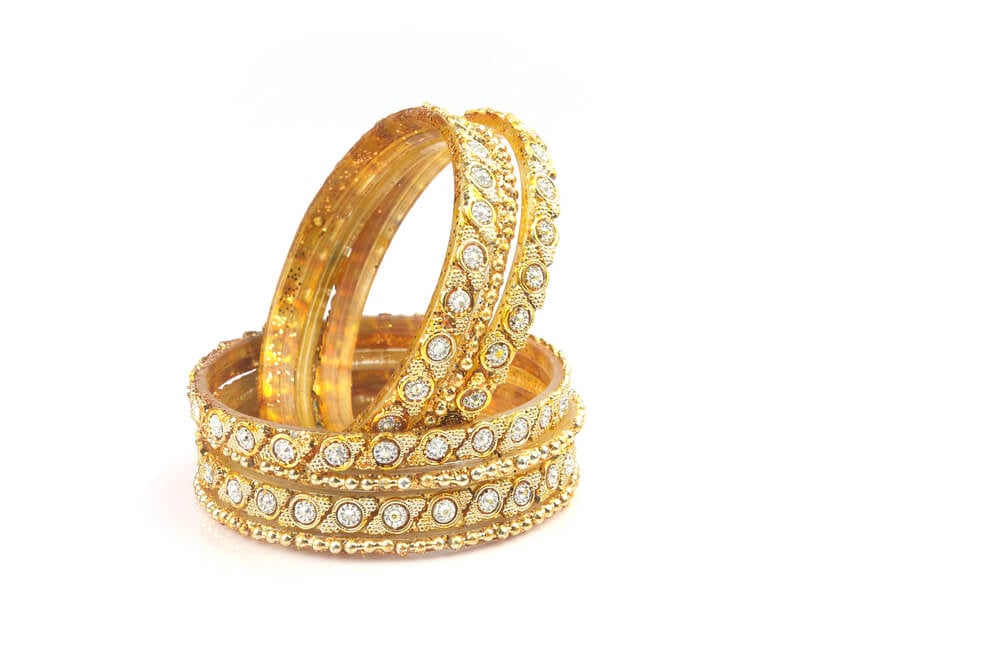
Solid gold bangles are large and heavy, and the weight shows. Hollow versions are lighter and less valuable.
The inside stamp tells the purity.
Charm Bracelets
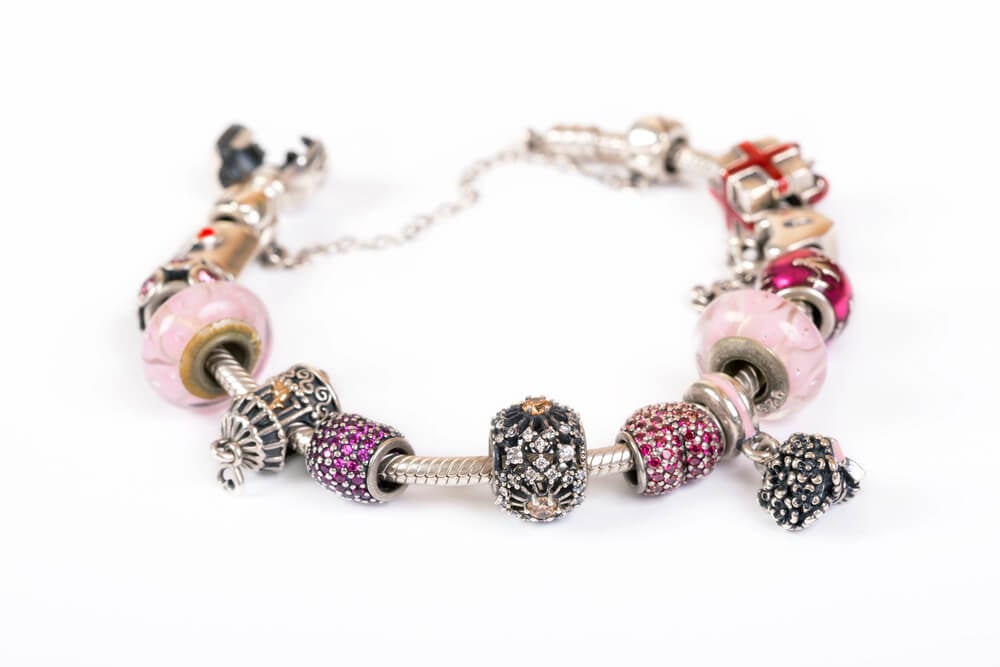
Gold charm bracelets collect charms over a lifetime. Each charm adds weight.
Some charms from known makers sell above melt.
Cuff Bracelets
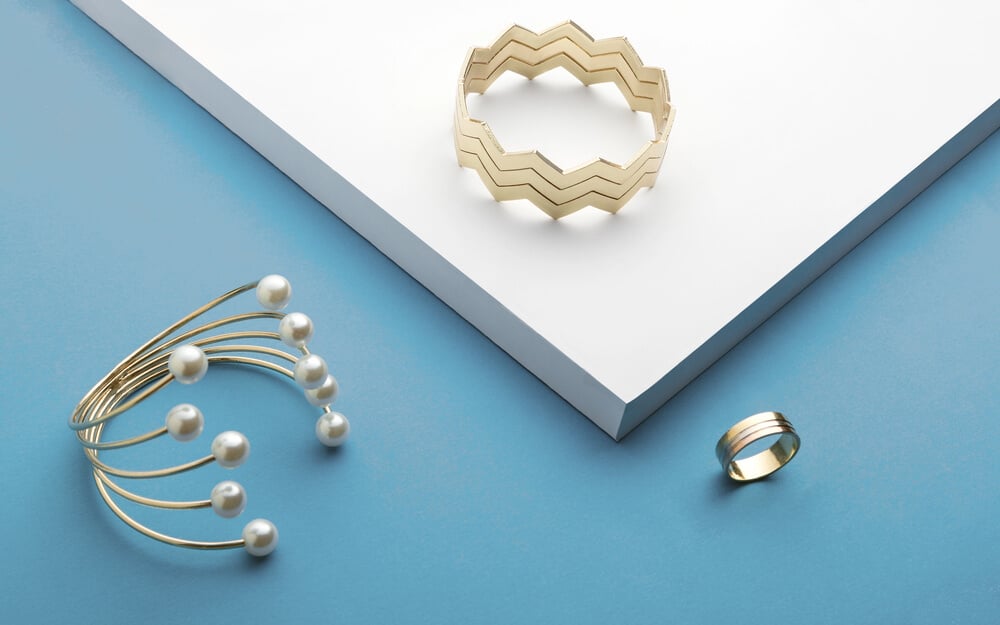
Wide cuffs use plenty of metal. They became fashionable again in recent years.
Designer cuffs earn a premium.
Gold Coin Jewelry
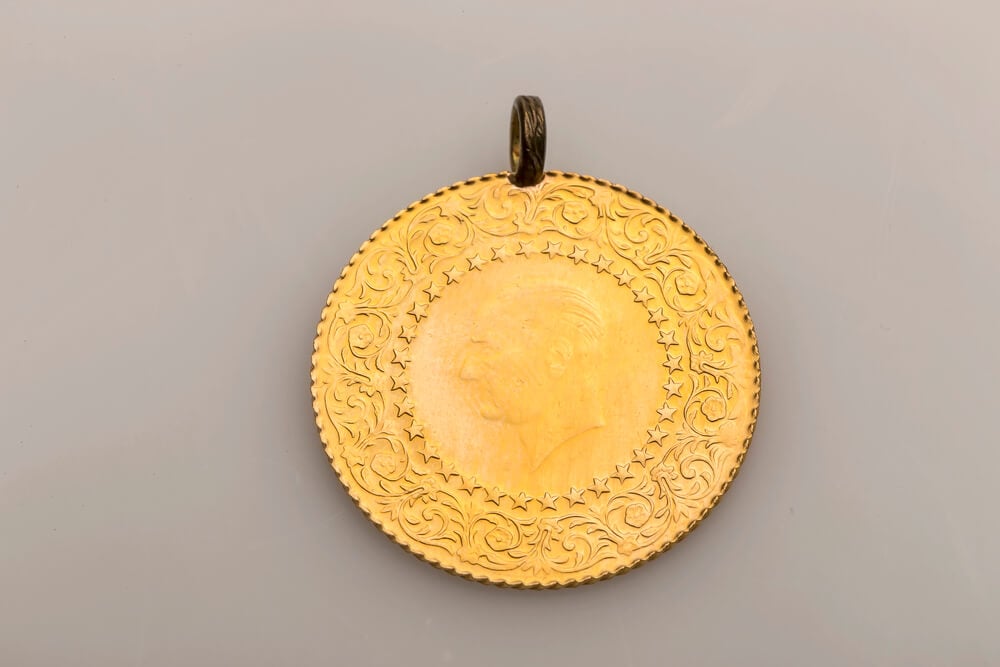
Coins set in bezels were popular in the 1970s. The coin itself may have numismatic value beyond its gold content.
Check the date and mint.
Nugget Rings
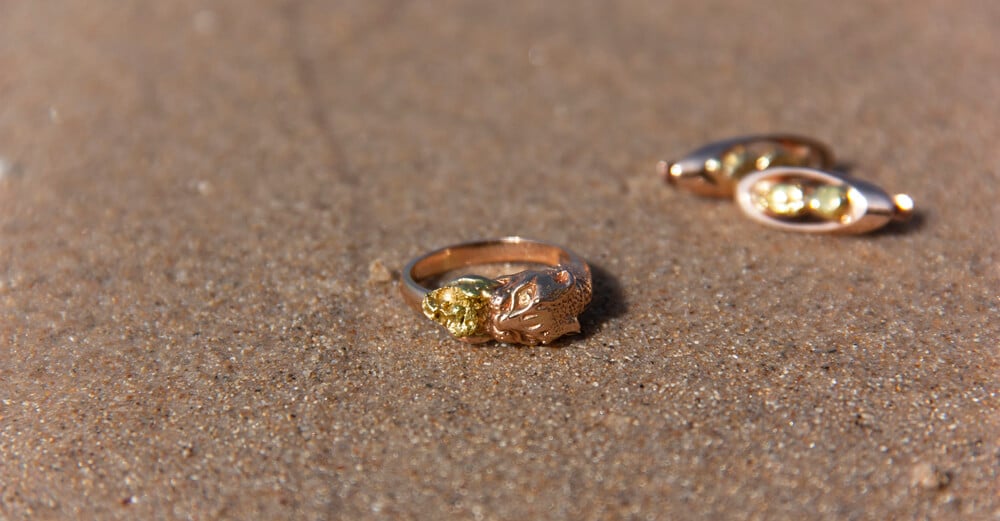
Chunky nugget rings from the 1970s were a bold statement. They tend to be heavy and made from 14 karat gold.
The rough surface is distinctive.
Cocktail Rings
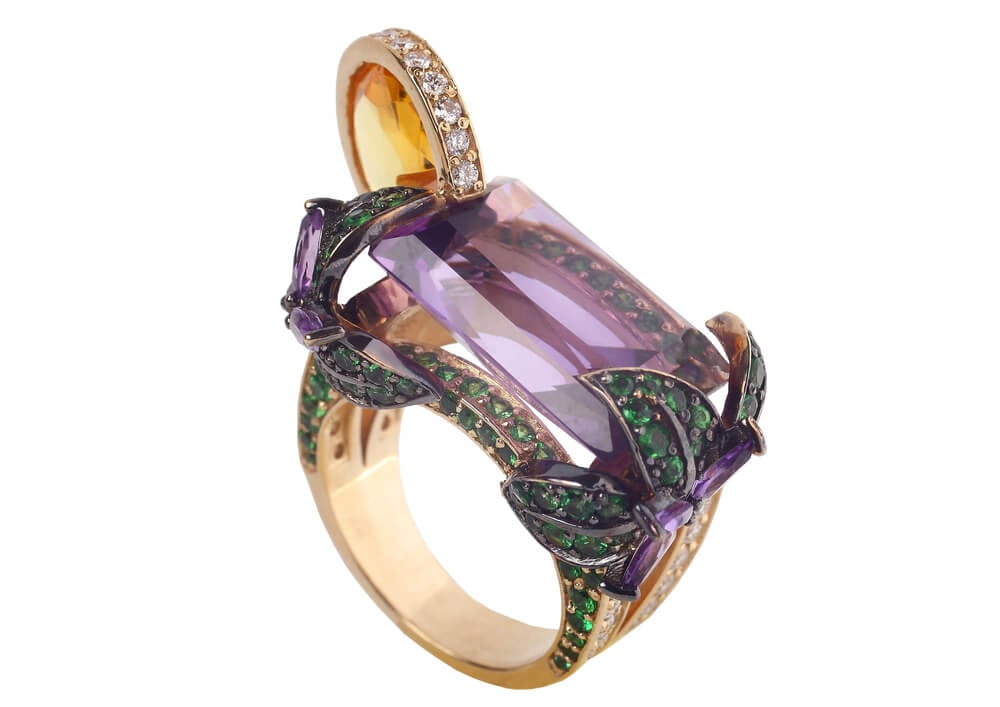
Large rings with colored stones or diamonds brought glamour to mid-century evenings. The gold is only part of the value.
Gem quality adds to the total.
Omega Necklaces
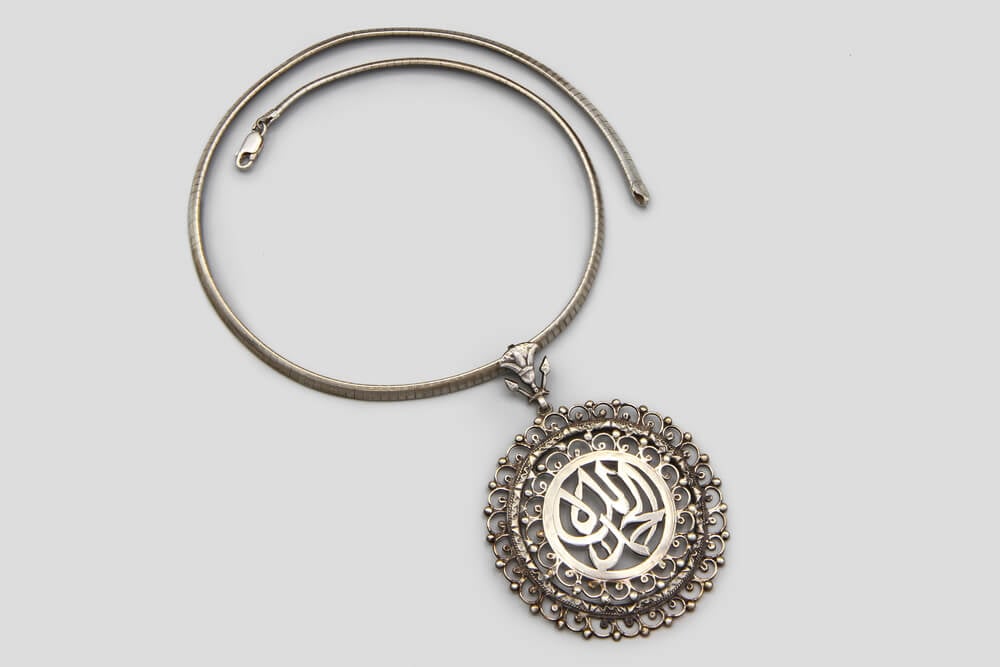
Omega chains have a flat, flexible band made from tightly joined links. They hang smoothly.
Italian pieces from the 1980s are common.
Gold Earring Hoops
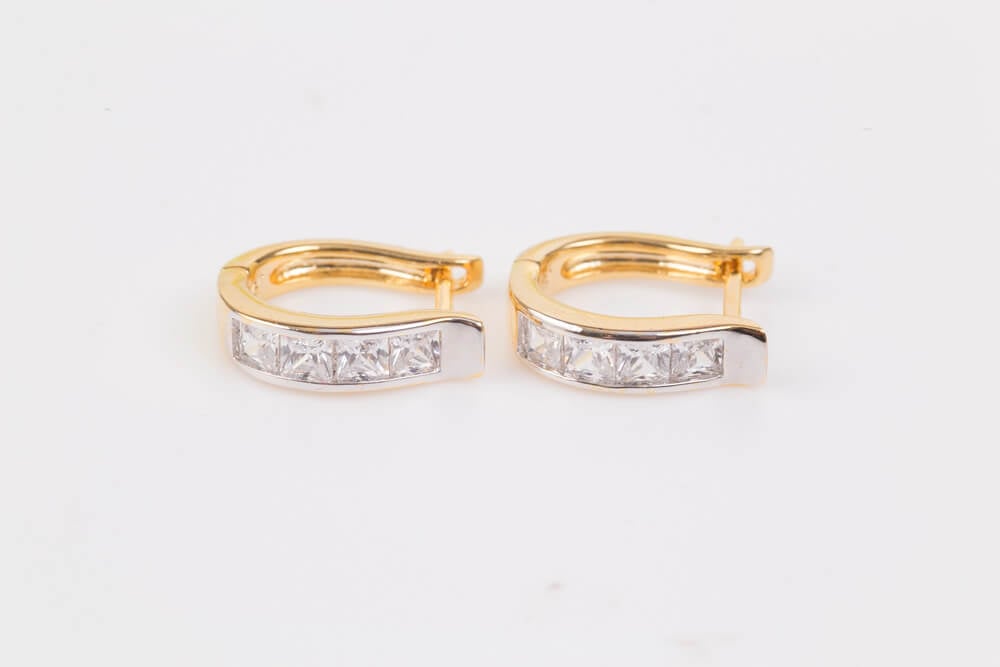
Large hoops carry noticeable weight. Thin ones are lighter.
Lever-back closures are a sign of better quality.
Gold Pocket Watch Cases
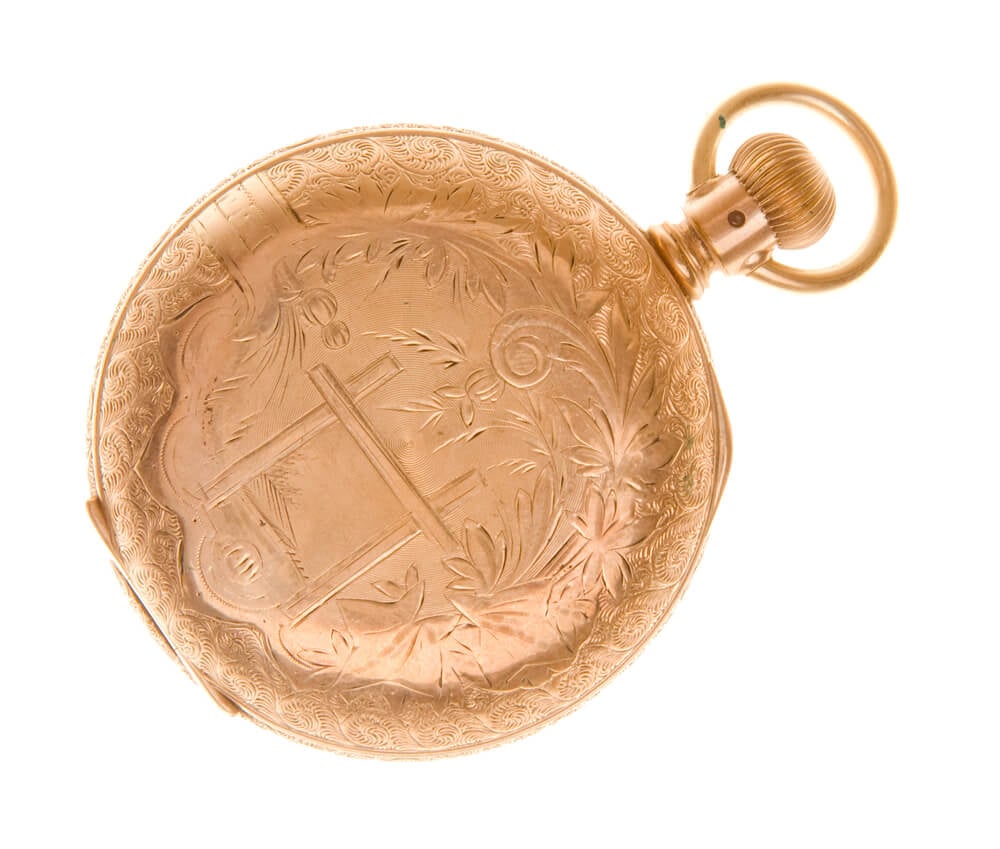
A gold-filled case is worth little, but a solid gold case can be valuable. The hallmark inside shows the karat.
The movement may add more value.
Dental Gold and Scrap
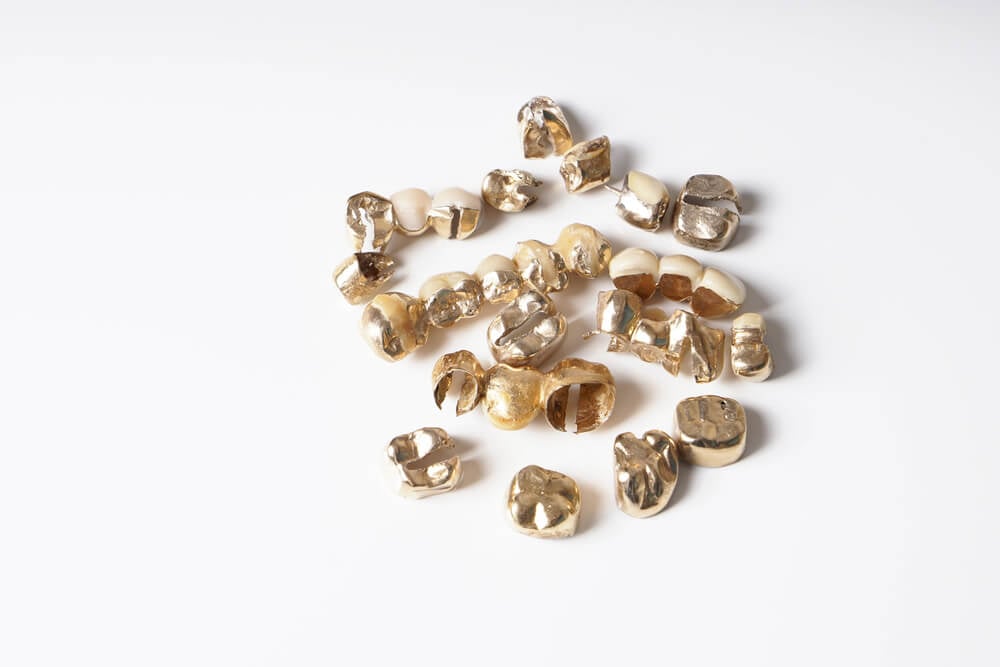
Old dental work often contains gold, and refiners pay for it by weight. Mixed scrap is assayed and valued at the current price.
Broken chains and single earrings qualify.
Tie Clips and Cufflinks
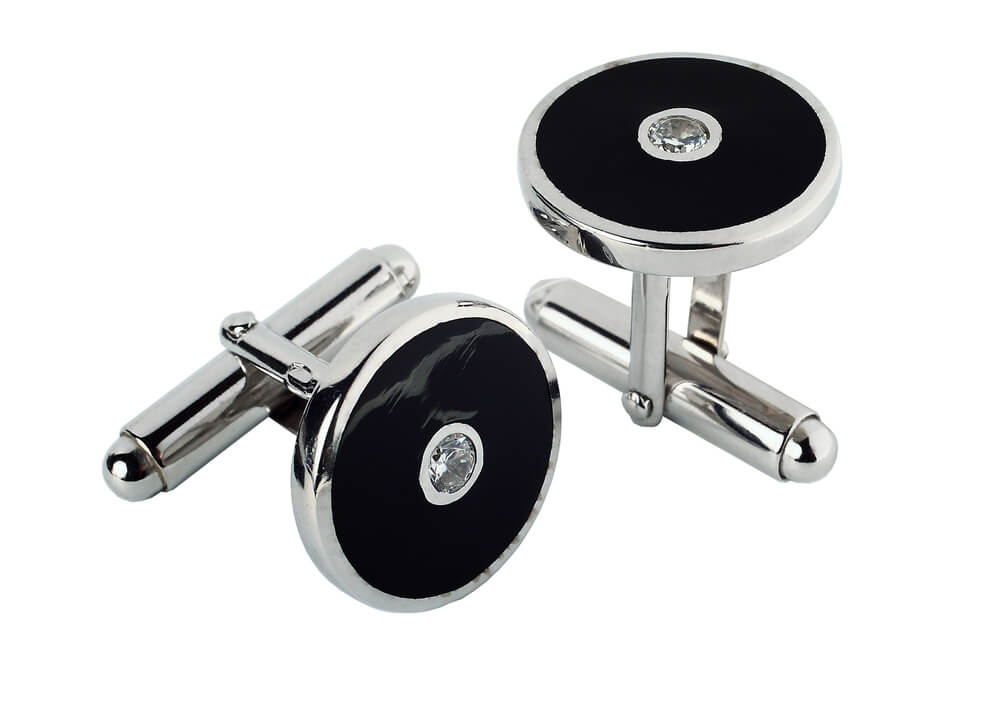
Gold cufflinks and tie bars from the mid-century are often solid. They are small, yet they add up.
Engraved monograms do not reduce the melt price.
Gold Brooches
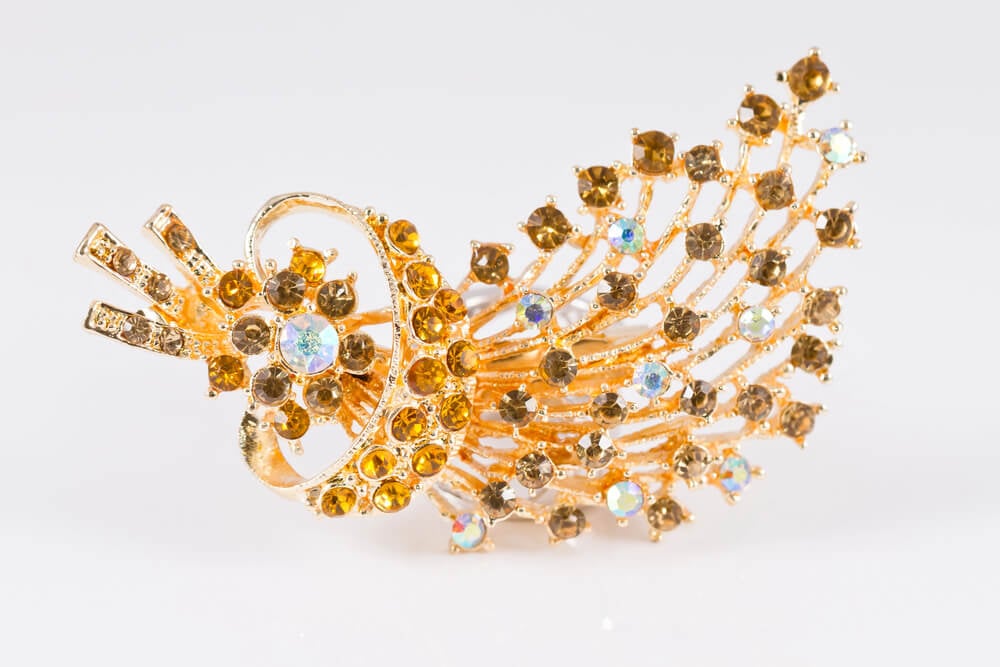
Victorian and Edwardian brooches may be made from high-karat gold. Some include seed pearls or gemstones.
Collectors often pay more than melt for fine examples.
Locket Pendants
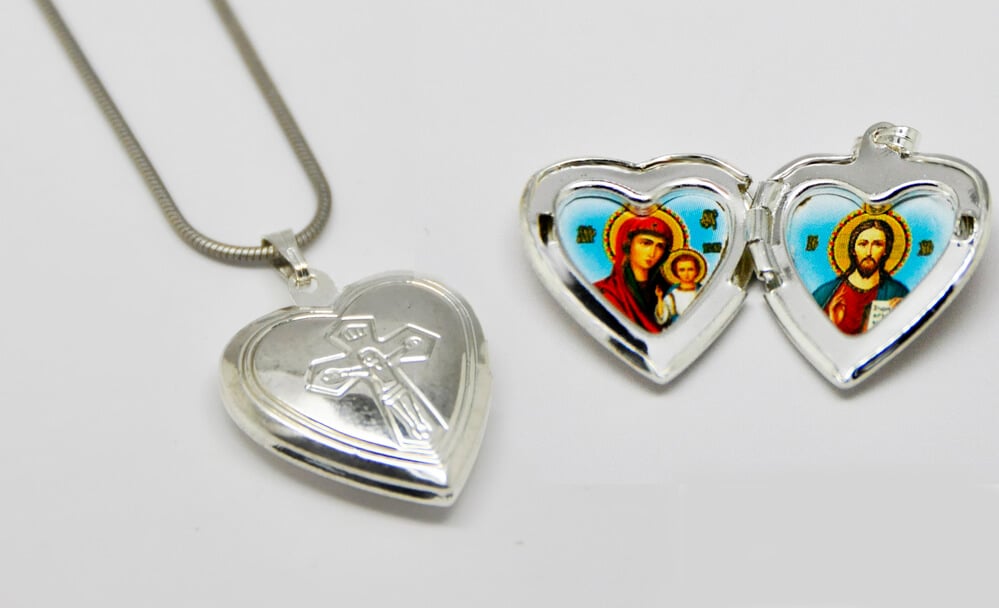
A gold locket holds a tiny portrait. Antique ones are engraved with fine detail.
Sentimental value often exceeds metal value.
Gold Pendants and Crosses
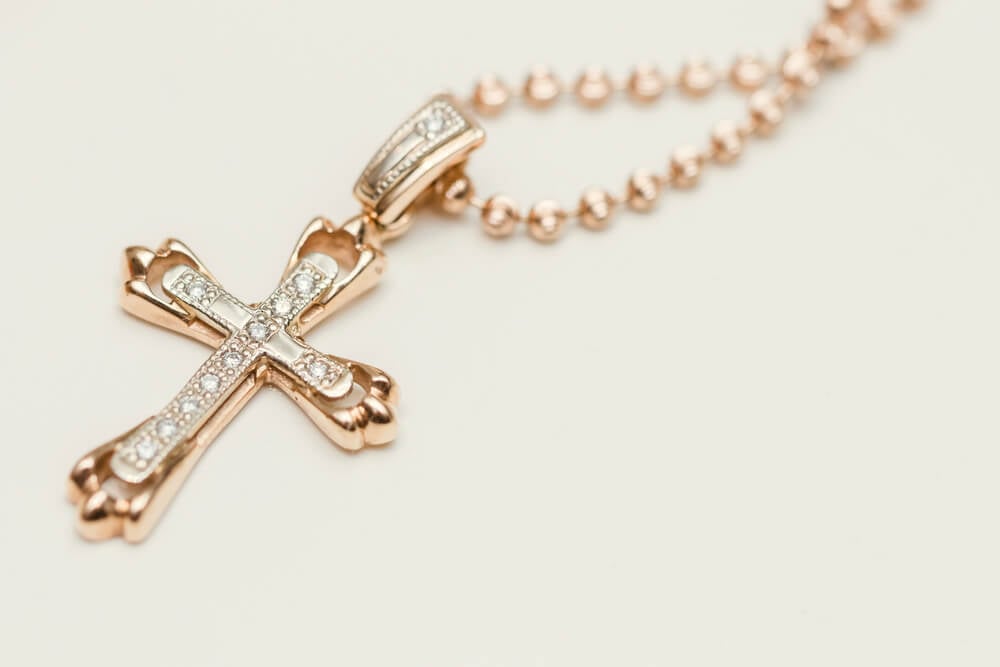
Crosses and religious pendants are widely owned and often made from 14 karat gold. They vary in weight.
Larger ones carry a bigger payout.
Gold Rings with Missing Stones
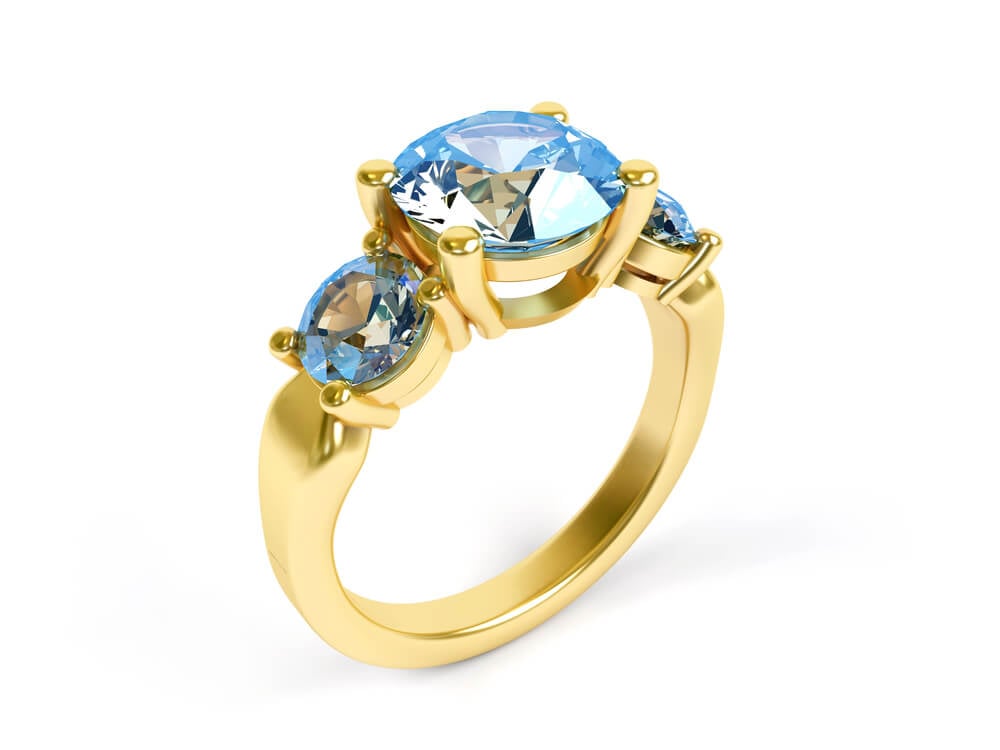
Even without stones, the ring is still gold. Sellers often assume it is worthless, yet the band retains its melt value.
Empty settings are accepted by buyers.
Vintage Designer Gold
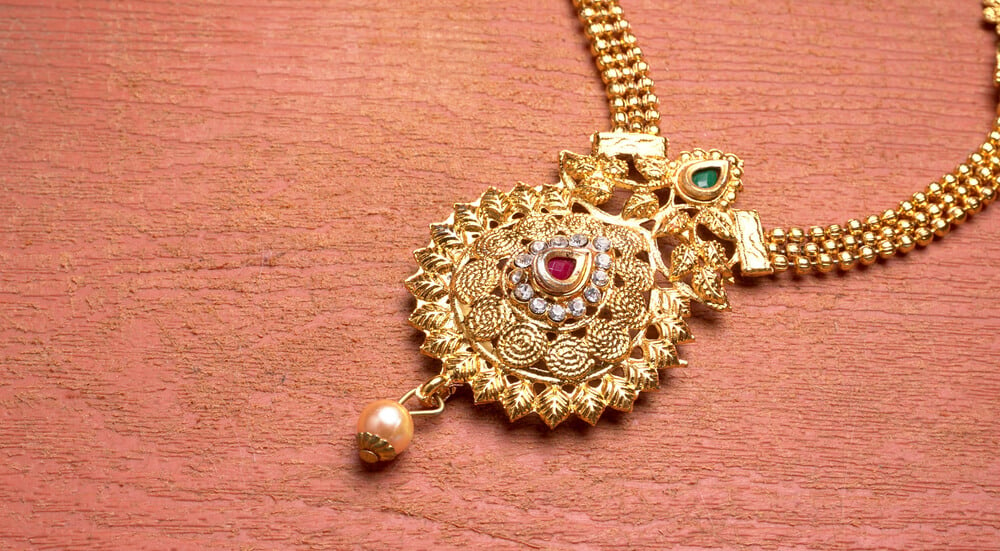
Pieces by makers such as Tiffany, Cartier, and Bulgari can sell for more than their metal content. The signature adds value.
An authenticity check is important.
22 Karat Indian Gold
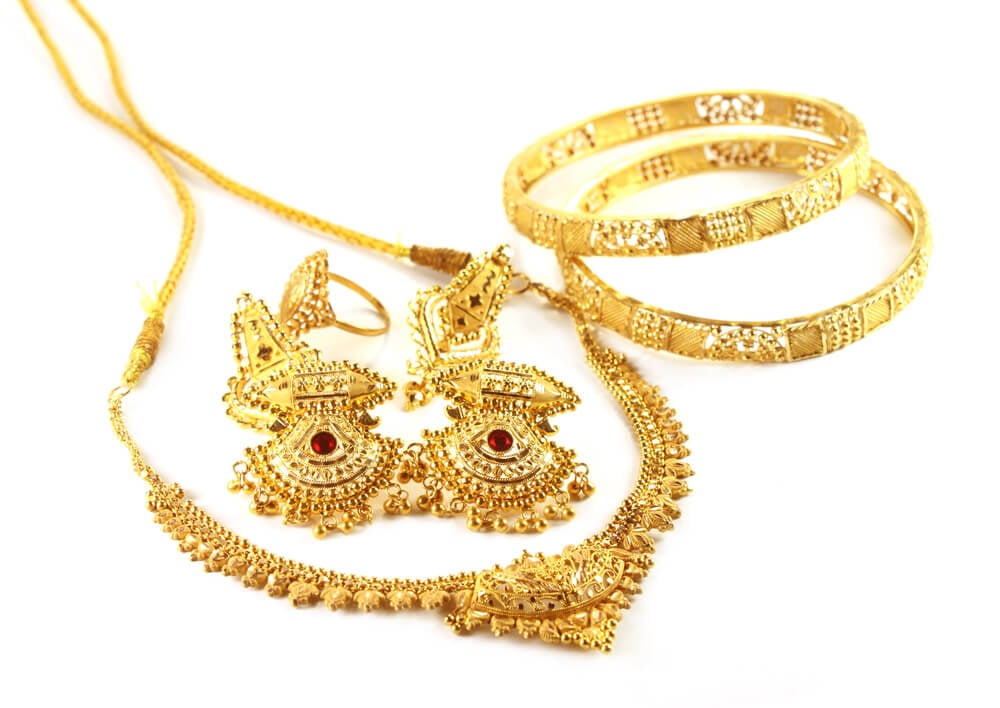
Jewelry in 22 karat gold, marked 916, is rich in color and high in purity. It is prized for weddings and festivals.
Melt value is high because of the purity.
24 Karat Gold Pieces
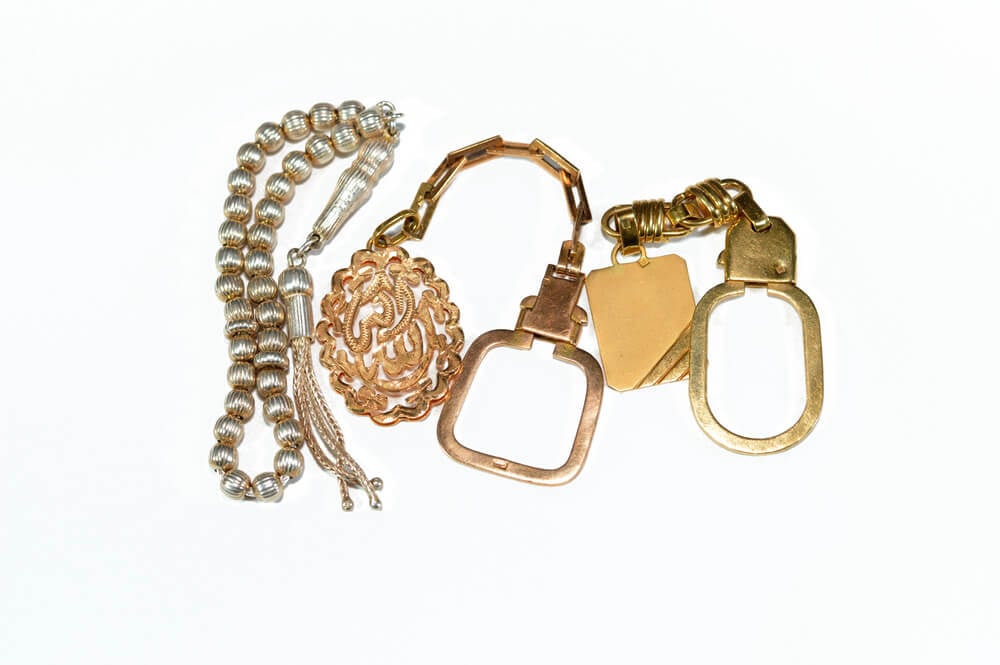
Pure gold, marked 999, is soft and bright. It is common in bars and some jewelry.
It is valued closely at the spot price.
Gold-Filled and Plated Pieces
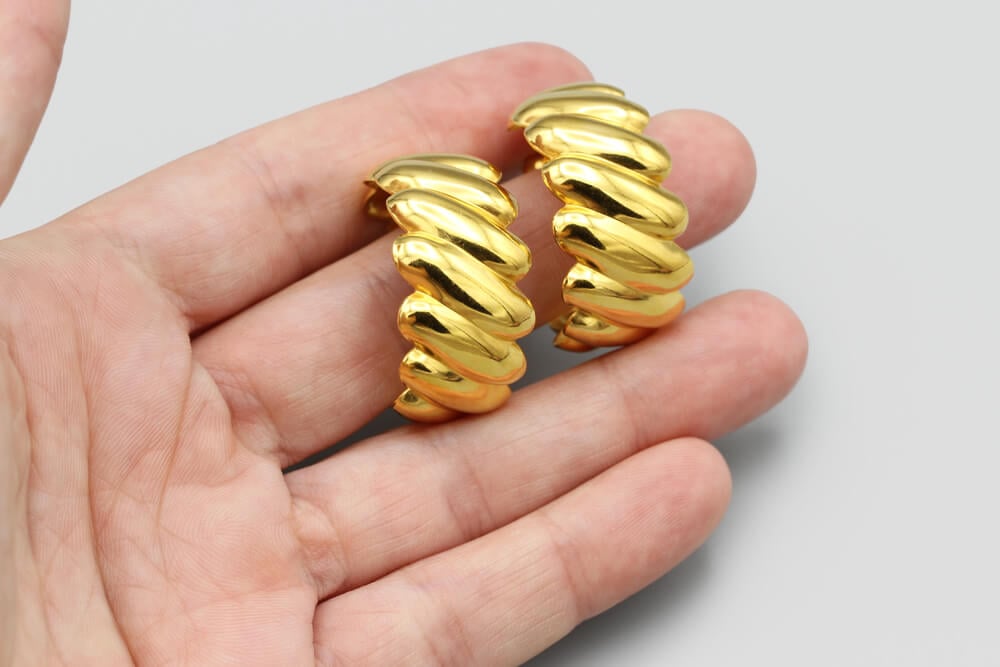
GF and GP marks mean the piece has only a thin layer of gold. These items hold little melt value.
Sellers should avoid paying for testing of them.
Know the Number Before You Sell
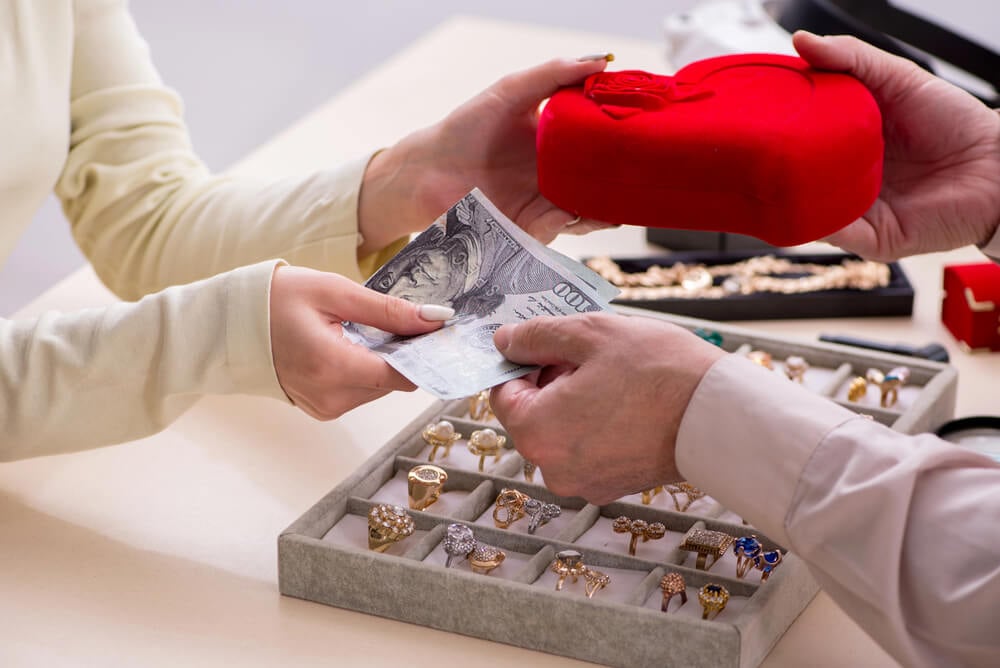
Hallmarks are the key to understanding what a piece is worth: 417 for 10 karat, 585 for 14 karat, 750 for 18 karat, 916 for 22 karat, and 999 for 24 karat. The minimum in the US is 10 karat.
Weight multiplied by purity and the day’s price gives a rough melt figure. Shopping around matters.
Pawn shops tend to pay about 60 to 80 percent of melt, while refiners pay 85 to 95 percent. Pieces with a maker’s name or a distinctive design may sell for more than melt, so a quick appraisal before cashing out is worth the time.
More from Go2Tutors!

- 27 Silver Dollars and Half Dollars Worth Keeping
- 28 Restaurant Menu Items Nobody Orders Anymore
- 17 Places Built in Seemingly Impossible Spots
- 27 Vintage Rings Worth More Than They Look
- 25 Restricted Sites Tourists Can’t Enter
Like Go2Tutors’s content? Follow us on MSN.