Women Erased from History Books
History classes often feel like a parade of famous men. Kings, generals, scientists, and leaders dominate textbooks while women’s contributions get pushed to the margins or left out entirely.
This pattern isn’t accidental. For centuries, historians ignored or minimized what women accomplished, creating a distorted picture of the past that left out half the population.
The problem goes deeper than simple forgetfulness. Women shaped civilizations, led revolutions, made scientific breakthroughs, and changed the course of human events, yet their stories rarely made it into the official record.
Rosalind Franklin

The discovery of DNA’s double helix structure stands as one of science’s greatest achievements, but most people only know about Watson and Crick. Rosalind Franklin’s X-ray crystallography work provided the critical evidence that revealed DNA’s shape.
Her famous Photo 51 showed the helical structure clearly, yet her male colleagues viewed her data without permission and used it to build their model. When Watson and Crick received the Nobel Prize in 1962, Franklin had already died from cancer at age 37.
Her contribution went largely unrecognized for decades, buried under someone else’s glory.
Nettie Stevens

Every biology student learns about chromosomes and how they determine whether a baby becomes male or female. Nettie Stevens discovered this fundamental principle in 1905 while studying mealworms under a microscope.
She identified the Y chromosome and proved that identity determination comes from specific chromosomes, not environmental factors as scientists believed. Her colleague Edmund Wilson published similar findings around the same time and received most of the credit.
Stevens died just seven years after her discovery, and textbooks rarely mention her name despite the importance of her work.
Lise Meitner

Nuclear fission changed the world forever, powering both atomic weapons and nuclear energy plants. Lise Meitner provided the theoretical explanation for nuclear fission after her long-time collaborator Otto Hahn discovered the experimental evidence.
Despite working together for 30 years, Hahn published the findings without crediting Meitner, a Jewish physicist who had fled Nazi Germany. He received the Nobel Prize in Chemistry in 1944 while Meitner watched from the sidelines.
Scientists today recognize her crucial role, but she never received the recognition she deserved during her lifetime.
Hedy Lamarr
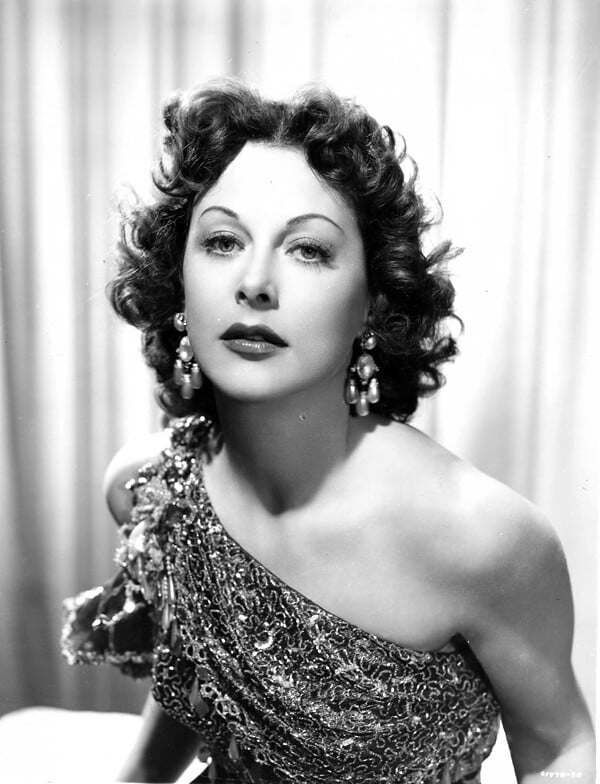
Hollywood knew Hedy Lamarr as a glamorous film star, but few people realized she was also a brilliant inventor. During World War II, she developed a frequency-hopping system to prevent enemies from jamming torpedo guidance signals.
Her invention laid the groundwork for modern WiFi, Bluetooth, and GPS technology that billions of people use every day. The U.S. Navy ignored her patent for decades, and she received almost no recognition for her technical genius.
People remembered her beauty but forgot her brain until late in her life.
Chien-Shiung Wu
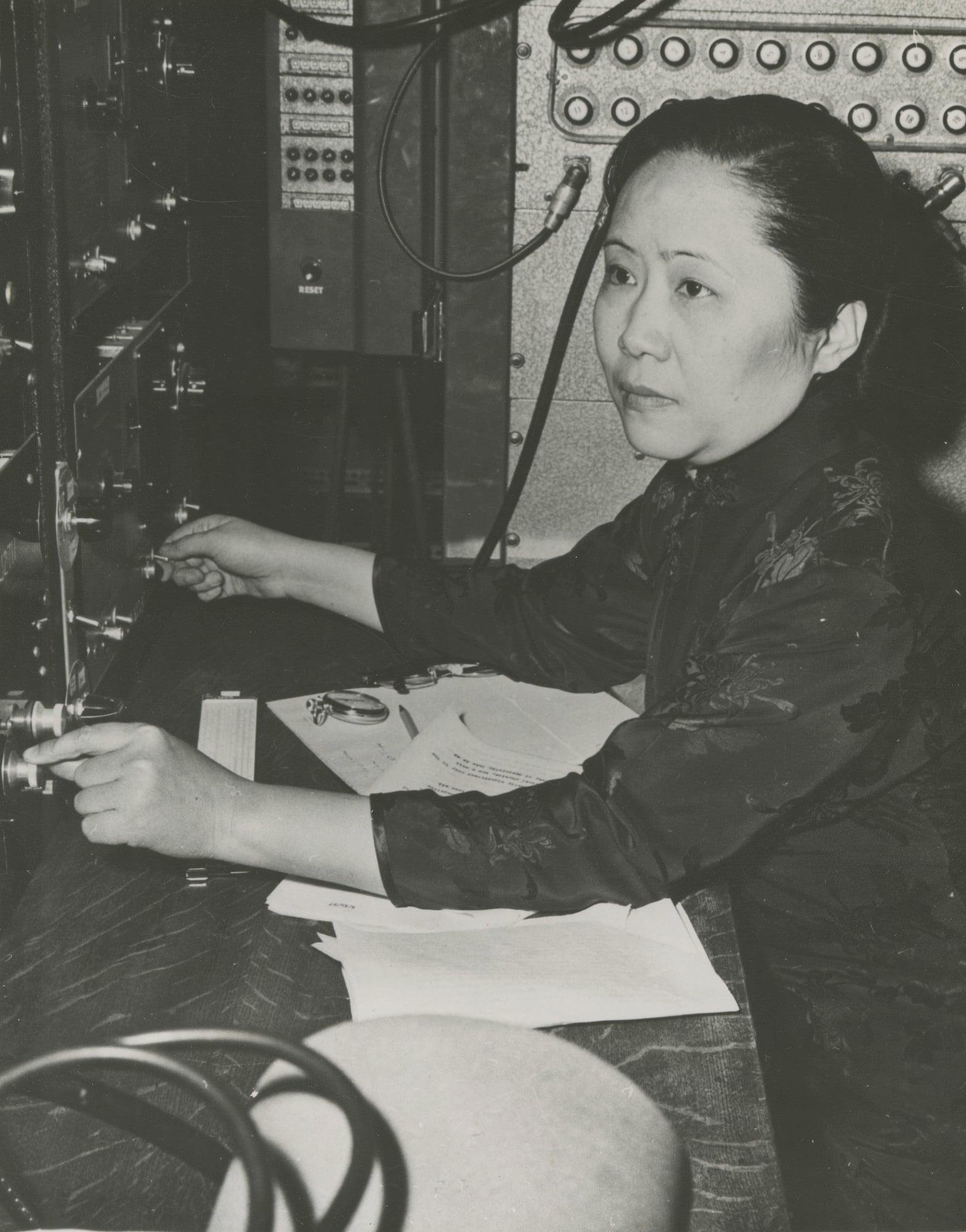
The physics community called Chien-Shiung Wu the ‘First Lady of Physics’ for good reason. She designed and conducted the experiment that disproved the law of conservation of parity, one of physics’ fundamental assumptions.
Two male colleagues, Tsung-Dao Lee and Chen-Ning Yang, proposed the theory and won the Nobel Prize in 1957. Wu did the actual experimental work that proved them right but got left off the Nobel nomination entirely.
Her peers knew she deserved equal credit, making her exclusion particularly painful.
Trota of Salerno

Medieval medicine owes an enormous debt to Trota of Salerno, a physician who practiced and taught in 11th-century Italy. She wrote groundbreaking texts on women’s health, childbirth, and general medicine that doctors used for centuries across Europe.
Her work showed remarkable understanding of hygiene, disease prevention, and patient care. Later scholars questioned whether she existed at all or attributed her writings to male doctors, erasing her legacy systematically.
Recent research confirmed her historical presence and restored her rightful place as a medical pioneer.
Marsha P. Johnson
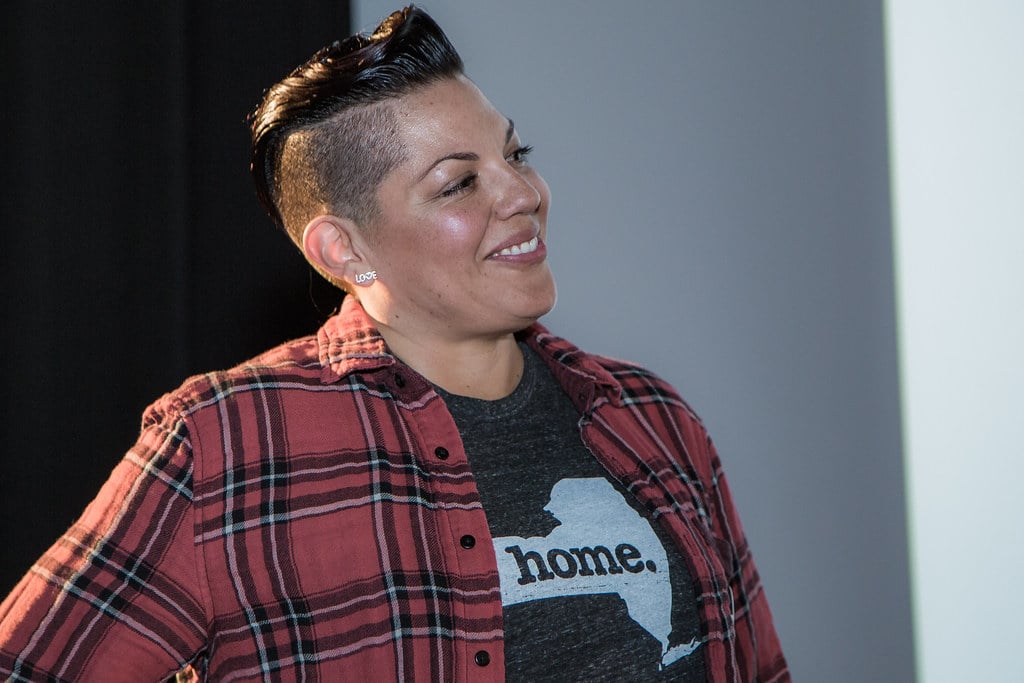
The Stonewall Riots of 1969 marked a turning point for LGBTQ+ rights in America, yet history often overlooks the people who stood at the front lines. Marsha P. Johnson was a Black transgender activist who played a central role in the uprising against police harassment.
She co-founded the Street Transvestite Action Revolutionaries to help homeless LGBTQ+ youth and fought tirelessly for equal rights. Mainstream accounts of Stonewall frequently center white, cisgender voices while marginalizing Johnson’s contributions.
Her life ended mysteriously in 1992, and her death received minimal investigation from authorities.
Mileva Marić
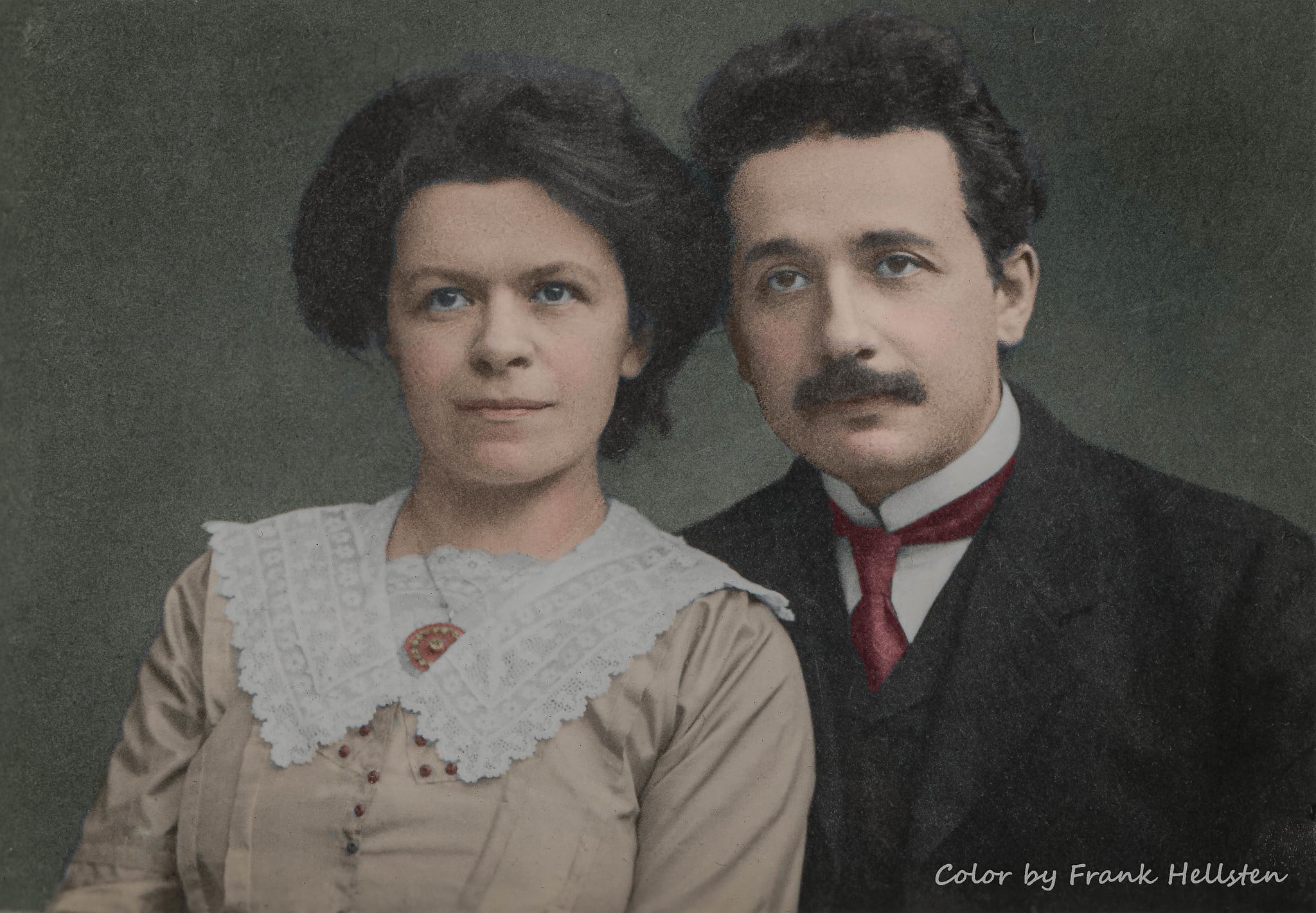
Albert Einstein’s first wife, Mileva Marić, was a physicist in her own right who studied at the same university. Letters between them suggest she contributed significantly to his early work, including papers on relativity theory published in his ‘miracle year’ of 1905.
Some historians argue she deserved co-authorship on at least some of these papers, though the exact extent of her contributions remains debated. When they divorced, Einstein gave her his Nobel Prize money, which some interpret as acknowledgment of her role.
Her own scientific career never flourished, partly due to the barriers women faced and partly due to raising their children alone.
Margaret Knight
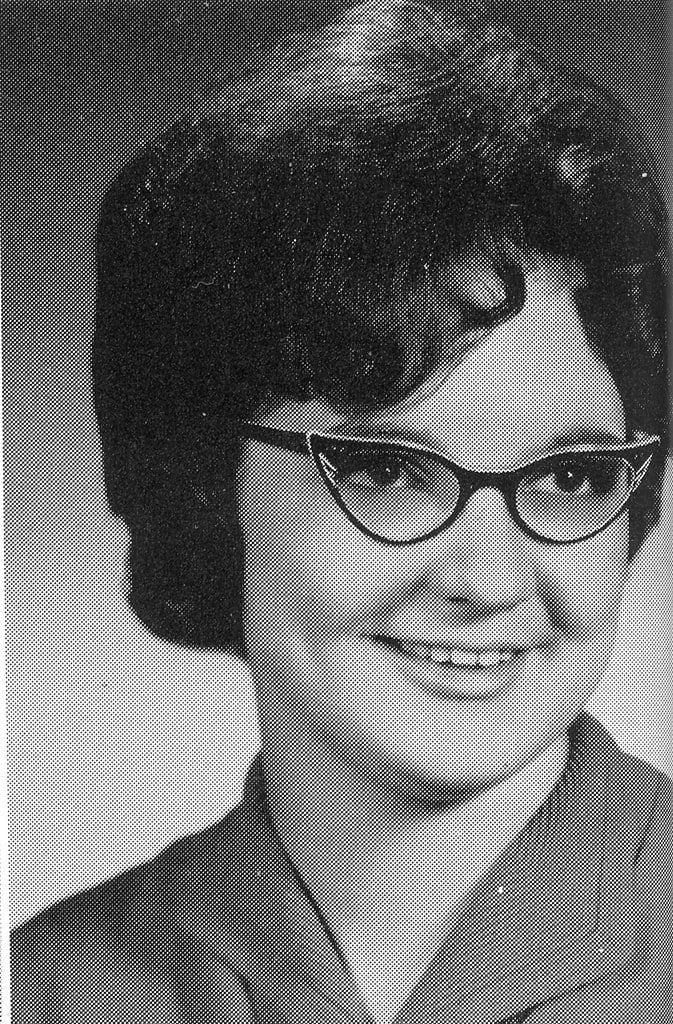
The flat-bottomed paper bag seems like a simple invention, but it revolutionized shopping and packaging. Margaret Knight designed the machine that makes these bags in 1868 after years of tinkering and problem-solving.
A man named Charles Annan stole her design and tried to patent it himself, claiming a woman couldn’t possibly create something so complex. Knight fought him in court, won her patent, and went on to invent about 90 other devices during her lifetime.
Despite holding dozens of patents, she died with little money and even less recognition.
Henrietta Swan Leavitt

Mapping the universe requires knowing how far away stars sit from Earth, a problem that stumped astronomers for generations. Henrietta Swan Leavitt discovered the period-luminosity relationship in Cepheid variable stars, giving scientists a ‘standard candle’ to measure cosmic distances.
Her work made it possible to determine the size of the universe and laid the foundation for Edwin Hubble’s later discoveries about the expanding cosmos. Leavitt worked as a ‘computer’ at Harvard Observatory, one of many women who did crucial calculations for minimal pay.
She died before receiving major recognition, and the Nobel Prize committee doesn’t award posthumous honors.
Mary Anning

The fossil beds along England’s Jurassic Coast revealed incredible prehistoric creatures in the early 1800s, and Mary Anning found many of the most important specimens. She discovered the first complete Ichthyosaur skeleton at age 12, along with the first Plesiosaur and important Pterosaur fossils.
Wealthy male scientists bought her finds, published papers about them, and built careers on her discoveries while she struggled financially. The scientific establishment excluded her from their societies because of her gender and working-class background.
Her expertise surpassed most trained geologists of her era, yet she remained an outsider until death.
Claudette Colvin

Rosa Parks became the face of the Montgomery Bus Boycott, but she wasn’t the first person to refuse giving up her seat. Fifteen-year-old Claudette Colvin did the same thing nine months earlier in 1955, sparking initial plans for a boycott.
Civil rights leaders decided not to rally around Colvin because she was young, unmarried, and pregnant, fearing the media would use these facts against the movement. Colvin’s bravery and sacrifice got pushed aside for strategic reasons, leaving her contribution largely forgotten.
She testified in the federal case that ultimately ruled bus segregation unconstitutional, yet history books rarely mention her name.
Wu Zetian

China’s only female emperor ruled during the Tang Dynasty, yet many historical accounts treat her as an aberration or cautionary tale. Wu Zetian rose from concubine to empress to emperor, expanding China’s territory and promoting talented officials based on merit rather than birth.
She supported Buddhism, commissioned important art and architecture, and maintained stability during her reign. Traditional historians portrayed her as cruel and power-hungry, emphasizing scandals over accomplishments.
Modern scholars recognize that the extreme negative characterizations likely stemmed from discomfort with a woman wielding absolute power.
Esther Lederberg
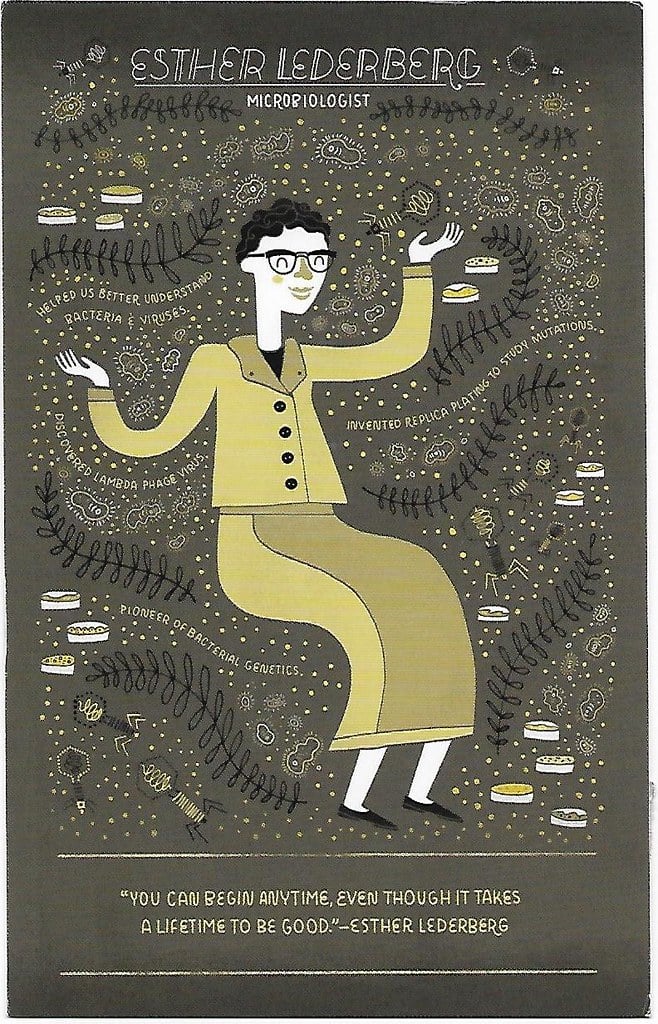
Bacterial genetics advanced dramatically in the mid-20th century thanks to techniques developed by Esther Lederberg. She discovered the lambda phage, a virus that infects bacteria and became essential for genetic research.
Her replica plating technique allowed scientists to study bacterial mutations and laid groundwork for modern genetic engineering. Her husband Joshua Lederberg shared lab space and collaborated with her but won the Nobel Prize while she received a footnote.
Gender bias in science meant her innovations got attributed to the lab rather than to her personally, diminishing her individual achievements.
Noor Inayat Khan

World War II resistance fighters risked everything to fight Nazi occupation, and Noor Inayat Khan stands among the bravest. This Indian-Muslim woman worked as a radio operator for British intelligence in occupied France, the most dangerous job in espionage.
She continued transmitting crucial information even after her network collapsed around her, knowing she would likely be captured. The Gestapo arrested her, tortured her, and executed her at Dachau concentration camp in 1944.
Britain awarded her the George Cross posthumously, but her story remains far less known than male spies who did similar work.
Annie Jump Cannon

The way we sort stars by type? That idea came from Annie Jump Cannon’s sharp thinking.
About 350,000 stars got sorted by her over years at Harvard’s observatory – her method is what scientists still follow now. She’d name a star’s class every twenty seconds, quick but never sloppy, outpacing others around her.
Even so, Harvard waited till later years to formally recognize her work. For ages, she stayed underpaid, called just an assistant, while men gained fame off the very system she built.
Sophia Duleep Singh
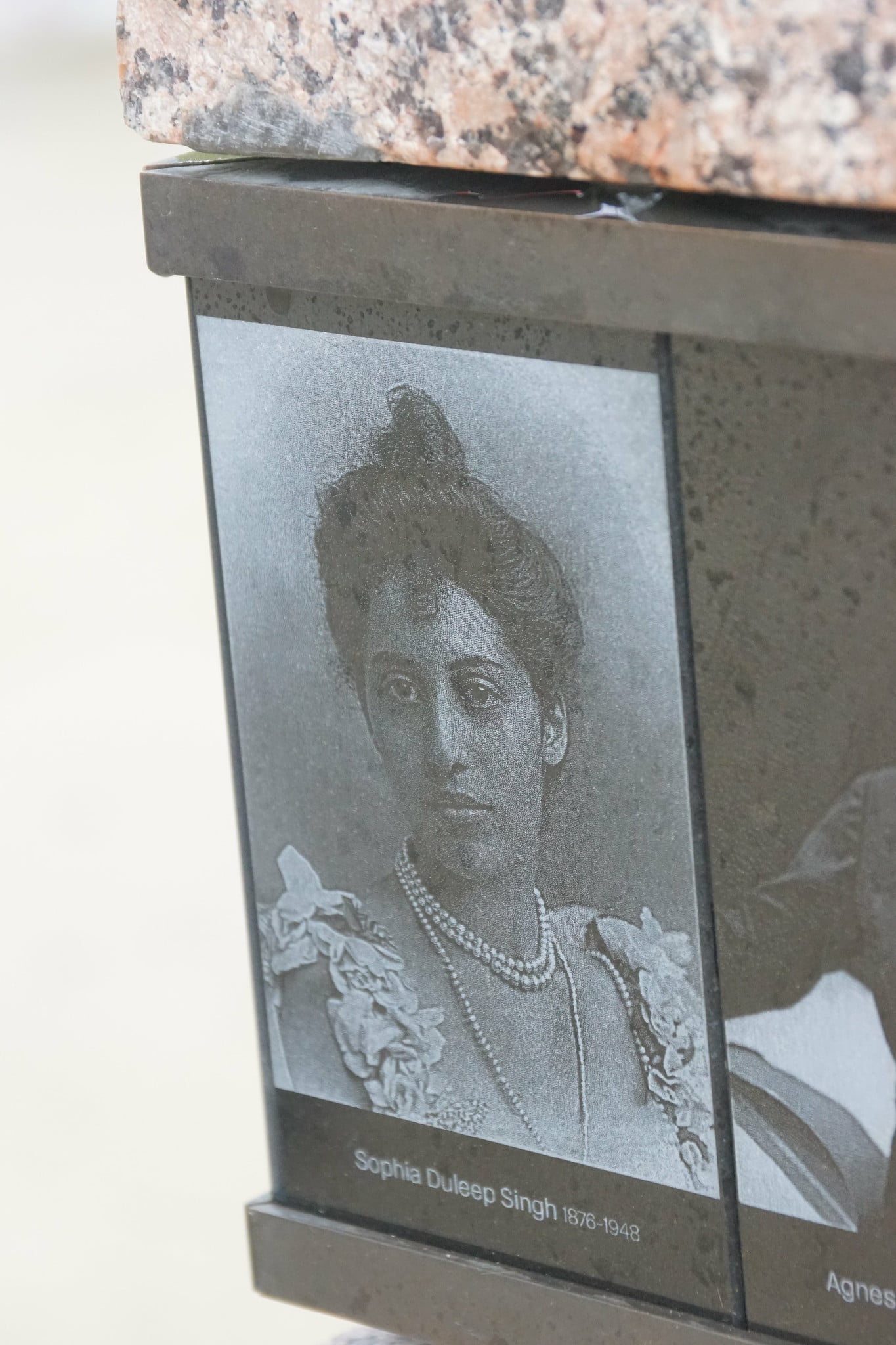
The British suffragette effort brought together women from many walks of life – take Sophia Duleep Singh, a royal and daughter of Queen Victoria’s favour. Because she had status and money, she threw herself into fighting for female votes, joining marches yet skipping tax payments on purpose.
Since Britain ruled India without asking its people, she pointed out how odd it was to also block women at home from deciding anything. By linking female voting demands with resistance to the empire, her actions carried extra weight.
Still, most tellings of the suffrage story focus on white middle-class activists, which tends to push Singh’s part aside.
Tapputi-Belatekallim

The world’s earliest known chemist was from ancient Mesopotamia, living about 1200 BCE. A woman named Tapputi-Belatekallim worked as a perfumer for the palace but also wrote down methods on clay tablets using cuneiform script.
Instead of just mixing ingredients, she used techniques such as distillation – methods that later helped shape modern chemistry. Because her name shows up on an official seal, it suggests she had real authority back then.
Even though records prove women were involved in science way before Europe took notice, many still believe male scientists started it all much later.
Where Credit Is Due

These women actually made history – just nobody wrote it down right. Historians skipped their stories, while teachers left them out of lessons altogether.
This keeps happening in every area, no matter the time period, so kids learn as if women barely did anything at all. Seeing these gaps isn’t only fair – it’s necessary for getting facts straight, since real history means counting everyone involved.
Once books start showing what women truly did, our view of the past gets fuller and way more honest.
More from Go2Tutors!

- The Romanov Crown Jewels and Their Tragic Fate
- 13 Historical Mysteries That Science Still Can’t Solve
- Famous Hoaxes That Fooled the World for Years
- 15 Child Stars with Tragic Adult Lives
- 16 Famous Jewelry Pieces in History
Like Go2Tutors’s content? Follow us on MSN.



