27 Radio Shows Families Gathered Around
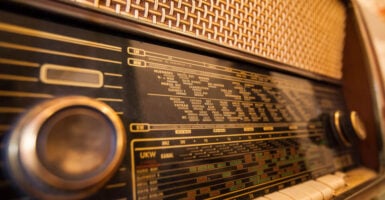
Before television, the evening centered on a wooden cabinet in the living room. Families pulled up chairs, turned down the lights and let voices, music and sound effects fill the room. This list gathers 27 radio programs that drew households together, from presidential talks to a ventriloquist nobody could see.
Roosevelt’s Fireside Chats Reach Every Parlor
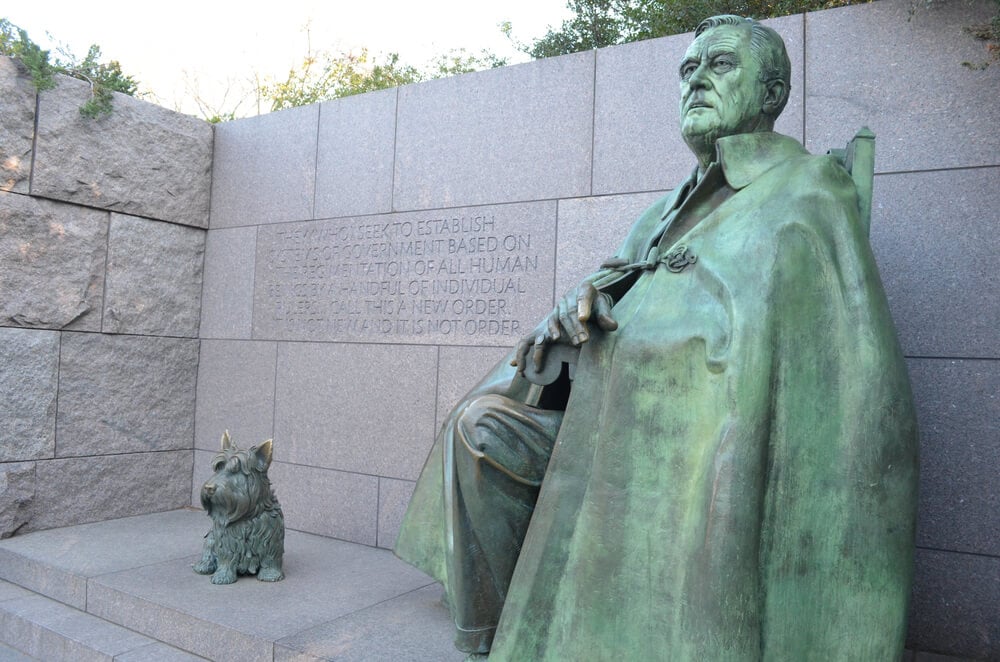
Franklin D. Roosevelt delivered his first fireside chat on March 12, 1933, explaining the banking crisis in plain language to a worried country. Families gathered around their radios to hear the president speak like a neighbor, and some estimates place the audience in the tens of millions. Roosevelt gave about thirty of the talks over the course of his presidency. The calm voice and conversational tone turned the radio into a powerful tool of governing, and the term fireside chat is still used today for informal presidential addresses.
Amos ‘n’ Andy Stops the Nation
Freeman Gosden and Charles Correll, two white performers who voiced Black characters, created Amos ‘n’ Andy, which became a national sensation on NBC radio in 1929. The program drew such large audiences that, according to period accounts, theaters and shops paused business to broadcast it. Its humor relied on stereotypes that drew criticism from the Black press and civil rights groups, and the program remains a case study in how popular entertainment can wound. The radio version ended in 1960 after three decades on the air.
Hi-Yo Silver Rides In
WXYZ in Detroit premiered The Lone Ranger in January 1933, with the William Tell Overture as its theme and the cry of Hi-Yo, Silver. George W. Trendle created the masked lawman with writer Fran Striker, and the show soon spread to other stations through the Mutual network. Children pressed close to the radio as the Ranger and his companion Tonto chased outlaws across the plains. The character grew into a franchise of comic strips, films and television series that survived the original broadcasts for generations.
The Shadow Knows
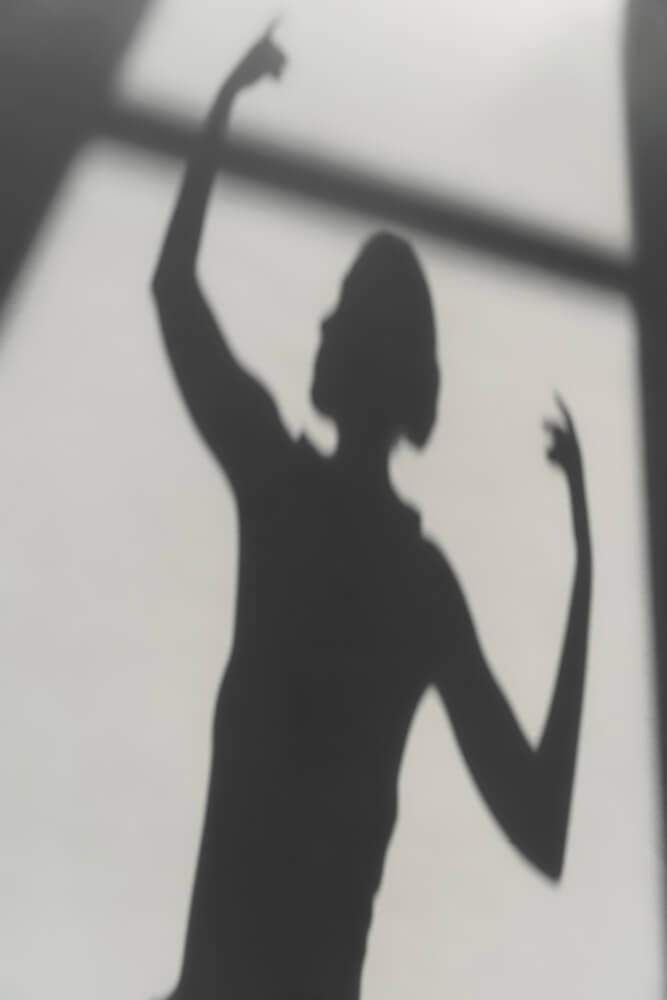
The Shadow became a hit in the 1930s with its chilling opening line, Who knows what evil lurks in the hearts of men? The Shadow knows, followed by a sinister laugh. Orson Welles voiced the crime-fighter Lamont Cranston from 1937 to 1938, giving the show a rich, menacing sound. The program ran for more than two decades and inspired comic books, films and pulp novels. Listeners remembered the laugh long after they forgot the plots, and the line is still quoted today, often with a theatrical growl. Sunday evening audiences waited for it.
Fibber McGee Opens the Closet
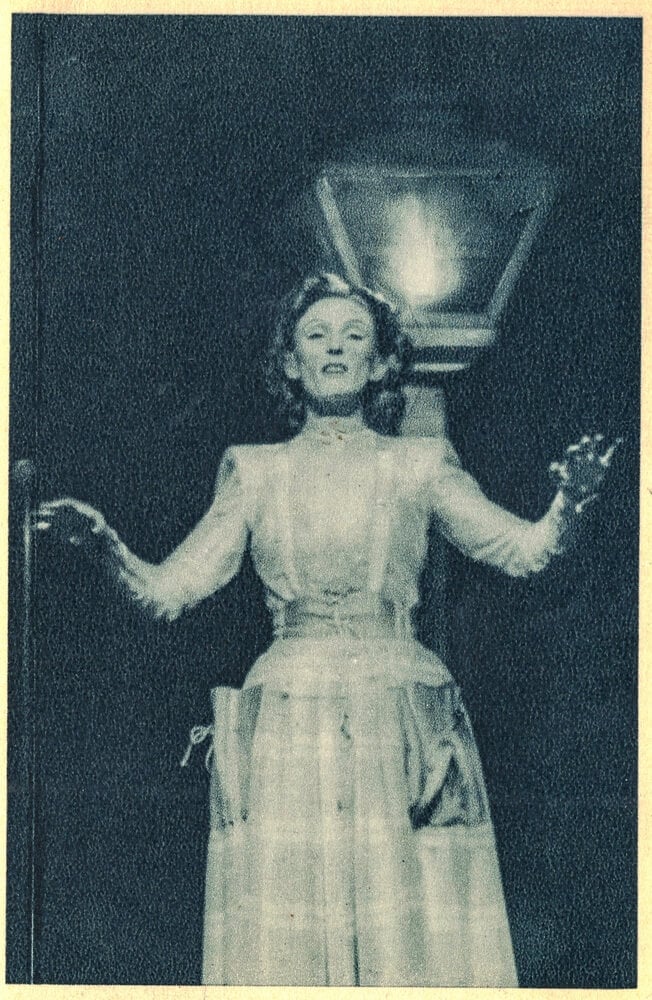
Jim and Marian Jordan played Fibber McGee and Molly from 1935 until 1959, with a running gag involving an overstuffed hall closet. Whenever Fibber opened the door, a crash of falling objects followed, a sound-effects routine that audiences loved. The couple lived at 79 Wistful Vista, a fictional address that sounded like a real one. The warm humor and small-town setting made the show a family favorite, and the closet gag became so familiar that people used it as a joke about their own cluttered homes.
Jack Benny Stays 39
Jack Benny built a persona as a vain, stingy man who claimed to be 39 years old forever. His radio program ran from 1932 into the 1950s, featuring a famed vault beneath his house and his valet Rochester, played by Eddie Anderson. His battered Maxwell automobile wheezed in a recurring gag. Benny’s long pauses and exasperated stare drew laughs without a single word, and his timing set a standard that comedians still study. Families on Sunday evenings waited for the gags to roll, and the character’s cheap habits became a national joke.
Gracie Allen Looks for Her Missing Brother
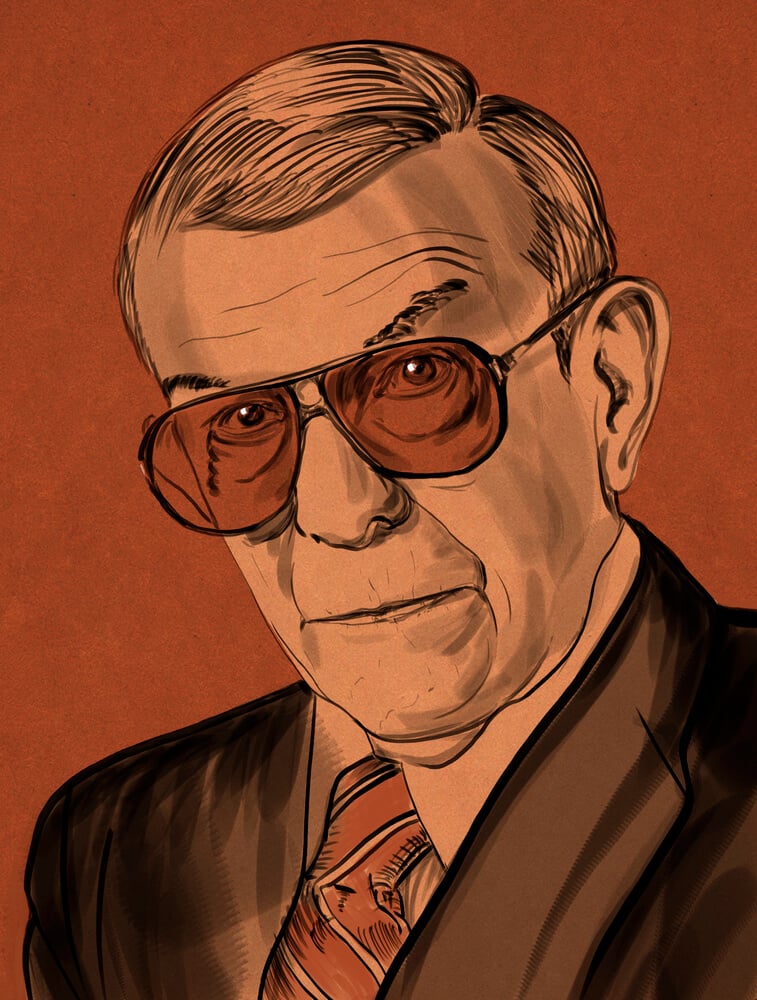
George Burns and Gracie Allen joined radio in 1932, and Gracie’s cheerful illogic delighted audiences while George played the patient straight man. In 1933, the pair staged a stunt in which Gracie searched for a missing brother, showing up on other programs to ask whether anyone had seen him. The hunt became a national joke, and it boosted the couple’s fame. Their gentle humor made the show a staple of the evening schedule, and the partnership lasted for decades on both radio and television, with Gracie’s confusion remaining the heart of every episode.
Welles Lands Martians in New Jersey
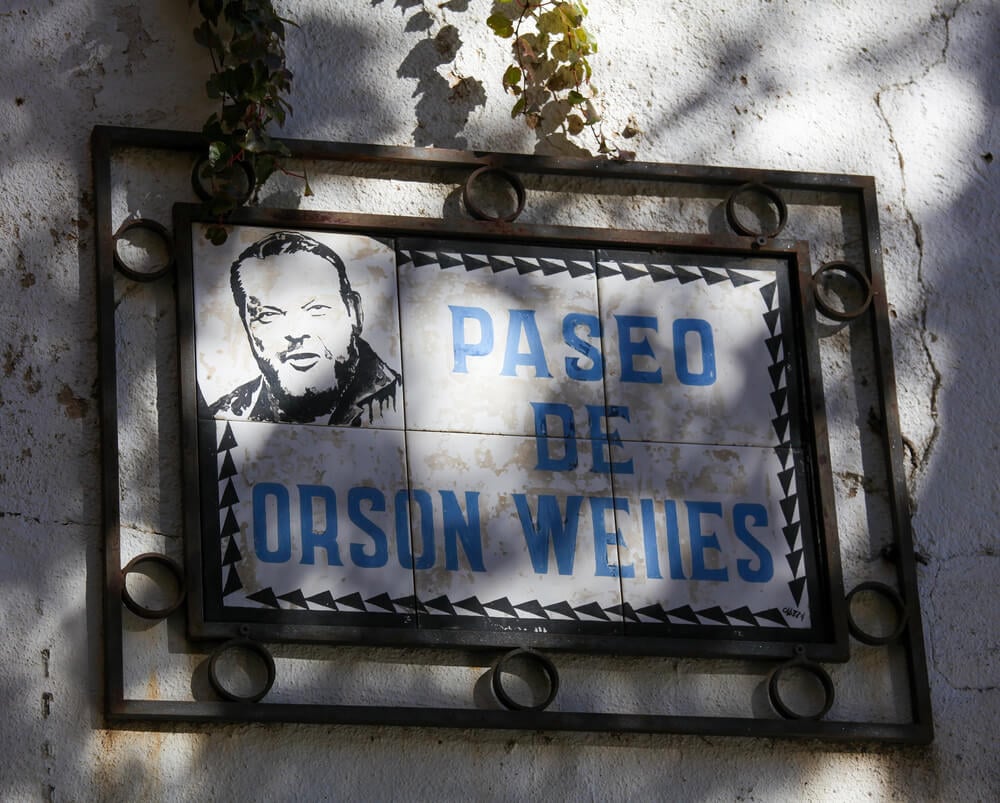
On October 30, 1938, Orson Welles and his company broadcast a radio adaptation of H.G. Wells’s The War of the Worlds on CBS, staged as a series of news bulletins about a Martian invasion. Some listeners believed it was real, and newspapers reported panic the next day, though historians now think the scale was exaggerated. Welles became famous almost overnight. The broadcast remains one of the most discussed moments in radio history, a lesson in how realistic sound can persuade an audience, and Welles later used the episode as a calling card in Hollywood.
Grand Ole Opry Takes the Stage
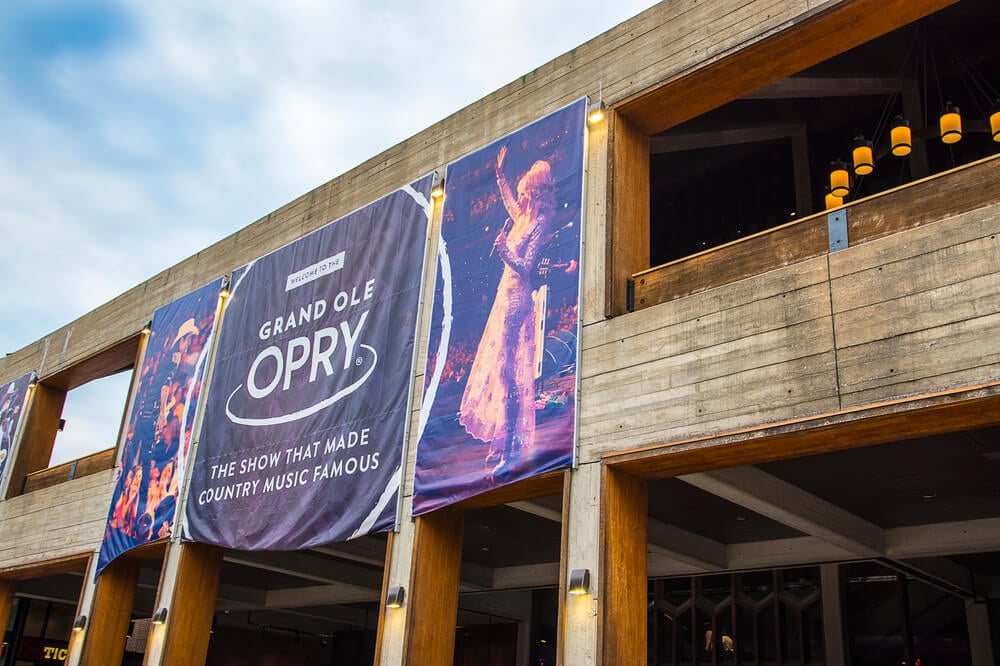
WSM in Nashville began broadcasting a Saturday night barn dance in 1925, and in 1927 the program took the name Grand Ole Opry. According to the story, announcer George D. Hay offered the new name after the show followed a classical music hour, joking that listeners had been hearing grand opera and would now hear the Grand Ole Opry. The program introduced country musicians to listeners across the South and beyond. Families who lived far from cities tuned in each week, and the broadcast helped make Nashville the capital of country music.
Little Orphan Annie and the Secret Decoder
Based on Harold Gray’s comic strip, the radio serial premiered in 1931 and was sponsored by Ovaltine, which offered mail-in premiums such as shake-up mugs and secret decoder pins. Kids used the decoders to decipher messages at the end of each episode, usually a pitch for more Ovaltine. The show ran until 1942 and taught a generation about the pull of advertising. Millions of children rushed to the mailbox for the next gadget, and the pins now draw curious attention from collectors who display them in frames beside old cereal boxes.
Gangbusters Opens With Sirens
Gangbusters, which ran from 1936 to 1957, opened with a cacophony of sirens, machine-gun fire and marching feet. Phillips H. Lord created the program, which dramatized real police and FBI cases and often ended with a request for the public to help catch fugitives. The appeals reportedly led to arrests, a rare case of entertainment aiding law enforcement. The noisy opening was so memorable that it entered everyday speech, and the phrase came to mean something done with great force and energy, a compliment in any decade.
Inner Sanctum Creaks Open
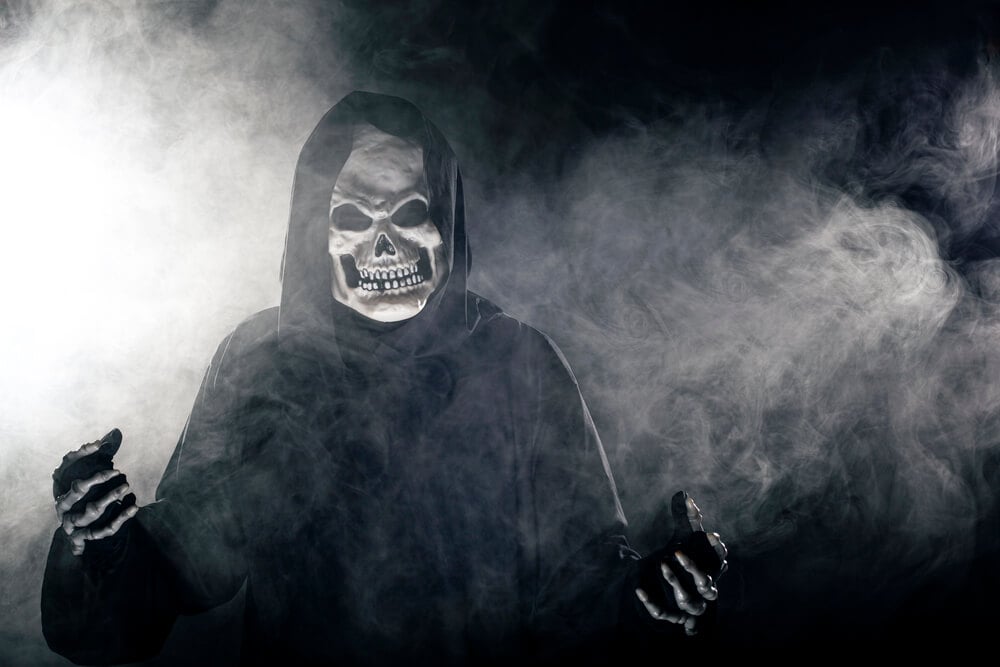
opened with the sound of a creaking door, followed by a sardonic host who welcomed listeners with a groan-inducing pun. The series ran from 1941 to 1952 and helped define radio horror. The creak, produced by a real rusty hinge, became so famous that other programs copied it. Families gathered in the dark to hear tales of murder and mayhem, and the host’s sly wit kept the fear from becoming too heavy. The sound effect remains a shorthand for old-time spooky stories.
Suspense Keeps Listeners on the Edge
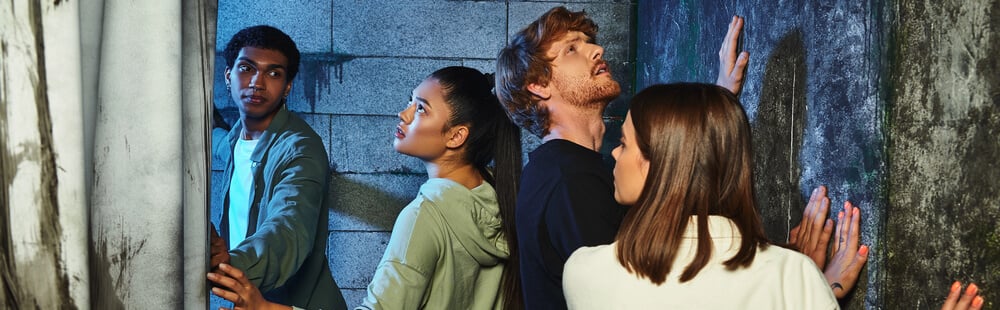
Suspense aired from 1942 to 1962 and offered tales of murder and dread, with Hollywood stars lending their voices to the dark scripts. Its most famous episode, Sorry, Wrong Number, starred Agnes Moorehead as a bedridden woman who overhears a murder plot on a crossed telephone line. It aired in 1943 and was repeated several times. Listeners remember the rising panic of the heroine, and the broadcast showed how a single voice and a ringing phone could create terror without a single image, a feat that television rarely matched.
The Great Gildersleeve Fills a Sunday Slot
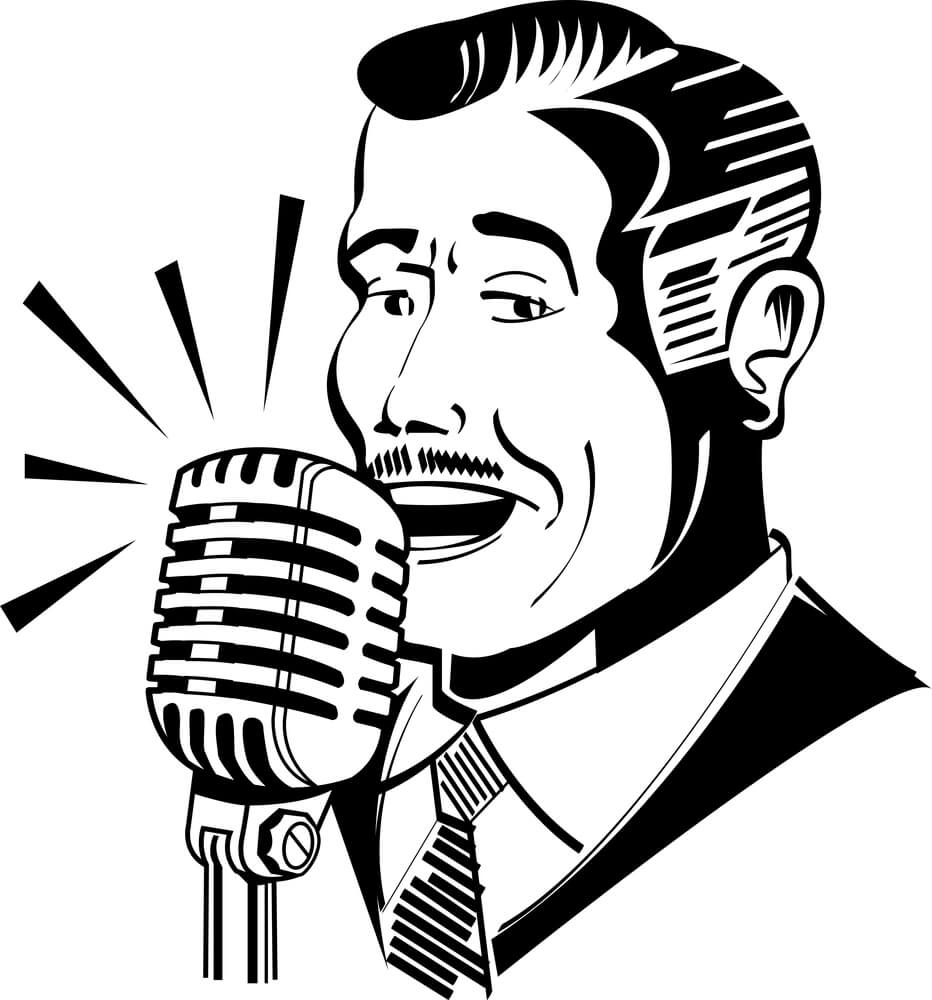
Harold Peary starred in The Great Gildersleeve, which debuted in 1941 as a spin-off from Fibber McGee and Molly, playing a blustery water commissioner in the town of Summerfield. The show combined sitcom humor with a gentle family setting, and Gildersleeve’s booming laugh became his signature. Peary left the role in 1950, and Willard Waterman took over. The program was among the first spin-offs in broadcasting history, and it proved that a supporting character could carry a series of his own, a lesson that producers have repeated ever since. Audiences enjoyed the gentle warmth.
Dragnet Brings Realism to Crime
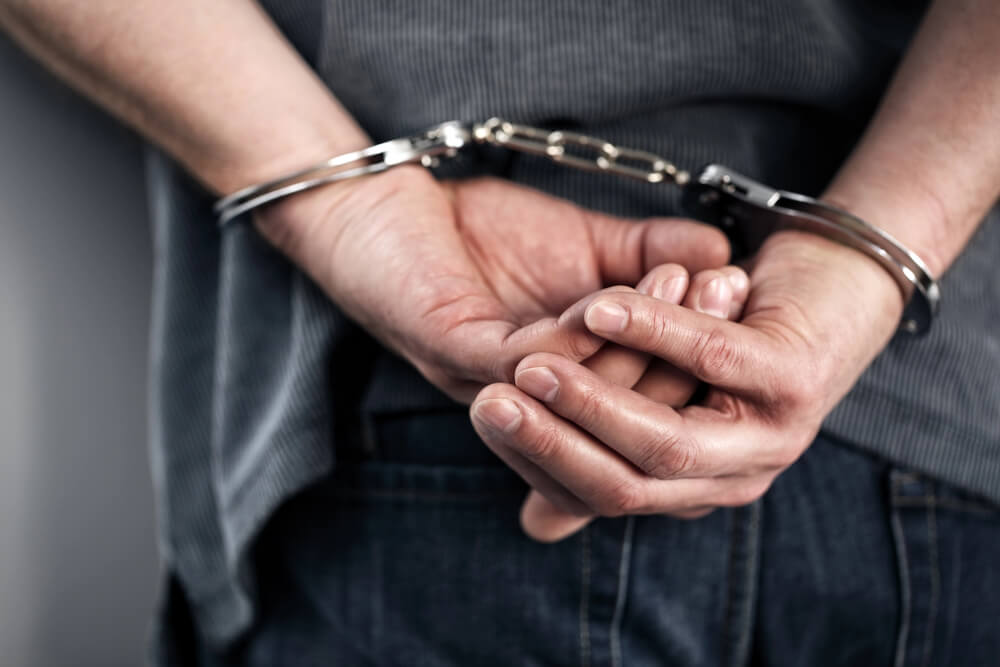
Dragnet premiered on radio in 1949 with Jack Webb as Sergeant Joe Friday, and its realism set it apart from earlier crime dramas. Webb insisted on authentic police procedure and drew on real case files from the Los Angeles Police Department. The four-note musical sting and the deadpan narration became national parodies. The series moved to television in 1951 and kept the same style. Fans of the radio version still describe the clipped dialogue as the real star, since the show treated crime as routine work rather than melodrama.
Gunsmoke Grows Up the Western
Gunsmoke arrived on radio in 1952, created by Norman Macdonnell and John Meston as an adult western with gritty stories and moral gray areas. William Conrad played Marshal Matt Dillon with a deep, commanding voice. The radio series lasted until 1961, while a television version began in 1955 and ran for twenty years. Listeners praised the program for treating frontier life as hard and sometimes sad, and the show influenced a generation of writers who wanted westerns to feel more honest, with quiet scenes of loss between the shootouts.
The Guiding Light Burns for Seventy Years
The Guiding Light debuted on radio in 1937 and later moved to television, where it ran until 2009 and became one of the longest-running dramatic programs in broadcast history. Irna Phillips created the serial, which began with a minister and his congregation. Housewives listened while folding laundry or cooking dinner, and the storylines followed families through decades of change. The program showed that daytime serials could build loyalty that lasted a lifetime, a model that television soap operas adopted, and the story lines were often discussed at kitchen tables the next morning.
Ma Perkins Sells Soap
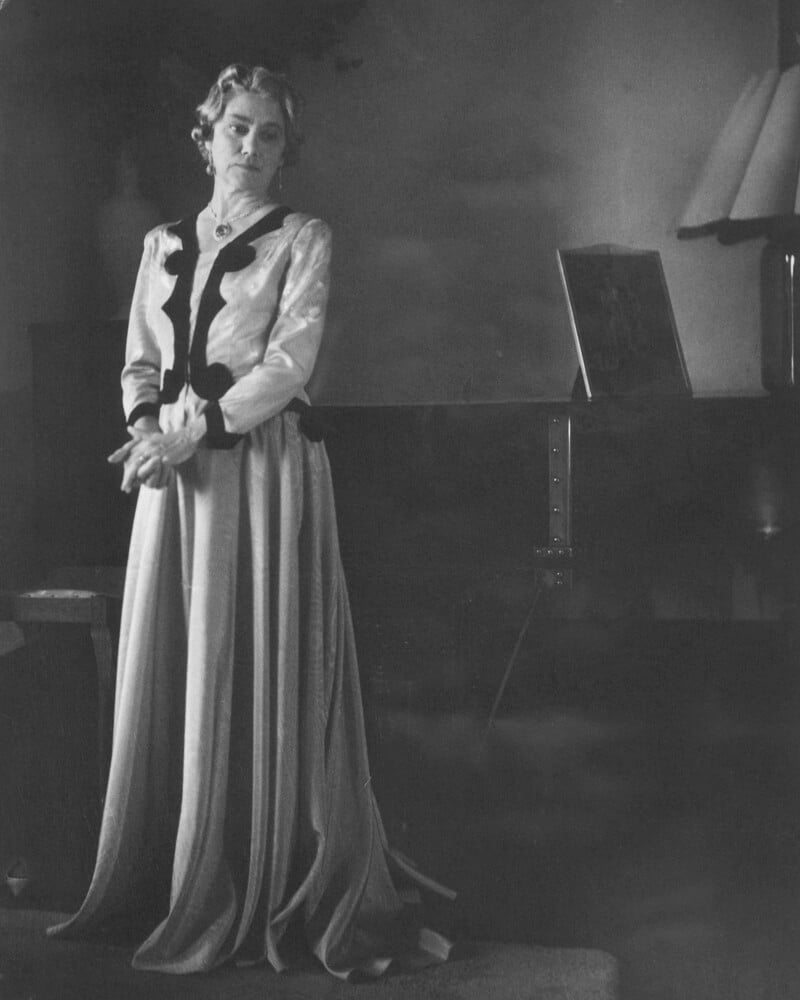
Ma Perkins premiered in 1933 and starred Virginia Payne as a widowed lumberyard owner in the town of Rushville Center. It was sponsored by Oxydol soap, a detail that helped give daytime serials the nickname soap operas. Payne played the role more than 7,000 times over nearly three decades. Listeners treated Ma as a friend and wrote letters offering advice, and the program showed how advertisers could build a community around a character in a way that no billboard ever could, and the letters kept coming for years.
Quiz Kids Tests Young Geniuses
Quiz Kids premiered in Chicago in 1940, featuring bright children who answered difficult questions from a panel of adults. The show ran until 1953 and made some contestants famous for their poise and memory. Parents tuned in to see whether their own children measured up, and the program fed a national interest in education. Created by producer Louis G. Cowan, it set the pattern for later quiz shows. The sight of a child outwitting an adult made listeners laugh and marvel, and the sound of the panel stumbling over a question became part of the fun.
Major Bowes Rings the Gong
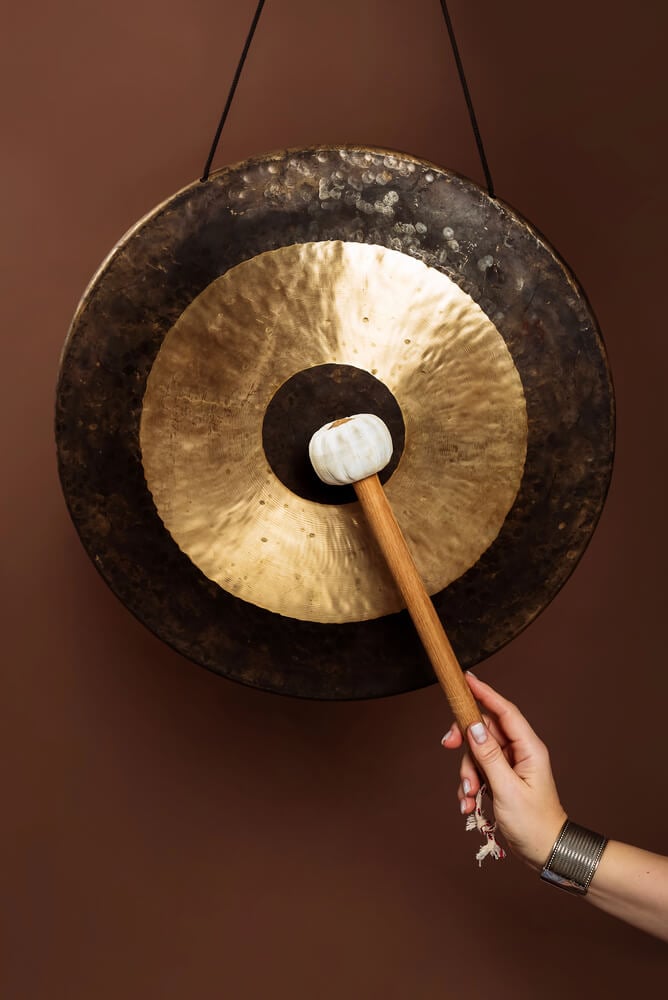
Major Edward Bowes hosted an amateur talent show that reached a national audience in the mid-1930s and featured a gong for contestants who failed. Millions of listeners voted by telephone for their favorites. The program introduced a young Frank Sinatra in 1935 as part of a quartet called the Hoboken Four, which won the night’s vote. The show gave ordinary people a shot at fame, and it popularized a format of public voting that later talent shows still follow, making the audience at home part of the drama each week.
Kate Smith Introduces God Bless America
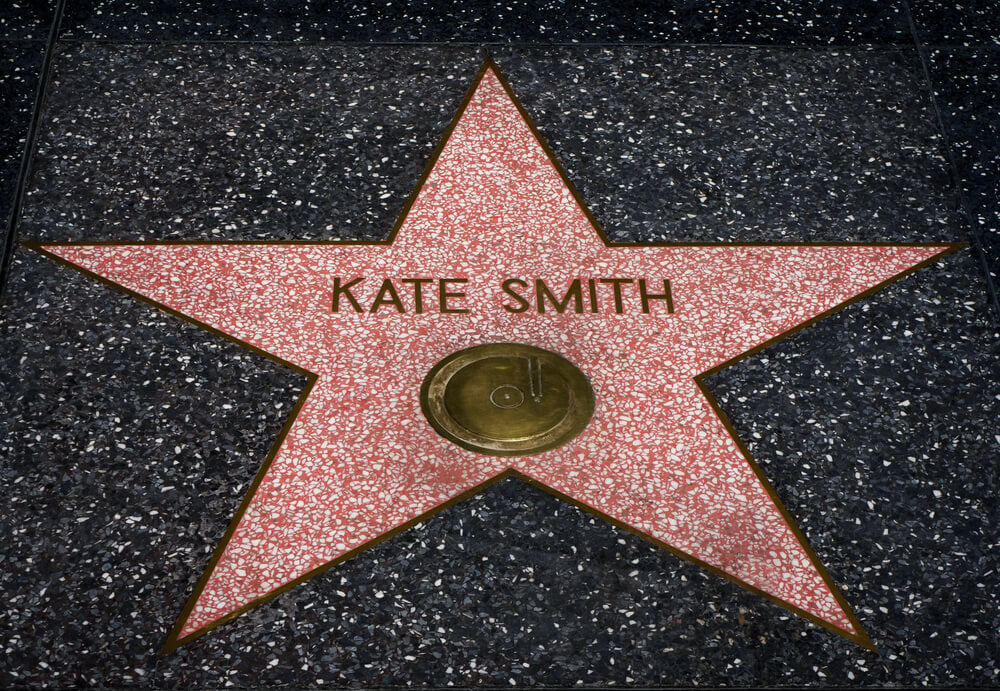
Singer Kate Smith performed Irving Berlin’s God Bless America for the first time on her radio program on November 11, 1938, Armistice Day. The song, which Berlin had written years earlier and revised for her, quickly became a patriotic favorite. Smith’s powerful voice and warm personality made her one of the most popular broadcasters of the era. Families gathered to hear her sing, and the song became a fixture of national events, especially in times of crisis, sung at parades and public gatherings, and it still stirs strong feelings today.
Abbott and Costello Ask Who’s on First
Bud Abbott and Lou Costello performed Who’s on First? on The Kate Smith Hour in 1938, and the routine became their signature bit. The sketch relies on a sports team whose players have odd names that sound like questions, leading to escalating confusion. The routine is so tightly built that it still feels fresh, and it has been performed in countless variations. Radio listeners could imagine the exasperation on the faces, and the sketch earned a place in the Hall of Fame, a rare honor for a comedy routine from the radio years.
Joe Louis Knocks Out Schmeling
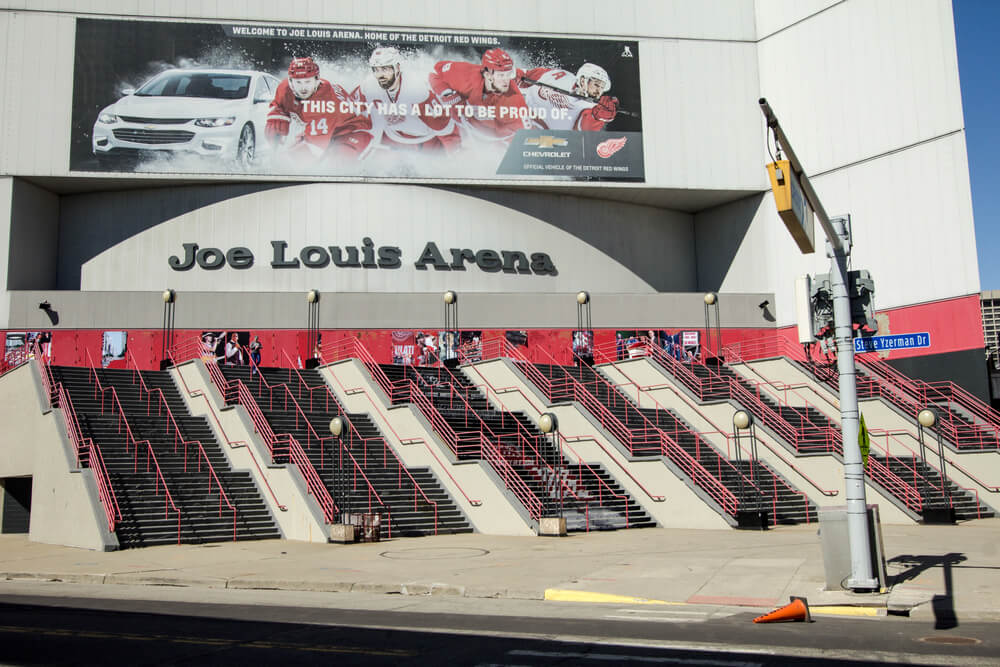
Millions of Americans listened to the heavyweight rematch between Joe Louis and Max Schmeling on June 22, 1938. Louis knocked out Schmeling in the first round at Yankee Stadium in just two minutes and four seconds, to roars in Black neighborhoods across the country. The fight carried symbolic weight because of tensions with Nazi Germany, and the radio call turned a boxing match into a national moment. Families crowded around sets in kitchens and barbershops, and the cheers after the final bell could be heard through open windows along entire blocks of the city.
Toscanini Conducts for the Nation
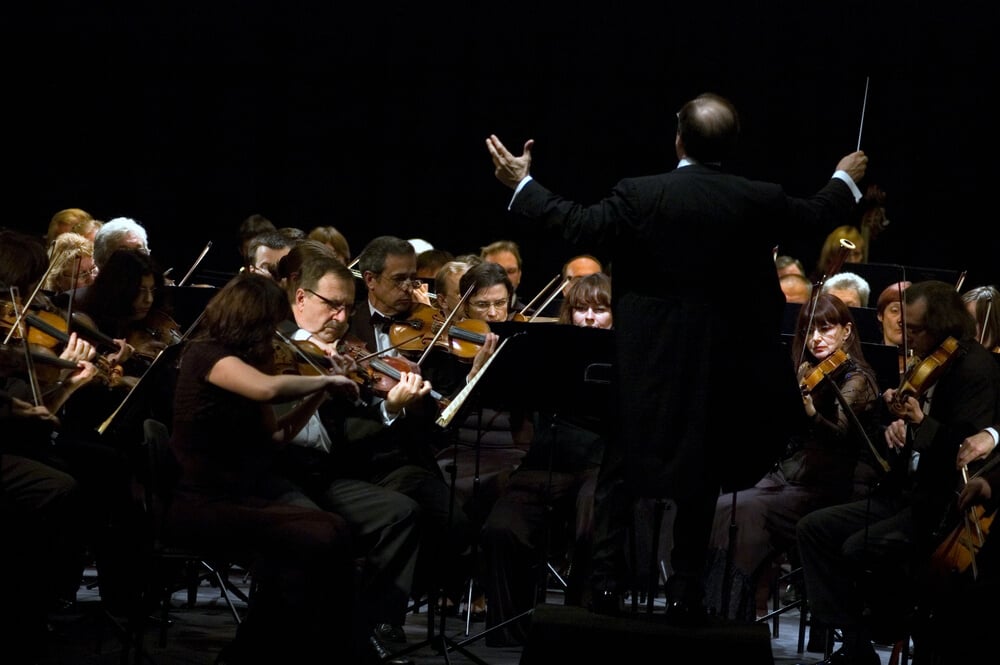
NBC created the NBC Symphony Orchestra in 1937 for conductor Arturo Toscanini, who led Saturday night concerts broadcast across the country. The orchestra was hand-picked and recorded some of the most famous performances of the era. Families who had never entered a concert hall heard the music in their own living rooms, and the broadcasts brought classical works to a new audience. The series lasted until 1954 and helped define the idea that radio could educate as well as entertain, a belief that shaped decades of public broadcasting. Letters from grateful listeners poured in.
Murrow Reports From London
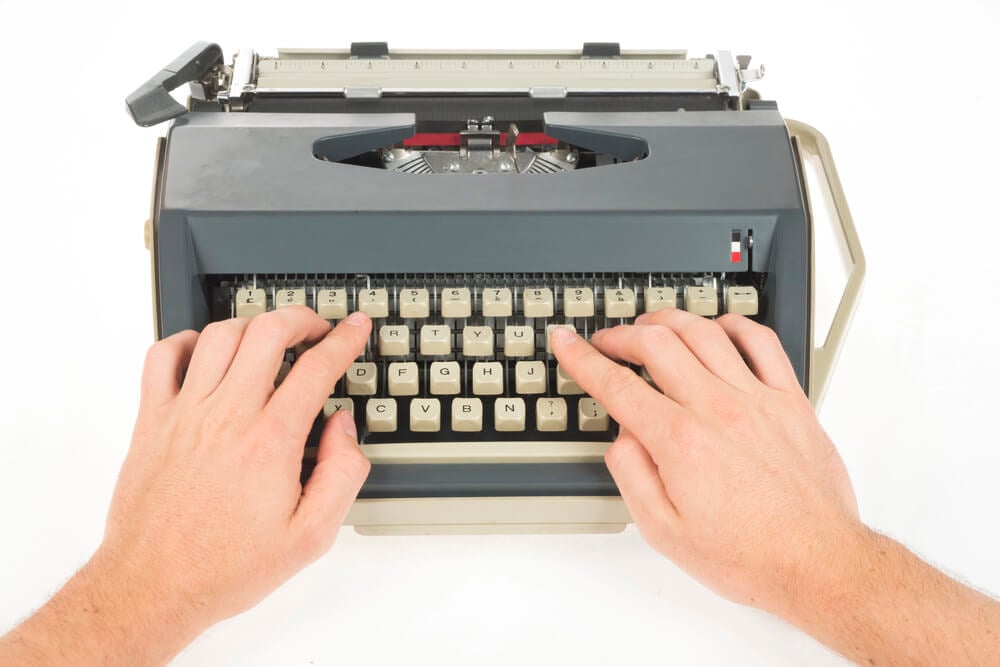
Edward R. Murrow’s broadcasts from London during the Blitz in 1940 opened with the words This is London and brought the war to American living rooms. He stood on rooftops to describe air raids, with the sirens and explosions audible in the background. Families gathered by their radios to hear the news, which felt closer and more urgent than any newspaper. Murrow’s measured delivery shaped the style of broadcast journalism for decades, and his voice became a symbol of calm in a frightening year. Listeners trusted him because he described only what he saw.
Bing Crosby Tapes the Show
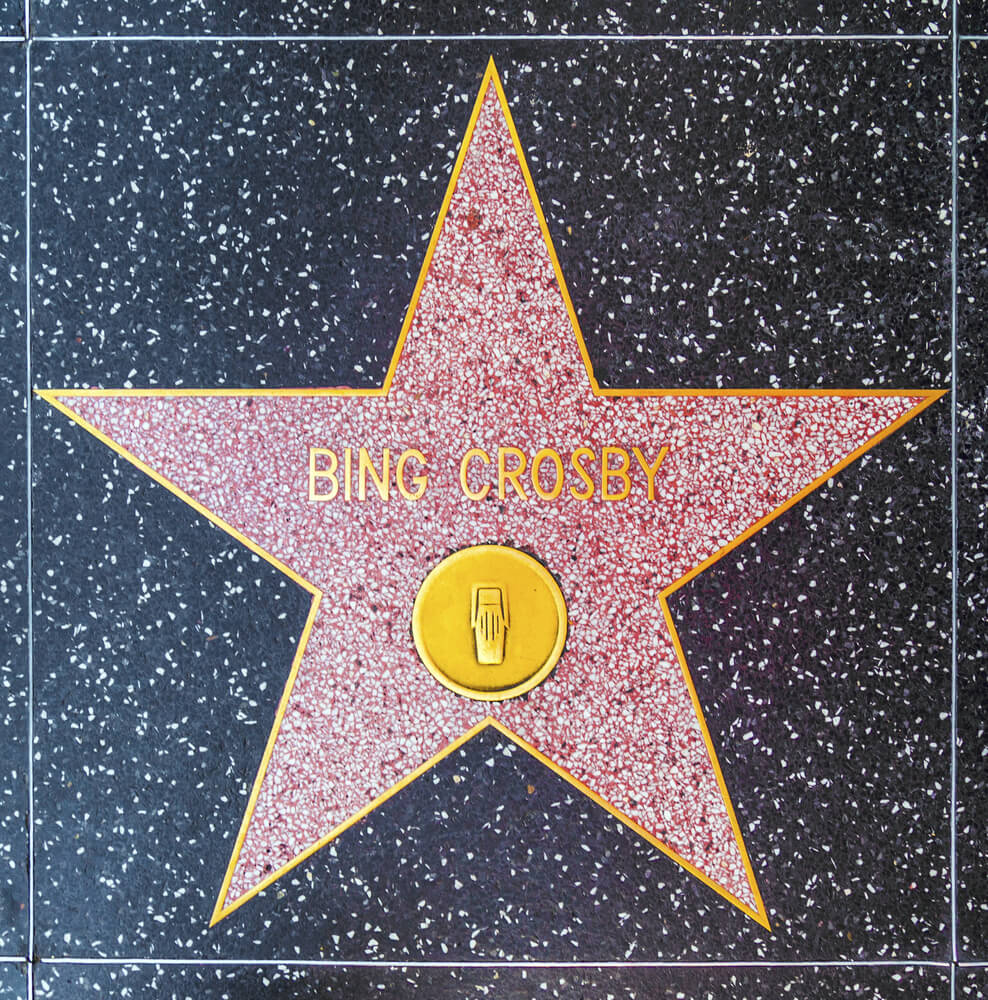
Bing Crosby’s radio program, sponsored by Philco, became the first major show to use magnetic tape for prerecording around 1947. Crosby disliked the rigid schedule of live broadcasts and pushed ABC to allow taped shows, and the Ampex tape recorders made it possible. The technology let him edit mistakes and add laughter, and it changed the radio industry. Tape recording soon became standard across broadcasting, and Crosby’s choice helped launch the era of recorded programming in music, comedy and news, so that listeners could hear polished shows at any hour.
Pictures Painted by Sound
Radio asked listeners to do half the work, and the exchange left a lasting mark. The sound of a creaking door or a galloping horse was enough to build a scene in a child’s mind. Families shared the experience in real time, laughing at the same joke at the same moment.
Television borrowed many of the stars, formats and sponsors, but it replaced the imagination with pictures. Those who grew up with the radio often say the voices stayed more vivid than any screen. The programs on this list remain a record of how a nation once listened together.
More from Go2Tutors!

- 27 Silver Dollars and Half Dollars Worth Keeping
- 28 Restaurant Menu Items Nobody Orders Anymore
- 17 Places Built in Seemingly Impossible Spots
- 27 Vintage Rings Worth More Than They Look
- 25 Restricted Sites Tourists Can’t Enter
Like Go2Tutors’s content? Follow us on MSN.