Early Lives of Legendary Musicians Revealed
The stories we tell about famous musicians usually start when they hit it big. But the years before fame often tell more interesting stories—the struggles, the random jobs, the moments that shaped who they became.
These artists didn’t emerge fully formed. They grew up in specific places, dealt with specific problems, and found music for specific reasons.
Sometimes the early years explain everything about their later work. Other times, the connection feels random, like the universe threw together circumstances that happened to produce someone extraordinary.
Either way, the early lives reveal the human beings behind the legends.
Jimi Hendrix – Broom as First Guitar
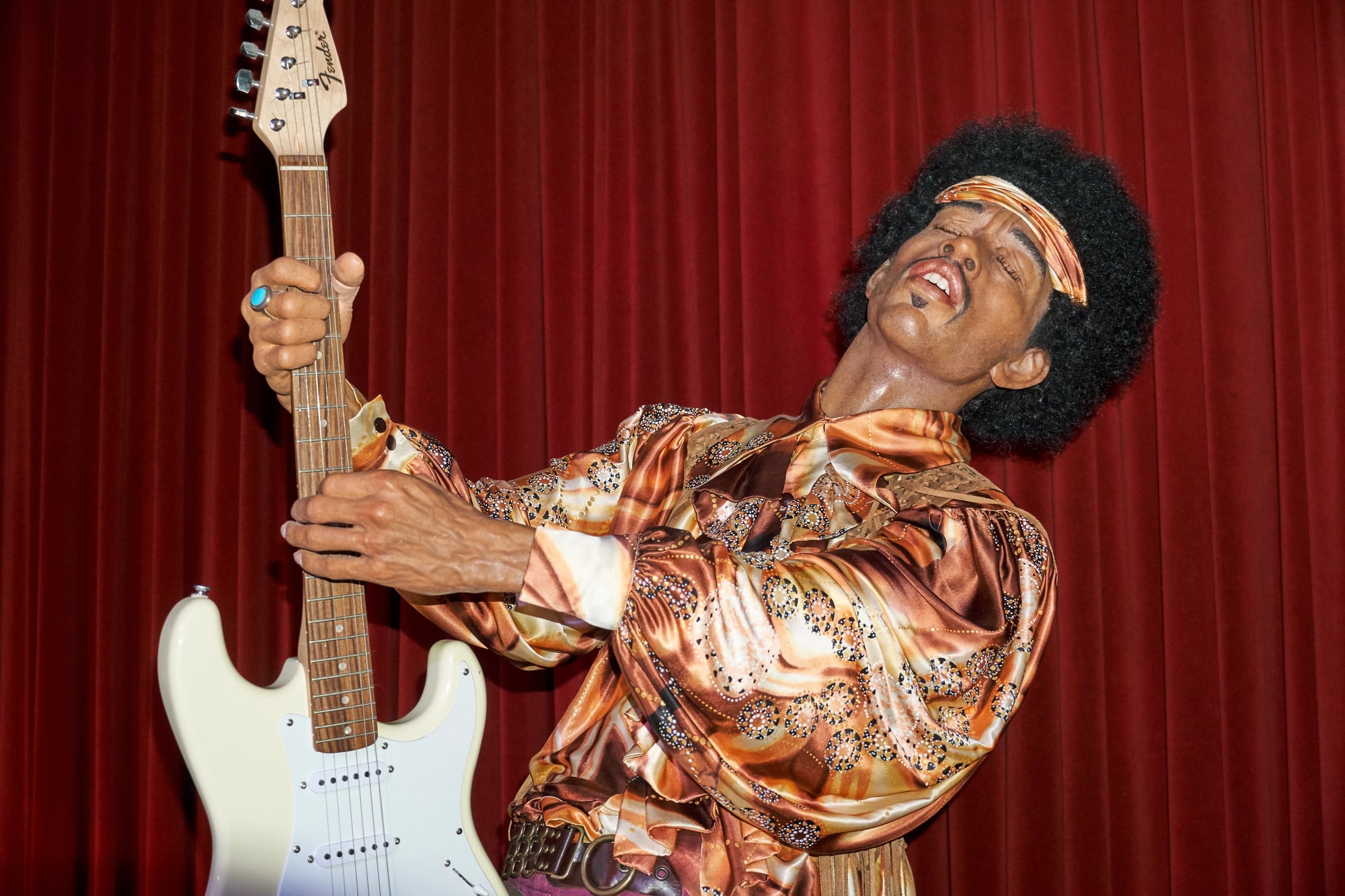
Jimi Hendrix grew up in Seattle’s Central District, moving between his father’s house and various relatives’ homes. His mother struggled with alcoholism and died when he was 16.
Before he ever touched a real guitar, Hendrix carried a broom around, pretending to play it like an instrument. His father noticed the obsession and eventually bought him a used acoustic guitar for five dollars.
Hendrix taught himself to play by listening to records and watching other musicians. He played left-handed but couldn’t afford a left-handed guitar, so he restrung right-handed guitars upside down.
At 17, he got caught riding in stolen cars twice and was given a choice: jail or the army. He chose the army and served as a paratrooper in the 101st Airborne Division.
He received a discharge due to unsuitability and behavior issues, with injury and performance concerns also playing a role. That discharge freed him to pursue music full-time.
Freddie Mercury – Boarding School in India
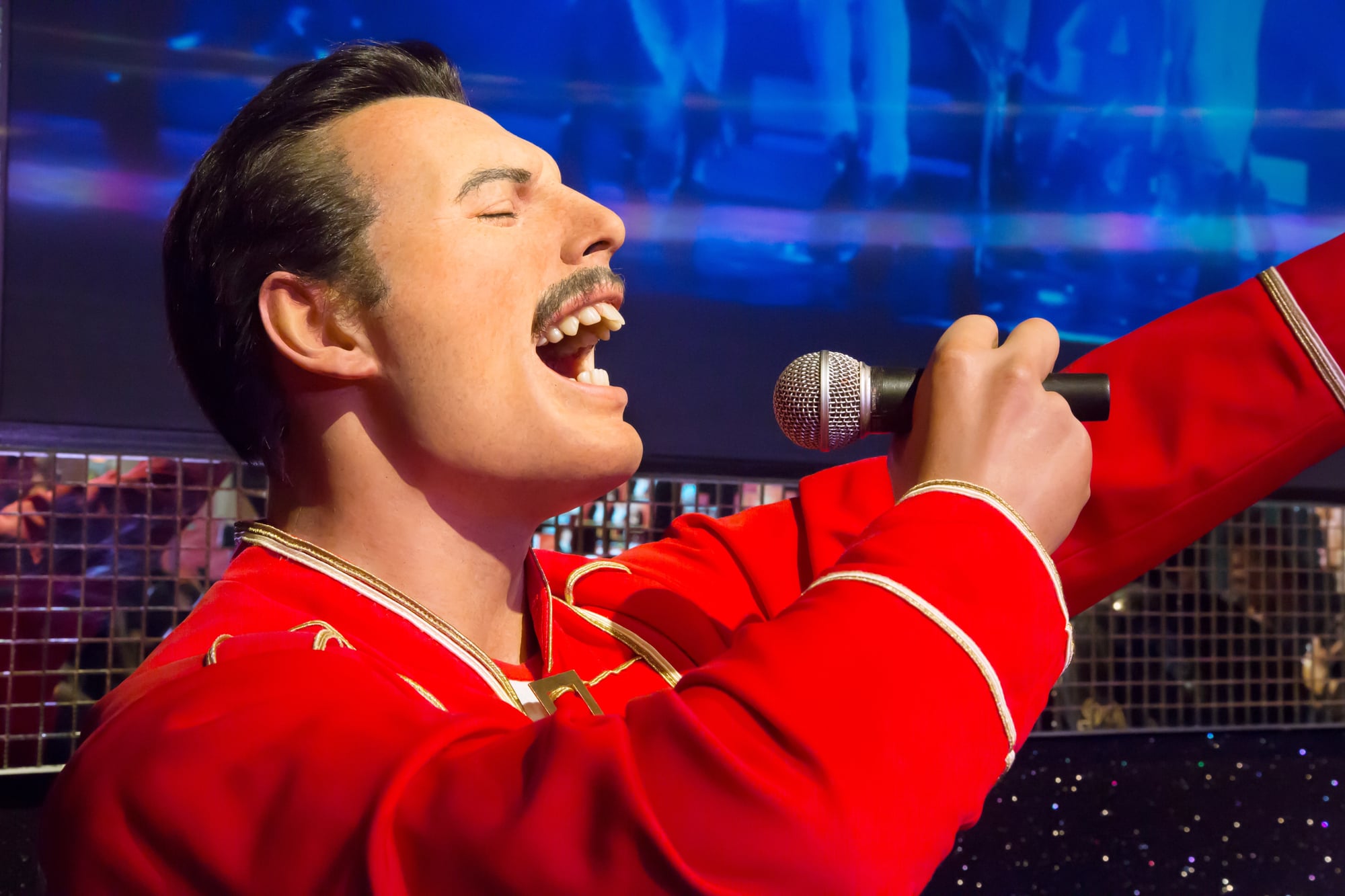
Freddie Mercury was born Farrokh Bulsara in Zanzibar to Parsi parents who practiced Zoroastrianism. When he was eight, his parents sent him to boarding school in India, where he lived for most of his childhood.
At school, he formed a band called The Hectics and played rock and roll covers at school functions. Teachers recognized his musical talent and encouraged formal piano training.
He excelled at piano but showed more interest in performing than classical technique. His family fled Zanzibar in 1964 during the revolution that overthrew the Sultan.
They settled in Feltham, England, where Mercury attended Isleworth Polytechnic and then Ealing Technical College and School of Art. He studied graphic design and illustration, skills he later used to design the Queen crest.
At art school, he started calling himself Freddie and began performing with various bands around London.
Bob Dylan – Reinventing Himself Completely

Bob Dylan was born Robert Zimmerman in Duluth, Minnesota, and grew up in Hibbing, a small mining town near the Canadian border. His father owned an appliance store.
As a teenager, Zimmerman formed several rock and roll bands and played at local venues. He listened obsessively to radio stations broadcasting blues and country music from as far as Louisiana.
He taught himself guitar and harmonica by copying what he heard. When he enrolled at the University of Minnesota in 1959, he started performing folk music at coffeehouses in Minneapolis.
He also started calling himself Bob Dylan—a name drawn from multiple inspirations, including Welsh poet Dylan Thomas, though he later said it wasn’t a simple direct lift from the poet alone. He dropped out of college after a year and moved to New York City to meet his idol, Woody Guthrie, who was dying of Huntington’s disease.
Dylan visited Guthrie regularly in the hospital and absorbed everything he could about folk music and performance style.
Aretha Franklin – Gospel Roots

Aretha Franklin grew up in Detroit, but she was born in Memphis, where her father was a Baptist minister. Her mother, also a gospel singer, left the family when Aretha was six and died four years later.
Her father became one of the most prominent preachers in America, hosting gospel singers and civil rights leaders at their Detroit home. Aretha started singing in her father’s church at a young age.
She toured with him as a gospel singer during her early teens, performing at churches across the country. She had her first child at 12 and her second at 14.
Her father supported her through these early pregnancies while continuing to nurture her musical talent. At 14, she made her first recordings for J-V-B Records.
At 18, she decided to pursue a career in secular music beyond gospel. Her father helped her get a recording contract with Columbia Records, though her early records didn’t sell well.
It wasn’t until she switched to Atlantic Records and embraced soul music that she found her voice.
Johnny Cash – Cotton Fields

Johnny Cash grew up in Dyess, Arkansas, in a New Deal resettlement colony established by the Federal Emergency Relief Administration. His family worked as tenant farmers, paying back the government for their land.
Cash started working in the fields when he was five. He picked cotton alongside his siblings, working from dawn until dark during harvest season.
The family had no electricity until Cash was in high school. His mother taught him to sing, and he learned guitar from his mother and a local guitarist.
When he was 12, his older brother died in an accident at a sawmill. Cash struggled with guilt over the death for the rest of his life, believing he should have died instead.
At 18, he enlisted in the Air Force and served as a radio operator in Germany. While stationed there, he bought his first guitar and formed his first band.
The military service provided his first steady income and first exposure to life outside rural Arkansas.
Nina Simone – Classical Training Denied

Nina Simone was born Eunice Kathleen Waymon in Tryon, North Carolina, the sixth of eight children. Her mother was a Methodist minister and her father was a handyman who also preached occasionally.
Simone showed exceptional musical talent early, playing piano by ear at age three. Her first piano teacher offered free lessons after recognizing her ability.
A fund was established in town to pay for her continued training. She dreamed of becoming the first Black classical pianist.
She applied to the prestigious Curtis Institute of Music in Philadelphia but was rejected. She believed the rejection was based on race, though the school claimed it was due to limited spaces, and this has never been officially confirmed.
The rejection devastated her and altered her entire career path. To make money, she started playing piano at an Atlantic City nightclub.
The owner required her to sing as well as play, so she taught herself to sing. She took the stage name Nina Simone to hide her nightclub performances from her mother, who wanted her to stick with classical music.
David Bowie – Eye Injury and Art School

David Bowie was born David Jones in Brixton, London, to a working-class family. His father worked as a promotions officer for a children’s charity.
His mother worked as a cinema usherette. At age 15, his friend George Underwood punched him in the eye during a fight over a girl.
The injury permanently dilated the pupil, creating anisocoria that gave the illusion of two different colored eyes, though both irises were actually blue. The injury made Bowie more self-conscious about his appearance, which ironically may have pushed him toward more theatrical presentation.
He studied art and music at Bromley Technical High School, learning saxophone and developing an interest in design. He formed several bands during his teenage years, none of which gained much traction.
He worked as a commercial artist and studied mime under Lindsay Kemp, incorporating theatrical elements into his performances. The combination of art school training, mime, and music created the foundation for his later reinventions.
Tina Turner – Escaping Violence
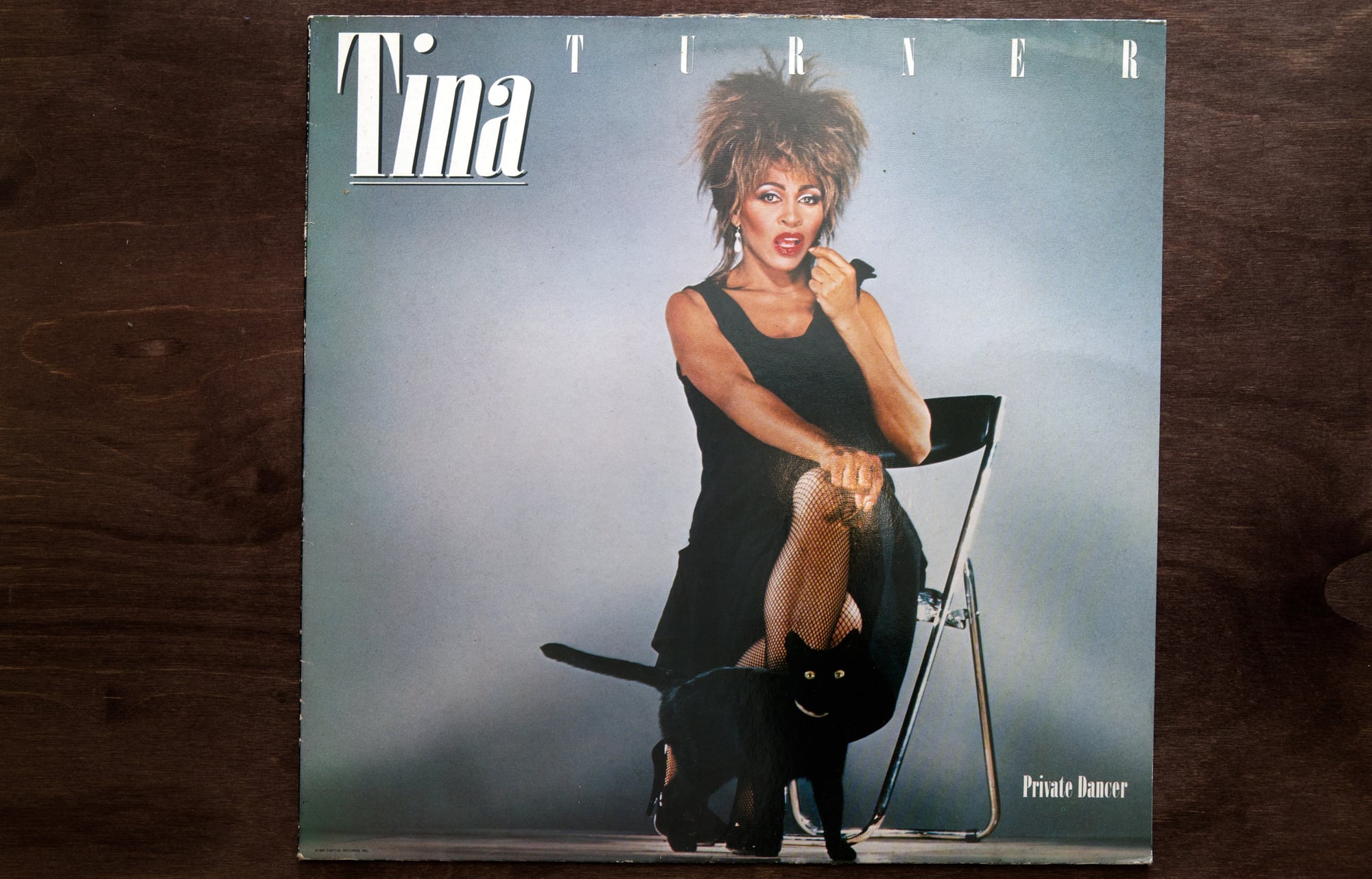
Tina Turner was born Anna Mae Bullock in Nutbush, Tennessee, a small rural community. Her parents were sharecroppers who worked on a cotton plantation.
They had a volatile relationship marked by frequent arguments and physical fights. Her mother left the family when Tina was 11, leaving her and her sister with relatives.
Her father remarried and moved away, leaving the children essentially orphaned. Tina moved to St. Louis as a teenager to live with her mother.
She started singing at local clubs and caught the attention of musician Ike Turner. She was 17 when she started performing with Ike’s band.
Ike recognized her talent and built his entire musical act around her voice. They married when she was 22, beginning a relationship marked by abuse and control.
The early poverty and abandonment created patterns of seeking stability and acceptance that made it harder for her to leave the abusive marriage later.
Bruce Springsteen – Depression in the Family

Bruce Springsteen grew up in Freehold, New Jersey, in a working-class Catholic family. His father worked various jobs—bus driver, factory worker—and struggled with mental illness throughout Springsteen’s childhood.
The house was often dark and quiet, with his father withdrawn and uncommunicative. His mother worked as a legal secretary and was the stable force in the household.
When Springsteen was seven, he saw Elvis Presley on television and decided he wanted to play music. His mother rented him a guitar, which he struggled to play and gave up.
At 13, she bought him another guitar for 18 dollars, and this time he stuck with it. He joined his first band at 15 and started playing bars and clubs around New Jersey.
He was a terrible student who barely graduated high school. College lasted one semester before he dropped out to focus entirely on music.
The small-town New Jersey experience and his father’s silent struggles would later define much of his songwriting.
Joni Mitchell – Polio Survivor
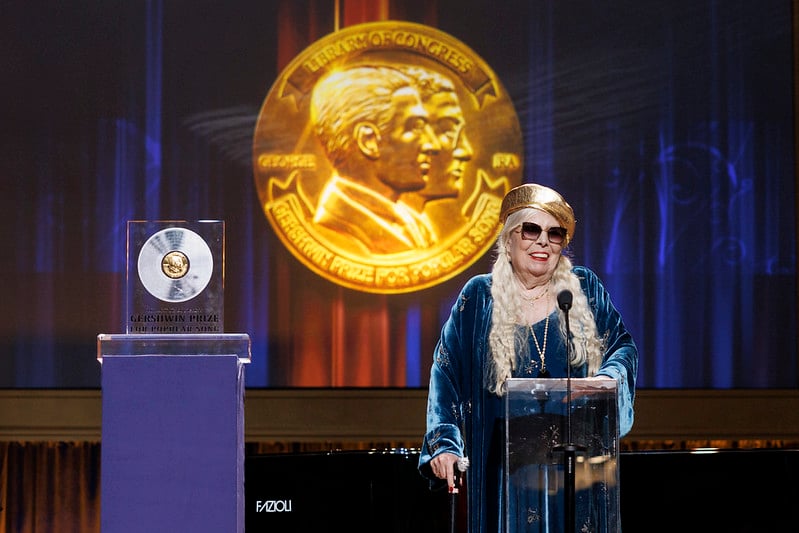
Joni Mitchell was born Roberta Joan Anderson in Fort Macleod, Alberta, Canada. Her father was a Royal Canadian Air Force flight lieutenant.
Her mother was a teacher. When Mitchell was nine, she contracted polio in Saskatoon, where the family was living at the time, during the 1953 epidemic.
She spent weeks in the hospital, unable to move. During recovery, she started singing to other children in the polio ward.
The illness left her with some weakness in her left hand, which influenced how she played guitar. She developed alternative tunings to compensate, creating the distinctive sound that would define her music.
In high school, she became interested in art and music. She attended the Alberta College of Art but left before graduating when she became pregnant at 20.
She gave the baby up for adoption, a decision that haunted her for decades. She moved to Toronto and started playing folk clubs, slowly building a following.
The combination of her unique tunings, her art school background, and her life experiences created a style completely her own.
Ray Charles – Blind at Seven
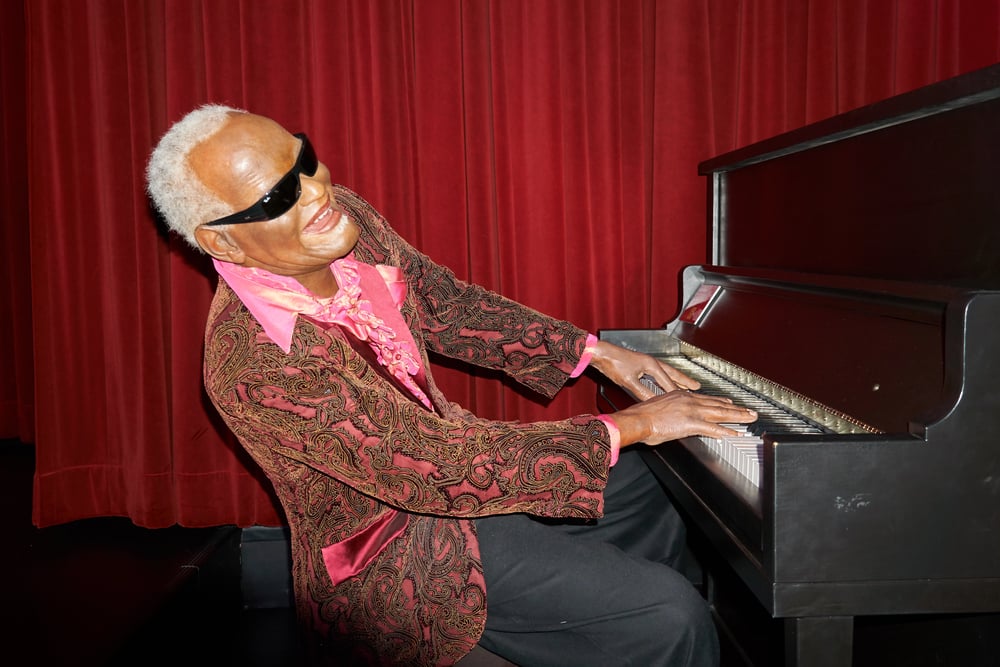
Ray Charles was born Ray Charles Robinson in Albany, Georgia. His family was extremely poor.
His father worked on the railroad, and his mother took in washing. When Charles was five, he watched his younger brother drown in a washtub.
The trauma of witnessing that death and being unable to save him stayed with him forever. Around the same time, he started losing his vision.
By age seven, he was completely blind, likely due to glaucoma, though the exact cause was never definitively diagnosed. His mother insisted he learn to be independent despite the blindness.
She sent him to the Florida School for the Deaf and Blind in St. Augustine, where he learned to read music in braille and play multiple instruments. His mother died when he was 15, and he left school to support himself through music.
He played in various bands around Florida, earning money wherever he could find work. His blindness forced him to develop extraordinary musical memory and an ability to learn songs by ear after hearing them once.
Prince – Epilepsy and Music as Escape

Prince Rogers Nelson was born in Minneapolis. His father was a jazz pianist who performed under the name Prince Rogers.
His mother was a singer. His parents divorced when he was seven, and he bounced between their homes.
Prince suffered from epileptic seizures as a child. He later claimed that a religious experience cured his epilepsy, though this was never medically documented.
The seizures and the unstable home life pushed him deeper into music as an escape. He wrote his first song at age seven.
By his teens, he was teaching himself multiple instruments and spending all his free time making music. His father gave him his first piano, though their relationship was strained.
Prince briefly lived with his father in high school but moved out after a physical fight. He stayed with various friends and the family of bandmate André Anderson.
Despite the chaos, he graduated high school and immediately pursued music professionally. He recorded his first demo at age 17, playing all 27 instruments himself.
Billie Holiday – Childhood Trauma
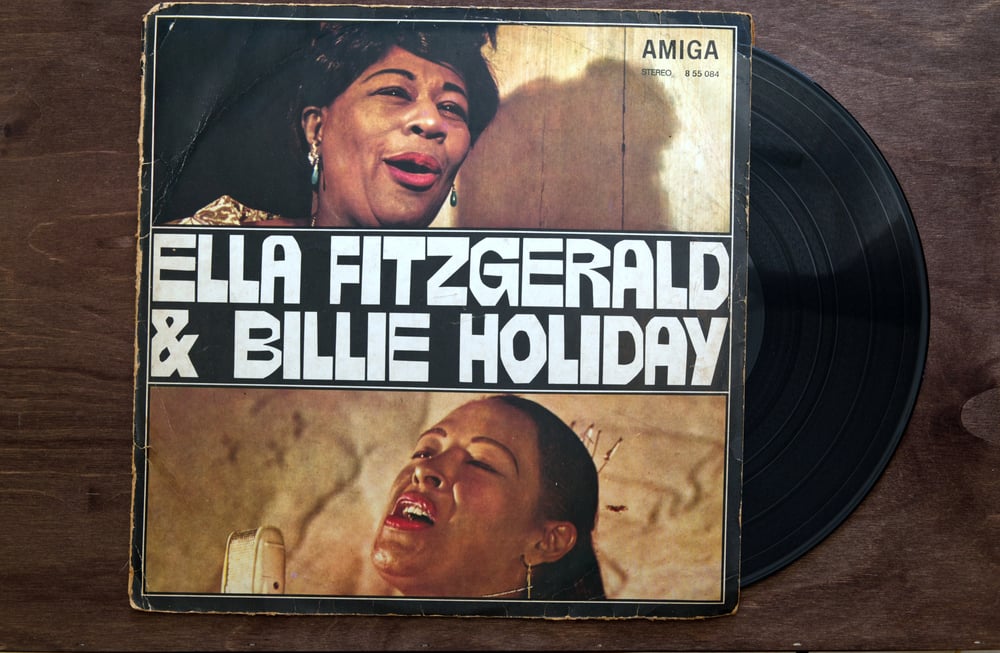
Billie Holiday was born Eleanora Fagan in Philadelphia. Her mother was a teenager who worked as a maid.
Her father was a jazz guitarist who was rarely present. Holiday spent much of her childhood with relatives in Baltimore while her mother worked elsewhere.
At age 10, she was sent to the House of the Good Shepherd, a Catholic reform school, after being found guilty of truancy. Around the same age, she was assaulted by a neighbor.
The court then sent her to the Catholic institution again, this time as a ward—essentially re-traumatizing her by treating her as if she had done something wrong when she was the victim. When she was released, she and her mother moved to New York.
To earn money, her mother ran a brothel, and Holiday worked there. She started singing at clubs in Harlem when she was 14, using the stage name Billie Holiday after actress Billie Dove.
Her early experiences with poverty, abuse, and the criminal justice system shaped her worldview and her music, giving her voice a depth that came from genuine suffering.
Kurt Cobain – Divorce and Displacement
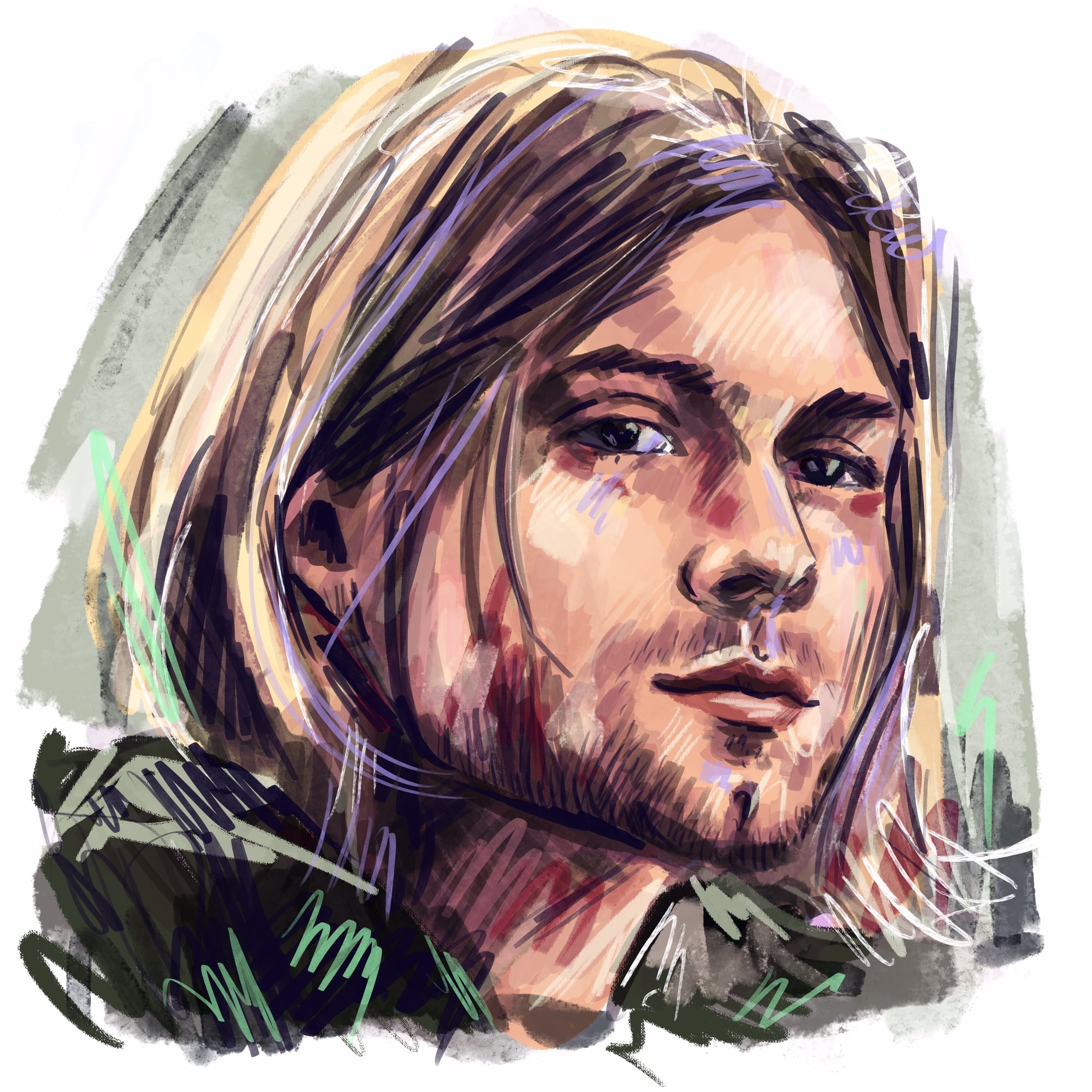
Kurt Cobain grew up in Aberdeen, Washington, a declining logging town. His childhood was relatively normal until his parents divorced when he was nine.
The divorce devastated him and altered his personality completely. He went from being a happy, outgoing child to withdrawn and angry.
He bounced between relatives’ homes, never settling anywhere for long. He lived with his father for a while, then moved in with various family members.
Cobain later referenced living under a bridge during this period, though people who knew him say this was brief or partly mythologized rather than a long-term living situation. He struggled in school and didn’t fit in with any particular social group.
He started playing guitar at 14 after receiving one from his uncle. Music became his escape from a life that felt chaotic and meaningless.
He formed several bands during high school, most of which fell apart quickly. The instability of his teenage years created the angry, alienated perspective that would later define grunge music.
Where Legends Begin

These early years don’t make anyone destined for greatness. Plenty of people face poverty, trauma, and hardship without becoming famous musicians.
But the early struggles do something to shape artistic vision—they create a need to express things that can’t be said in normal conversation. The common thread isn’t the specific circumstances but the response to those circumstances.
Each of these musicians found in music something they couldn’t find anywhere else: a language for feelings that didn’t fit into the ordinary world, a way to process pain, or simply a path out of circumstances that felt like traps. The early lives don’t explain the talent, but they do explain the urgency.
More from Go2Tutors!

- The Romanov Crown Jewels and Their Tragic Fate
- 13 Historical Mysteries That Science Still Can’t Solve
- Famous Hoaxes That Fooled the World for Years
- 15 Child Stars with Tragic Adult Lives
- 16 Famous Jewelry Pieces in History
Like Go2Tutors’s content? Follow us on MSN.