28 Objects Found Hidden Inside Old Walls
Builders have always treated a wall as more than a barrier. Some tucked luck into it, some tucked protection into it, and some just wanted proof that they had been there. Most of what they left was never meant to be seen again.
The finds below range from a boot hidden in 1880 to a chest of gold bars uncovered in 2026, and from a cave sealed about a thousand years ago to a bag stashed behind a heating pipe. Each was placed out of sight on purpose, and each came back only because someone disturbed the building or structure that concealed it.
A Worn Shoe in the Chimney Breast
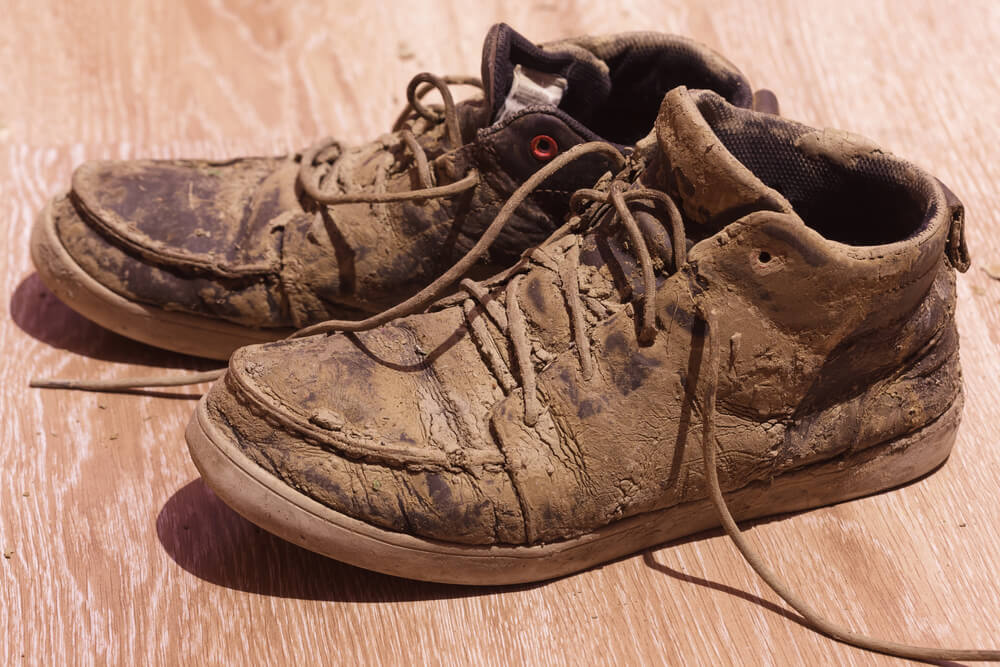
Northampton Museum in England keeps an index of shoes found hidden inside buildings, and the digitized version now holds close to 3,000 entries. The shoes turn up in chimneys, walls, roof spaces and under floors, and many of the recorded examples belonged to children.
The earliest known British example was found behind the choir stalls of Winchester Cathedral, which were installed in 1308. The most popular explanation is that the shoes served as protective charms, placed near doors, windows and chimneys to keep evil spirits out of the home.
The exact reason for the practice remains uncertain, however, and researchers have proposed several possible explanations.
The Boot in the Natick Museum Wall
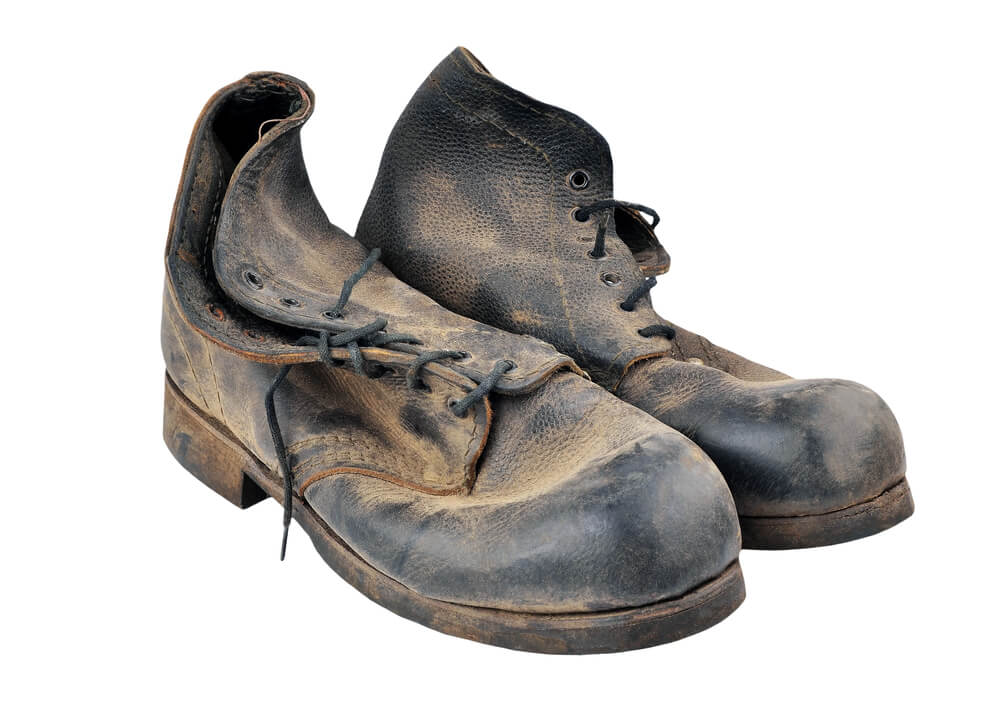
Someone tucked a well-worn leather boot into a wall of the Natick Museum building when it was under construction in 1880. It stayed there until renovations in 2017 brought it back into daylight.
The custom of leaving an old shoe in a wall to ward off witches dates to the Middle Ages in England, and a Salem Historical Society researcher has noted that such shoes often turn up near windows and chimneys, probably because those were seen as likely entry points for spirits. The boot is now part of the Natick Historical Society’s collection.
A Cat and Its Bottles in a Derbyshire Barn
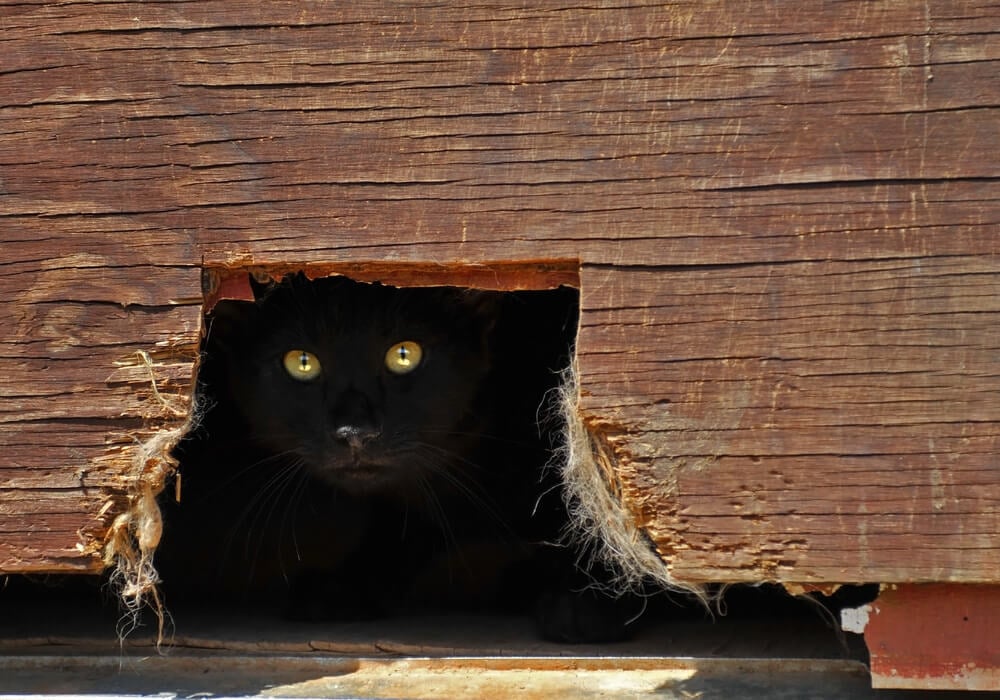
During the renovation of a barn near Belper that is believed to date to around 1825, a workman removing old stone from a wall threw a mummified cat onto the rubble heap before anyone realized what it was. Bottles were found beneath the animal, and Derby Museums later explained that placing a dried cat inside the walls of a new building was a custom meant to ward off evil spirits or bring good luck.
The bottles may have been associated with folk practices intended to repel spirits, although their precise purpose and contents are uncertain. The owners, who run a photography studio in the barn, donated the cat and the bottles to the museum.
Fluffy, the Pub Cat of Bury St Edmunds
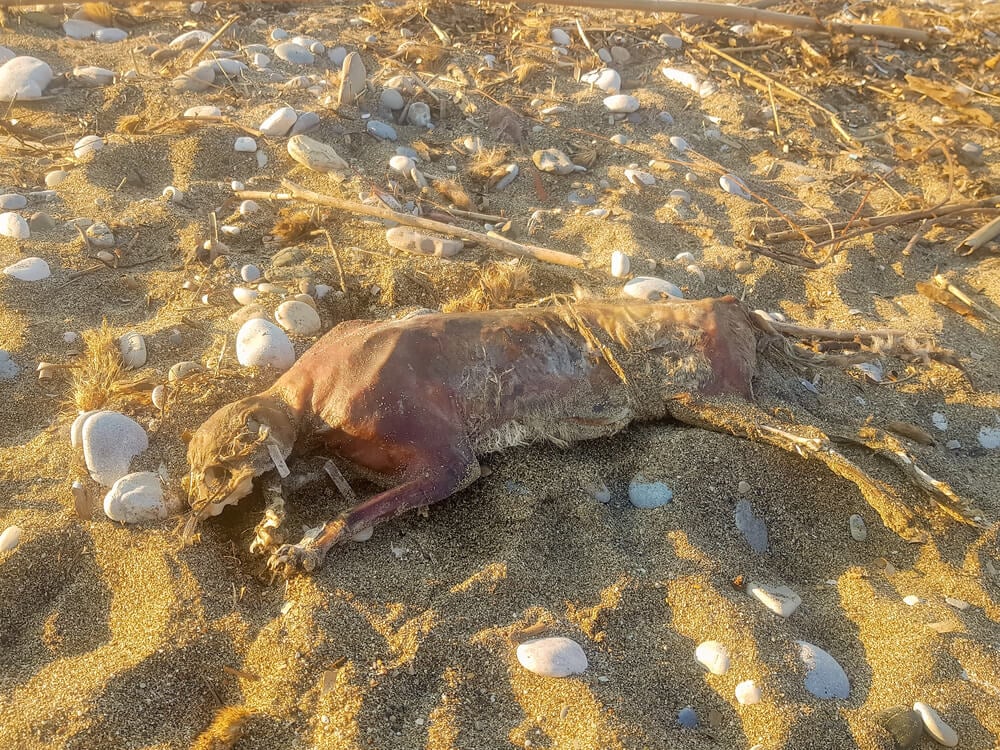
The Nutshell pub in Bury St Edmunds, Suffolk, which is said to be Britain’s smallest pub, keeps a mummified cat that is around 400 years old. According to a barman, it was found in its own dedicated chamber inside the brick wall of an old fireplace during renovation work in the late 1970s or early 1980s.
Rather than returning the animal to the wall, the owners hung it from the ceiling above the bar, where customers can see it. Regulars know the cat as Fluffy.
Three Dried Cats in a Grain Merchant’s Walls
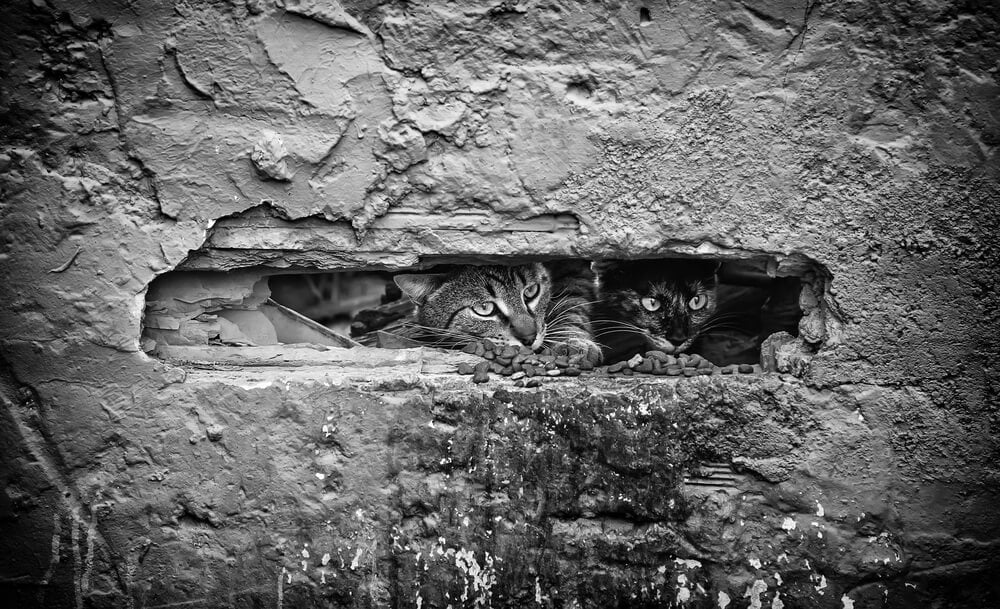
Archaeologists working in the Old Town of Tallinn, Estonia, in the late 1950s found three mummified cats inside the walls of a burned house at Raekoja plats 13. The animals were nearly intact, down to their claws and whiskers.
The house is believed to have belonged to a grain merchant, which has led to a practical theory that the cats were left in the walls to deter rodents. Most mummified cats found in walls are interpreted as protective charms, so a pest-control explanation stands out.
The original purpose of these particular cats, however, has not been established.
A Witch Bottle in an Ipswich Church Wall
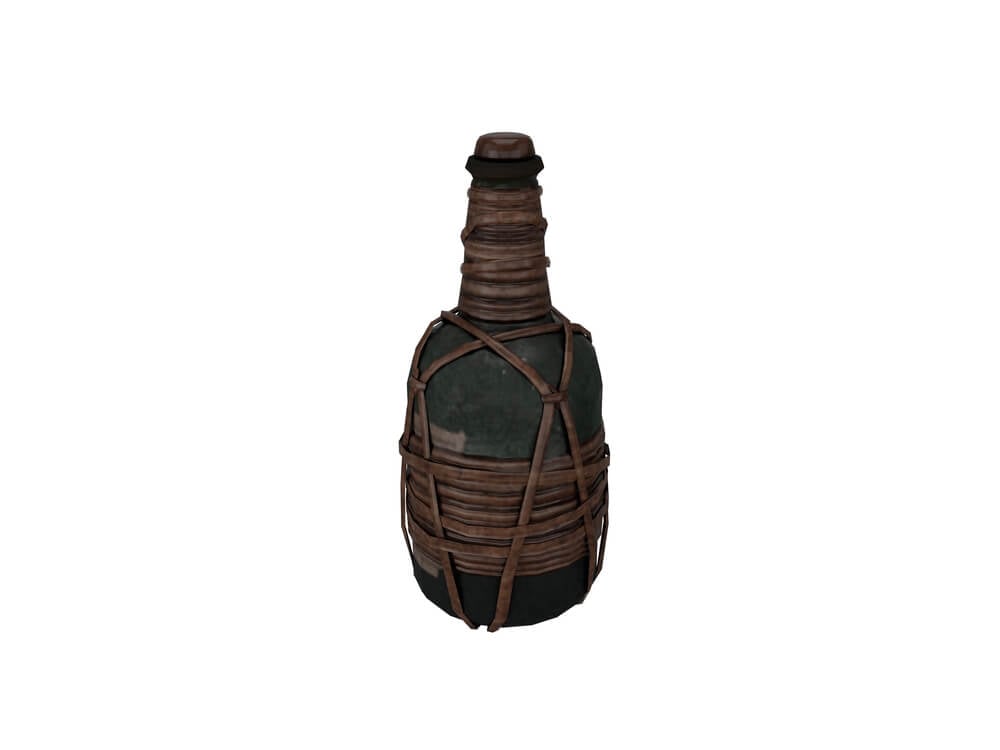
Workers at St. Mary at the Quay in Ipswich, Suffolk, found a witch bottle in a wall in 2015. The wall dates to the 15th century, though the bottle may be a later addition, since witch bottles are first described in the 17th century.
These bottles were believed to protect a household from curses, and they were often filled with hair or nail clippings and other materials associated with the person seeking protection. The idea was to draw a malevolent spirit’s attention away from the people inside.
Other witch bottles have turned up beneath hearths, under floors and plastered inside walls.
The Bricklayers’ Message at Montclair State
On July 3, 1907, two bricklayers from Newark, New Jersey, slipped a note into a beer bottle and sealed it inside a wall of what is now College Hall at Montclair State University. It stayed there for 112 years, until a demolition worker chipping through the brick in 2019 hit a void and heard glass break.
The note certified that the wall had been built by William Hanly and James Lennon, members of a local bricklayers’ union. University officials pointed out that if the worker had chipped a few feet in either direction, the bottle could have remained inside an intact section of wall and never been seen.
A Plasterers’ Bottle in a Newcastle Kitchen

A man renovating his kitchen in Newcastle, Australia, found a bottle between two walls that held a note written in 1974 by a crew called Newcastle Interior Linings. The timing made the note a small piece of history, since Australia was in the middle of switching from the imperial system to metric.
After the homeowner posted the find on Facebook, one of the note’s authors was tracked down through the comments. The homeowner planned to return the bottle to the wall with something from 2021 added beside it.
A 1975 Beer Bottle in a Maine Hearth Wall
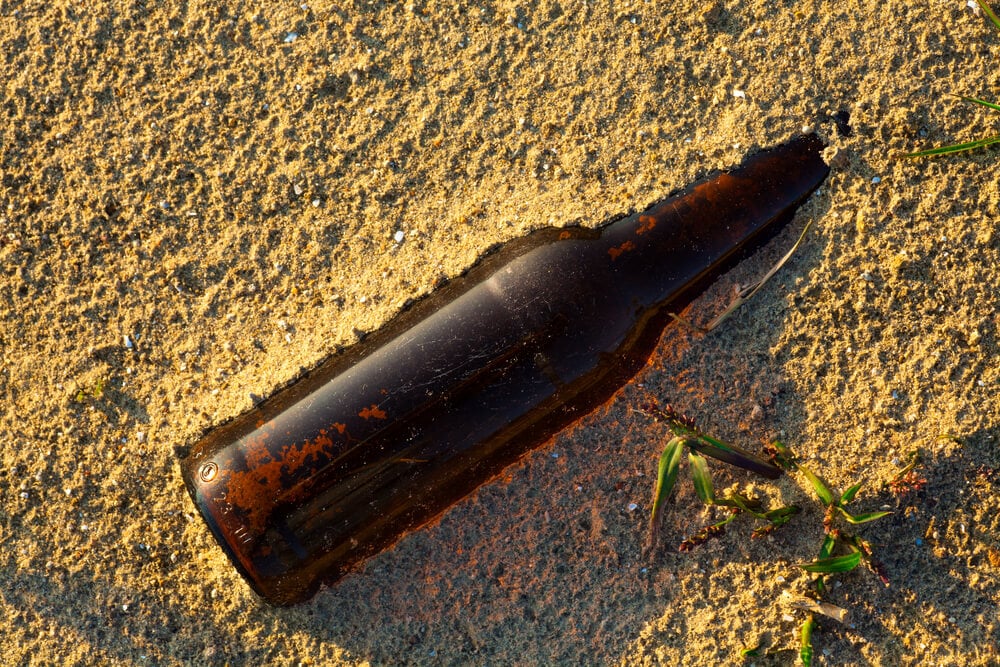
In April 2020, Lance DeRoche of Standish, Maine, was taking out a wall in his house when he found a metal Miller Lite bottle cap embedded in the mortar between two bricks behind a wood stove. More demolition turned up the bottle that went with it, tucked behind the bricks and holding a handwritten note on blue-lined notebook paper dated 1975.
The note was about the man who drank the beer. The family decided to place a photocopy of the 1975 message in a new bottle, add a message of their own and seal it back into the wall.
A Paris Painting Hidden for 300 Years
Workers renovating a building in Paris for an Oscar de la Renta boutique found a hidden space behind a wall that held a 10-by-20-foot oil painting. An art historian identified it as the work of the 17th-century painter Arnould de Vuez, showing the Marquis de Nointel, the French ambassador to the Ottoman court, arriving in Jerusalem on horseback with noblemen.
A small printed version of the scene had been published in a book reprinted in 1900, but the original large painting had been considered lost. The fashion house agreed to restore it if the building’s owners let it hang in the new store.
A Wife’s Letter Inside a Phoenix Wall
Contractor John Murray was gutting a four-bedroom home in north Phoenix when he uncovered a family photograph and a letter inside the walls. The letter was dated Sept. 27, 1966, and was written by then 33-year-old Betty Klug for her husband, Bruce, with her thoughts on politics, war and pop culture.
Bruce Klug had no idea she had left it behind. Murray, who had worked on hundreds of houses, said he had never found anything like it.
A Twelve-Year-Old’s Letter at Offutt
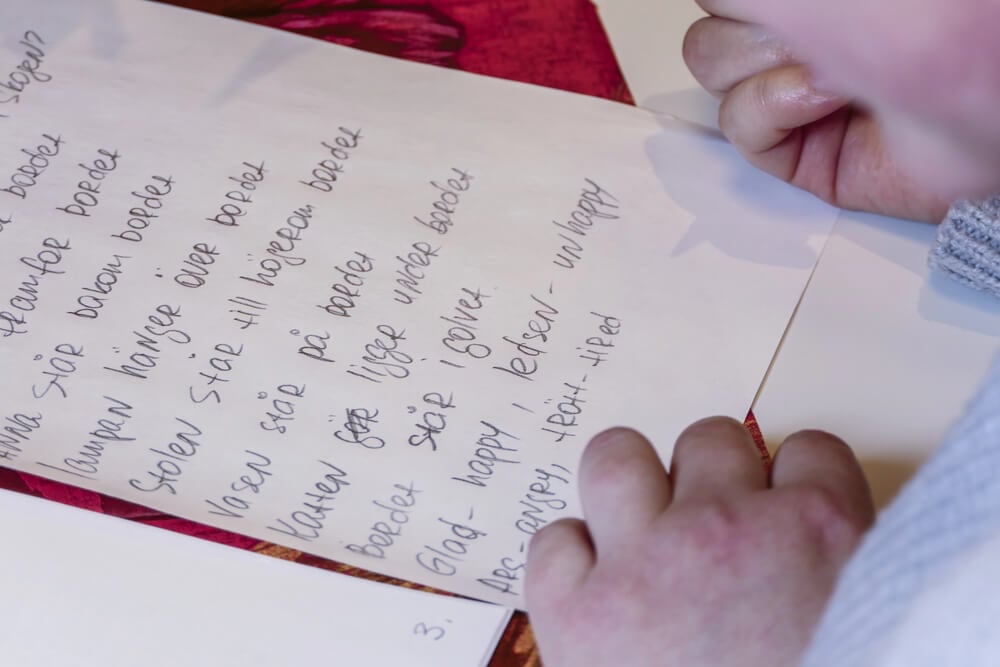
For years, a letter from a 12-year-old girl sat sealed in a plastic sandwich bag in the walls of Quarters 21 on Generals’ Row at Offutt Air Force Base in Nebraska, a building dating to 1896. Brooke Lewis wrote it on Dec. 6, 1990, hoping that hiding it behind fixtures would keep it unseen for a century.
Instead, it surfaced during a renovation in September 2007 and then sat in an engineer’s office for three years until he found it again. On Dec. 6, 2010, exactly 20 years after she wrote it, Lewis, by then 32, returned to the base to reclaim it.
A Suitcase-Sized Box at the College of Charleston
Demolition workers taking apart part of the Albert Simons Center for the Arts at the College of Charleston pulled a metal box about the size of an old Samsonite suitcase out of an interior wall. The date 9/9/1977 was stamped on top.
The School of the Arts opened it on Sept. 22, 2022, on the stage of the Sottile Theatre, and the dean admitted he had been thinking of the 1986 television special in which Al Capone’s vault was opened and produced only dirt and empty bottles. This box did better, yielding more than a dozen items that were destined for the college’s archives.
Huey Long’s Copper Box in the Louisiana Capitol
A copper box concealed behind a cornerstone in the northwest corner of the Louisiana State Capitol was placed there in 1931 by Huey Long and architect Leon Weiss. Its existence came to light in 2020, during research for the renovation of the roughly 90-year-old landmark.
The state Senate said the capsule would remain sealed until it could be analyzed further. After nearly nine decades behind the stone, its contents remained unknown to the public.
Paul Revere’s Box in the State House Cornerstone
In 1795, Samuel Adams, Paul Revere and William Scollay placed a time capsule in the cornerstone of the Massachusetts State House in Boston. It was removed in 1855 during repairs, its contents were moved to a copper box, new items were added, and the capsule was plastered back beneath the granite.
Workers found it again in December 2014, and conservators opened it at the Museum of Fine Arts in January 2015. Inside were five newspapers, silver and copper coins dating from 1652 to 1855, a medal depicting George Washington, and a silver plate that experts believe Revere himself engraved.
A Soldier’s Letters Behind Silver Spring Drywall
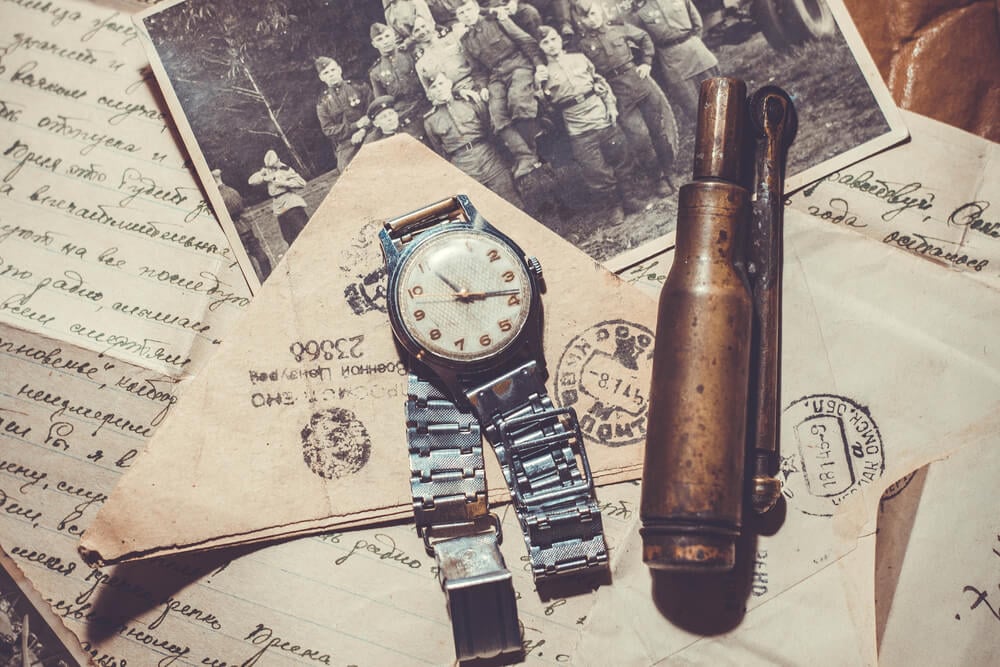
Behind the drywall of a home in Silver Spring, Maryland, a couple found letters, photographs and newspaper clippings tied to Bill Stacy, an Army soldier who wrote to his family every week while serving in Vietnam. The letters described his loneliness at Christmastime and his work at an orphanage he had adopted in a nearby village.
Stacy was killed in action at 25. Susan and John Greifer kept the papers for nearly 20 years, until a PBS documentary on the Vietnam War prompted them to contact a newspaper columnist, who tracked down Stacy’s younger brother.
Even he did not know how the letters ended up in the walls of the family’s old house.
A Wartime Ambulance Driver’s Bag in Detroit
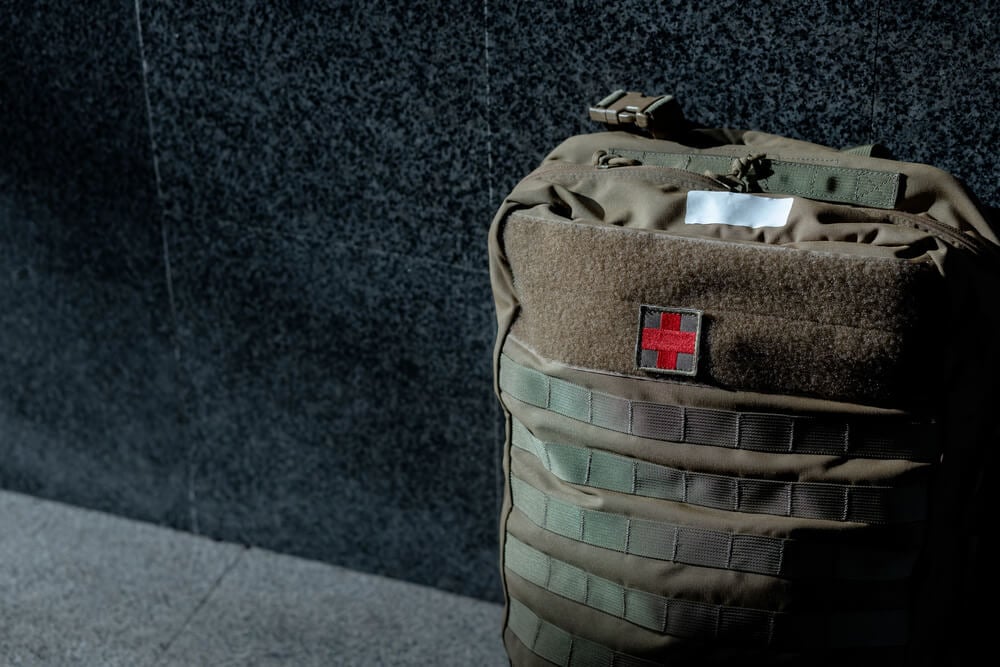
A couple remodeling their kitchen in northwest Detroit found a bag that had slipped loose from the top of a heating conduit inside a wall. It held the discharge papers, photographs and letters of Stanley Gargas, who had served in Europe during World War II as a 19-year-old Army ambulance driver.
The photographs showed him posing on a beach and standing with a woman on each arm, and the letters came from women in Britain. Hubert Sawyers III and Elise Sorise-Sawyers set out to find the previous owners, and Sawyers said he suspected the soldier had wanted to keep the collection to himself.
Two Undelivered Love Letters in Minneapolis
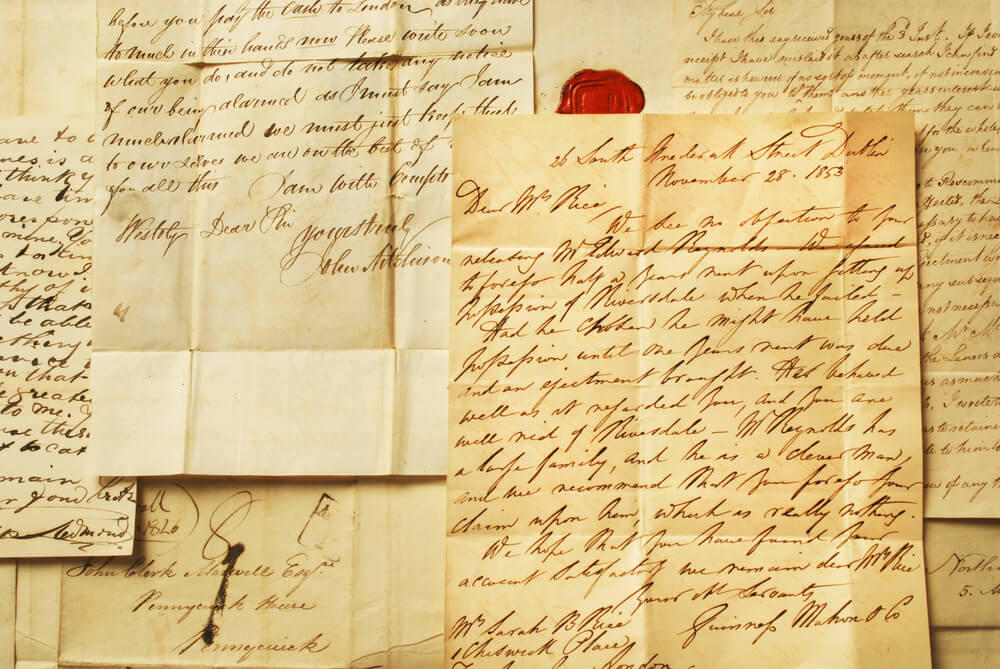
Matt and Carrie Tessmer were remodeling the bathroom of their Minneapolis home when they found a collection of old items inside the wall behind the toilet, including medicine containers, glycerin, rose water, razor blades and toiletries from long-defunct local brands. The most exciting find was a pair of love letters that appeared to be nearly a century old, both written by a teenager signing as John B. and nicknamed Lolly.
One was addressed to a girl named Hazel and the other to Pauline. Old homework in the attic by John Book suggested the writer had held onto mementos from his teenage years.
The couple said they would love to know why the letters were never delivered.
A Gold Collection Behind a Painting in France
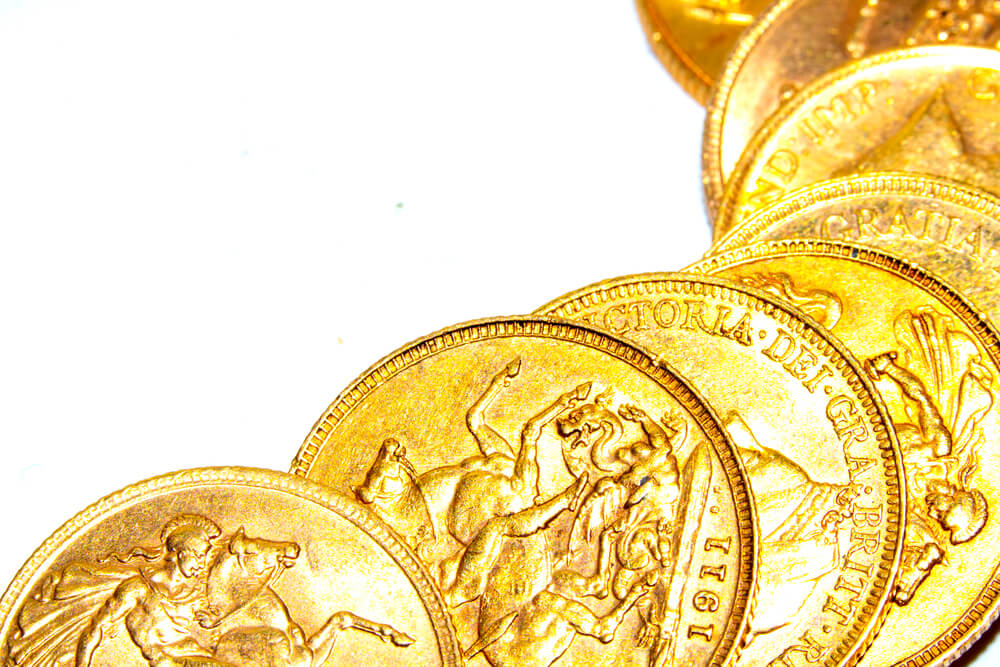
Paul Narce lived modestly in a small village in southwest France, and when he died in 2024, nobody knew where he kept his gold. A notary searching his empty house eventually found a small space in a storeroom wall, hidden behind a painting.
Inside were more than 1,000 gold coins, including ancient pieces from the Kingdom of Macedonia dating to 336–323 B.C. and a nearly complete run of coins from the reigns of Louis XIV, Louis XV and Louis XVI, plus 10 packets of 172 gold 20-franc coins each. The collection sold at auction in Paris in June 2025 for more than 3 million euros, about $3.48 million.
A Metal Box Wedged Between Stones in Brittany
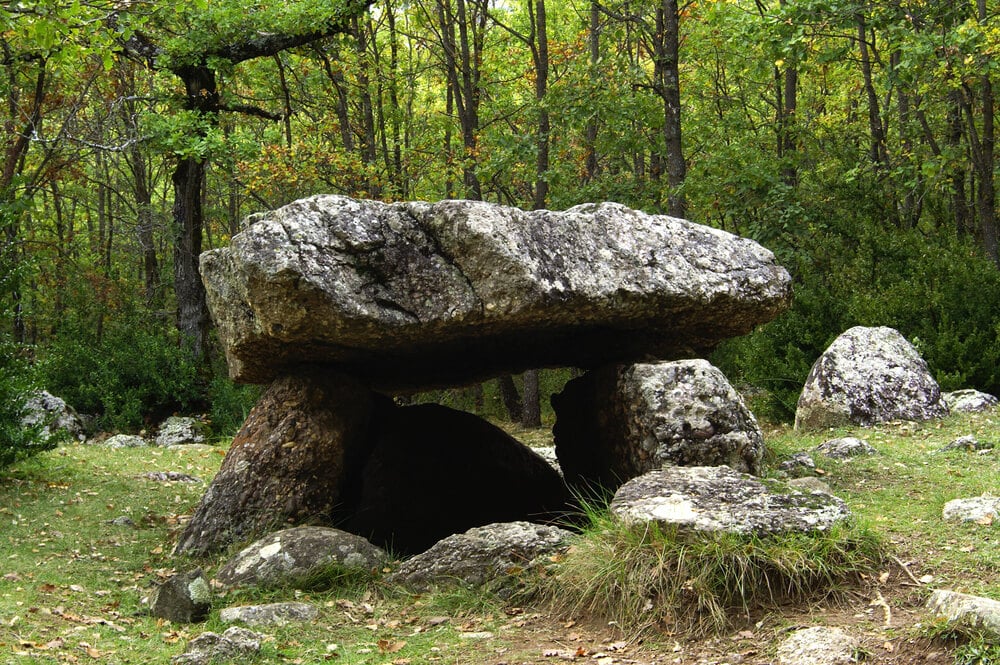
Stonemasons hired to join three buildings of a remote mansion near Quimper, in Brittany, found a metal box full of gold coins embedded in a wall in 2019, wedged between the stones. A few days later, they found more coins in a pouch hidden above a wooden beam.
In all, there were 239 coins minted before the French Revolution under Louis XIII and Louis XIV, including a rare 1646 Louis XIV coin valued at about 15,000 euros on its own. An auction house expert suggested the coins were the savings of a rich trader or landowner.
The proceeds, estimated at 250,000 to 300,000 euros, were to be divided between the owners and the craftspeople who found them.
A Chest Bricked Into a Belgian Cellar Wall

Builders laying new sewage pipes in a building in Dendermonde, Belgium, in August 2026 found a chest built into a cellar wall that held more than 40 gold bars and about 4,000 old coins, with an estimated value of 9 million euros. An 18-year-old working a summer job was among the first to spot it, and he thought the coins were one-euro pieces until he saw a gold nugget lying nearby.
The crew called the police rather than keeping any of it. The building was the home of a brewer around 1900 and is now owned by a charity, CAW Oost-Vlaanderen.
Authorities were seeking to establish who had the legal right to claim the treasure.
A Silk Purse in a Crumbling French Wall
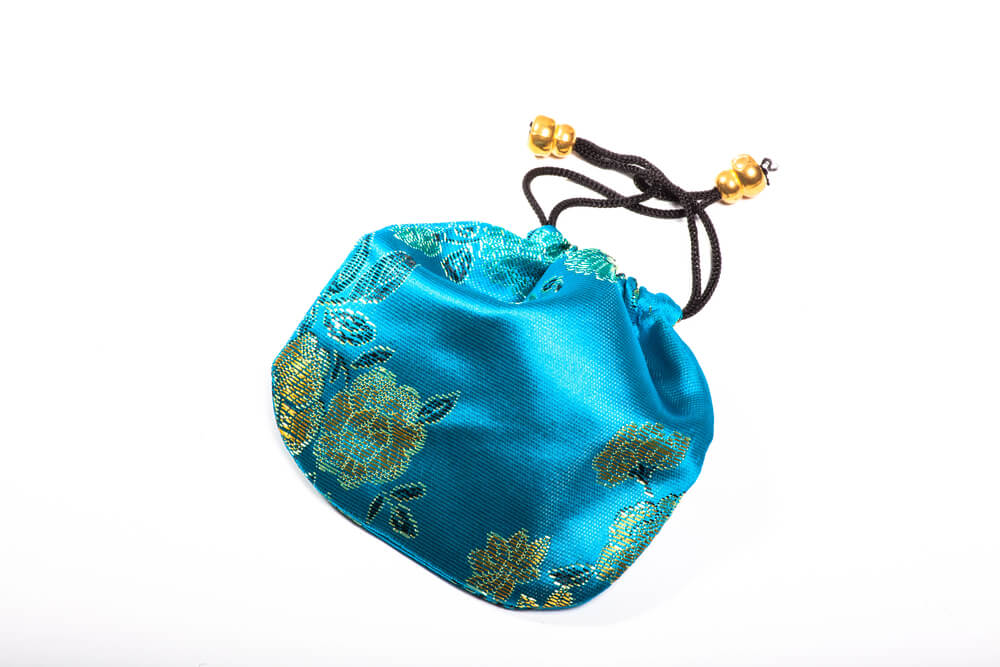
A retired British couple renovating a building in southwest France found a hoard of gold from the 1590s when the husband, clearing rotten mortar from a brick wall, touched what felt like a dead rat. It was a silk purse holding 45 gold coins of Spanish origin, three of them dated to the 1590s, a period when Catholics and Protestants were fighting the French Wars of Religion.
Reports at the time suggested that the couple might be entitled to keep the find because it was concealed in a wall rather than buried in the ground, but the legal treatment of such discoveries depends on the circumstances and applicable law. They planned to use the proceeds to pay for the renovation.
Coins Stuffed Into the Walls of a Jordan Valley Road Station
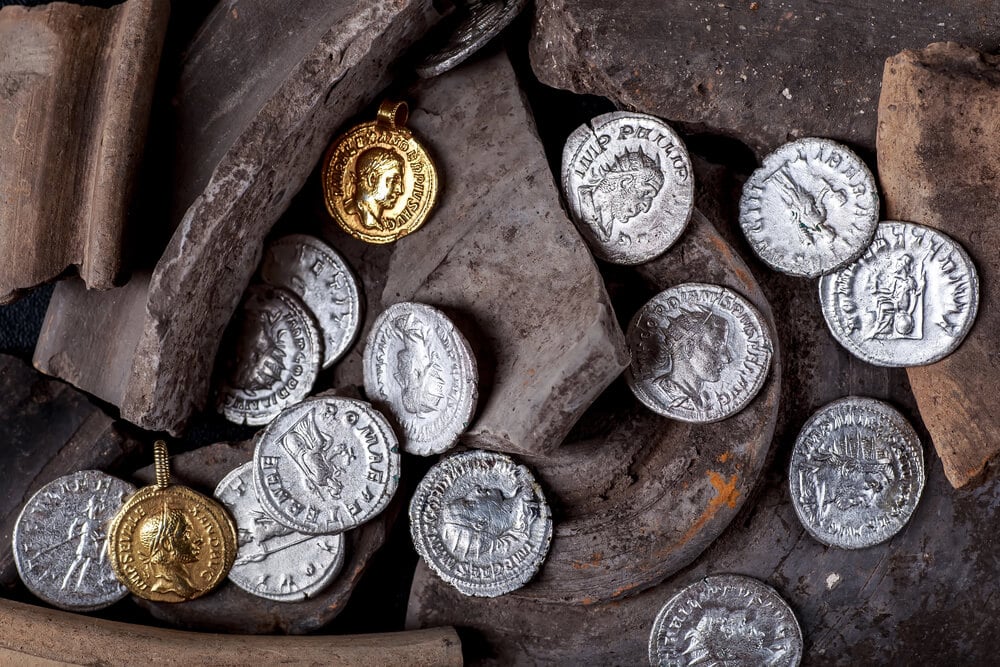
Archaeologists digging in the Jordan Valley broke into a wall and found about 160 coins dating to the first century B.C., each carrying an inscription that names Alexander Jannaeus, king of the Hasmoneans. The coins were of a fairly common type, but a cache of this size is rare, and the excavators described it as one of the largest collections of its kind found in Israel.
University of Haifa archaeologist Shay Bar suggested the site was probably a road station that earlier research had not recognized. The coins were minted around 80 B.C., and nobody can say why so many were stuffed into a wall.
The Library Cave at Dunhuang
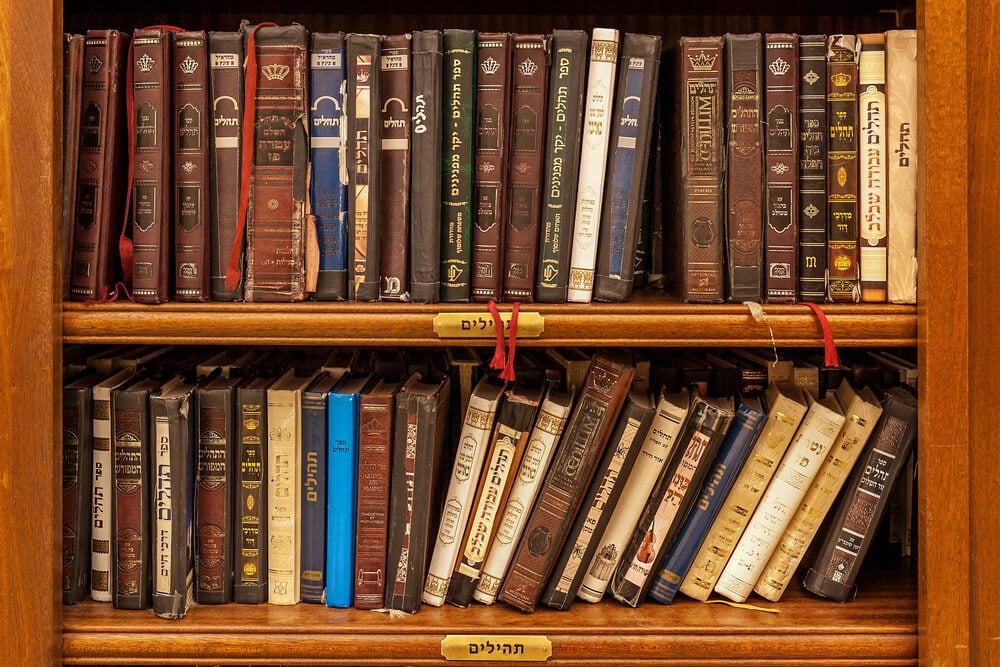
In the early 11th century, a cave at the Mogao complex near Dunhuang, China, was packed with manuscripts and other cultural objects, then sealed off. In 1900, a Daoist monk named Wang Yuanlu, who had taken charge of restoring the caves, found a sealed door in the corridor of Cave 16 that led to the hidden chamber now called Cave 17.
Inside were tens of thousands of manuscripts and fragments, along with paintings, banners and textiles, most dating from the fourth to the early 11th century. Wang later sold many bundles to Western explorers, and the contents are now scattered across the world, though the International Dunhuang Project has digitized many of them.
The Sealed Room Above the Cairo Synagogue
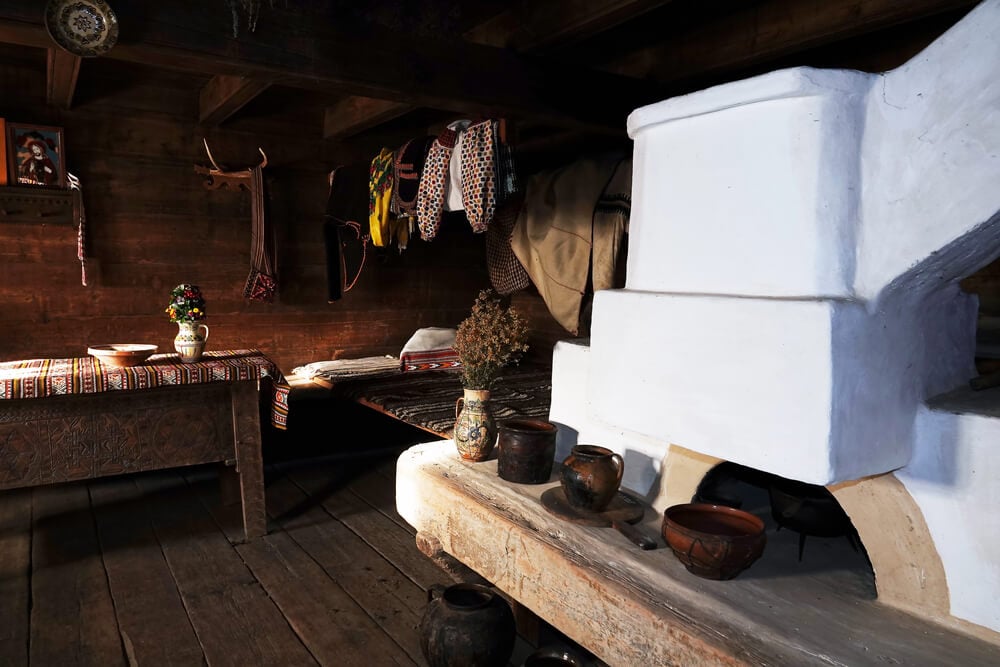
The Ben Ezra Synagogue in Fustat, in Old Cairo, contained a storeroom just under its roof, reachable only by climbing a ladder to an opening in a wall. The room held roughly 400,000 manuscript fragments, a collection often described as one of the most important archival discoveries in Jewish history.
The dry Egyptian air preserved business letters and everyday documents, along with religious texts, literary works and records that illuminate life across the medieval Mediterranean and beyond. Solomon Schechter of Cambridge University followed the trail of the fragments in the 1890s after two Scottish sisters, Agnes Lewis and Margaret Gibson, alerted him to the material.
Red Paint Behind a Pyramid Door

Deep inside the Great Pyramid of Giza, the southern shaft running from the Queen’s Chamber ends at a small stone door with copper pins. In 2011, a University of Leeds-led team sent a robot named Djedi, carrying a flexible camera small enough to fit through an opening in the door, into the space behind it.
The images showed a small chamber sealed since the pyramid was built about 4,500 years ago, with red ochre markings on the floor that experts believe are masons’ or work gang marks. The robot also filmed the back of the door, which carries two ornate metal handles.
A Chest of Silver in a Polish Synagogue Wall
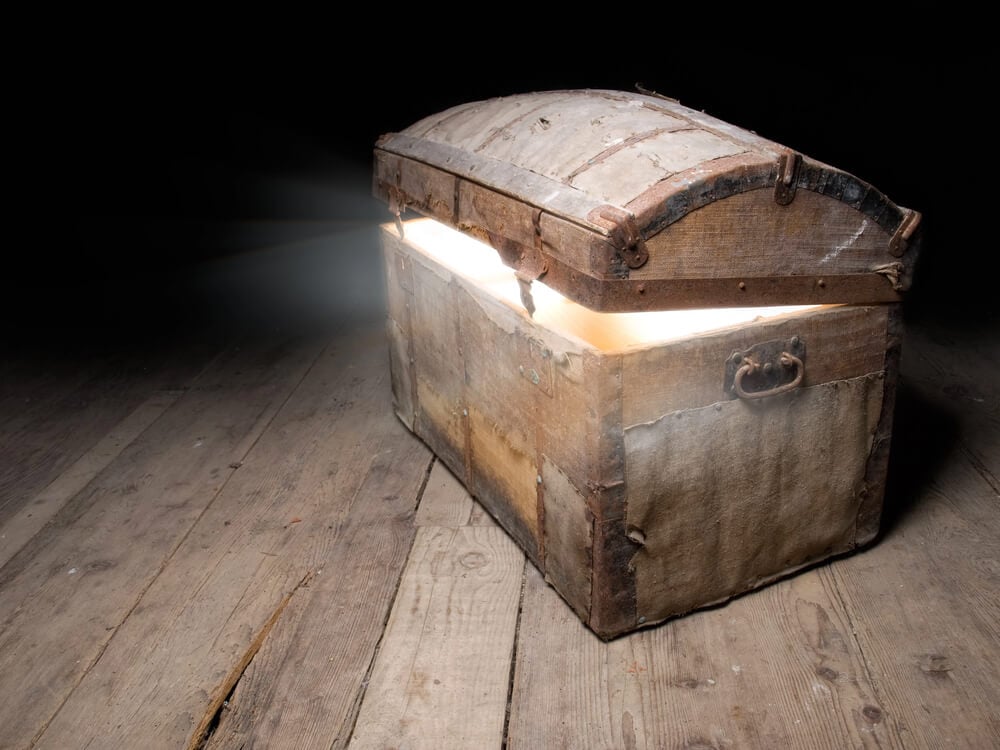
Restorers assessing an abandoned 18th-century synagogue in Wieliczka, near Krakow, found a chest concealed inside the building’s architecture. It was about the size of a large washing machine and held more than 350 items, including silver-plated candlesticks, bronze vases with Hebrew inscriptions, a silver goblet, at least two Hanukkah menorahs and two Torah ornaments.
The chest also contained decorations belonging to officers of the Austro-Hungarian Empire. Nobody has established who hid it, though Jewish communities across Europe tried to conceal their treasures ahead of the Nazi advance during World War II.
Researchers at Jagiellonian University began cataloging the contents.
6,300 Census Forms Behind a Budapest Brick Wall
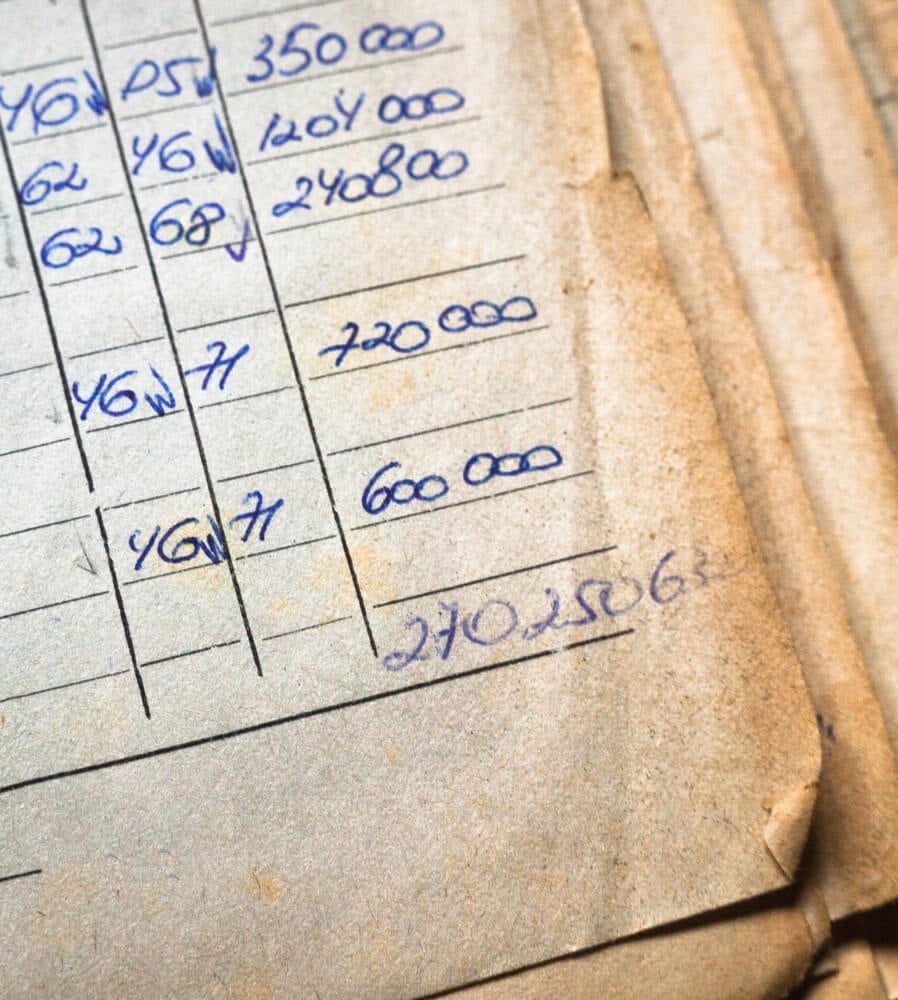
A couple renovating their Budapest apartment, which overlooks Hungary’s parliament, learned in August 2015 that a worker’s screwdriver had pushed through a crack in a wall and touched handwriting. They removed the bricks one at a time and found about 61 kilograms of documents: 6,300 forms from a 1944 census of Budapest’s Jewish residents, conducted amid escalating persecution and deportations.
The forms offered a record of a community under threat. The papers had survived intact in an airtight, watertight cavity, and the head of the Budapest City Archives called the content and scale of the find unprecedented.
The forms were handed over to the archives.
What a Wall Keeps
The motives behind these hiding places are varied. Protection may explain the shoes, the cats and the witch bottle, while pride explains the bricklayers’ bottle and the plasterers’ note.
Fear and the desire to preserve possessions may explain the synagogue chest and the Budapest forms, which survived amid the persecution of Jewish communities during World War II. Caution, secrecy or simple sentiment may explain many of the coins, letters and personal keepsakes.
What survives is rarely what the hider expected. Some objects were reclaimed within a lifetime, like the Offutt letter, while others waited centuries for a stranger with a chipping hammer.
A wall is a patient archive, and it hands over its contents only when someone is willing to take it apart.
More from Go2Tutors!

- The Romanov Crown Jewels and Their Tragic Fate
- 13 Historical Mysteries That Science Still Can’t Solve
- Famous Hoaxes That Fooled the World for Years
- 15 Child Stars with Tragic Adult Lives
- 16 Famous Jewelry Pieces in History
Like Go2Tutors’s content? Follow us on MSN.