15 Most Expensive Movie Flops
Hollywood loves a big budget blockbuster, but sometimes spending more money just means losing more money. Studios have poured hundreds of millions of dollars into films they were sure would be hits, only to watch them crash and burn at the box office.
These aren’t just movies that did poorly. These are the ones that lost so much money they became legendary disasters that people still talk about years later.
Here are some of the most expensive movie flops that proved bigger budgets don’t always mean bigger success.
John Carter

Disney spent around $350 million making this sci-fi adventure about a Civil War veteran who ends up on Mars, and the studio lost an estimated $200 million when it bombed in 2012. The movie had everything going against it, from a confusing marketing campaign to a title that told audiences nothing about what they were about to watch.
Director Andrew Stanton had just come off huge Pixar successes, but live-action filmmaking turned out to be a different beast entirely. The film actually had some cool visuals and decent action sequences, but nobody showed up to see them.
Disney took such a massive hit that they changed how they approached big-budget projects for years afterward.
The Lone Ranger

Johnny Depp and Disney teamed up again in 2013 for this Western that cost about $250 million to make and lost the studio around $190 million. The movie tried to recapture the Pirates of the Caribbean magic by having Depp play another quirky character, but audiences weren’t interested in a cowboy movie no matter who was in it.
Production problems plagued the film from the start, including the entire project getting shut down and restarted. Critics weren’t kind, and families chose other summer movies instead.
The failure was so bad it basically killed any chance of major studio Westerns for years.
King Arthur: Legend of the Sword

Guy Ritchie directed this 2017 attempt to create a King Arthur franchise, and Warner Bros. spent roughly $175 million making it. The studio lost about $150 million when audiences stayed away in droves.
Ritchie’s signature fast-paced style clashed with the medieval setting in ways that confused more than entertained. Warner Bros. had planned an entire six-movie series, but those plans died immediately when the first film flopped.
The movie tried to blend fantasy action with Ritchie’s London gangster aesthetic, and the mix just didn’t work for most people.
The 13th Warrior

This 1999 Viking adventure starring Antonio Banderas became notorious for its troubled production and massive losses. The original budget was around $85 million, but reshoots and production problems pushed costs to $160 million.
The movie only made back about $60 million worldwide, leaving a crater in the studio’s finances. Director John McTiernan got pulled in to reshoot huge portions after test audiences hated the original cut.
Even with all that extra work and money, the final product still felt disjointed and confused about what kind of movie it wanted to be.
Mortal Engines
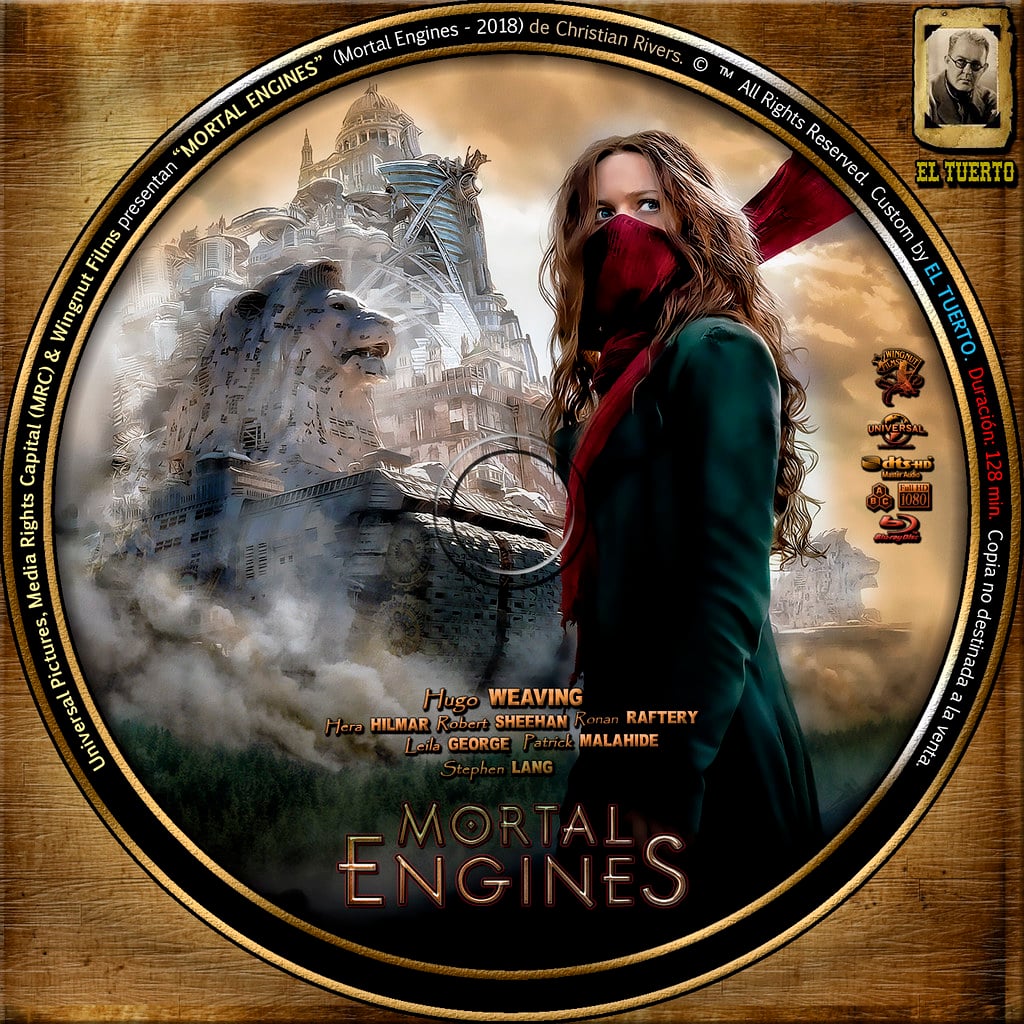
Peter Jackson produced this 2018 post-apocalyptic film about cities on wheels that eat each other, and it cost around $100 million to make. The movie lost an estimated $175 million, making it one of the biggest bombs of that year.
The concept was weird enough to be interesting, but the execution never quite clicked with audiences who stayed away. Universal had hoped Jackson’s involvement would guarantee success after Lord of the Rings and The Hobbit.
Instead, the film opened to empty theaters and disappeared quickly, taking all those sequel plans with it.
Mars Needs Moms

Disney’s 2011 motion-capture animated film cost about $150 million and became one of the biggest animated flops ever made. The studio lost roughly $130 million on a movie that creeped out kids with its uncanny valley character designs.
Robert Zemeckis produced it using the same motion-capture technology from The Polar Express, but audiences had already shown they weren’t fans of that animation style. The title didn’t help either, since most kids don’t want to watch movies about moms.
The failure led Disney to shut down ImageMovers Digital, the studio that made it.
The Adventures of Pluto Nash
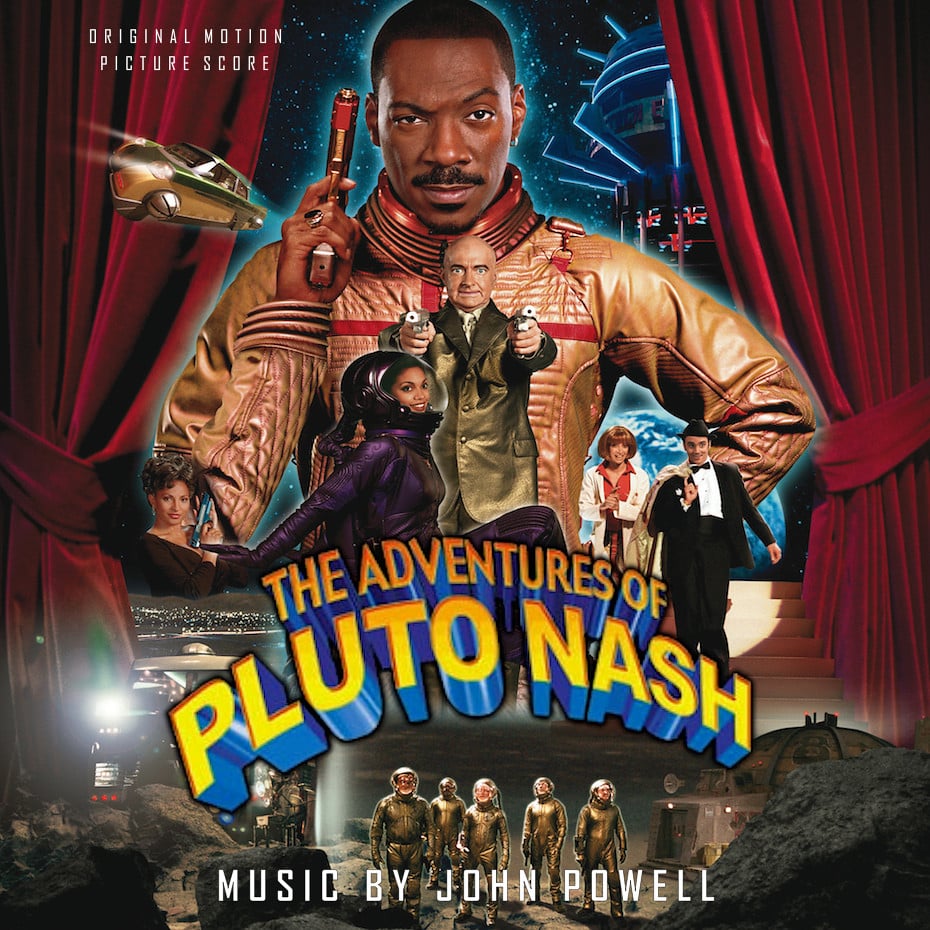
Eddie Murphy starred in this 2002 sci-fi comedy set on the moon, and it became one of the most infamous flops in Hollywood history. The movie cost around $100 million to make but earned only about $7 million worldwide.
Warner Bros. sat on the finished film for two years before releasing it, which should have been a red sign to everyone involved. Critics destroyed it, audiences ignored it, and Murphy’s career took a hit he spent years recovering from.
The film tried to blend sci-fi with comedy in ways that landed with a thud.
Cutthroat Island
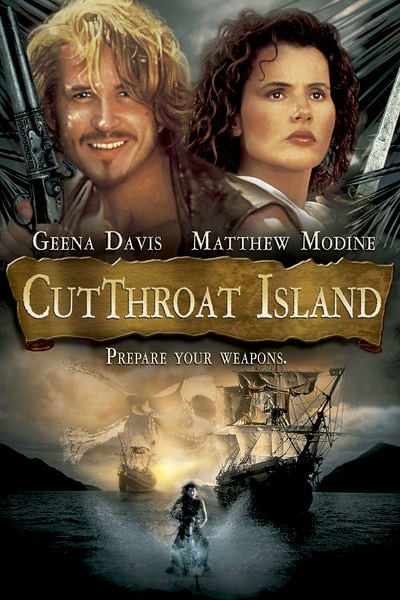
This 1995 pirate adventure nearly destroyed an entire studio when it bombed spectacularly. Carolco Pictures spent $98 million making it, a huge sum for the time, and the movie made back only $10 million.
The production was a nightmare from start to finish, with the male lead getting replaced partway through filming. Director Renny Harlin married star Geena Davis during production, which probably didn’t help anyone stay objective about what was working.
The failure bankrupted Carolco and killed Hollywood’s interest in pirate movies for nearly a decade until Pirates of the Caribbean proved the genre could work.
R.I.P.D.

Universal spent about $130 million in 2013 on this supernatural buddy cop movie starring Ryan Reynolds and Jeff Bridges. The studio lost around $115 million when audiences rejected what basically amounted to a Men in Black ripoff with dead cops instead of aliens.
The special effects looked cheap despite the huge budget, and the chemistry between the leads never materialized. Reynolds was coming off the Green Lantern disaster, and this did nothing to help his career before Deadpool saved him.
The movie disappeared from theaters so fast that most people forgot it even existed.
The Alamo

Disney’s 2004 historical drama about the famous Texas battle cost around $145 million after production problems and delays. The studio lost approximately $100 million on a movie that audiences found too long and too serious.
Director John Lee Hancock had to deal with massive script rewrites and casting changes before filming even started. The movie wasn’t terrible, but it wasn’t exciting enough to justify its enormous budget.
Historical dramas rarely make big money unless they’re absolutely exceptional, and this one was just okay.
Stealth

This 2005 action film about a fighter jet with artificial intelligence cost Sony around $135 million to make. The studio lost about $115 million on a movie that felt like Top Gun mixed with mediocre sci-fi.
Jamie Foxx, Jessica Biel, and Josh Lucas starred, but even their star power couldn’t save a script that took itself way too seriously. The AI jet plot seemed dated even when the film came out.
Action fans wanted something more grounded, and sci-fi fans wanted something smarter.
Sinbad: Legend of the Seven Seas

DreamWorks Animation spent roughly $60 million on this 2003 traditionally animated adventure, but it lost around $125 million when marketing costs got added in. The movie came out right as audiences were falling in love with computer animation from films like Finding Nemo.
Traditional hand-drawn animation suddenly seemed old-fashioned, even though the artistry in Sinbad was beautiful. Brad Pitt and Catherine Zeta-Jones voiced the leads, but that wasn’t enough to bring families to theaters.
The failure convinced DreamWorks to abandon traditional animation entirely and focus only on computer-generated films.
Final Fantasy: The Spirits Within

Square Pictures spent about $137 million creating this 2001 computer-animated sci-fi film based on the video game series. The movie lost around $94 million and nearly destroyed Square as a company.
The photorealistic animation was groundbreaking for its time, but the story was confusing and had almost nothing to do with the games fans loved. Video game movies were already cursed at the box office, and this did nothing to break that streak.
The failure forced Square to merge with Enix to survive financially.
The Postman

Three hours long, the movie asked viewers to care deeply about a man bringing letters through ruins. A studio once backed this idea with eighty million dollars.
Kevin Costner both led the cast and guided its making. That gamble ended up losing sixty two million.
People called it slow, uninteresting, dull. After Waterworld failed badly, hope remained; it was an exception.
This project erased that thought completely. It acted as if every moment mattered intensely.
Reviewers tore into it without holding back. Theatergoers walked past it toward almost any other option.
Titan A.E.
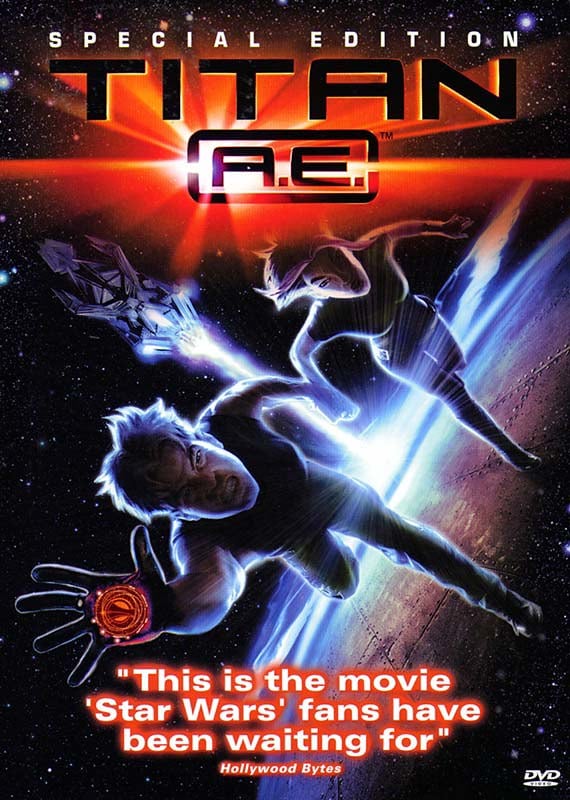
Spending close to seventy-five million dollars, Fox rolled out a futuristic cartoon in two thousand that blended hand-drawn scenes with digital effects. Roughly one hundred million in losses followed, shutting down Fox Animation Studios for good.
Aimed at mature viewers through moody ideas and a PG-thirteen label, it missed connecting with any clear group. Younger ones thought it heavy and hard to follow; older crowds simply ignored cartoons back then.
Though Matt Damon lent his voice to the main role, fame alone wasn’t enough to stop the steep drop at the box office.
What makes the losses significant

Success wasn’t always guaranteed, even with deep pockets. Because of these crashes, studio bosses now hesitate before backing untested ideas at massive scale.
Instead, familiar names and existing stories get picked far more often than fresh scripts. Money vanished fast when overspending met weak promotion and audience disinterest.
Each loss carried weight – paychecks stopped, plans got scrapped, companies folded completely. Huge gaps between spending and ticket sales show belief and funding can still lead to failure.
More from Go2Tutors!

- The Romanov Crown Jewels and Their Tragic Fate
- 13 Historical Mysteries That Science Still Can’t Solve
- Famous Hoaxes That Fooled the World for Years
- 15 Child Stars with Tragic Adult Lives
- 16 Famous Jewelry Pieces in History
Like Go2Tutors’s content? Follow us on MSN.