27 Baby Dolls From the ’60s Now Selling High
Baby dolls of the 1960s were built to be hugged, bathed, fed, and dragged around by the arm, which explains why so few survive looking presentable. The ones that do, still dressed in original outfits with working eyes and voices, now draw real interest from adults who remember getting one under the tree.
Two dolls from the same maker and year can sell for very different amounts, and the difference usually comes down to small details. Here are the infants worth checking for the next time a box of toys turns up in an attic.
Ideal Thumbelina, the Baby Museums Keep
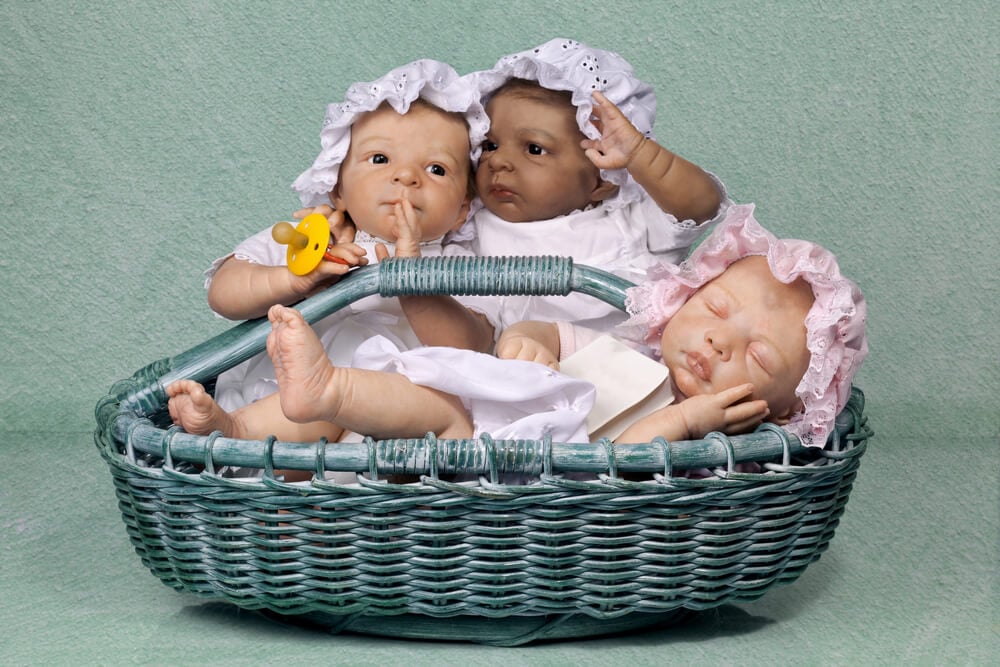
Thumbelina is one of the Ideal Toy Corporation baby dolls that has earned a place in museum collections, with a catalog record in the Google Arts and Culture archive. Collectors also post their own examples on Collectors Weekly, which shows how many people still treasure the doll.
Condition drives the price, and the usual checks are original clothing, clean vinyl, and any moving parts that still respond. A doll with stains, a replaced outfit, or a stiff body sells well below a tidy original.
Ideal Tiny Thumbelina, the Smaller Sibling
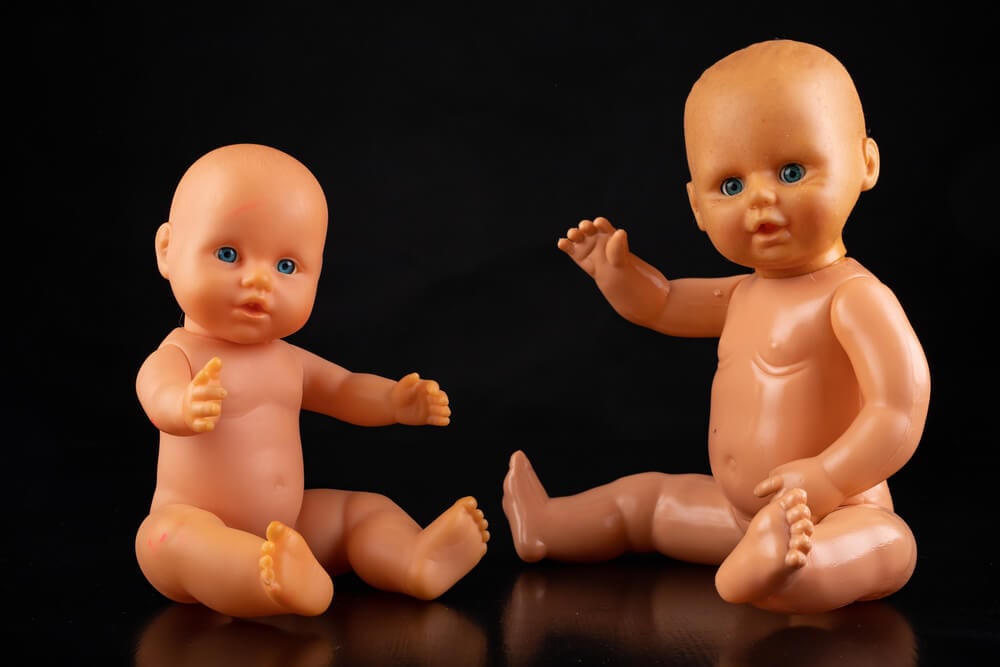
Ideal also made a Tiny Thumbelina, a smaller relation of the full-size doll that collectors treat as a separate hunt. Collectors Weekly features a member story about one, a sign that owners hold on to these rather than selling them.
Because the doll is small, a missing outfit or a worn face is more noticeable and costs more at sale time. Complete, clean examples are the ones that attract the strongest offers.
Ideal Newborn Thumbelina With Her Own Value Guide
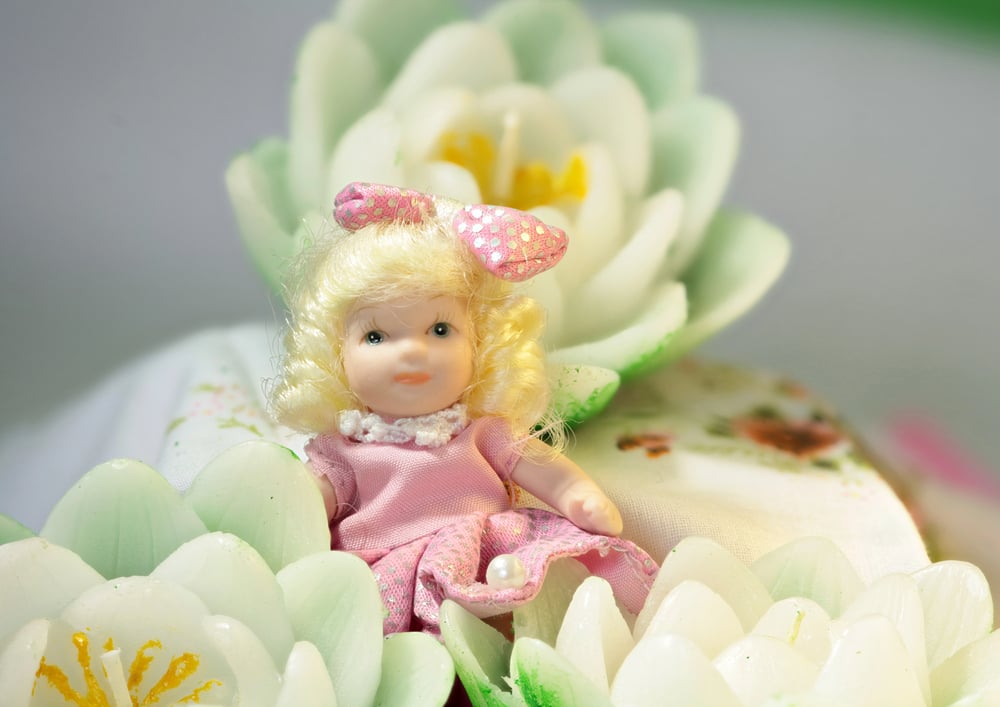
Ideal Newborn Thumbelina has its own entry in collector value guides and a dedicated page on the Virtual Black Doll Museum, which tells you she is treated as a distinct doll rather than a minor variation. Anyone buying should look for original clothing, unmarked vinyl, and any surviving packaging.
Dolls that have been cleaned aggressively or redressed generally sell for less. A documented, untouched example is the version worth waiting for.
Ideal Kissy in the 23 Inch K-22 Size
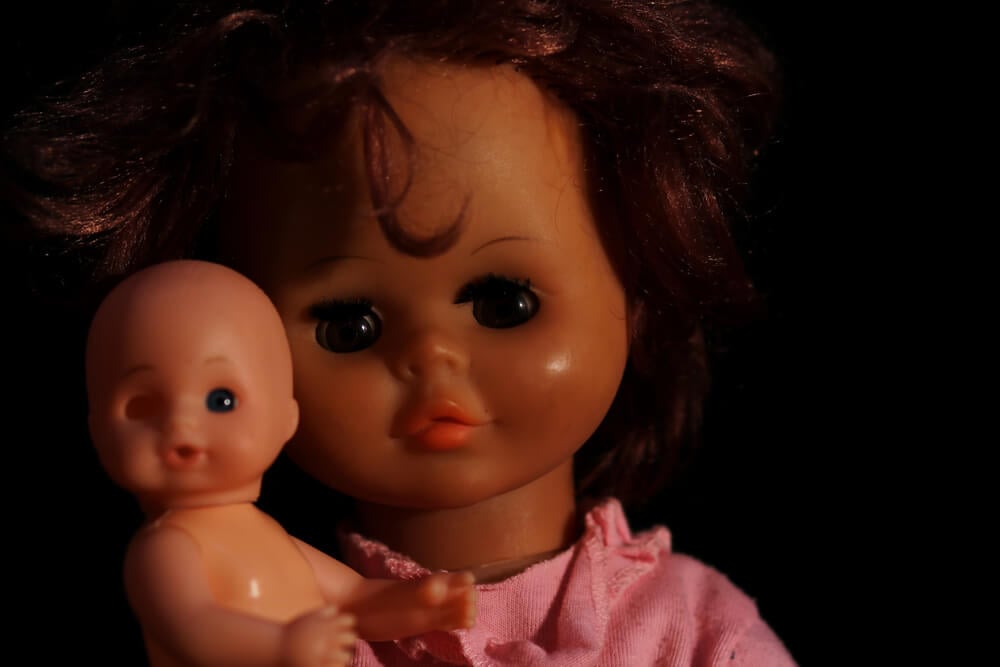
Ideal Kissy turns up in 1960s listings, including a 1961 example in its original outfit, and the 23 inch K-22 version with sleep eyes is one of the sizes sellers name most often. Original dresses matter because a replacement outfit changes the entire look of a doll this large.
Sticky, yellowed, or marked vinyl is the common problem that holds prices back. A clean, fully dressed Kissy with eyes that still open and close brings far more than a bare one.
Ideal Betsy Wetsy in 1960s Vinyl
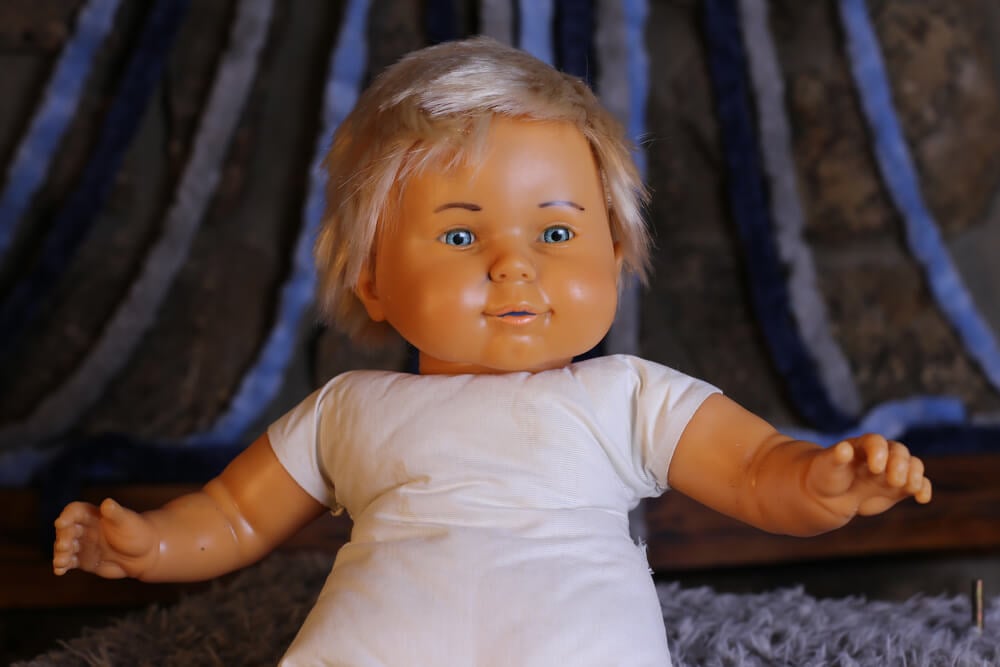
Betsy Wetsy has a Wikipedia entry of her own and appears in 1960 newspaper coverage, so her place in the decade is well documented. Her name describes the gimmick, and that built-in plumbing is why many surviving dolls show stains, cracks, or brittle parts.
A doll that still has her original layette and bottle is much easier to sell than one found undressed in a toy chest. Check the skin for greasy residue or yellowing before paying a premium.
Ideal Baby Giggles in Late 1960s Condition
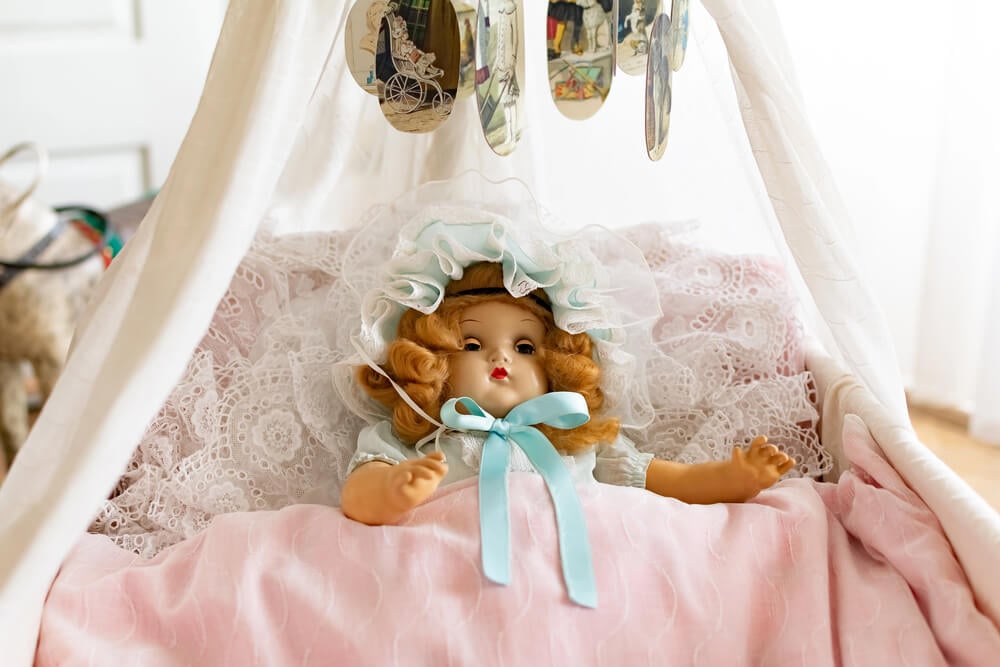
Listings dated 1968 show an Ideal Baby Giggles with brown hair and green eyes, a combination that makes her stand out from the usual versions. The Western Australian Museum holds a Giggles that came with its instruction sheet, a reminder that paperwork is part of the story.
Working eyes, clean lips, and the original dress all raise interest. A doll that shows heavy play wear sells for noticeably less than one that stayed in a closet.
Ideal Pebbles From The Flintstones
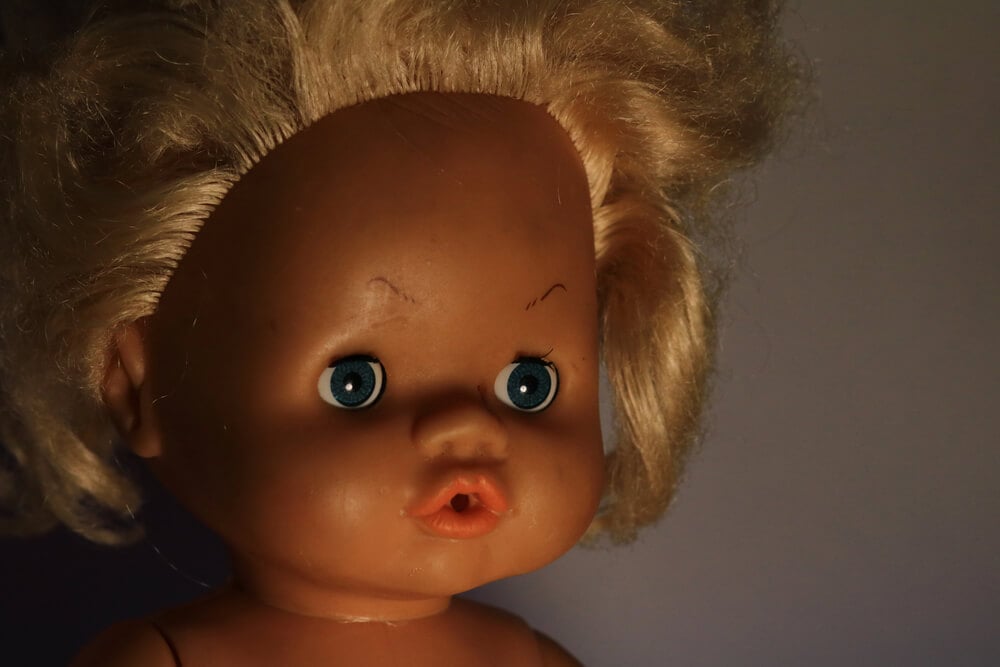
Ideal made a Pebbles doll in 1963 in a 14 inch size with a soft body, listed under the model number FS-14 and the Hanna-Barbera license. The cartoon tie draws Flintstones collectors who might otherwise ignore dolls, which widens the pool of buyers.
Soft bodies and vinyl heads age differently, so stains on the cloth or a faded face can cost a lot at sale time. Original outfits and any surviving packaging help considerably.
Ideal Bamm-Bamm and the Cartoon Box Set
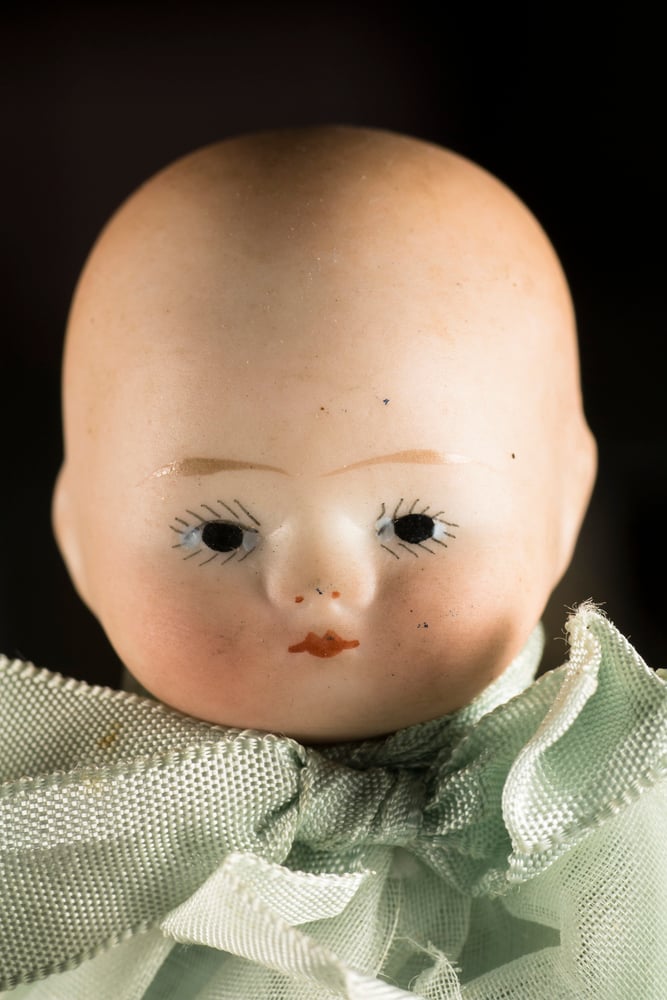
Ideal produced Bamm-Bamm alongside Pebbles, and 1960s listings include a two-doll set sold in its cartoon box. A near mint pair of Pebbles and Bamm-Bamm dino dolls from Ideal has also been offered, which shows how seriously sellers treat clean examples.
Boxed sets are far scarcer than loose dolls, since most children tore the packaging open on the first day. A loose Bamm-Bamm missing his outfit is worth much less than one still dressed.
Mattel Tiny Chatty Baby From 1962
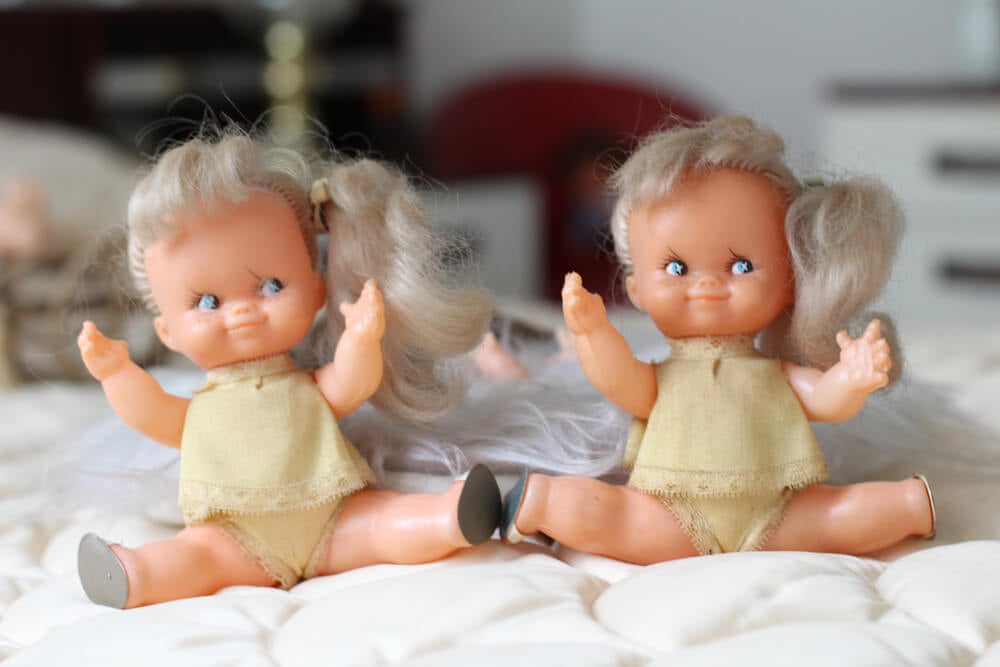
Mattel dated its Tiny Chatty Baby to 1962, and listings show examples with the pull cord that once triggered the voice, including twin dolls sold together. A museum page also covers Chatty Baby and Tiny Chatty Baby, and the line follows the better-known Chatty Cathy.
Many surviving dolls no longer talk, which is why one that still speaks draws more interest. Snapped cords, darkened vinyl, and replaced outfits each pull the price down.
Mattel Baby First Step, the Walking Baby of 1964
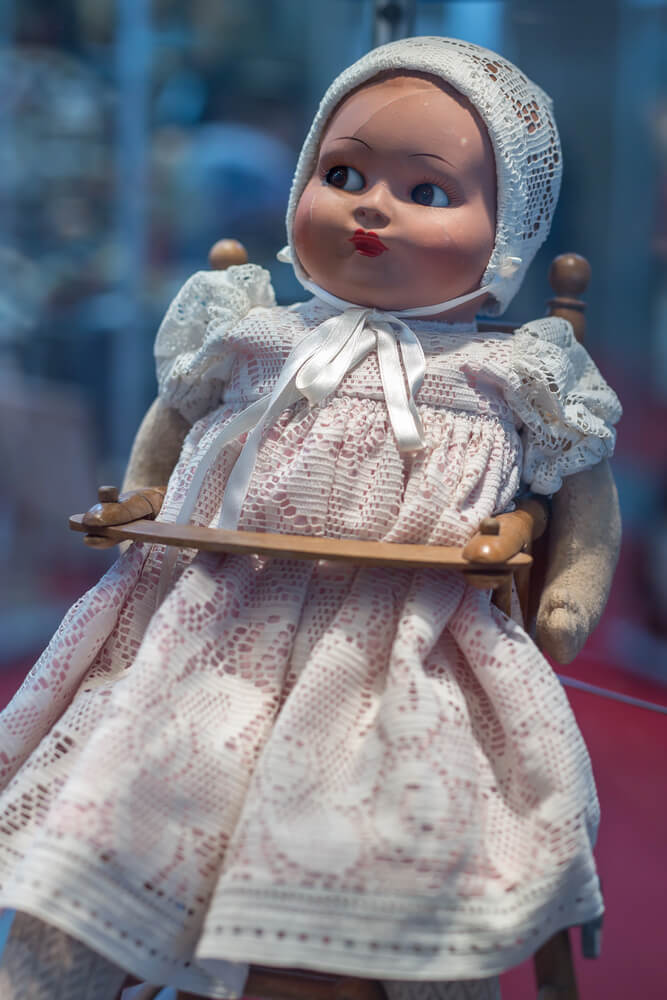
Baby First Step was sold in 1964 as the walking doll from Mattel, standing about 18 inches tall. Some examples came with red skates and red hair, a variant that appeals to collectors who like unusual accessories.
Sellers routinely note whether the doll has been tested, because a working walker is worth more than one that only stands. Boxed examples with all parts are the scarce ones.
Mattel Baby Secret and the Pull String That Stopped
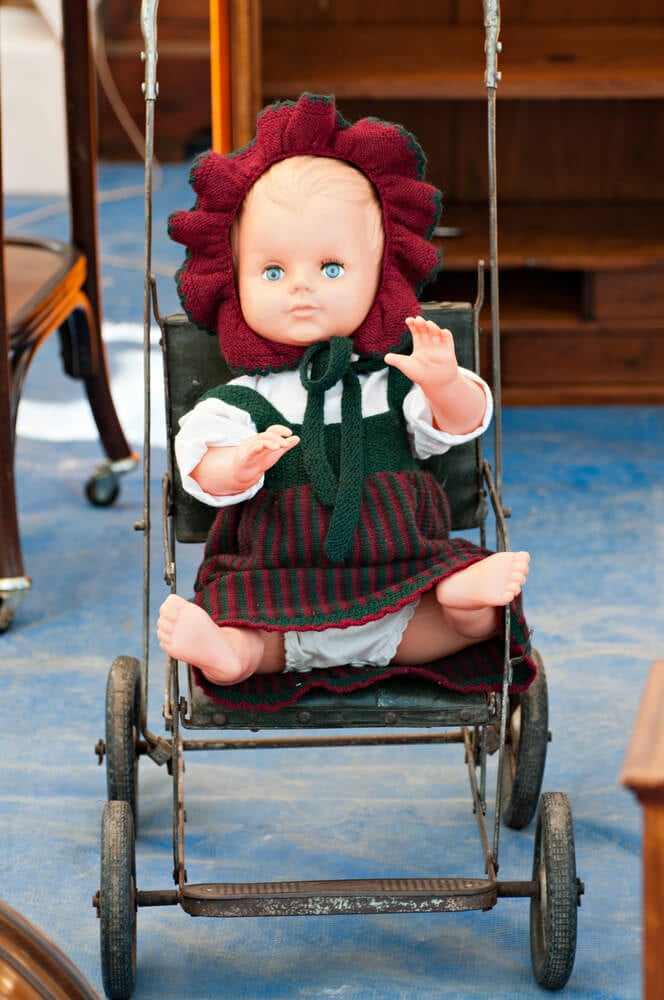
Baby Secret is listed on the Mattel 1960s page at Doll Reference, and a 1965 listing describes one whose pull string no longer works and whose face struck the seller as creepy. That reaction is part of the doll’s cult appeal among collectors of odd vintage pieces.
A working voice is the main value factor, since most examples have lost theirs. Clean vinyl and original clothes round out the strongest examples.
Mattel Baby Cheerful Tearful With the Changing Face
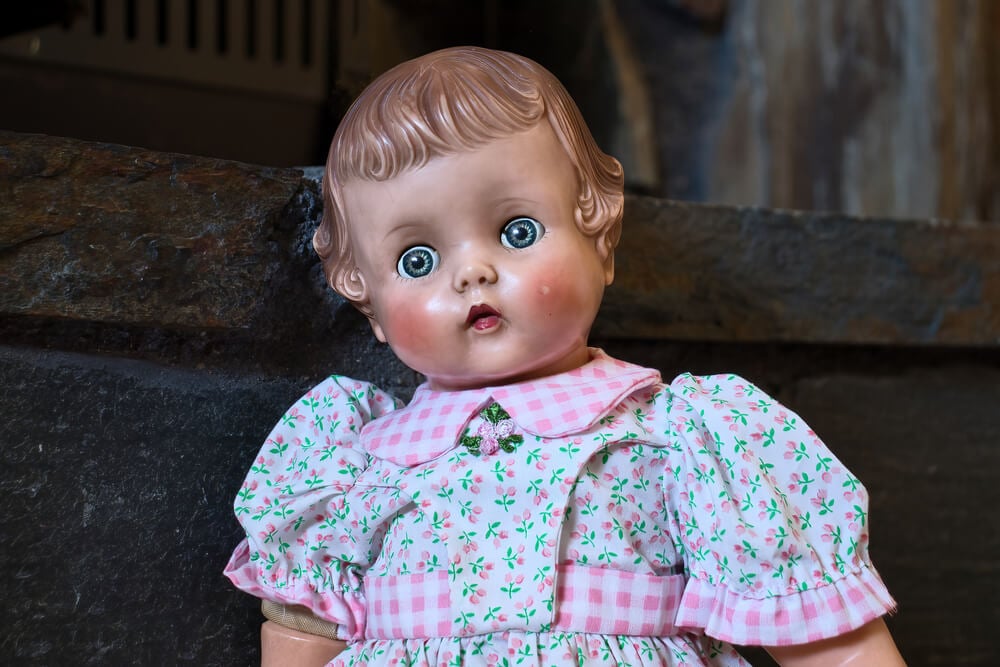
Baby Cheerful Tearful, about 6.5 inches tall, changed expression when her belly was squeezed, and listings date her to 1965 and 1966. A nursery case sold for the doll appears in a 1965 listing, which tempts completists to hunt for the set.
The expression change depends on soft parts that can age badly, so a doll that still switches faces is worth more than one frozen in a single mood. A complete set with the original packaging is far scarcer than the loose doll.
Mattel Baby Tenderlove and the 1969 Drink-and-Wet Design
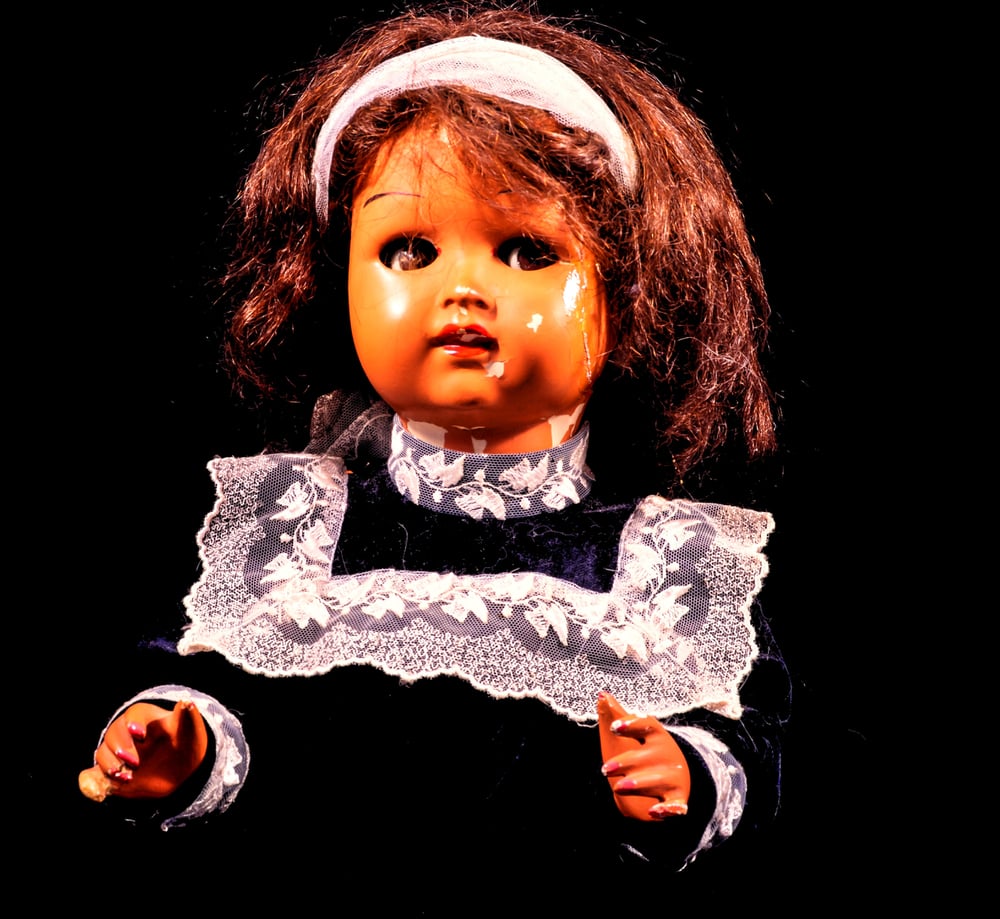
Mattel sold Baby Tenderlove in 1969 as a roughly 15 inch drink-and-wet baby, and it appears in the Google Arts and Culture archive as a baby doll in a museum collection. Listings describe a rubbery body and a pull cord, which gives collectors several features to test.
Rubbery material is prone to staining and stickiness with age, the most common reason a survivor loses value. A clean doll in original clothes with her bottle is the ideal find.
Mattel Bouncy Baby Go Bye Bye
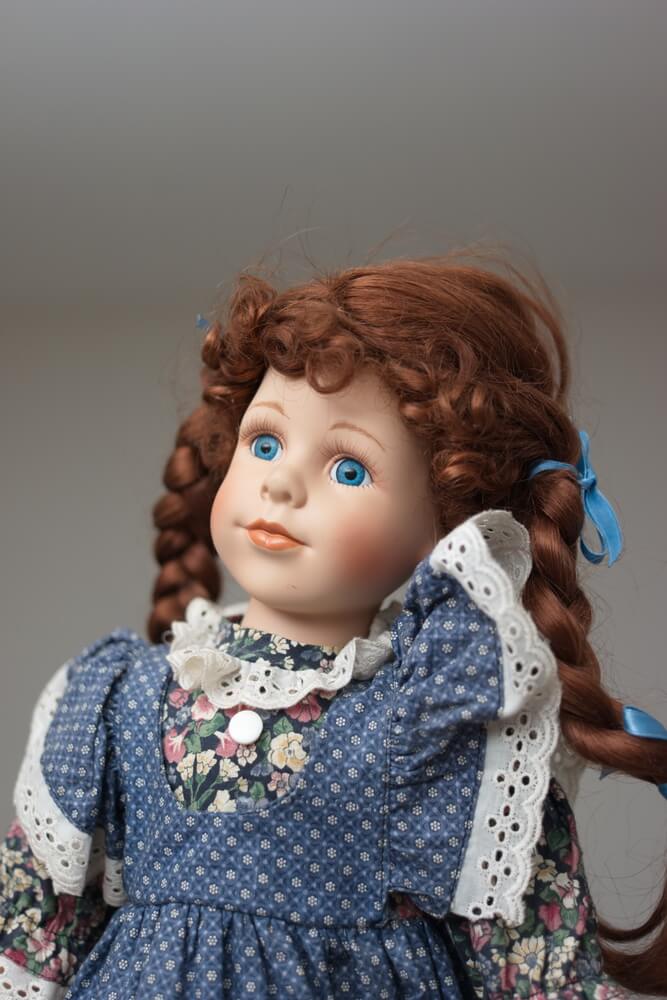
Mattel’s Bouncy Baby Go Bye Bye is a 10 inch doll marked 1968, and listings show examples with the original dress. Her small size means clothing is easy to lose and hard to match.
Check the marking carefully, since the date on the doll is what separates a genuine 1968 piece from later toys with similar names. A dressed, clean example is worth considerably more than a bare one.
Mattel Baby Fun, an 8 Inch Miniature From 1968
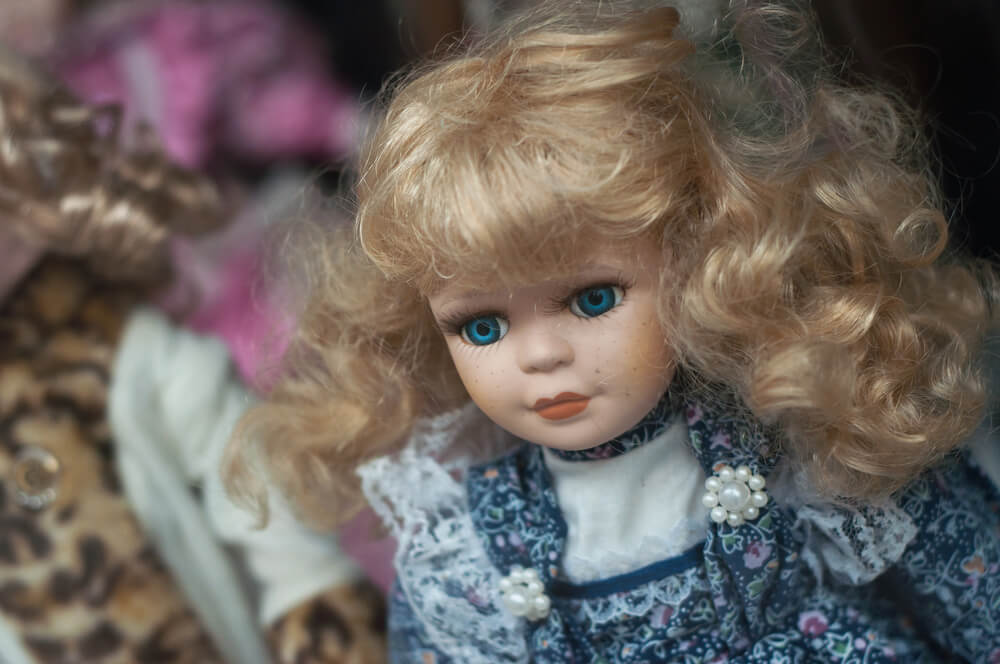
Baby Fun is a Mattel miniature of about 8 inches dated 1968 in listings, a small enough doll that it can vanish into a toy box. Tiny dolls like this lose accessories quickly, so any original outfit is a major plus.
Clean vinyl and a crisp face print matter more here than on larger dolls, because there is so little surface to hide wear. Pieces sold with their original packaging draw the most interest.
Madame Alexander Pussycat, 1965
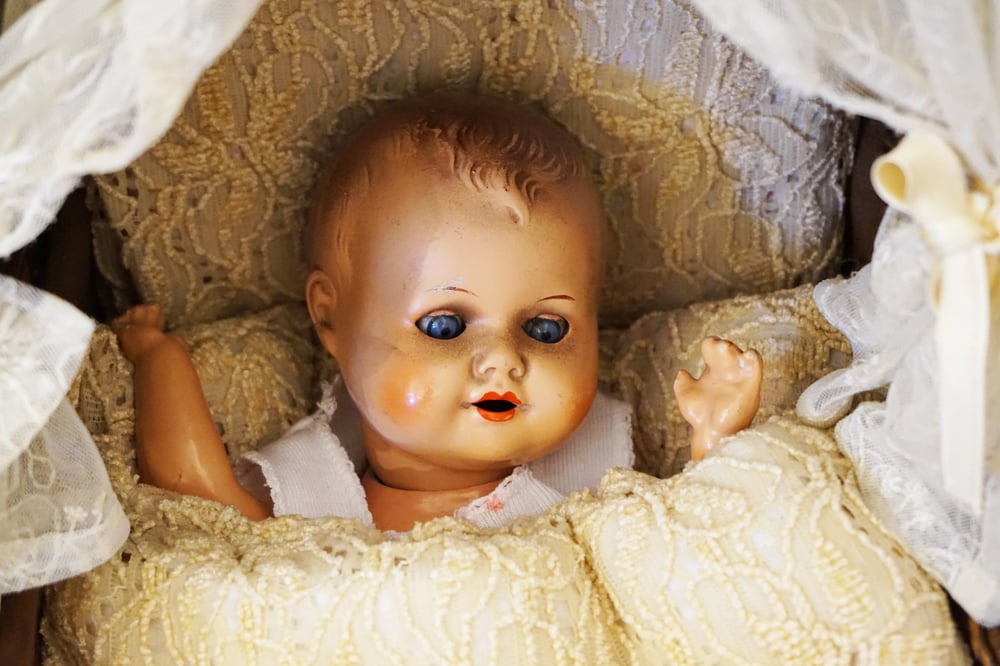
Listings date Madame Alexander Pussycat to 1965 and show the doll in several sizes, including 14, 15, 18, and 23 inch versions, with one described as a crying baby. Gingham outfits and other original dresses appear often in descriptions.
The Alexander name brings in buyers who collect the maker more than the era. A perfect example in a documented original dress commands attention, while a faded or redressed one gets far less.
Madame Alexander Sweet Tears With Her Pacifier and Bottle
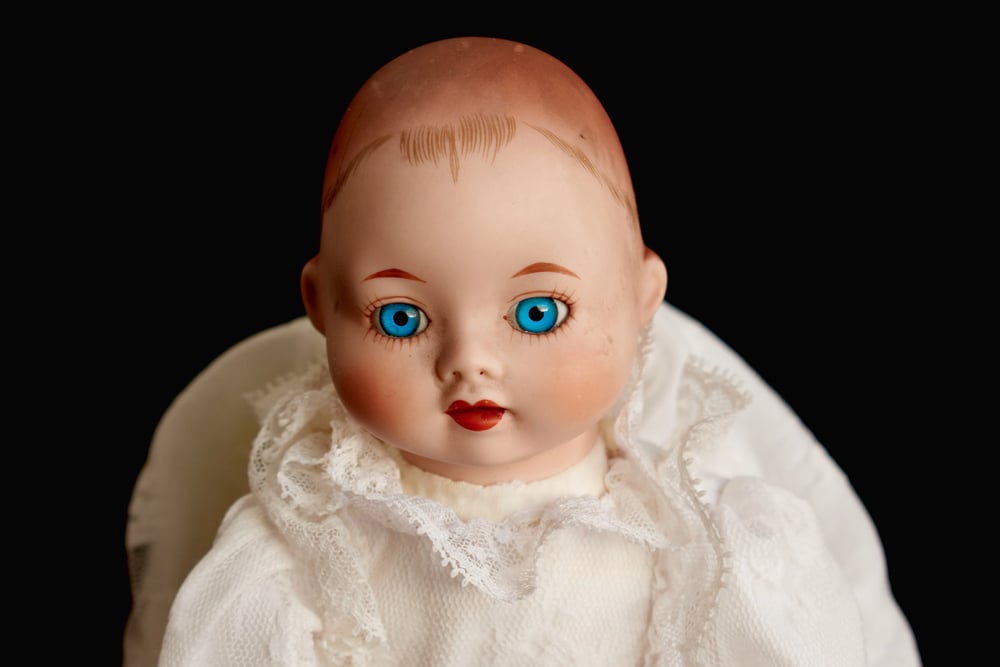
Sweet Tears from Madame Alexander is a 13 inch sleep-eyed, drink-and-wet baby dated 1965 in listings. A boxed 1960s example with hang tag, pacifier, and bottle shows how much of the appeal lies in completeness.
A bare doll without those extras is a different purchase. Missing eyelashes also appear in listings and noticeably lower the price.
American Character Tiny Tears in Rubber and Vinyl
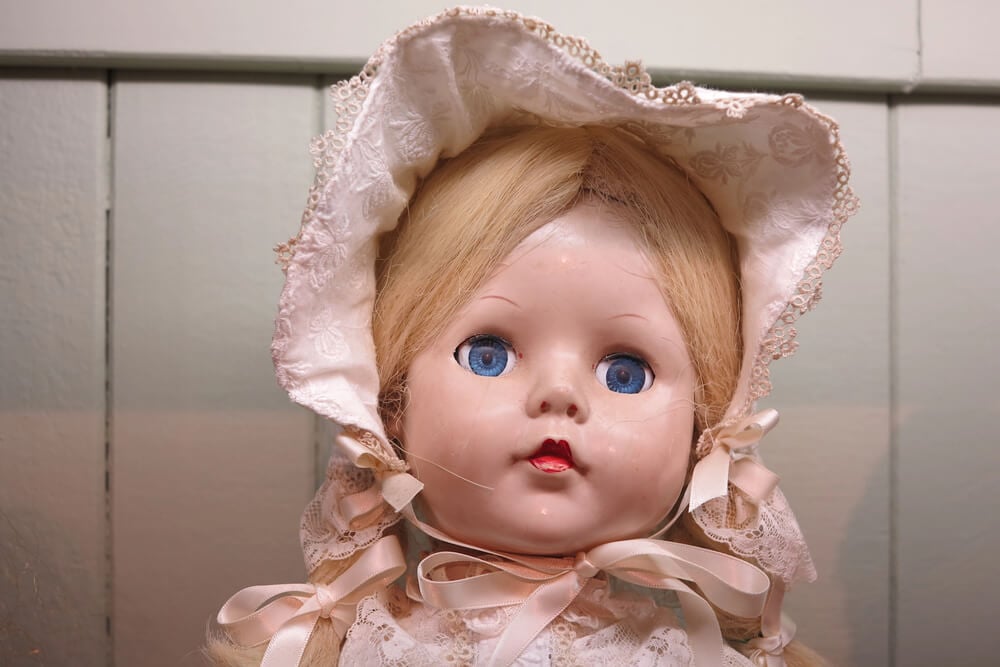
American Character sold 11 inch Tiny Tears dolls with rubber bodies marked with a patent number, a useful way to identify the style. British maker Palitoy later sold a pair of 16 inch vinyl twin Tiny Tears dolls in the 1960s under model 16D, adding a collecting angle for buyers abroad.
Rubber bodies that have gone sticky or cracked cost the most value. A clean, boxed doll is the prize.
Vogue Ginnette, a Short Production Run
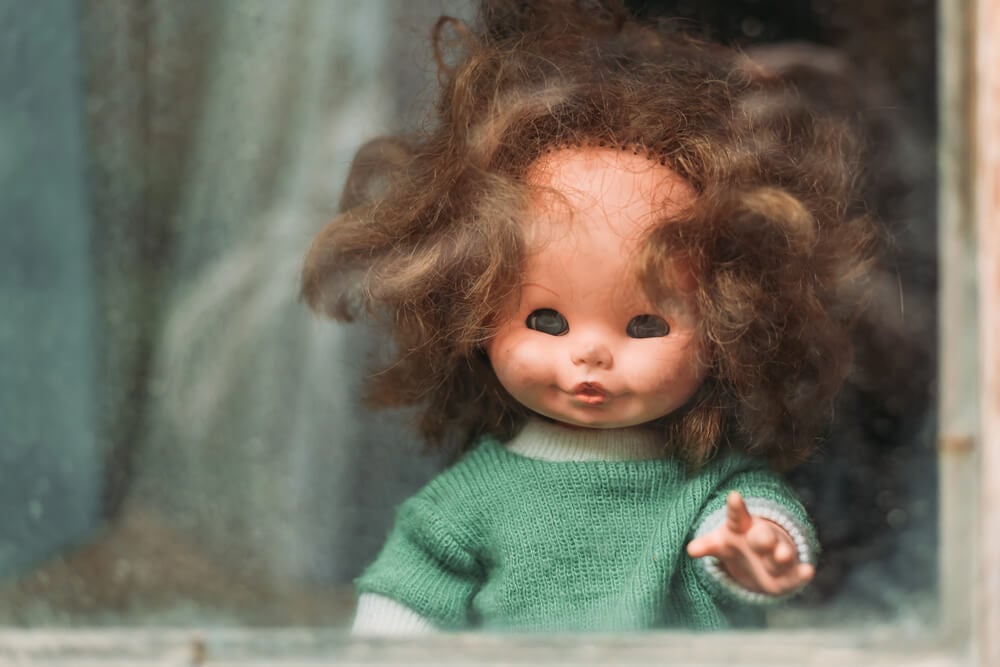
The Henry Ford museum dates Vogue Ginnette to 1962 through 1965, a narrow window that makes the right years easy to confirm. Vogue sold the doll as a baby, and the small body makes original clothing easy to lose and hard to replace correctly.
Complete outfits, intact eyes, and clean vinyl matter most. A clear identification of the right years separates the genuine 1960s version from later reproductions.
Vogue Baby Dear in Several Sizes
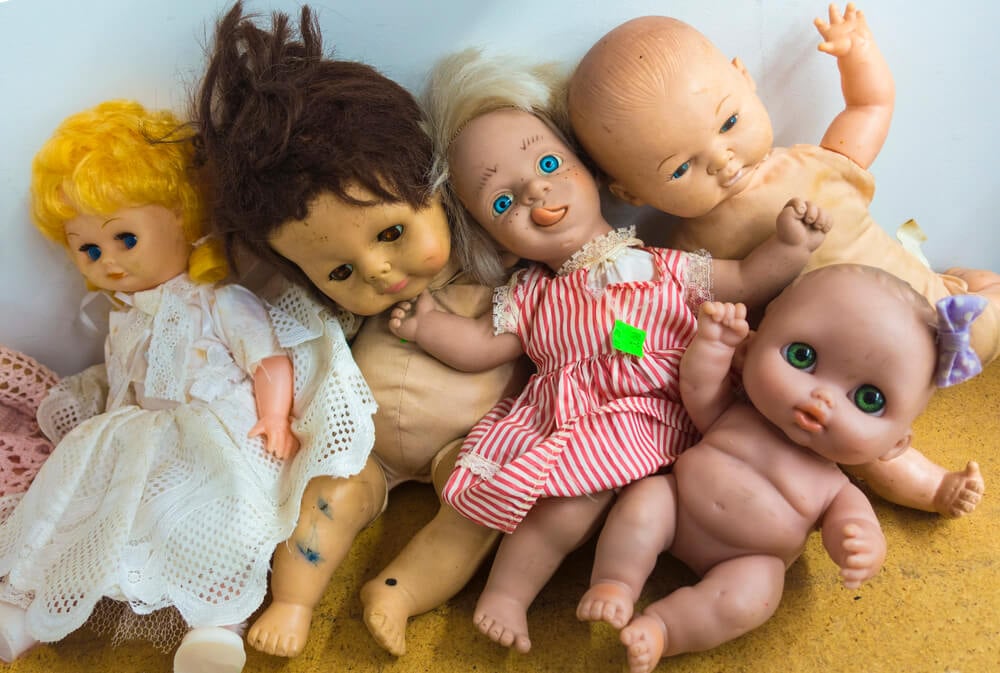
Vogue’s Baby Dear shows up in 1960s listings, including an 18 inch doll dated 1960 and another dated 1961, as well as a 24 inch Baby Dear One from 1964 in vinyl and cloth. The family of sizes gives collectors a lot of room to specialize.
A boxed Baby Dear in a pink gingham dress has been offered for sale, which shows how much packaging and original clothes lift interest. Normal wear for age is common, so clean vinyl and a tidy outfit separate the best examples.
Effanbee My Fair Baby
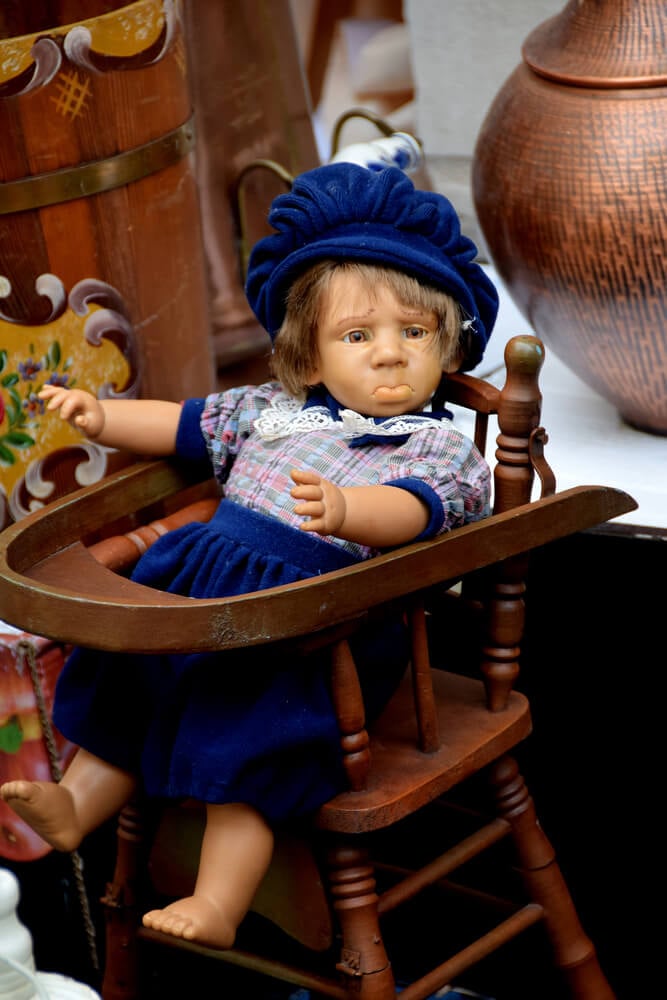
Effanbee sold My Fair Baby in the 1960s in a 17 inch size, and complete examples with the original accessories turn up in listings. The Effanbee name carries weight because of the company’s long history in doll making.
A dressed doll with her extras is far more desirable than a bare one. Check the vinyl for discoloration and the eyes for smooth operation before paying a premium.
Effanbee Pat-O-Pat, the Cloth Baby That Clapped
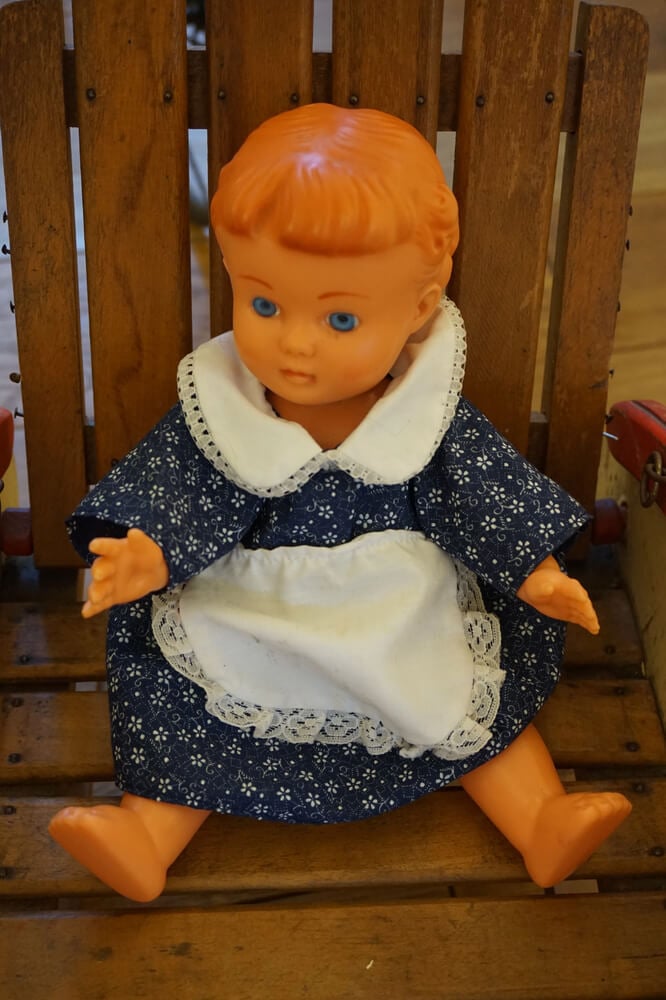
Pat-O-Pat was a cloth baby from Effanbee that clapped its hands, and a boxed 1960s example in top condition has appeared in listings. The soft body makes this a different collecting niche from vinyl dolls.
Surviving boxes raise the price sharply, since most of these were opened and played with. A doll with a stained cloth body or a stuck clapping action is worth considerably less.
Horsman Baby Ruthie in Several Sizes
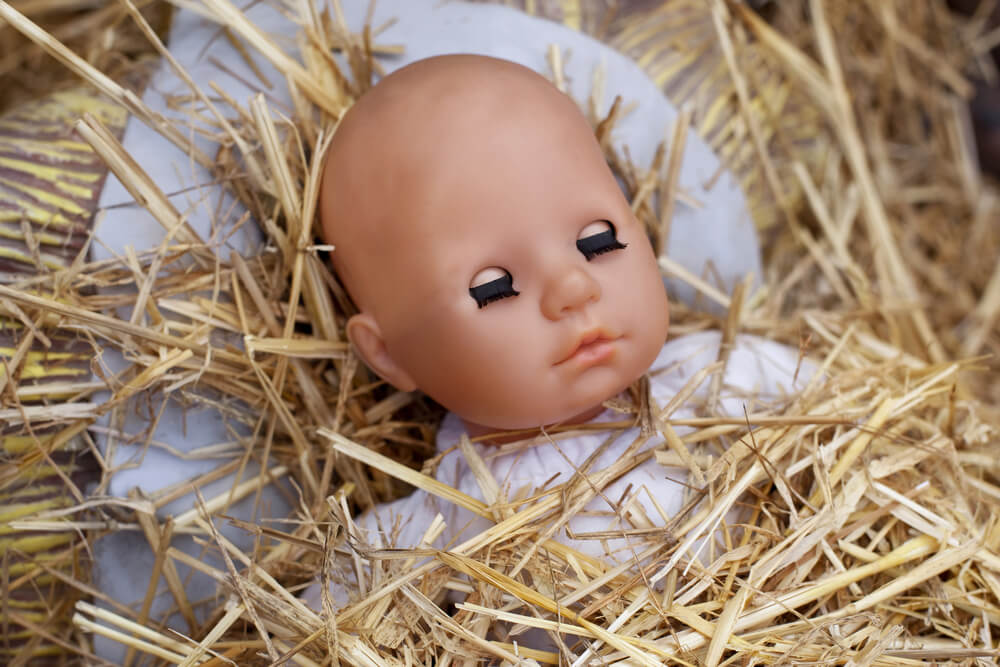
Horsman made Baby Ruthie in the 1960s in sizes that include a 10 inch version dated 1969, a 13 inch plastic and vinyl version, and a 16 inch version. A 10 inch example with blonde hair and blue eyes shows how small the line could run.
Original clothing and unmarked vinyl matter, and the smaller 1969 size can be harder to find in good shape. Buyers who want several sizes face a long search.
Eegee Baby Carrie at 24 Inches
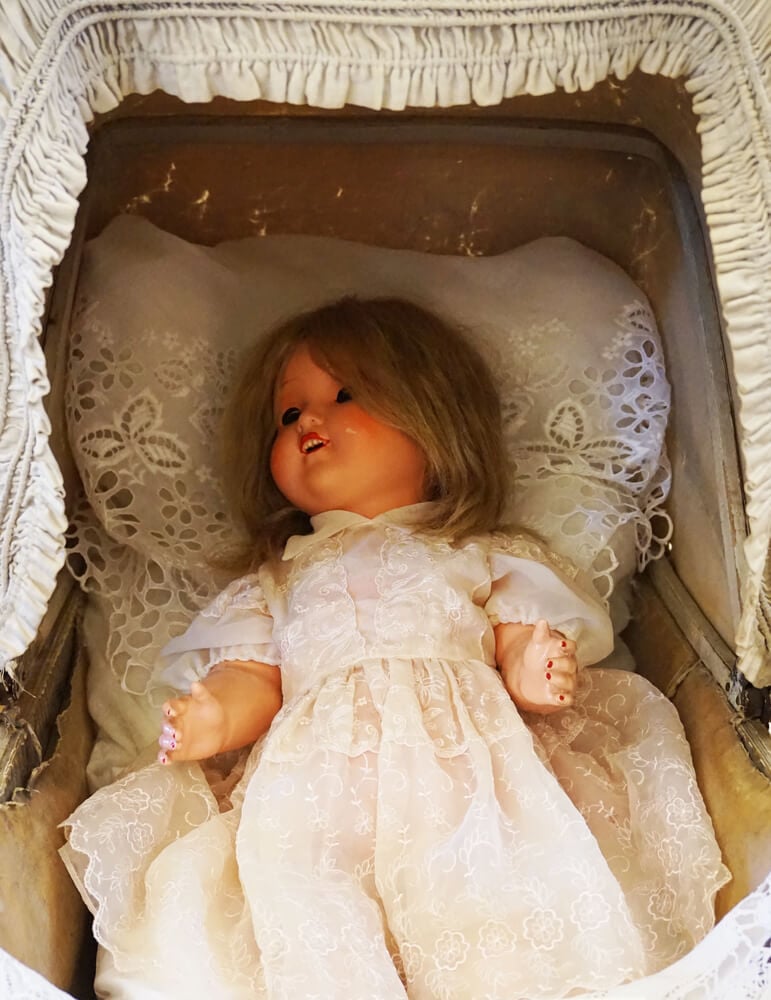
Eegee sold Baby Carrie in the 1960s as a 24 inch drink-and-wet doll with molded hair, large enough to read like a real infant. The big vinyl body is prone to staining and dirt that does not clean off easily.
Because the doll is so large, original outfits and bedding are rarely complete. Clean, unmarked examples with their clothing are the ones worth paying for.
Uneeda Baby Dollikin and the Strung Arms
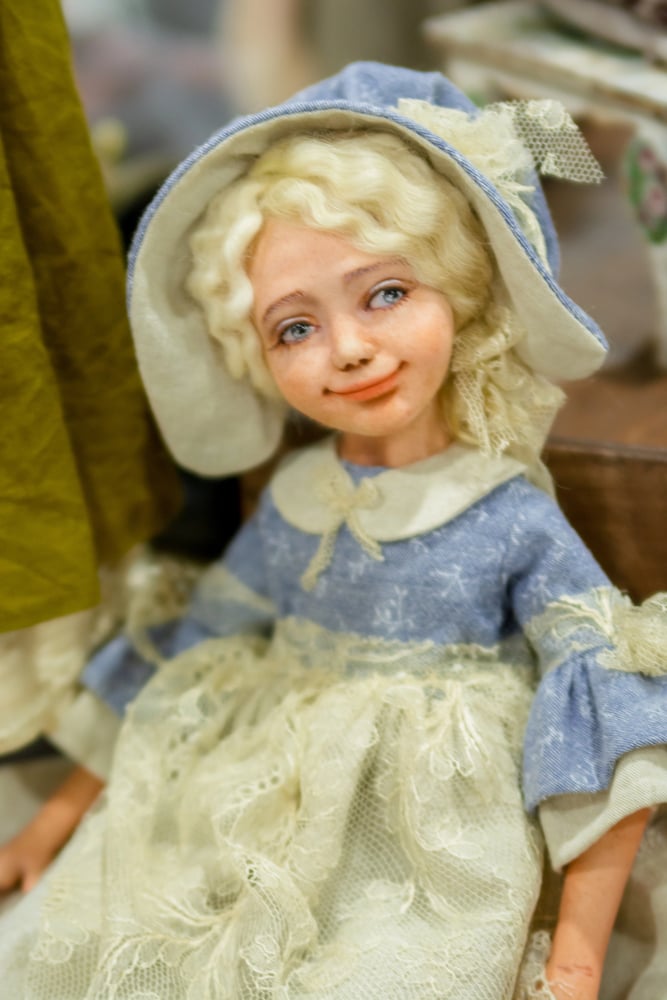
Uneeda’s Baby Dollikin has its own page at Doll Reference and its own face study among collectors, and repair guides exist for restringing its arms. A Mommy Dolli-kin and baby pairing has also crossed the auction block at Theriault’s.
Loose or broken stringing is the first thing to check, since failed joints reduce value. Original clothing and clean vinyl make the stronger examples.
Deluxe Reading Suzy Cute and Her Crib
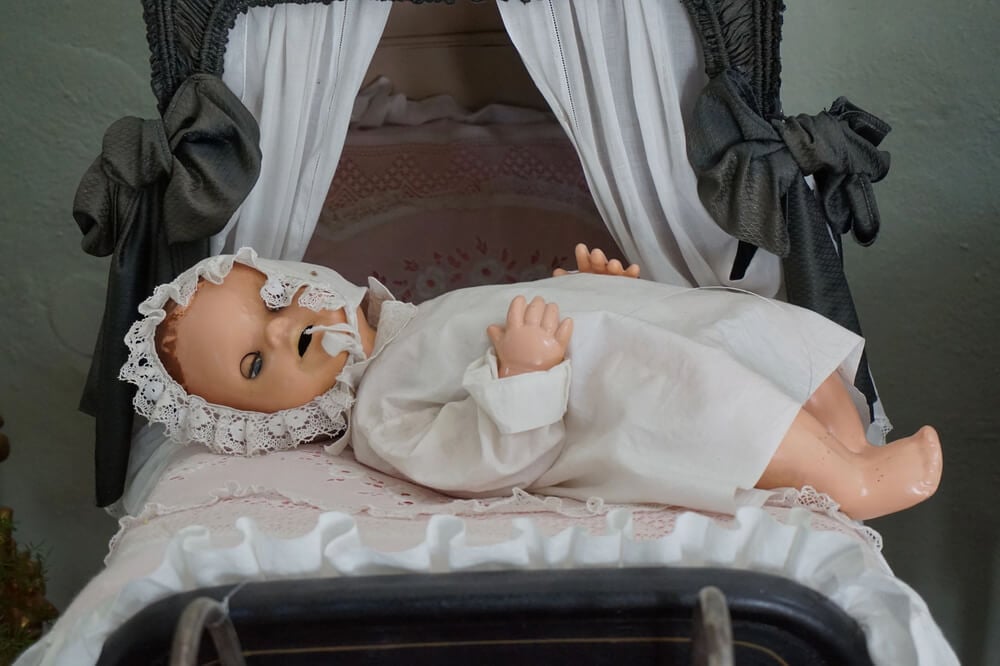
Suzy Cute from Deluxe Reading is cataloged as a baby doll by Google Arts and Culture, and 1964 listings show her in a blue outfit. One listing offered the doll with a crib and ten pieces of clothing, which is the kind of lot that collectors prefer.
Wardrobe and furniture are easy to lose over the decades, so a complete set is rare. A doll sold alone is worth noticeably less than a full outfit-and-crib group.
Remco Bottle Babies in Their Original Bottles
Remco Bottle Babies were tiny dolls sold inside their own bottles, and a 1960s listing describes a rare example labeled number 3275 and styled as a Hawaii doll. The bottle is part of the doll, so a baby that is still sealed in its original glass is the version collectors want.
A doll that has been separated from its bottle loses much of its appeal. Cracks, discoloration, or missing pieces also bring down the price quickly.
What Playworn Dolls Teach About Value
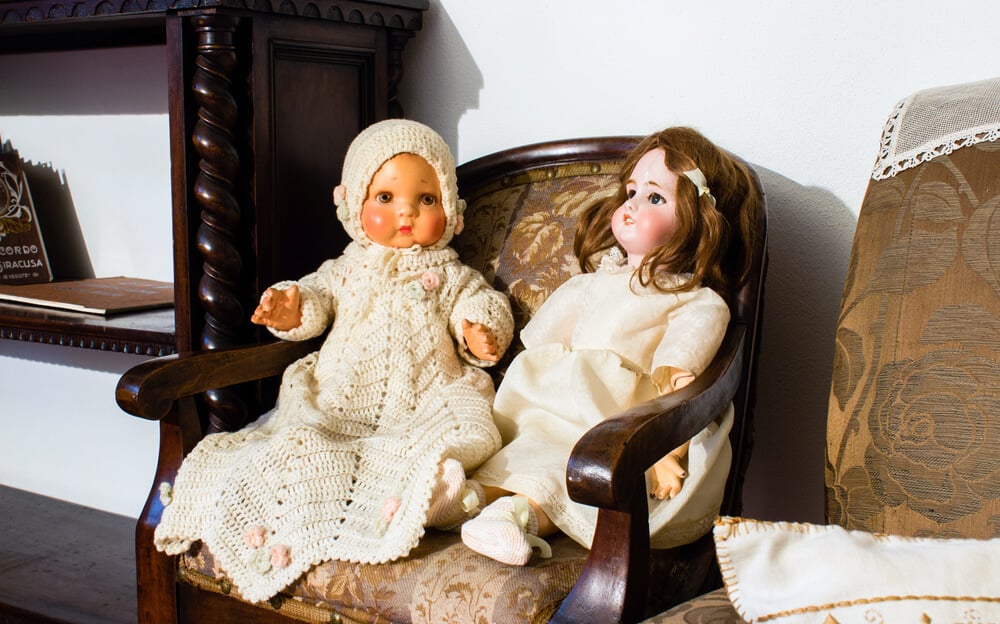
The pattern across these dolls is consistent: the baby that was loved the least tends to be worth the most. Bottles, pacifiers, boxes, hang tags, and working voices were the first things lost, and they now account for much of the difference between a modest price and a strong one.
Vinyl that has stayed pale and clear is rarer than it looks. Anyone digging through a box of old toys should check the markings, test any mechanism gently, and keep every scrap that came with the doll.
Even a doll in tired shape can be worth more with its original clothing than without it, and nothing about the market rewards cleaning too aggressively.
More from Go2Tutors!

- 27 Silver Dollars and Half Dollars Worth Keeping
- 28 Restaurant Menu Items Nobody Orders Anymore
- 17 Places Built in Seemingly Impossible Spots
- 27 Vintage Rings Worth More Than They Look
- 25 Restricted Sites Tourists Can’t Enter
Like Go2Tutors’s content? Follow us on MSN.