29 Sega and Atari Cartridges Selling High
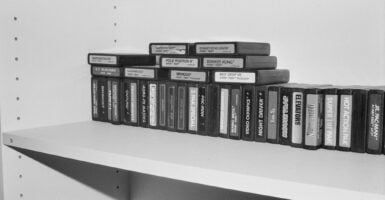
Most old cartridges sit in thrift store bins for pocket change, which makes the exceptions look even stranger. A few were made in tiny runs, a few were handed out as corporate giveaways, and a few were pulled before shelves ever saw them.
Collectors now chase these plastic rectangles with a seriousness once reserved for stamps and rare coins. The common thread is scarcity, but the reasons behind it are wonderfully odd.
Air Raid for the Atari 2600
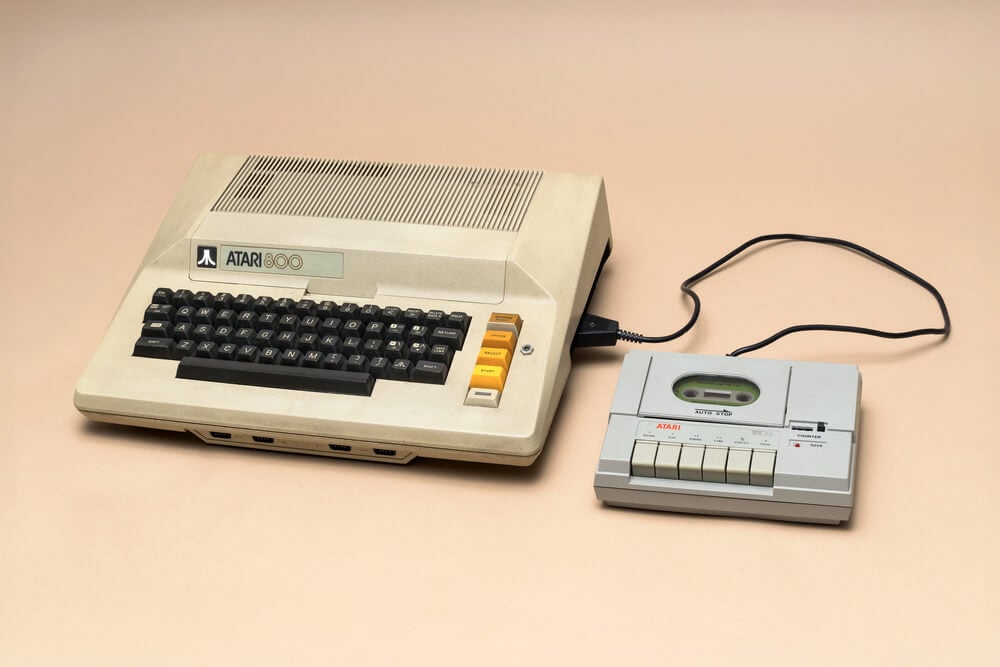
Published by Men-A-Vision in 1982, Air Raid is a modest shooter housed in an unusually shaped cartridge that makes it instantly recognizable on a shelf. Only a small number of copies are known to survive, which is why it regularly tops lists of the rarest Atari 2600 games.
A loose cart and a complete boxed copy sit in very different price tiers, so the packaging and label condition matter enormously.
Pepsi Invaders for the Atari 2600
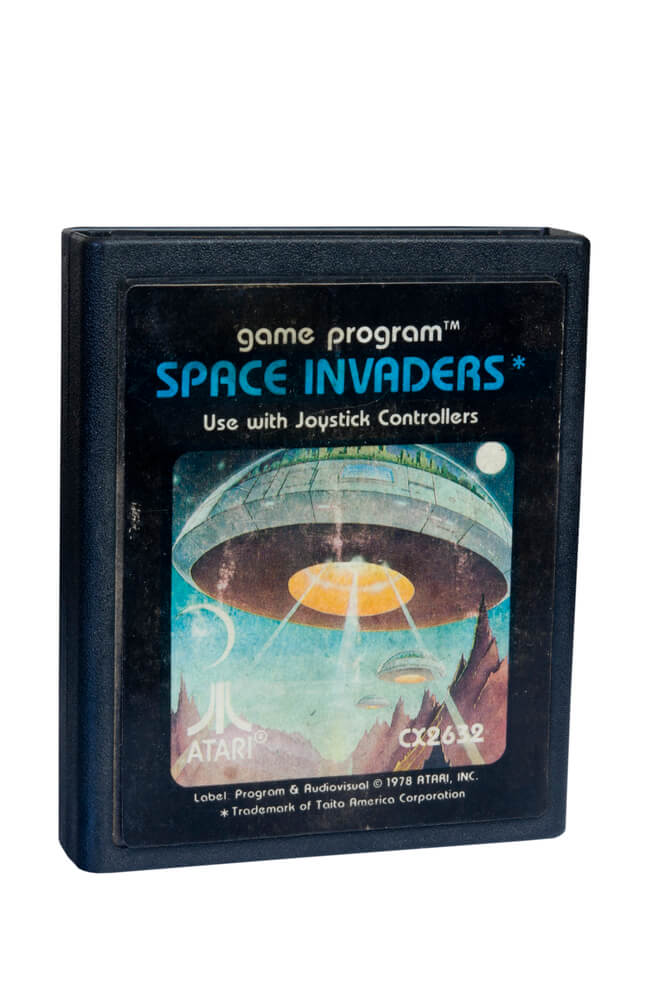
Atari built this Space Invaders variant in 1983 for Coca-Cola, and the joke was that the invaders spelled out the name of the rival soda. It was handed to Coca-Cola personnel rather than sold in stores, so it never had a normal retail run.
Copies command a premium, but the price swings with label wear and whether the original packaging survived.
Tooth Protectors for the Atari 2600
Johnson & Johnson commissioned this 1983 dental hygiene game to promote its oral care products, and it was distributed through channels that never touched a toy aisle. Players defend teeth against attacking snacks.
The scarcity comes from that promotional route, and a clean, complete example is worth considerably more than a scuffed loose cartridge.
Gamma-Attack for the Atari 2600
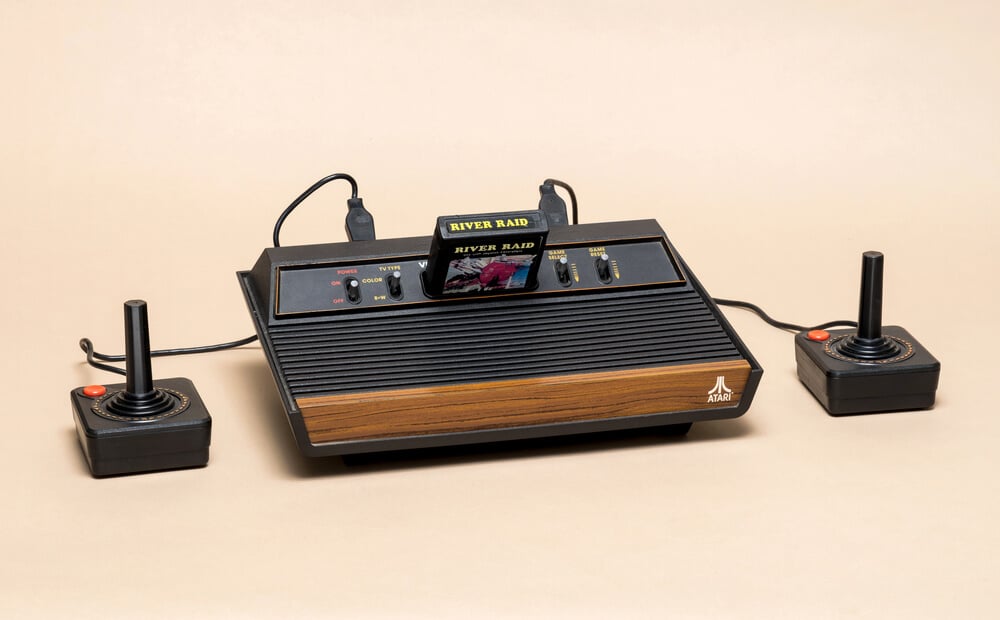
Gammation released this space shooter in 1983, and it has become a favorite of collectors who like their rarities with a bit of mystery attached. Copies rarely surface, so sale prices tend to be set by the individual auction rather than any steady market.
Label condition, case cracks, and the presence of original paperwork can shift a sale dramatically.
Red Sea Crossing for the Atari 2600
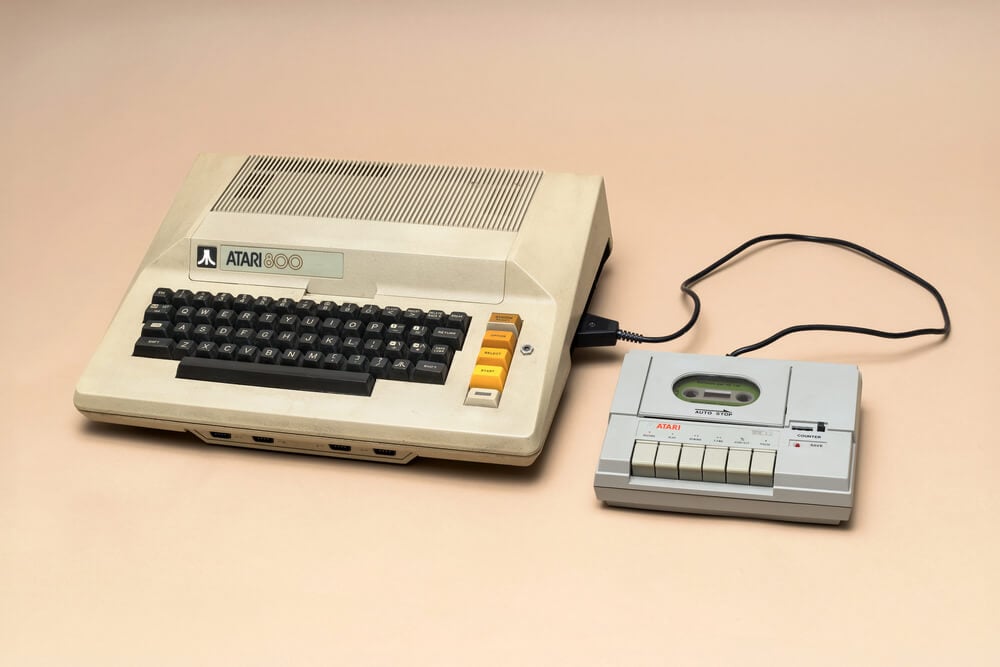
A religious publisher released this 1983 Bible-themed title, in which the player guides the Israelites through the parted Red Sea. Religious publishers made only a handful of 2600 games, and this one reached very few homes.
A boxed copy with its manual intact is the version collectors hunt, while a bare cartridge sells for far less.
Chase the Chuckwagon for the Atari 2600
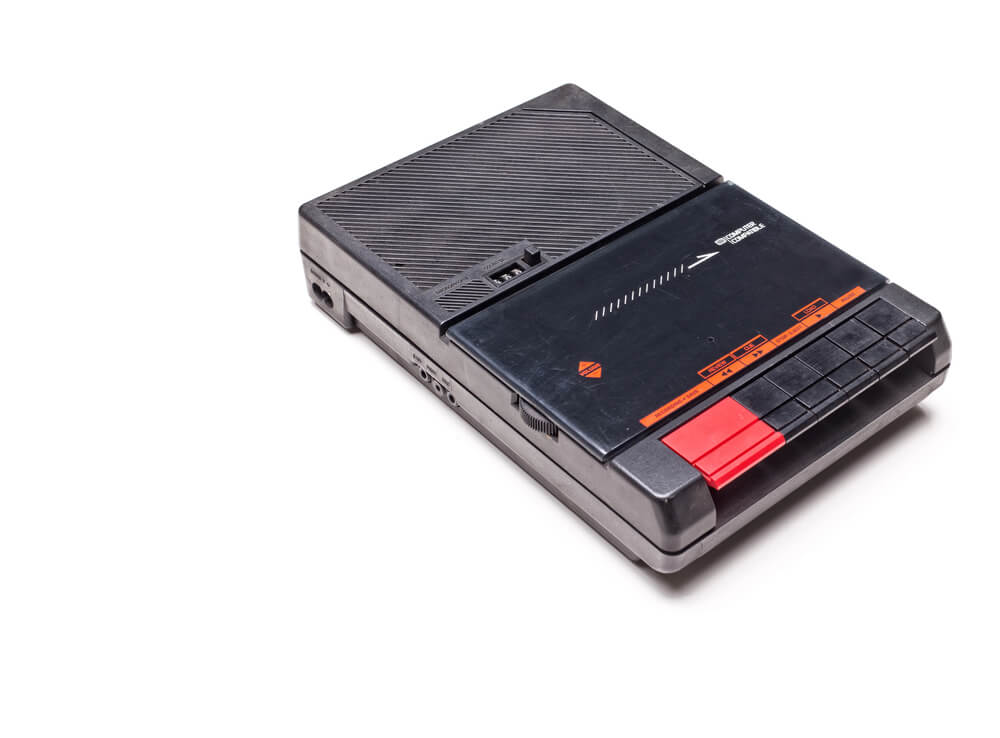
This 1983 game was made for Ralston Purina, and it was offered through a mail-in promotion rather than on store shelves. A dog races to reach a chuckwagon while dodging obstacles, a plot that doubles as a Purina commercial.
Mail-order giveaways were usually thrown away, so a copy that retains its original mailer or box brings noticeably more.
Crypts of Chaos for the Atari 2600
Twentieth Century Fox Video Games released this dungeon-style adventure during the brief stretch when the film studio tried to join the cartridge boom. The studio’s catalog was short, which keeps the supply of its games limited.
Prices vary with label quality, and a copy still in its cardboard sleeve beats a loose cart by a comfortable margin.
Strawberry Shortcake Musical Match-Ups for the Atari 2600
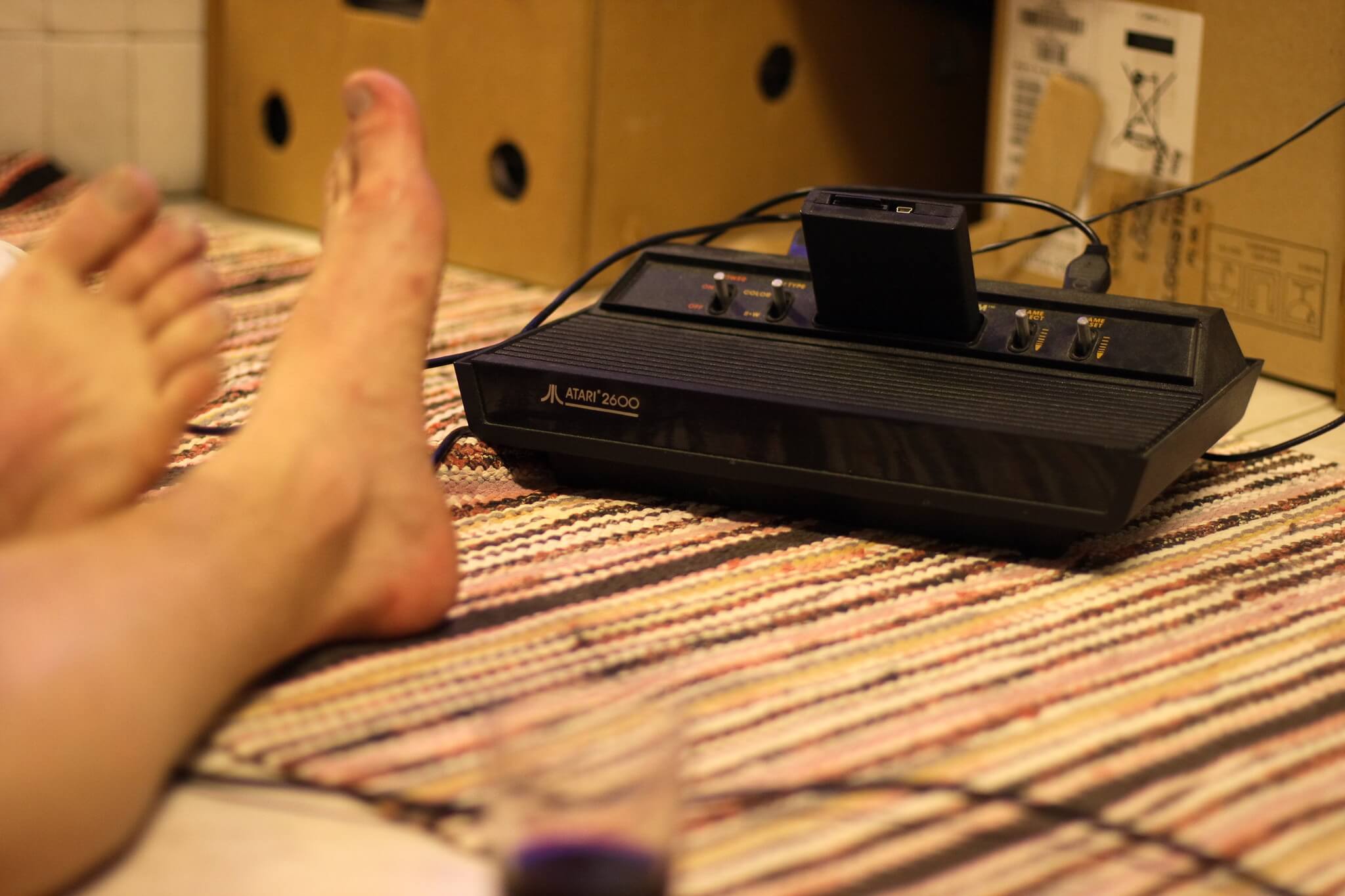
Parker Brothers released this licensed memory game in 1983, built around the popular greeting card character and a series of musical tones. It is now far scarcer than the system’s best-known hits.
Because the box art is a draw by itself, a complete copy is worth much more than the cartridge alone.
Midnight Mutants for the Atari 7800
Atari Corporation published this adventure in 1990, when the 7800 was already in its final years and the company was shifting focus. Its design borrows from the top-down exploration style popularized by The Legend of Zelda.
Late-run releases like this one were produced in small numbers, and a boxed copy in sharp condition commands a premium over a loose one.
Ninja Golf for the Atari 7800
Another 1990 release, Ninja Golf mixes golf courses with ninja fighting and ranks among the odder concepts in the system’s library. Atari Corporation put out very few 7800 titles that late, so supplies stayed thin.
A complete copy with its box, manual, and unmarked label sells at a different level than a worn cartridge.
Battlezone 2000 for the Atari Lynx
Atari Corporation released this updated take on the 1980 arcade tank classic for its handheld Lynx in 1995. By then the Lynx was winding down, so the print run was small.
Prices rise sharply for complete boxed copies, and the cardboard packaging is often the first thing to show wear.
Ninja Gaiden III: The Ancient Ship of Doom for the Atari Lynx
The Lynx got its own version of this 1993 action game, separate from the Nintendo release of the same name. Sales on the handheld were limited, and later copies became harder to locate.
As with most Lynx titles, a sealed or complete example is worth considerably more than a loose card.
Fight for Life for the Atari Jaguar
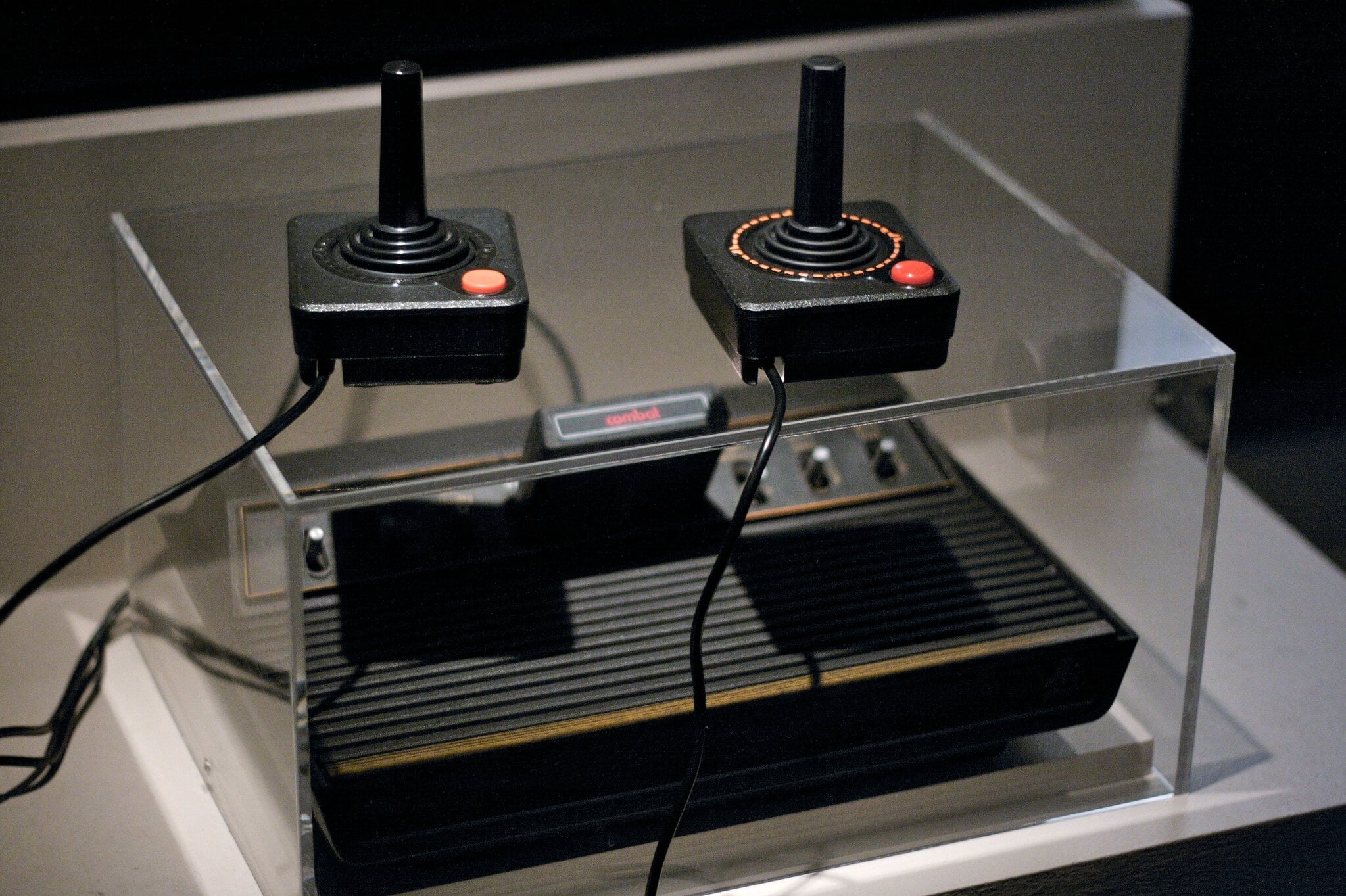
Atari Corporation released this 3D fighter in 1996, hoping to give the Jaguar a competitor to the popular fighting games on rival consoles. Critics were unkind, and it arrived near the end of the system’s life.
The Jaguar’s small installed base keeps supply low, and boxed copies in good shape sell well above loose ones.
Skyhammer for the Atari Jaguar
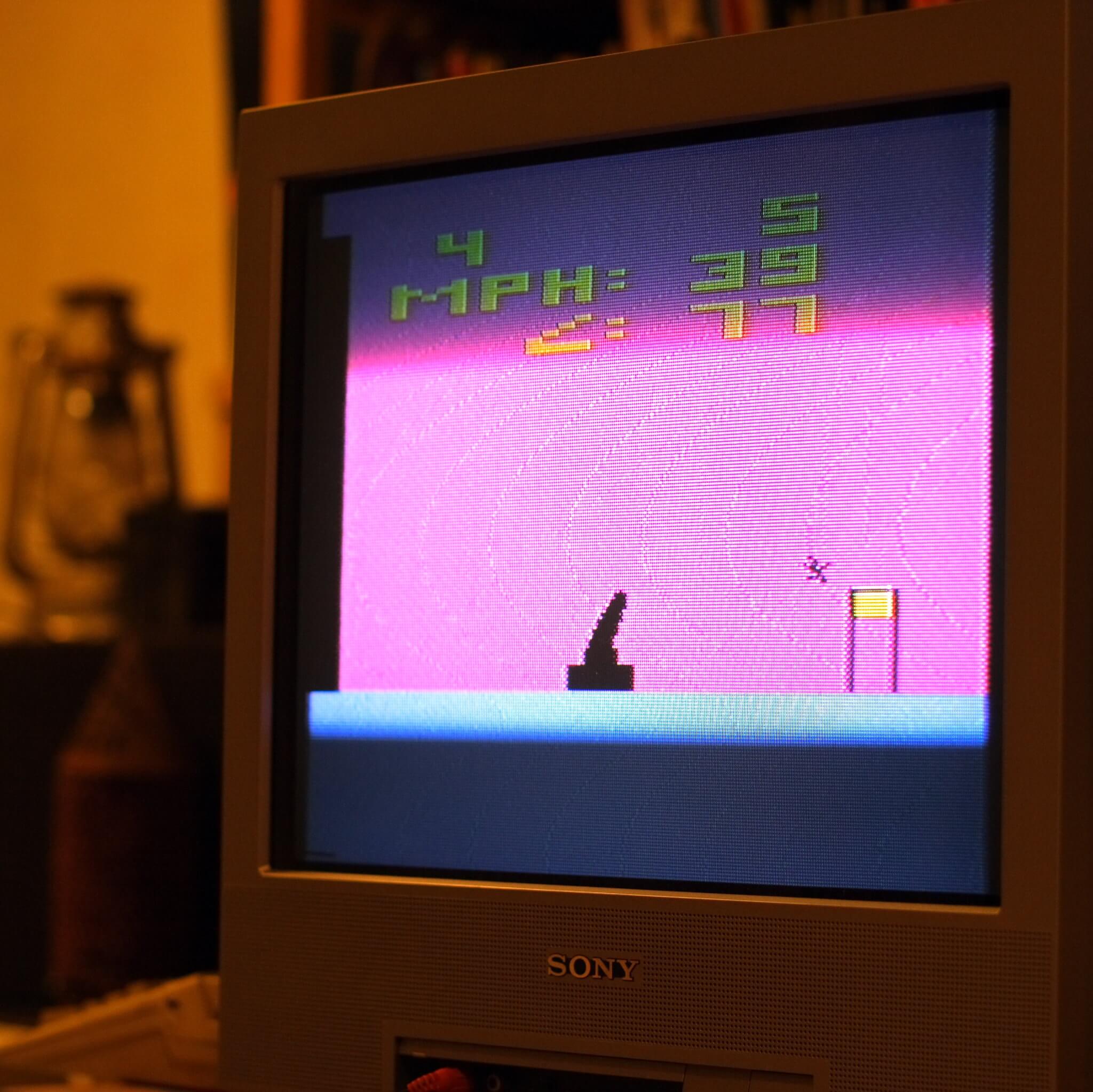
British studio Rebellion developed this futuristic action game, which Atari published for the Jaguar in 1995. The Jaguar sold in modest numbers, so even a release that got reasonable attention has a limited pool of copies.
Complete copies with the box and manual fetch a clear premium over the bare cartridge.
Tetris for the Sega Genesis
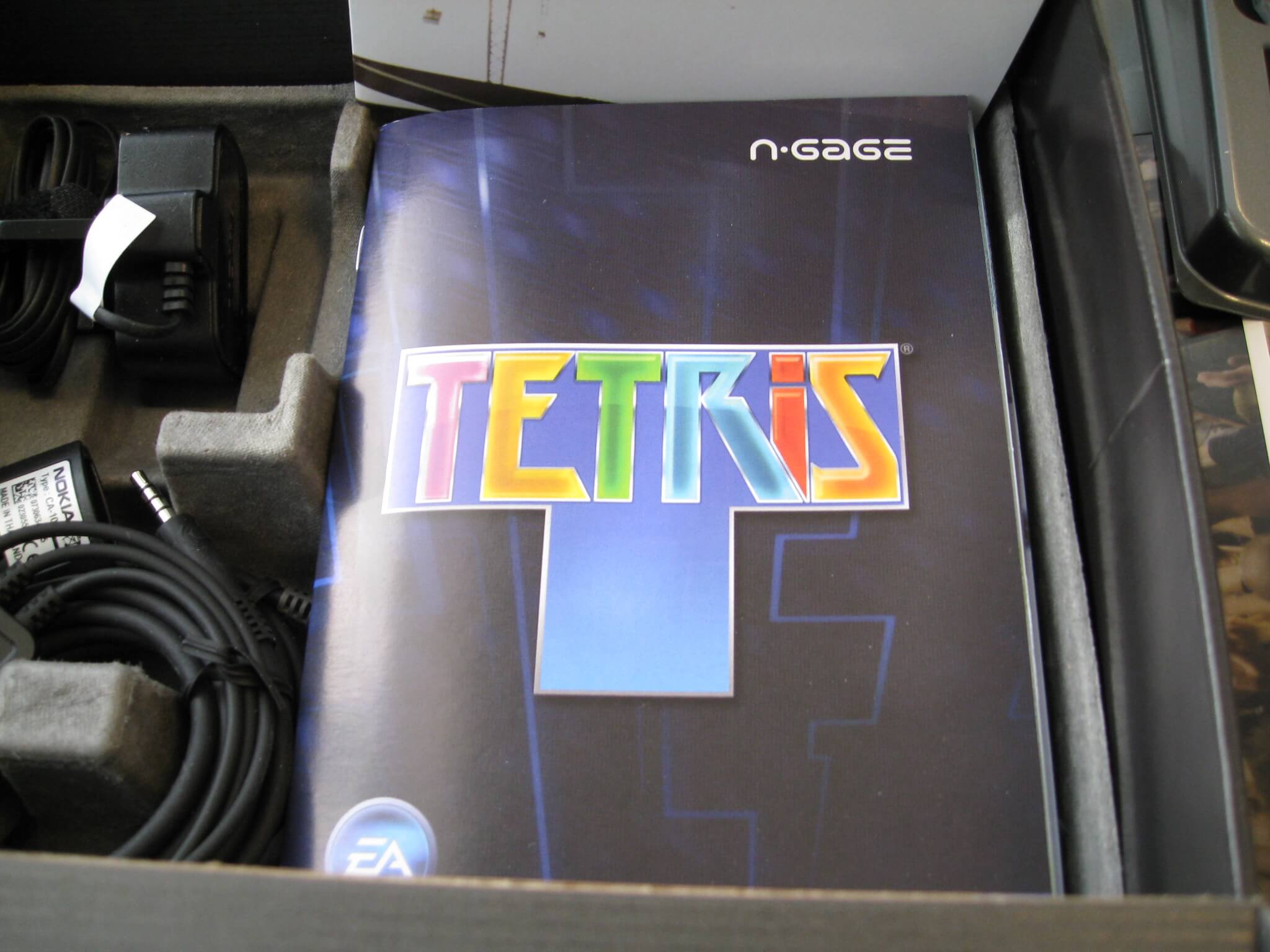
Sega prepared a Genesis version of Tetris in 1989, but a licensing dispute over the game’s rights ended its release. A small number of cartridges escaped, which is why it later appeared in discussions of the rarest versions of the puzzle game.
Because so few authentic copies exist, authenticity and condition can matter as much as the label.
Pier Solar and the Great Architects for the Sega Genesis
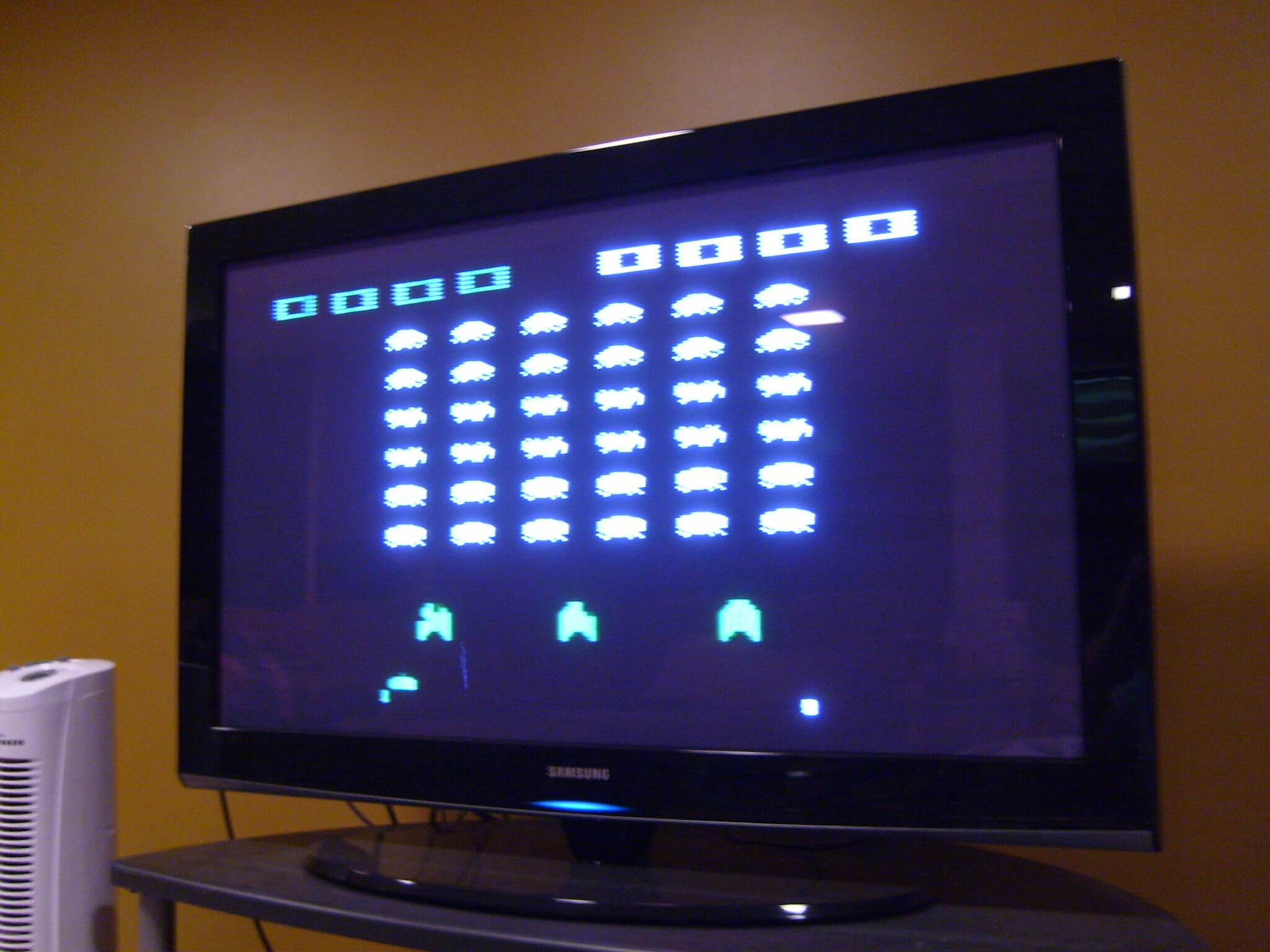
Watermelon released this role-playing game on a Genesis cartridge in 2010, years after the console was retired. The fan-driven project took a long time to complete and shipped in limited quantities.
The standard release and the collector’s edition sell at different prices, and missing extras or a damaged box can cut the value quickly.
Mega Man: The Wily Wars for the Sega Genesis
Capcom released this 1994 collection of the first three NES Mega Man games with redrawn graphics, plus a new bonus campaign. It came out in Japan and Europe but never reached North American stores as a cartridge.
Original European and Japanese copies still carry a premium, though condition and completeness decide how much.
Panorama Cotton for the Sega Genesis
Sunsoft released this quirky shooter in Japan in 1994. It scales its backgrounds toward the player in a pseudo-3D effect that pushed the Genesis hardware.
Japan-only cartridges attract collectors outside that market, and a copy with its original box and booklet will always outrank a loose one.
Streets of Rage 3 for the Sega Genesis
Sega’s 1994 beat-em-up closed out the trilogy, and its North American copies are far scarcer than those of its predecessor. That scarcity helps explain why it often costs several times what the second game does.
Prices climb for complete boxed copies in clean shape, while loose cartridges with faded labels trail well behind.
Contra: Hard Corps for the Sega Genesis
Konami’s 1994 run-and-gun is celebrated for its branching storylines and multiple endings, a rarity in the genre at the time. It was produced in modest numbers in North America and became a coveted pickup over time.
A complete copy with box and manual sells for far more than a loose cart.
Crusader of Centy for the Sega Genesis
Developer Nextech built this Zelda-inspired adventure, in which the hero can speak with animals, and Atlus handled its North American release in 1994. Europe received it under the name Soleil.
Its small initial printing explains why it has risen in value, and condition and box completeness widen the spread.
Wacky Worlds Creativity Studio for the Sega Genesis
Sega released this 1994 art program as a drawing tool built for the Sega Mouse. It was not a typical action game, and few people bought it.
That obscurity pushed it into collector territory, where a copy with the box, manual, and surviving components costs much more than the cartridge alone.
Phantasy Star for the Sega Master System
Sega’s 1987 role-playing game brought first-person dungeons and a battery-backed save to the Master System. It stood out because the genre was rare on consoles then, and its large cartridge was expensive to make.
A complete copy with the box and manual commands a clear premium, while loose cartridges sell for less.
Ys: The Vanished Omens for the Sega Master System
Sega’s 1988 port of Falcom’s action role-playing game sold in smaller quantities than its mainstream peers. Its distinctive bump combat made it unusual among Master System titles.
Collectors look for complete copies, because the box and manual raise the price well beyond a loose cartridge.
Zaxxon 3-D for the Sega Master System
Sega’s 1987 title worked with the SegaScope 3-D glasses, an accessory that few players actually owned. The game itself is playable without them, but its unusual hardware tie-in made it a niche release.
Since the glasses are rarer than the cartridge, a complete set with the accessory fetches a significant premium.
Golvellius: Valley of Doom for the Sega Master System
Compile developed this 1988 action adventure, and its Zelda-style structure appeals to collectors of the genre. The game is less commonly found than many of the console’s mainstream titles.
A boxed copy with its manual in good shape sells for substantially more than a worn loose cartridge.
Defenders of Oasis for the Sega Game Gear
Sega released this role-playing game for the Game Gear in 1992, and its small audience kept print numbers modest. The handheld’s library was dominated by action titles, so a full-length role-playing game stood out.
Complete copies with box and manual command a notable premium, and loose cartridges vary widely depending on label wear.
Alisia Dragoon for the Sega Genesis
Game Arts developed this 1992 side-scrolling action game, and Sega published it for the Genesis, with a heroine who fights alongside a group of creature companions. Its art and music built a following over the years.
Collectors favor complete copies with the box and manual, which sell well above loose cartridges with worn labels.
Girl’s Garden for the Sega SG-1000
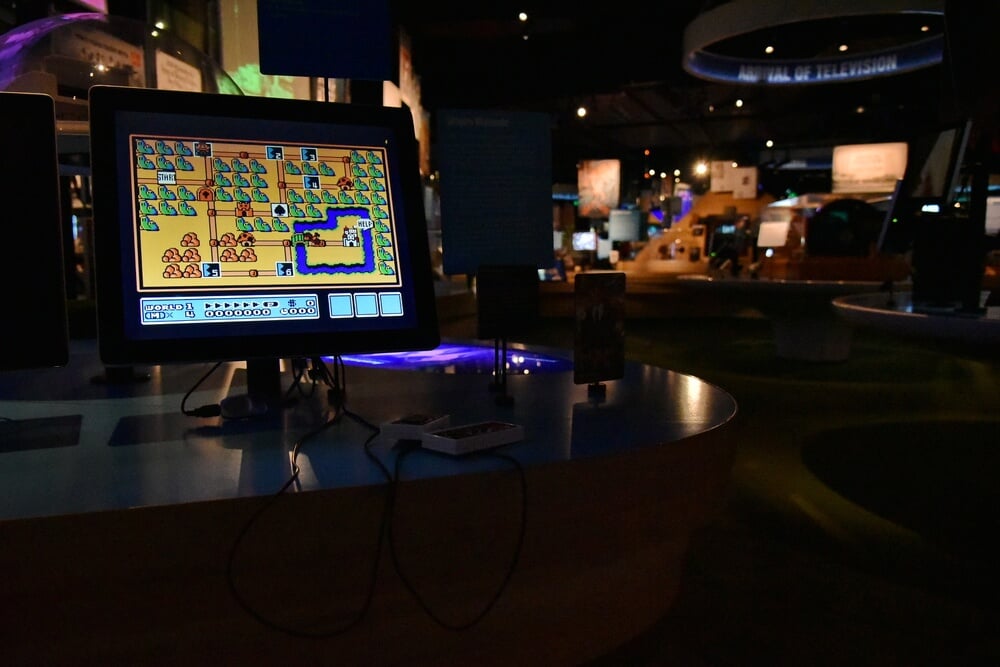
Yuji Naka, who later created Sonic the Hedgehog, programmed this 1984 game for the SG-1000, Sega’s first home console. That pedigree draws attention from Sega historians, and the system’s limited reach keeps supply thin.
Complete copies in their original packaging sell far above loose cartridges, and the Japanese box is the main draw.
Why Scarcity Keeps Getting Rewarded
Looking across these cartridges, the pattern is clear: rarity usually comes from accident, promotion, regional limits, or a late release on a fading platform. Quality rarely explains it.
Players largely ignored many of these games when they were new, and the market only cared once the supply could no longer be replaced. That shift is why condition and completeness drive prices so strongly.
A sealed or complete copy with clean packaging proves it survived intact, and survival is what collectors actually pay for. Anyone digging through old bins should check the label, the shell, and the box, because a minor flaw can matter as much as the title itself.
More from Go2Tutors!

- 27 Silver Dollars and Half Dollars Worth Keeping
- 28 Restaurant Menu Items Nobody Orders Anymore
- 17 Places Built in Seemingly Impossible Spots
- 27 Vintage Rings Worth More Than They Look
- 25 Restricted Sites Tourists Can’t Enter
Like Go2Tutors’s content? Follow us on MSN.