32 Mid-Century Lamps Fetching Strong Prices
A lamp is the easiest piece of mid-century design to bring home and the hardest to buy well. Some of the most photographed models were made in huge numbers, then reissued for decades, so the same silhouette can come from a 1958 factory or a 2020 catalog.
What separates a strong result from a disappointing one is rarely the design alone. Period production, original shades, untouched finishes, and safe wiring decide whether collectors pay a premium or shrug.
These 32 models show where that gap tends to open up.
Poul Henningsen PH 5 Pendant, Louis Poulsen
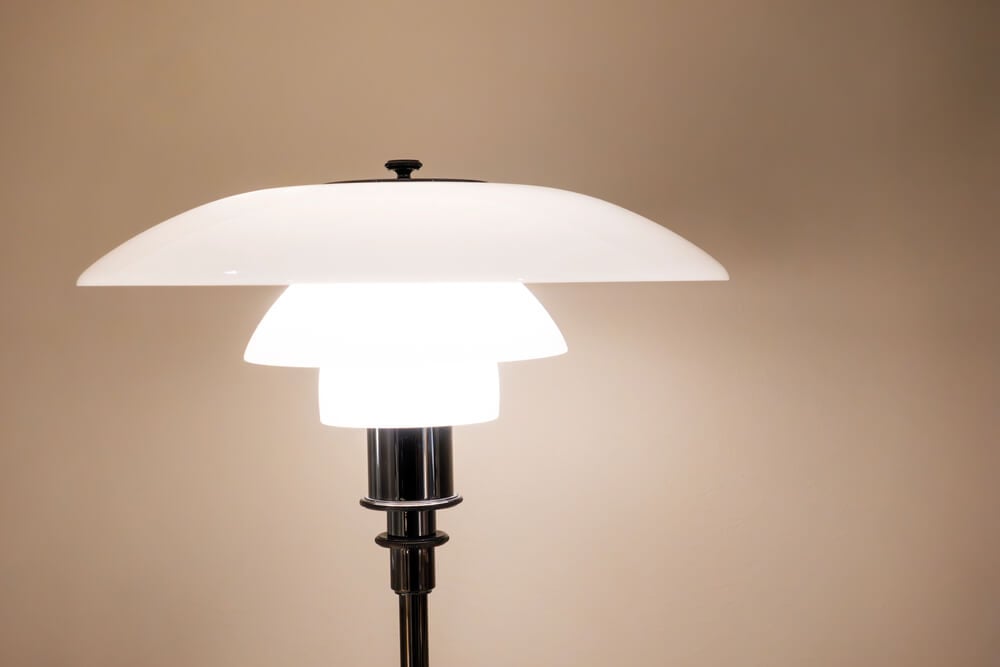
Poul Henningsen’s three-shade system, introduced by Louis Poulsen in 1958, was engineered so the bulb is never visible from below and the light spreads without glare. It has stayed in production ever since, which means a vintage example competes with brand-new stock.
Early pieces with original paint, intact stems, and period fittings are the ones that command a premium, while repainted or mismatched shade sets pull values down.
Poul Henningsen PH Artichoke, Louis Poulsen
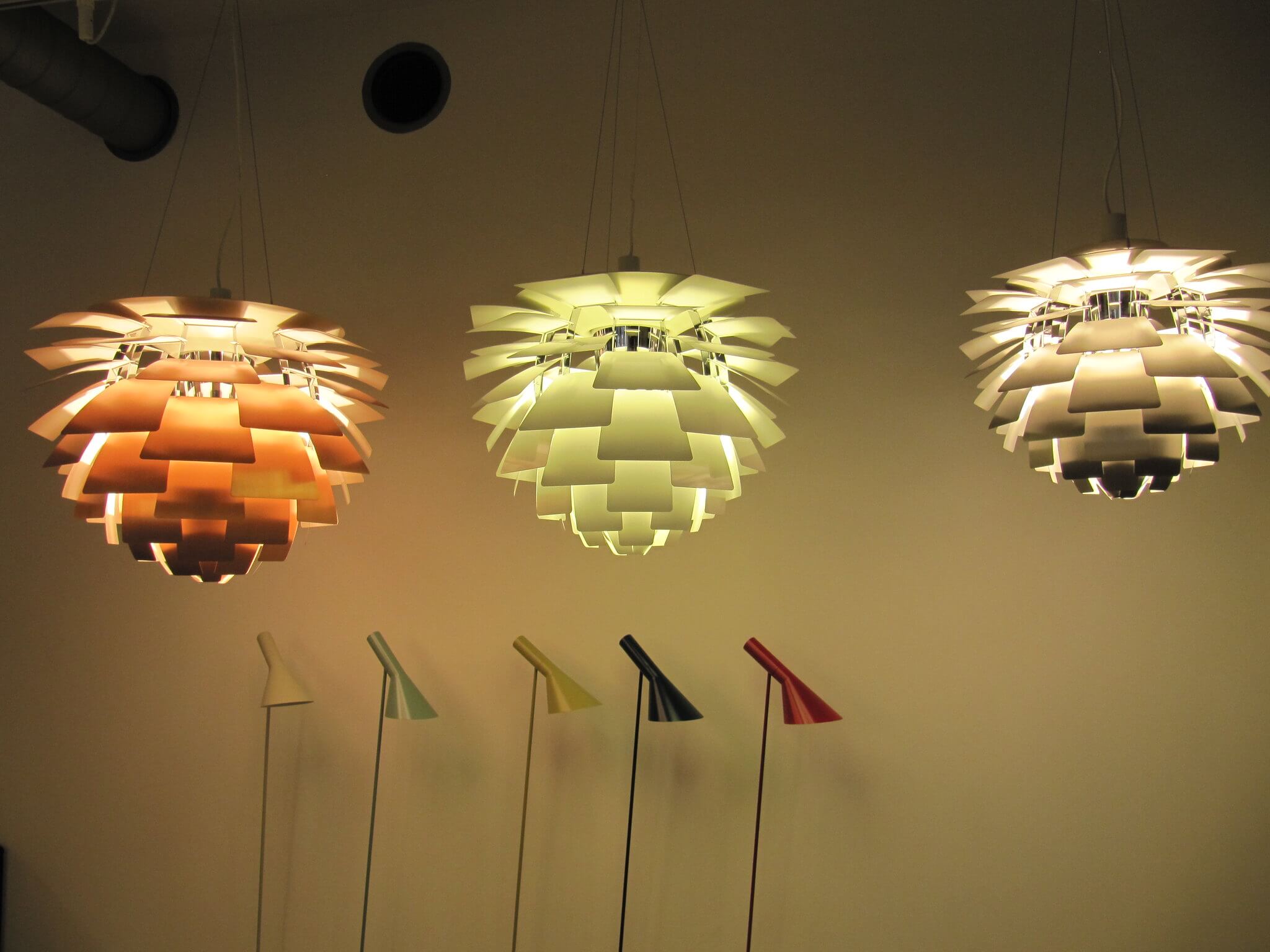
Created in 1958 for the Langelinie Pavilion restaurant in Copenhagen, the Artichoke is built from 72 overlapping leaves arranged in 12 rows of six. Each leaf is shaped so that no direct line of sight reaches the bulb, a trick that gives the lamp its soft, glittering glow.
Early copper and brass versions are the prized ones, and a set missing leaves or showing heavy dents is worth noticeably less than a complete, clean example.
Arco Floor Lamp, Flos
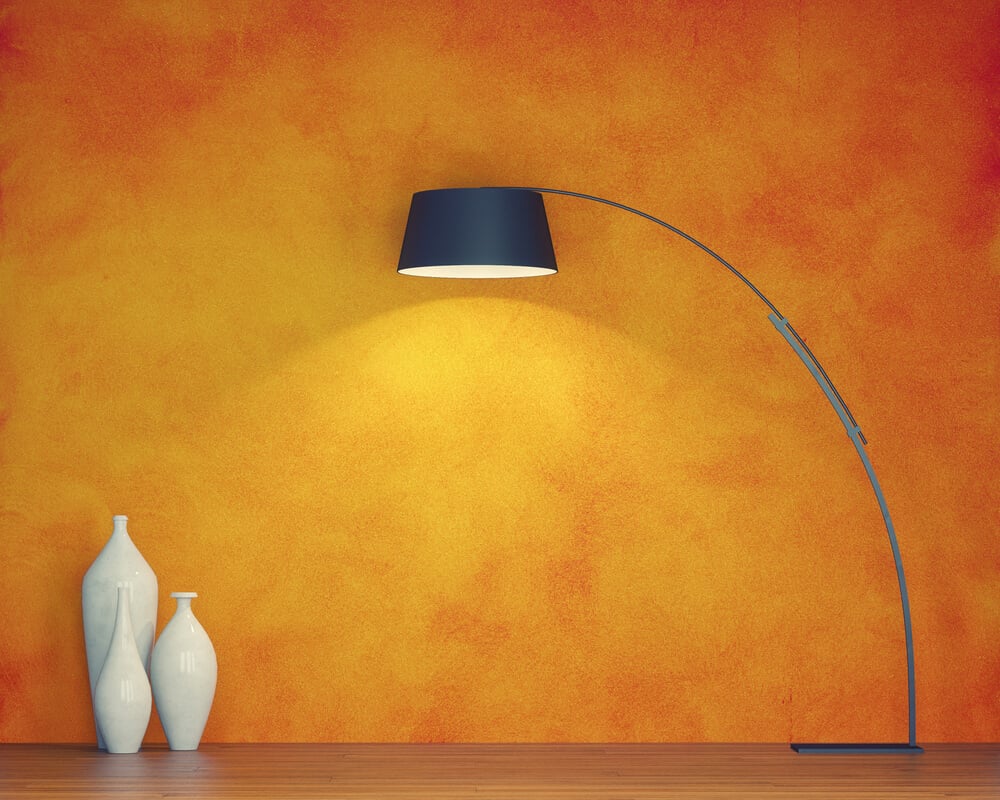
Achille and Pier Giacomo Castiglioni designed Arco in 1962 for Flos as a way to hang light over a dining table without drilling into the ceiling. A massive block of Carrara marble anchors a stainless steel arc that reaches far across the room.
Early examples with period marble, original shade, and unmodified wiring are sought after, while later production is far easier to find and priced accordingly.
Toio Floor Lamp, Flos
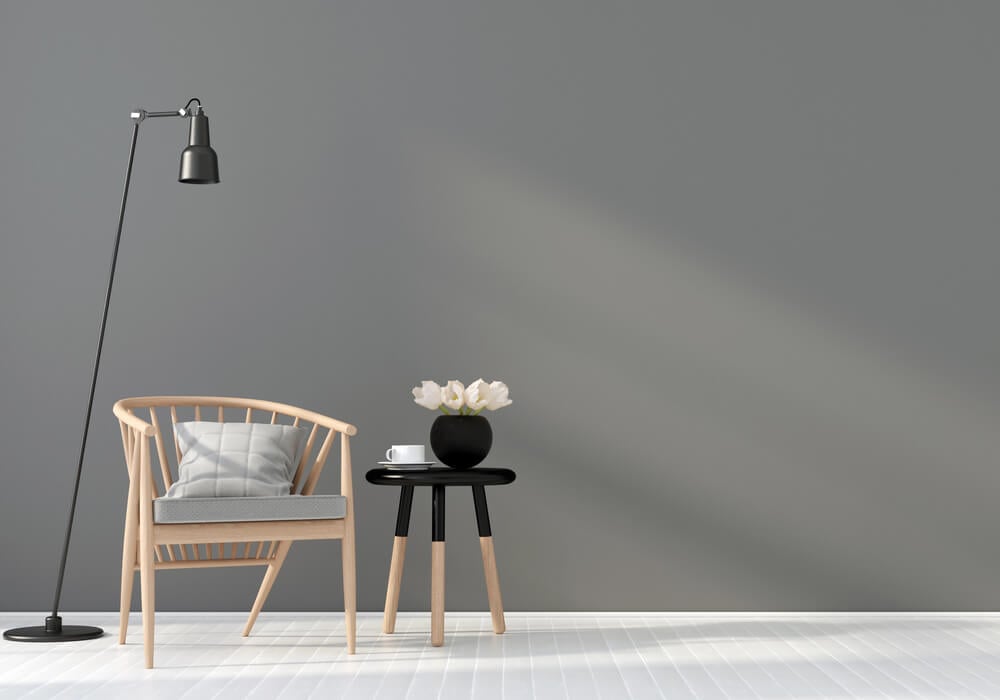
The Castiglioni brothers built Toio in 1962 from parts that were never meant for a living room. The bare reflector bulb comes from automotive lighting, the transformer sits openly at the base, and the stem is a slim adjustable rod.
Early Flos examples with intact finishes and working parts are the ones collectors chase, and replacement bulbs or swapped transformers can quietly lower a lamp’s appeal.
Snoopy Table Lamp, Flos

Designed by Achille and Pier Giacomo Castiglioni and introduced in 1967, Snoopy pairs a glossy enameled metal shade with a Carrara marble base. The tilted shade gave the lamp its cartoon-beagle nickname.
Original enamel is the thing to inspect, since chips and repaints are common, and early production in unusual colors commands a premium over common black or white versions.
Taccia Table Lamp, Flos
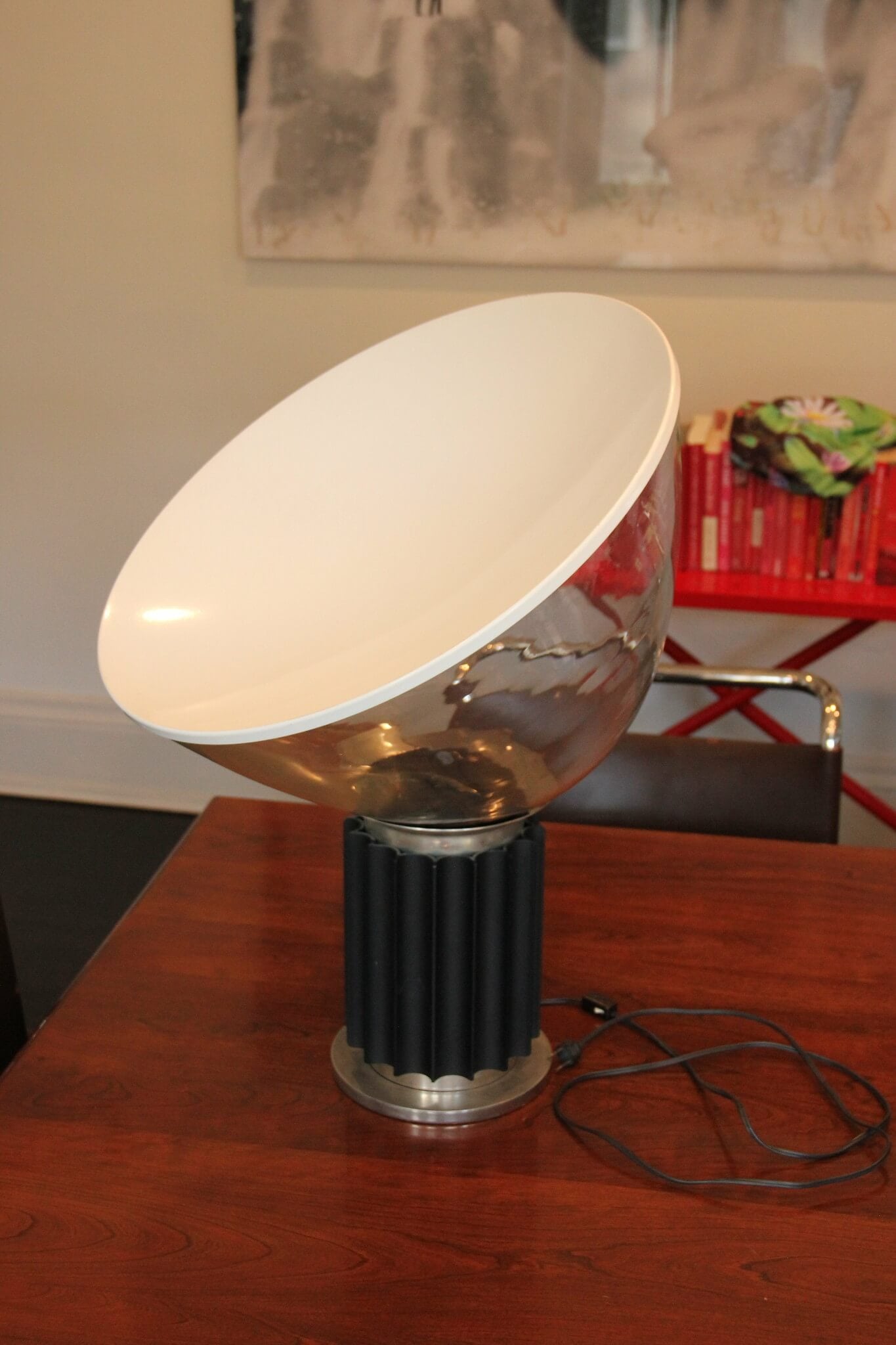
Another Castiglioni design from 1962, Taccia turns the conventional lamp upside down. A large blown glass bowl sits on top of a fluted aluminum base that works as a reflector, bouncing light up and out through the glass.
Early Flos pieces with the original glass and clean metal fluting are valued above later versions, and any cracks or heavy scratching in the glass reduce what a buyer will pay.
Model 2097 Chandelier, Gino Sarfatti for Arteluce
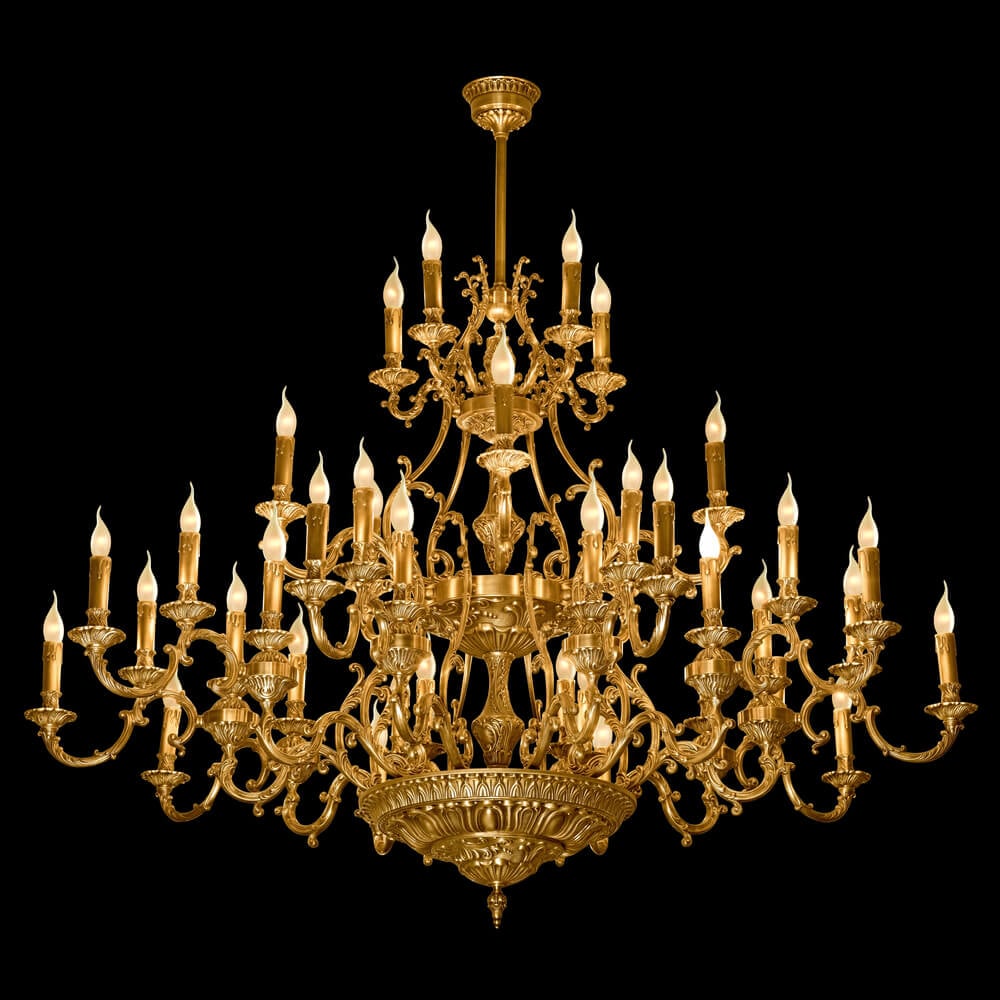
Gino Sarfatti’s 2097 is a sputnik-like burst of brass arms, each tipped with a bare bulb, first made by Arteluce around 1958. Versions with 30 and 50 bulbs circulate, and Flos, which later took over the Arteluce line, continues to produce it.
The earliest Arteluce examples with original brass finish and period lamp holders trade at a clear premium over reissues, though rewiring and replaced arms can erode that advantage.
Snowflake Ceiling Light, Paavo Tynell for Taito
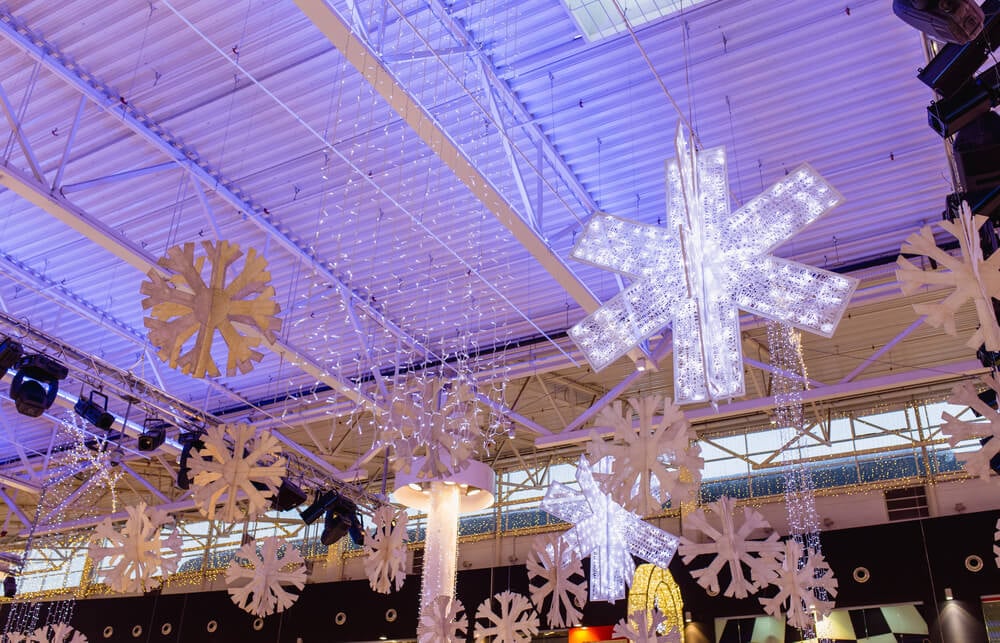
Paavo Tynell, working for the Finnish firm Taito Oy, perforated brass sheets into patterns that scatter light like frost on a window. The Snowflake, produced in several variations, is the best known of these.
Original Taito pieces with their patina and correct fittings sit near the top of the Finnish lighting market, while polished-over or heavily re-lacquered examples tend to sell for less.
Bulb Table Lamp, Ingo Maurer

Ingo Maurer’s first design was the Bulb table lamp of 1966, a bare light bulb seated inside a chrome-plated housing shaped like an oversized bulb. The joke was the point, a lamp that was a portrait of its own light source.
It launched Maurer’s career, and the market now includes later production alongside early pieces. Original chrome without pitting, intact wiring, and a clean base separate a collectible from a bargain-bin find.
Three-Arm Standing Lamp, Serge Mouille
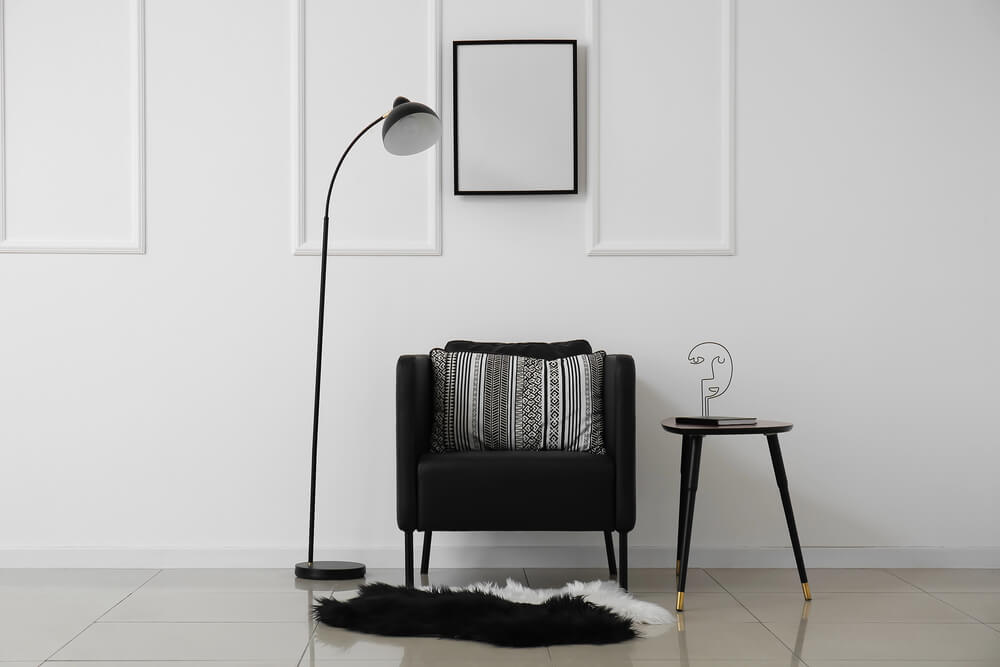
Serge Mouille trained as a silversmith before turning to lighting in the 1950s, and it shows in the sculptural arms of his three-arm standing lamp. Each arm ends in a spun metal shade tilted at a slightly different angle, so the lamp looks like it is reaching in several directions at once.
Original 1950s pieces made under Mouille’s own supervision carry a substantial premium, and new editions are a separate market altogether.
Akari Light Sculptures, Isamu Noguchi
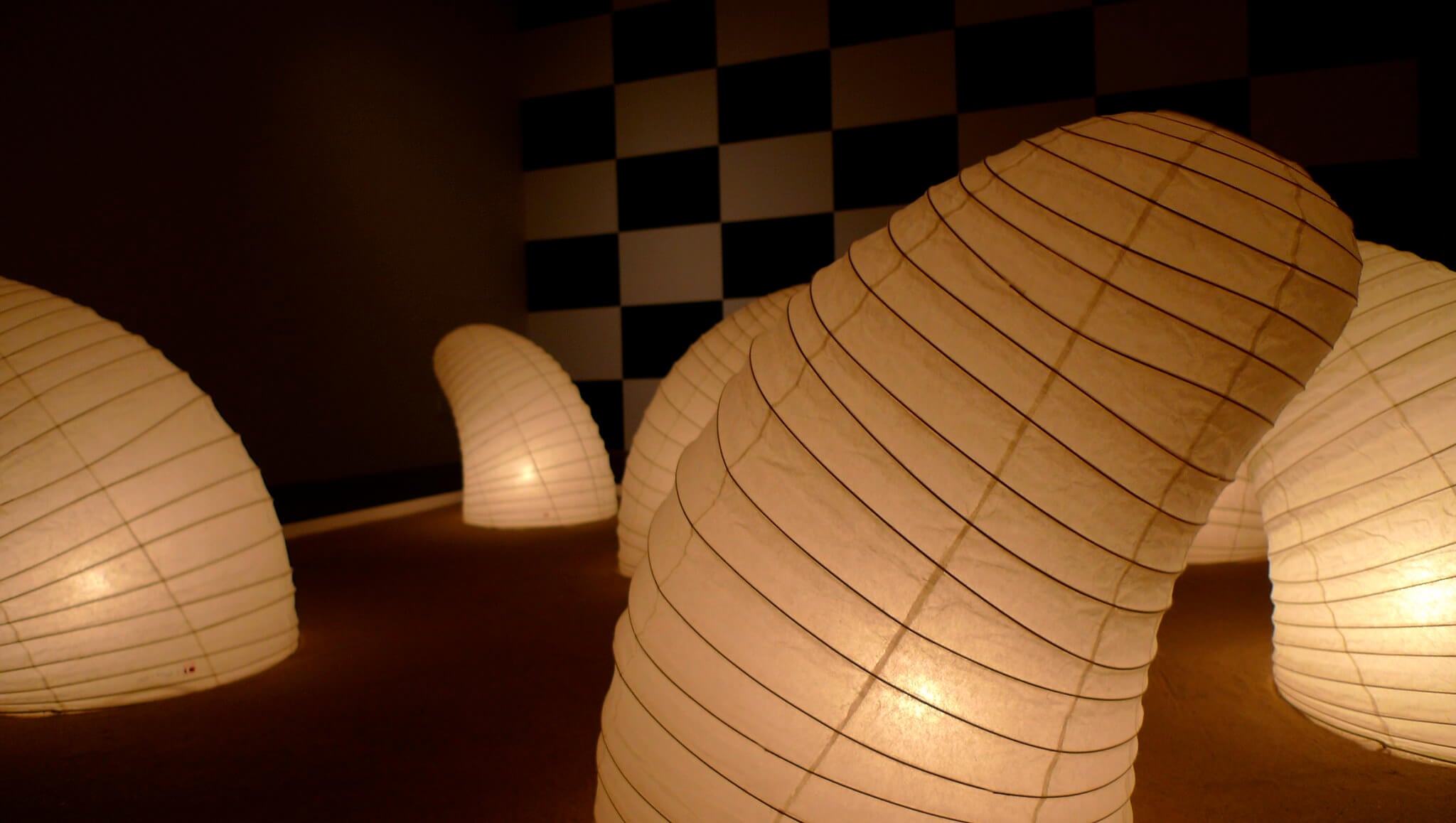
Isamu Noguchi began the Akari series in 1951 after visiting Gifu, Japan, a town known for its paper lanterns. He worked with the Ozeki workshop to make shades from washi paper stretched over bamboo ribs, which fold flat for shipping.
Early Ozeki examples carry a premium over later production, but yellowed paper, torn seams, and bent ribs are the usual problems that cut values.
Bubble Lamps, George Nelson for Howard Miller
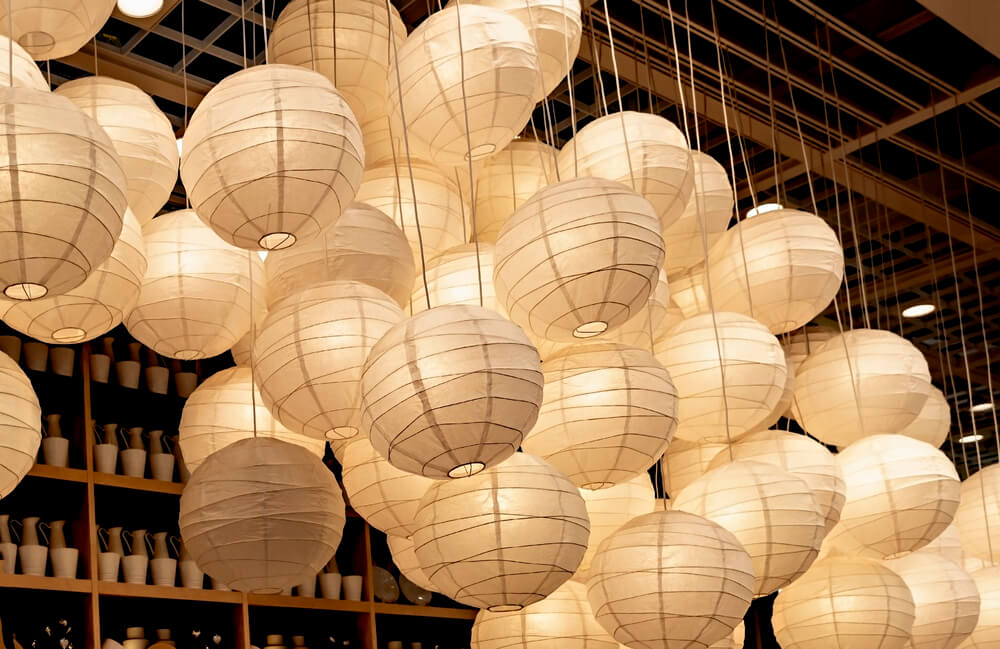
George Nelson’s Bubble Lamp line debuted in 1947, built from a steel wire frame sprayed with a self-webbing plastic that cures into a translucent skin. Howard Miller produced the early versions, and the series is still sold today.
Original period shades have a way of yellowing, cracking, or getting crushed in storage, so condition and the presence of the original frame matter as much as the model itself.
Cobra Lamp, Greta Magnusson-Grossman
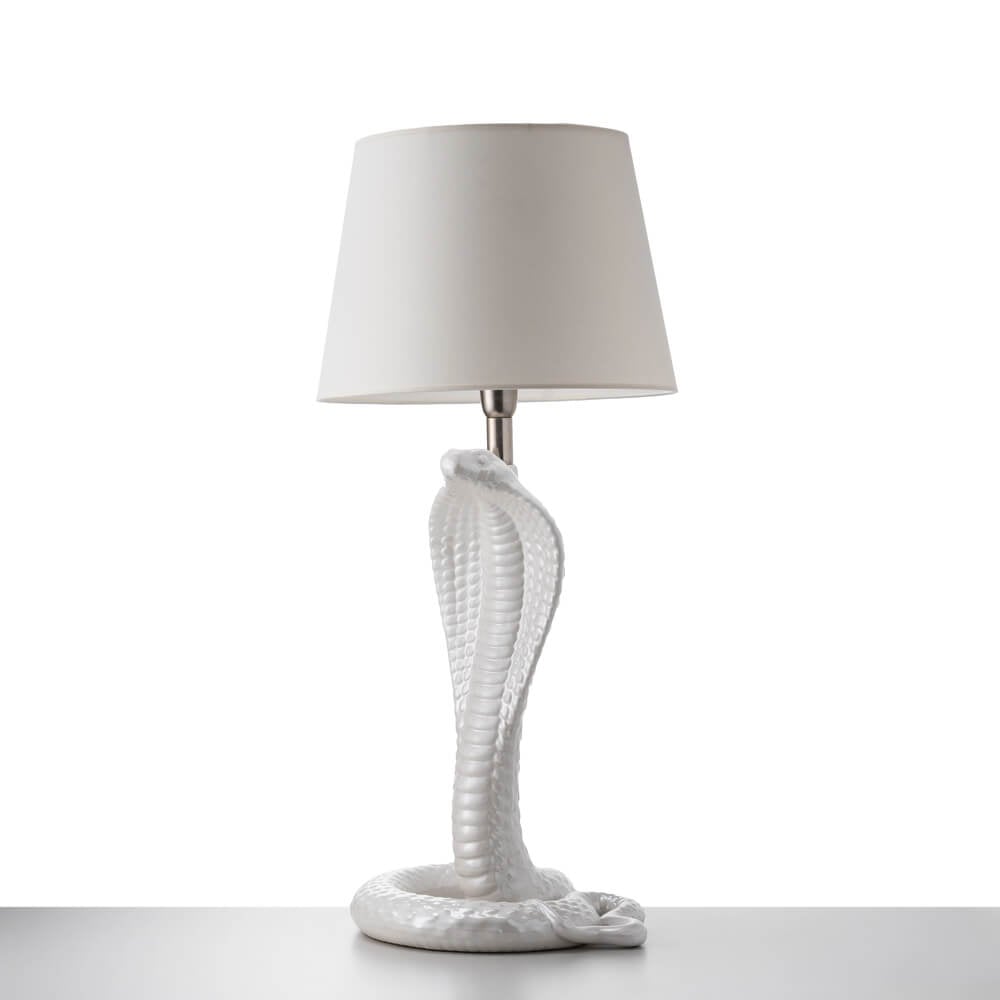
Greta Magnusson-Grossman designed the Cobra in 1949 in California, giving it a flared, hooded head on a slender neck that earned the name. Gubi reissued it in more recent years, so the market has two clear layers.
Original American-made examples with intact enamel and period wiring command a premium over reissues, though flaking paint or modified switches can cut into that difference.
Grasshopper Floor Lamp, Greta Magnusson-Grossman
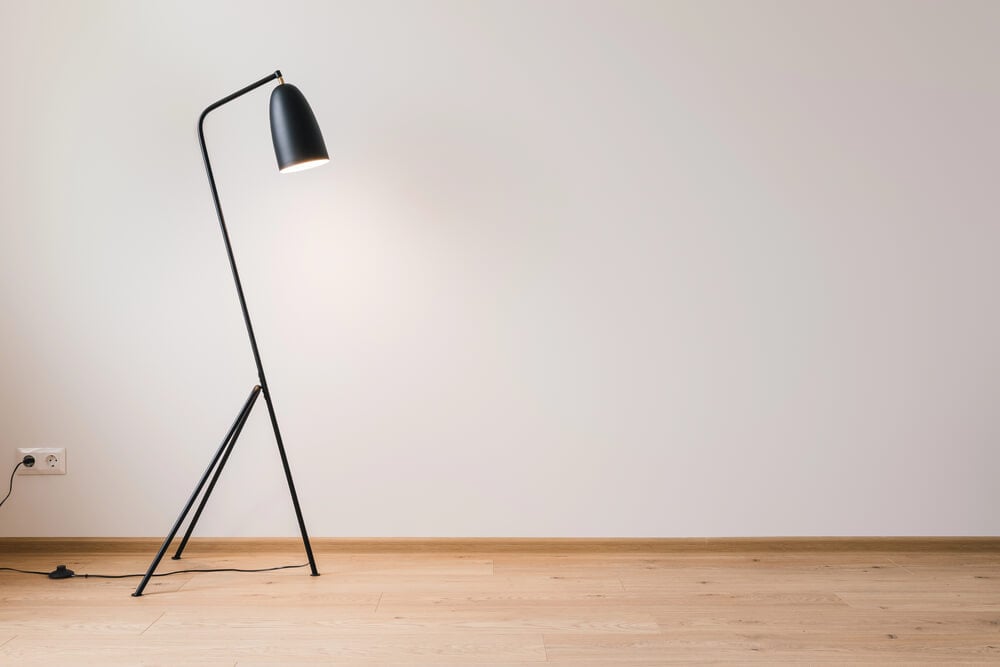
Designed in 1947, the Grasshopper is a tripod floor lamp with a cone shade that tilts forward on a bent arm, a posture that resembles its namesake. The tripod base spreads wide for stability, and the slim legs keep the lamp visually light in a room.
Authentic early pieces are scarce, so buyers should look closely at the finish, the original shade, and any signs of replaced parts.
Eclisse Table Lamp, Vico Magistretti for Artemide
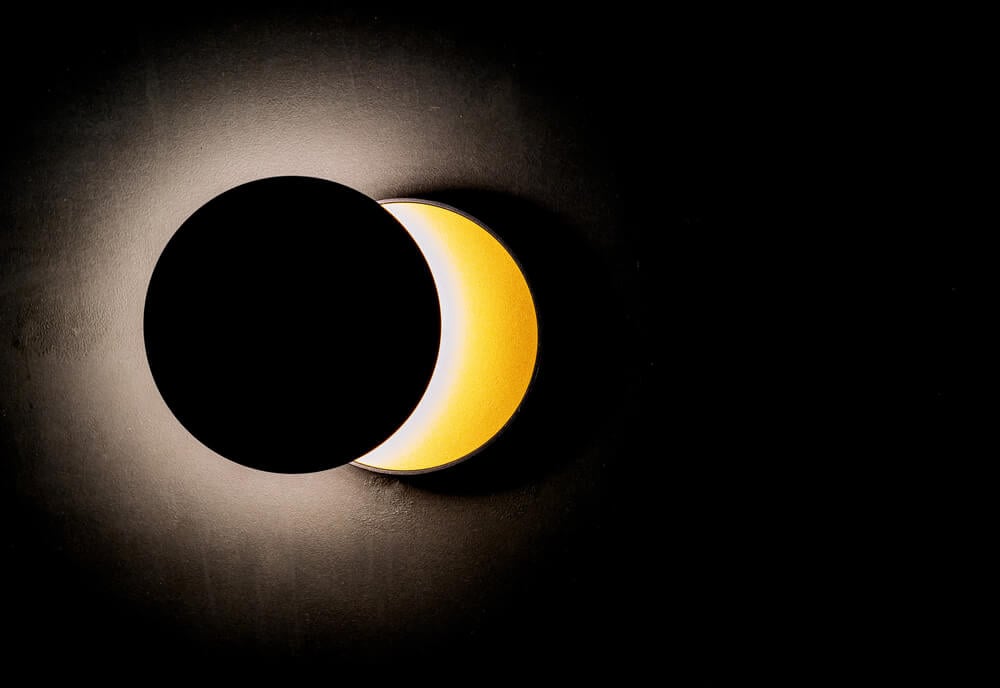
Vico Magistretti’s Eclisse, released by Artemide in 1967, won the Compasso d’Oro that same year. The trick is an inner rotating shell that slides across the light source like a moon crossing the sun, so the lamp can be dimmed or fully shut without a switch.
Early enameled steel versions in orange or white are collected, but chipped paint and a stiff rotating shell are common issues that affect value.
Gerald Thurston Tripod Lamps, Lightolier
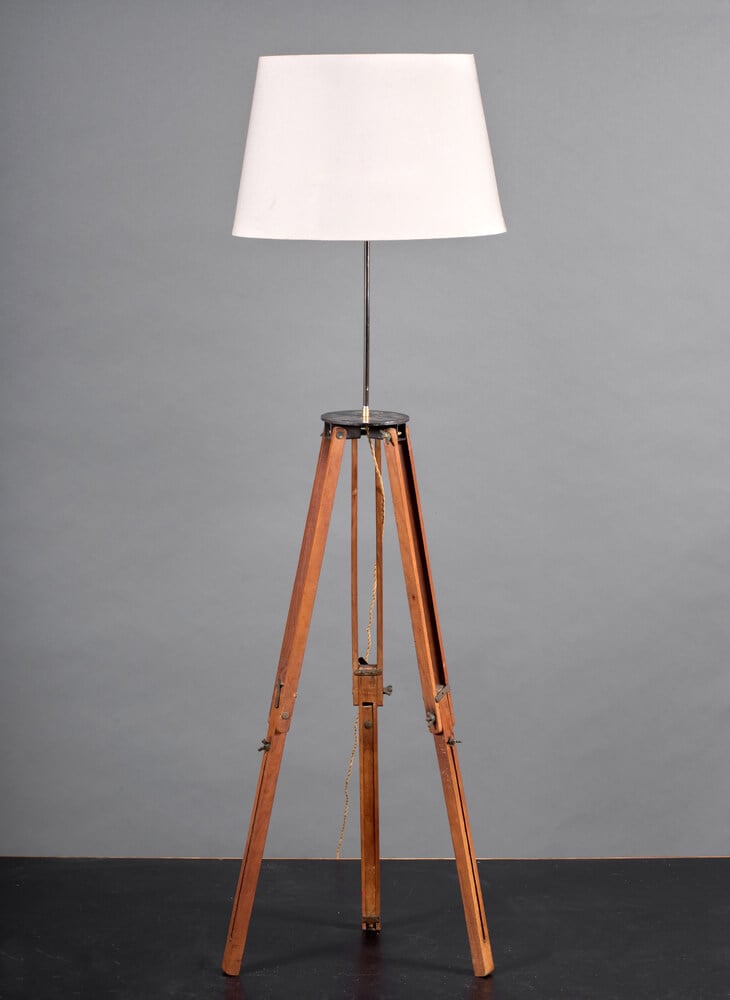
Gerald Thurston, an American designer who worked for Lightolier, produced a series of tripod lamps in the 1950s. They pair slender legs with conical or drum shades and come in brass, black enamel, and marble-topped variations.
Because Lightolier made a lot of them, the best results go to examples with original shades, intact finishes, and no sign of replaced legs.
Industrial Clamp Lamps, Jean-Louis Domecq for Jielde
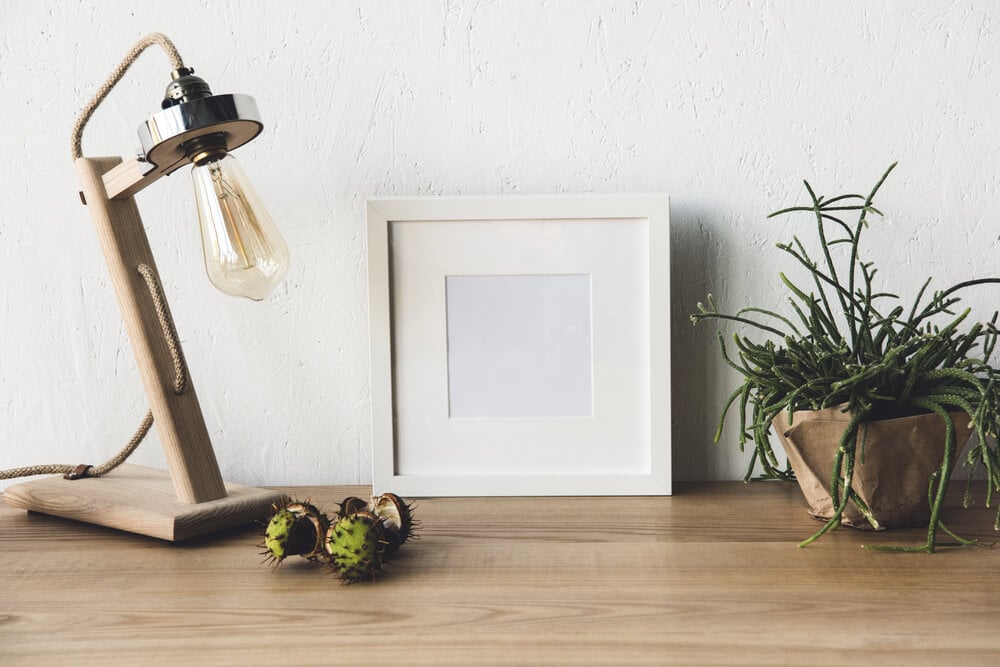
Jean-Louis Domecq began making his adjustable industrial lamps in Lyon in the 1950s, and the Jielde name comes from his initials. The jointed arms and sturdy metal shades were made for workshops, not showrooms, which makes the survivors feel surprisingly honest.
Original French production with period markings, working joints, and intact wiring sells for more than modern reissues, though heavy paint loss lowers the price.
A331 Beehive Pendant, Alvar Aalto for Artek
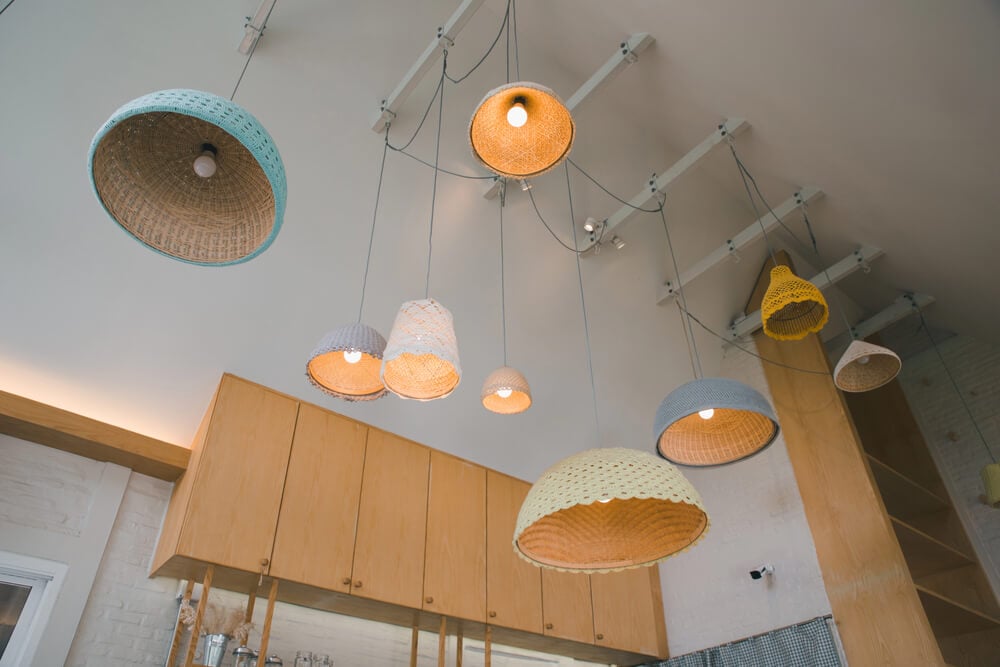
Alvar Aalto designed the A331 Beehive pendant for Artek around 1953, wrapping a metal shade in concentric brass rings that look like a skep. The rings cast a warm, banded glow and break up the light so the fixture never feels harsh.
Authentic early Artek examples are the ones to look for, since later production is common and brass loses value when it has been polished beyond recognition.
AJ Floor Lamp, Arne Jacobsen for Louis Poulsen
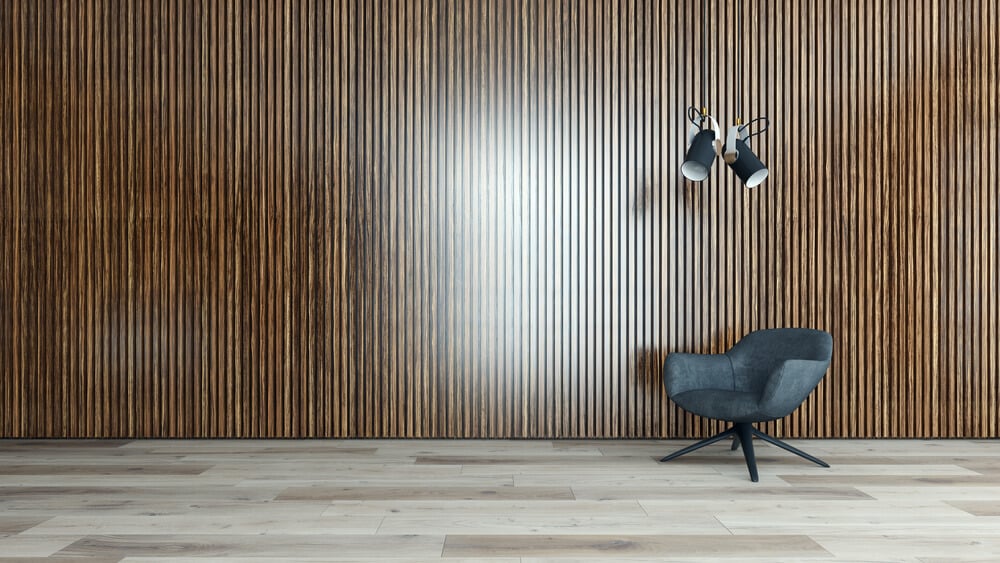
Arne Jacobsen designed the AJ lamp family for the SAS Royal Hotel in Copenhagen, with the floor version dating from the late 1950s. A steel shade swivels on an adjustable arm over a tall base, giving the lamp a calm, architectural shape.
Louis Poulsen still makes it, so the premium goes to early examples with original finish and period hardware rather than to anything recently produced.
Semi Pendant, Bonderup and Thorup for Fog and Mørup
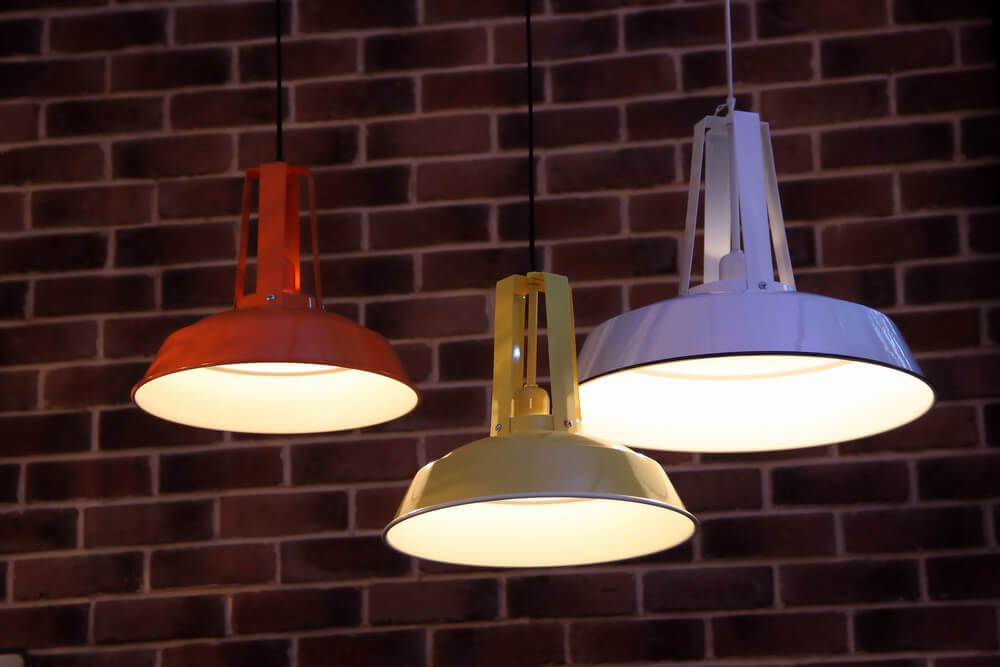
Claus Bonderup and Torsten Thorup designed the Semi pendant in 1968 for Fog and Mørup. The half-sphere metal shade is a Danish classic, and it has been made in white, black, brown, and other colors.
Condition drives value here, since original enamel and clean interiors are easier to find in common colors than in the rarer ones.
Falkland Pendant, Bruno Munari for Danese
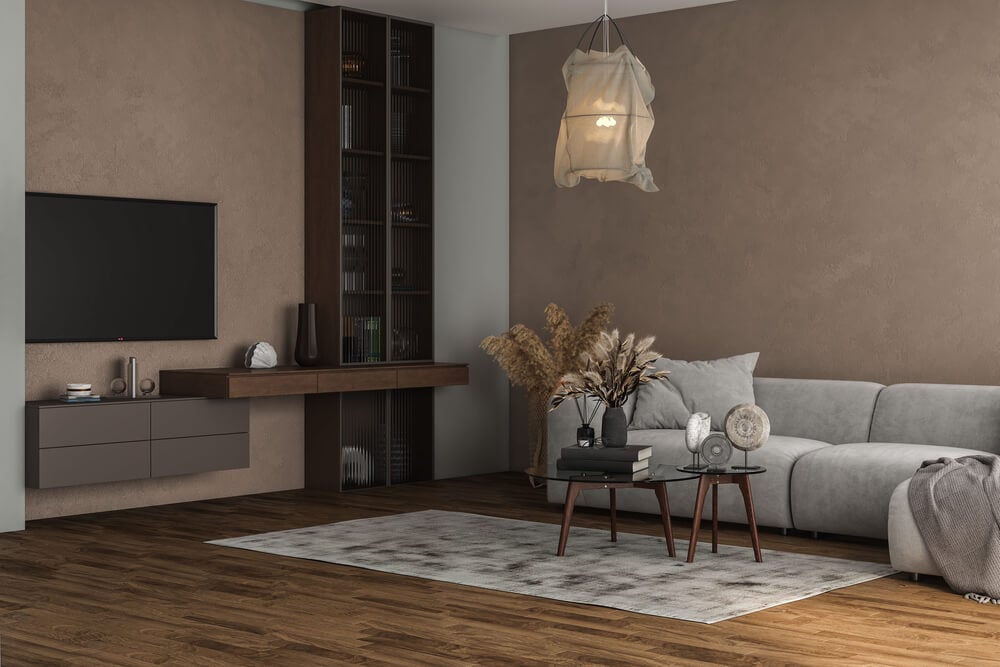
Bruno Munari’s Falkland, produced by Danese in 1964, is a tube of stretchy knitted fabric pulled over a series of metal rings, collapsing flat when it is not in use. It is also held in museum collections, which says something about how well the idea has aged.
Early Danese pieces with undamaged fabric are rare, while stretched, stained, or replaced fabric shows up often and usually lowers the price.
Nesso Table Lamp, Giancarlo Mattioli for Artemide
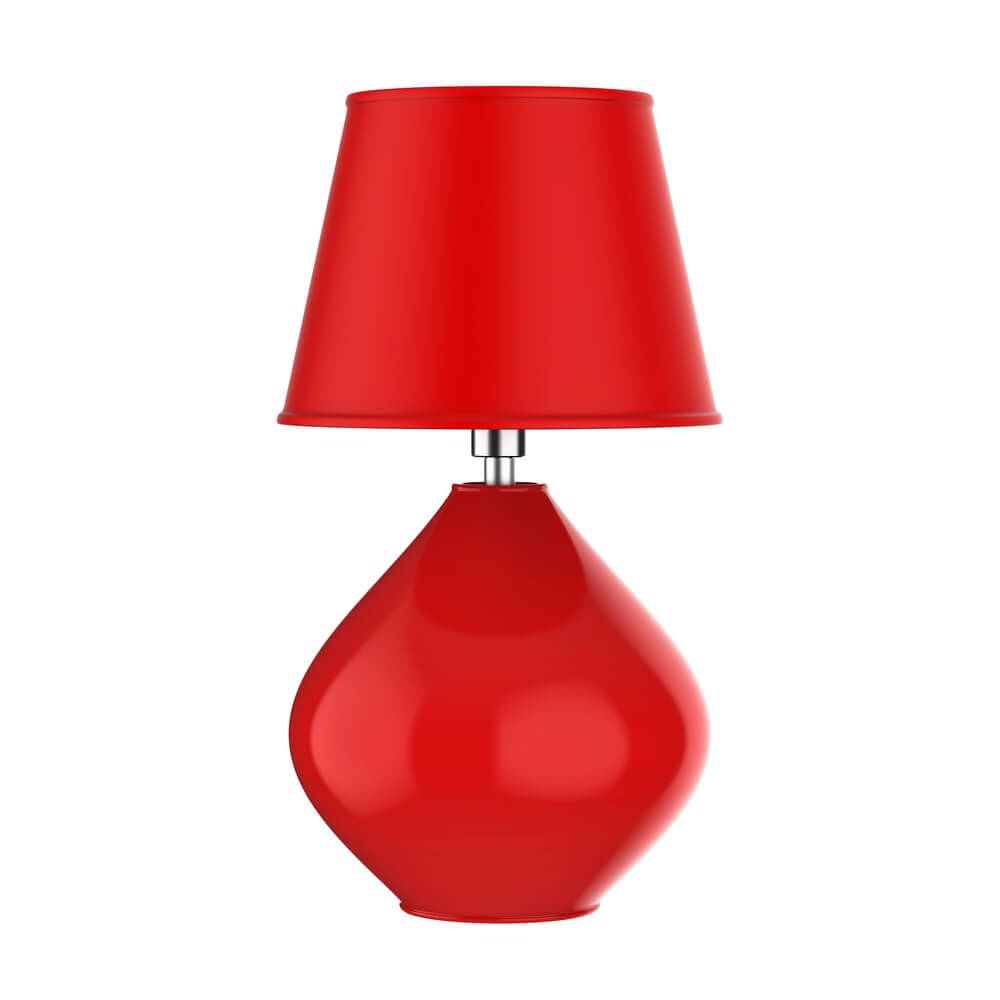
Giancarlo Mattioli designed the Nesso for Artemide in the 1960s, a squat, mushroom-shaped table lamp that glows like a small orange sun. The shade’s ribbed, scalloped surface spreads light softly across a tabletop.
Artemide has kept it in production, so the premium goes to early examples with their original surface and period marks. Cracks, yellowing, or a replaced cord are the problems to look for.
Petite Potence Wall Lamp, Jean Prouvé
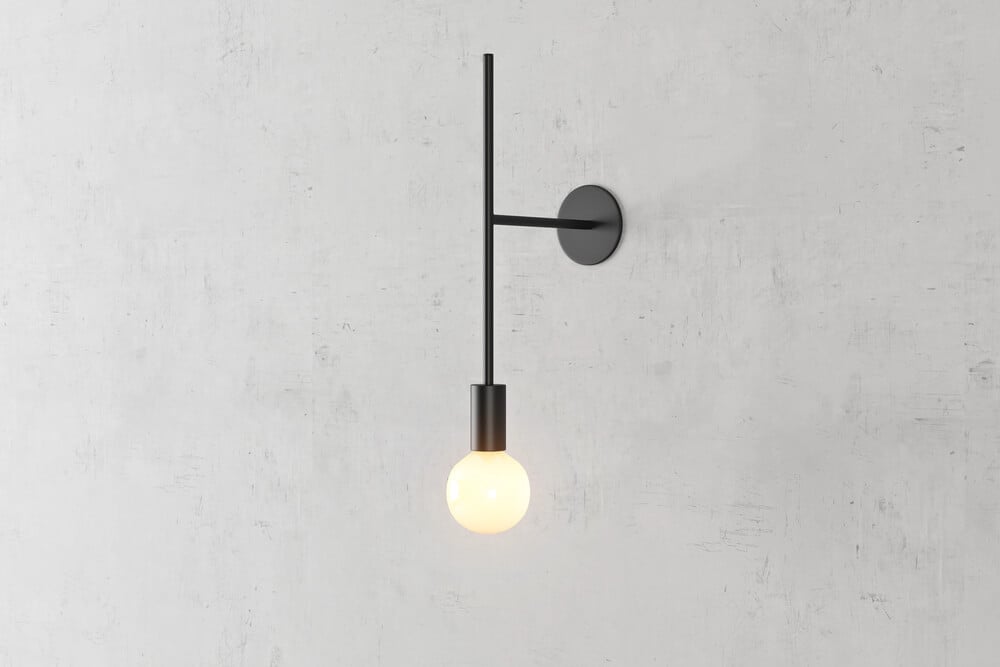
Jean Prouvé designed the Potence in 1947, a wall lamp with a swinging arm and a conical shade that looks like it came from a factory floor. Vitra now makes it under license, but the Prouvé workshop originals are a different category.
Authenticity and condition rule here, with original paint, correct fittings, and documented provenance separating collectible pieces from the many later versions.
Glass Floor Lamps, Max Ingrand for Fontana Arte
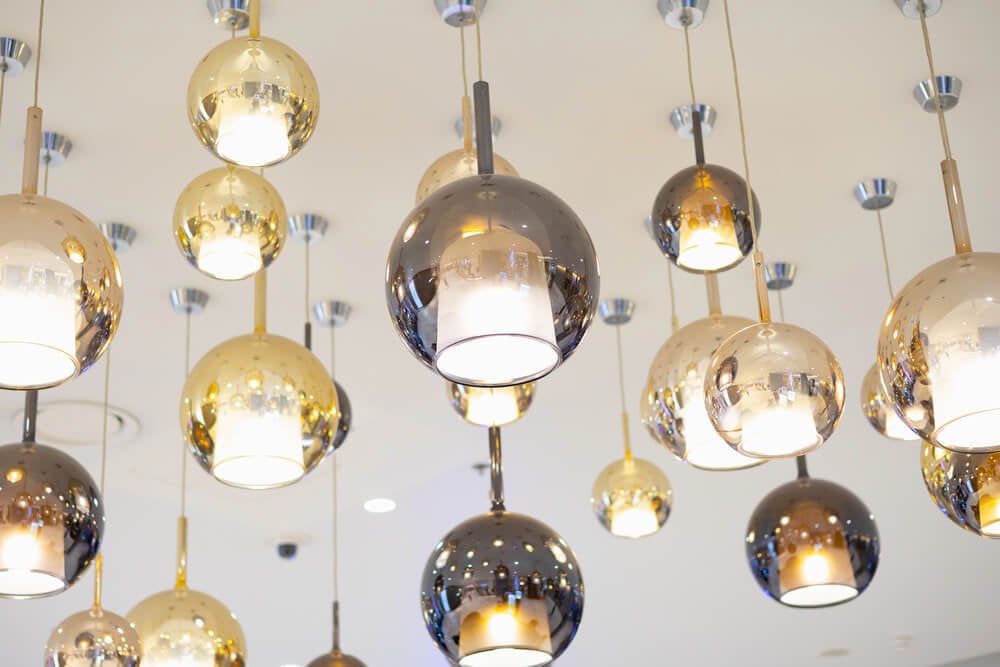
Max Ingrand became artistic director at Fontana Arte in 1954 and brought glass back to the center of Italian lighting. His floor lamps pair shaped glass diffusers with slender brass stems, giving a delicate but formal look.
Fontana Arte originals with correct marks command a premium, and chips in the glass or replaced brass parts leave a lamp far less valuable.
Triennale Floor Lamp, Angelo Lelii for Arredoluce
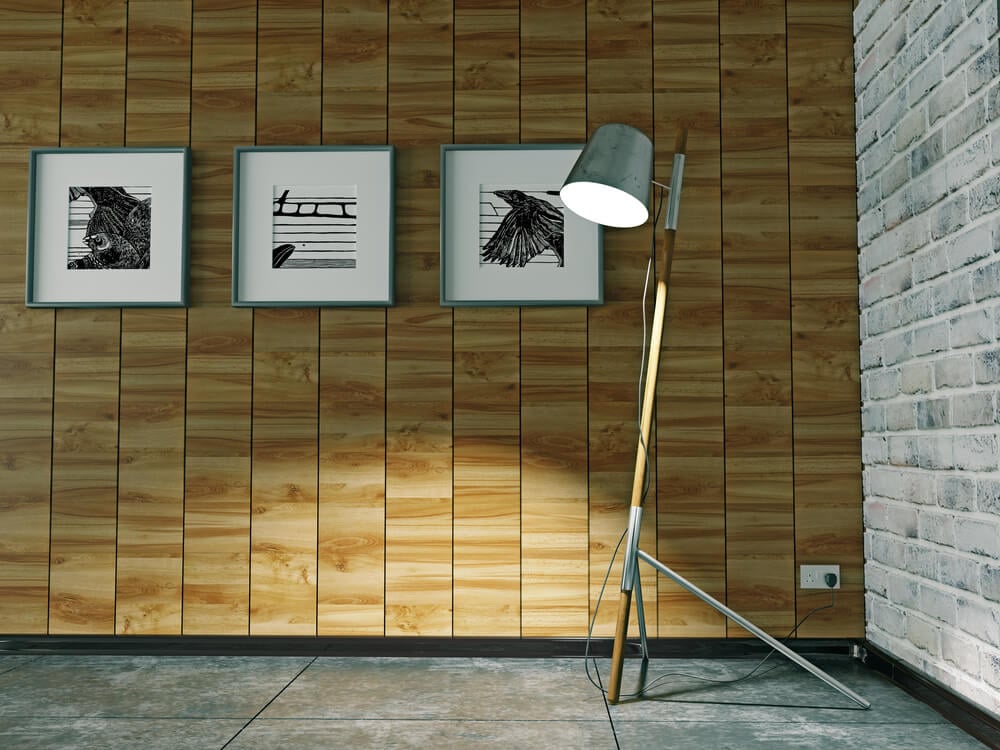
Angelo Lelii designed the Triennale floor lamp for Arredoluce in the 1950s, with adjustable diffusers on thin brass arms set on a Carrara marble base. The arms rotate so the light can be redirected, which makes the lamp a working piece of equipment as well as sculpture.
Original examples with the correct diffusers and unmodified wiring are rare enough to be treated as serious collectibles, and repaired or reconfigured pieces fetch less.
Orno Brass Lamps, Lisa Johansson-Pape for Stockmann
Lisa Johansson-Pape designed lamps for Stockmann-Orno in Finland during the 1950s. Her pieces combine brass fittings with simple painted shades, and the proportions look modest until they are seen in person.
Original Finnish production with its patina, correct shade, and working wiring is the one to buy, since damaged shades and replaced hardware are the main things that hurt resale.
Pipistrello Table Lamp, Gae Aulenti for Martinelli Luce
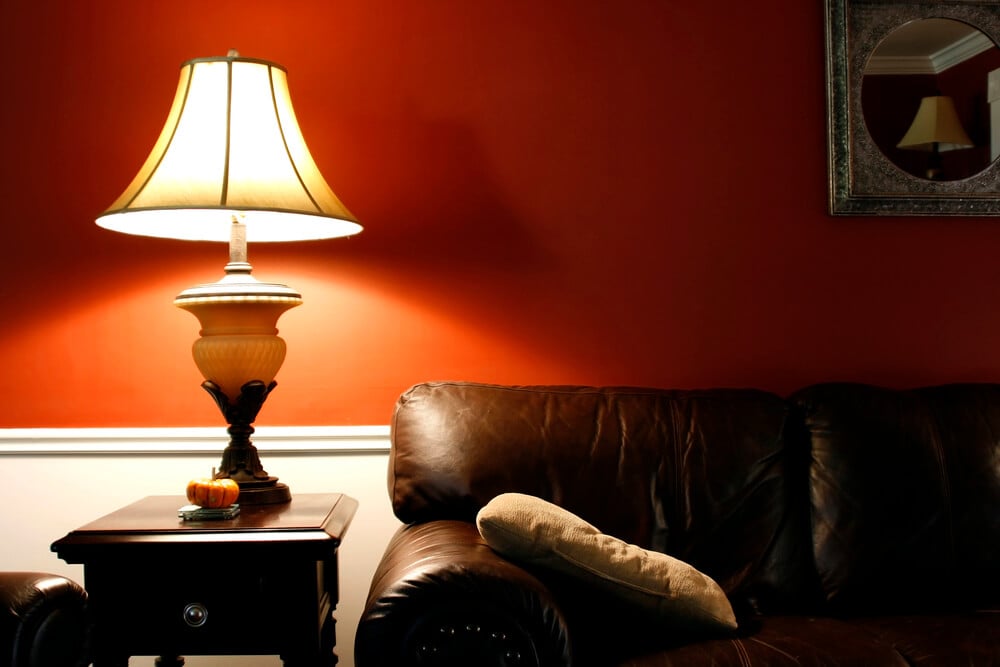
Gae Aulenti designed the Pipistrello in 1965 for the Olivetti showroom in Paris, and Martinelli Luce later put it into production. The name means bat, which describes the wing-shaped shade that opens over a telescoping stem.
Original 1960s production with its early finish commands a premium over reissues, though discolored plastic or damaged telescoping parts reduce what a buyer will pay.
Acrilica Table Lamp, Joe Colombo for Oluce
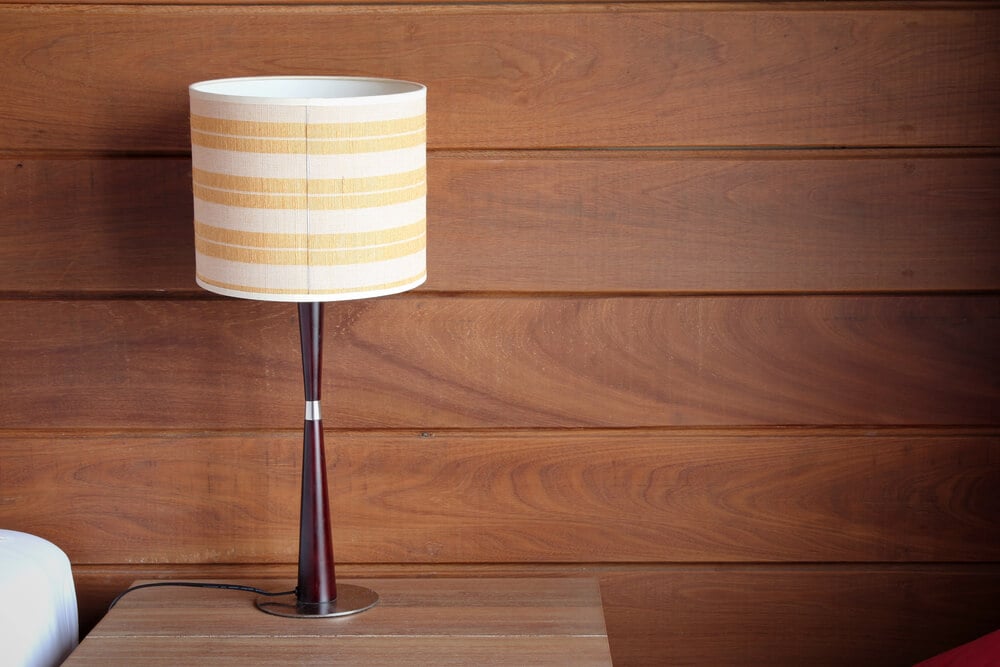
Joe Colombo designed the Acrilica in 1962 for Oluce, building it from two curved sheets of acrylic that lock together. The shape glows from within and looks nothing like a typical table lamp.
Because acrylic crazes and scratches over time, clear, unyellowed examples with their original hardware are valued well above those with visible clouding.
Flowerpot Pendant, Verner Panton for Louis Poulsen
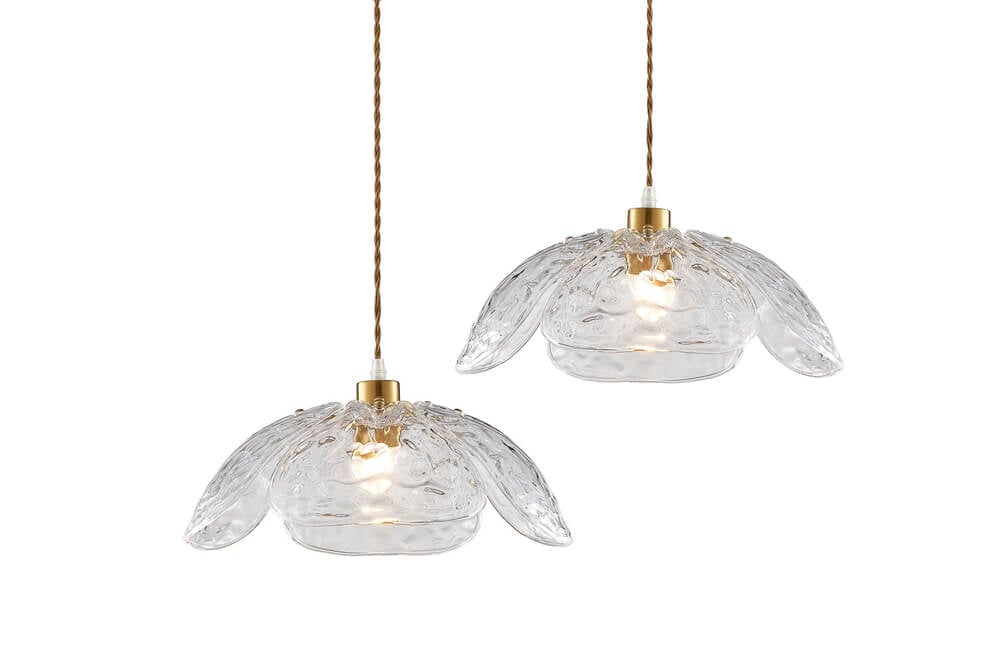
Verner Panton introduced the Flowerpot in 1968 for Louis Poulsen, stacking one half-sphere over another in bright enameled metal. It became a symbol of late-1960s Danish pop style and came in colors from white to orange.
Original enamel in good condition commands a premium over later versions, and chips, rust, and replaced sockets are among the common issues that reduce its worth.
Perforated Metal Lamps, Mathieu Matégot
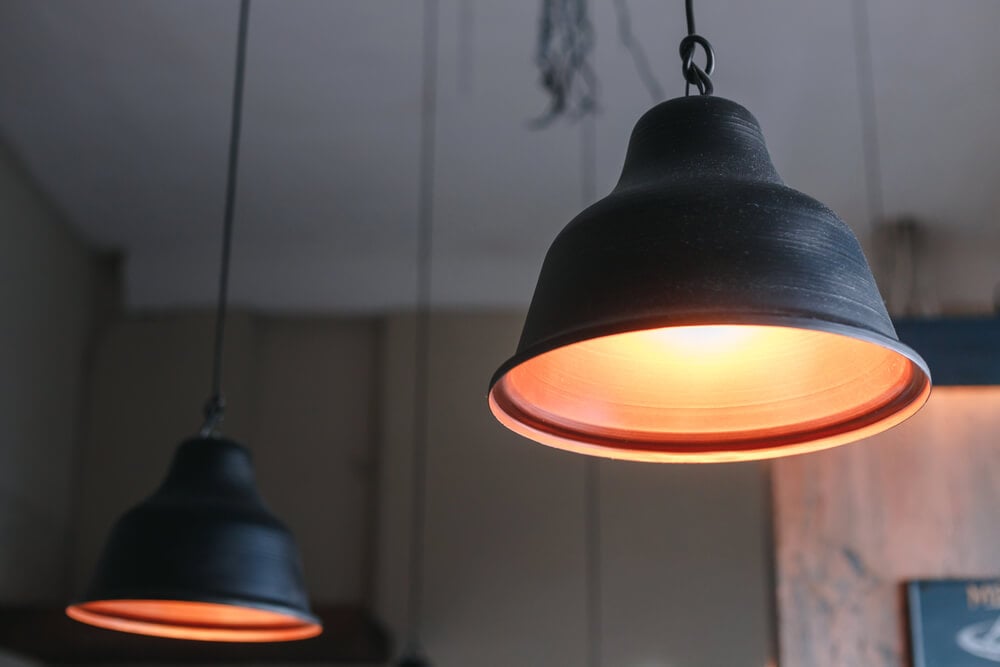
Mathieu Matégot, a Hungarian-born designer working in France, made perforated sheet metal lamps in the 1950s that throw patterned light across walls and ceilings. His workshop used folded and punched metal in black and bright colors, giving his pieces an unmistakable look.
Because so many lamps in his style exist, authenticity is the central question, and documented originals in good paint condition sell for much more than lookalikes.
Brass and Enamel Table Lamps, Stilnovo
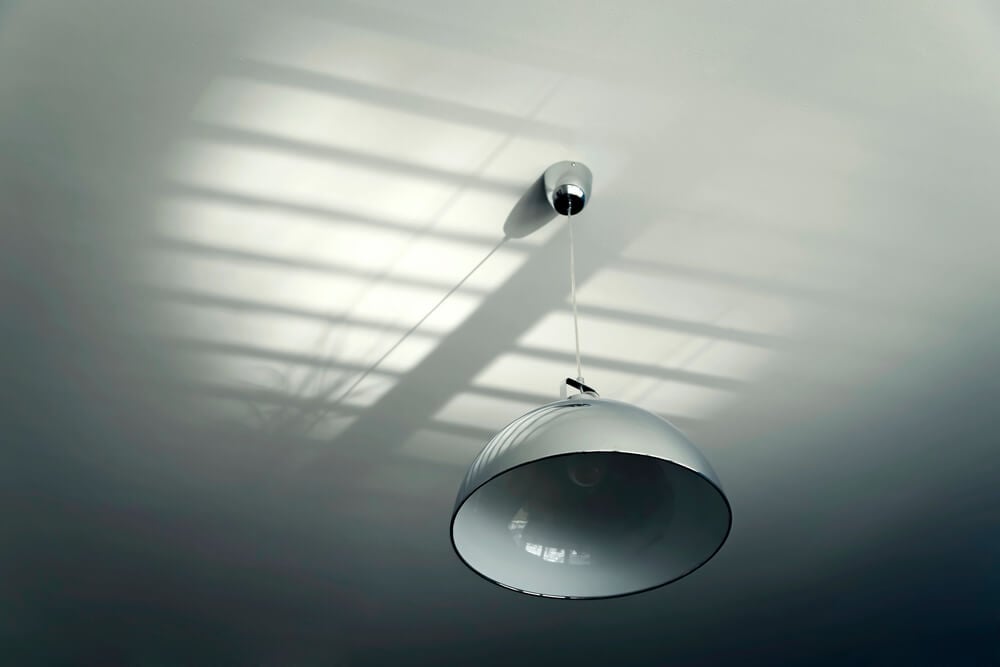
Stilnovo, founded in Milan in 1946, produced a large range of 1950s lamps, including table lamps with enameled metal shades on slim brass stems. Some had marble feet and cheerful colors.
Original Stilnovo labels, intact enamel, and period wiring separate the pieces collectors want from the many unmarked Italian lookalikes of the same era.
Panthella Table Lamp, Verner Panton for Louis Poulsen
Verner Panton designed the Panthella around 1970 for Louis Poulsen, a mushroom-shaped acrylic shade resting on a sweeping curved stem. The shade’s form spreads a soft, even glow, and the lamp looks as futuristic as it did when new.
Louis Poulsen has kept it in production, so early examples with original acrylic and period fittings sit above recent ones. Crazing, scratches, and replaced stems are the usual weaknesses.
The Price of Staying Original
Across these 32 lamps, one pattern keeps repeating. The design is only part of the story, because what matters at auction is how much of the original object survives.
A lamp with its first shade, its first finish, and its first wiring tells a buyer something that a restored piece cannot. That is why reissues and period production can sit side by side and still sell in different ranges.
A new Arco or PH 5 is a good lamp, but a well-preserved example from the decade it launched carries history that no catalog can supply. Collectors who learn to read the marks, the metal, and the wear will spot value long before the price tag does.
More from Go2Tutors!

- 27 Silver Dollars and Half Dollars Worth Keeping
- 28 Restaurant Menu Items Nobody Orders Anymore
- 17 Places Built in Seemingly Impossible Spots
- 27 Vintage Rings Worth More Than They Look
- 25 Restricted Sites Tourists Can’t Enter
Like Go2Tutors’s content? Follow us on MSN.