Why Certain Common Household Objects Have Wildly Unexpected Origins
Take a look around your kitchen, your junk drawer, or the shelf where you keep the odds and ends nobody ever throws away. Most of what’s sitting there was never meant to end up in your hands at all.
Somebody was trying to solve a completely different problem, failed spectacularly, and accidentally invented something you now use without a second thought. The stories behind these objects are stranger than the objects themselves, and once you know them, you’ll never look at bubble wrap the same way again.
Bubble Wrap
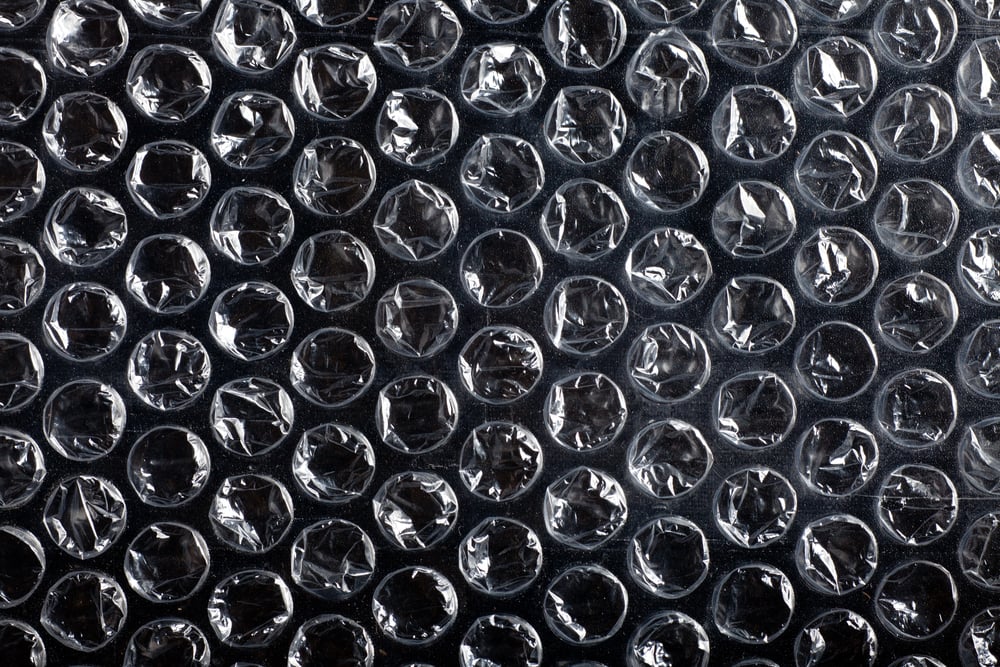
Bubble wrap wasn’t built to protect anything. Two engineers in New Jersey sealed two shower curtains together to create a textured, three-dimensional wallpaper.
Nobody wanted it. It took years and a pivot toward shipping before anyone realized the pockets of air were better at cushioning a package than decorating a wall.
WD-40
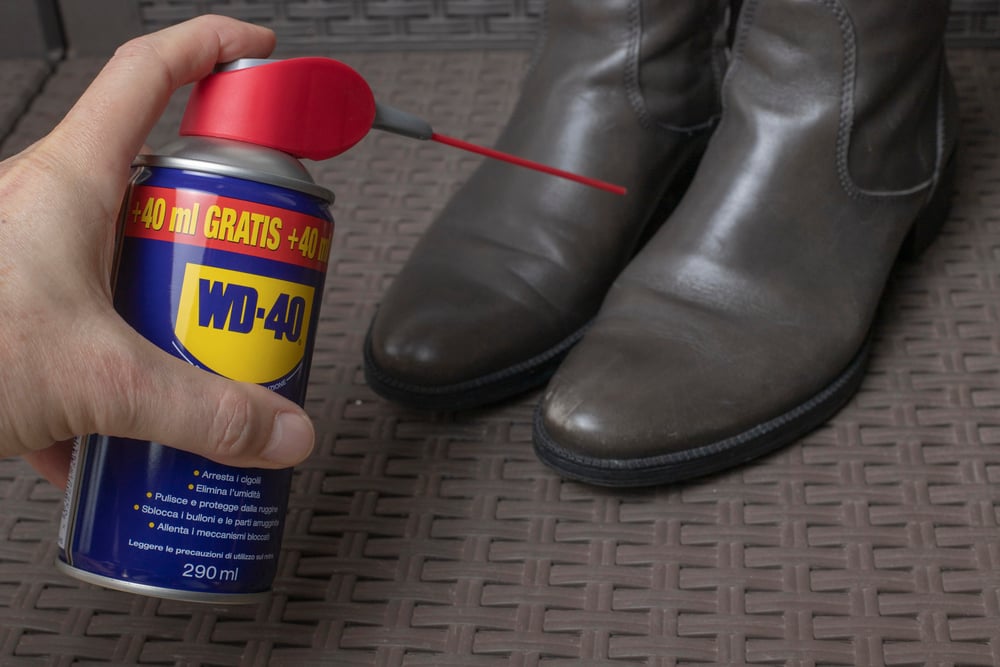
WD-40 stands for “Water Displacement, 40th attempt” — and that number alone tells you something about how many times this went wrong before it went right. It was developed in the 1950s for the aerospace industry, specifically to keep the outer skin of the Atlas missile from rusting: a defense contract project, not a household fix at all.
Workers at the company kept sneaking cans home in their lunchboxes because it worked so well on squeaky hinges and rusted tools, and eventually the company noticed people wanted the stuff more than the missiles did. So it went to store shelves, and it never really left.
Slinky
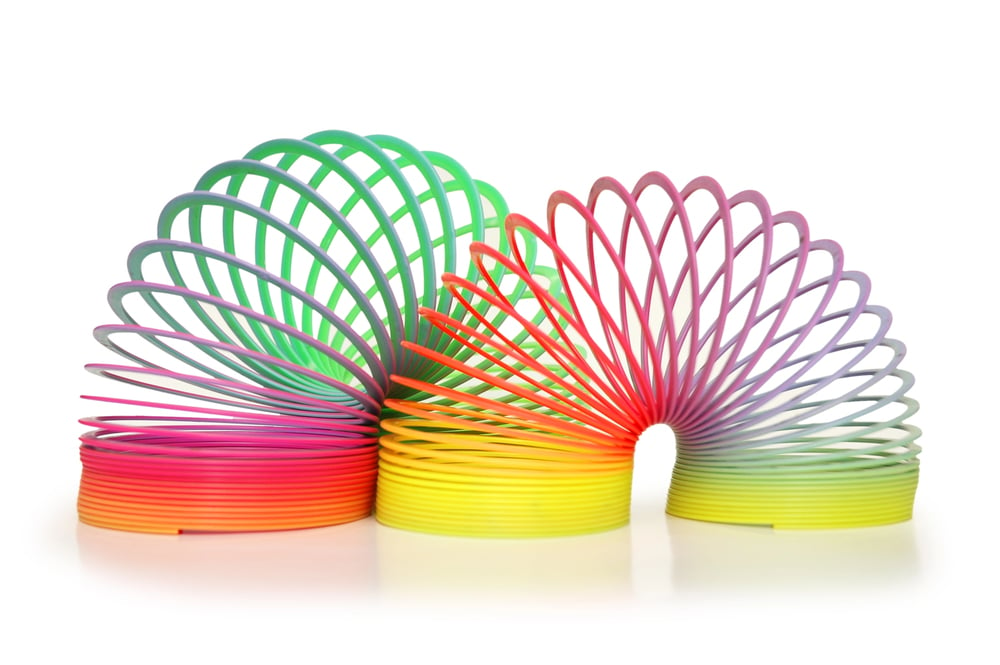
A naval engineer named Richard James was trying to design springs that could keep sensitive equipment steady on rocking ships, and one of his prototypes slipped off a shelf. It didn’t crash.
It walked — end over end, down a stack of books, across a table, onto the floor — like something that had decided gravity was optional. That accident became one of the best-selling toys of the twentieth century, born entirely out of a failed piece of naval hardware.
Sometimes the thing that falls the wrong way turns out to be the whole point.
Play-Doh
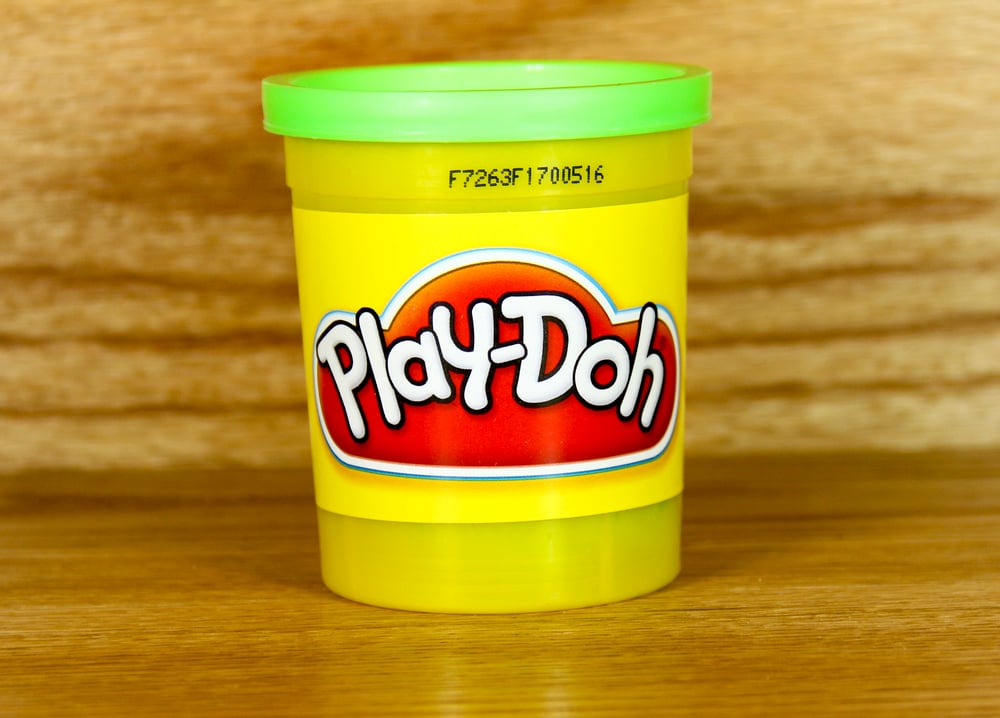
Play-Doh was never meant to be a toy, full stop. It started life as a wallpaper cleaner, a soft putty designed to pull coal soot off walls before homes switched to gas heat and nobody needed it for that anymore.
A schoolteacher’s sister-in-law figured out kids liked molding it more than adults liked scrubbing with it, which is honestly the most predictable plot twist in this entire list.
Corn Flakes

Corn Flakes were invented at a sanitarium in Battle Creek, Michigan, as part of a strict, bland diet meant to curb what doctors at the time considered unhealthy urges. Dr. John Harvey Kellogg wasn’t thinking about breakfast trends.
He was thinking about digestion, discipline, and a diet so plain it left no room for excitement. The cereal aisle owes its existence to a health regimen nobody would willingly follow today.
Silly Putty
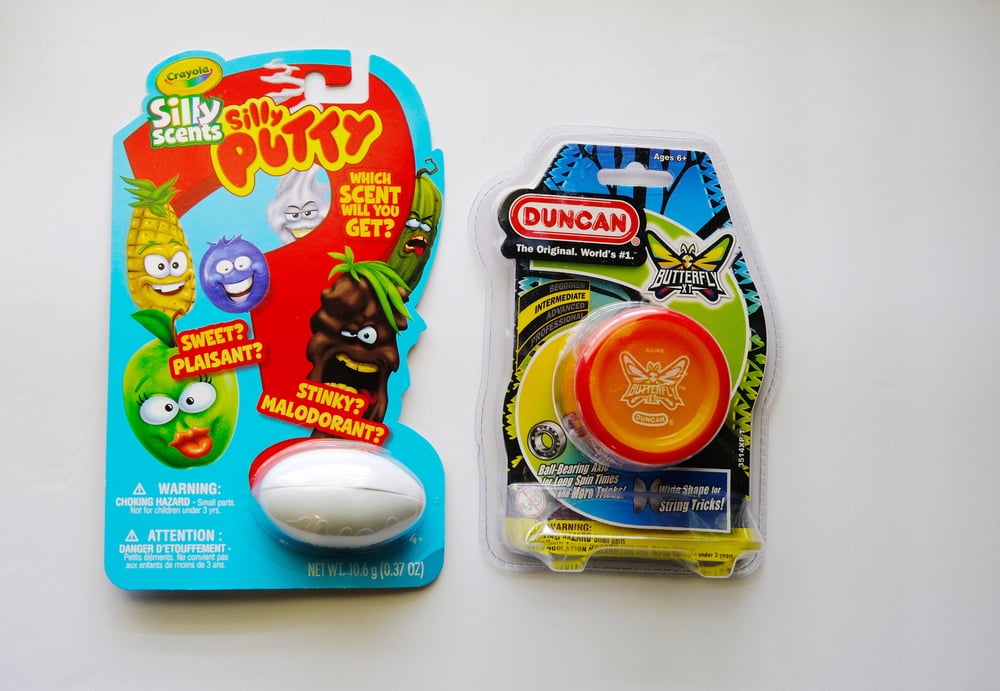
Silly Putty came out of a wartime scramble, when the United States needed a synthetic rubber substitute during World War II because supply lines for the real thing had been cut off. A chemist mixed boric acid with silicone oil and got something that bounced, stretched, and picked up newsprint — but never once behaved like usable rubber, no matter how many ways they tested it.
So the military shelved it, and it sat there doing nothing useful until a marketing man saw kids playing with it at a party and thought: people will pay for this. He was right, and the goo that failed as wartime material became a toy that’s outlasted most of the products invented specifically to be toys.
Frisbee
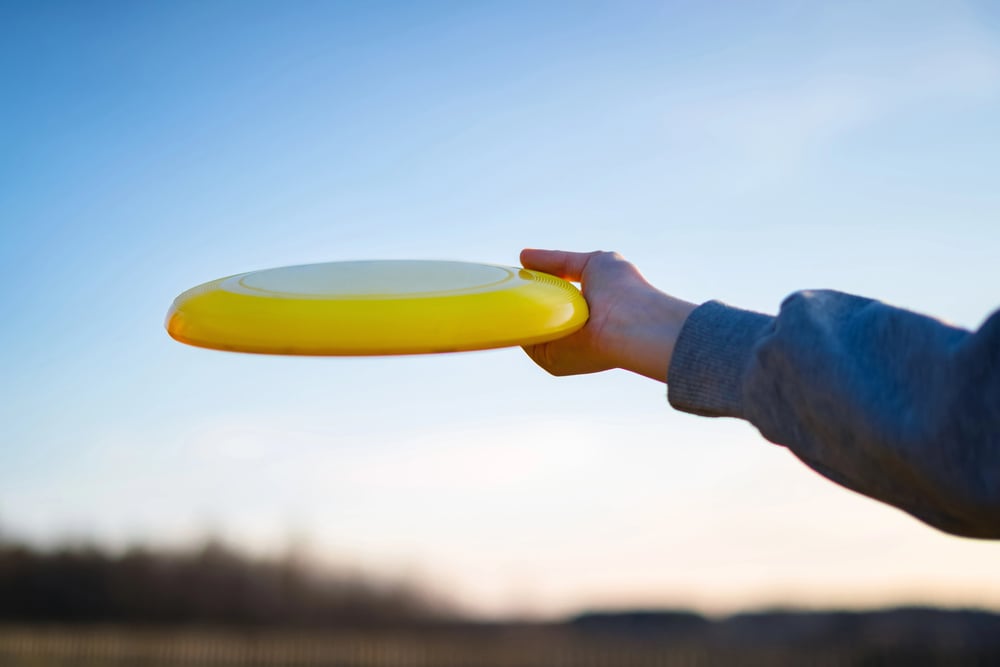
Picture a group of college students in Connecticut, tossing empty pie tins from the Frisbie Pie Company back and forth across a lawn, yelling the company’s name as a warning whenever one sailed toward someone’s head. That’s the whole origin.
Decades later, a plastic version of that same shape, that same motion, that same shouted name, turned into a product — spelled differently, but unmistakably descended from a pie tin nobody meant to keep. The lawn game came first.
The disc came later, chasing something that had already been invented by accident.
Bubble Gum
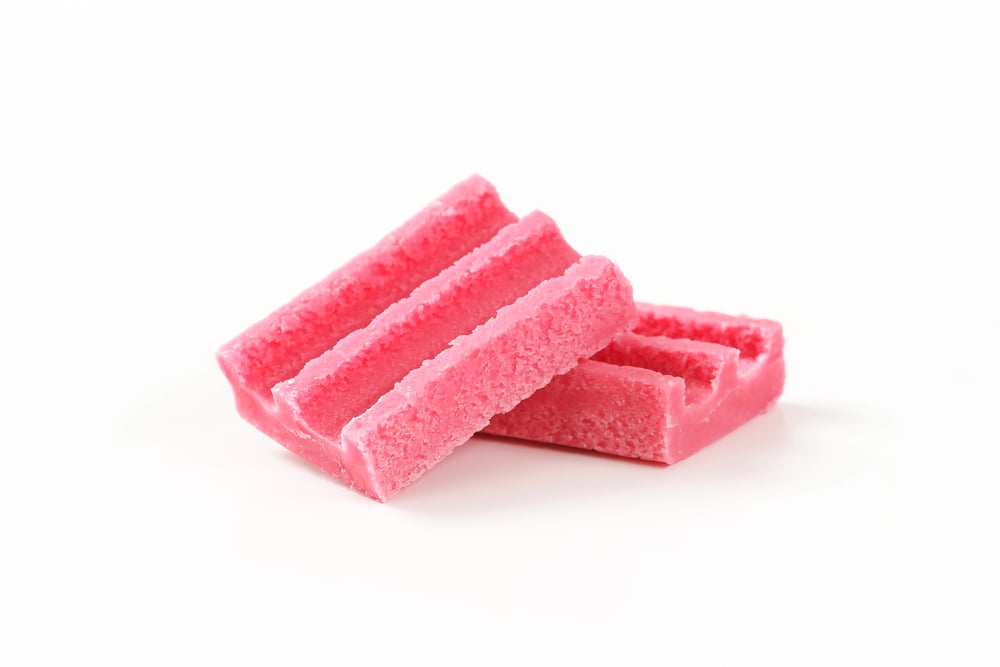
Bubble gum exists because an accountant at a gum company got bored and started experimenting with recipes in his spare time, which is not a sentence you expect to write about a candy aisle staple. Walter Diemer wasn’t a chemist and had no formal training in what he was doing.
He landed on a formula that stretched further and tore less than anything the company had made on purpose, and it happened to be pink because that was the only food coloring he had on hand. To be fair, it’s stayed pink ever since, so the accident got permanent.
Post-it Notes

A scientist at 3M was trying to invent a strong adhesive and failed completely. What he got instead was a weak, reusable glue that stuck just enough to hold paper in place and peeled off without damage.
Nobody had a use for a bad glue until a colleague started marking hymnal pages with it at choir practice, and the whole product followed from there.
Velcro
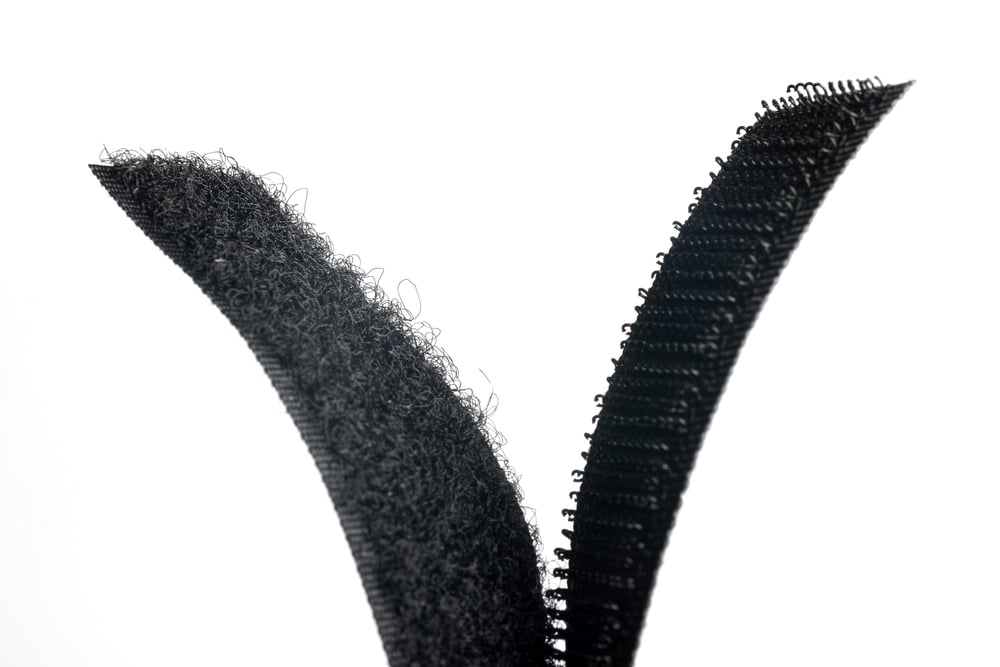
A Swiss engineer named George de Mestral came back from a hunting trip covered in burrs, the small clingy seed pods that latch onto fabric and fur, and instead of just picking them off in annoyance, he put one under a microscope — because apparently his curiosity outran his patience for chores. What he found were hundreds of tiny hooks, snagging onto the loops in his clothing and his dog’s coat with a kind of stubborn, mechanical precision.
And that observation, made from something most people would’ve flicked off their sock without a second thought, turned into a fastening system used everywhere from sneakers to spacecraft. It took nearly a decade to perfect the manufacturing, but the idea itself came from a walk in the woods nobody planned to learn anything from.
Matches
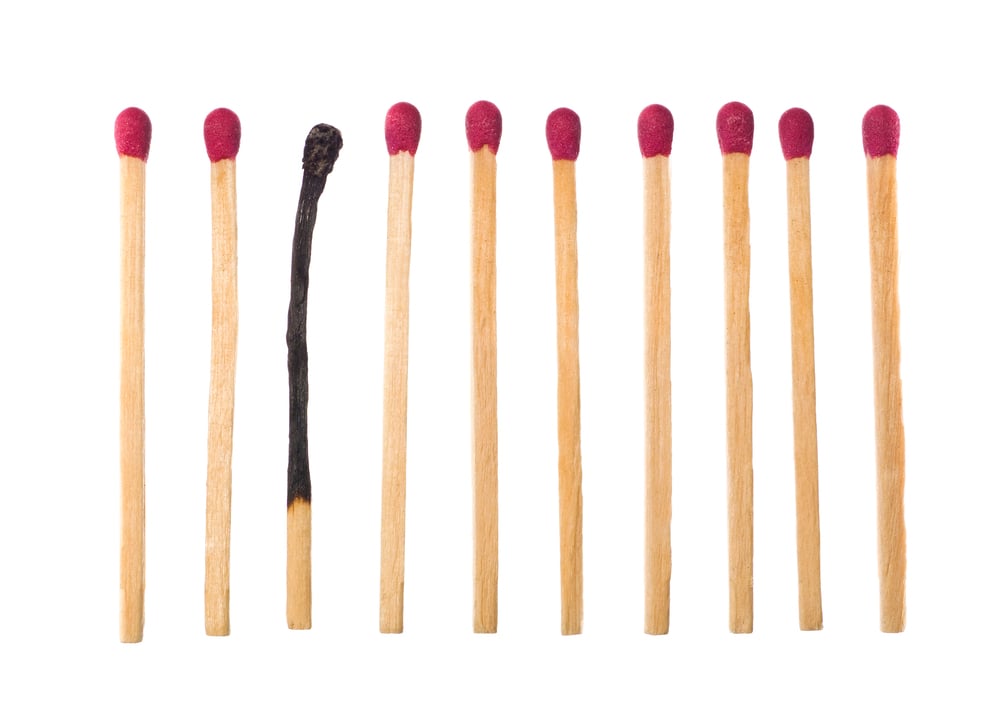
The first matches weren’t the product of careful design. They came out of a chemist’s workshop accident, when a stick coated in chemical residue was scraped against a rough surface and burst into flame unexpectedly.
Fire, up to that point, had meant flint, steel, or patience. A scraped stick changed that overnight, and it changed it by mistake.
Super Glue
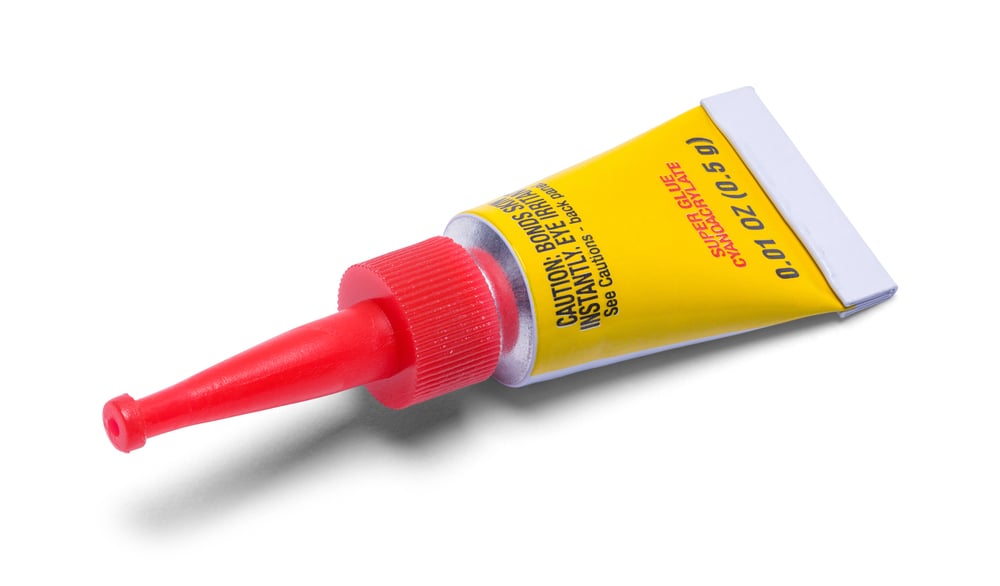
Super glue is good at exactly one thing it wasn’t invented to do. Researchers during World War II were trying to develop clear plastic for gun sights and instead created a substance so sticky it ruined every piece of lab equipment it touched, which at the time counted as a failure, not a discovery.
Years later, the same chemist revisited the formula and realized the “problem” — an adhesive that bonded almost instantly to nearly anything — was actually the product. Turns out the worst lab accident in the room can end up in every junk drawer in the country.
Kitty Litter
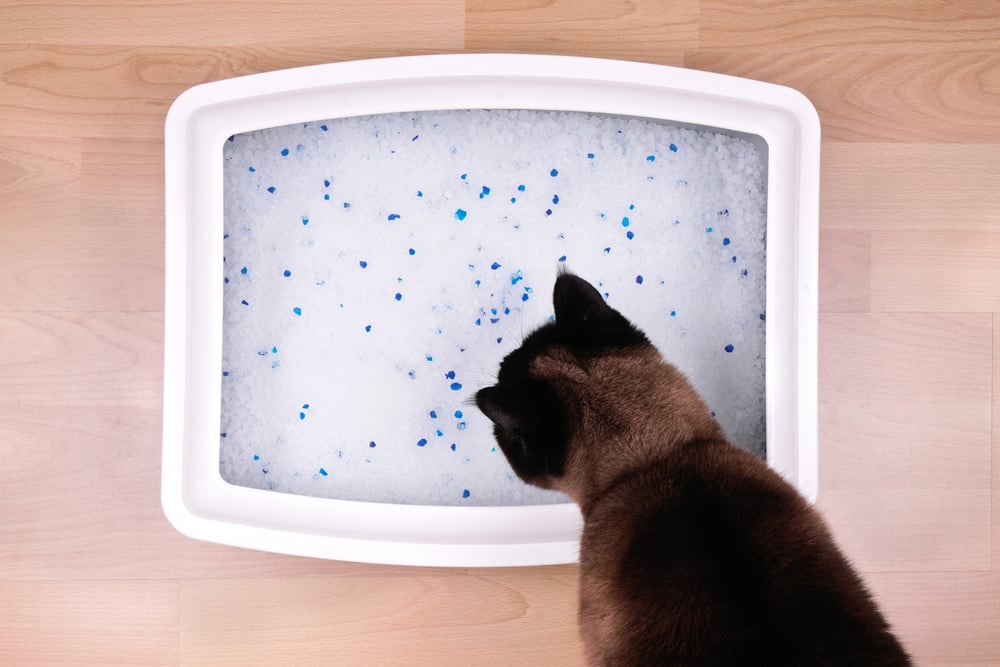
Kitty litter exists because a woman ran out of sand one winter and asked a neighbor, who happened to work at an industrial absorbent company, if he had anything better to offer. He handed her a bag of dried clay meant for soaking up oil spills in factories.
Cats, and their owners, have never gone back to sand since.
Popsicle
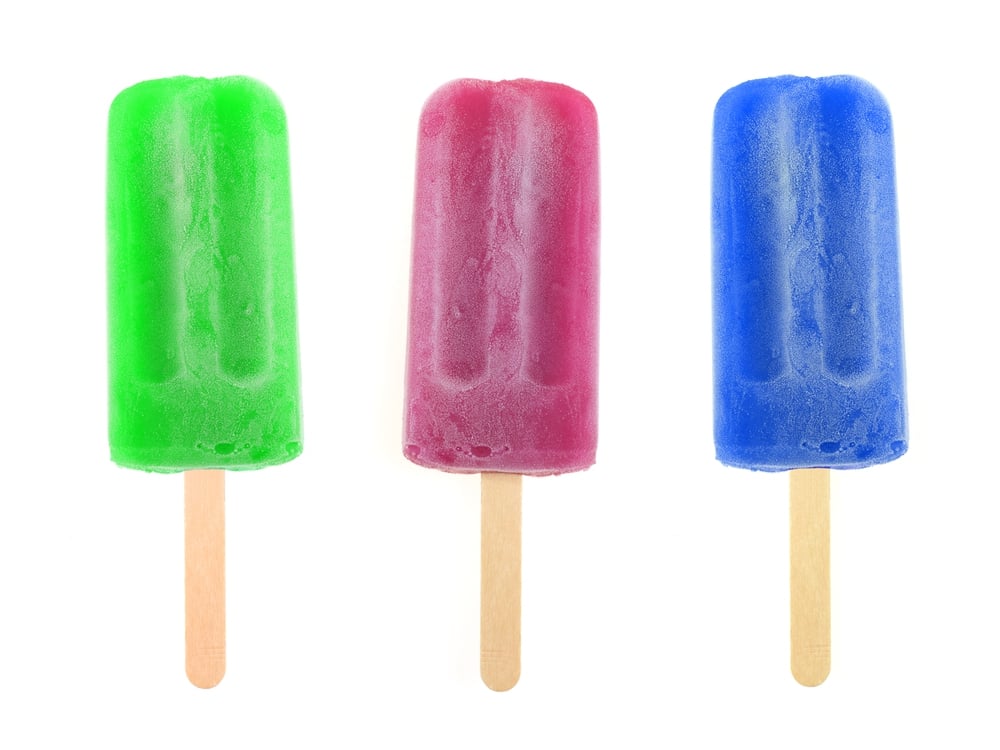
An eleven-year-old boy named Frank Epperson left a cup of soda water with a stirring stick in it out on a porch overnight, and the cold snap did the rest, freezing the drink solid around the stick. He wasn’t trying to invent anything, he just forgot about a drink, and decades later he’d patent the result and name it after himself.
Every summer, ice cream trucks are still selling a kid’s forgotten homework-night mistake, dressed up in better flavors and a catchier name.
Tea Bags

A tea merchant in New York started sending out samples in small silk pouches, expecting customers to open them and pour the loose leaves into a pot the way everyone always had. Instead, people just dropped the entire pouch into hot water, silk and all, because it seemed obvious and nobody had told them otherwise.
He noticed the demand, switched to gauze, and an entire brewing method was born from customers misunderstanding a free sample.
The Accidents We Live With
None of these things arrived the way you’d expect a good invention to arrive, with a clear plan and a satisfying finish line. They came from missed targets, bored employees, ruined experiments, and one very cold porch.
Maybe that’s the part worth sitting with: so much of what fills your house wasn’t chosen so much as stumbled into, kept around because it turned out to be more useful than whatever it was supposed to be in the first place. The ordinary shelf in front of you is full of failures that just never got thrown away.
More from Go2Tutors!

- The Romanov Crown Jewels and Their Tragic Fate
- 13 Historical Mysteries That Science Still Can’t Solve
- Famous Hoaxes That Fooled the World for Years
- 15 Child Stars with Tragic Adult Lives
- 16 Famous Jewelry Pieces in History
Like Go2Tutors’s content? Follow us on MSN.