30 Sterling Silver Jewelry Pieces Worth Weighing
Most drawers hold at least one tarnished chain or stamped bracelet that nobody has examined closely. The tiny marks inside the clasp or on the back can separate a few grams of scrap from a piece a collector would chase.
Sterling silver sits at an odd crossing, because every piece has a floor price set by its weight and a ceiling set by who made it. The pieces below show how to read both.
The 92.5 Percent Recipe Behind Every 925 Stamp
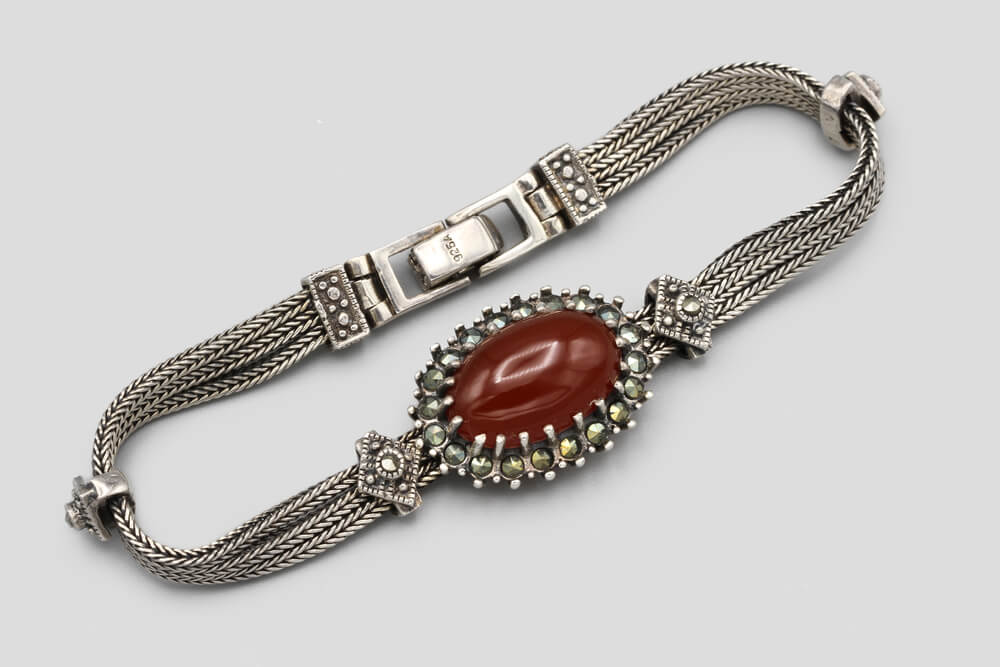
Sterling is an alloy of 92.5 percent silver, with the remaining 7.5 percent usually copper, and the stamp 925 is shorthand for that ratio. Pure silver is too soft for rings, clasps, and hinges, so the copper adds the strength that daily wear demands.
That same copper is why sterling darkens, and why an old piece with a heavy gray patina is often perfectly sound underneath. Any 925 item has a melt floor, but condition and maker decide whether it sells above that floor.
How a Melt Value Is Actually Worked Out
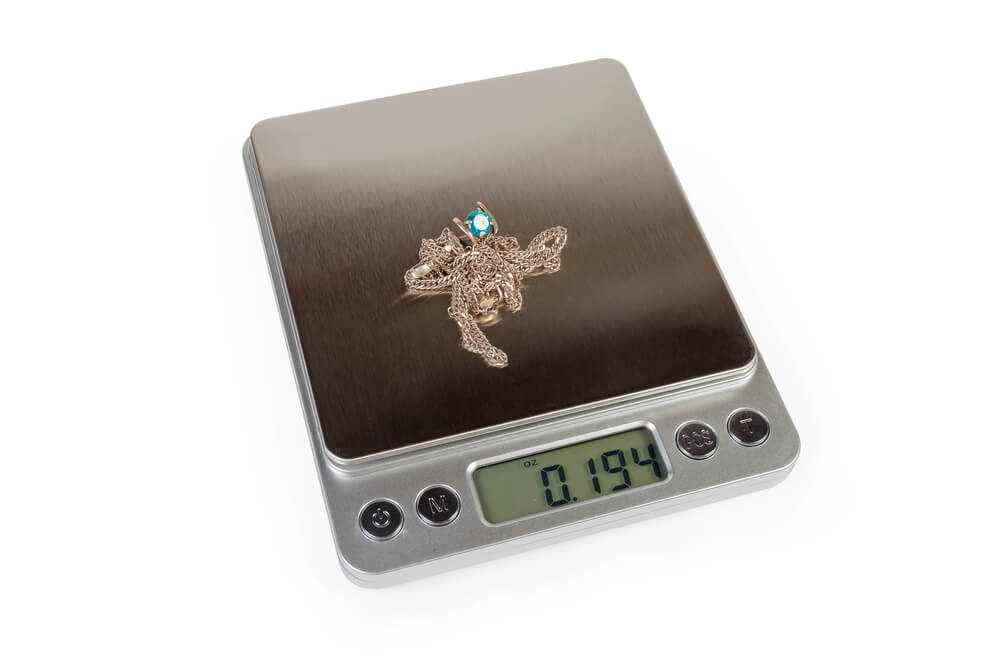
Melt value begins with a gram scale. The weight of the piece is multiplied by 0.925 to get the silver content, then priced against the day’s spot rate for silver, which moves constantly.
Stones, enamel, glass, and steel pin stems must be subtracted first, and refiners usually pay below spot. A heavy plain bangle can therefore be worth more as metal than a delicate collectible, while a signed designer piece of the same weight can be worth far more than any scale suggests.
The Lion Passant on English Silver
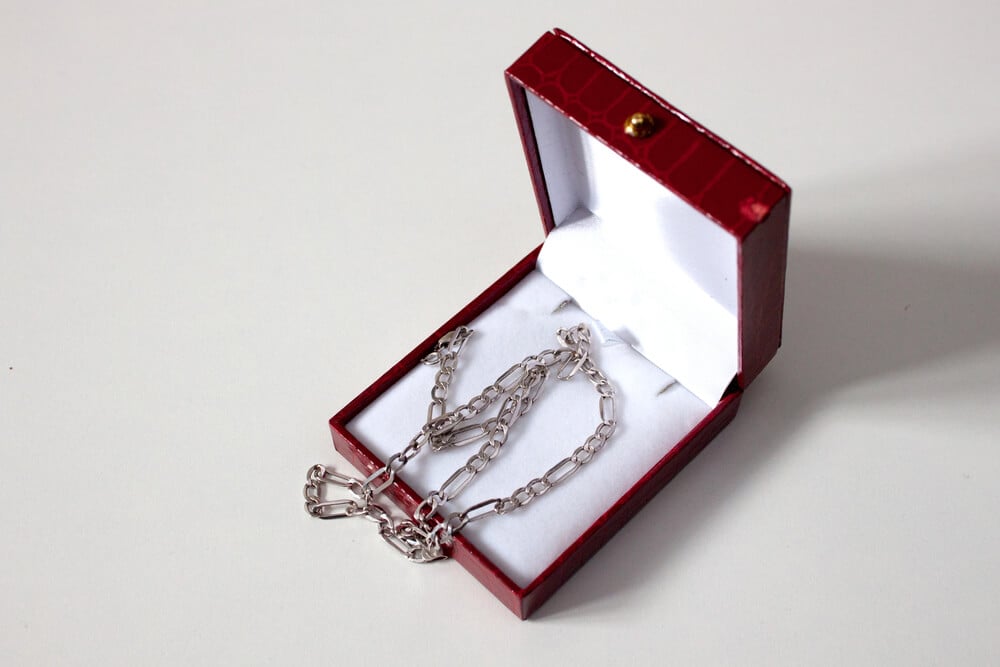
On English sterling, a small lion walking with one paw raised has certified the standard since the sixteenth century. The lion passant appears alongside a maker’s mark, an assay office mark, and a date letter, and the set tells a complete story about who made the piece, where it was tested, and when.
Scottish sterling, by contrast, carries a thistle. A bracelet or brooch with the full set of marks is easier to authenticate, and that clean paper trail often supports a higher collector price than an unmarked lookalike.
Anchors, Castles, and Leopards That Name the Assay Office
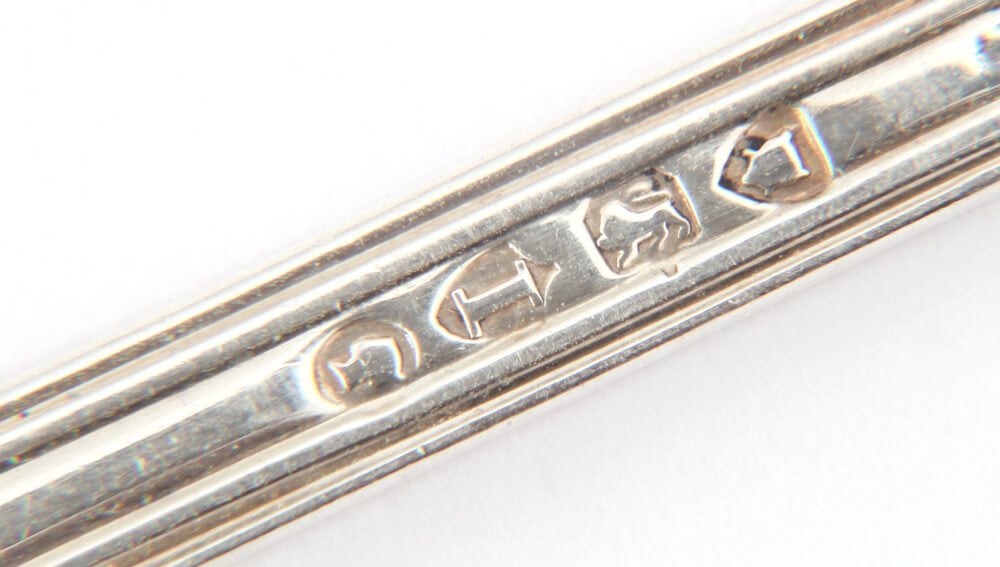
The town mark tells where a piece was tested, and it is one of the quickest ways to date and place British jewelry. Birmingham used an anchor, Edinburgh a castle, and London a crowned leopard’s head.
Beside it sits a date letter whose alphabet changes in typeface and shield shape from cycle to cycle, so the same letter means different years in different series. Worn or partly struck marks lower appeal, so a crisp set is worth seeking out when buying.
Britannia Silver, the Purer Cousin Introduced in 1697
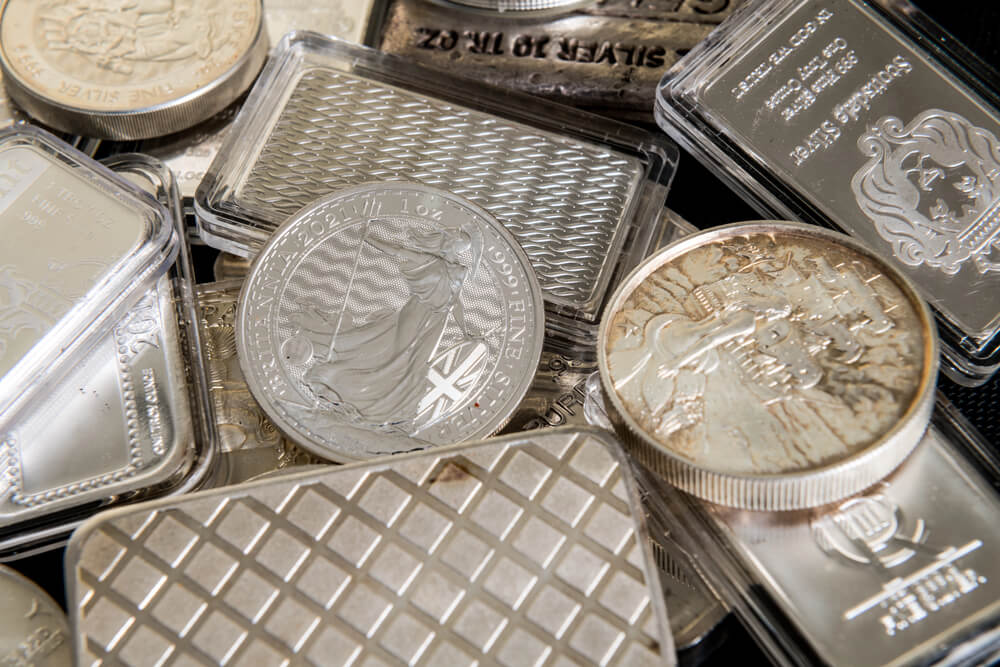
British makers were once required to use Britannia silver, a standard of 95.84 percent introduced in 1697 to discourage melting down coins for plate. Marked 958 in modern notation, pieces carry a seated Britannia figure and a lion’s head instead of the lion passant.
The purer metal is softer, so surviving jewelry in this standard often shows more wear than sterling. Rarity and sound condition matter here more than silver content, since the extra fraction of a percent barely moves the melt calculation.
Mexican Eagle Marks and the Numbers Beside Them
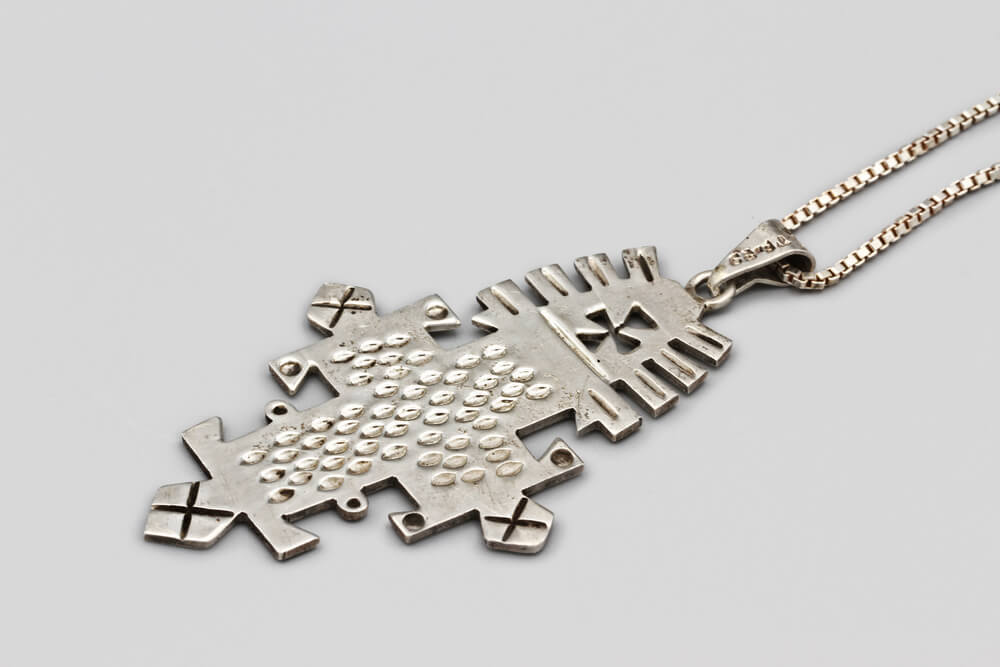
Much mid-century Mexican silver carries a small eagle stamp followed by a number, which identifies the assay or workshop registration rather than the maker’s name. Pieces generally also bear the word Sterling or 925 and Mexico, and many carry a maker’s initials or workshop name as well.
Learning to read the eagle number helps separate genuine Taxco workshop pieces from later tourist silver. Collectors pay more for named, early, well-preserved workshop pieces than for anonymous ones, although any heavy piece keeps its metal value.
The Crescent Moon and Crown on German Silver
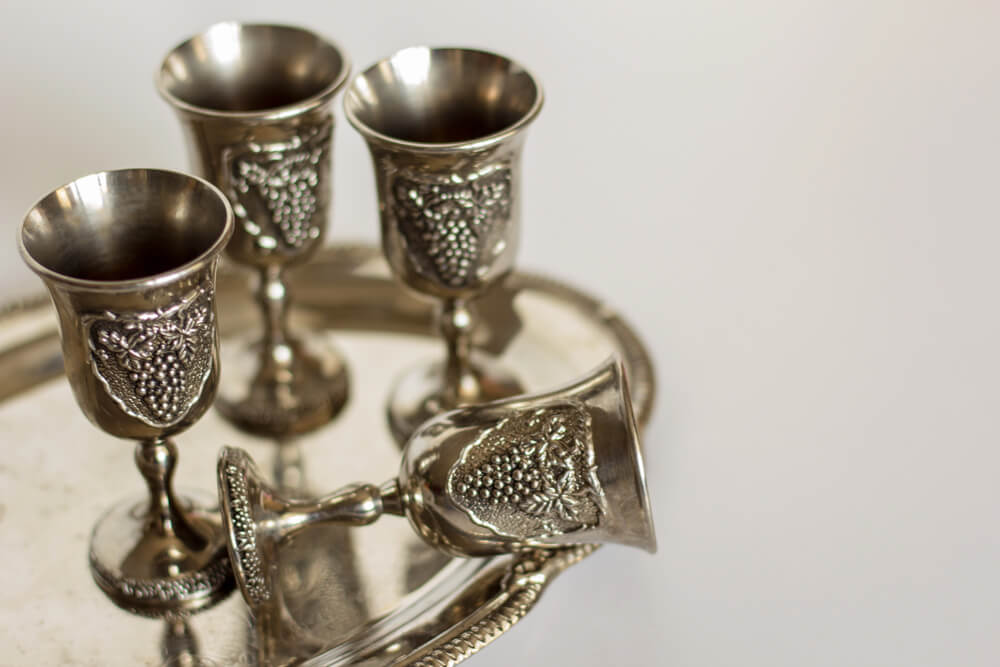
German silver made after 1888 carries a crescent moon and an imperial crown, a mark that sits beside a number showing fineness. Common German standards include 800 and 835, both below sterling, so a piece with those numbers is silver but not sterling.
This matters when weighing, because a buyer must price a charm bracelet at its real purity instead of assuming 92.5 percent. Fine antique German pieces with tidy marks and intact clasps can still attract collectors even though the metal content is lower.
Early Georg Jensen Pieces That Are Not Even Sterling
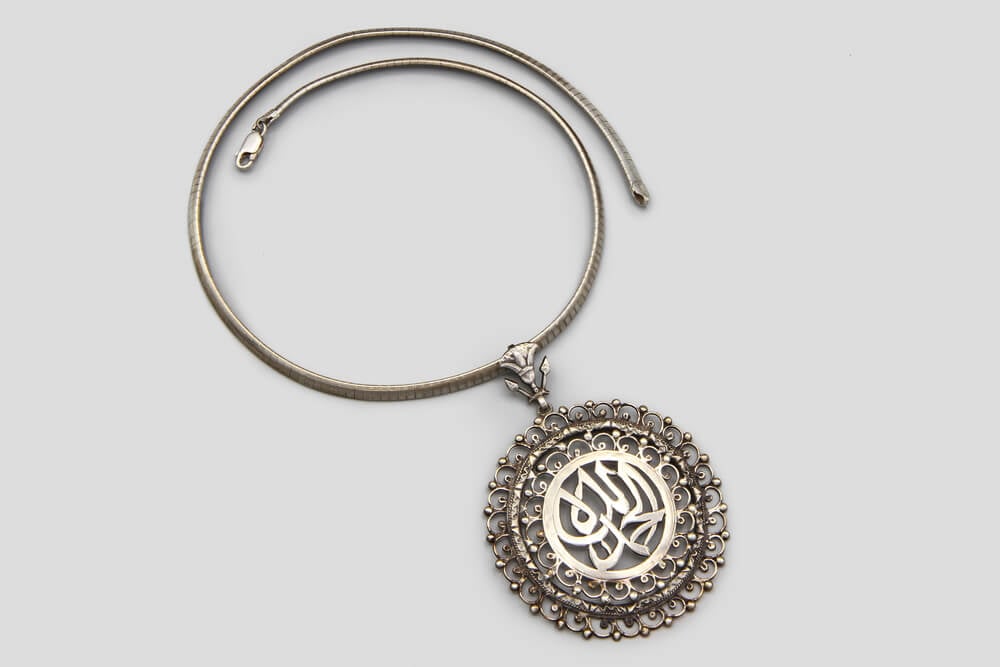
The Danish silversmith Georg Jensen opened his Copenhagen workshop in 1904, and early jewelry from his shop was often made in Danish 830 standard rather than 925 sterling. That makes the oldest pieces a surprise on a scale, since the silver content is lower than many cheaper-looking items.
Their value comes almost entirely from the maker and from the hand-finished Art Nouveau designs, with condition and originality of parts deciding the price. Jensen marks and design numbers are widely documented, which helps authentication.
Henning Koppel and the Sculptural Brooch
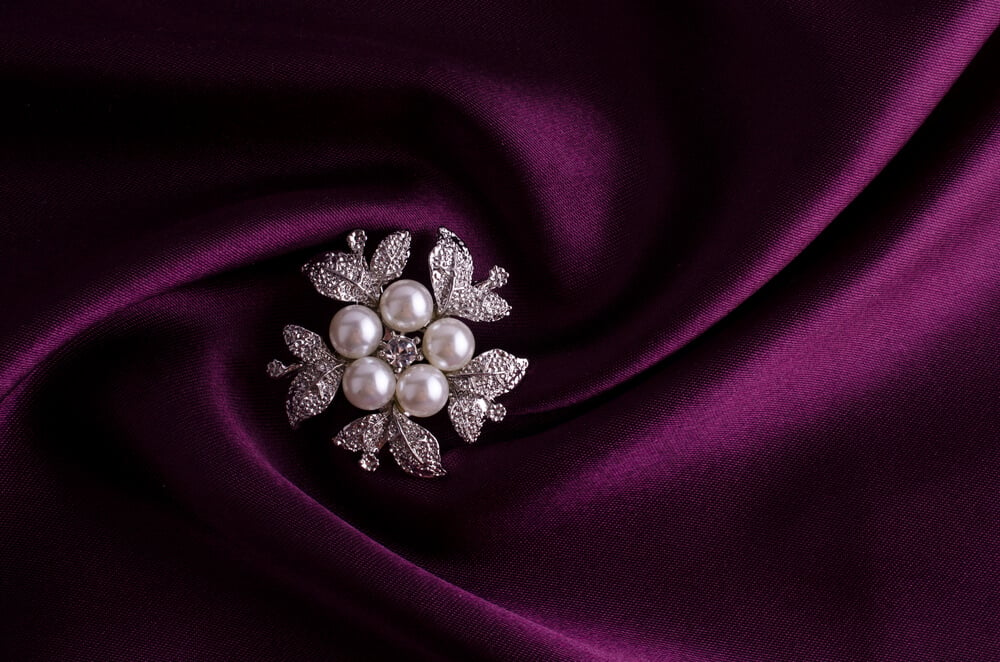
Henning Koppel, a Danish designer born in 1918, began working for Georg Jensen in 1945 and brought a fluid, abstract sensibility to silver. His jewelry reads like small sculpture, with smooth swells and asymmetric curves that look almost poured.
Pieces from his era are valued as designer work well beyond their silver weight, since Jensen’s numbered catalog makes verification straightforward. Surface scratches, repaired pins, and later polishing can reduce the premium, so original finish matters when comparing examples.
Nanna Ditzel and the Textured Jensen Pendant
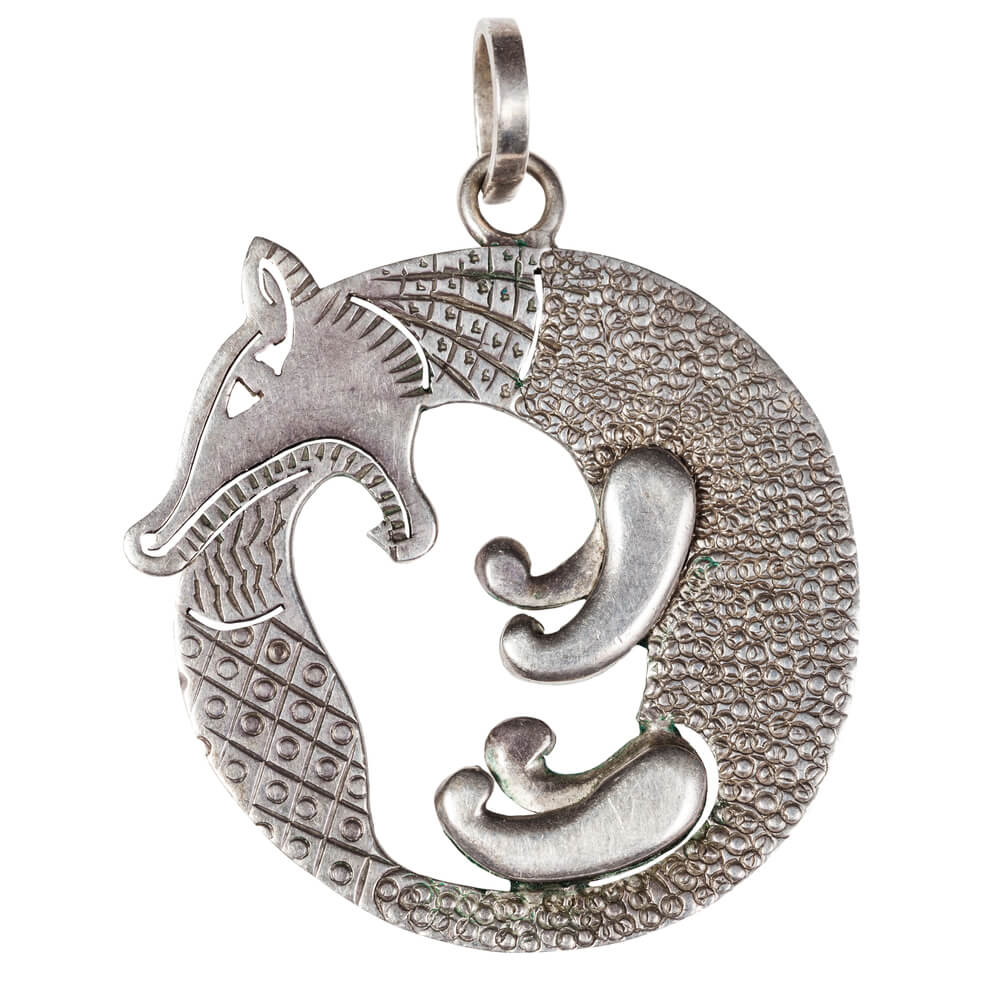
Nanna Ditzel, a Danish designer better known for furniture, also created jewelry for Georg Jensen beginning in the 1950s. Her pieces favor rounded forms and tactile surfaces over polish, which gives them a handmade feel even when produced in numbers.
The silver weight is modest, so the premium comes from the Jensen stamp and the design. Original finish, intact fastenings, and clear marks matter more than any gram count, and heavy polishing or repairs reduce the appeal.
Torun Bülow-Hübe and the Open Curve Bangle
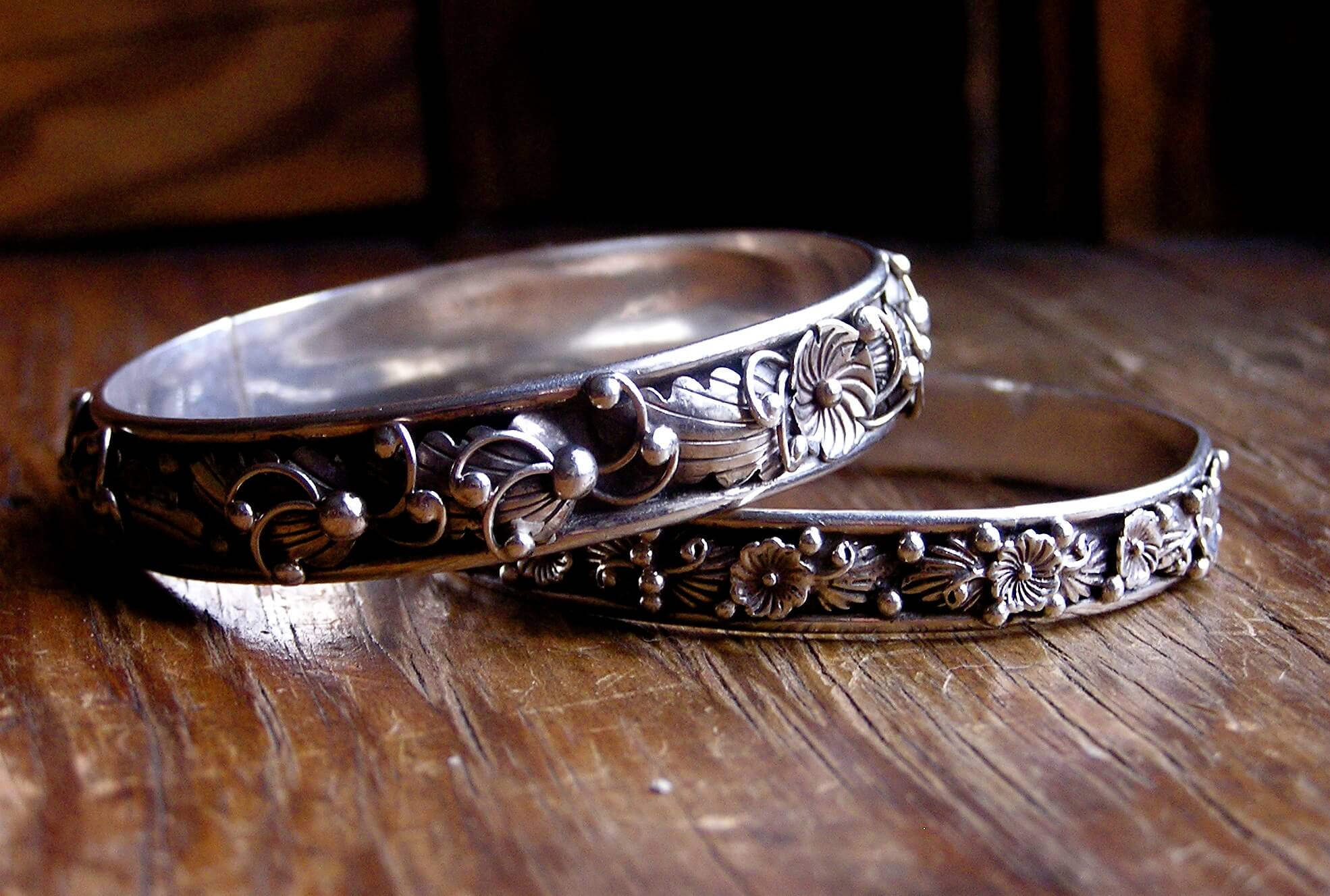
The Swedish designer Vivianna Torun Bülow-Hübe worked with Georg Jensen from the late 1960s, and her bangles are known for their clean, open, wearable curves. They look almost too simple, which is exactly the point, and the unfussy shape wears well over decades.
A bangle with no scratches deeper than normal wear and a good, original hinge or opening commands the strongest interest. Because the form has been reissued, collectors check for vintage marks rather than relying on the look alone.
Bent Gabrielsen for Hans Hansen of Kolding
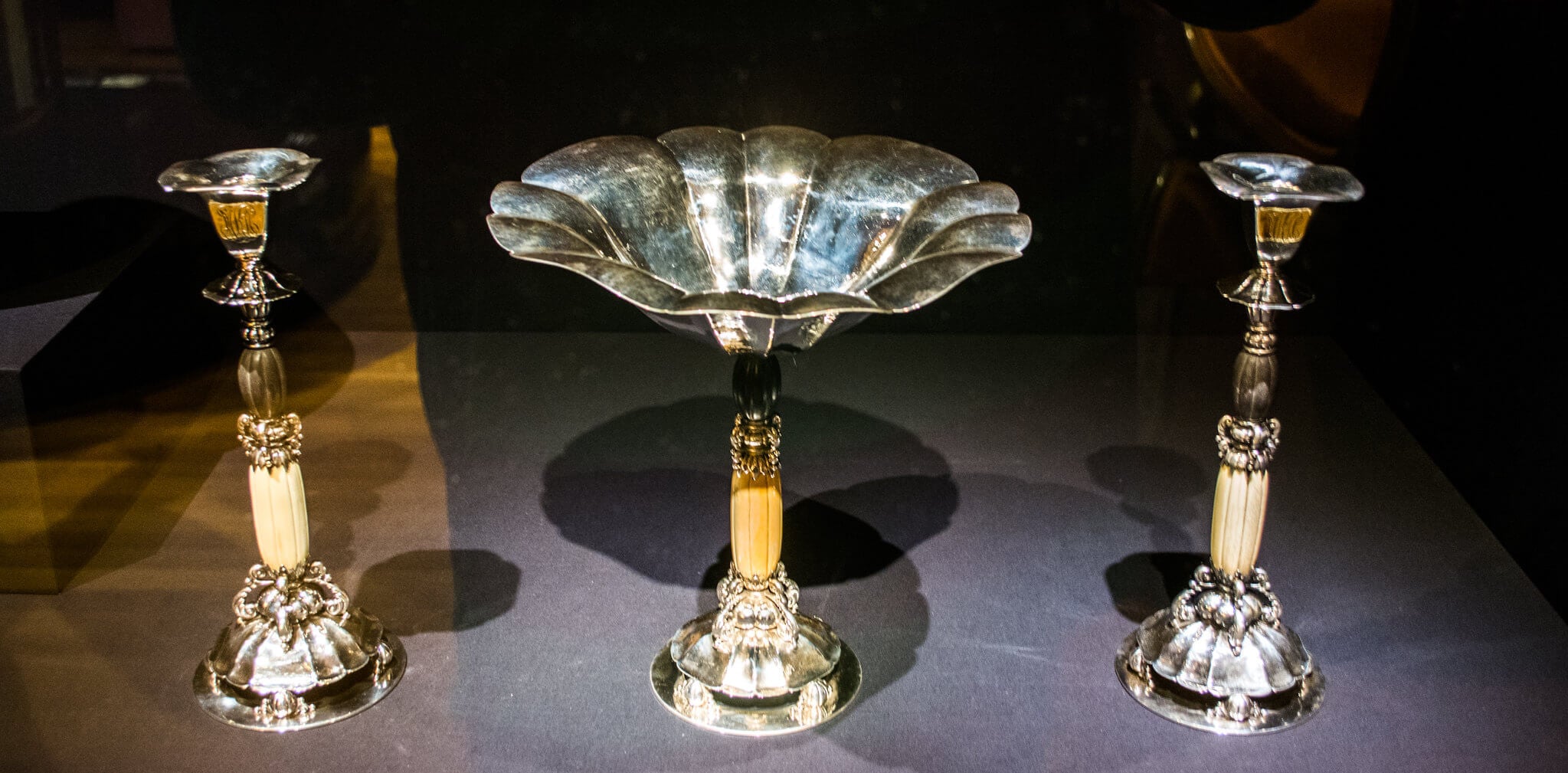
The Danish firm Hans Hansen of Kolding made modernist silver jewelry in the 1950s, and designer Bent Gabrielsen produced a number of its best-known pieces. Geometric and spare, the designs share the clean-lined spirit of Danish modernism.
A signed Hansen piece with all marks legible and no bends in the band sells at a clear premium over an unsigned Danish bracelet of equal weight.
David-Andersen Guilloché Enamel from Oslo
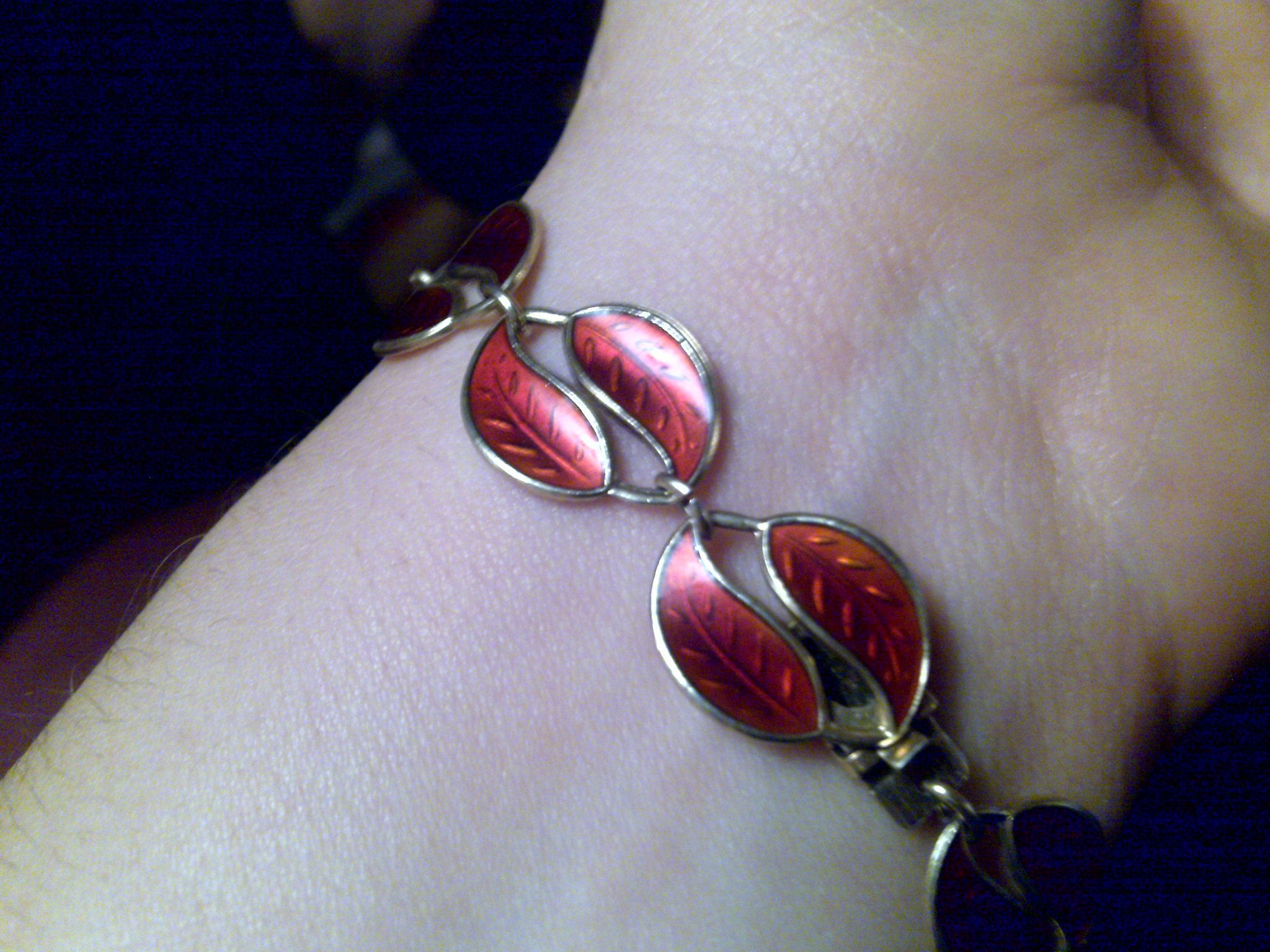
The Norwegian firm David-Andersen began in Oslo in 1876 and became known for sterling jewelry finished in glossy enamel, including guilloché work where translucent enamel is fired over an engine-turned pattern. The silver underneath is thin, so scrap value is modest, but the enamel is the real attraction.
Chips, cracks, and crazing in the enamel reduce value sharply, which means a flawless brooch outsells a damaged one of the same age by a wide margin.
The Sterling Chain Whose Value Is Mostly Weight
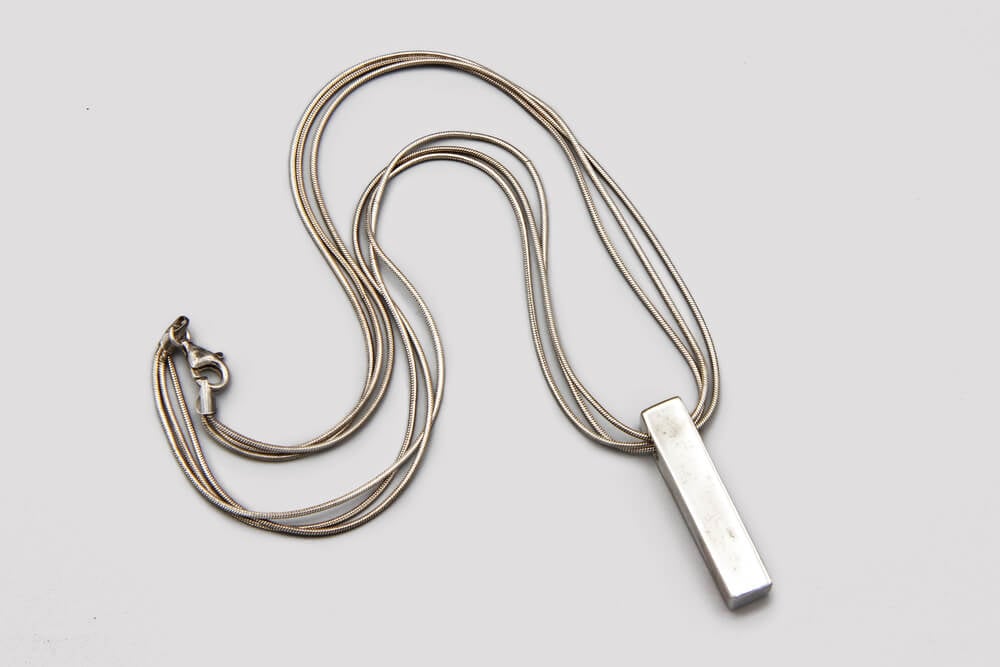
A sterling chain is the purest case of metal value, since a curb, box, snake, or rope chain carries almost no maker premium. Heft is everything, so a thick, solid curb chain outweighs a pile of thin necklaces.
Italian chains are typically stamped 925 with the country name, and the clasp is usually marked too. Even a snapped or tangled chain keeps its metal value, though a refiner will pay below spot.
The Return to Tiffany Heart Tag
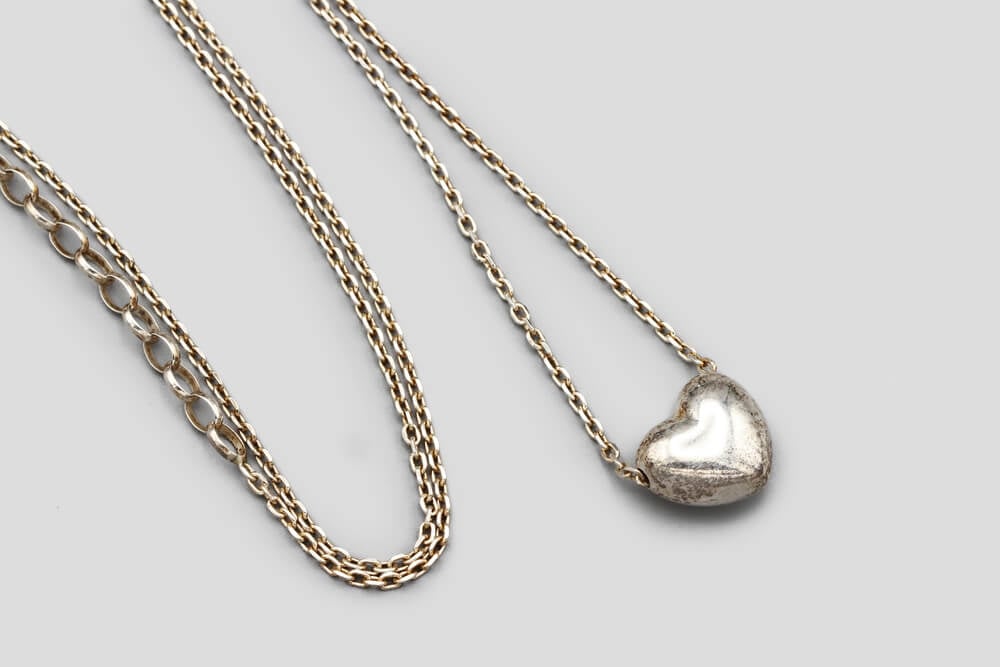
Tiffany & Co. opened in New York in 1837, and its sterling heart tag is engraved with a request to return the piece to Tiffany & Co. in New York. The tag is worth weighing for its metal, but collectors of the brand look at the stamp style and wear.
Vintage examples with crisp lettering, original box and pouch, and no deep dents command the best offers, while heavily polished ones lose engraving definition and value.
Elsa Peretti’s Bean
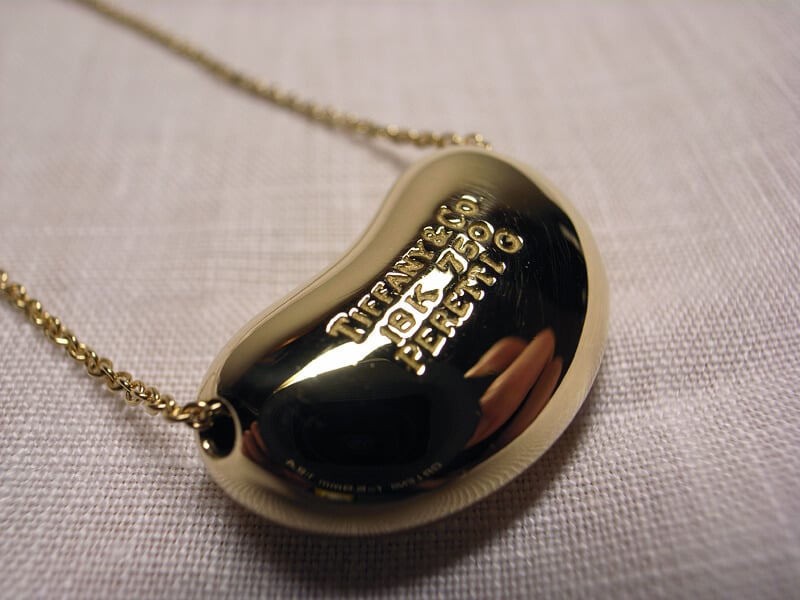
Italian designer Elsa Peretti began working for Tiffany & Co. in 1974, the same year as her Bean design, a smooth pendant with no sharp edges and no decoration. It has stayed in production for decades, which makes the vintage version harder to separate from the new one.
Older examples carry earlier stamp styles, and the price difference comes down to age, wear, and whether original packaging survives. Because the metal content is small, the maker premium dominates here.
Gorham’s Lion, Anchor, and G
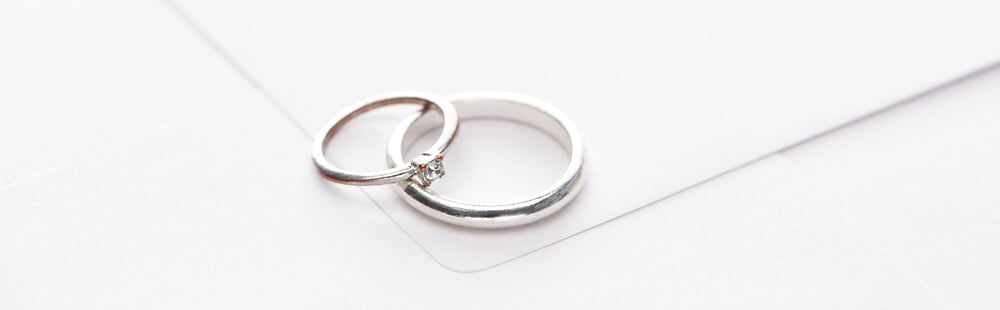
Gorham Manufacturing began in Providence, Rhode Island in 1831 and used a mark of a lion, an anchor, and the letter G that became one of the most familiar American silver trademarks. At the top of the range was its Martelé line from the 1890s, hand-hammered silver made to a standard of 950, higher than sterling, and designed by William Christmas Codman.
Martelé jewelry is museum material, while ordinary Gorham sterling pieces are valued mostly by weight and condition.
James Avery Charms from Kerrville, Texas
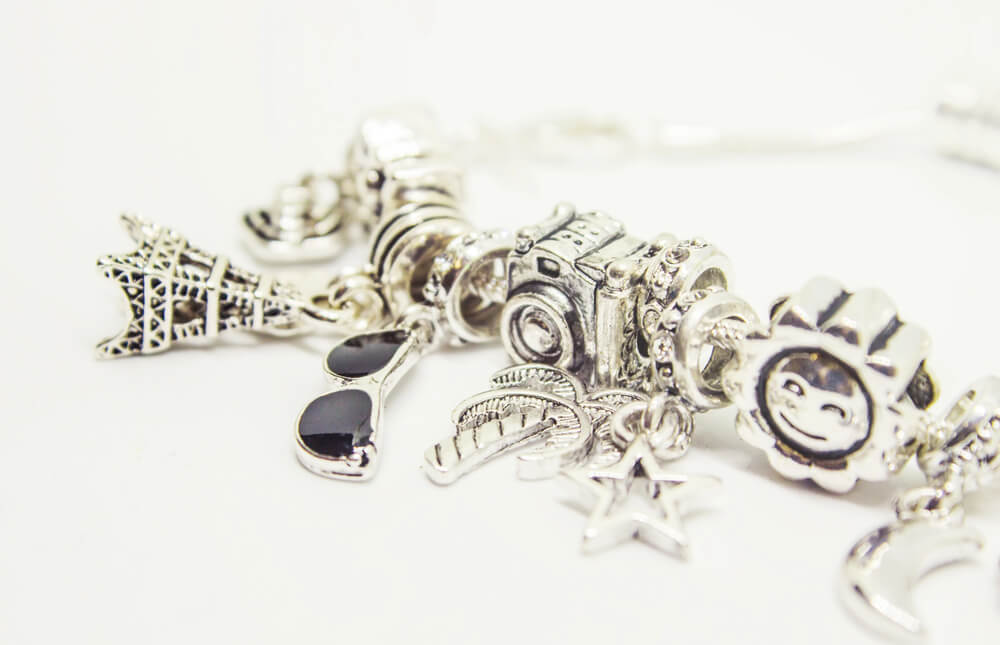
James Avery began making silver jewelry in 1954 in a garage in Kerrville, Texas, and his firm grew into one of the best-known American sterling jewelry makers, with a strong catalog of cross, ring, and charm designs. Retired designs are the part collectors chase, since a discontinued charm with clear stamps and no bent loops can outsell current stock.
Weight is modest, so these pieces are collectible rather than a metal play.
The Kalo Shop and Hand-Hammered Chicago Silver
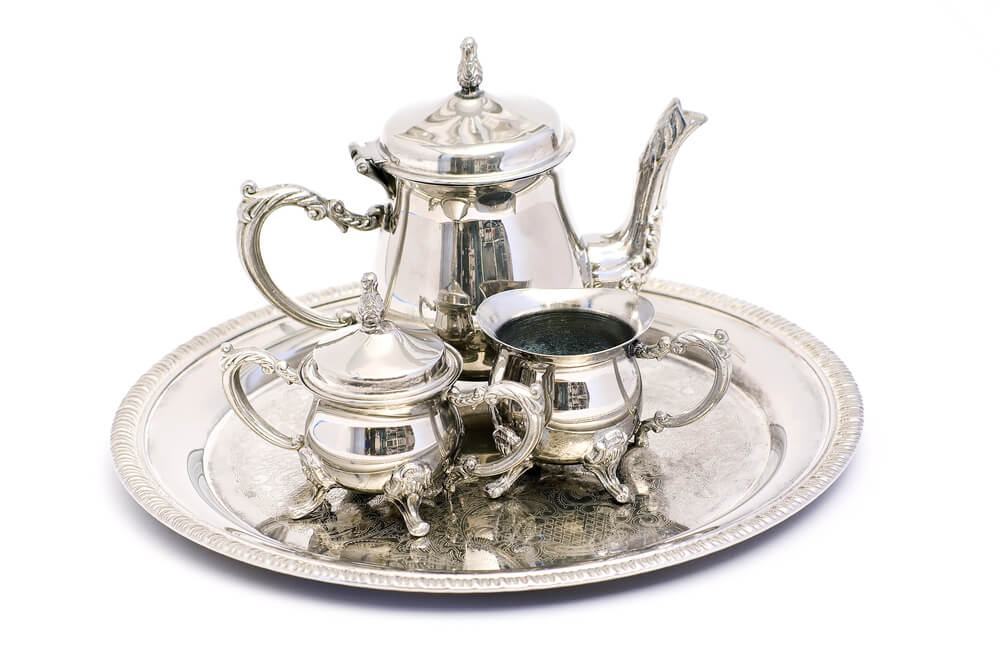
Clara Barck Welles launched the Kalo enterprise near Chicago in 1900, and its name comes from the Greek word for beautiful. Kalo made hand-hammered Arts and Crafts silver, with visible hammer marks left as part of the design rather than polished away.
That choice affects value, because a Kalo piece that was heavily buffed lost the very quality that made it desirable. Original hammered surface and an intact clasp matter more than weight, and Kalo marks are well documented.
Liberty’s Cymric Range
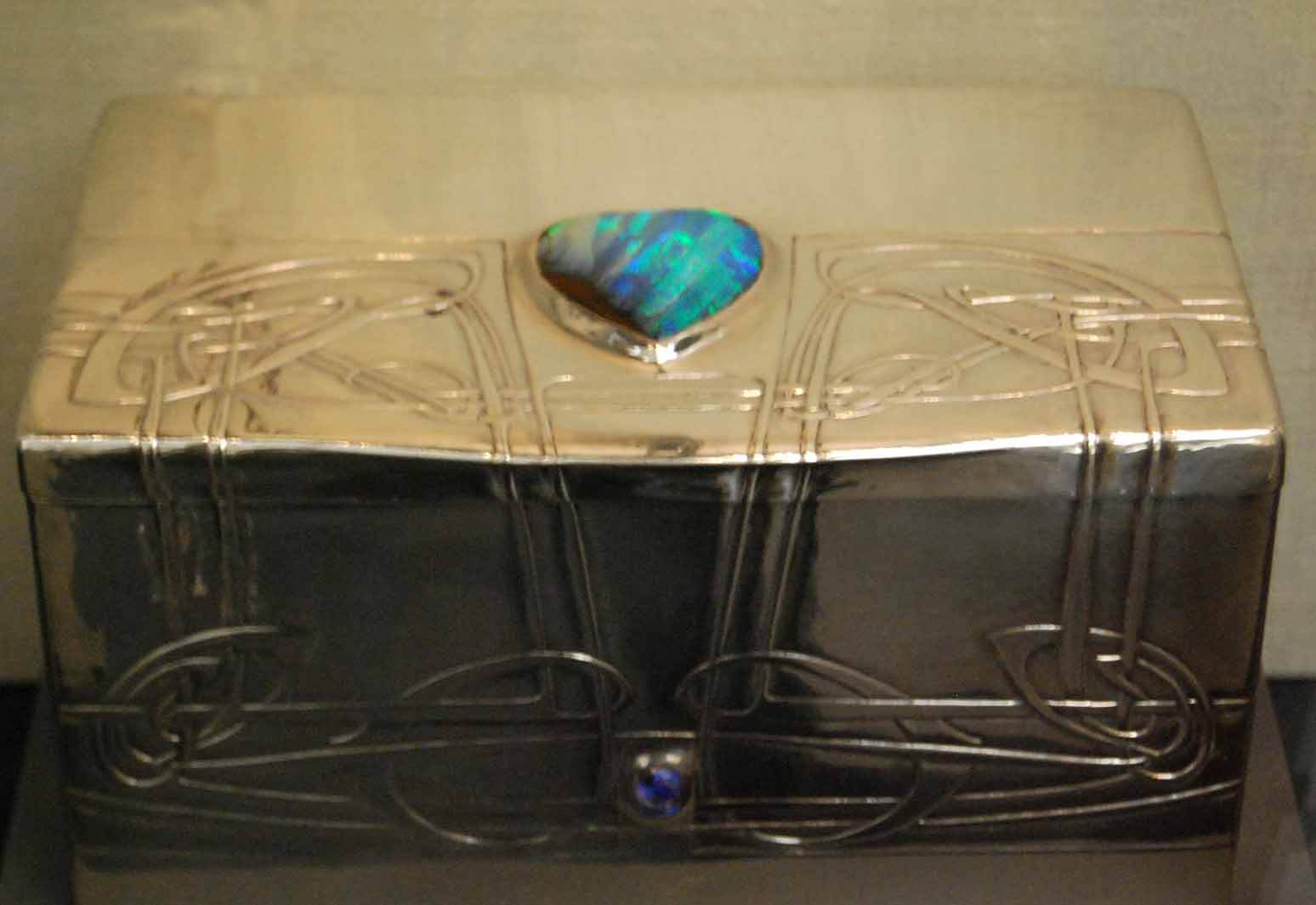
Liberty & Co. launched its Cymric silver line in 1899, with Celtic-inspired designs by Archibald Knox and others, made in Birmingham by W. H. Haseler. Pieces are marked Cymric and carry the Birmingham anchor, so they can be dated.
Knox, from the Isle of Man, favored interlaced tendrils and stylized plants, and his work is prized well above metal weight. Enamel loss, rubbed marks, and later repairs reduce price, so an unrestored piece usually leads the market.
Los Castillo and the Mixed-Metal Look
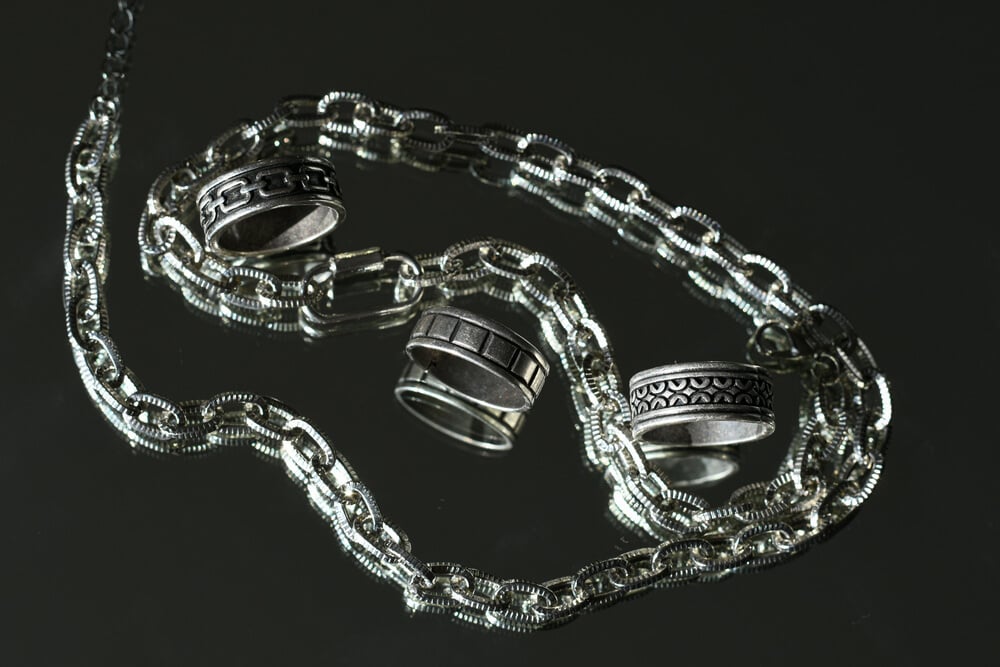
Los Castillo, a family workshop in Taxco founded by Antonio Castillo, who trained under Spratling, became known for combining silver with copper and brass in the same piece, in bold modernist forms. The mixed metals mean the silver weight is lower than it looks, and a buyer should not assume an entire item is sterling.
Value rests on the maker’s stamp and design quality, with dents, loose joins, and later repairs pulling prices down.
Margot de Taxco Enamel
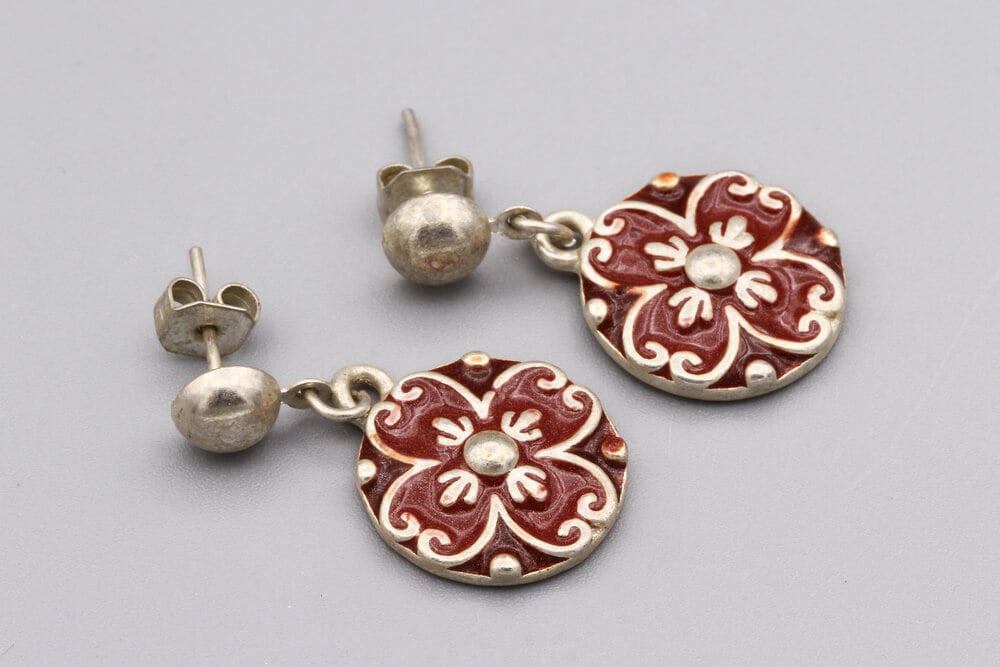
Margot van Voorhies founded Margot de Taxco in 1948, and her shop became known for sterling jewelry decorated with enamel in rich colors, often in floral and modernist forms. Pieces carry the Margot de Taxco name along with a design number, which collectors use to catalog and date them.
As with all enamel, chips and cracks hurt value significantly, so an unblemished brooch can be worth several times a damaged one of the same weight in metal.
Tane of Mexico City
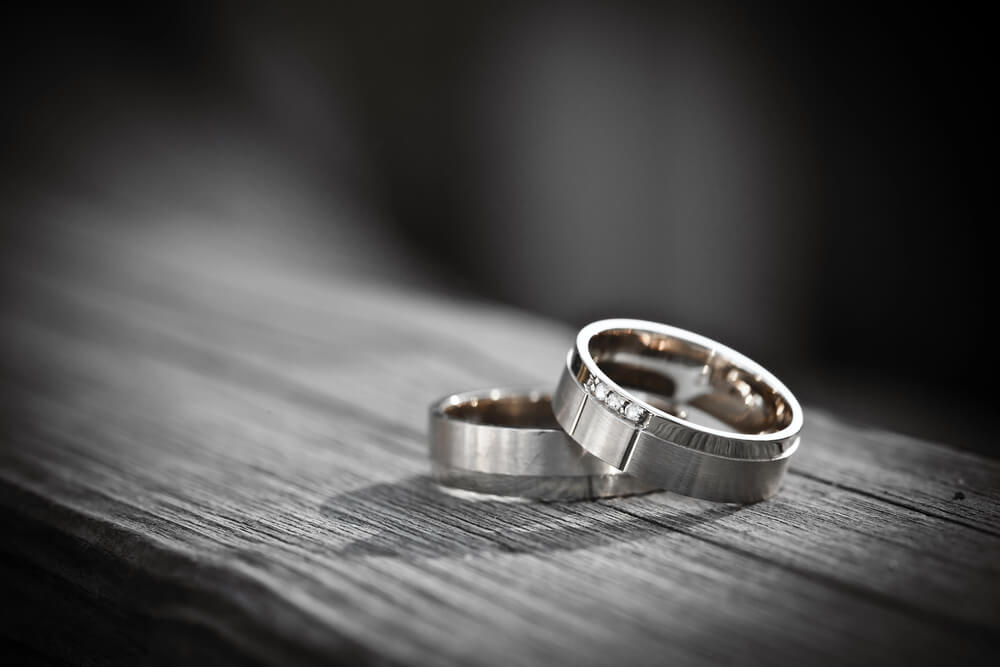
Tane is a Mexico City house, founded in the 1940s, that combined fine silverwork with designs drawn from pre-Hispanic Mexico. Its cuffs and pendants carry the Tane name in the stamp.
Because the maker is well known, the stamp carries real weight at resale, though a bent cuff or a cracked setting can undo the premium. A scale alone will undervalue these pieces.
Navajo Silver Before the Sterling Stamp
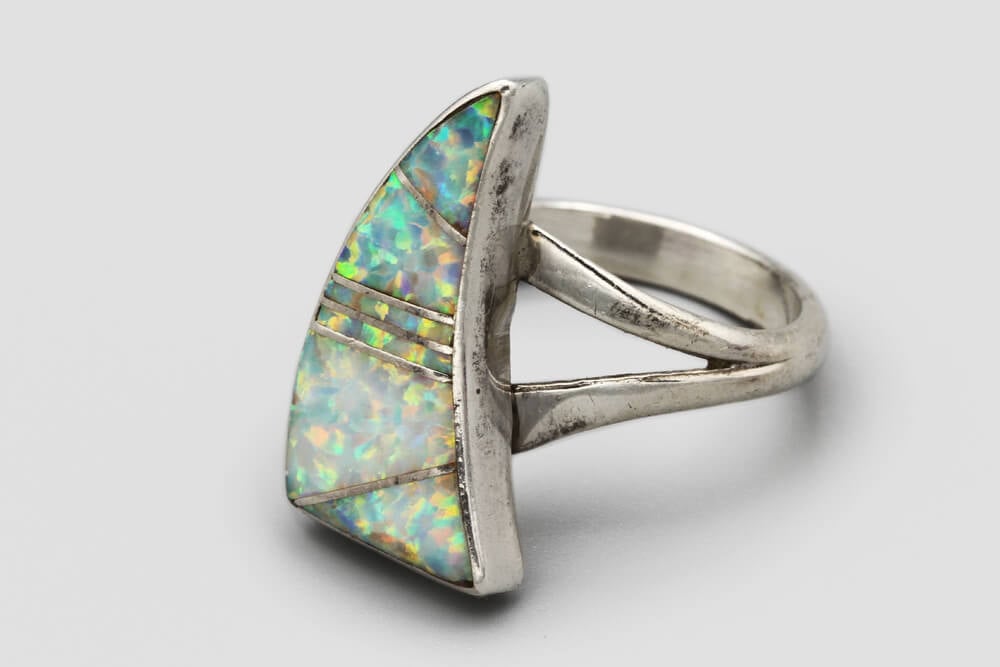
Navajo silversmithing developed in the second half of the nineteenth century, and early smiths often worked from melted coins, which means older pieces may not be 92.5 percent silver at all. Coin silver is closer to 90 percent, and these early pieces rarely carry a hallmark.
Value rests on age, style, and provenance, and the market prefers untouched surfaces to over-cleaned ones. A piece with an old, honest patina and documented history is far more desirable than a shiny one of uncertain origin.
Squash Blossom Necklaces and the Naja
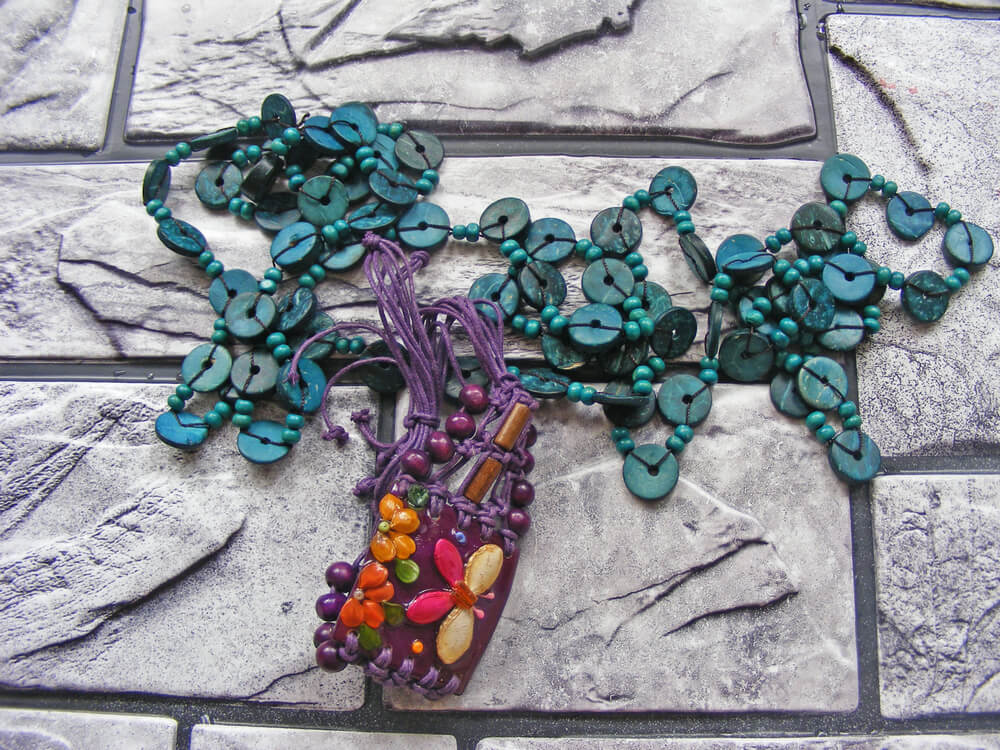
The squash blossom necklace pairs rounded beads with flaring blossom-shaped elements and a crescent pendant called the naja, a form often traced to Moorish and Spanish horse gear. Heavy examples can hold a lot of silver, so the melt floor is significant, but the stones and craftsmanship can lift the price far above it.
A complete necklace with its original beads, stones, and naja is strongly preferred, while one assembled from mismatched parts is valued much lower.
Sandcast Cuffs from Carved Tufa
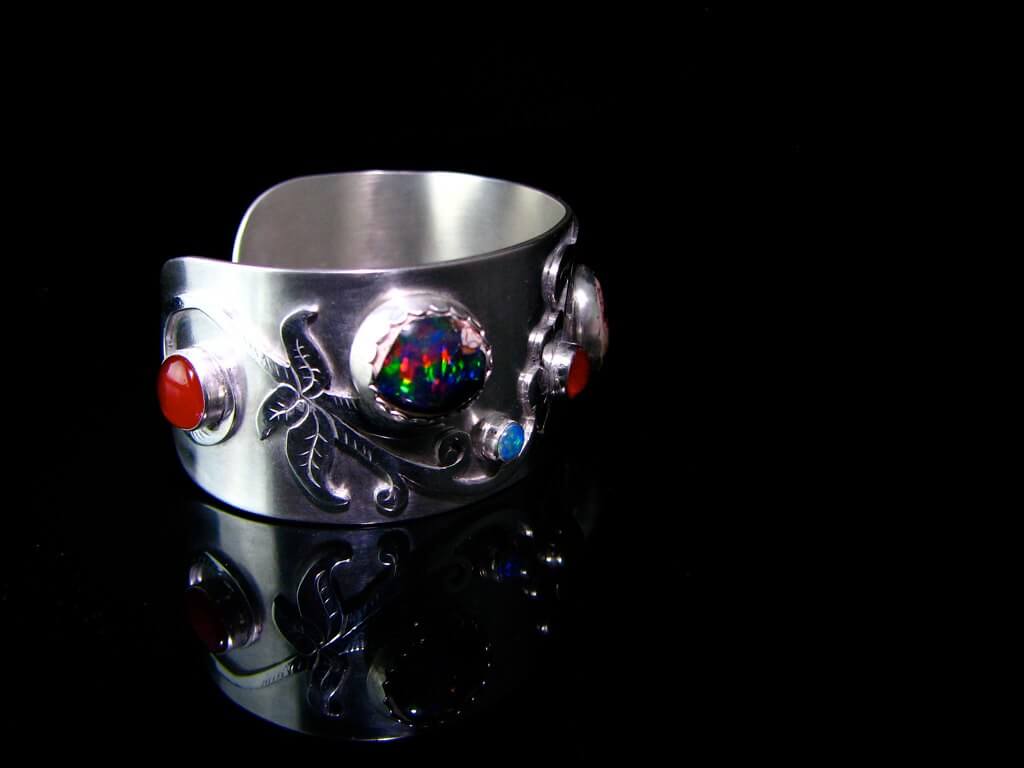
Sandcast jewelry is made by pouring molten silver into a mold carved from tufa, a soft volcanic stone, which leaves the textured, slightly grainy surface the technique is known for. Each casting takes its texture from the carved stone, so no two cuffs match exactly.
The metal weight can be considerable, giving a solid melt floor, while the artist’s stamp, turquoise quality, and condition determine the collector premium. Cracks in stones and heavy polishing both cut into price.
Zuni Needlepoint and Petit Point
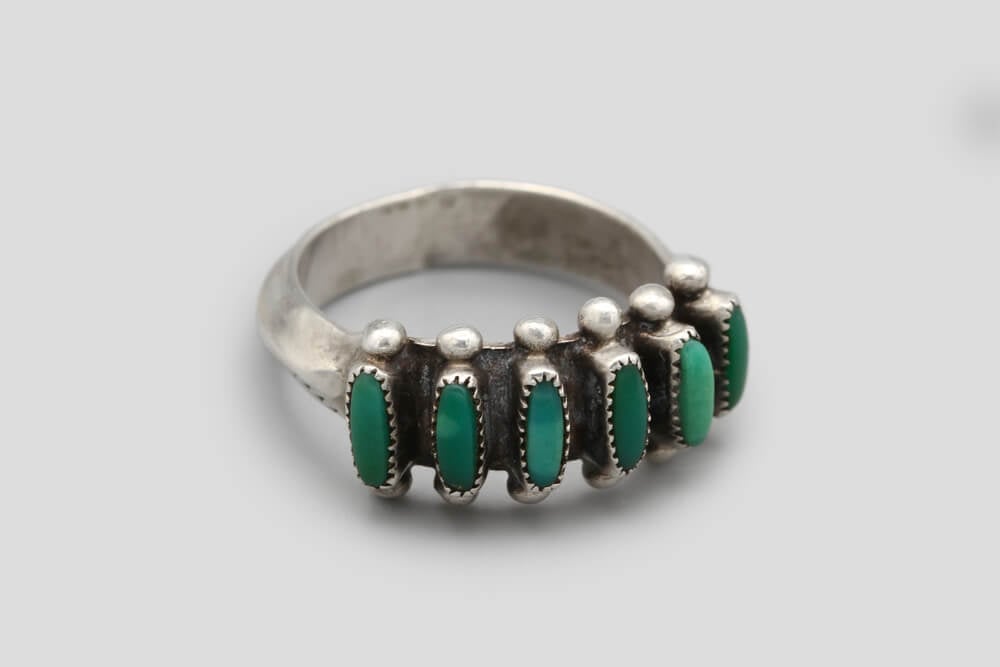
Zuni needlepoint uses slender, sliver-shaped pieces of turquoise set in tight rows, often in a sterling silver bezel, while petit point uses small rounded stones. Making them takes hours of cutting and matching stones, and the silver content is very light.
The value is almost entirely in the lapidary work, so a cracked or missing stone matters far more than the missing weight of the setting. Matched color across the entire piece is another sign of quality.
Hopi Overlay and the Postwar Silvercraft Guild
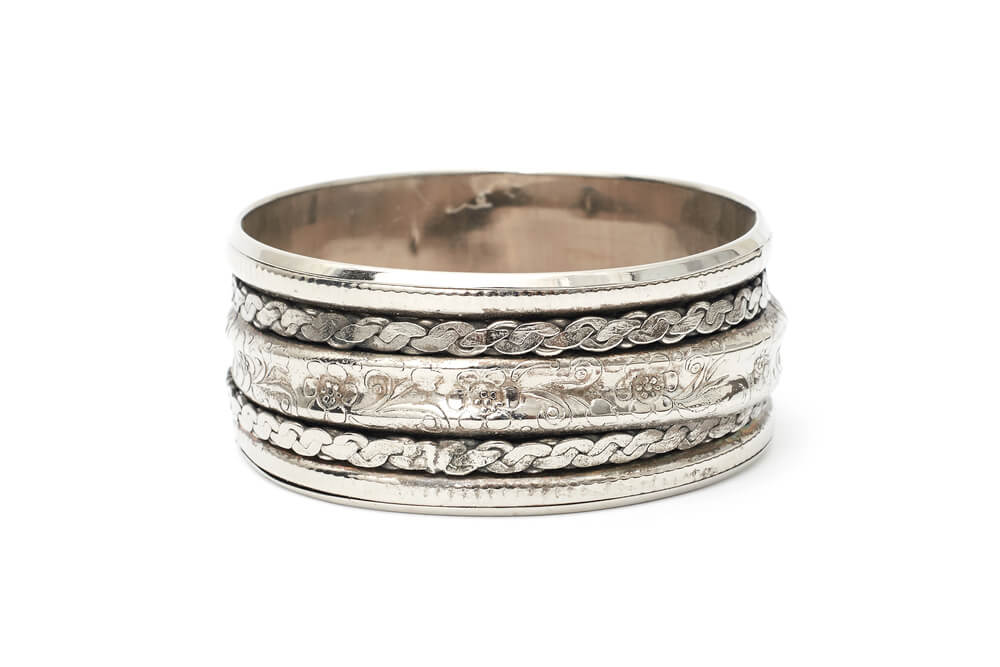
Hopi overlay is made from two sheets of silver, with a pattern sawed from the top layer and soldered over a darkened base so the design stands out in contrast. The style developed in the late 1940s, when Hopi veterans received training that led to the formation of a silvercraft cooperative.
The look is now so identified with Hopi artists that pieces are often valued by the maker’s hallmark, and a bracelet with clean cutwork and an even dark background tends to outsell worn examples.
The Charm Bracelet and Its Many Tiny Weights
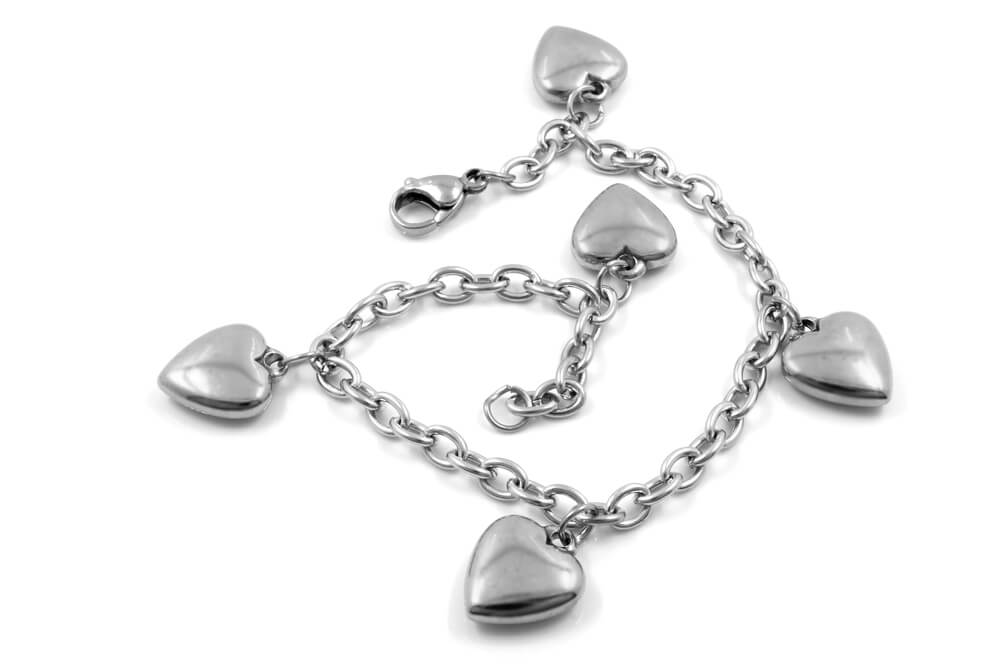
Charm bracelets became widely popular in the Victorian period, helped by Queen Victoria’s wearing of charms in mourning, and enjoyed another boom in the 1940s and 1950s. Sterling charms, including mechanical ones that open, spin, or move, carry the real collector interest.
Each charm adds a few grams, and the bracelet’s chain adds more, but a complete one with all of its soldered loops and moving parts is worth considerably more than a loose pile. Missing tiny parts reduce price quickly.
Wartime Sterling Brooches from Trifari and Coro
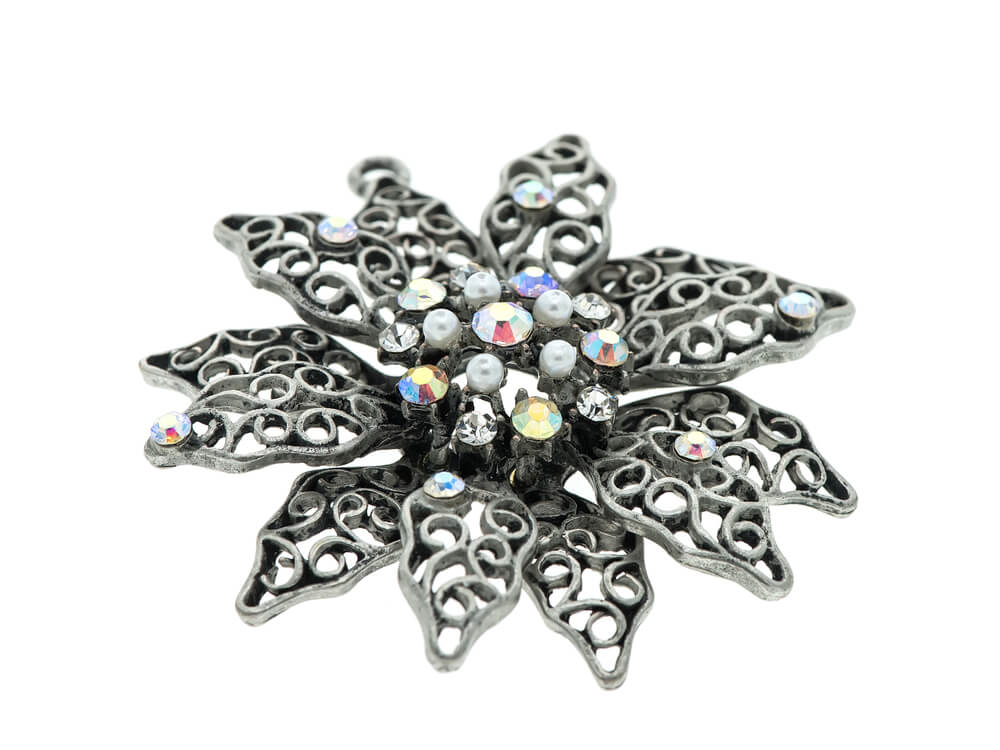
When the United States restricted base metals for war production in the early 1940s, costume jewelry makers such as Trifari and Coro turned to sterling silver, frequently finished in gold wash known as vermeil. The result was a run of figural brooches, flowers and animals among them, with a precious-metal base that most costume jewelry lacks.
Collectors prize pieces with intact stones and clear sterling stamps, while missing rhinestones and rubbed gilding lower the value of even good examples.
When the Scale and the Signature Disagree
The pieces in this list show how often weight and worth point in different directions. A thin enameled brooch can be worth many times its metal, while a heavy plain chain is worth almost exactly what it weighs, and the stamp on the back explains which situation applies.
Learning the marks, from lions to eagles to crescent moons, turns a pile of unlabeled silver into a set of answers about maker and age. The practical lesson is to read before weighing.
Check the marks, note any stones, enamel, or repairs, and only then decide whether a piece is metal or a collectible. Condition changes the answer constantly, so an honest look at the surface matters as much as the stamp, and cleaning that removes a patina or buffs away a mark can destroy the premium a piece would otherwise have earned.
More from Go2Tutors!

- 27 Silver Dollars and Half Dollars Worth Keeping
- 28 Restaurant Menu Items Nobody Orders Anymore
- 17 Places Built in Seemingly Impossible Spots
- 27 Vintage Rings Worth More Than They Look
- 25 Restricted Sites Tourists Can’t Enter
Like Go2Tutors’s content? Follow us on MSN.