Gas Station Perks Drivers Got For Free
A fill-up once came with a crew. A bell rang when the tires crossed the driveway hose, and a man in a pressed uniform appeared at the window before the engine was off.
He pumped the gas, wiped the glass, lifted the hood, and sent the driver away with a map, a stamp book, or a drinking glass, none of which typically cost extra when offered as a promotion.
That era ran roughly from the Depression through the gas lines of the ’70s, when oil companies competed on service and trinkets because fuel was a relatively undifferentiated product from one sign to the next. Much of what they handed out has since migrated to flea market tables and online auctions.
What follows is the inventory of a vanished bargain.
Windshield Cleaning at Every Stop
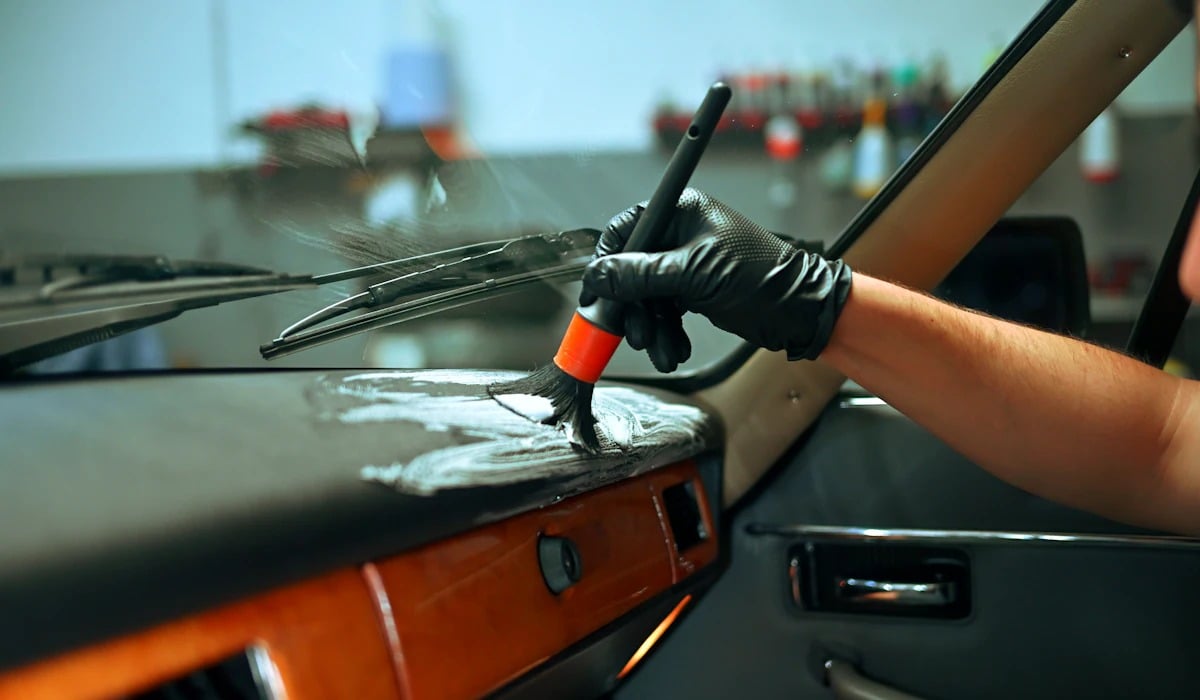
The squeegee was the signature move of the full-service era. While gas flowed, the attendant worked a sponge and rubber blade across the windshield and often the rear glass and side mirrors as well, whether the driver asked or not.
Good service included a clean windshield, and attendants often treated the task as a point of pride. Some stations kept a second attendant on duty just for the glass.
The practice survived in a diminished form as the self-serve squeegee bucket chained to the pump island, which is a fair measure of how far the service slid.
Oil Checked Under the Hood
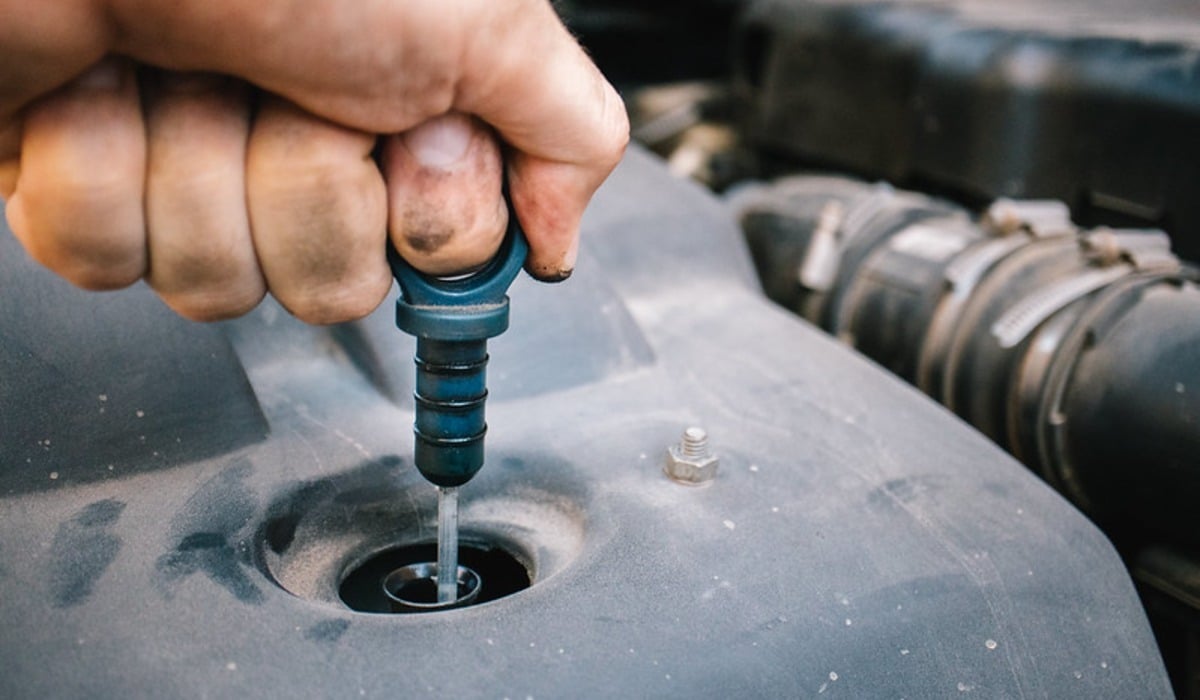
Popping the hood was standard procedure, and the attendant would pull the dipstick, wipe it on a shop rag, reinsert it, and show the driver the result through the window. If the engine was down a quart, the station sold the oil, which was the point of the exercise, but the check itself was free.
Cars of the ’50s and ’60s could consume or leak oil more readily than many modern vehicles, so the habit helped prevent engine damage. Many drivers never learned where their own dipstick was because someone else had always found it for them.
Tire Pressure Topped Off on Request
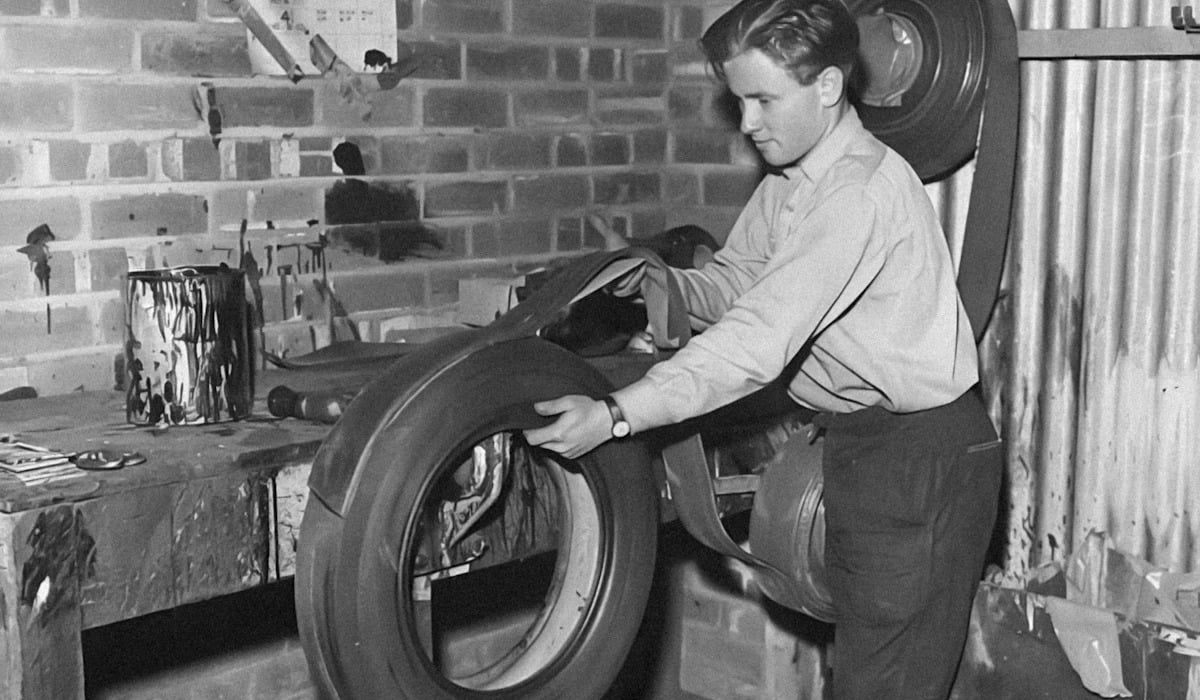
Attendants carried a pencil gauge in a shirt pocket and would walk the car checking all four tires, adding air from a hose on the island. Tire pressure needed regular attention, and a badly underinflated tire could overheat and fail on a long trip.
The service doubled as a sales opportunity, since worn tread spotted during the check led to a conversation about the new tires stacked inside the bay. Stations that skipped the tire walk could be seen as offering less attentive service by the standards of the day.
Free Road Maps From the Rack
The folding map was one of the most widely distributed gas station freebies of the century. Oil companies commissioned cartographers such as General Drafting, Rand McNally, and H.M.
Gousha to produce state and regional maps carrying the company logo, and stations handed them out from wire racks by the door. Esso’s maps carried the “Happy Motoring” slogan, and Standard Oil of New Jersey distributed maps in enormous quantities.
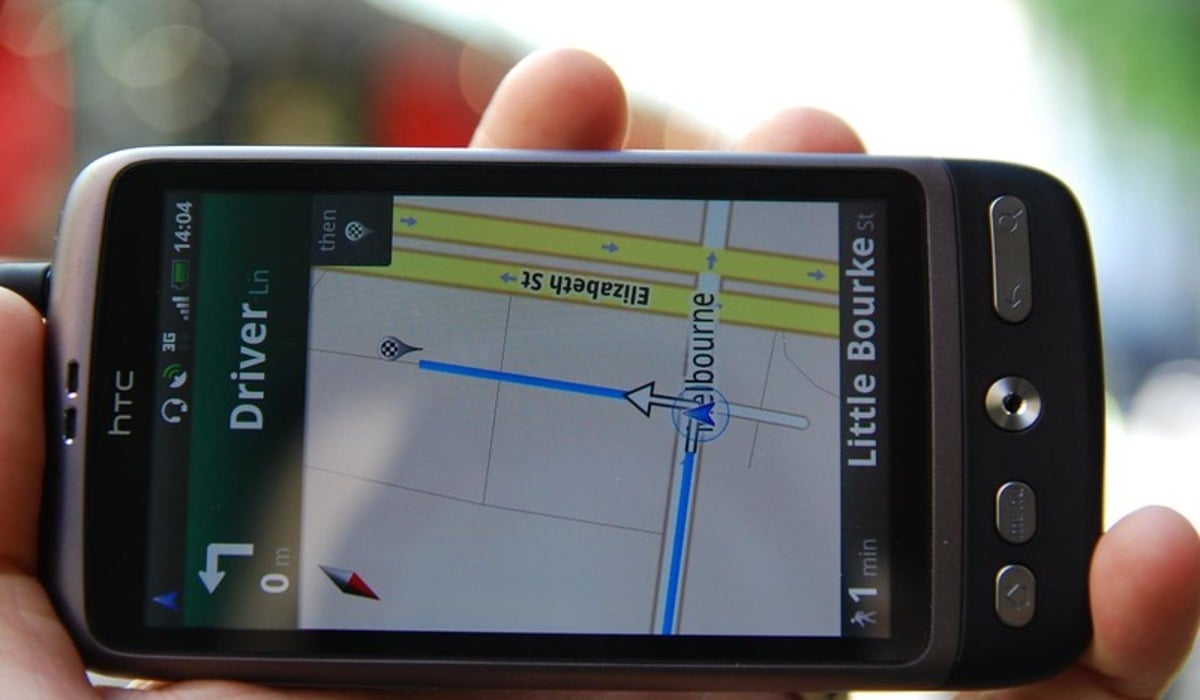
Free maps remained common for decades, although their availability varied by company and location. As road travel changed and digital navigation eventually took hold, they lost their place as an essential giveaway.
Vintage examples trade cheaply unless they are early, rare, or in crisp, unfolded condition.
Trading Stamps With Every Fill-Up
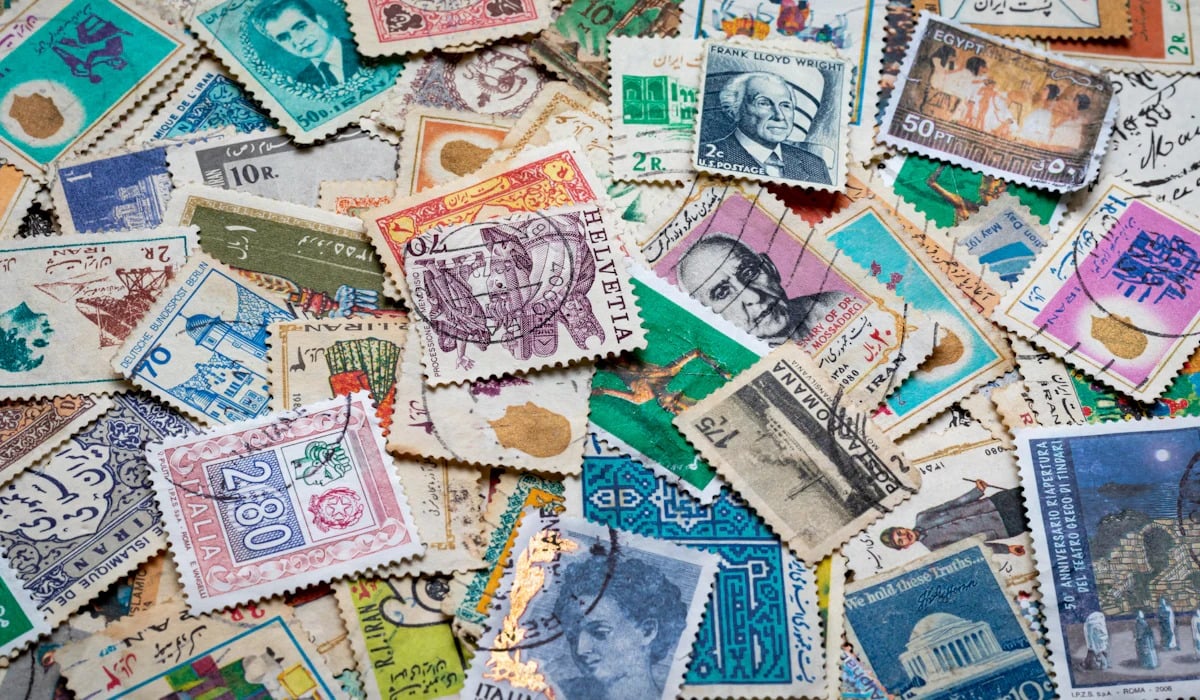
S&H Green Stamps, Top Value, Gold Bond, and Blue Chip stamps were dispensed at gas pumps as readily as at grocery checkouts. A driver received a strip of stamps proportional to the purchase, pasted them into a booklet at home, and eventually redeemed full books for toasters, lamps, or luggage from a catalog.
At the program’s peak in the ’60s, S&H claimed to print more stamps annually than the U.S. Post Office.
Stations advertised double-stamp days to pull traffic from the competitor across the street, and the stamps were effectively a small reward tied to the amount spent on gas, delivered in paper form.
Promotional Drinking Glasses by the Set
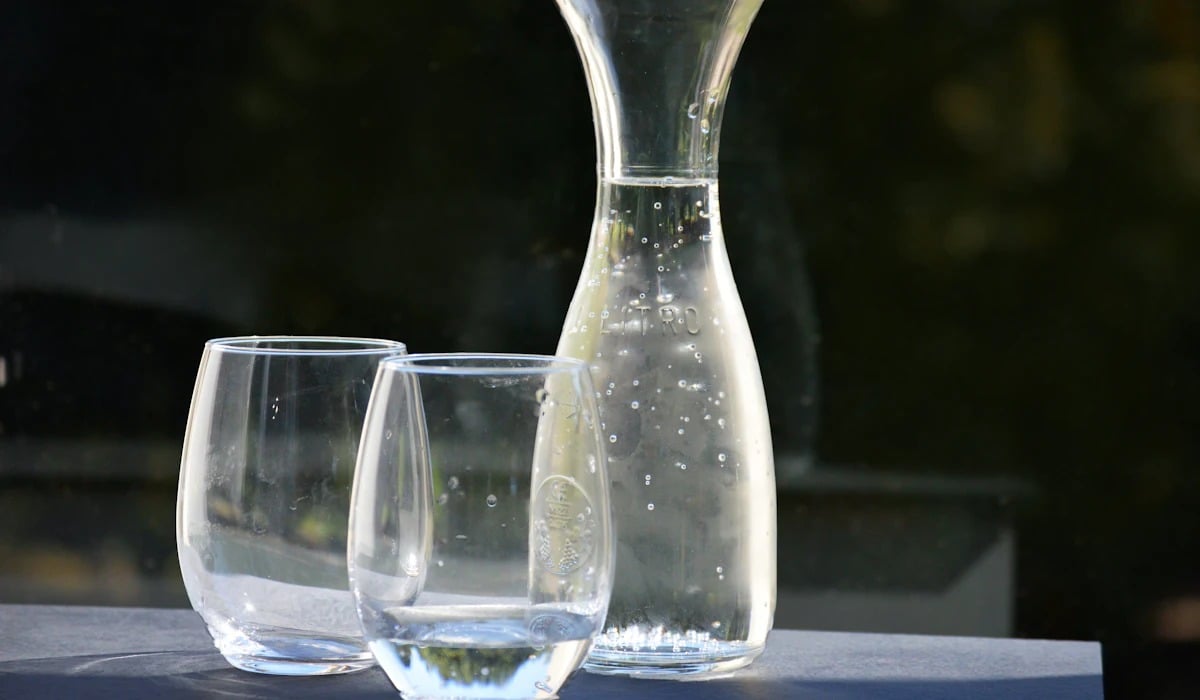
Glassware was a workhorse premium of the ’60s and ’70s. Some promotions offered a tumbler with a qualifying fuel purchase, and the sets were designed to be collected over many visits, which was precisely the point.
Glass manufacturers produced large runs for oil companies, including sports-themed and commemorative designs. The specific maker and history of individual sets varied, so claims about a particular company’s production run or museum holdings should be checked against the item.
Complete sets in unchipped condition can bring more than the glasses ever cost the station, though values depend heavily on condition and whether the original carton survives.
The Esso Tiger Tail for the Gas Cap
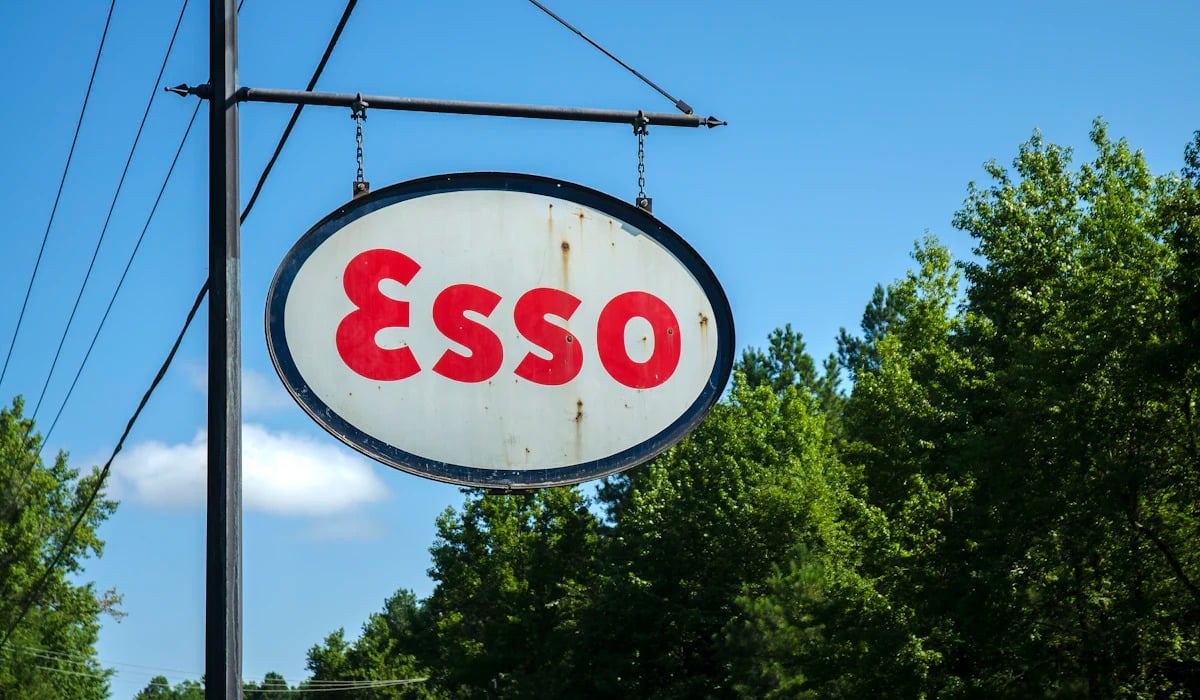
Esso’s “Put a Tiger in Your Tank” campaign, launched in the mid-1960s, produced one of the most recognizable gas station accessories of the decade. The plush orange-and-black tail was meant to hang from the gas cap or trail from the antenna, and drivers all over the country tied them on.
The campaign’s success pushed the tiger onto bumper stickers, posters, and promotional toys handed out at stations. Original tails with intact Esso tags are collectible, and condition matters enormously, since many spent years exposed to sun and road grime before being tossed in a garage.
Shell’s Mr. President Coin Game
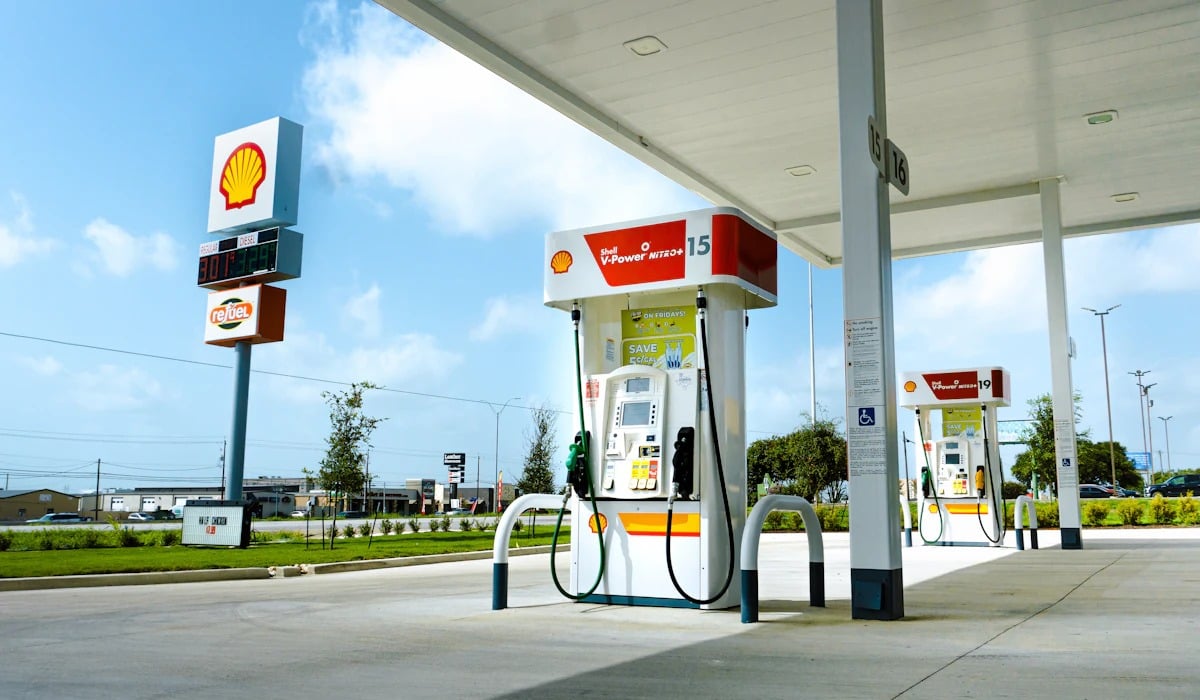
In 1968, Shell distributed aluminum coins bearing the portraits of U.S. presidents as part of a game called Mr. President.
Drivers received a sealed packet with each visit, and collecting coins to complete designated sections of a game card could win prizes. Shell ran other promotional games as well, including collect-and-win campaigns featuring different designs and prizes.
The aluminum tokens are still cataloged by collectors today. Common coins are inexpensive, but complete sets, special winning pieces, and original display boards can attract more interest, depending on condition.
Gulf Toy Trucks Under the Tree
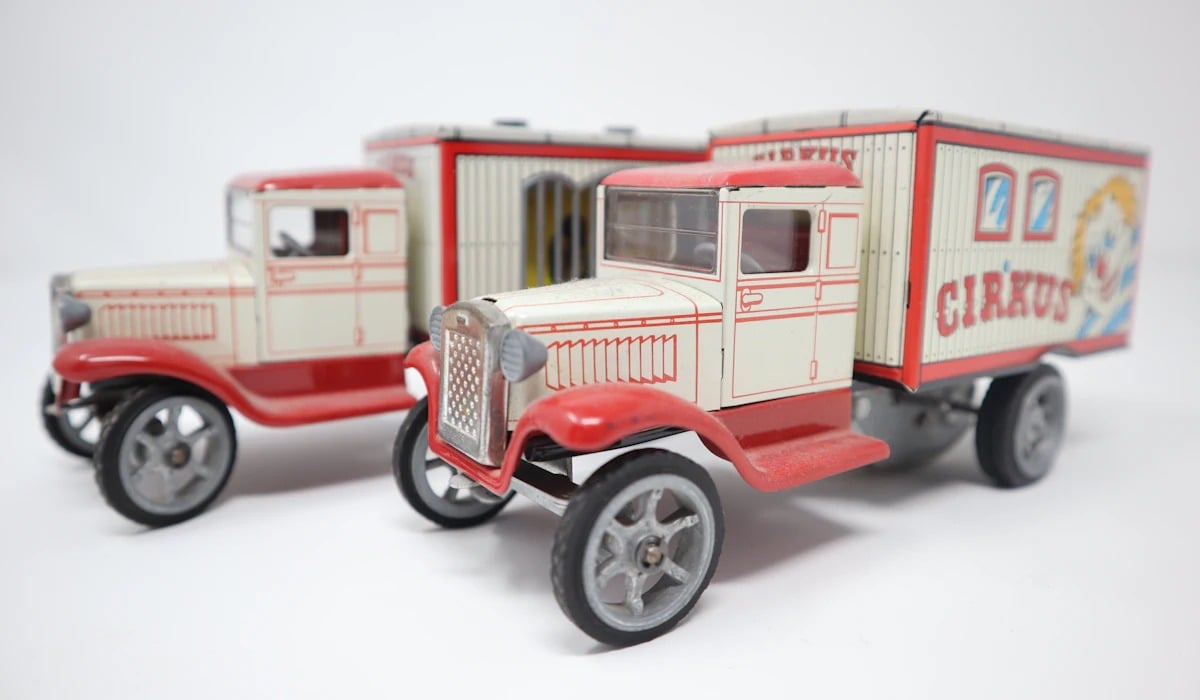
Gulf stations sometimes used toy trucks as holiday promotions or purchase premiums. The sheet-metal and plastic trucks wore the orange Gulf disc and were sized for a child to push across the living room floor.
Collectors distinguish these from Hess trucks, which Hess has sold rather than given away since the first one appeared in 1964. Gulf trucks in the original box, with decals intact, can bring far more than loose examples, and reproductions exist, so provenance and condition drive the price.
The Texaco Buddy L Tanker
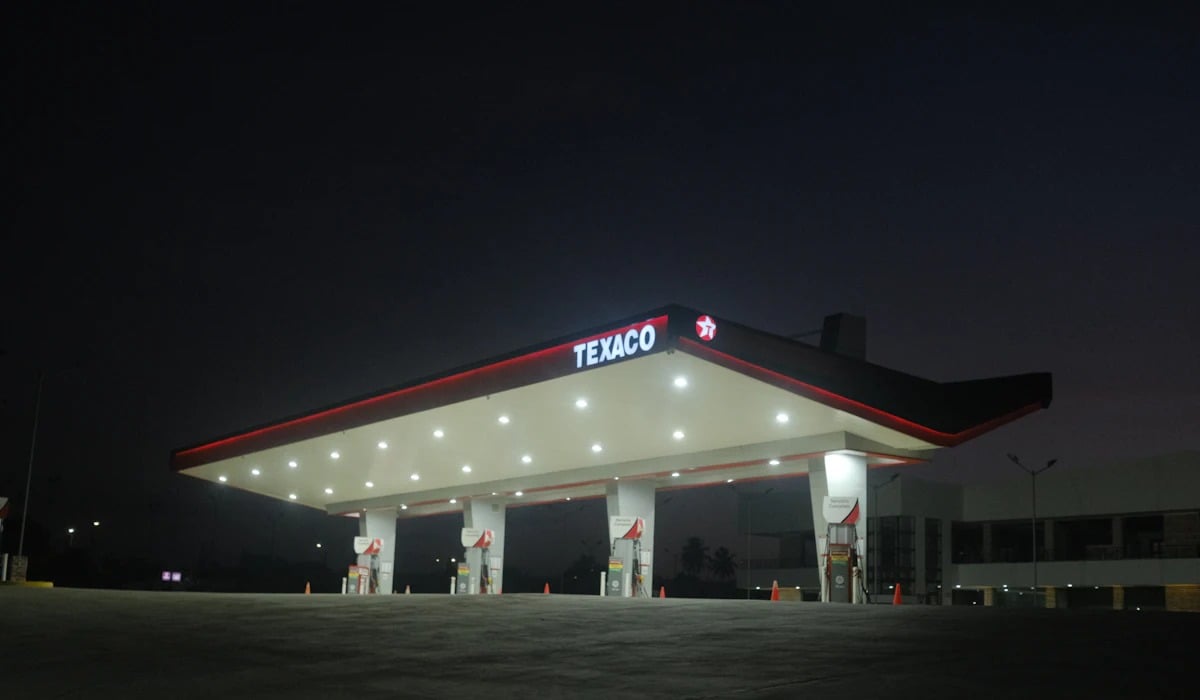
Texaco’s toy truck promotions of the late ’50s and early ’60s included pressed-steel models associated with toy makers such as Buddy L, and the red Texaco tanker became a recognizable petroliana collectible. Stations displayed toy trucks in the weeks before Christmas, and some dealers used them as premiums or promotional incentives.
The trucks were sturdy enough that many survived decades of play, which keeps supply reasonable. Examples with the original decals, hose, and box are the ones that sell well, and prices depend heavily on condition.
Sunoco Pro Gridiron Glasses
Sports-themed drinking glasses were among the promotional premiums used by oil companies in the 1960s and ’70s. Each glass could carry a team’s helmet and colors, and stations sometimes released glasses in series so a fan had to keep coming back to complete the lineup.
Such promotions were especially popular in regions where the sponsoring brand had a strong presence. Full sets of all the teams of the era are harder to assemble than single glasses, and value depends on condition, since the painted logos could wear off in dishwashers.
Mobil’s Flying Red Horse Freebies
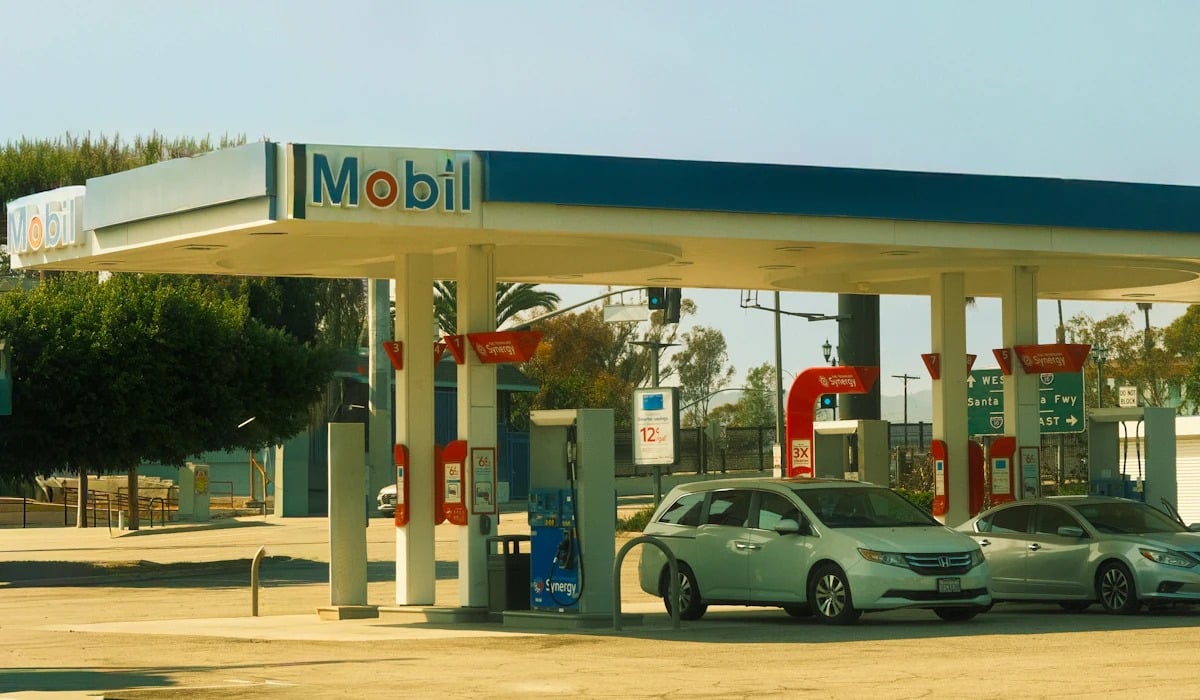
Mobil’s Pegasus, the red winged horse adopted in the ’30s, appeared on decals, pins, and paper goods handed across the counter at Mobil and Mobilgas stations. The emblem was so recognizable that drivers stuck the free decals on toolboxes and bumpers for decades, and the giant porcelain Pegasus signs that hung over stations are now collector’s items.
The small freebies survive in large numbers, so most are inexpensive, but early examples with the Socony-Vacuum branding attract serious collectors. Condition and authenticity matter, as reproductions of the Pegasus logo are common.
Free Air at the Island
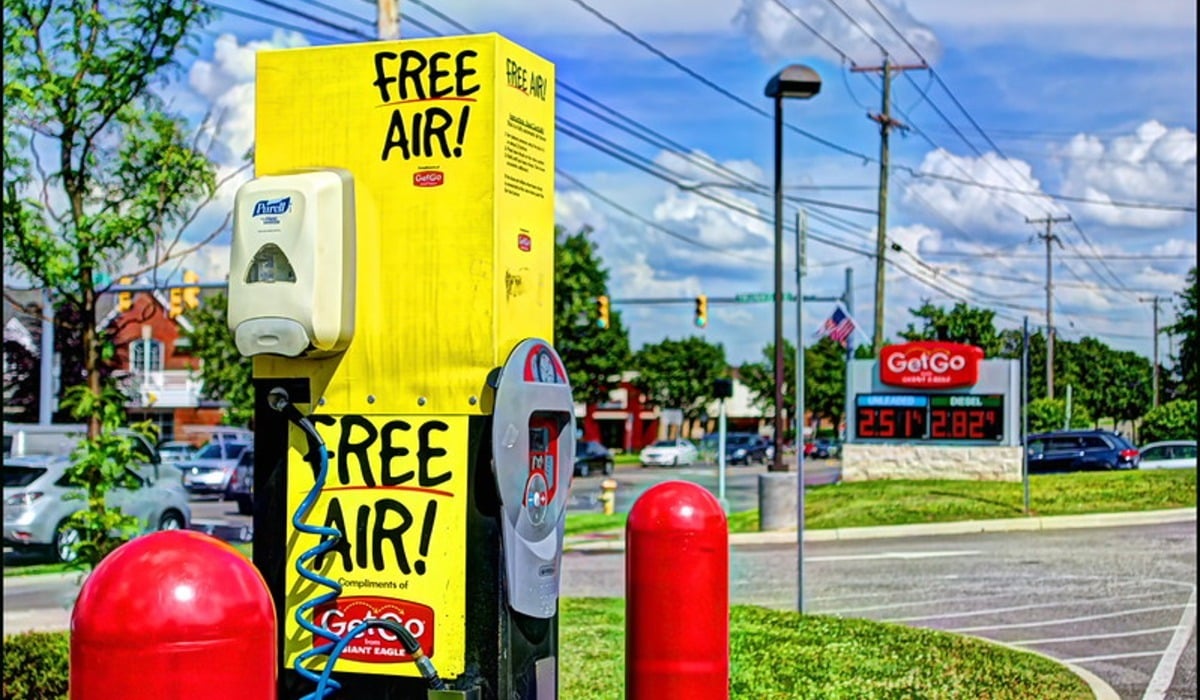
A compressed-air hose was standard equipment at many stations, and using it often cost nothing. Attendants would inflate tires, inner tubes, and the occasional bicycle tire, and the air tower often stood at the curb for anyone who pulled in.
The coin-operated air machine appeared later, as stations went self-serve and owners looked for revenue in every corner of the lot. Today, free-air rules vary by state and may depend on whether a customer has purchased fuel.
The change reflects how a service once commonly offered at no charge became a potential add-on.
Radiator and Water Top-Offs
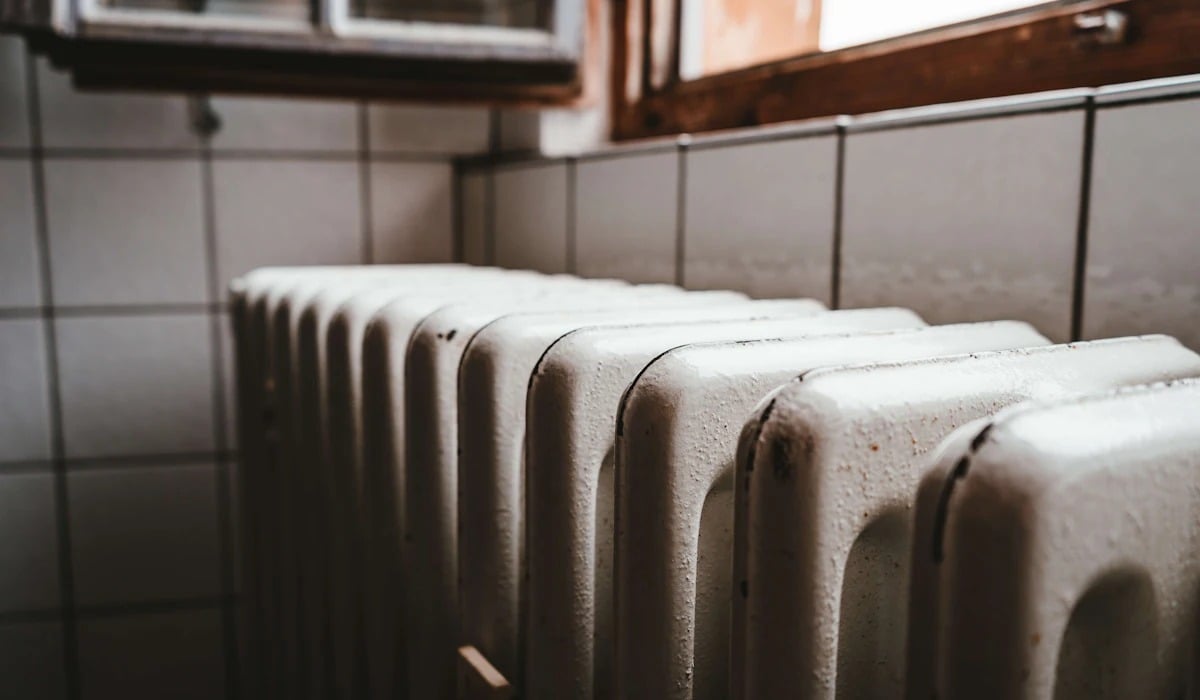
Before sealed cooling systems became widespread, radiators needed more frequent attention, and the attendant might unscrew the cap and top it off with water from a can kept by the pumps. In summer, stations in the Southwest sometimes provided this service to drivers concerned about overheating.
Checking the coolant level also gave the attendant a chance to spot a cracked hose or a slipping fan belt before the car overheated miles down the road. The watering can with the station’s name stenciled on it has become a collectible in its own right.
The Restroom Key on a Board
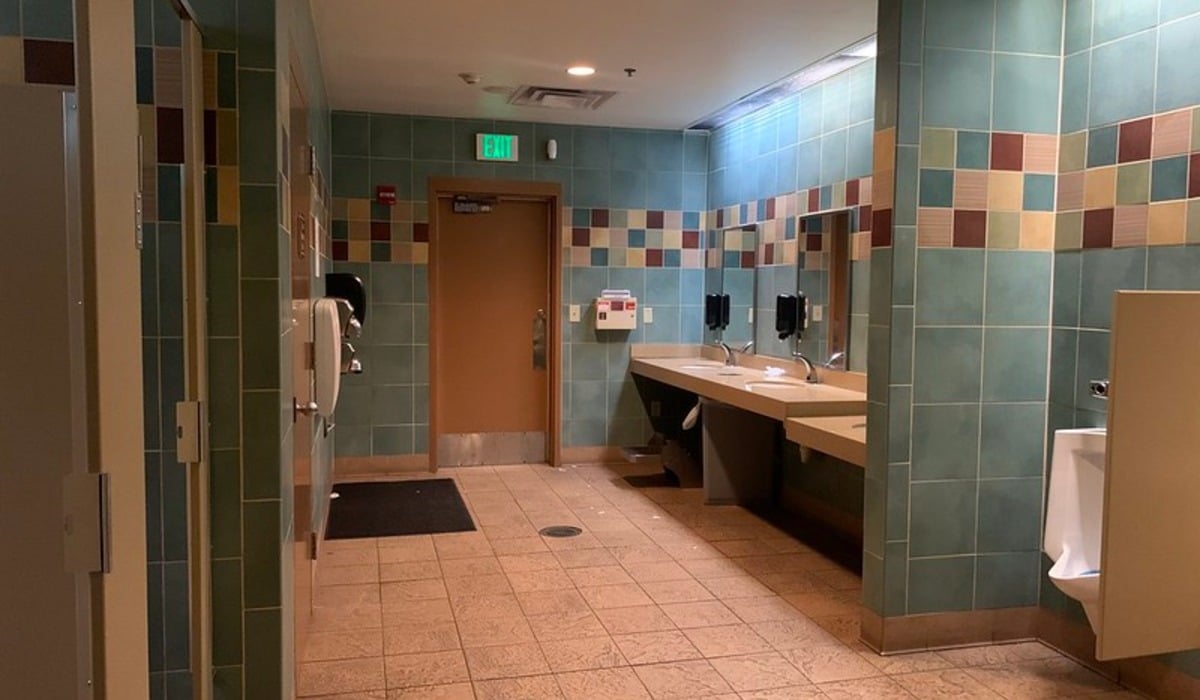
Oil companies turned clean restrooms into a marketing weapon. Texaco’s Registered Rest Rooms program, promoted from the late ’30s onward, promised a clean facility at participating stations and sent inspectors around to enforce standards.
Phillips 66 and other brands ran similar campaigns. The restroom key, sometimes attached to a wooden paddle or another oversized object so it could not be pocketed easily, was handed over at the counter at no charge.
For families on long drives, a trusted brand’s restroom was often the deciding factor in which sign to pull under.
Fuel Pumped by Someone Else
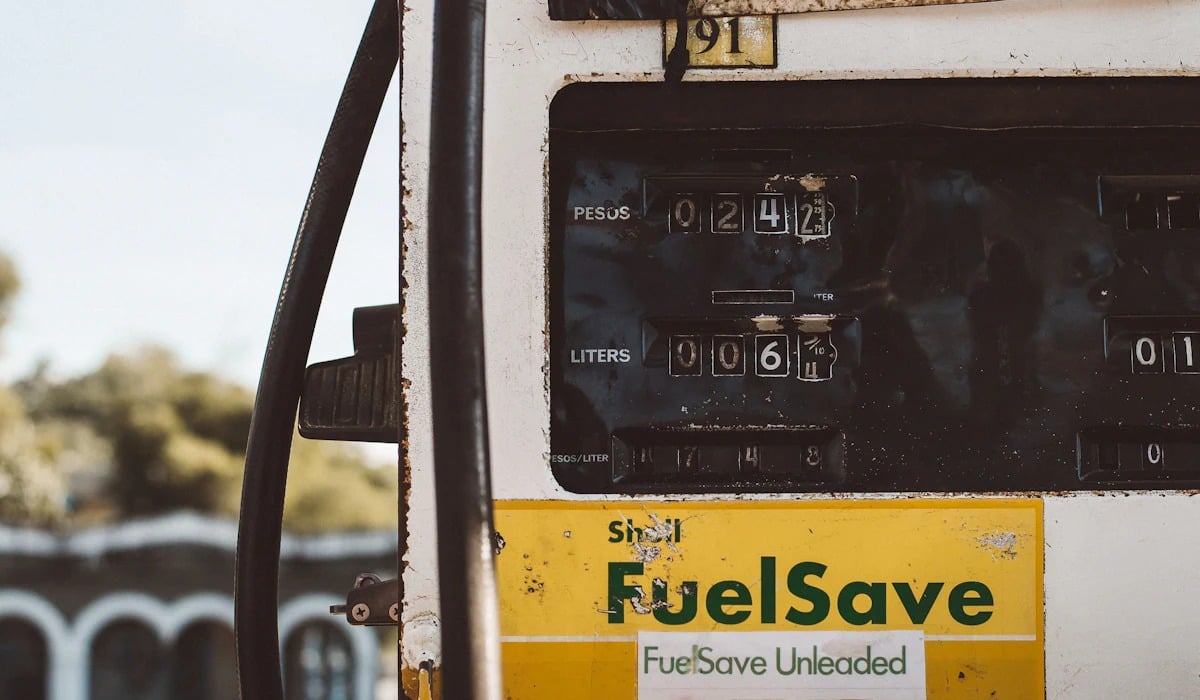
The most basic perk was the one drivers now still receive in New Jersey and can request in some other places. The attendant handled the nozzle, set the amount, and returned to the window with change, and the driver never left the seat.
Self-service pumping was restricted in parts of the country for decades on fire-safety grounds, and it spread more widely as stations adopted new business models and drivers accepted lower prices in exchange for pumping their own fuel. New Jersey still requires attendants to pump gasoline, while Oregon relaxed its restrictions in 2023 but continues to require attendants to be available under state rules.
Battery Terminals Checked and Cleaned
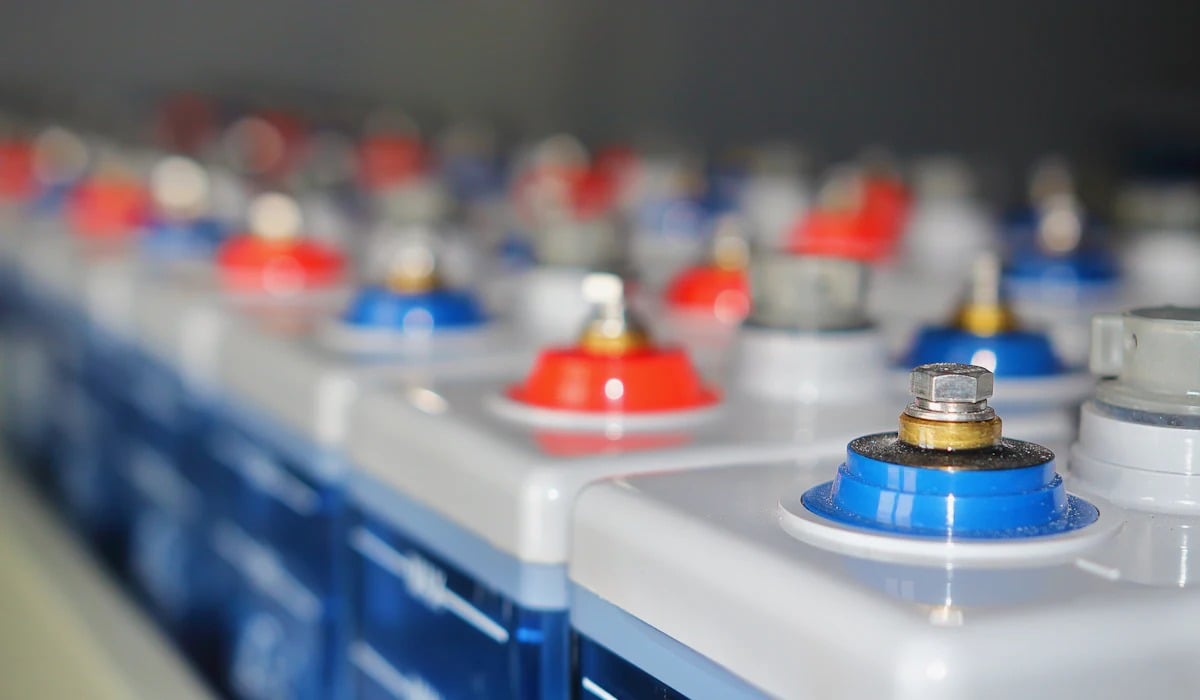
The under-hood inspection often included a glance at the battery, and attendants would wipe corrosion off the terminals and check the electrolyte level in the days of unsealed cells. A hydrometer test to measure the electrolyte’s specific gravity was sometimes used to help assess a battery’s condition, especially in cold-weather regions where a weak battery meant a stranded driver.
Like the oil check, the service existed partly to sell replacement batteries from the rack inside, but the inspection itself was free. For many drivers, these routine checks were part of the convenience of full-service stations.
Attendants in Pressed Uniforms
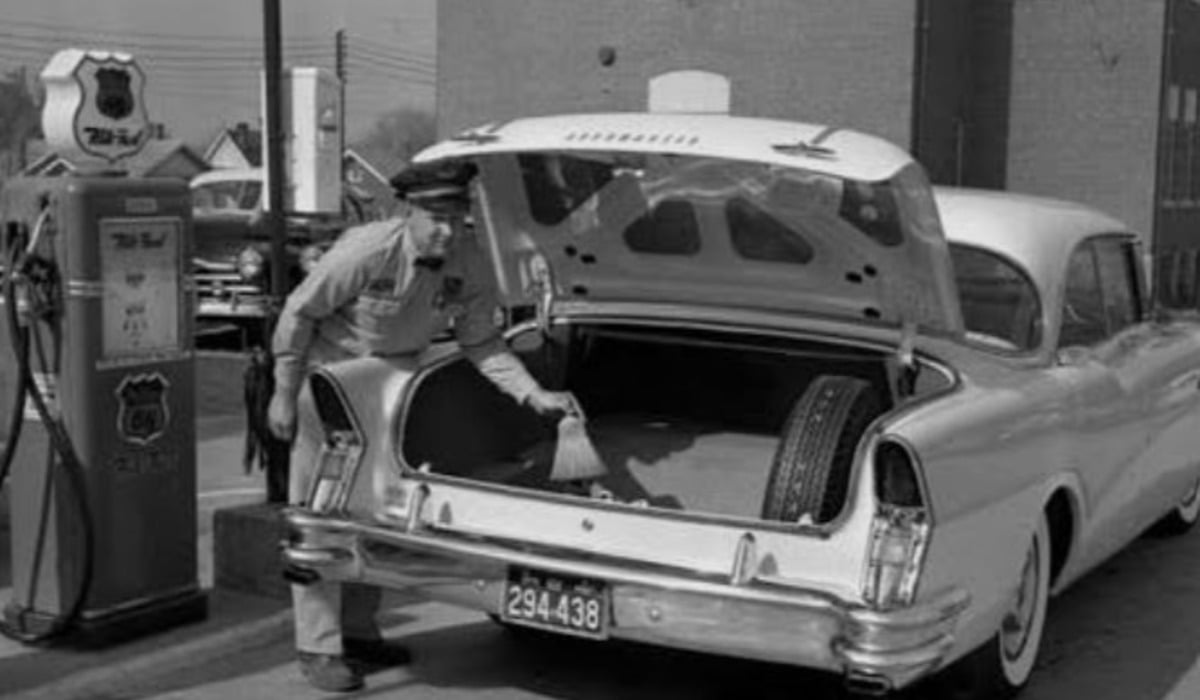
The uniform was part of the product. Texaco’s attendants wore matching outfits with caps and, in some eras, bow ties, and the brand’s advertising promoted its service standards.
Phillips 66, Standard, and Shell also issued company uniforms, and some stations emphasized formal greetings and attentive customer service. The uniforms signaled that the station was part of a national system with standards, and the laundered shirt was a quiet promise that the restroom would be clean too.
Christmas Giveaways at the Counter

December brought a flood of holiday premiums. Stations handed out ornaments, candy canes, coloring books, and small toys to children in the back seat, and many offered a Christmas-themed glass or mug with a qualifying purchase.
Toy trucks from Texaco, Gulf, and others were associated with the season, and some dealers wrapped the counter in tinsel and ran a radio station’s holiday broadcast through the service bay. Seasonal items were often produced in smaller quantities than year-round promotional goods, and intact ornaments with the oil company name can be among the more unusual pieces of petroliana.
Shell’s Game Cards and Sweepstakes
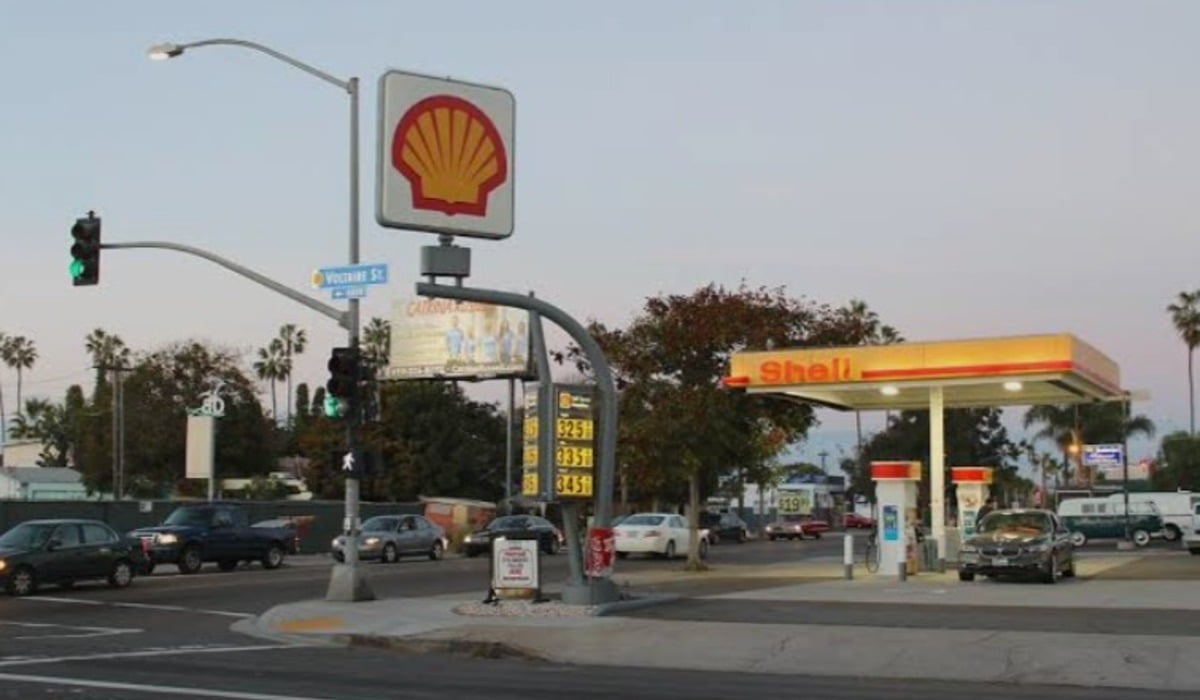
Shell ran a series of promotional games in the ’60s and ’70s, and drivers at participating stations received a game piece with a visit or qualifying purchase. The format varied, with coins one year and cardboard cards another, but the structure was similar: common pieces were everywhere, and certain pieces were harder to find or had special winning status.
Prizes ranged from free gas to cash and other rewards. The exact rules and odds varied by promotion, and some campaigns attracted scrutiny over how prizes were awarded.
Surviving unopened game pieces are inexpensive but oddly satisfying collectibles.
Texaco Fire Chief Hats for Kids
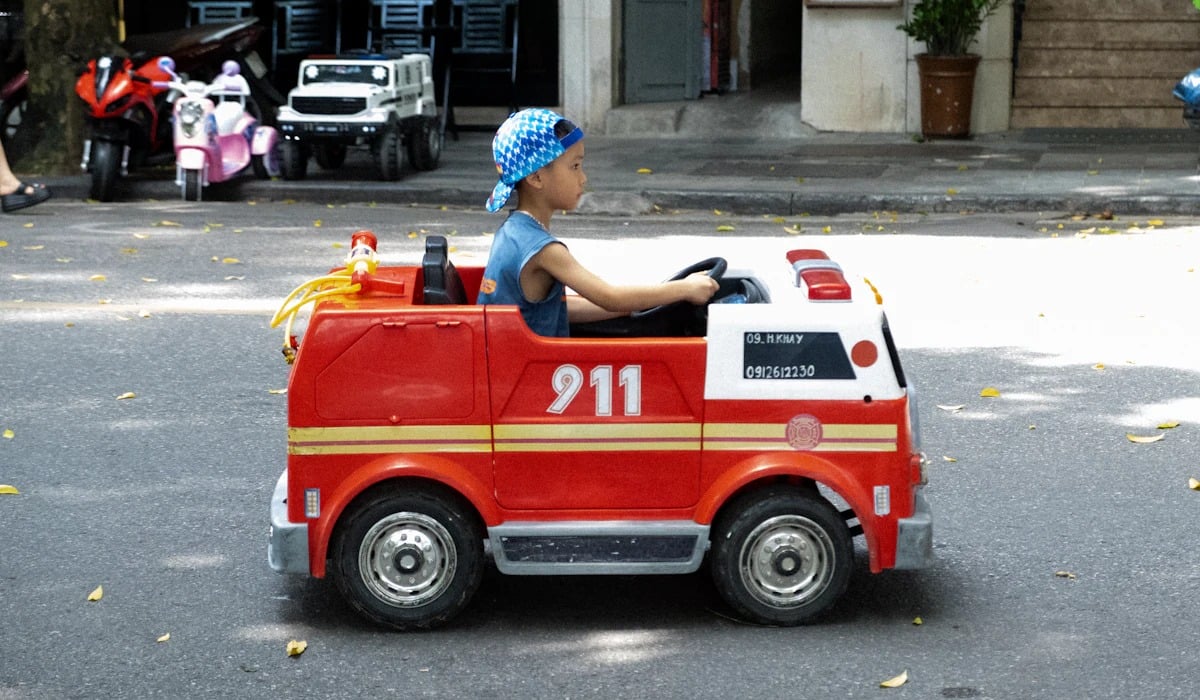
Texaco’s Fire Chief gasoline, introduced in the ’30s, gave the brand a ready-made theme for children’s promotions. Stations handed out red plastic fire helmets to children, sometimes featuring a Texaco star or other brand markings, and the hats became a fixture of childhood in some Texaco communities.
The giveaways were timed to promotions and were sometimes tied to seasonal campaigns. Original hats in good shape, with the decal intact and any original accessories still present, are sought by collectors, and condition determines whether one is worth a few dollars or considerably more.
The Free Wall Calendar
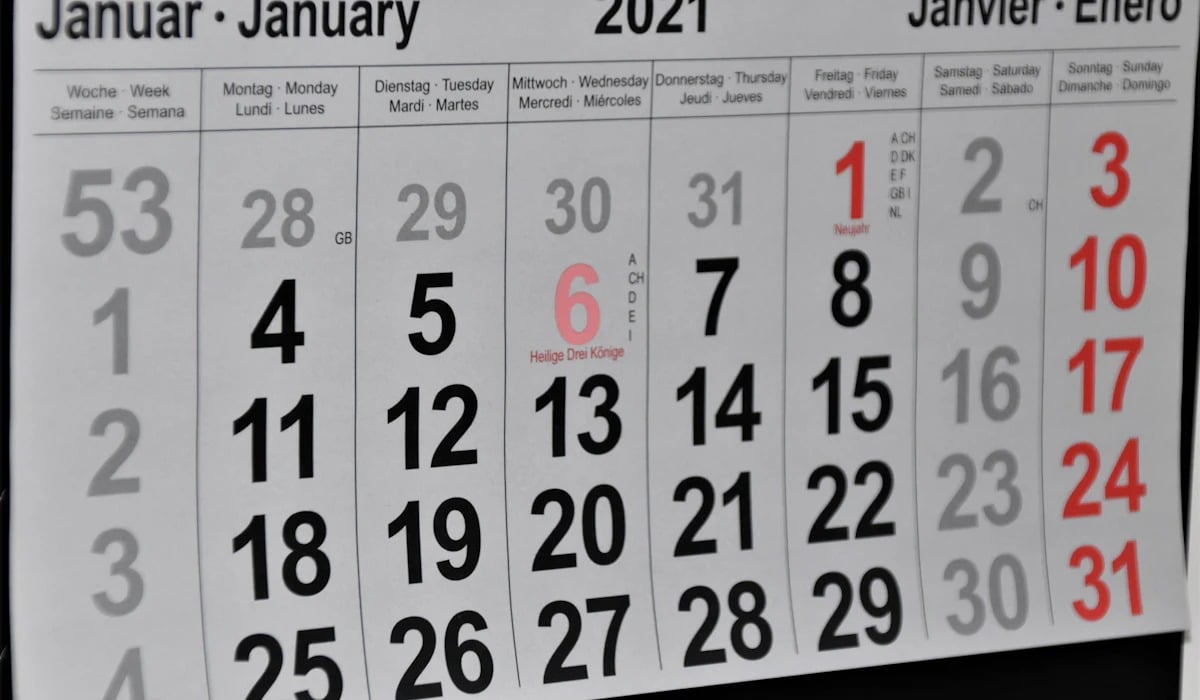
Every January, a station might hand over a calendar with the dealer’s name and phone number printed at the bottom. The large-format calendars featured scenic photography, hunting and fishing art, or illustrations of the company’s own stations and trucks, and they hung in kitchens and garages for twelve months of free advertising.
Independent dealers ordered them from calendar printers in the fall, and the oil company sometimes subsidized the cost. Old examples with striking artwork and an intact pad of months are collectible, but most were torn up and discarded at year’s end.
Ice Scrapers for the Windshield
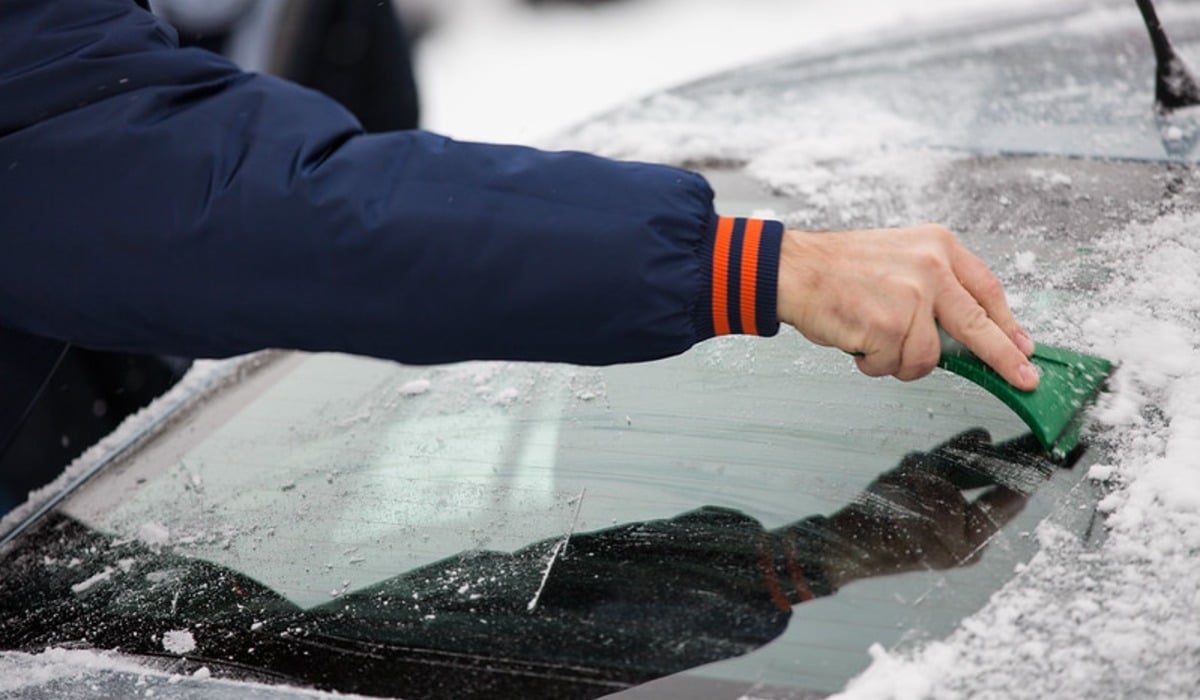
In snow states, the plastic ice scraper with the station’s logo was a useful driver giveaway all winter. Stations sometimes handed them out in November, and the better ones had a brush on the opposite end or a mitt to keep the hand warm.
The scrapers were cheap to produce, which is why some survive in glove compartments and junk drawers decades later. They are a minor collectible, but examples from defunct regional brands such as Pure, Sinclair, and Skelly have a following, with value tied to condition and rarity.
The Union 76 Orange Antenna Topper
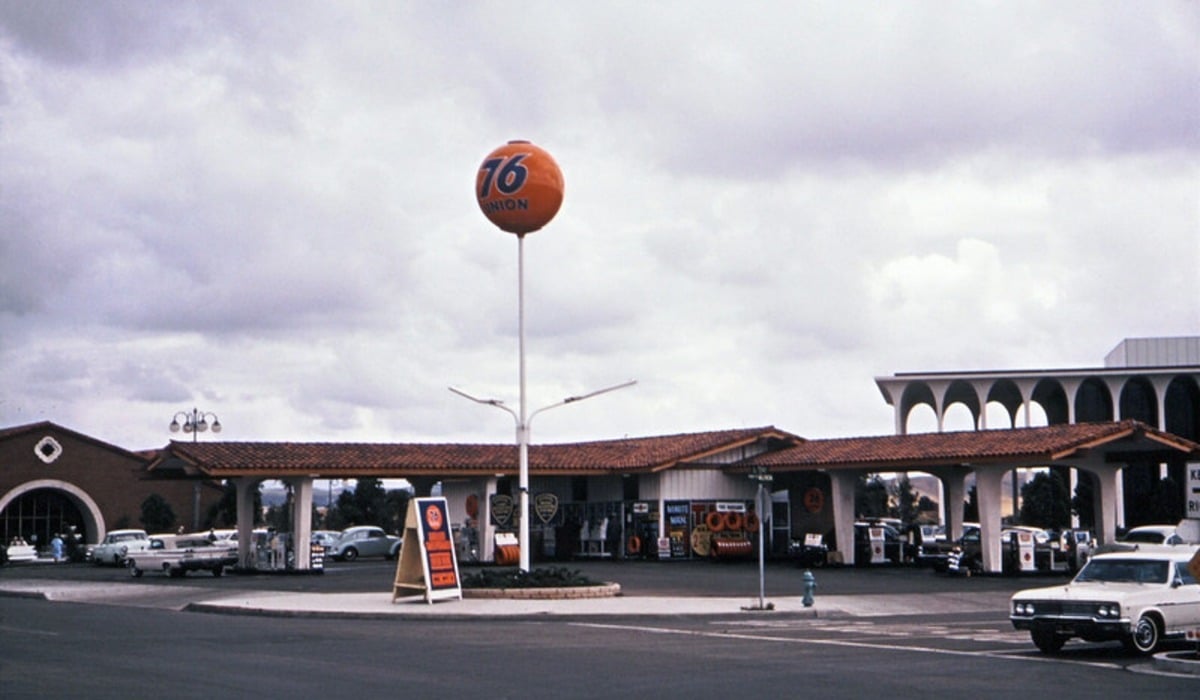
Union Oil’s orange sphere, the same shape as the rotating signs over its stations, became a familiar foam antenna topper associated with the brand. The giveaway was especially recognizable in Southern California, where the company was based, and the orange dot on a car antenna became a regional identifier.
The toppers were distributed over an extended period, and their popularity continued beyond the traditional full-service era. Originals with the 76 logo crisply printed and the foam uncrushed are the ones collectors want, and condition drives the price.
Sinclair Dinosaur Soap and Inflatables
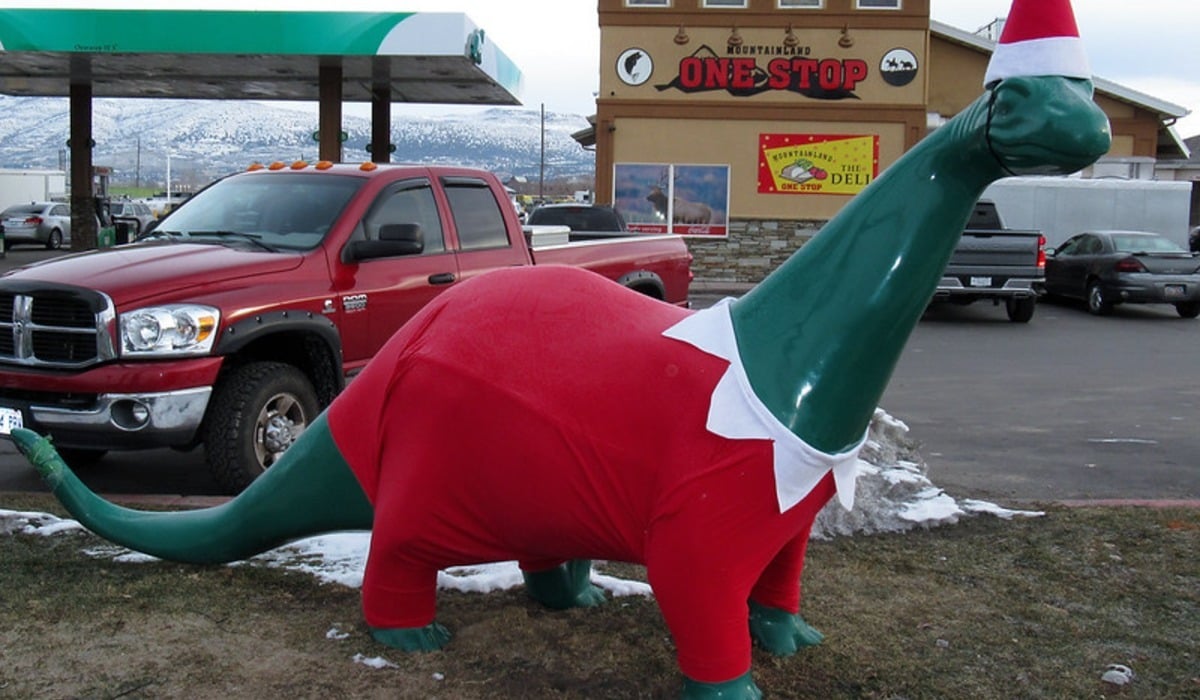
Sinclair’s green brontosaurus, Dino, was one of the most recognizable mascots in American gasoline, and stations gave children dinosaur-shaped soap bars and other dinosaur-themed premiums during the ’60s. The Henry Ford Museum holds a Sinclair Dino soap dated to the 1960–1967 period, confirming that the soap was part of the company’s promotional history.
Sinclair’s dinosaur exhibit at the 1964 New York World’s Fair helped raise the mascot’s profile. Soap bars that survived unused are scarce, and inflatables that still hold air can command a premium, with condition being everything.
Free Coffee for the Road
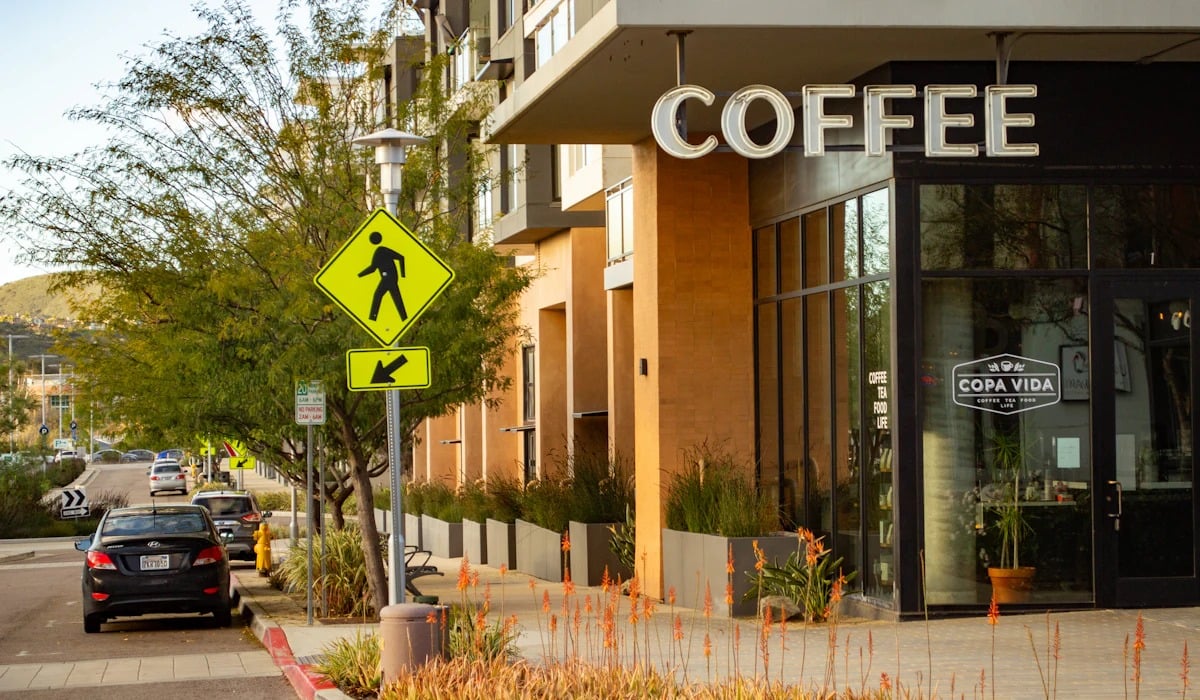
As the full-service era wound down in the ’70s, some stations and truck stops began offering a free cup of coffee with a fill-up, a goodwill gesture that cost pennies and encouraged drivers to return. The practice varied by business and location, especially as more stations added convenience stores alongside the pumps.
It marked the shift from service at the car to service inside the store, where the profit margin on a hot drink could exceed the margin on gasoline. Today, free coffee is more often tied to a specific promotion or loyalty program than offered automatically with every fill-up.
The Price of a Clean Windshield
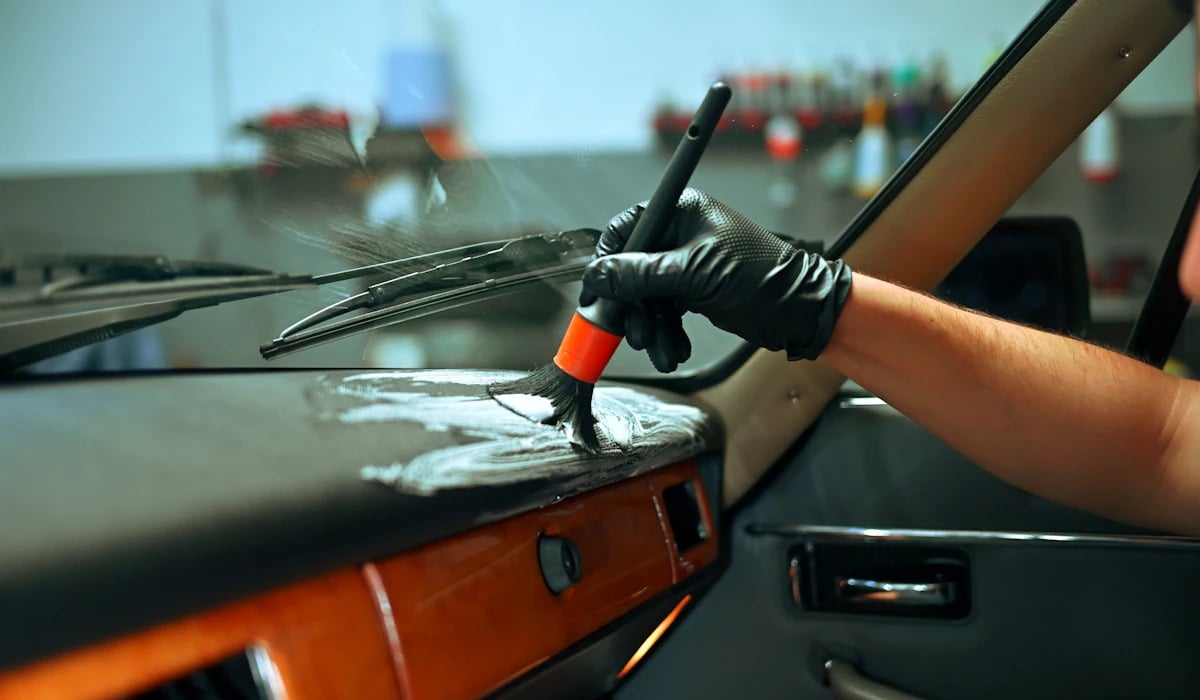
None of this was charity. The windshield wash, the glassware, and the stamps existed because gasoline was a commodity and the only way to make one brand’s pump more attractive than the next was to attach something to it.
Oil companies spent heavily on premiums because fuel margins were often thin and customer loyalty mattered. The driver who collected a full set of tumblers was a driver who had passed up a dozen competitors.
The self-service pump ended much of the arrangement by removing the person who delivered it. Once the customer pumped the gas, there was no one to check the oil, hand over a map, or tie a tiger tail to the cap.
What remains is a market in old glasses and toy trucks, priced by condition, and a generation that still instinctively looks for someone to come to the window.
More from Go2Tutors!

- The Romanov Crown Jewels and Their Tragic Fate
- 13 Historical Mysteries That Science Still Can’t Solve
- Famous Hoaxes That Fooled the World for Years
- 15 Child Stars with Tragic Adult Lives
- 16 Famous Jewelry Pieces in History
Like Go2Tutors’s content?Follow us on MSN.